Museum of the Bible in Washington D.C.: Complete Guide, Costs + Info 2026
I have spent many years visiting sacred sites and history museums all over the world. Walking through the doors of the Museum of the Bible in Washington D.C. genuinely stopped me in my tracks.
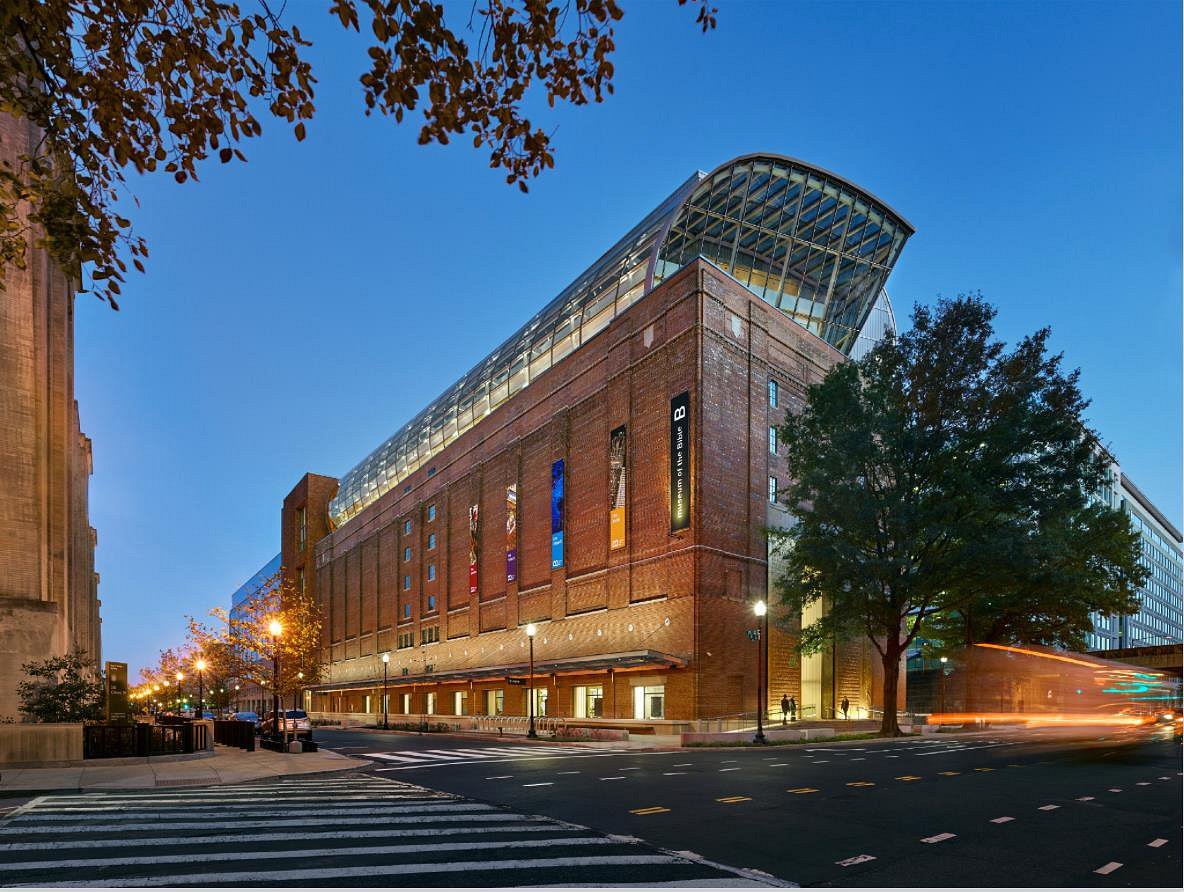
Located just three blocks from the U.S. Capitol, the Museum of the Bible is one of the world’s most impressive privately funded museums, spanning 430,000 square feet across eight floors of immersive exhibits and rare artifacts.
This is one of the most immersive and thoughtfully designed museums in the city. It blends archaeology, ancient manuscripts, and modern storytelling in a way that feels both educational and deeply engaging.
If you love history and the kind of museum that actually makes you feel something, this one is for you.
In this post, I will walk you through everything you need to know before visiting the Museum of the Bible, including tickets, costs, highlights, dining, and and the best ways to pair your visit with other Washington D.C. landmarks.
Plan Your Trip With My Favorite Resources
– Best accommodation site: Booking.com
– Book day tours here: Viator.com
– Purchase travel insurance here: SafetyWing
Museum of the Bible Quick Info
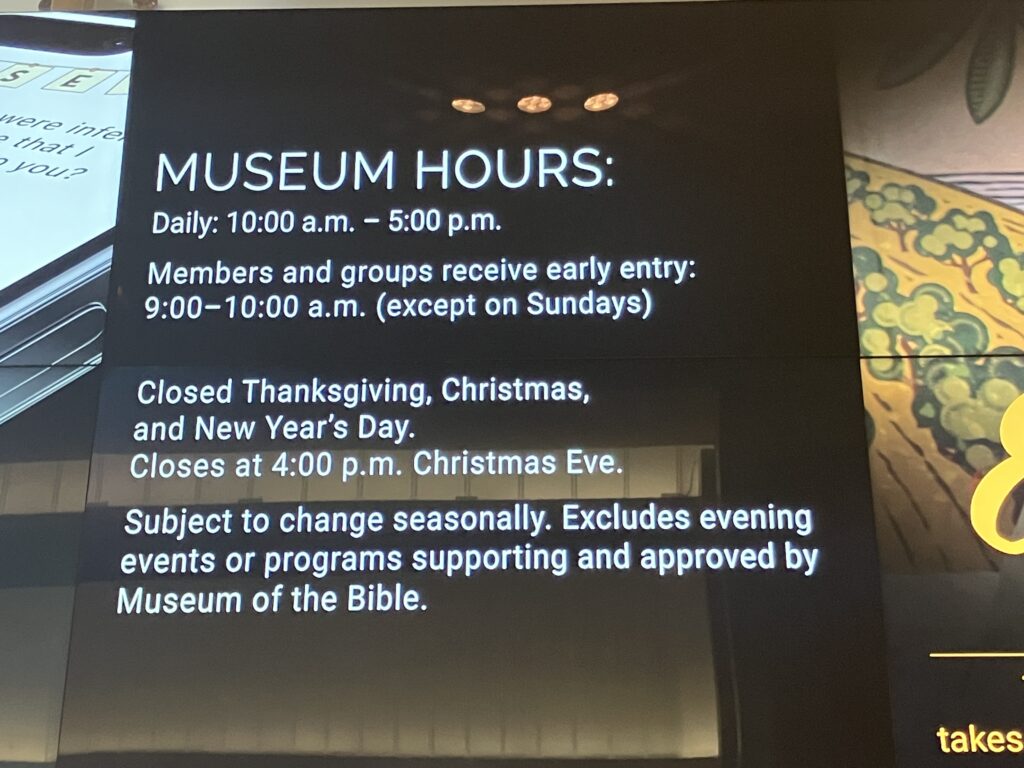
Opening Hours: Mon-Sat 9:00am-5:00pm; Sun 1:00pm-7:00pm (holiday exceptions apply)
Location: 400 4th Street SW, Washington, D.C. 20024 (just 2 blocks from the National Mall)
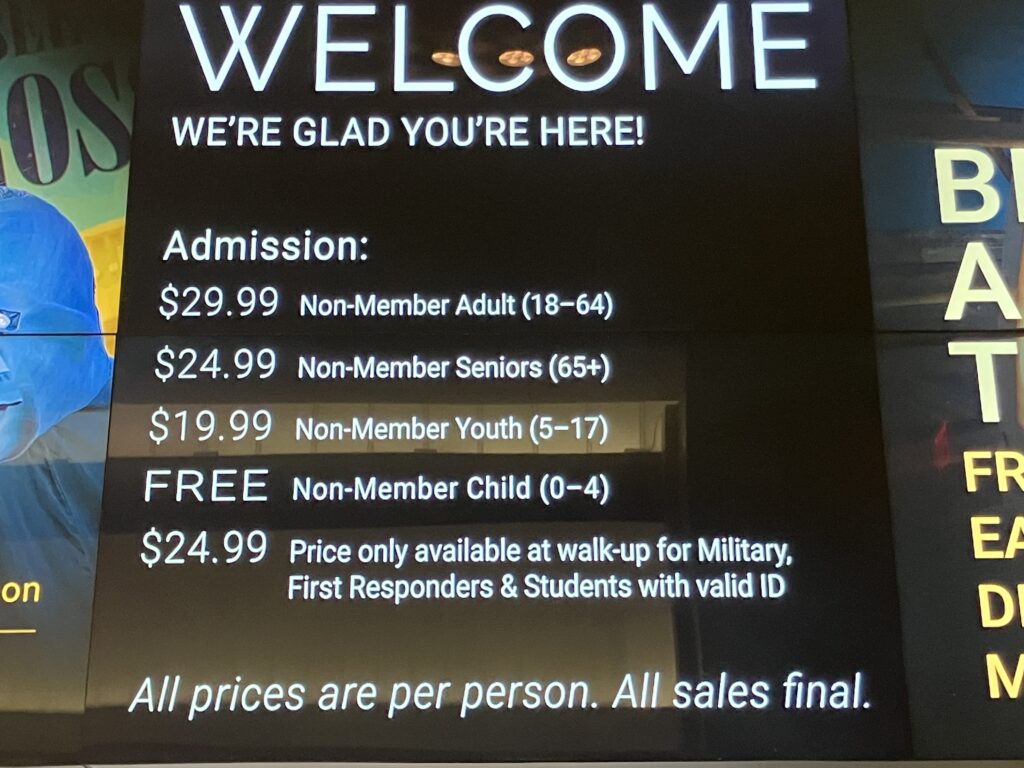
Admission: Mon/Wed/Thu: adults (18-64) $28.50, seniors (65+, walk-up) $24.50, youth (5-17) $20. Fri-Sun: adults $37.50, seniors (walk-up) $32.50, youth $27. Ages 0-4 and members free
Free Entry: Floor 1 is FREE; every Tuesday general admission is free through May 18, 2027 ($1 online booking fee; fee-free walk-up tickets subject to availability)
Special Offer: 50% off walk-up admission after 3:00pm Mon-Sat and after 5:00pm Sunday
Metro Station: Federal Center SW (Orange, Blue, Silver Lines)
Visitor information checked October 9, 2026 against the museum’s visit guide, FAQs, and dining page. Prices and hours can change; confirm before traveling.
About Museum of the Bible?
The Museum of the Bible is a 430,000-square-foot, 6-floor building. It opened on November 17, 2017. Since then, it has welcomed more than 3M visitors.
The museum was founded by the Green family, the owners of Hobby Lobby. Their mission was to explore the Bible’s history, its stories, and its impact on civilizations around the world.
What I appreciated most was the museum’s stated goal. They are not here to tell you what to believe. They want you to engage with the text, the history, and the evidence.
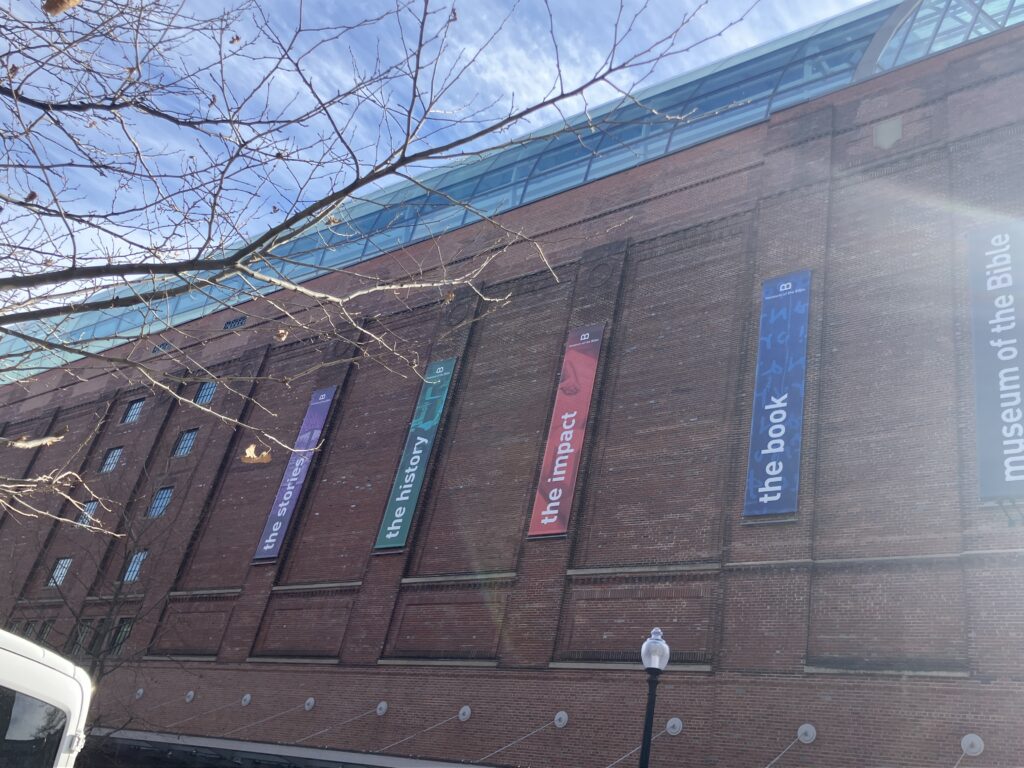
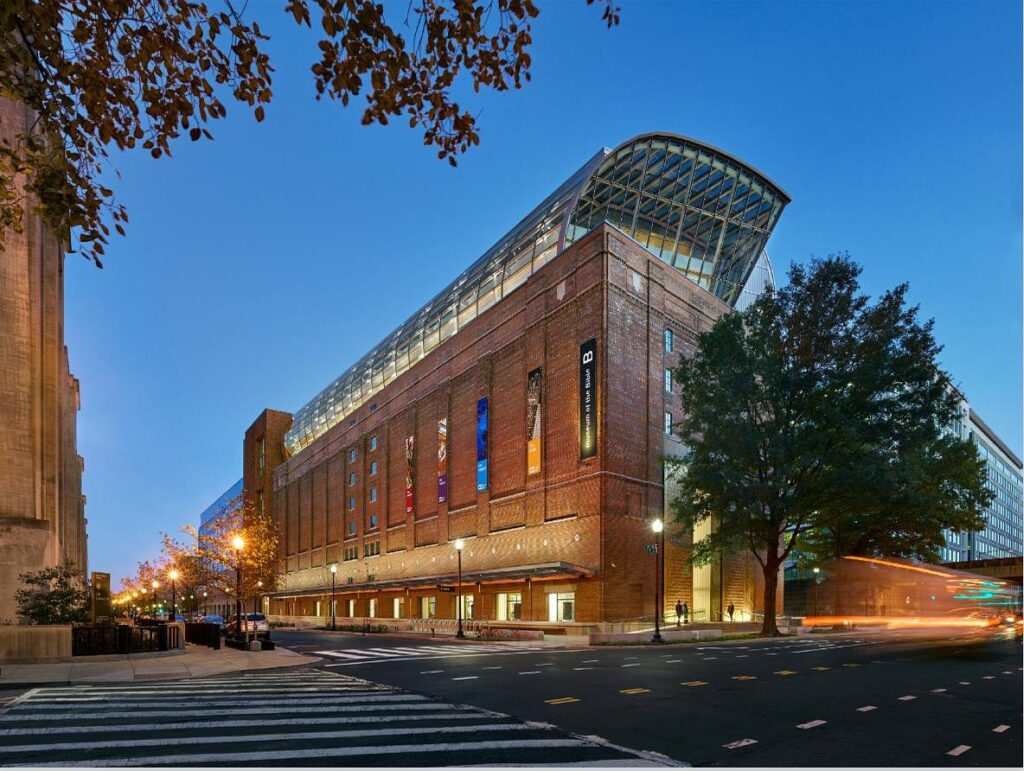
The building itself is stunning. It was originally a 1923 refrigerating and warehousing warehouse – yes, really! The Green family purchased it in 2012. Seven design firms transformed it into a world-class destination. Walking in, you feel it immediately. This is not just a building – it is a statement!
The Entrance: Those Bronze Doors
Before you even step inside, the 40-foot bronze doors will stop you cold. They are engraved with text from Genesis in Hebrew. They are simply breathtaking. I stood there for a full minute just taking them in.
Once you step through, the grand lobby opens before you. A soaring digital ceiling display rotates through colorful, illuminated designs all day long. It is visually stunning. It sets the tone perfectly for everything that follows.
Museum Highlights: Must-See Artifacts and Exhibits
The museum holds around 1,500 artifacts spanning 4,000 years of history. Some are ancient and some are rare beyond imagination. Some stopped me completely in my tracks. Here are the ones you absolutely cannot walk past.
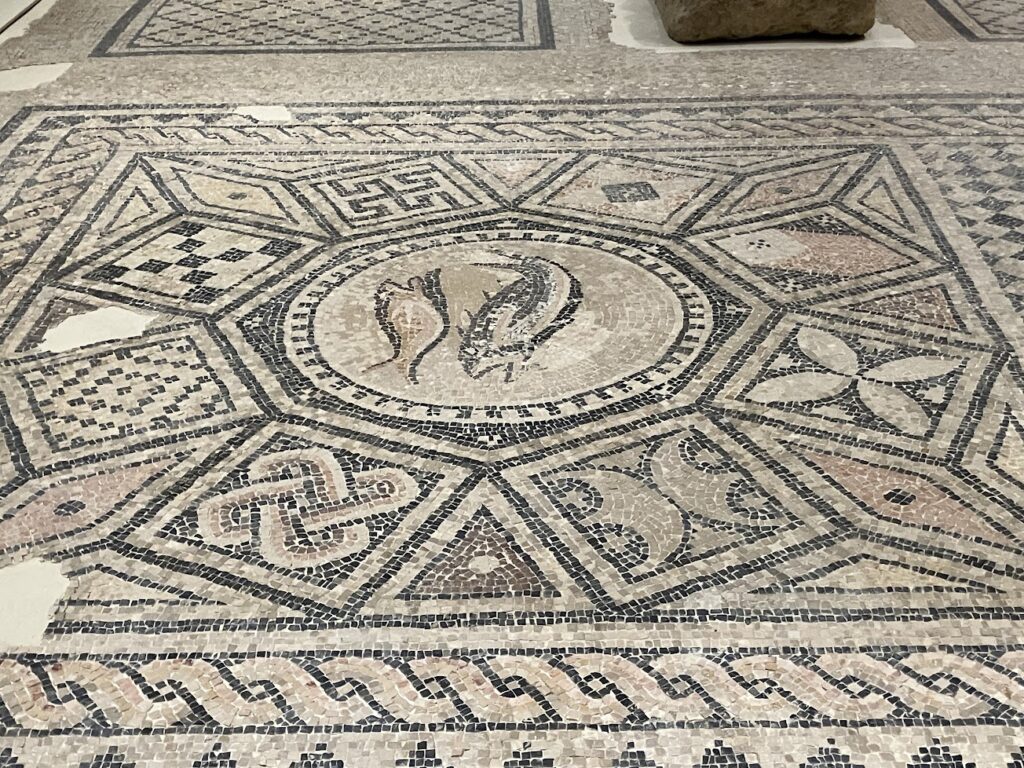
1) The Megiddo Mosaic – The Oldest Known Christian Inscription
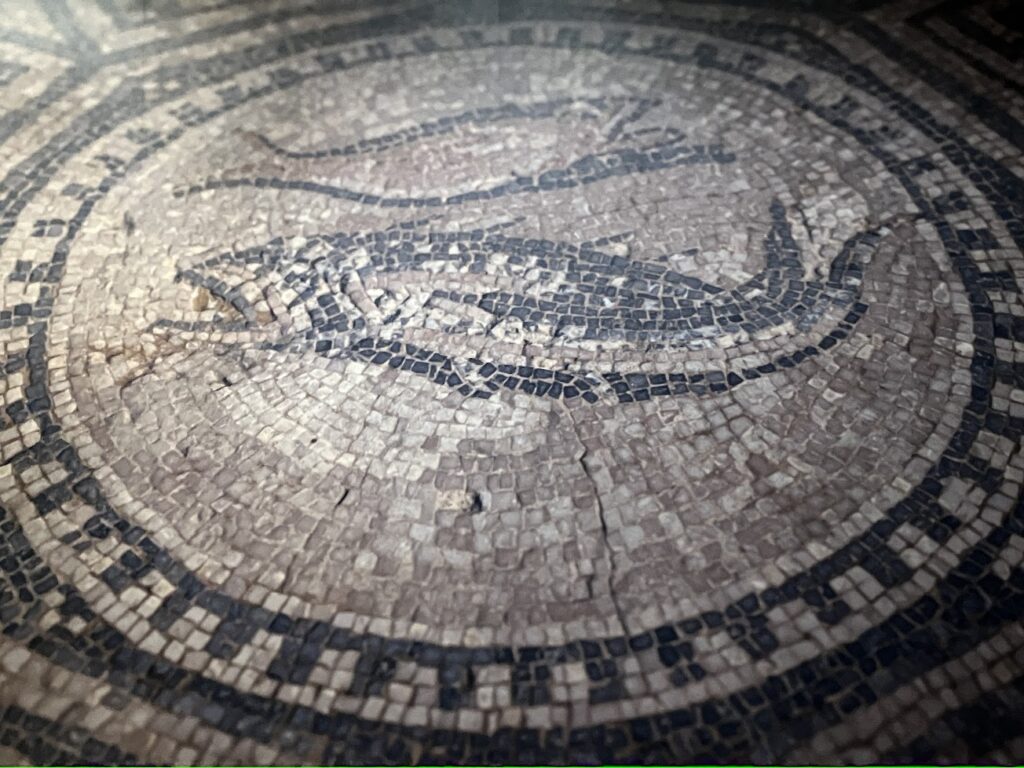
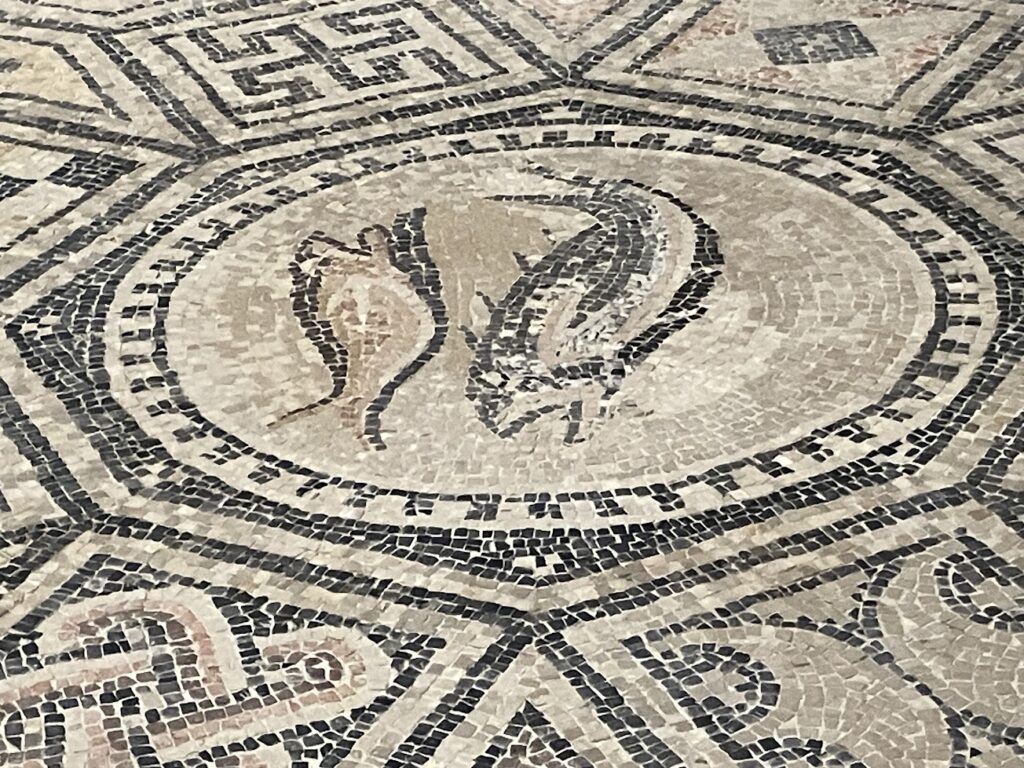
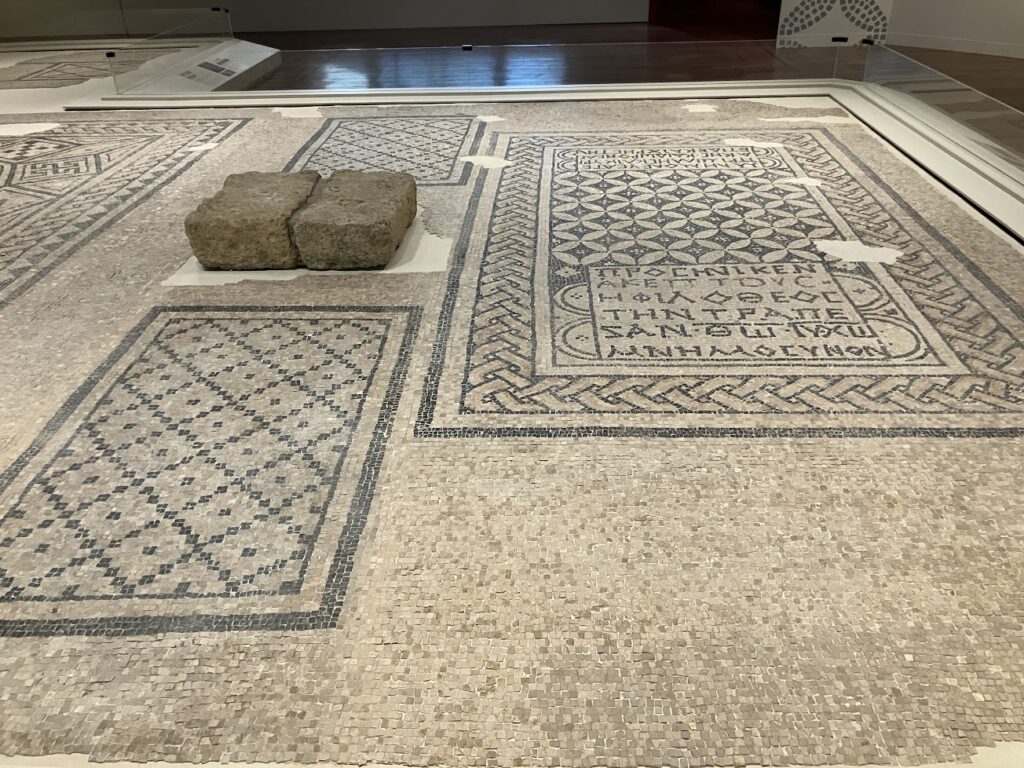
This is the crown jewel of the museum right now. It is a 3rd-century A.D. mosaic floor. Discovered in northern Israel between 2003 and 2005, it is believed to be from one of the earliest known sites of Christian worship in the world.
What makes it extraordinary? It contains what scholars consider the oldest-known inscription identifying Jesus as God. There are also dedications from a Roman centurion and a woman known only as “the God-lover.” I was so moved standing in front of it. A soldier and an ordinary woman, worshipping in secret, nearly 1,700 years ago. And this fragile mosaic is all they left behind.
Best of all – it is free to see on Floor 1. No ticket needed.
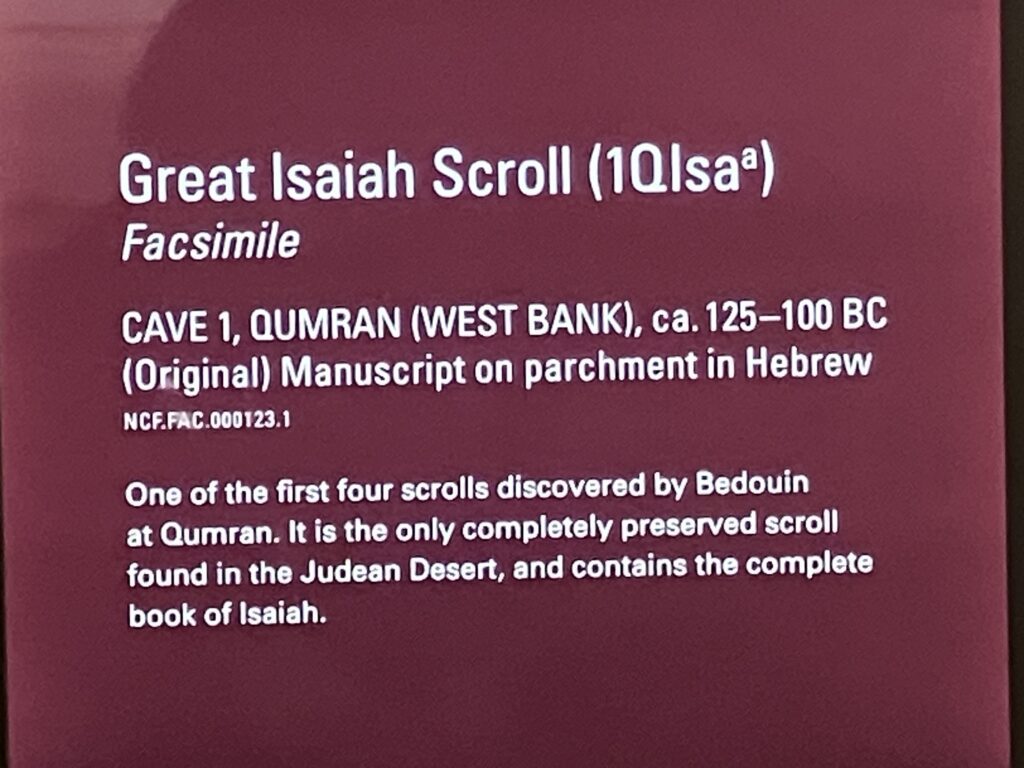
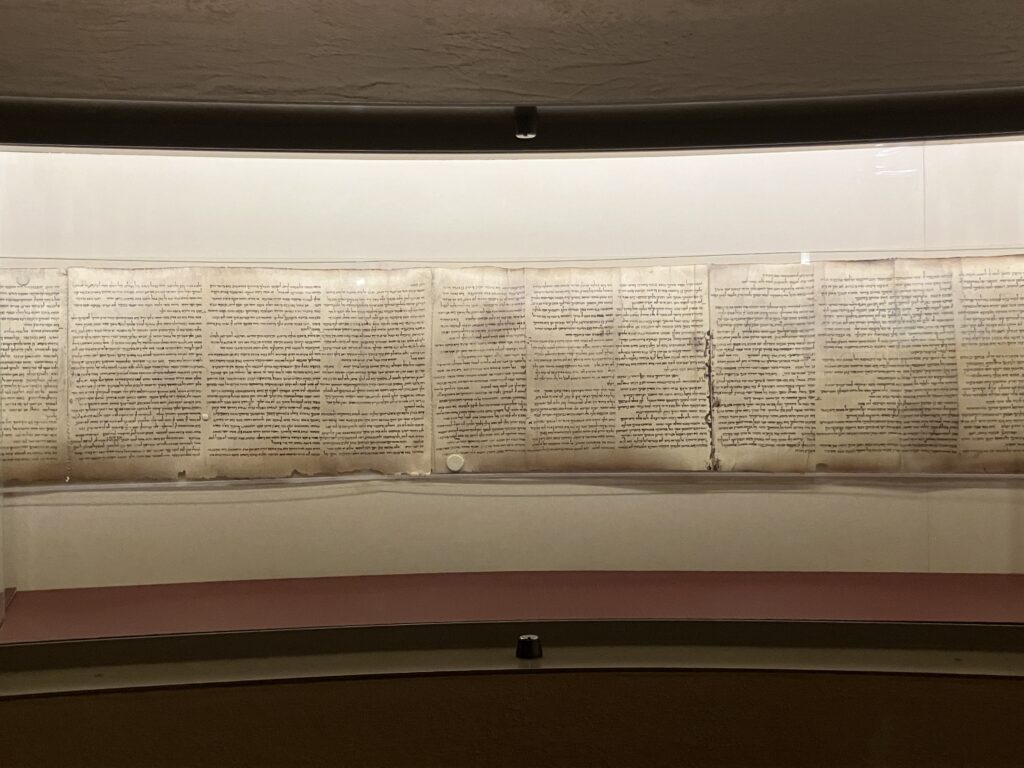
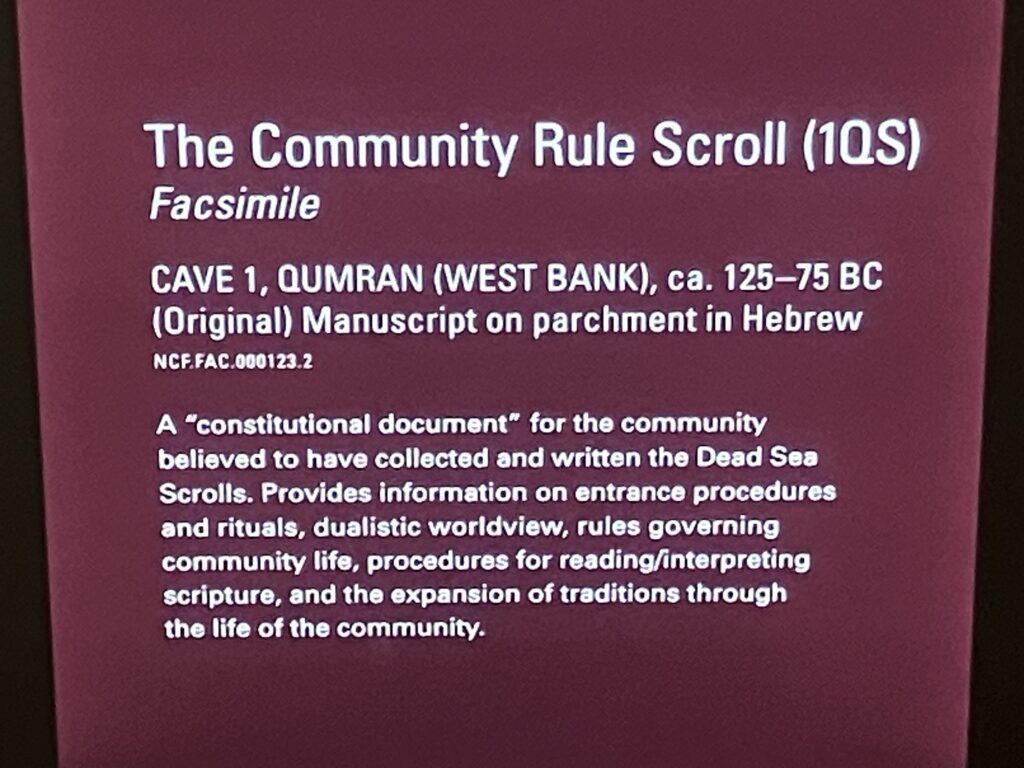
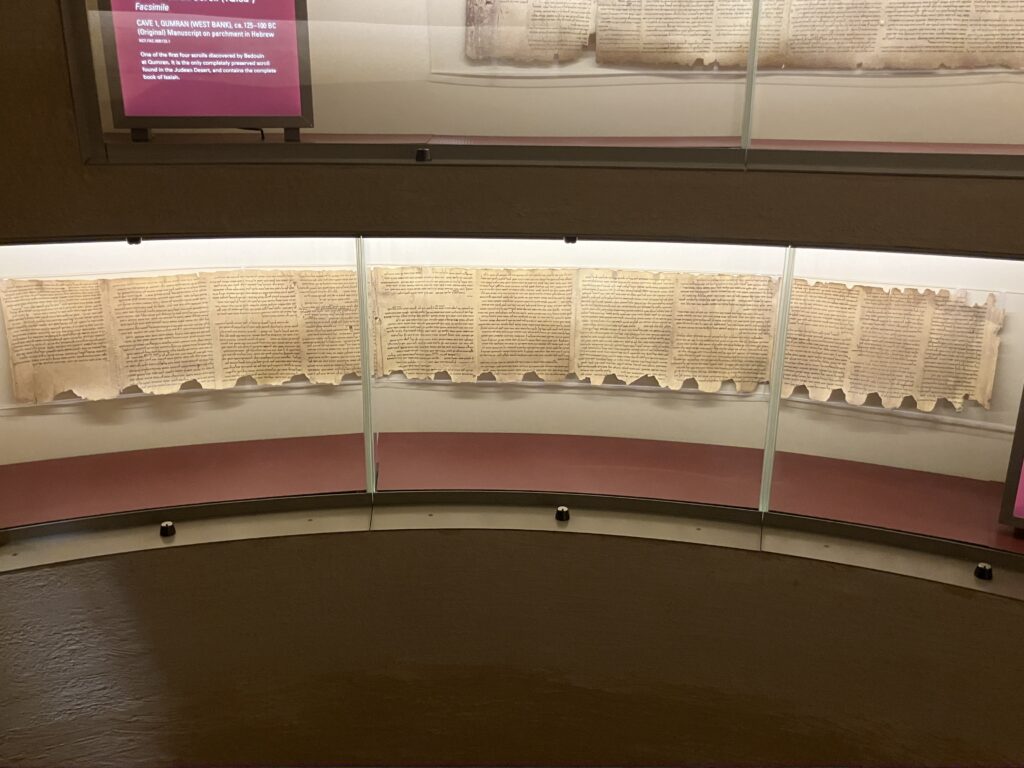
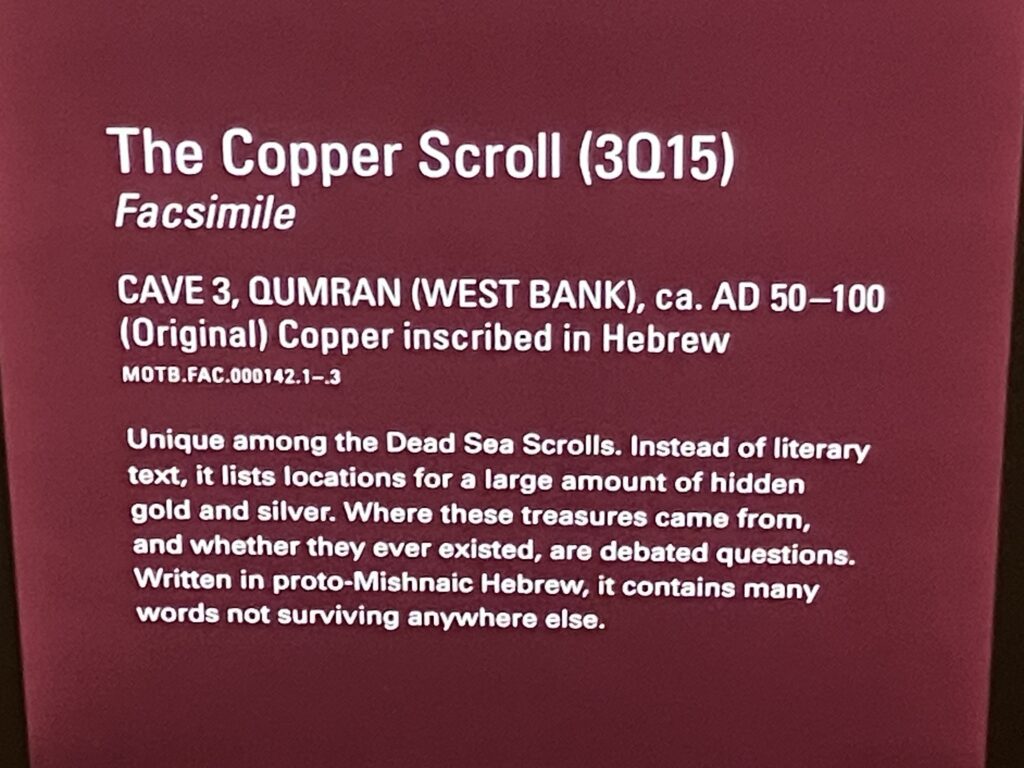
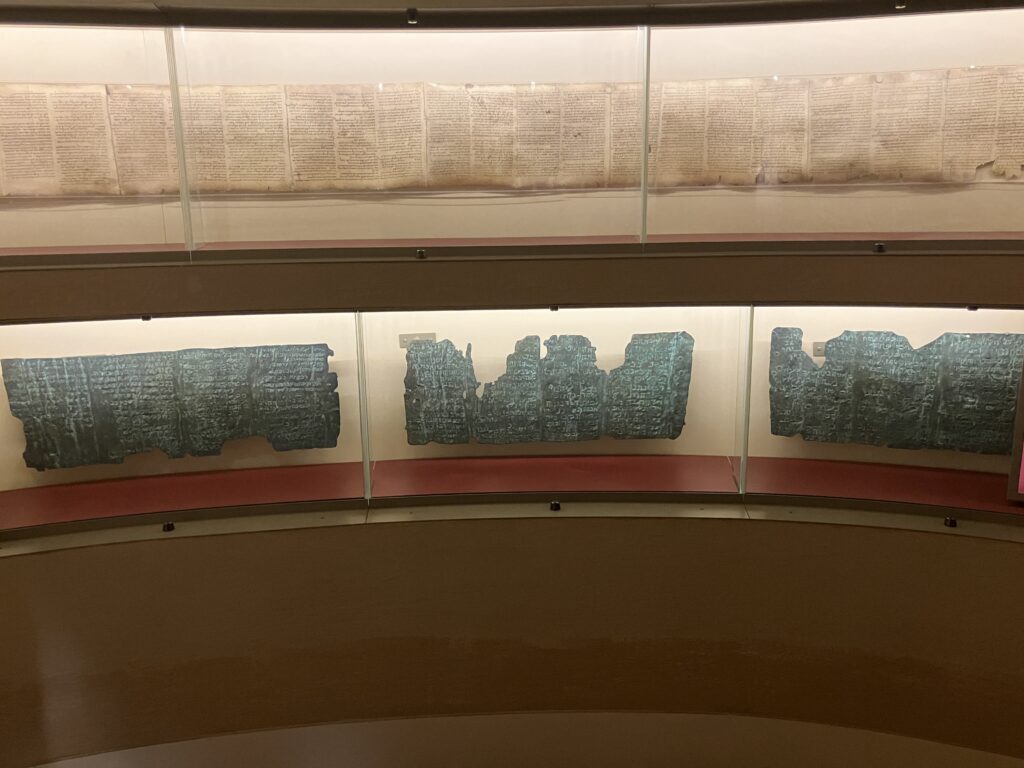
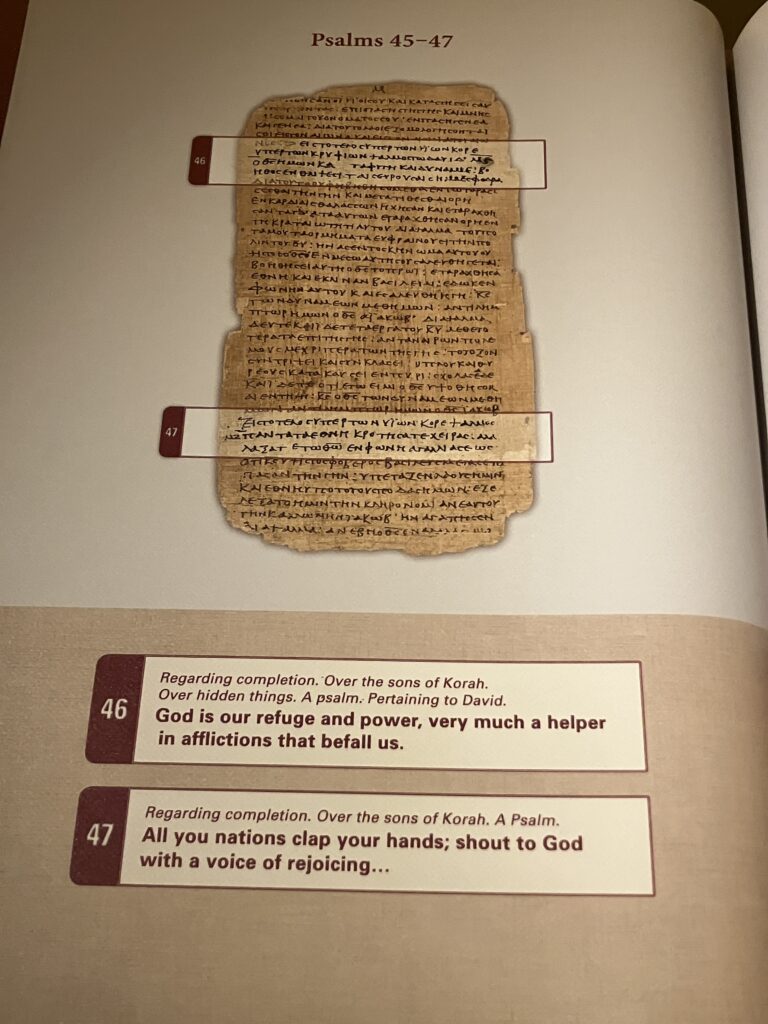
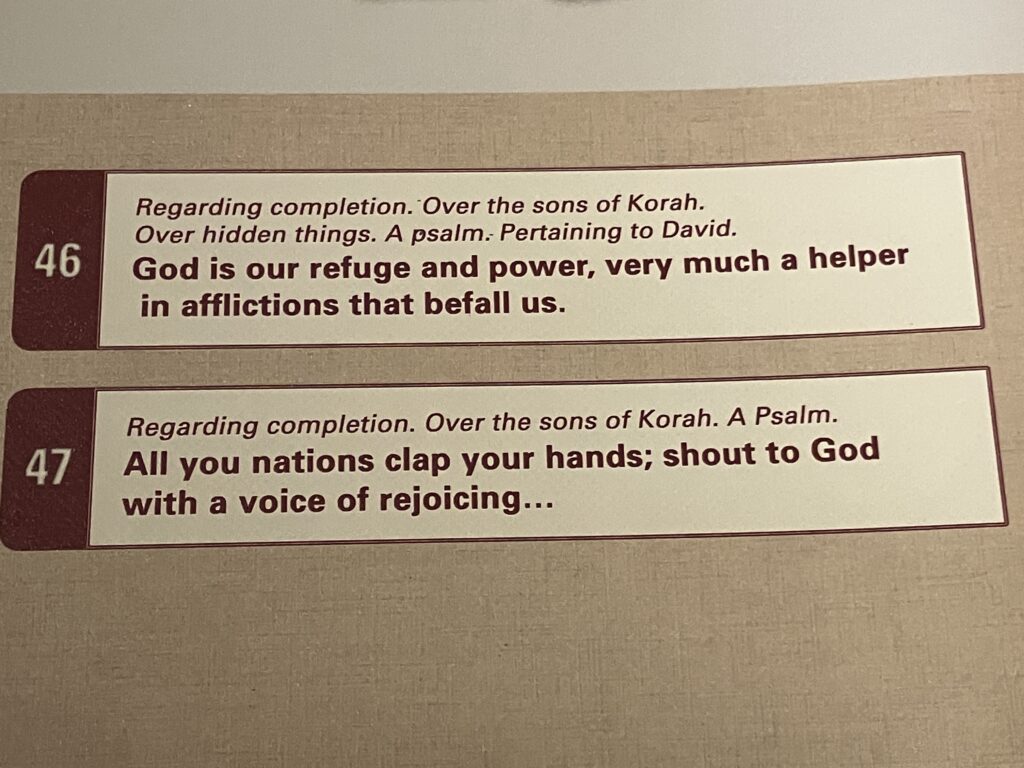
2) The Dead Sea Scrolls
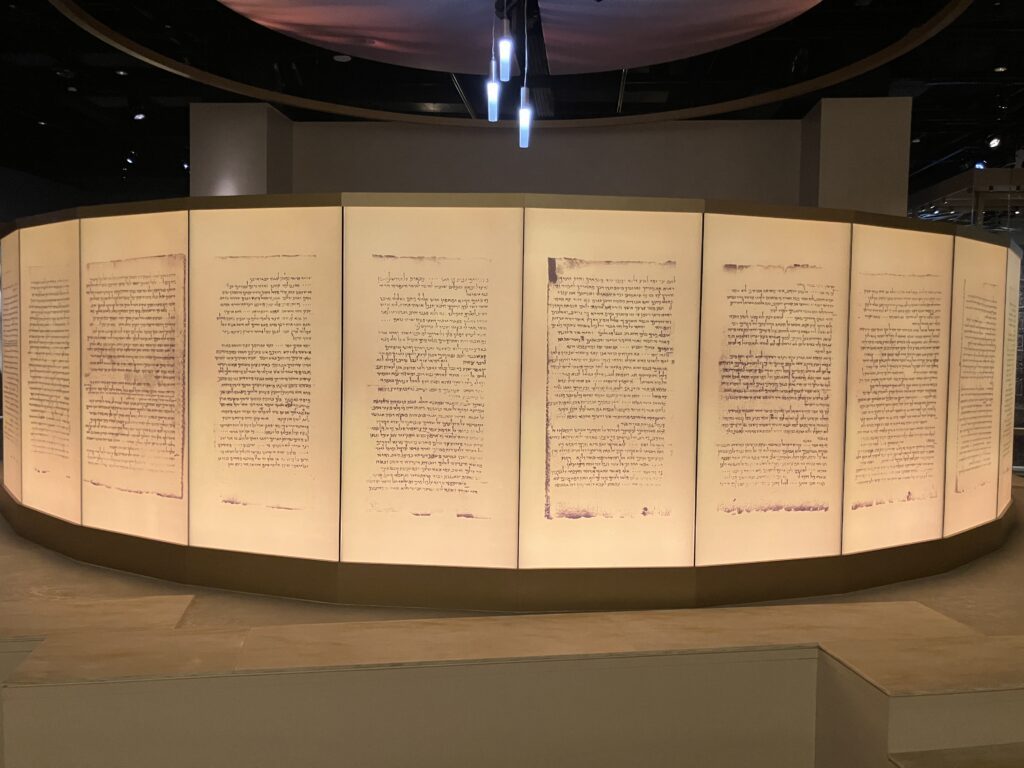
The Dead Sea Scrolls were found between 1947 and 1956 in caves near the Dead Sea, one of the most extraordinary archaeological discoveries of the 20th century.
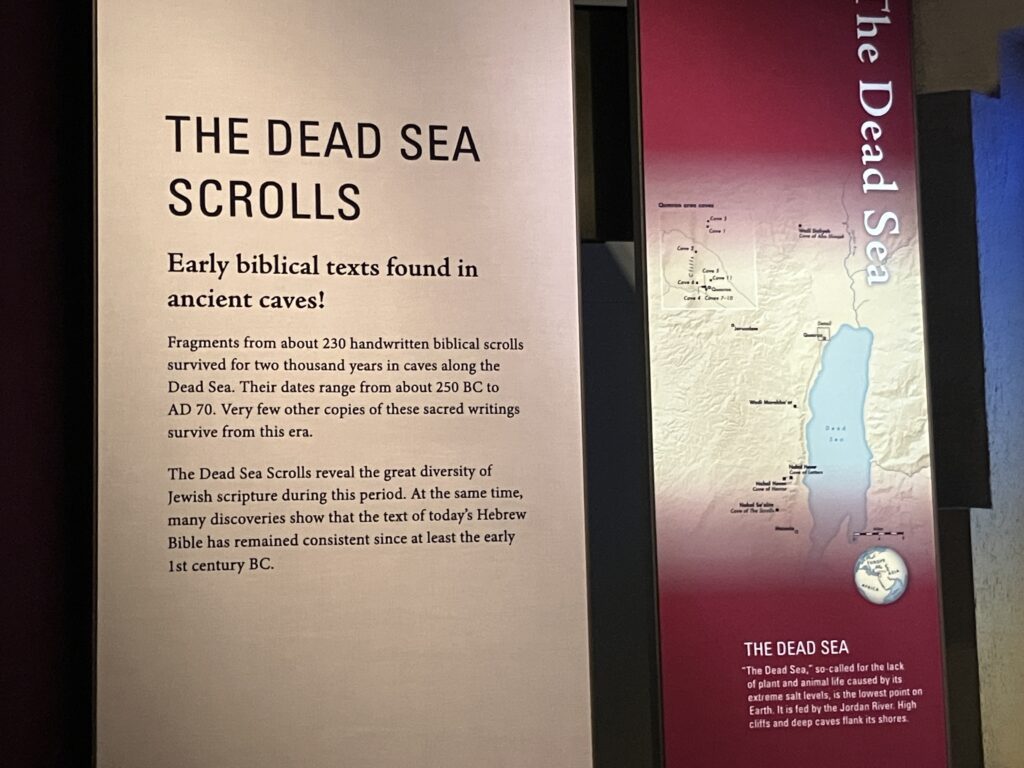
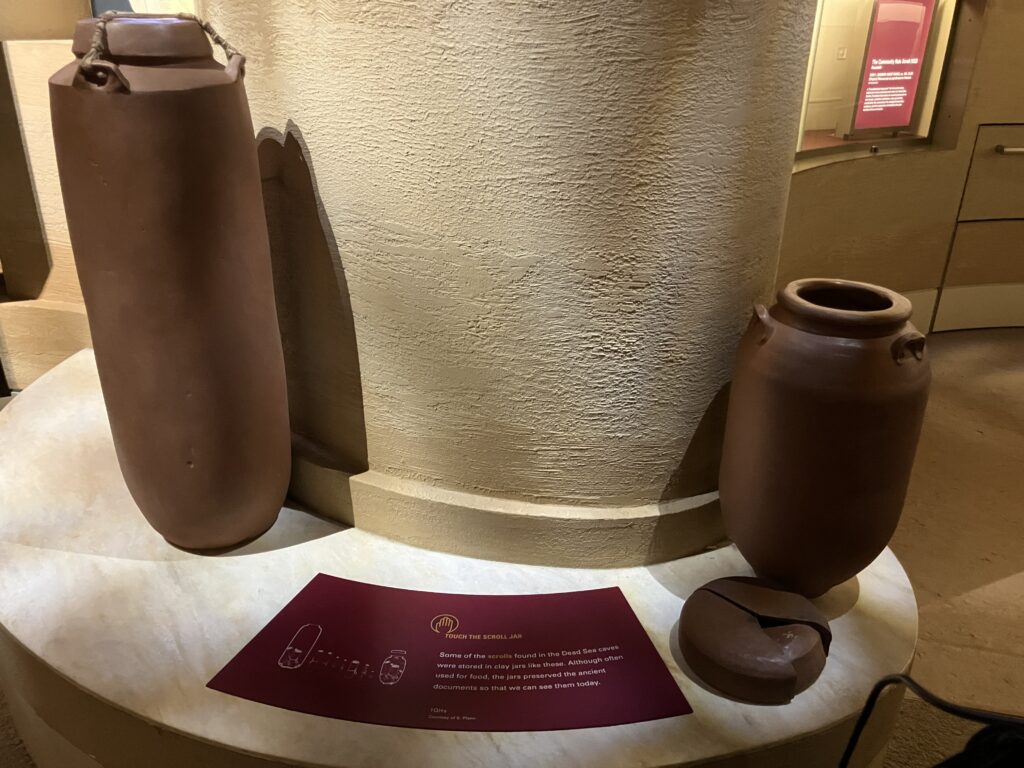
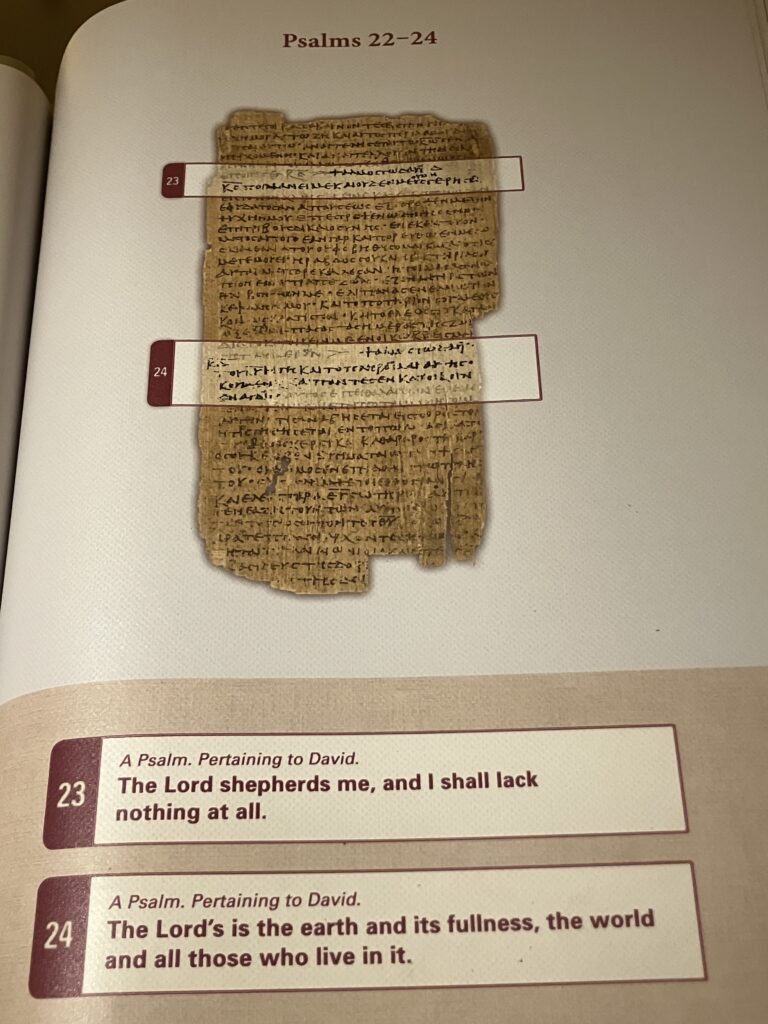
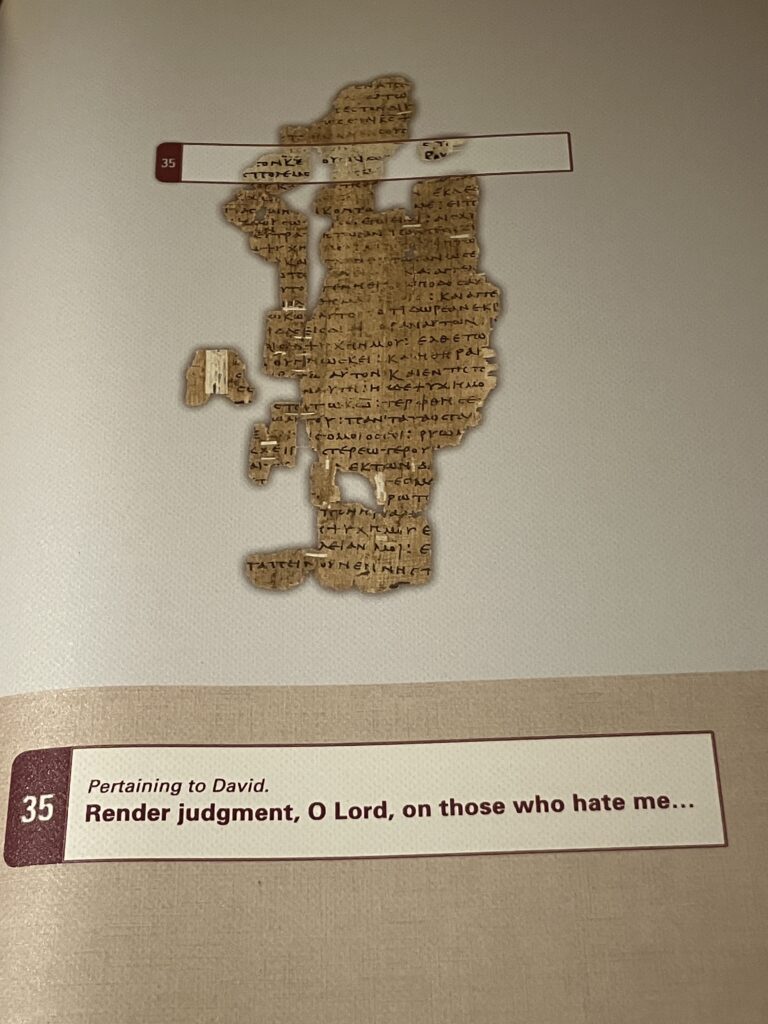
Fragments from around 230 handwritten scrolls survived for nearly 2,000 years in desert caves, often sealed inside clay jars. These texts date from approximately 250 B.C. to A.D. 70 and include the oldest known manuscripts of nearly every book of the Hebrew Bible.
Seeing even a small fragment in person is powerful. These are not copies of copies—they are direct voices from the ancient world.
Before their discovery, the oldest known Hebrew manuscripts dated to around A.D. 900. The Dead Sea Scrolls pushed that timeline back by nearly 1,000 years.
They confirmed something remarkable. The text of Scripture had been transmitted with extraordinary faithfulness across centuries.
At the same time, the scrolls reveal something equally fascinating: there was greater diversity in Jewish scripture and interpretation during this period than many people realize.
If you’re fascinated by biblical history beyond museums, don’t miss my guide to How to Visit the Dead Sea – Saltiest Body of Water on Earth, one of the most unique landscapes connected to ancient Scripture.
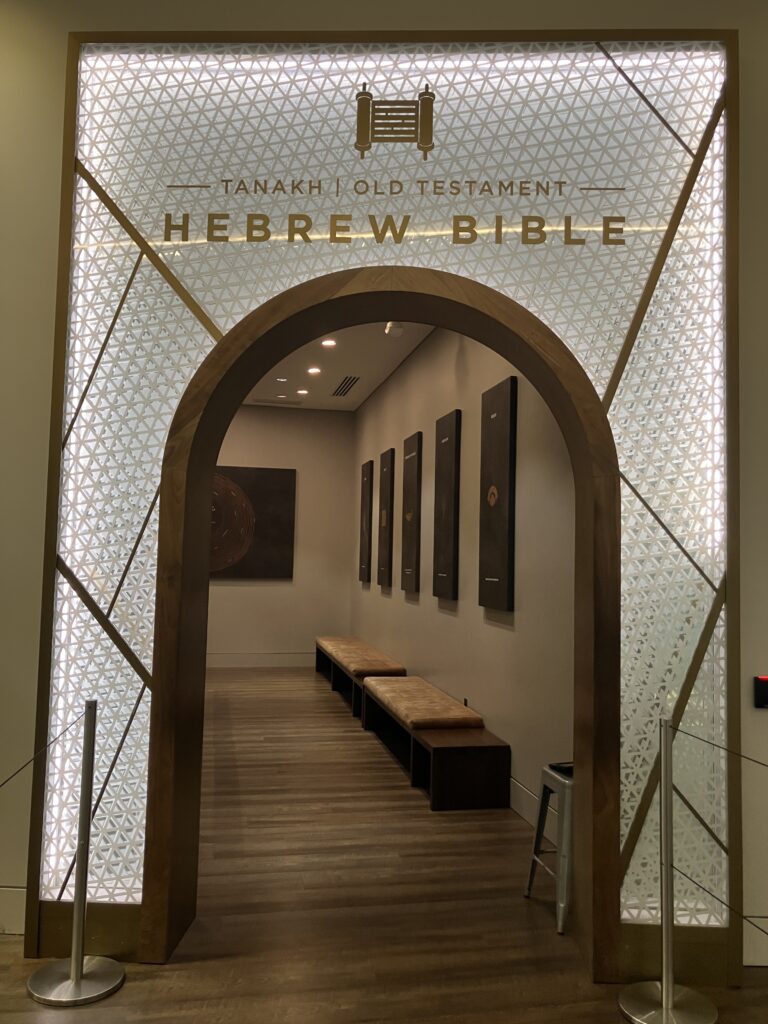
3) The Hebrew Bible Experience
The Hebrew Bible Experience is a 30-minute walkthrough that presents key stories from the Old Testament in an immersive format. Visitors move through a series of themed displays that illustrate major narratives from the Hebrew Bible.
The experience includes scenes such as Noah’s Ark, the burning bush, and Passover, shown through staged, dramatic installations designed to visually explain each story.
It’s a structured, self-guided experience that focuses on storytelling through visual presentation, making it easy for visitors to follow the sequence of events without needing additional explanation.
4) illumiNations
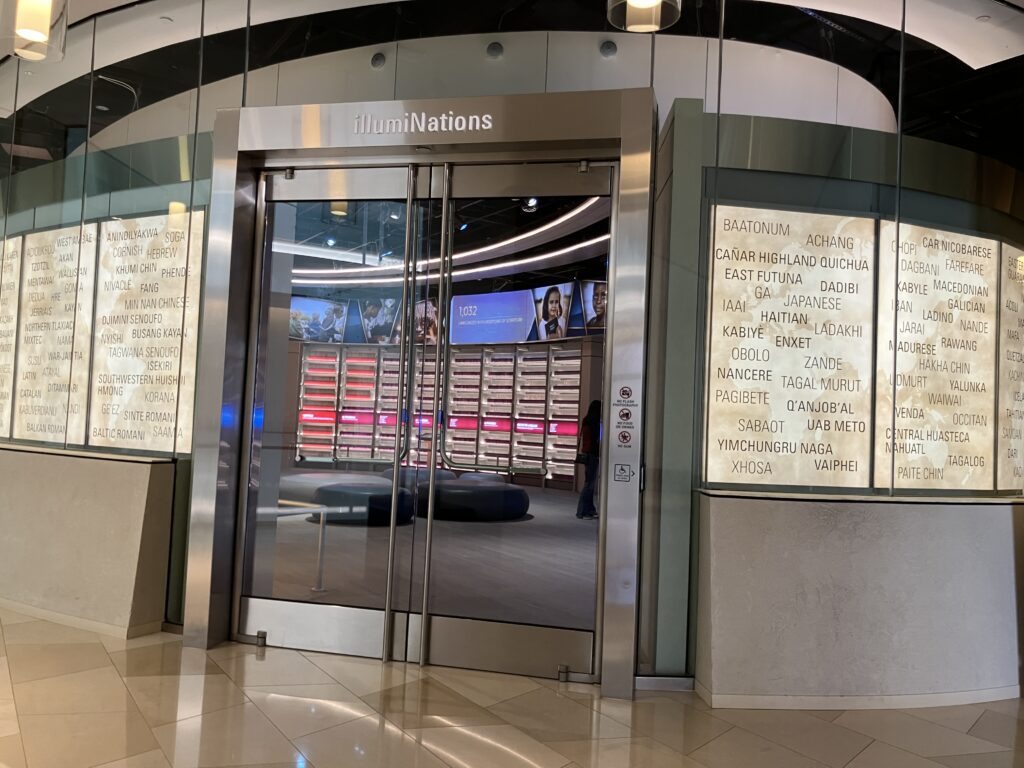
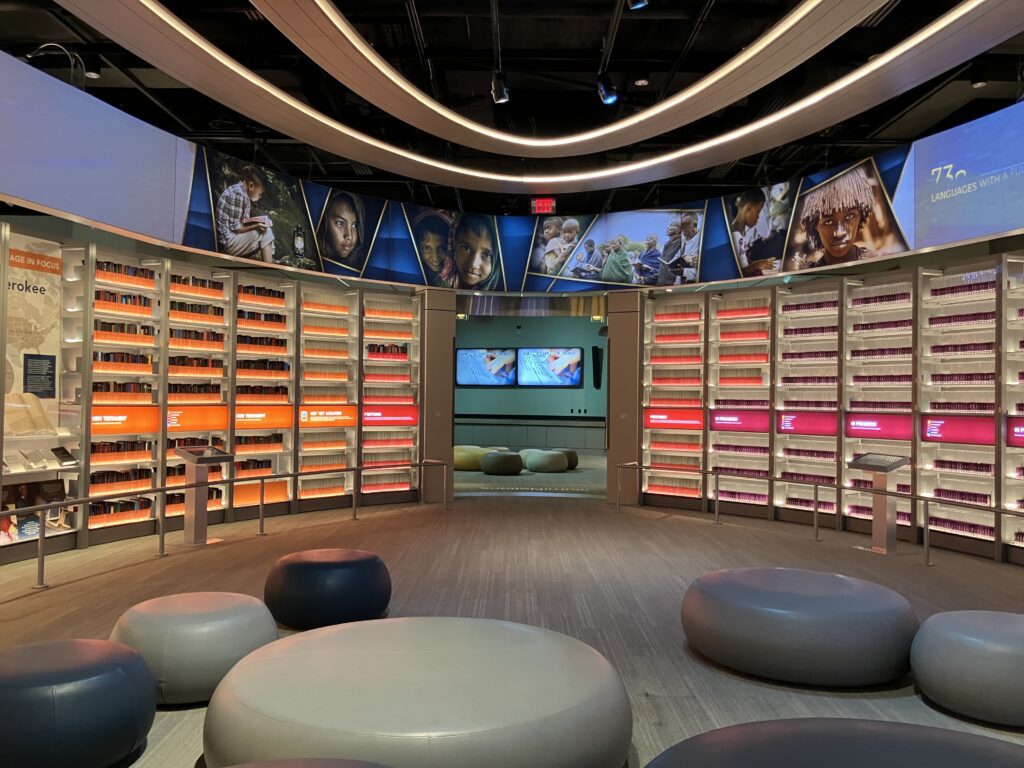
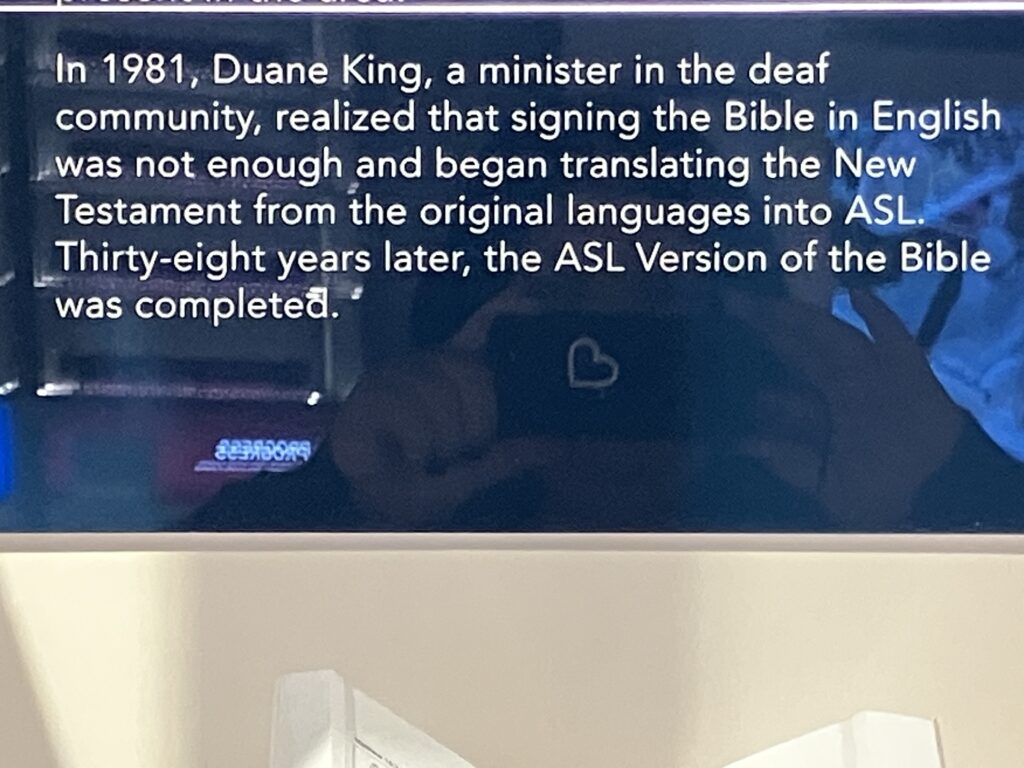
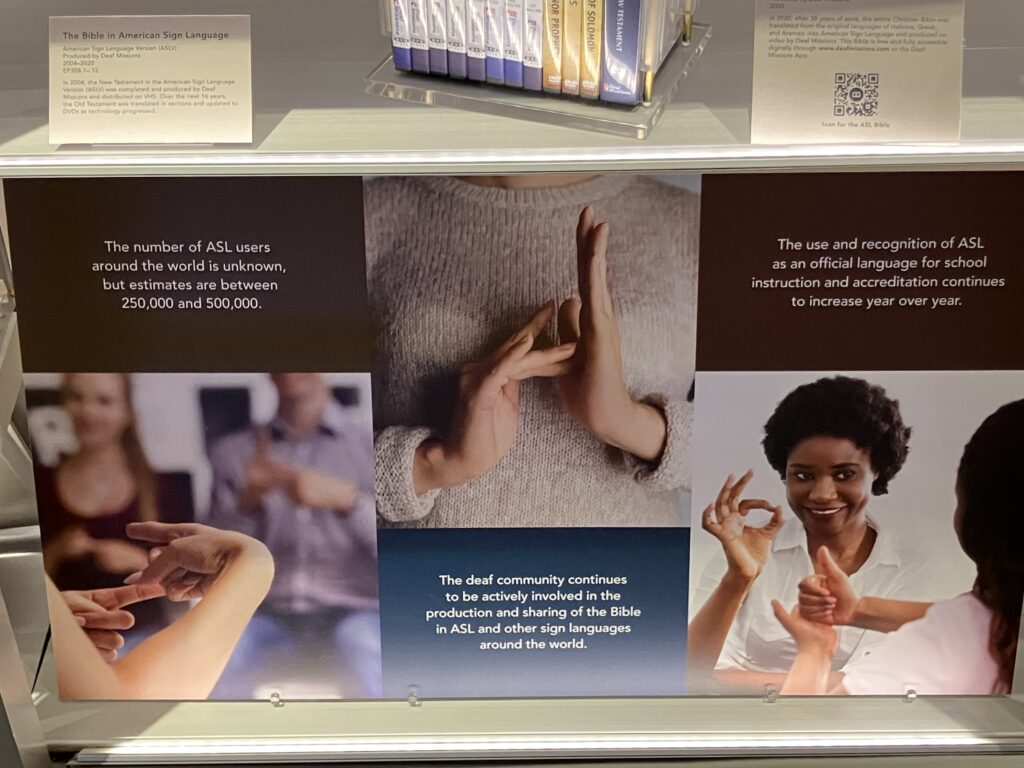
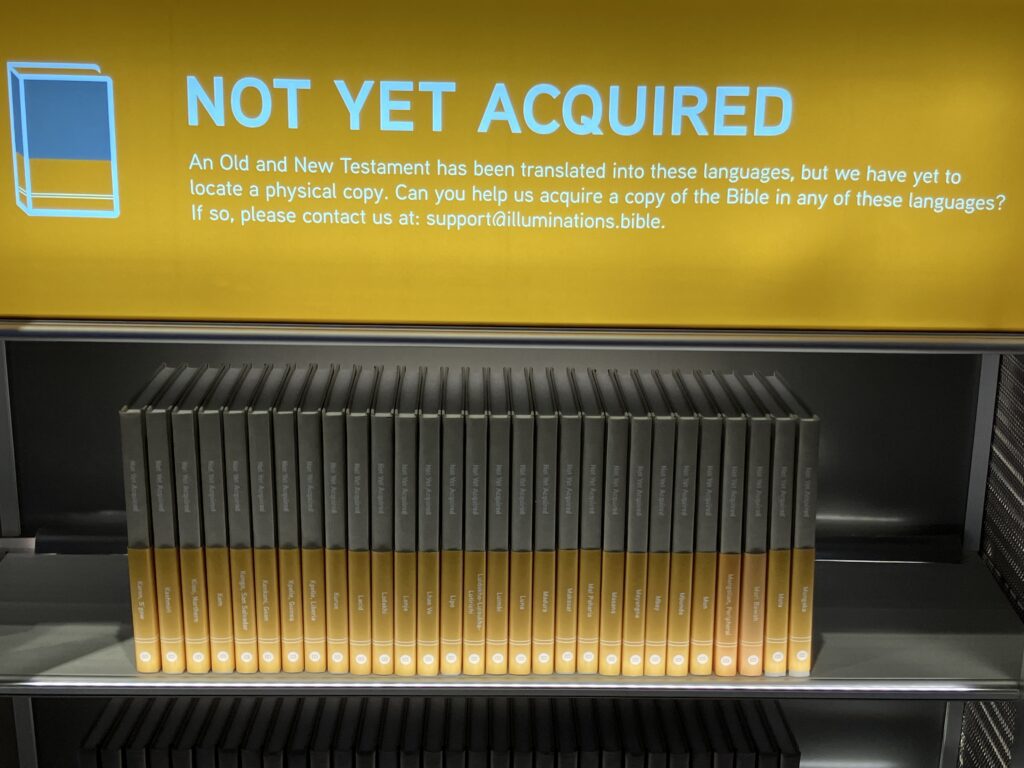
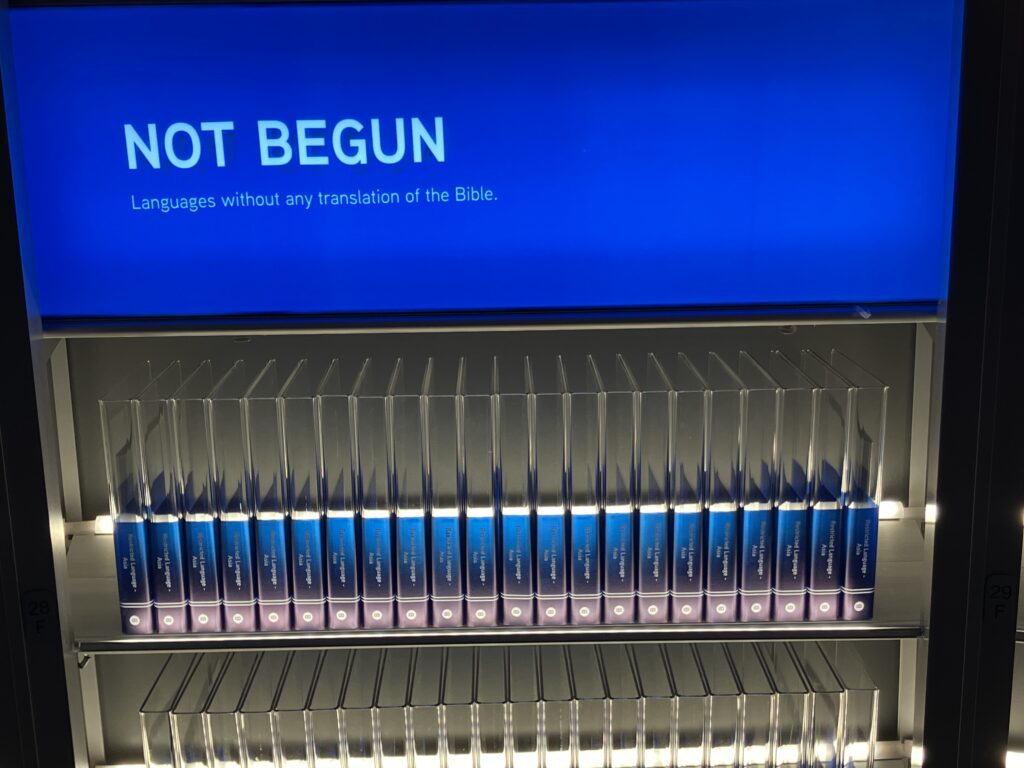
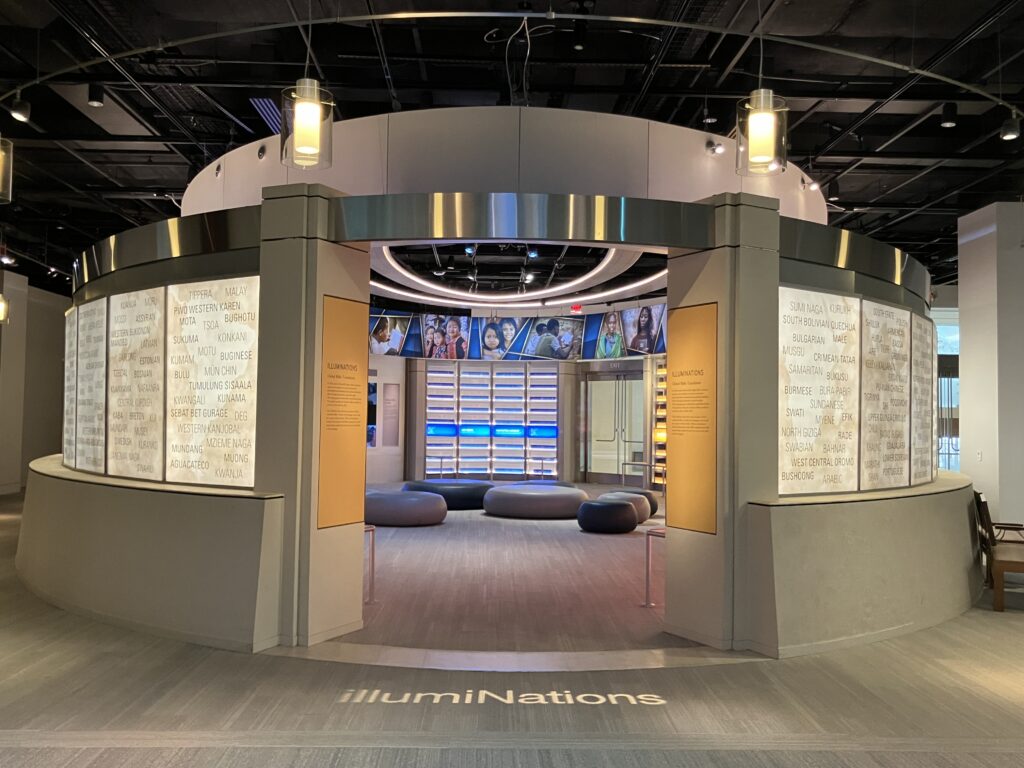
illumiNations is a global collaboration of Bible translation organizations working to make the Bible accessible in every language by 2033. Today, there are about 7,000 languages in the world, and roughly half still have little or no access to Scripture in their own language.
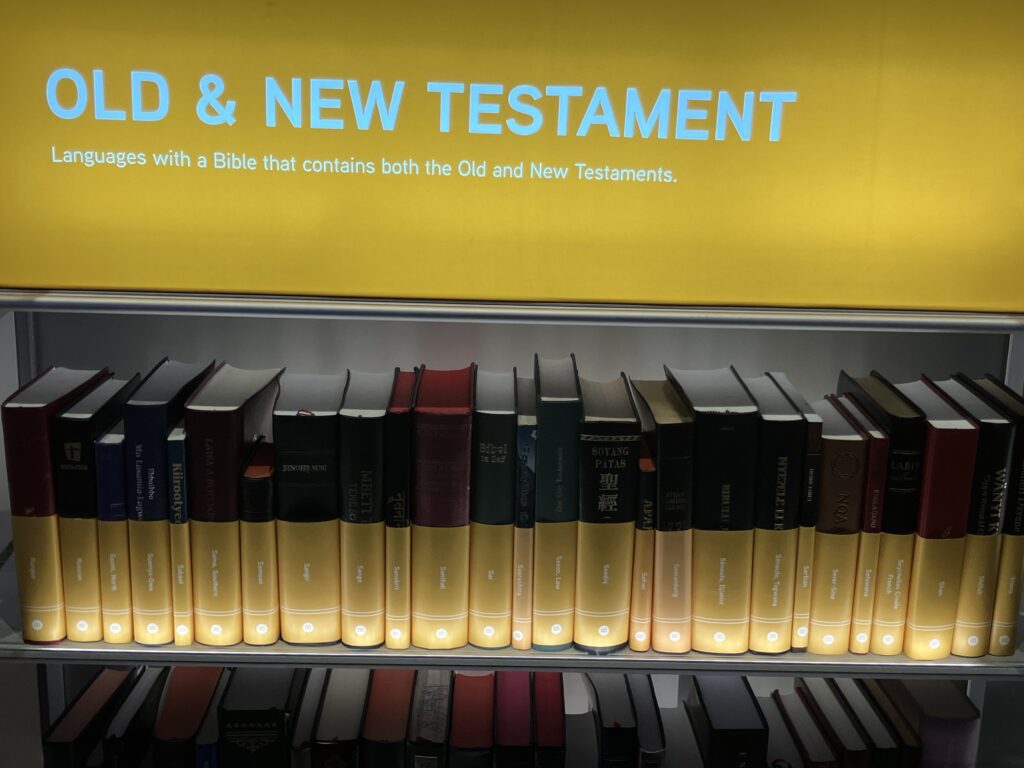
At the Museum of the Bible, the illumiNations exhibit shows this work in progress. Visitors see a visual display of completed translations alongside marked gaps representing languages still waiting for translation.
The exhibit is designed to show both progress and remaining need, with updates expected to continue as more languages are completed leading up to 2033.
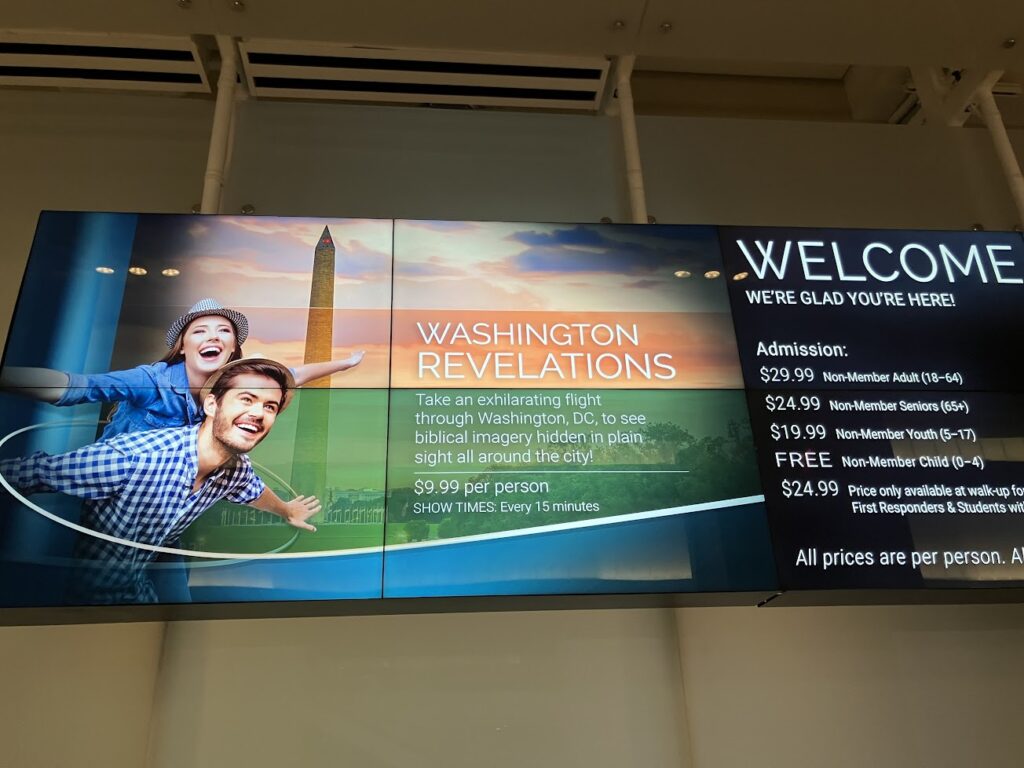
5) The Washington Revelations Flyover – Biblical Text Hidden Across D.C.
This is not a traditional artifact. But it is one of the most memorable experiences in the building. You board a moving platform and “fly” over Washington D.C.
Your guide reveals biblical text and Scripture hidden in plain sight all over the capital – carved into monuments, inscribed on government buildings, woven into the city’s very architecture. I genuinely had no idea how much of it was there.
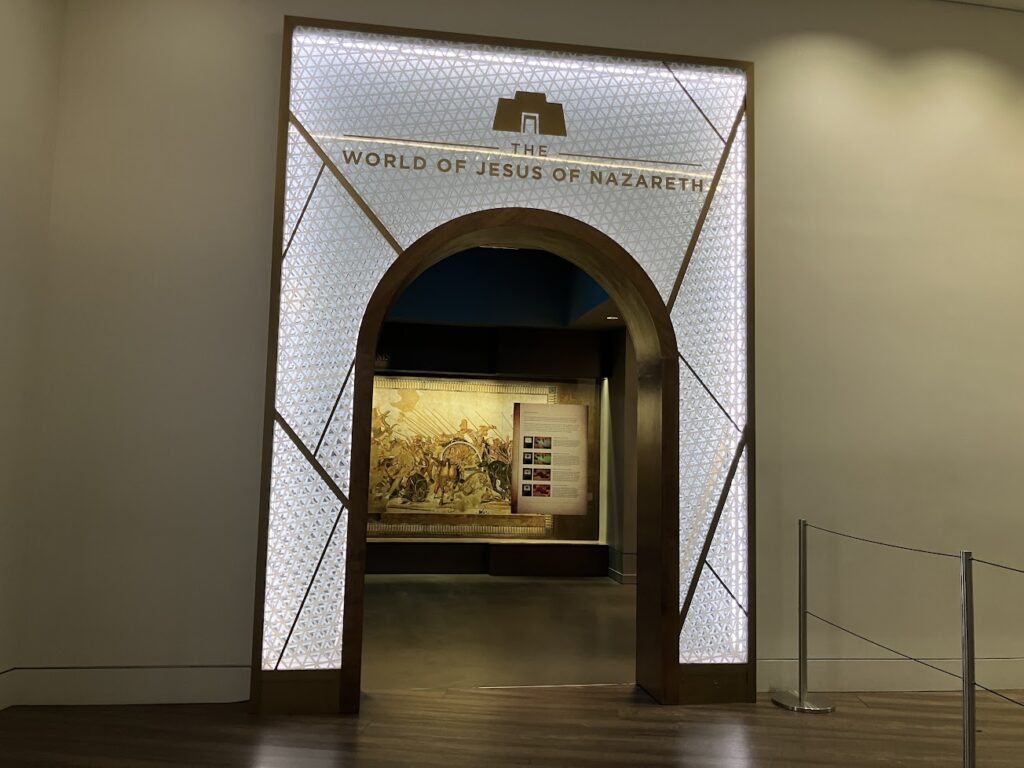
6) The World of Jesus of Nazareth
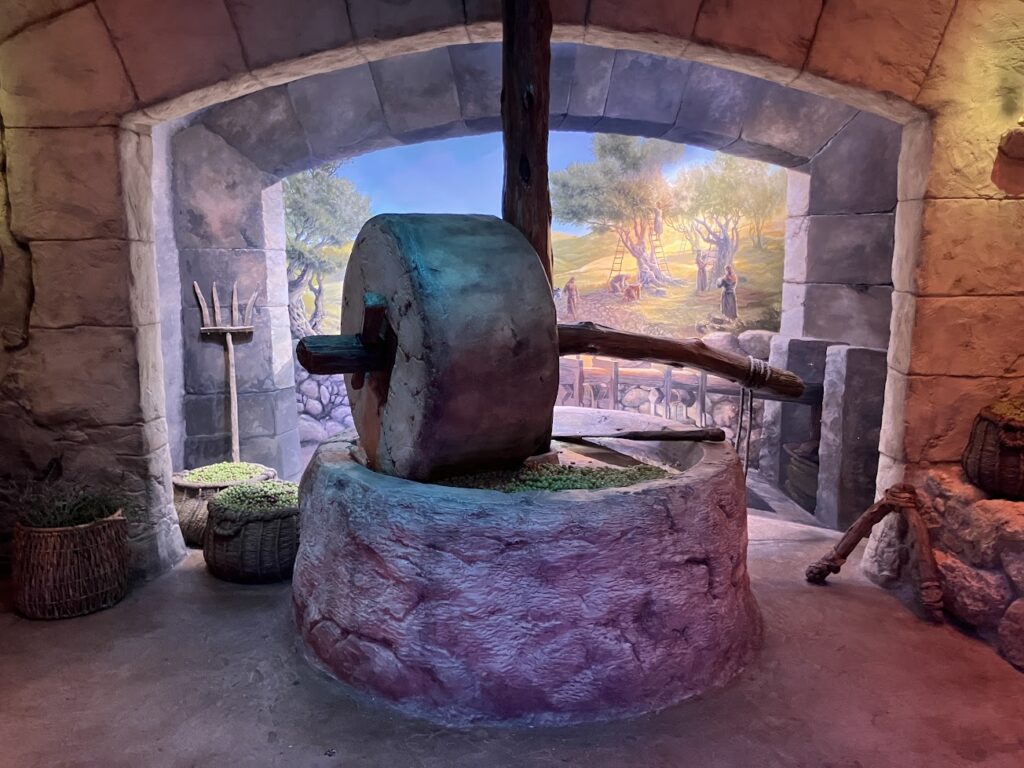
The World of Jesus of Nazareth is a first-century life exhibit that recreates a Galilean village setting. Visitors move through reconstructed spaces that reflect daily life in Nazareth during the time of Jesus.
The experience includes a first-century home, a mikvah, a synagogue, and street scenes that show everyday routines such as food preparation, trade, and social interaction.
Living history interpreters are present throughout the exhibit to explain cultural practices and answer questions. The focus is on giving a practical view of how people lived, worked, and interacted in a first-century Jewish village.
7) All Creation Sings
All Creation Sings is an immersive exhibit inspired by Psalm 148, focusing on worship expressed through creation, music, and art. It is a 25-minute multi-sensory experience. It presents a sensory walkthrough that connects biblical themes with visual and audio environments.
The experience is structured into acts. Act One traces a journey from the creation narrative – “In the beginning, God…” – through the formation of the universe and the imagery of Eden. It also introduces the theme of human choice between trusting divine order or defining morality independently, ending with a preview of a broader “kingdom” narrative arc.
The exhibit is designed as an interactive, multi-sensory environment that blends storytelling, light, sound, and artistic interpretation of biblical themes.
Cost: Included with paid general admission from October 1, 2026. Check free Tuesday experience ticket requirements when booking.
For another powerful pilgrimage destination, read my complete guide to The House of the Virgin Mary in Ephesus, a quiet and deeply meaningful site in modern-day Turkey.
8) The Prayer at Valley Forge
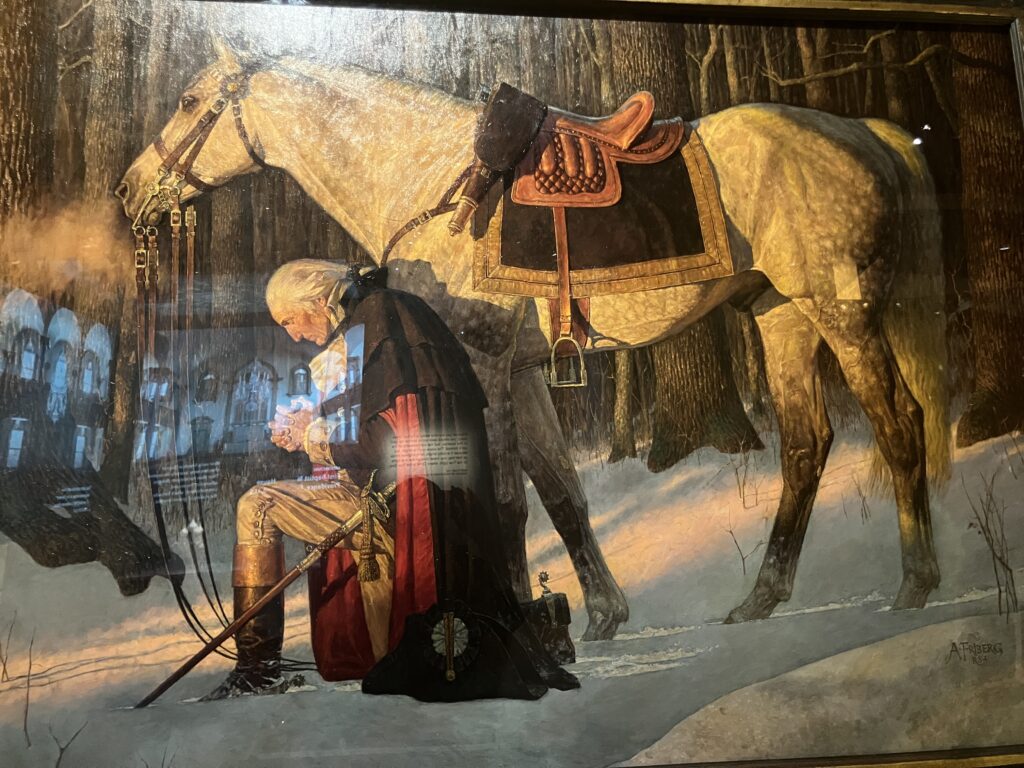
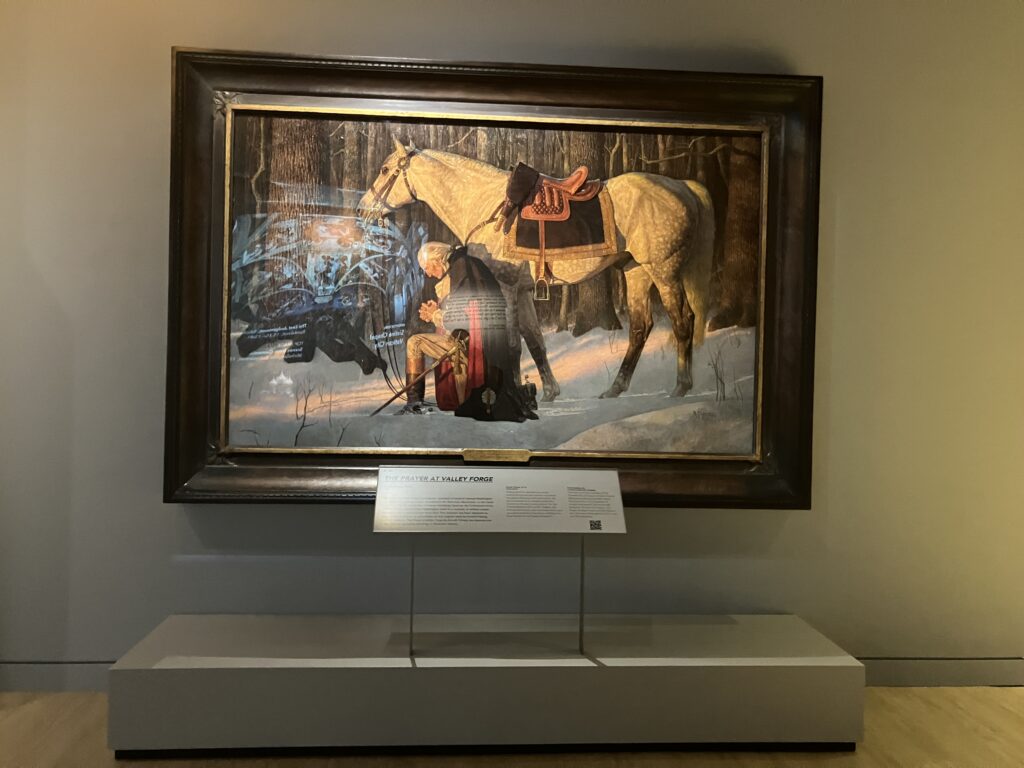
The Prayer at Valley Forge is a painting by Arnold Friberg, created in 1975 for the U.S. bicentennial celebration.
The artwork depicts General George Washington during the winter of 1777-78 at Valley Forge, Pennsylvania, shown in a moment of private prayer during a critical phase of the American Revolutionary War. It highlights the hardship faced by the Continental Army and Washington’s reliance on faith and leadership under pressure.
The display also includes background on the artist, Arnold Friberg (1913–2010), known for his historical and religious-themed works, as well as his contributions to film pre-visualization and portrait commissions.
The painting is on loan from the First Freedom Art Company, a CAZ Investments Company focused on educational exhibits about religious and speech freedoms in American history.
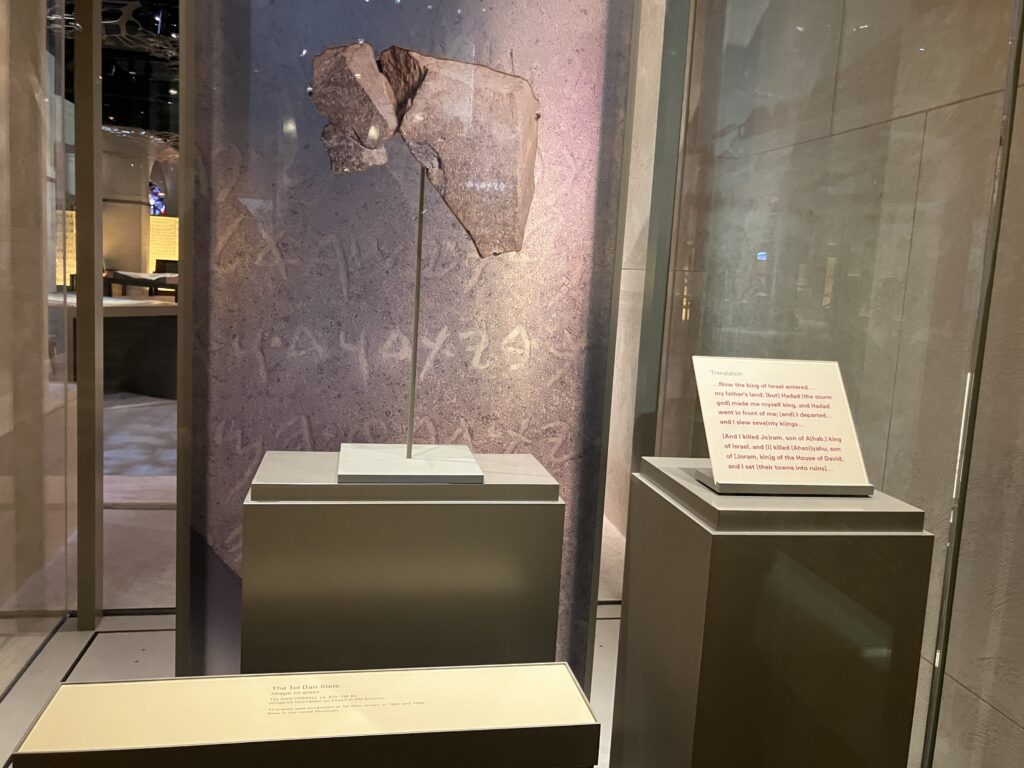
9) Tel Dan Stele
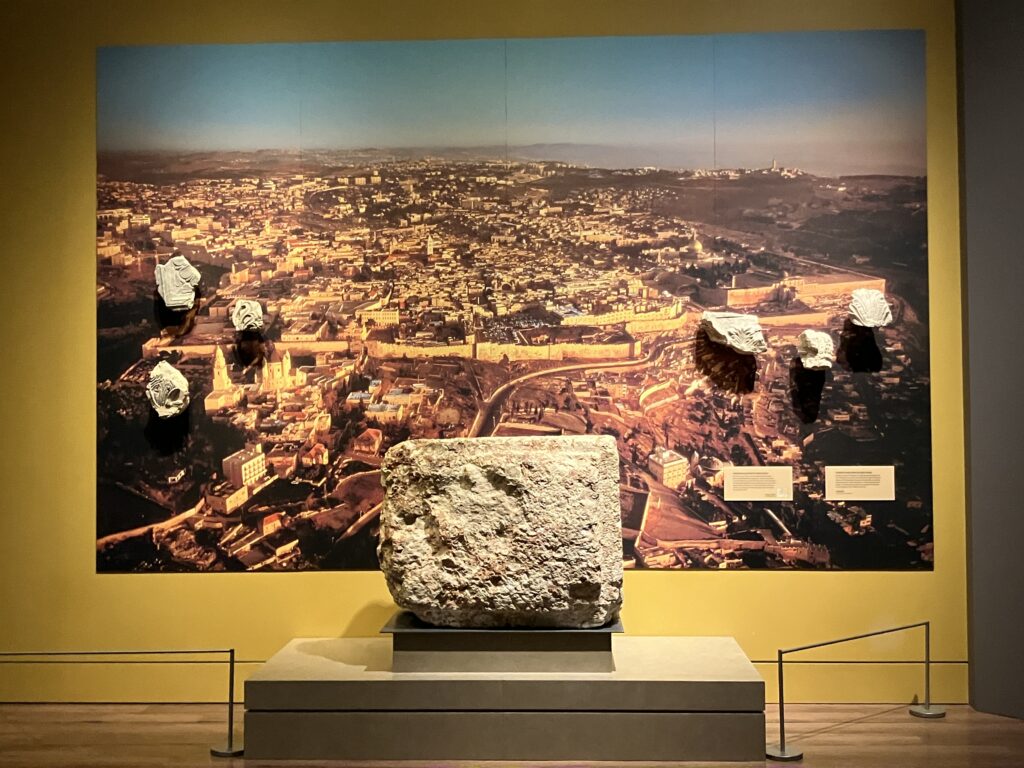
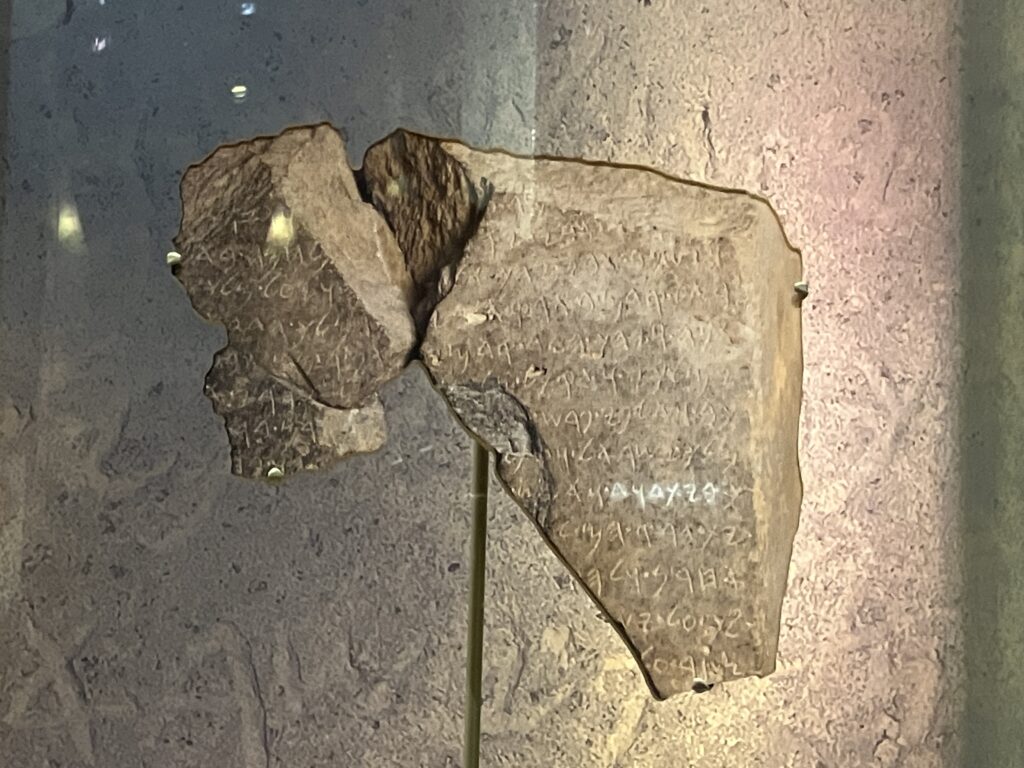
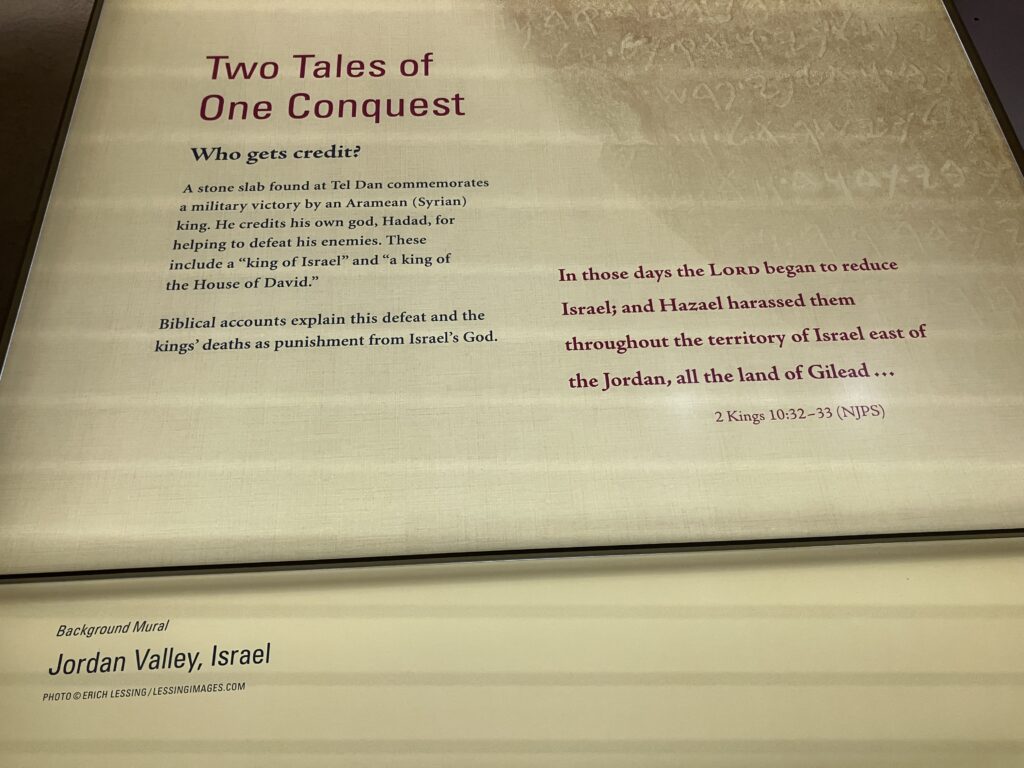
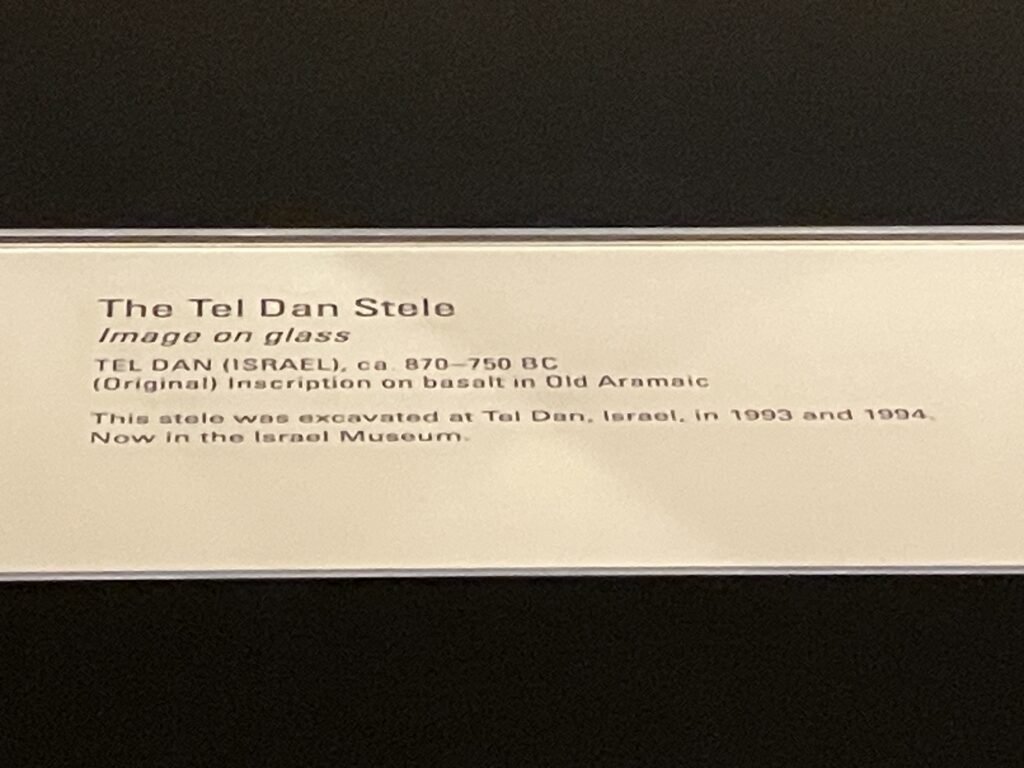
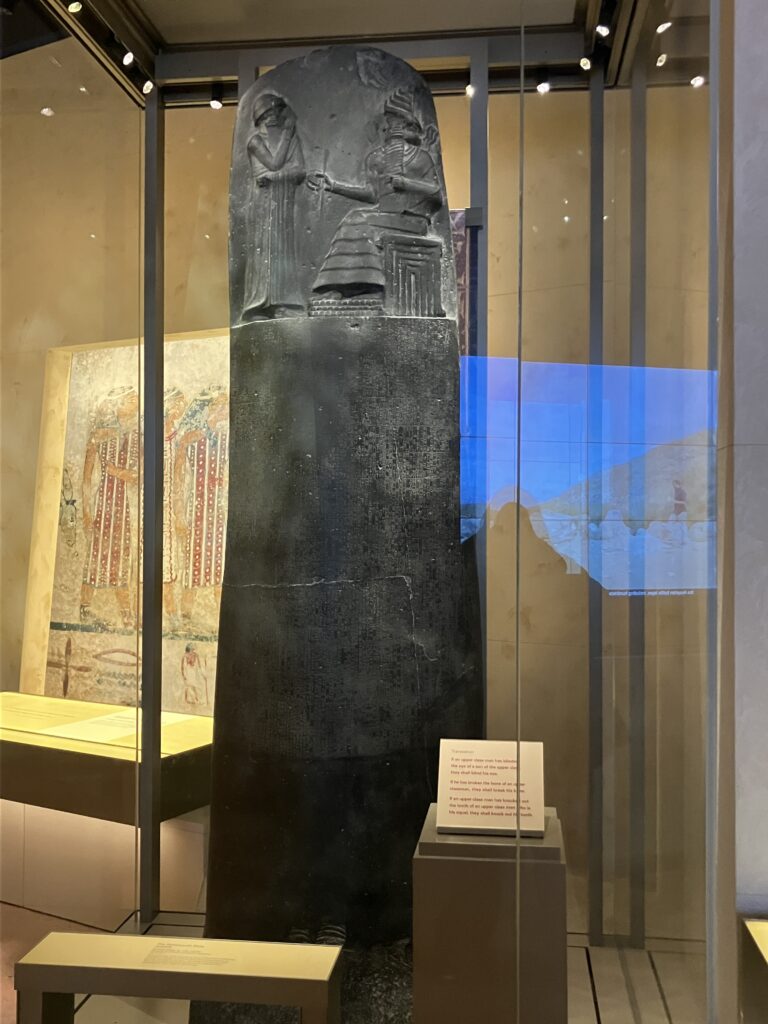
The Tel Dan Stele is no longer on display at the museum. This artifact has been returned to Israel and is now part of the collection at the Israel Museum in Jerusalem. It is a 9th-century B.C. stone inscription. It contains one of the earliest non-biblical references to the House of David.
For many years, Arabs have been saying that King David never existed. Then in 2003 they found a stele with an inscription of a king proclaiming that he conquered King David.
This is a replica. The original is in the Israel museum in Jerusalem. When I went to Israel, I saw the place where they discovered the stele in Tel Dan, which means town of Dan.
There have been people who have said for many years that King David never existed. This is proof that he did.
When I went to Israel, they took us to Tel Dan, which means the city of Dan, who was the leader of one of the 12 tribes of Israel. I saw the site in Dan where they found the stele.
Planning a trip to Israel? Here are 31 Holy Sites In Jerusalem, including some of the most significant places tied to biblical events.
Floor-by-Floor Guide: What to See at the Museum of the Bible
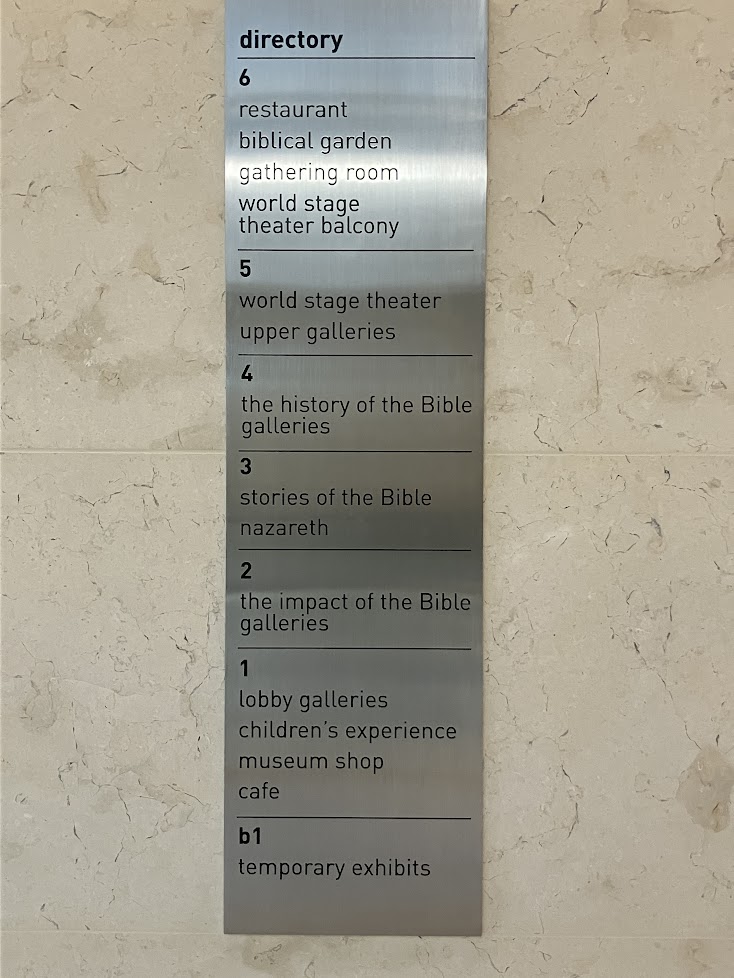
The museum is organized across 7 levels (B1 to Floor 6). Each floor has a distinct theme. The Bible’s history. Its stories. Its global impact. Here is how I would walk you through it – floor by floor.
Floor B1: Immersive Worship Experience
This lower level is one of the most unique and modern spaces in the museum. It is home to All Creation Sings: An Immersive Worship Experience. This interactive exhibit explores how worship is expressed throughout the Bible and across history using sound, light, narration, and visual installations. It focuses on worship themes found in Scripture and presents them in a multi-sensory format.
This experience is included with paid general admission. Special events require separate tickets.
Food Option: Manna Express (quick meals, snacks, drinks)
Floor 1: Grand Hall (FREE to Visit!)
This is one of my favorite things about this museum. The first floor is completely free and open to everyone. No ticket needed. Anyone can walk in off the street and experience it. What else is here:
- The Grand Hall: It is the transformed interior of the original 1923 building, once a train loading bay. Monumental columns of Jerusalem stone line the hall. A 140-foot-long LED ceiling runs the full length of the room.
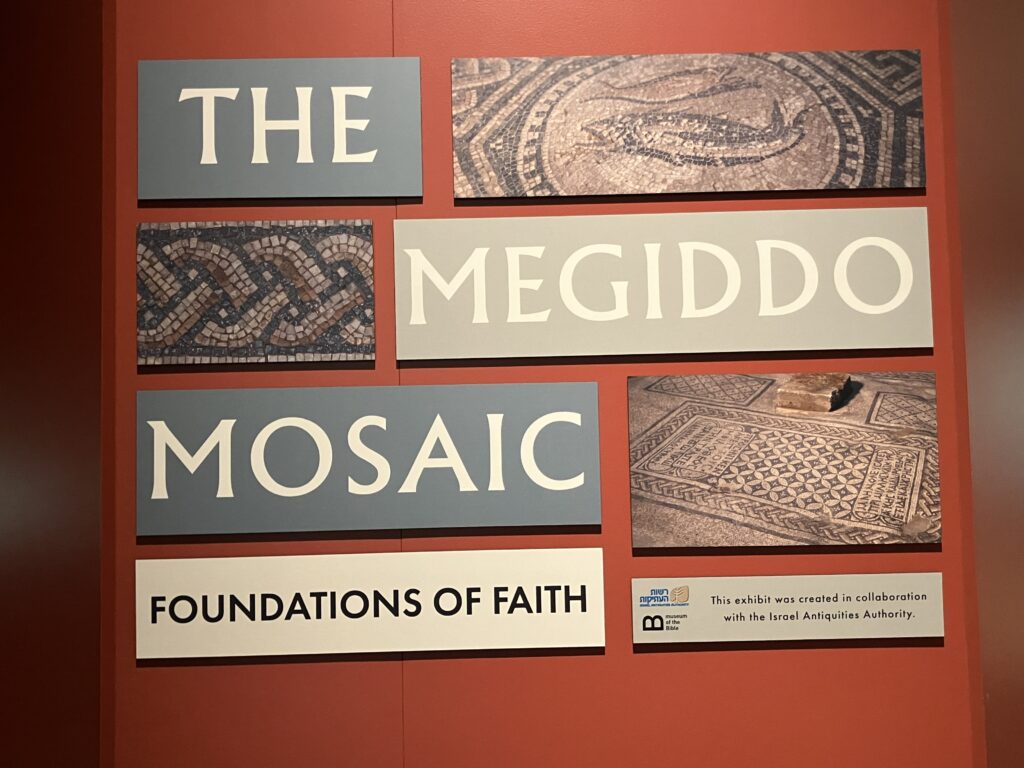
- The featured exhibit on Floor 1 is the Megiddo Mosaic: Foundations of Faith, scheduled through December 31, 2026. The interactive exhibit built around the mosaic tells the full story of the Roman centurion, the artist, and the five women whose faith commissioned this remarkable floor.
- The Gutenberg Gates: The massive 40-foot brass entrance gates engraved with the opening lines of Genesis in Latin from a Gutenberg Bible.
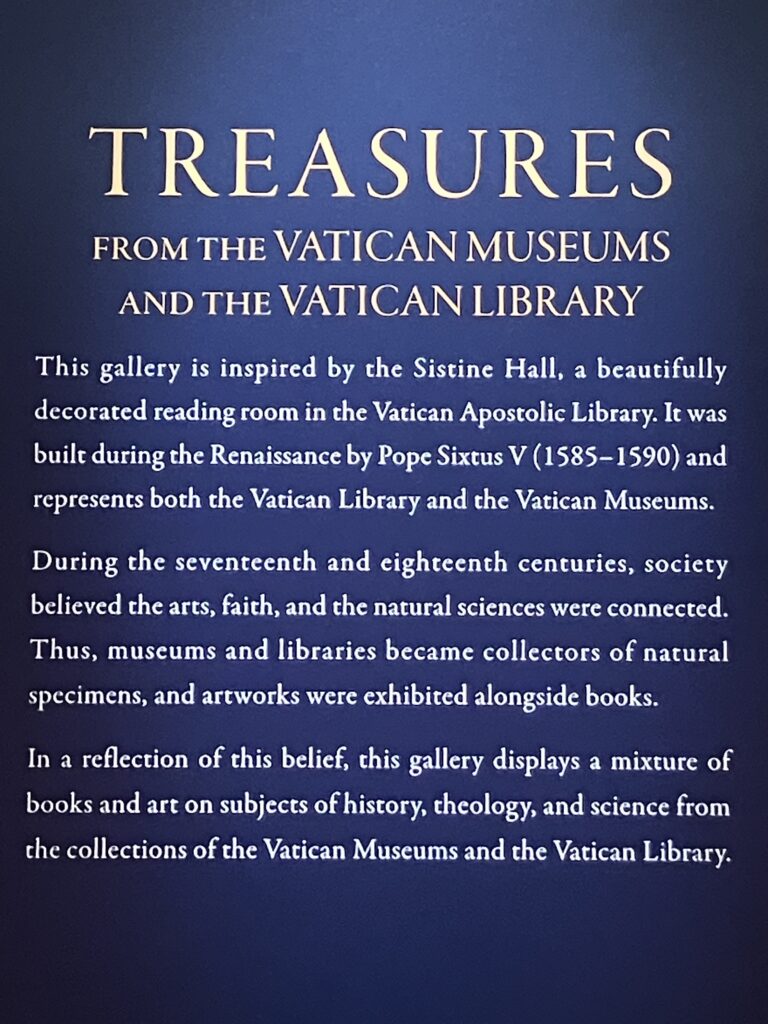
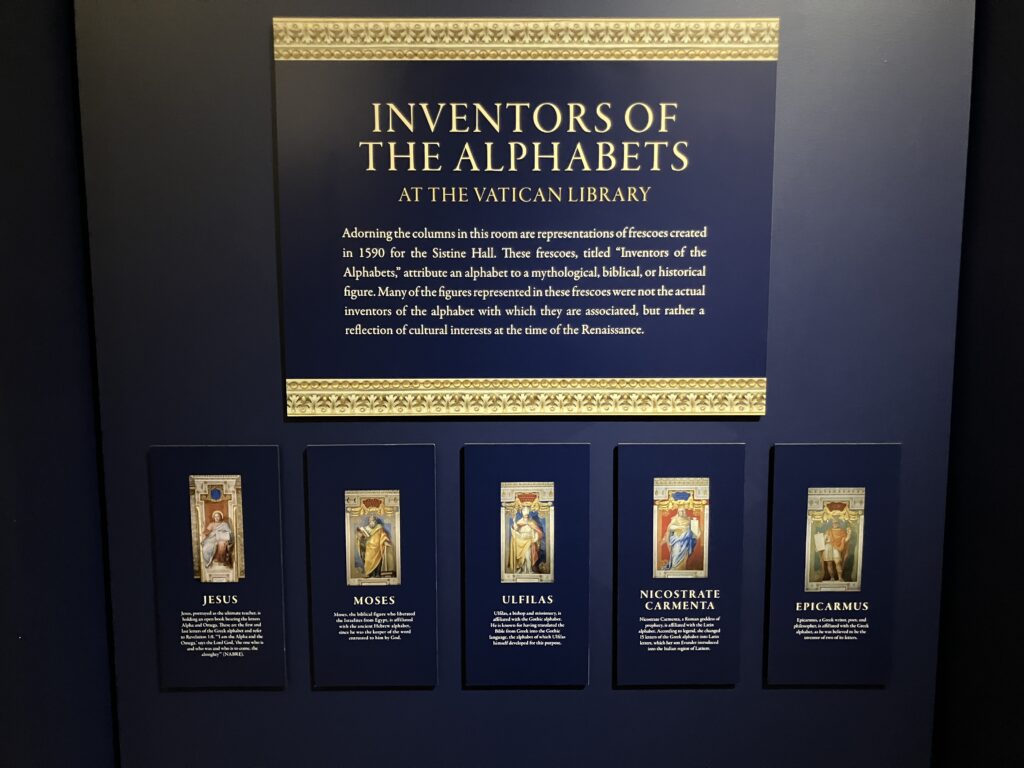
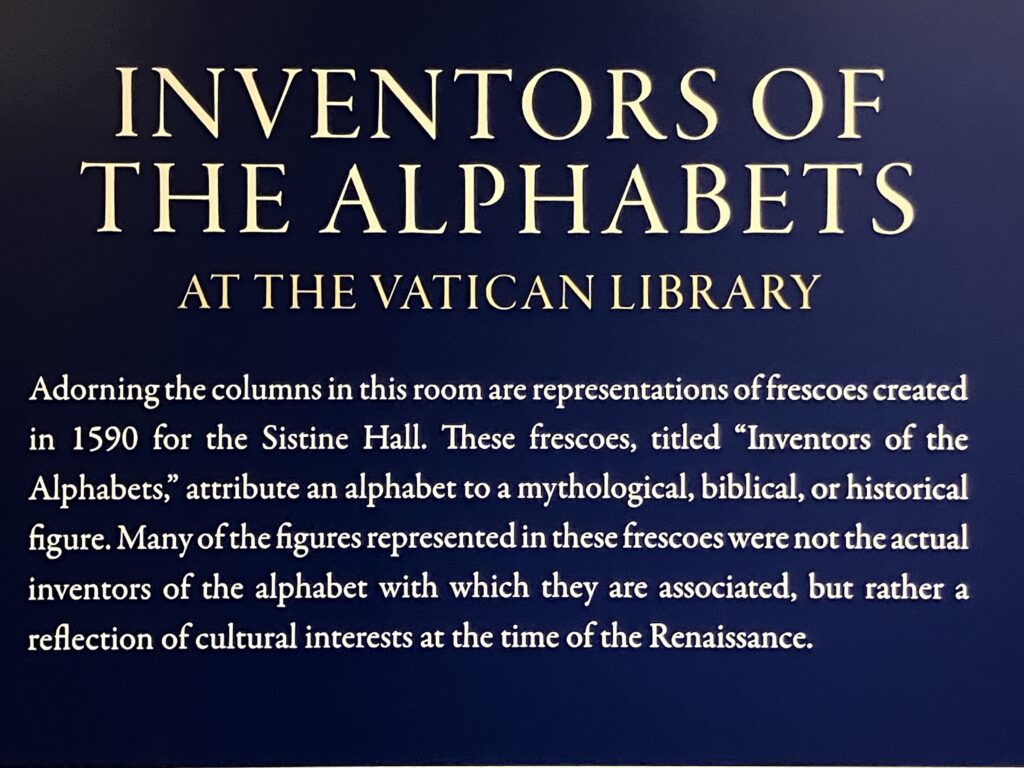
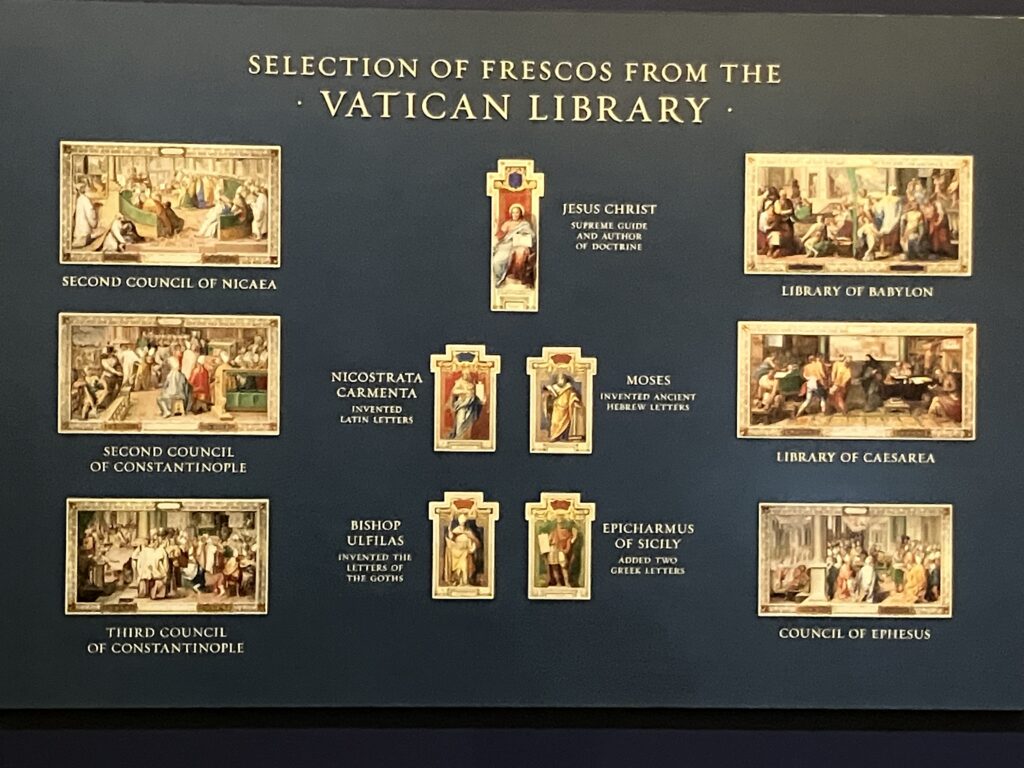
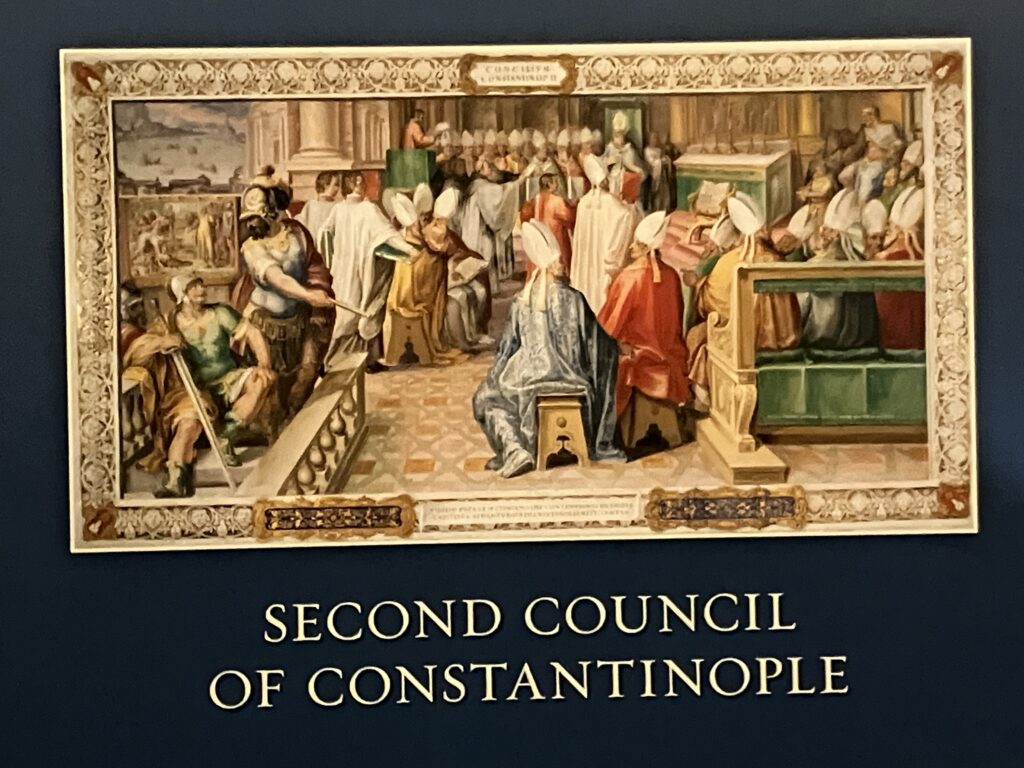
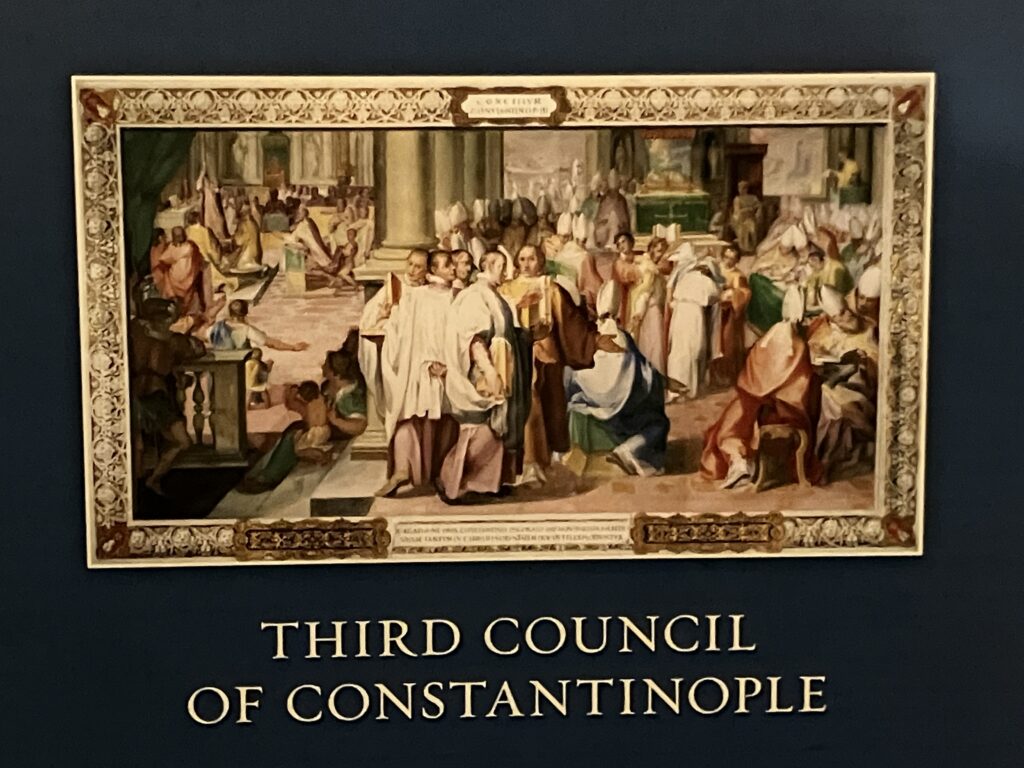
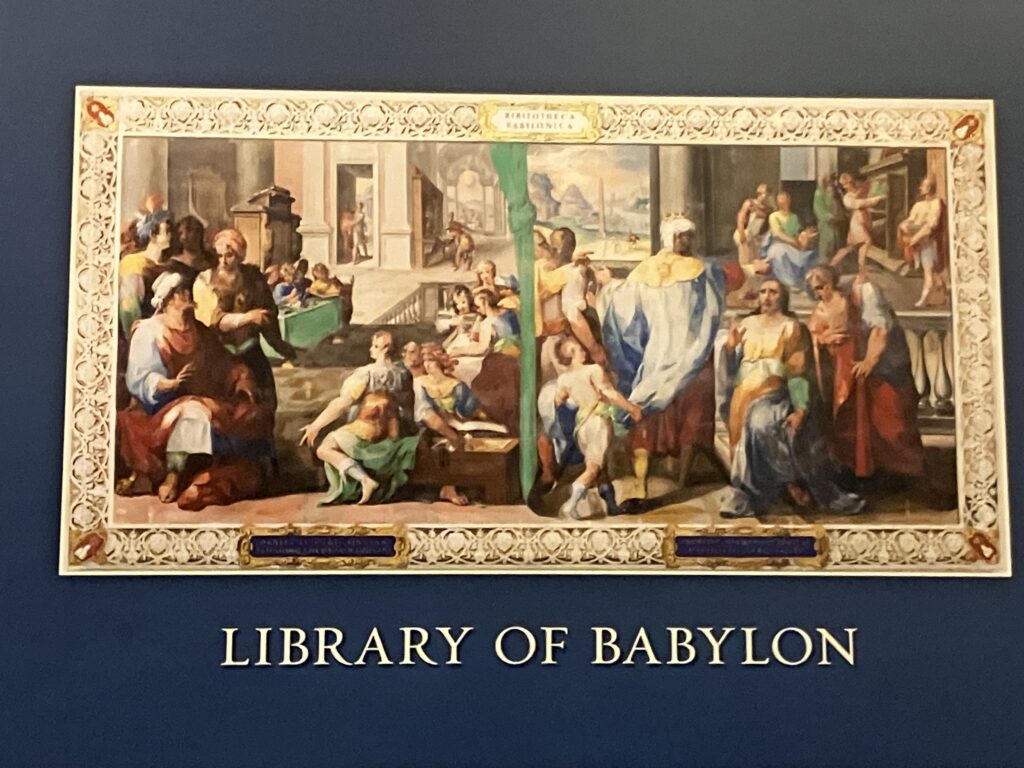
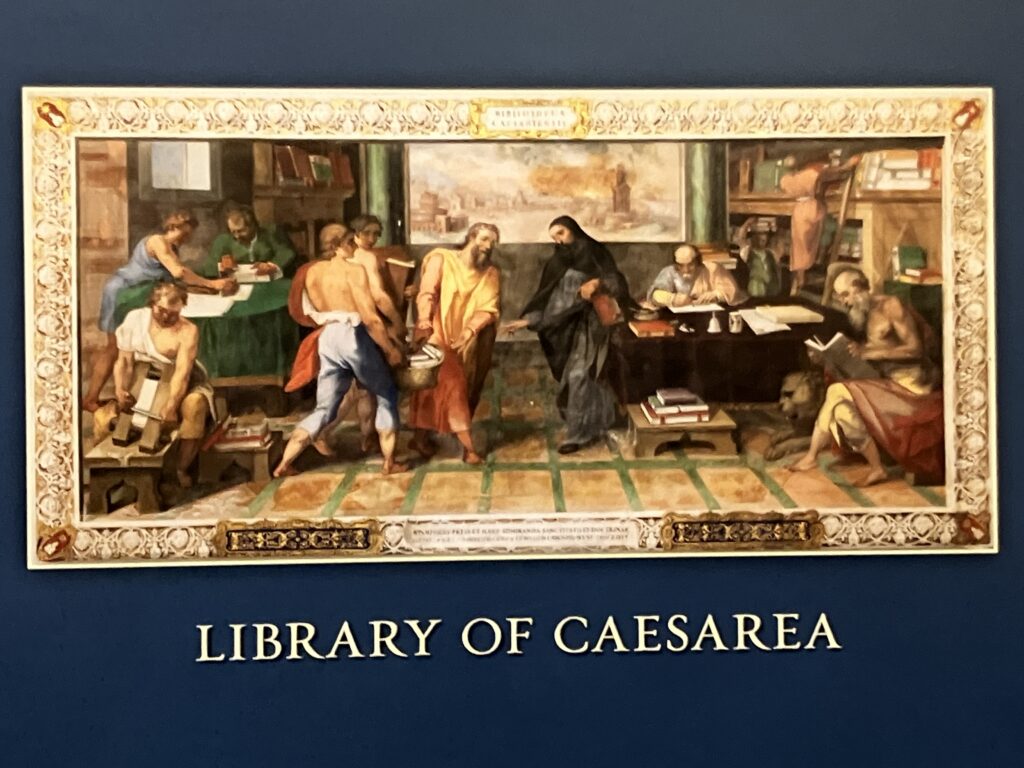
- The Vatican Gallery: A rotating display of special artifacts viewable for free. Check the museum’s current exhibits page to see what is on display during your visit.
Interactive Experiences:
- Courageous Pages (Kids Zone)
- HISTORIES Game (David & Goliath-themed interactive experience)
The floor has a museum shop and Milk + Honey Café (Mon-Sat 9:30am-4:00pm; Sun 10:00am-4:00pm, as listed on the café page)

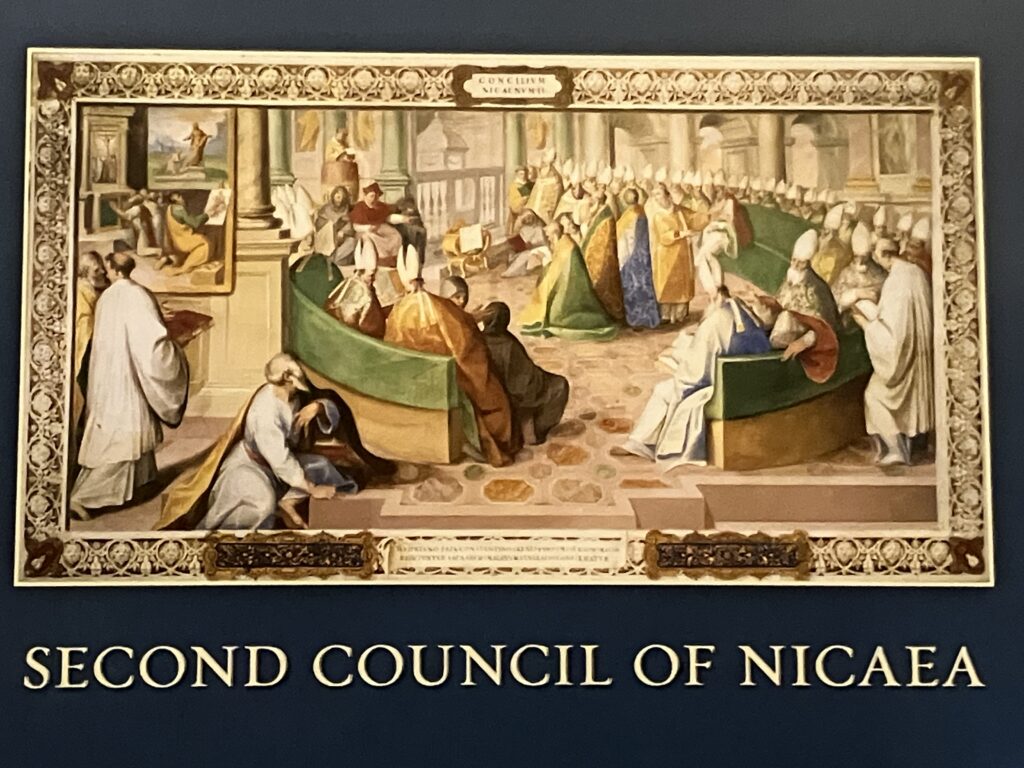
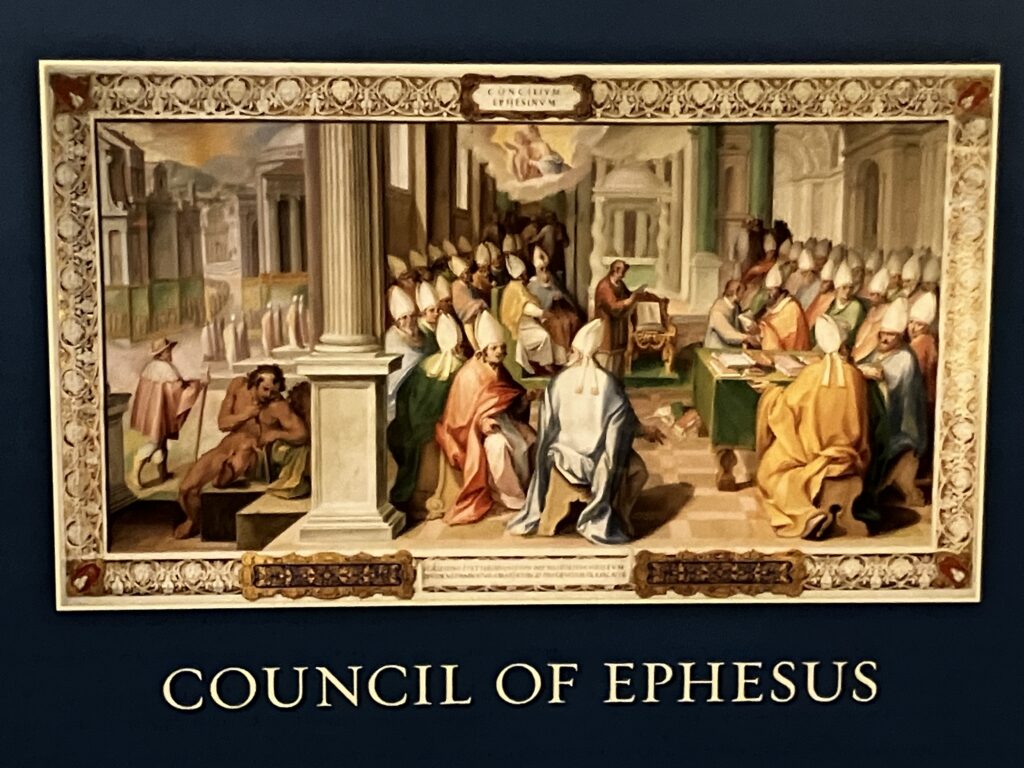
Second Council of Nicaea Painting Treasures from the Vatican Museum Treasures from the Vatican Museum Treasures from the Vatican Museum Treasures from the Vatican Museum Treasures from the Vatican Museum Treasures from the Vatican Museum Treasures from the Vatican Museum Treasures from the Vatican Museum Treasures from the Vatican Museum
Floor 2: The Impact of the Bible
This is one of the most thought-provoking and educational floors. It explores a powerful idea: how one book shaped the world. There are four distinct exhibits.
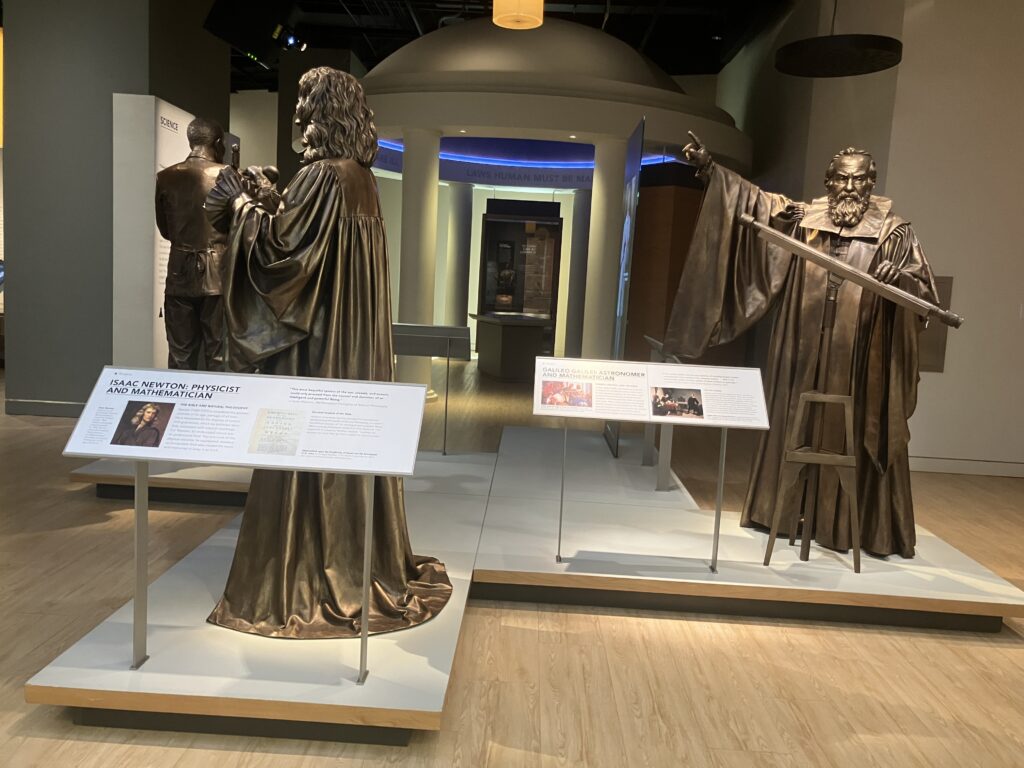
- Bible in America: Traces tthe Bible’s presence in American life from the first settlers through the twenty-first century. You will see artifacts from colonial America, learn about figures like George Whitefield and Martin Luther King Jr. You will get to know the complicated, beautiful, and sometimes painful ways the Bible has shaped this country’s history, politics, and culture.
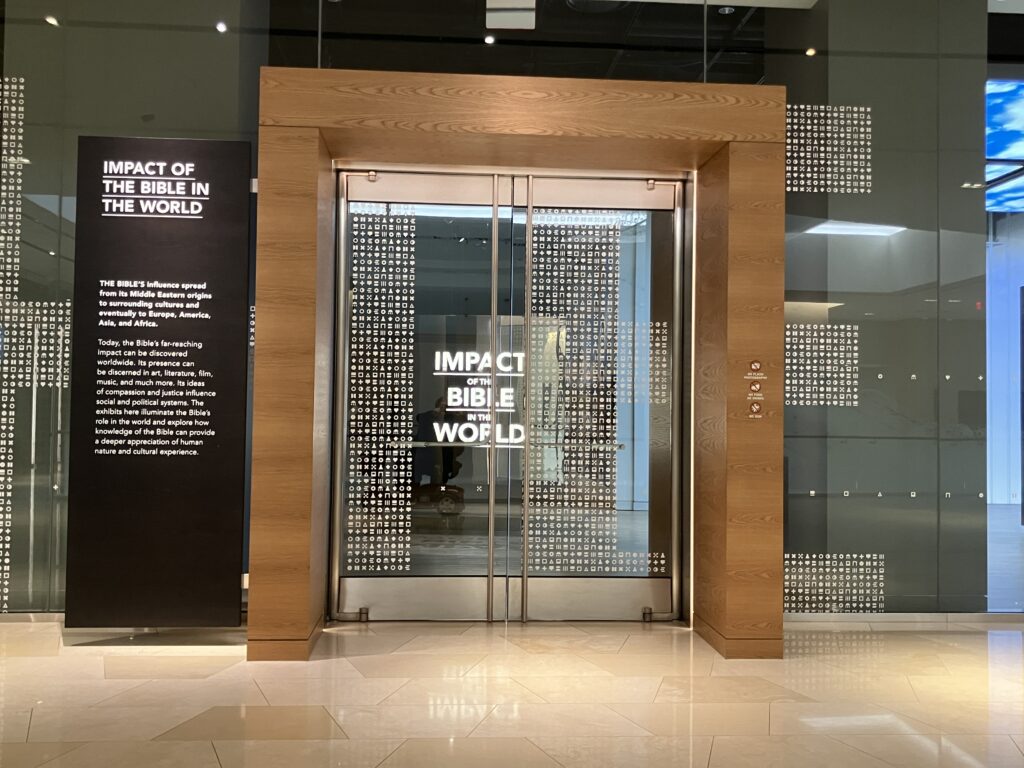
- Bible in the World: Shows global influence across film, music, literature, and culture. Includes a Gutenberg press interactive and a challenging Bible quiz.
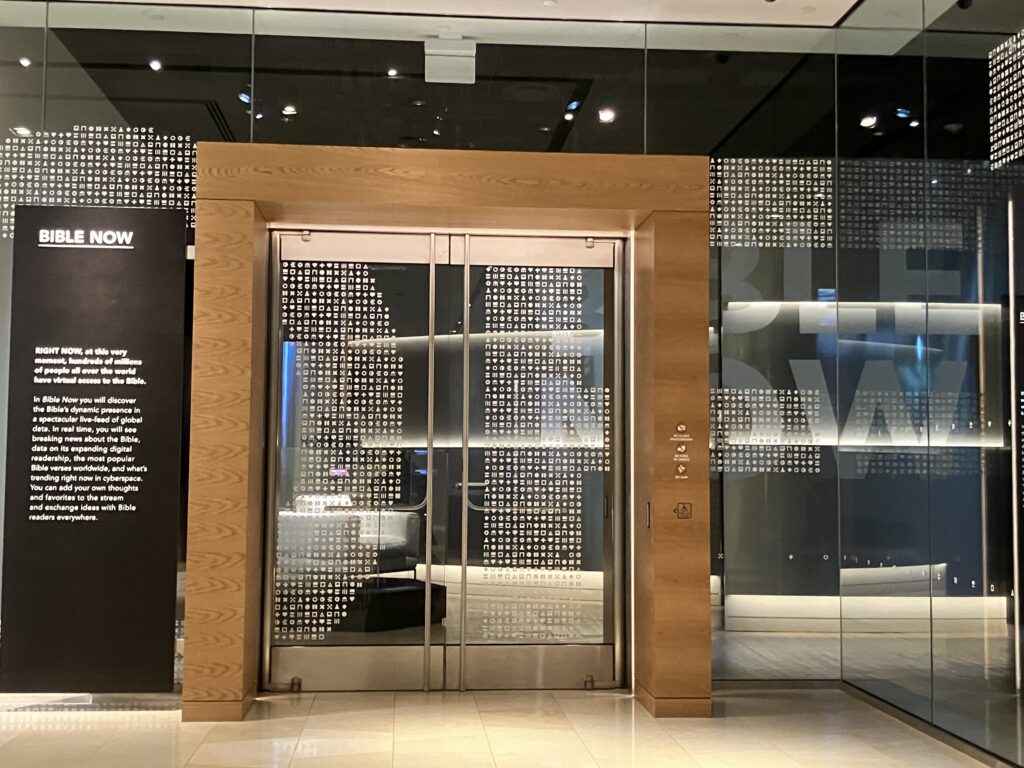
- Bible Now: It is a stunning live-feed installation showing real-time global data about the Bible. This includes breaking news, digital readership numbers, and translations in progress. It is a remarkable reminder that this is the most-read book on earth today.
- Washington Revelations: A moving, immersive ride over Washington, D.C. revealing biblical inscriptions hidden in monuments and buildings. Do not skip it.
Floor 3: The Stories of the Bible (The Immersive Floor)
If you only do two floors, let one of them be this. Floor 3 is where the museum stops being an exhibition and becomes an experience.

Highlights:
- Hebrew Bible Experience: A 30-minute walkthrough of key Old Testament stories – Noah’s Ark, the Burning Bush, Passover – brought to life with theatrical sets and effects. You’re not just watching, you are inside the story.
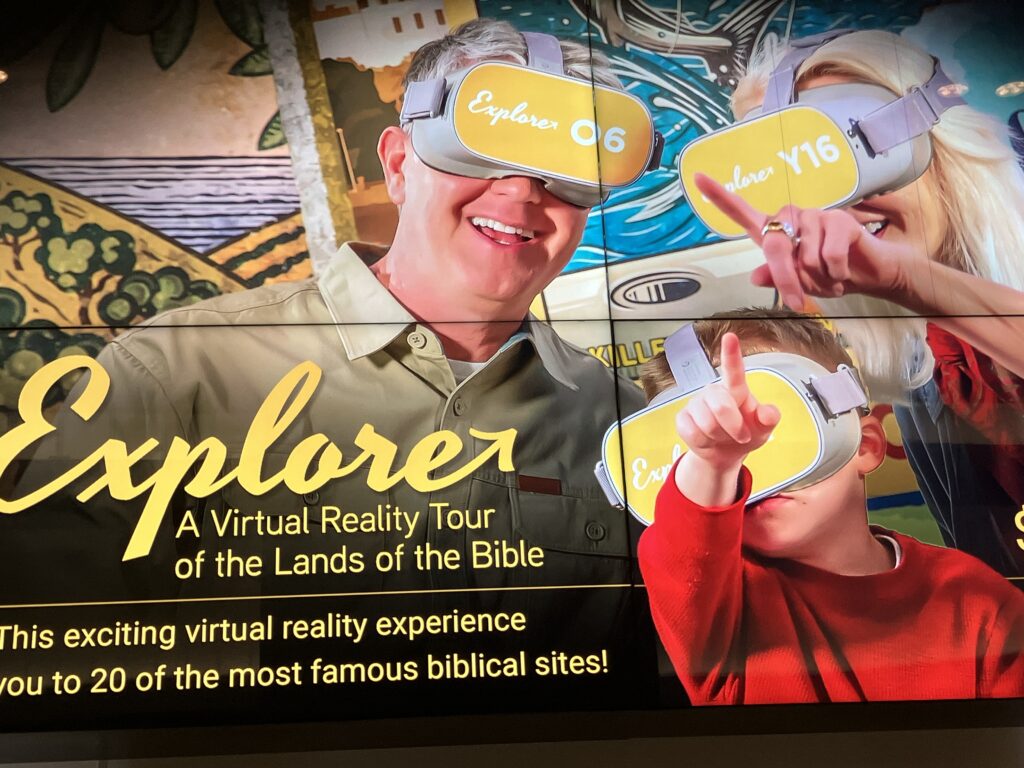
- World of Jesus of Nazareth: You walk through a meticulously reconstructed first-century Galilean village – the streets, the marketplace, a home, a mikvah, a synagogue. Living history interpreters are there to talk with you, answer questions, and bring the culture of Jesus’s world to vivid life.
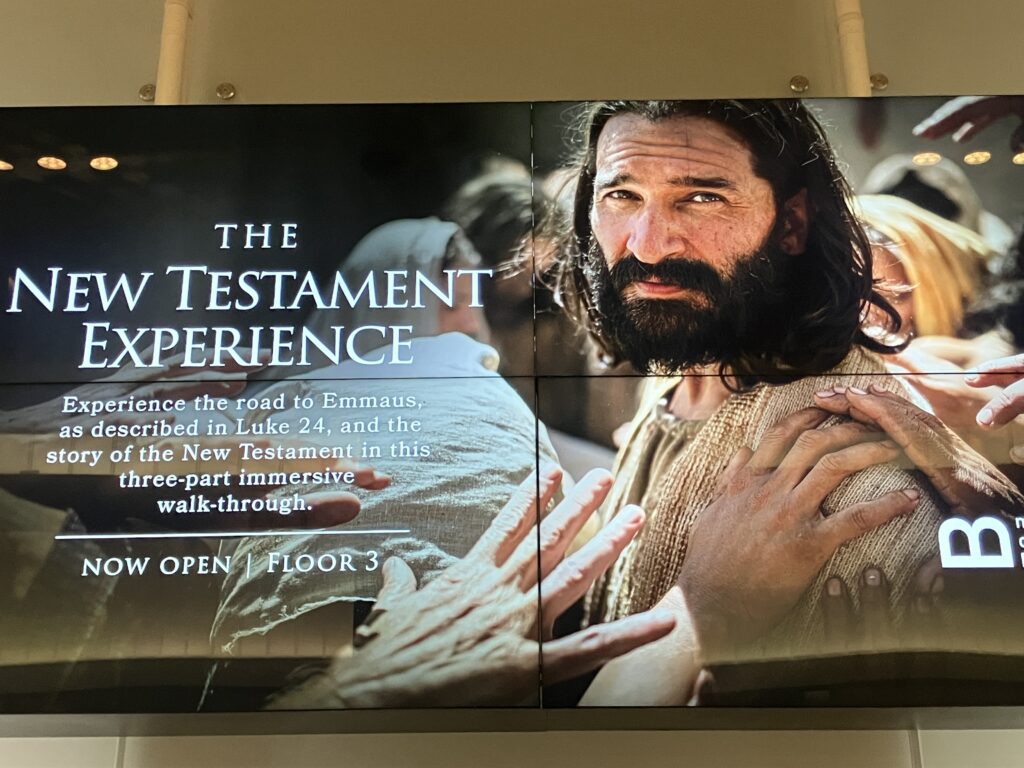
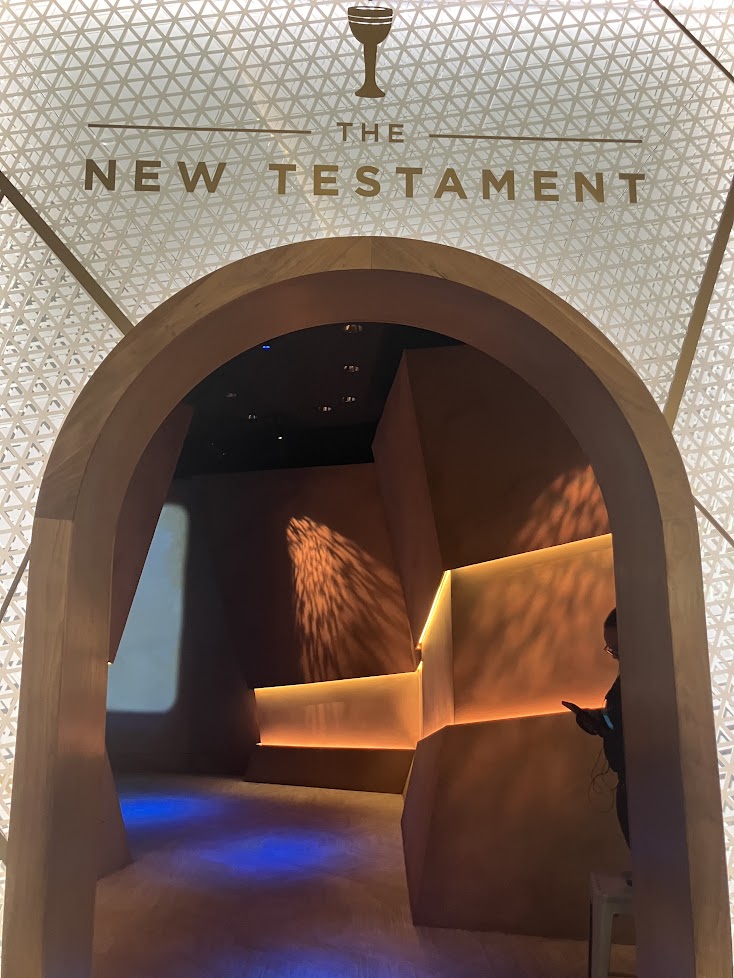
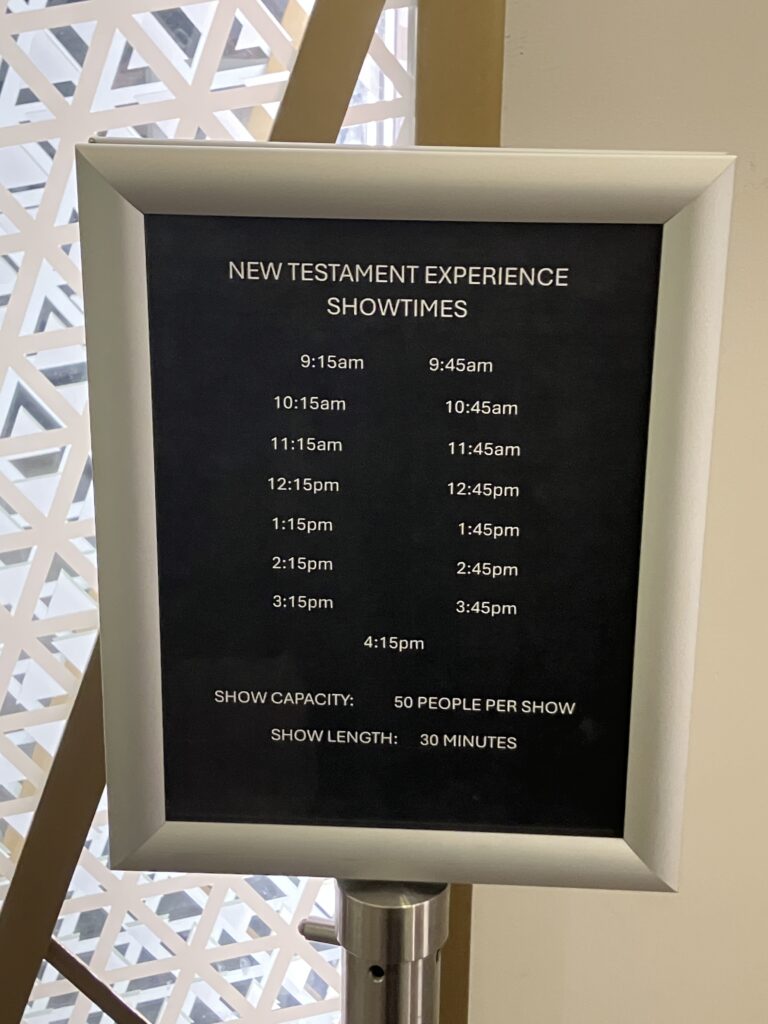
- New Testament Experience: It takes you along the road to Emmaus as described in Luke 24, and walks you through the story of the New Testament through immersive storytelling.
Floor 4: The History of the Bible
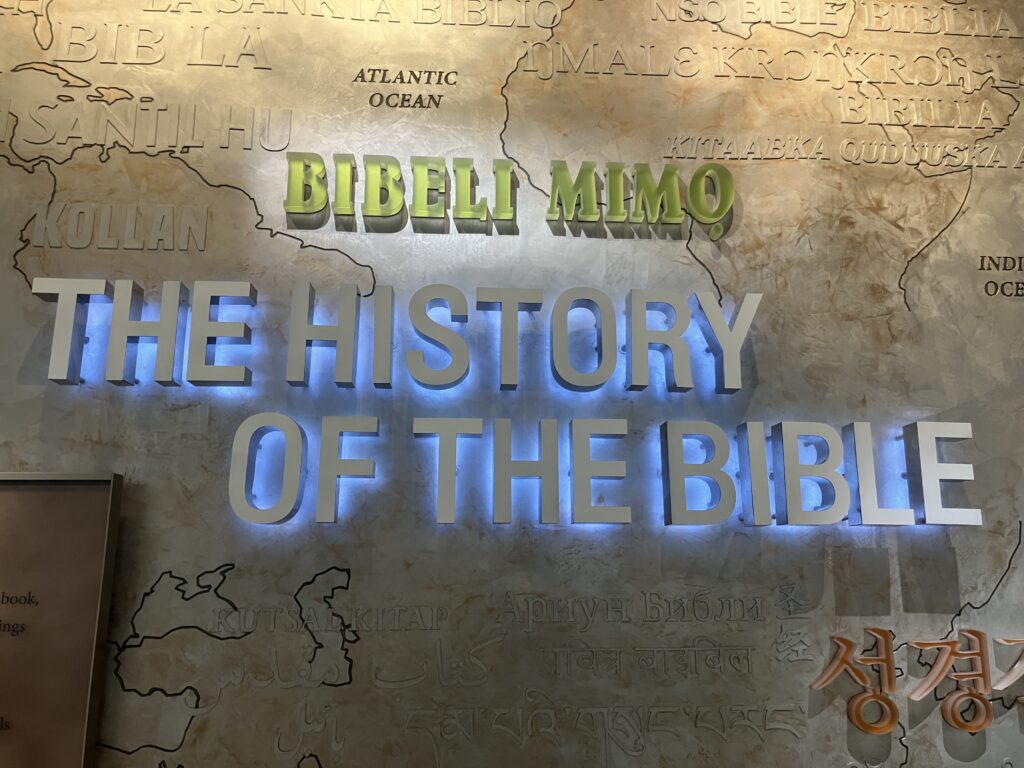
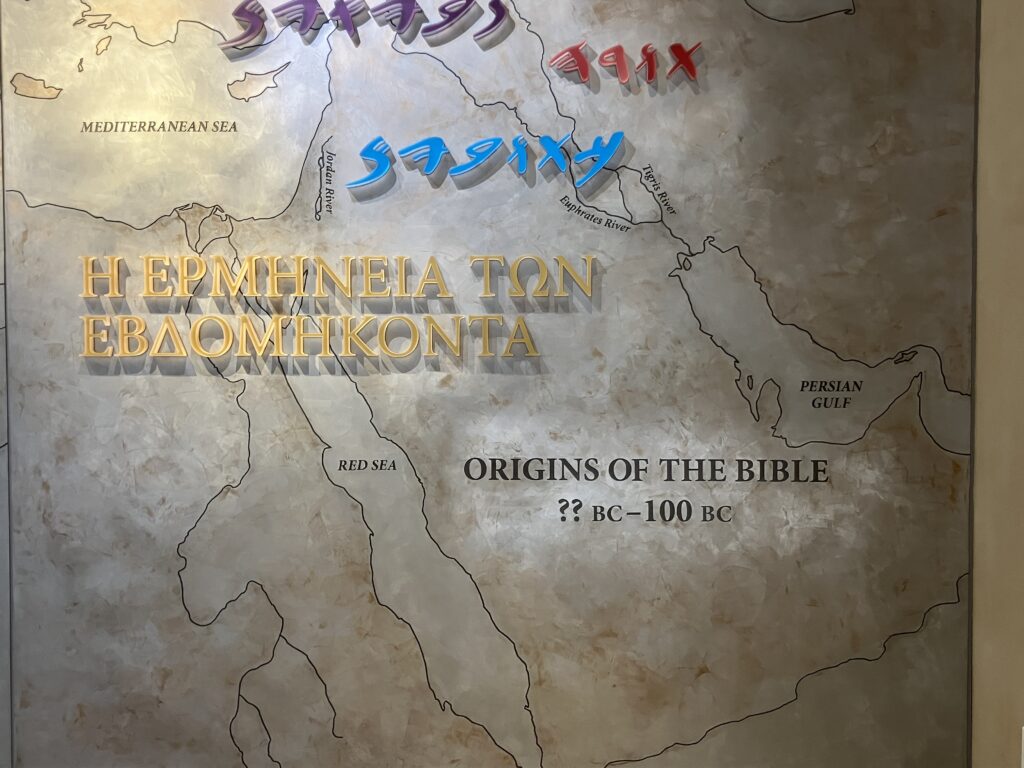
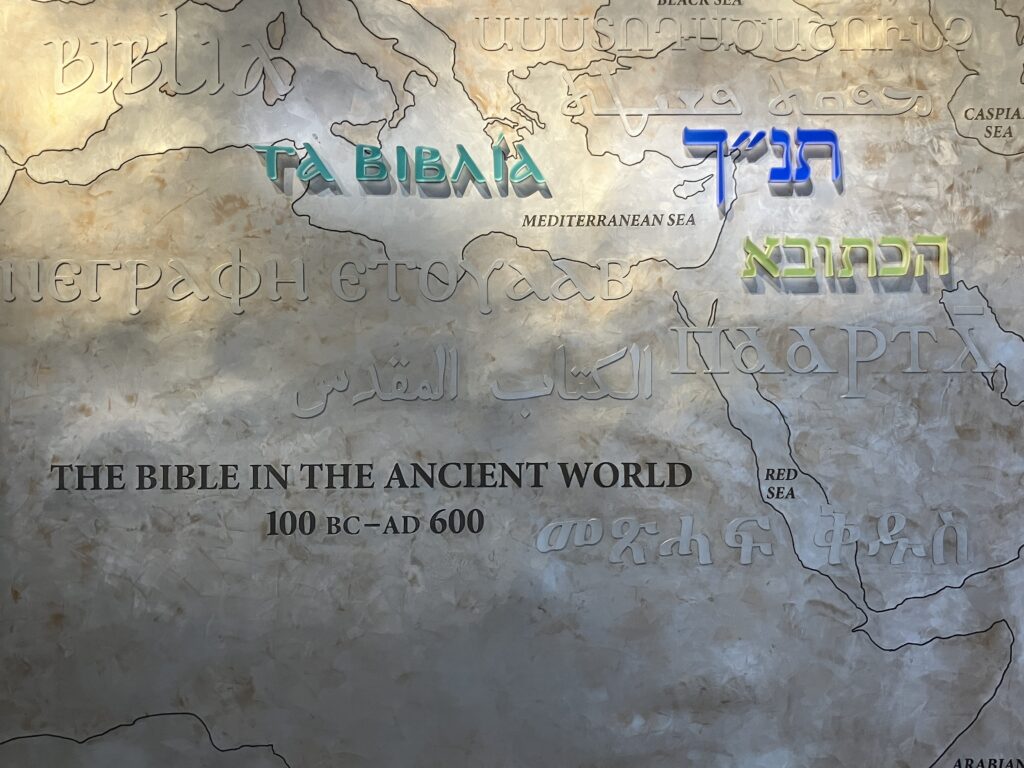
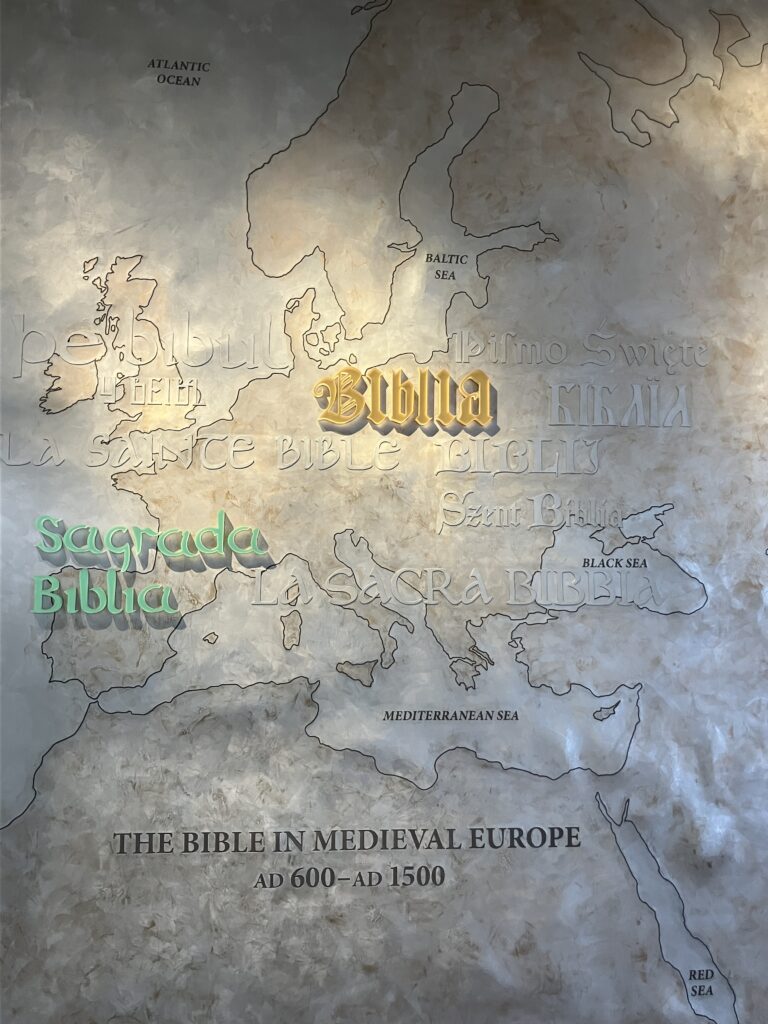
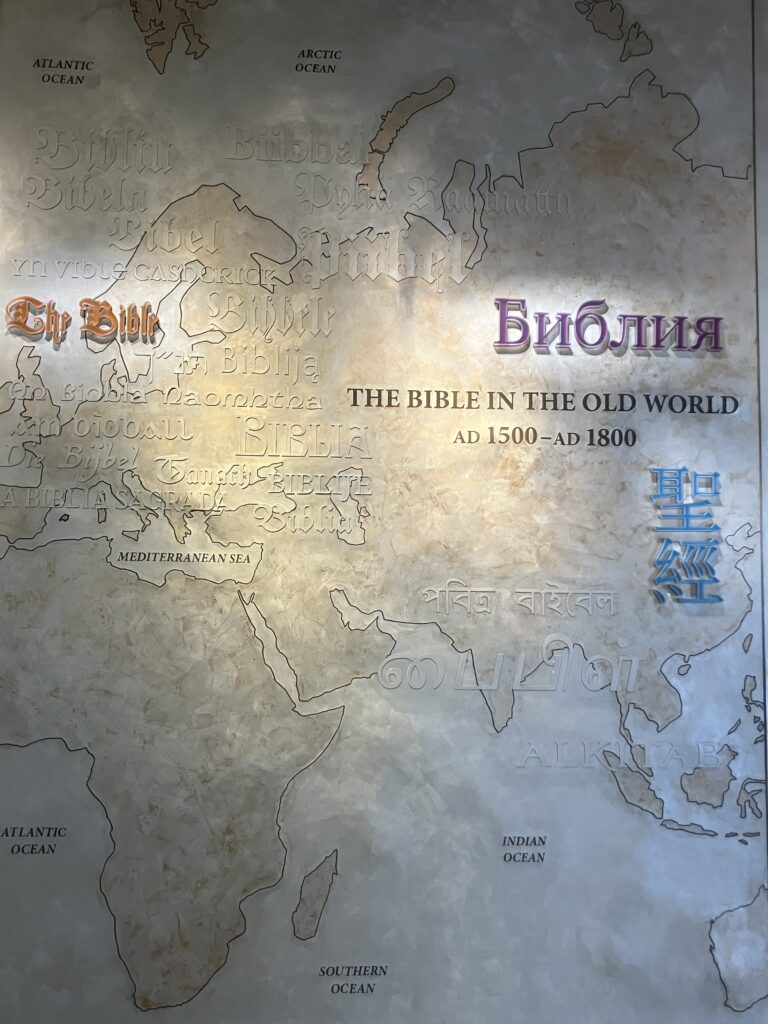
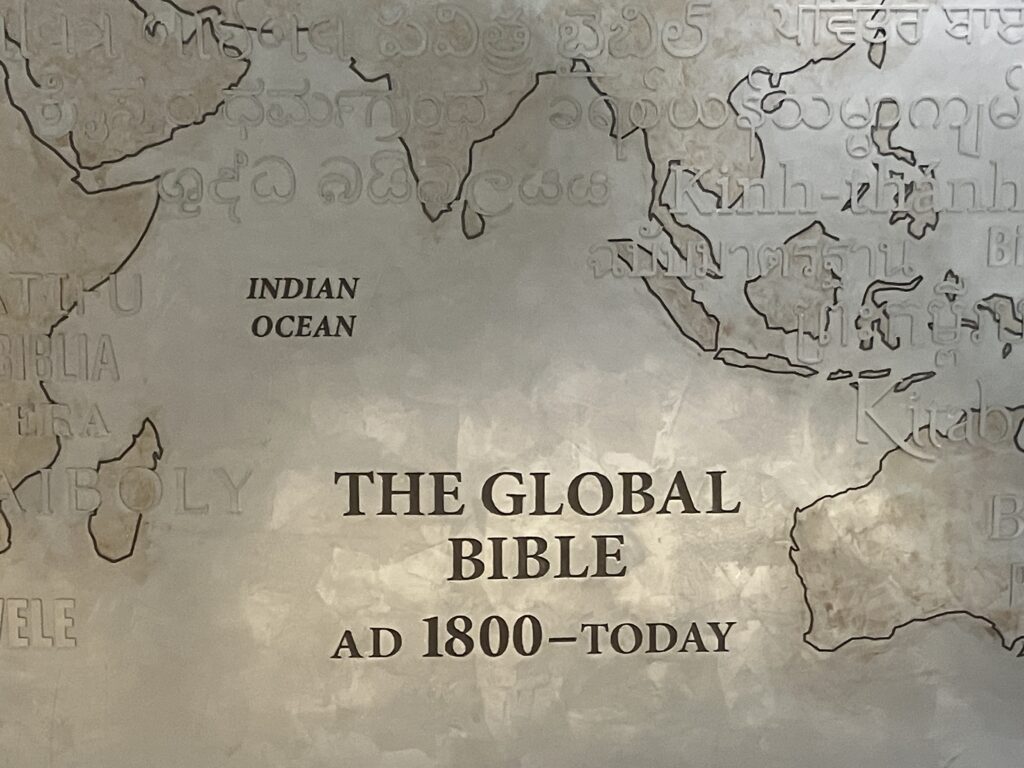
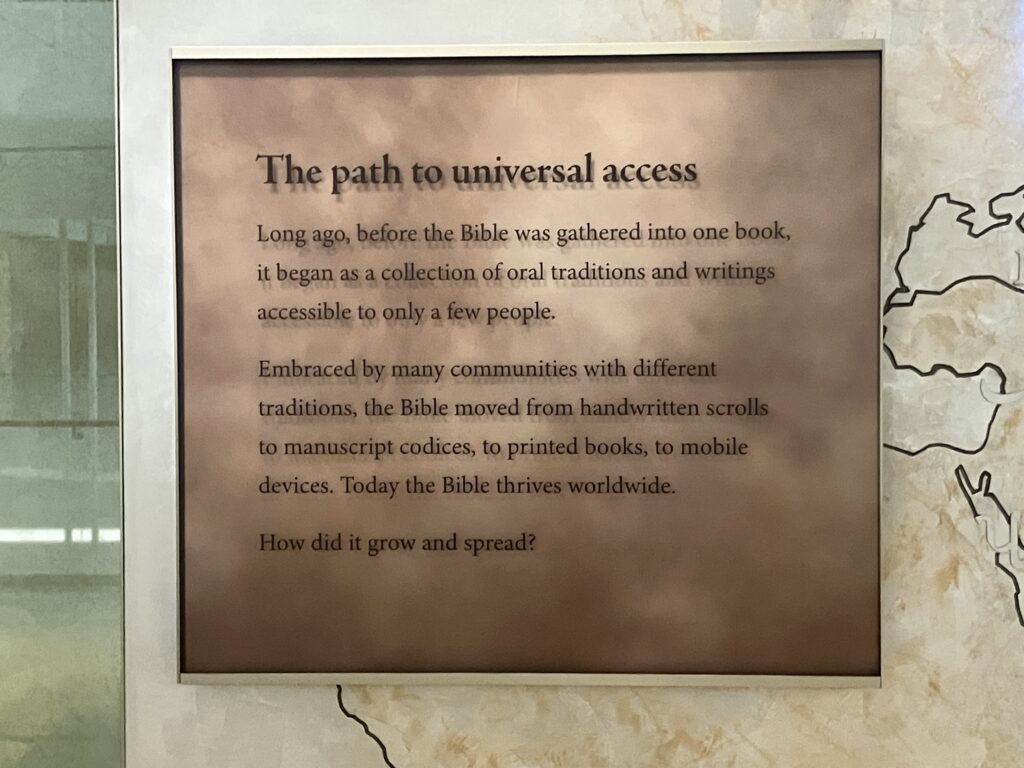
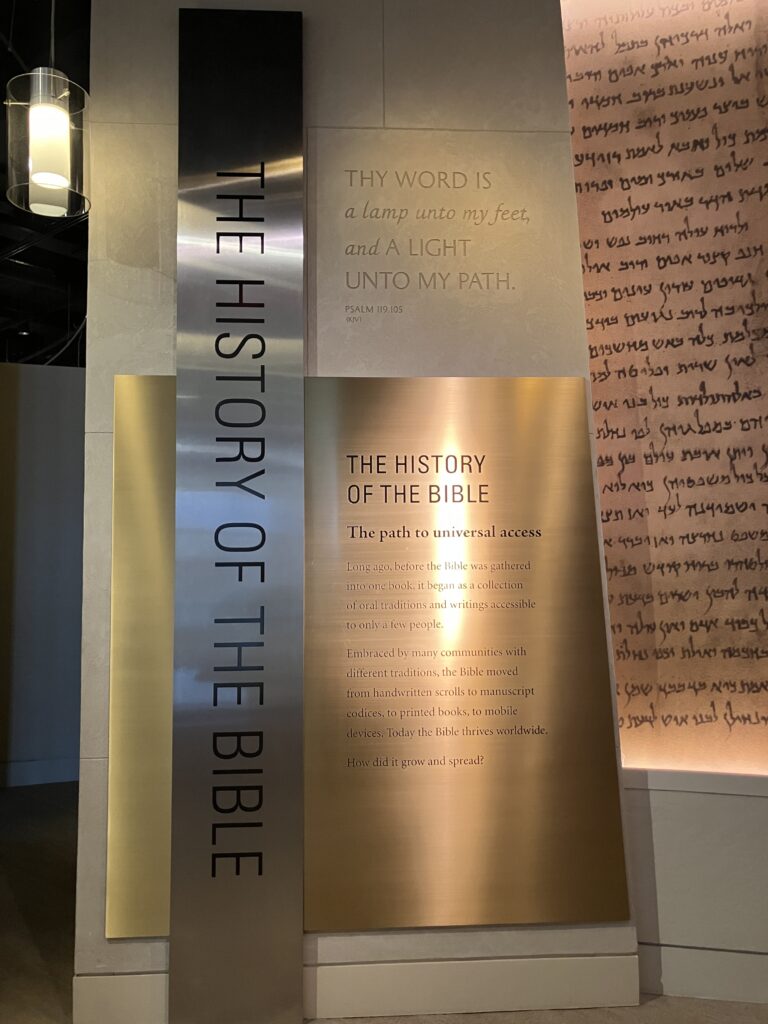
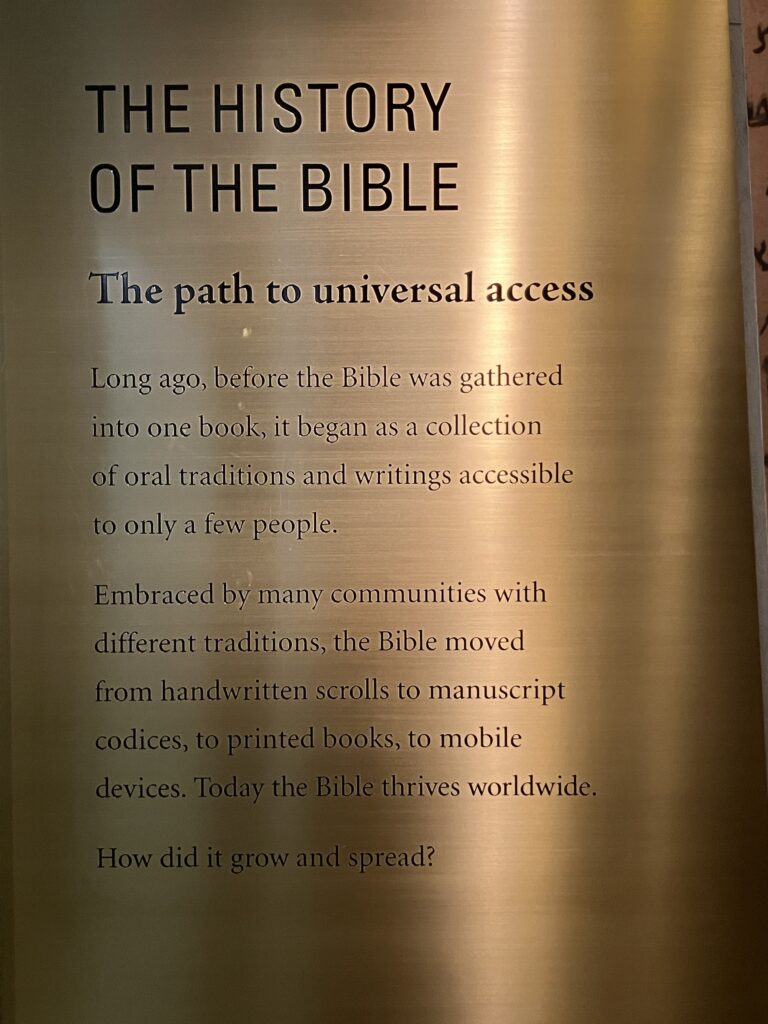
If you enjoy manuscripts and historical detail, this floor is easy to linger on. The exhibit traces the Bible’s journey – from its earliest beginnings as oral traditions and scattered writings, accessible to only a few, to the globally available text we know today.
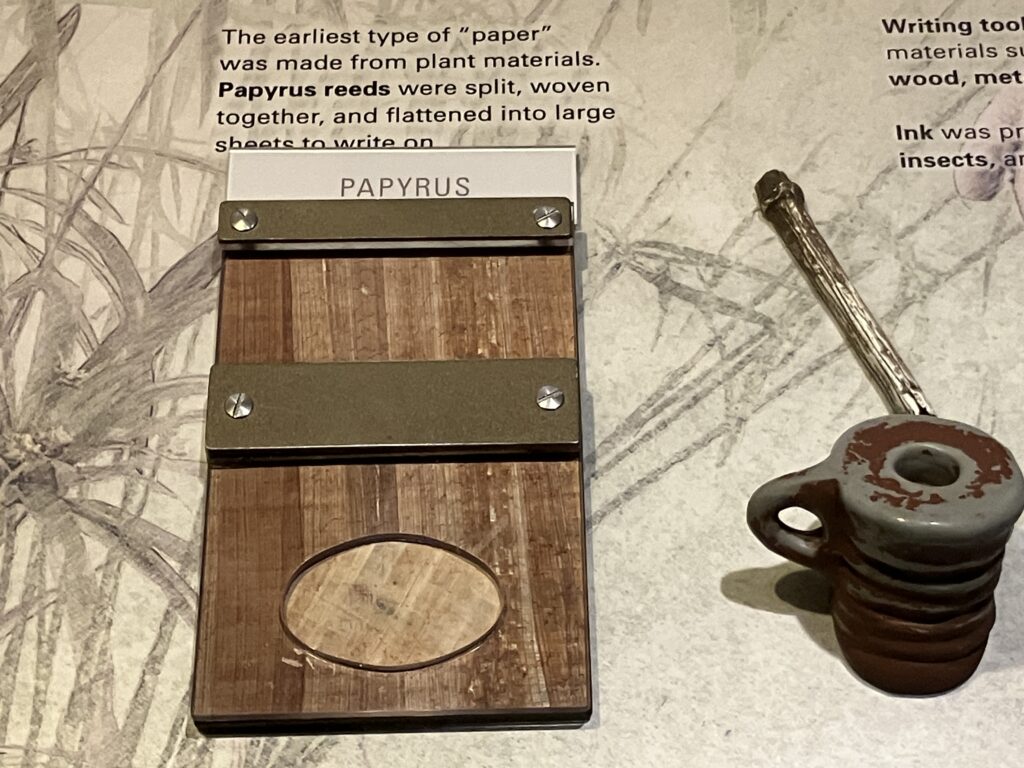
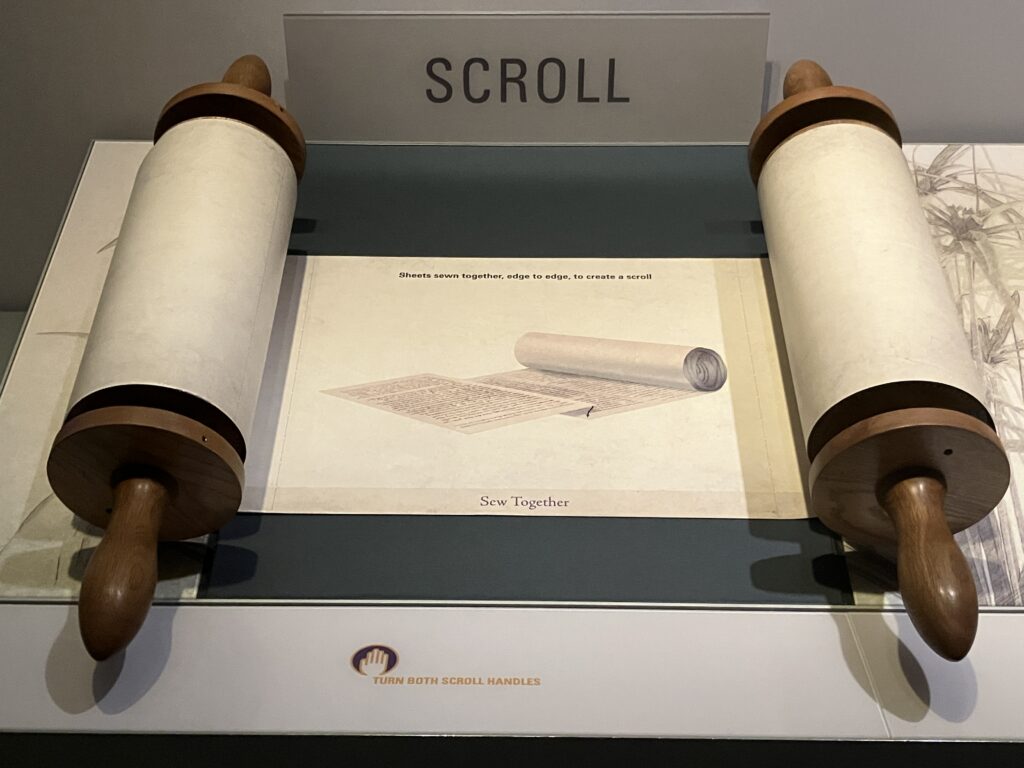
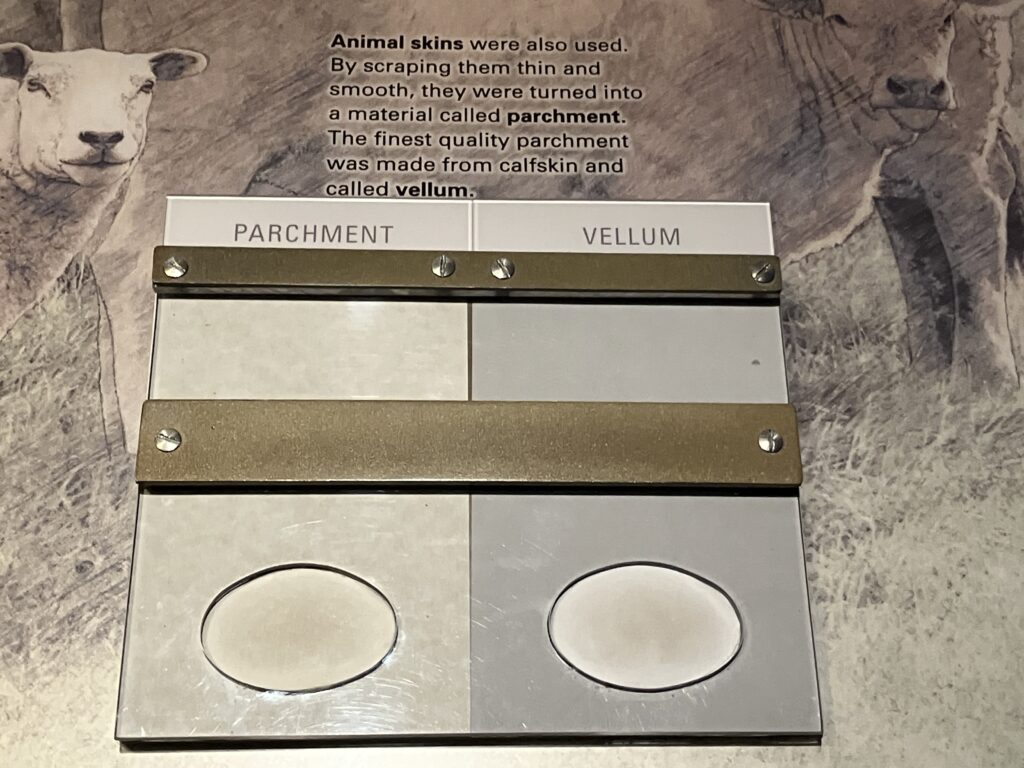
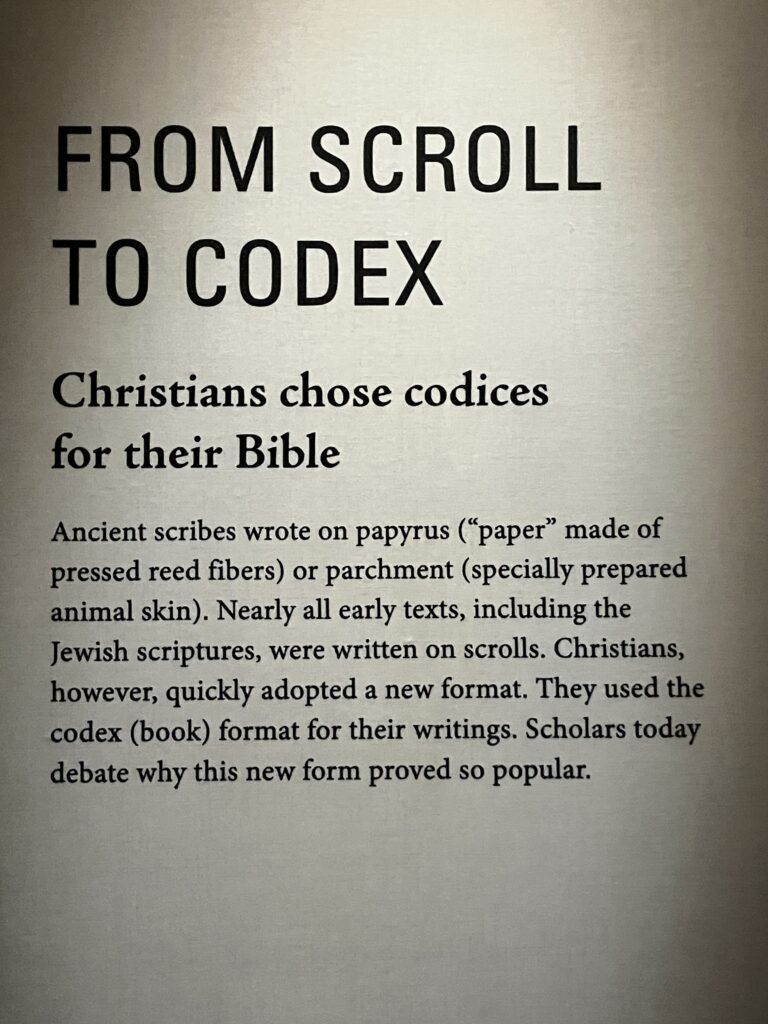
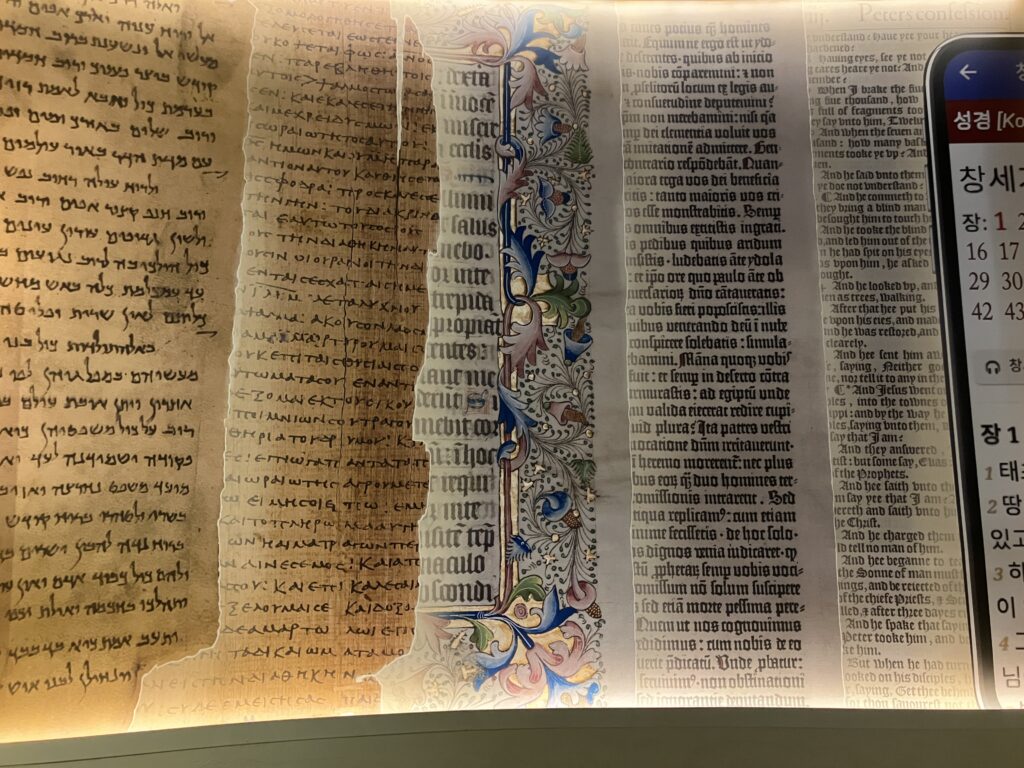
Over time, these writings were embraced by different communities and gradually moved from handwritten scrolls to codices, printed books, and now digital apps. It’s a powerful reminder that what feels familiar today took centuries to develop and spread.
You’ll see how the text was carefully copied by hand for generations, and how it survived periods of persecution and book burnings to reach a worldwide audience.
Highlights:
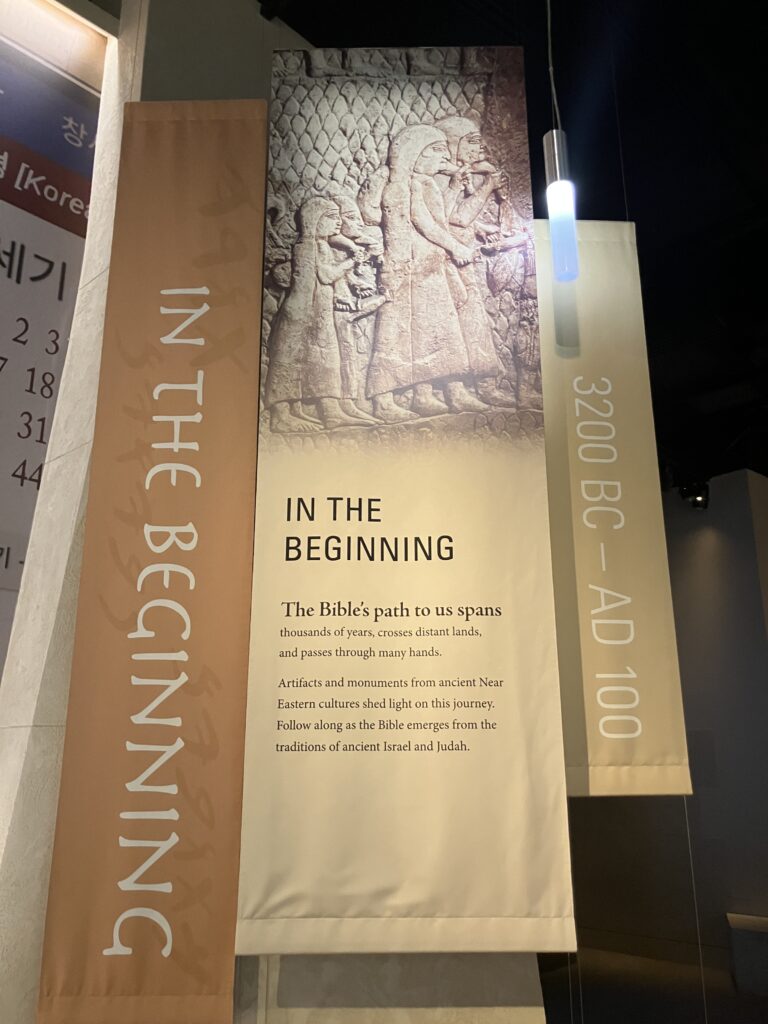
- Artifact Galleries: More than 600 artifacts tell the story, starting with “In the Beginning” and moving counterclockwise through millennia of manuscript history. You will see early New Testament manuscripts, ancient coins, Torah scrolls, illuminated manuscripts with gold-leaf illustrations, and rare printed Bibles spanning the globe.
- Bible Reading Room: It offers a quieter, more contemplative space, This is a place to sit, listen to Scripture being read aloud, and participate in the ancient tradition of communal Bible engagement. Ideal for a short break.
- illumiNations Exhibit: Tracks global Bible translation progress. With thousands of languages still underserved, it’s a powerful look at ongoing efforts to make Scripture accessible worldwide.
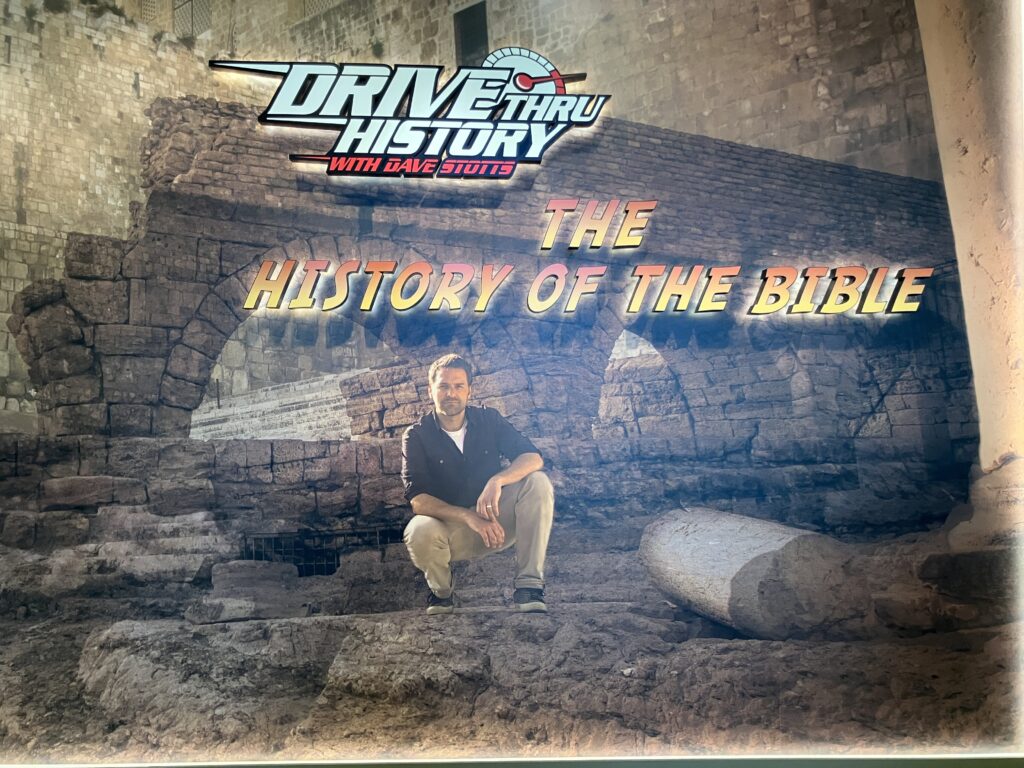
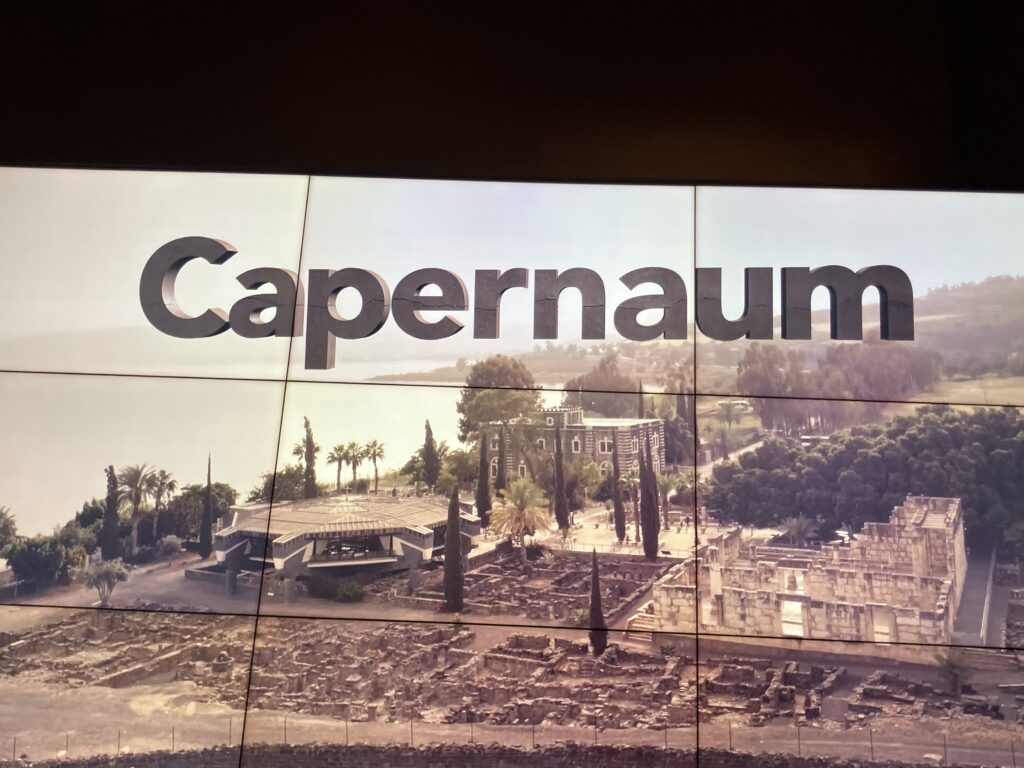
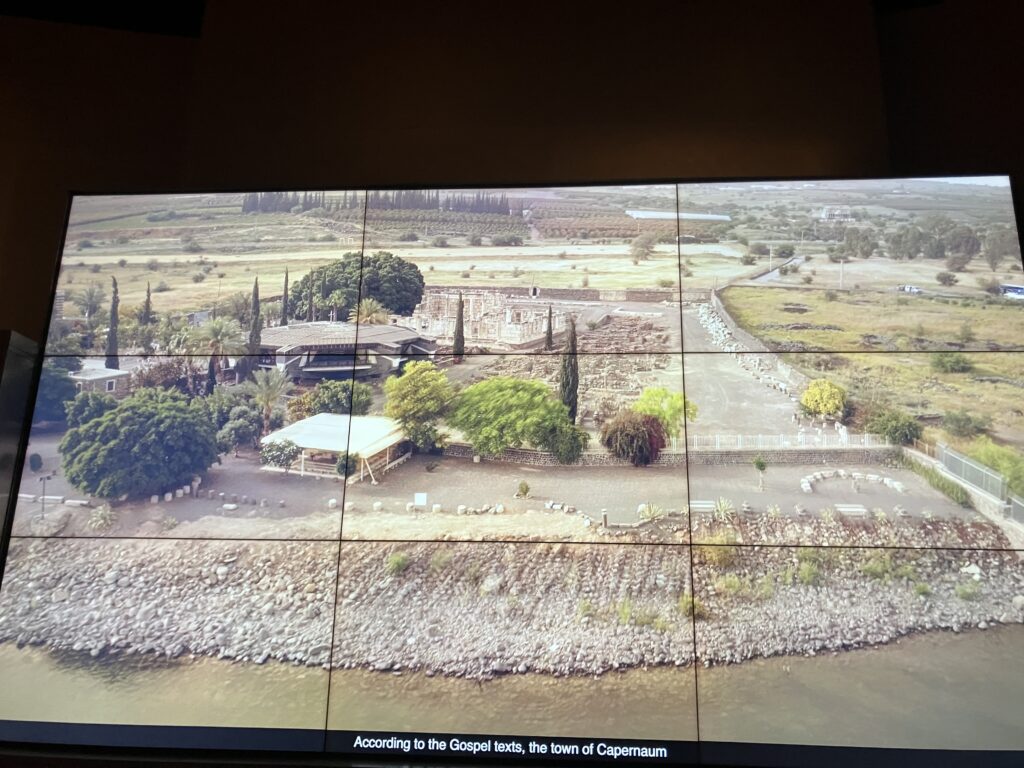
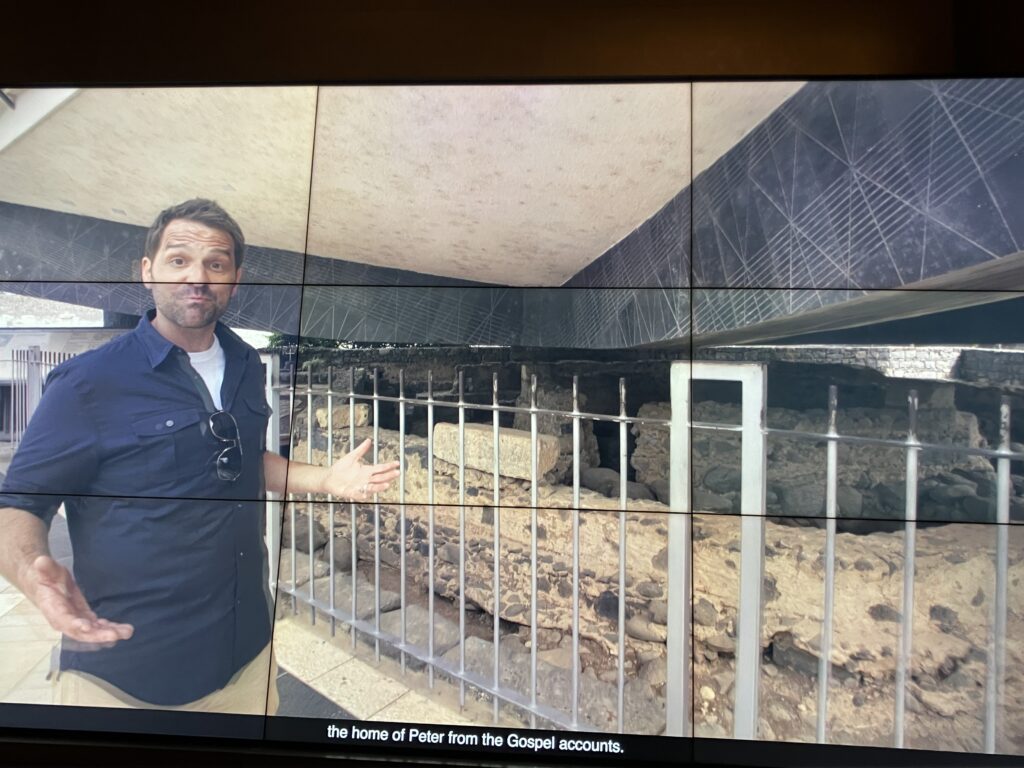
- Drive Thru History Theater: The host Dave Stotts shows a 12-minute introductory film every 15 minutes. It is the perfect orientation before you dive in.
Floor 5: Special Exhibitions & Archaeology
This floor blends archaeology with live performance. Highlights include:
The People of the Land
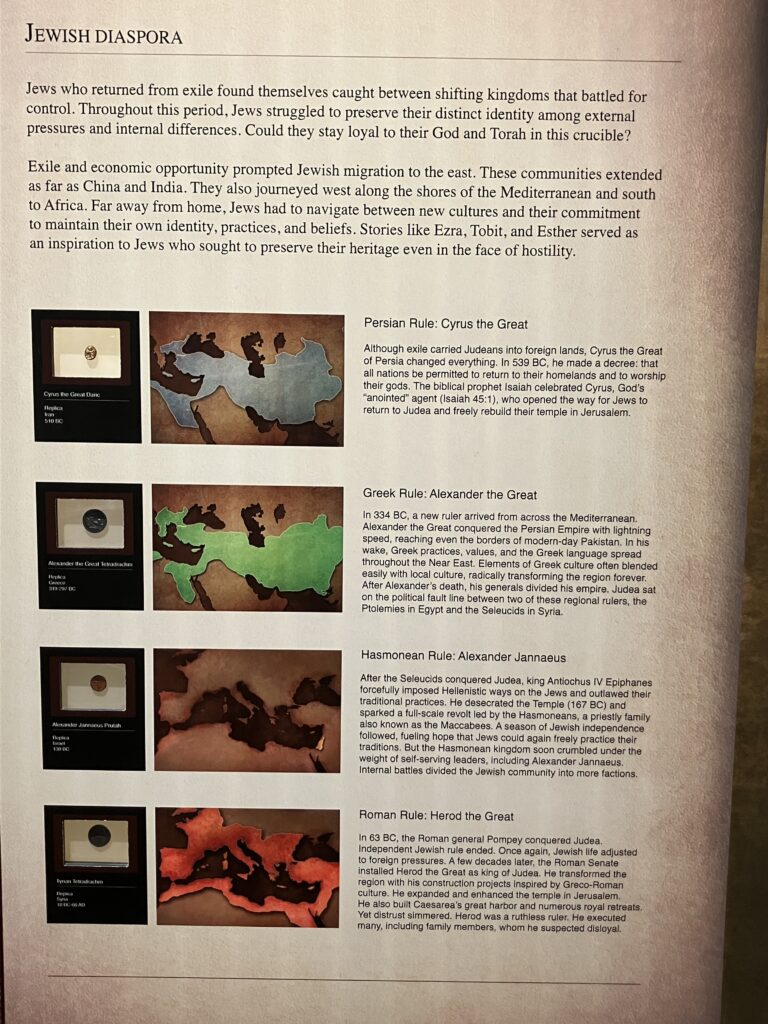
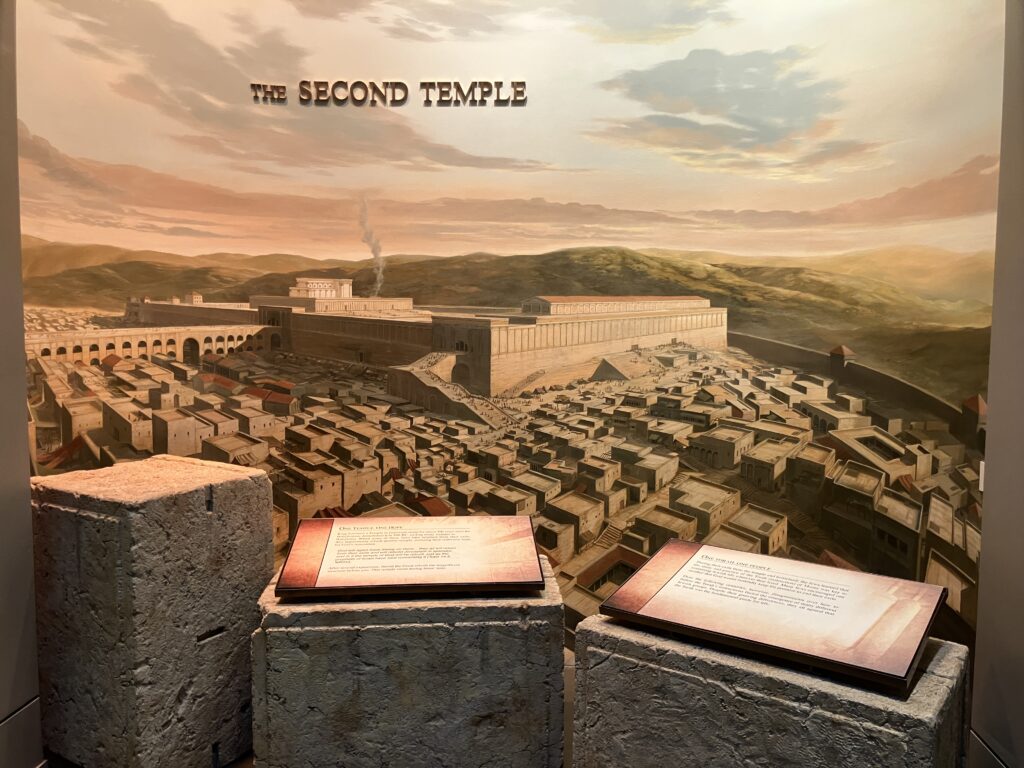
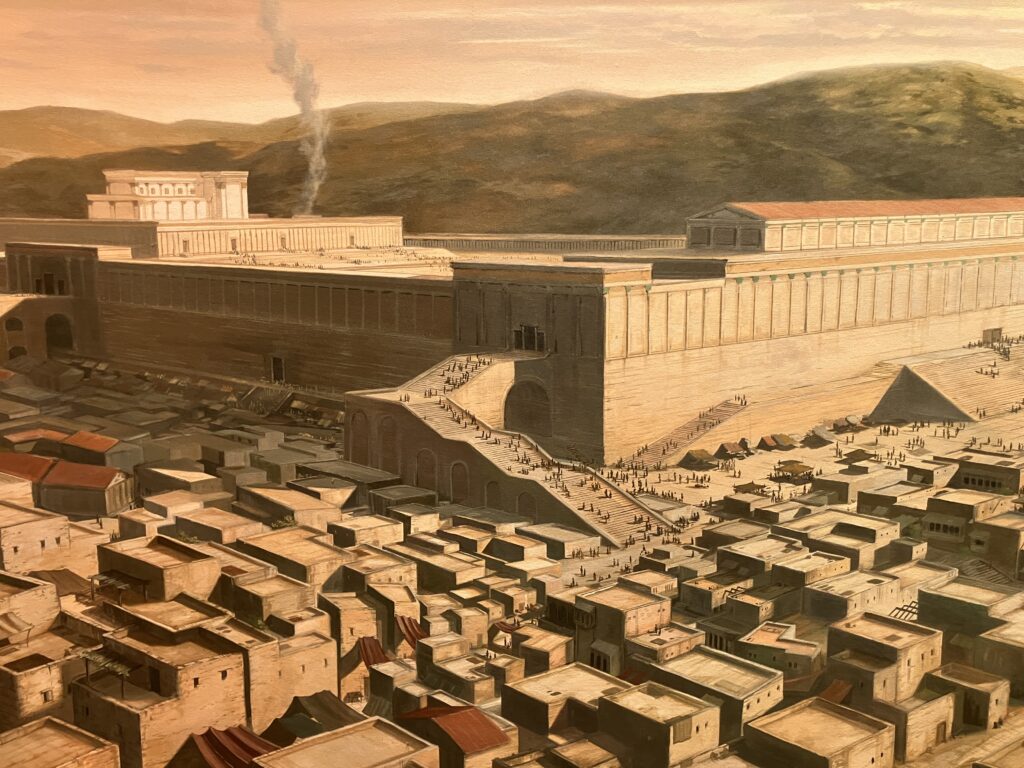
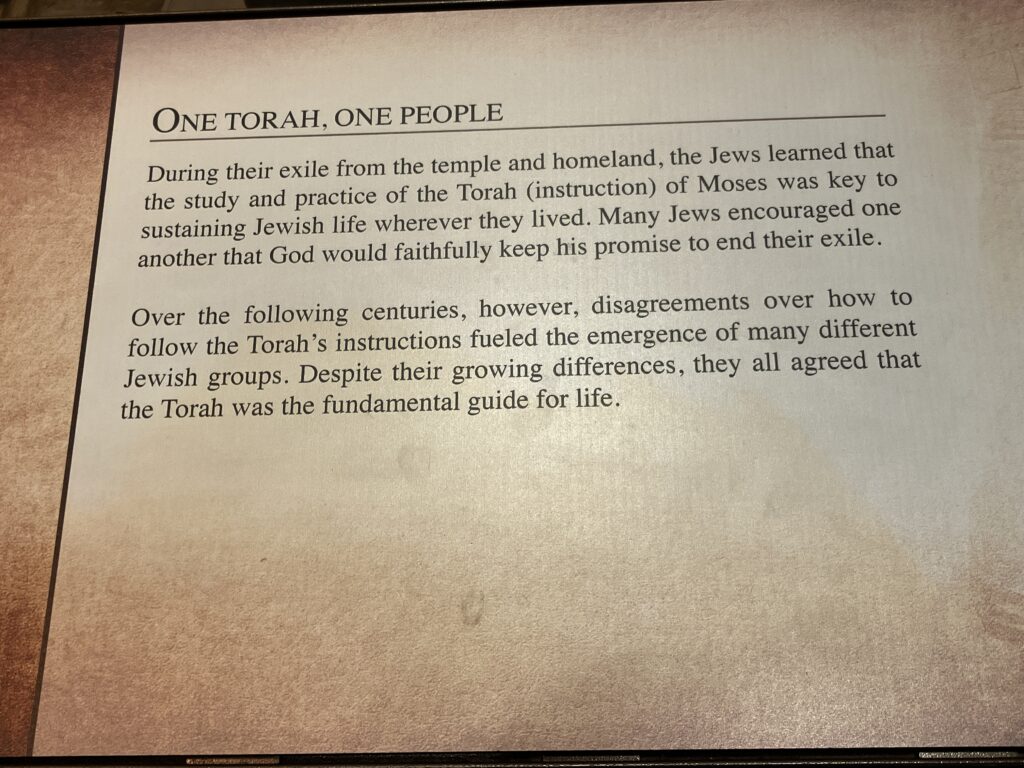
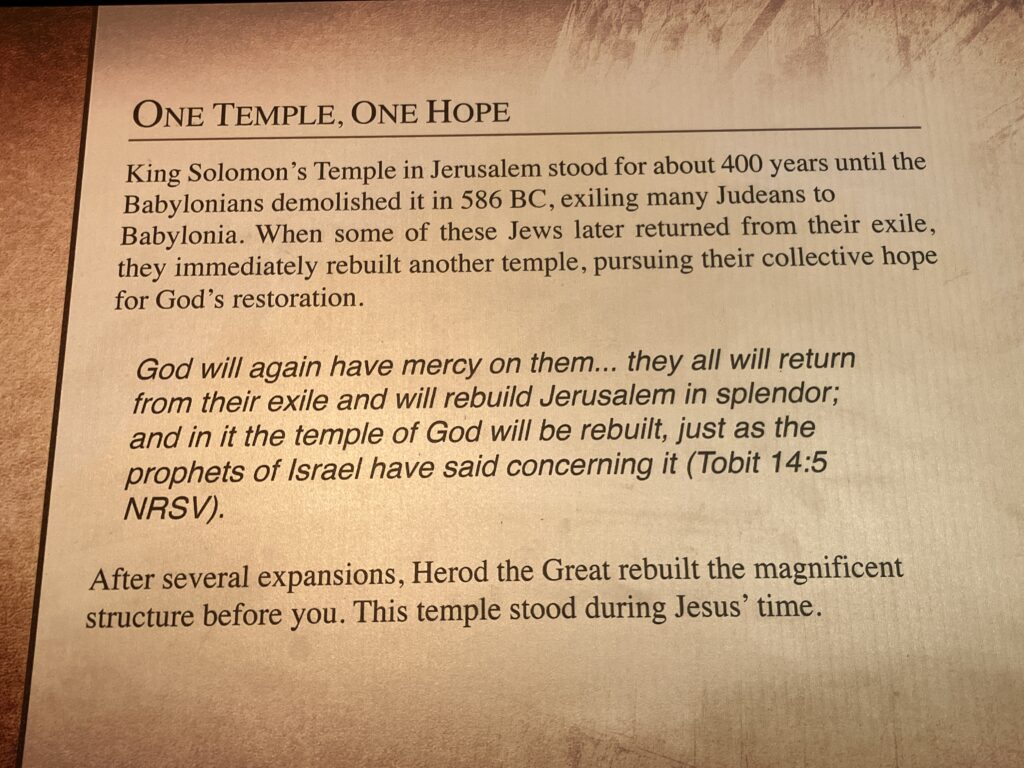
Floor 5 is home to The People of the Land: History and Archaeology of Ancient Israel, a long-term exhibit from the Israel Antiquities Authority. It covers 2,000 years of history from ancient Canaan and Egypt through the kingdoms of Israel and Judah and into the Roman period. The artifacts here include discoveries that connect directly to the world of the Bible, and the exhibit does a beautiful job of grounding Scripture in actual history, actual places, actual people.
World Stage Theater
Also on Floor 5 is the main entrance to the World Stage Theater, a beautifully designed, 472-seat venue that hosts concerts, theatrical performances, film screenings, and lectures. The museum uses digital 3D-mapping technology to transform the theater into an immersive experience. Check the events calendar before your visit; there is often something extraordinary on the program.
“Joseph: God Meant It for Good” ran from February 6 to March 26, 2026. Check the official events calendar for performances during your visit.
And when hunger strikes mid-afternoon, Manna Bites is also on Floor 5 for quick snacks.
Floor 6: Rooftop Terrace & Garden
Do not skip Floor 6. Come up here before you leave.
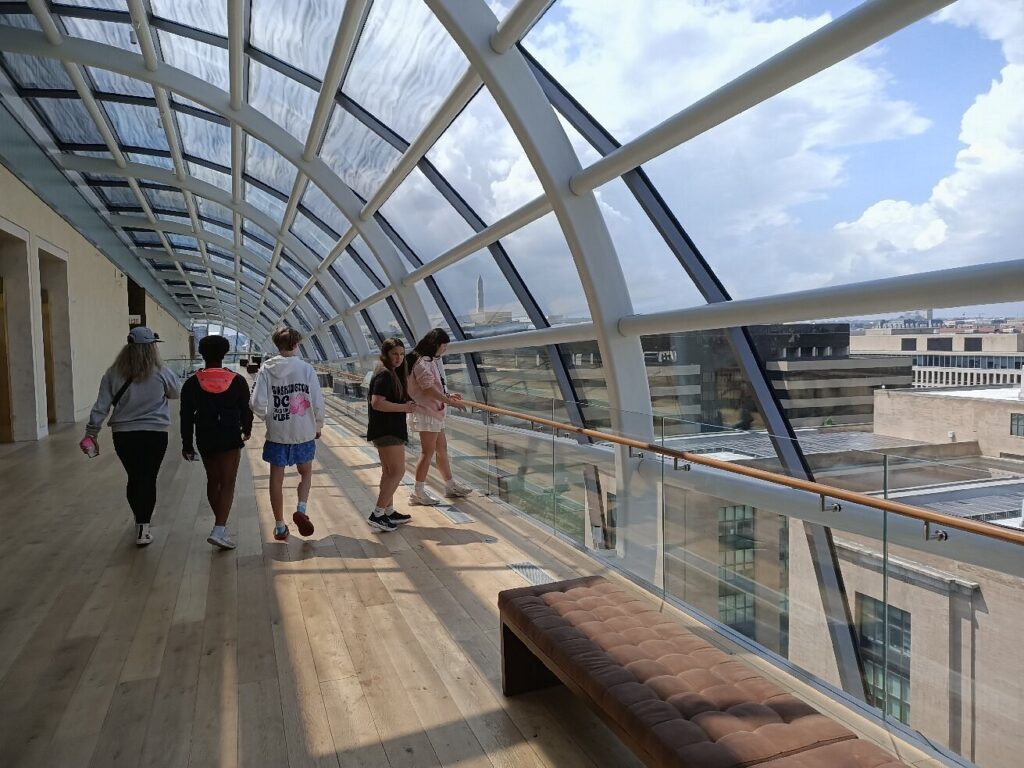
- The glass-enclosed promenade offers panoramic views of Washington D.C., including the U.S. Capitol and Washington Monument.
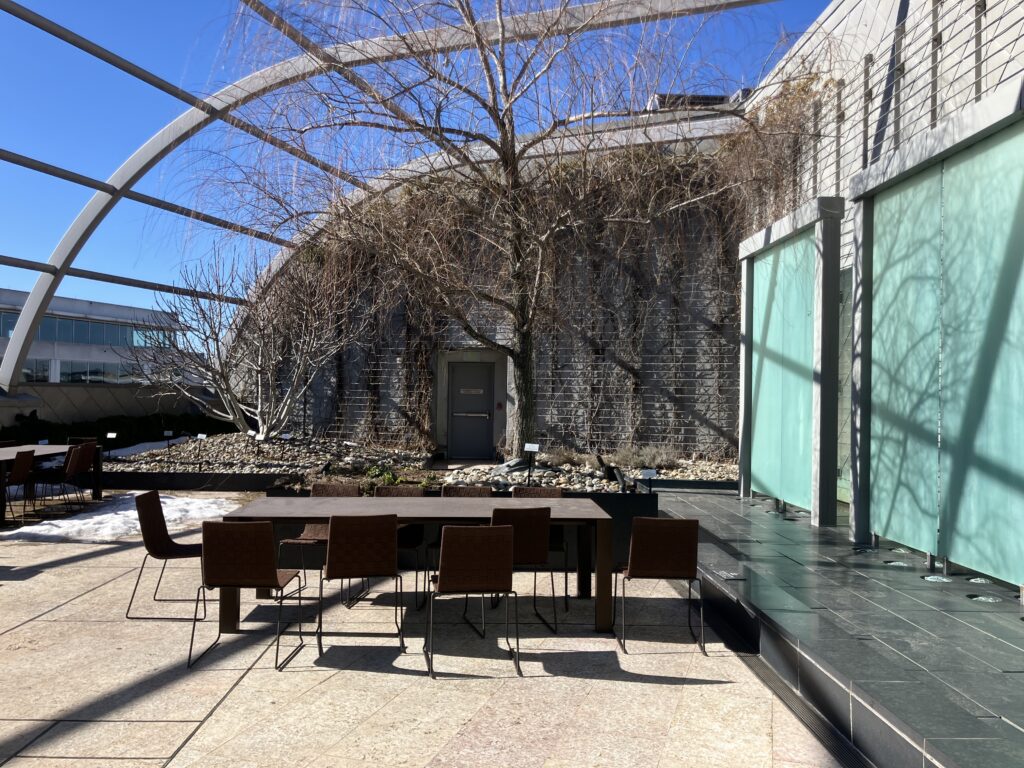
- The Biblical Garden is a rooftop garden planted with varieties mentioned throughout Scripture. It is calm.
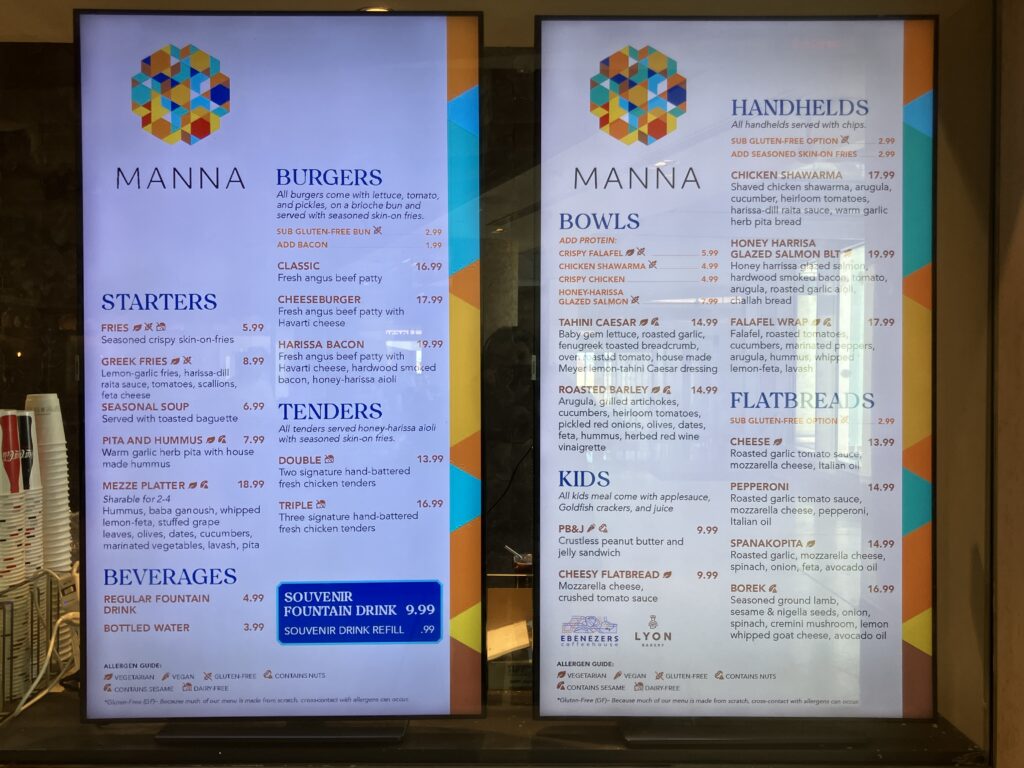
- Manna restaurant is up here. Casual dining with pizza, burgers, grain bowls, and snacks. Indoor seating or outdoor garden dining.
New Art Gallery Coming in 2026
The Museum of the Bible is expanding its experience with a major new art initiative set to open in November 2026.
At the center of this update is the Bowden Gallery of Biblical Art, a new permanent gallery on Floor 2. This follows the museum’s acquisition of the Bowden Collection, an important private collection of biblical art gathered over more than 40 years.
The museum also plans to launch traveling exhibitions, bringing parts of the collection to audiences beyond Washington, D.C.

Getting There
Address: 400 4th Street SW, Washington, D.C. 20024
- By Metro: Take the Blue, Orange, or Silver line to Federal Center SW. The museum is a short, easy walk.
- By Car: No onsite parking. Several garages are nearby. Use SpotHero or ParkWhiz for discounted rates.
- By Trolley Tour: The museum is a 5-minute walk from an Old Town Trolley hop-on, hop-off stop. A great option if you are exploring multiple D.C. sites in one day.
- The museum sits just two blocks from the National Mall. It is easy to pair with the Smithsonian museums, the US Capitol, or the National Archives.
Exploring Washington, D.C. further? Here are the Top 21 Washington D.C. Landmarks to help you plan the rest of your trip around the city.
Dining at the Museum of the Bible
You’ll find several dining options throughout the museum, whether you want a quick coffee break or a full meal before heading out. Outside food and drinks are not permitted, except water in a sealed container. Keep open food and drinks out of the galleries.
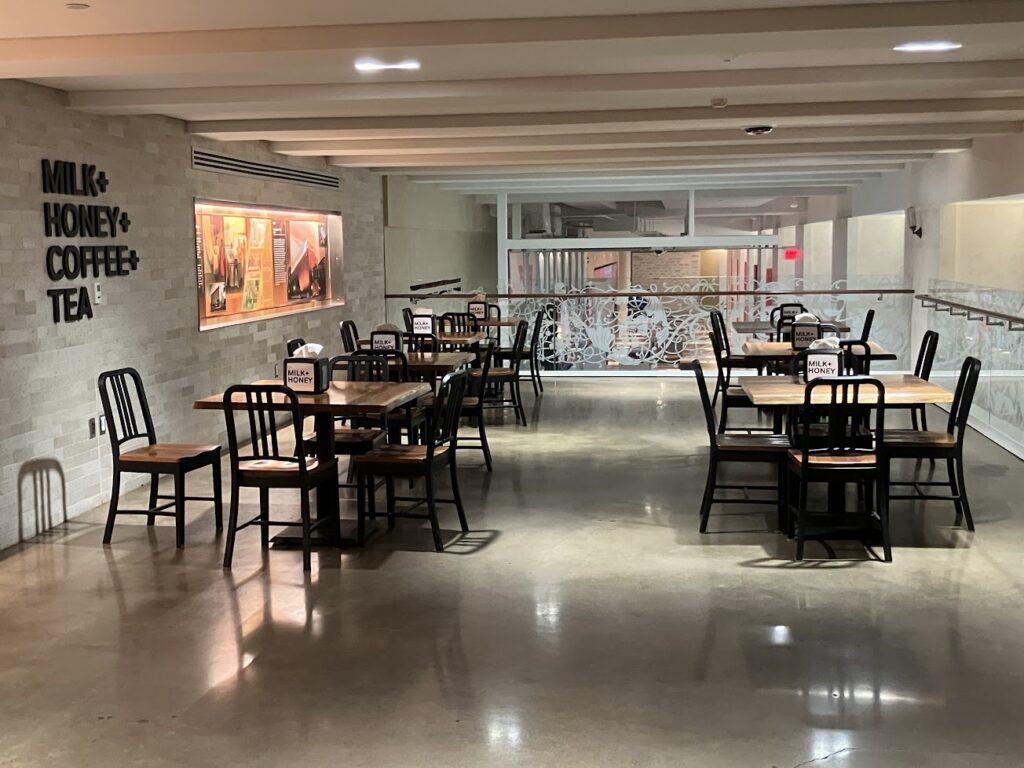
Milk + Honey Café (Mezzanine)
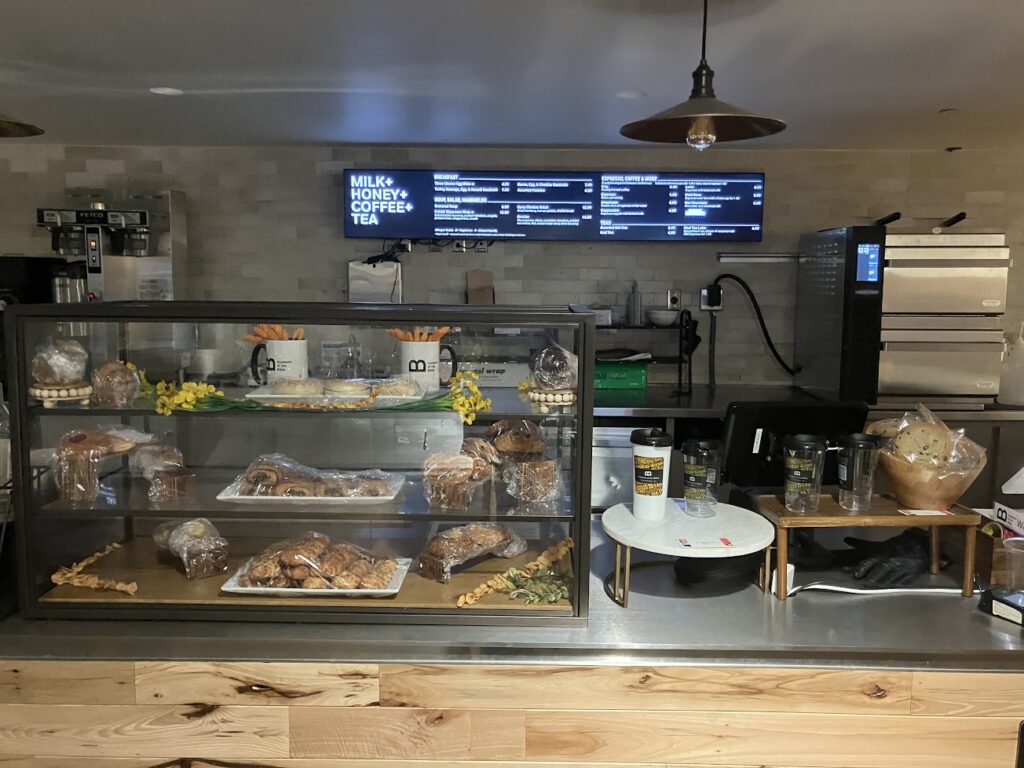
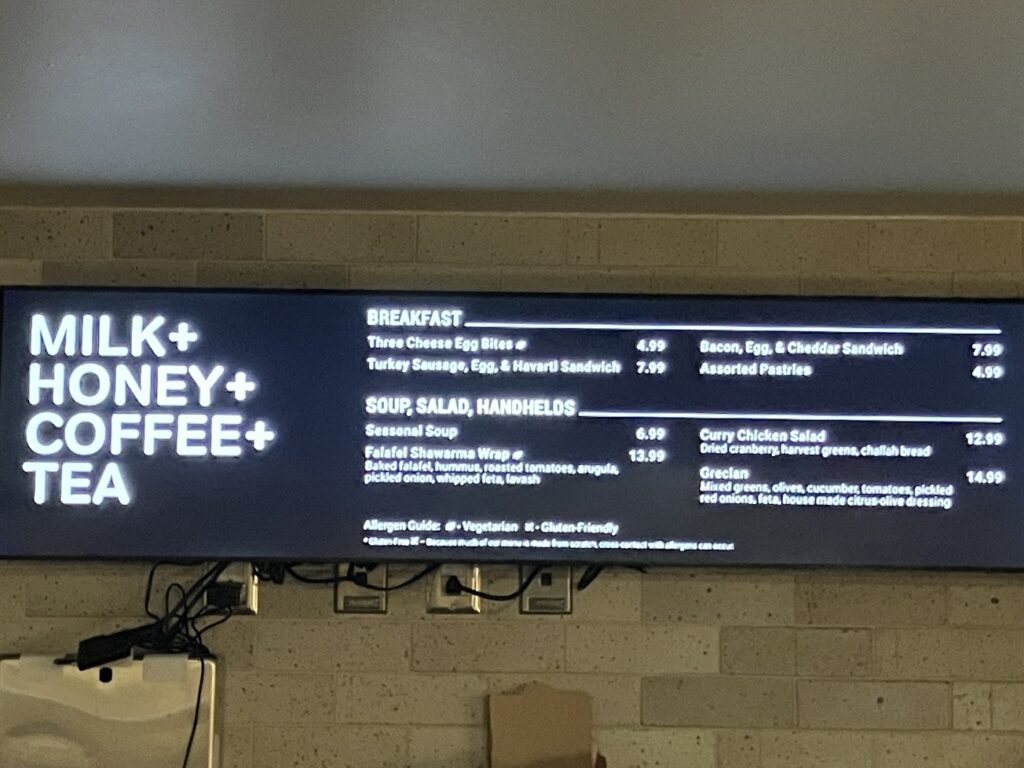
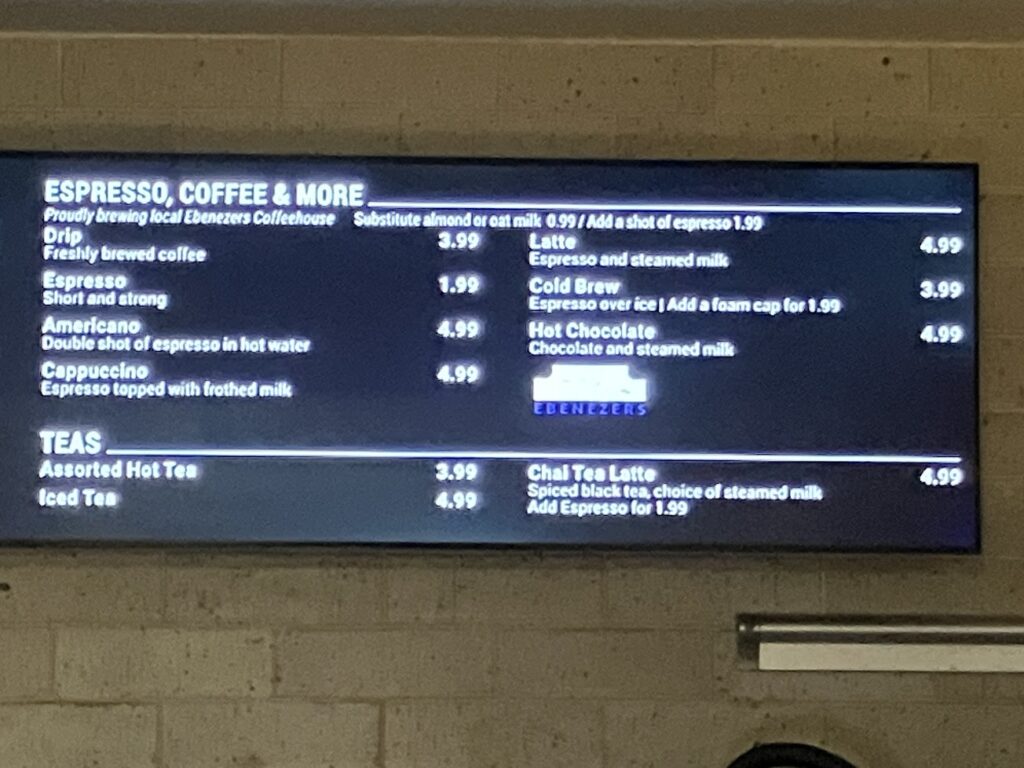
A relaxed café open to both visitors and the public. It’s ideal for a coffee break or light meal during your visit. Hours: Monday-Saturday: 9:30am-4:00pm; Sunday: 10:00am-4:00pm (the café’s published hours differ from Sunday museum admission hours). It serves artisan coffee, teas, sandwiches, salads, soups, and fresh baked items like scones and muffins.
Manna (Floor 6)
The main restaurant with a full dining experience and rooftop access. Hours: Open Daily: 10:00am-4:00pm. You’ll find burgers, sandwiches, flatbreads, salads, kids’ meals, and desserts.
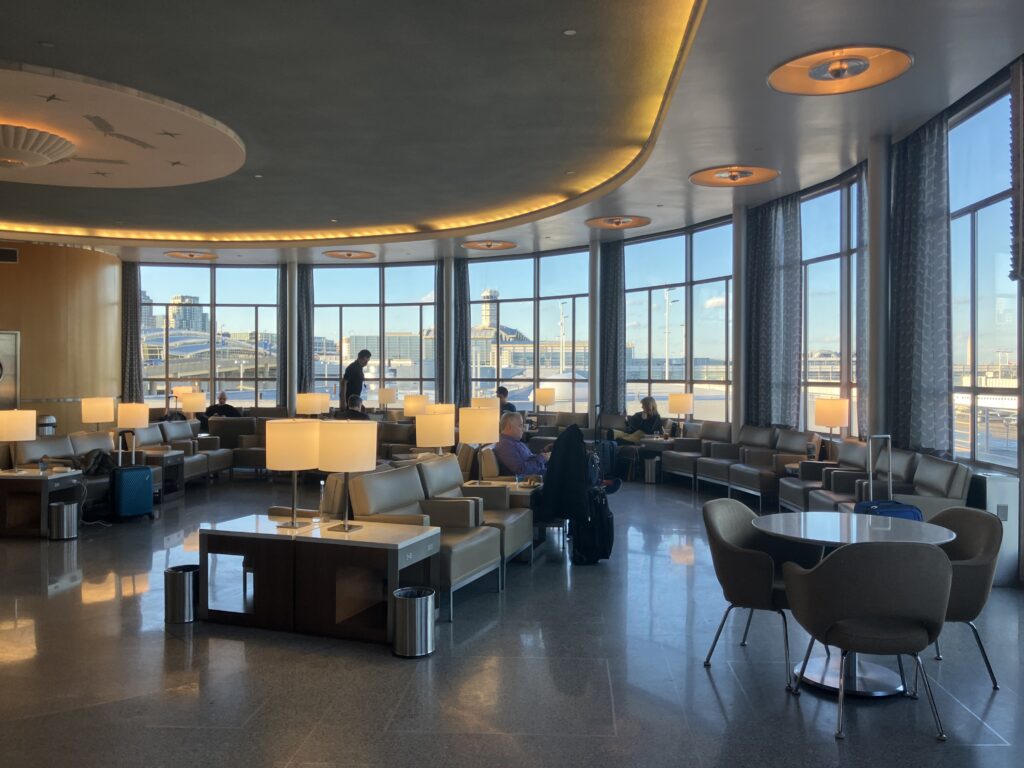
Manna Express (Floor B1)
A fast, casual option for visitors on the go. Hours: Friday–Sunday: 11:00am-3:00pm. It offers quick items like pizza, sandwiches, and snacks.
Manna Bites (Floor 5)
A small grab-and-go station inside the exhibit floors. Hours: Open daily: 11:00am-3:00pm.
Ideal for a quick snack so you can continue exploring without leaving the galleries.
Practical Tips for Visiting the Museum of the Bible
- Allow at least 4–5 hours. Floor 3 alone can take 90 minutes. Many visitors spend a full day.
- Book tickets in advance at museumofthebible.org. Confirm ticket inclusions for your visit date.
- Check the free Tuesday offer above before booking.
- Start on Floor 3. Then go up to Floor 4 and Floor 5. End on Floor 2. Many visitors recommend this route.
- Wear comfortable shoes for six floors of walking.
- Wear comfortable shoes. Six floors is a lot of walking.
- Bring a jacket or sweater. The museum is well air-conditioned. Several visitors mentioned feeling cold.
- Try the HISTORIES game. Pick up an NFC card on Floor 1 to play at kiosks around the museum.
- No onsite parking. Use the Federal Center SW Metro stop or find a nearby garage via SpotHero.
- Photography is allowed for personal, noncommercial use. Flash is prohibited throughout the museum; ask permission before photographing other people.
- Allow enough time. Check the opening hours above when planning your arrival.
Nearby Attractions
One of the best things about the Museum of the Bible is its location. You are right in the heart of Washington, D.C., with many of the city’s most important landmarks just a short walk away.
- The National Mall: Just minutes away, the National Mall connects many of D.C.’s most iconic sites. You can easily walk to the Lincoln Memorial, World War II Memorial, and the Washington Monument.
- Smithsonian Museums: A major highlight of DC is the Smithsonian network, all free to enter. Nearby options include the National Air and Space Museum, National Museum of American History, and the National Museum of Natural History. Each offers world-class exhibits just a short walk or Metro ride away.
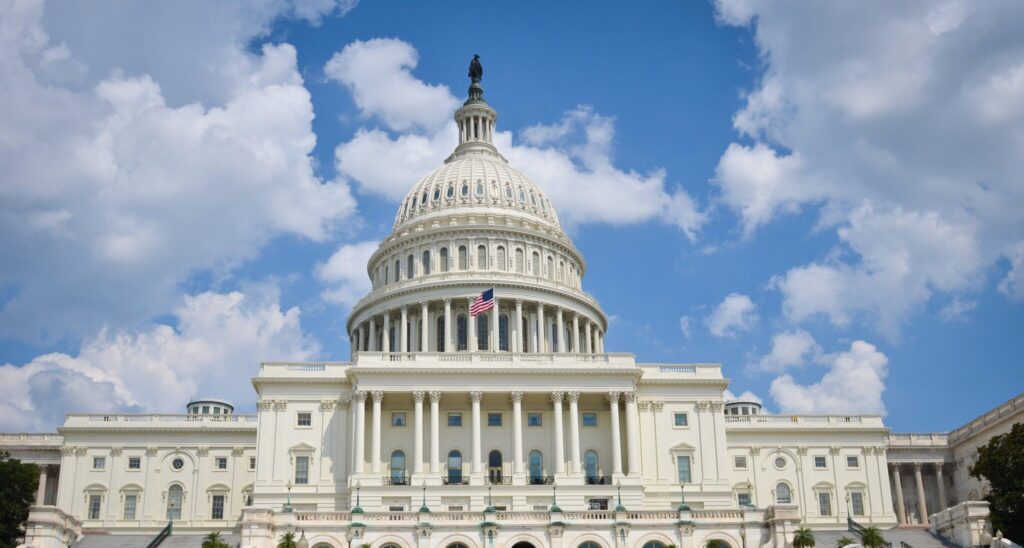
- U.S. Capitol Building: A symbol of American democracy, the U.S. Capitol offers guided tours where you can explore its historic chambers and learn about the nation’s legislative history. Advance booking is recommended.
- Library of Congress: One of the most beautiful buildings in Washington, D.C., the Library of Congress is known for its grand architecture and vast collection of books and manuscripts. Even if you don’t go inside the reading rooms, the interiors alone are worth a visit.
FAQs: Museum of the Bible, Washington D.C.
Absolutely. The museum presents the Bible as a historical and cultural document, not a religious directive. Many non-Christian visitors call it one of the most interesting museums in D.C.
Yes. Courageous Pages, the immersive Floor 3 experiences, and the recreated Galilean village offer plenty for families. Children under 5 get in free.
Advance booking is recommended, especially on weekends. Book at museumofthebible.org and check your ticket inclusions. Special events cost extra.
Plan at least 2-3 hours for a quick visit. If you want to explore all floors in detail, including exhibits and rooftop areas, a half-day visit (3-5 hours) is ideal.
Floor 3: The Stories of the Bible is the most popular. It features immersive walkthroughs like the Hebrew Bible Experience and a recreated first-century village that many visitors find unforgettable.
Is the Museum of the Bible Worth Visiting?
Absolutely. With one honest note.
If you are expecting a free Smithsonian experience, paid admission on most days may feel steep. But the Museum of the Bible is a completely different kind of institution. The quality of its exhibits reflects that investment.
The immersive experiences on Floor 3 alone are worth the price of admission. The Megiddo Mosaic on Floor 1 is free and should not be missed. The rooftop views of the Capitol are lovely. And the Washington Revelations flyover is one of the most genuinely fun things I have done inside any museum – anywhere in the world.
The Bible has shaped empires. Inspired revolutions. Comforted the suffering. Guided the lost. And it has outlasted every civilization that ever tried to destroy it. Spending a day tracing that story inside these walls feels like exactly the right way to understand why.
I would tell any history-minded traveler to put this on their D.C. itinerary. Without hesitation. You will not regret it!