

National Air and Space Museum: Complete Guide (2026)
The Smithsonian Air and Space Museum houses the largest collection of air and spacecraft in the world. It exhibits aircraft, spacecraft, missiles, rockets, and other flight-related artifacts.
Highlights include the Wright Brothers first plane, the Hubble Telescope, the Spirit of St Louis, and a piece of the moon. Five more galleries opened on July 1, 2026: Textron How Things Fly, Flight and the Arts Center, Jay I. Kislak World War II in the Air, U.S. National Science Foundation Discovering Our Universe, and RTX Living in the Space Age. At Home in Space is scheduled for October 30, 2026, and Modern Military Aviation for November 11, 2026. Check the museum’s gallery opening schedule before visiting.
National Air and Space Museum
Opening Hours: Open Daily 10:am-5:30pm, Closed December 25
Admission: Free
Location: 6th Street and Independence Ave SW Washington D.C.

➡️Check out Smithsonian National Museum of Air & Space: Guided Tour
What to See Inside: Must-Visit Exhibits
The National Air and Space Museum is packed with artifacts that tell the story of how humans learned to fly and explore space. The museum is full of famous planes, rockets, and space artifacts. You will see the Wright Brothers’ first plane, the Apollo 11 spacesuit, the Spirit of St. Louis, and even a piece of the Moon.

America by Air
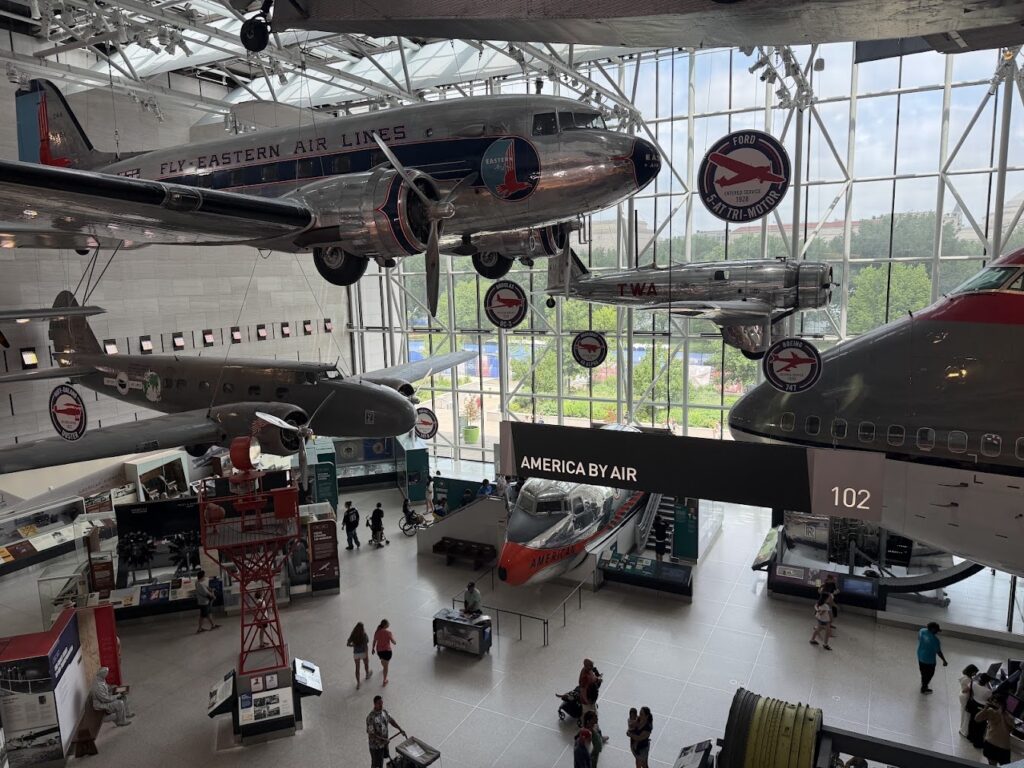
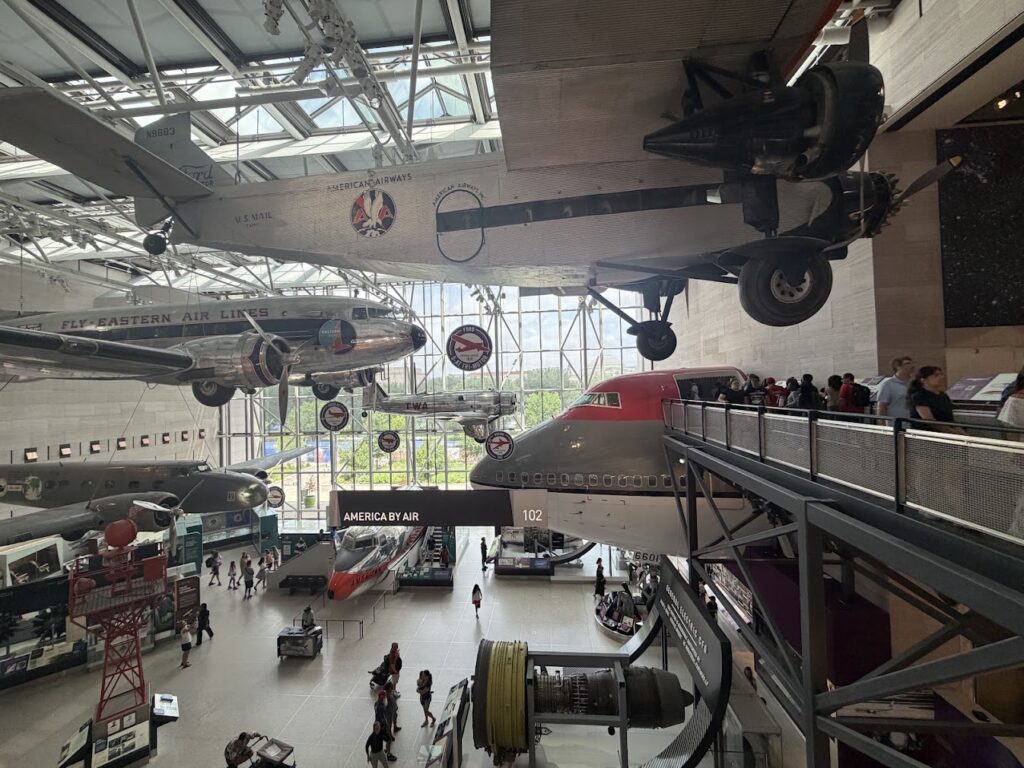
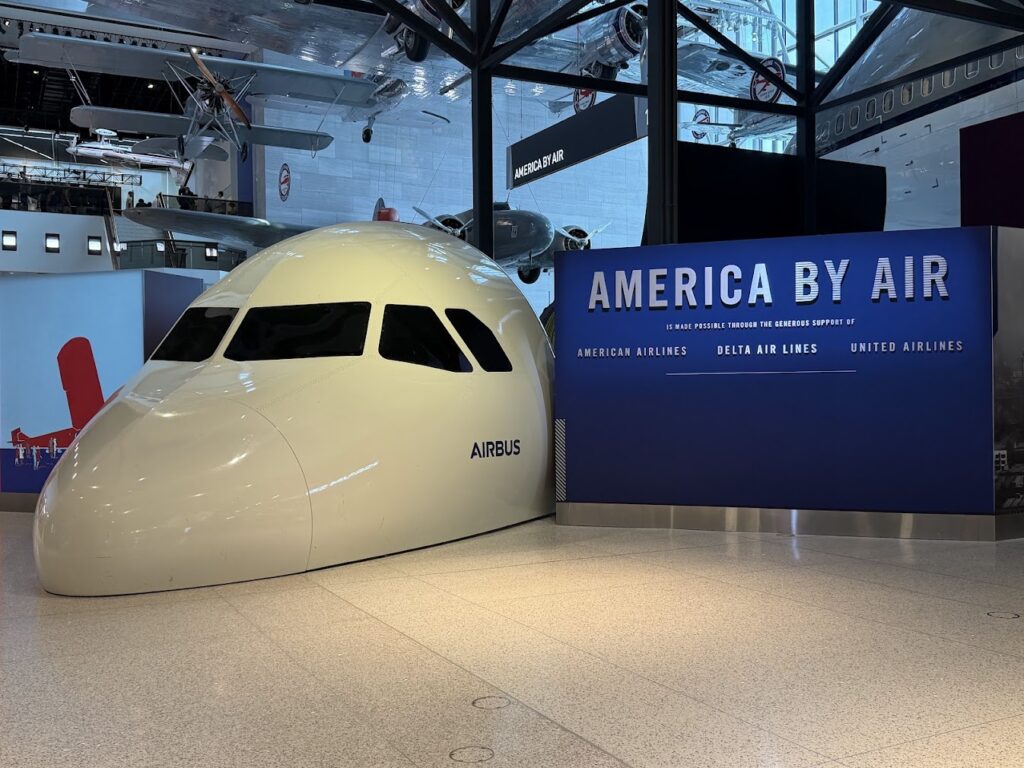
America by Air explores the story of commercial aviation in the United States, from its beginnings with airmail service to the rise of passenger airlines. The exhibition shows how government policies shaped the airline industry and how advances in technology transformed air travel. It also traces the successes and struggles of different airlines.


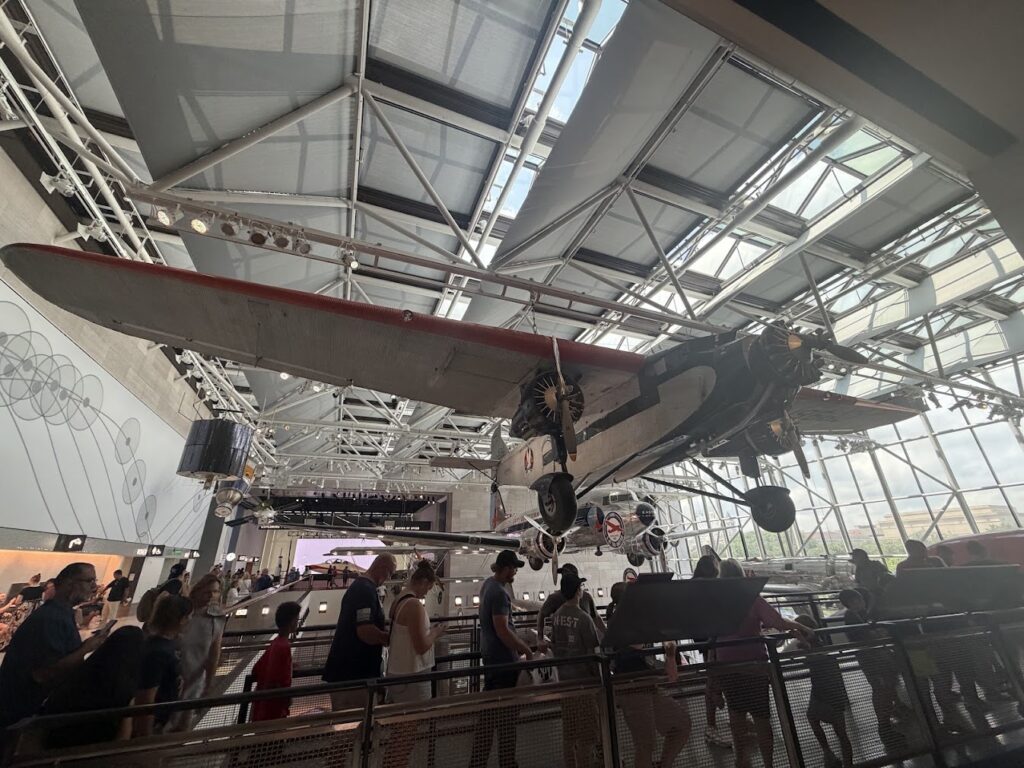
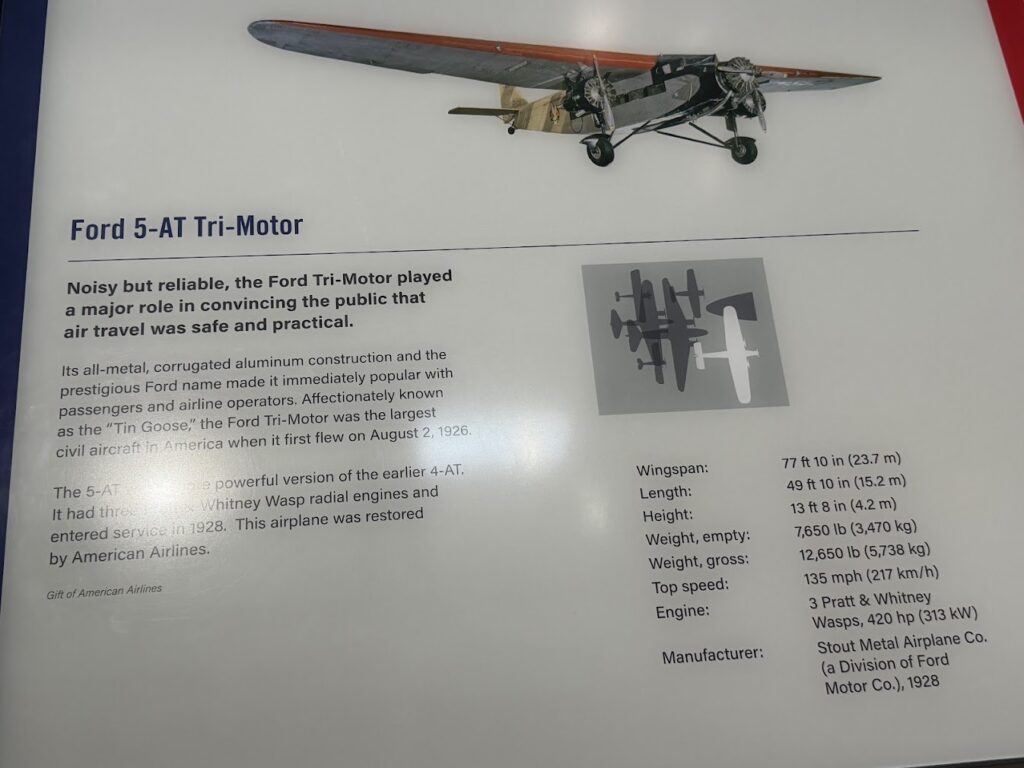
Ford 5-AT Tri-Motor
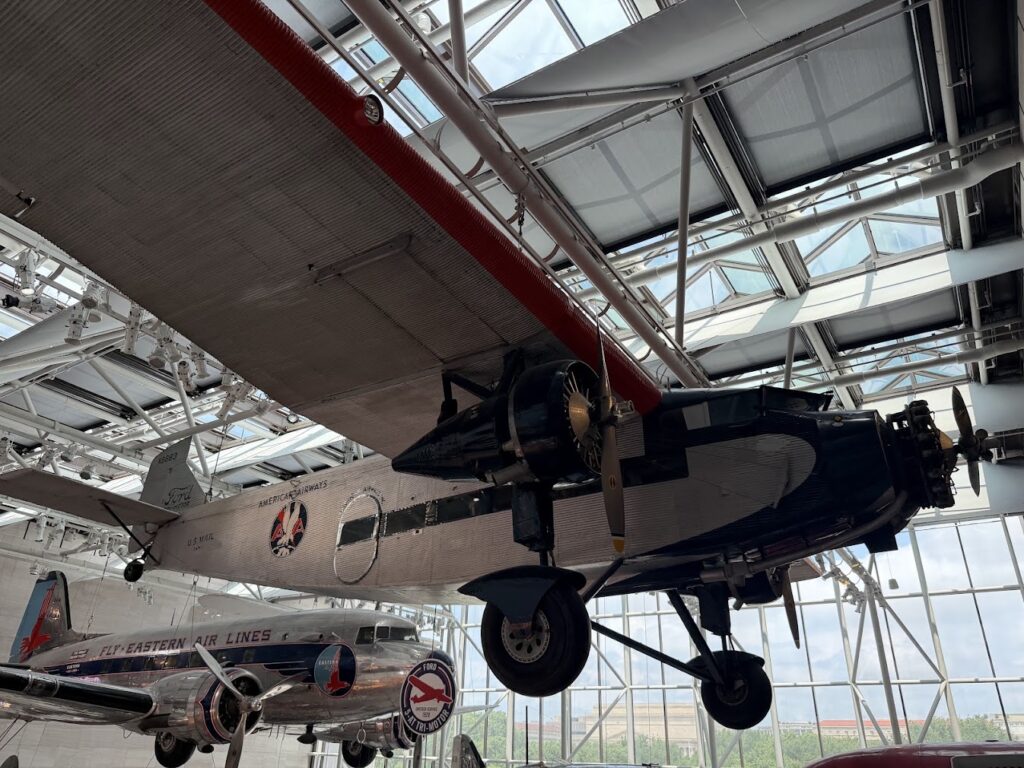
Nicknamed the “Tin Goose,” the Ford 5-AT Tri-Motor helped make commercial air travel popular in the late 1920s. Introduced in 1928, it featured rugged all-metal construction and three Pratt & Whitney Wasp engines, making it both reliable and practical. The aircraft on display was beautifully restored by American Airlines.
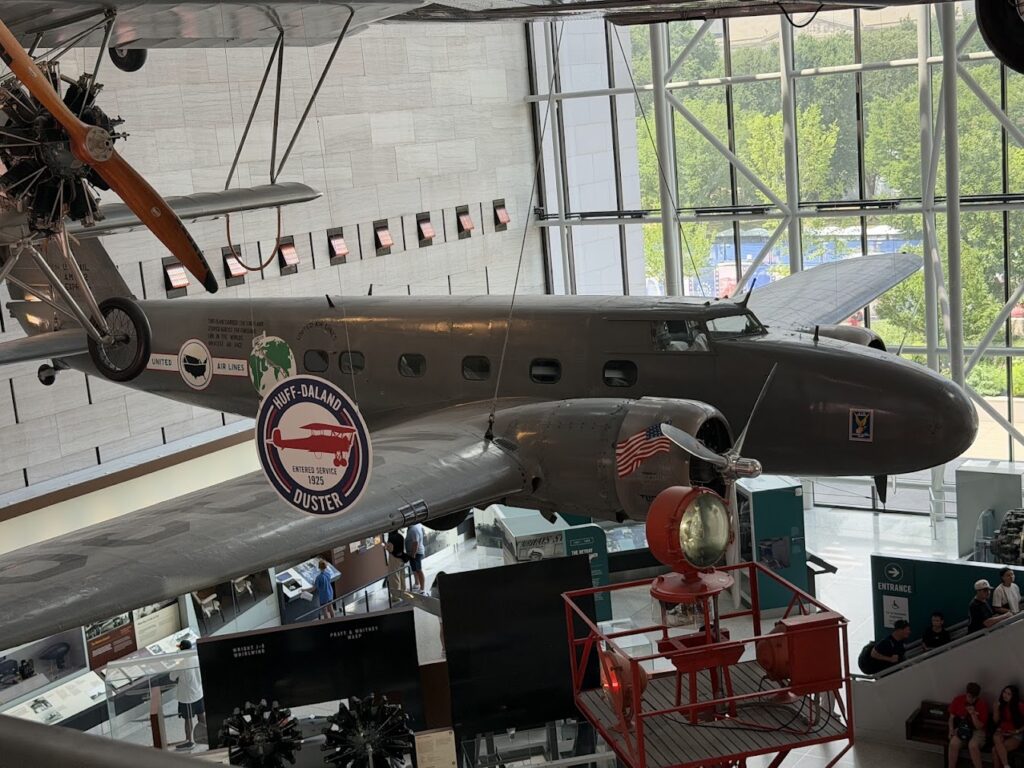
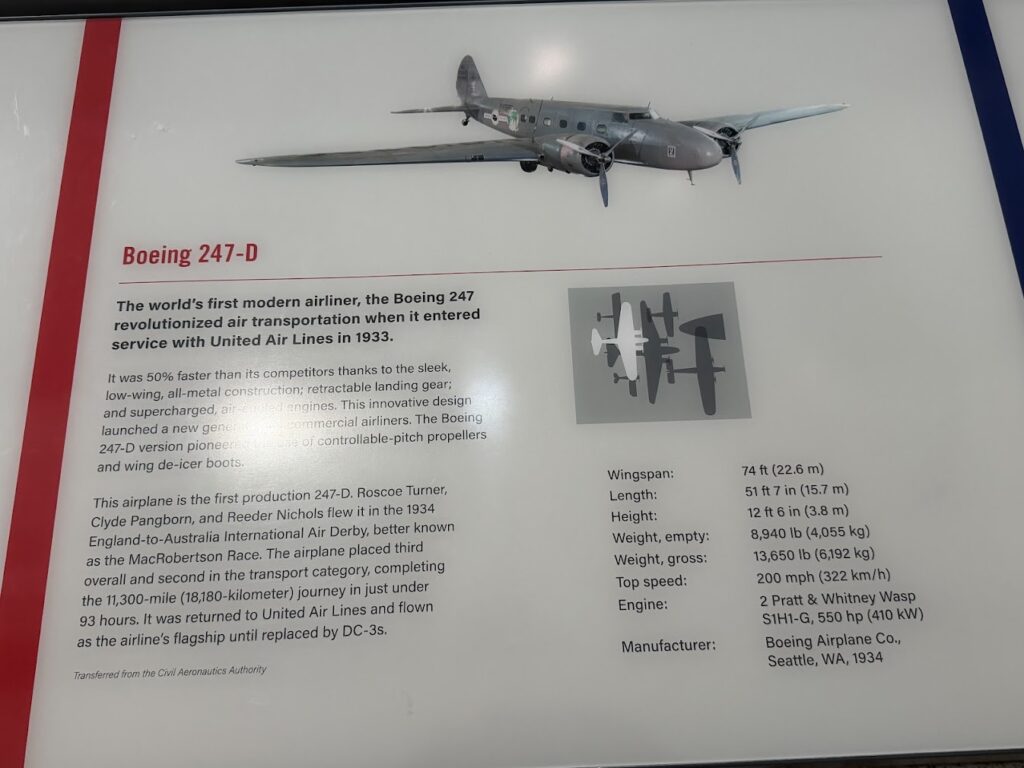
Boeing 247-D
The Boeing 247-D was the world’s first modern airliner when it entered service in 1933. Its all-metal design, retractable landing gear, and faster performance transformed commercial aviation and set the standard for future passenger aircraft. The museum’s aircraft also competed in the famous 1934 MacRobertson Air Race before returning to service with United Air Lines.
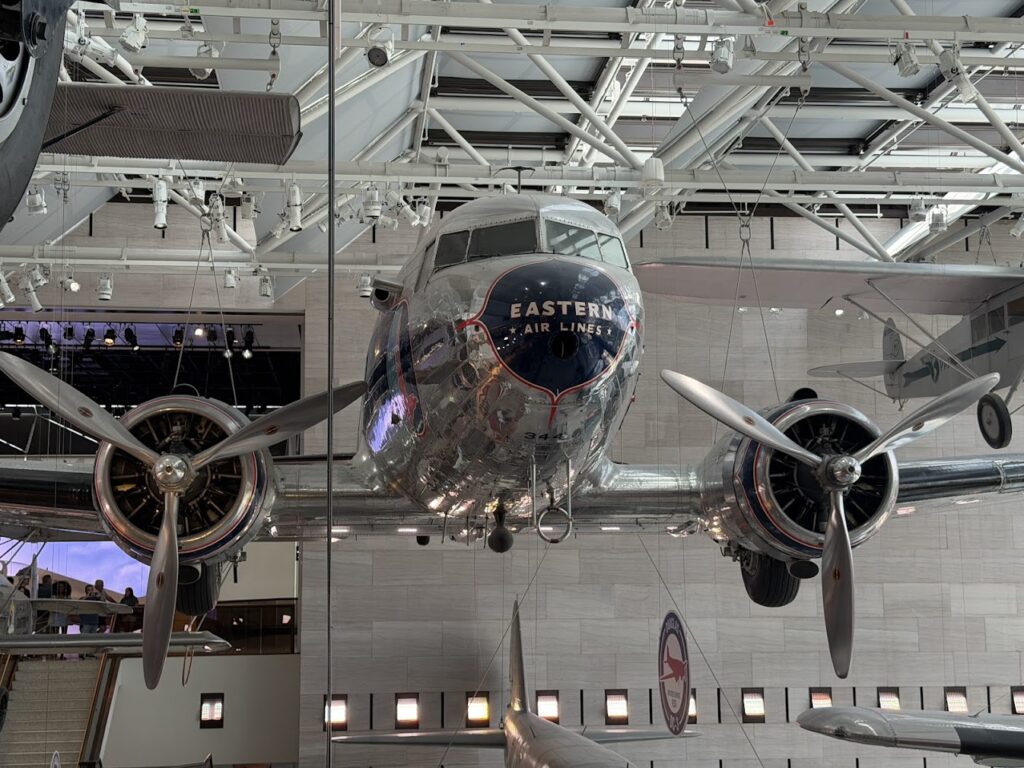
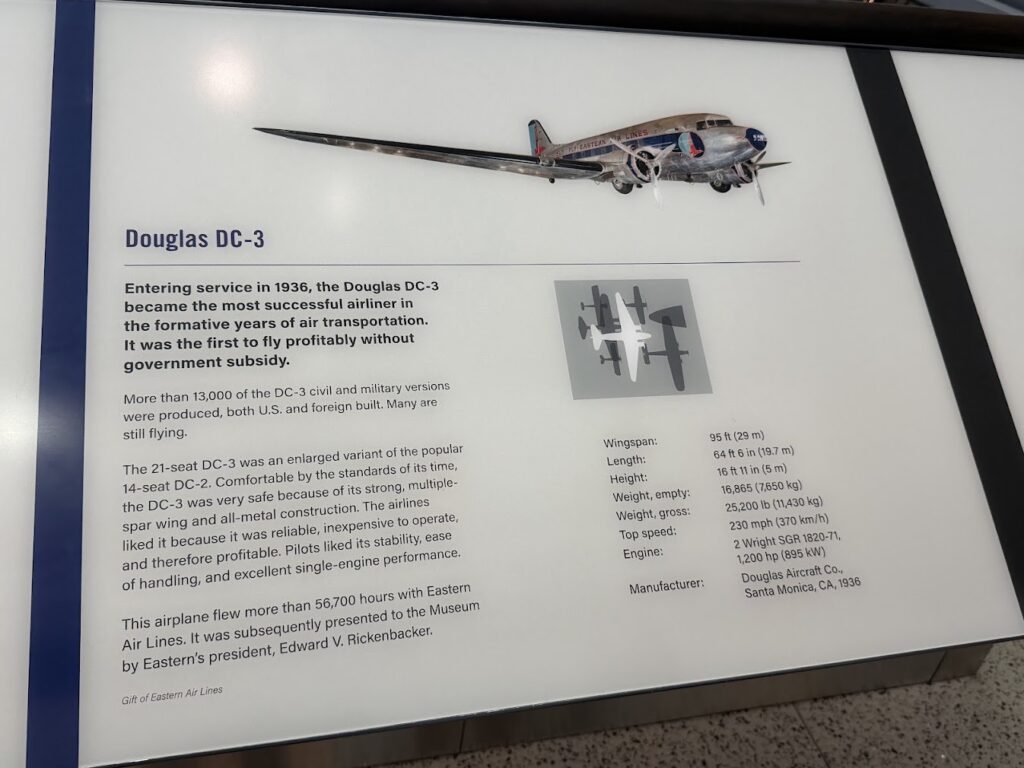
Douglas DC-3
First flown in 1935, the Douglas DC-3 is considered one of the most successful airliners ever built. It was the first passenger aircraft that allowed airlines to operate profitably without government subsidies, thanks to its reliability, comfort, and efficient design. The aircraft on display flew more than 56,700 hours with Eastern Air Lines before being donated to the museum.

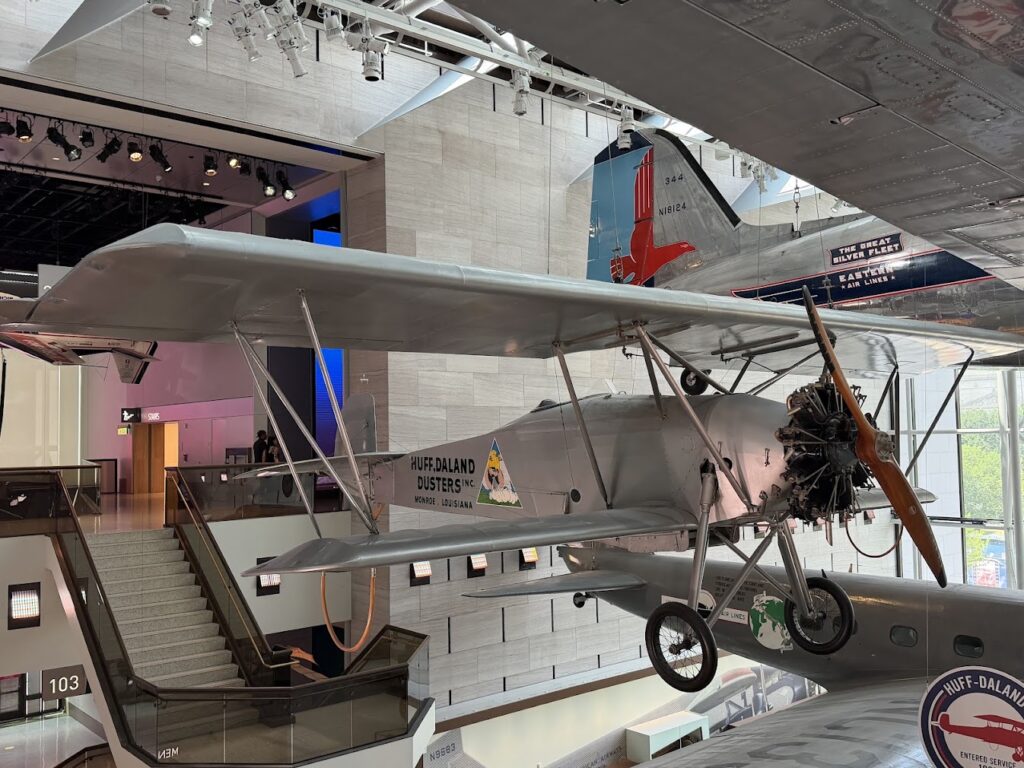
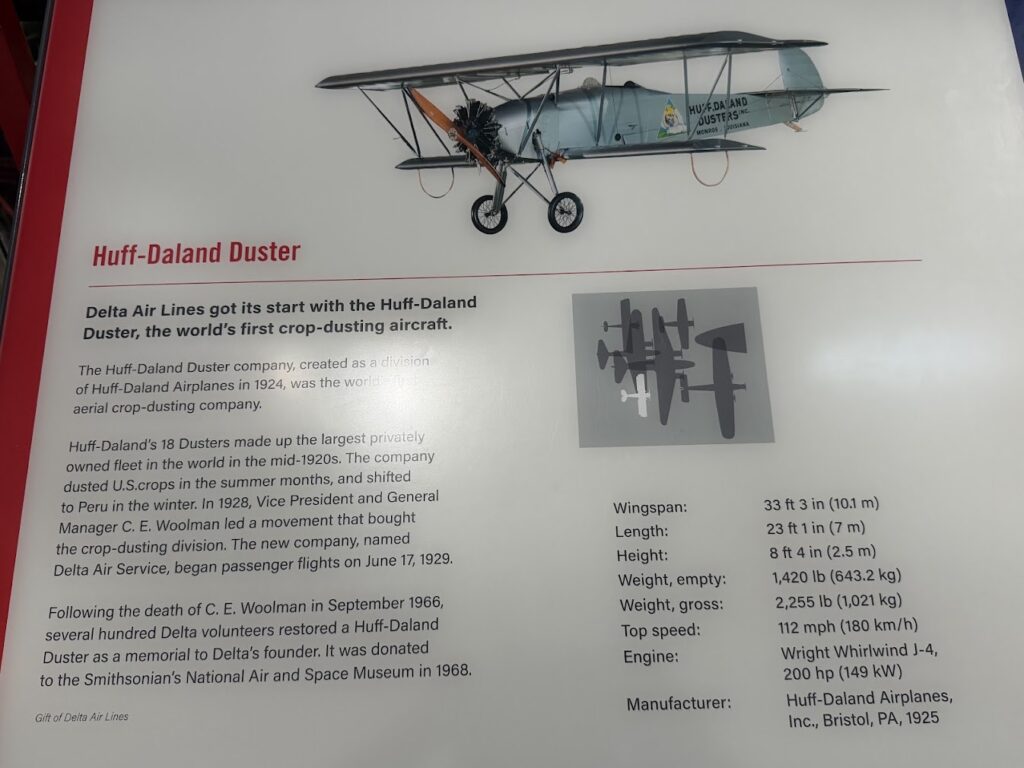
Huff-Daland Duster
The Huff-Daland Duster was one of the first aircraft designed specifically for aerial crop dusting. Introduced in 1925, it helped farmers control insect pests from the air and launched the nation’s first aerial crop-dusting company. That business later evolved into Delta Air Service, the forerunner of today’s Delta Air Lines.


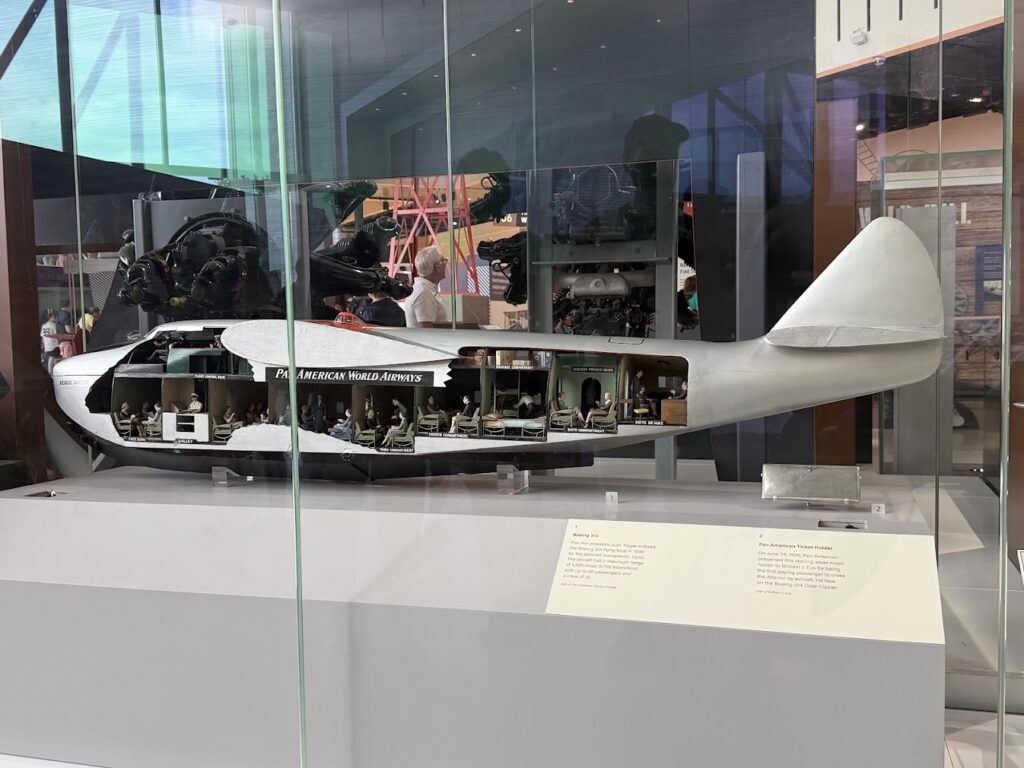
Boeing 314 Flying Boat Model
Boeing 314 Clipper represents one of the most luxurious flying boats ever built, with elegant cabins, dining areas, and sleeping berths. Operated by Pan American World Airways beginning in 1939, the Boeing 314 carried passengers across the Atlantic and Pacific Oceans in an era before long-range commercial jets.
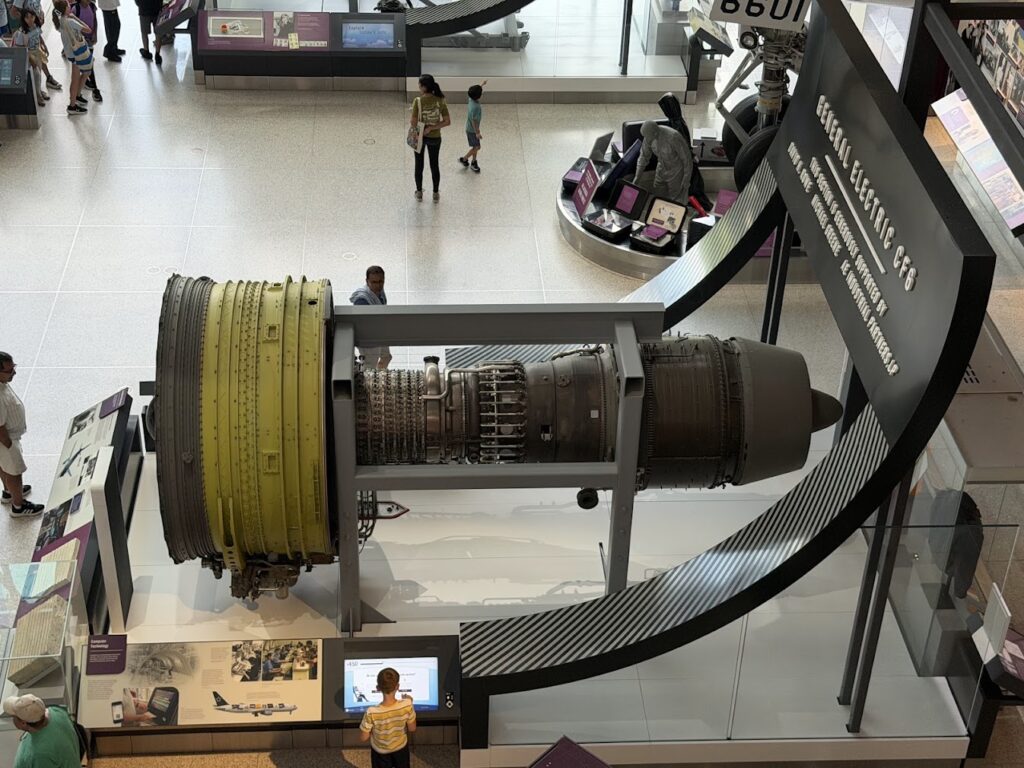
General Electric CF6-6 Turbofan Engine
This cutaway General Electric CF6-6 turbofan engine reveals the inner workings of one of the most successful commercial jet engines ever built. Introduced into airline service in 1971, it first powered the McDonnell Douglas DC-10 before being used on aircraft such as the Boeing 747, 767, MD-11, and Airbus A300, A310, and A330.
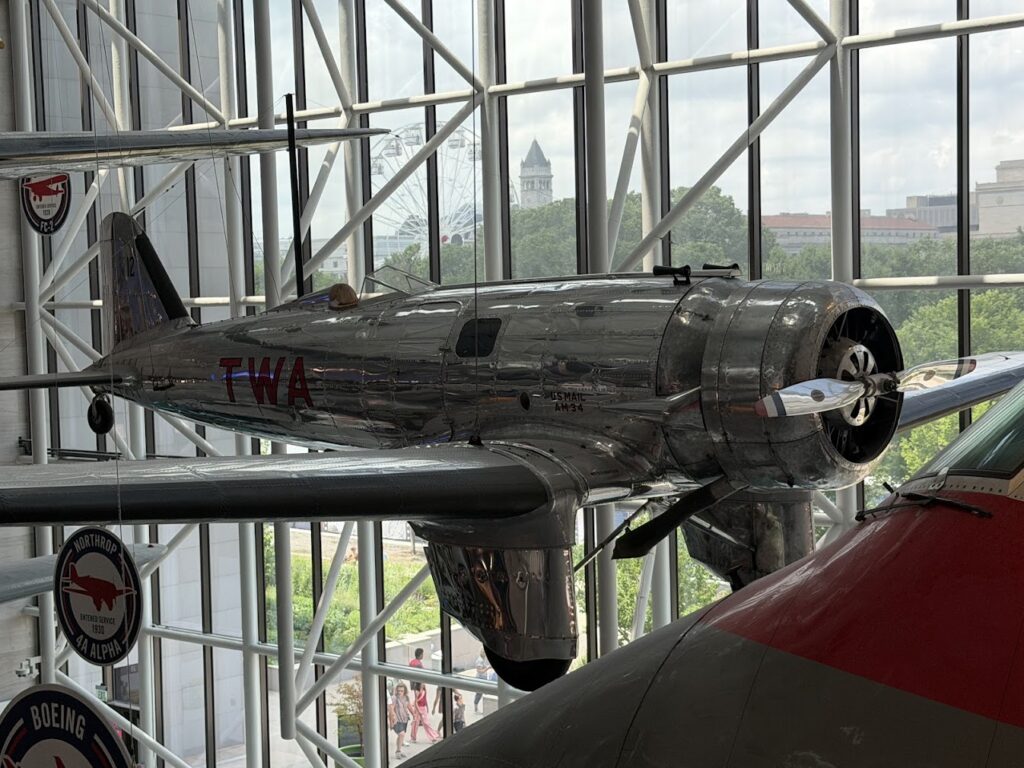
Northrop 4A Alpha
Northrop 4A Alpha features an all-metal, streamlined design with an enclosed passenger cabin, although the pilot still flew in an open cockpit. Its innovative wing design influenced later aircraft, including the famous Douglas DC-2 and DC-3.
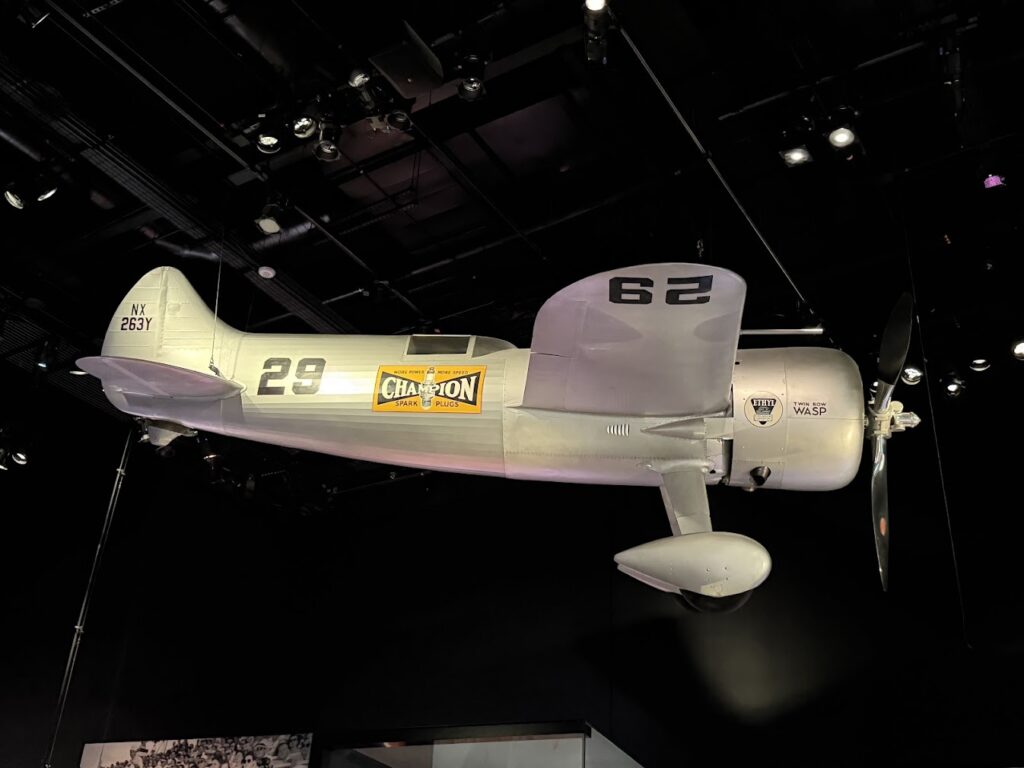
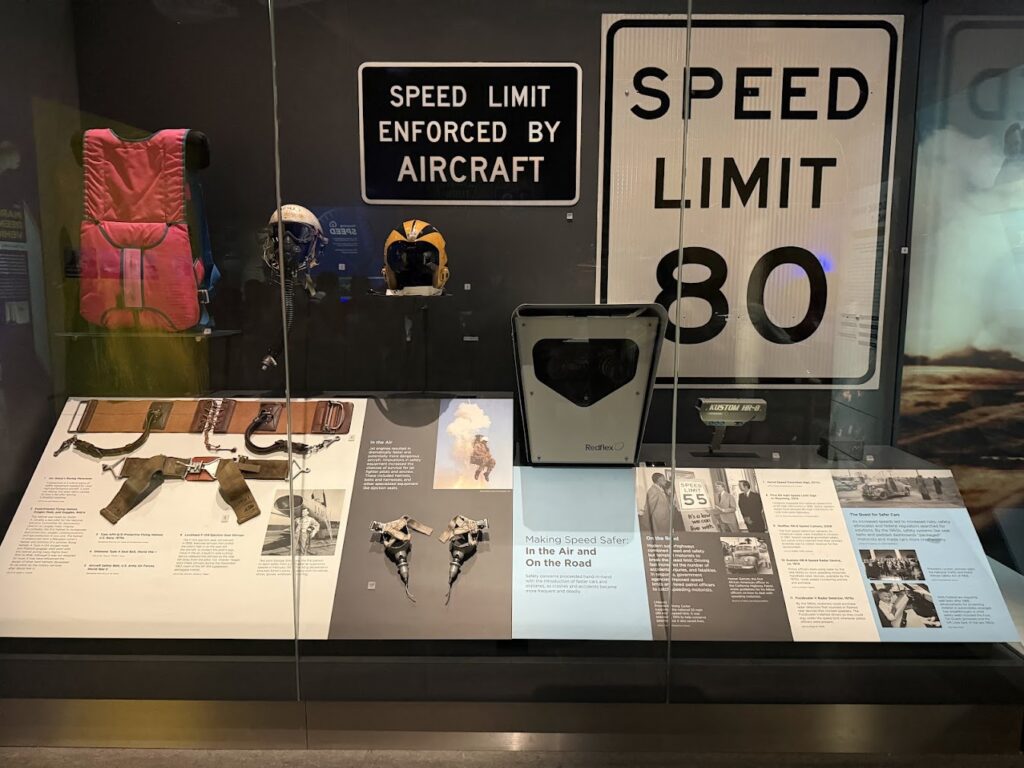
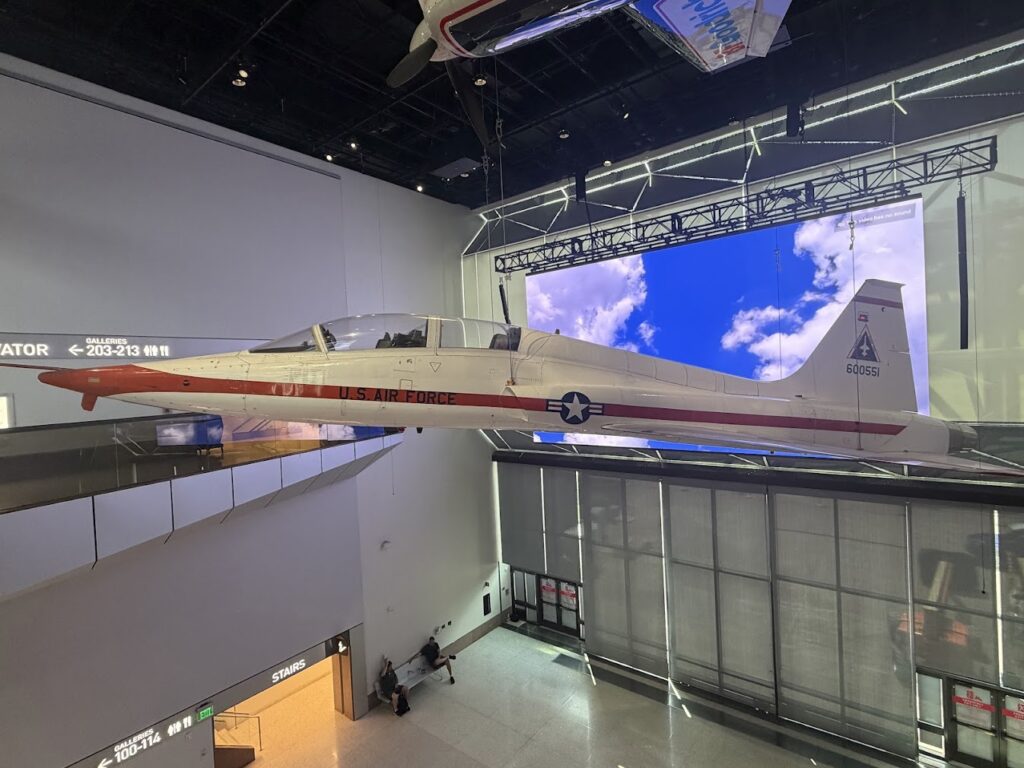
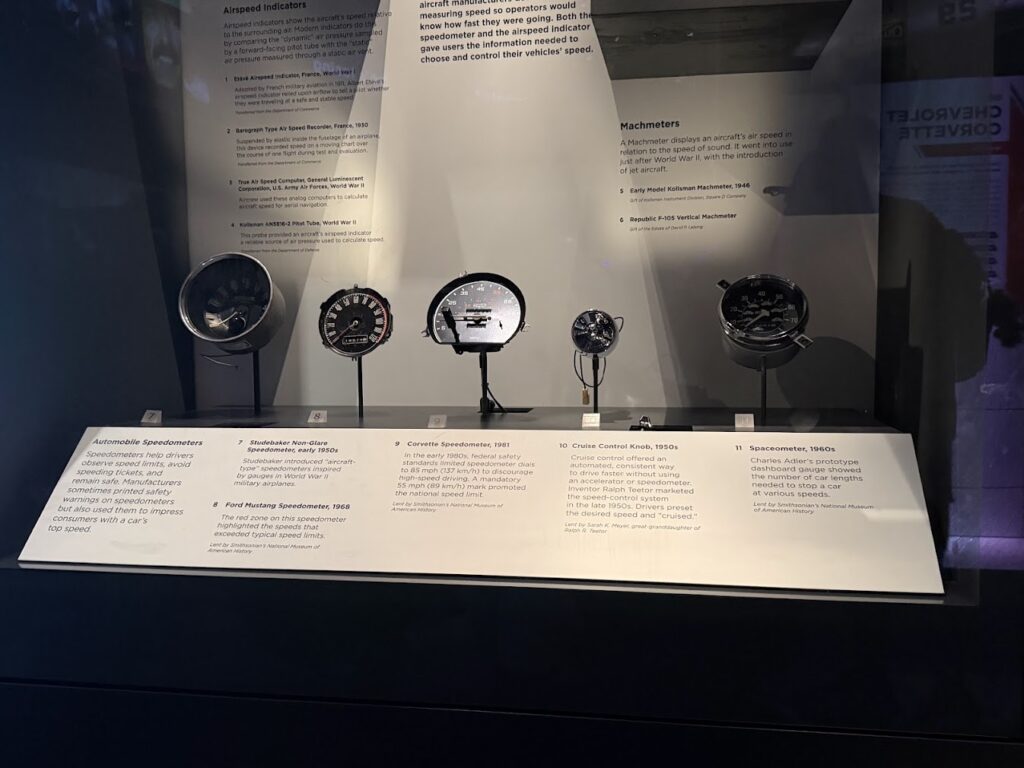
Nation of Speed
Nation of Speed showcases America’s long-standing passion for speed across land, sea, air, and even space. The exhibit features Turner RT-14 Meteor Air Racer – flown by Roscoe Turner to victory in the 1938 and 1939 Thompson Trophy races. You will also see the iconic vehicles like Mario Andretti’s Indy 500-winning car and the Sharp DR 90 Nemesis.


One World Connected
One World Connected explores how flight and spaceflight reshaped everyday life in two big ways: making long-distance travel and communication much easier, and offering a new view of Earth as a shared home. The exhibit includes satellites and tools that enabled everything from broadcasts and global travel to monitoring Earth’s environment.


Thomas W. Haas We All Fly
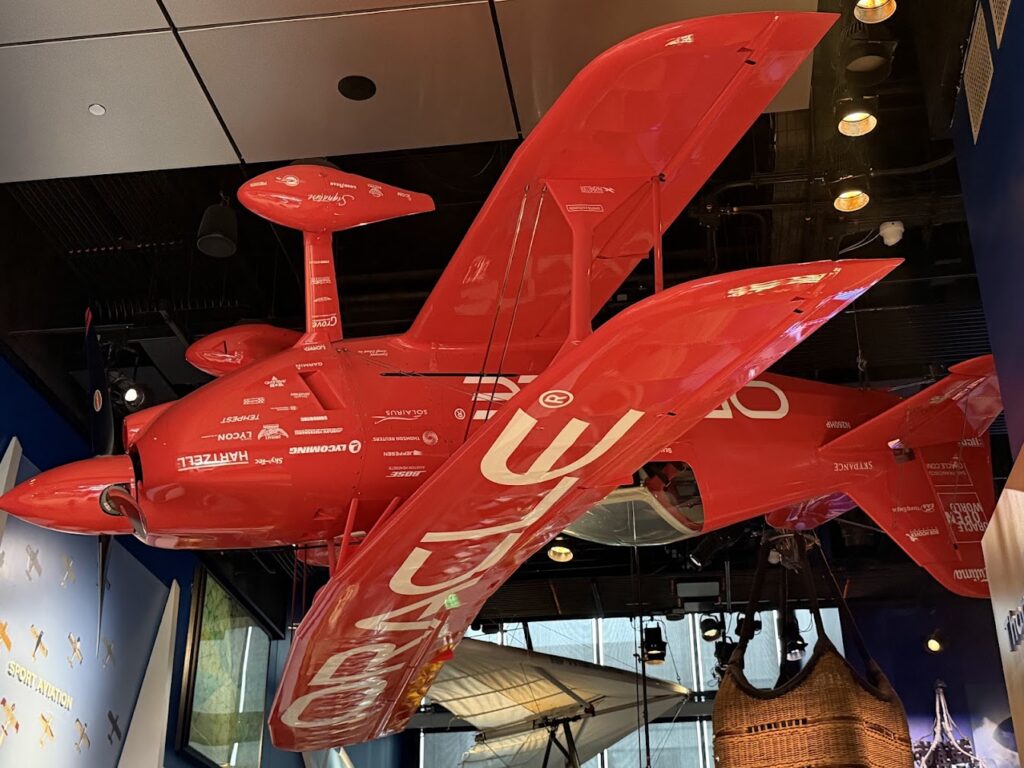
Thomas W. Haas: We All Fly celebrates the breadth of general aviation in the U.S. It covers everything from sport flying and private pilots to business, humanitarian, and utility missions.
The gallery features aircraft like the Cirrus SR-22, Lear Jet 23, and the Aviation Specialties Unlimited Challenger III. It also highlights related careers and how general aviation shapes communities and society.



World War I: The Birth of Military Aviation
World War I marked the first large-scale use of aircraft in combat, and this exhibition tells the story of how aviation was rapidly adapted for war. Through original planes, artifacts, and immersive displays, the gallery shows how reconnaissance missions, dogfights, and bombing raids changed the course of warfare forever.

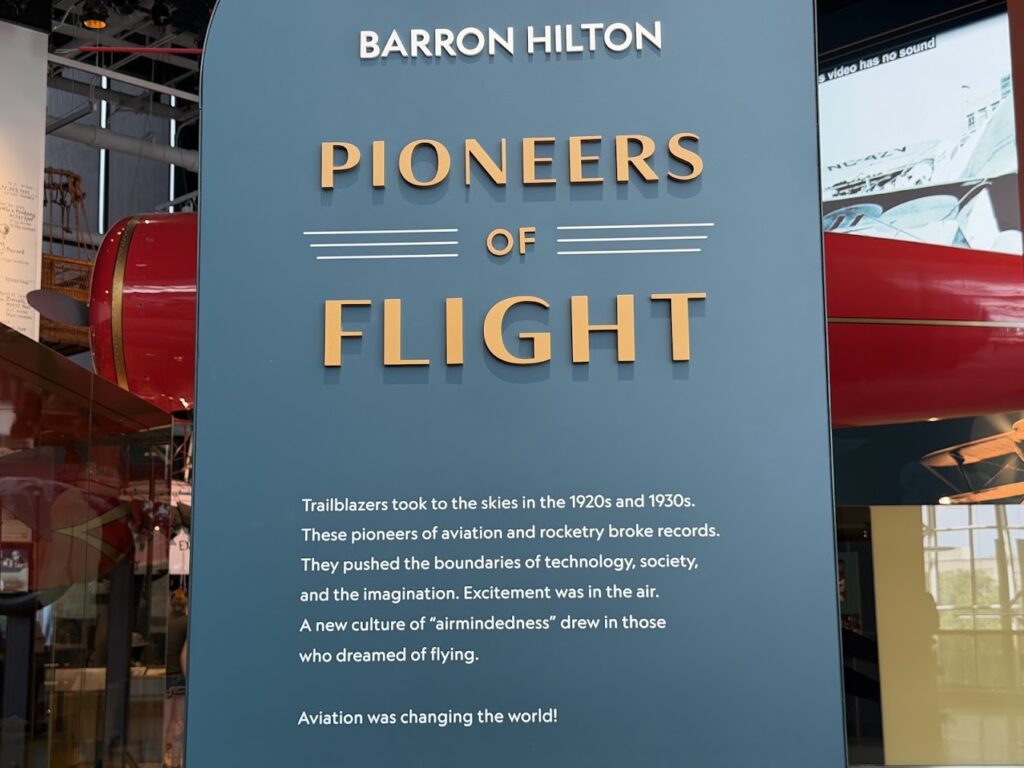
Barron Hilton Pioneers of Flight
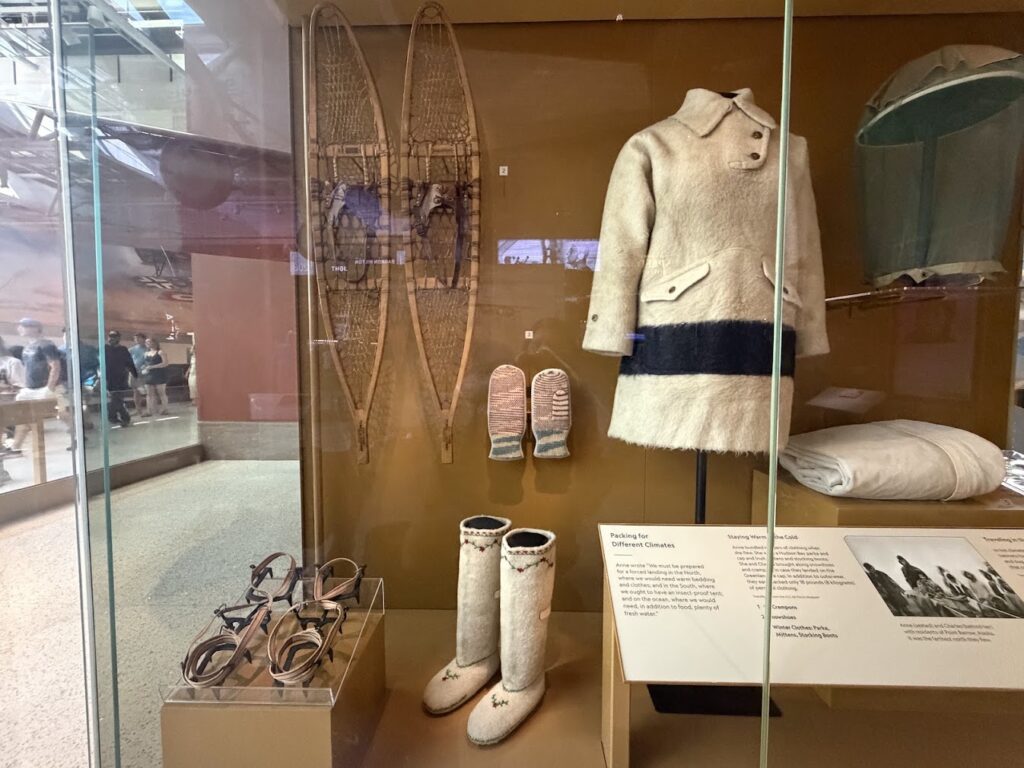
This gallery celebrates the daring innovators of the 1920s and 1930s who pushed the limits of early aviation. It highlights record-breaking flights, the rise of commercial air travel, and the inventive spirit that transformed airplanes from experimental machines into practical tools for exploration and commerce. Visitors will see aircraft and artifacts that capture this pivotal era when aviation truly took off.
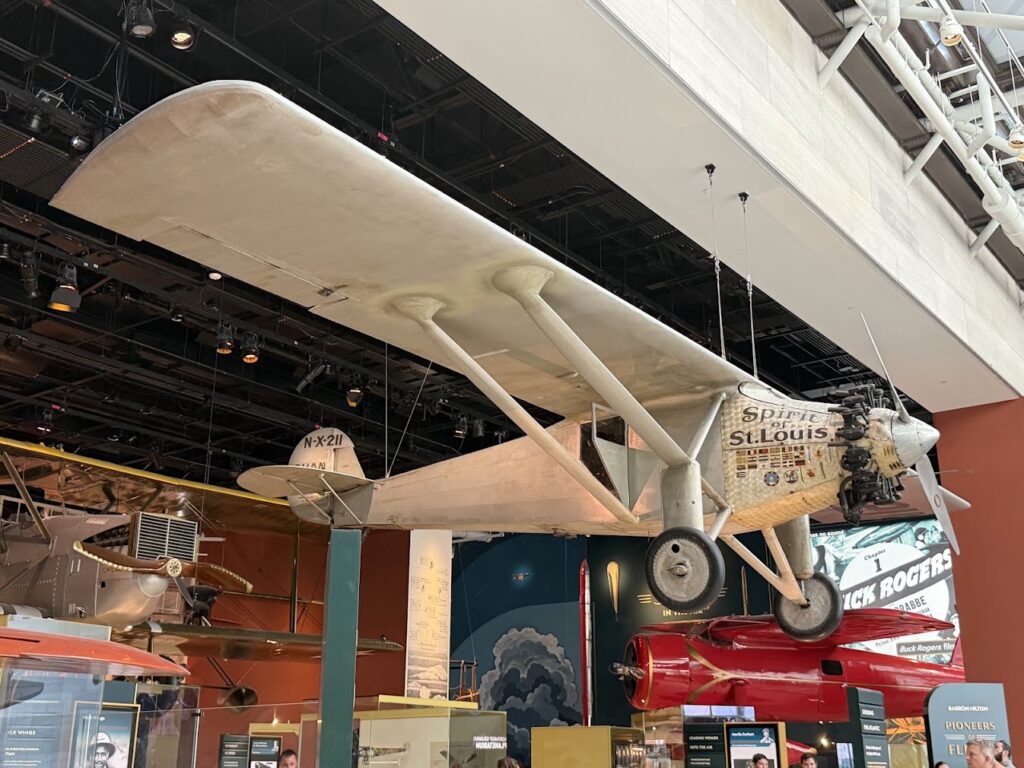
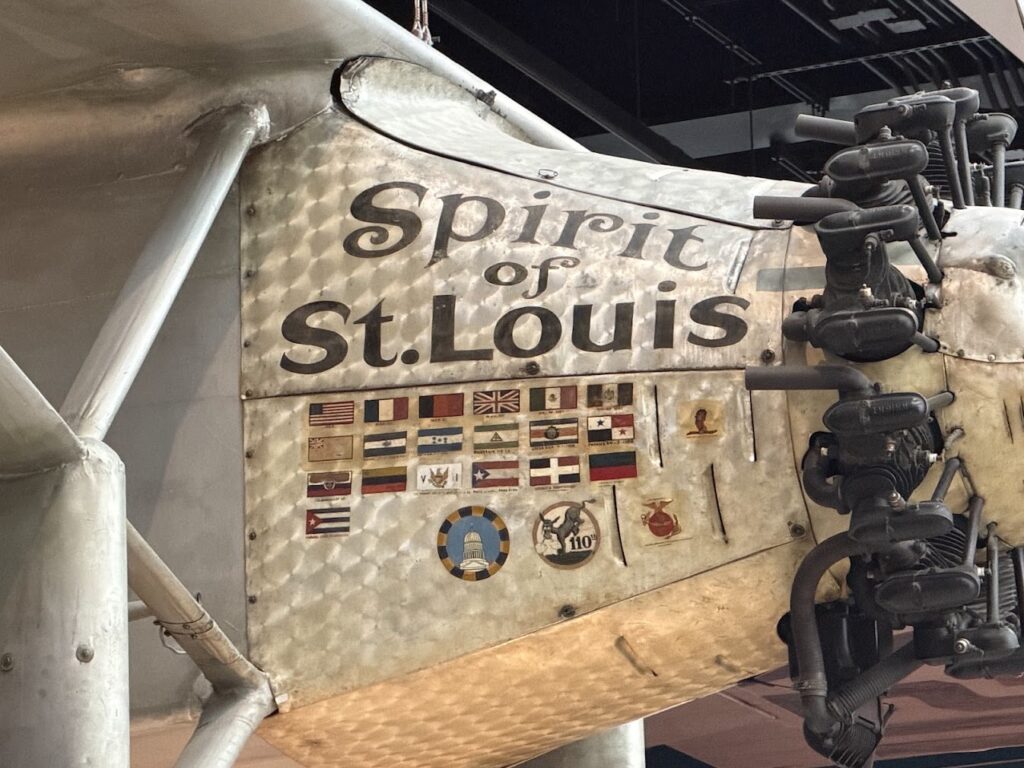
The Spirit of St Louis
On May 20-21, 1927 Charles Lindbergh flew the Spirit of St Louis on the first solo nonstop transatlantic flight. Lindbergh flew the single-engine, single-seat, high-wing monoplane from Long Island, New York to Paris, France.

Boeing Milestones of Flight Hall
This iconic hall brings together some of the most famous aircraft and spacecraft in history. Visitors can see the Bell X-1, which broke the sound barrier, and Friendship 7, the capsule that carried John Glenn as the first American to orbit Earth. Each object represents a breakthrough moment in aerospace history, creating a sweeping overview of humanity’s boldest achievements in the air and in space.
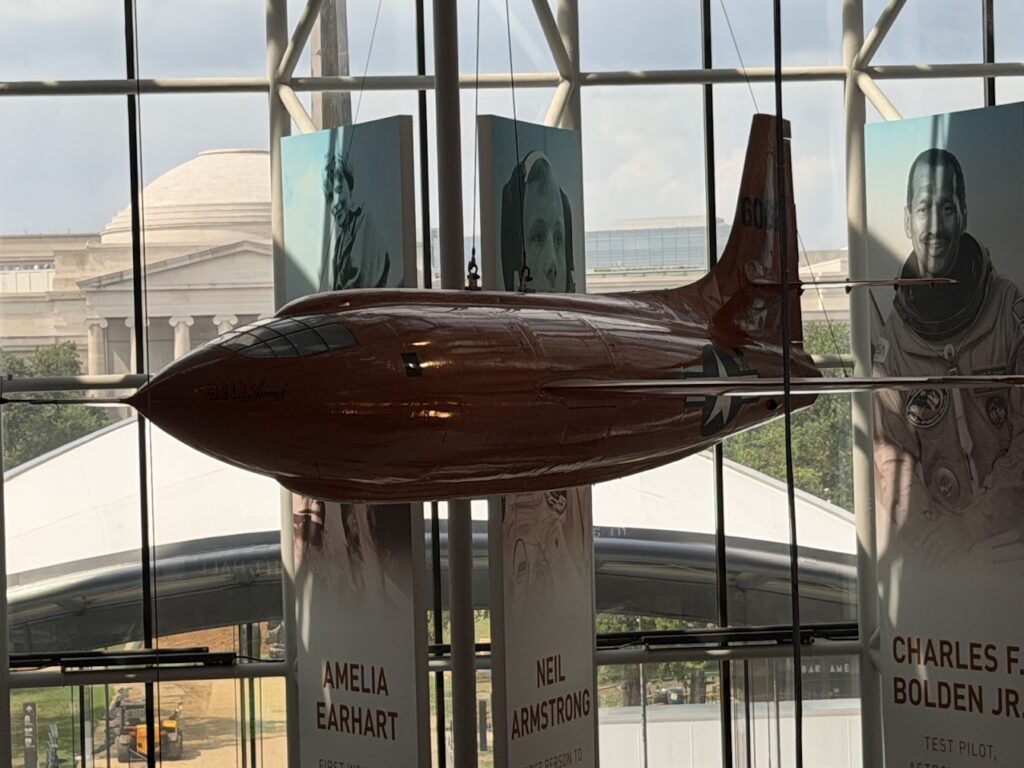
Bell X-1 – Faster than the Speed of Sound
The Bell X-1 is the first airplane to fly faster than the speed of sound. On October 14, 1947, U.S. Air Force Captain Chuck” Yeager reached a speed of 700 miles per hour at an altitude of 43,000 feet.
Yeager named the airplane “Glamorous Glennis” in honor of his wife. It is now hanging in the lobby of the National Air and Space Museum.

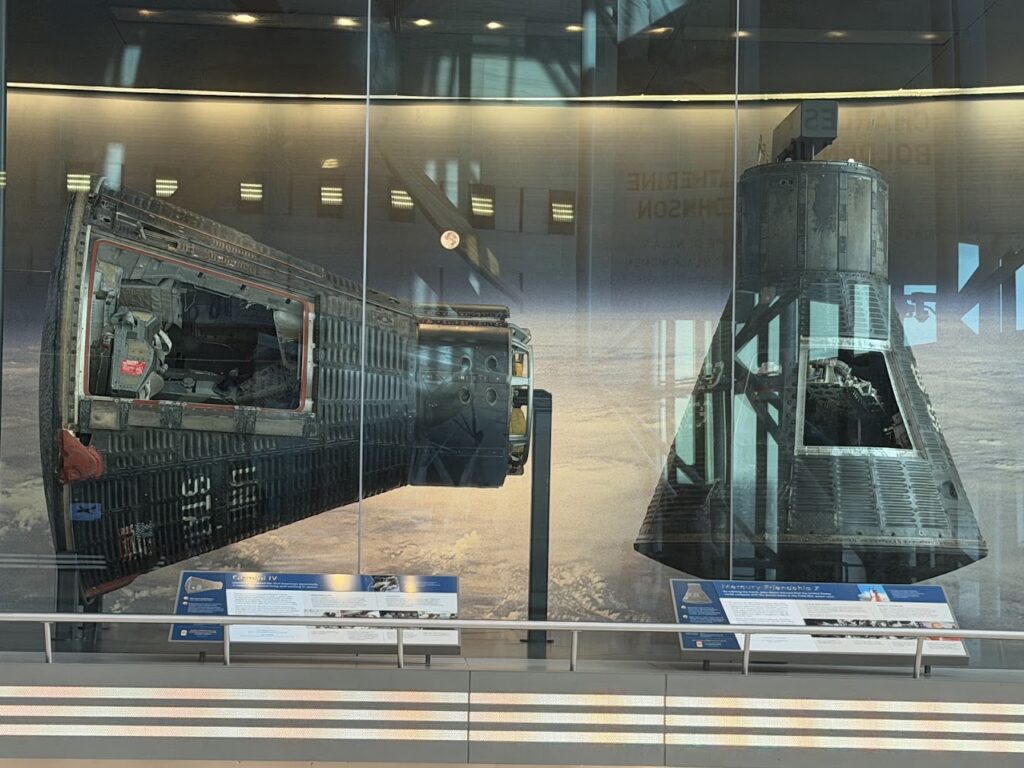
Mercury Friendship 7
The Mercury Friendship 7 capsule carried John Glenn on February 20, 1962, making him the first American to orbit Earth. During the nearly five-hour mission, Glenn completed three orbits despite technical problems before safely splashing down in the Atlantic Ocean. The capsule has been part of the Smithsonian’s collection since 1963.

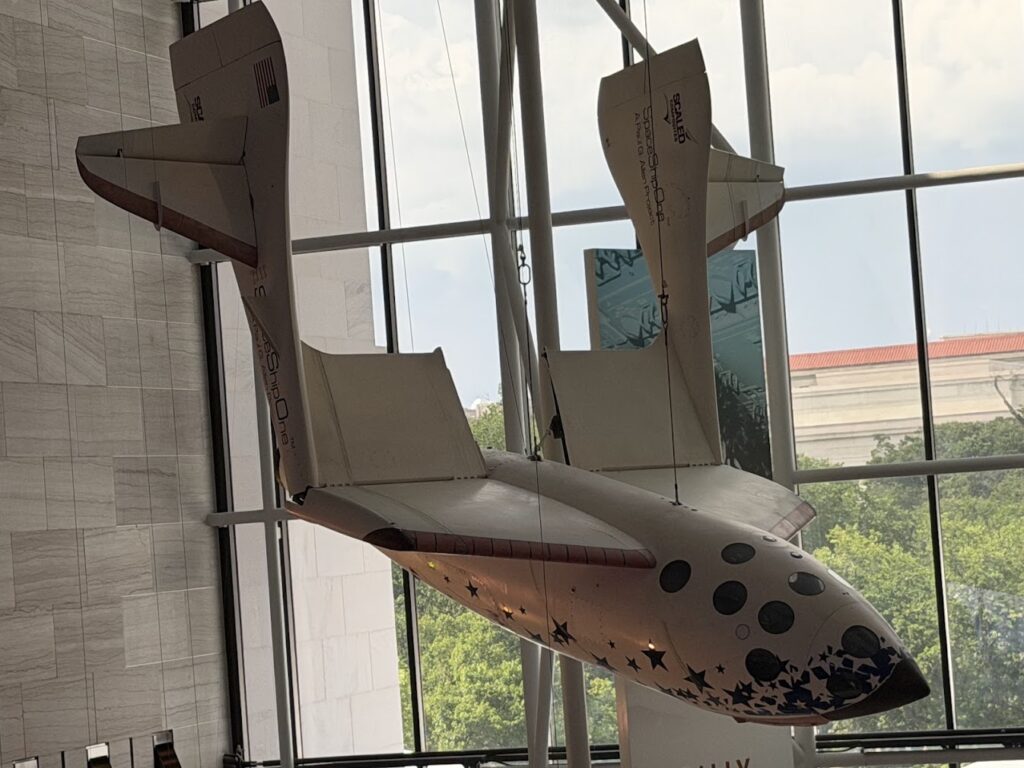
SpaceShipOne
SpaceShipOne made history in 2004 as the first privately developed crewed spacecraft to reach space. Piloted by Mike Melvill and Brian Binnie, it completed three successful suborbital flights and won the $10 million Ansari X Prize. Its success demonstrated that private companies could play a major role in the future of human spaceflight and space tourism.
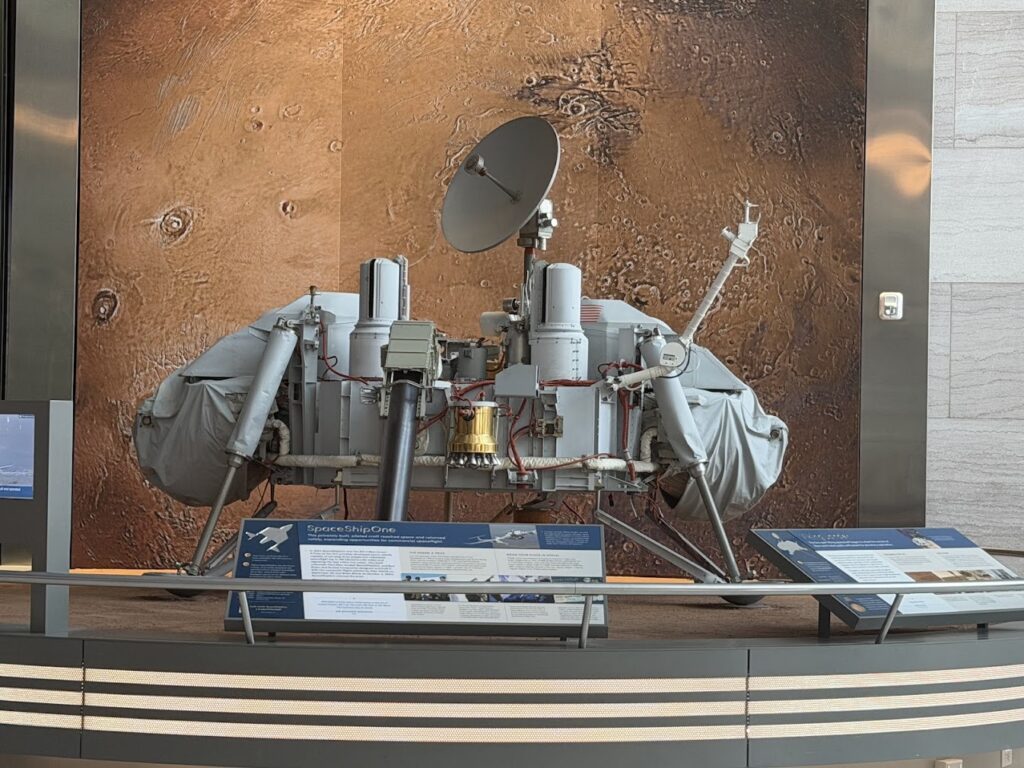
Viking Lander
The Viking Lander represents NASA’s first successful mission to land and operate on Mars. Viking 1 touched down on July 20, 1976, becoming the first U.S. spacecraft to successfully land on the Red Planet and send detailed images and scientific data back to Earth. The vehicle on display is the proof test article, which was used on Earth to test the lander’s systems before the historic mission.
Destination Moon
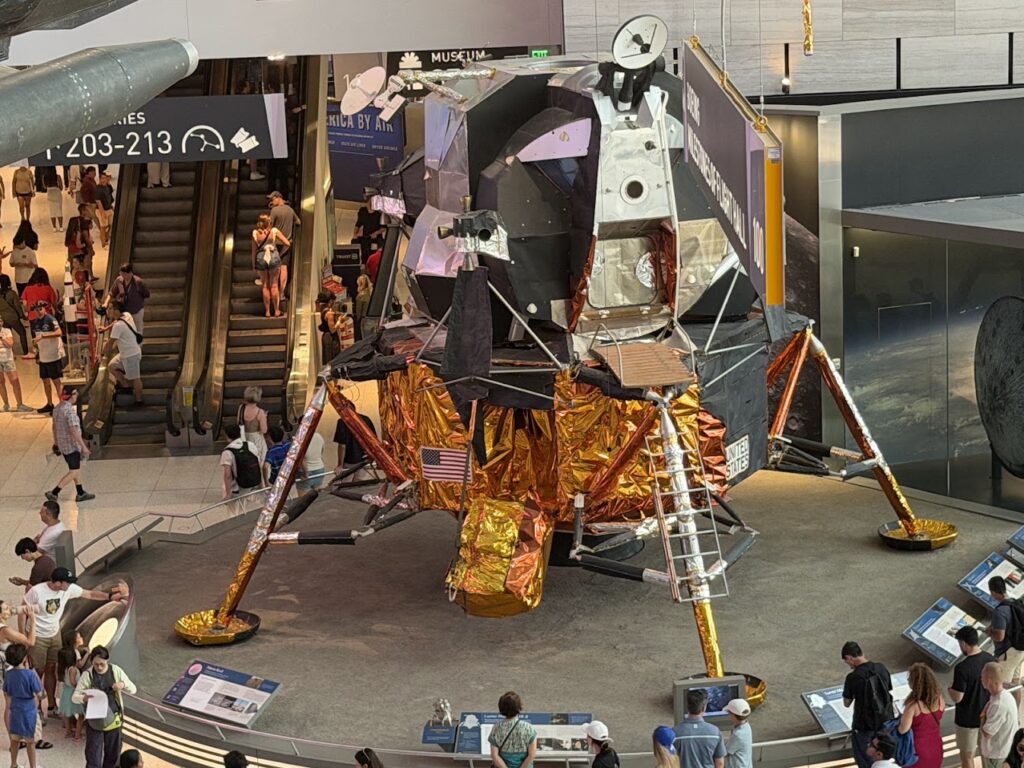
Destination Moon showcases the story of lunar exploration, from the earliest human dreams about the Moon, through robotic missions, to the historic Apollo landings. It features iconic artifacts from NASA’s Mercury, Gemini, and Apollo programs, including Alan Shepard’s Mercury spacesuit, a Saturn V F-1 engine, and Neil Armstrong’s Apollo 11 spacesuit and command module Columbia.

Gemini VII Capsule
The Gemini VII capsule carried astronauts Frank Borman and James Lovell on a record-breaking 14-day mission in December 1965. During the flight, Gemini VII also became the target for the world’s first successful space rendezvous with Gemini VI-A, a milestone that paved the way for future Apollo missions to the Moon. The capsule on display is the original spacecraft that safely returned its crew to Earth.
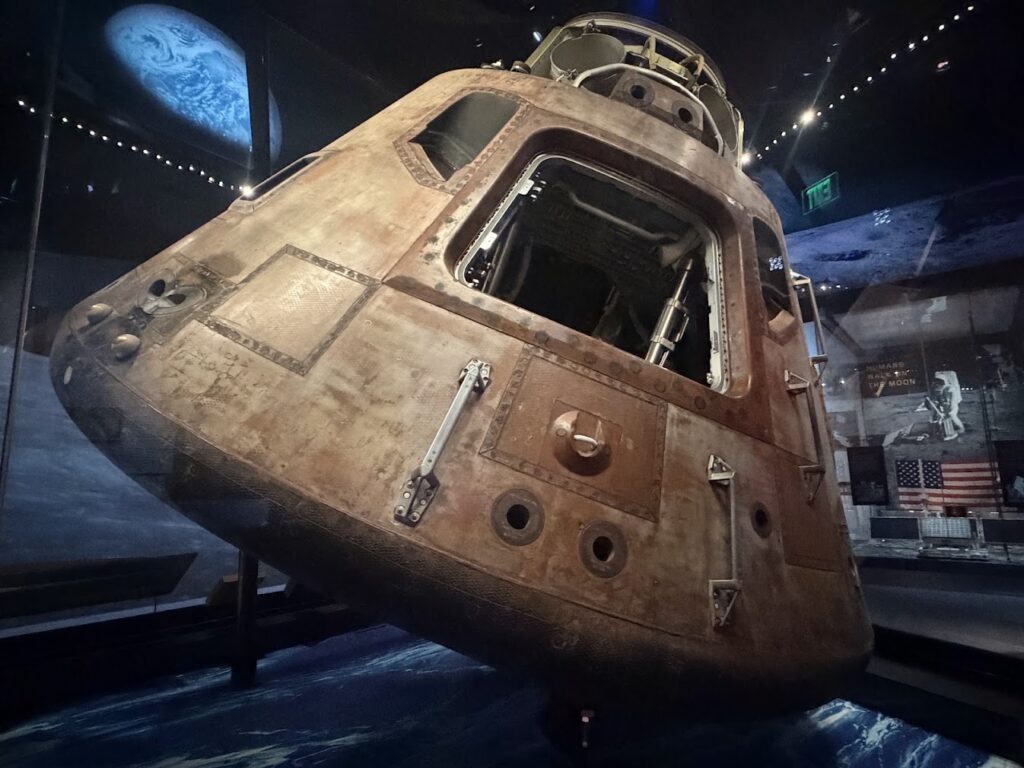
Apollo 11 Command Module Columbia
The Apollo 11 Command Module Columbia carried Neil Armstrong, Buzz Aldrin, and Michael Collins to the Moon in July 1969. While Armstrong and Aldrin landed on the lunar surface in the Lunar Module Eagle, Columbia remained in lunar orbit with Collins before bringing all three astronauts safely back to Earth. It is the only part of the Apollo 11 spacecraft to return from the mission.
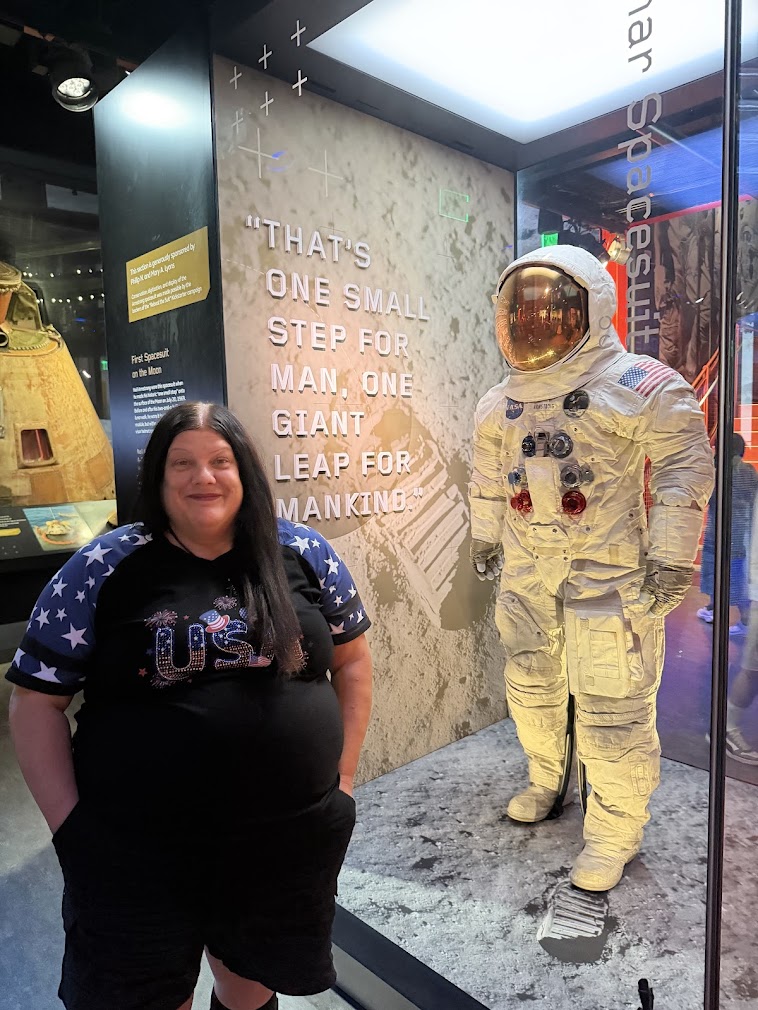
Neil Armstrong’s Apollo 11 Spacesuit
On July 20, 1969, American Commander Neil Armstrong and Lunar Module Pilot Buzz Aldrin landed the Apollo Lunar Module Eagle on the Moon.
Six hours and 39 minutes later, Armstrong became the first person to walk on the Moon. As he was engaging in this momentous feat, Armstrong famously stated, “One small step for man, one giant leap for mankind.”


Early Flight
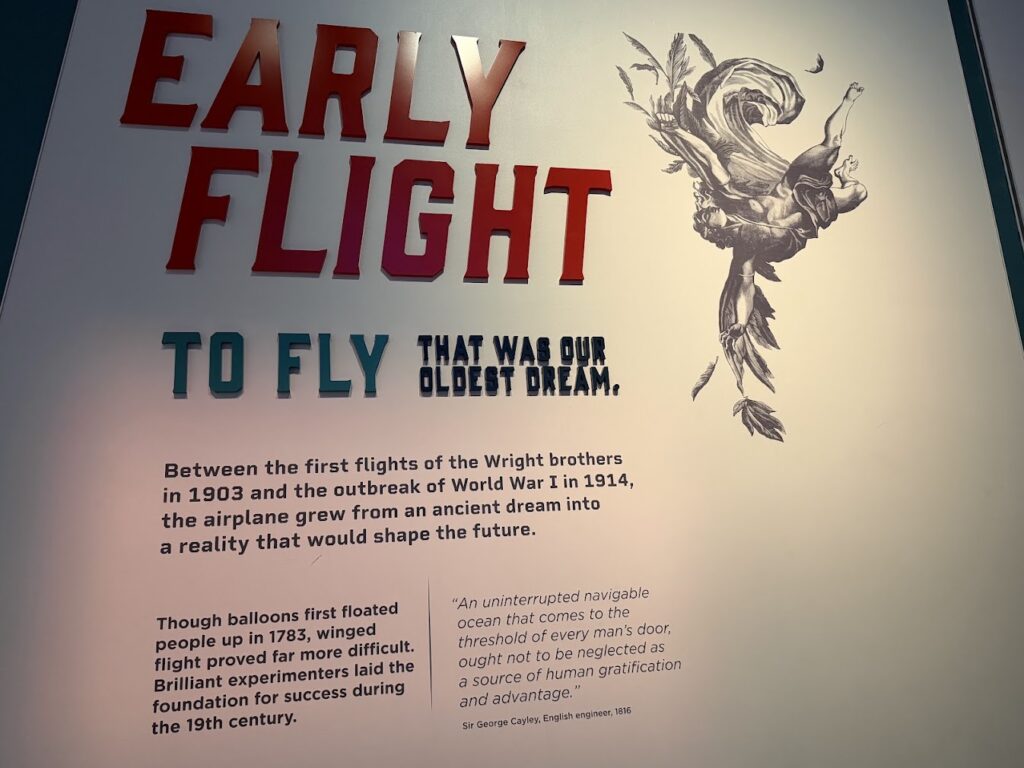
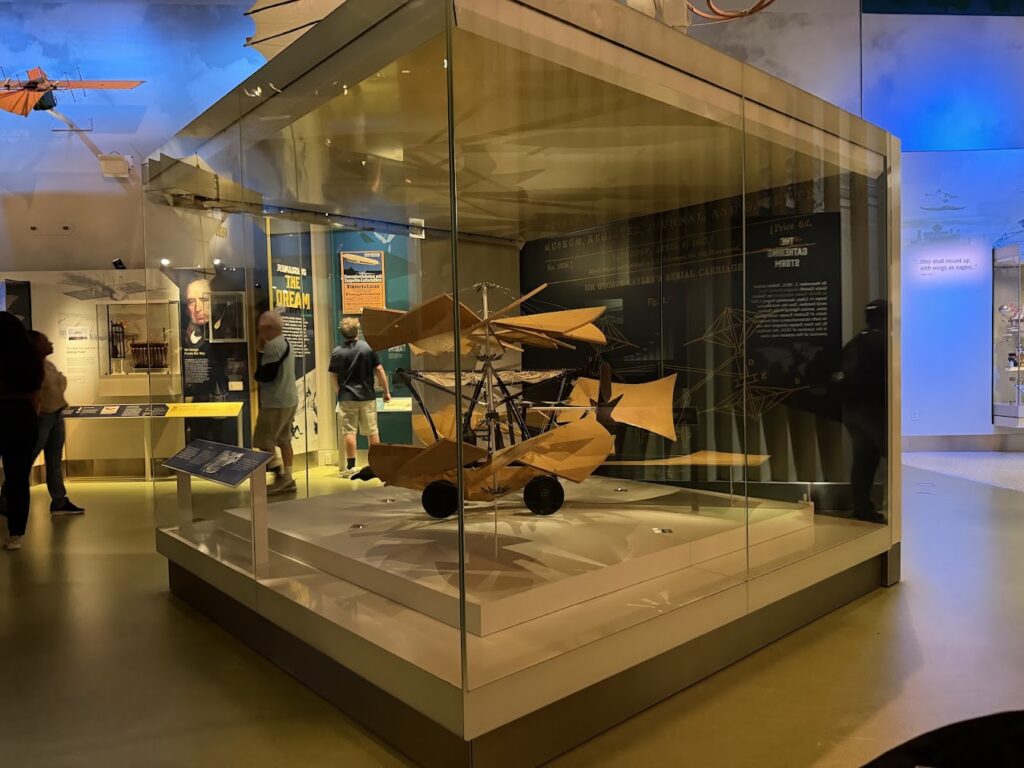
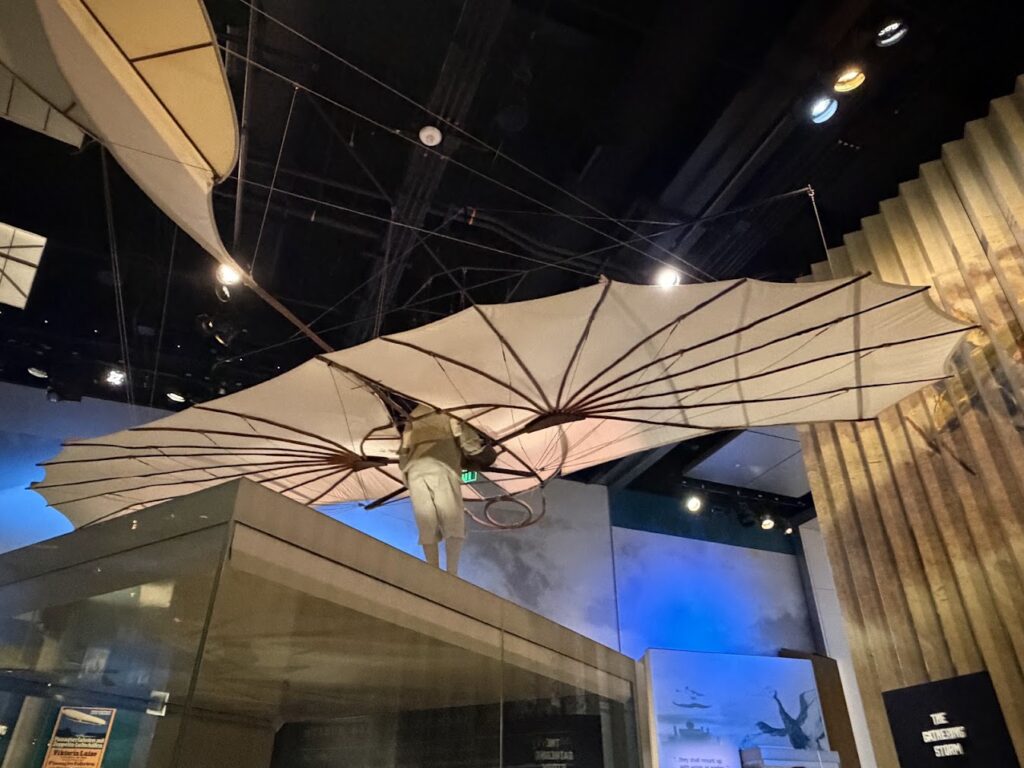
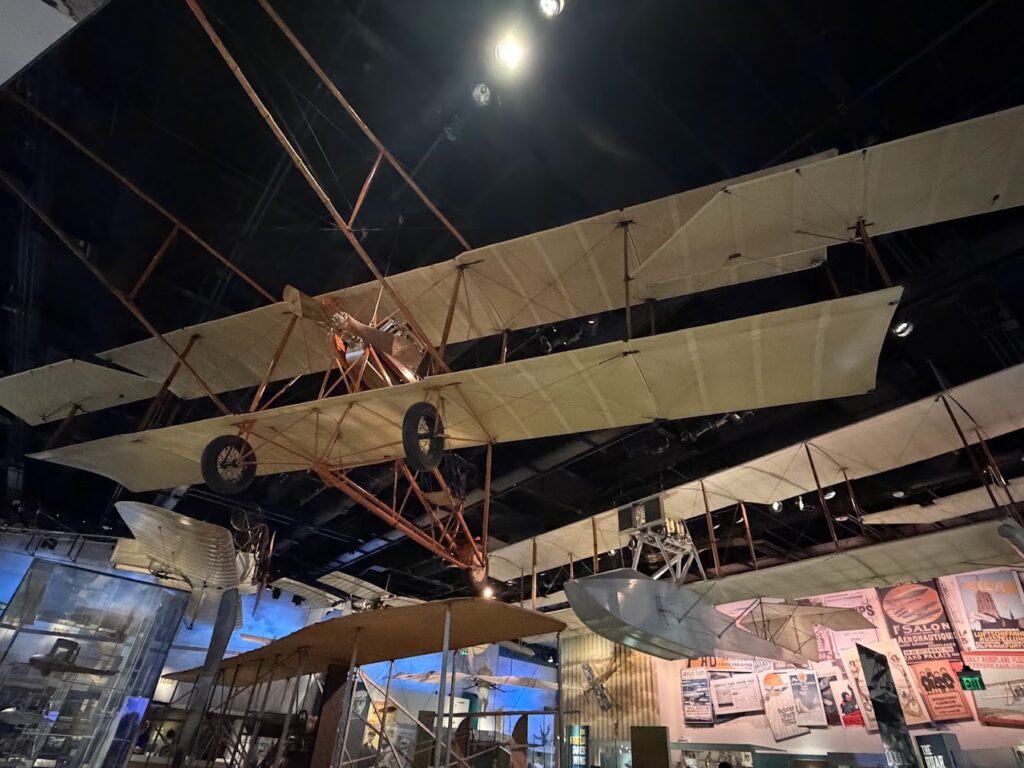
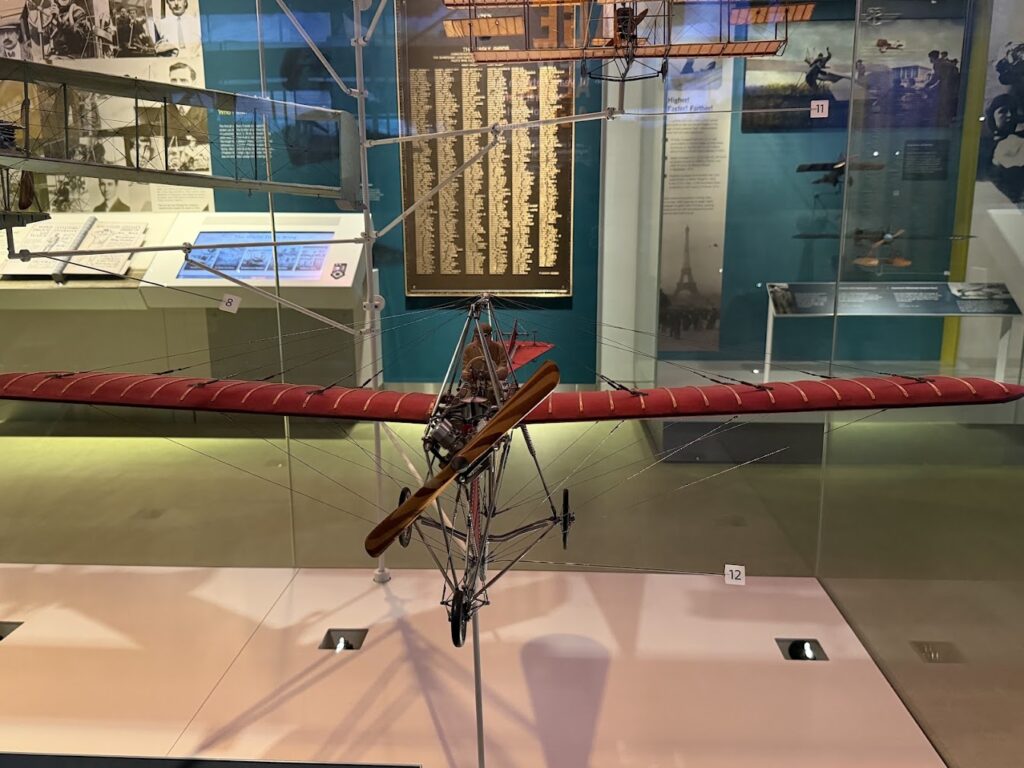
Early Flight covers the period from the Wright brothers’ first flight in 1903 up to the outbreak of World War I in 1914. Artifacts on display include the Lilienthal Glider, the 1909 Wright Military Flyer, and the Blériot XI. The exhibit shows how early aviators pushed boundaries with air shows, record-setting attempts, and experimentation in aircraft design.

Early Flight Early Flight Early Flight Early Flight Model of Sir George Cayley’s 1843 Aerial Carriage featured in the Early Flight gallery The Lilienthal glider Wright 1909 Military Flyer at the Smithsonian National Air and Space Museum This replica of the Johnson Monoplane was built in 1959 by Julius and Harry Johnson

The Wright Brothers & The Invention of the Aerial Age
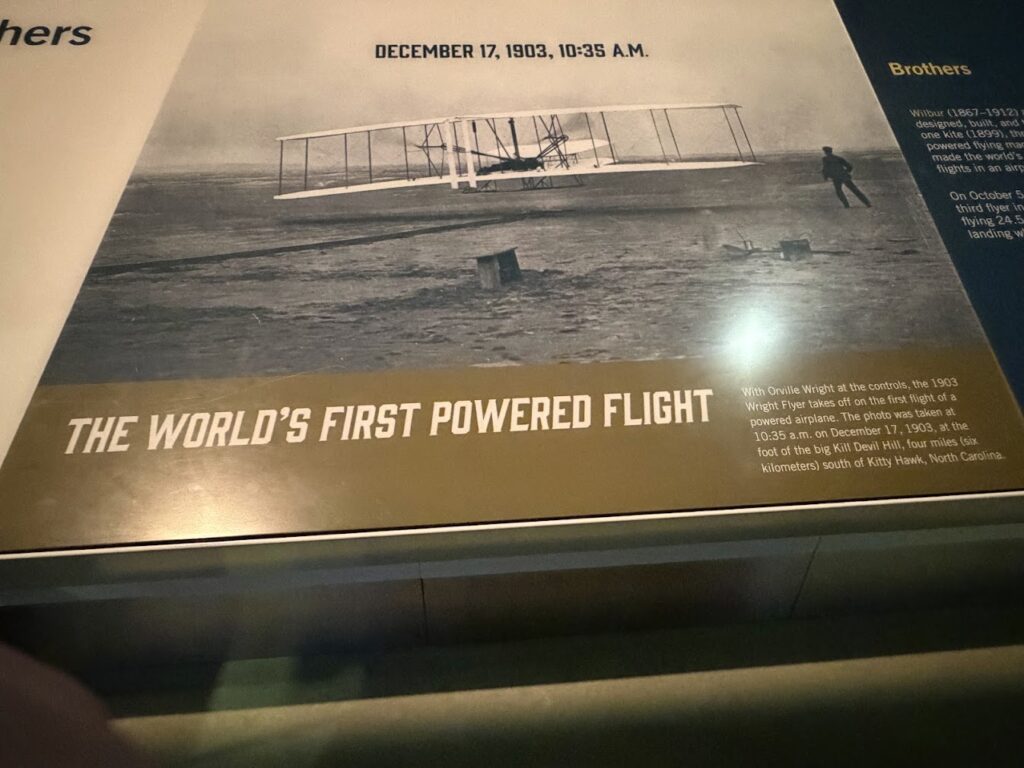
On December 17, 1903, brothers Orville and Wilbur Wright made history by successfully flying the first manned, heavier-than-air, flying machine. The flight – which took place near Kitty Hawk, North Carolina – proved that human flight was possible.
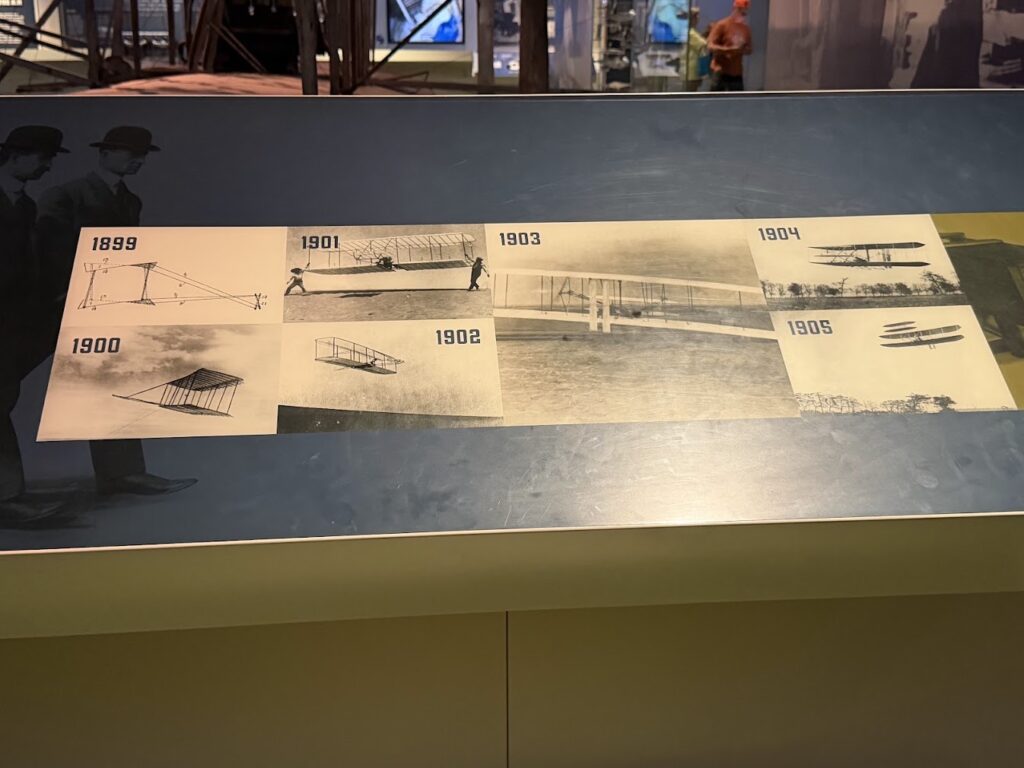
Known as the Wright Flyer, the aircraft was the culmination of 4 years of trial and error. The brothers first 3 aircraft were full sized gliders. In contrast, the Wright Flyer was the first powered flight.
The brothers made 4 flights that famous day. The first flight only lasted a mere 12 seconds and traveled 120 feet. But the feat inaugurated the aerial age. And the Wright Brothers are known for pioneering many of the basic tenets of modern aeronautical engineering, including the use of a wind tunnel and flight testing as design tools.
The Wright Brothers & The Invention of the Aerial Age The Wright Brothers & The Invention of the Aerial Age The Wright Brothers & The Invention of the Aerial Age The Wright Brothers & The Invention of the Aerial Age The Wright Brothers & The Invention of the Aerial Age The Wright Brothers & The Invention of the Aerial Age


Kenneth C. Griffin Exploring the Planets Gallery
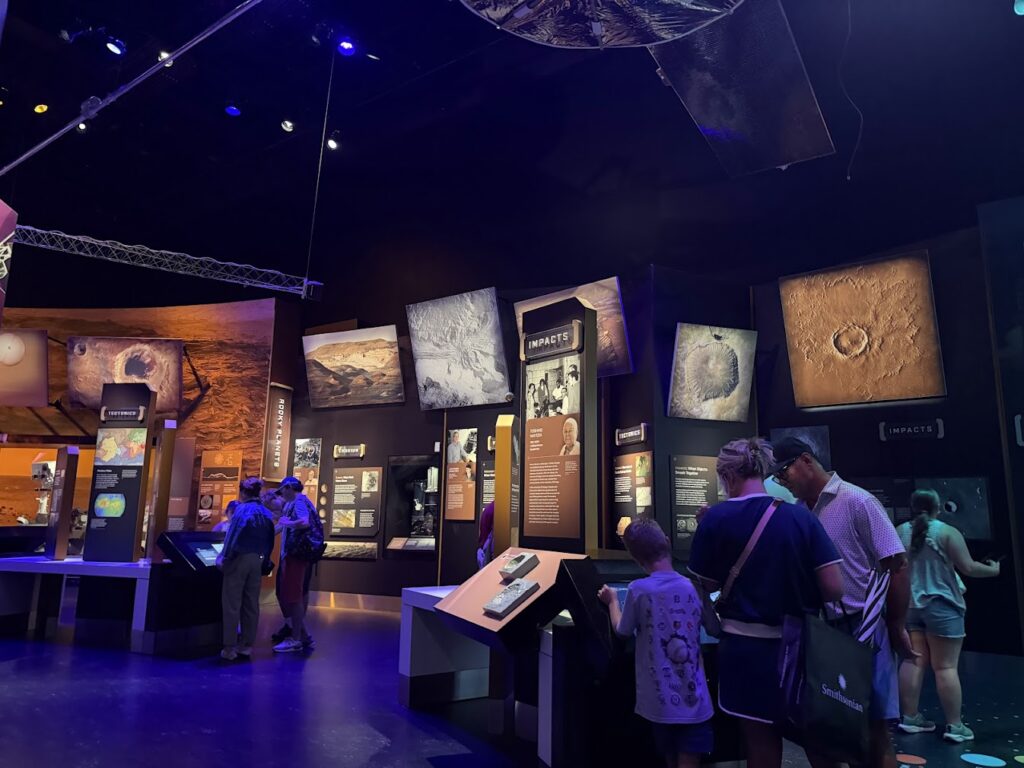
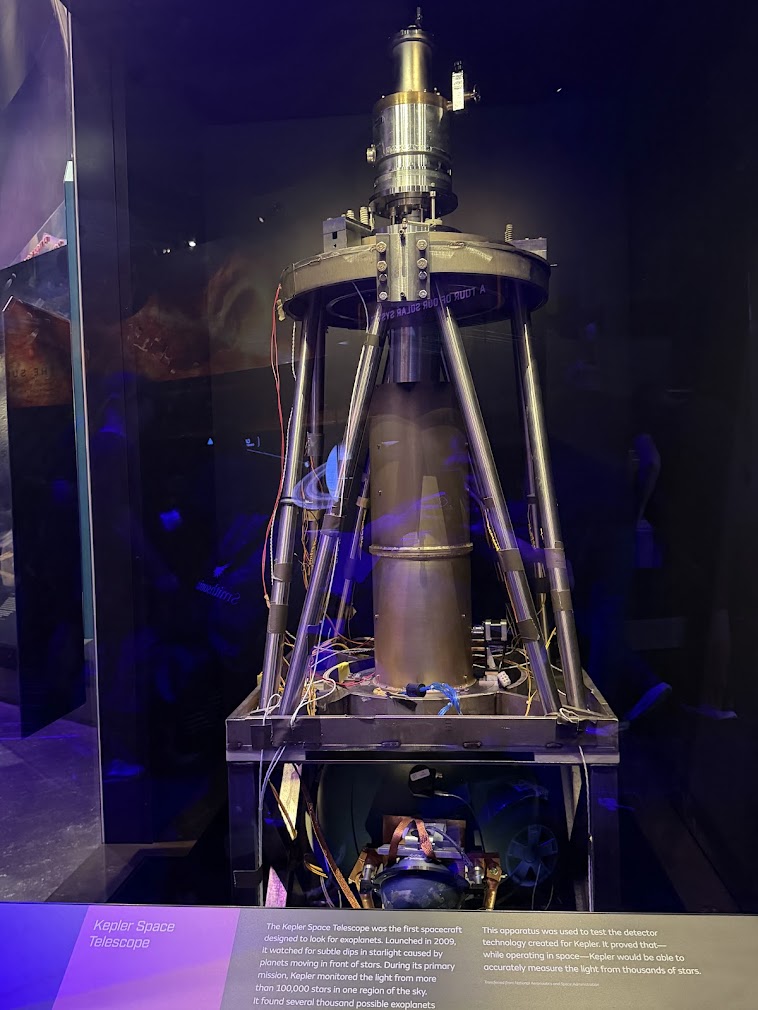
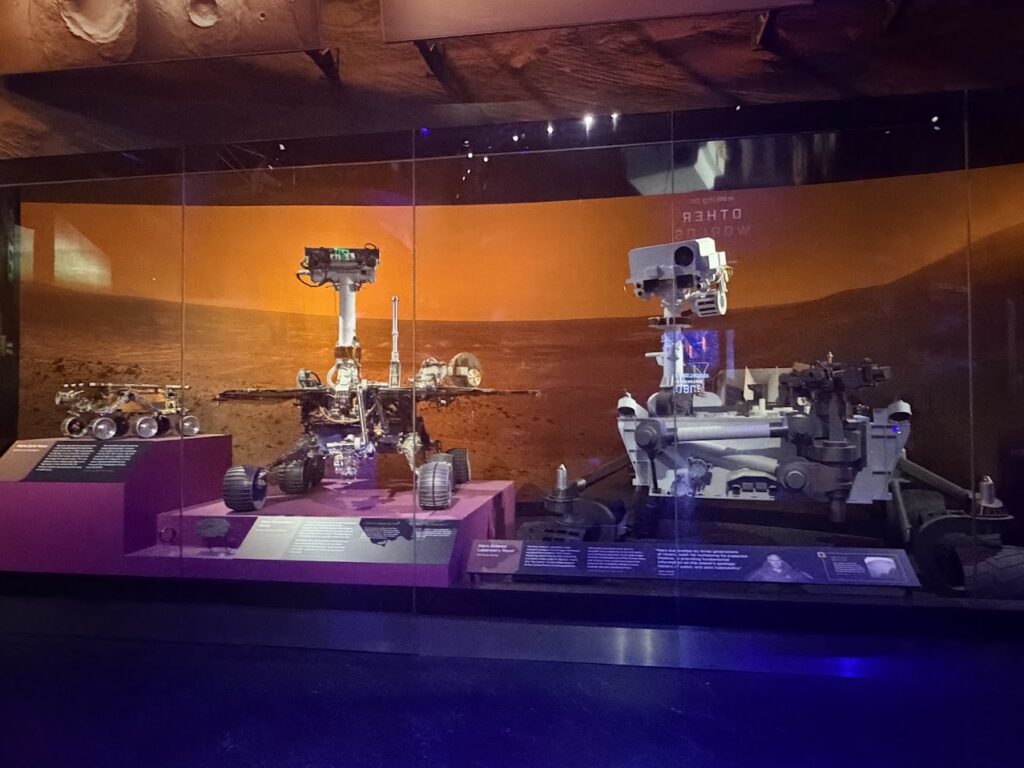
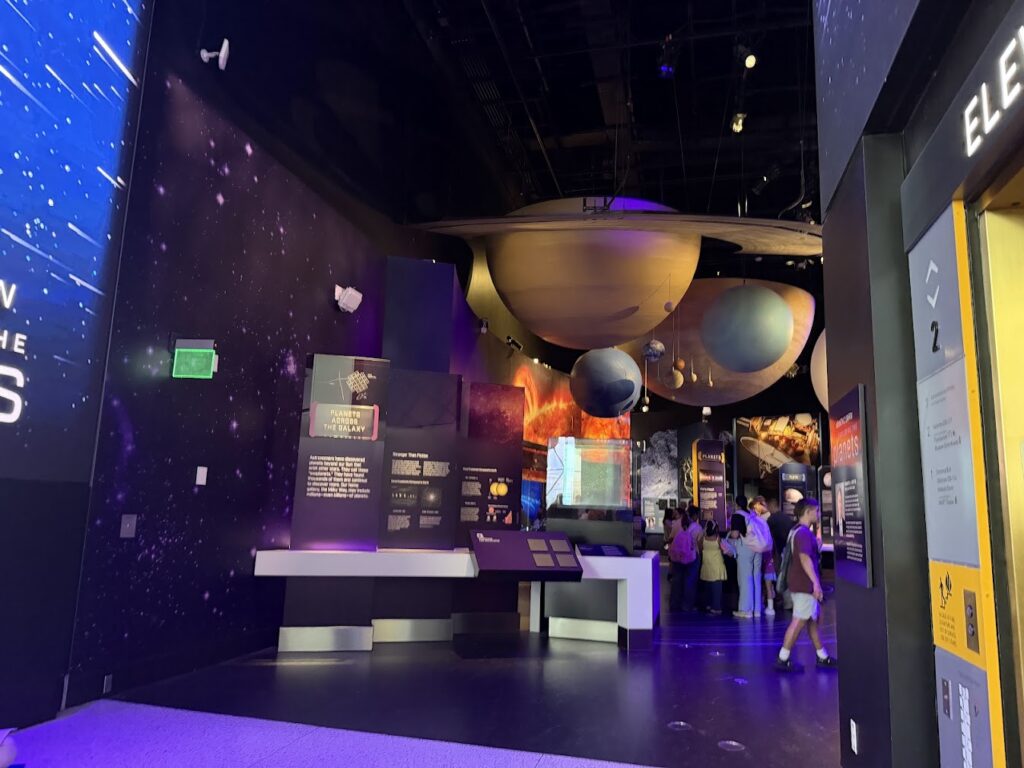
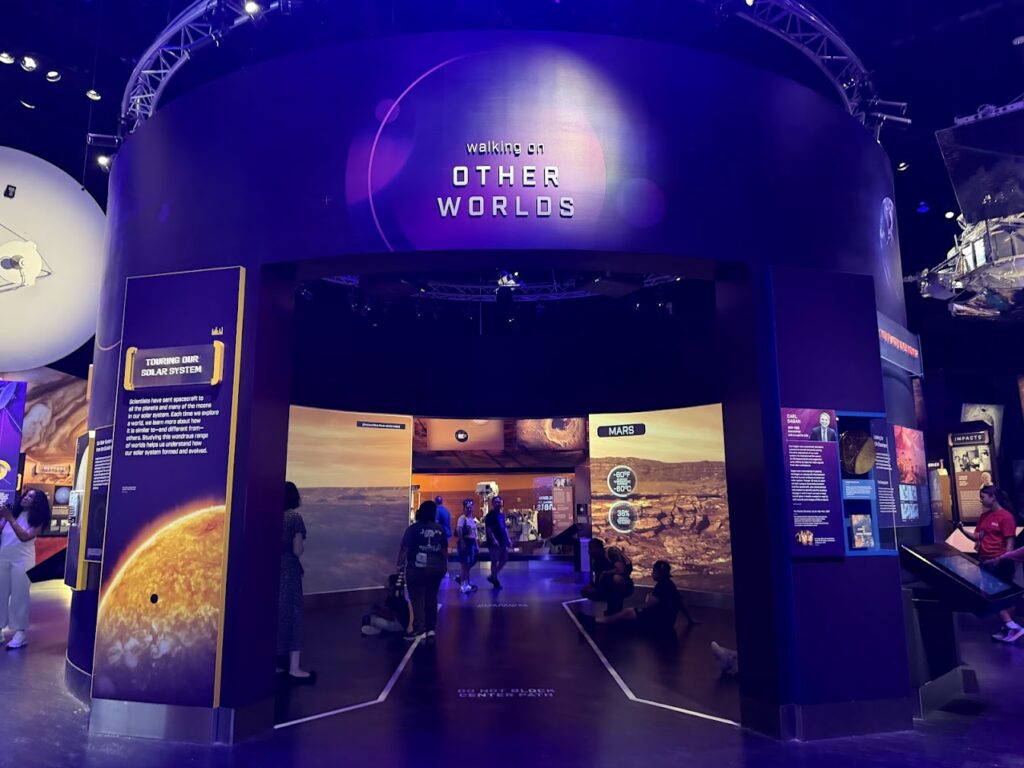
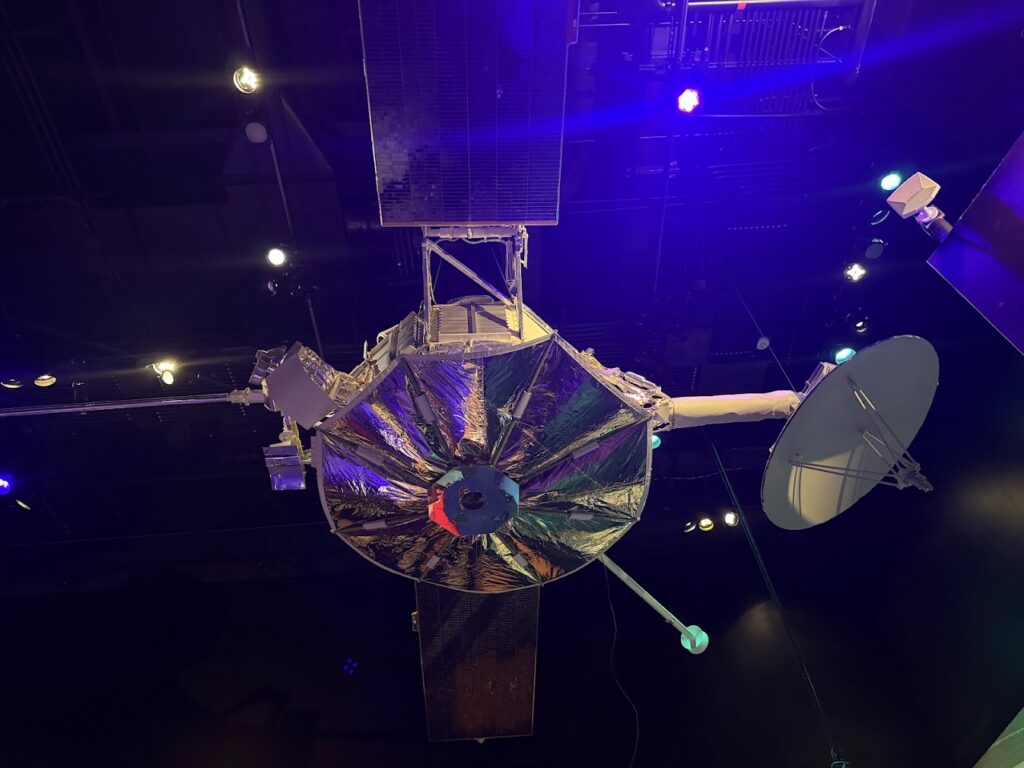
The Kenneth C. Griffin Exploring the Planets Gallery showcases the diversity of worlds in our solar system, from rocky planets to icy moons and giant gas giants. Visitors can explore spacecraft models, planetary images, and immersive experiences like Walking on Other Worlds, which simulates what it feels like to stand on Mars or a distant moon.
The gallery also draws on groundbreaking research from scientists at the Museum’s Center for Earth and Planetary Studies, many of whom are actively working on today’s space missions.
Check out the museum’s virtual tour of the gallery online, a great way to get excited before your visit.
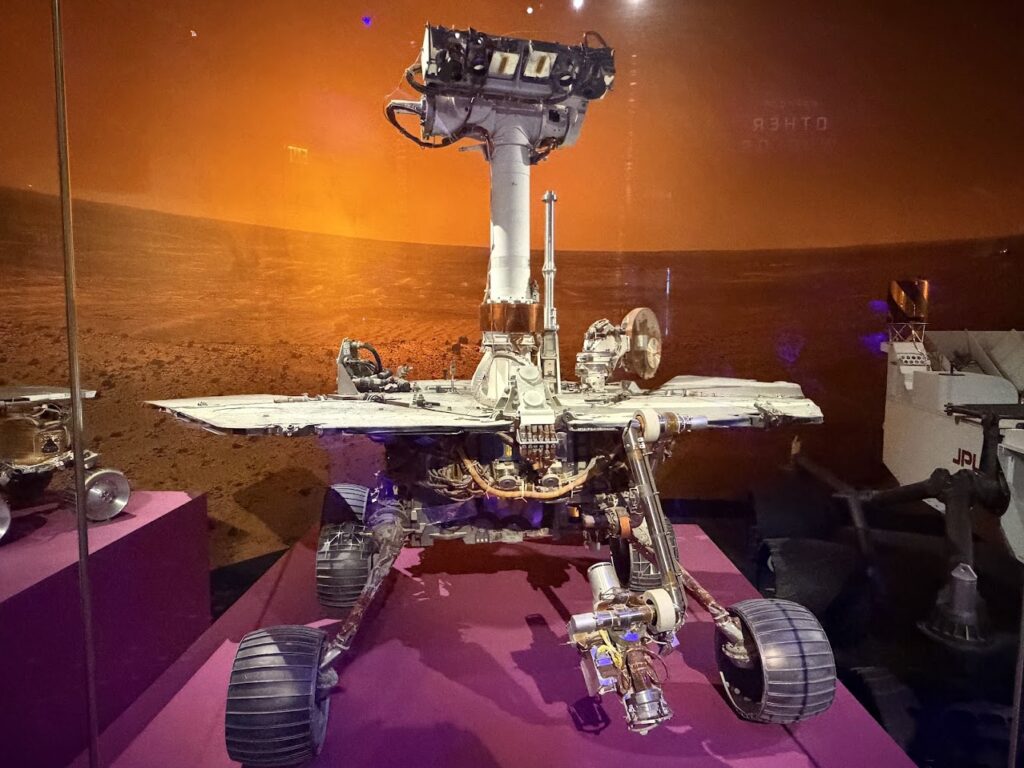
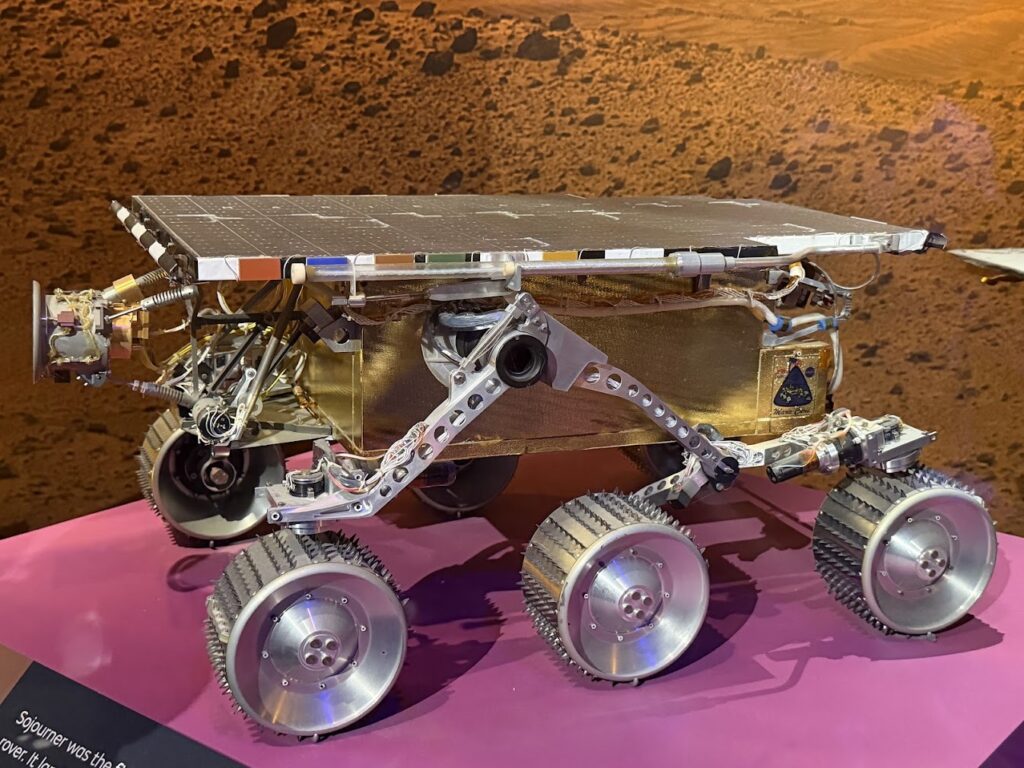
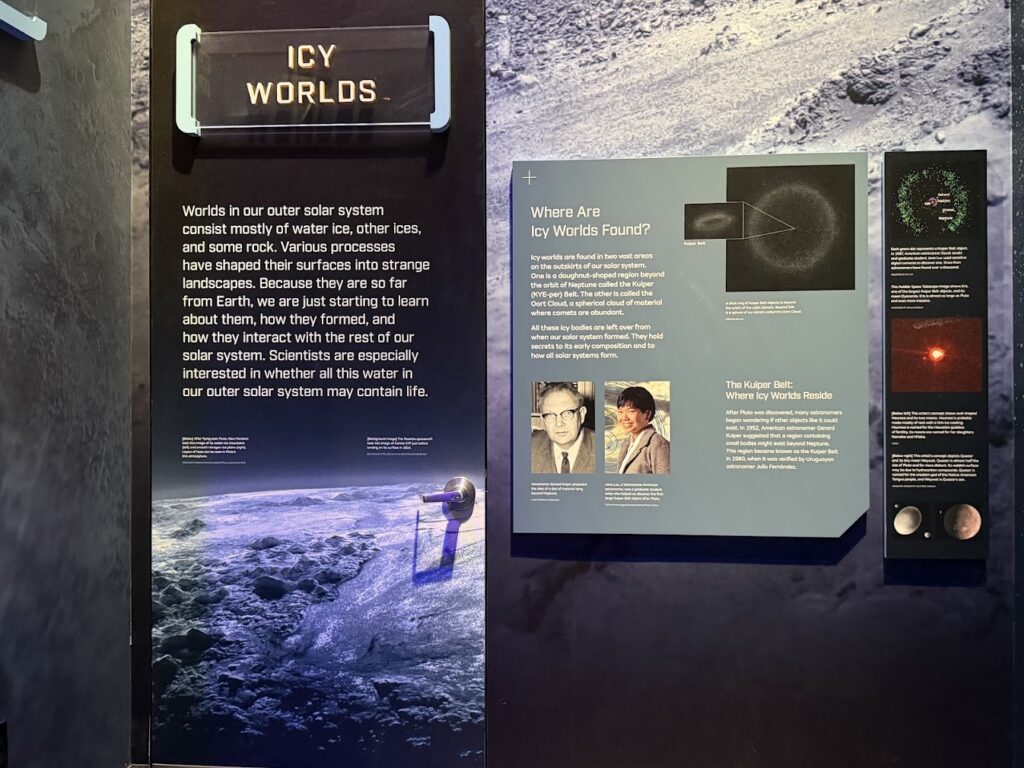
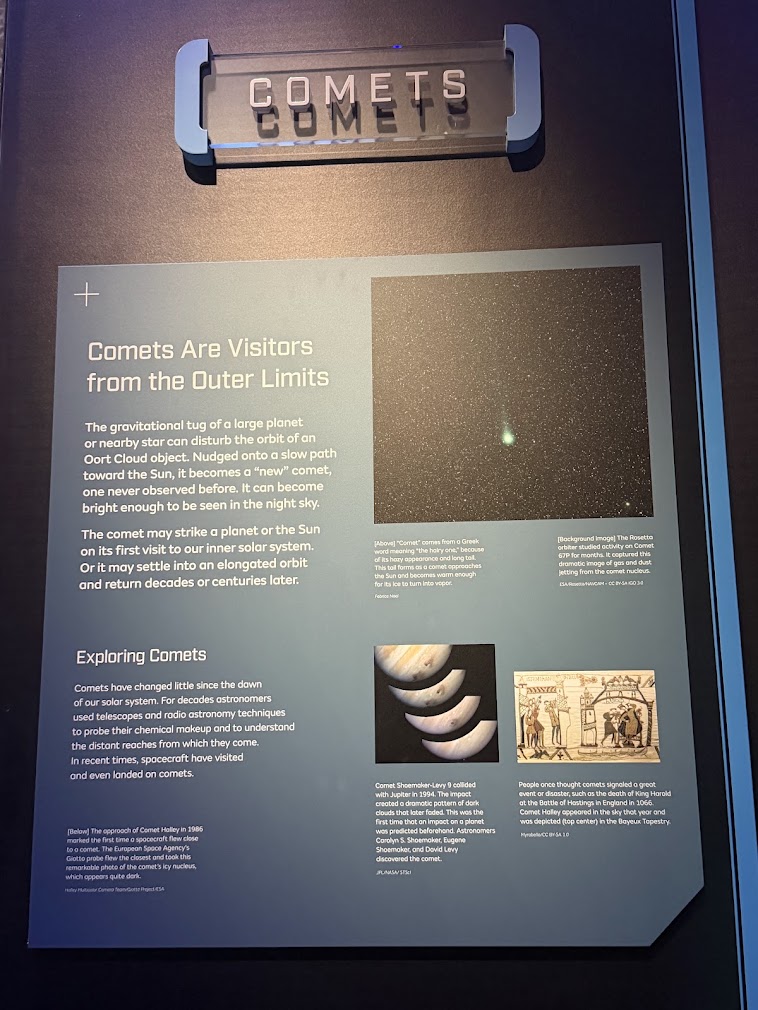
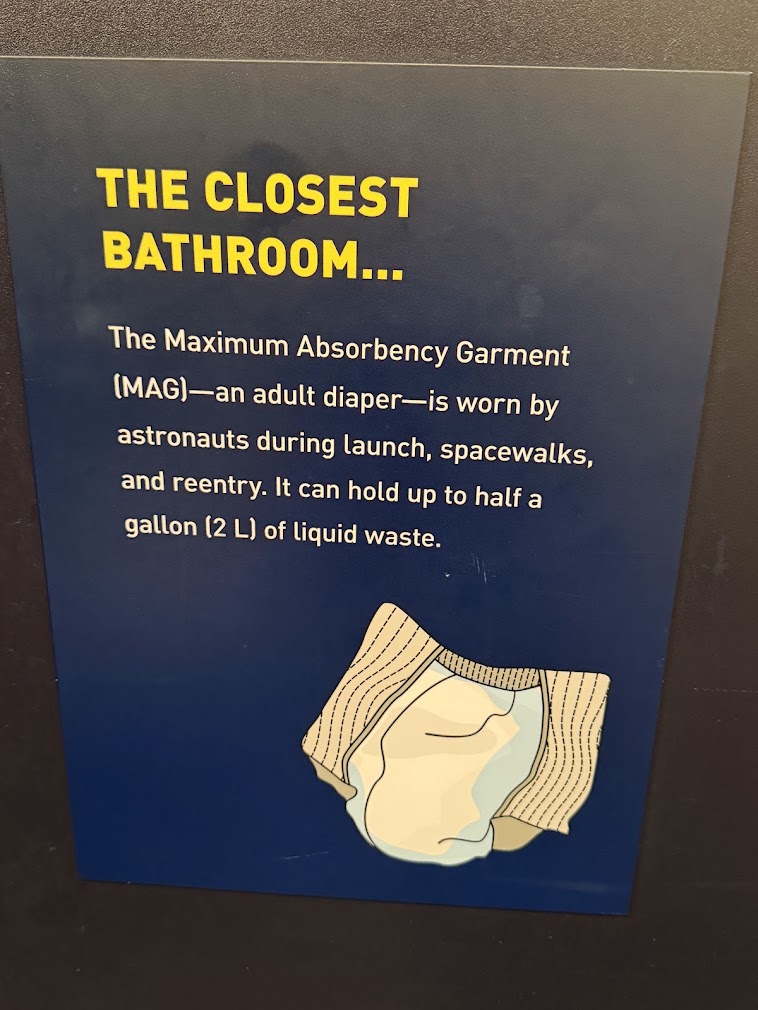
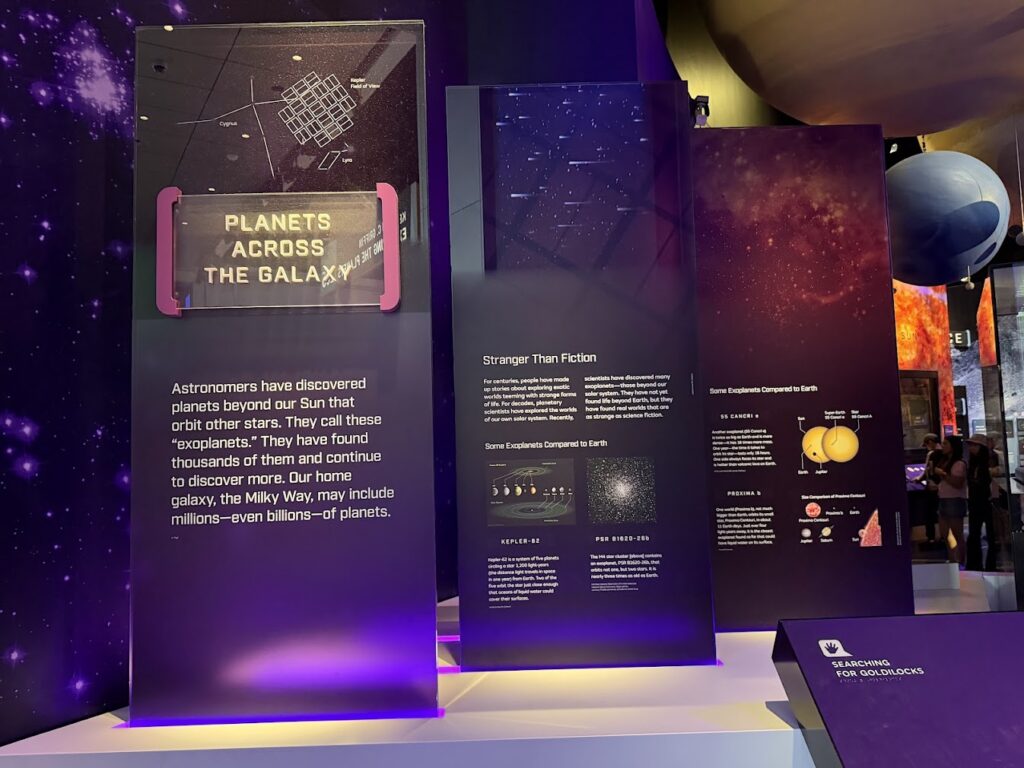
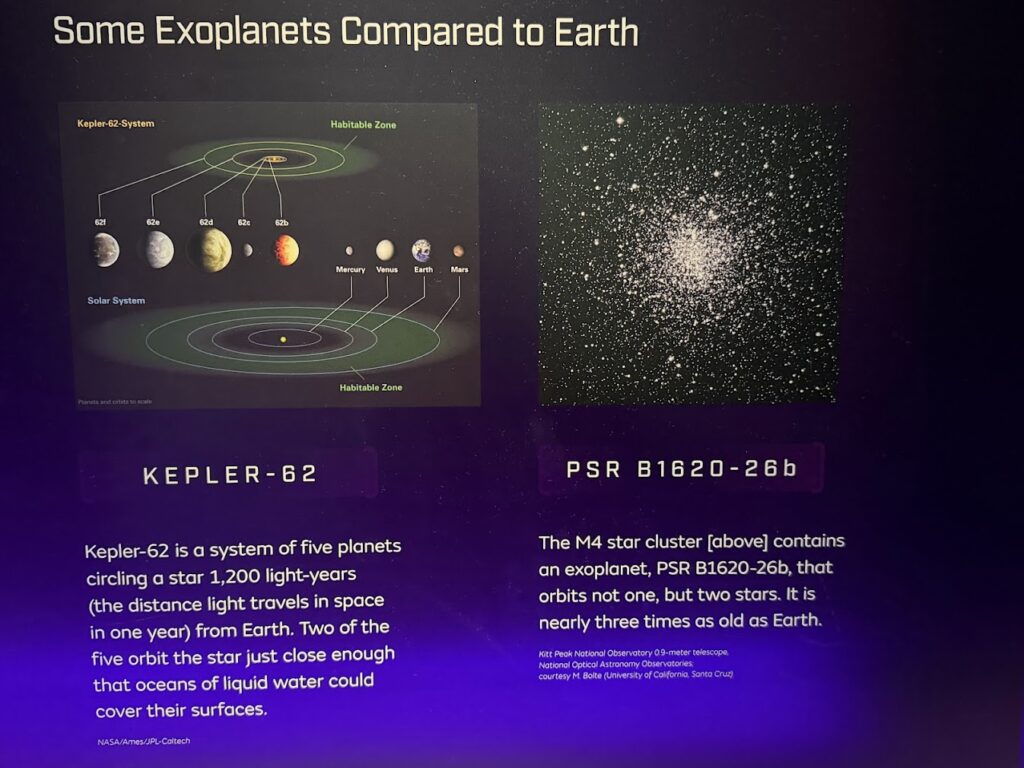
Exploring the Planets Giant Planets Exploring the Planets Exploring the Planets Jupiter Moons of the Giants Neptune and Uranus Our Solar System Roving Explorers Saturn and Jupiter Saturn The Planets and some of their Moons Uranus Kenneth C. Griffin Exploring the Planets Gallery Kepler Technology Demonstrator (KTD) Mars rover exhibits are located in the Kenneth C. Griffin Kenneth C. Griffin Exploring the Planets Gallery Walking on Other Worlds exhibit at the Kenneth C. Griffin Exploring the Planets Gallery Mariner 10 Icy Worlds Kenneth C. Griffin Comets Kenneth C. Griffin Maximum Absorbency Garment Planets across the Galaxy Exoplanets compared to Earth


Futures in Space
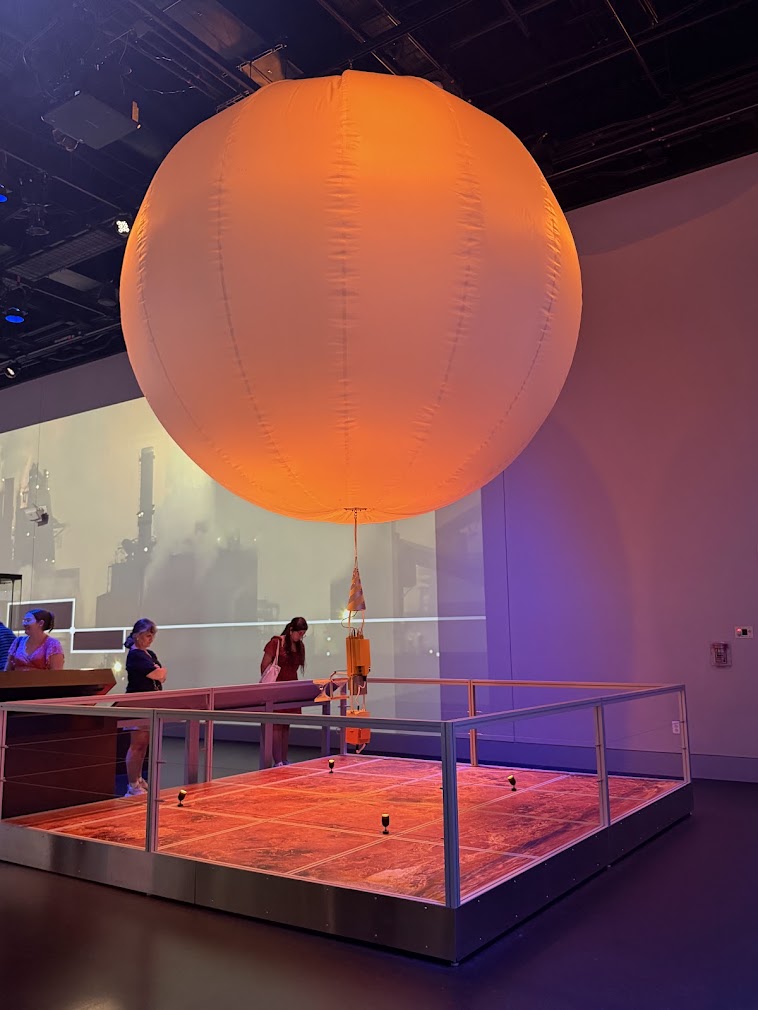
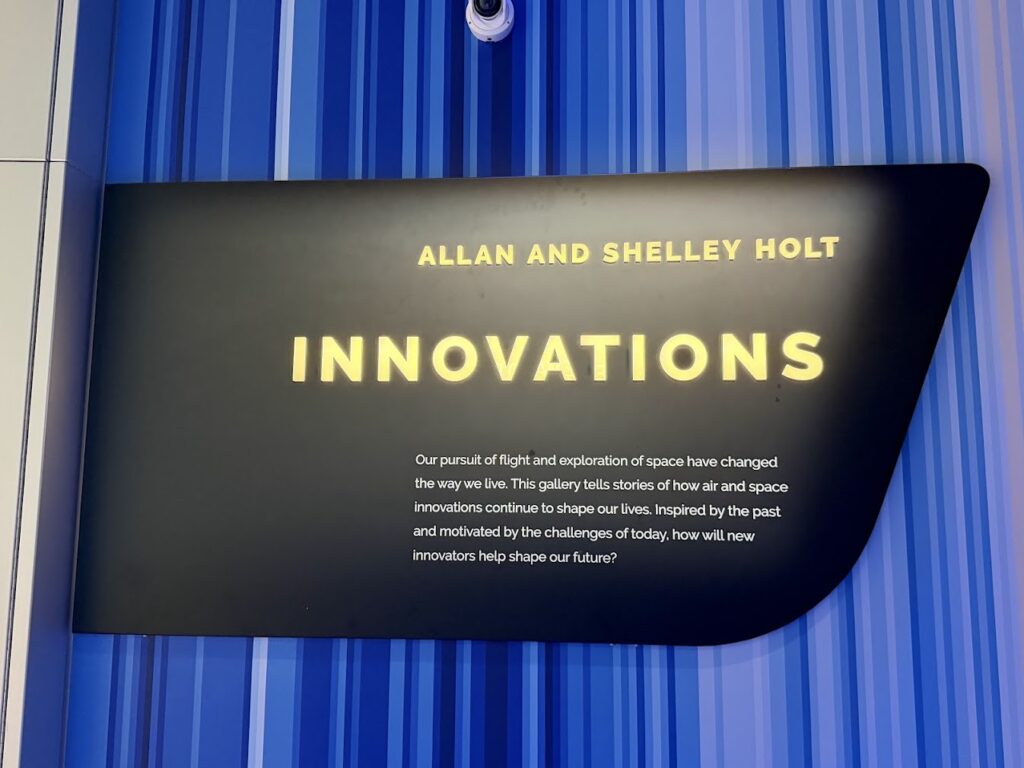
The Futures in Space exhibition looks ahead to the possibilities of human and robotic exploration beyond Earth. It highlights new technologies that are lowering the cost of access to space, opening doors to commercial travel, tourism, planetary exploration, and even resource extraction.
Aerospace and Our Changing Environment
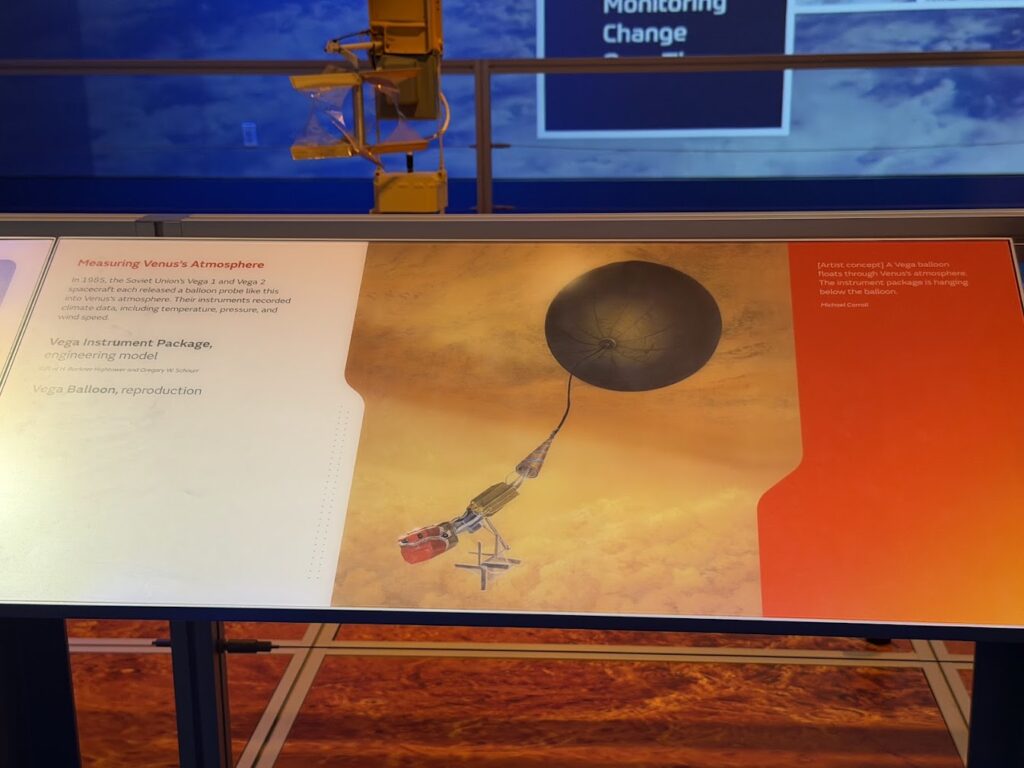
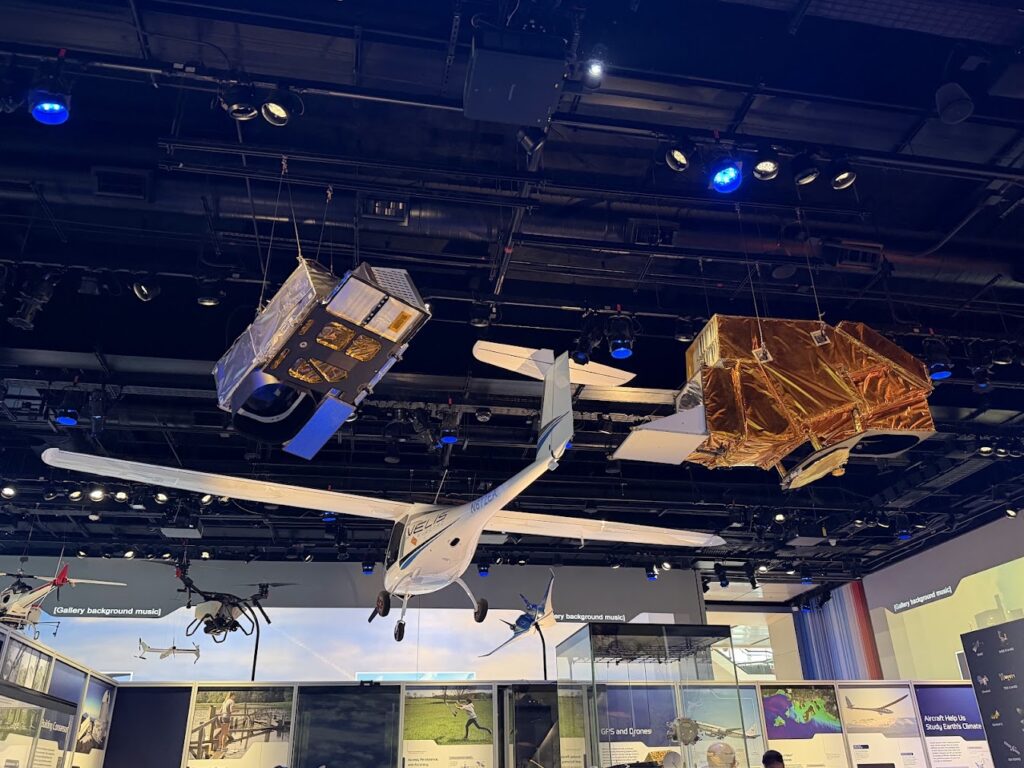
This exhibition highlights how aerospace innovations are helping us understand and respond to climate change. It explores three main areas: Earth observation, energy & agriculture, and sustainable transportation.
Using satellites, aircraft, and drones, scientists gather data to monitor Earth’s environmental shifts, from past trends to future predictions. Visitors will see how advances in aerospace are shaping our ability to track climate change, produce cleaner energy, and transform transportation.

The Art of Air and Space: Interpretations of Flight
The Art of Air and Space: Interpretations of Flight is the main exhibition in the Flight and the Arts Center. It features paintings, photography, sculptures, and prints from the museum’s collection of more than 7,000 aviation and space-related artworks.
Highlights include works by Alexander Calder, Norman Rockwell, Alma Thomas, Francisco Goya, Man Ray, Annie Leibovitz, and William Wegman. Rather than focusing solely on aircraft, the gallery shows how flight and space exploration have inspired artists for more than two centuries.
TEXTRON How Things Fly
The reimagined TEXTRON How Things Fly gallery is now the museum’s most interactive space, with more than 50 hands-on exhibits. They explore lift, weight, drag, and thrust – the four forces behind everything that flies.
The centerpiece is a full-scale Cessna Skyhawk 172 that you can actually climb into, and there is a supersonic wind tunnel where you can generate your own shock waves. I love that this gallery does not just show you the aircrafts; it lets you feel the physics behind them.
Flight and the Arts Center
This is a brand-new, two-level space exploring how flight has shaped artistic expression, and it opens with two inaugural exhibitions.
The Art of Air and Space walks visitors through roughly 80 works pulled from the museum’s 8,000-piece art collection, including Norman Rockwell paintings of NASA astronauts, a dress created to honor NASA mathematician Katherine Johnson, and sculptures made from actual airplane parts.
It sits The Ascent of Rauschenberg, a one-year rotating exhibit featuring 30 Robert Rauschenberg works tied to flight, many of which have never been publicly displayed before.
U.S. National Science Foundation Discovering Our Universe
The gallery explores how astronomers have uncovered the mysteries of the cosmos. Highlights include William Herschel’s 18th-century telescopes, the Event Horizon Telescope image of a black hole, and the LIGO detector that first detected gravitational waves.
The exhibition also highlights pioneering women in astronomy. Highlights include the spectrograph Vera Rubin used to uncover the first strong evidence of dark matter, along with exhibits on Henrietta Swan Leavitt, Cecilia Payne-Gaposchkin, and Katie Bouman. You can also see a backup detector module from the IceCube Neutrino Observatory that was buried more than 8,000 feet beneath the Antarctic ice.
Jay I. Kislak World War II in the Air
The gallery explores how World War II transformed military aviation. It also highlights the contributions of the Tuskegee Airmen, the Women Airforce Service Pilots (WASPs), and the Women Accepted for Volunteer Emergency Service (WAVES).
Highlights include statues of the Tuskegee Airmen, original uniforms, and aircraft such as the North American P-51D Mustang, Messerschmitt Bf 109, and a rare surviving Soviet Ilyushin Il-2. Visitors can also see the museum’s 50-foot B-17 Flying Fortress mural and George Rarey’s illustrated journal, created for the infant son he never met.
RTX Living in the Space Age
The RTX Living in the Space Age gallery explores how space technology has shaped everyday life on Earth. The three-level exhibition highlights satellites, navigation systems, communications, and other technologies we rely on every day.
Highlights include a full-scale mockup of the Hubble Space Telescope, a walk-through backup of Skylab, America’s first space station, the Minuteman III missile, and a Blue Origin New Shepard rocket. The gallery also recognizes the engineers, technicians, and physicians whose work made space exploration possible, not just the astronauts who got the headlines.
Shows at the Air and Space Museum
Looking for an extra dose of wonder? The National Air and Space Museum offers two incredible theater experiences that are well worth your time.
Lockheed Martin IMAX® Theater
Settle into a comfy seat and get ready for big-screen adventures in flight, space, and beyond. Daytime shows feature short educational films, while evenings often include full-length Hollywood features. Tickets are only sold on-site. Group discounts available for 10 or more.
The Lockheed Martin IMAX Theater reopened on July 28, 2025. Check the current film schedule before visiting.

Northrop Grumman Planetarium
Travel the stars without leaving your seat. This domed theater offers a powerful look at the universe-from constellations to deep space exploration. Tickets are available on-site only, with free shows offered monthly and group reservations available.

Where to Eat
Before you leave, grab a bite at the Mars Café, open daily from 10:00am-5:00pm. They serve sandwiches, pizza, salads, pastries, and coffee – definitely no airplane food here! It’s a great stop before or after a show at the IMAX Theater or planetarium.


How to Visit the National Air and Space Museum
The National Air and Space Museum is located on the National Mall at the intersection of 6th Street SW and Independence Avenue SW, within easy walking distance of other major museums and landmarks.

Public Transportation
- Metrorail: The closest stops are L’Enfant Plaza (5-min walk) and Smithsonian Station (10-min walk).
- Metrobus: Over 10 bus stops are located within one block of the museum.
- Trains: It’s a 2-block walk from Virginia Railway Express (VRE). The nearest MARC and Amtrak stop is Union Station.
Parking
- The museum does not have its own parking.
- Limited metered street parking and paid garages are available nearby. Use apps like ParkWhiz to reserve a spot in advance.
Rideshare & Taxis
- Set your destination as 6th St SW & Independence Ave SW for smooth drop-off.
Walking, Scooters, & Bikes
- Walking is easy. You’re right between the Hirshhorn Museum and the National Museum of the American Indian.
- Scooter and bike rentals are widely available in D.C. (Capital Bikeshare is a good option).
- Note: There are no bike racks directly at the museum, but several are nearby along the Mall.


Check out my How to Visit the 16 Smithsonian Museums in Washington D.C. blog!
Museum Store
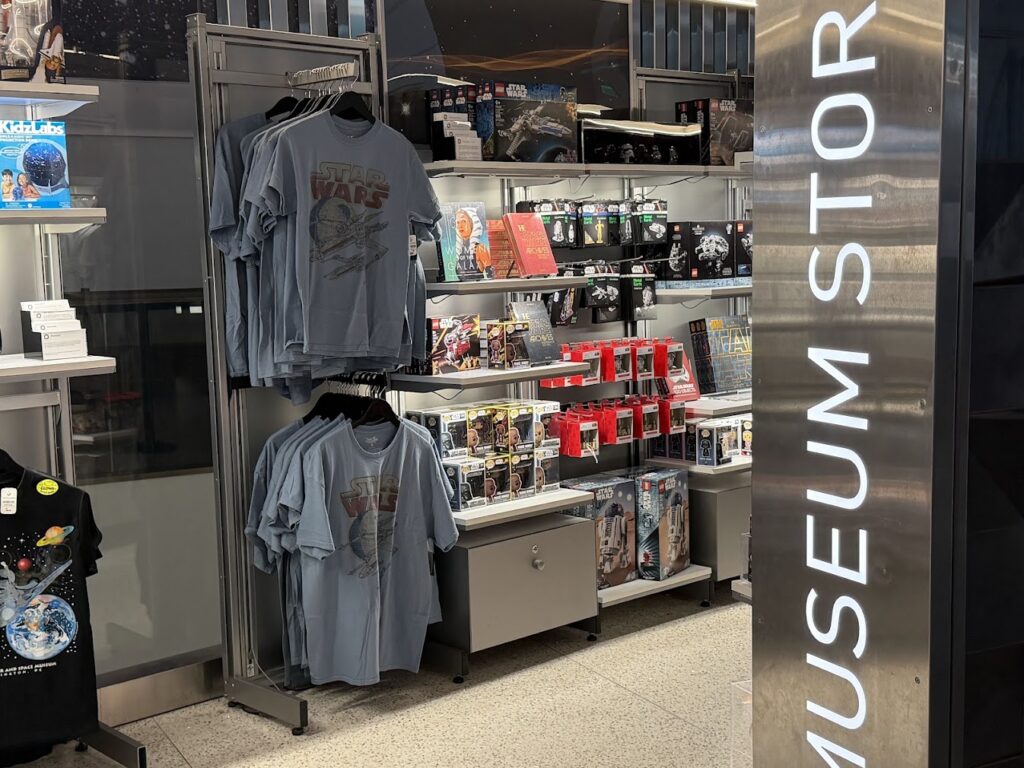
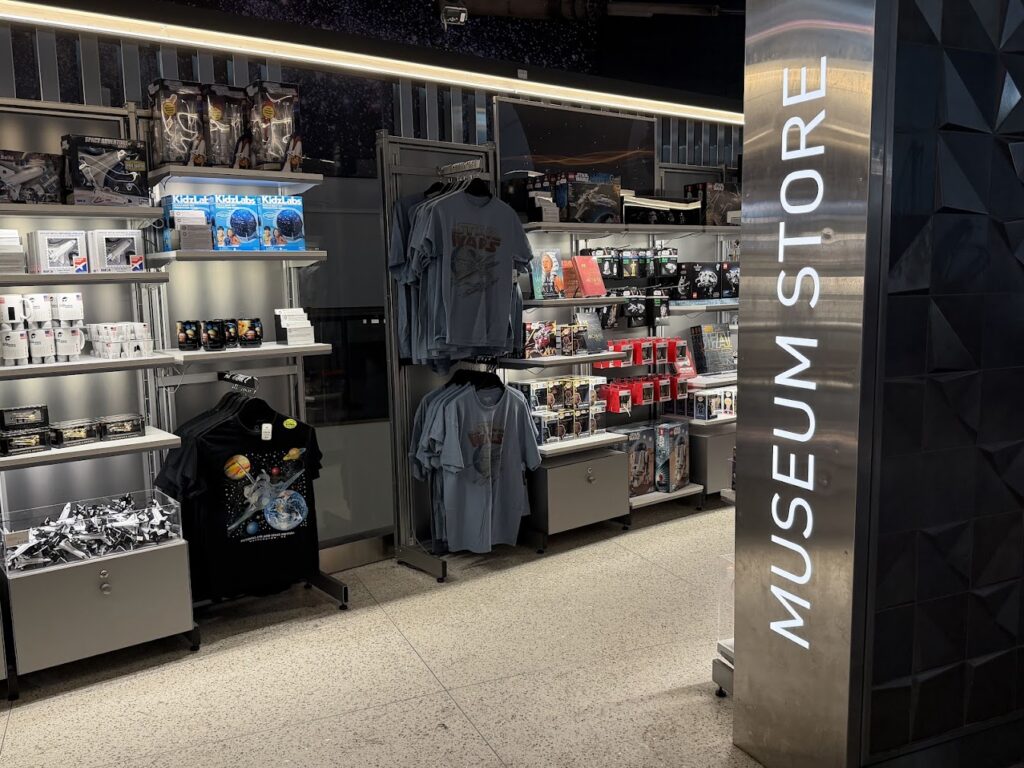
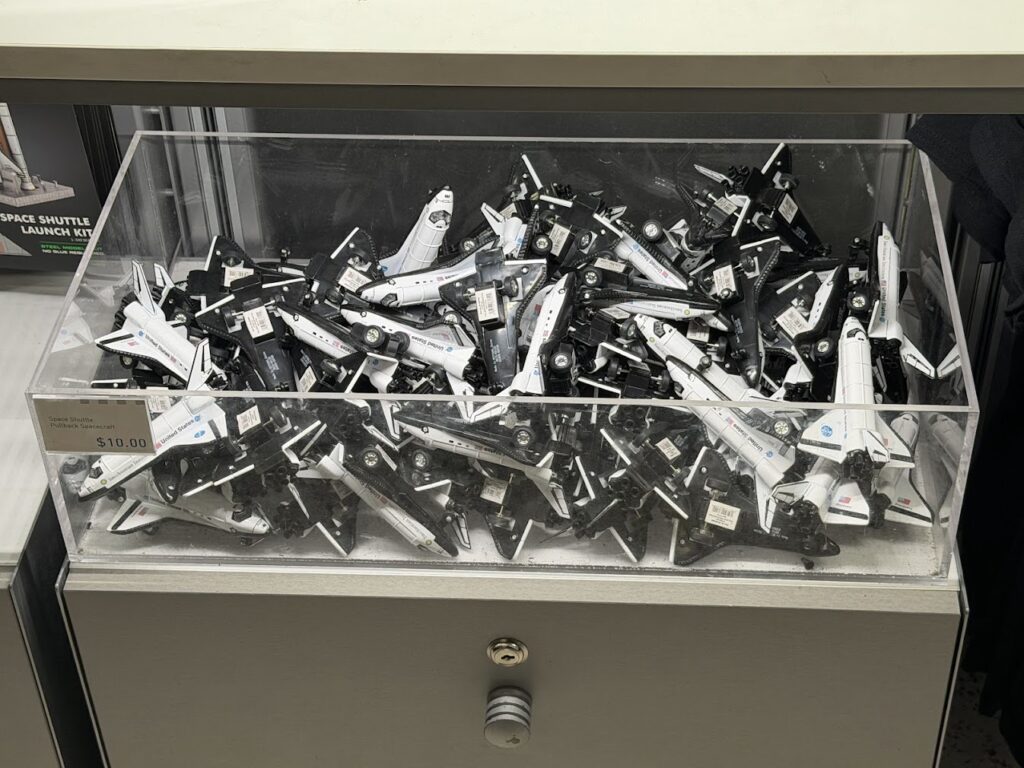
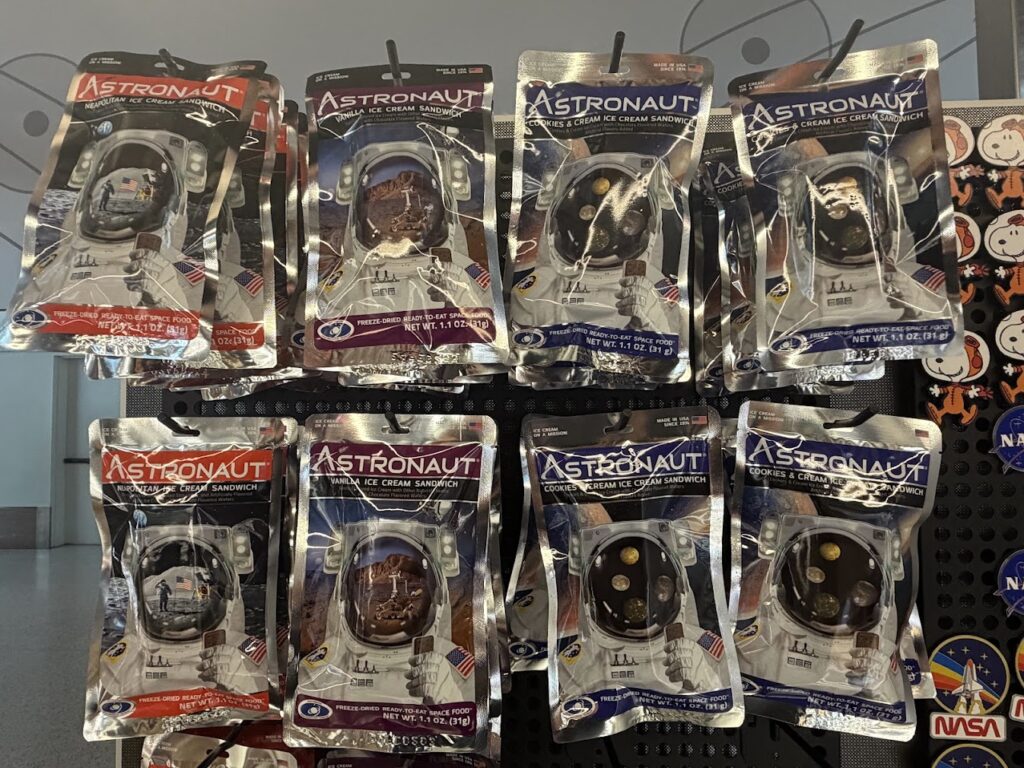
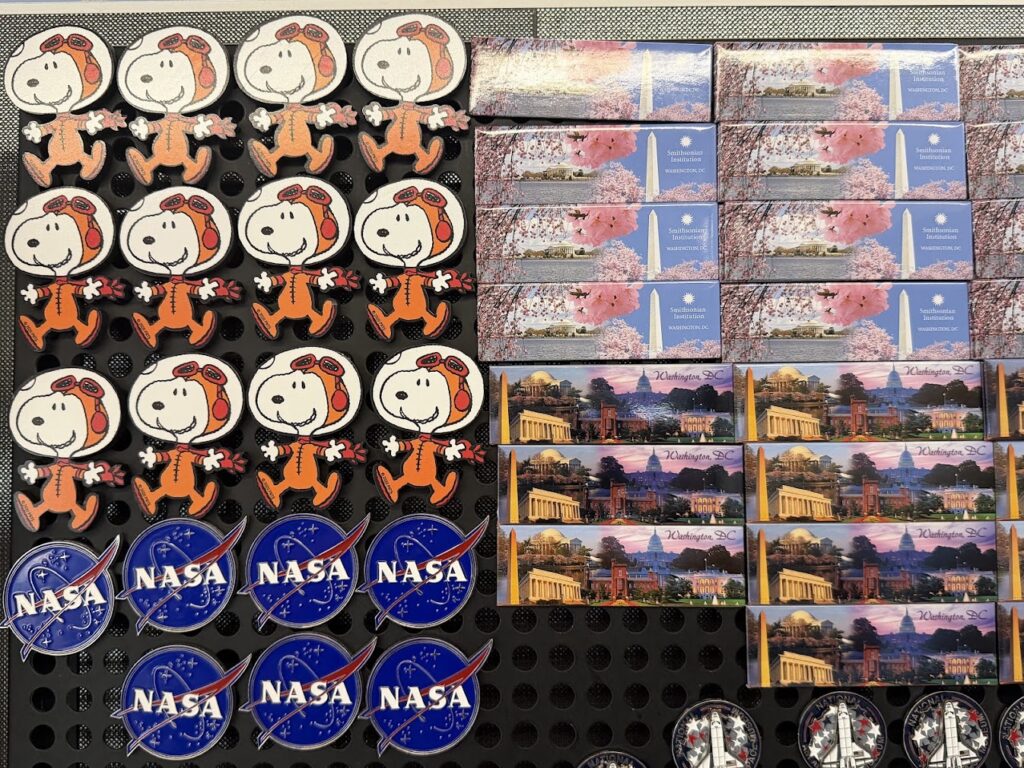
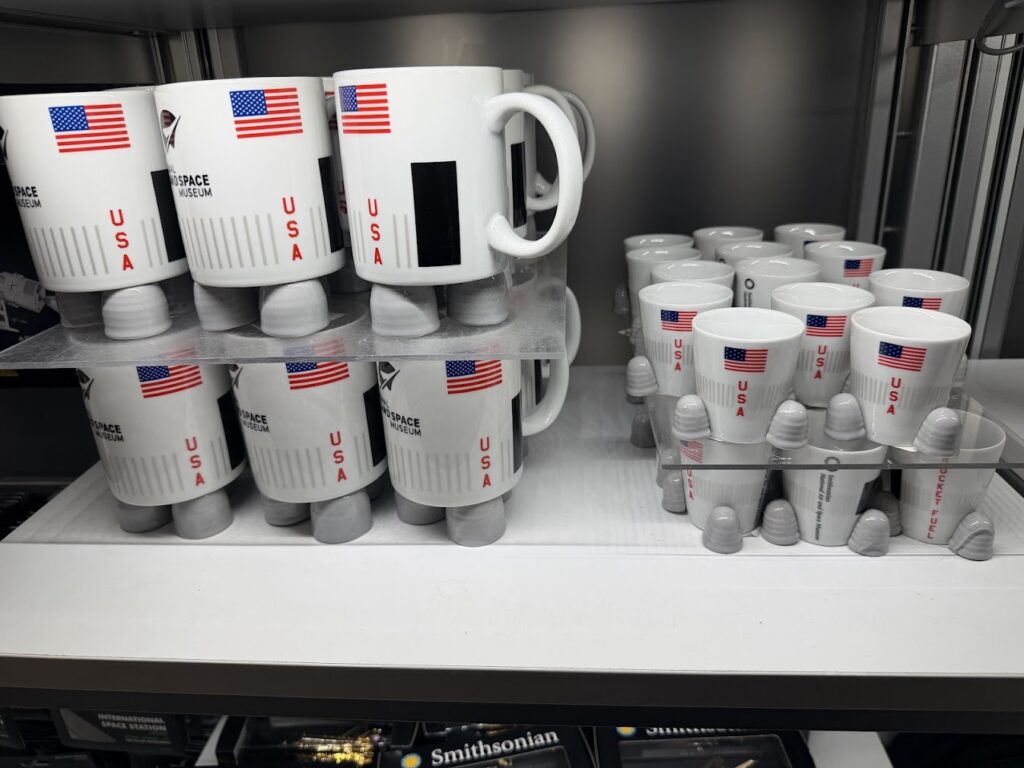
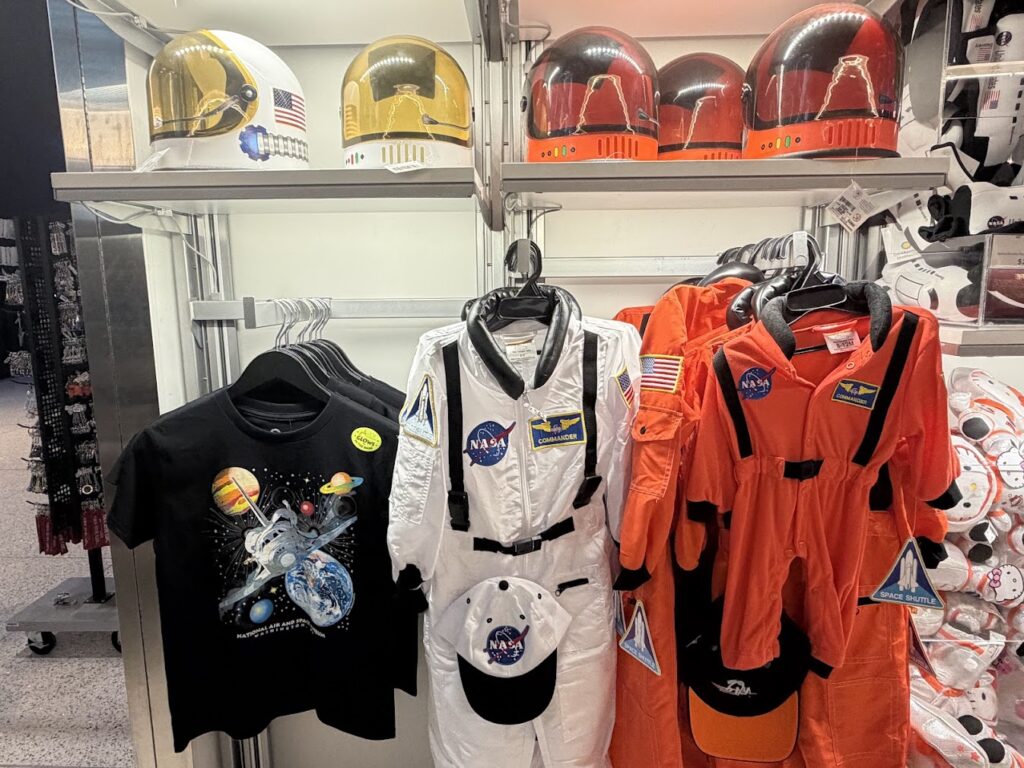
No trip to the National Air and Space Museum is complete without a stop at the museum store. Here you will find space-themed gifts, aviation collectibles, books, and toys.






Where to Stay Near the Museum
If you are visiting the National Museum of African American History and Culture, you will want to stay somewhere central, close to the National Mall and other Smithsonian museums. These hotel options place you right in the heart of D.C., with something for every budget.
Budget Accommodation – Motto by Hilton Washington D.C. City Center
For an affordable yet stylish stay just blocks from the National Mall, Motto by Hilton is a top pick. Rooms are compact but modern, and there is a trendy rooftop bar with city views. Guests love the walkable location and easy Metro access.
➡️Click here to book your stay at Motto by Hilton!
Mid-Range Accommodation – Hotel Hive
Hotel Hive blends artistic design with budget-friendly comfort. Located near the Lincoln Memorial and Foggy Bottom, this micro-hotel is perfect for explorers who want a hip and cozy base without overspending. Great pizza downstairs and a buzzing rooftop bar add to the charm.
➡️Click here to book your stay at Hotel Hive!
Luxury Accommodation – Willard InterContinental Washington D.C.
For timeless luxury and historic charm, the Willard InterContinental is unmatched. Just a short stroll from the museum and a block from the White House, this legendary hotel offers elegant rooms and a rich history, including hosting Martin Luther King Jr. and countless presidents.
➡️Click here to book your stay at Willard InterContinental!
FAQs: National Air and Space Museum
Here are some frequently asked questions regarding “National Air and Space Museum” along with my answers.
Do I need tickets to enter the museum?
Yes. Admission is free, but free timed-entry passes are required for all visitors to the Washington, D.C. museum, regardless of age. Reserve your passes on the official museum website. IMAX and planetarium shows require separate tickets.
Is the museum fully open?
Most renovated galleries are now open, including five that opened on July 1, 2026. The remaining galleries, At Home in Space and Modern Military Aviation, are scheduled to open on October 30 and November 11, 2026, respectively.

Can I bring a stroller or wheelchair?
Yes! Strollers and mobility aids are welcome. The museum is fully wheelchair accessible, and a limited number of non-motorized wheelchairs are available at the entrance on a first-come, first-served basis.
How long should I plan to visit?
Give yourself 2-3 hours to see the main exhibits and grab a bite. Add more time if you plan to catch a planetarium or IMAX show.
Final Thoughts
The National Air and Space Museum is more than planes and rockets – it’s the story of how humans learned to fly and reach for the stars. From the Wright Brothers to Apollo 11, each gallery highlights milestones that changed our world.
With the July 2026 galleries now open and the final two galleries scheduled for later this fall, there is plenty to see and enjoy. If you are visiting Washington D.C., this museum is a must.
Plan for 2-3 hours if you want to see the highlights; longer if you get lost in the stories (which you probably will).


