
National Museum of Asian Art – Arthur M. Sackler Gallery: Complete Guide (2026)
The Smithsonian National Museum of Asian Art consists of the Freer Gallery of Art and the Arthur M. Sackler Gallery. Check out their beautiful exhibitions!
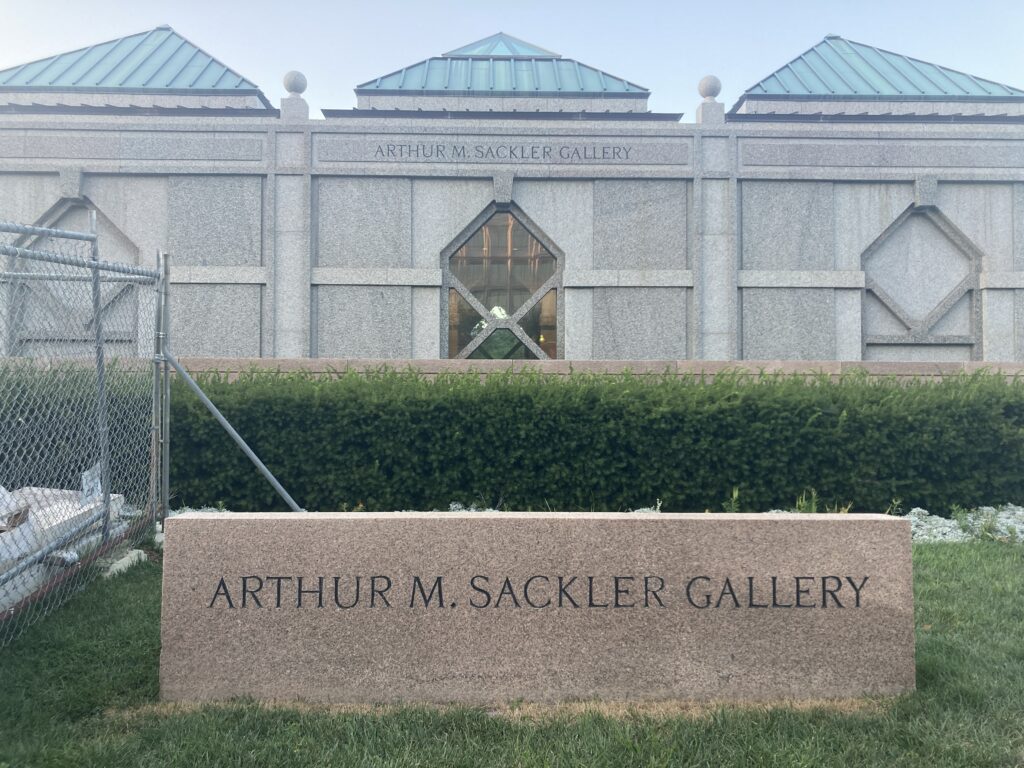
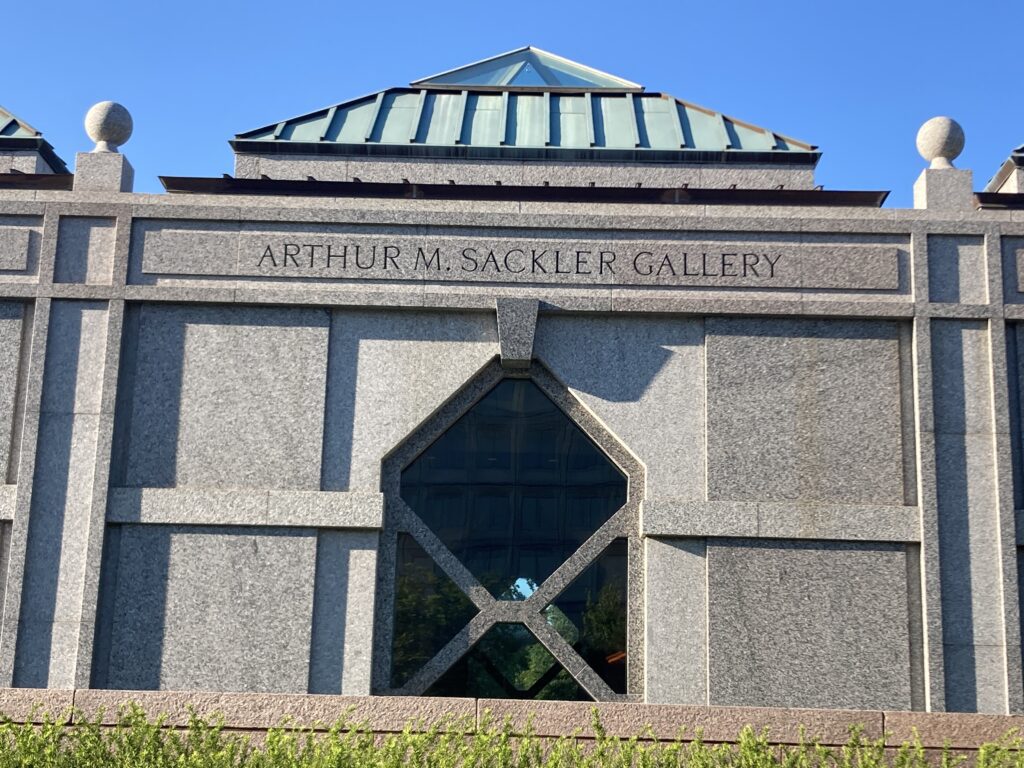
In 1987, the Arthur M. Sackler Gallery became the second Smithsonian Museum of Asian Art. It was built with funds provided by physician Dr. Arthur M. Sackler, who established the inaugural collection with a gift of 1,000 objects.
Located on three underground levels, the Sackler Gallery features South Asian sculpture, Chinese jades and bronzes, and modern Japanese ceramics.
National Museum of Asian Art – Arthur M. Sackler Gallery
Opening Hours: Open Daily 10:00am-5:30pm, Closed December 25
Admission: Free
Location: 1050 Independence Ave SW in Washington D.C.

Highlights of the Collection
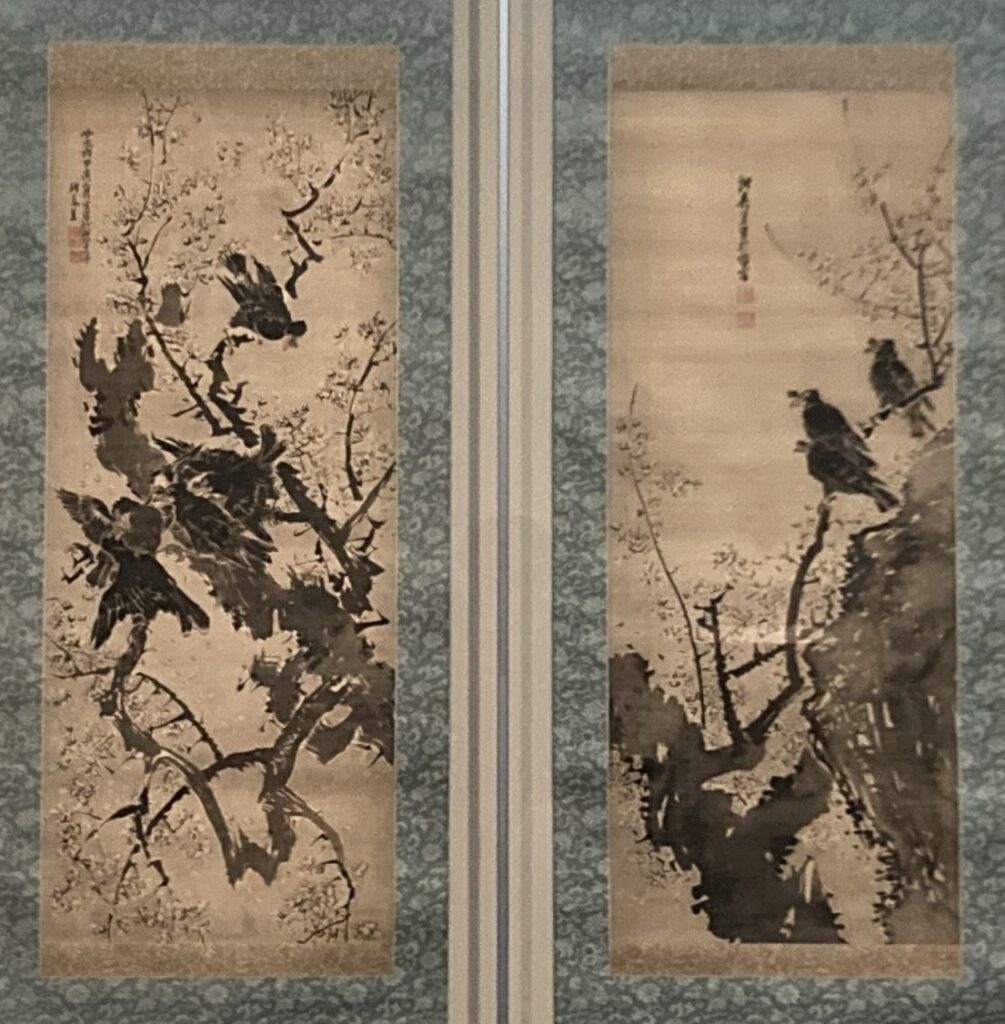
The Arthur M. Sackler Gallery is full of incredible art from across Asia. You will see ancient Chinese bronzes, Buddhist statues, Persian manuscripts, and Japanese screens, all carefully displayed in peaceful, quiet rooms. If you’re short on time but want to see the best of the Sackler Gallery, don’t miss these:
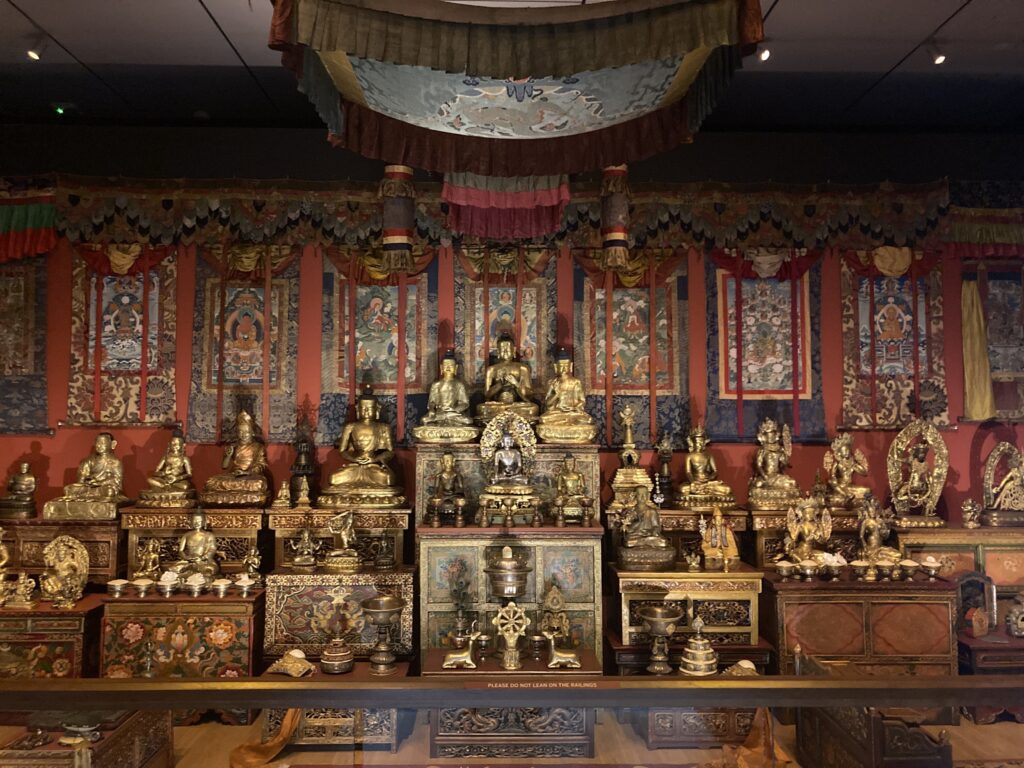
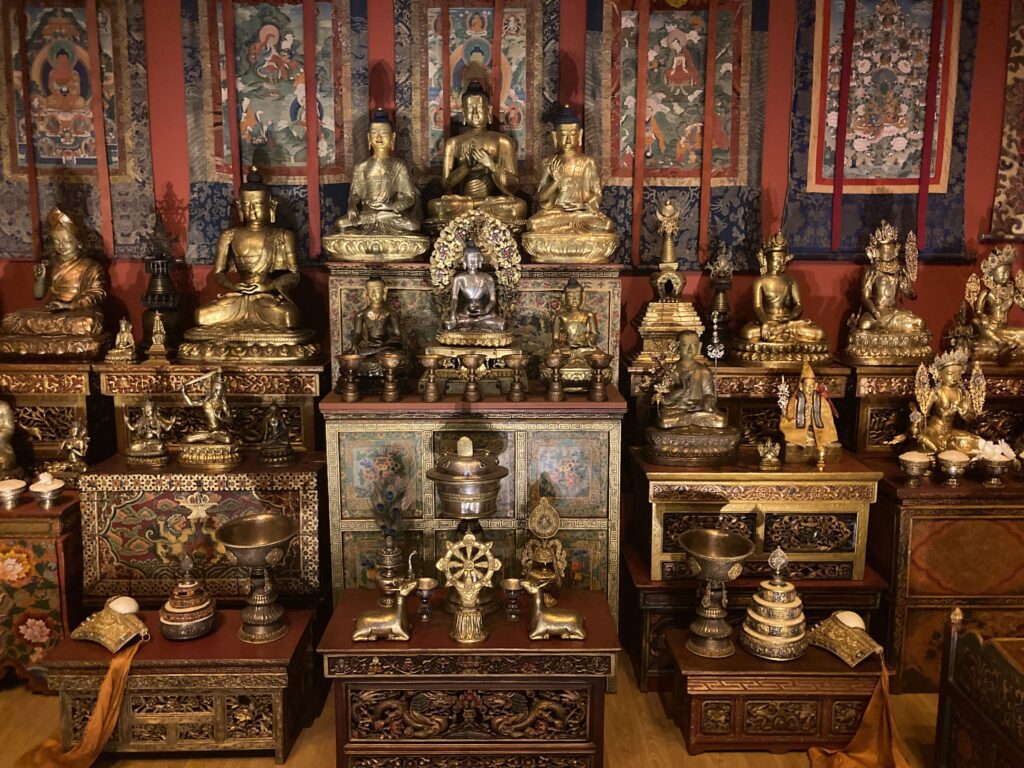
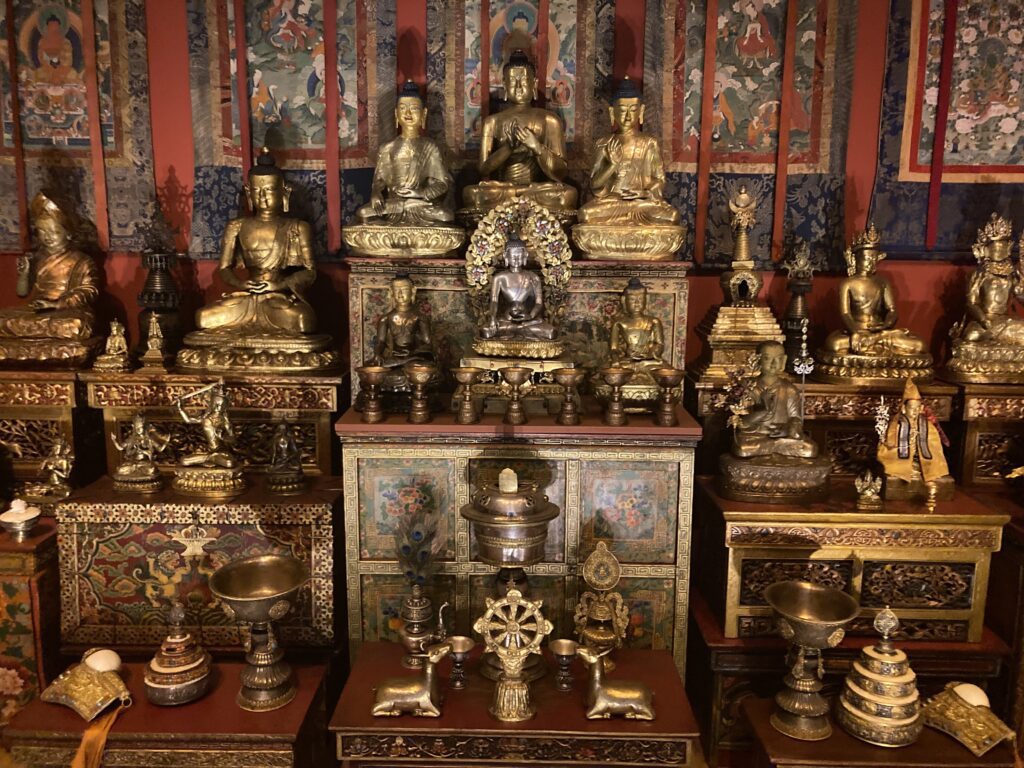
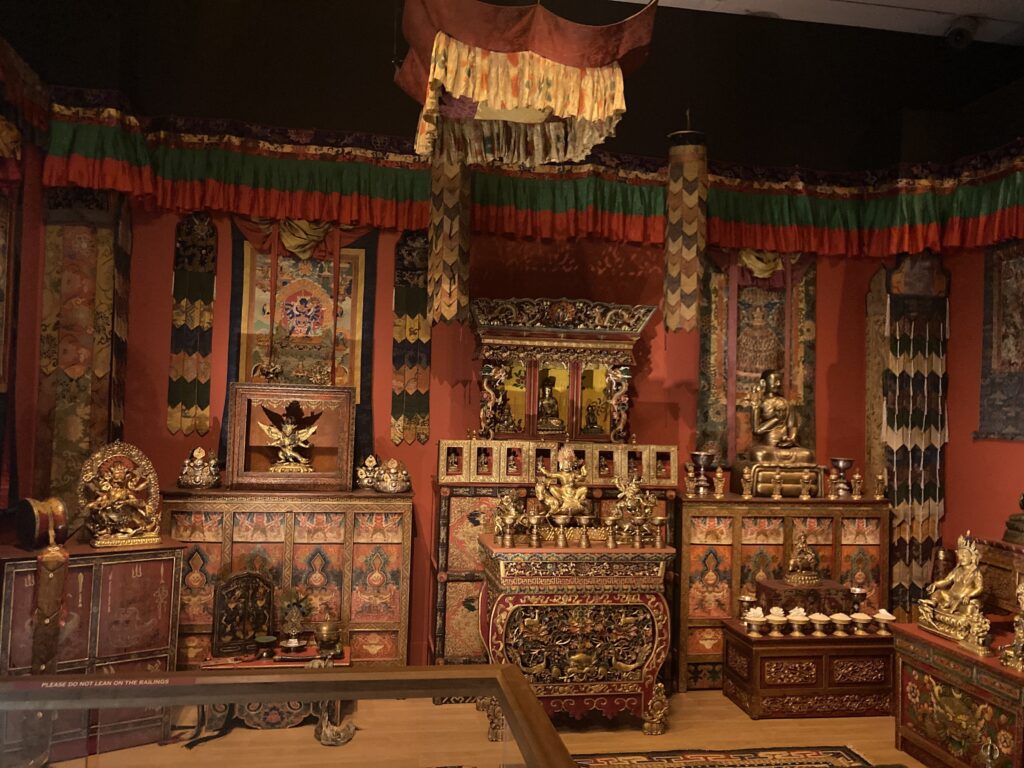
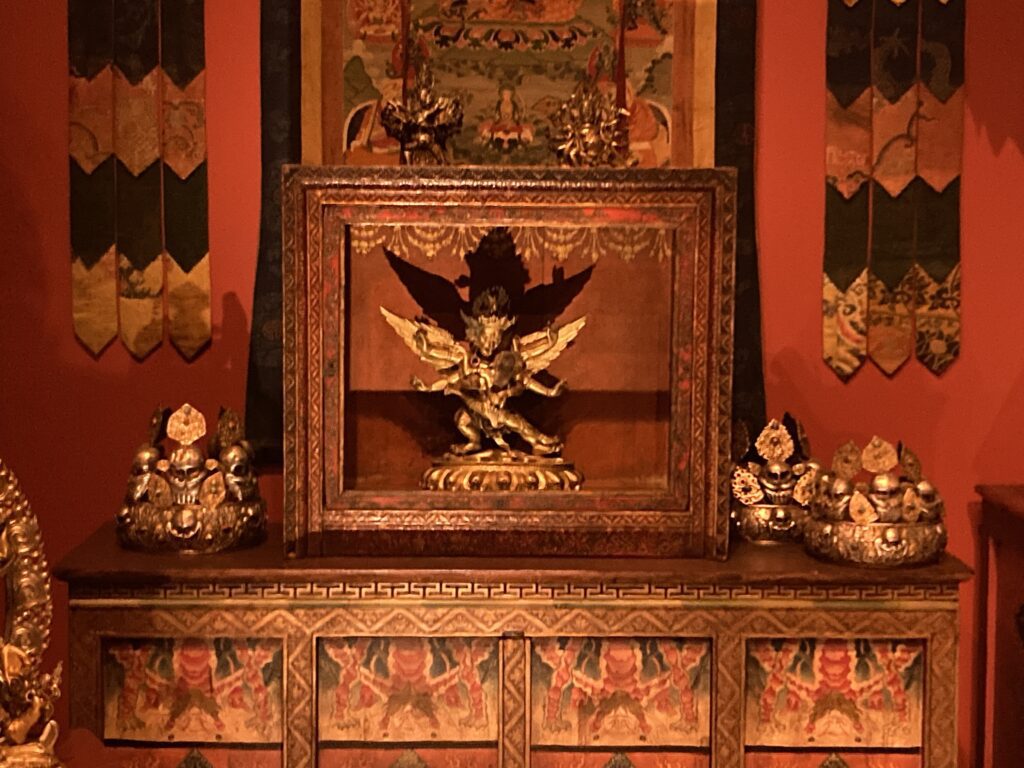
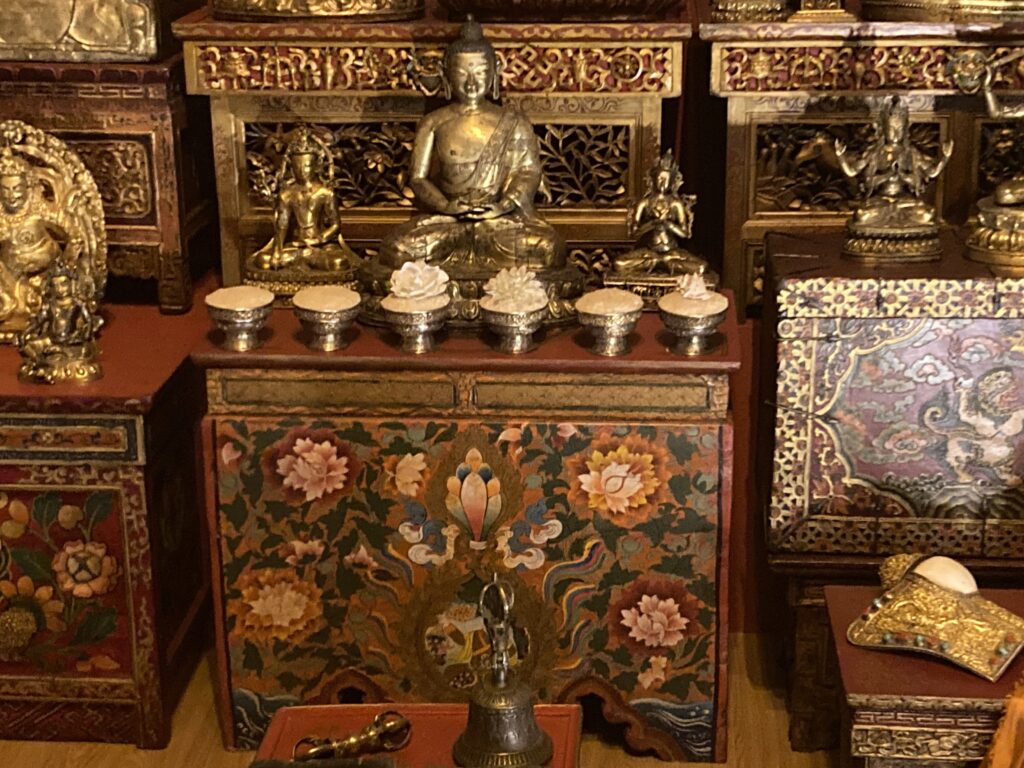
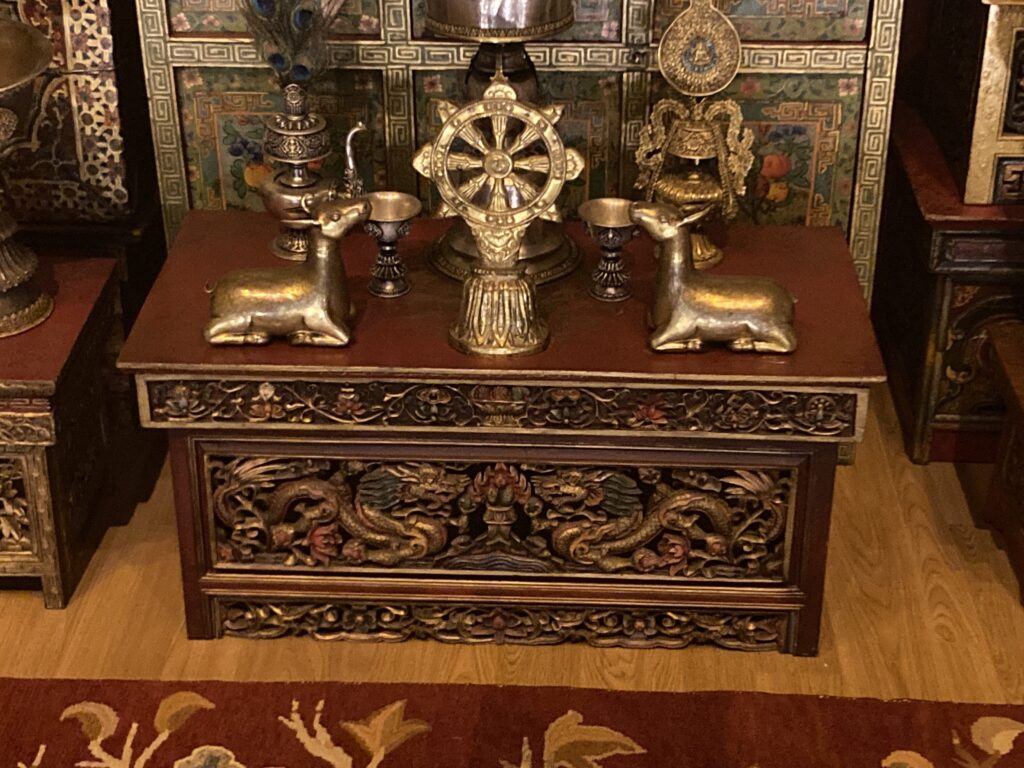
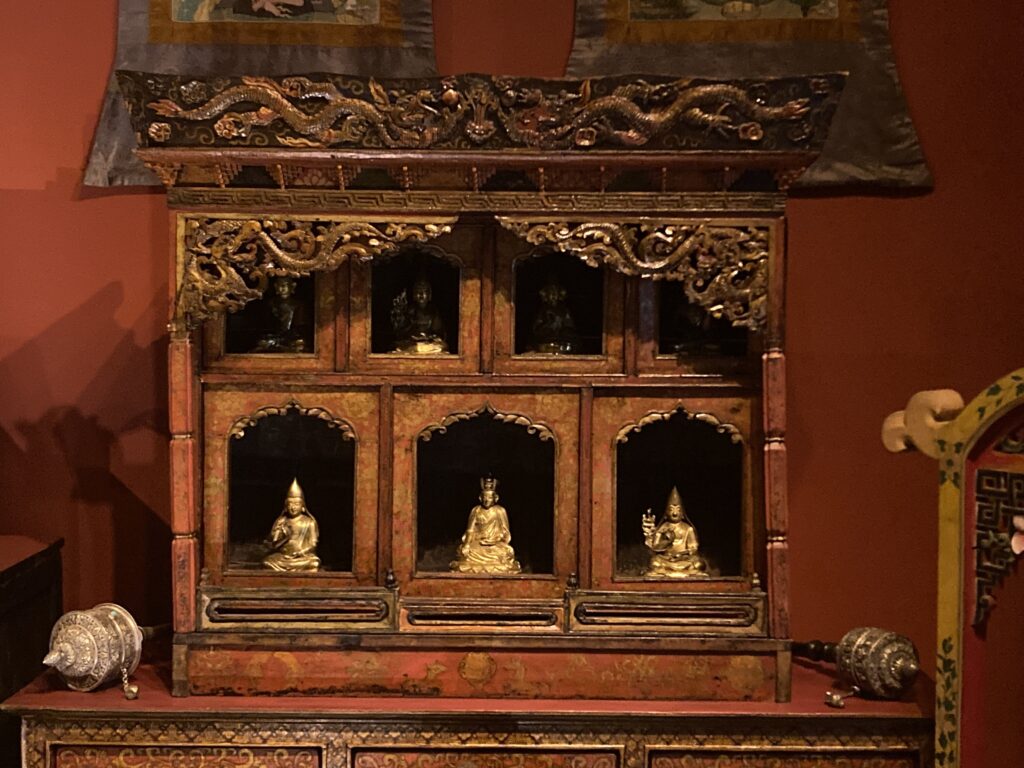
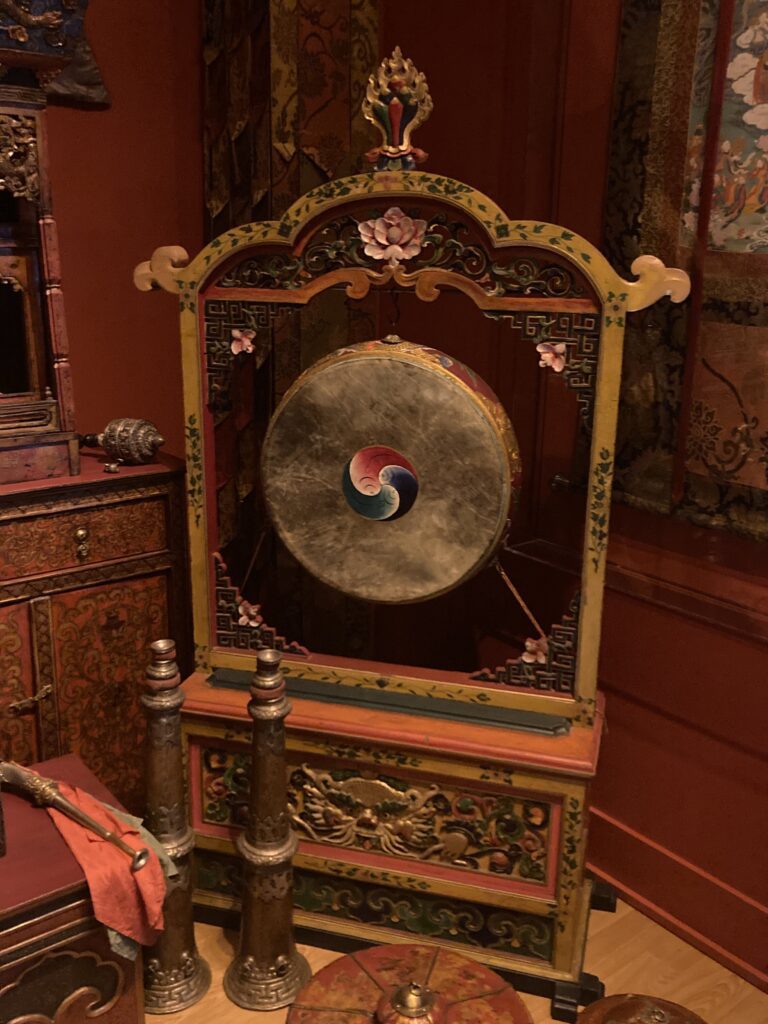
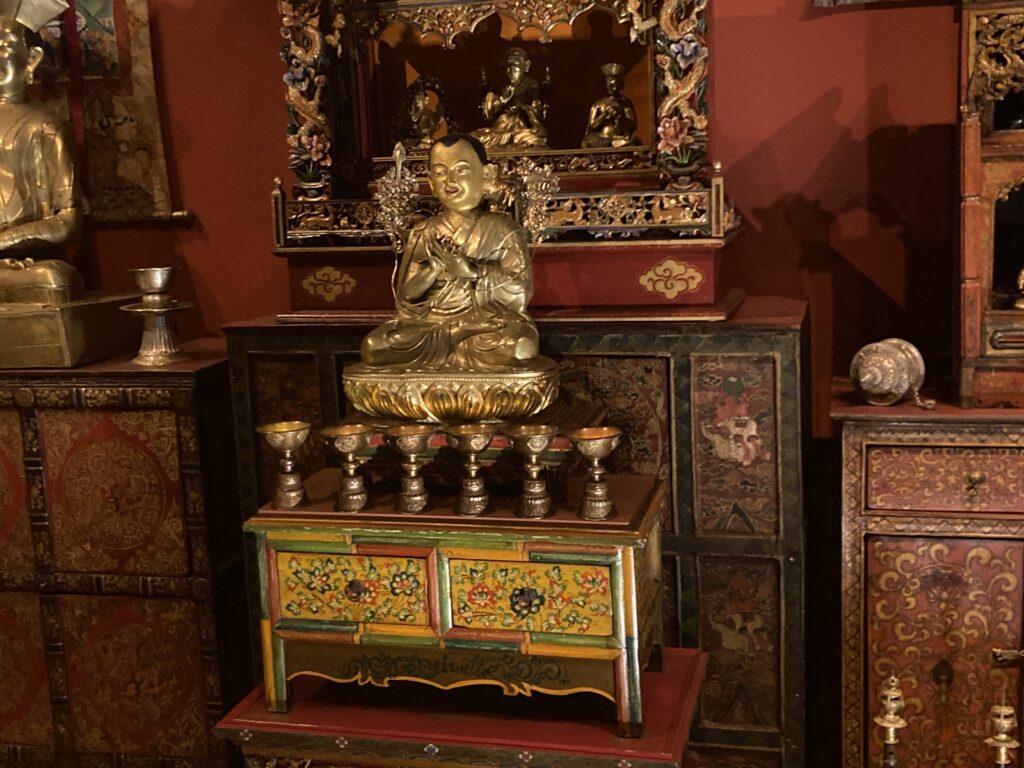
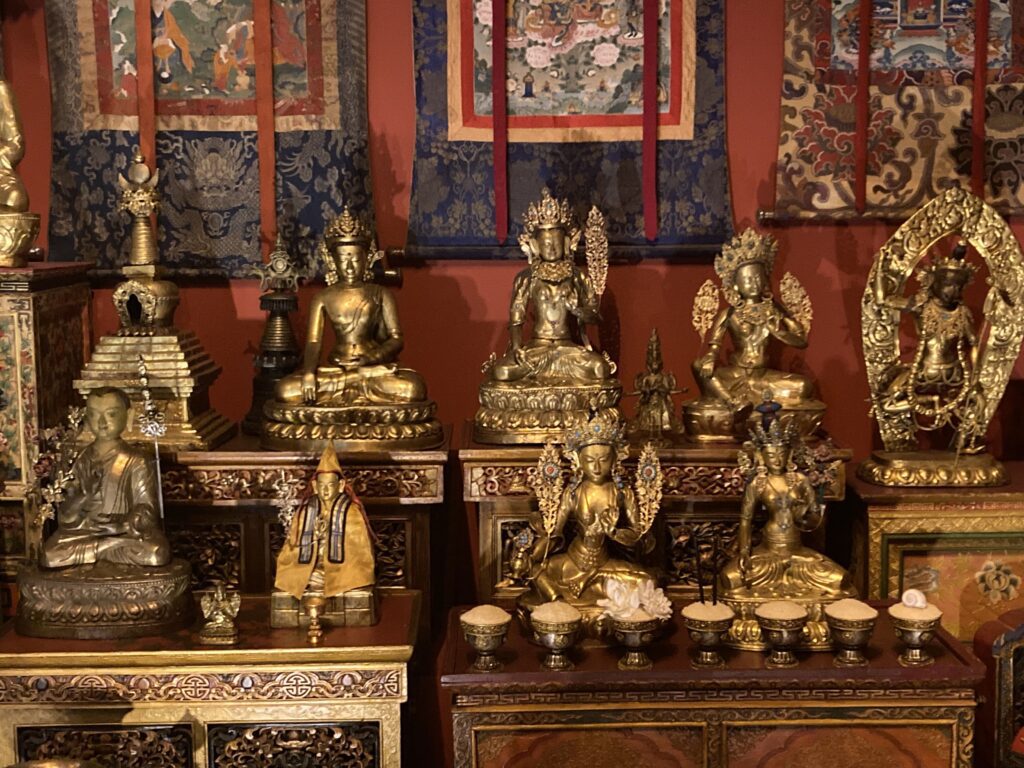
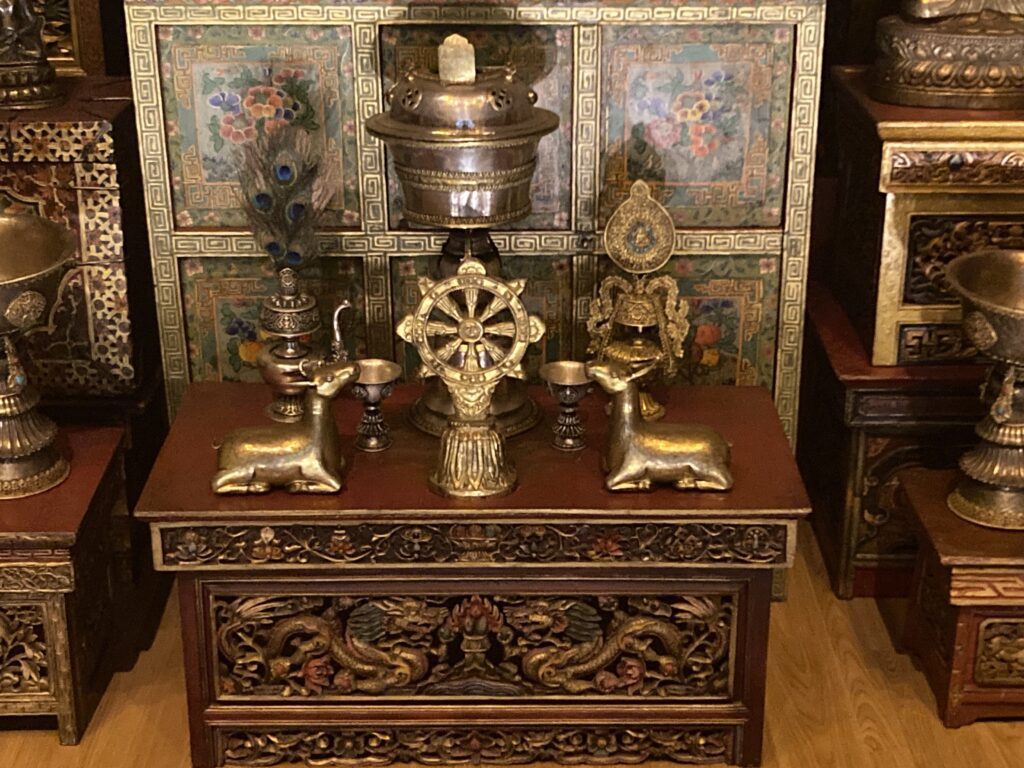
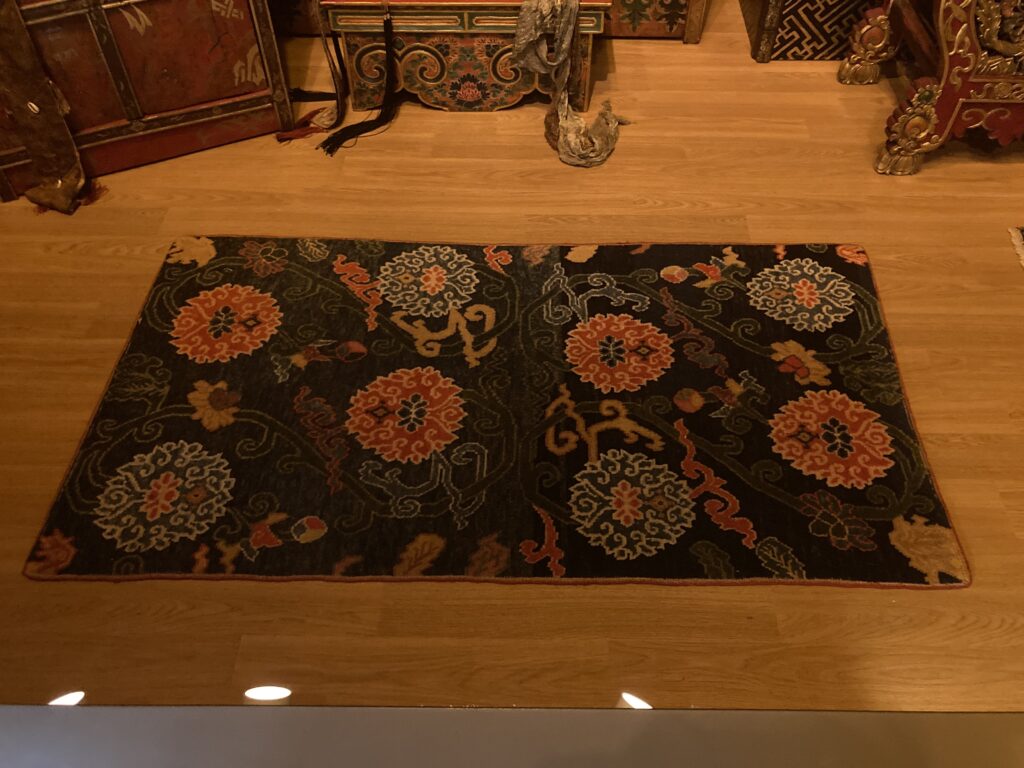
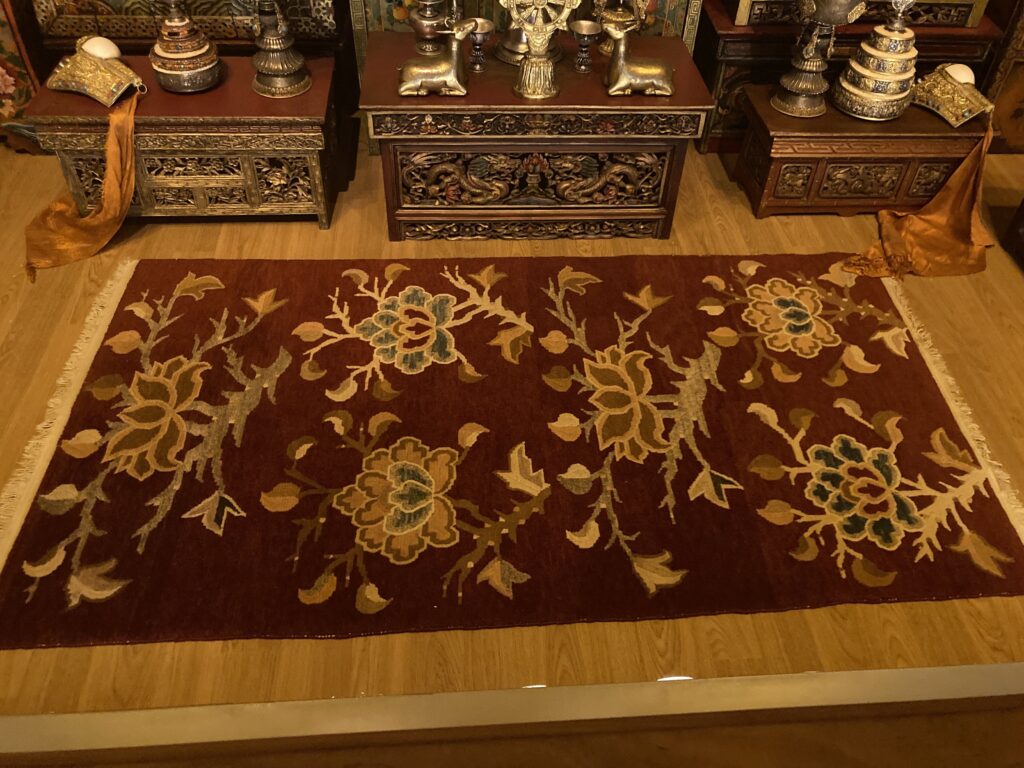
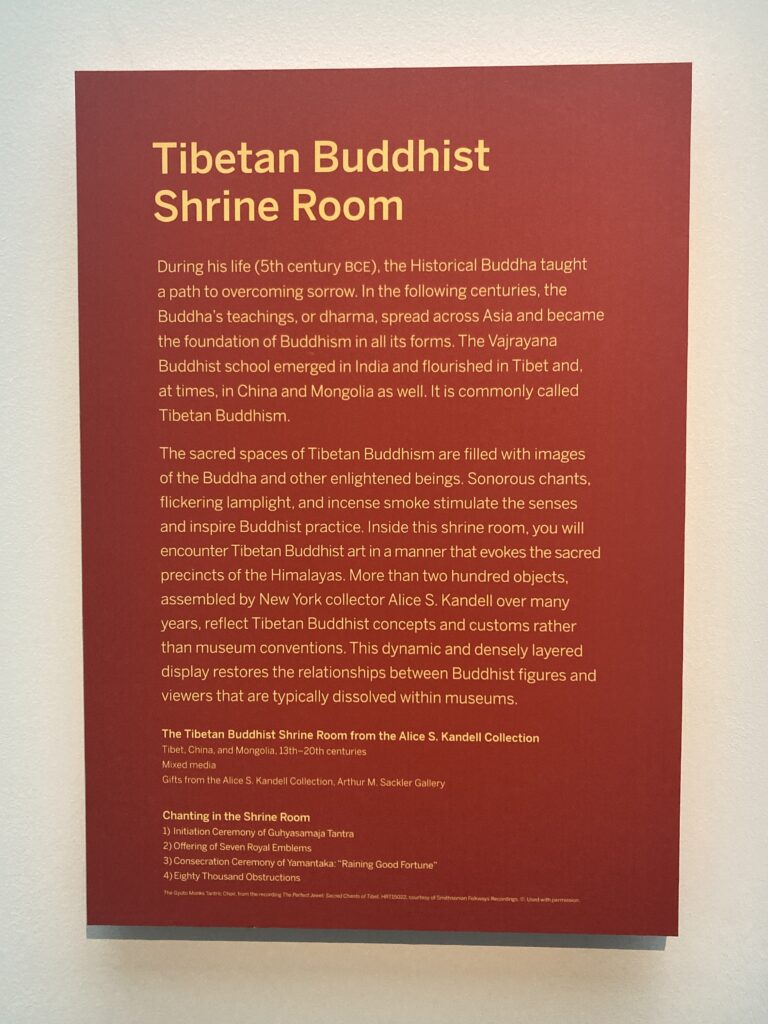
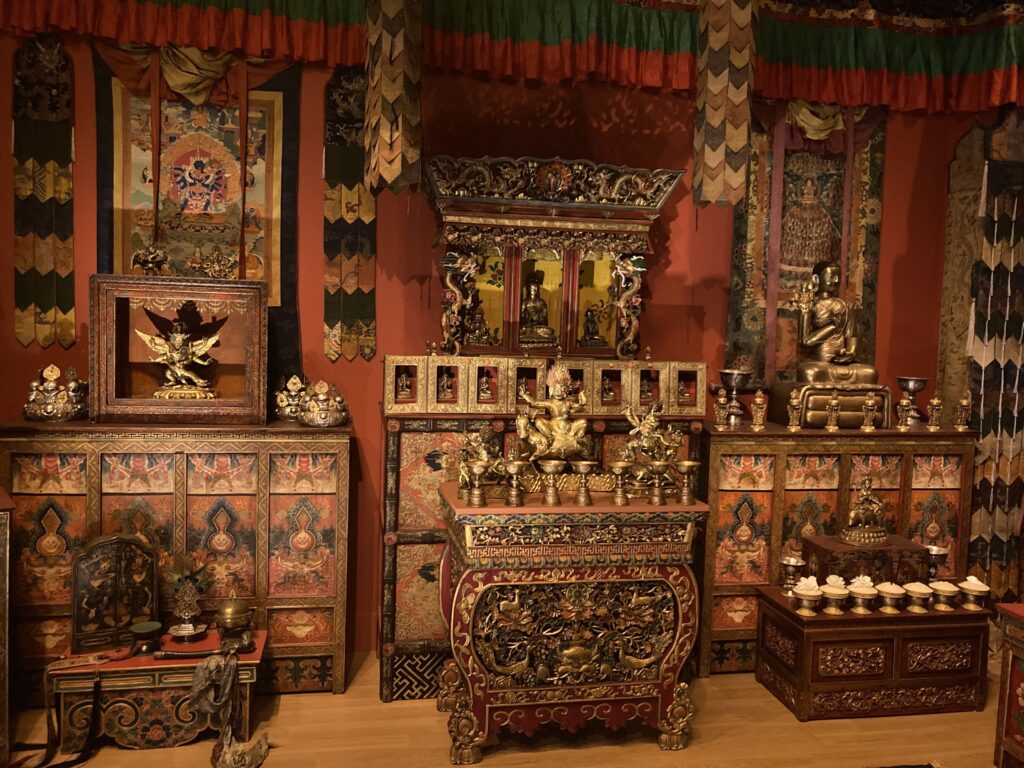
Tibetan Buddhist Shrine Room
The Alice S. Kandell Collection of Tibetan art is on display at the Freer Gallery. Kandell was an American photographer and Himalayan art collector.
Inside the shrine room, you will encounter over 200 Tibetan Buddhist art objects in a manner that evokes the sacred precincts of the Himalayas. To learn more, explore an online Tibetan Buddhist Shrine!
Ancient Yemen
Yemen became a major hub for the trade of incense during the first millennium B.C. This lucrative trade resulted in tremendous wealth and encouraged the patronage of elaborate architecture and distinctive works of art.
The fine alabaster statues and metalworks display the masterful skills of artists from ancient Yemen, who blended local ideas and Greek and Roman inspirations into new creations.
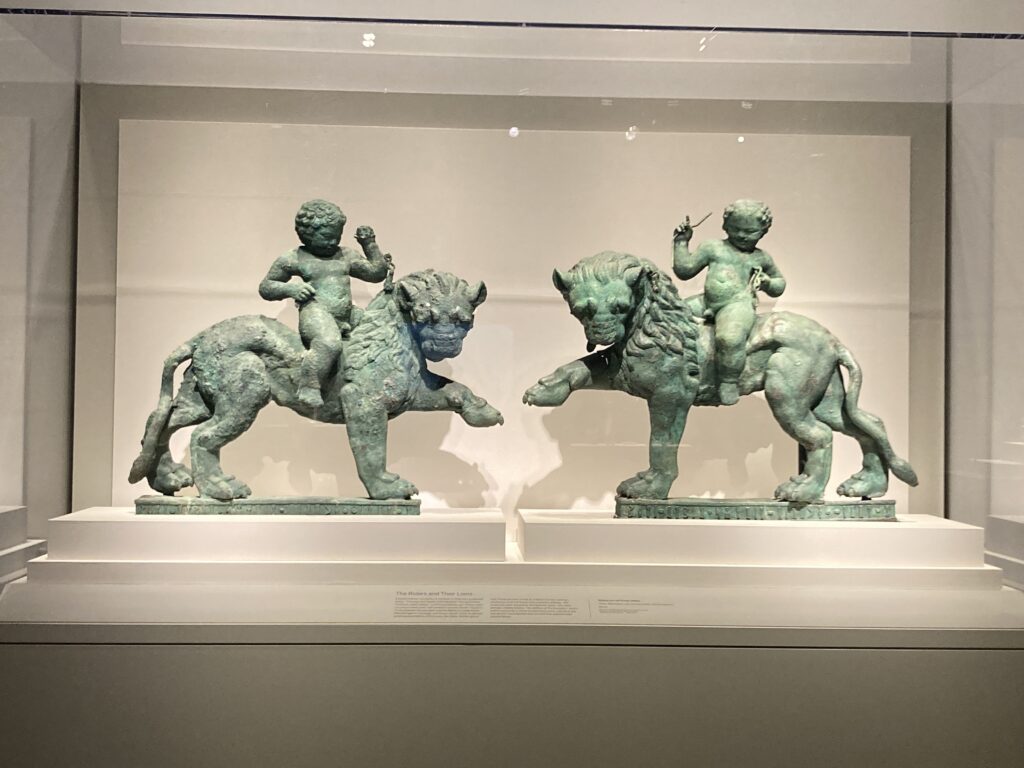
Ancient Iran
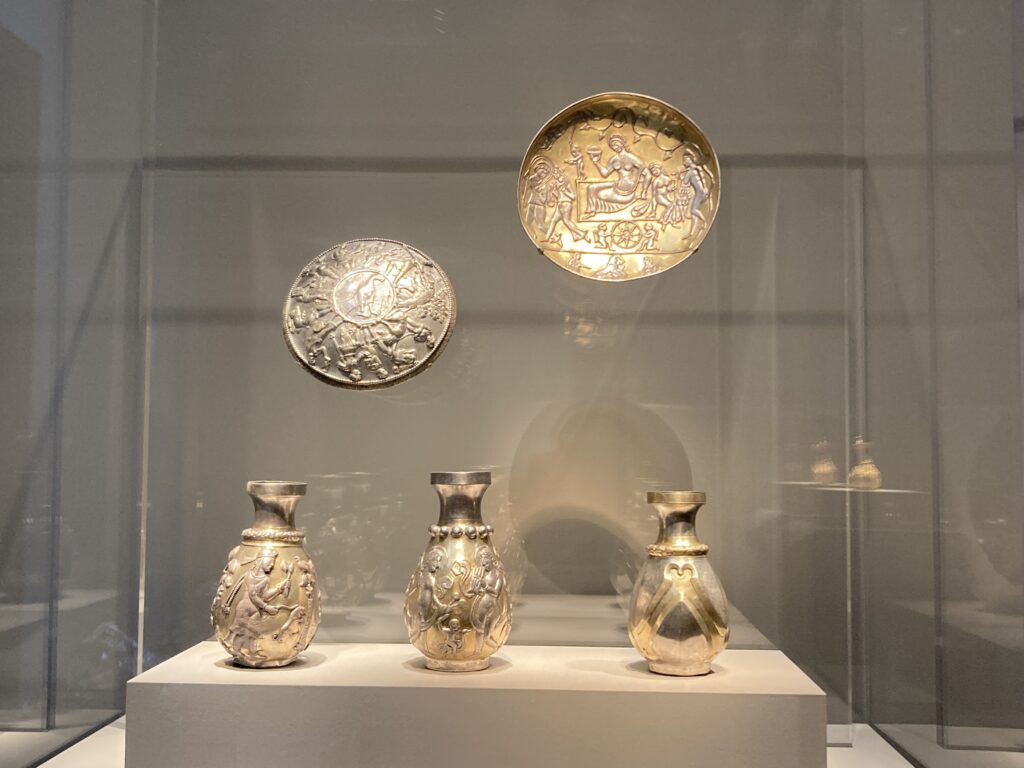
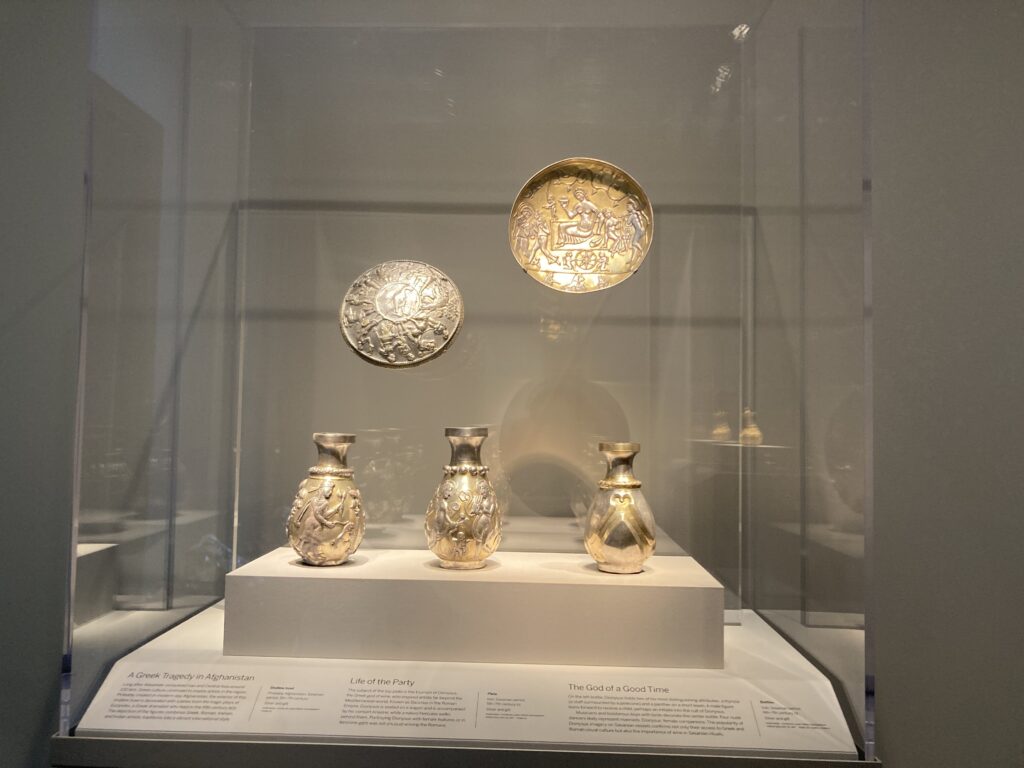
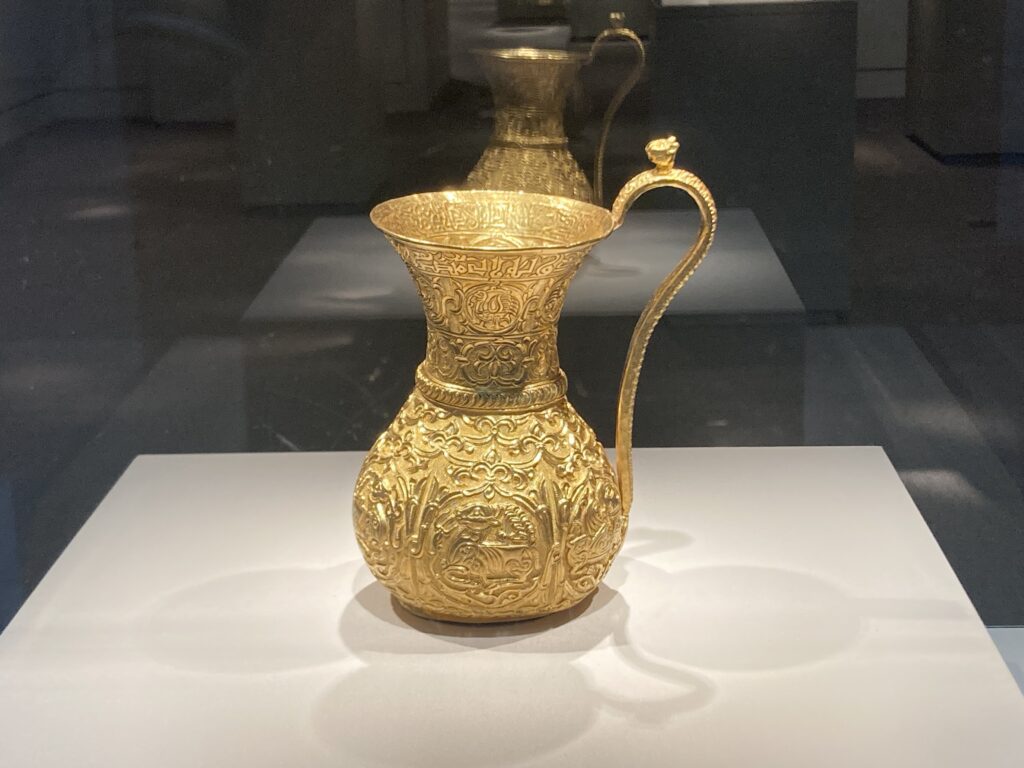
The wealth and power of ancient Iran was in part expressed in portable luxury objects fashioned from precious metals and decorated with royal imagery.
Silver vessels, including bowls, goblets, plates, and ewers, graced imperial banqueting tables, where they inspired awe and commanded respect in friends and foes alike. Some of the objects were used in elaborate religious ceremonies, and others were sent to far-flung corners of the Persian Empire and beyond as diplomatic gifts and impressive reminders of royal power and generosity.
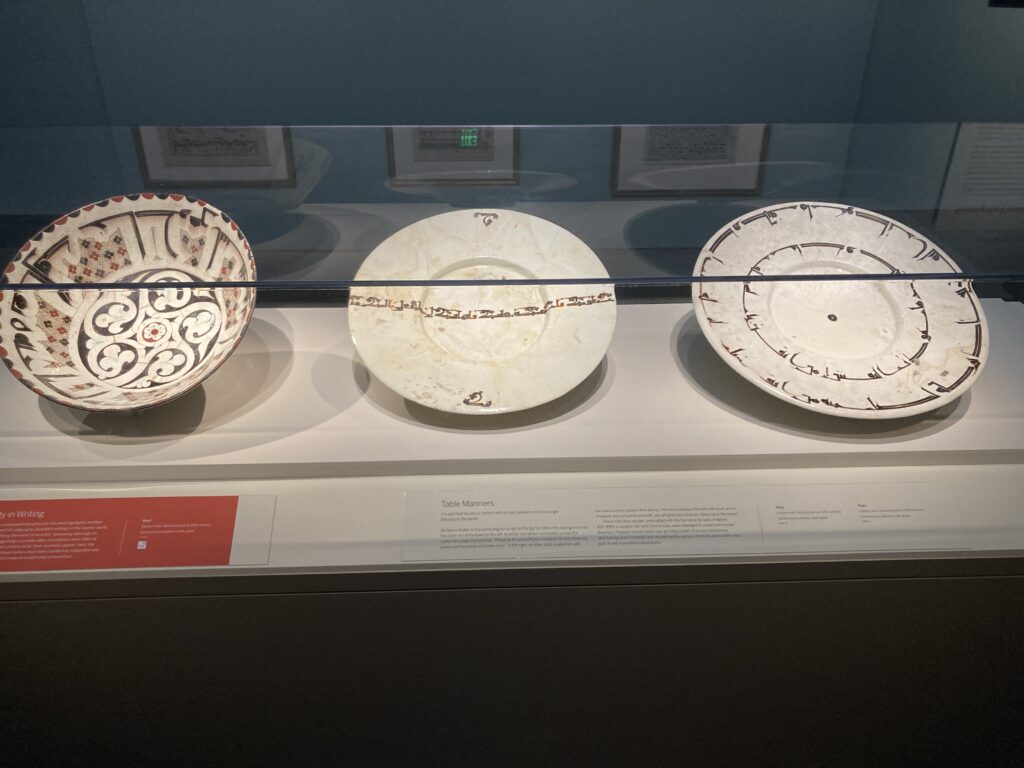
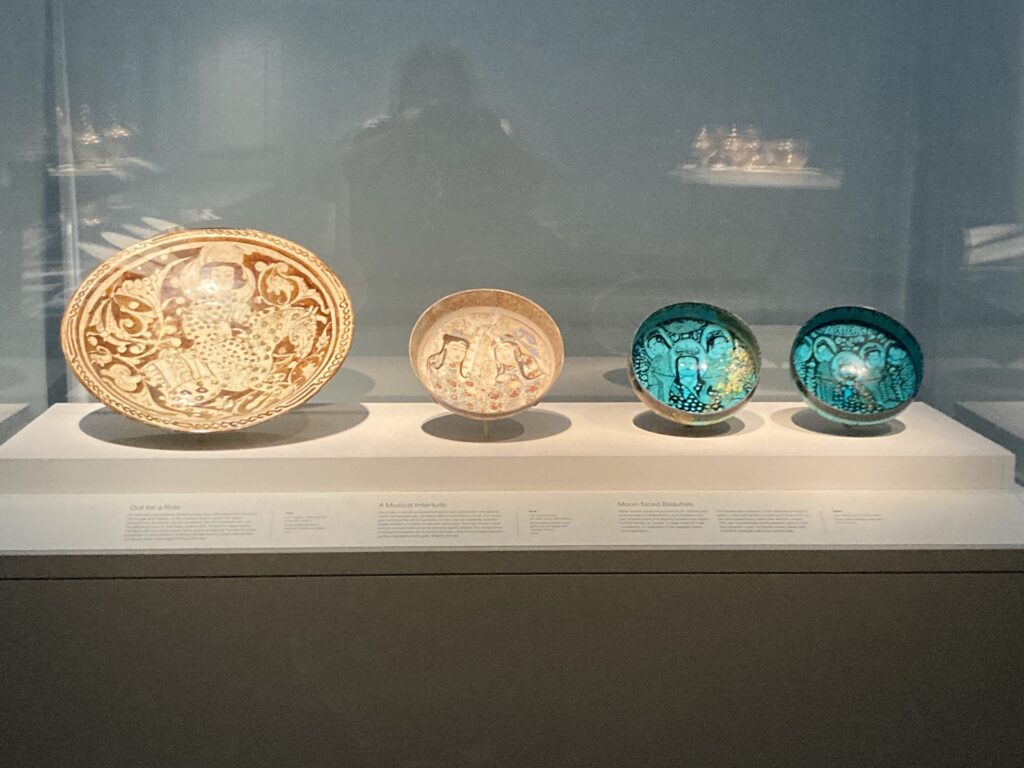
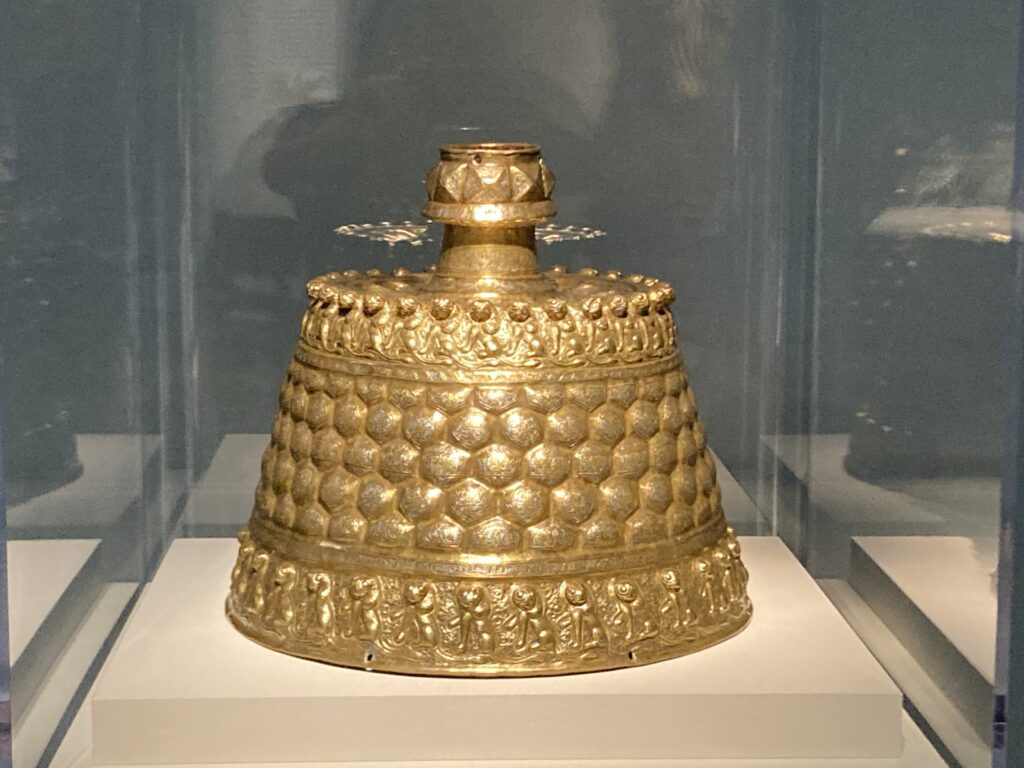
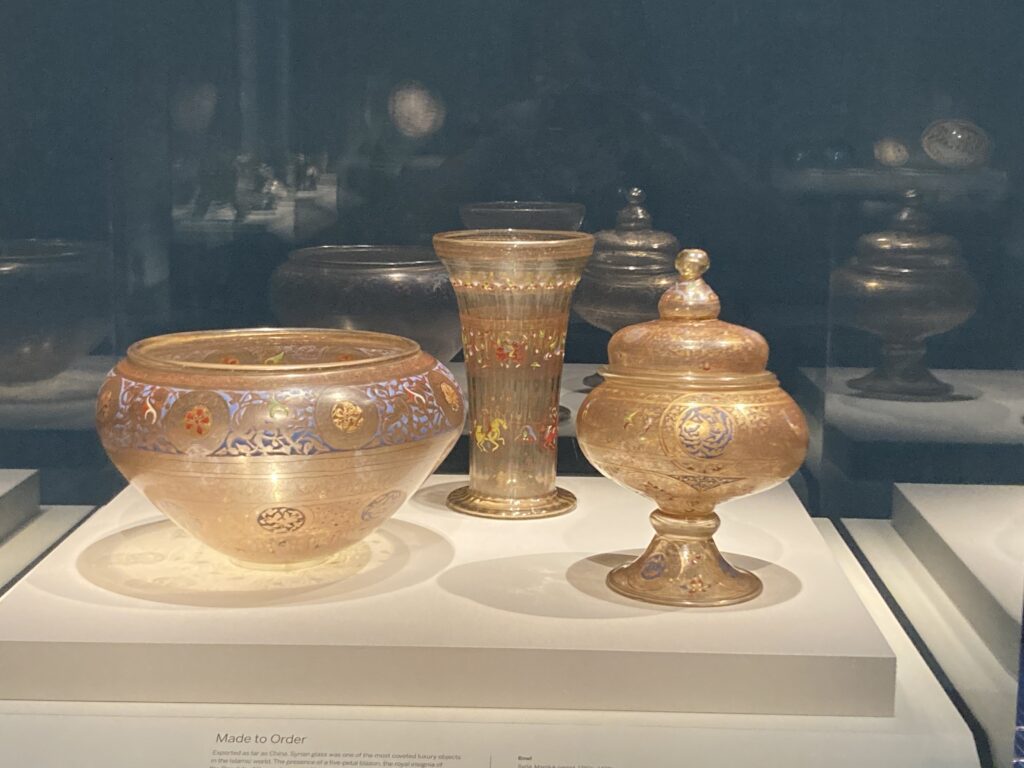
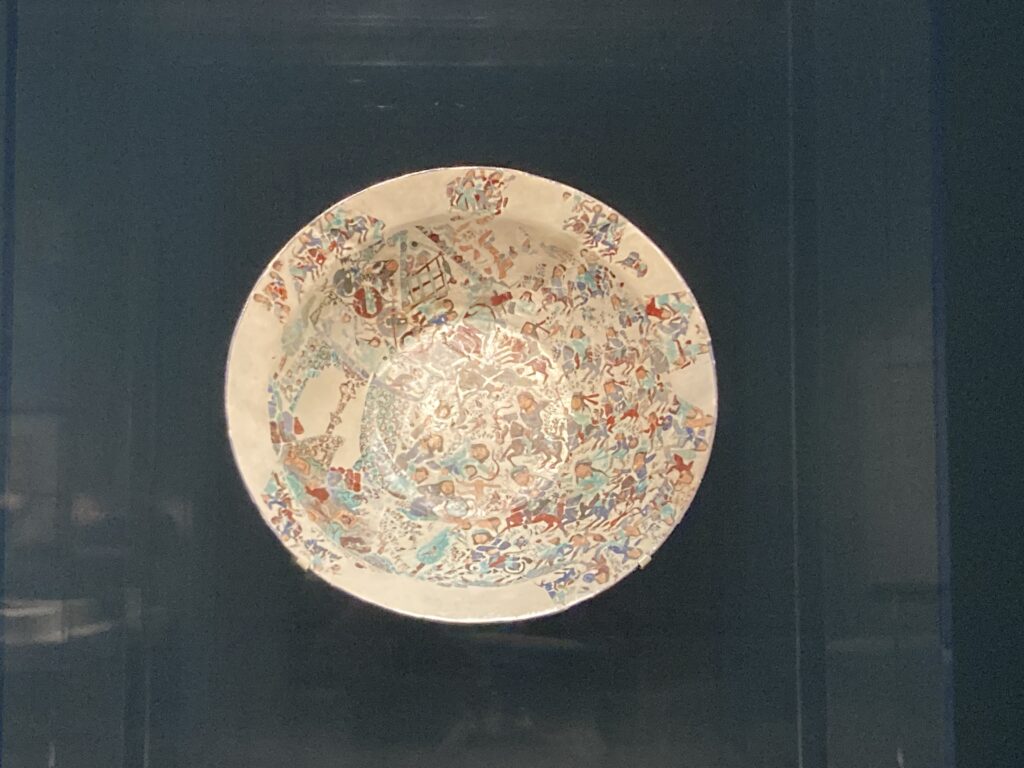
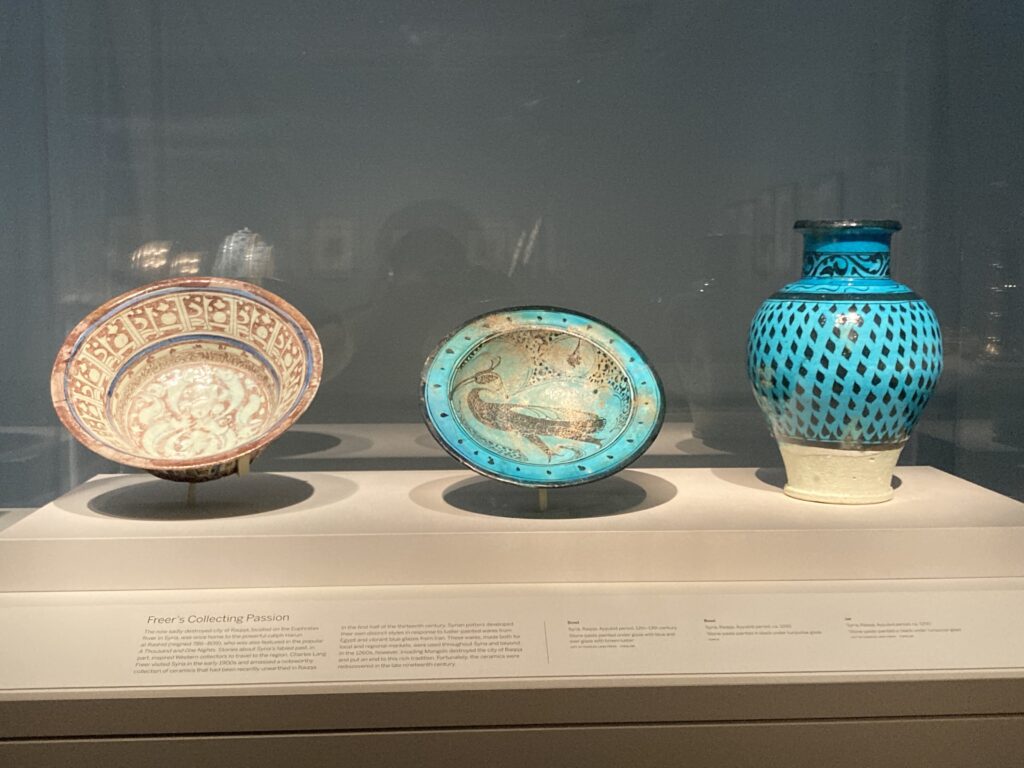
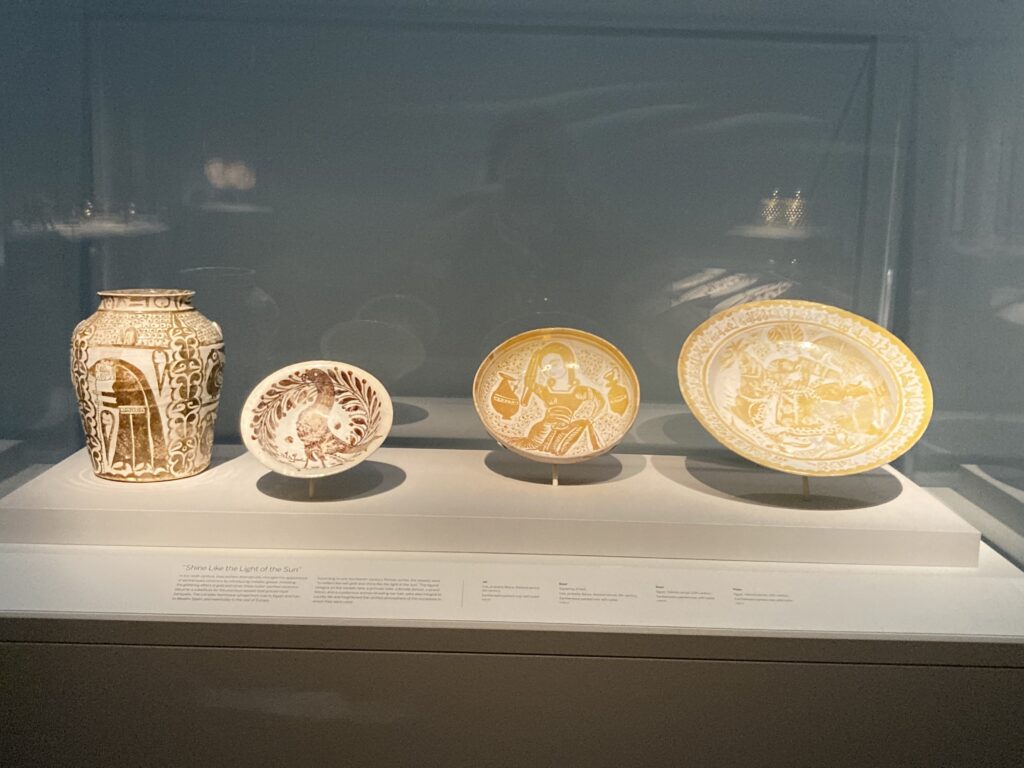
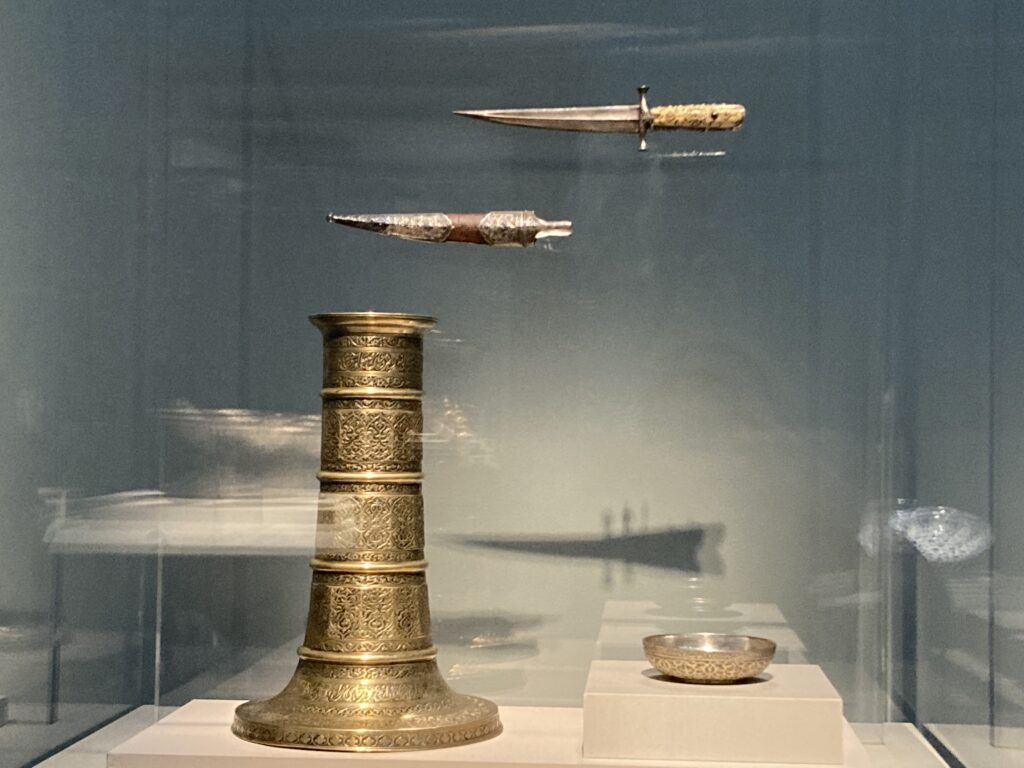
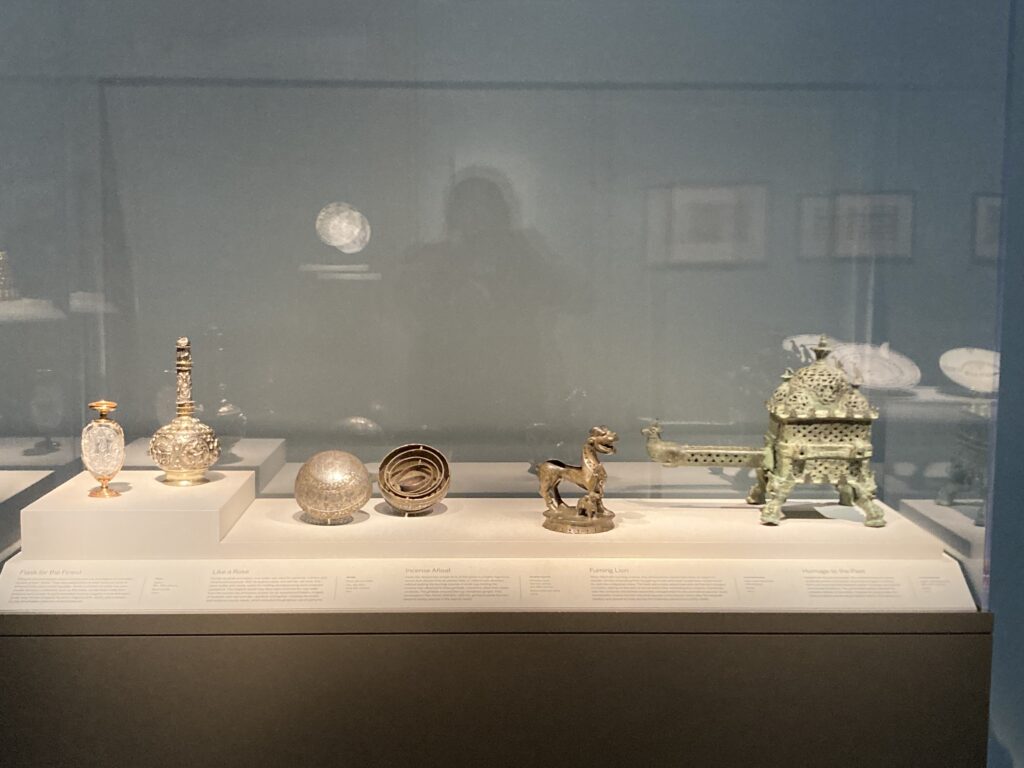
Islamic World
Underdogs and Antiheroes
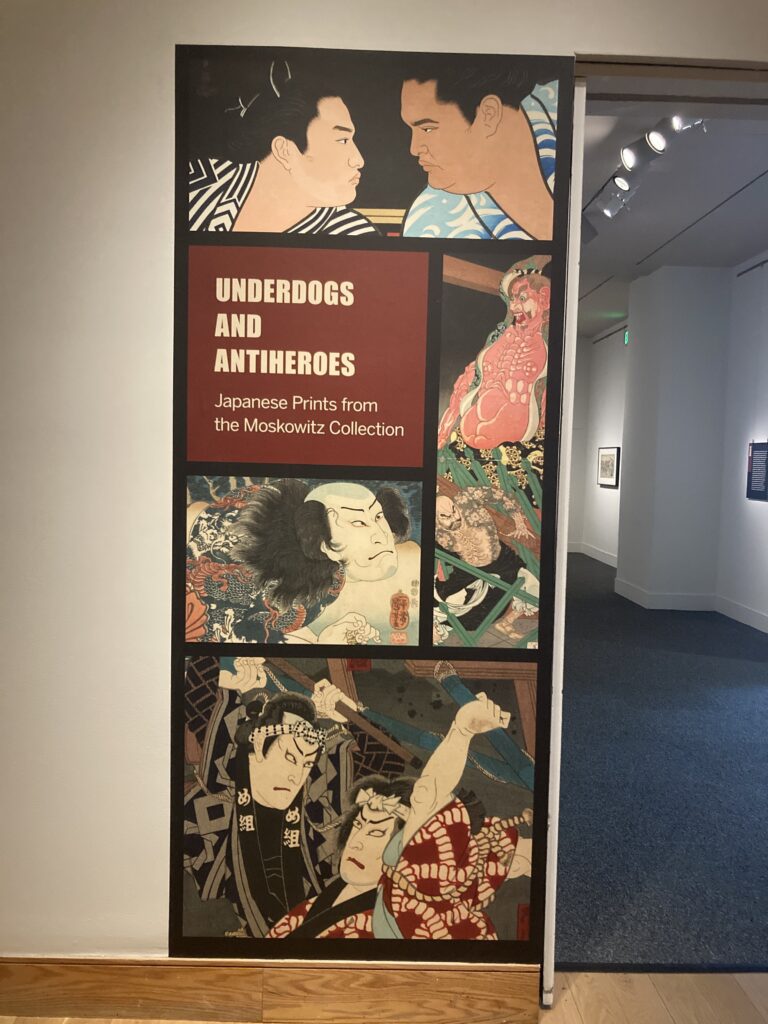
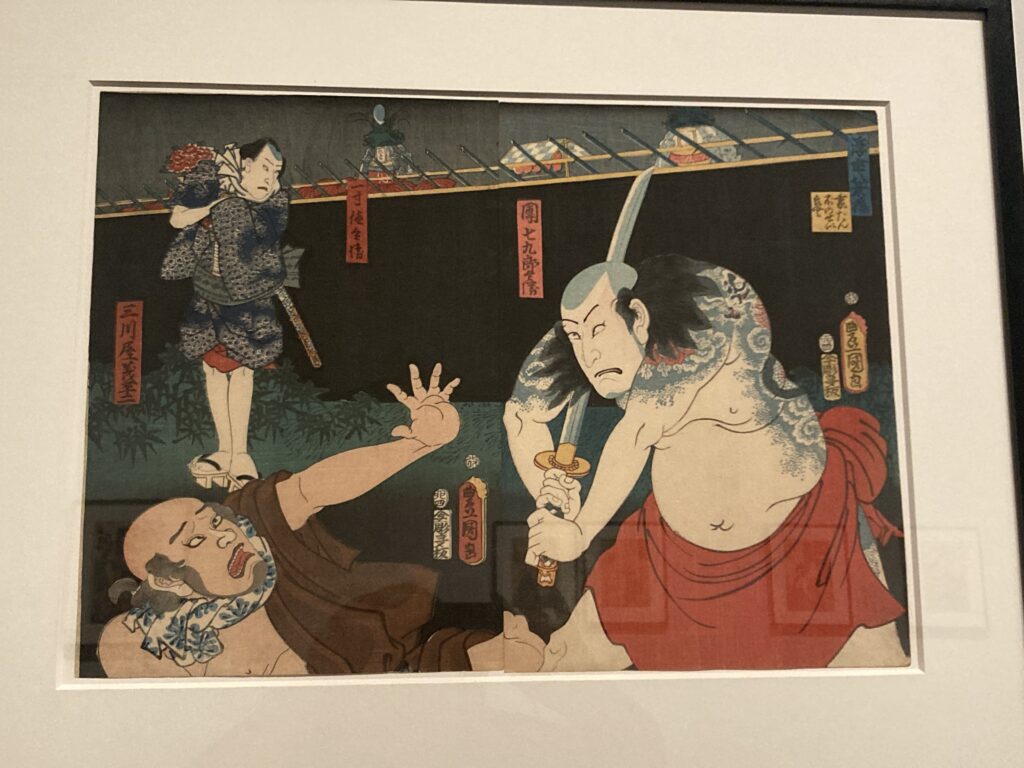
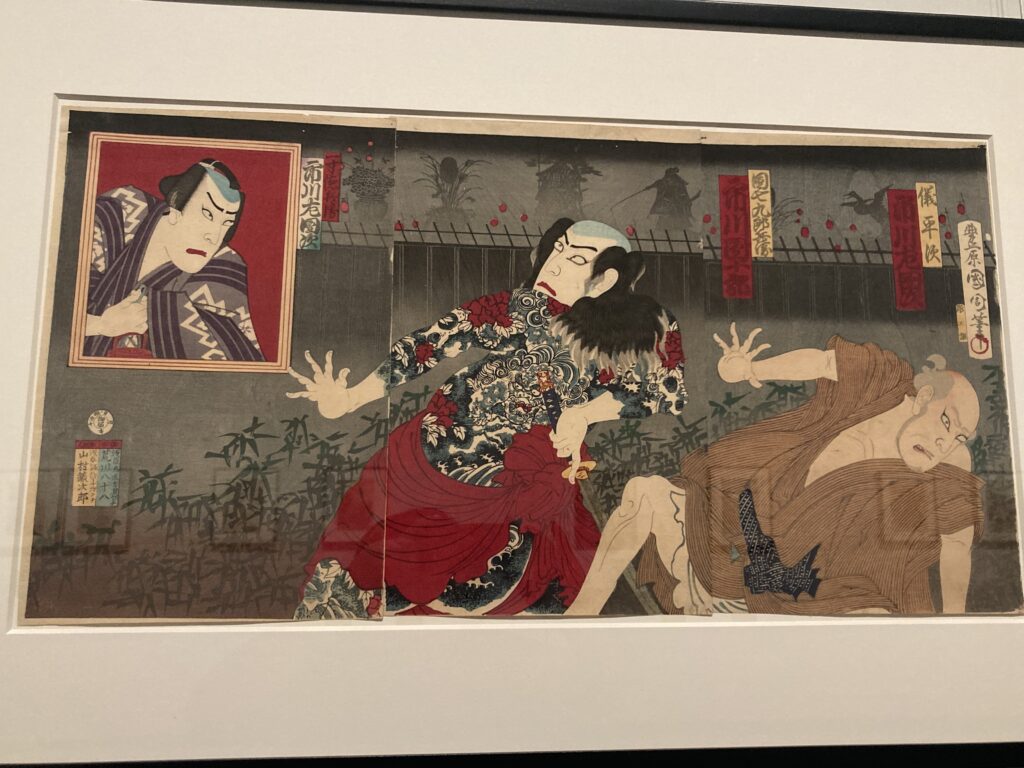
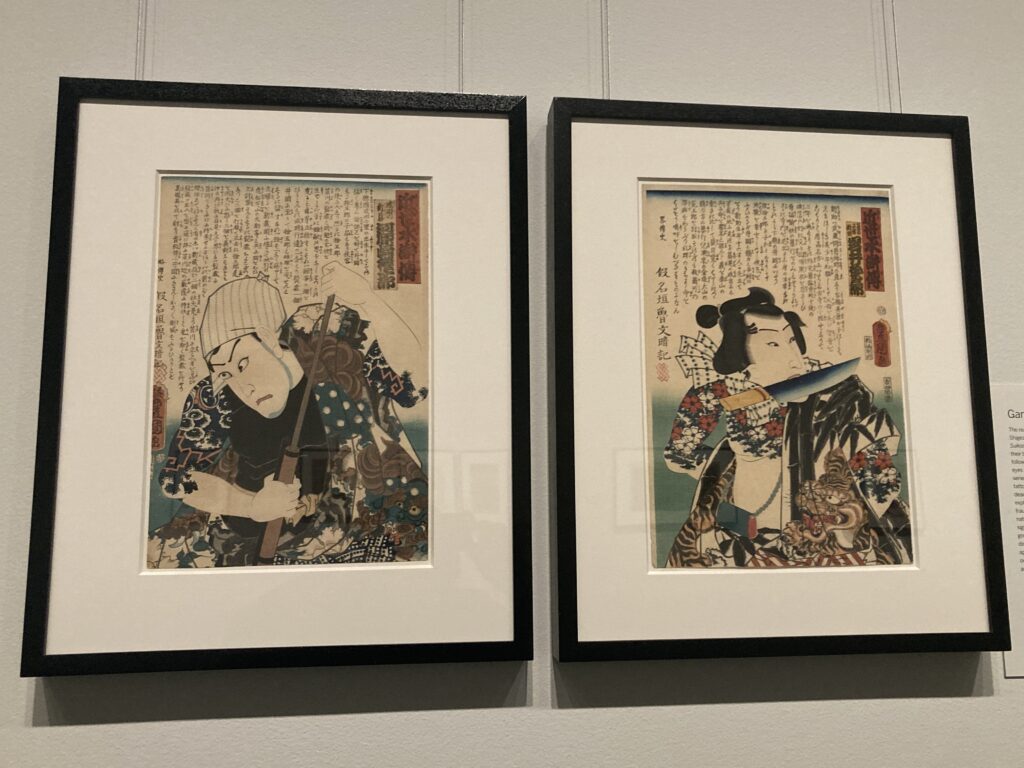
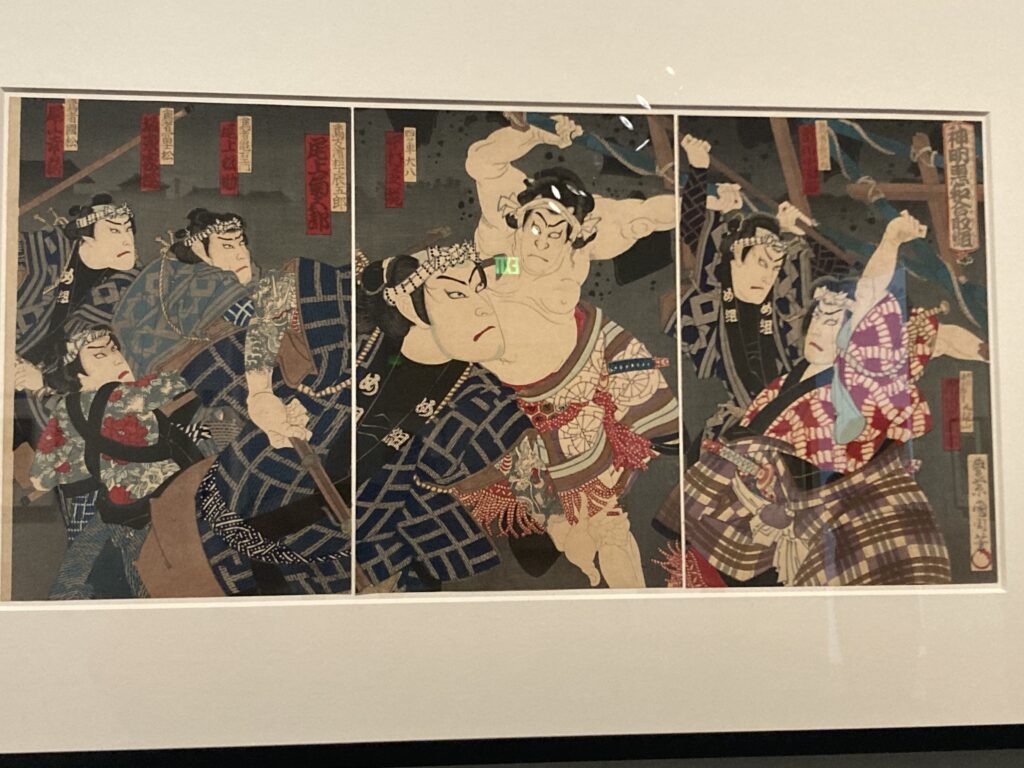
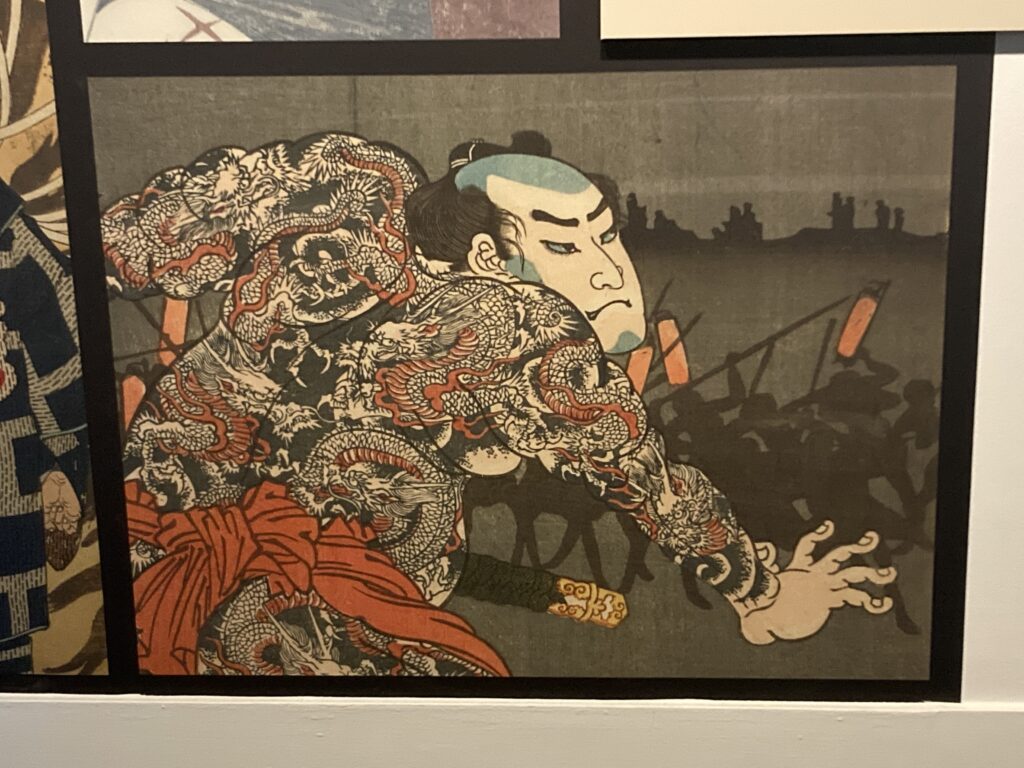
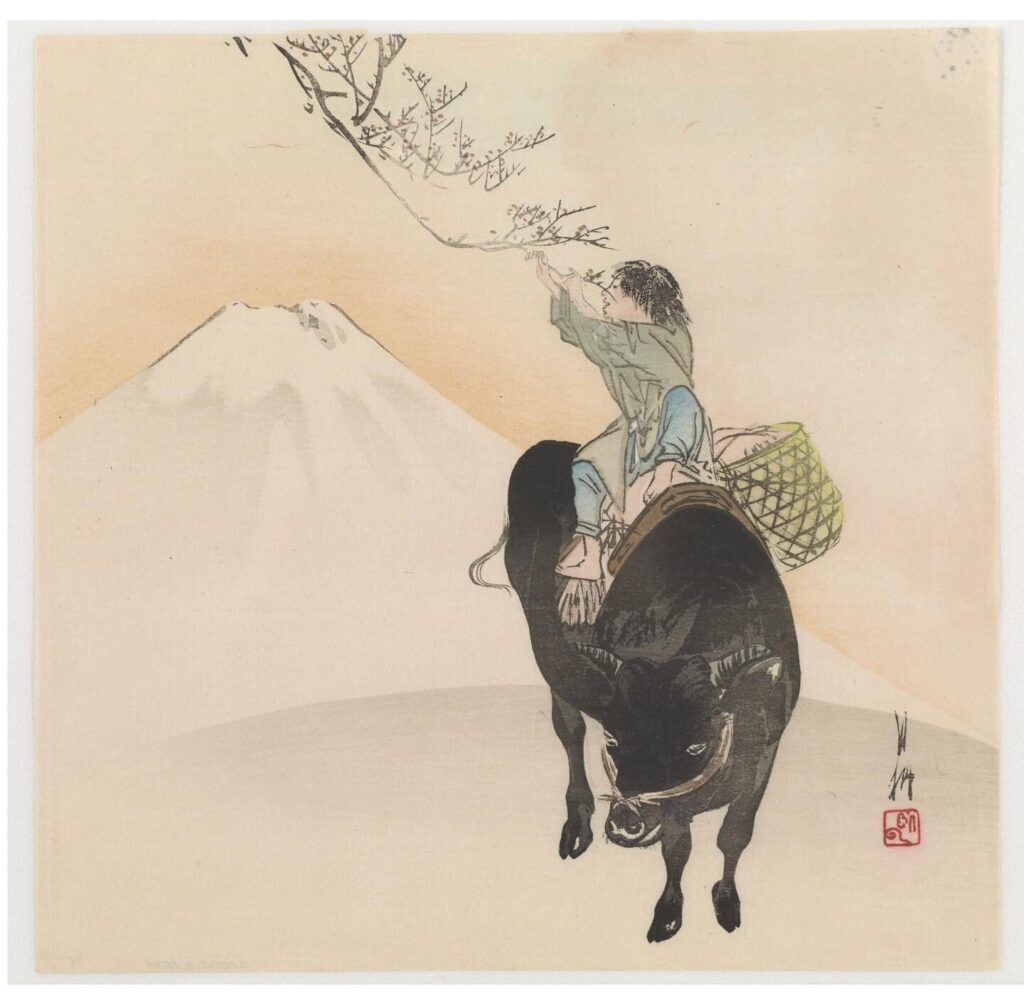
The Underdogs and Antiheroes: Japanese Prints exhibit from the Moskowitz Collection focuses on the captivating stories and urban legends of individuals living on the fringes of society in early modern Japan.
Key subjects in theater, literature, and visual arts reveal antiheroes and underdogs whose virtues are often embodied by their rejection of societal norms, making them misfits and moral exemplars at the same time. The exhibition follows virtuous bandits, tattooed firemen who love to fight, rogues from the kabuki theater, and more.
Museum Shop
The museum shop is on Level B1 of the Sackler Gallery. It offers art‑inspired jewelry, apparel, ceramics, toys, books, and more, many tied to current exhibitions. You can also shop online or use the Smithsonian member discount in-store.
How to Visit the Arthur M. Slacker Gallery
The Freer Gallery of Art and the Arthur M. Sackler Gallery are located right next to each other and are physically connected underground, so you can easily walk between the two without stepping outside.
This setup makes visiting both galleries simple and efficient, perfect for scheduling them in a single museum stop.
Taking the Metro (Highly Recommended!)
The Smithsonian Metro Station is your best bet. Take either the Orange, Blue, or Silver lines and exit at the Mall or Independence Ave. exit.
If you need accessible access, head to the northwest corner of 12th Street and Independence Avenue SW. This is the nearest entrance that accommodates wheelchairs and mobility scooters.
Using Metrobus or MetroAccess
Metrobus routes around the National Mall are convenient and frequent. If you’re using MetroAccess Paratransit, give the address: 1050 Independence Ave SW, Washington, D.C.
Parking: What You Need to Know
There is no public parking directly at the Smithsonian museums on the Mall. You might find a few metered street parking spots nearby (some are accessible), but they fill up fast. You can reserve a paid spot in advance through services like ParkWhiz, which can be a real lifesaver during busy seasons.

Accessibility Services at the Museum
There are step-free entrances, elevators on all levels, wheelchair‑accessible restrooms (including baby changing stations on Level B2), and complimentary loaner wheelchairs.
For visitors who are blind or have low vision, tactile maps are available. The Aira Access verbal description service is supported via free Wi‑Fi. ASL interpretation is available for programs but a two weeks’ notice needed.
Check out my How to Visit the 16 Smithsonian Museums in Washington D.C. blog!
Where to Stay Near the Museum
If you’re visiting the National Museum of the American Indian, you’ll want to stay somewhere central, close to the National Mall and other Smithsonian museums. These hotel options place you right in the heart of D.C., with something for every budget.
Budget Accommodation – Motto by Hilton Washington D.C. City Center
For an affordable yet stylish stay just blocks from the National Mall, Motto by Hilton is a top pick. Rooms are compact but modern, and there’s a trendy rooftop bar with city views. Guests love the walkable location and easy Metro access.
➡️Click here to book your stay at Motto by Hilton!
Mid-Range Accommodation – Hotel Hive
Hotel Hive blends artistic design with budget-friendly comfort. Located near the Lincoln Memorial and Foggy Bottom, this micro-hotel is perfect for explorers who want a hip and cozy base without overspending. Great pizza downstairs and a buzzing rooftop bar add to the charm.
➡️Click here to book your stay at Hotel Hive!
Luxury Accommodation – Willard InterContinental Washington D.C.
For timeless luxury and historic charm, the Willard InterContinental is unmatched. Just a short stroll from the museum and a block from the White House, this legendary hotel offers elegant rooms and a rich history, including hosting Martin Luther King Jr. and countless presidents.
➡️Click here to book your stay at Willard InterContinental!
FAQs: Arthur M. Sackler Gallery
Here are some frequently asked questions regarding “Arthur M. Sackler Gallery” along with my answers.
How large is the collection today?
The Sackler holds around 15,000 objects, and together with the Freer Gallery, the combined collection exceeds 41,000 works.
What are the visitor bag and photography policies?
Bags not exceeding 17 × 26 in. are allowed. You can use no wheeled bags such as rolling luggage or backpacks. Food and drink in sealed containers are allowed in bags but not consumed in galleries.
Non‑flash photography is allowed except where forbidden. Flash, tripods, and selfie sticks are not permitted.
Can I use the museum’s research library or archives?
Yes! The Freer/Sackler houses the largest Asian art research library in the U.S. It houses over 80,000 volumes, including nearly 2,000 rare books. The archives hold more than 140 collections, over 1,000 linear feet of materials. Library access is free and no appointment required. Archives visits are by appointment only.
Final Thoughts
If you’re craving a museum experience that’s immersive, peaceful, and rich with cultural treasures, the Arthur M. Sackler Gallery quietly delivers. With free entry, easy access by Metro, and its seamless connection to the Freer Gallery, it’s a convenient stop. Whether you’re an art lover or a lifelong learner (like me!), the Sackler invites you to see Asia through a beautifully curated lens.


