What to See at the National Museum of African American History and Culture
The National Museum of African American History and Culture is the hot new ticket in D.C. Open since October 21, 2016, it is sold out several months in advance.
With over 40,000 objects in its collection, the National Museum of African American History and Culture is the world’s largest museum dedicated to African-American history and culture. Over 3,500 items are on display at any given time on the museum’s 10 floors. Check out these amazing items on display!
National Museum of African American History and Culture
Opening Hours: Open Daily 10:am-5:30pm, Closed December 25
Admission: Free
Location: 1400 Constitution Ave NW in Washington D.C.

Short on Time?
➡️Book Smithsonian Highlights Walking Tour.
This 3-hour Smithsonian walking tour hits all the must-see highlights in American History, Natural History, and Air & Space. Knowledgeable guides make it easy, efficient, and fun.
Must-See Artifacts and Exhibits
African American History and Culture Highlights
Highlights include Harriet Tubman’s hymnal; Nat Turner’s Bible; a plantation cabin from South Carolina; a guard tower from Angola Prison; and Michael Jackson’s fedora. In addition, there are works by artists such as Charles Alston, Elizabeth Catlett, Romare Bearden, and Henry O. Tanner.
Collections include Slavery, Clothing and Dress, Civil Rights, and Music. Exhibitions include Slavery and Freedom, Reconstruction, and Culture. Check out the complete list of Collections and Exhibitions!

Slavery & Freedom
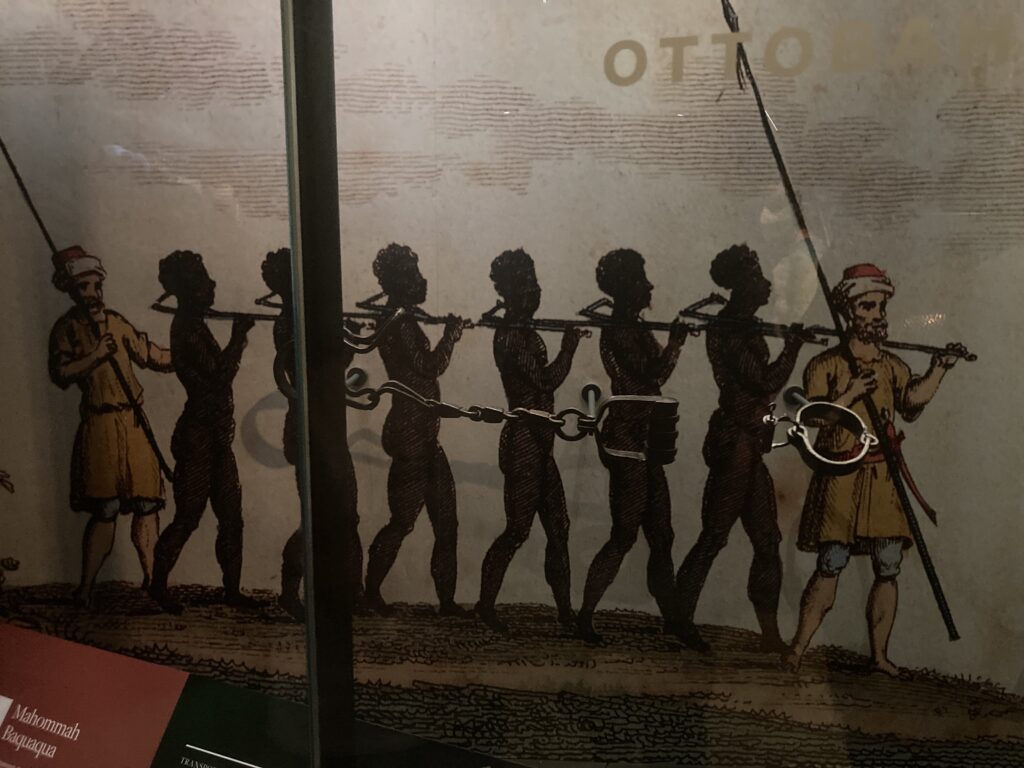
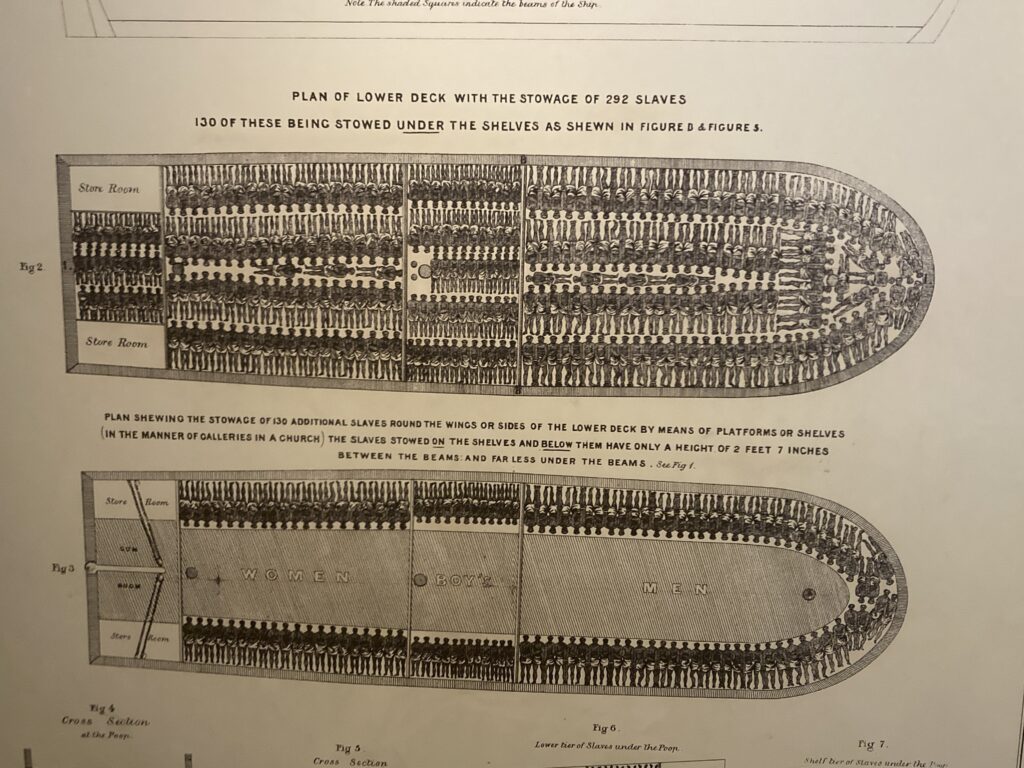
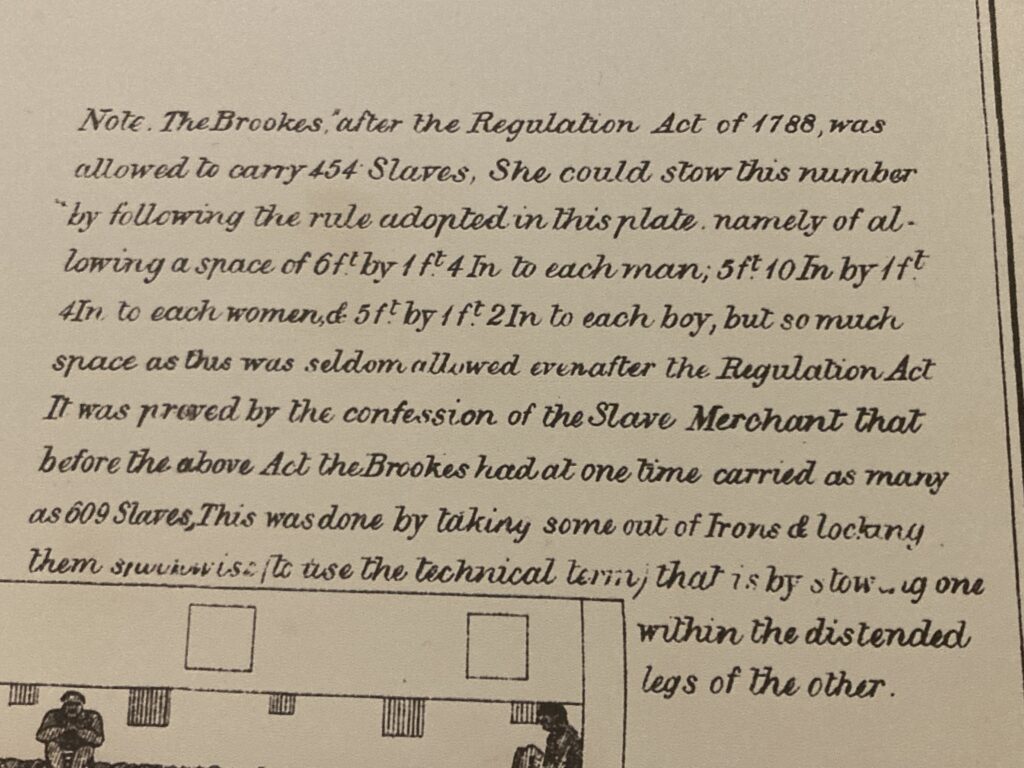
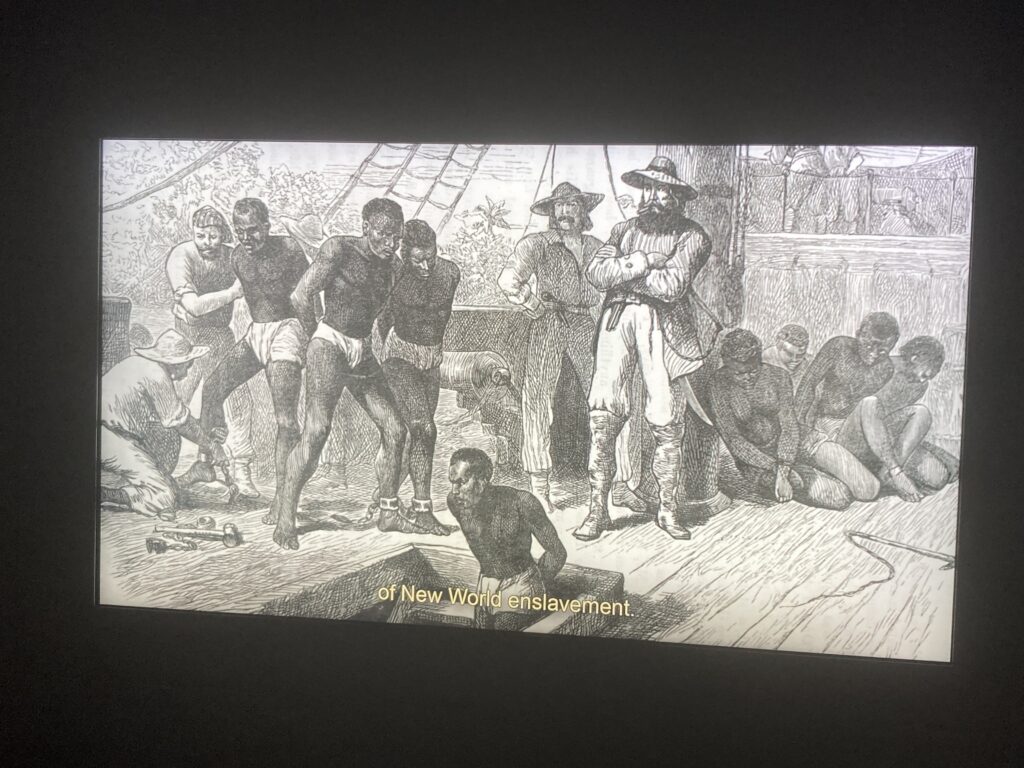
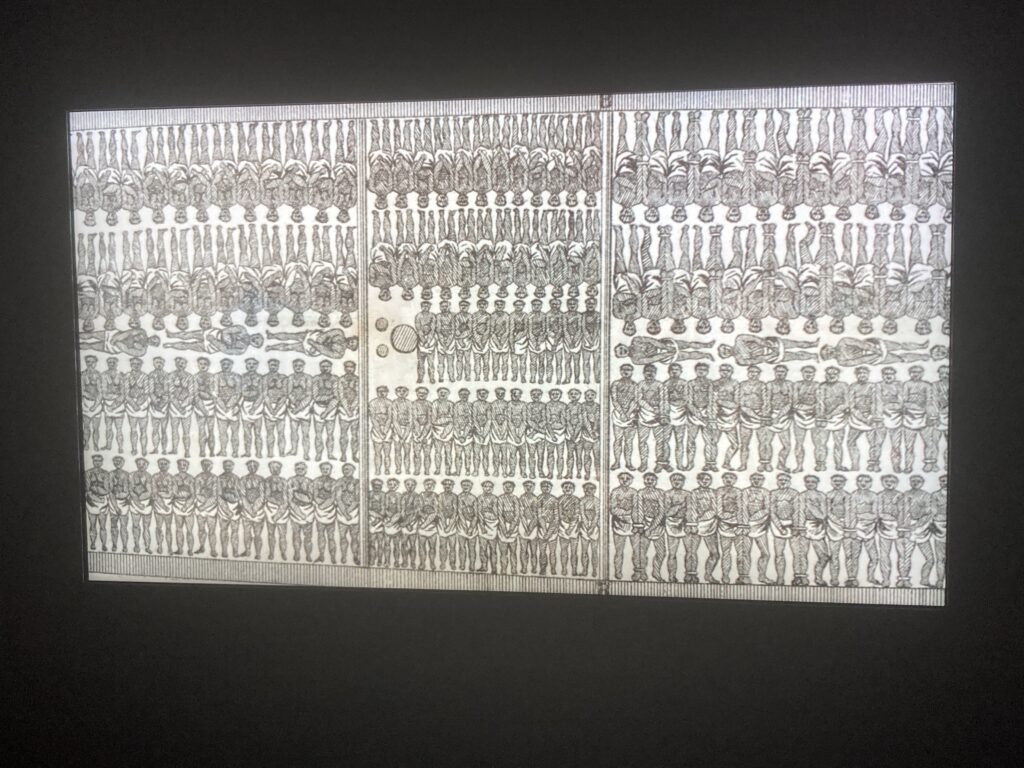
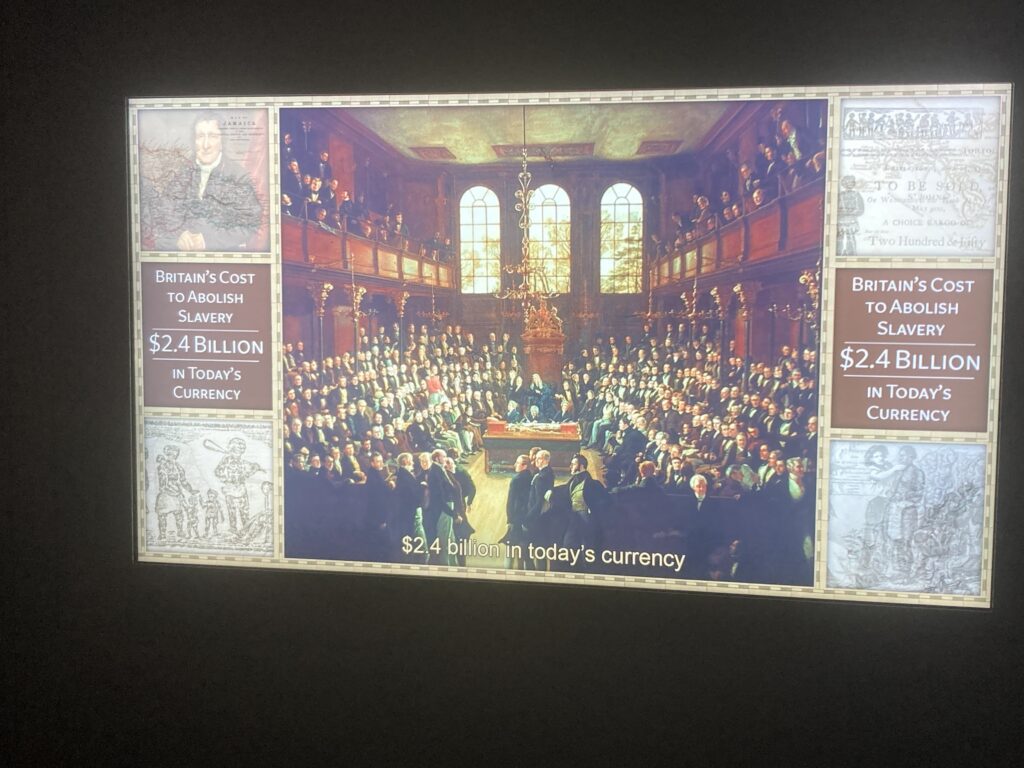
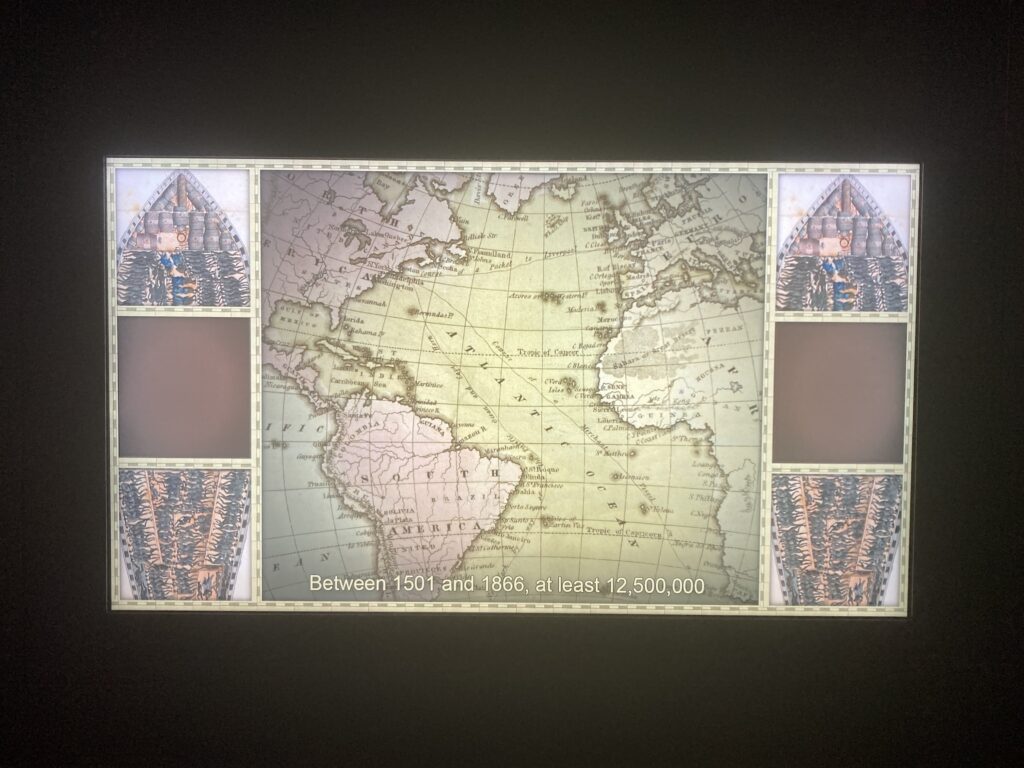
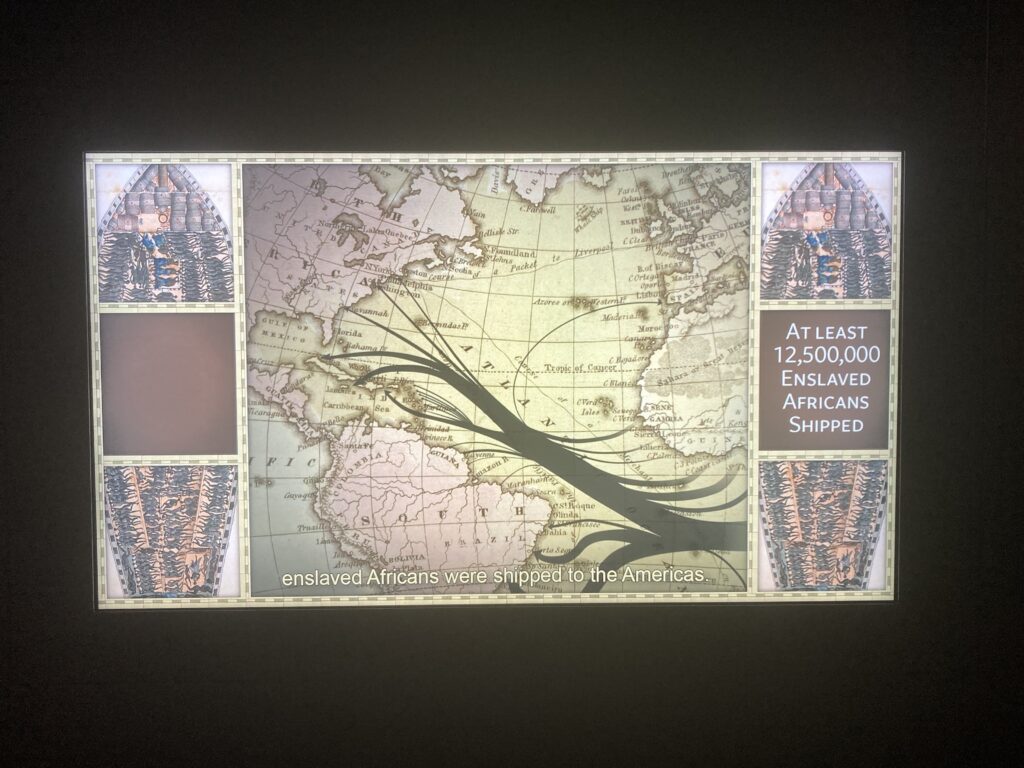
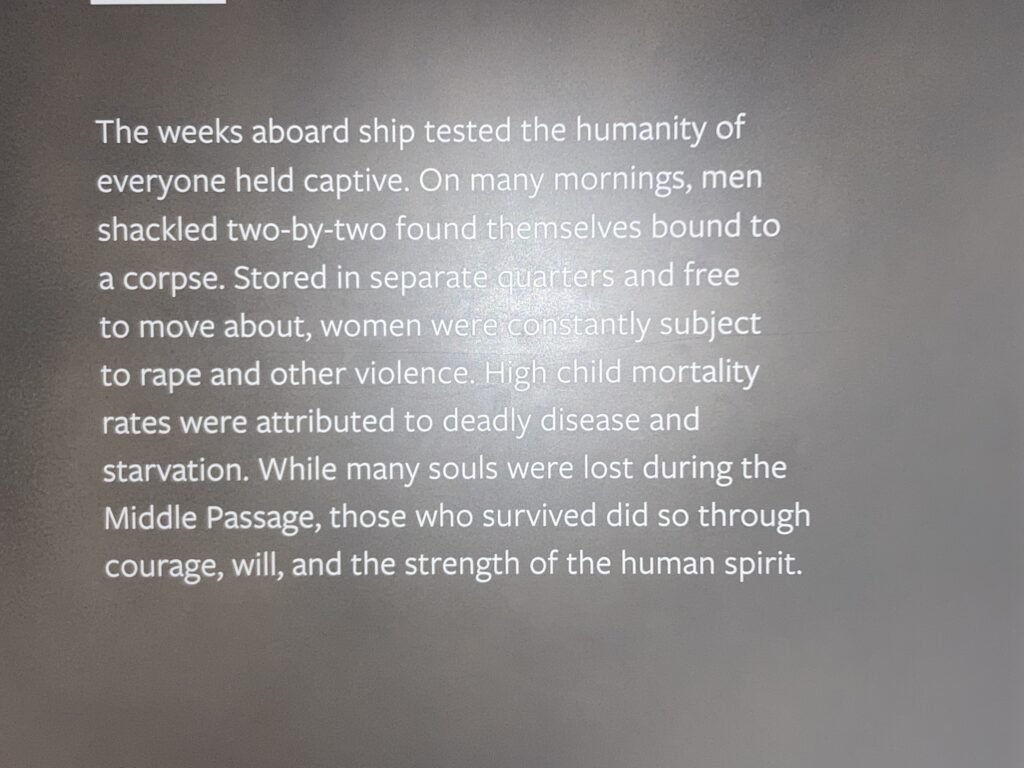
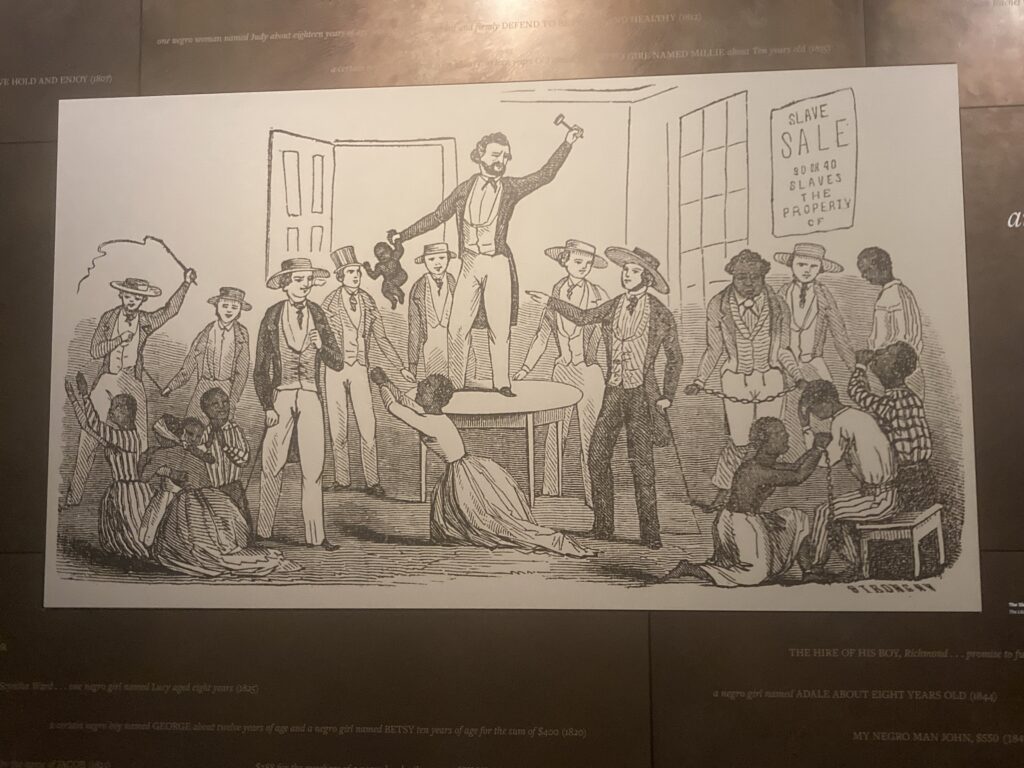
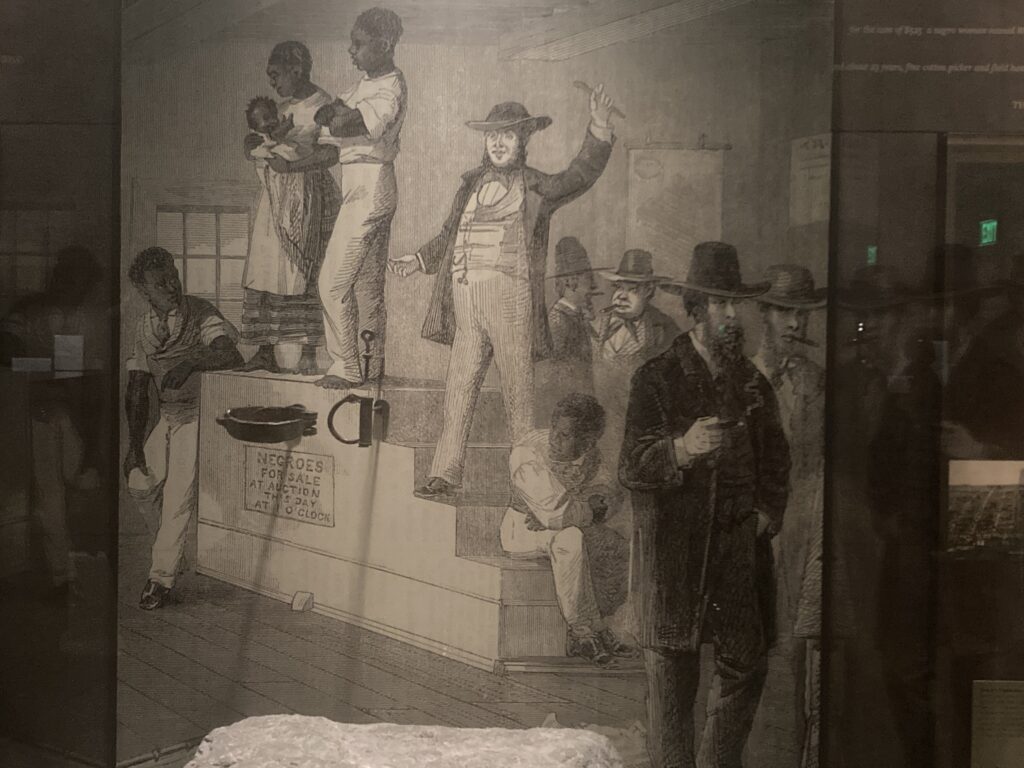
The Slavery & Freedom Exhibit is the centerpiece of the National Museum of African American History and Culture. Beginning in the 15th century with the transatlantic slave trade, through the Civil War and the Emancipation Proclamation, the exhibition uses personal stories to explore the economic and political legacies of slavery for all Americans.
The exhibit is sad, depressing, shocking, and horrifying. No matter how much you know about slavery, you will learn more. And you will be touched. Check out the amazing online Slavery & Freedom Exhibit!



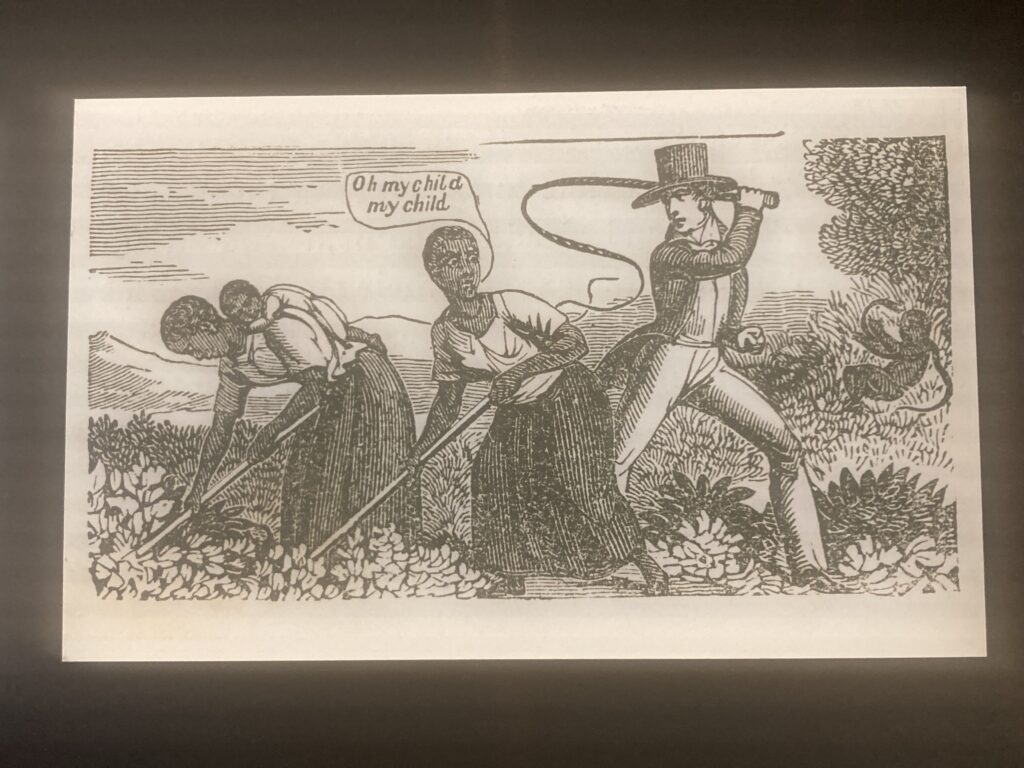
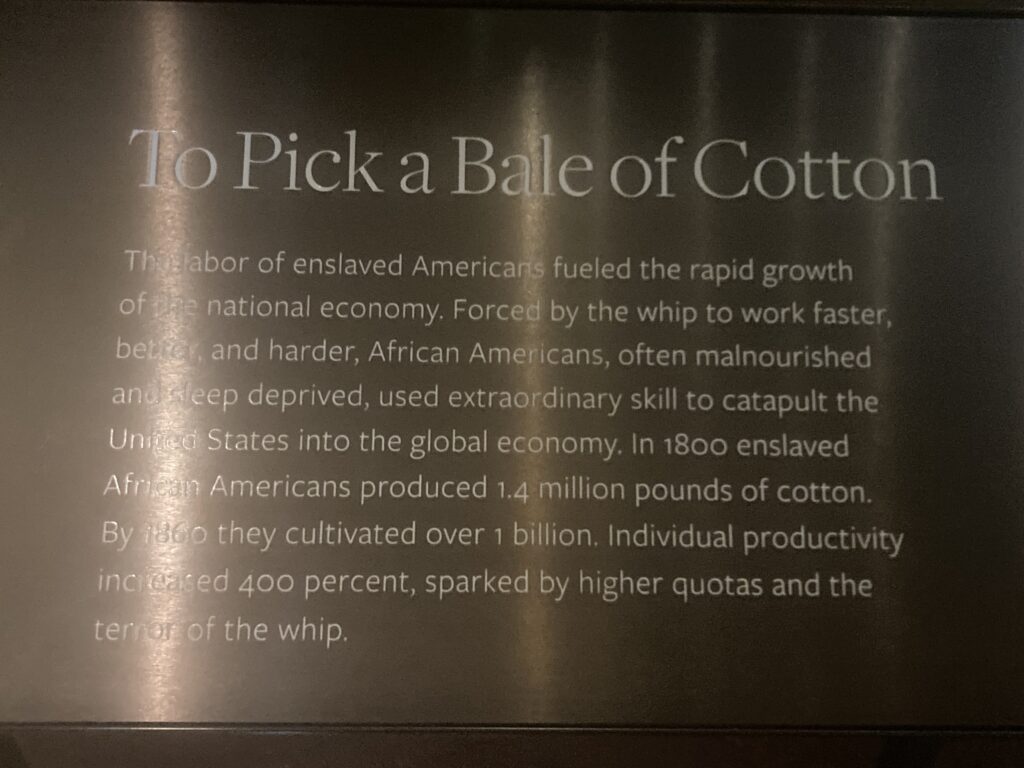
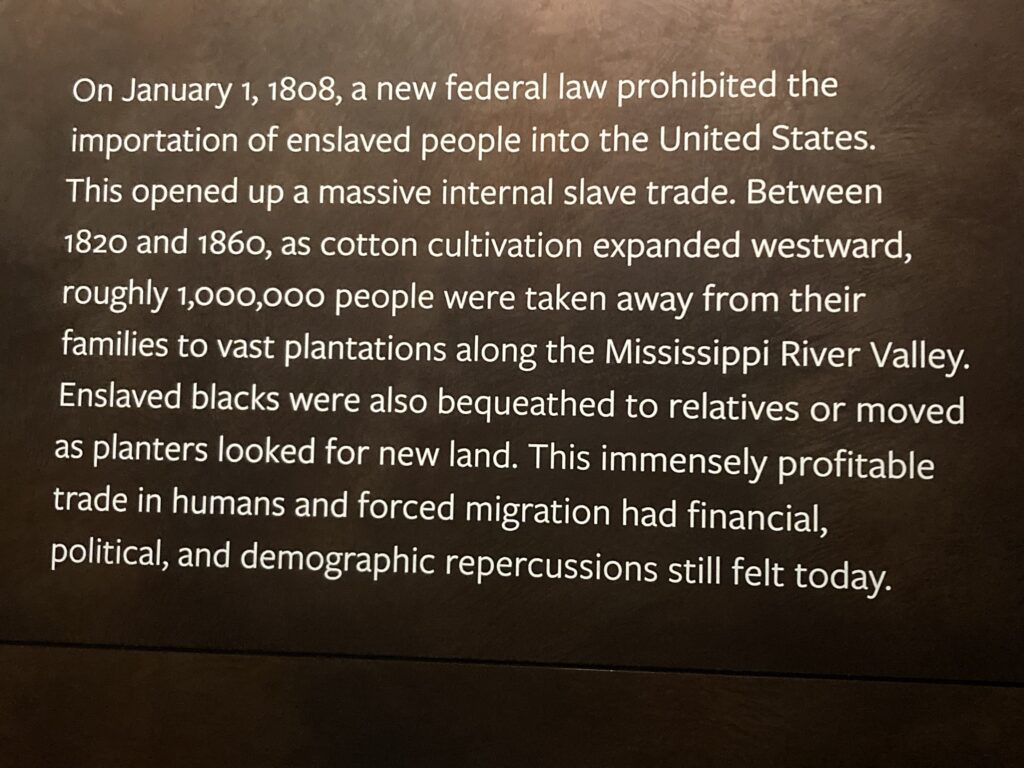
Slavery & Freedom Highlights
- Harriett Tubman’s Shawl and Hymn Book (c. 1876)
- Nat Turner’s Bible (1830s)
- Shackles used for an enslaved child
- A slave cabin from Edisto Island, S.C.
- A pocket copy of the Emancipation Proclamation read from by soldiers bringing news of freedom to the U.S. Colored Troops
- Freedom Papers (c. 1852) carried by a former slave, Joseph Trammell
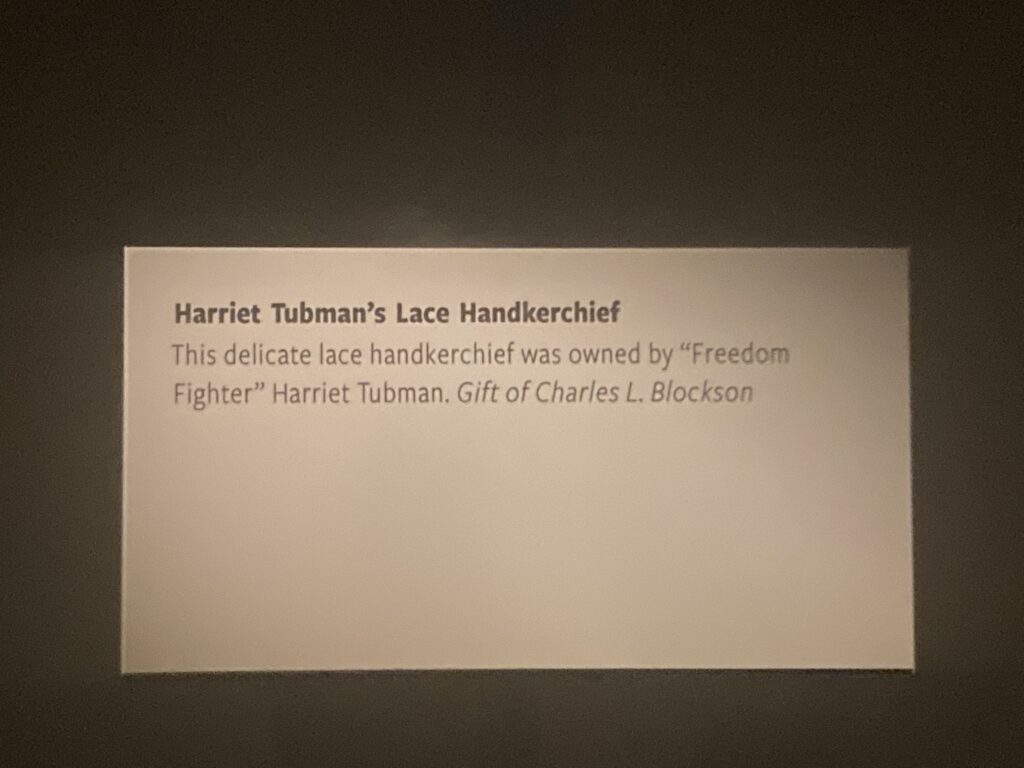
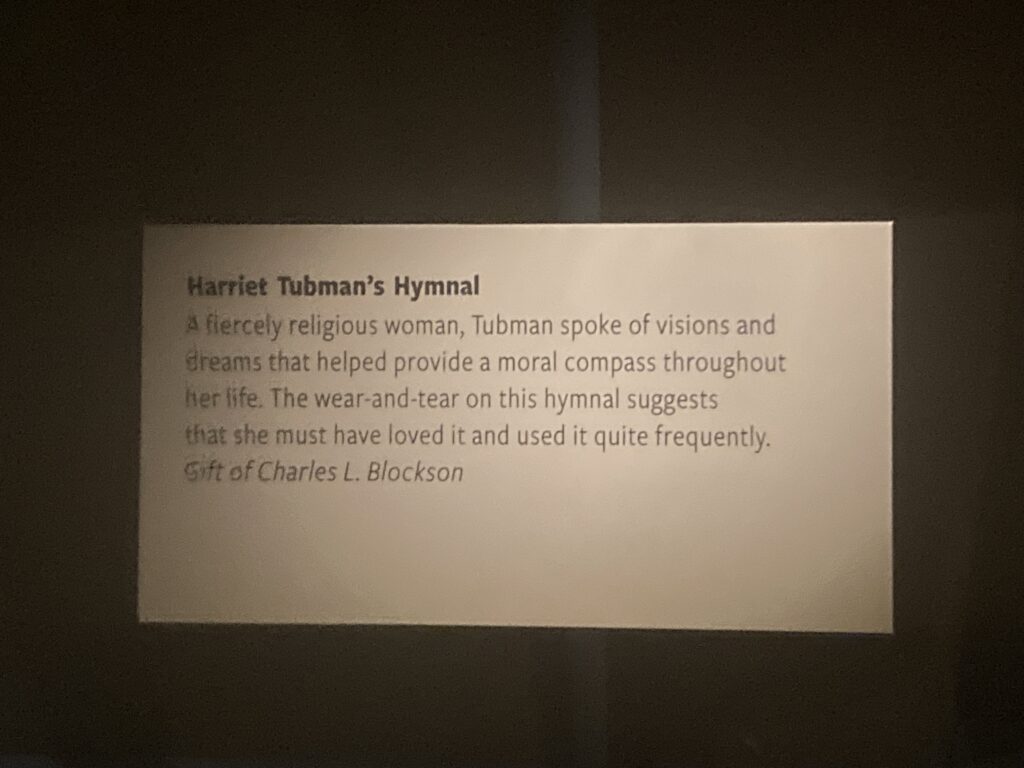
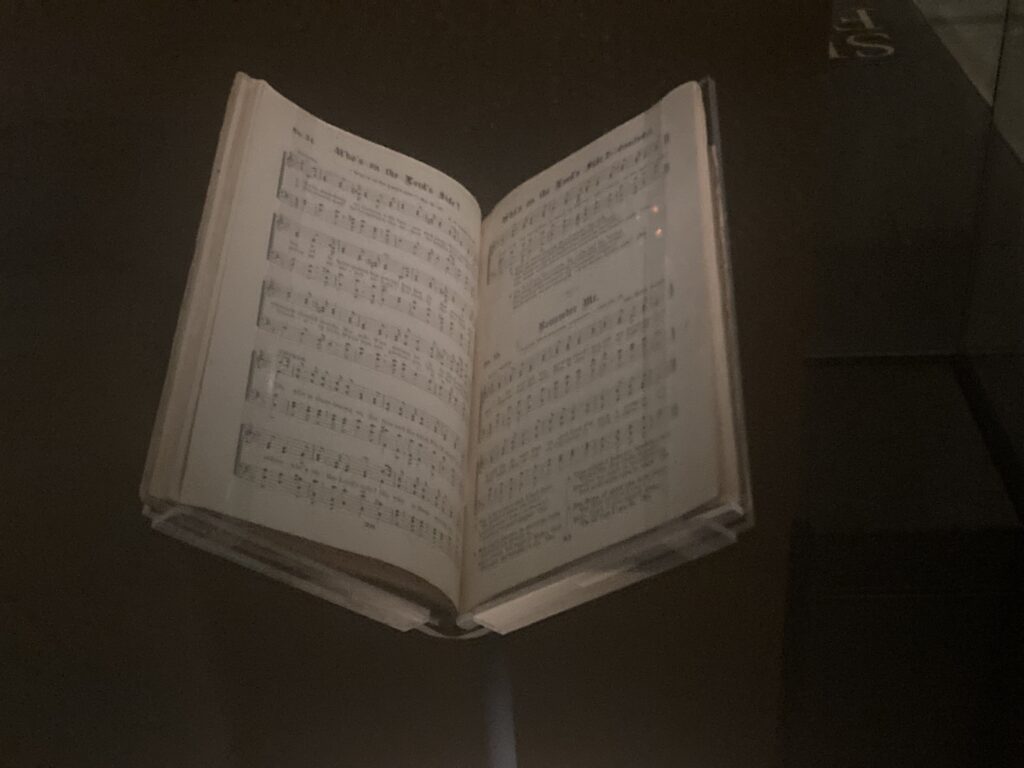
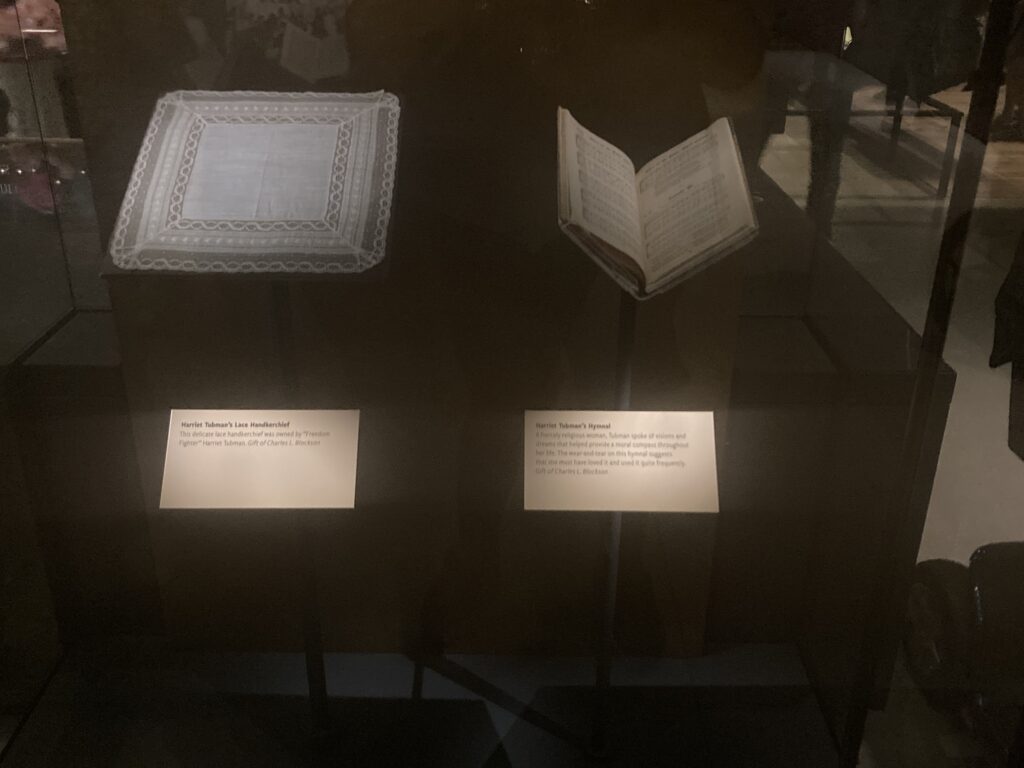
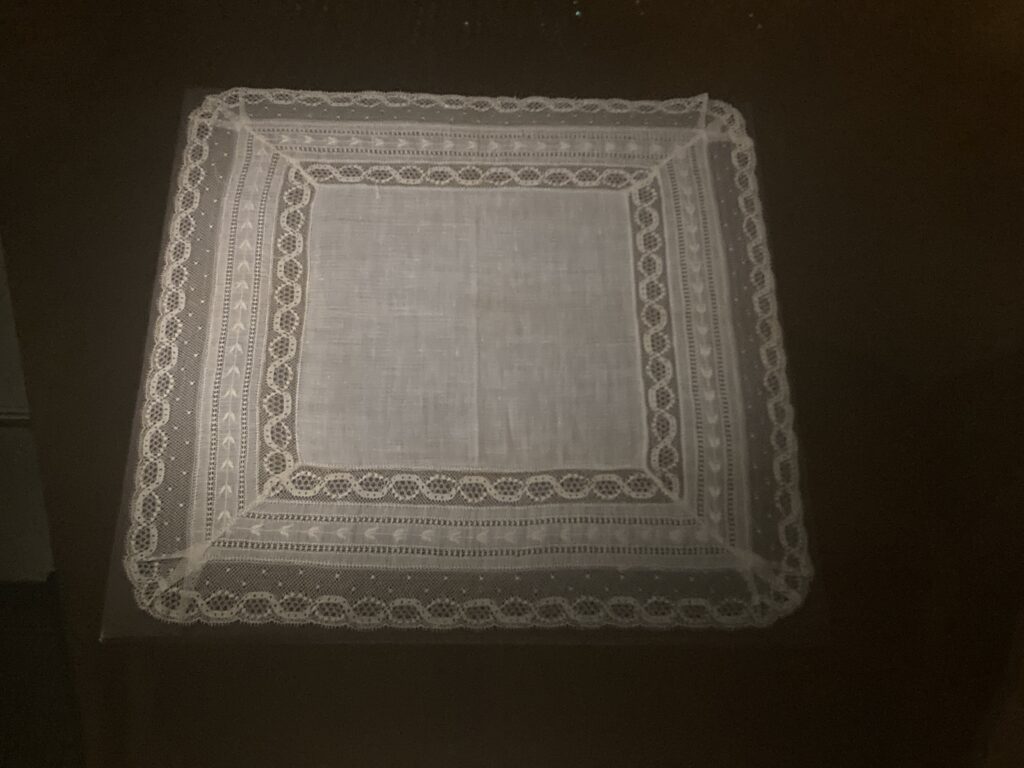
Harriet Tubman’s Hymnal
Harriet Tubman (1822-1913) was a famous abolitionist. Born into slavery. she escaped and went on to help other slaves escape. Miraculously, Tubman led 13 missions that rescued over 70 slaves, including family and friends. She used the network of antislavery activists and safe houses known as the Underground Railroad.
A highlight of the National Museum of African American History and Culture is the Tubman’s Personal Hymnal. Written in 1876, the hymnal is 112-pages and contains devotional songs.
The Era of Segregation
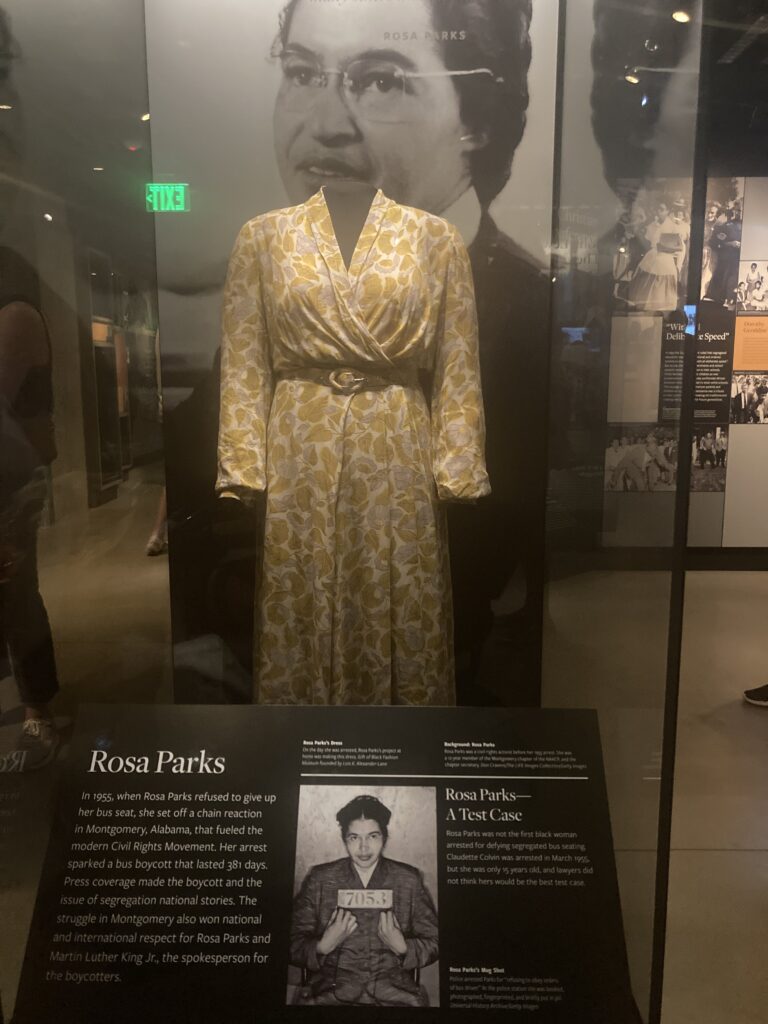
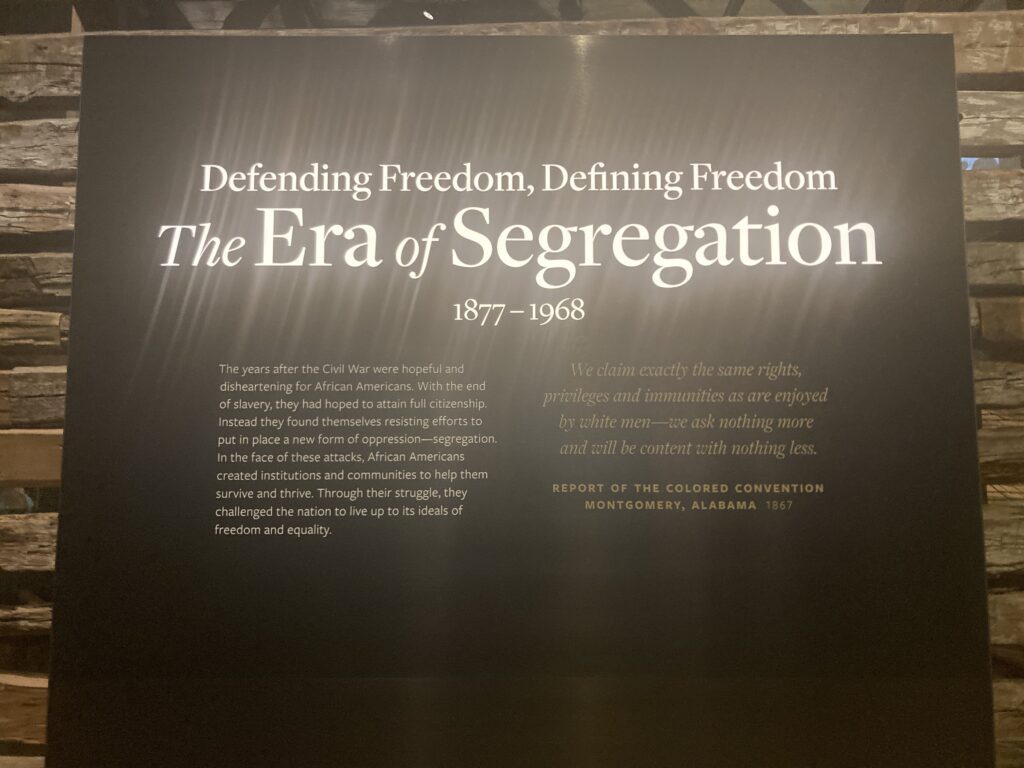
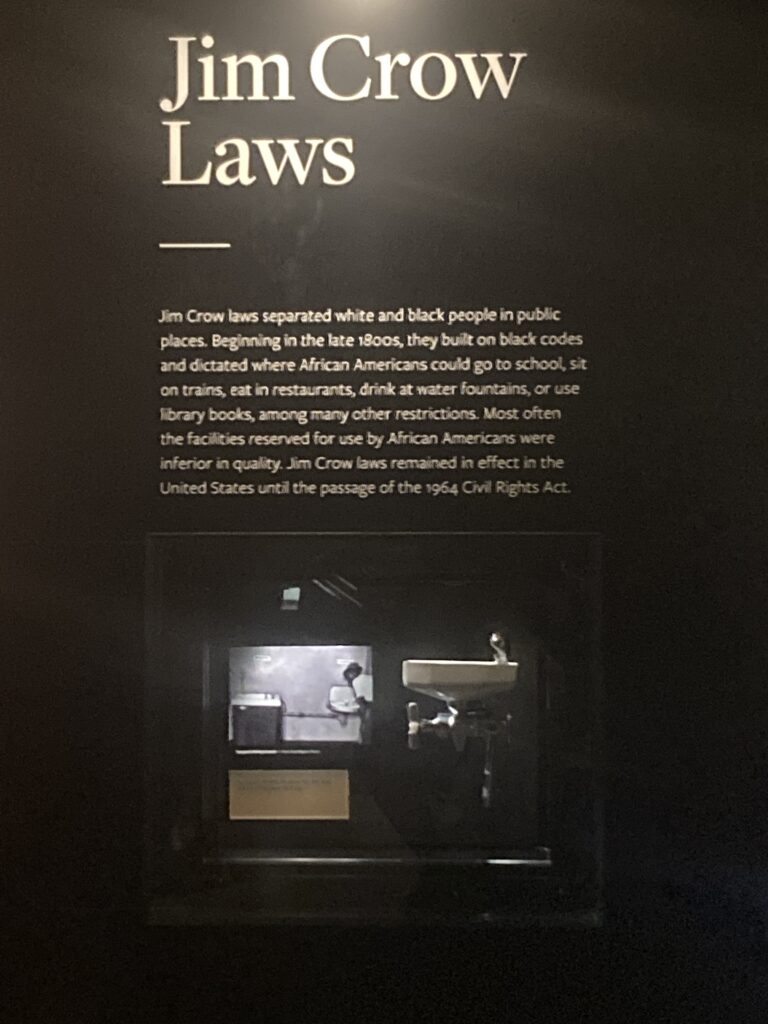
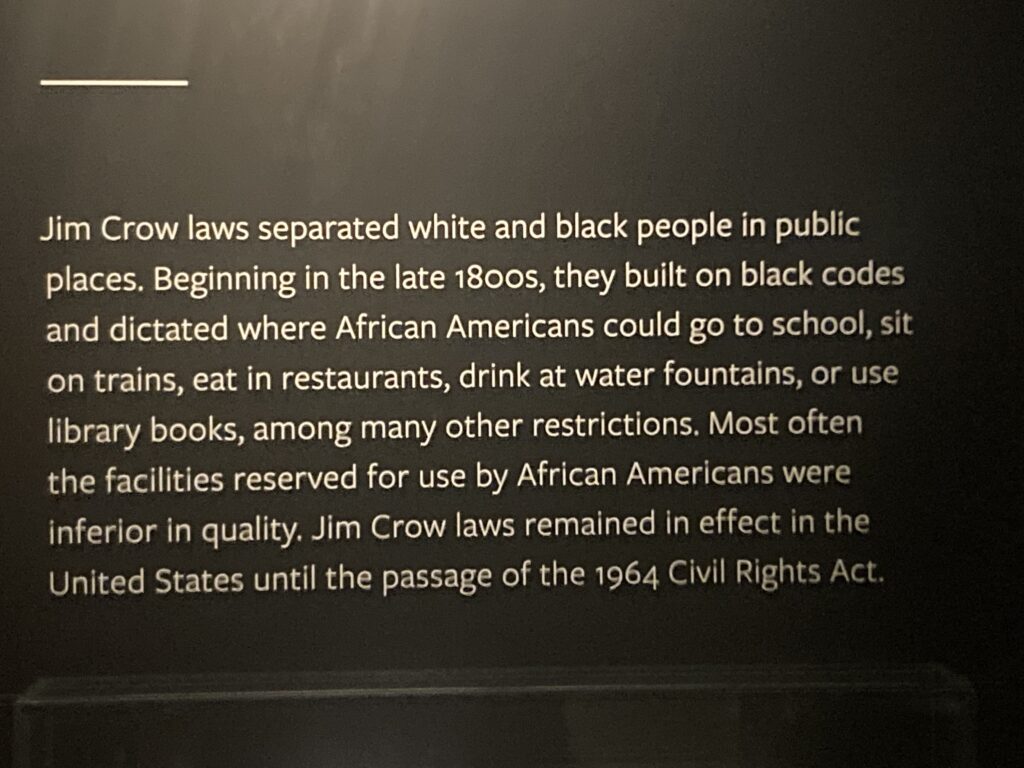
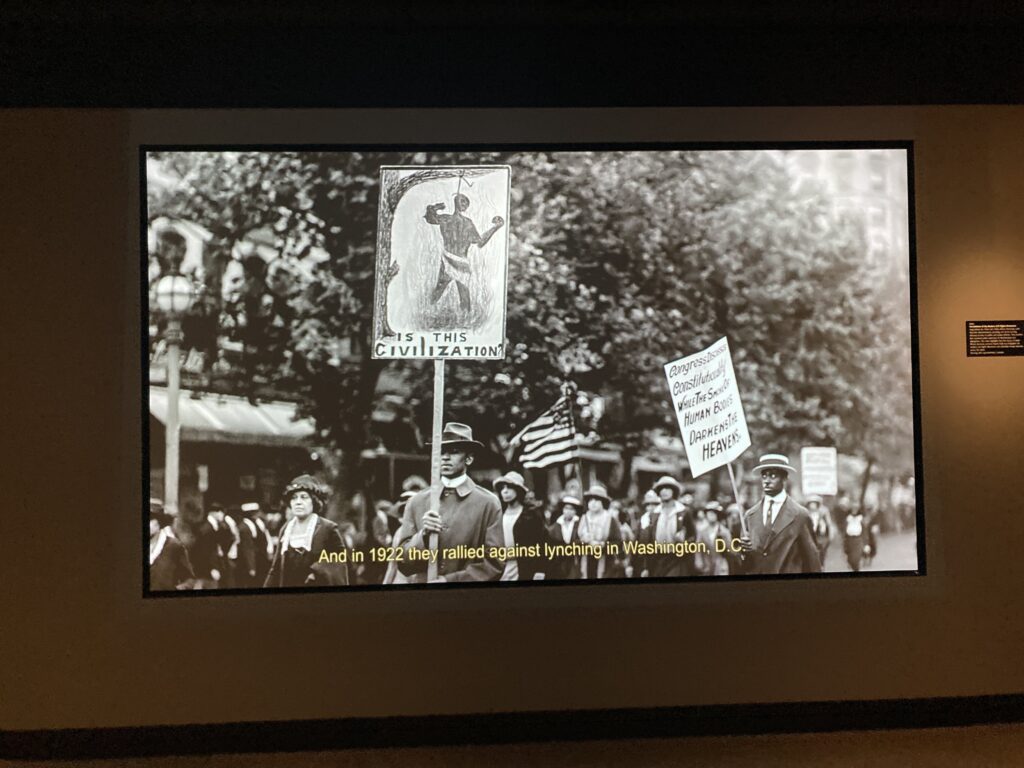
The Era of Segregation (1876–1968) examines the difficult years after Reconstruction, when African Americans were denied full citizenship despite the end of slavery. This exhibition explores how Black communities navigated the oppressive realities of Jim Crow laws while laying the groundwork for the civil rights movement.
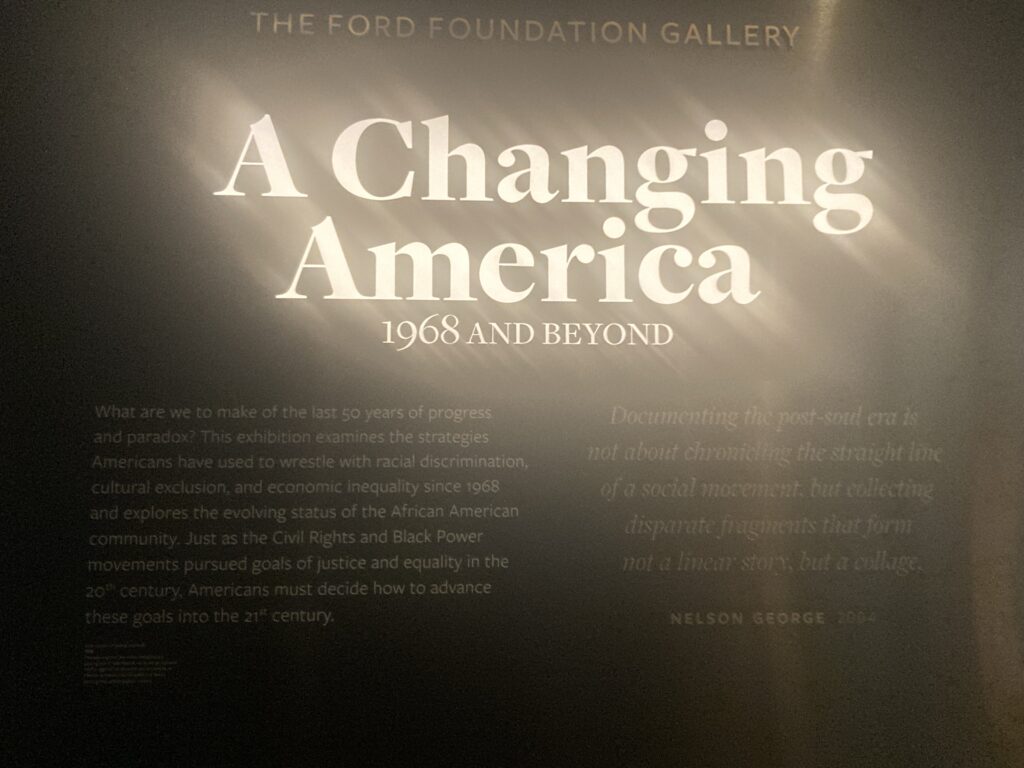
A Changing America: 1968 and Beyond
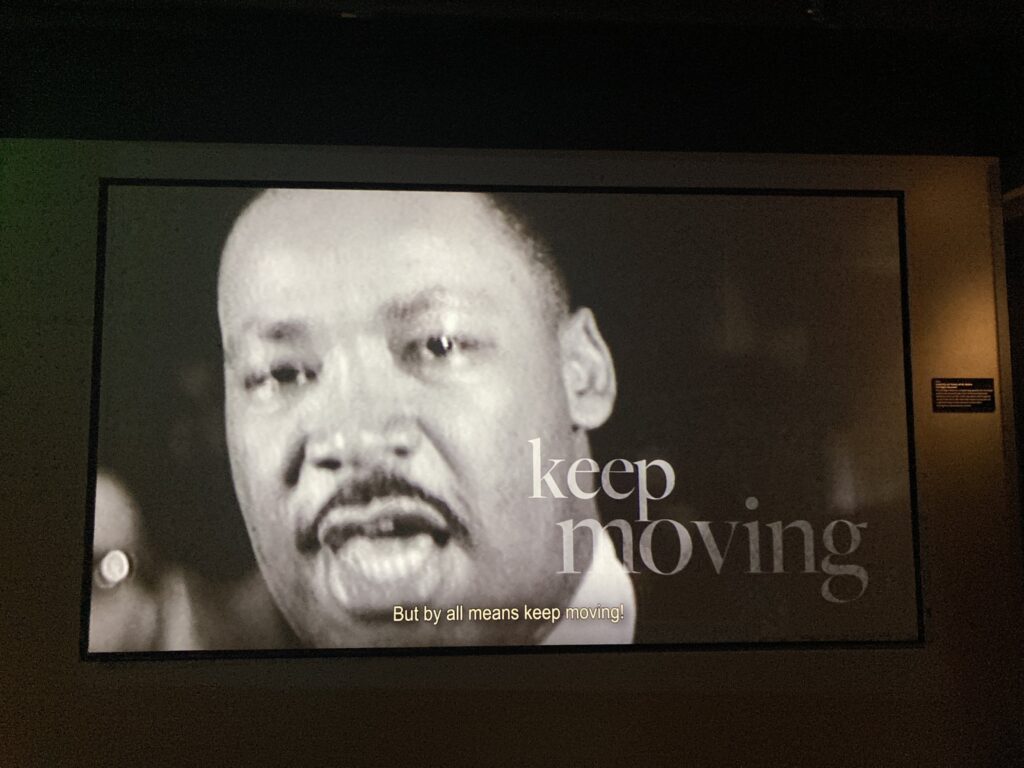
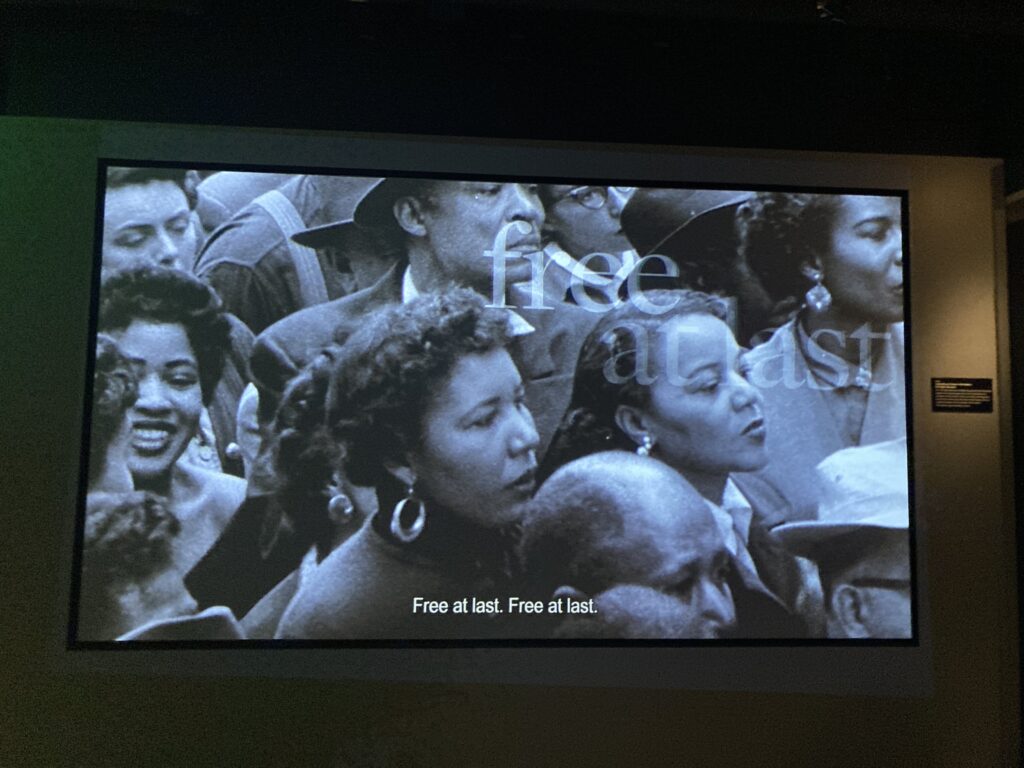
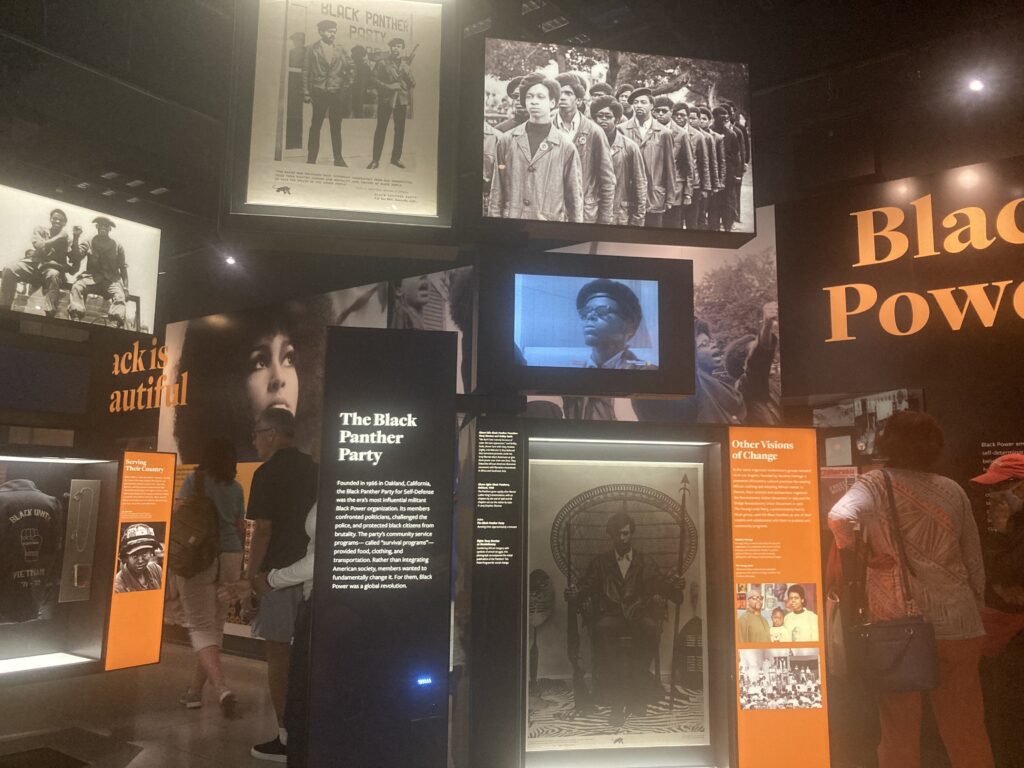
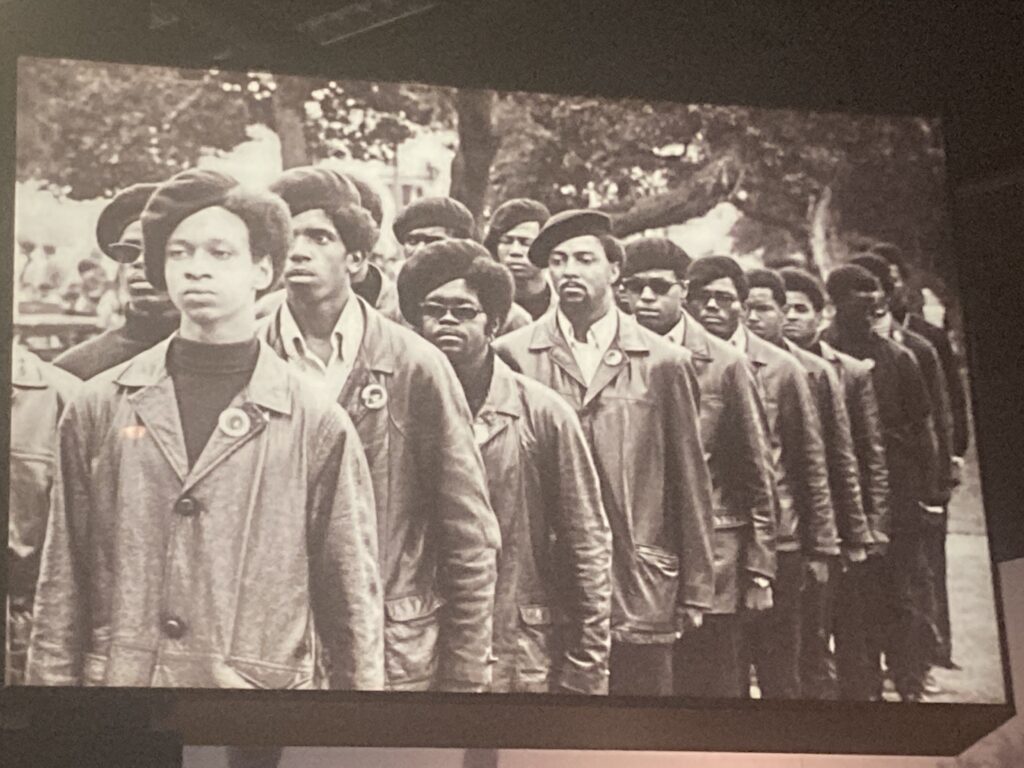
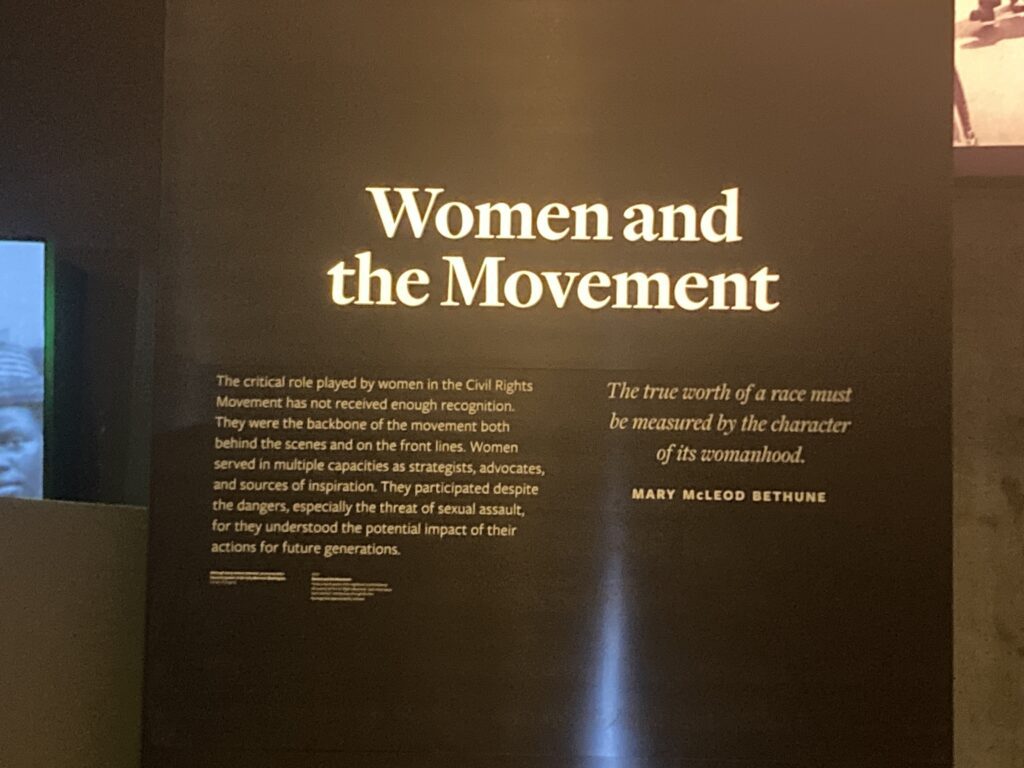
This exhibit traces the ongoing fight for equality from the death of Dr. Martin Luther King Jr. to the modern Black Lives Matter movement. It has artifacts from the Black Panthers, the Obama presidency, and hip hop culture.
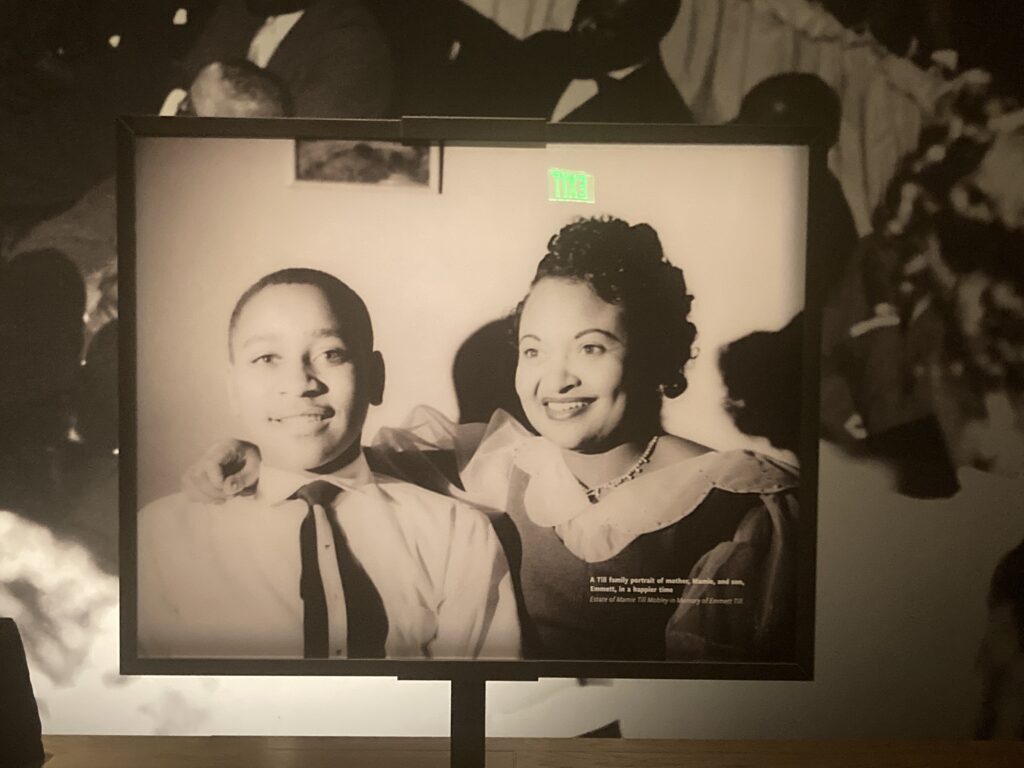
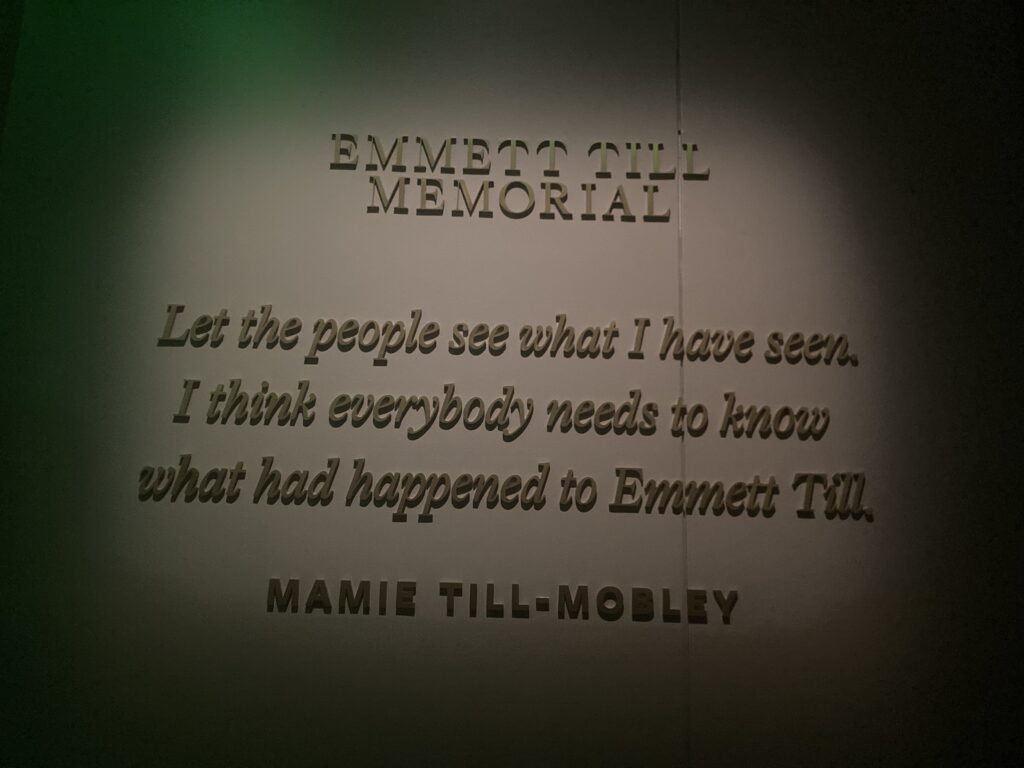
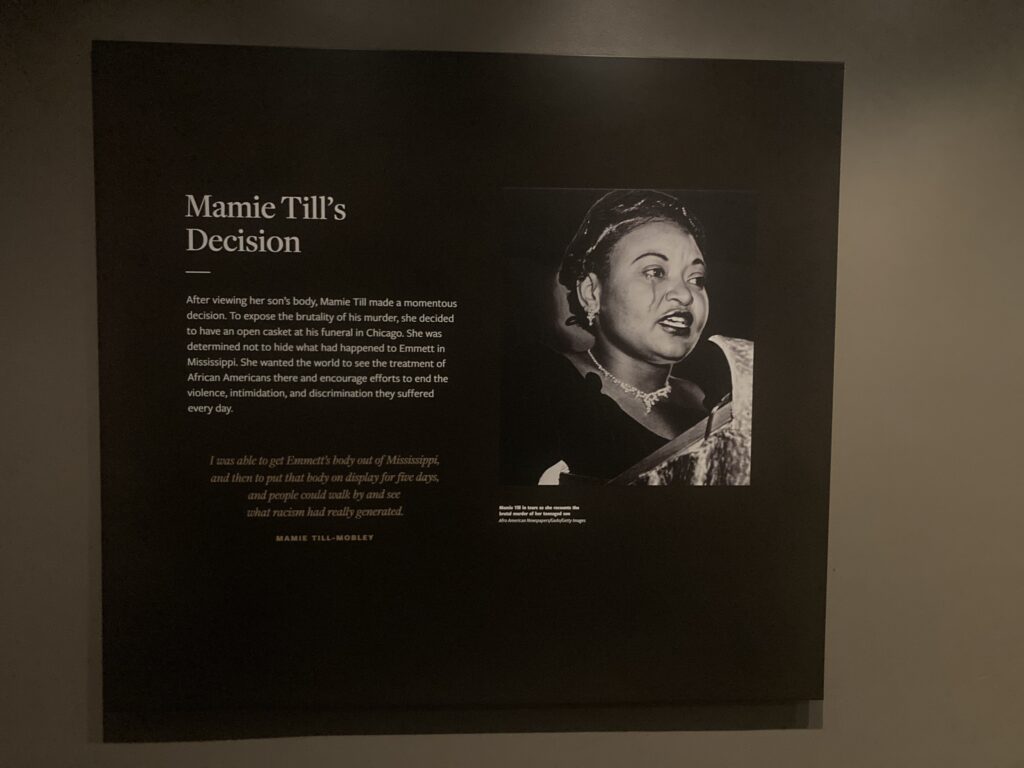
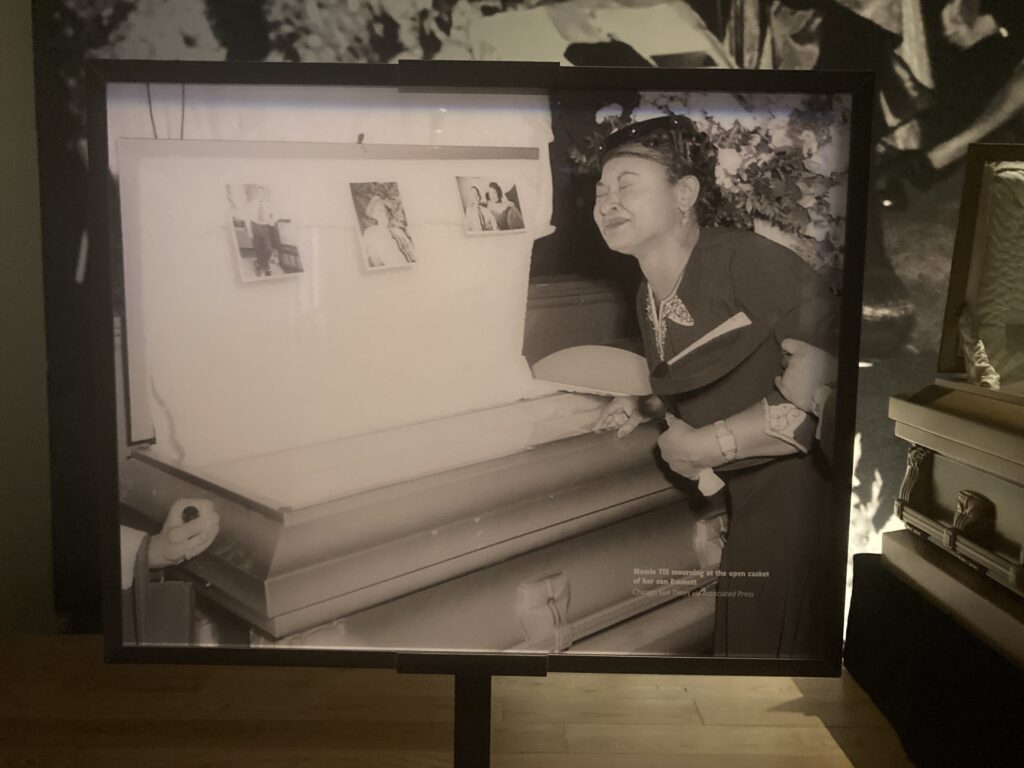
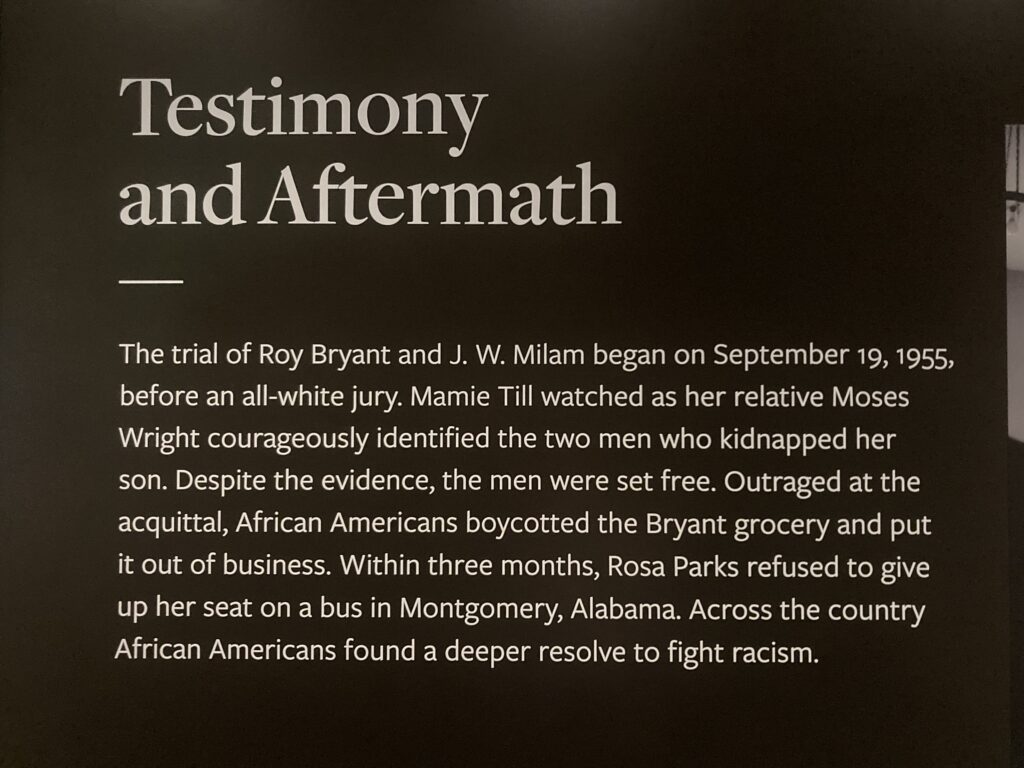
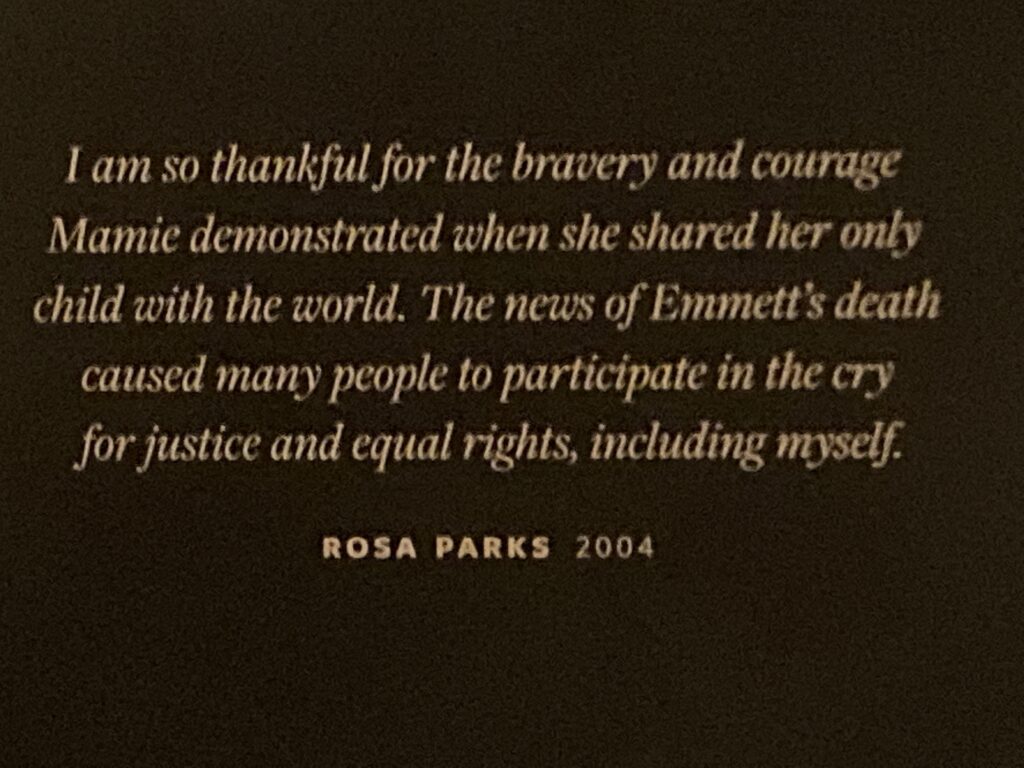
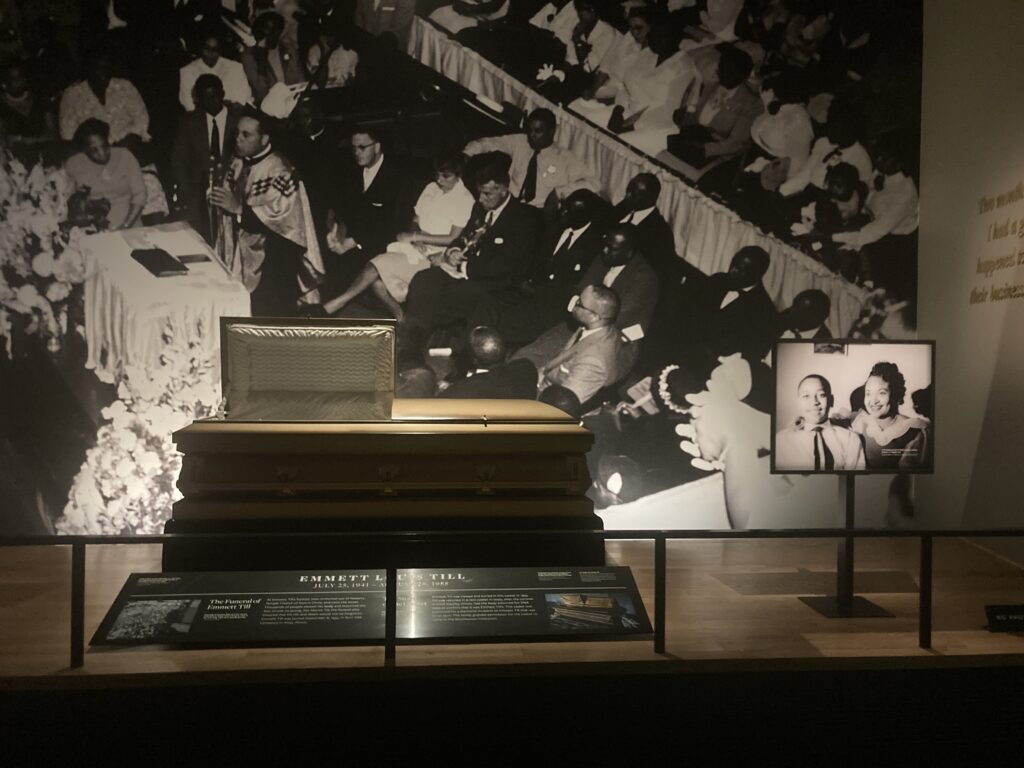
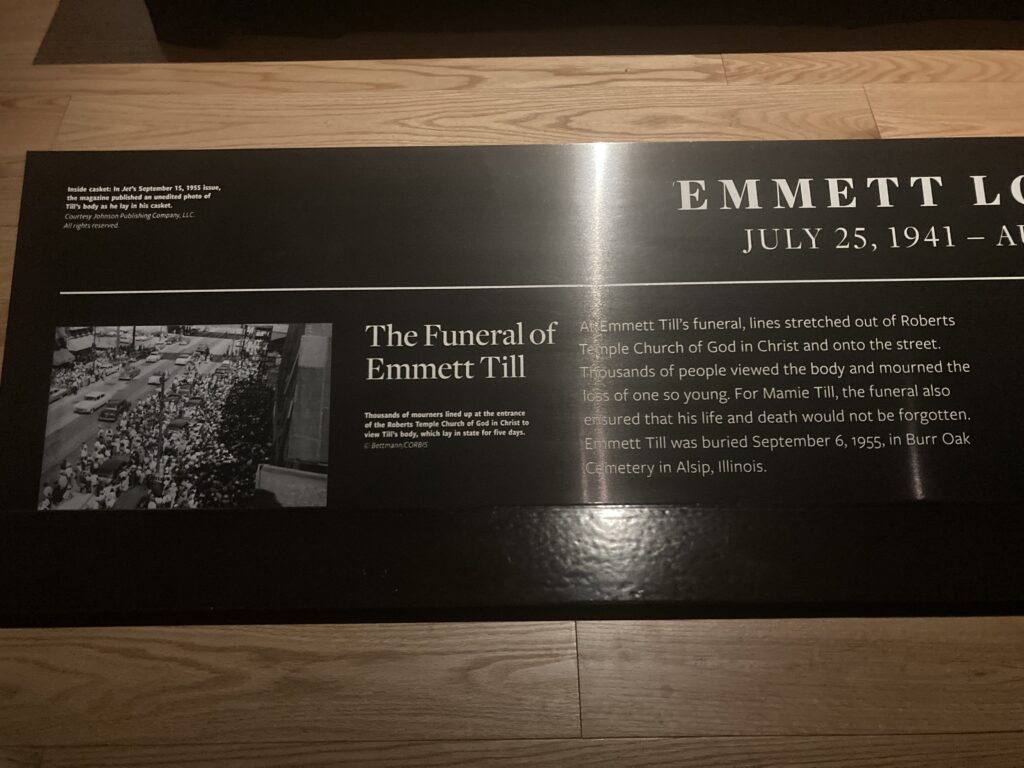
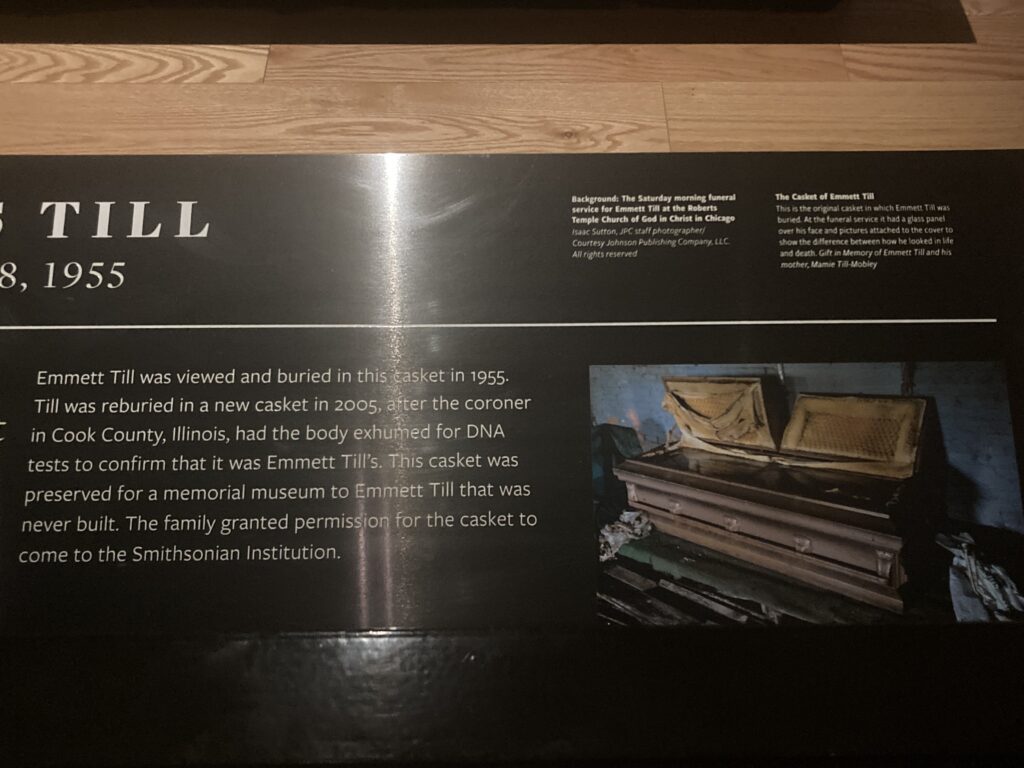
Emmett Till Memorial
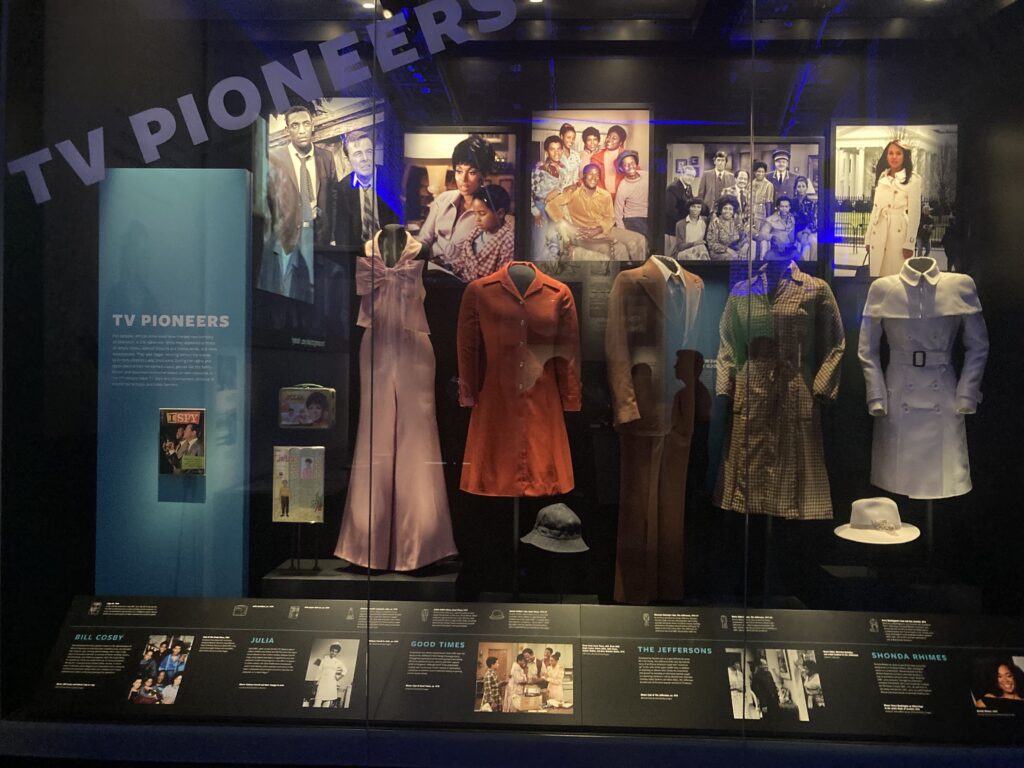
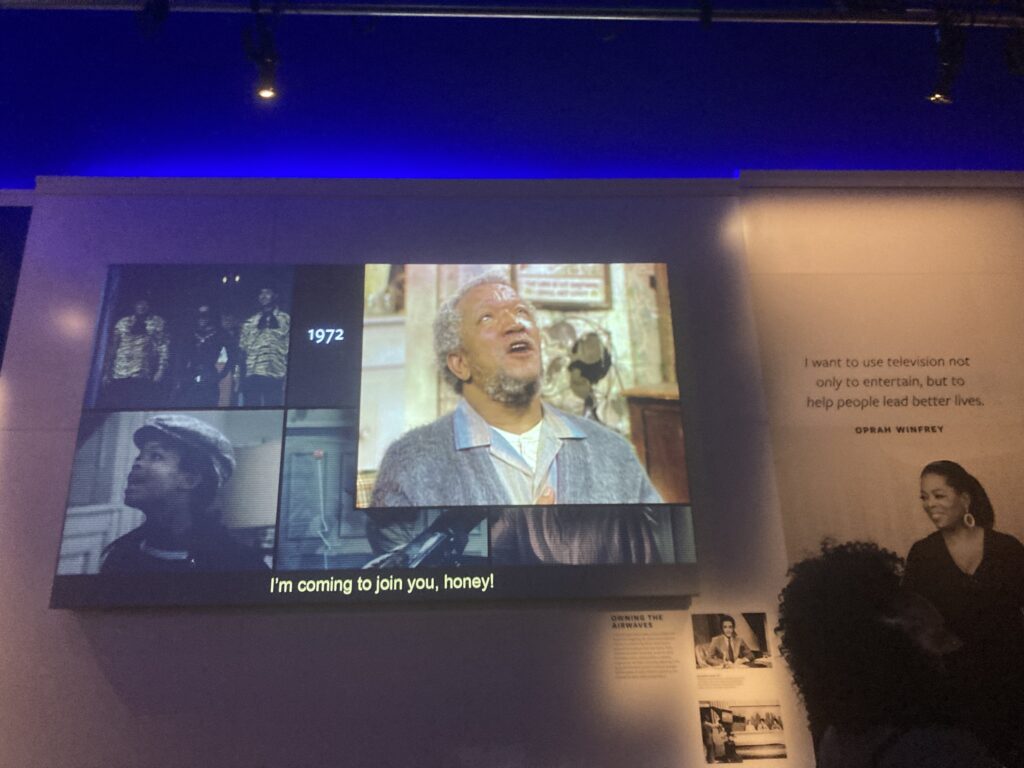
TV Pioneers
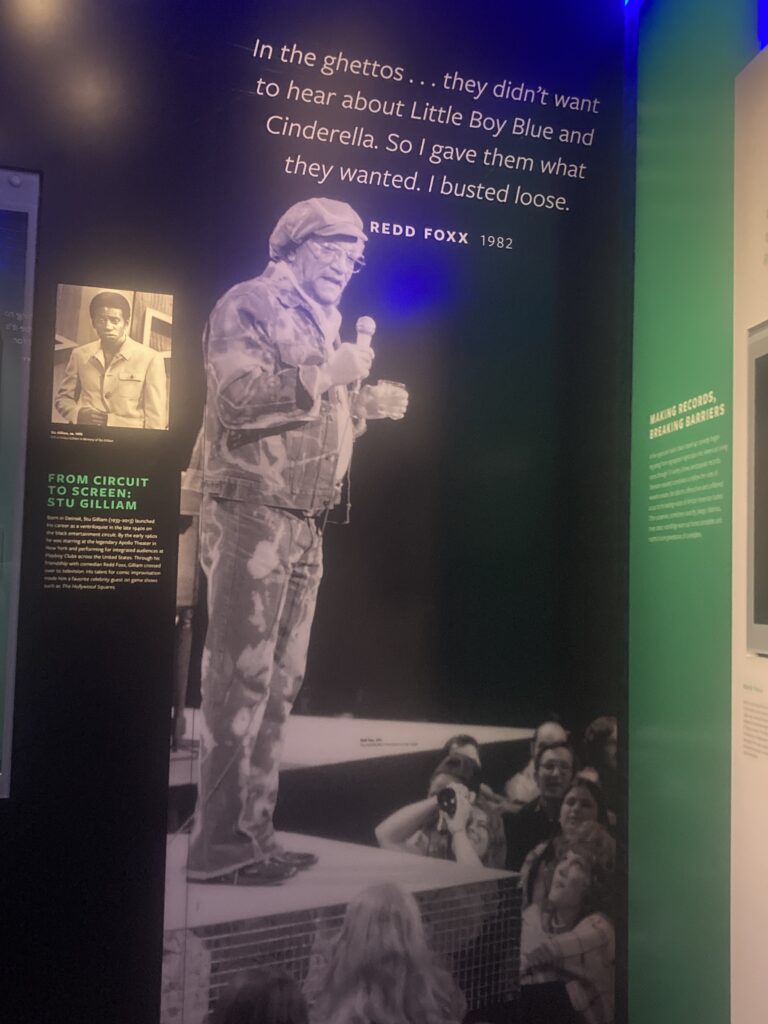
This exhibit highlights the powerful role African Americans have played in theater, film, and television. It honors the artists who turned performance into a platform for visibility, identity, and social change.
➡️Check out African American History Tour with Reserved Museum Entry
Key Exhibits by Floor
This museum is massive and thoughtfully organized. Each floor tells a different part of the African American story, from the painful roots of slavery to modern cultural triumphs. Here’s a quick guide to what you’ll find on each level:
Concourse (C1–C3) – History Galleries
- C3 – Slavery and Freedom: Examines the origins and legacy of slavery and the foundations of the U.S.
- C2 – Defending Freedom: Covers segregation, Reconstruction, and the civil rights struggle (1877–1968).
- C1 – A Changing America: Focuses on post-1968 America, ongoing activism, and cultural shifts.
- A Century in the Making: Chronicles the effort to establish the museum itself.
Level 4 – Culture Galleries
- Cultural Expressions: Explores identity through food, fashion, language, and art.
- Musical Crossroads: Traces African American contributions to U.S. music, from gospel to hip-hop.
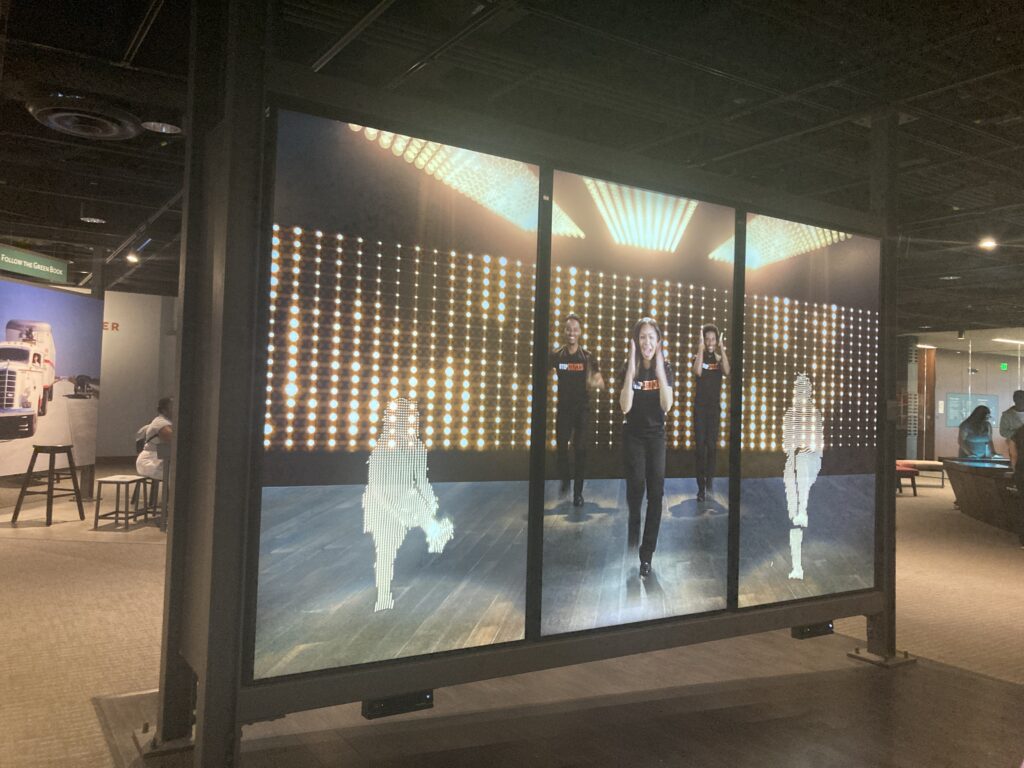
- Taking the Stage: Showcases achievements in film, theater, and television.
- Reckoning: Features visual art that responds to conflict, protest, and healing.
- Reclaiming My Time: Highlights works by contemporary Black designers.
Level 3 – Community Galleries
- Making a Way Out of No Way: Highlights education, faith, and activism in building strong communities.
- Double Victory: Examines Black military service and the fight for equal rights.
- Power of Place: Tells regional stories of African American life across the U.S.
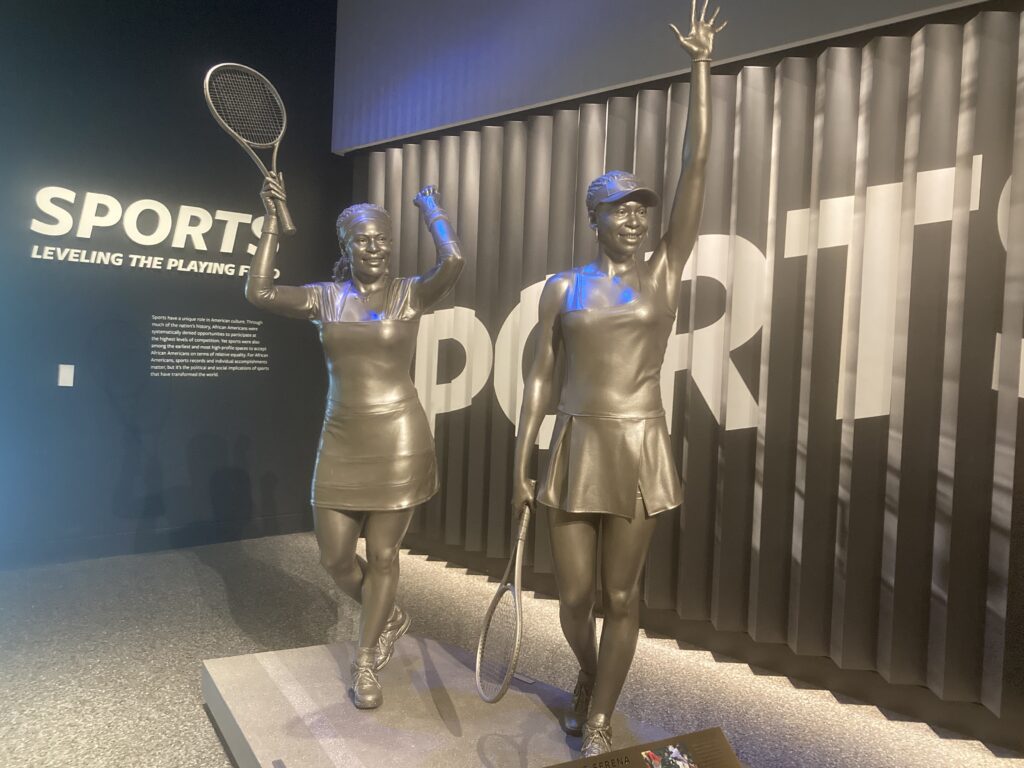
- Sports: Focuses on athletic achievements and the fight for racial justice through sports.
Level 2 – Interactive + Reflection
- Explore More!: Interactive learning gallery for deeper engagement.
- Spirit in the Dark: Explores the central role of religion in Black American life.
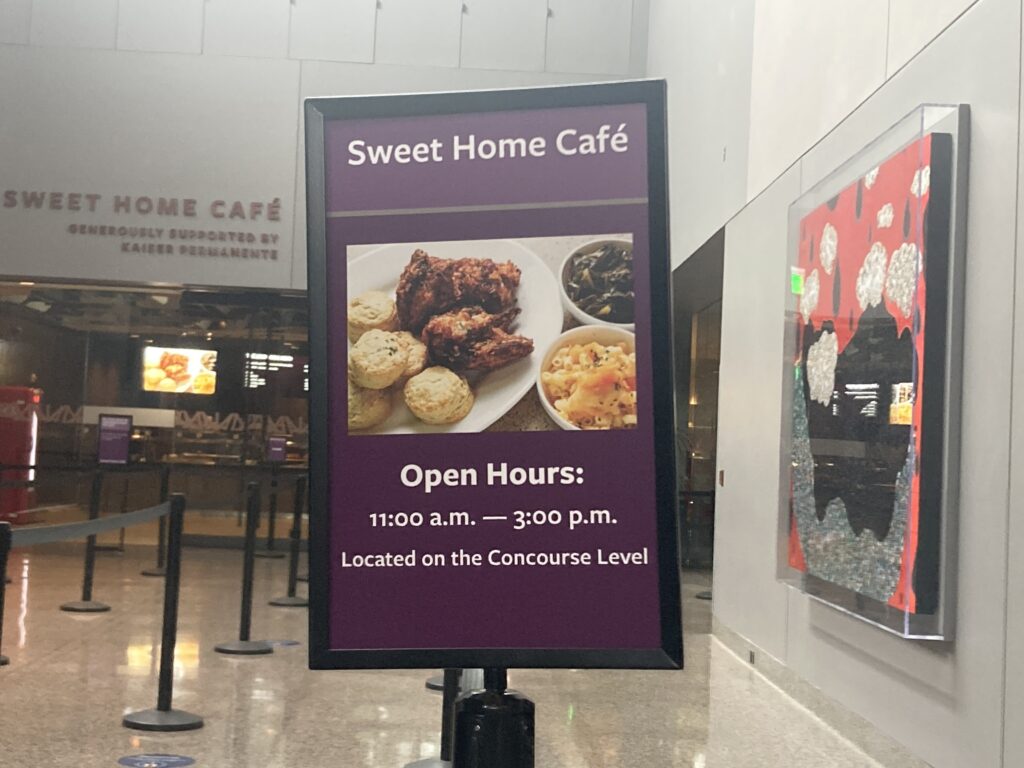
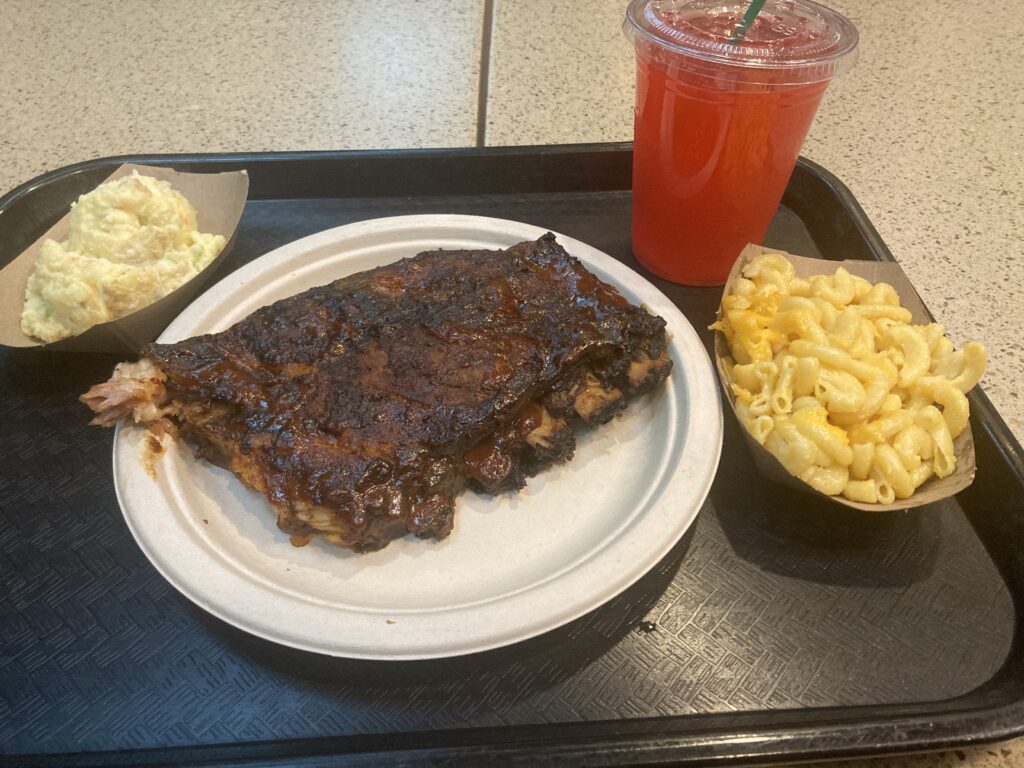
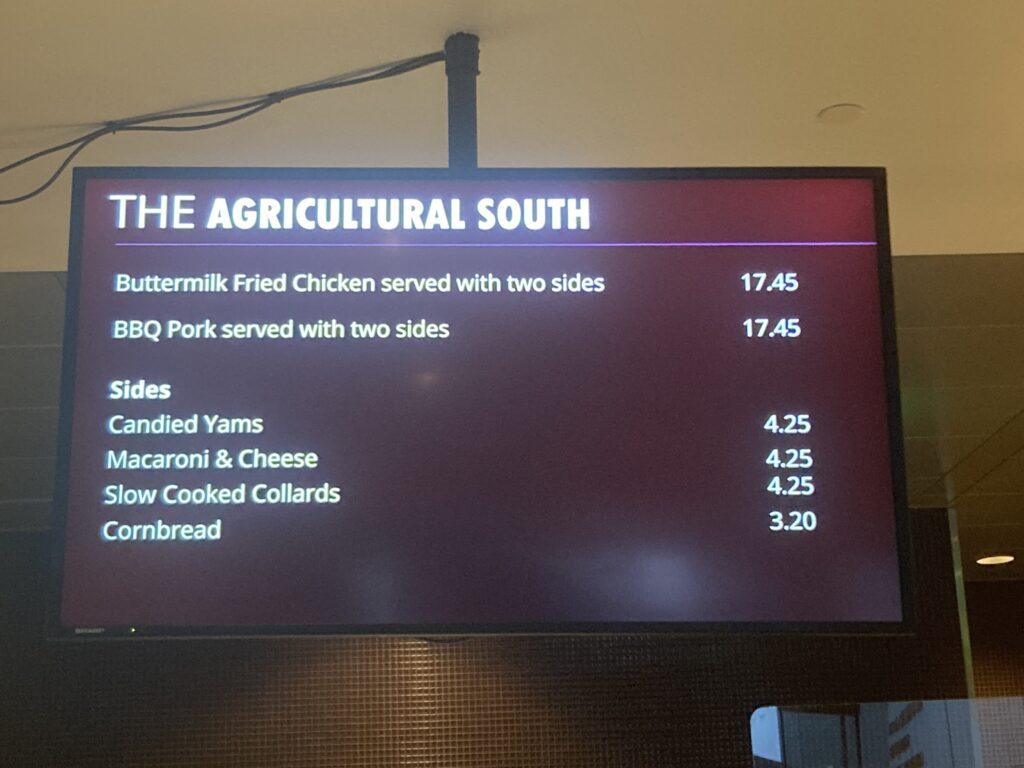
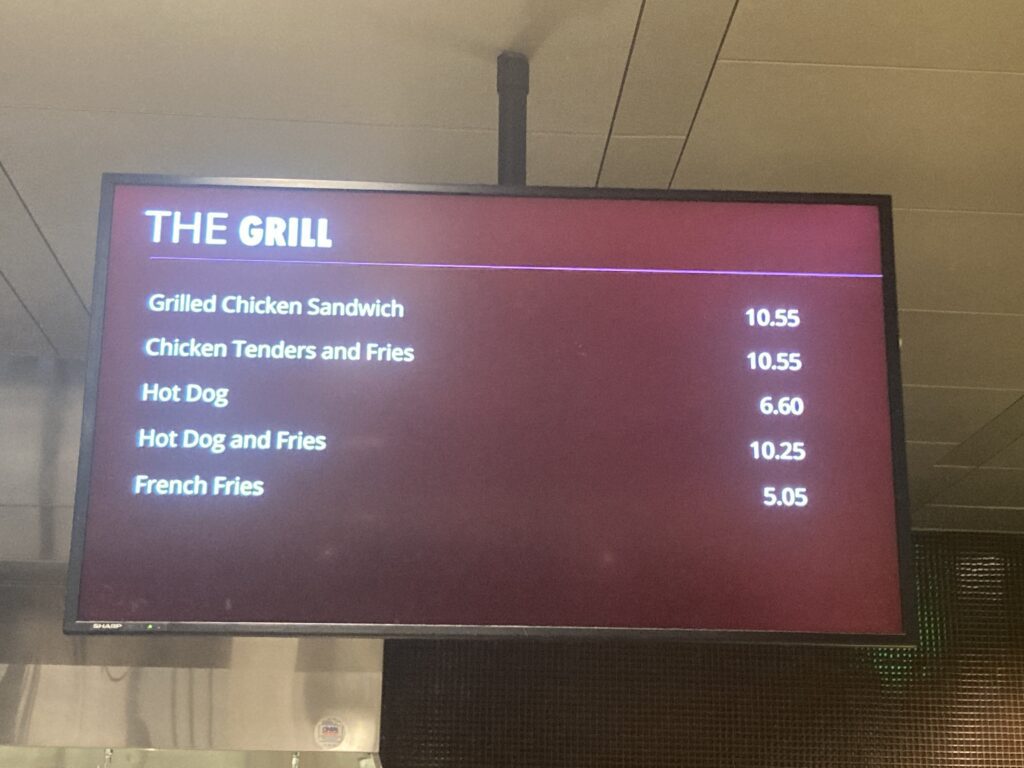
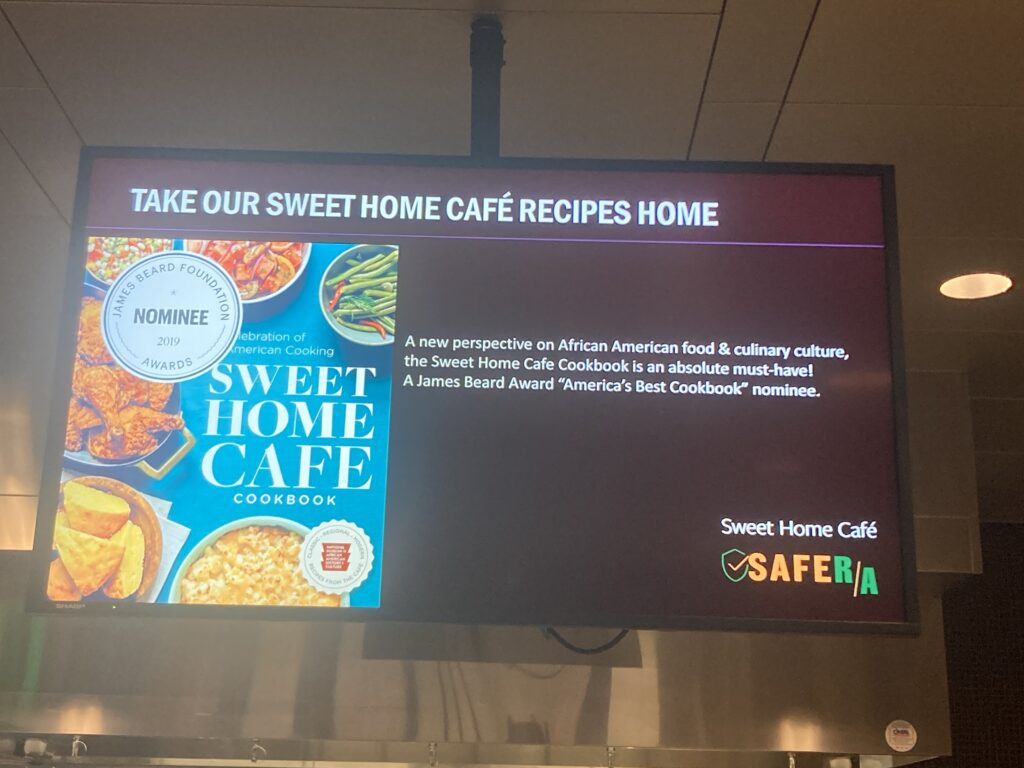
Where to Eat Nearby: Sweet Home Café
The Sweet Home Café is open daily from 11:00am to 3:00pm with a limited menu. It gives visitors a taste of cultural history through food.


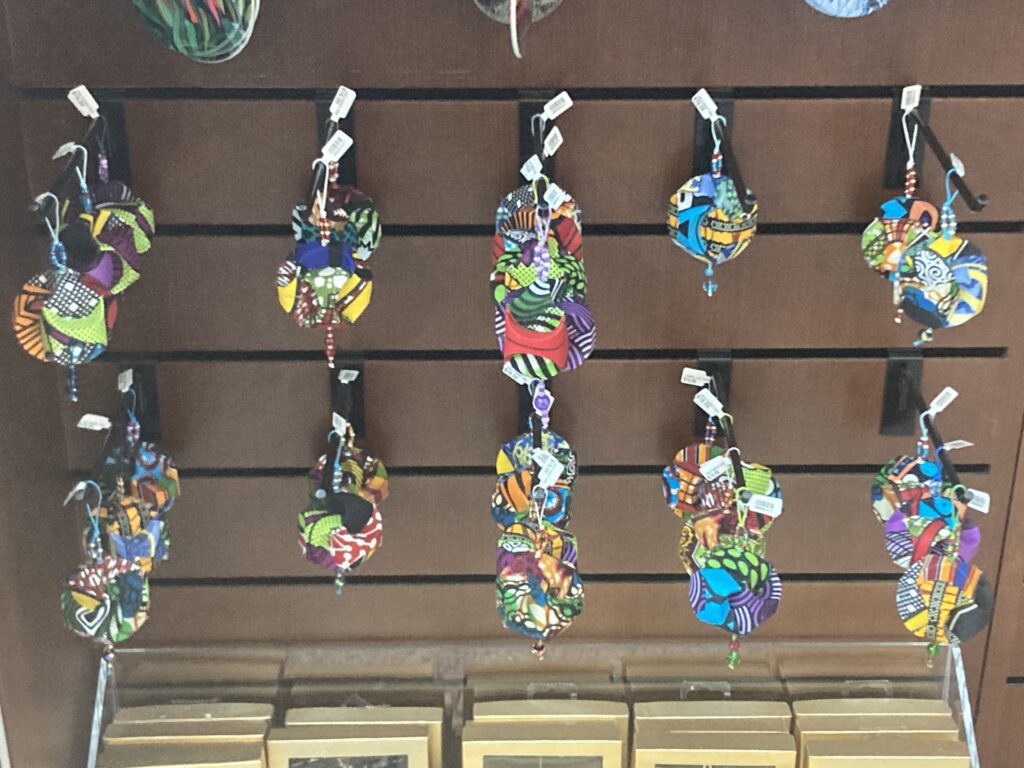
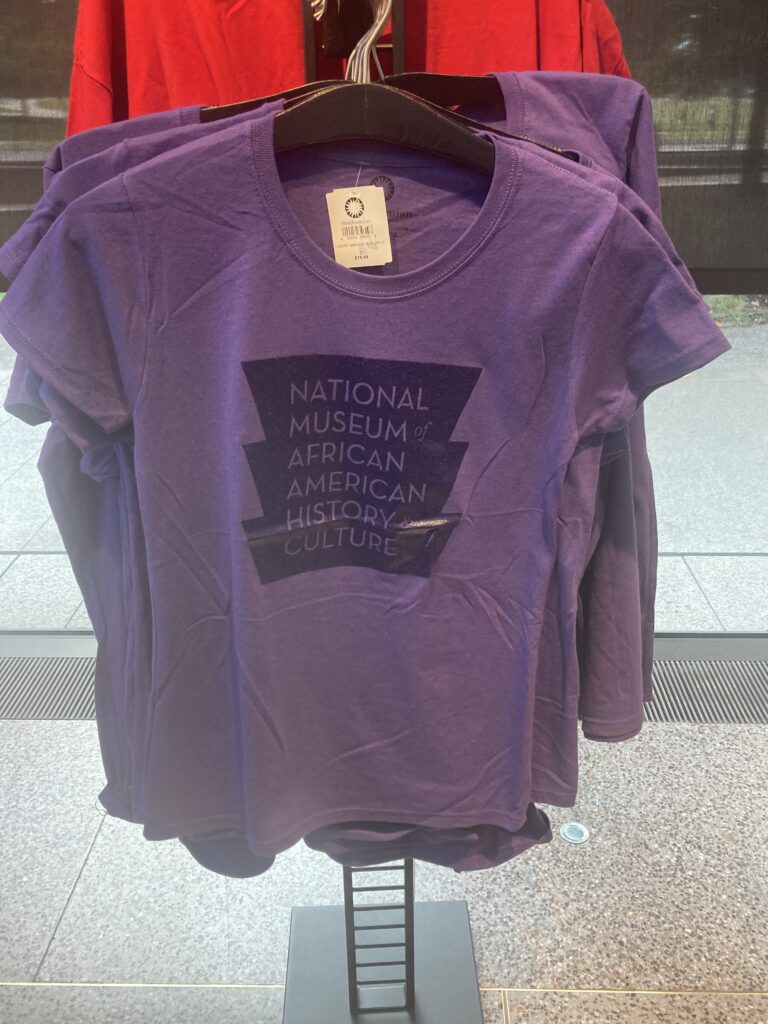
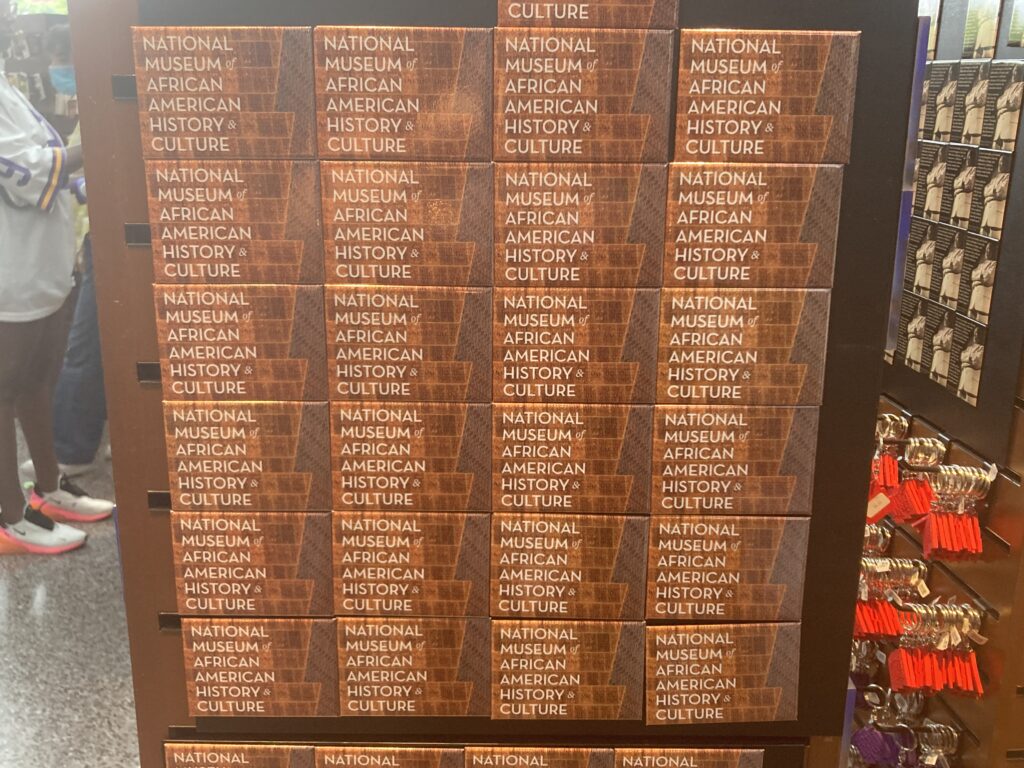
Shop the NMAAHC Store
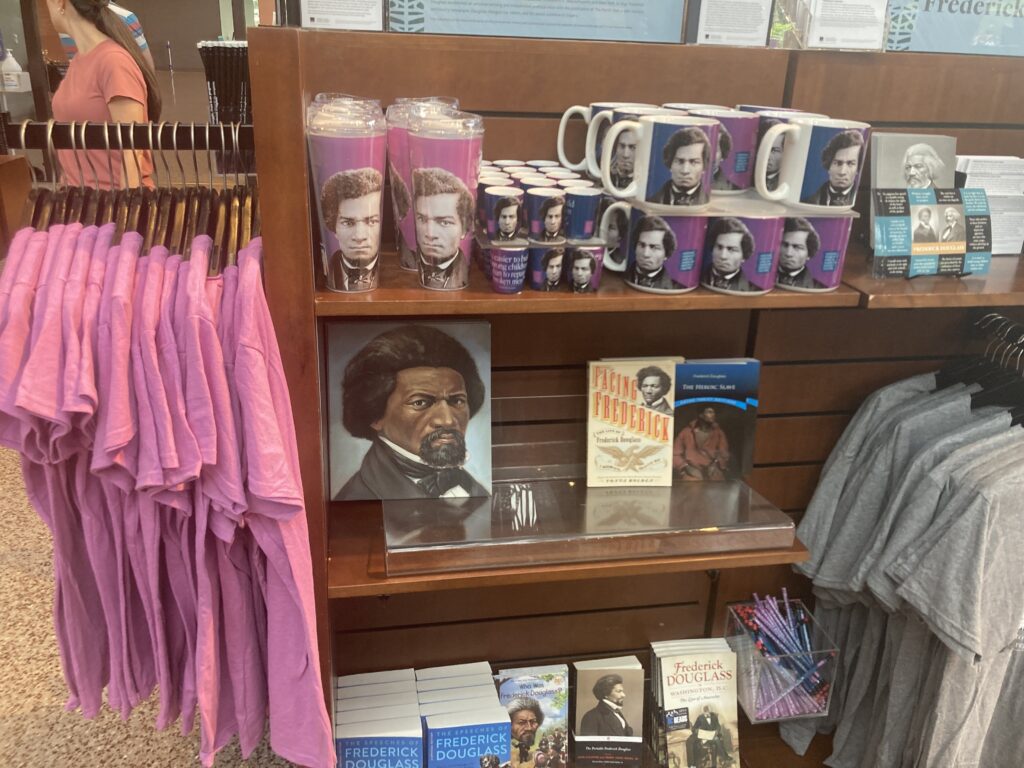
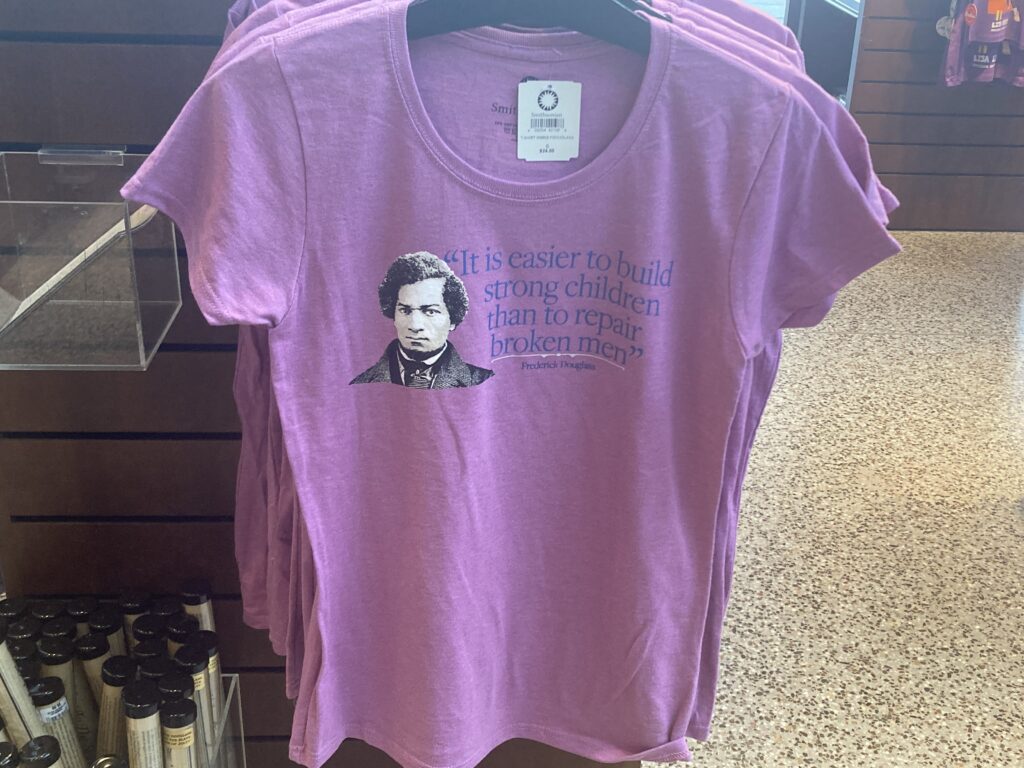
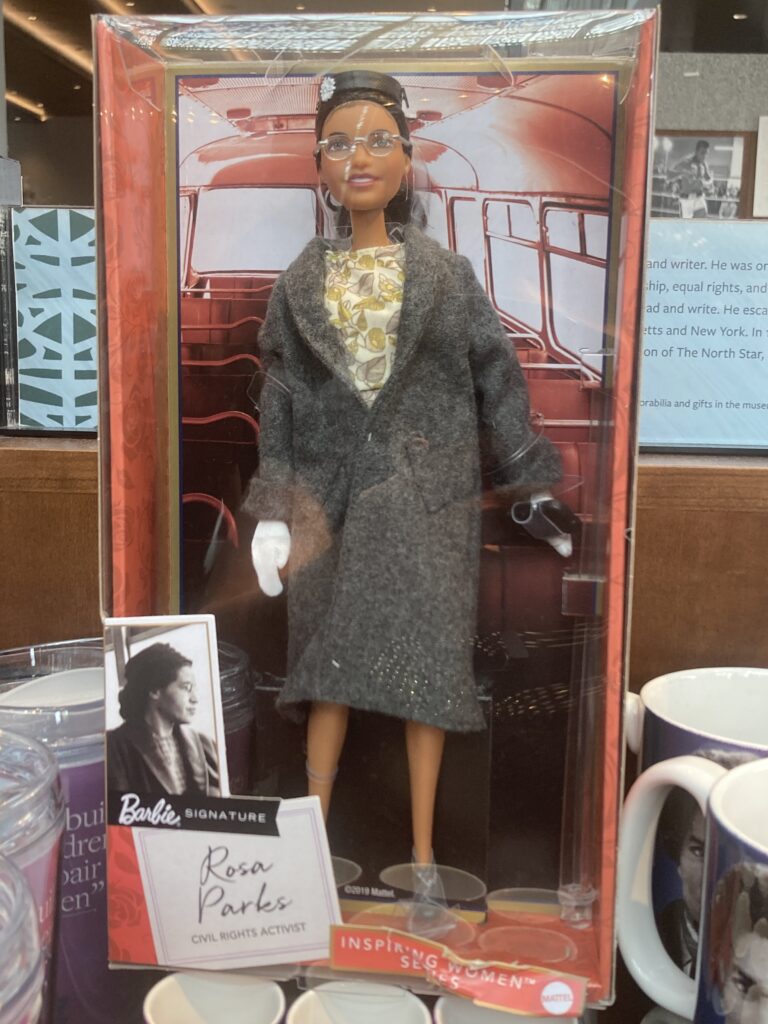
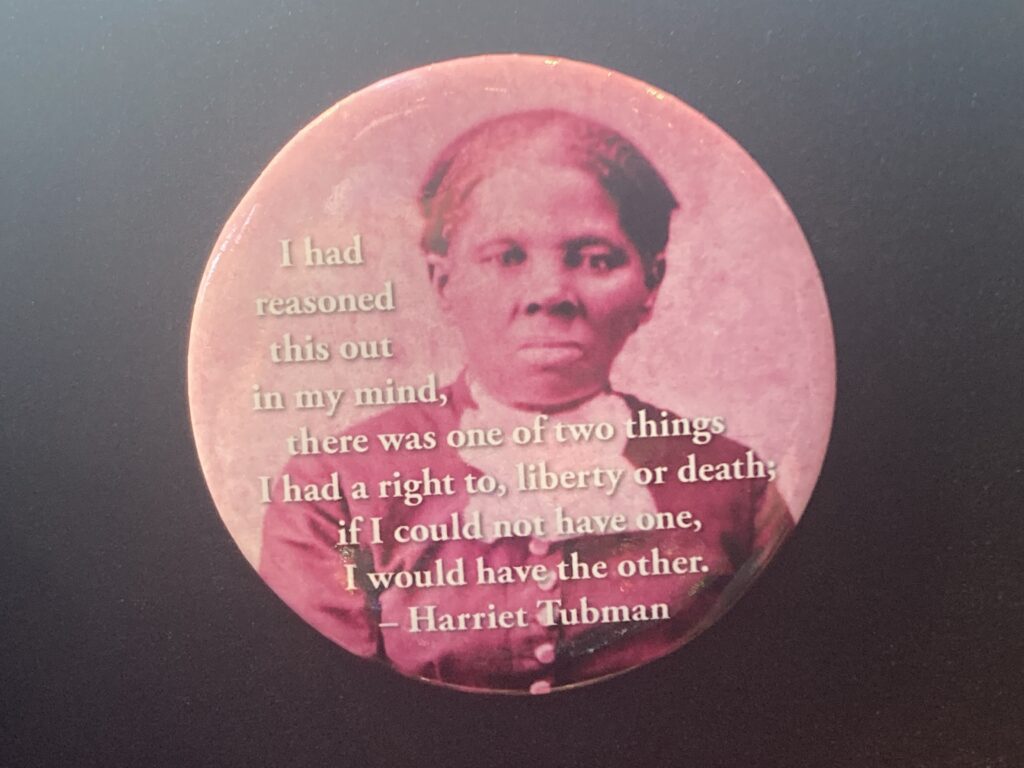
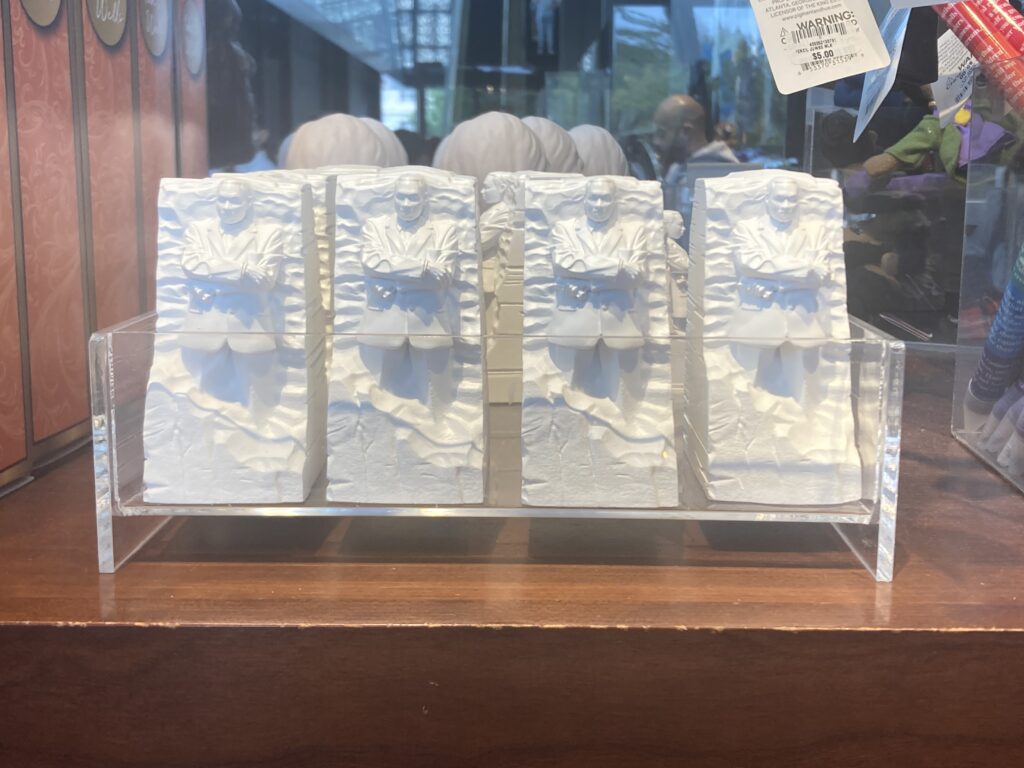
The Museum Store features a curated range of books, jewelry, apparel, home décor, and exclusive souvenirs inspired by African American history and culture. It is open daily, from 10:00am-5:30pm.
How to Visit the National Museum of African American History and Culture
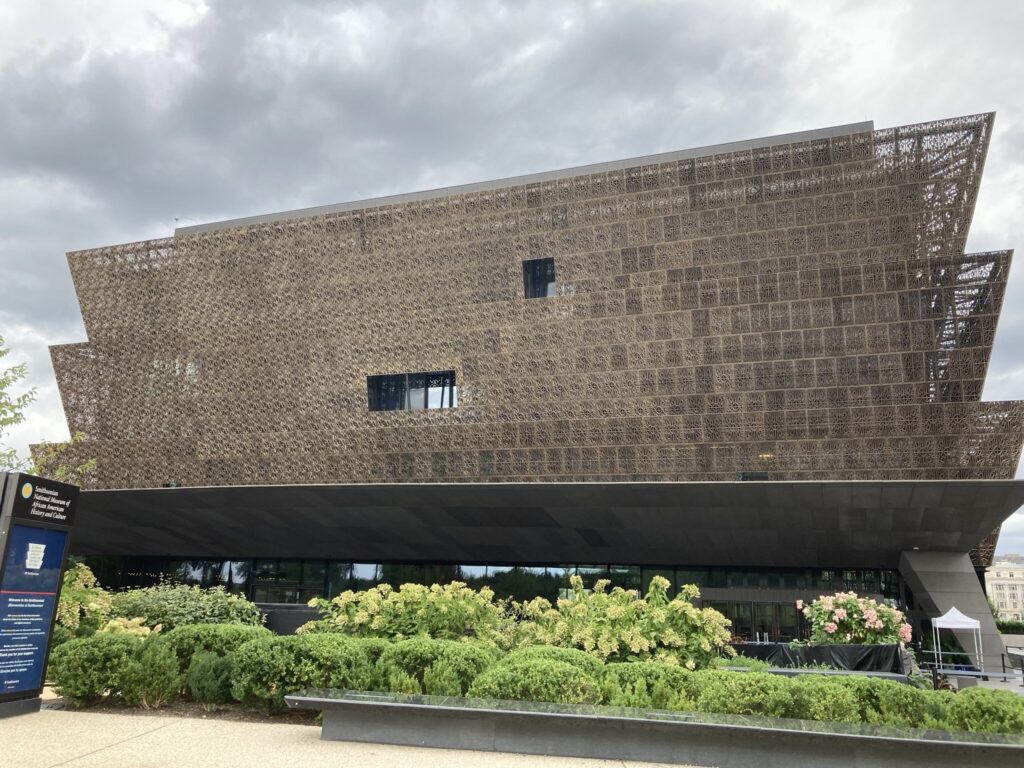
The easiest way to get tot he museum is by Metro. Federal Triangle and Smithsonian (Mall exit) stations are both a short walk away.
- Walking Directions: Use Google Maps or Citymapper to find the best walking route.
- Driving: There’s no public parking at the museum, but the nearest garage is at the Ronald Reagan Building and International Trade Center (entrance on 14th Street NW).
- Bus Drop-Off: The Madison Drive entrance is accessible and serves as the bus drop-off point.
Tip: This is a timed-entry museum, so have your pass ready at either the 14th & Constitution or 15th & Madison entrances.
Where to Stay Near the Museum
If you’re visiting the National Museum of African American History and Culture, you’ll want to stay somewhere central, close to the National Mall and other Smithsonian museums. These hotel options place you right in the heart of D.C., with something for every budget.
Budget Accommodation – Motto by Hilton Washington D.C. City Center
For an affordable yet stylish stay just blocks from the National Mall, Motto by Hilton is a top pick. Rooms are compact but modern, and there’s a trendy rooftop bar with city views. Guests love the walkable location and easy Metro access.
➡️Click here to book your stay at Motto by Hilton!
Mid-Range Accommodation – Hotel Hive
Hotel Hive blends artistic design with budget-friendly comfort. Located near the Lincoln Memorial and Foggy Bottom, this micro-hotel is perfect for explorers who want a hip and cozy base without overspending. Great pizza downstairs and a buzzing rooftop bar add to the charm.
➡️Click here to book your stay at Hotel Hive!
Luxury Accommodation – Willard InterContinental Washington D.C.
For timeless luxury and historic charm, the Willard InterContinental is unmatched. Just a short stroll from the museum and a block from the White House, this legendary hotel offers elegant rooms and a rich history, including hosting Martin Luther King Jr. and countless presidents.
➡️Click here to book your stay at Willard InterContinental!
Check out my How to Visit the 16 Smithsonian Museums in Washington D.C. blog!
FAQs: National Museum of African American History and Culture
Here are some frequently asked questions regarding “National Museum of African American History and Culture” along with my answers.
Do I need a timed-entry pass to visit the museum?
Yes. All visitors, including children, must have a free timed-entry pass to enter the museum. You can reserve passes online up to 30 days in advance, or try for limited same-day releases each morning at 8:15am.
Can I enter if I’m late for my scheduled time?
Yes, but only until 4:00pm, and entry is not guaranteed if the museum is at capacity. Arriving more than 2 hours late may result in being denied entry.
Can I visit just the café or store without seeing the exhibits?
Yes, use a Dine and Shop Pass, available daily for entry between 11:00am-2:30pm. These passes allow access to the Sweet Home Café and Museum Store, but not the exhibitions.
Is the museum fully accessible?
Yes. The museum is ADA compliant with accessible entrances, elevators, manual wheelchairs (free to borrow), and family restrooms. Open captioning, ASL interpretation (with notice), and hearing loops are also available.
Final Thoughts
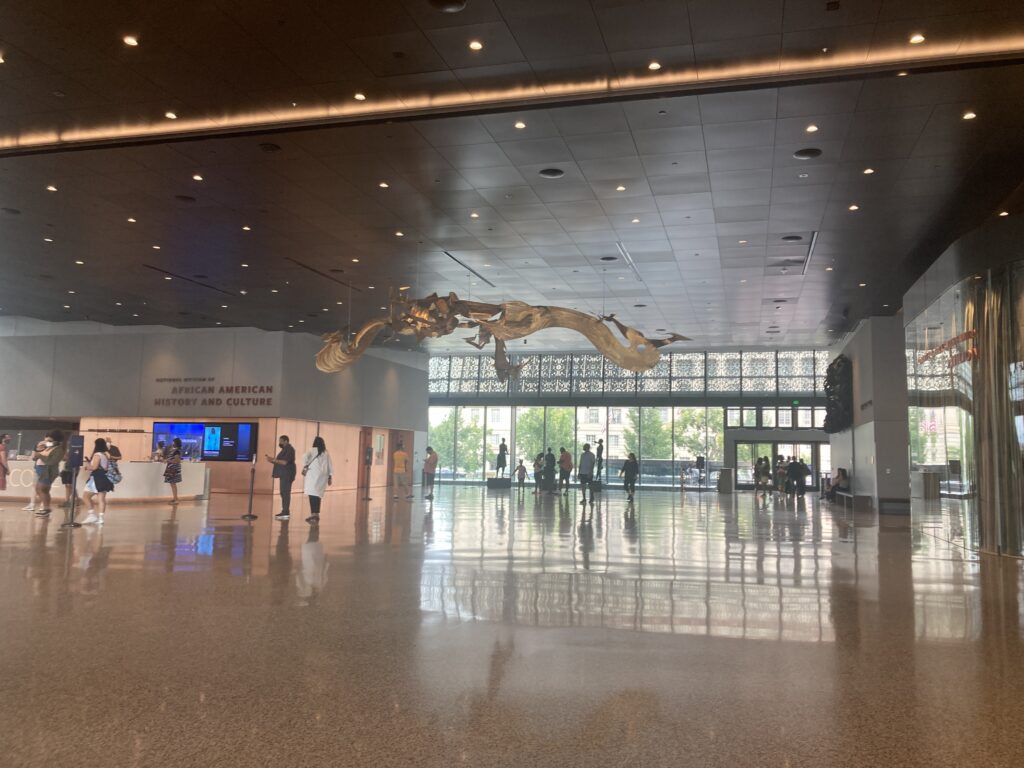
I have visited many museums in D.C., but this one hit differently. The National Museum of African American History and Culture is powerful, emotional, and beautifully done. You’ll walk through centuries of struggle and triumph – and trust me, it stays with you long after you leave.
Give yourself time: at least 2-3 hours if you can. Start in the lower-level history galleries and work your way up. And don’t skip the cafe or the gift shop.