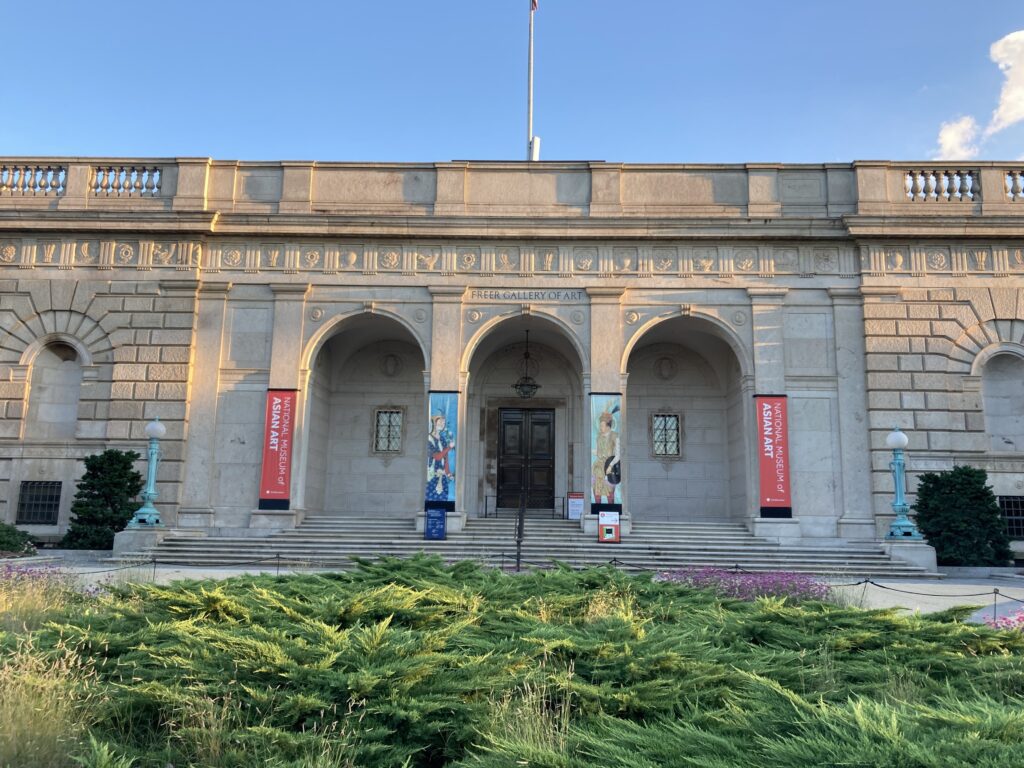
What to See at the National Museum of Asian Art – Freer Gallery
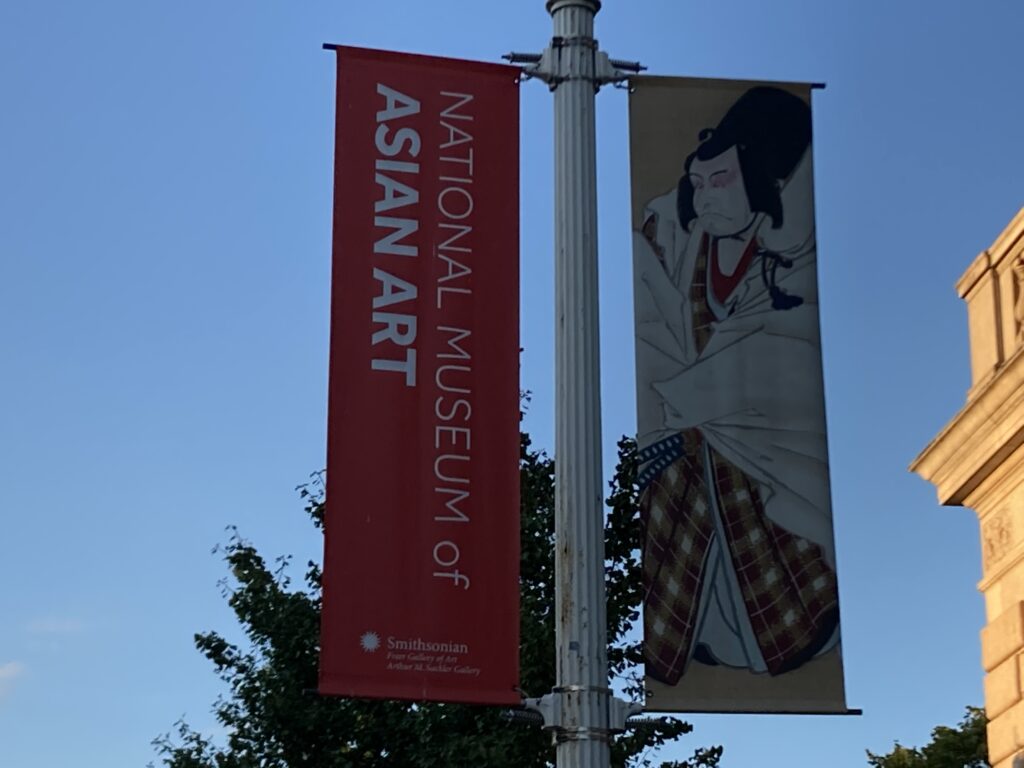
The Smithsonian National Museum of Asian Art consists of the Freer Gallery of Art and the Arthur M. Sackler Gallery. Check out their beautiful exhibitions!
In 1906 railroad magnate Charles Lang Freer donated his collection of Asian and American art to the nation. In 1923 the Freer Gallery opened to the public. It was the first art museum on the Smithsonian campus.
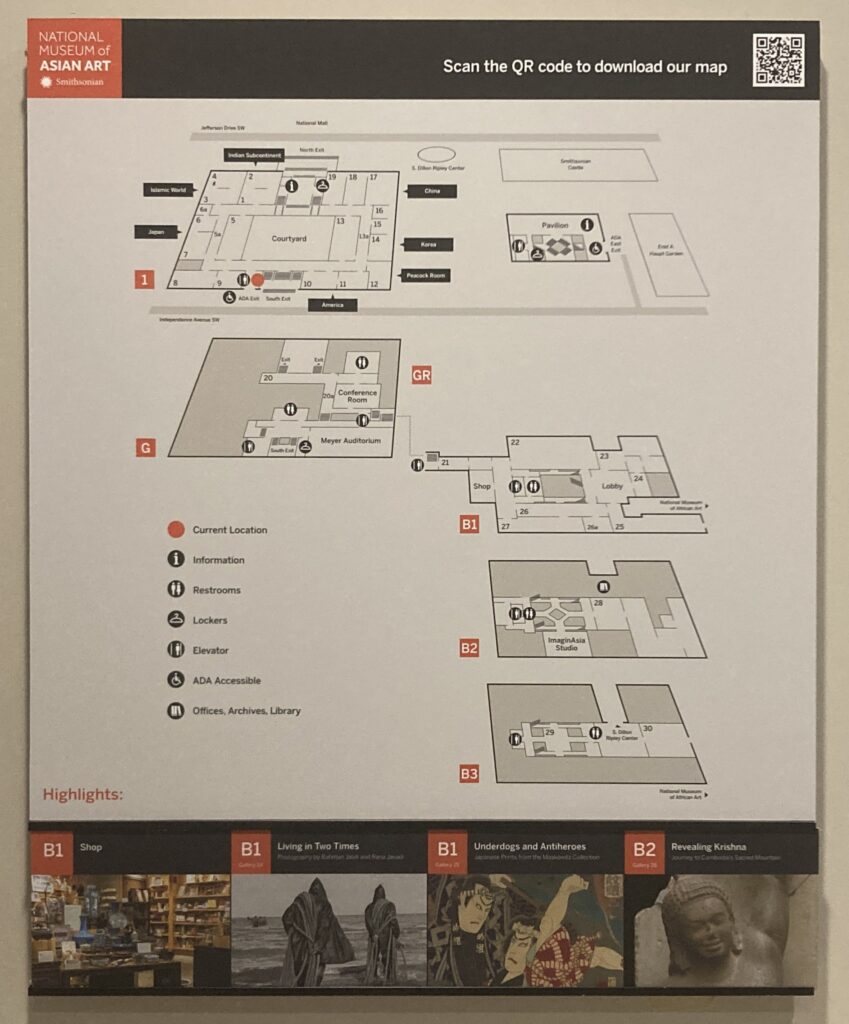
The Freer Gallery features works from China, Egypt, the Indian subcontinent, Japan, Korea, and the Islamic world.
National Museum of Asian Art – Freer Gallery
Opening Hours: Open Daily 10:00am-5:30pm, Closed December 25
Admission: Free
Location: Jefferson Drive and 12th St., SW in Washington D.C.

Top Highlights of the Freer Gallery of Art
The Freer Gallery is full of quiet wonders, from ancient Asian sculptures to the iconic Peacock Room. It’s a peaceful space where art from Asia and America meet in surprisingly beautiful ways. Here are a few must-see highlights to guide your visit.

Indian Subcontinent
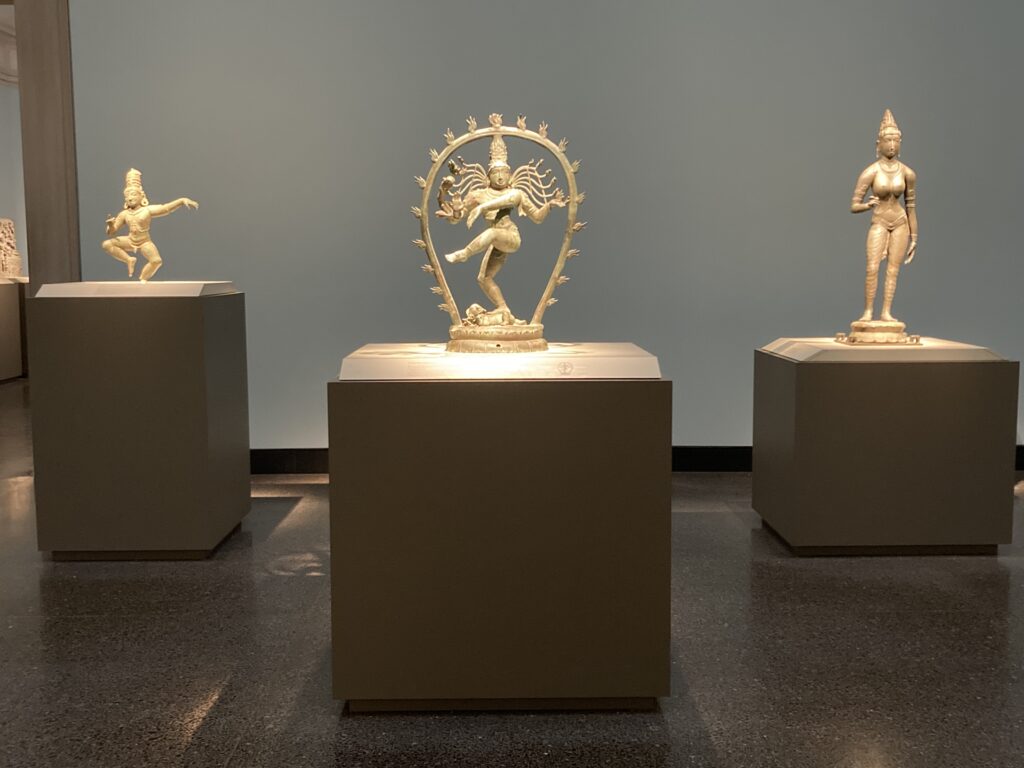
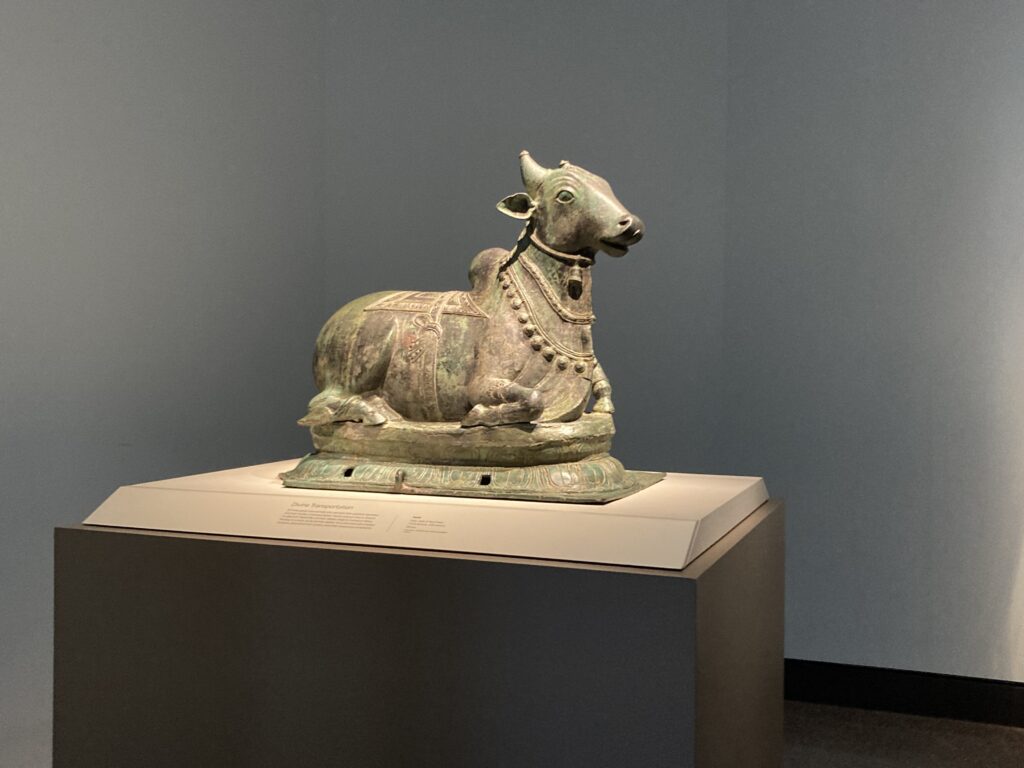
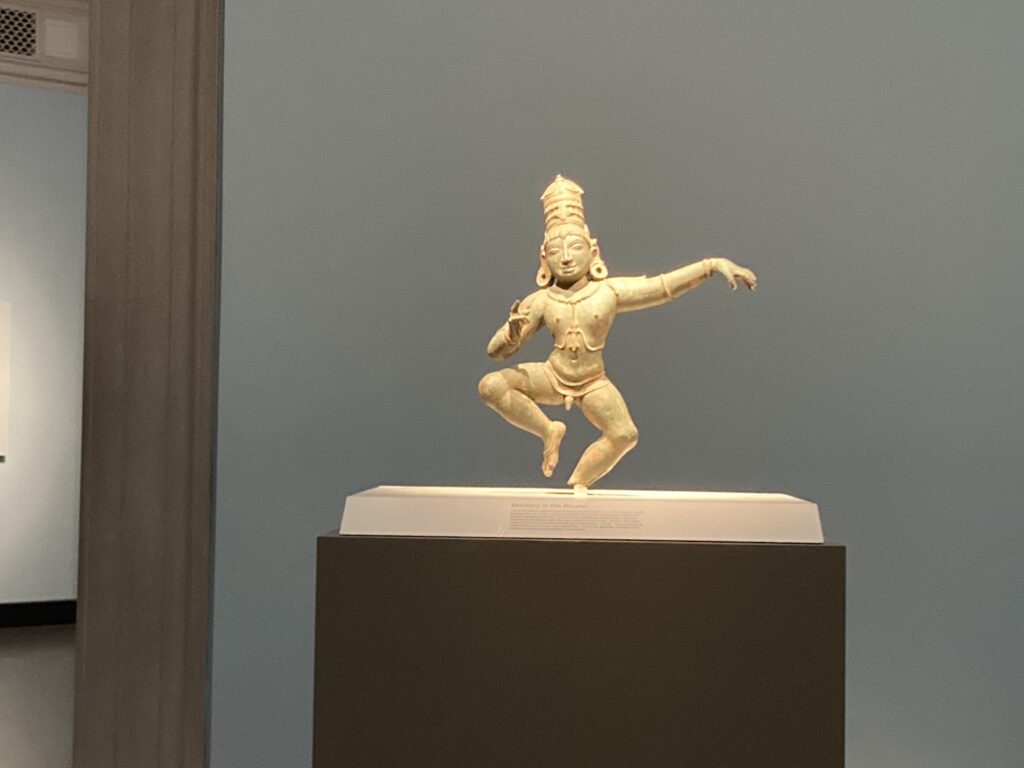
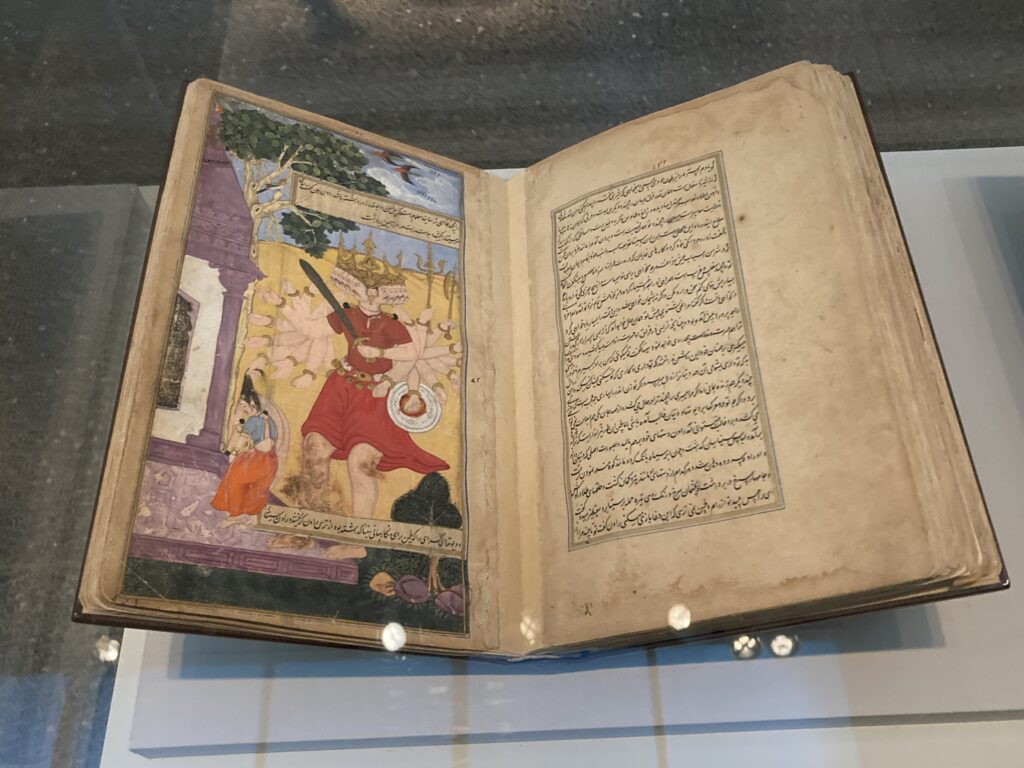
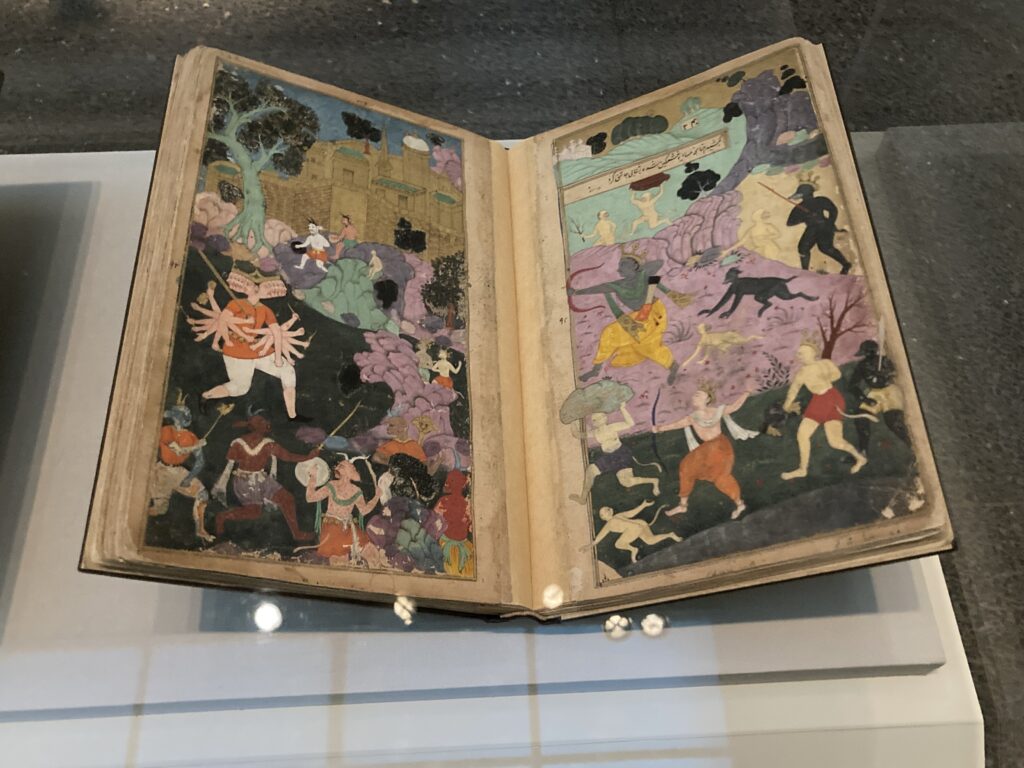
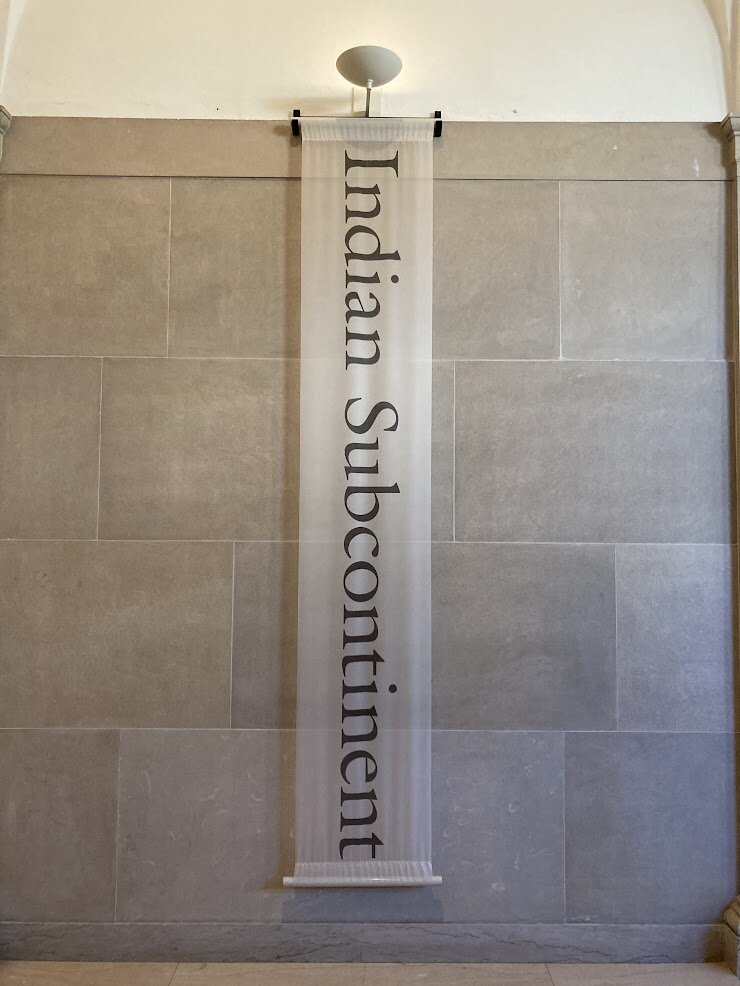
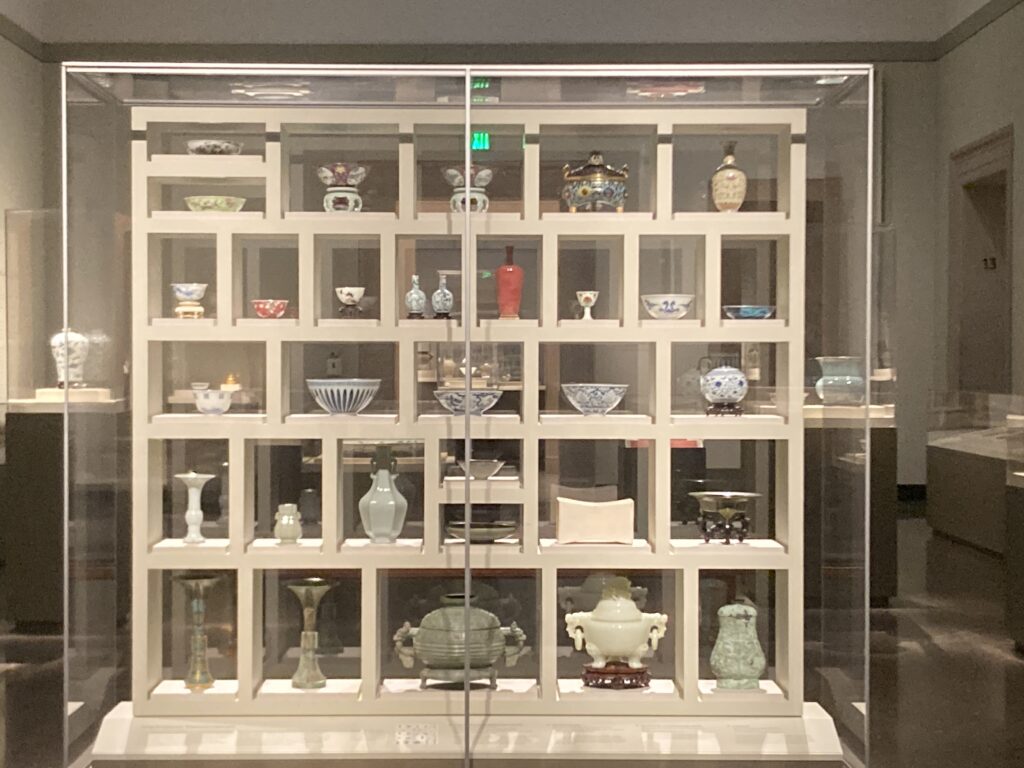
The Indian Subcontinent exhibition showcases the extraordinary range of South Asian and Himalayan art.
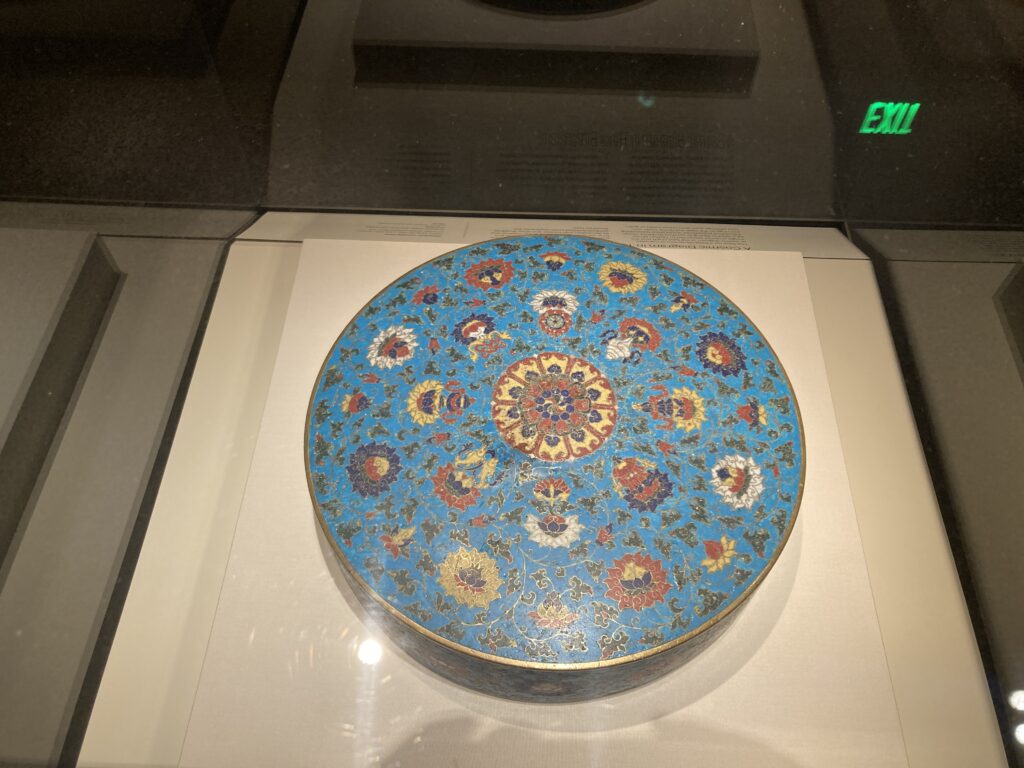
It features beautiful Buddhist, Jain, Hindu, and Islamic objects. And masterpieces of Mughal and Rajput paintings. As well as lavishly decorated court arts and daggers made for the Mughal emperors.

The Indian Subcontinent exhibition The Indian Subcontinent exhibition The Indian Subcontinent exhibition The Indian Subcontinent exhibition The Indian Subcontinent exhibition The Indian Subcontinent exhibition The Indian Subcontinent exhibition The Indian Subcontinent exhibition The Indian Subcontinent exhibition
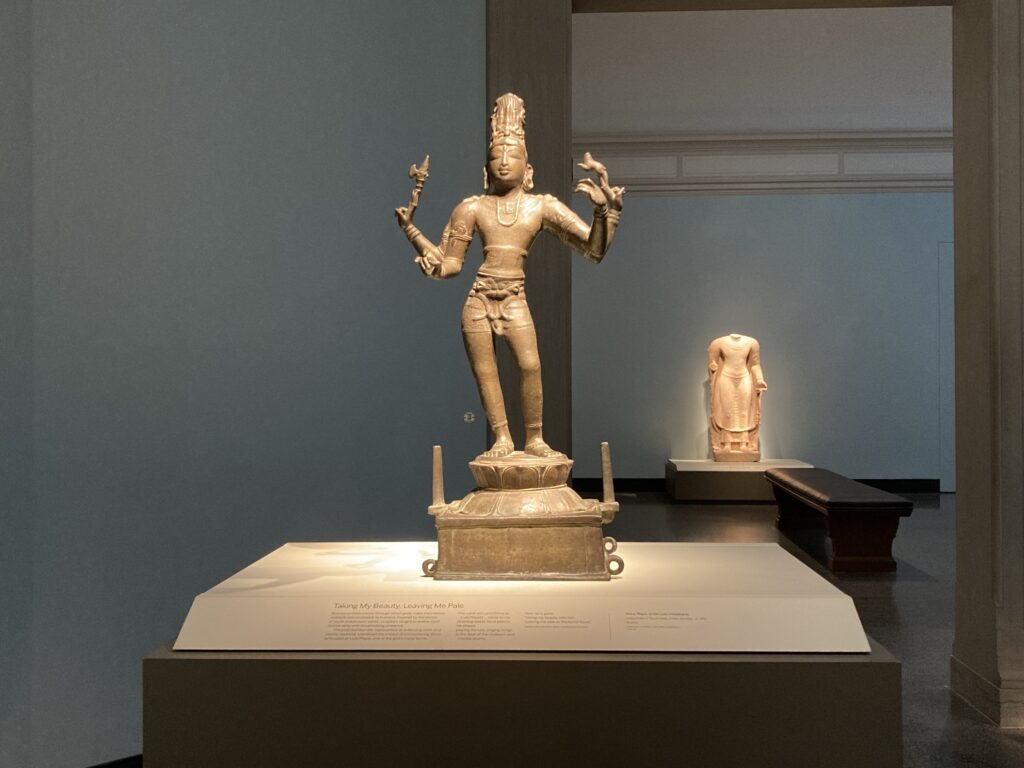
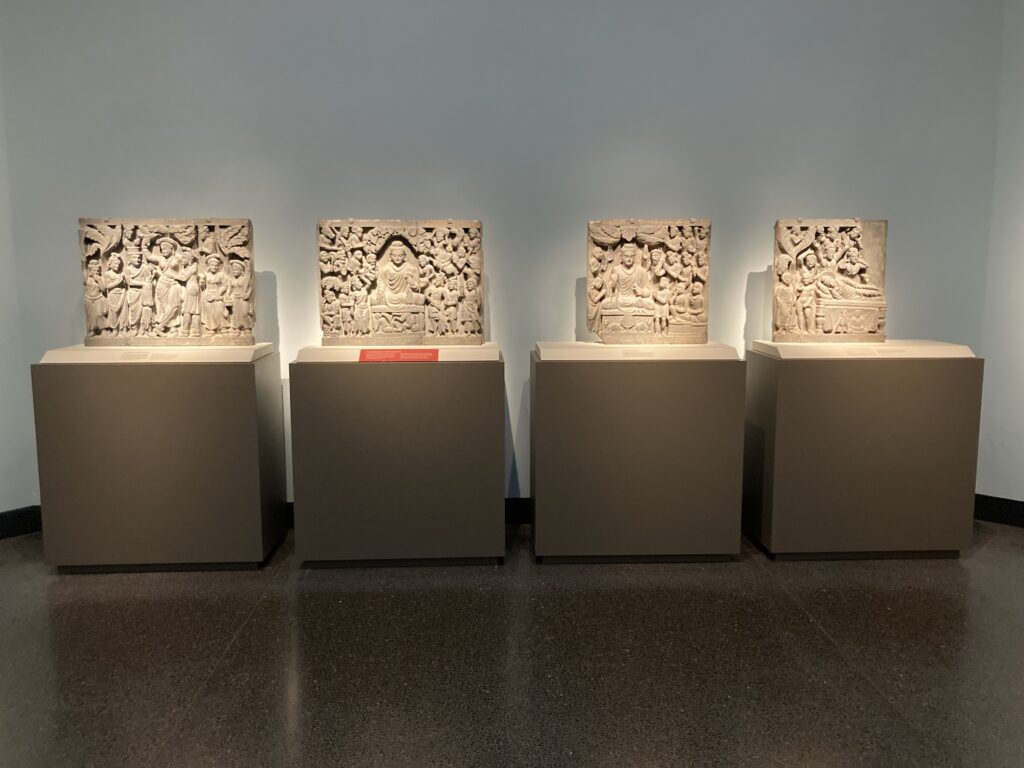

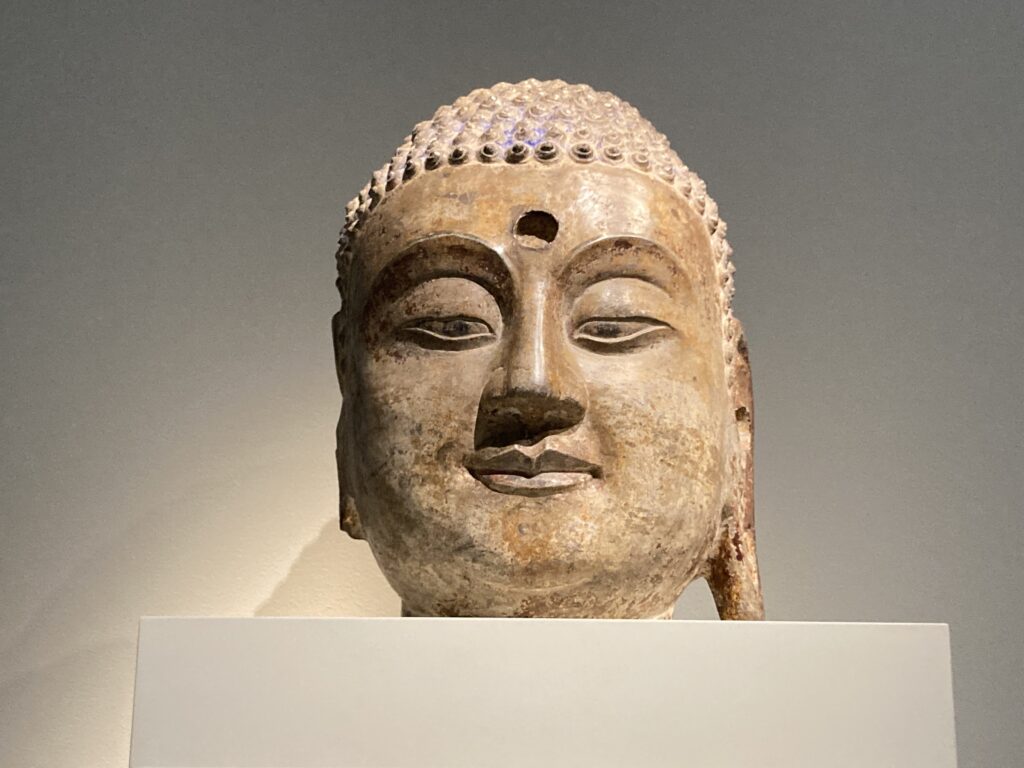
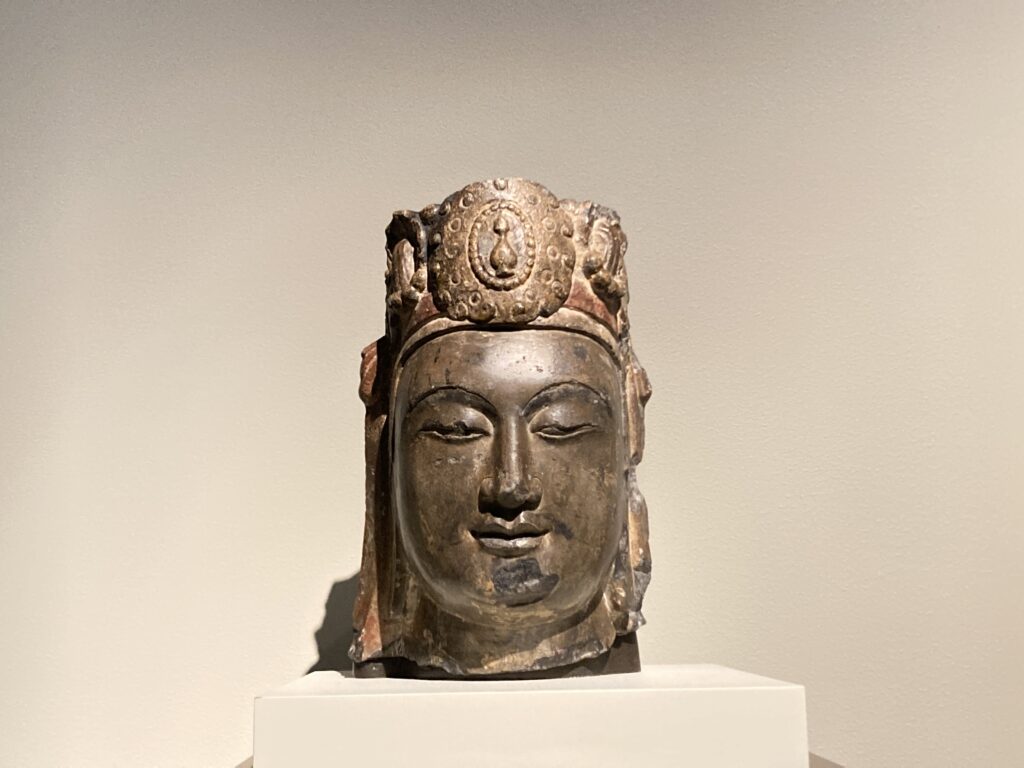
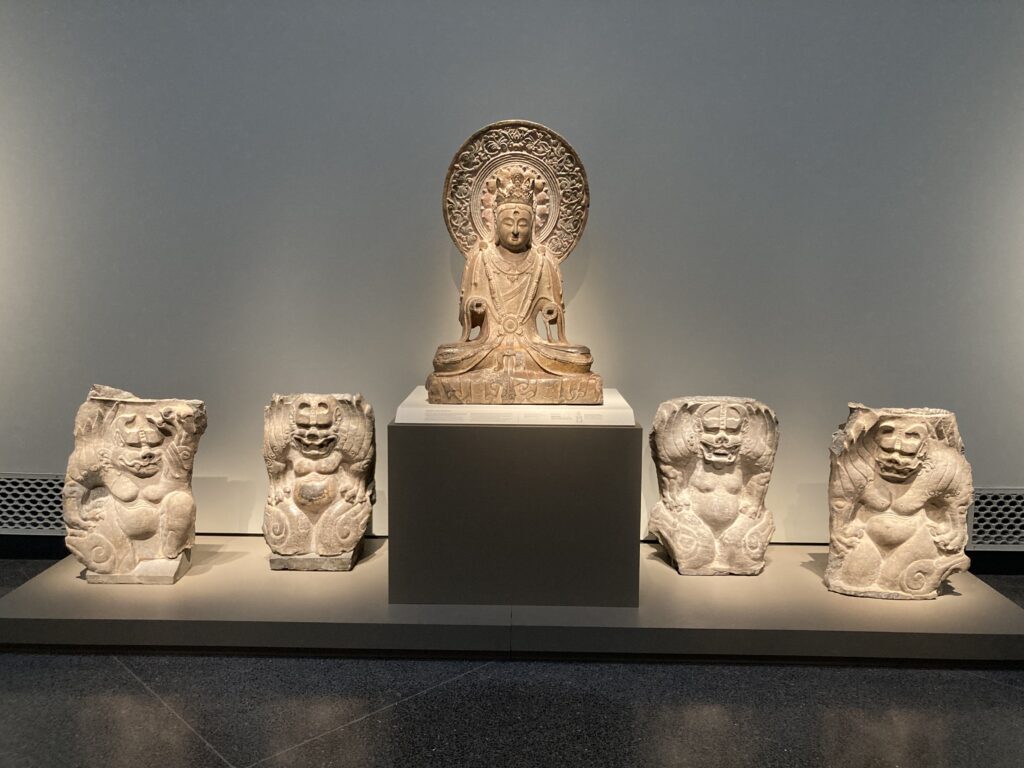
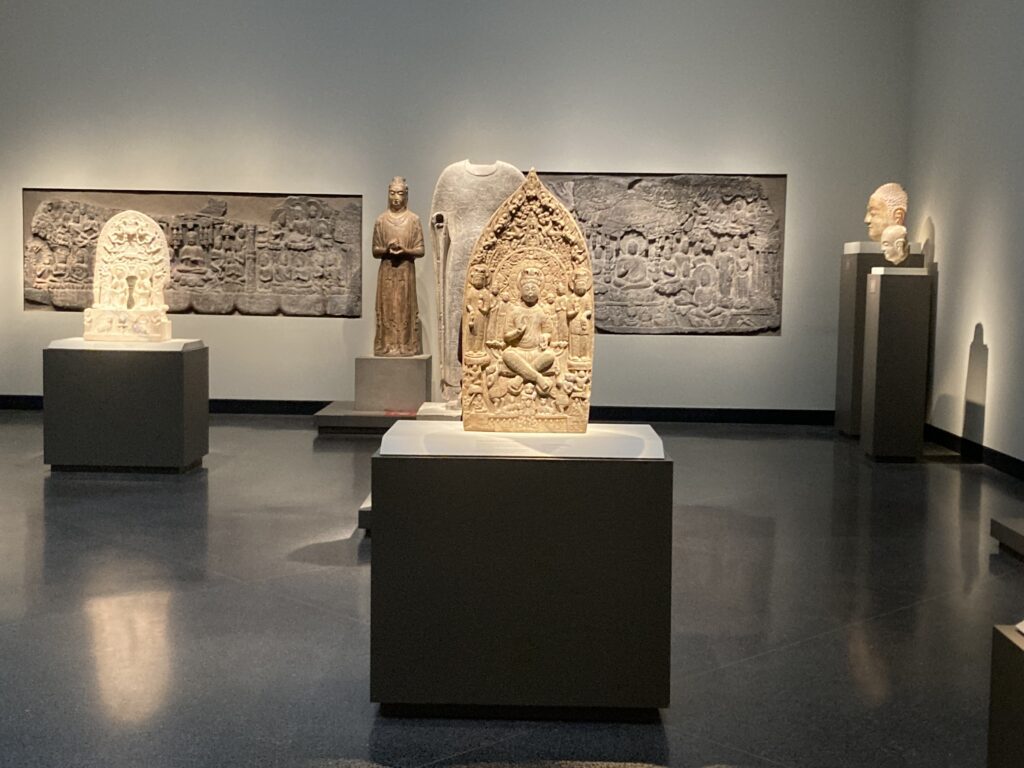
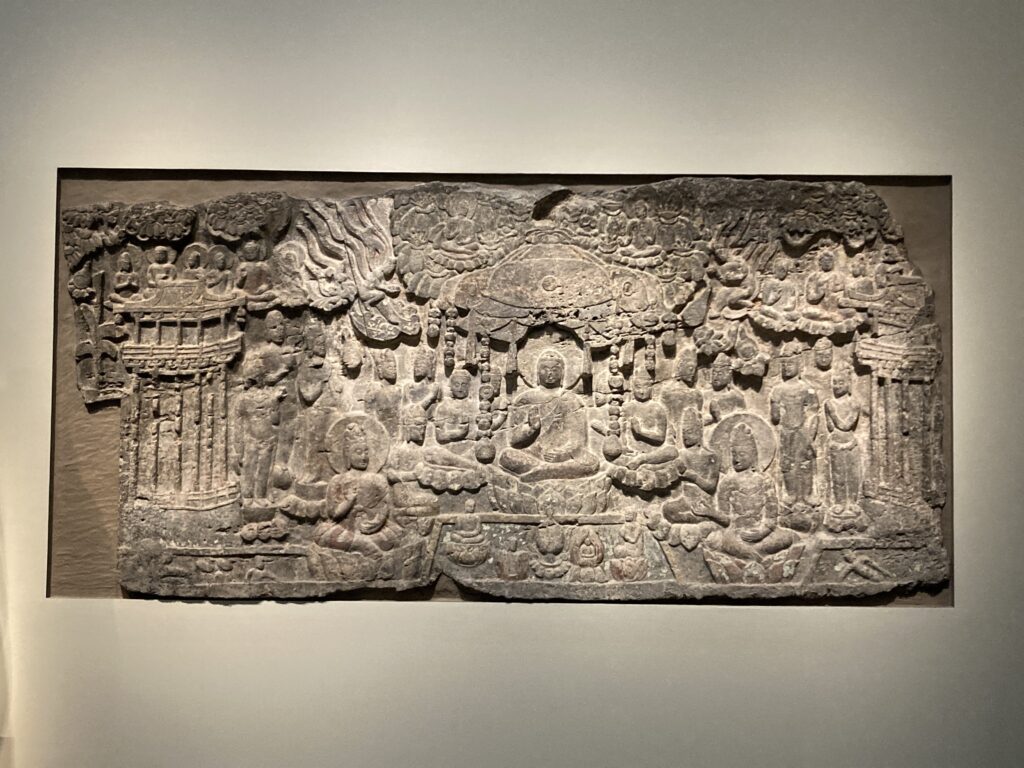
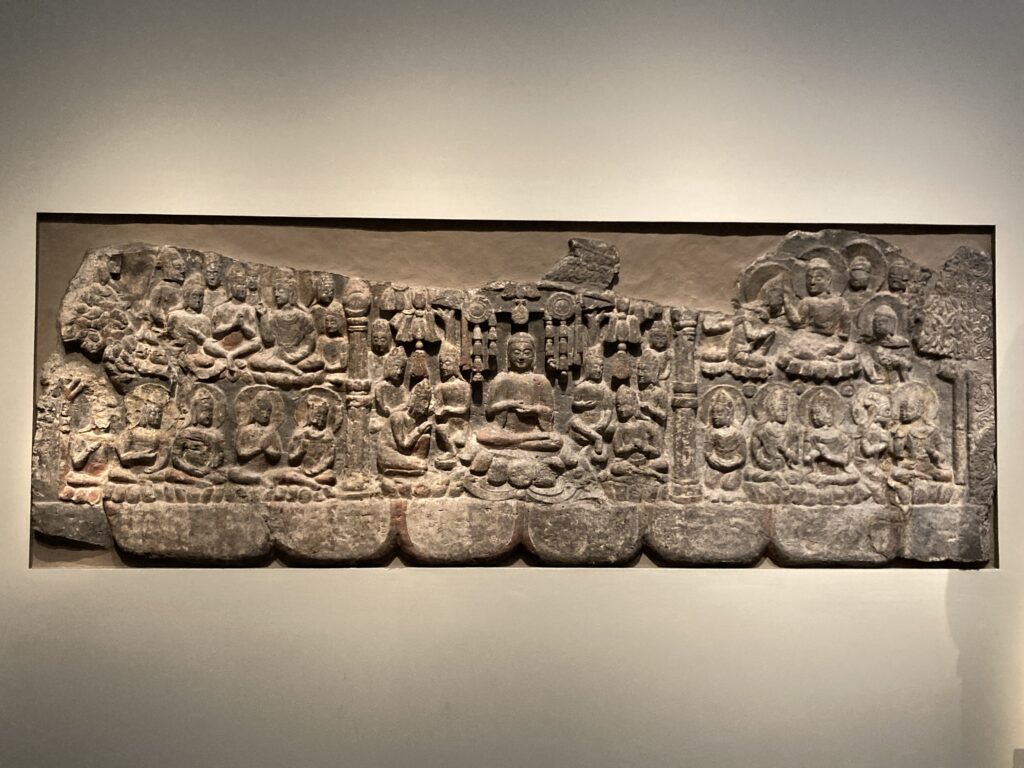
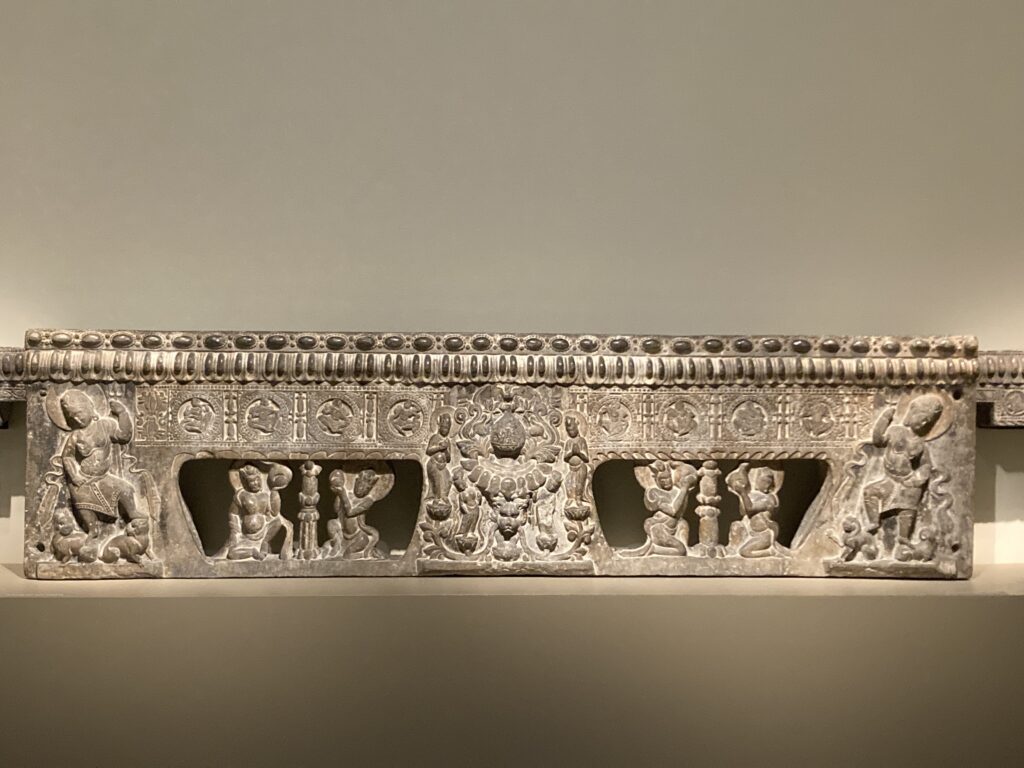
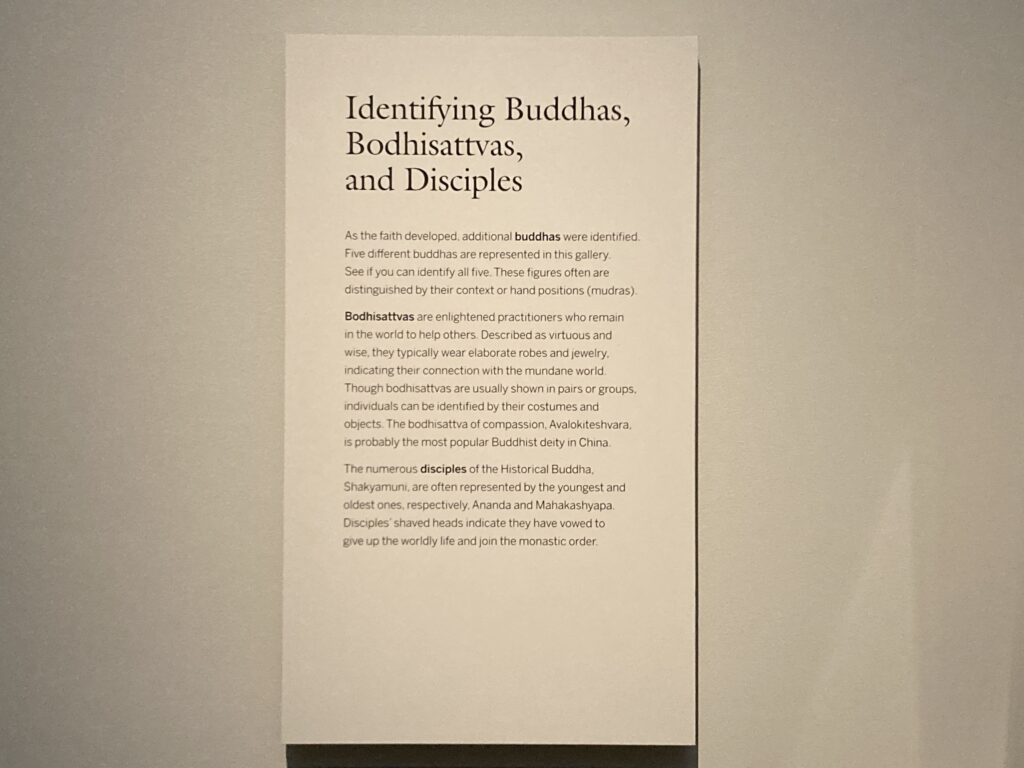
Buddhas
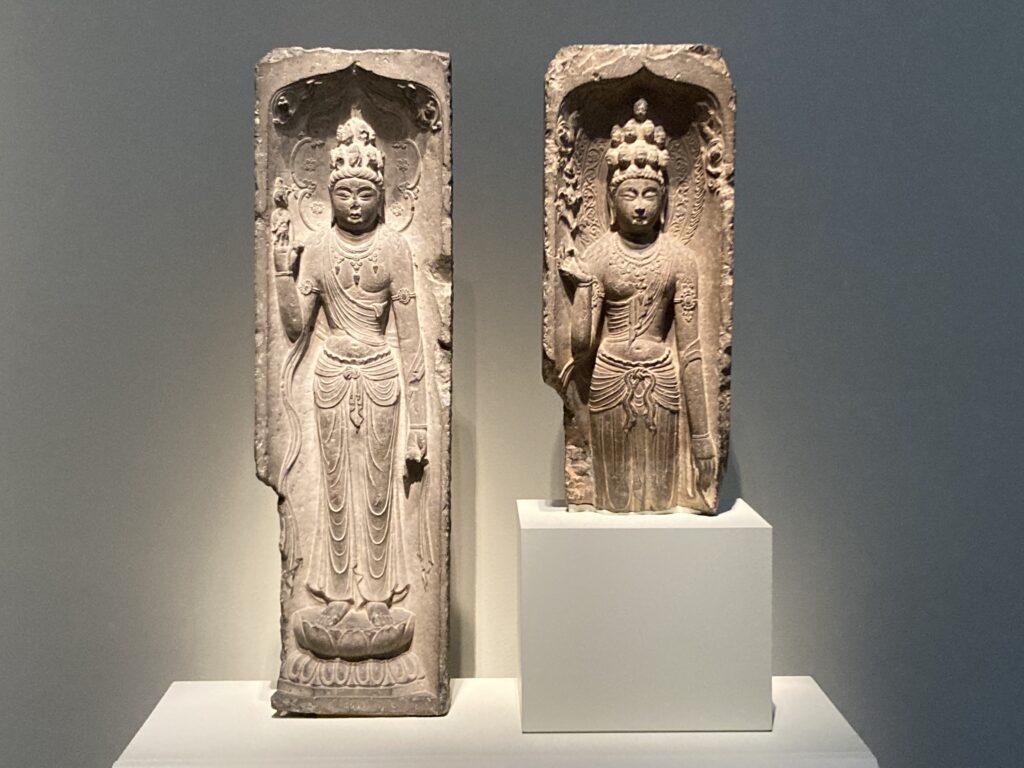
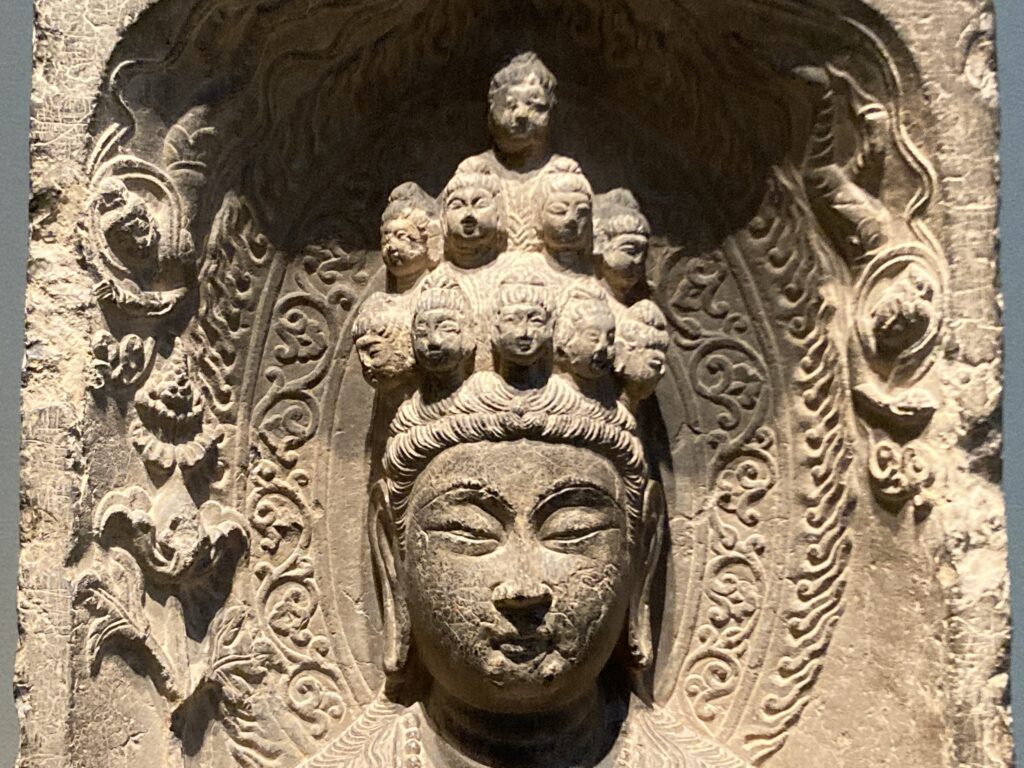
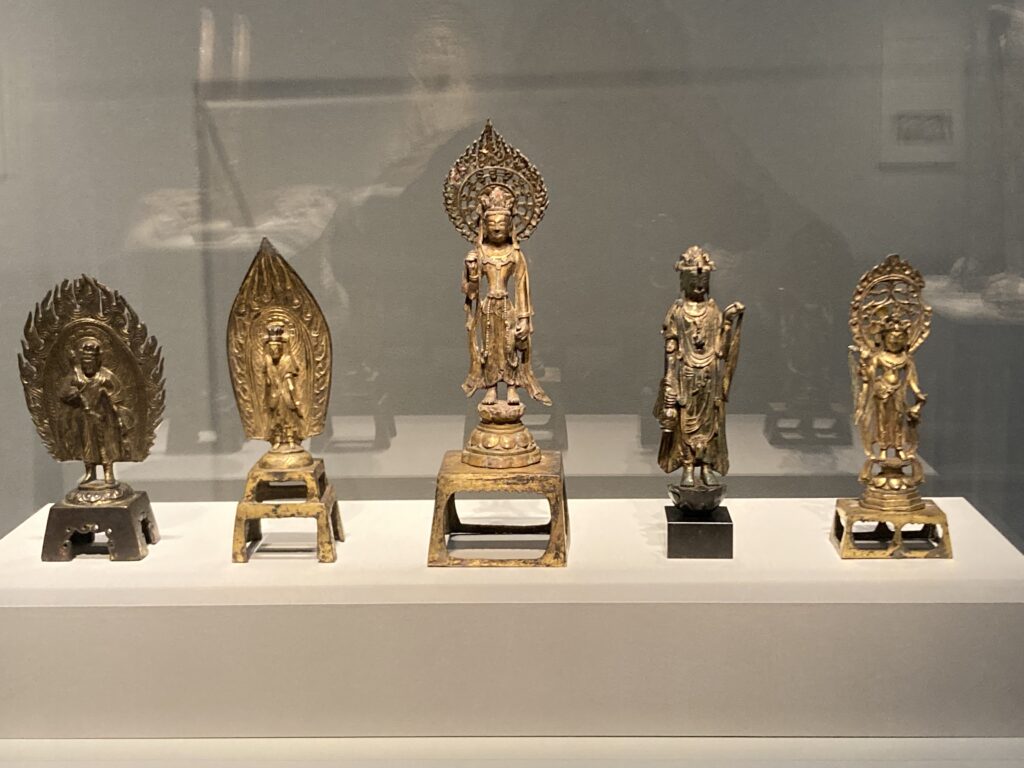
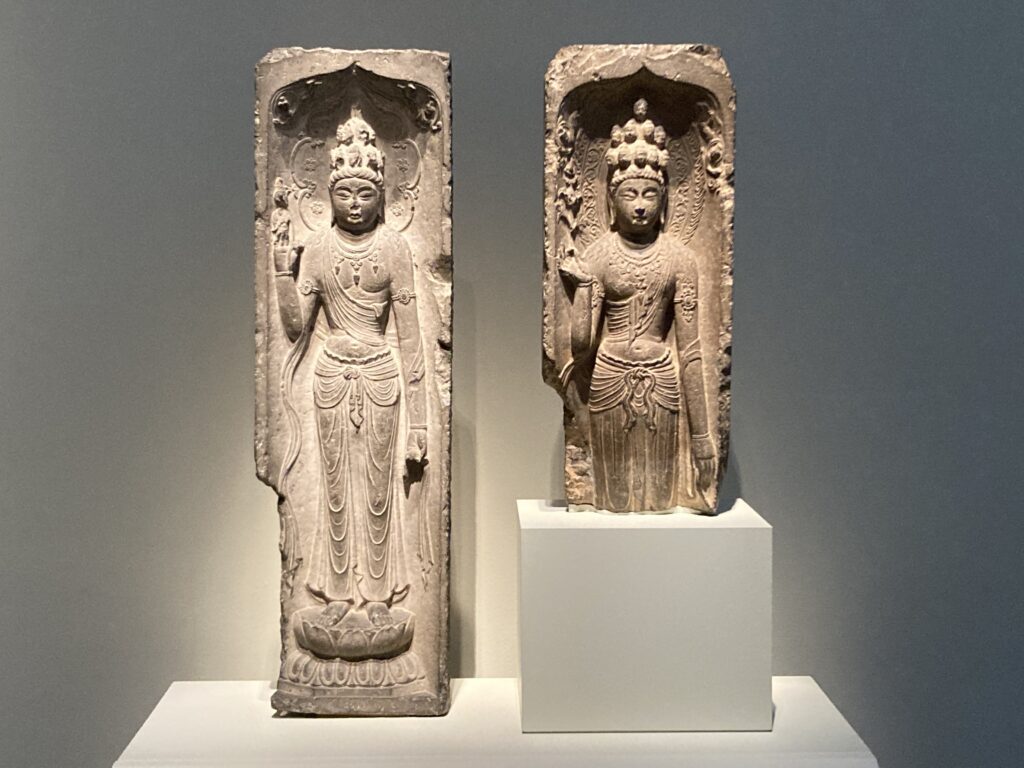
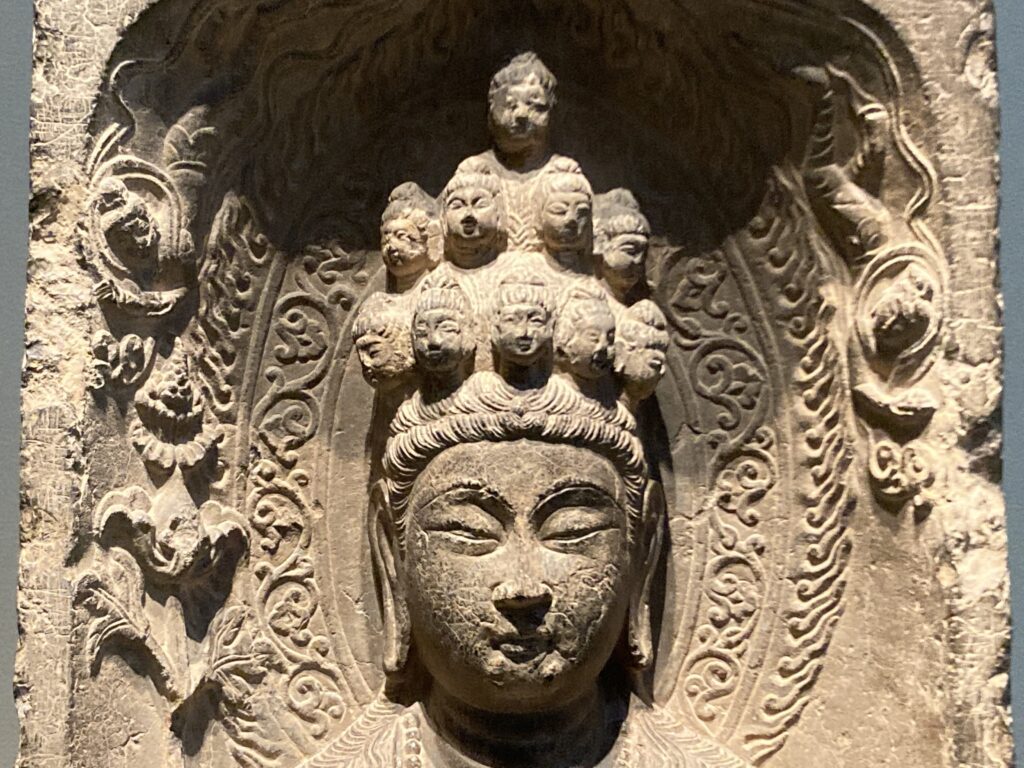
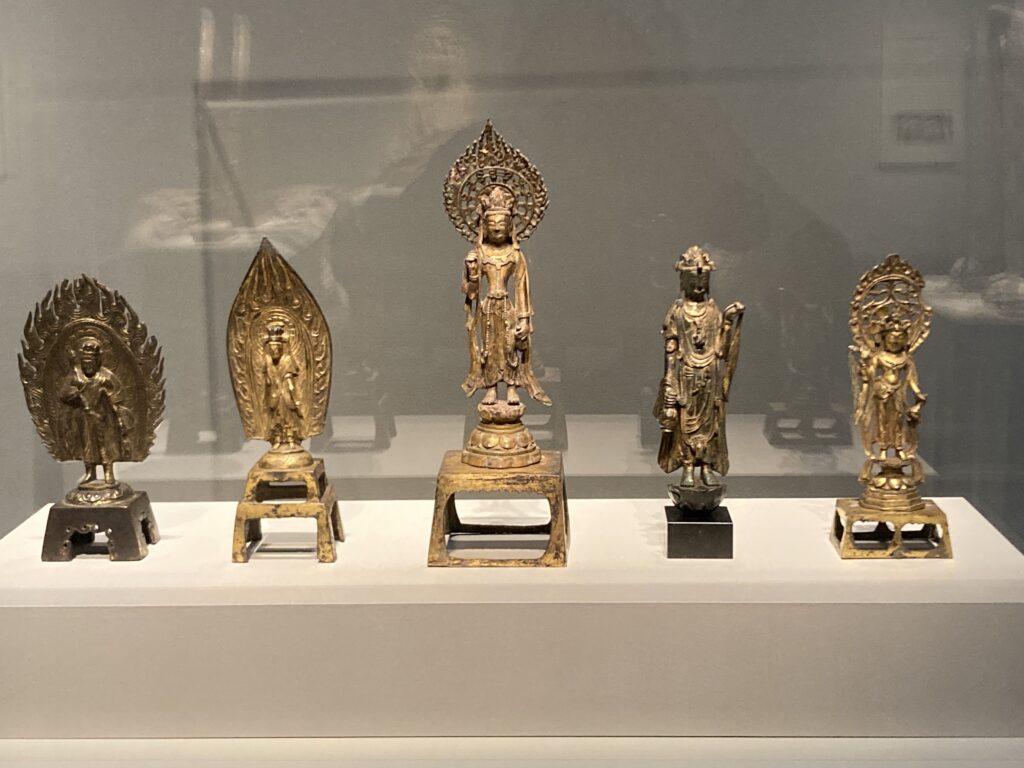
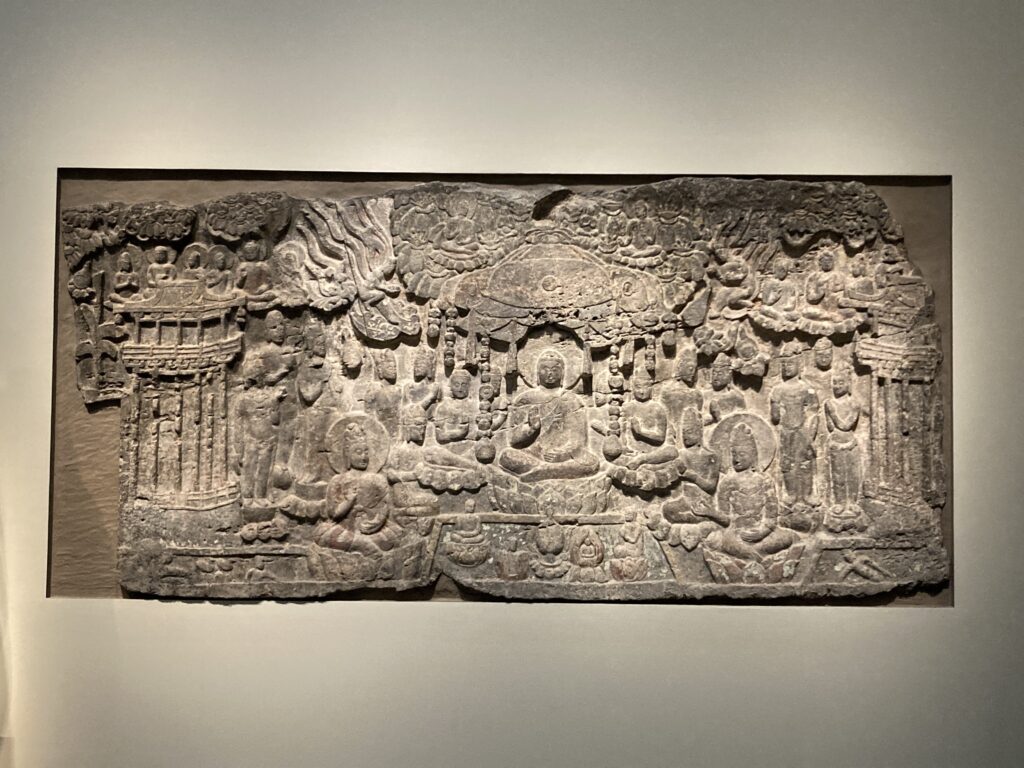
The Buddhist exhibit charts the emergence of the Buddha image in India and its transmission throughout Asia. It includes Budhhist images from Nepal, Tibet, Southeast Asia, and China.
Also on view are several Rajput paintings on the theme of love, which demonstrate the bold colors and rhythmic compositions of the Hindu court.
Japan
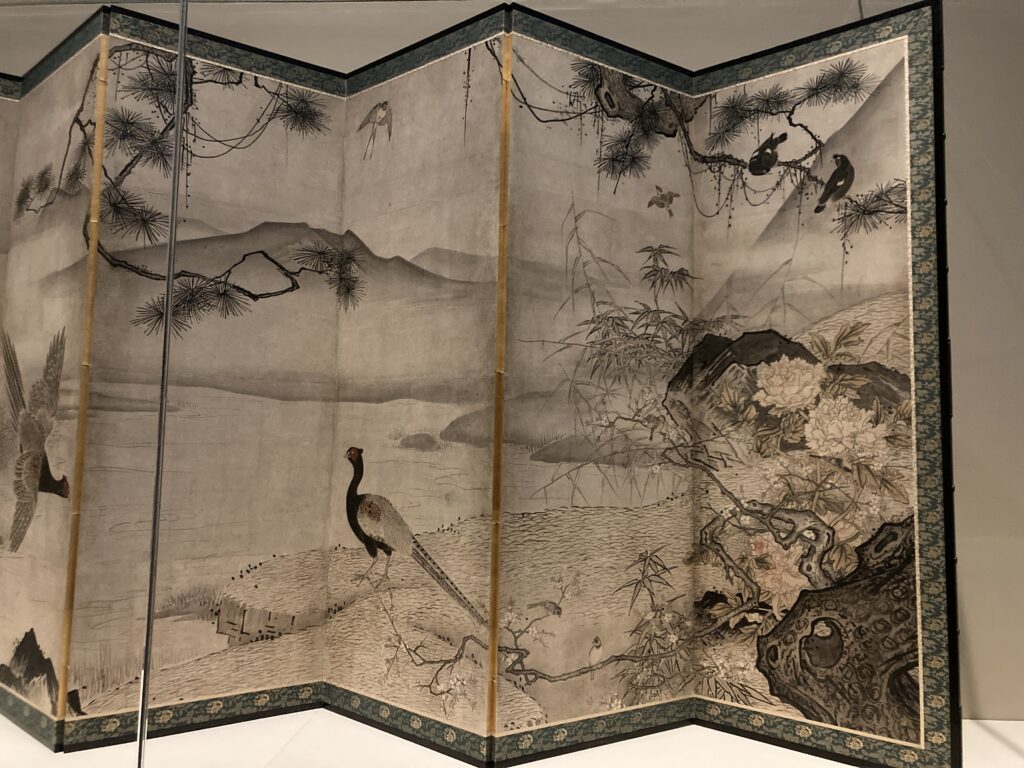
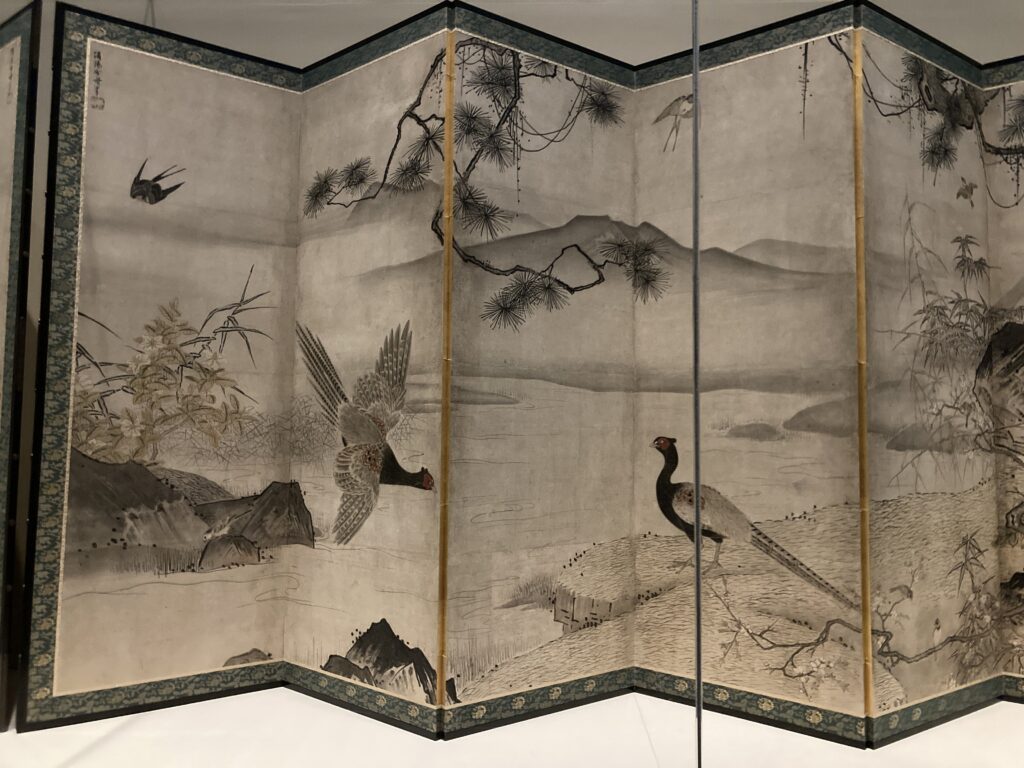
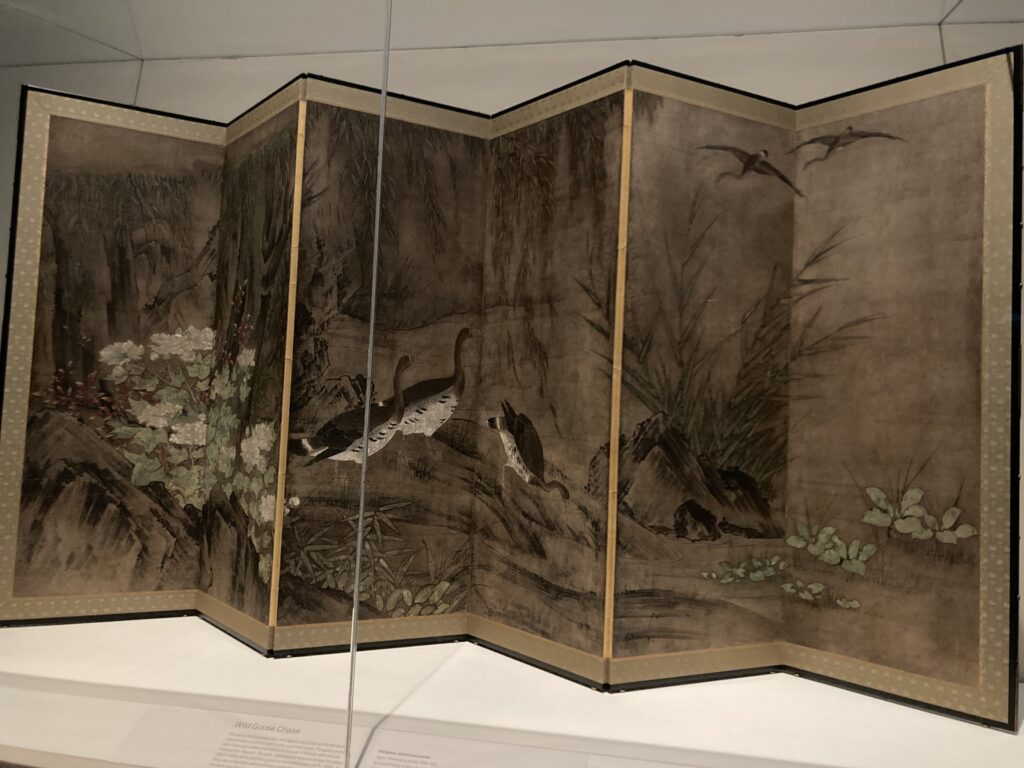
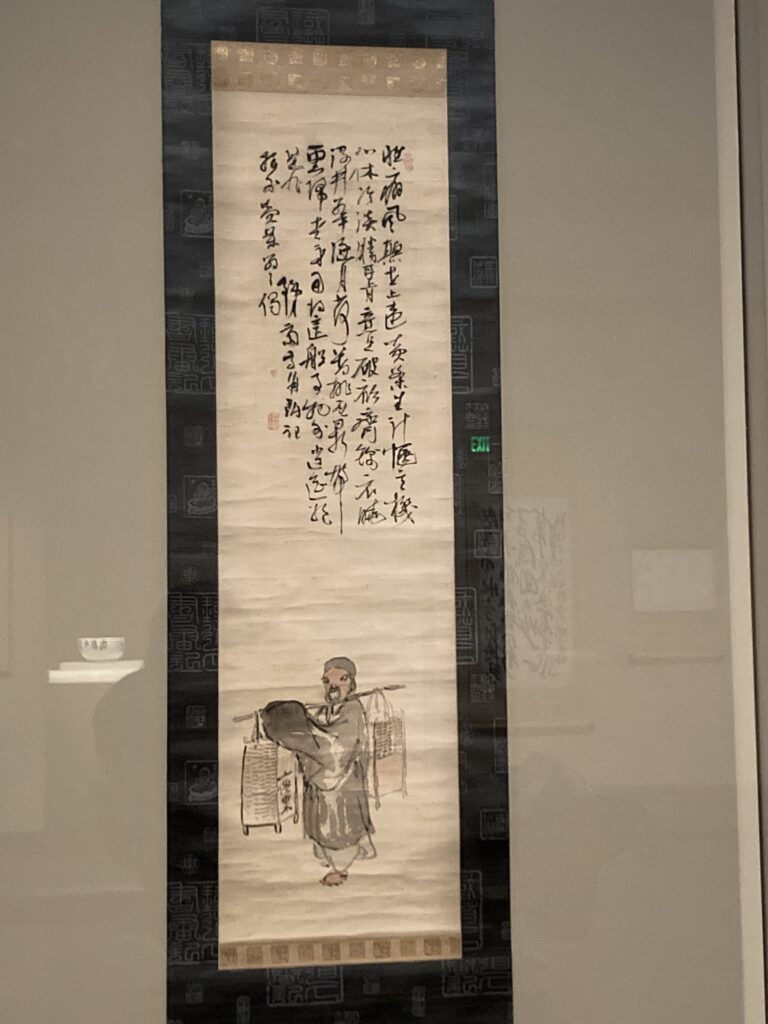
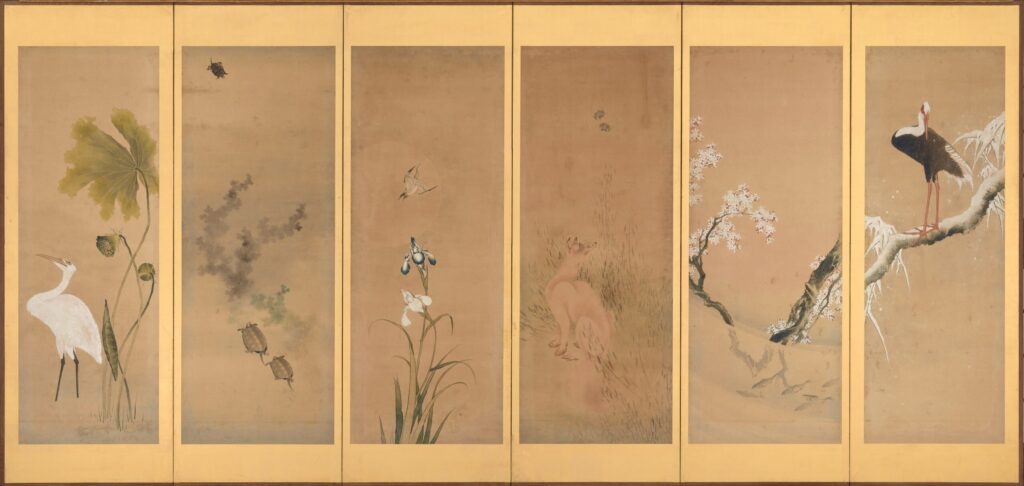
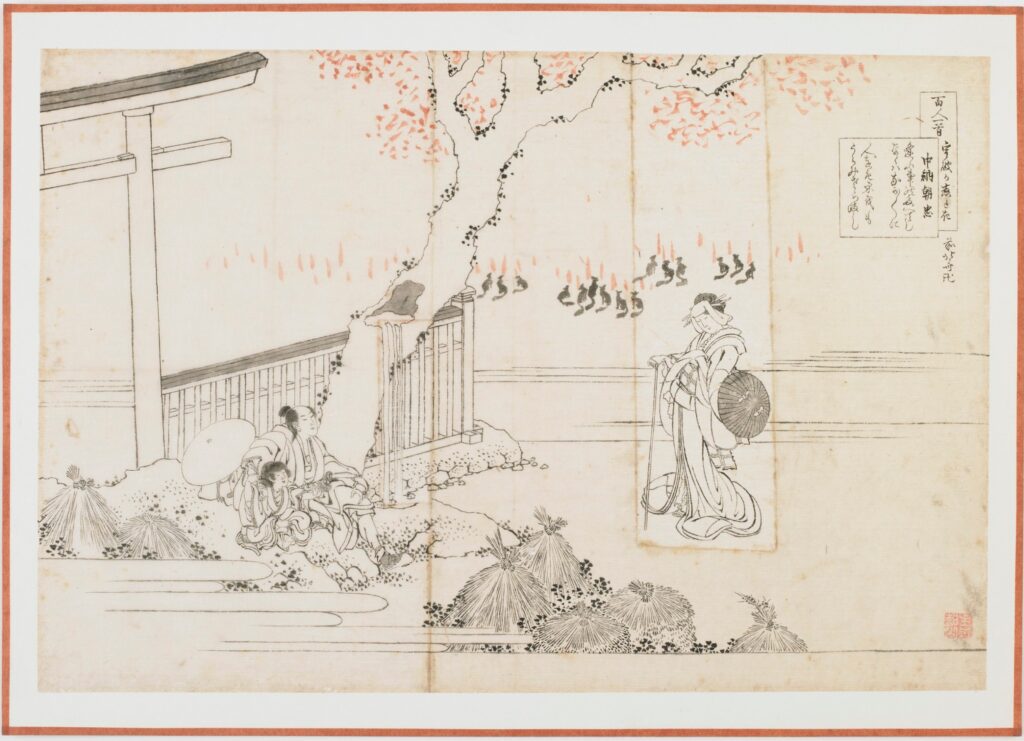
Bird and flower themed paintings began to appear in Japan during the Heian period (794–1185)
The Feathered Ink exhibition explores how Japanese artists have experimented over several centuries with different brush techniques in their depictions of avian subjects. The exhibition includes hanging scroll paintings, folding screens, ceramics, and printed books.
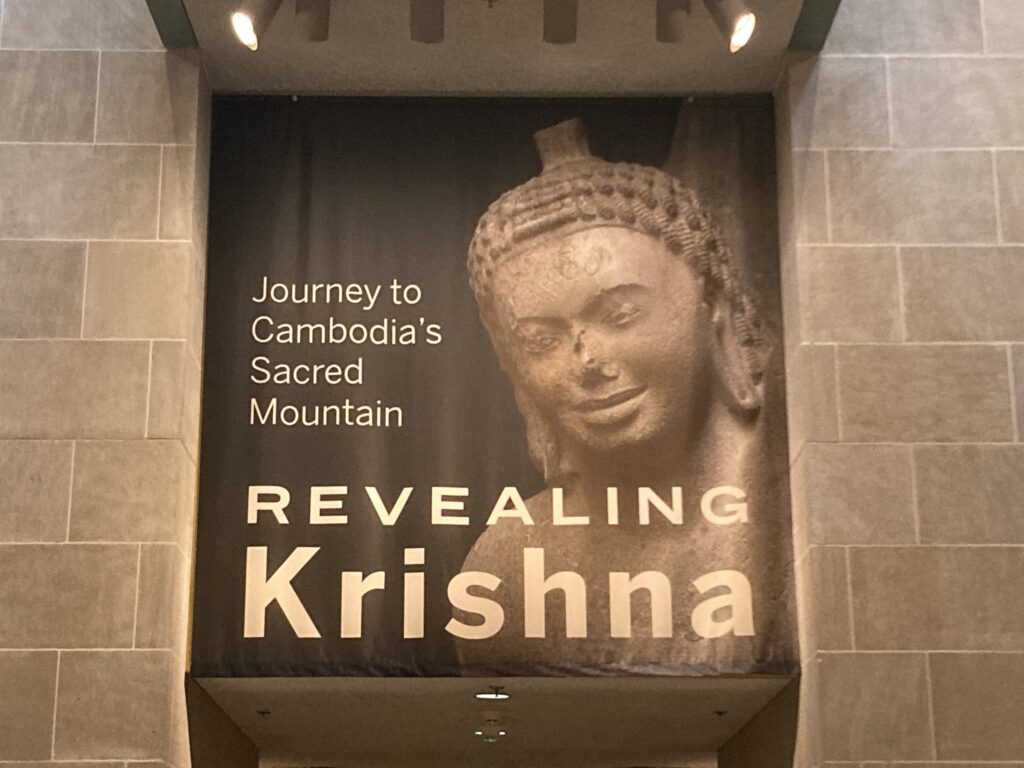
Revealing Krishna
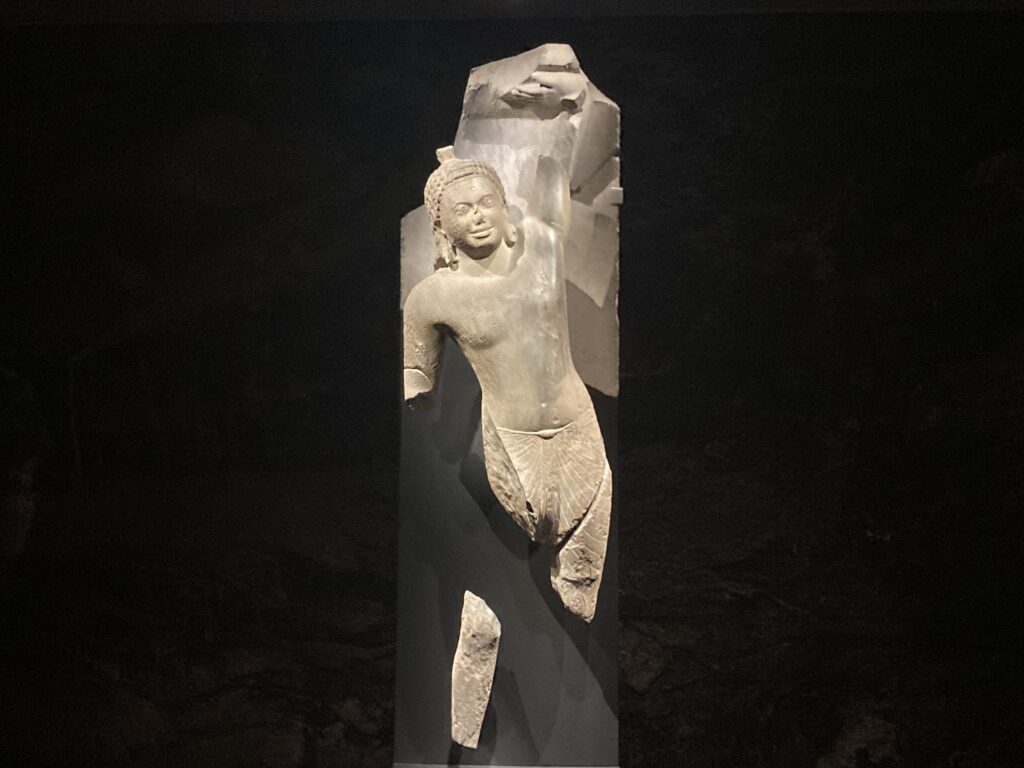
Revealing Krishna is a monumental sculpture of the Hindu god Krishna. The deity is lifting Mount Govardhan to protect his people from a torrential storm sent by an angry god.
The statue was literally built into a mountain. This larger than life-size sculpture is one of 8 monumental deity figures recovered from cave temples on Phnom Da mountain near the ancient metropolis of Angkor Borei.
The exhibition includes an original short film directed by renowned Cambodian American film maker PraCh Ly. Titled Satook, a word of blessing spoken at the end of Cambodian prayers, the film examines the role of ancient sacred sites in present-day religious landscapes, and the transformation of religious traditions in Cambodian American diaspora communities.
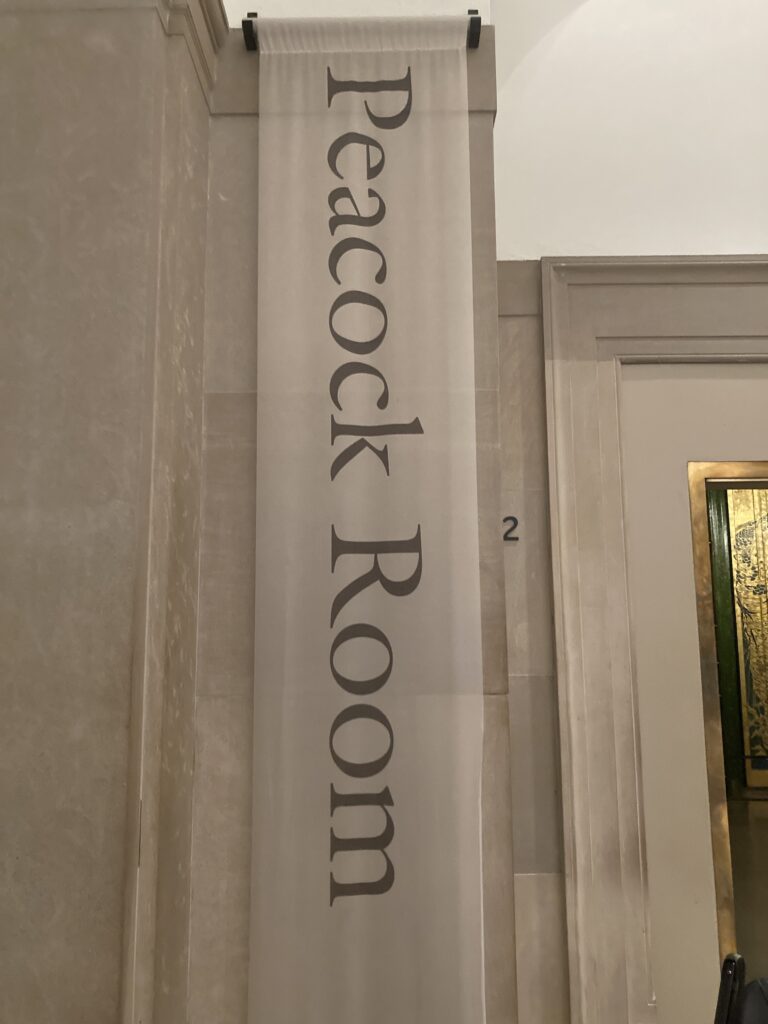
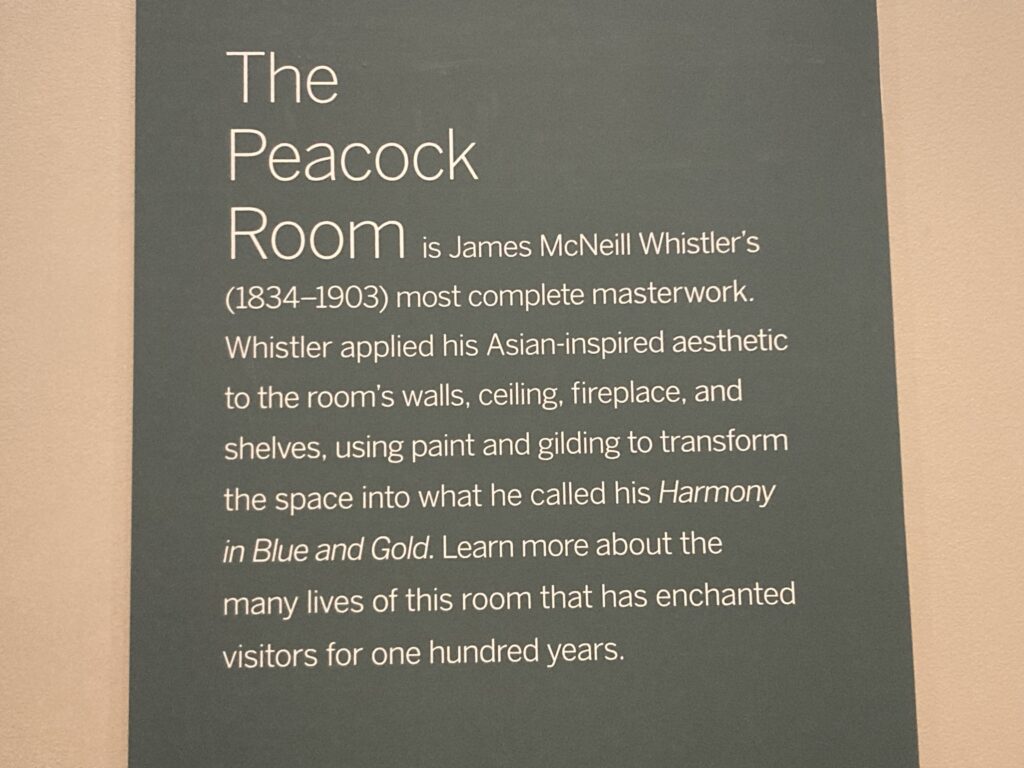
The Peacock Room
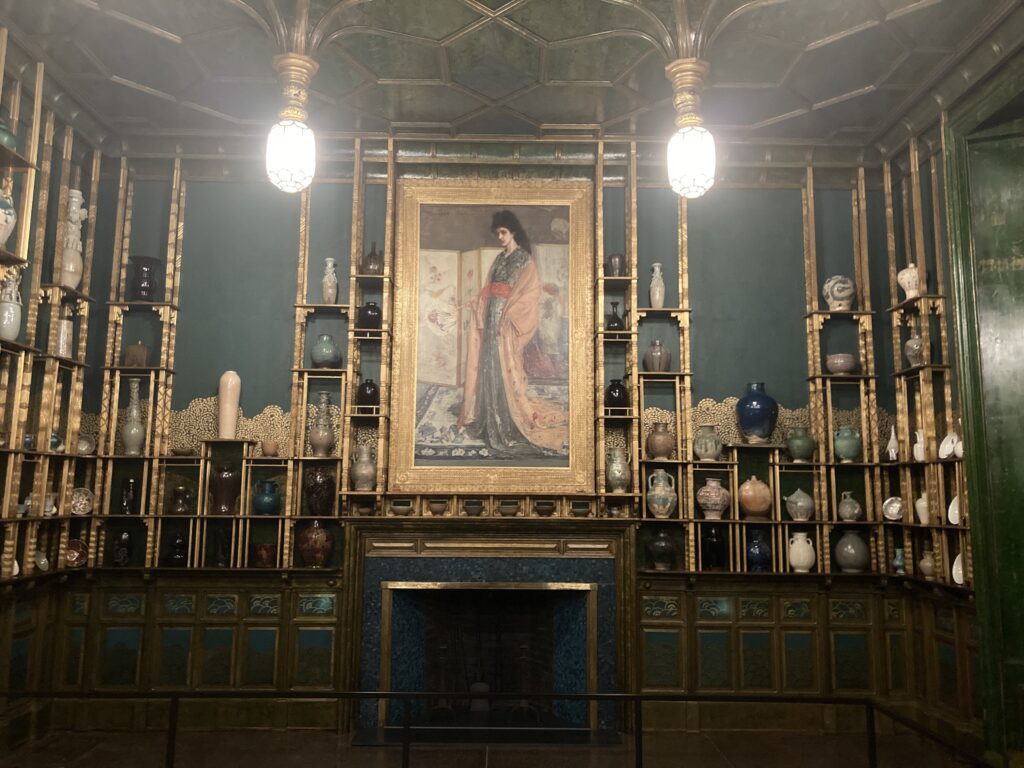
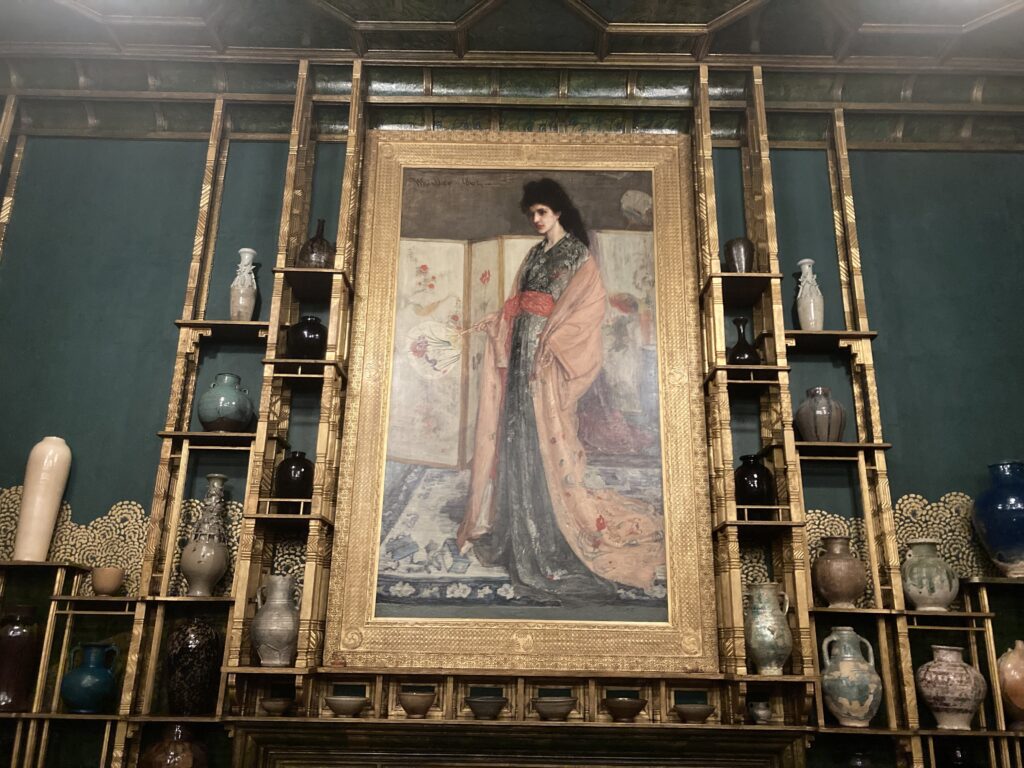
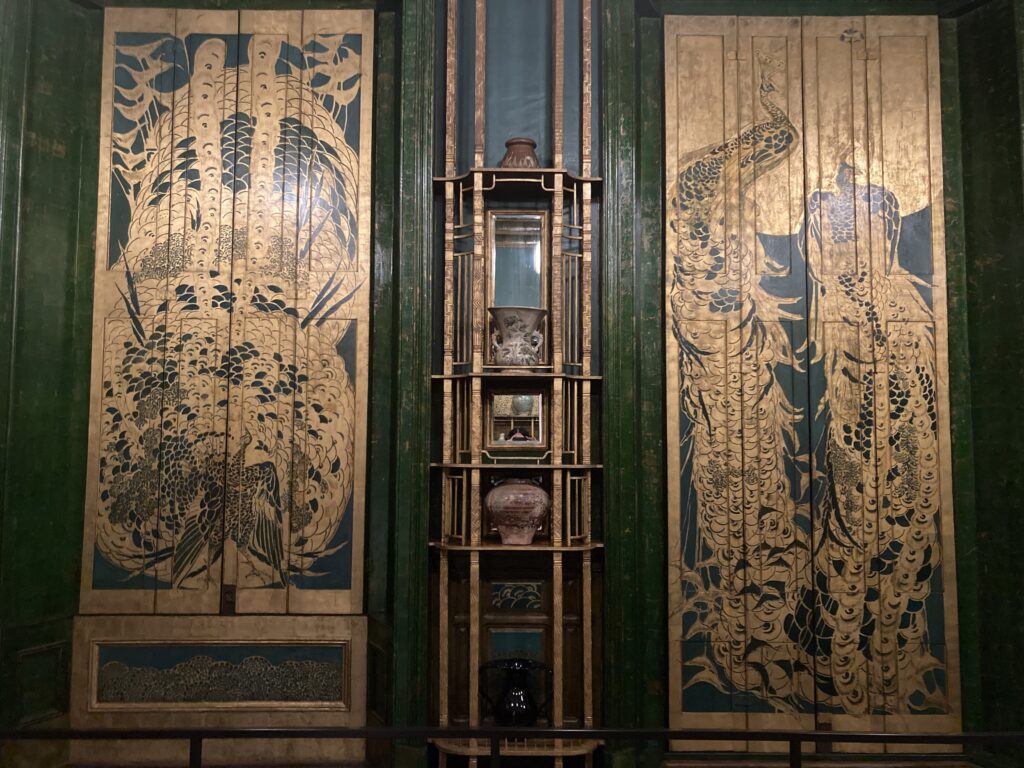
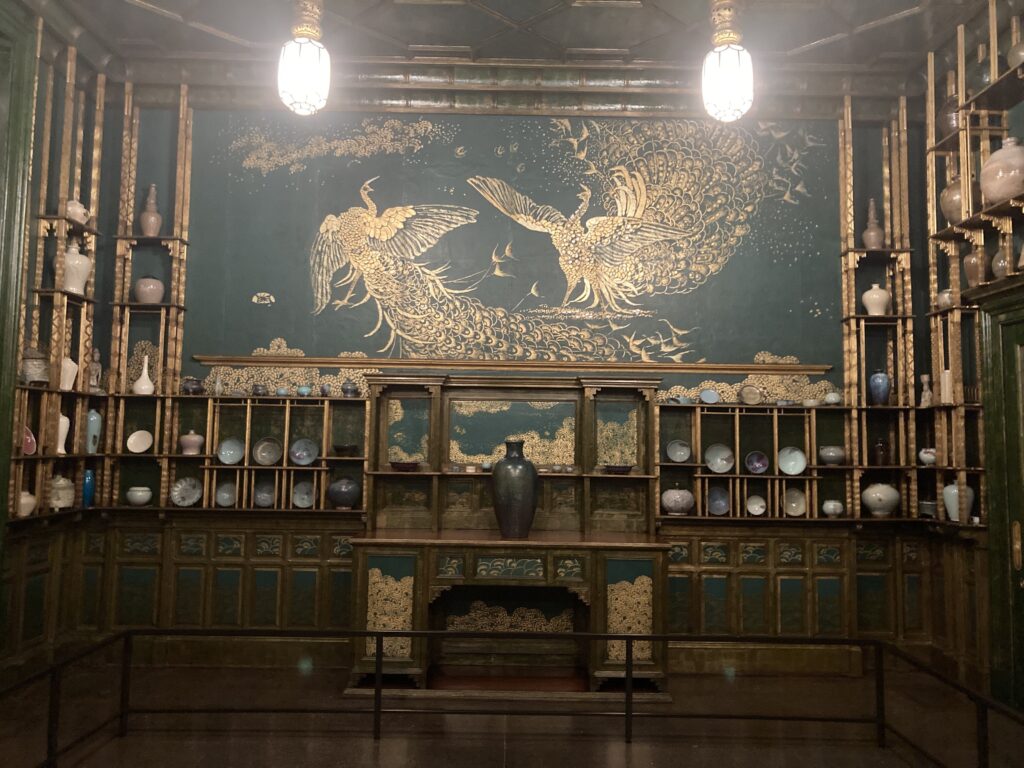
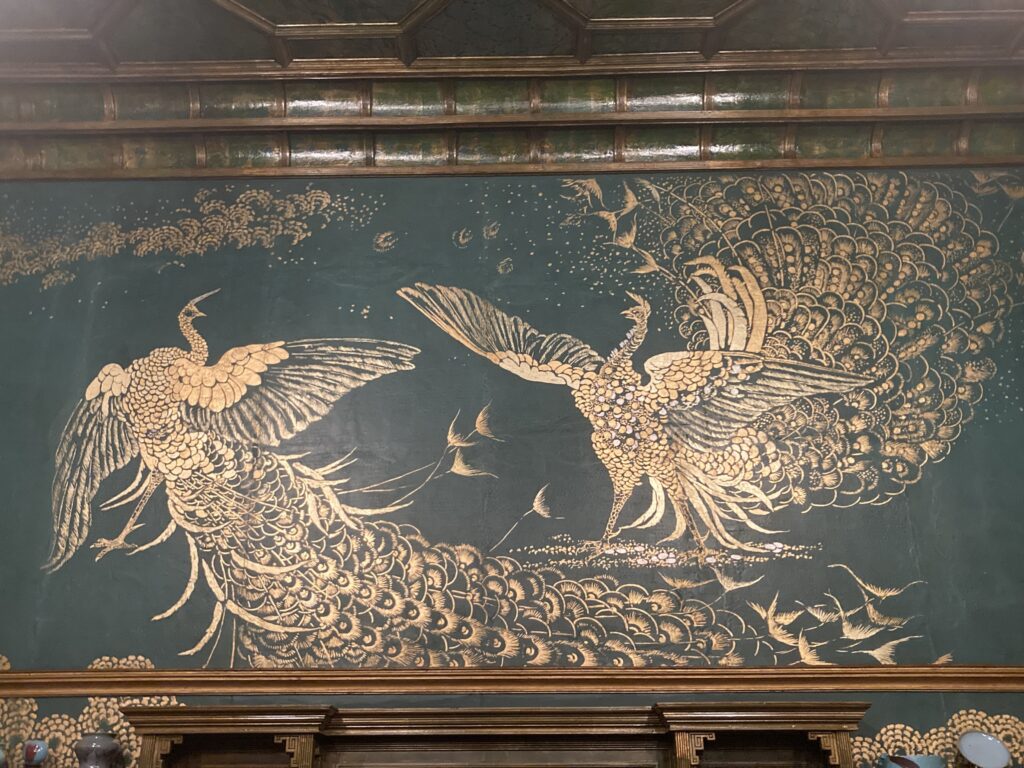
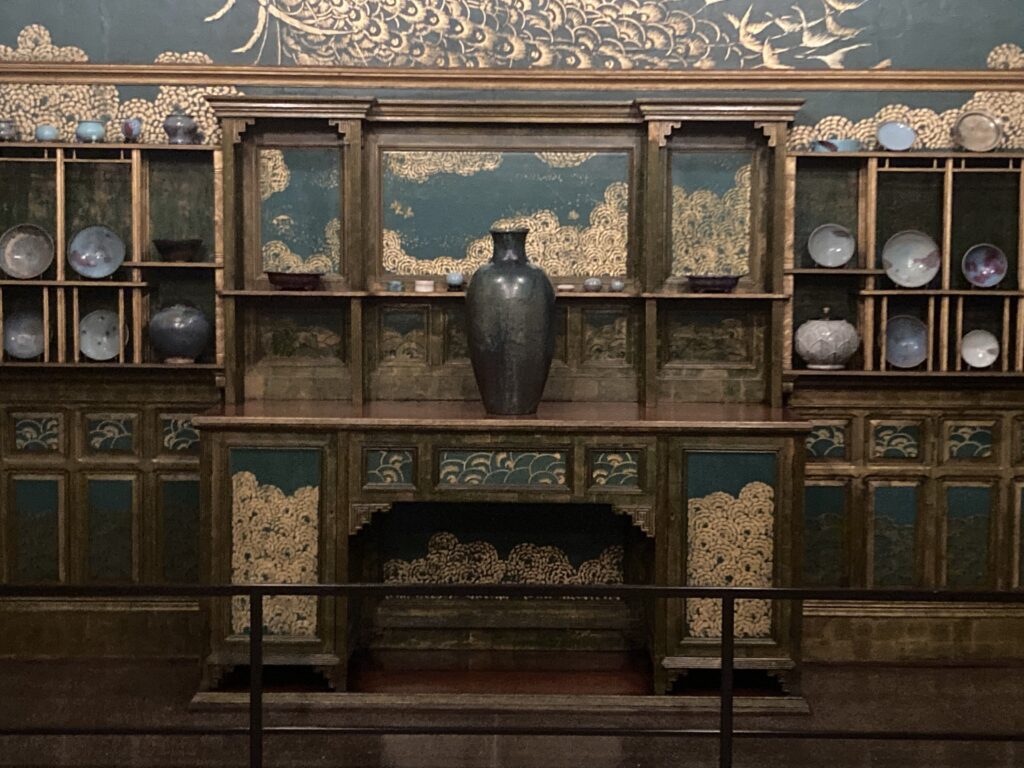
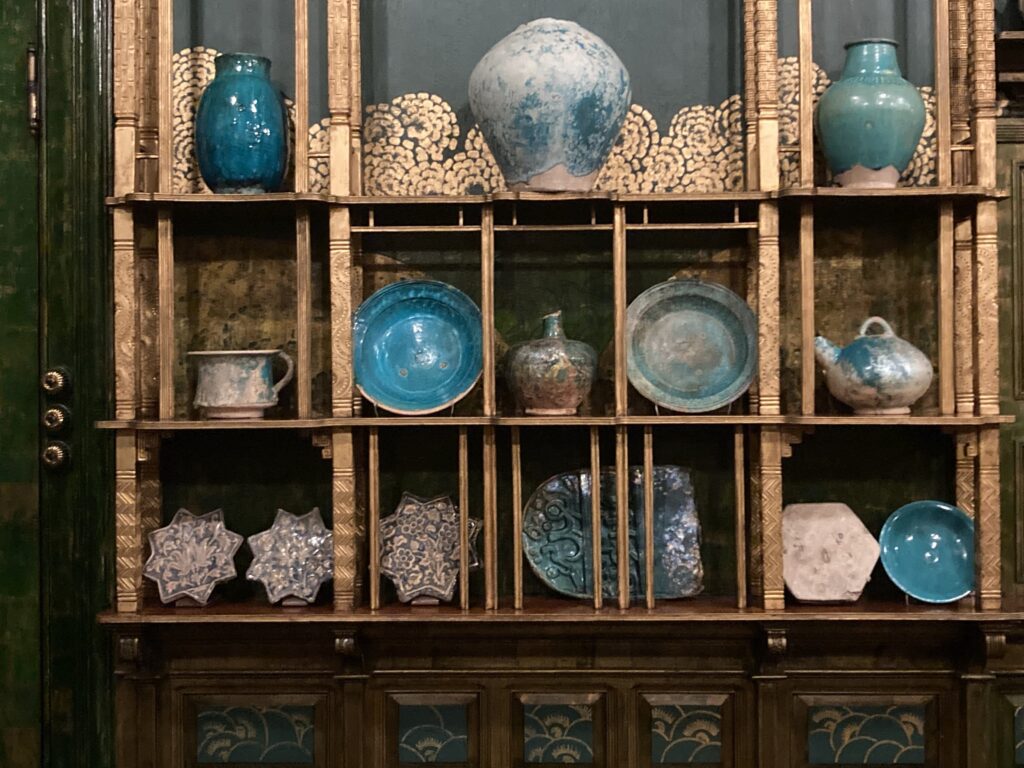
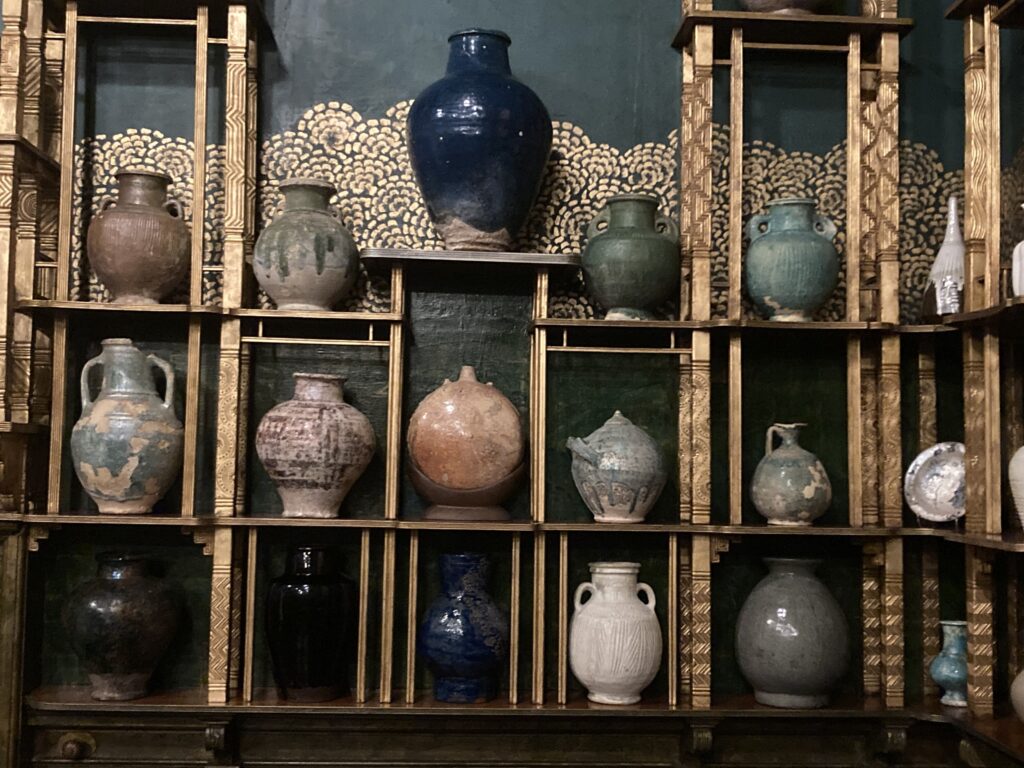
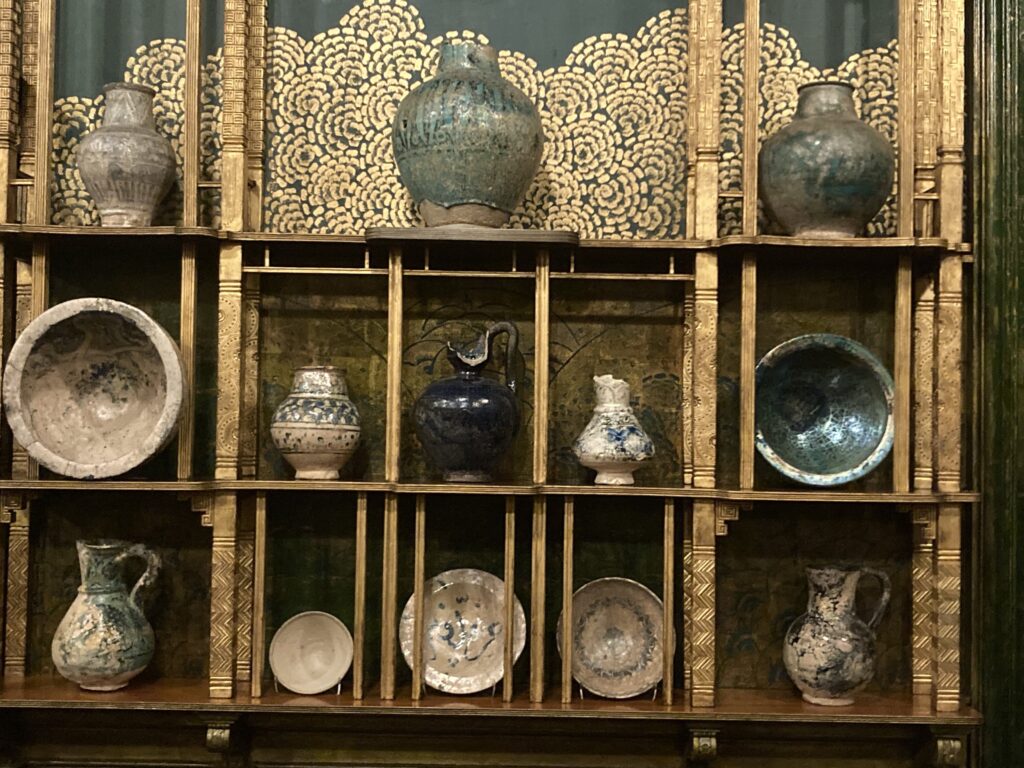
In 1876 shipping magnate Frederick Leyland hired his friend – artist James McNeill Whistler – to redecorate the dining room of his London townhouse. Leyland used the room to display his blue and white Chinese porcelain.
Whistler covered the doors, ceiling, and walls with peacock-inspired designs and called his creation “Harmony in Blue and Gold.” Leyland did not like the results, but kept the room intact.
Then in 1904 collector Charles Lang Freer – patron of the Smithsonian Freer Gallery and a huge collector of Whistler’s works – purchased the room. He had it taken apart, shipped across the Atlantic, and reassembled in his home in Detroit, Michigan. He then stocked its shelves with ceramics he collected from Syria, Iran, Japan, China, and Korea.
Freer Gallery Bookstore
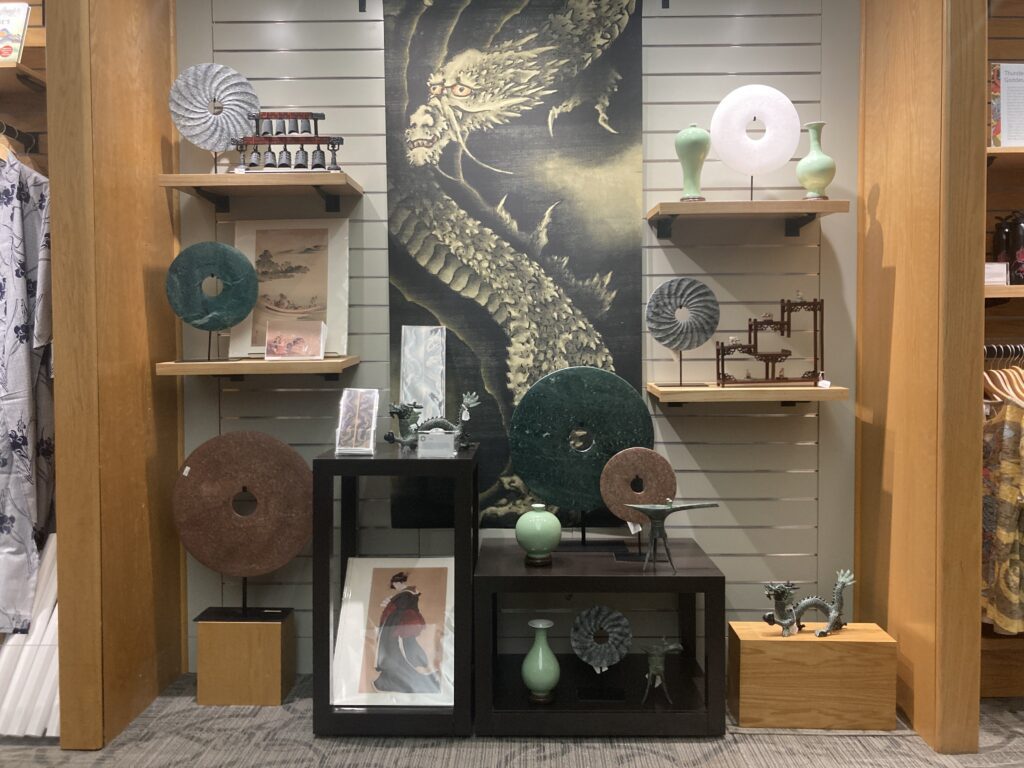
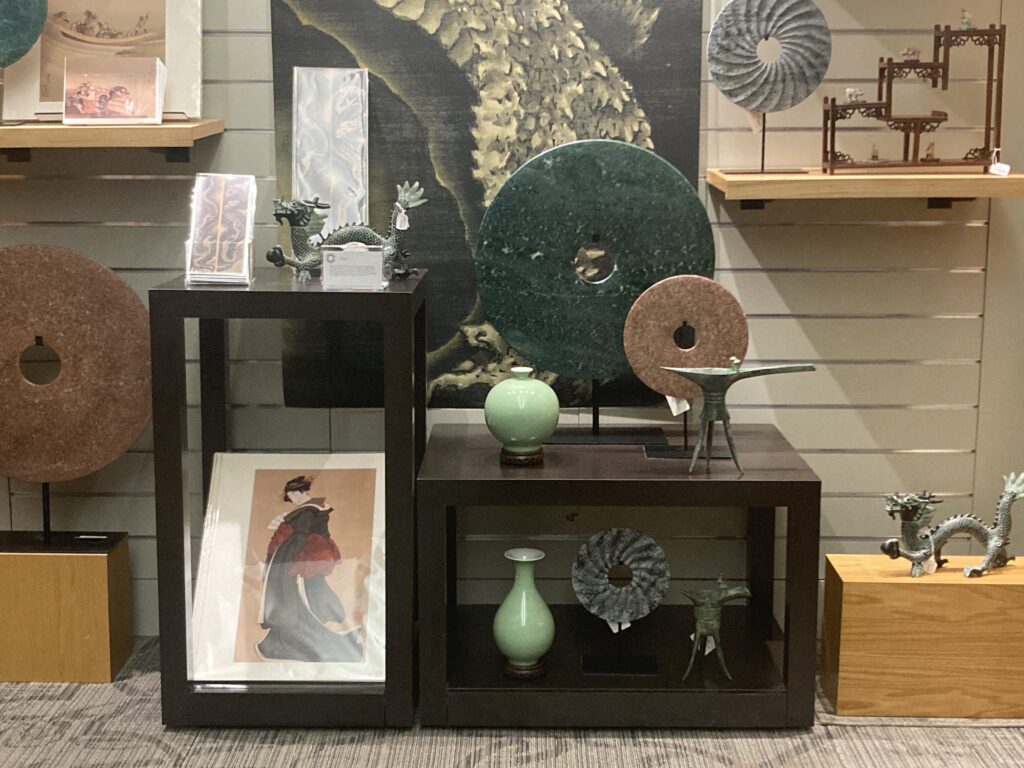
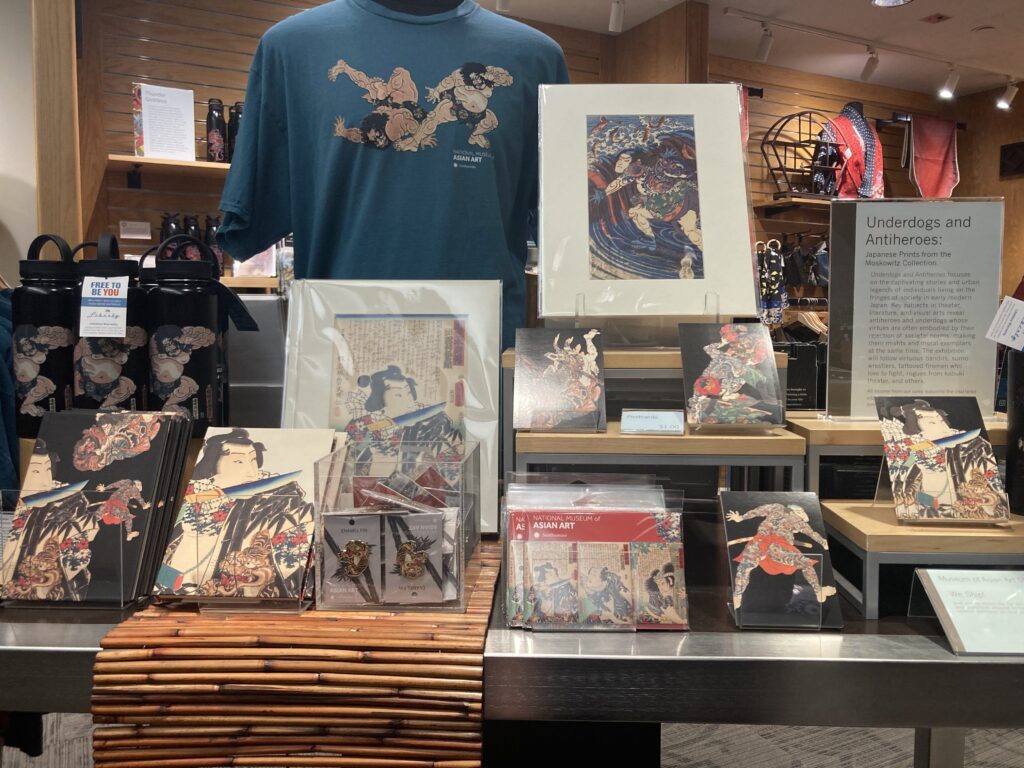
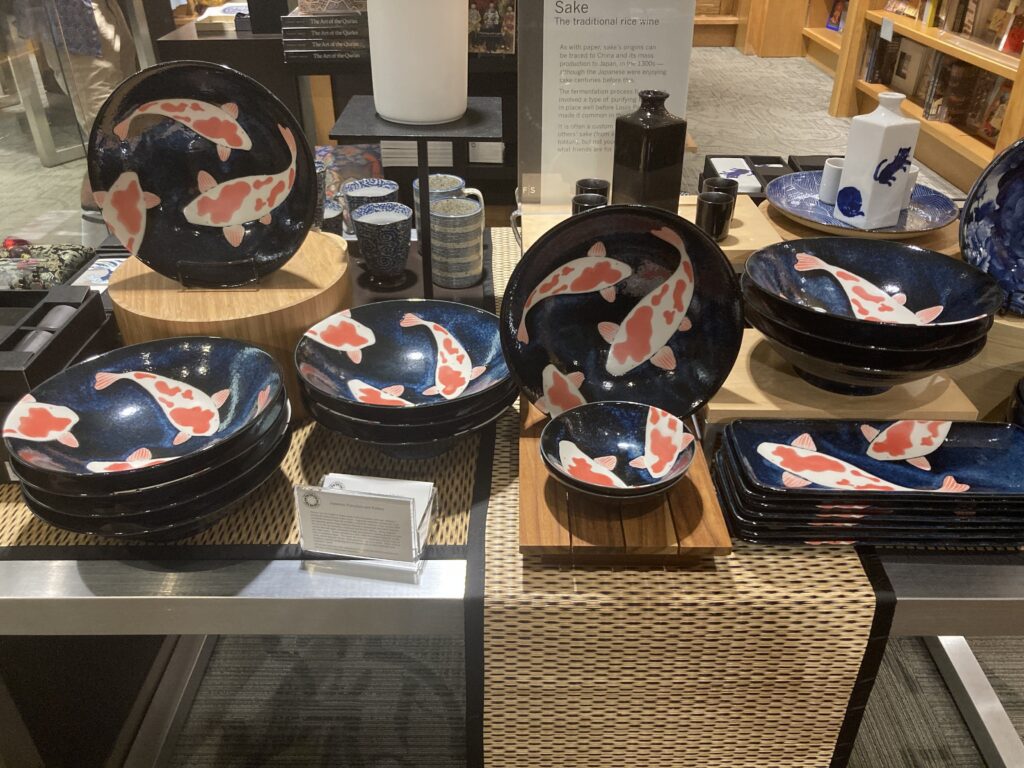
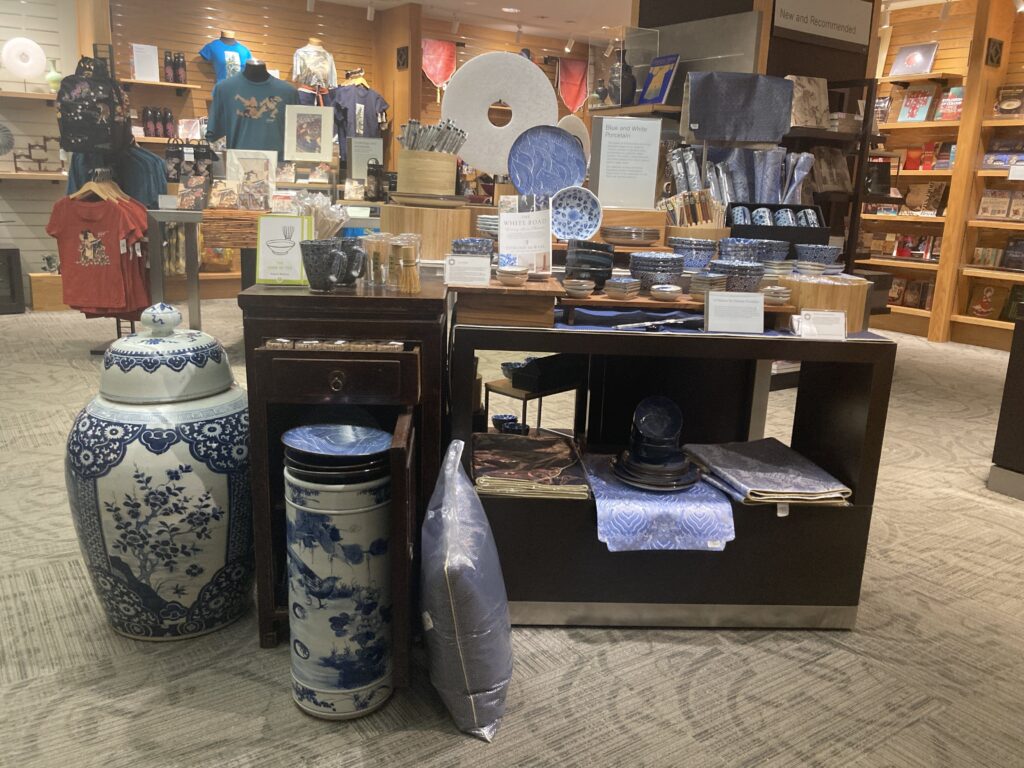
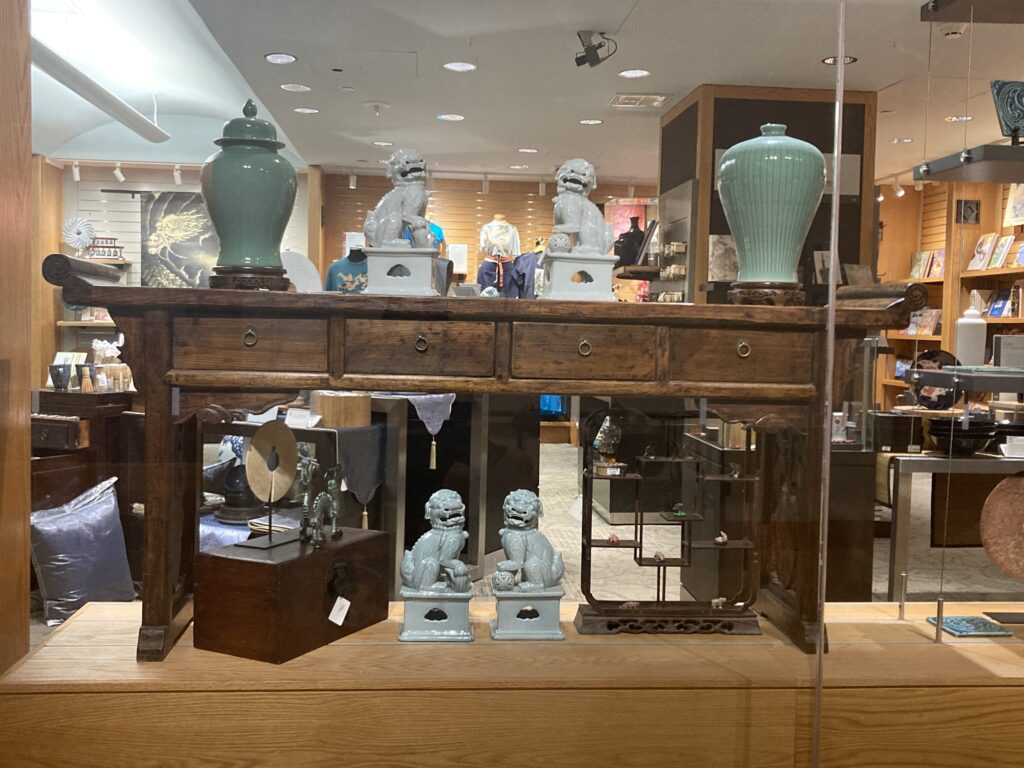
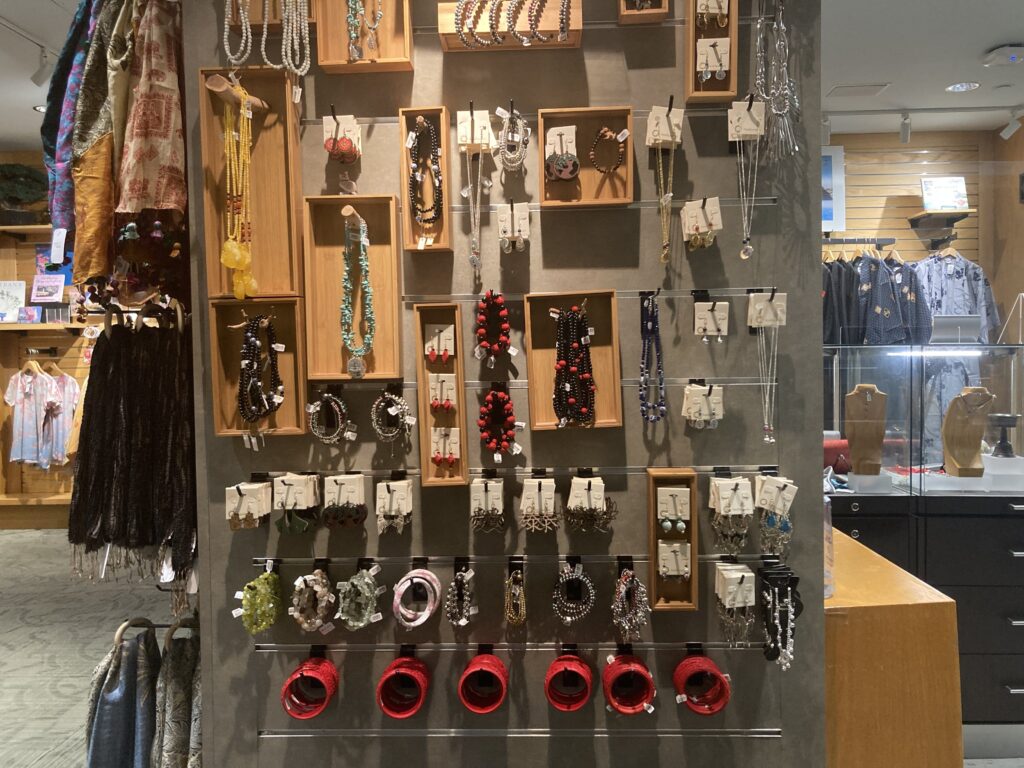
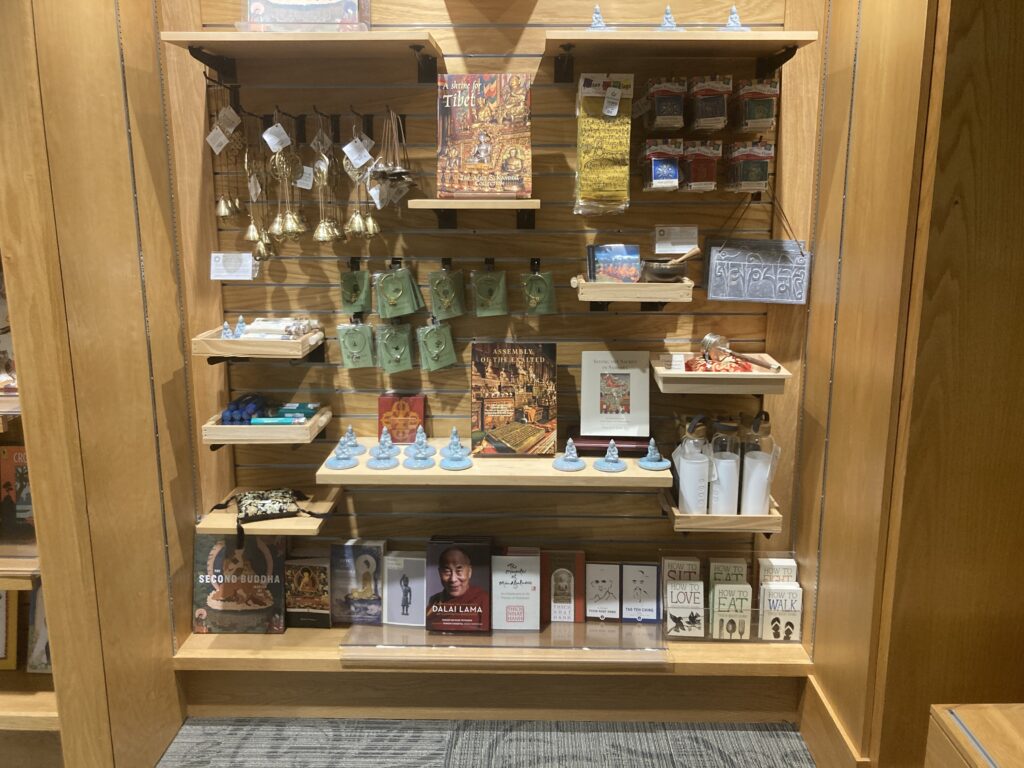
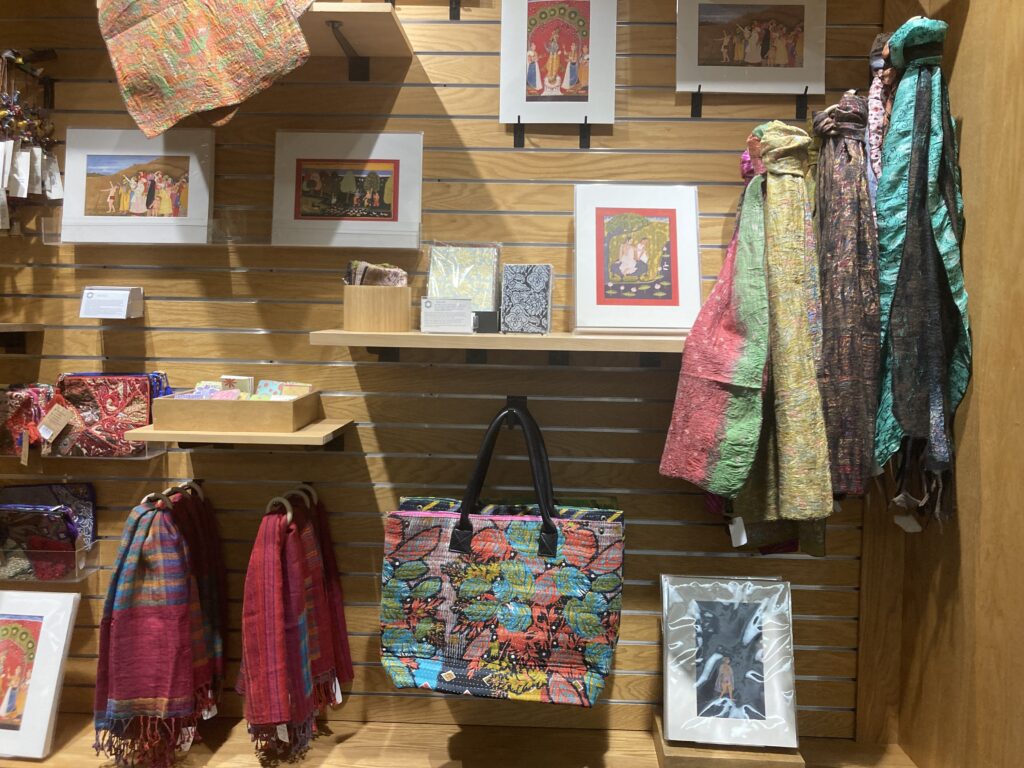
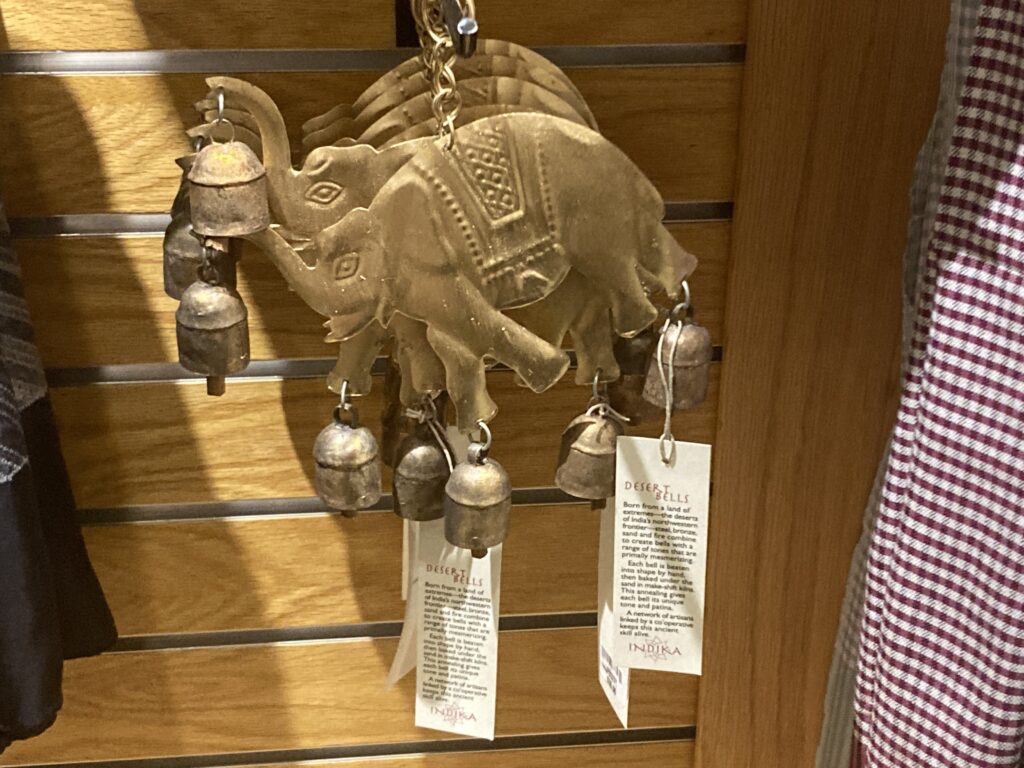
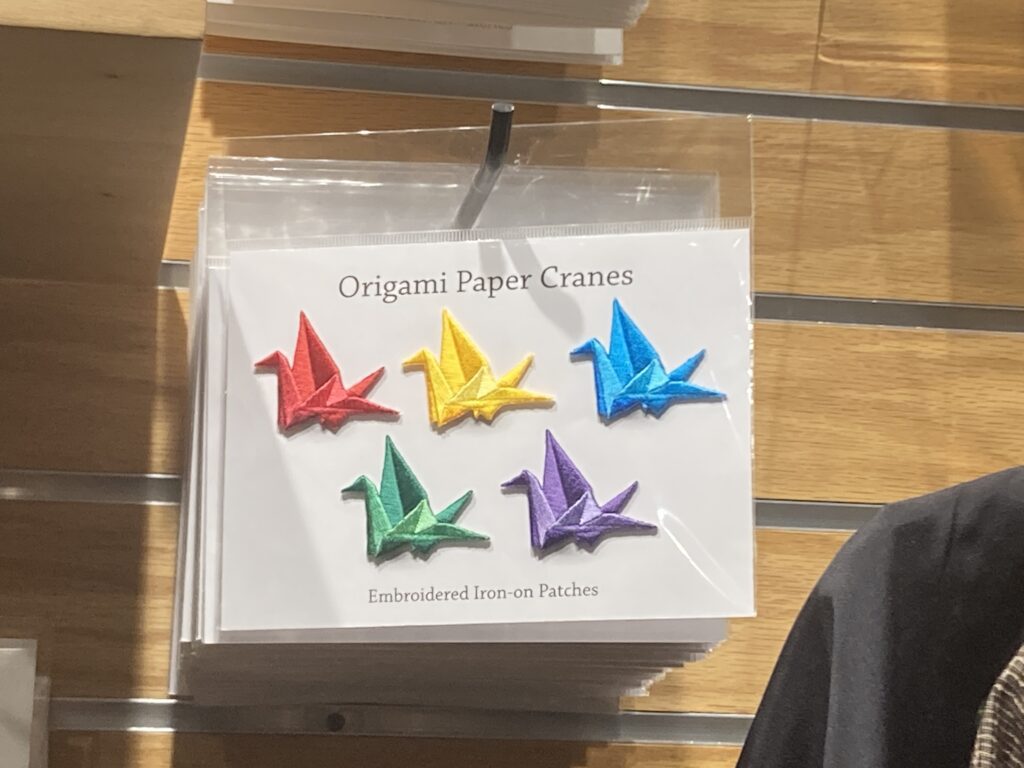
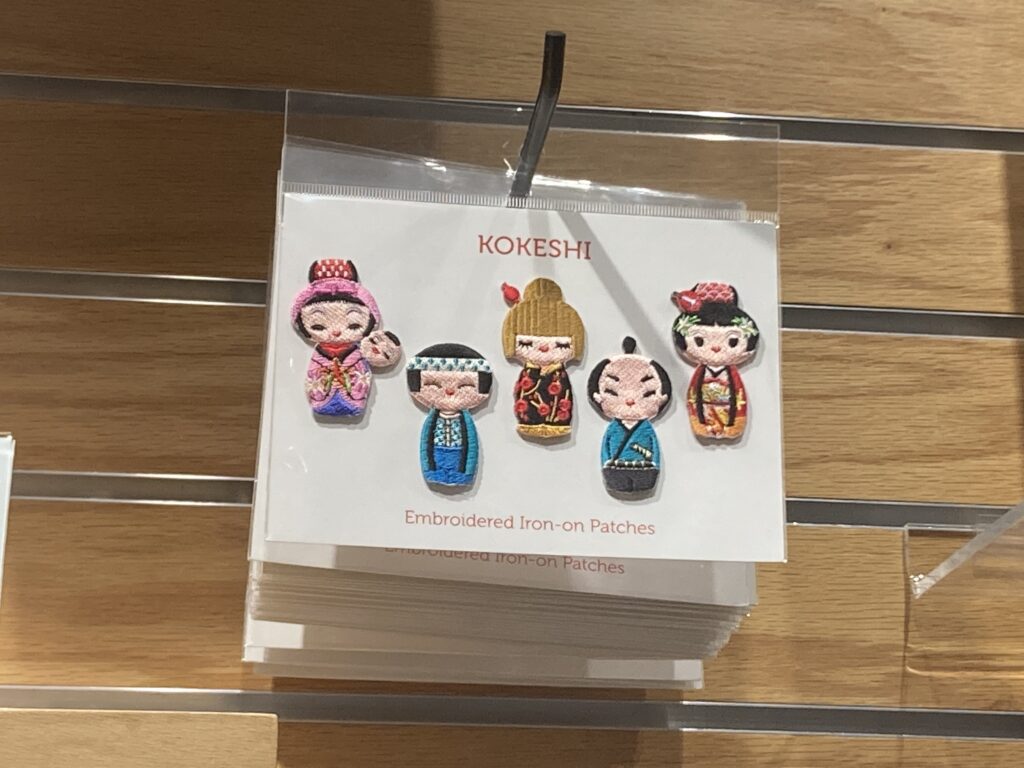
The Freer Gallery Bookstore is absolutely beautiful! It sells Asian themed apparel, art, jewelry, vases, and ornaments.
How to Visit the Freer Gallery
The Freer Gallery of Art and the Arthur M. Sackler Gallery are located right next to each other and are physically connected underground, so you can easily walk between the two without stepping outside.
This setup makes visiting both galleries simple and efficient, perfect for scheduling them in a single museum stop.
Taking the Metro (Highly Recommended!)
The Smithsonian Metro Station is your best bet. Take either the Orange, Blue, or Silver lines and exit at the Mall or Independence Ave. exit.
If you need accessible access, head to the northwest corner of 12th Street and Independence Avenue SW. This is the nearest entrance that accommodates wheelchairs and mobility scooters.
Using Metrobus or MetroAccess
Metrobus routes around the National Mall are convenient and frequent. If you’re using MetroAccess Paratransit, give the address: 1050 Independence Ave SW, Washington, D.C.
Parking: What You Need to Know
There is no public parking directly at the Smithsonian museums on the Mall. You might find a few metered street parking spots nearby (some are accessible), but they fill up fast. You can reserve a paid spot in advance through services like ParkWhiz, which can be a real lifesaver during busy seasons.
Check out my How to Visit the 16 Smithsonian Museums in Washington D.C. blog!
Where to Stay Near the Museum
If you’re visiting the National Museum of African Art, you will want to stay somewhere central, close to the National Mall and other Smithsonian museums. These hotel options place you right in the heart of D.C., with something for every budget.
Budget Accommodation – Motto by Hilton Washington D.C. City Center
For an affordable yet stylish stay just blocks from the National Mall, Motto by Hilton is a top pick. Rooms are compact but modern, and there’s a trendy rooftop bar with city views. Guests love the walkable location and easy Metro access.
➡️Click here to book your stay at Motto by Hilton!
Mid-Range Accommodation – Hotel Hive
Hotel Hive blends artistic design with budget-friendly comfort. Located near the Lincoln Memorial and Foggy Bottom, this micro-hotel is perfect for explorers who want a hip and cozy base without overspending. Great pizza downstairs and a buzzing rooftop bar add to the charm.
➡️Click here to book your stay at Hotel Hive!
FAQs: Freer Gallery
Here are some frequently asked questions regarding “Freer Gallery” along with my answers.
What’s the scope of its collection today?
It showcases over 26,000 works spanning 6,000 years. This includes East and South Asia, the Islamic world, ancient Egypt/Near East, and a fixed American art collection.
Can I use the museum’s research library or archives?
Yes! The Freer/Sackler houses the largest Asian art research library in the U.S. It houses over 80,000 volumes, including nearly 2,000 rare books. The archives hold more than 140 collections, over 1,000 linear feet of materials. Library access is free and no appointment required. Archives visits are by appointment only.
How can I explore the collection online?
Over 11,000 objects are digitized and searchable online, with multimedia materials, podcasts, apps, and Google Art Project integration/
Final Thoughts
Visiting the Freer Gallery is simple and totally worth it. It’s just a short walk from the Smithsonian Metro stop (Orange, Blue, or Silver lines). Admission is completely free and the museum is open daily. I recommend coming on a weekday morning for the most peaceful experience – you will have more time and space to soak in the art. And whatever you do, don’t miss the Peacock Room. Its golden details practically glow when the light hits just right!