How to Visit Philippi: Where Paul Baptized Lydia (2026)

According to Acts 16, a woman named Lydia was the first person in Europe to convert to Christianity! A dealer in purple cloth from Thyatira, she was baptized in a river by the Apostle Paul.
The river is still there and is open to the public! Visitors can visit the river and a nearby church. I was so excited to be at the river where Paul baptized Lydia, I was practically jumping up and down!! I filmed a video of the river and literally sent it to EVERYONE I know.
In this post I will tell you all about Baptistery of Lydia and how to visit it!

Plan Your Trip With My Favorite Resources
– Best Accommodations: Booking.com
– Top Day Tours: Viator.com
– Purchase Travel Insurance: SafetyWing

Who is Lydia in the Bible?
Lydia was a successful seller of purple cloth. It was a luxury item in the ancient world, often associated with wealth and status. She was from Thyatira, a city in Asia Minor known for its production of purple dye.
“One of those listening was a woman from the city of Thyatira, named Lydia, a dealer in purple cloth. She was a worshiper of God. The Lord opened her heart to respond to Paul’s message.” Acts 16:14


Paul’s Journey to Philippi
Paul’s journey to Philippi was driven by his desire to spread the gospel in Europe. After receiving a vision calling him to Macedonia, Paul and his companions sailed to Philippi. It took place during his second missionary journey (around 49-50 A.D.). His mission was to establish Christian communities and strengthen the believers in the area.
One of the first significant events was Lydia’s conversion. Later, Paul and Silas were arrested after casting out a spirit from a slave girl, leading to their imprisonment. While in jail, they prayed and sang hymns, and a miraculous earthquake freed them. This event led to the conversion of the Philippian jailer and his household.

Lydia’s Encounter with Paul and the Baptism
During Paul’s second missionary journey, he arrived in Philippi and sought out a place of prayer by the river. Apostle Paul arrived in Philippi around 49–50 A.D. during his second missionary journey.
A group of women, including Lydia, had gathered by the riverside for prayer and worship. Philippi did not have a synagogue at that time, possibly because the Jewish population was too small to establish one. Paul preached to Lydia and other women, sharing the message of Christianity. Her heart was opened by the Lord, leading to her conversion.
After her conversion, Lydia and the members of her household were baptized. Lydia became the first Greek and European woman baptized by Paul.
Her Hospitality
After her conversion, Lydia offered her home to Paul and his companions. This not only provided the missionaries with a safe space but also helped establish a base for their ministry in Philippi.
This gesture was more than just an act of kindness. This reflects her commitment to the Christian faith and support for their mission.
Lydia‘s home probably became one of the first house churches in Europe.
“When she and the members of her household were baptized, she invited us to her home. ‘If you consider me a believer in the Lord,’ she said, ‘come and stay at my house.’ And she persuaded us.” Acts 16:15 NIV

Thyatira and its Significance
Thyatira was an ancient city in western Asia Minor, located in present-day Turkey. It was famous for producing purple dye from murex snails, which was used for luxury clothing.
The city also had many guilds for various trades, like textiles, pottery, and metalworking. Early Christians here faced challenges because the guilds often required members to participate in pagan rituals, which conflicted with their faith.
The city is mentioned in the Book of Revelation (Revelation 2:18-29) as one of the seven churches. Paul’s convert, Lydia, was from Thyatira. The letter to the church at Thyatira in Revelation praises the community’s good deeds and faith but also warns them about following false teachings.

River Where Lydia’s Baptism Took Place
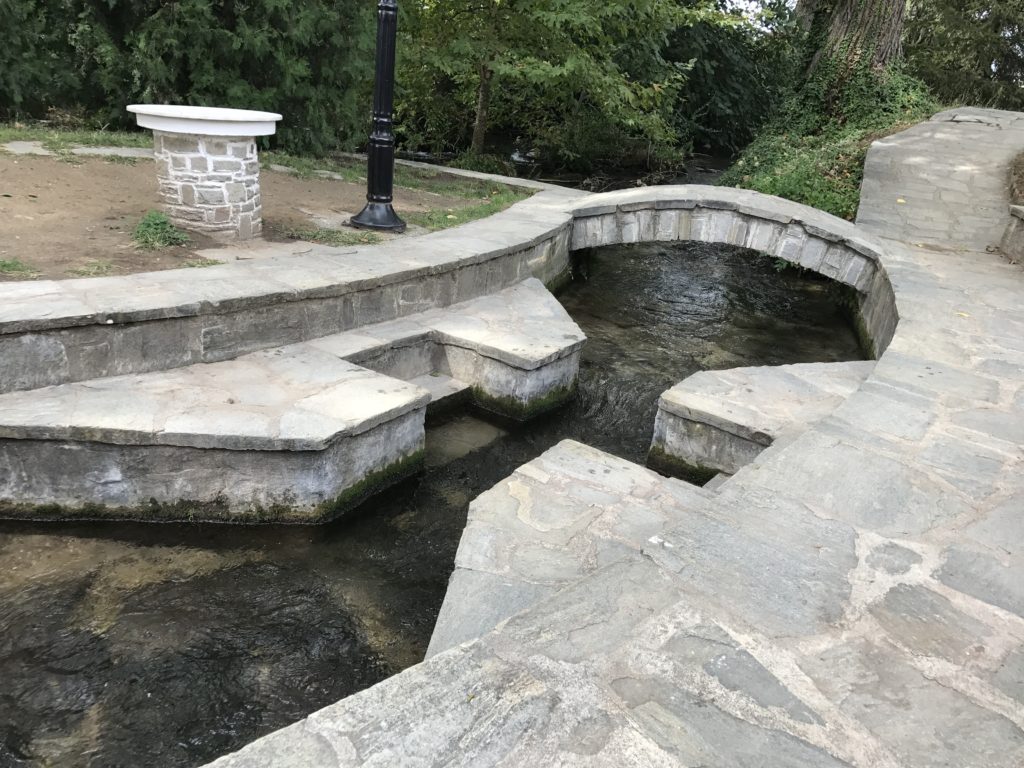
The baptism of Lydia took place at a river in Philippi, Macedonia, which is now part of modern-day Greece. The specific name of the river is not mentioned in the biblical account.
It is commonly believed to be the Gangites River (also known as the Zygaktis River). The area by the river is often associated with early Christian gatherings and worship.

Zygaktis River
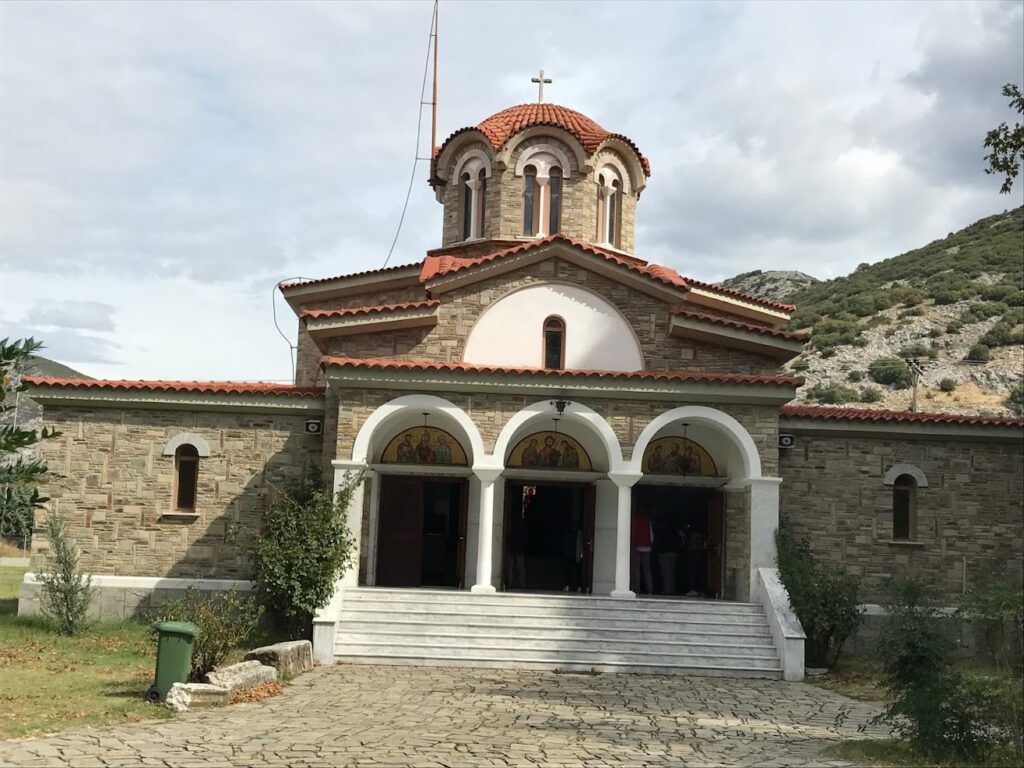
The Zygaktis flows peacefully through a lush, serene landscape. I have been there! There is a small chapel over the river and a nearby church. (See below picture).
The nearby church, dedicated to Lydia, is a significant pilgrimage site for Christians and history enthusiasts alike.

Lydia Open-Air Baptistery
On the banks of the River Zygaktis lies an open-air baptistery in the shape of a cross. It’s a beautiful outdoor baptismal area where visitors can reflect, pray, and even participate in baptisms.

St. Lydia Church
St. Lydia Church is a beautiful modern Greek Orthodox church located near Philippi. It was constructed to honor Lydia, the first European convert to Christianity.
The dome is richly decorated, featuring religious frescoes and iconography. Inside the dome, traditional Byzantine icons are prominently displayed.

How to Visit Baptistery of Lydia
The Baptistery is situated near the river in Lydia, approximately 1.2 miles from the archaeological site of Philippi.

How to Get There
- By Car: If driving from Thessaloniki, take the Egnatia Odos (A2) highway. The journey is about 99 miles and takes around 2 hours.
- Public Transport: Buses run from Thessaloniki to Kavala, where you can take a local bus to Philippi. Once in Kavala, you can hire a taxi or take a local bus to reach the Baptistery of Lydia.
- Walking: If you’re staying in Philippi, the Baptistery is within a short walking distance from the archaeological site.
The ideal time to visit is during spring (April to June) and fall (September to October) when the weather is mild and pleasant.
Consider visiting the Philippi Archaeological Site after the Baptistery for a more comprehensive historical experience. Check out my blog Paul and Silas in Jail in Philippi: Singing while in Chains!


Baptistery of Lydia
Opening Hours: Open Daily from 8:30am-5:00pm
Tickets: Free
Phone#: +30 251-051-6944
Location: Krynides, Kavala (Near the archaeological site of Philippi)
Where To Stay In Kavala, Greece
Kavala is a scenic coastal city with deep historical roots and a lively harbor vibe. Whether you’re here for the views, the seafood, or to explore nearby ancient sites like Philippi (a must for history and faith-based travelers!), choosing a hotel near the harbor or old town (Panagia) keeps everything within reach. Below are three great options for every budget.
Budget Accommodation – Oceanis Hotel
If you’re looking for a central, budget-friendly stay, Oceanis Hotel is a great value just a couple blocks up from the waterfront.
- Walkable to everything: restaurants, ferries, and the main bus station
- Rooftop pool with sea views – a rare bonus at this price point!
- Clean, comfortable rooms with breakfast included
➡️Click here to book your stay at Oceanis Hotel!
Mid-range Accommodation – Airotel Galaxy
Sitting right on the waterfront promenade, Airotel Galaxy blends comfort, views, and a top location.
- Steps from the ferry port and old town
- Rooftop dining at Thea Restaurant with stunning Aegean views
- Modern rooms and easy access to city landmarks and tours to Philippi
➡️Click here to book your stay at Airotel Galaxy!
Luxury Accommodation – Lucy Hotel
Seeking upscale service and boutique charm? Lucy Hotel offers:
- Contemporary Style: Pristine interiors, modern design, and attention to detail
- Rooftop Terrace & Pool: Relax with panoramic sea and city views
- Full Amenities: Elegant rooms, fitness center, and excellent on-site dining
- Prime Location: A short walk to the old town and convenient for arranging a taxi or shuttle to your Philippi day trip
➡️Click here to book your stay at Lucy Hotel!
FAQs
Below are frequently asked questions about Baptistery of Lydia and my responses.

What was Lydia’s profession?
Lydia was a seller of purple cloth, a luxury item associated with wealth and royalty. Her trade in purple cloth indicates she was likely a wealthy and respected figure in society.

When is Lydia’s feast day?
Lydia is honored as a saint in the Eastern Orthodox, Roman Catholic, and some Protestant traditions. In the Eastern Orthodox Church, her feast day is celebrated on May 20.

What does Lydia in the Bible mean?
In the Bible, the name Lydia refers to a woman from the ancient region of Lydia, located in what is now western Turkey. The meaning of the name Lydia itself is traditionally understood as “from Lydia” or “woman from Lydia,” indicating her origin.


Final Thoughts
Lydia’s story is a powerful example of faith, hospitality, and generosity. As the first recorded European convert to Christianity, her response to Paul’s message demonstrates the transformative power of baptism.
Lydia’s role as a patron of the early church in Philippi is significant and showcases her deep commitment to the spread of Christianity. The story of Lydia continues to inspire believers today, demonstrating the profound impact of faith in action.