How to Visit the U.S. Capitol Building
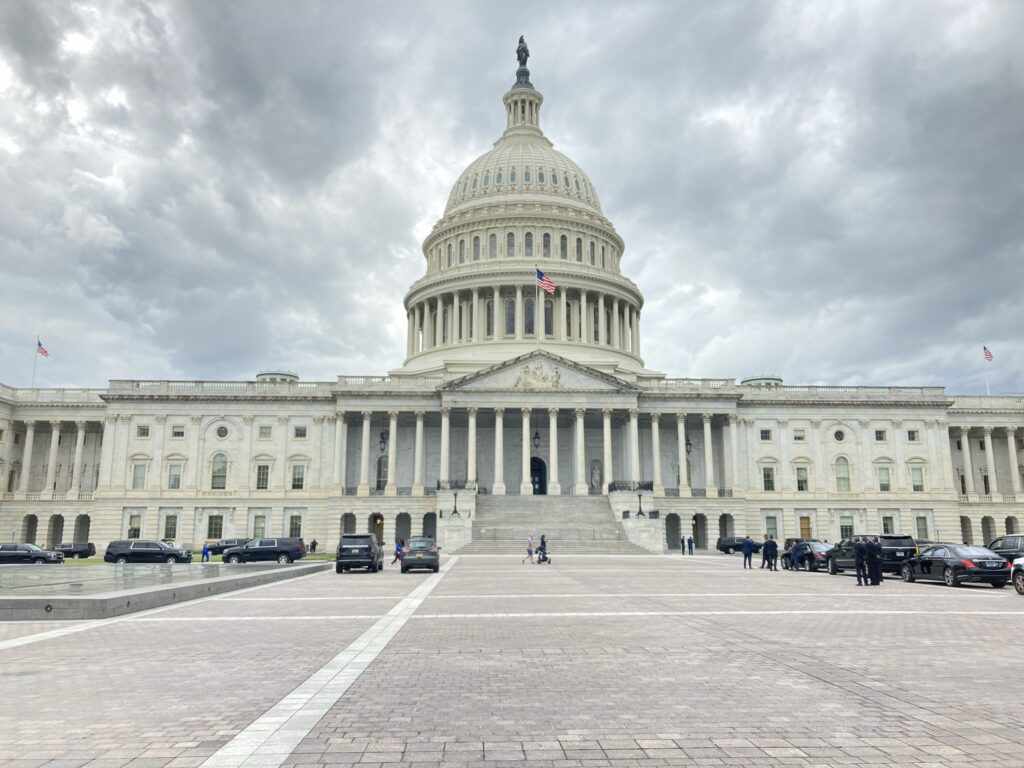
The U.S. Capitol Building is a Washington D.C. landmark that has housed the Senate and House of Representatives since 1800. They meet at the Capitol to debate national policy and craft the country’s laws. In addition, it is the site of both Presidential inaugurations and State of the Union messages.
Today, the Capitol remains one of the most recognizable symbols of American democracy.
During the War of 1812, British troops burned parts of the Capitol Building during the Burning of Washington. The structure was later rebuilt and expanded into the iconic landmark visitors see today.
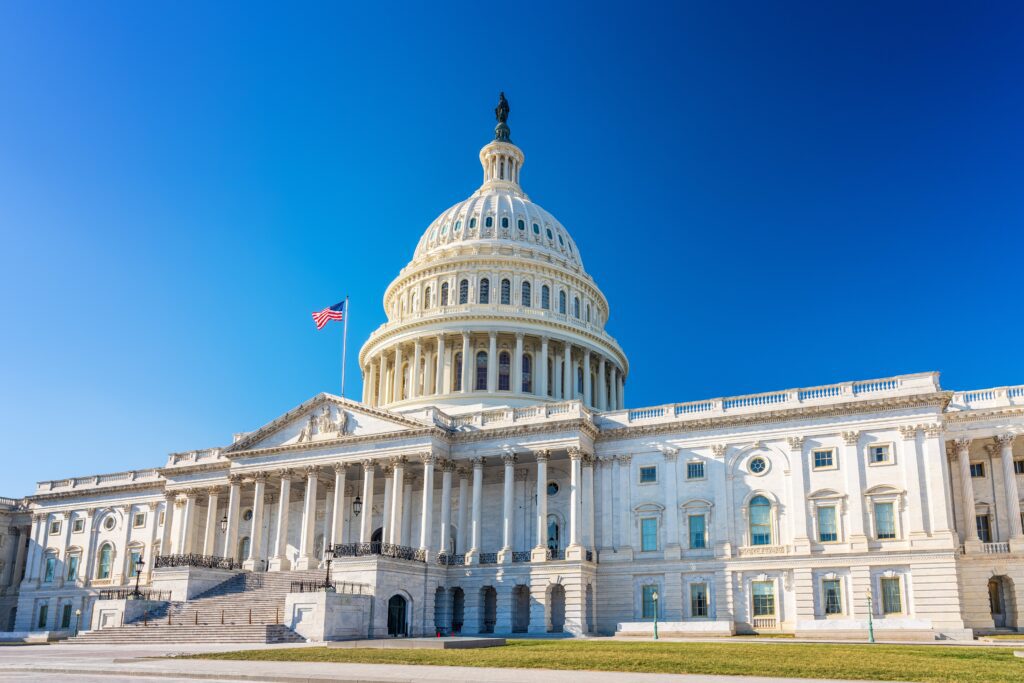
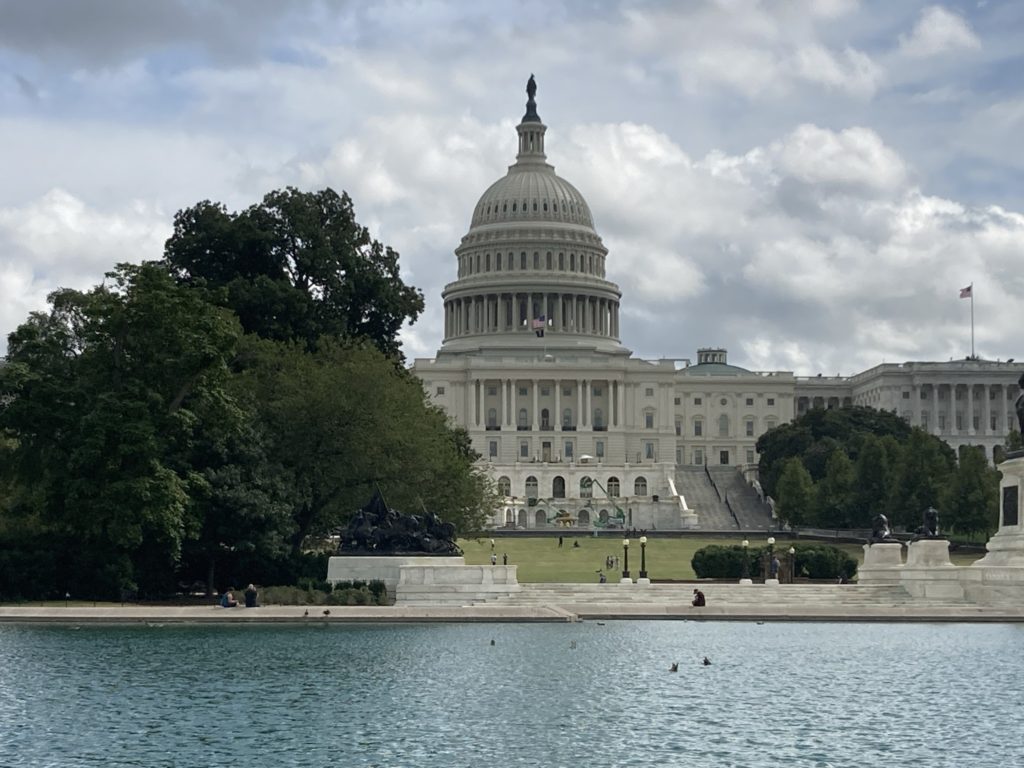
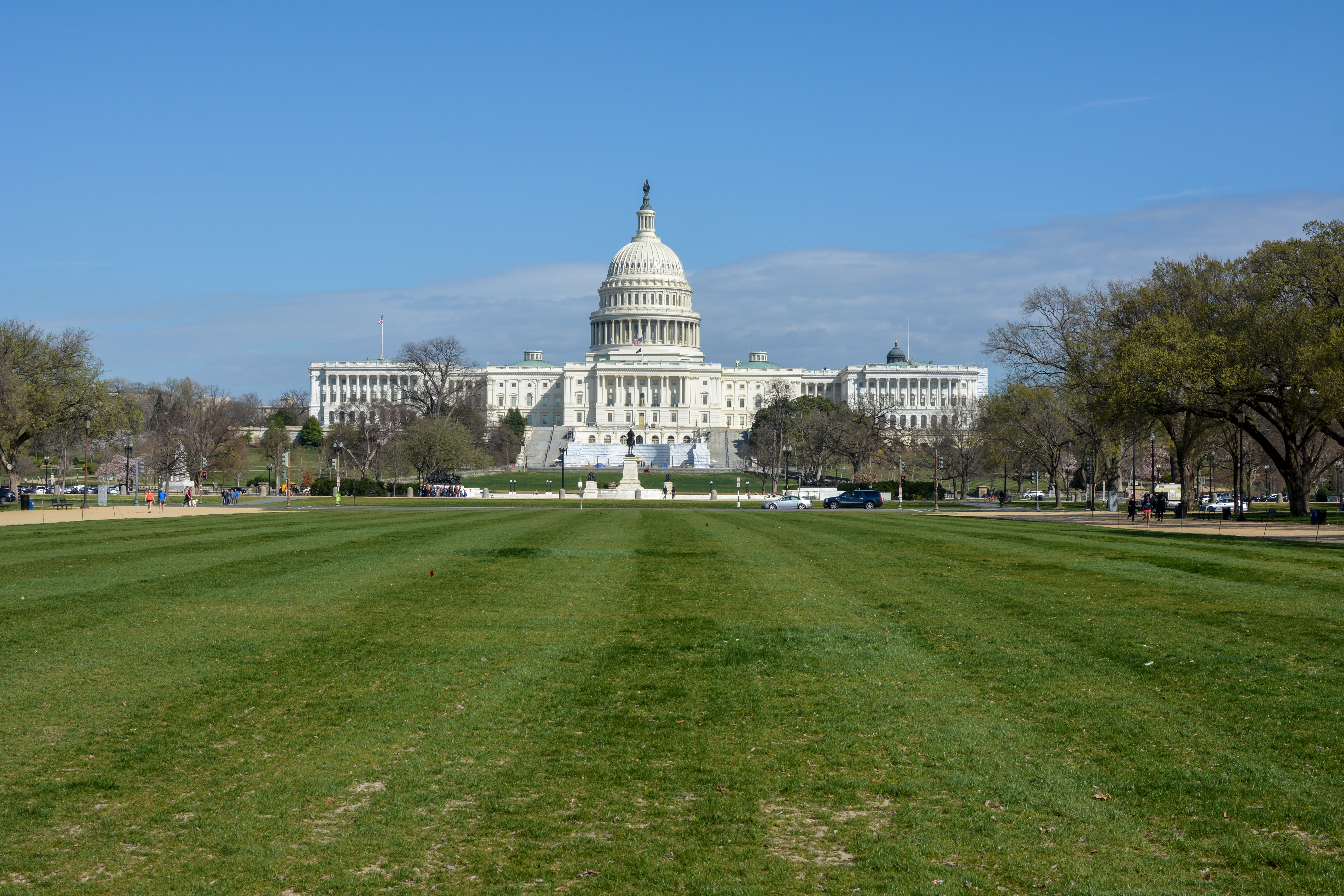
The U.S. Capitol Building has over 600 rooms and several miles of corridors The west side faces the National Mall and is the site of Presidential Inaugurations held every four years. The east side is located across the street from the U.S. Supreme Court.
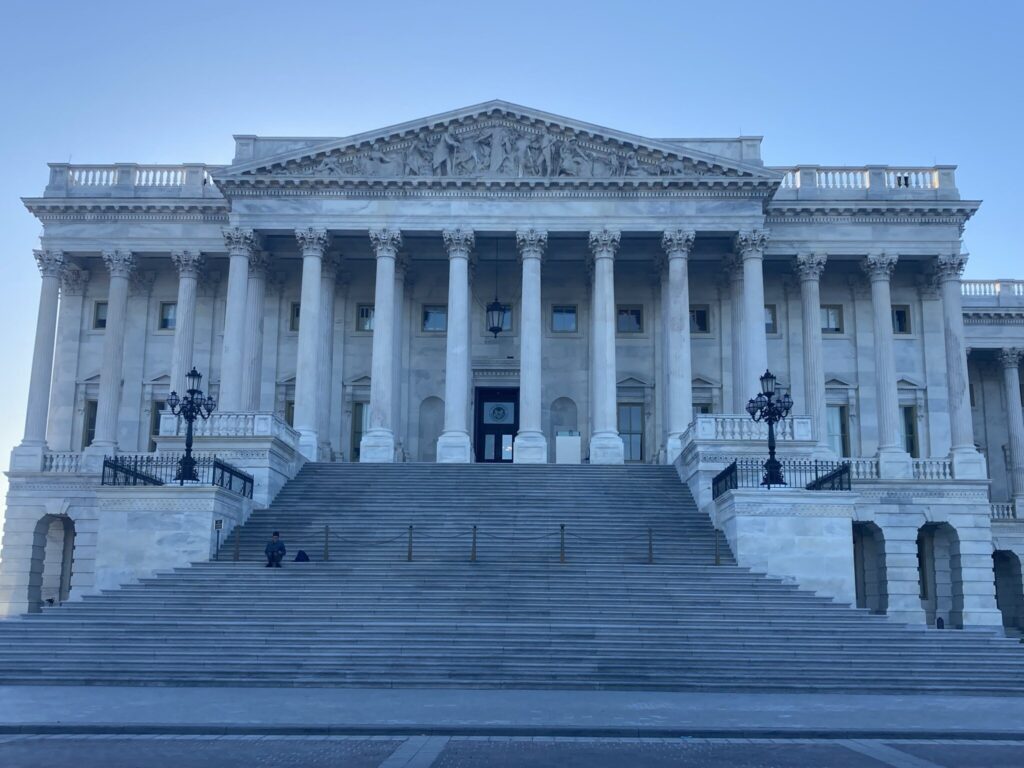
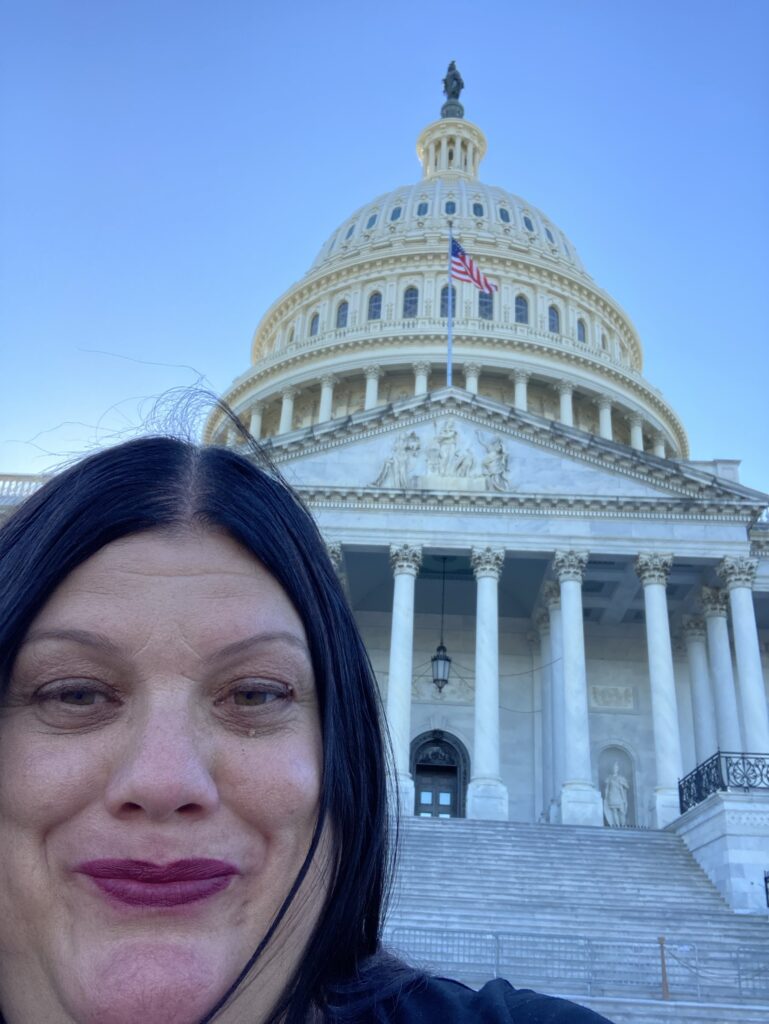
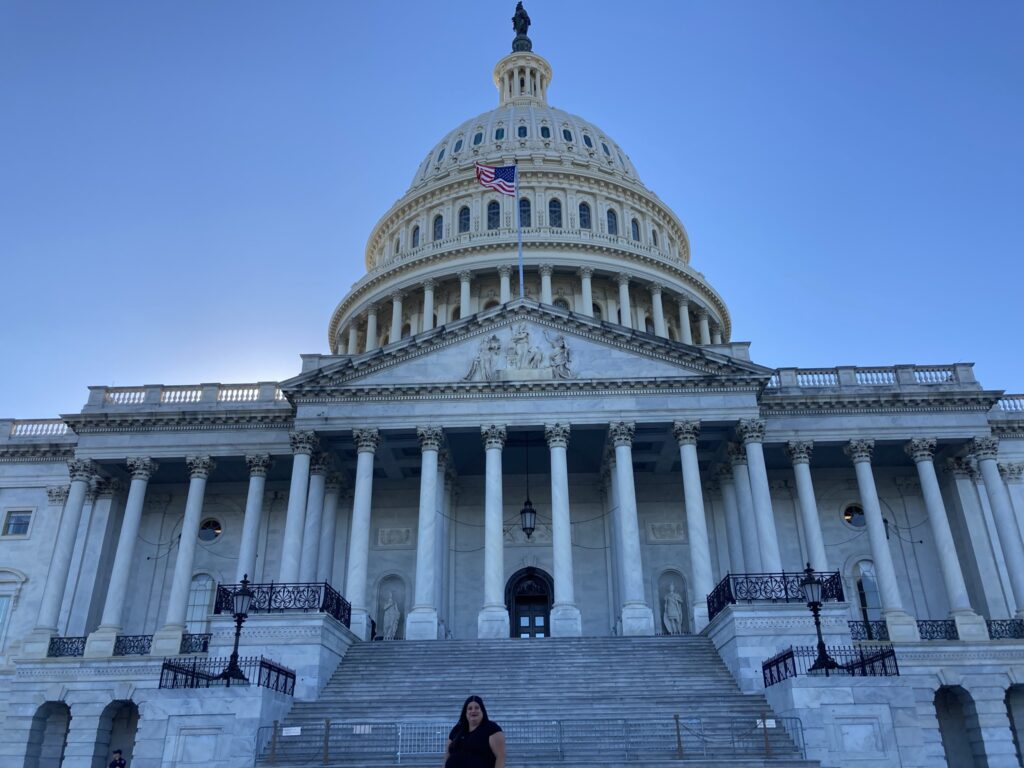
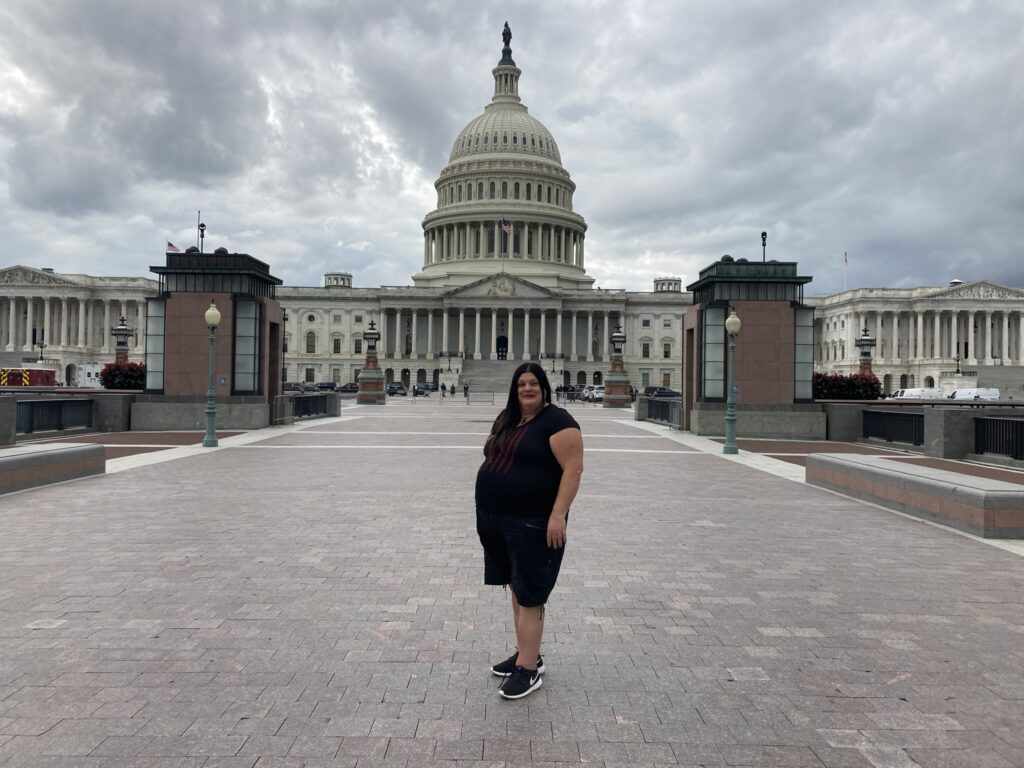
Be sure to take pictures from both sides of the Capitol. The west side overlooks the lawn where Presidential Inaugurations take place, while the east side faces the Supreme Court and is home to the Capitol Visitor Center, where tours begin.
U.S. Capitol Building
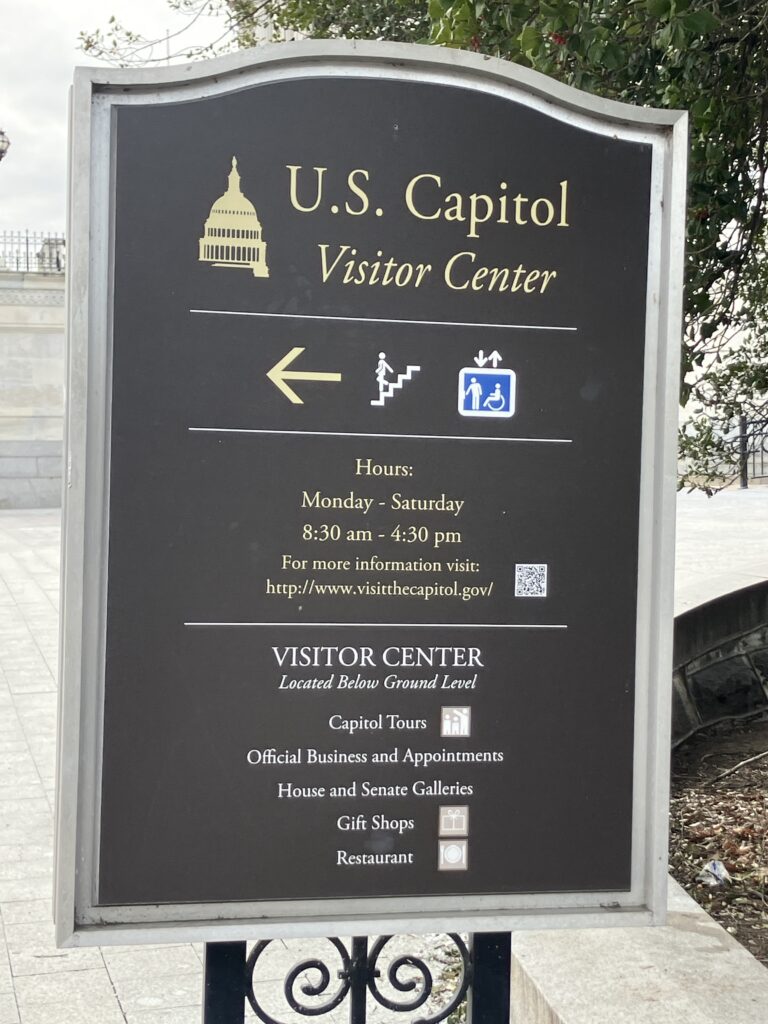
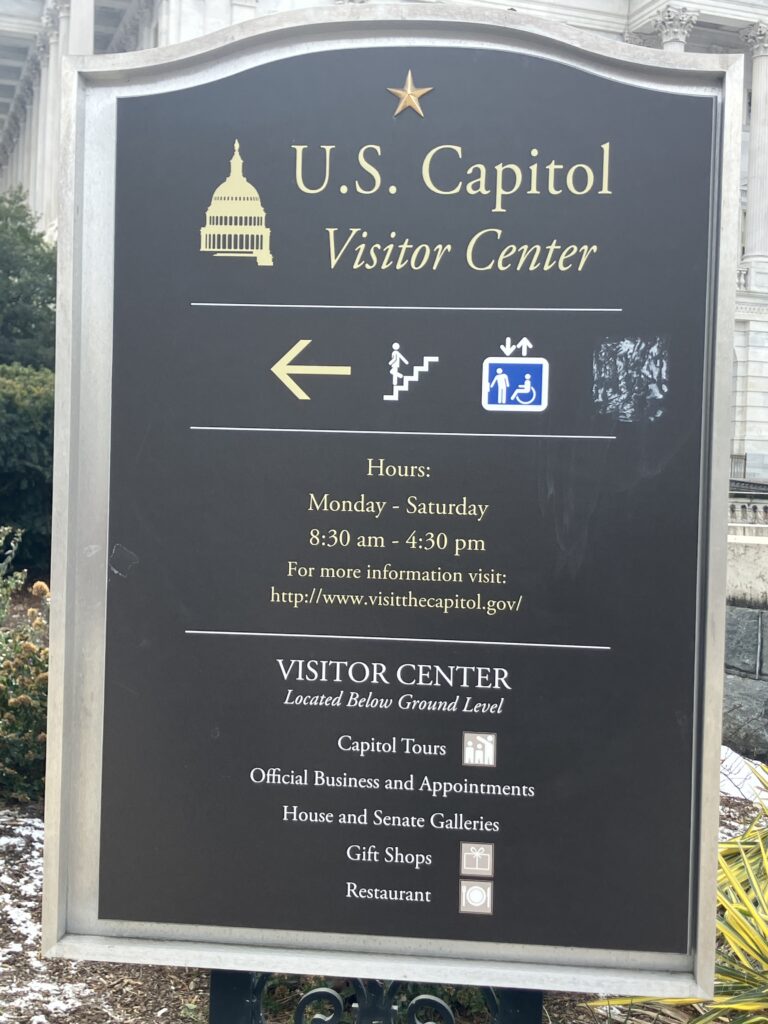
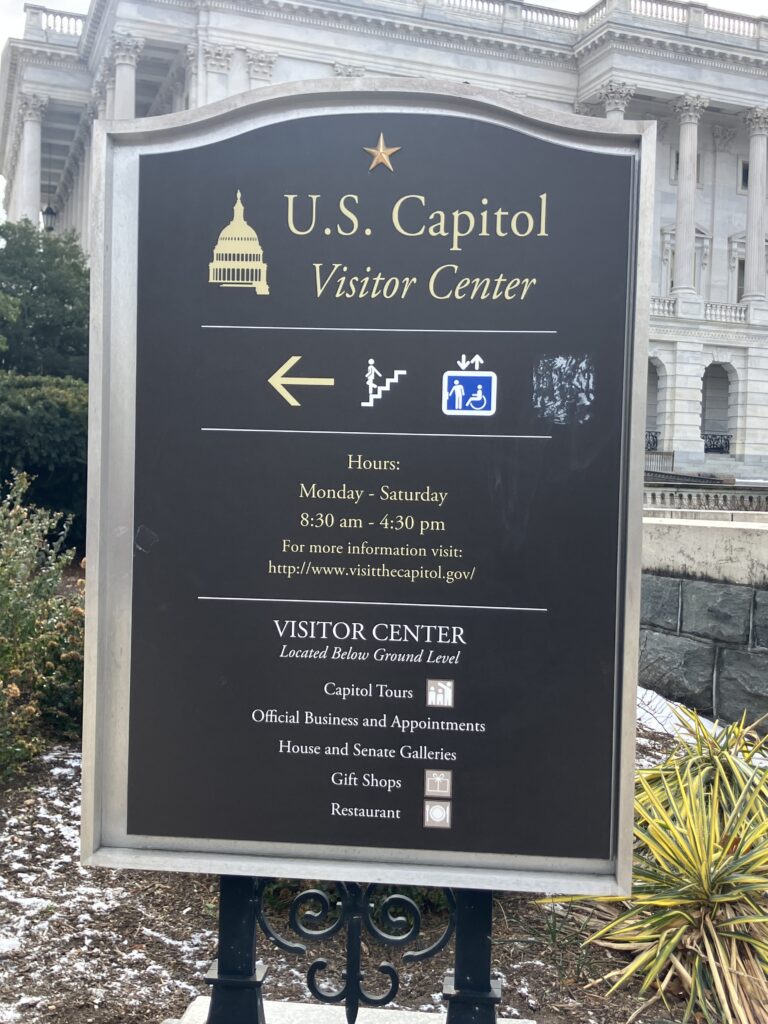
Opening Hours: Monday-Saturday 8:30am – 4:30pm, Closed on Sunday
Tickets: Free
Phone#: 202-226-8000
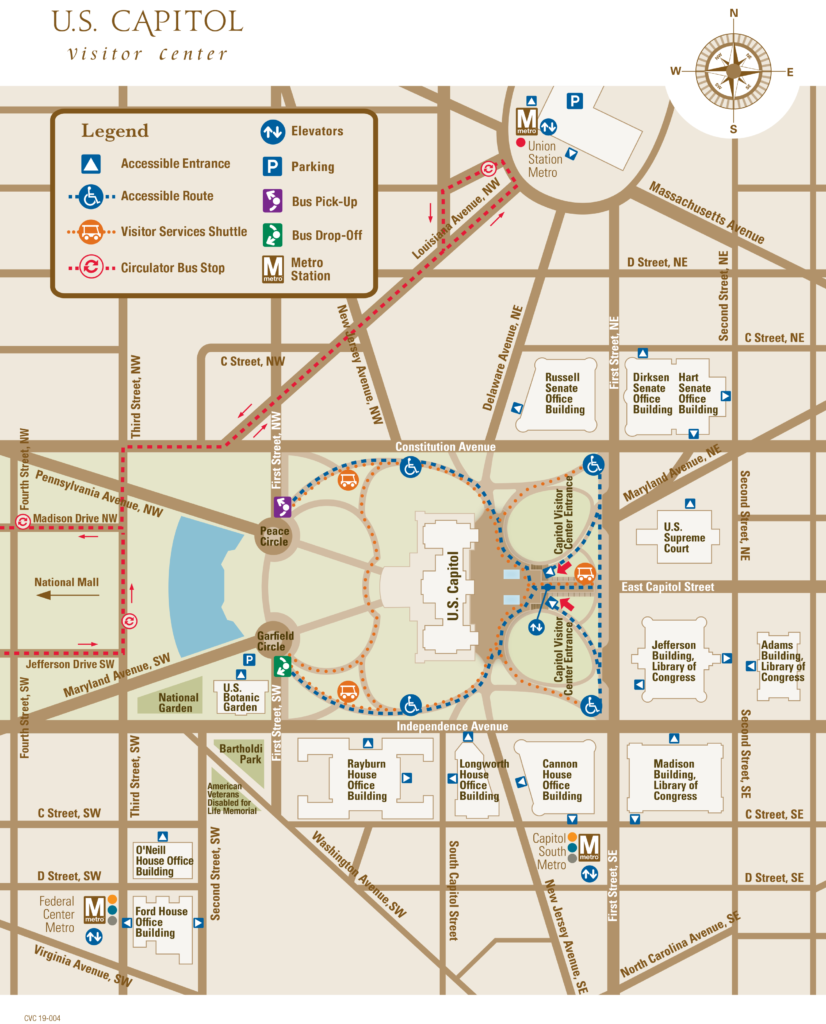
Location: U.S. Capitol Visitor Center (Entrance beneath the East Front Plaza at First St and East Capitol St Washington, D.C.)

U.S. Capitol Tours
The official U.S. Capitol Tour visits the Rotunda, the Crypt, and the National Statuary Hall. It does not include the Senate and House Galleries, which require separate passes issued by congressmen.
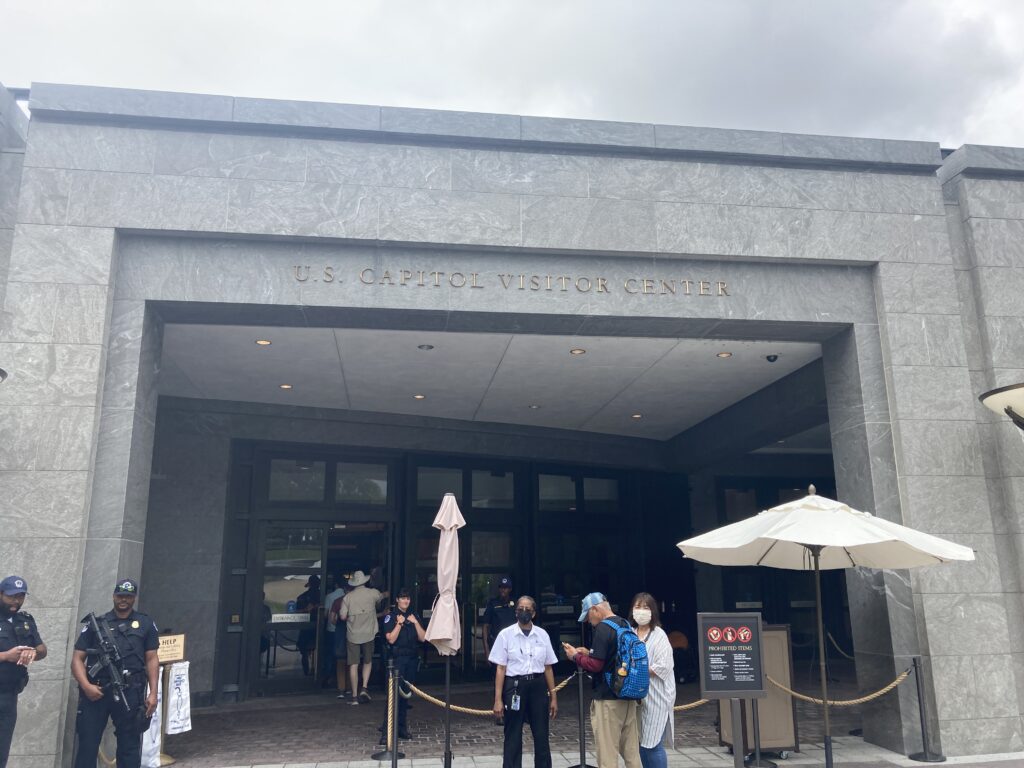
Entry is through the Capitol Visitor Center, located underground on the east side of the building.
The Capitol Visitor Center is located beneath the East Front Plaza of the U.S. Capitol at First Street and East Capitol Street. The phone # is 202-226-8000.
Fun Facts About the U.S. Capitol
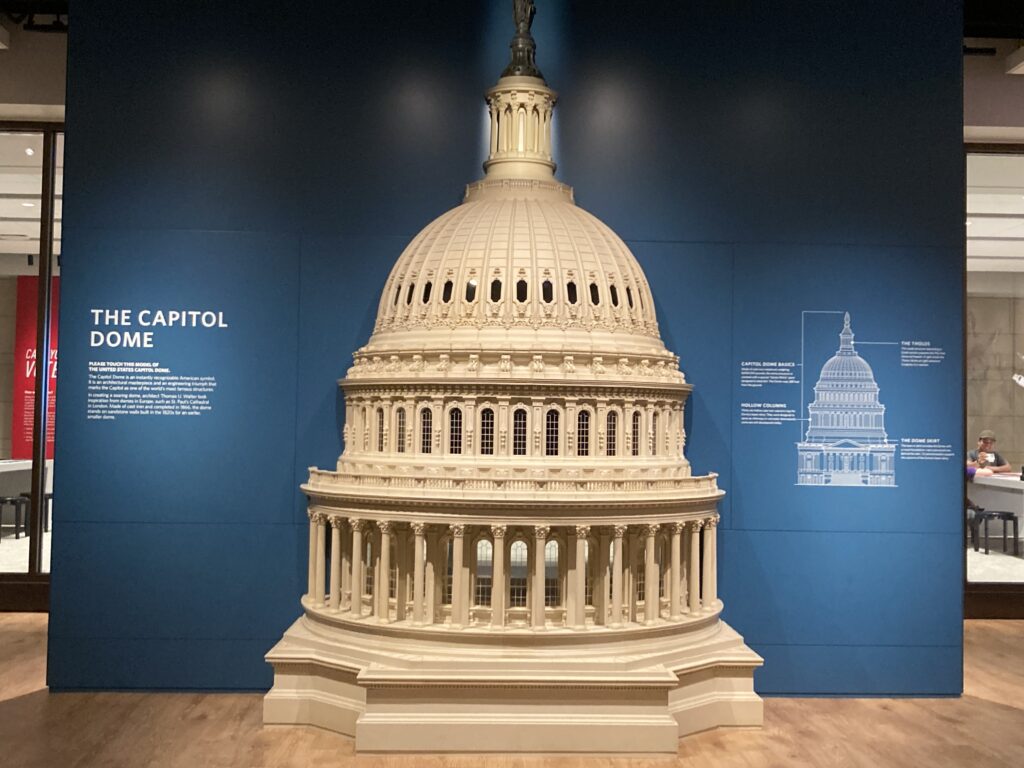
The Capitol Dome contains nearly 9 million pounds of iron
The Statue of Freedom is nearly 20 feet tall
The Capitol has over 600 rooms
The building was partially burned during the War of 1812
Presidential inaugurations are held on the west front of the Capitol
The Capitol Rotunda has hosted presidents lying in state
U.S. Capitol Rotunda
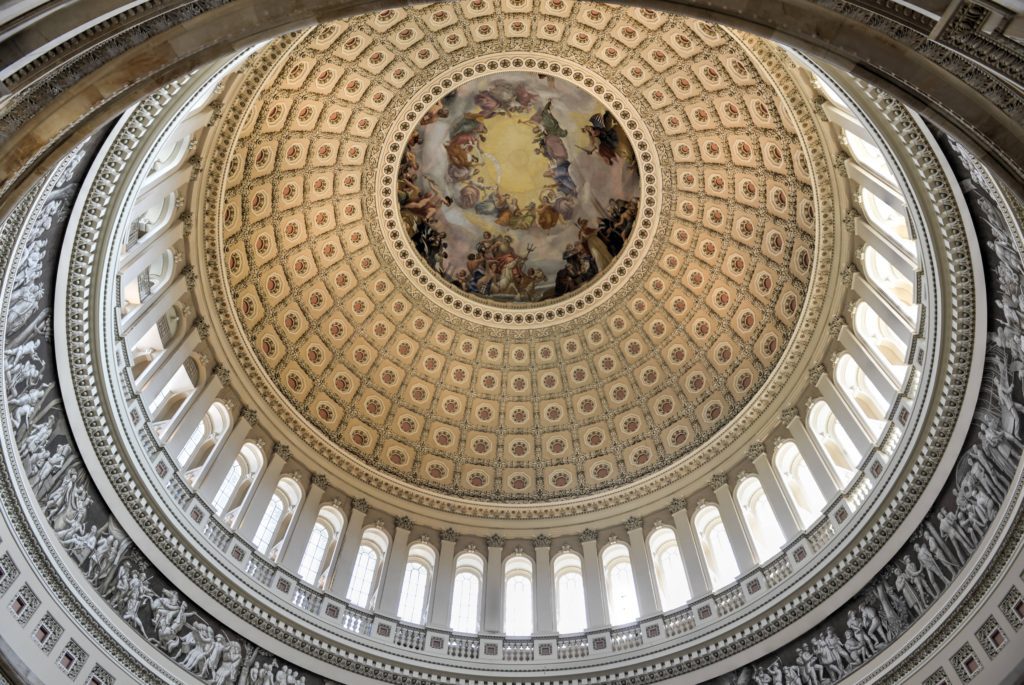
The Capitol Rotunda is a large, domed, circular room located in the center of the U.S. Capitol Building. It was built from 1818-1824.
The painting at the top of the dome is called The Apotheosis of Washington. It is 4,664 square feet and 180 feet from the rotunda floor. George Washington was the first U.S. president and commander-in-chief of the Continental Army during the American Revolutionary War.
Apotheosis is the glorification of a subject to divine levels. In the painting, Washington is draped in purple, which was worn by generals of the ancient Roman Republic during their triumphs. He is surrounded by figures from classical mythology, and has a rainbow arch at his feet.
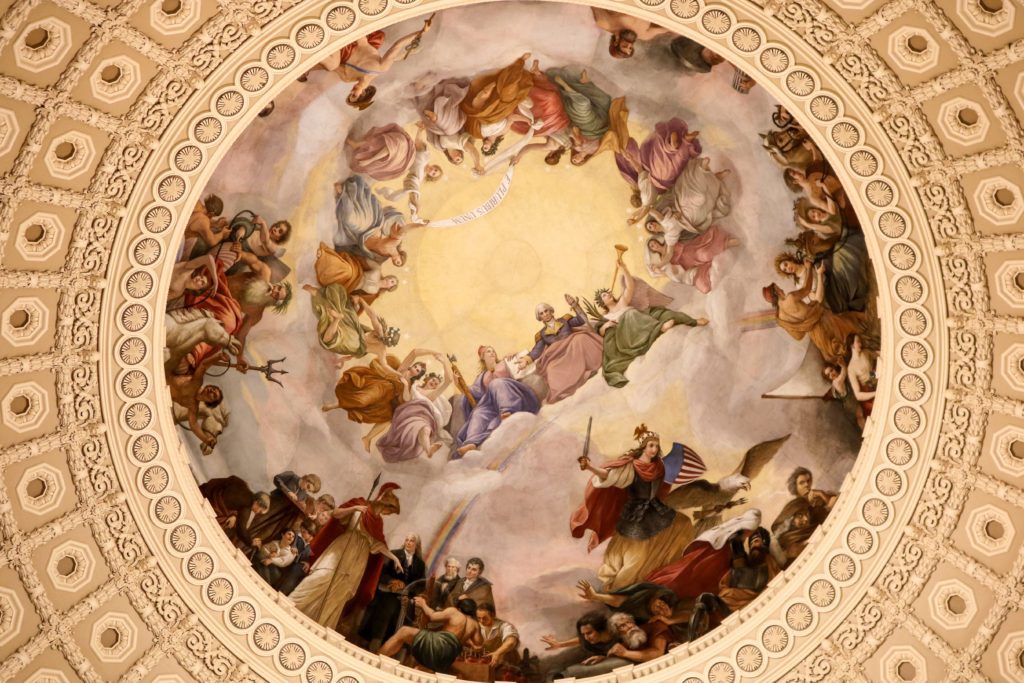

U.S. Capitol Dome
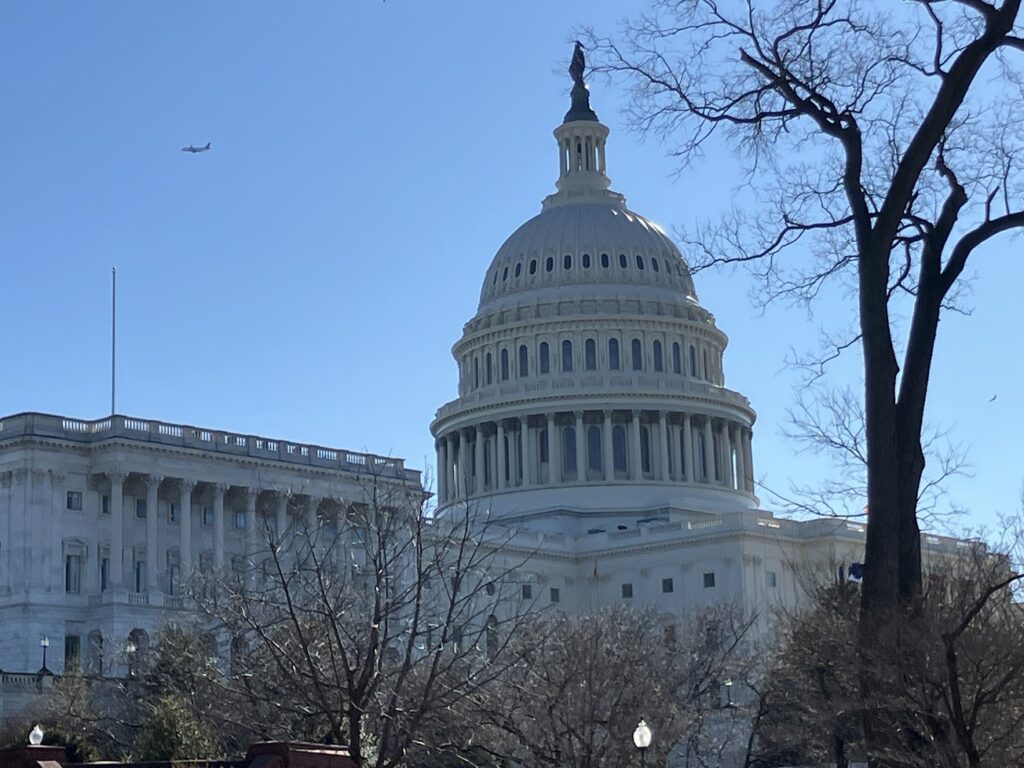
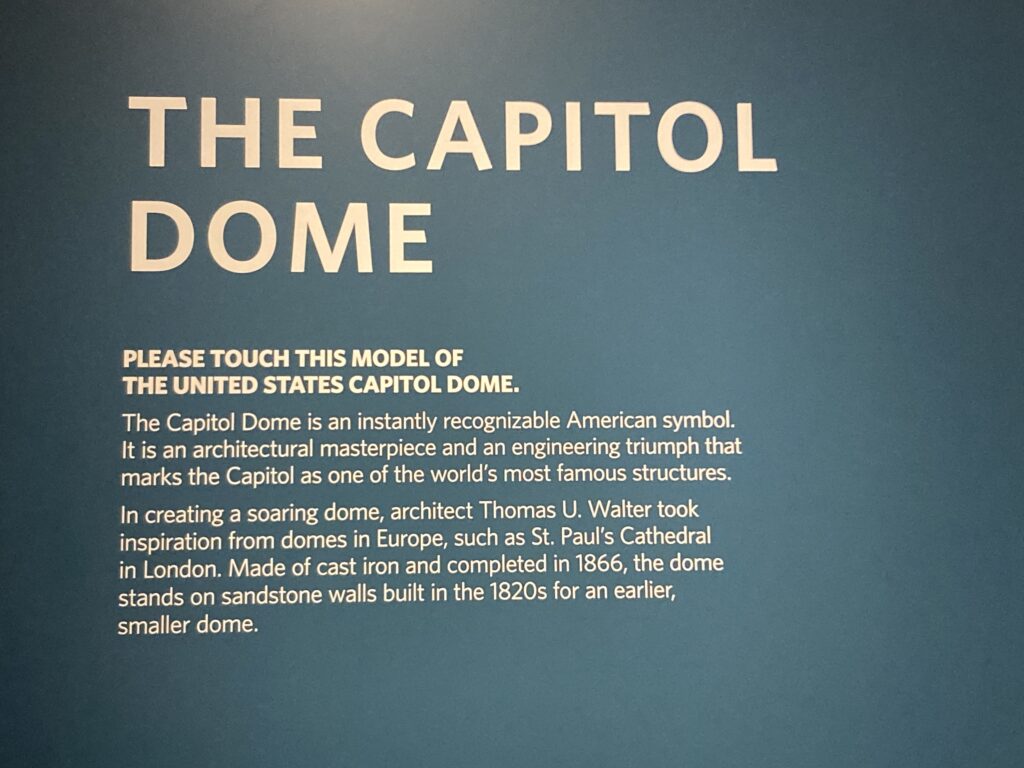
The Capitol Dome is located above the Rotunda. It was constructed between 1856-1866 and is made out of 8,909,200 pounds of ironwork bolted together.
Check out this video of the 2016 Dome restoration!
U.S. Capitol Statue of Freedom
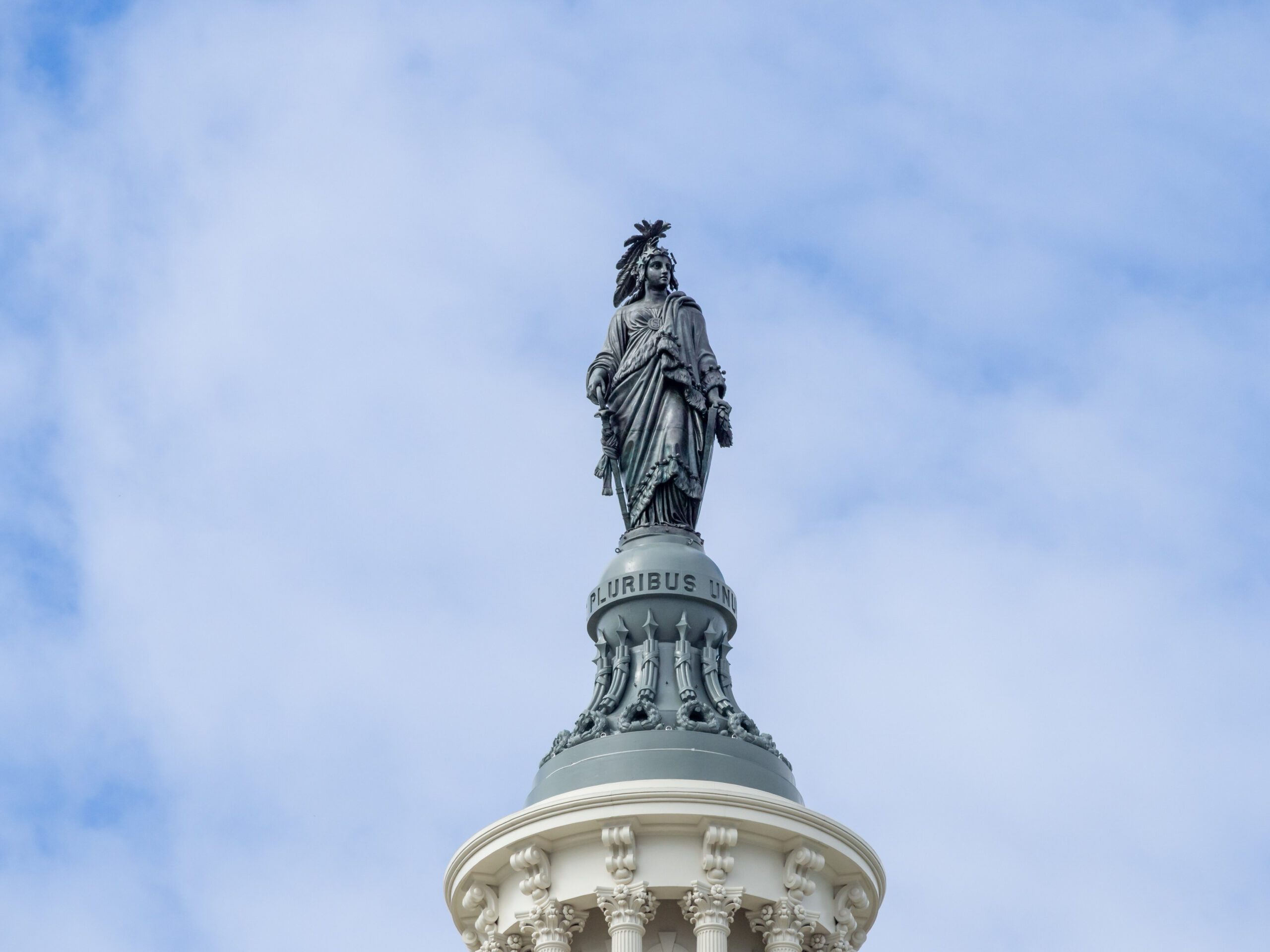
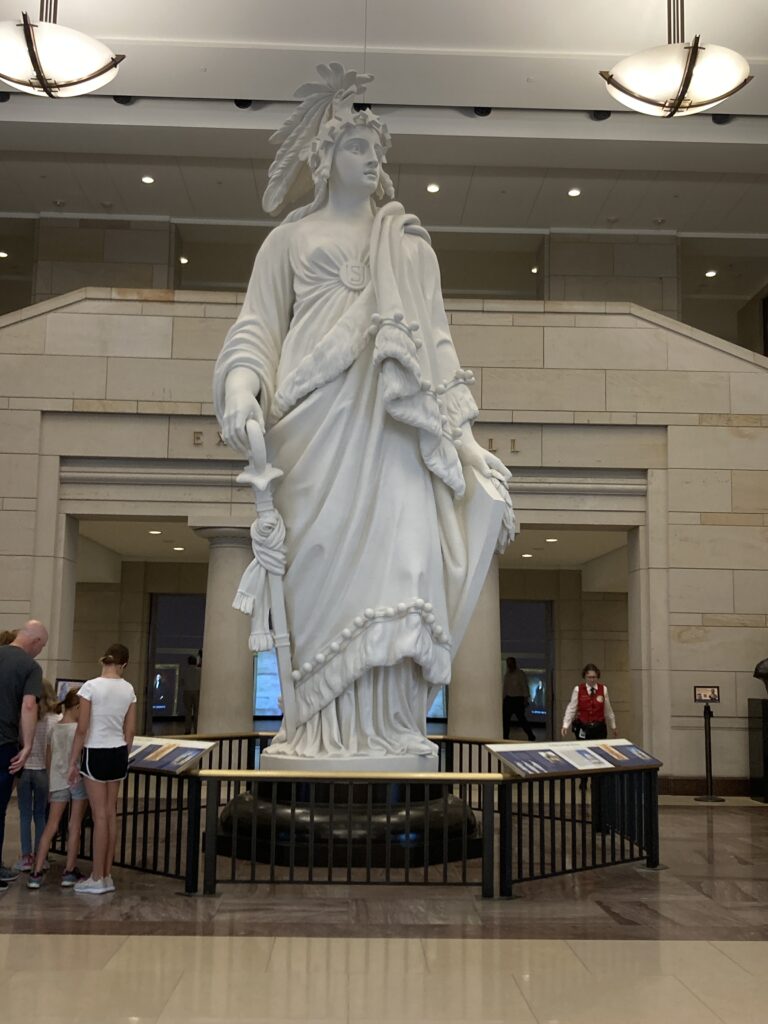
On top of the Capitol Dome is the Statue of Freedom, a 19 foot bronze statue that was built in 1863.
The statue consists of a woman wearing a military helmet composed of an eagle’s head and feathers, and a classical dress secured with a brooch inscribed “U.S.” She is holding a sheathed sword in her right hand, and a laurel wreath and shield in her left hand.
The statue faces east towards the Supreme Court and away from the National Mall. There is much lore surrounding this. Some say she faces east because the sun never sets on freedom. Others say she is facing Great Britain, as a post-Revolutionary War mockery of the British.
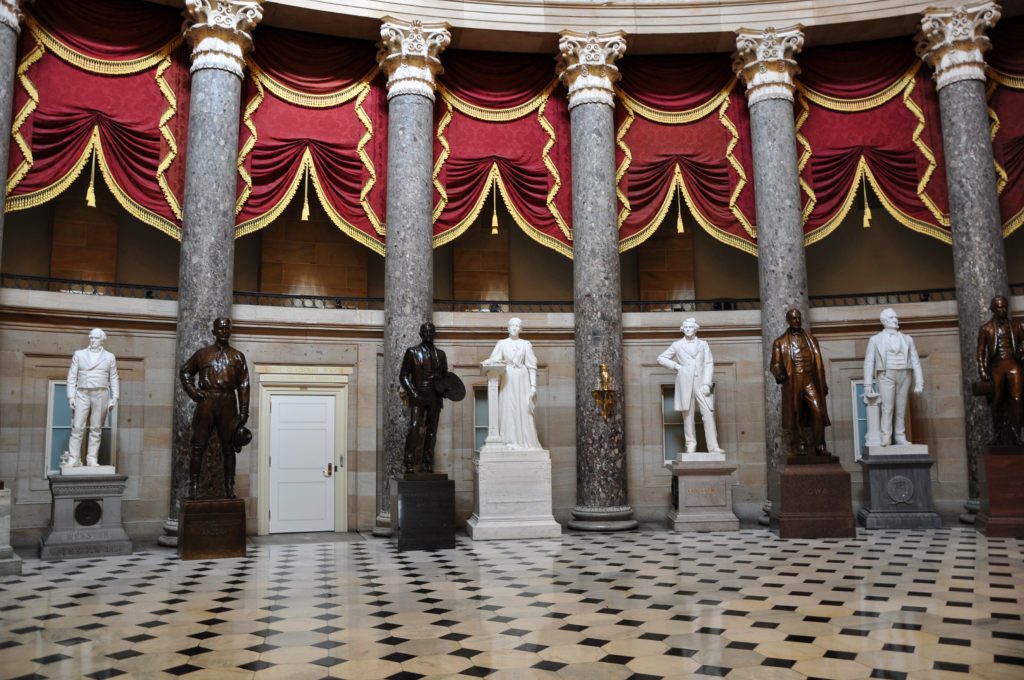
U.S. Capitol National Statuary Hall
The National Statuary Hall is located inside the U.S. Capitol Building. It houses 2 statues of prominent citizens from all 50 states.
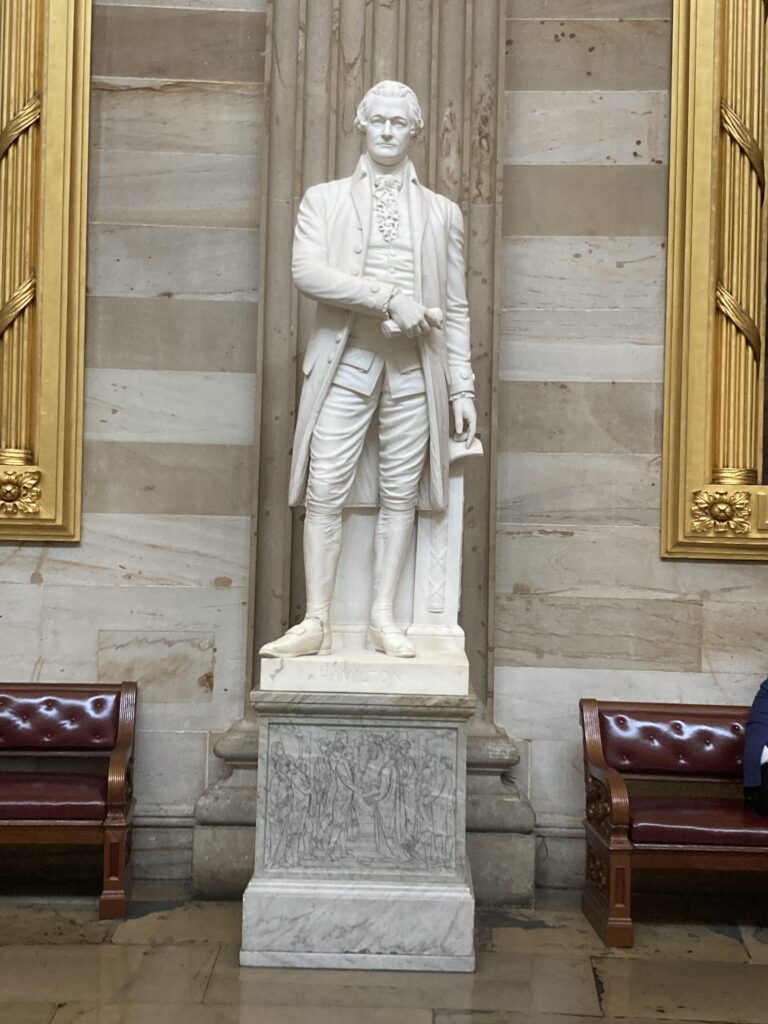
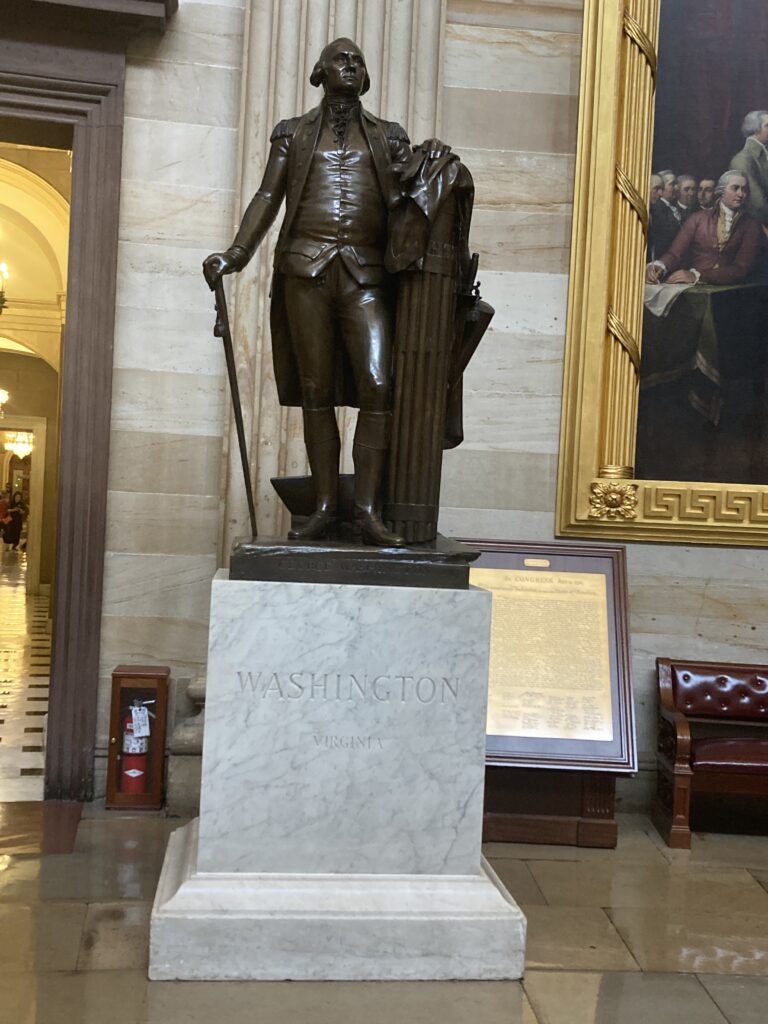
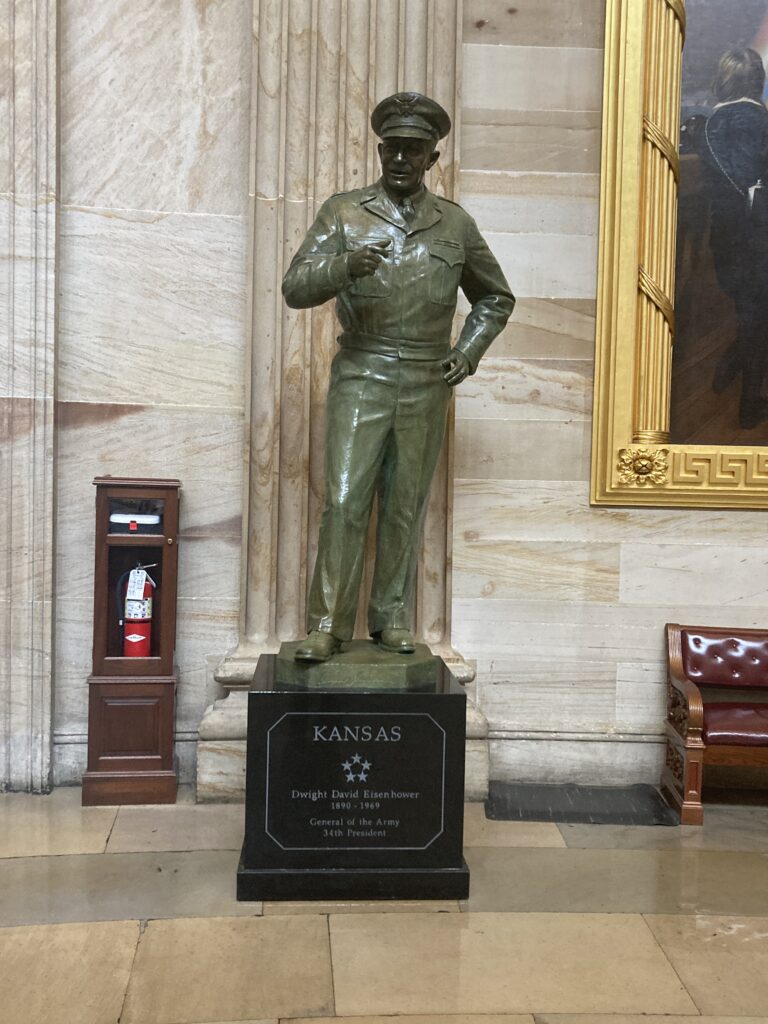
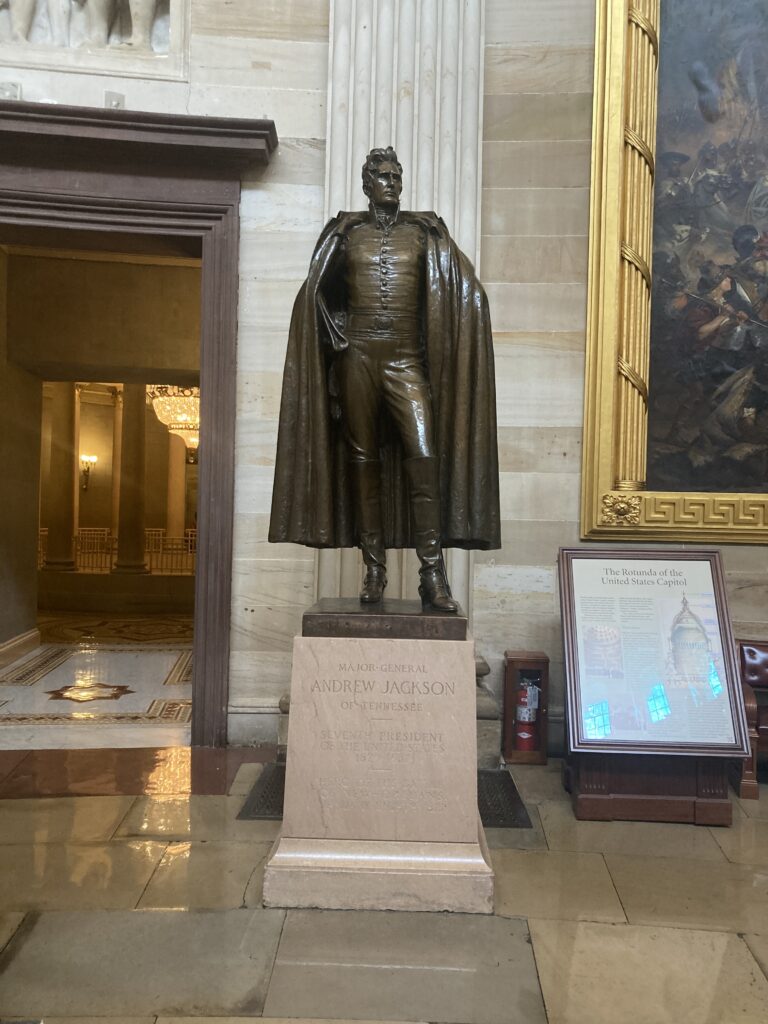
Not surprisingly, the statue collection includes a large number of politicians, including Alexander Hamilton (Georgia), Andrew Jackson (Tennessee), Brigham Young (Utah), Dwight D. Eisenhower (Kansas), and George Washington (Virginia).
It also includes humanitarians such as Helen Keller (Alabama), Father Damien (Hawaii), and Mother Joseph (Washington).
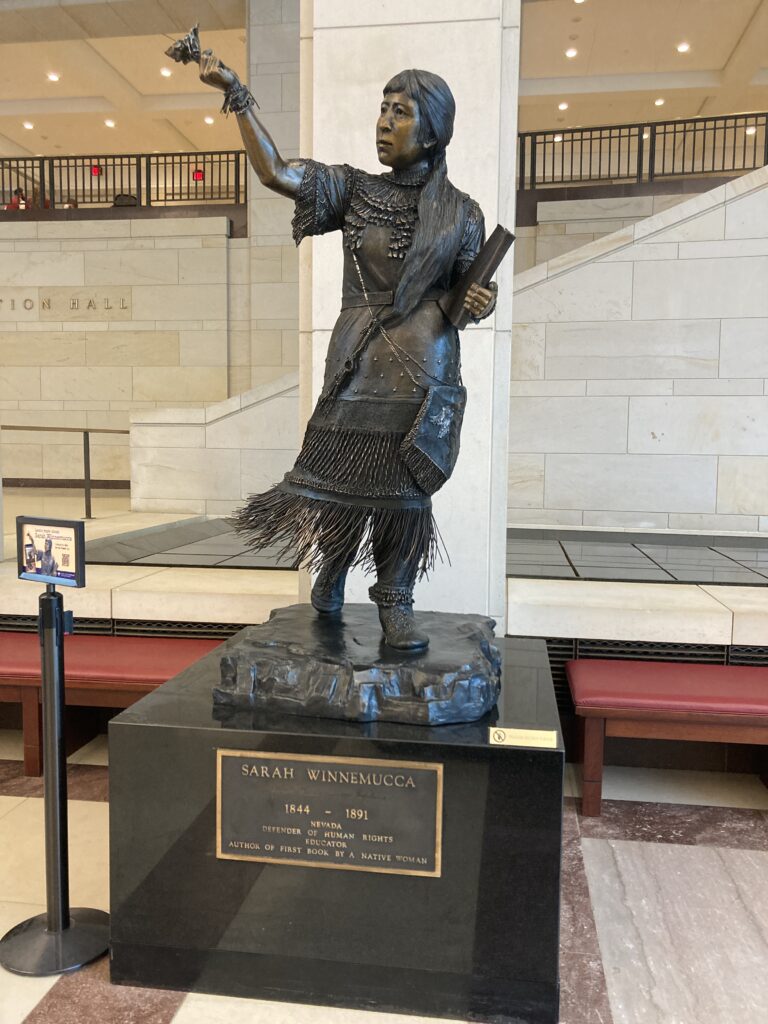
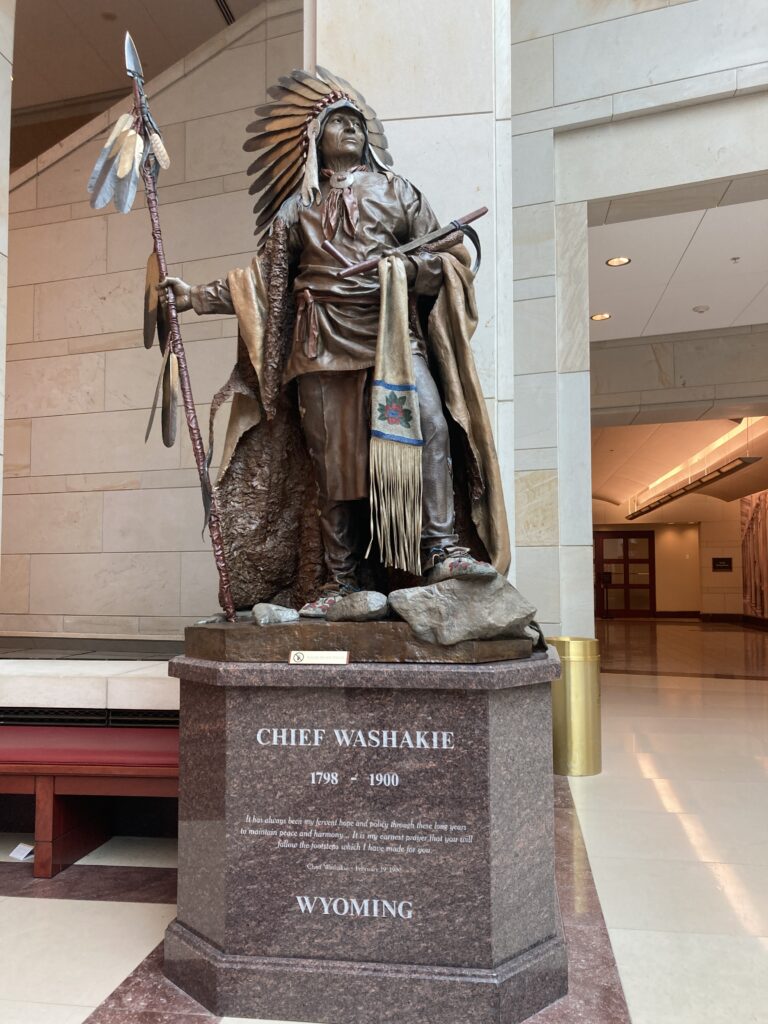
And there are several interesting historical figures that I’ve never heard of, including Chief Standing Bear (Nebraska), Chief Washakie (Wyoming), Kamehameha I (Hawaii), and Sarah Winnemucca (Nevada).
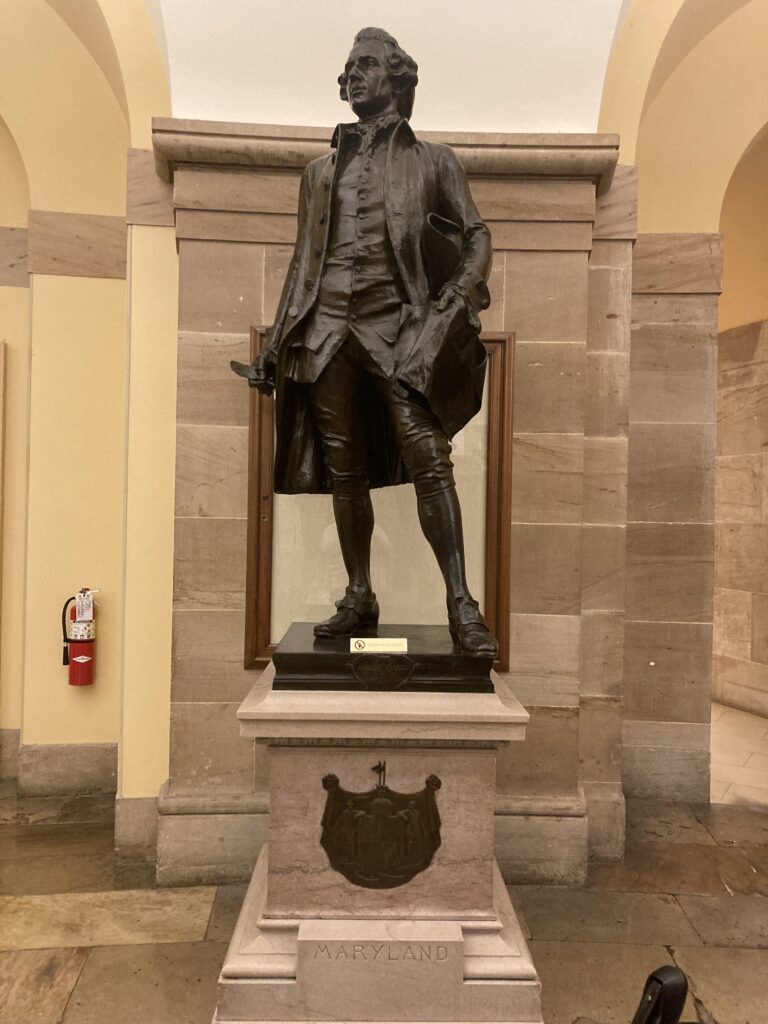
U.S. Capitol Crypt
Unlike most crypts, the U.S. Capitol Crypt does not have anyone buried in it. Instead, it is the foundation that supports the building. It houses 13 statues representing the 13 original colonies.
The crypt also houses a replica of the Magna Carta, the first document to proclaim that the king and his government are not above the law. It was signed by King John of England in 1215.
The star in the center of the floor denotes the point from which the streets in Washington are laid out and numbered.

Statues Inside the U.S. Capitol
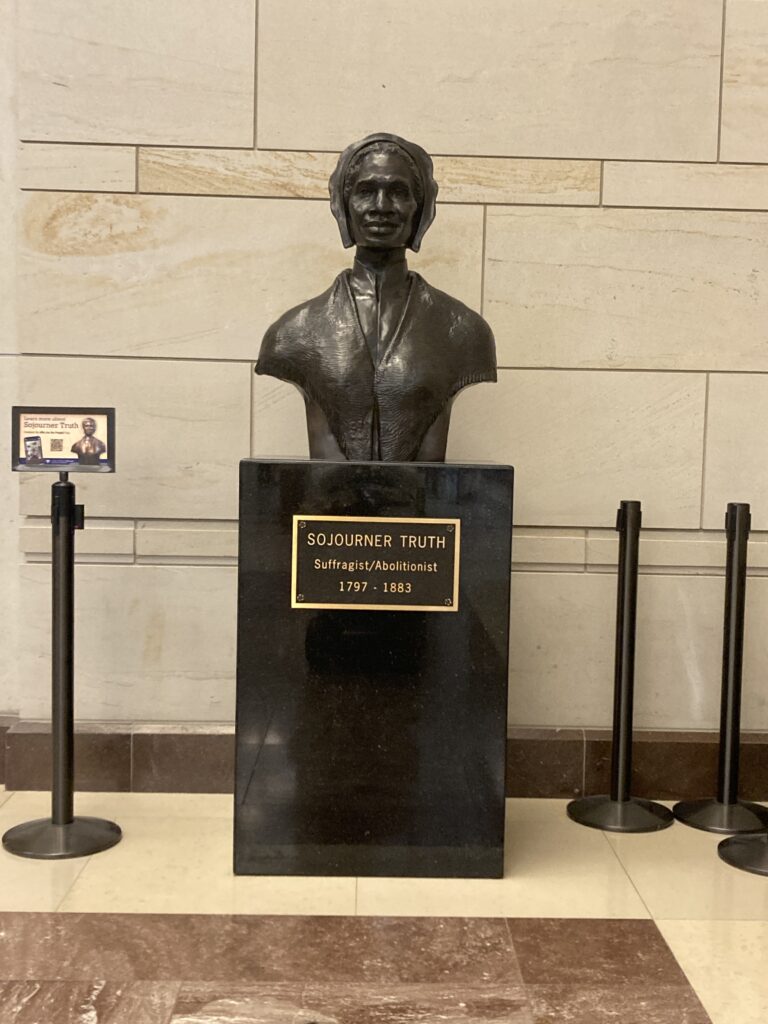
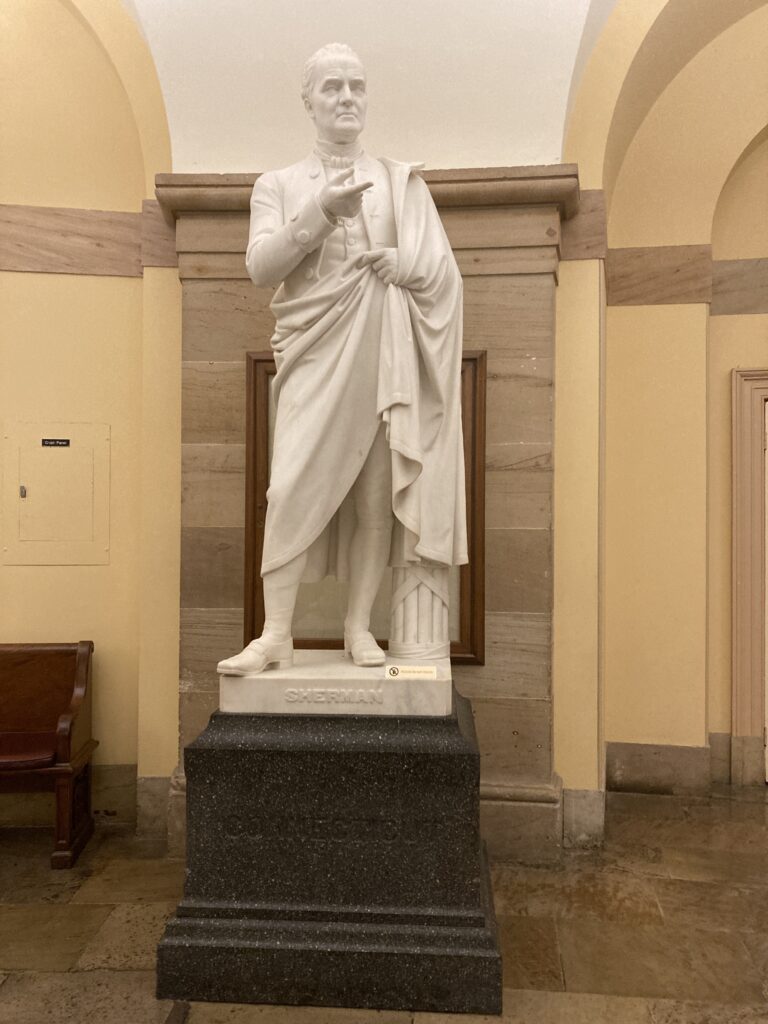
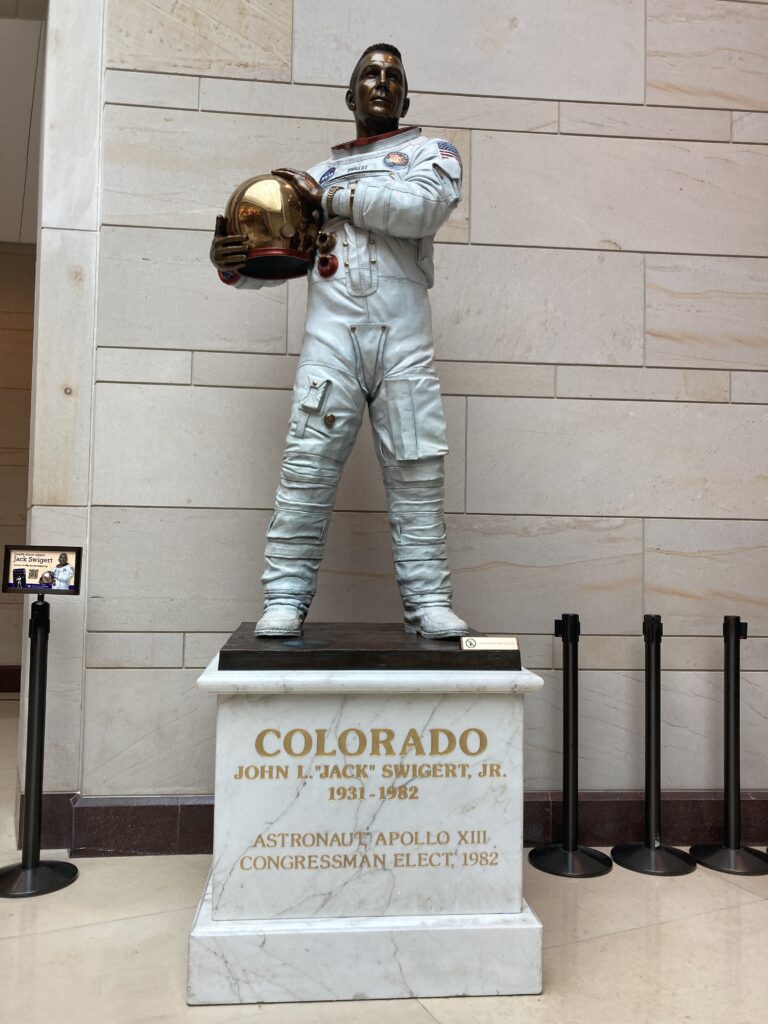
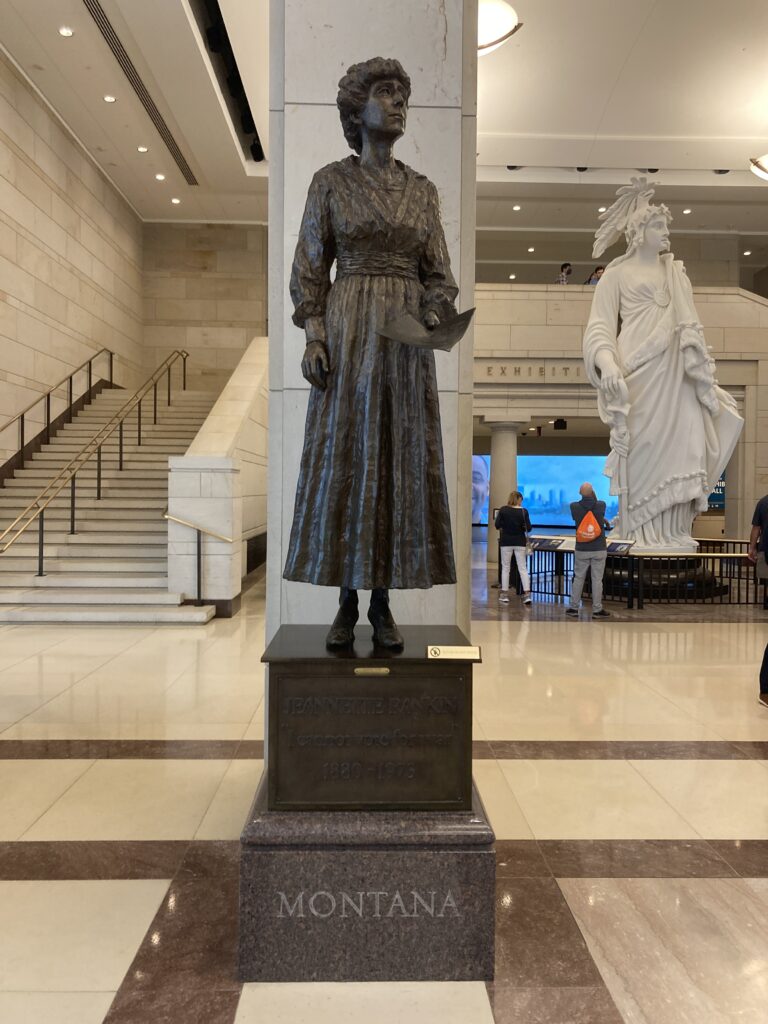
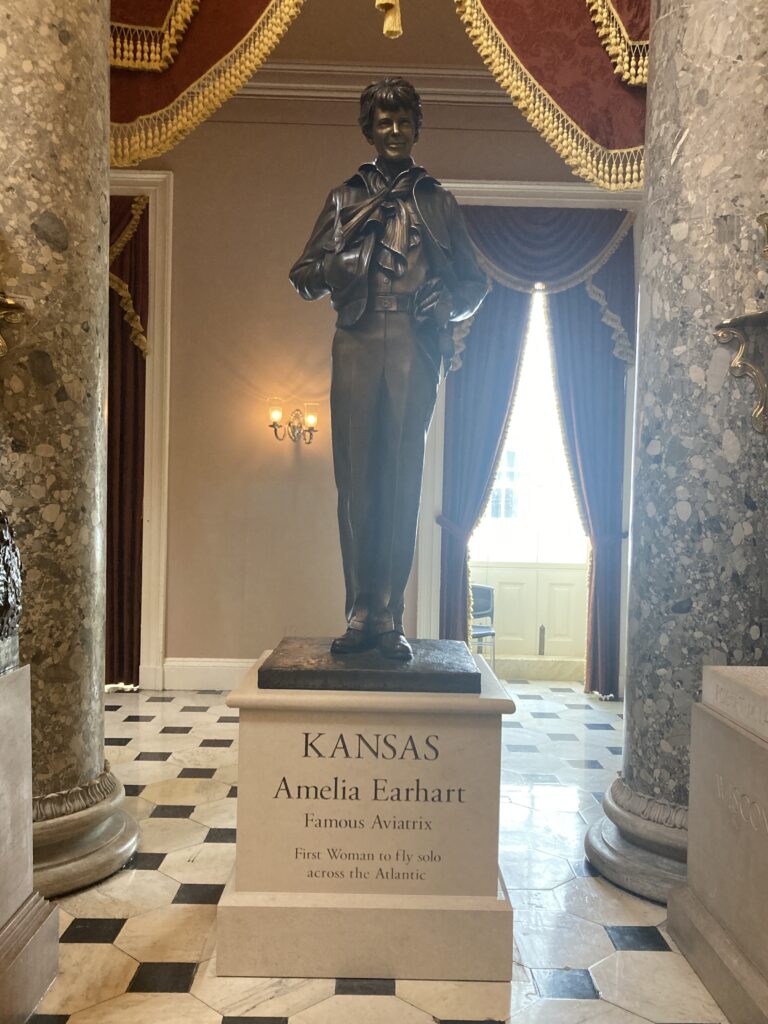
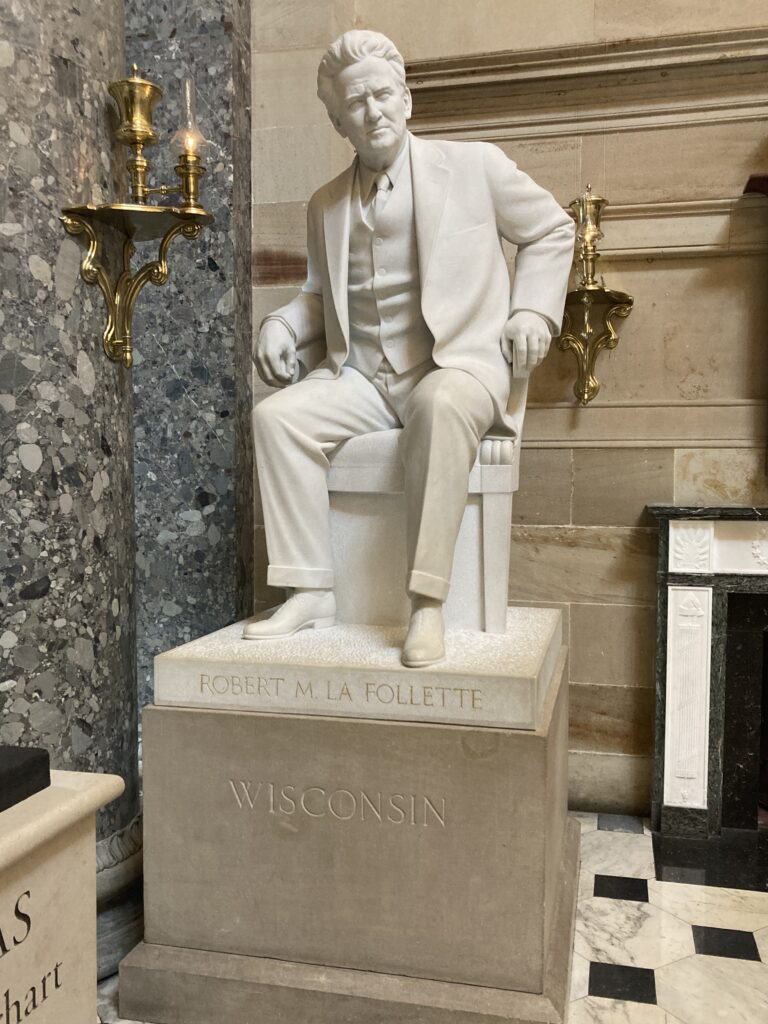
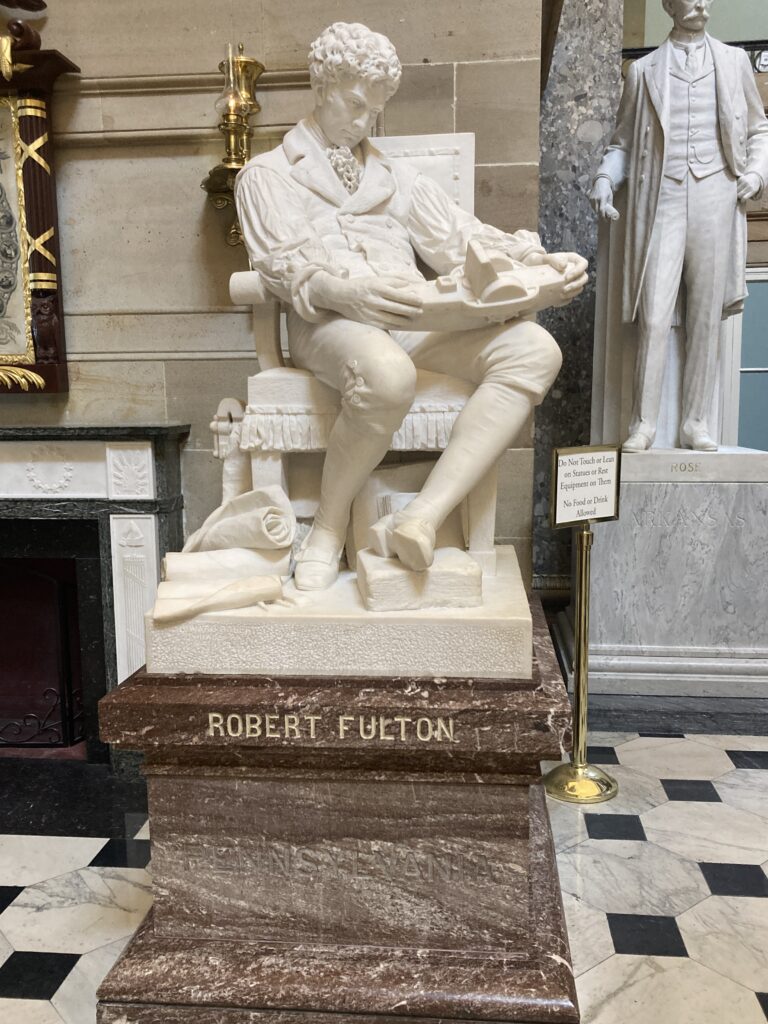
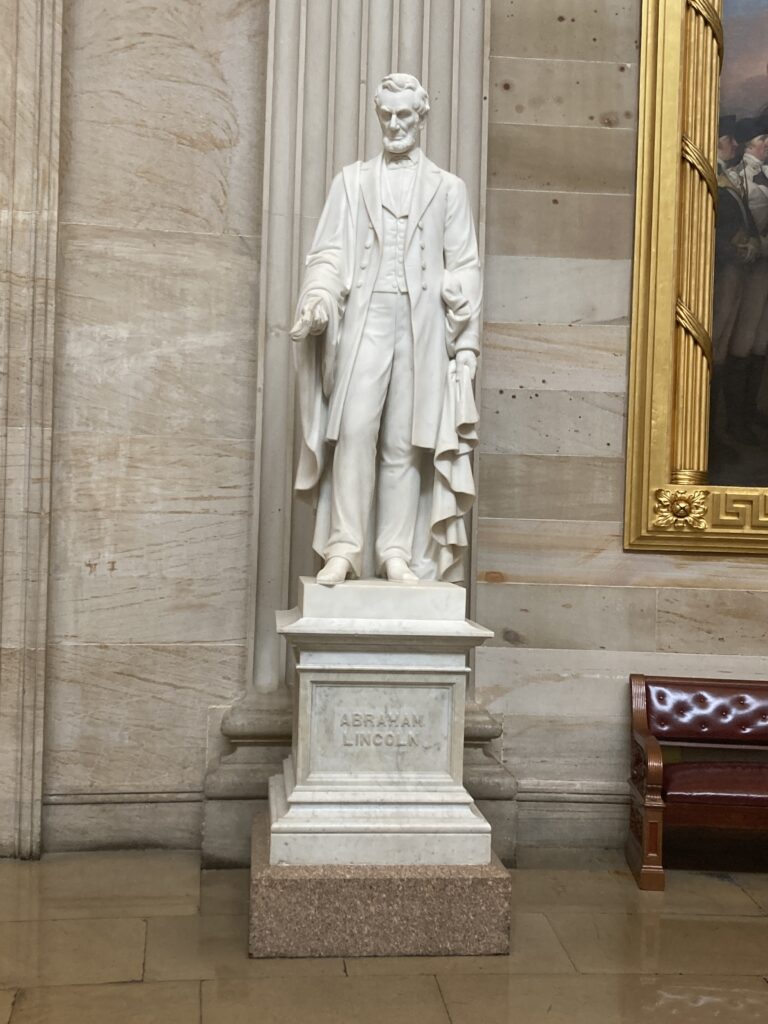
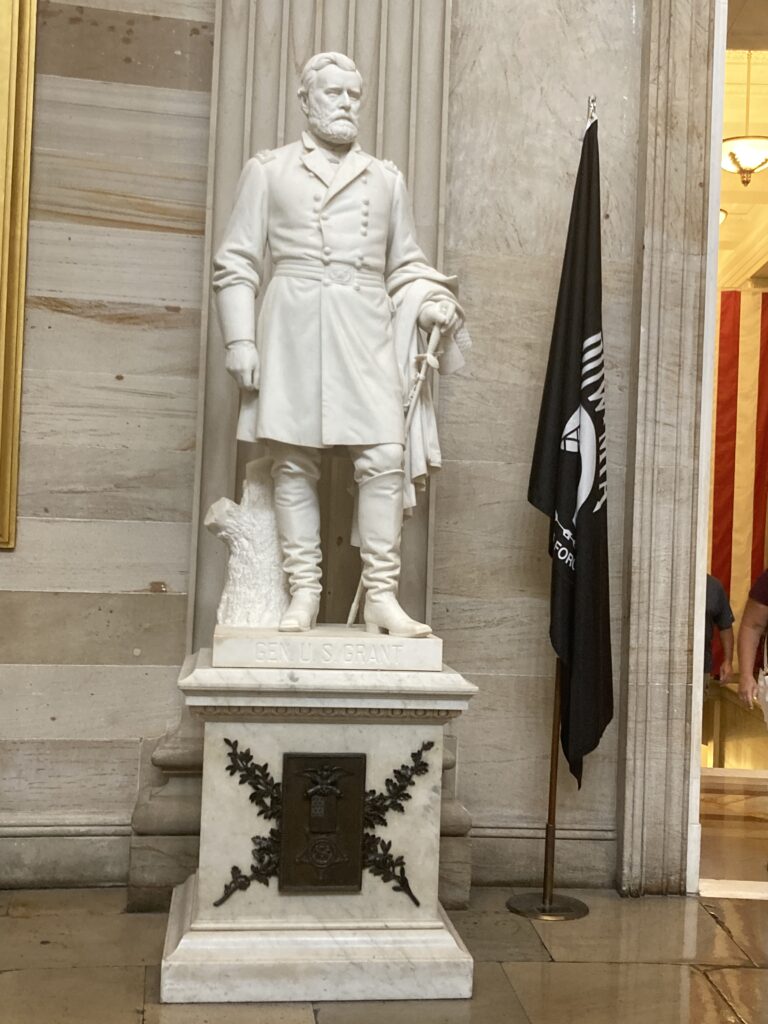
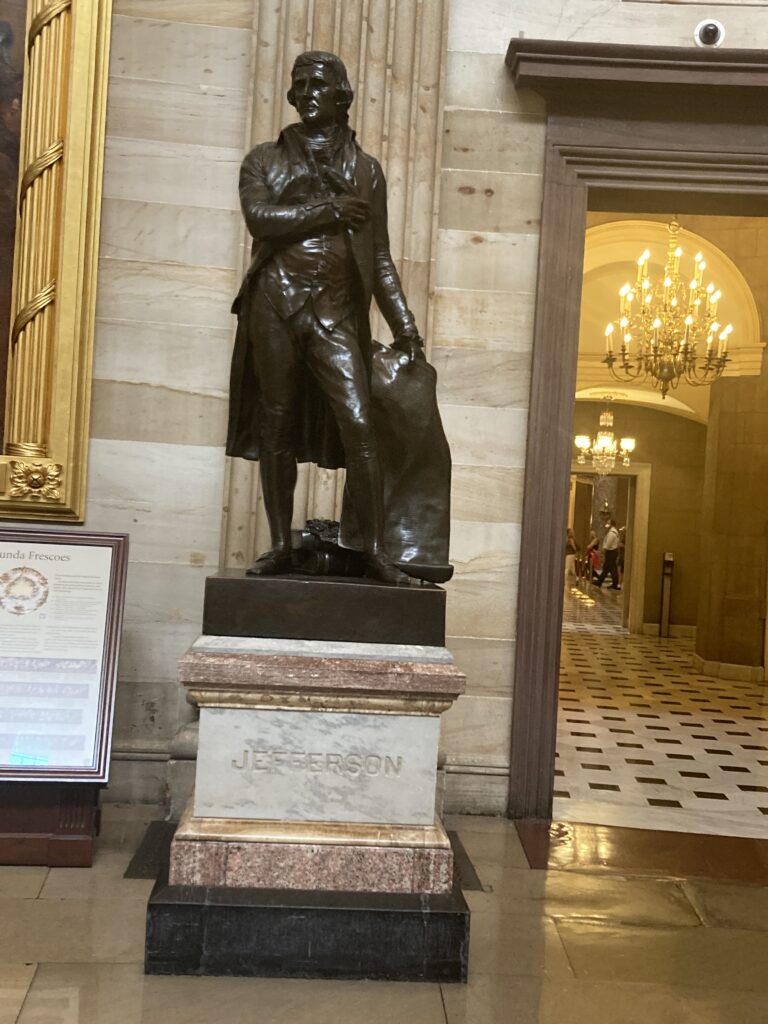
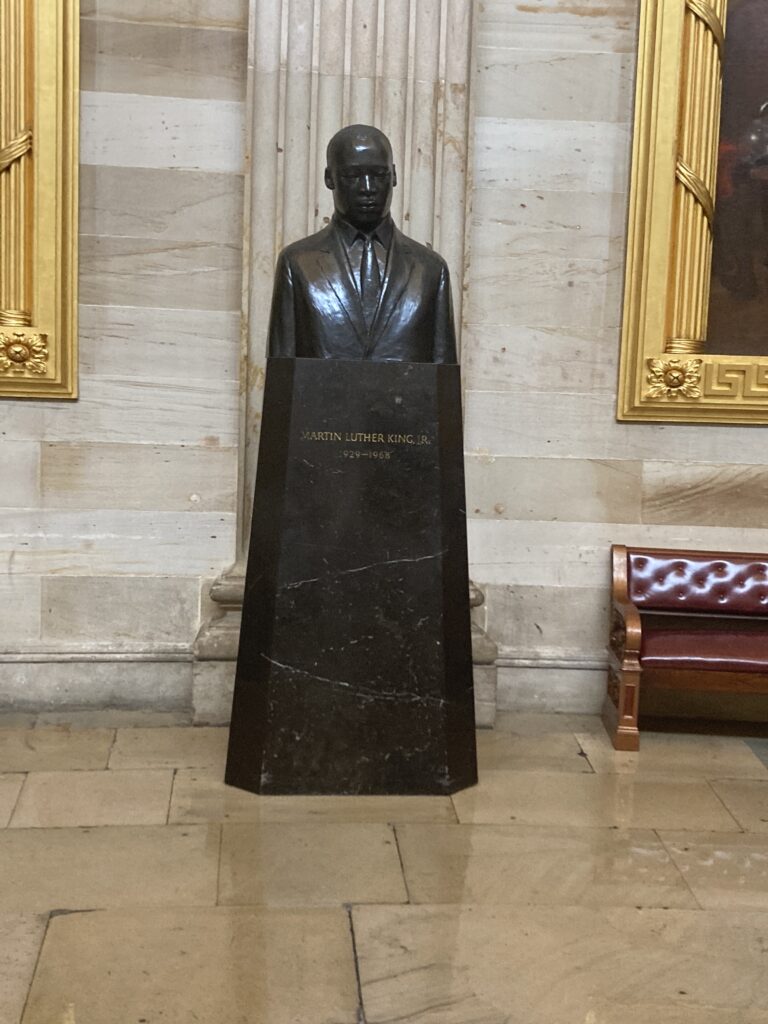
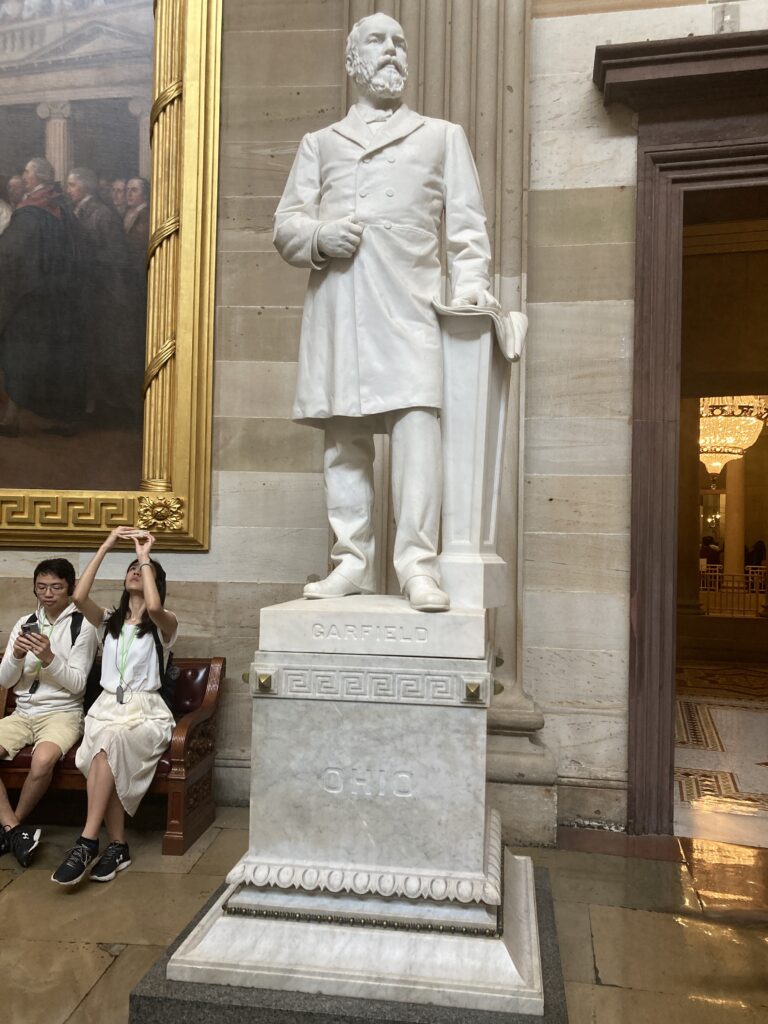
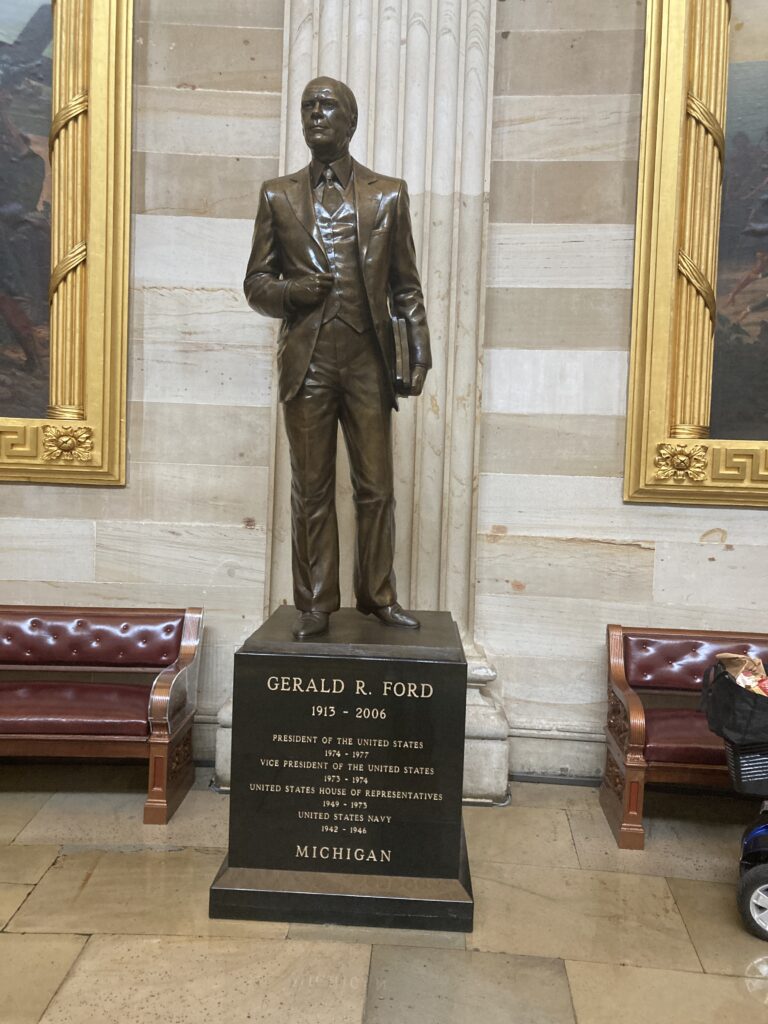
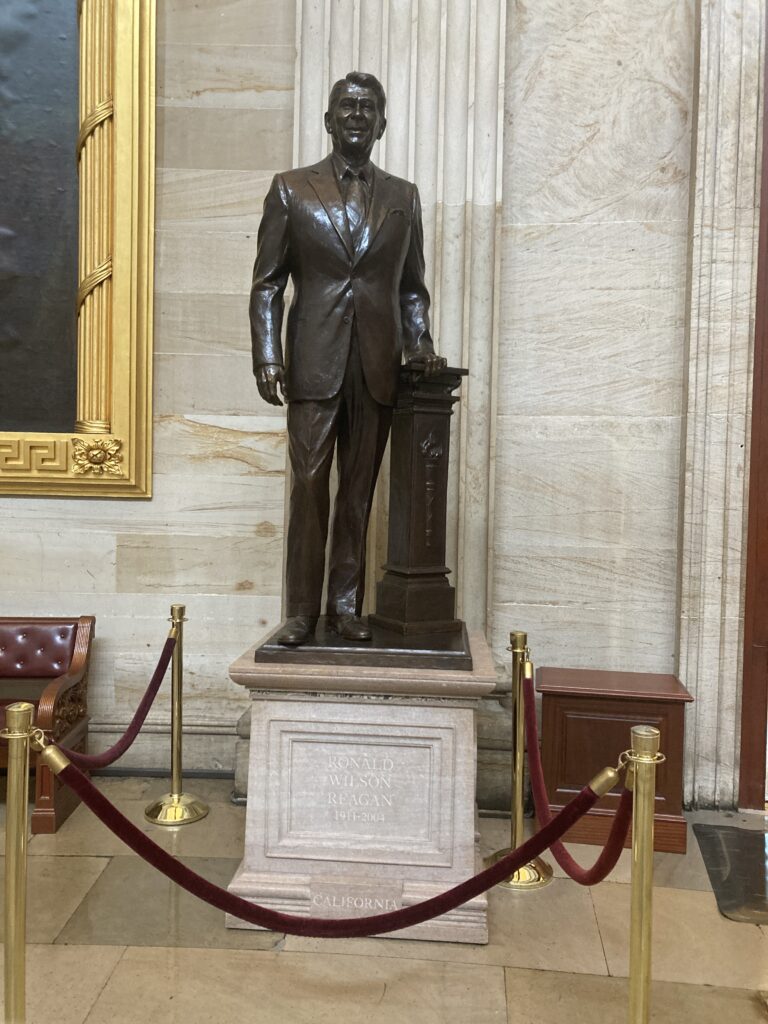
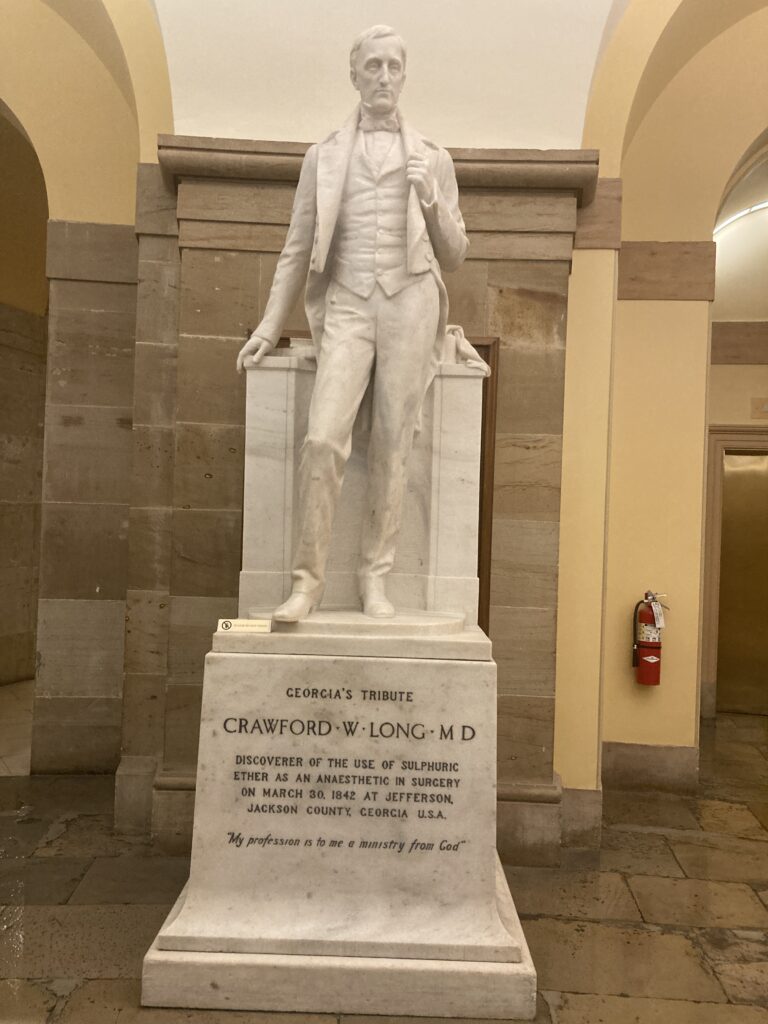
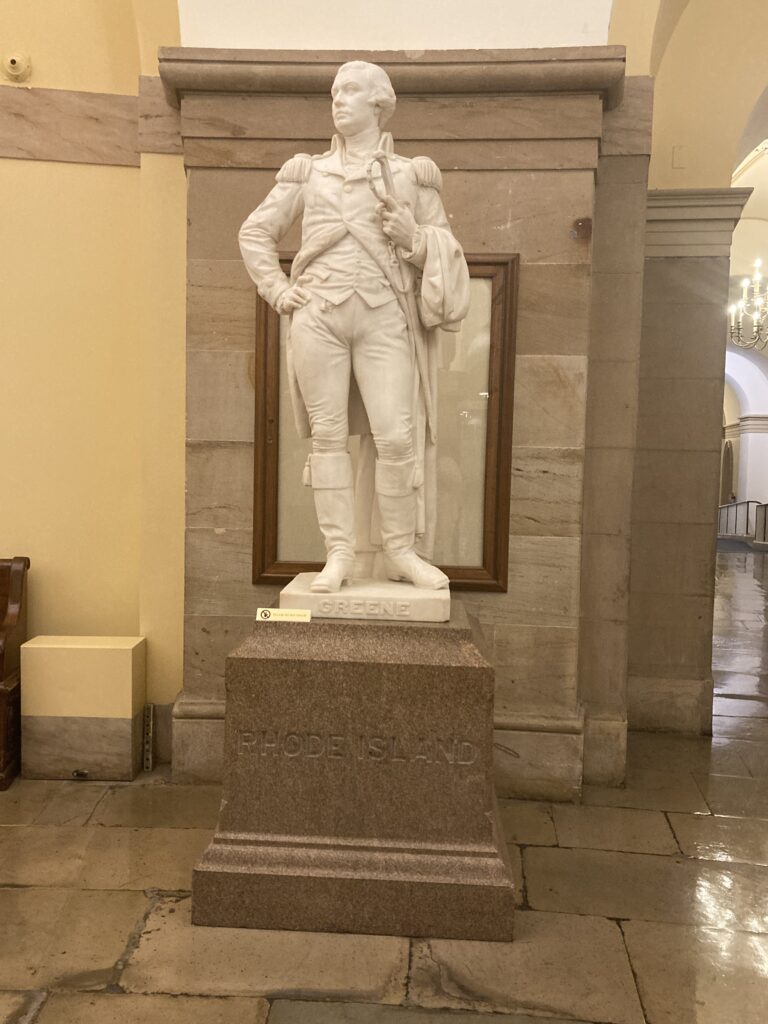
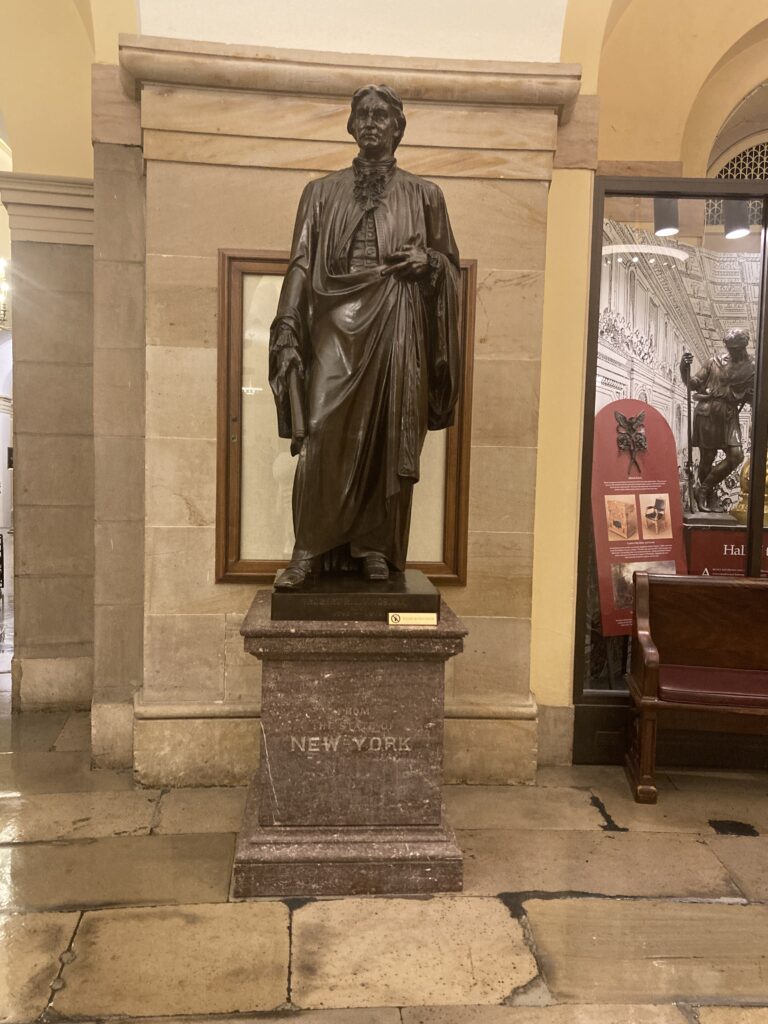
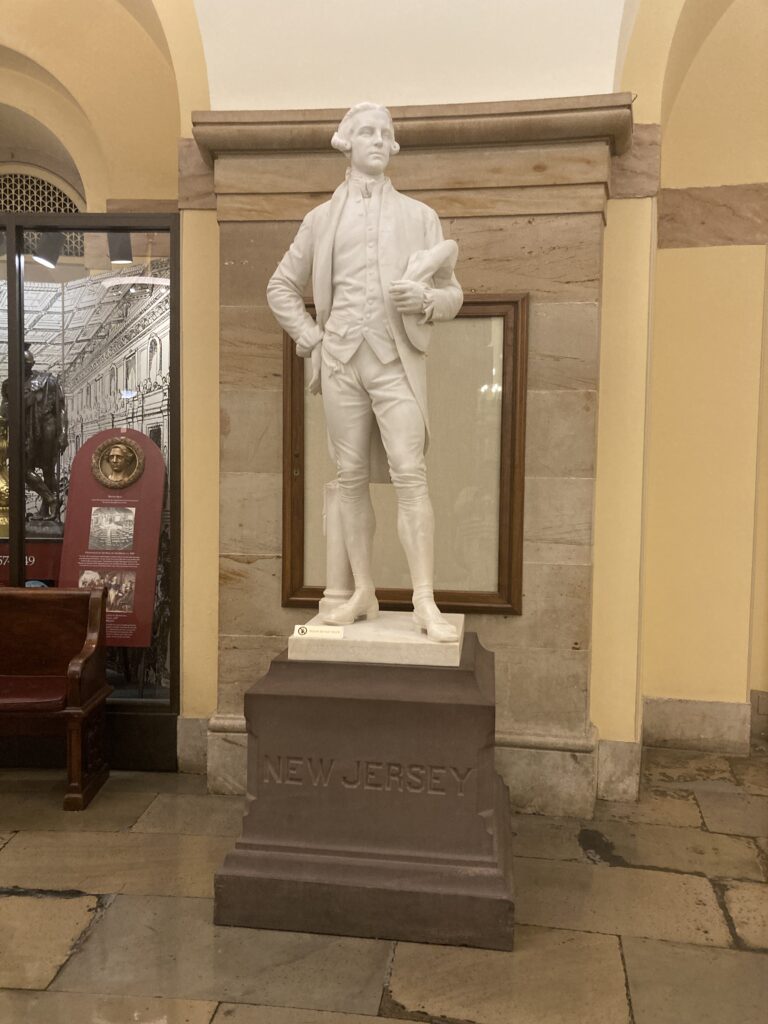
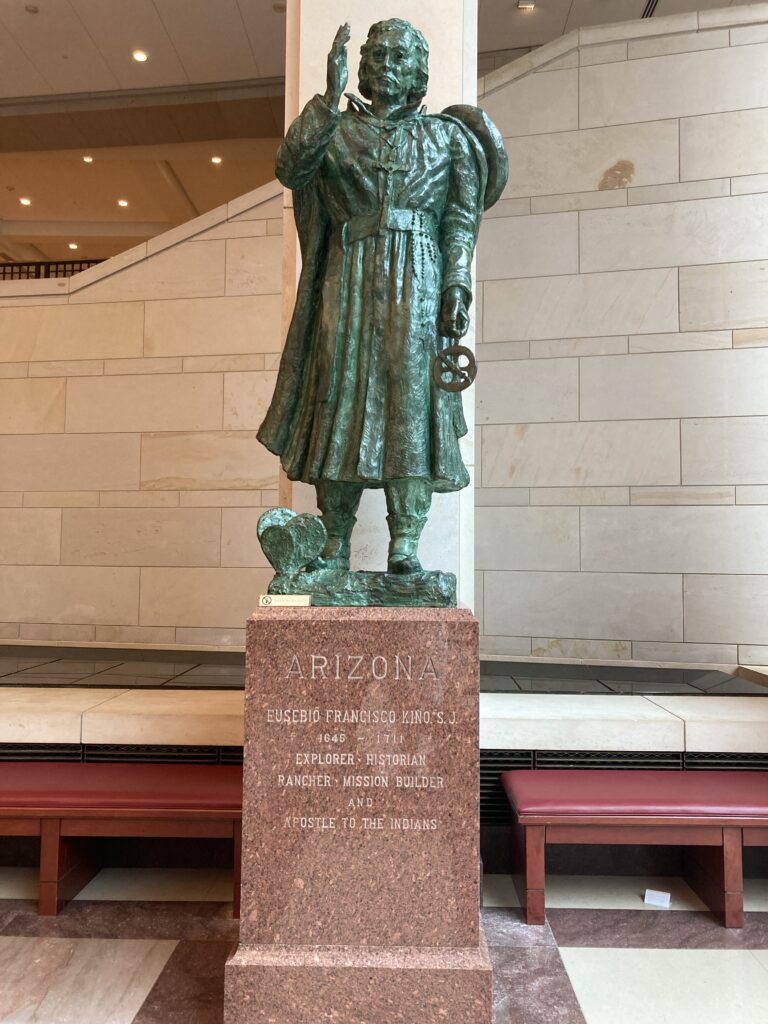
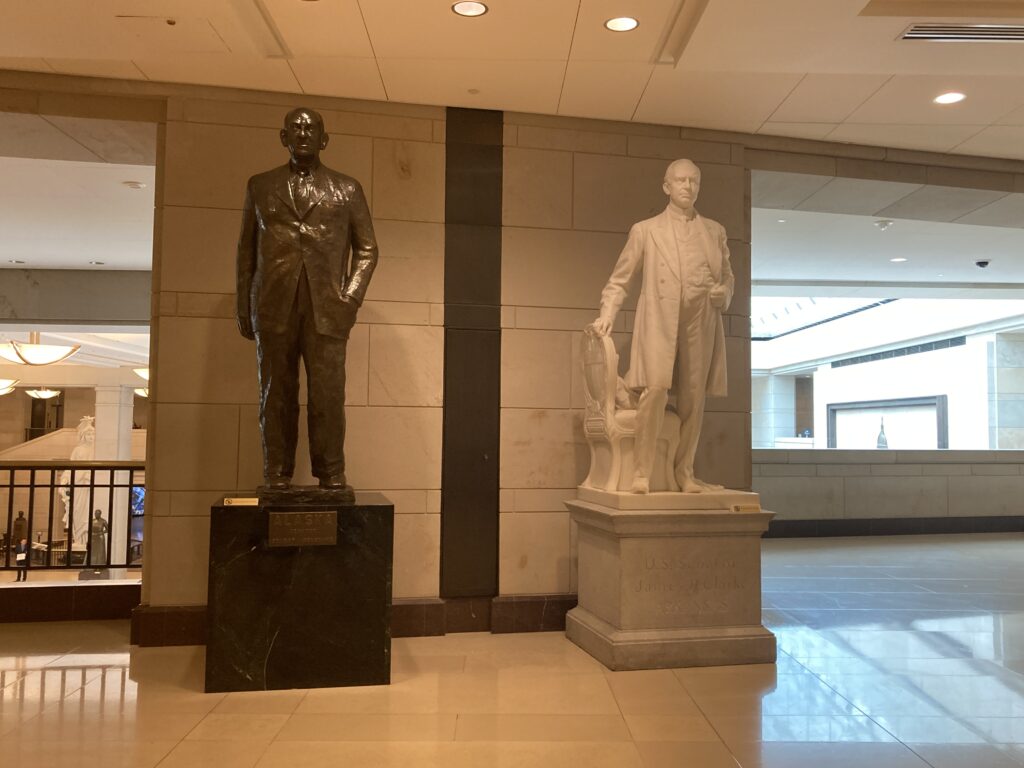
One of the most fascinating parts of visiting the U.S. Capitol is seeing the enormous collection of statues displayed throughout the building. The Capitol contains hundreds of statues, busts, and memorials honoring presidents, military leaders, activists, inventors, religious figures, and other important Americans.
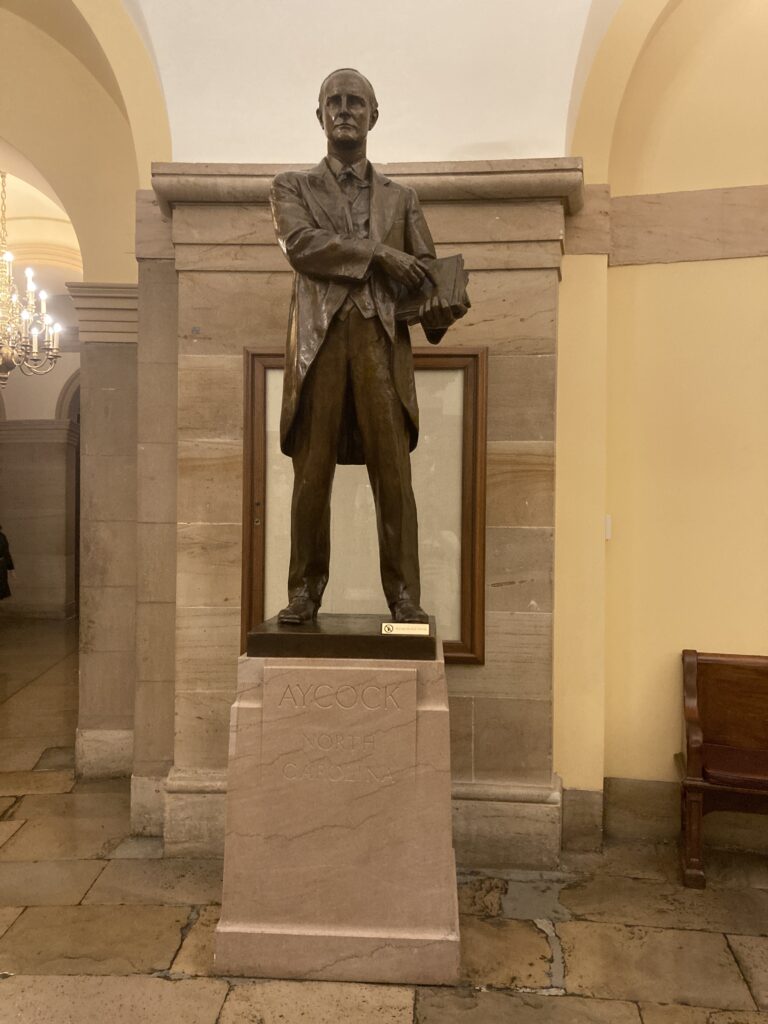
Many of the most famous statues are located in National Statuary Hall, where each U.S. state is allowed to donate two statues of notable citizens connected to their state’s history.
The collection includes presidents, educators, Native American leaders, missionaries, scientists, and civil rights figures. I was surprised by how diverse the collection is once you begin looking closely at the statues and reading the plaques.
Some statues inside the Capitol are massive and impossible to miss, while others are tucked quietly into hallways, chambers, and corners of the building.
Don’t miss these:
- Chief Standing Bear (Nebraska): His 1879 court case established for the first time that Native Americans are legally “persons” under U.S. law. I was genuinely emotional reading his plaque.
- Sarah Winnemucca (Nevada): A Northern Paiute activist and the first Native American woman to hold a copyright. Remarkable woman, and most visitors walk right past her.
- Helen Keller (Alabama): One of the most recognizable figures in the collection, and for good reason. Her story never gets old.
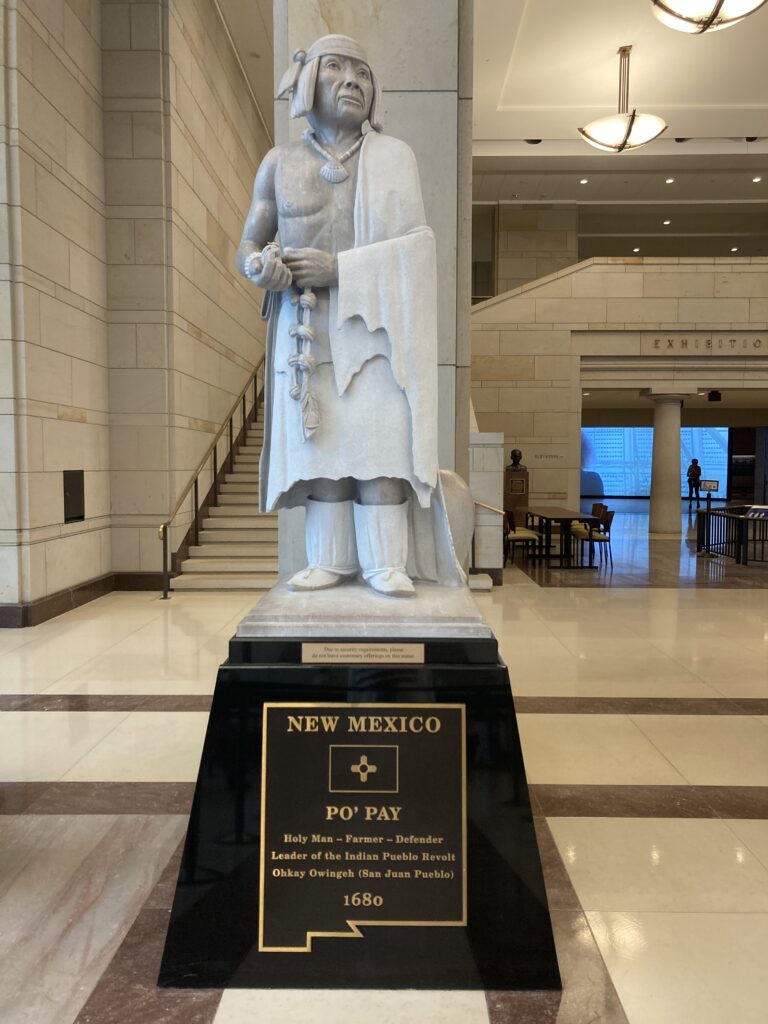
- Po’Pay (New Mexico): Led the Pueblo Revolt of 1680, one of the most successful Indigenous uprisings against Spanish colonial rule. Fascinating and underrepresented in mainstream history.
- Father Damien (Hawaii): The Belgian priest who devoted his life to caring for leprosy patients on the island of Molokai. I had visited his memorial in Hawaii, so seeing him here felt personal.
My honest advice: slow down in this hall. The stories behind the statues are far more interesting than the statues themselves.

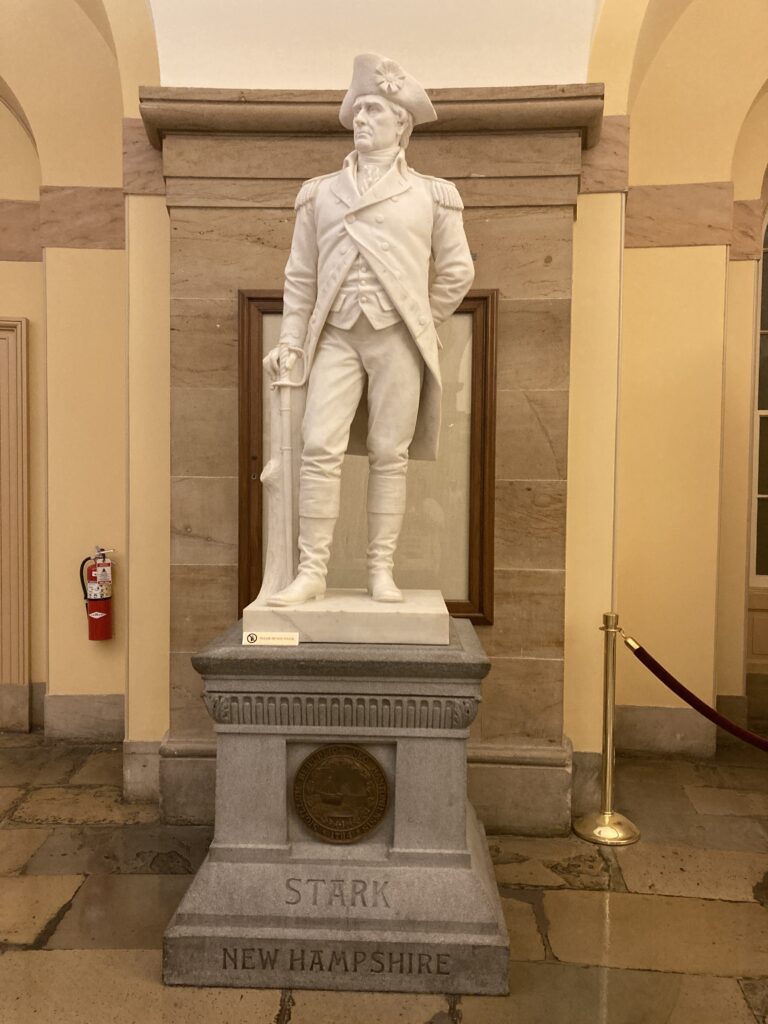
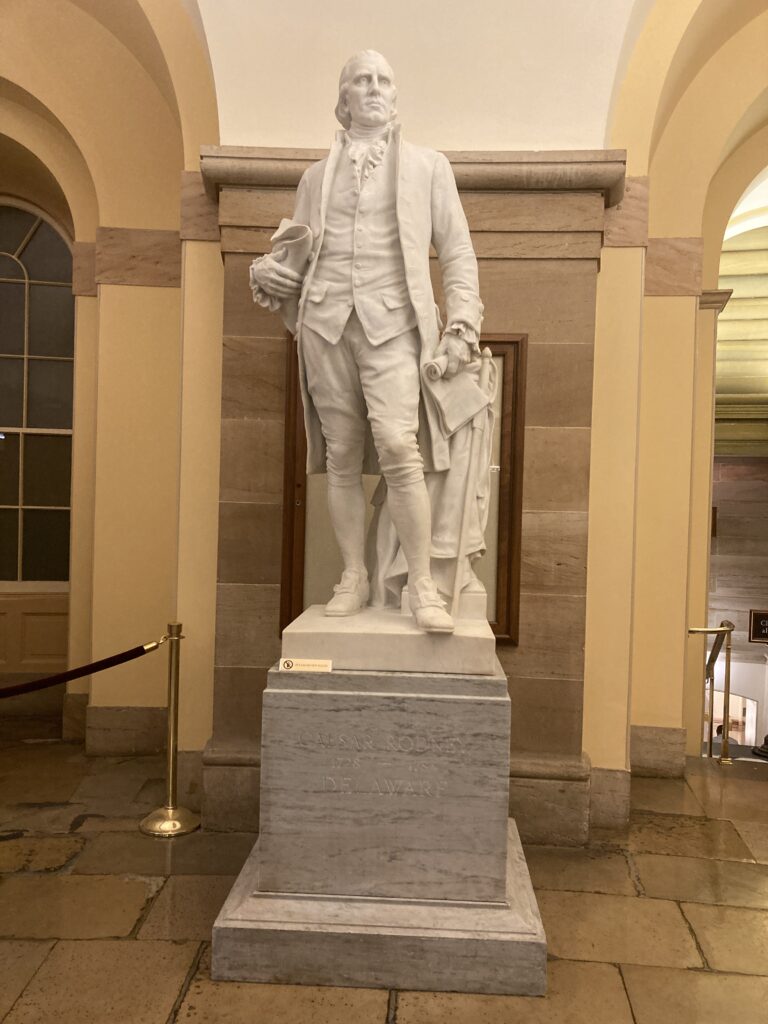
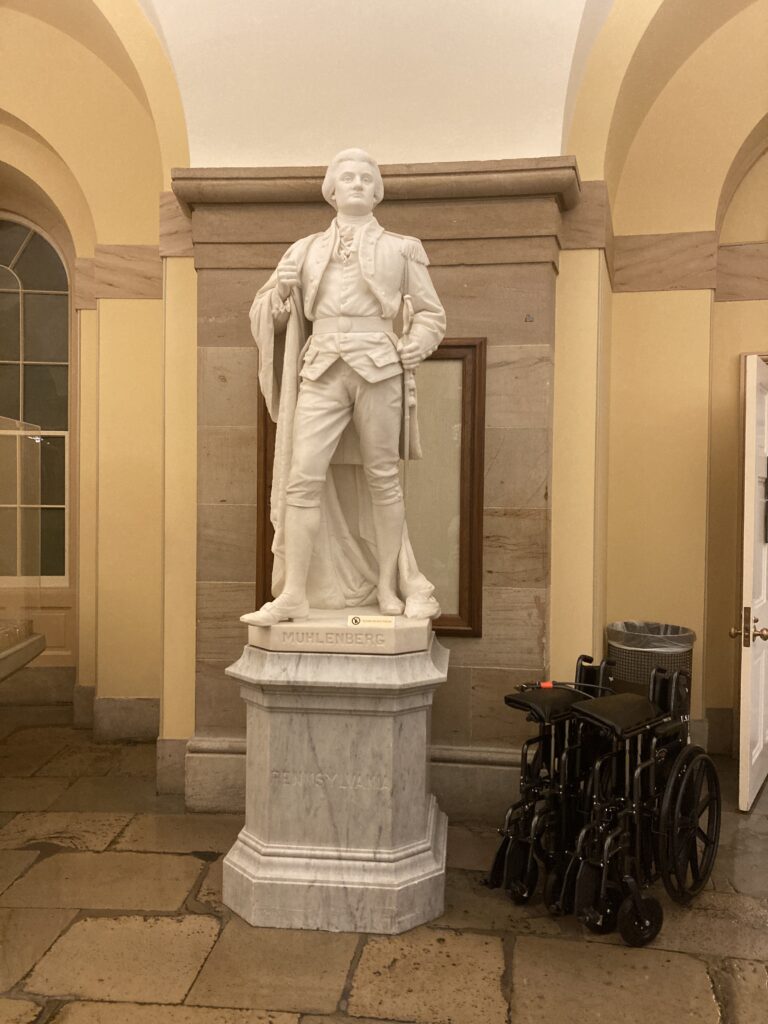
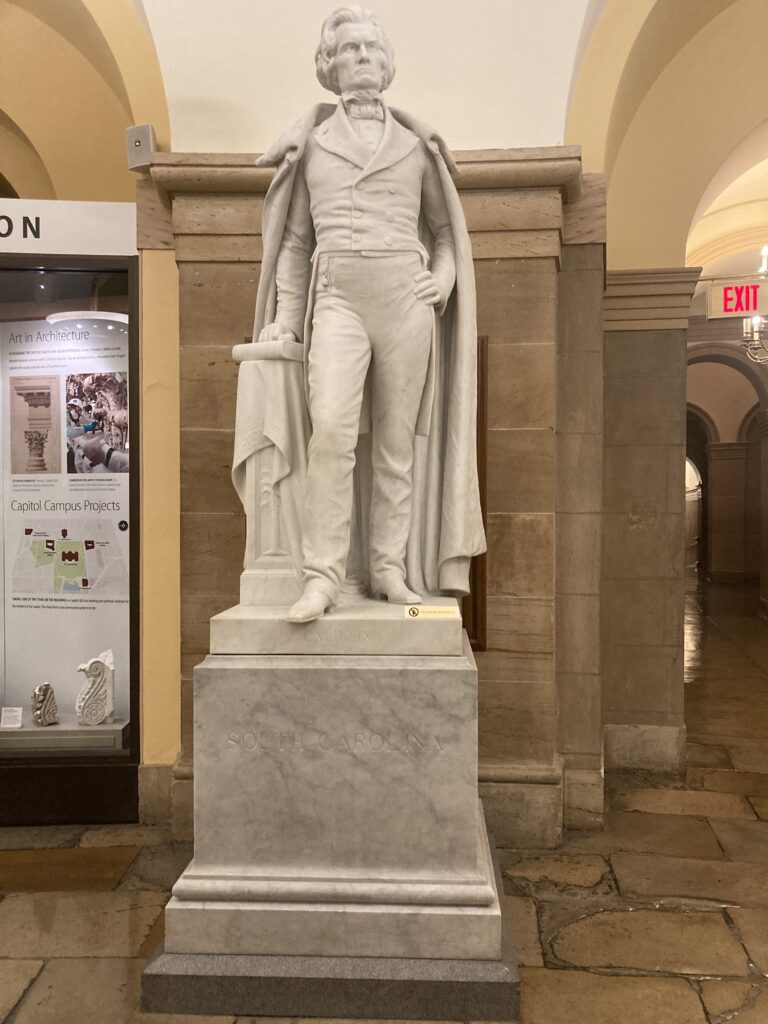
Thomas Jefferson Sojourner Truth Sarah Winnemucca Samuel Adams Po’Pay (New Mexico) John “Jack” Swigert Jr. (Colorado) Jeannette Rankin (Montana) Amelia Earheart Robert M. La Follette Lawyer and former U.S. senator Robert Fulton Abraham Lincoln Ulysses S. Grant Statue Alexander Hamilton Statue Jefferson George Washington Martin Luther King Jr. Dwight D. Eisenhower 34th U.S. President James A. Garfield Statue, U.S. Capitol for Ohio Andrew Jackson Gerald Ford Ronald Wilson Crawford Long War General Nathanael Greene Robert R. Livingston John Stark Statue Caesar Rodney John Peter Gabriel Muhlenberg Statue John Caldwell Calhoun Statue Father Eusebio Kino (Arizona) Chief Washakie (Wyoming) Charles Brantley Aycock
Paintings Inside the U.S. Capitol
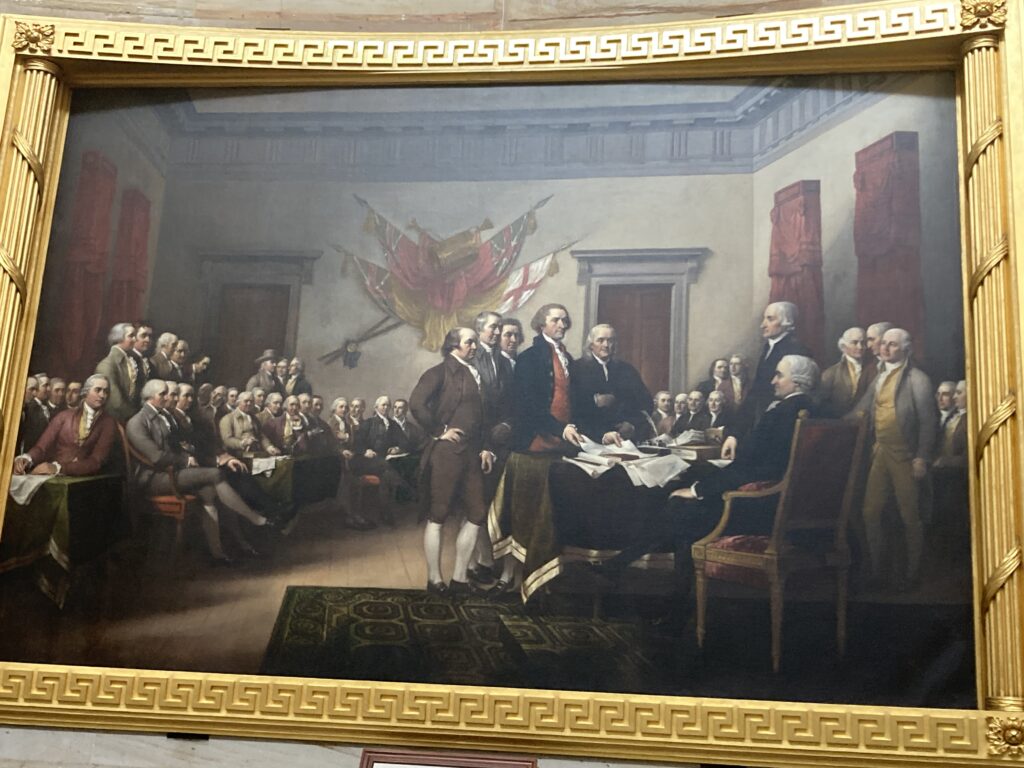
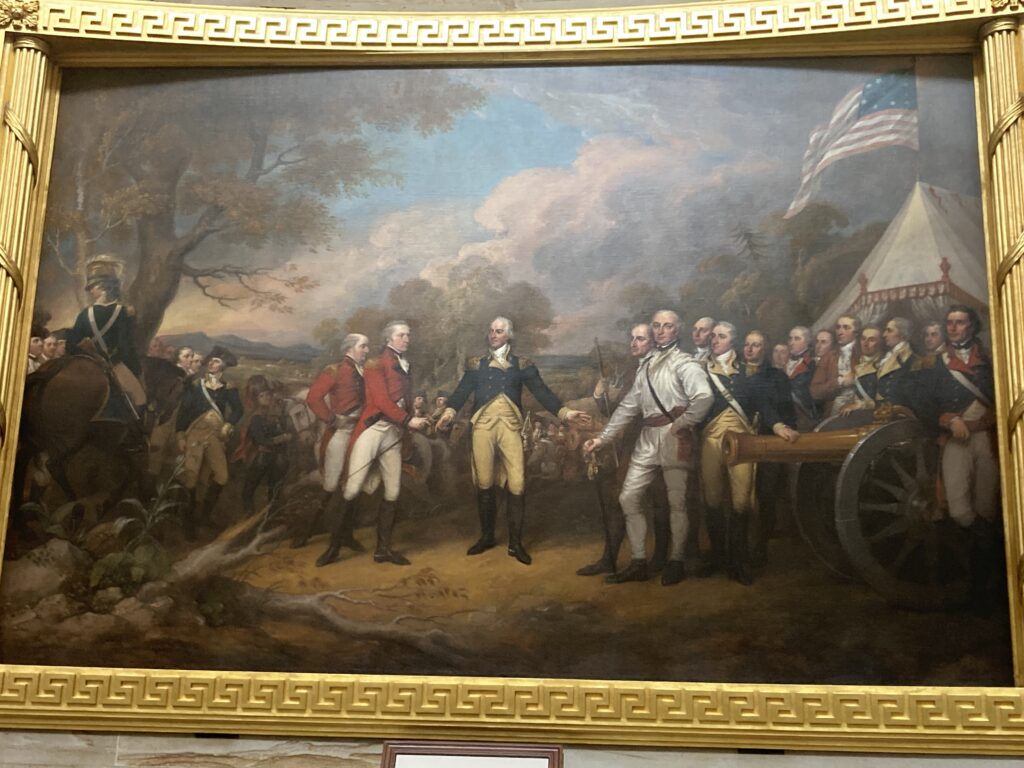
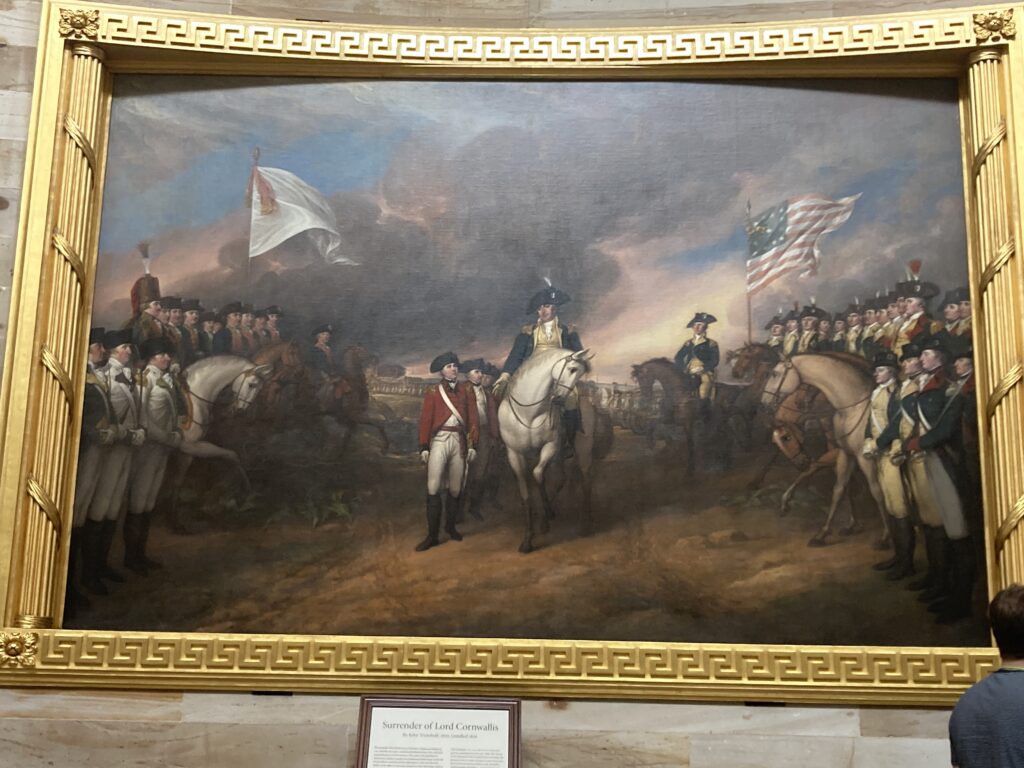
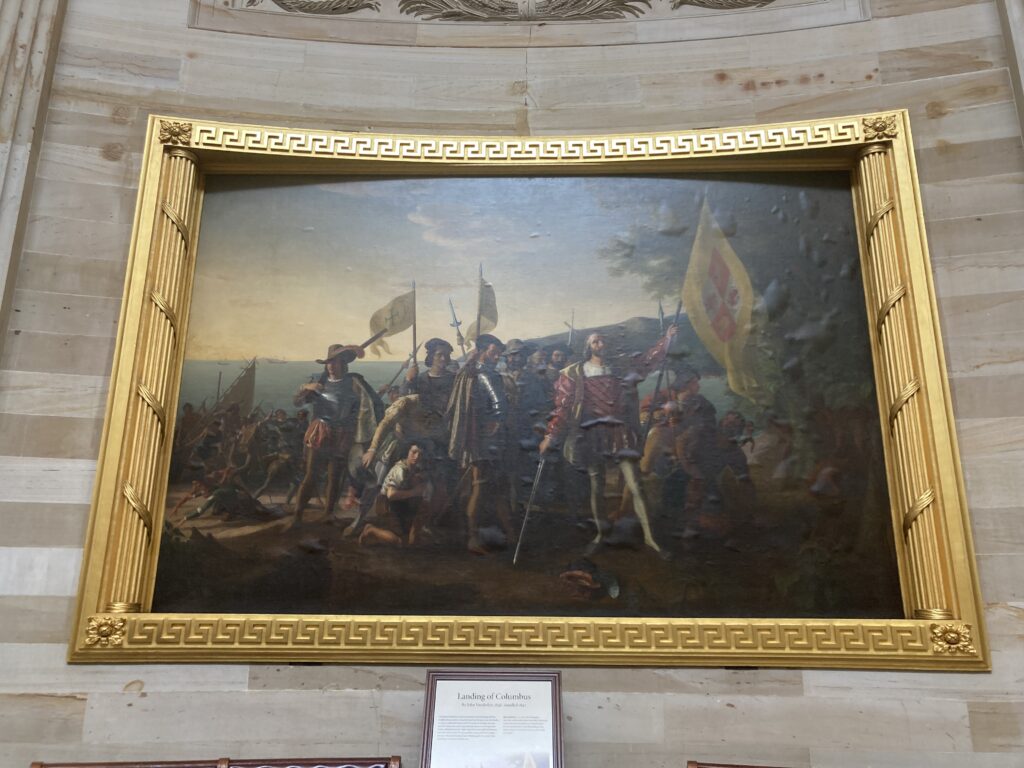
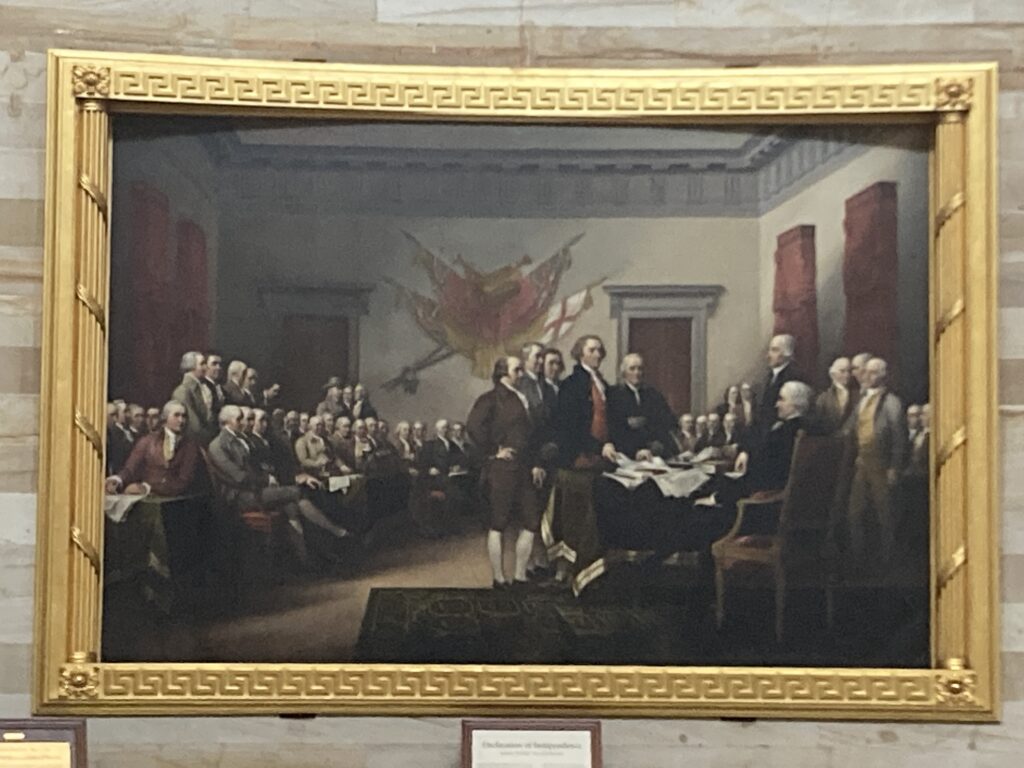
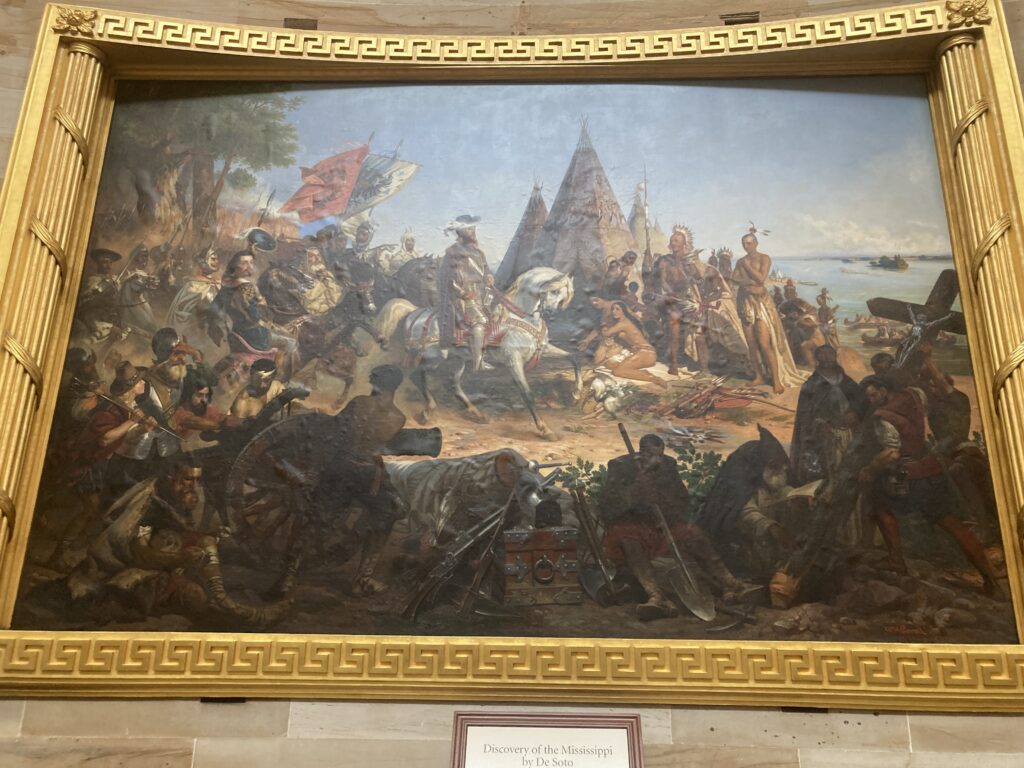
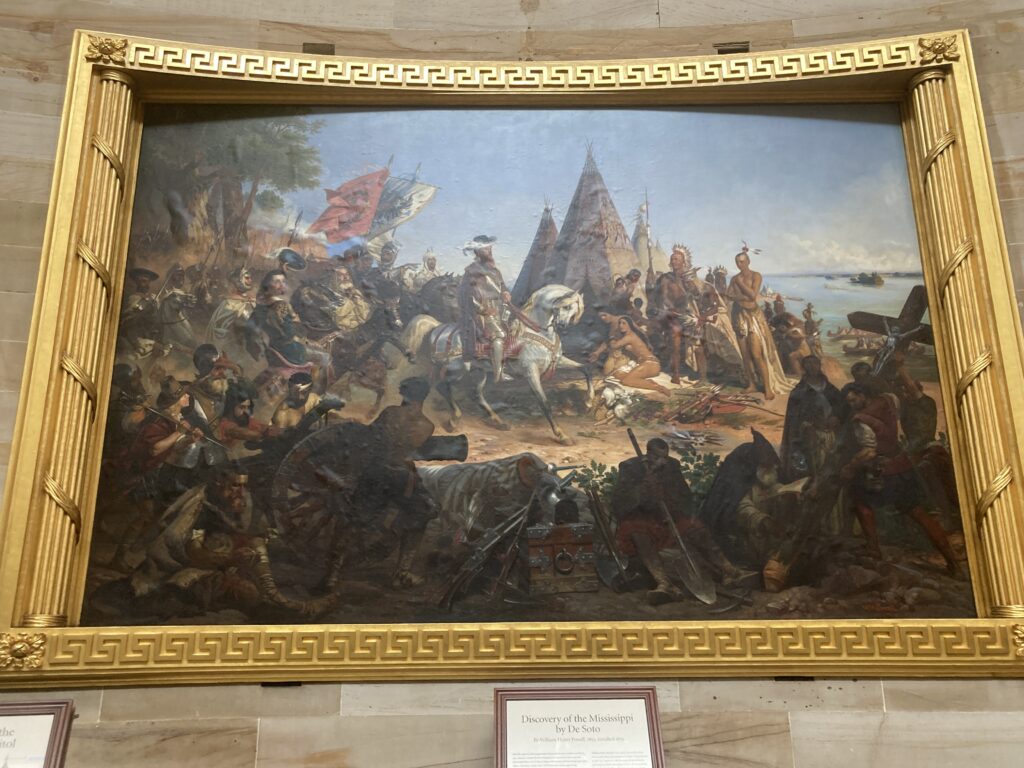
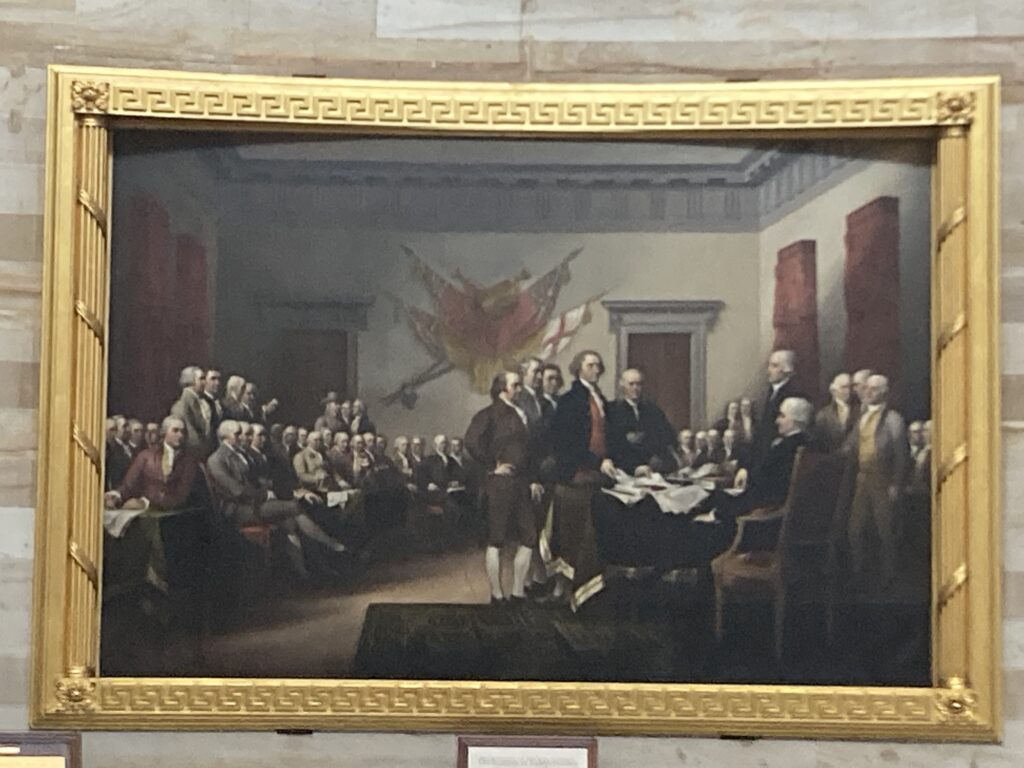
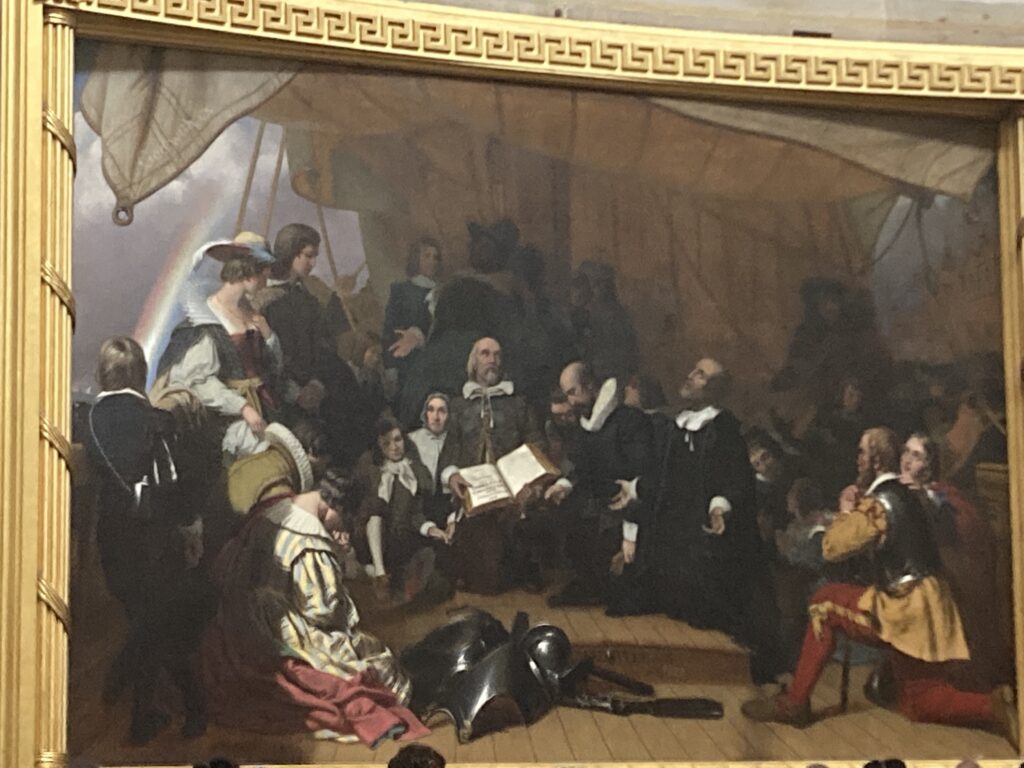
The U.S. Capitol contains some of the most important historical artwork in the United States. Throughout the building, visitors will see enormous paintings, murals, and frescoes that depict major moments in American history, famous political figures, and scenes from the Revolutionary War.
Notable paintings inside the Capitol:
- The Apotheosis of Washington
- Declaration of Independence
- Surrender of General Burgoyne
- Surrender of Lord Cornwallis
- Landing of Columbus
- Embarkation of the Pilgrims
Many of the Capitol’s paintings were created during the 1800s and were designed to visually tell the story of the United States through art, symbolism, and patriotism.
Virtual U.S. Capitol Tour
There is a Capitol Conversations Zoom call weekdays at 1:00pm. It is run by the Capitol Visitor Services team and discusses some of the U.S. Capitol’s historic spaces, artwork, artifacts and statues. Topics include The Star Spangled Banner, How a Bill Becomes Law, The Preamble, and Constitution 101.
Brush up on your history with this amazing virtual Capitol Tour.
U.S. Capitol Visitor Center
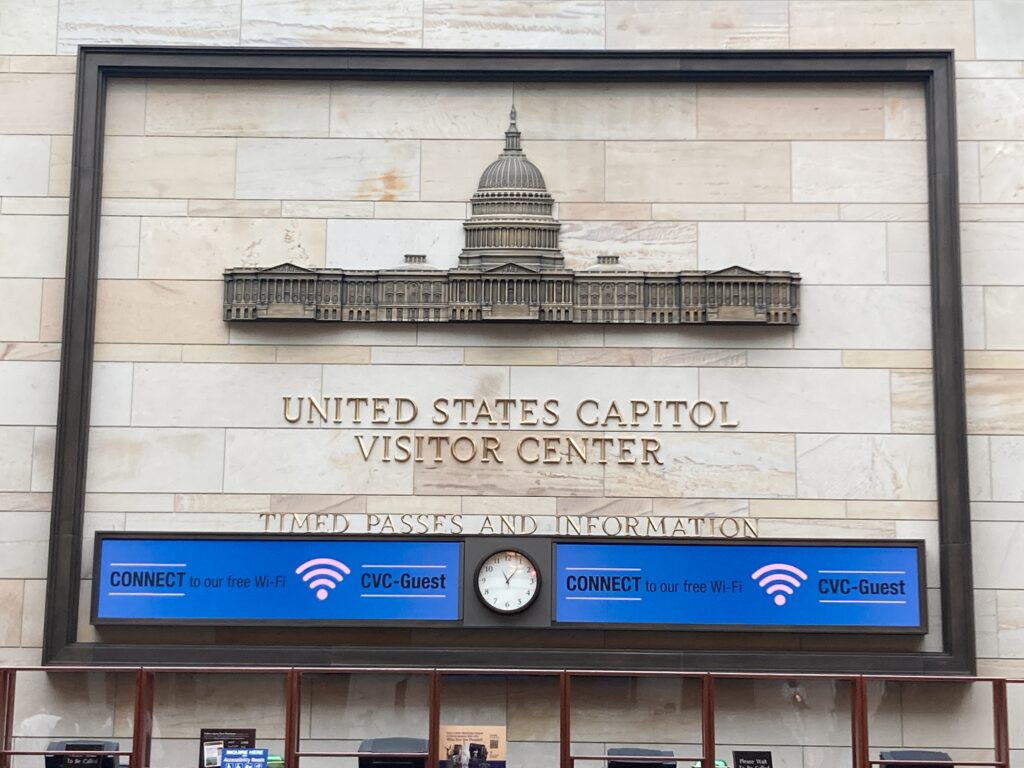
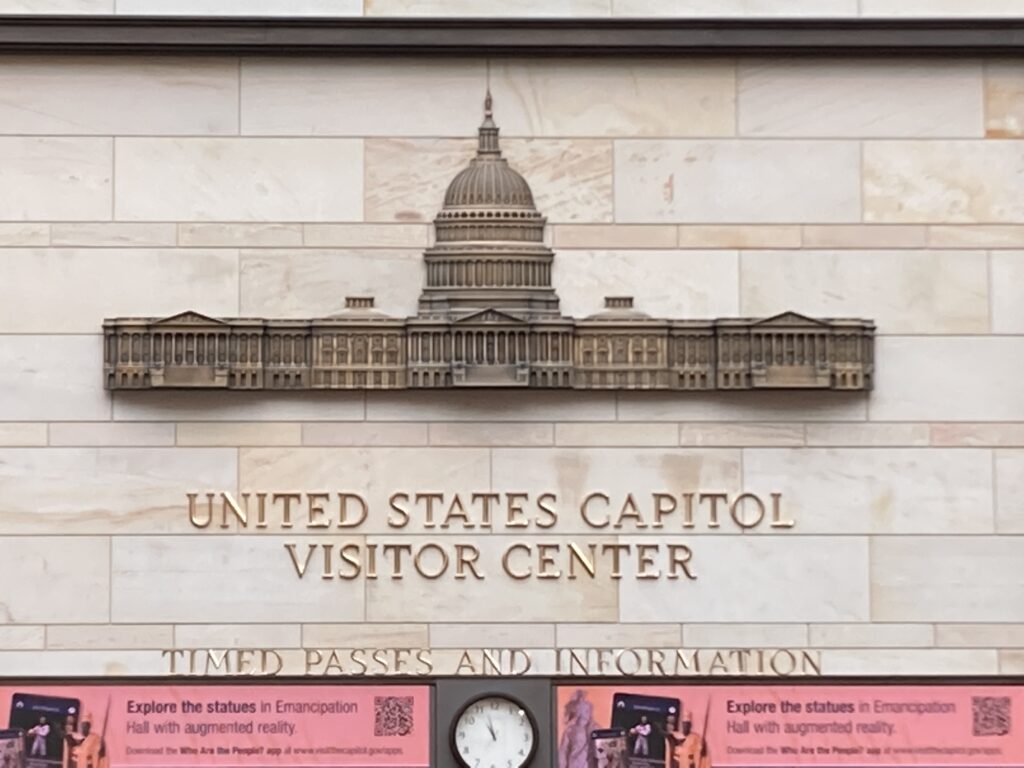
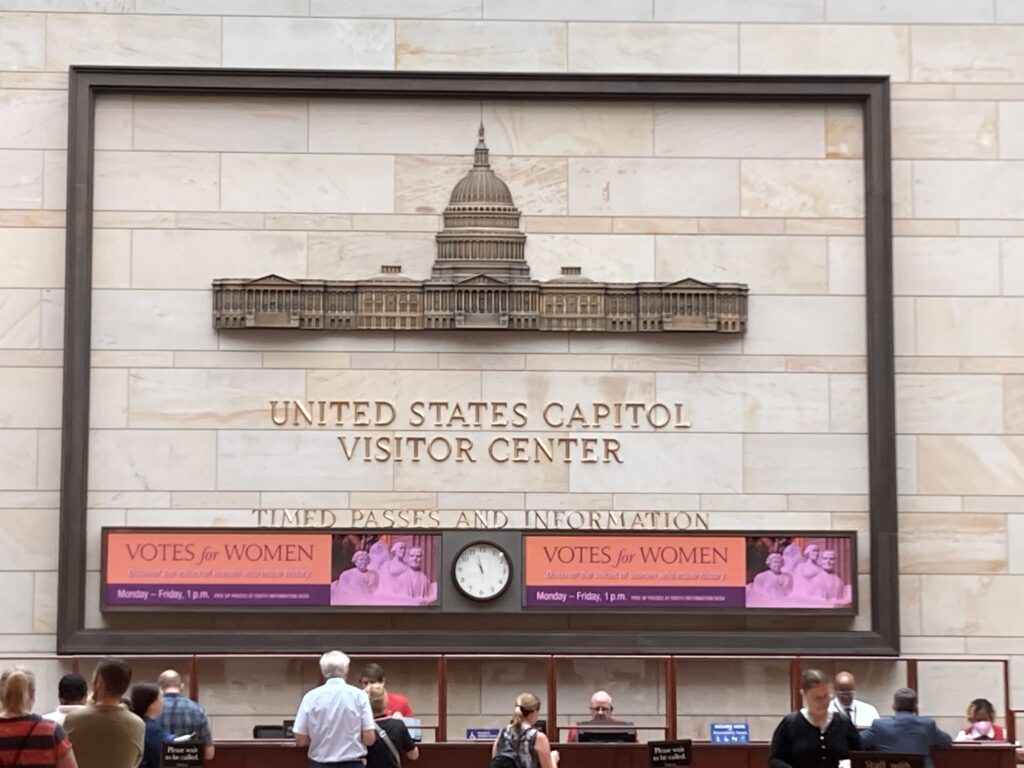
The U.S. Capitol Visitor Center is the main entrance to the Capitol Building and the starting point for all official Capitol tours. Located underground beneath the East Front Plaza, the massive visitor center opened in 2008 and welcomes millions of visitors every year.
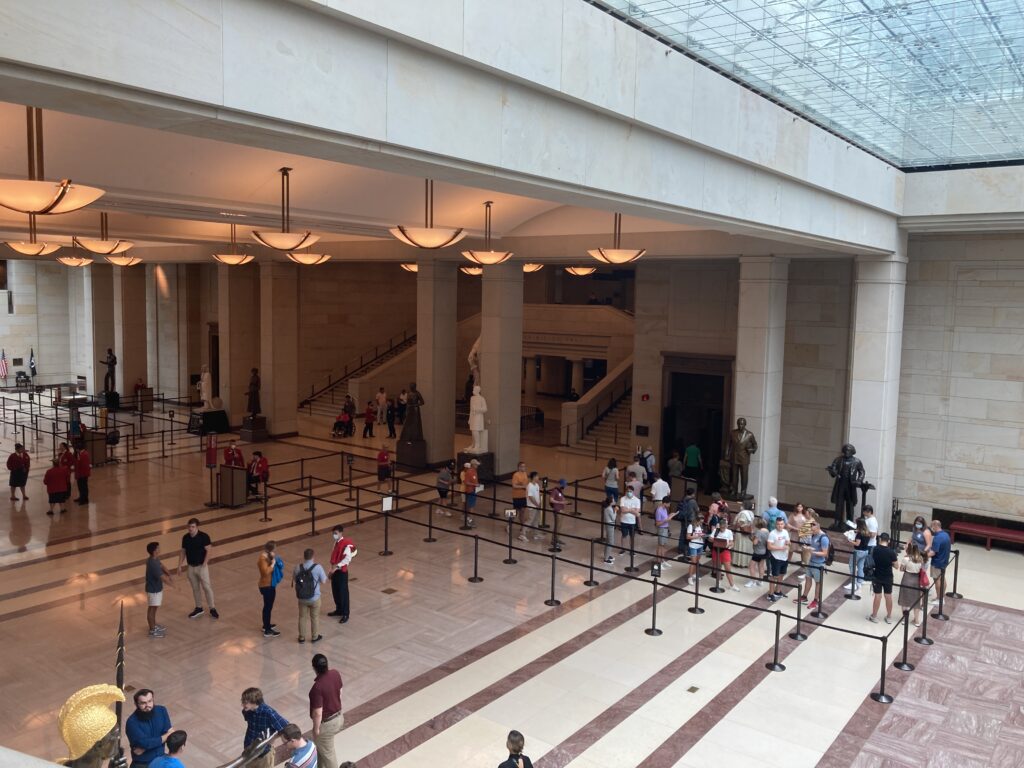
Inside, you will find historical exhibits, artwork, statues, educational displays, gift shops, restrooms, and a large dining area. The exhibits explain how Congress works, the history of the Capitol Building, and some of the major events that shaped the United States.
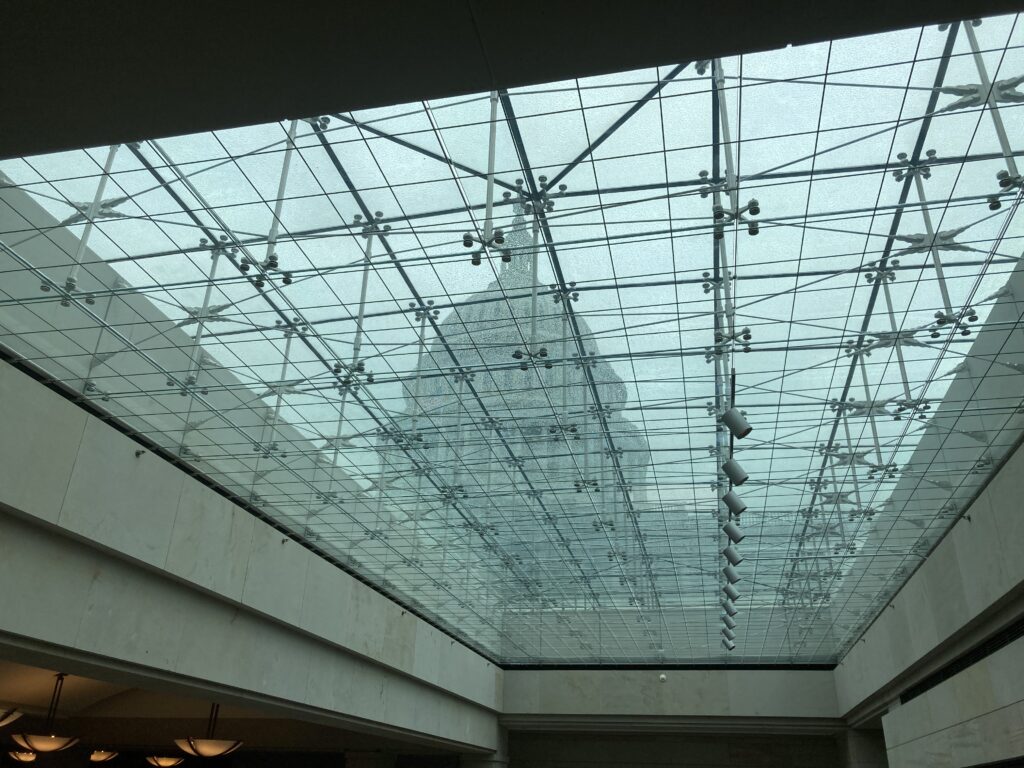
One of the most impressive spaces is Emancipation Hall, a huge skylit hall named in honor of the enslaved laborers who helped build the Capitol. The hall contains statues from the National Statuary Hall Collection along with several historical displays and artifacts.
Important Visitor Tips
All visitors must pass through airport-style security before entering the Capitol Visitor Center. I recommend arriving at least 15–30 minutes early, especially during busy travel seasons.
Large bags, food, and liquids may be restricted inside the building. Comfortable walking shoes are also recommended because the Capitol complex is larger than many visitors expect.
Photography is allowed in many public areas of the Capitol Visitor Center and tour route.
The Capitol Visitor Center is wheelchair accessible, and accessibility services are available for visitors who need assistance.
➡️Check out DC Monuments and Memorials Night Tour
U.S. Capitol Cafeteria (Visitor Center Dining)
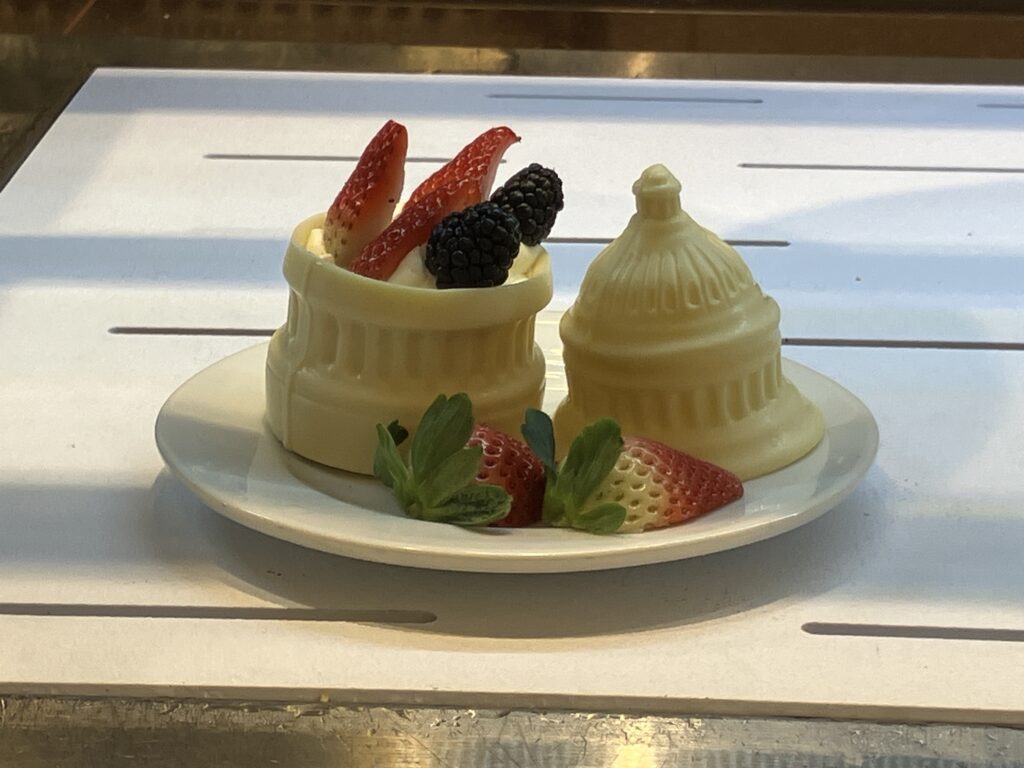
The U.S. Capitol Visitor Center includes a convenient cafeteria where visitors can grab quick meals, snacks, and drinks during their visit. It’s a simple, self-service dining area designed for efficiency, especially for those spending several hours exploring the Capitol and nearby attractions.
You’ll typically find sandwiches, salads, hot meal options, and beverages, along with seating areas that can accommodate both individuals and large tour groups. It’s a practical stop to rest and recharge before continuing your visit to the Capitol or the National Mall.
Best Time to Visit the U.S. Capitol
The best time to visit the U.S. Capitol is in the morning when crowds are lighter and security lines are shorter. Spring and fall are especially pleasant because temperatures are mild and the National Mall is beautiful for walking.
Summer is the busiest season in Washington D.C., especially during school vacations. Winter is usually quieter and can be a great time to visit indoor attractions like the Capitol Visitor Center.
If you visit during cherry blossom season in late March or early April, the Capitol grounds become especially scenic.

How to Get to the U.S. Capitol
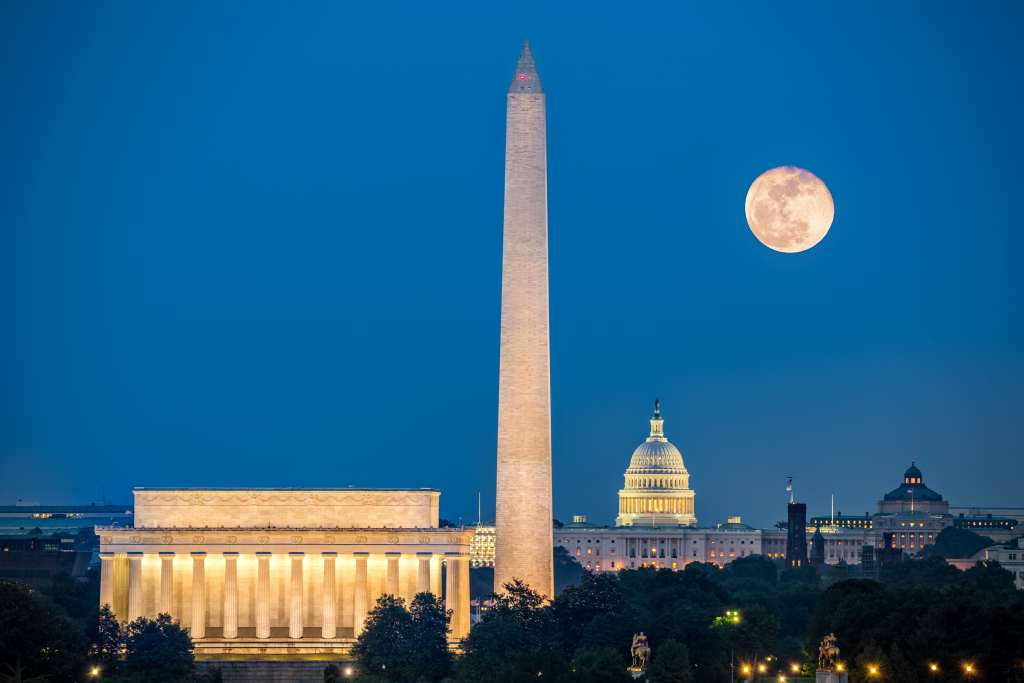
The U.S. Capitol Building is located at the eastern end of the National Mall in Washington D.C., making it easy to reach from most major tourist areas in the city.
By Metro (Best Option)
The Washington Metro is the easiest and most reliable way to reach the Capitol.
- Closest stations:
- Capitol South (Blue, Orange, Silver Lines)
- Union Station (Red Line + Amtrak access)
- Federal Center SW (Blue, Orange, Silver Lines)
From these stations, it’s usually a 5-15 minute walk to the Capitol Visitor Center.
Union Station is especially useful if you’re arriving from outside Washington D.C., as it connects trains, buses, and Metro services in one place.
By Foot (From Nearby Attractions)
The Capitol is very walkable if you’re already exploring the National Mall area.
- From the National Mall & Smithsonian Museums: about 10-20 minutes
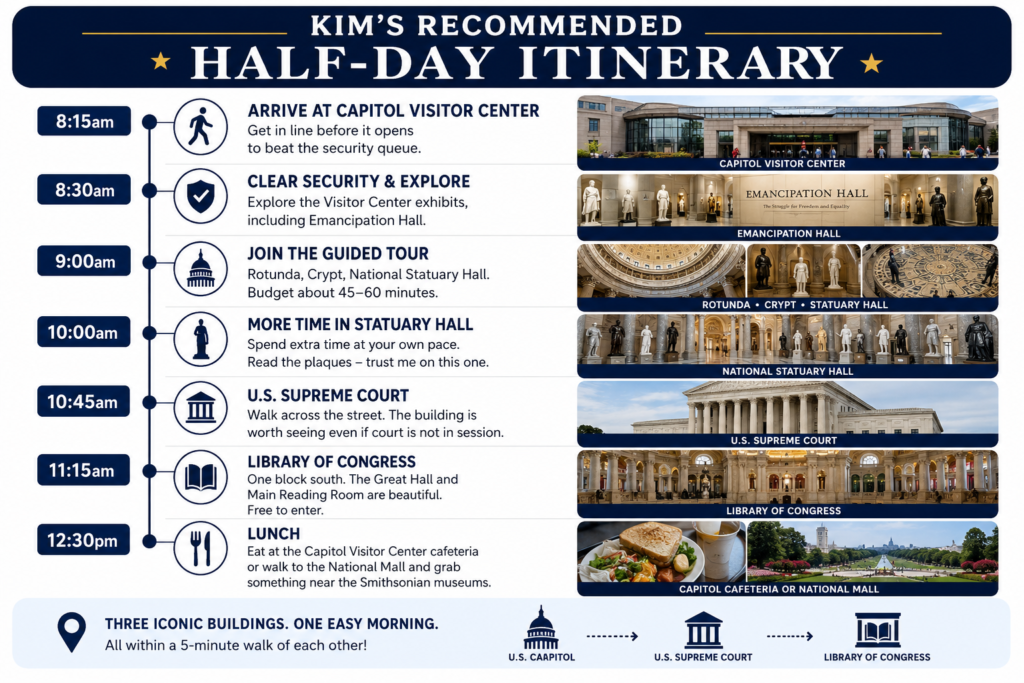
- From the Library of Congress: about 5 minutes
- From the Supreme Court: directly across the street
By Taxi or Ride-Share
Uber, Lyft, and taxis can drop you near the Capitol Visitor Center entrance on the east side of the building. Ask for: “U.S. Capitol Visitor Center (East Front Plaza.)”
Expect possible road closures or security restrictions during events or congressional sessions.
By Car (Not Recommended)
Driving is possible, but not ideal for most visitors. Parking is limited, so public transport is strongly recommended. Street closures are common around government buildings.
Paid garages are available but can be expensive and fill quickly.
Where To Stay in Washington D.C.
If you’re planning to visit the National Archives, the National Mall, or the U.S. Capitol, staying in or near the Downtown, Penn Quarter, National Mall area keeps everything within easy reach.
Here are three of the best-reviewed hotels in Washington D.C. for all budgets:
Budget Accommodation – Motto by Hilton Washington D.C. City Center
If you’re looking for a clean, modern stay just blocks from the National Archives and Smithsonian Museums, Motto by Hilton offers great value.
The rooms are compact but stylish, and there’s a rooftop bar with fantastic city views. Guests love the location, just a short walk to Metro stations and top sites.
➡️Click here to book your stay at Motto by Hilton!
Mid-Range Accommodation – Hotel Hive (Near the National Mall)
Hotel Hive is Washington D.C.’s first micro-hotel, blending affordability with fun, artistic design. Located near the Lincoln Memorial and Foggy Bottom, it’s perfect for travelers who plan to spend their days exploring and want a hip, affordable home base at night.
There’s a rooftop bar, great pizza downstairs, and tons of great reviews from solo travelers and couples alike.
➡️Click here to book your stay at Hotel Hive!
Luxury Accommodation – Willard InterContinental Washington D.C.
For those wanting a luxurious stay with historical depth, you can’t beat the Willard InterContinental. Just a block from the White House and a 10-minute walk to the National Archives, this iconic hotel has hosted U.S. presidents, foreign dignitaries, and even Martin Luther King Jr.
The rooms are grand, the service is exceptional, and the lobby feels like stepping into a piece of American history.
➡️Click here to book your stay at Willard InterContinental!
Check out my National Portrait Gallery Highlights & Visitor Guide blog!
FAQs: U.S. Capitol Building
Yes, visitors can sometimes watch the House of Representatives and Senate in session from the public galleries inside the Capitol. These gallery visits are separate from the standard Capitol tour and require additional passes. Passes are typically available through the offices of U.S. Senators or Representatives. Availability depends on the congressional schedule and security conditions during your visit.
Several major Washington D.C. attractions are located within walking distance of the Capitol Building, making it easy to explore the area in one day. Popular nearby attractions include Library of Congress, U.S. Supreme Court, National Mall, Smithsonian Museums, U.S. Botanic Garden, and National Archives. The Library of Congress is especially worth visiting because of its stunning architecture and historic reading rooms.
Most visitors spend about 2–3 hours exploring the Capitol Building, including the guided tour, Visitor Center exhibits, and surrounding grounds. If you also plan to visit nearby museums and monuments, you can easily spend a full day in the Capitol Hill and National Mall area.
Yes, photography is allowed in many public areas of the U.S. Capitol and Capitol Visitor Center. The Rotunda, National Statuary Hall, and exterior grounds are especially popular photo locations. However, photography restrictions may apply in certain security-sensitive areas or during special events.
For exterior photography, I recommend visiting both the east and west sides of the Capitol. The west front provides iconic views overlooking the National Mall and the inauguration area used every four years, while the east front showcases the impressive entrance plaza and sits directly across from the Supreme Court.
Yes. The U.S. Capitol Visitor Center and tour route are wheelchair accessible. Elevators, ramps, accessible restrooms, and assistance services are available throughout much of the complex. Visitors needing accommodations can also contact the Capitol Visitor Center ahead of time for additional assistance.
Yes. International visitors are welcome to tour the U.S. Capitol Building and do not need to be U.S. citizens to enter. A government-issued photo ID may still be required for security screening, and some special gallery access procedures may differ for international travelers.
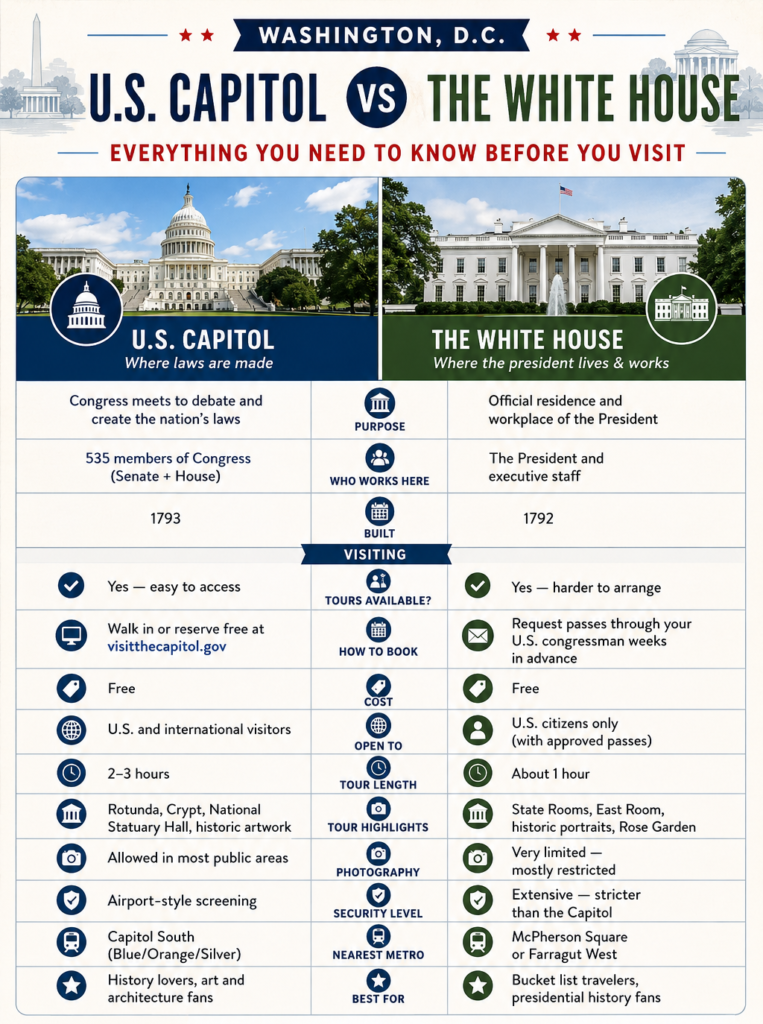
The U.S. Capitol is where Congress meets to create laws, while the White House serves as the official residence and workplace of the President of the United States. Both are major Washington D.C. landmarks, but they offer very different visitor experiences and tour procedures.
Check out my How to Tour the White House blog!
Final Thoughts
There are very few buildings in the world where you can stand and physically feel the weight of history. The U.S. Capitol is one of them.
From the massive dome and Rotunda to the statues, artwork, and historic chambers, the Capitol combines architecture, politics, and American history in one unforgettable landmark.
I especially recommend combining your Capitol visit with nearby attractions like the Library of Congress, National Mall, and Supreme Court since they are all within walking distance.
Check out my Smithsonian National Museum of American History | What to See + Visitor Tips blog!