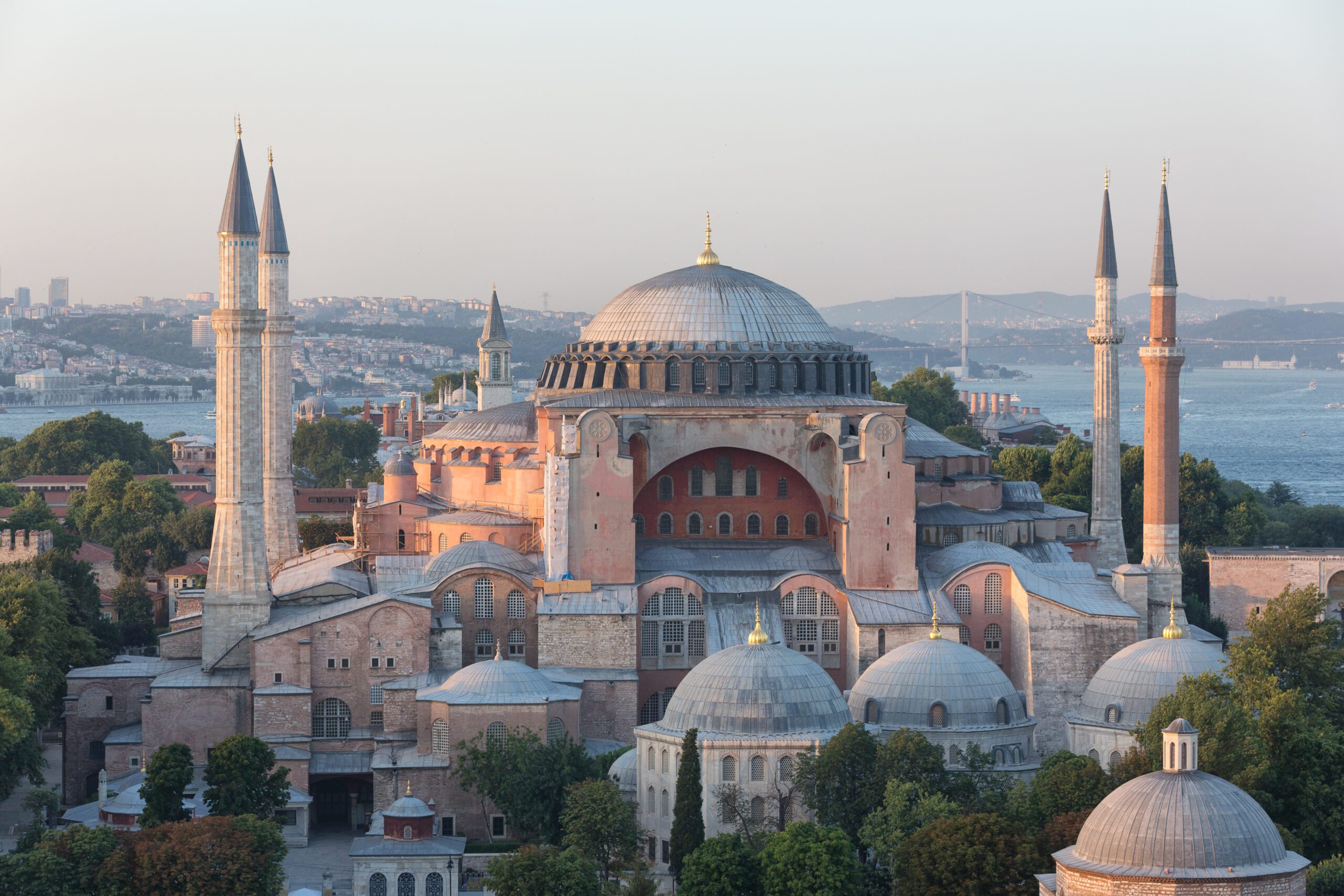
Miniaturk Park in Istanbul: Models of Turkey’s Famous Sites

Miniaturk Park in Istanbul is one of the most amazing places in the world! It features models of 134 historical sites from Istanbul, Anatolia, and Ottoman territories that are currently located outside of Turkey.
It is a history lover’s dream! You get to see what historical sites looked like in their entirety in their day. When you visit historical sites around the world, they are mostly piles of rubble. If they are still standing, you can only see part of them at once.

Plan Your Trip With My Favorite Resources
– Best accommodation site: Booking.com
– Book day tours here: Viator.com
– Purchase travel insurance here: SafetyWing

➡️Explore Full-Day Istanbul Tour Luxury VİP Car With Driver
Works from Anatolia
Turkey is the only country in the world that is located in both Europe and Asia. Anatolia – also called Asia Minor – is the peninsula of land that constitutes the Asian portion.
There are 63 architectural works at Miniaturk Park from Anatolia.
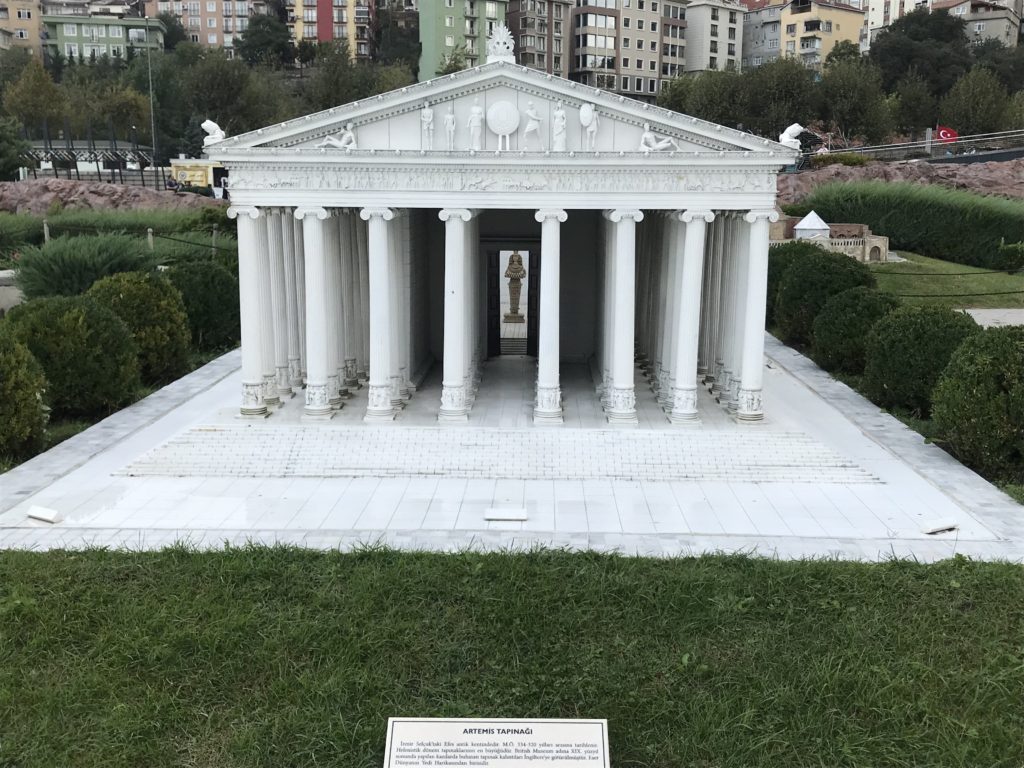
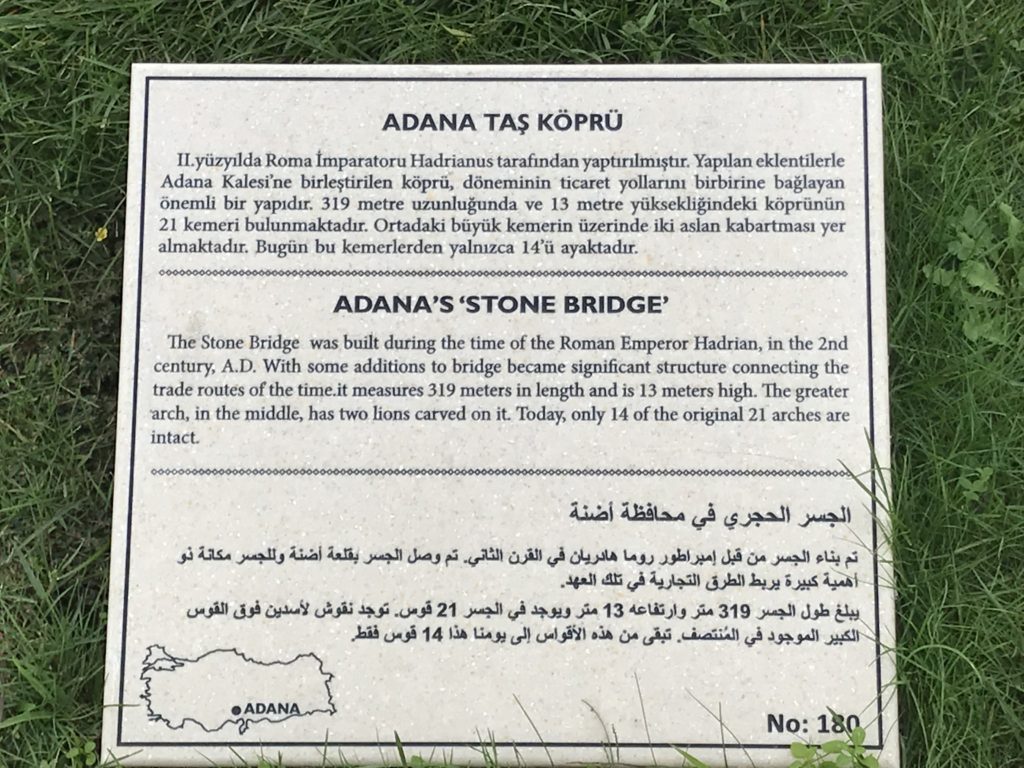
Adana Stone Bridge
The Adana Stone Bridge was built by Roman Emperor Hadrian in the 2nd century A.D. It spans the Seyhan River in Adana. When the Yılankale (Snake) Castle was built in the 11th century, it connected the castle (built on an island) to the mainland.
The Adana Stone Bridge was integral to the ancient trade routes from the Mediterranean Sea to Anatolia and Persia. Only 14 of the original 21 arches remain. There are 2 lions engraved on the middle arch.
For several decades the Adana Stone Bridge was one of the oldest bridges in the world open to motorized vehicles. Since 2007 it has been open to foot traffic only. Several social and cultural events are held on the bridge.
As a reminder, Emperor Hadrian is famous for building projects throughout the Roman Empire. The most well known is Hadrian’s Wall in Great Britain. In Rome Hadrian built the Pantheon, the Temple of Venus and Roma, the Library of Hadrian, the Hadrianic Aqueduct, the monumental bridge over Eleusinian Kephissos, and Hadrian’s Arch. And he completed the Temple of Olympian Zeus in Athens.
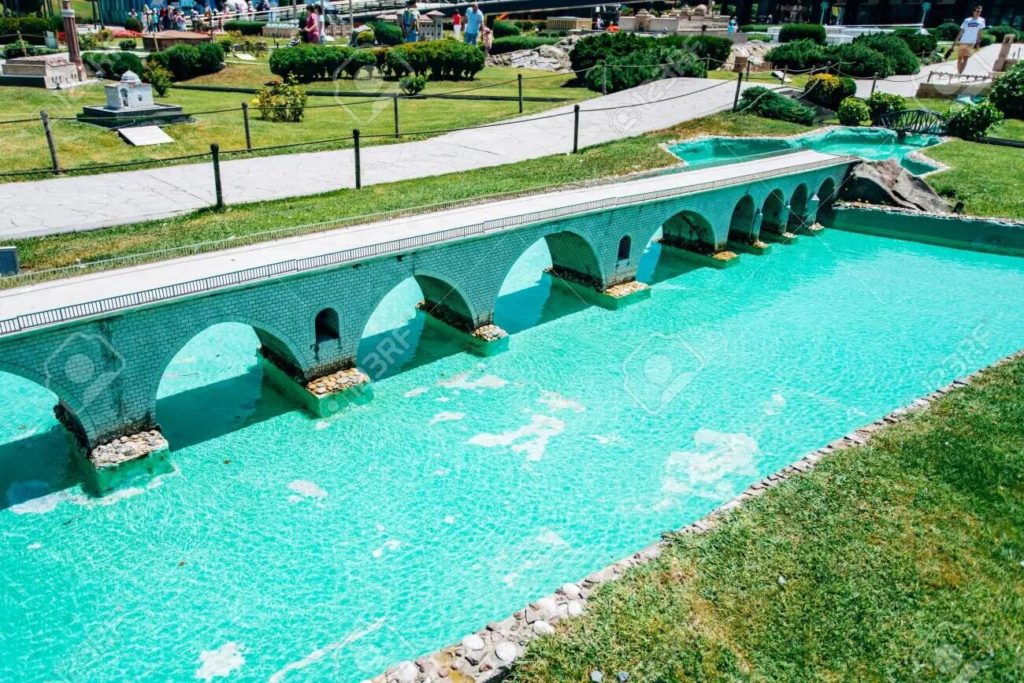
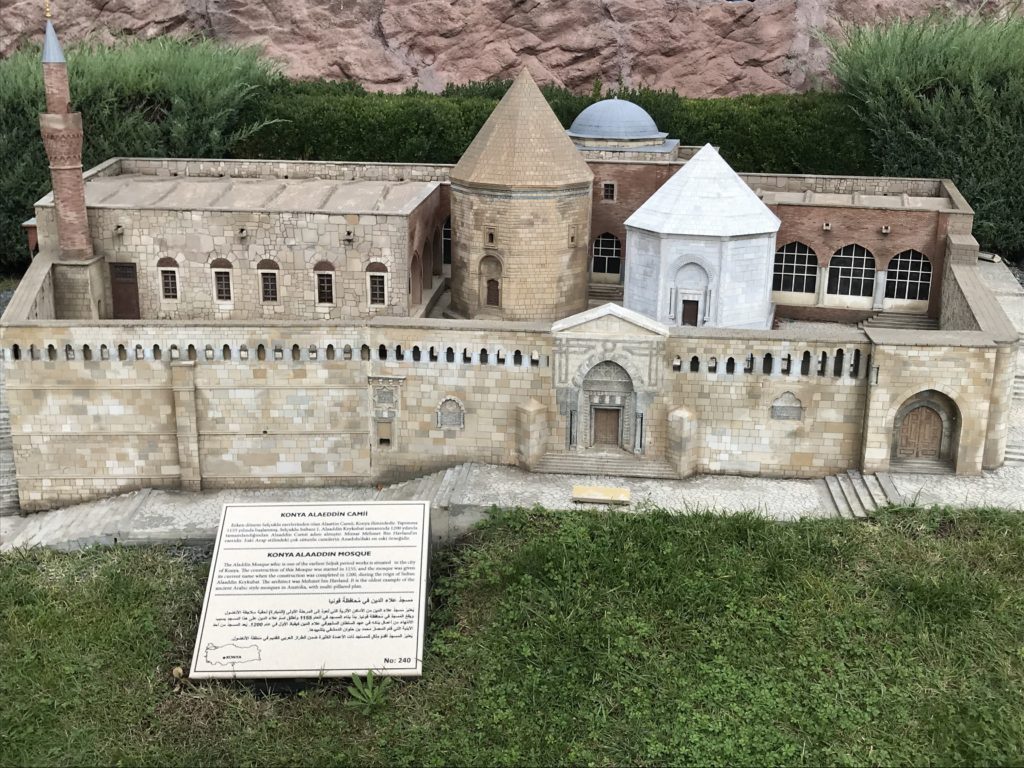
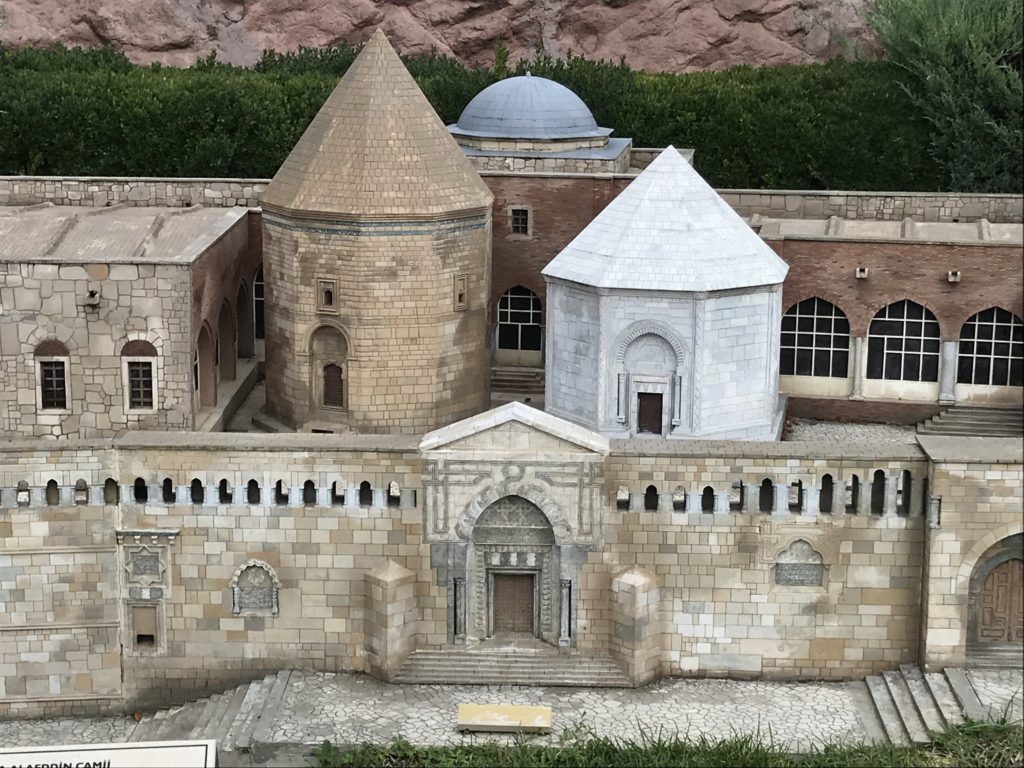
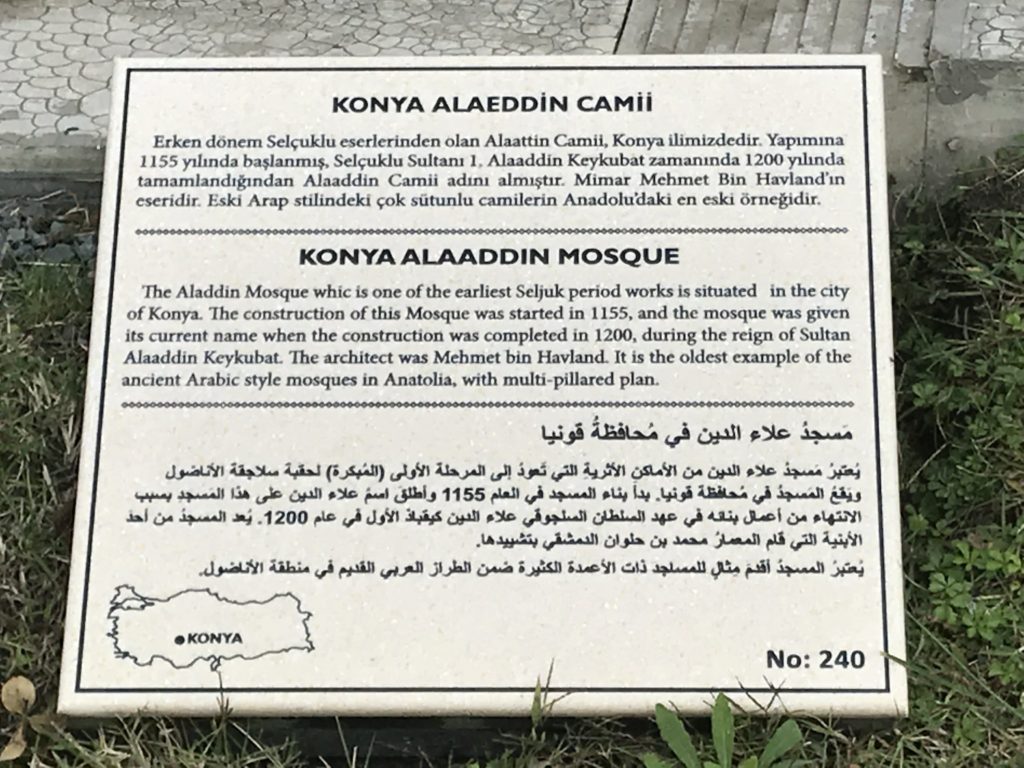
Alaeddin Mosque in Konya
The Alaeddin Mosque in Konya was part of the Seljuk Palace hilltop citadel complex. Named after Seljuk Sultan Alaeddin Keykubad I (1190–1237. It was the main prayer hall for the Seljuk Sultans of Rum. Several sultans are buried in the mosque courtyard.
Built between 1155 – 1200, Alaeddin Mosque is one of the oldest Seljuk works. It is also the oldest example of multi-columned mosque in the old Arab style in Anatolia.
Alaeddin Mosque in Nigde
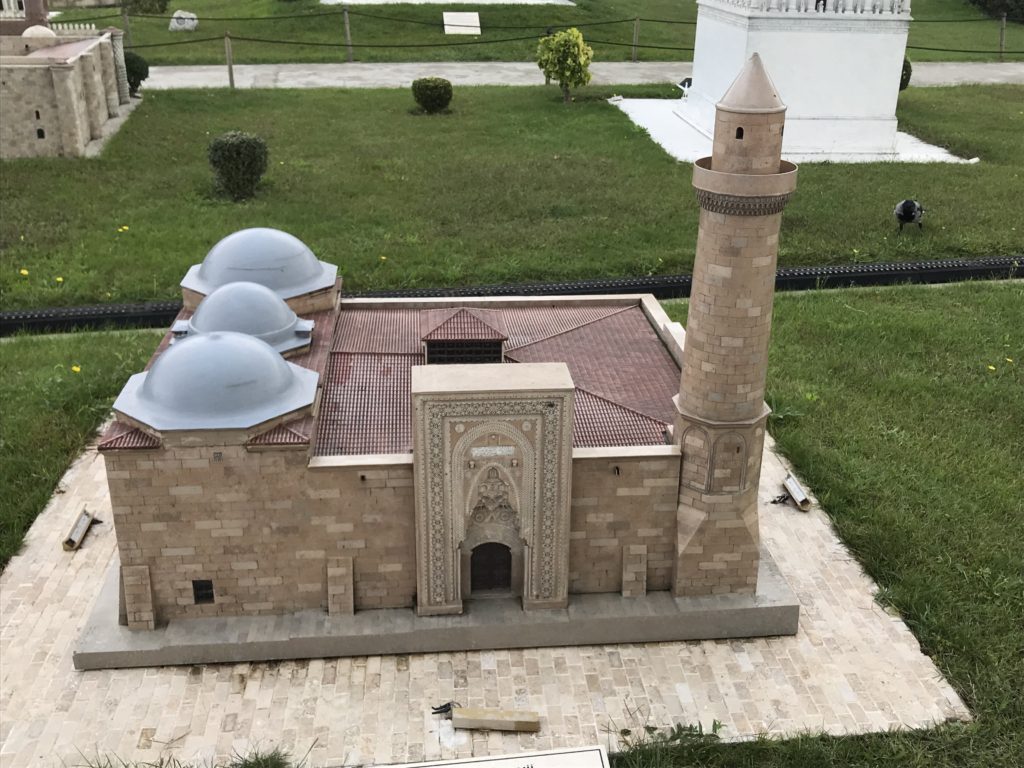
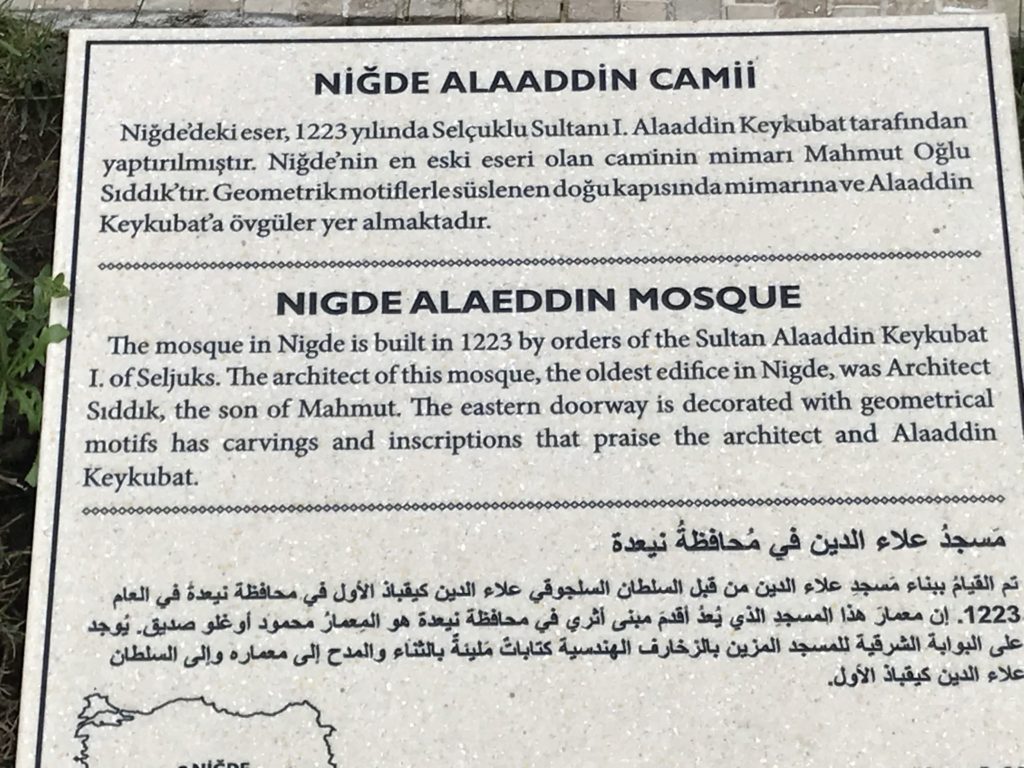
The Alaeddin Mosque in Nigde was built in 1223. Commissioned by a local governor to honor Seljuk Sultan Alaeddin Keykubad I, it is the oldest work in Nigde.
The eastern gate is decorated with geometric motifs. There are praises for its architect (Mahmud Oğlu Sıddık) and Sultan Alaeddin.
Altar of Zeus
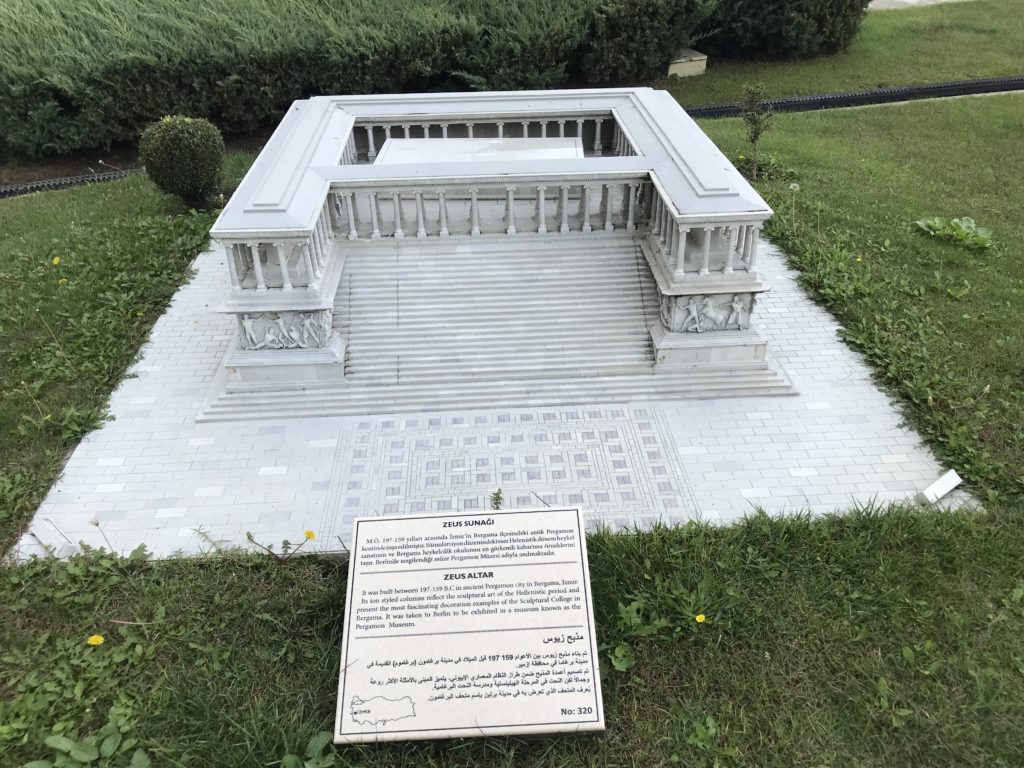
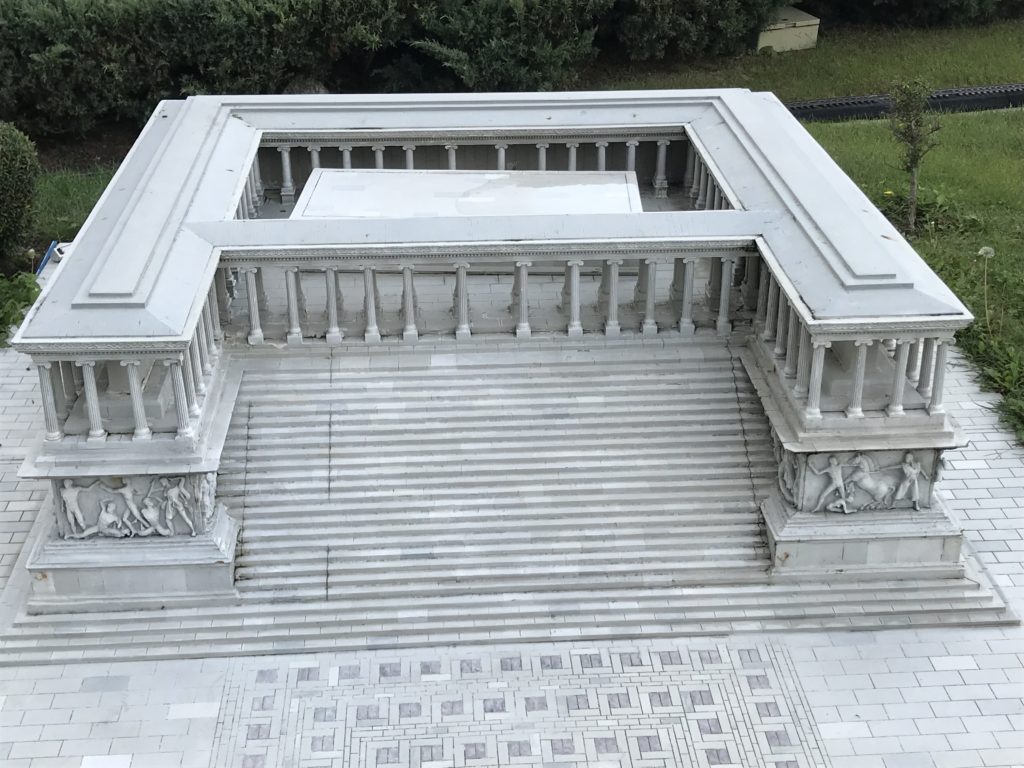
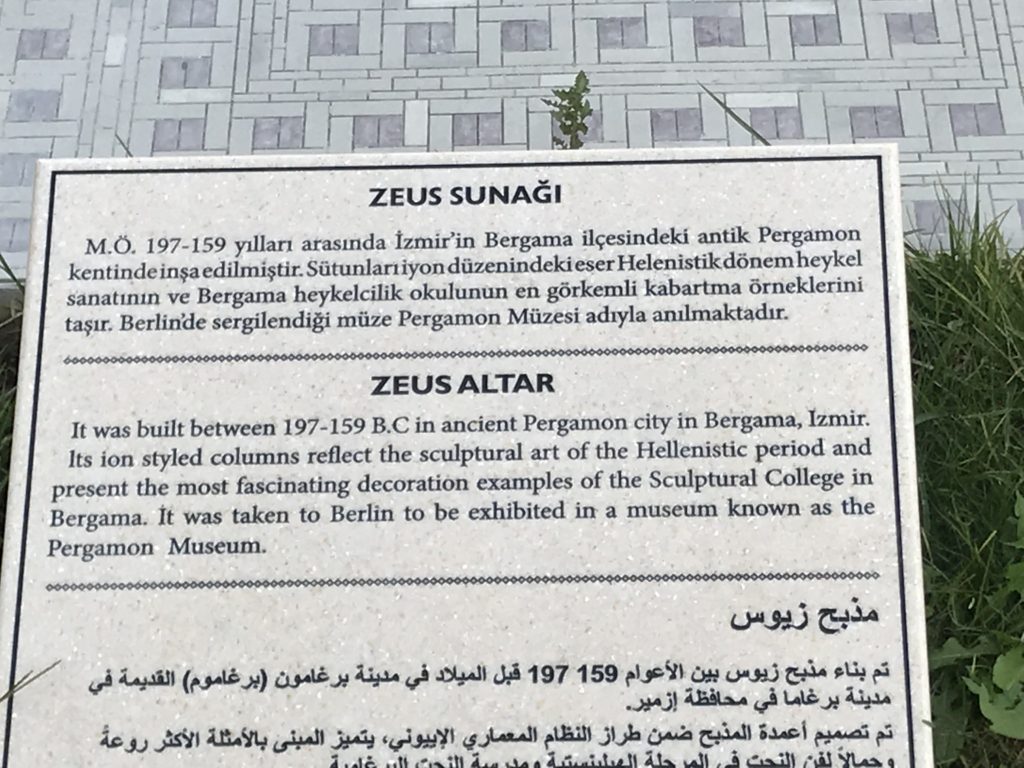
The Altar of Zeus was built from 197 – 159 B.C. in the ancient city of Pergamon (modern day İzmir). It was dedicated to the god Zeus to commemorate the victory of Pergamon over the Galatians.
Pergamon is 1 of the 7 churches listed in the book of Revelation in the Bible. When John told the people of Pergamum that they lived where “Satan has his throne”, he was referring to the Altar of Zeus!!!
Revelation 2:12-13 says, “To the angel of the church in Pergamum write: I know where you live – where Satan has his throne. Yet you remain true to my name.”)
Amazingly, the intact Altar of Zeus is on display at the Pergamon Museum in Berlin.
Amasya Waterfront Houses
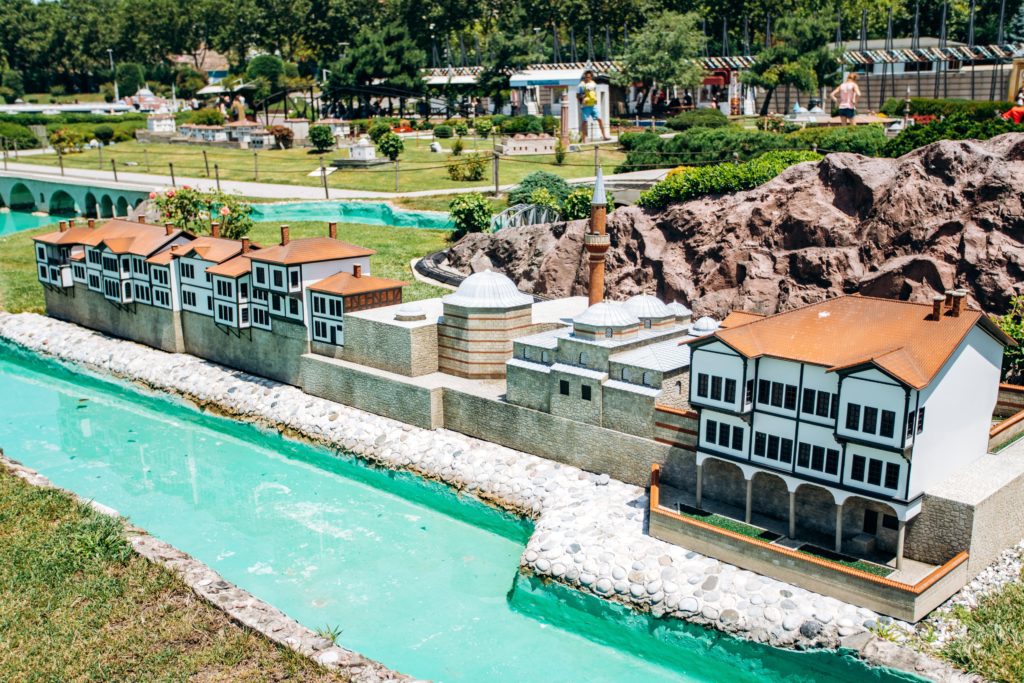
Amasya is a city in northern Turkey that is famous for Ottoman era houses that were built along the water. They are beautiful examples of Anatolian civilian Turkish architecture.
It is known for the tombs of former Pontus kings that are carved into it’s cliffs. Amasya was once the capital of the Kingdom of Pontus (281 B.C. – 63 B.C.); which I had never heard of.
History lovers will be delighted to learn that Amasya is the birthplace of Ottoman Sultans Murad I and Selim I.
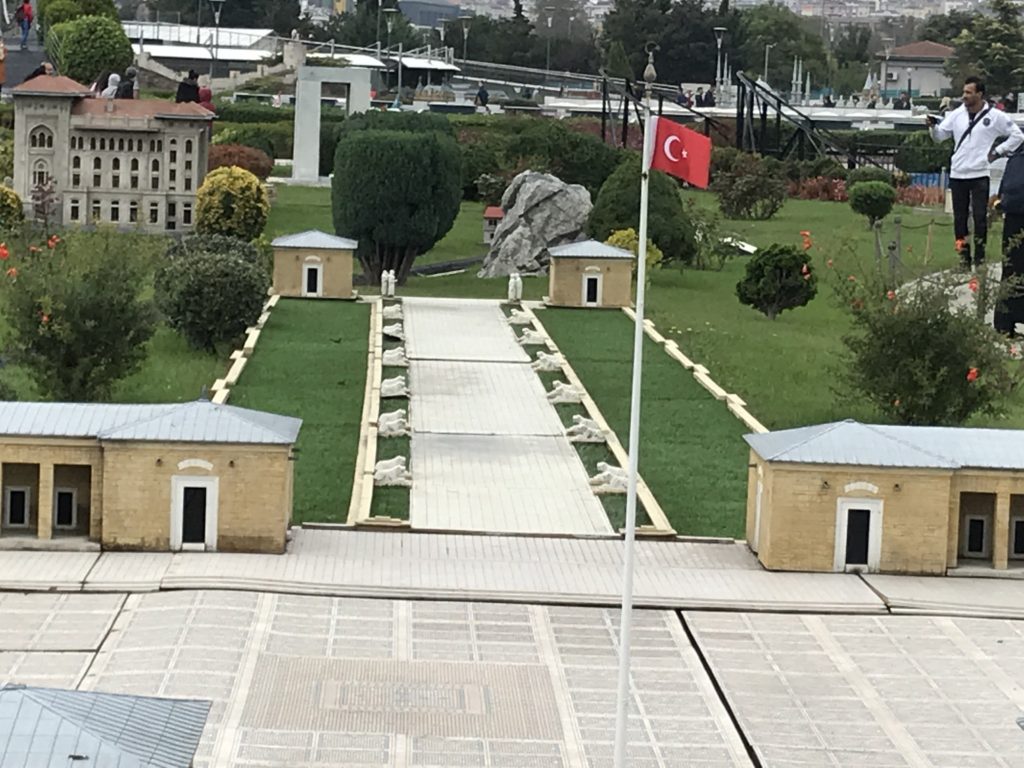
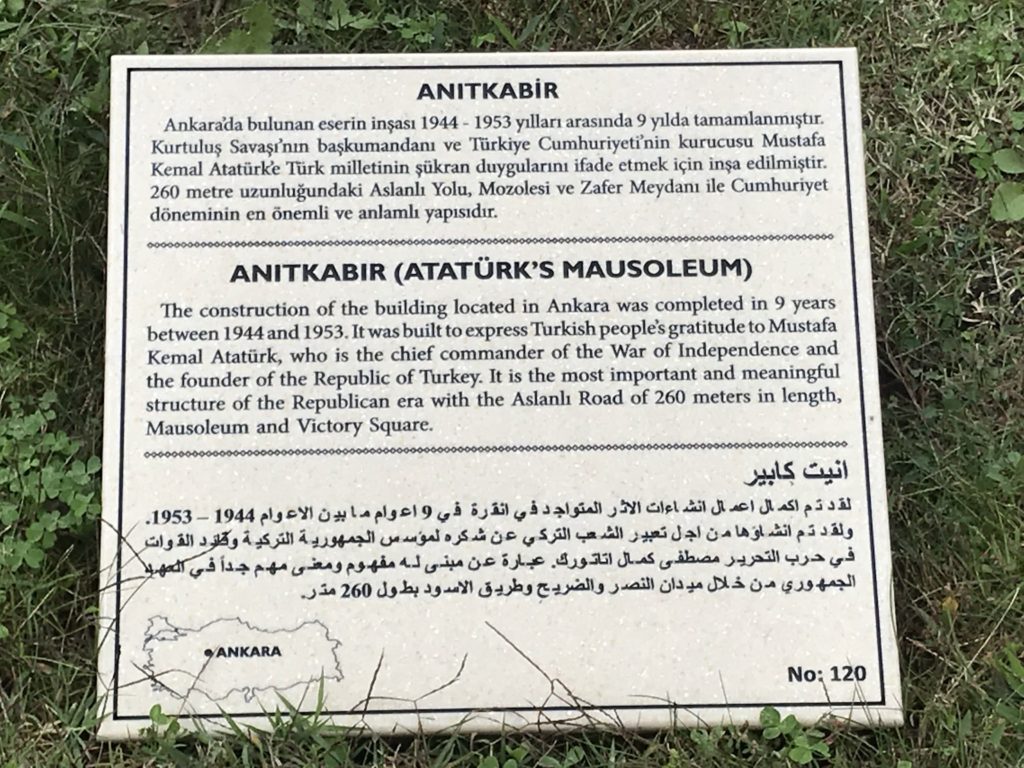
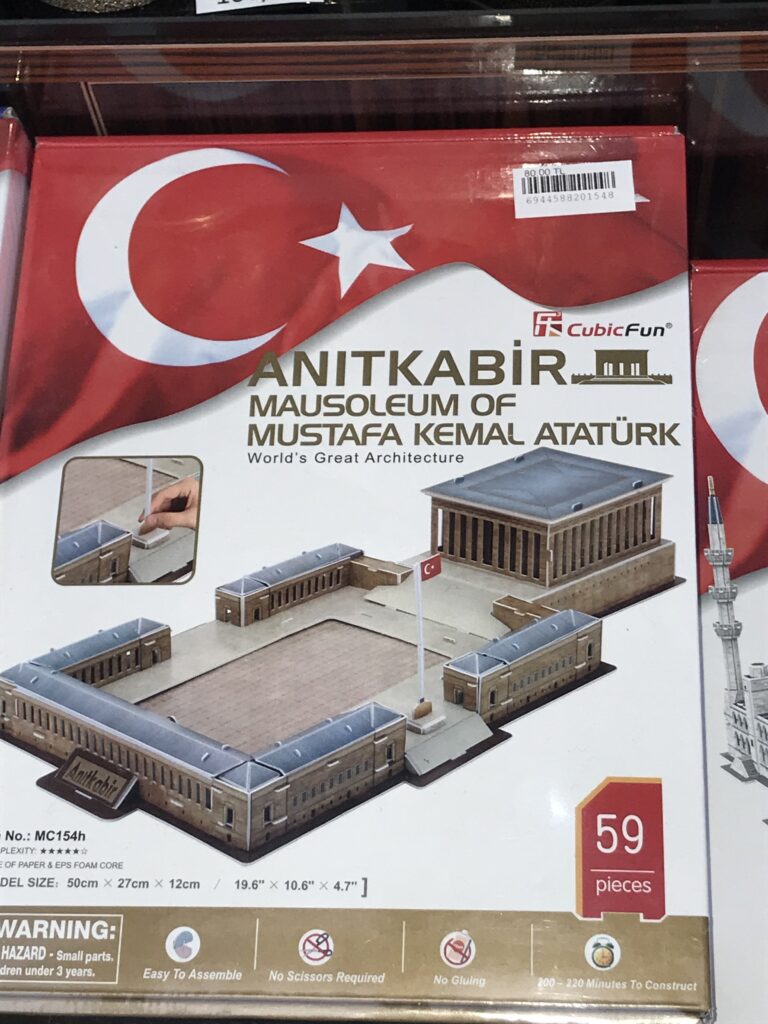
Anitkabir (Atatürk Mausoleum)
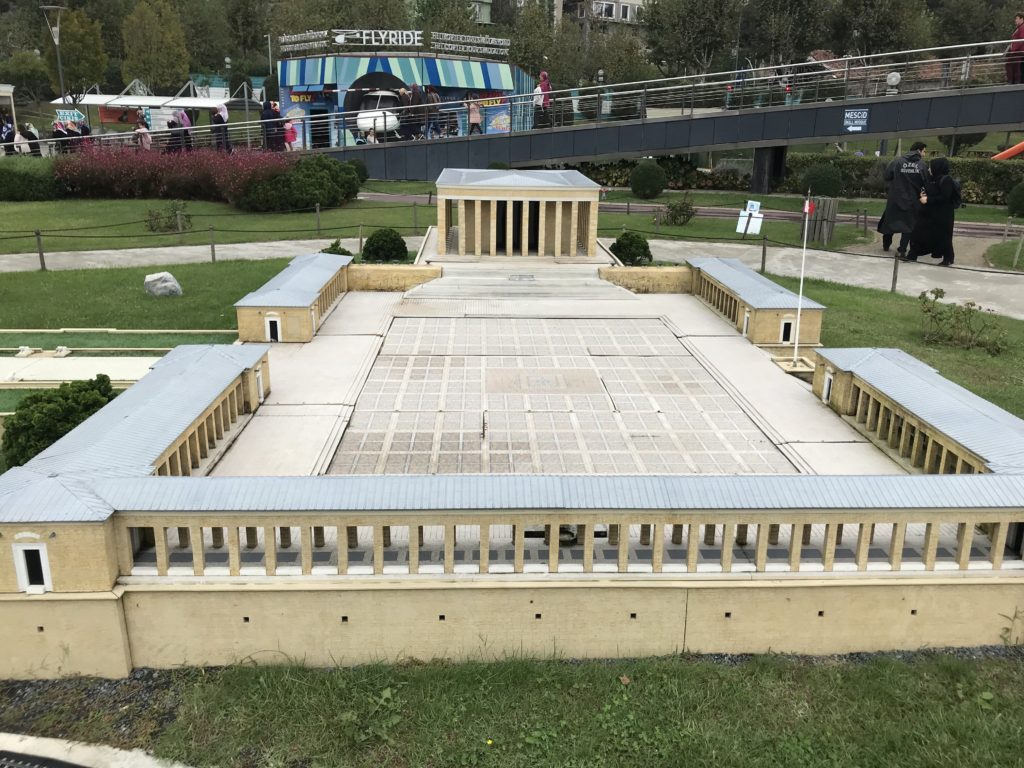
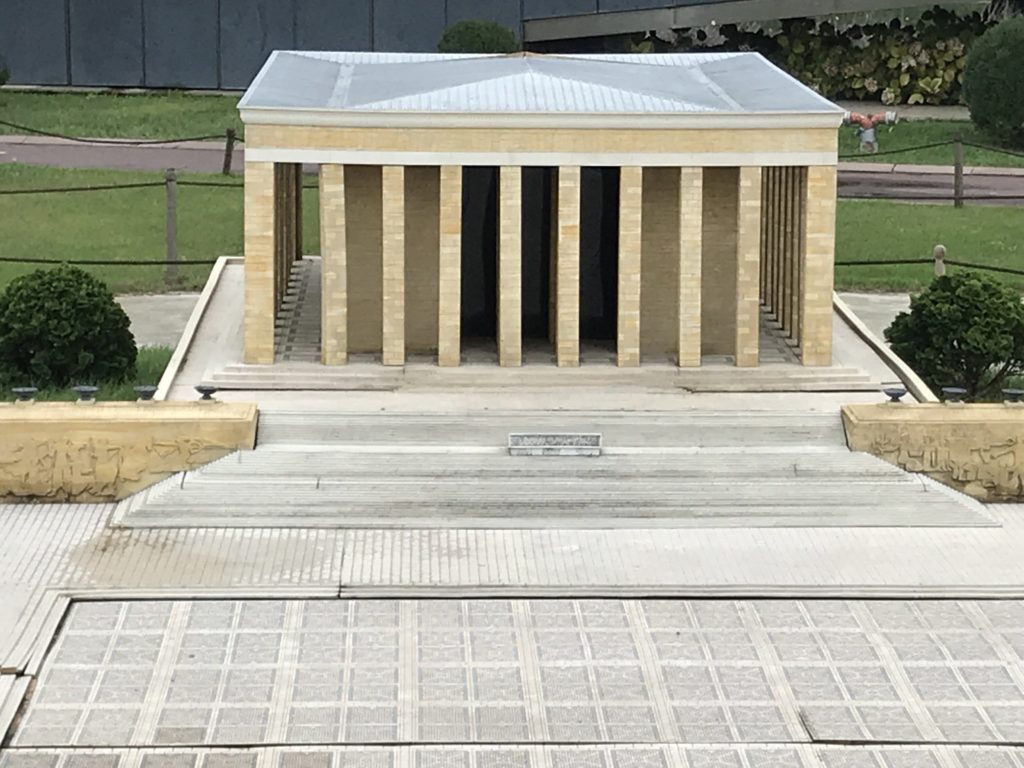
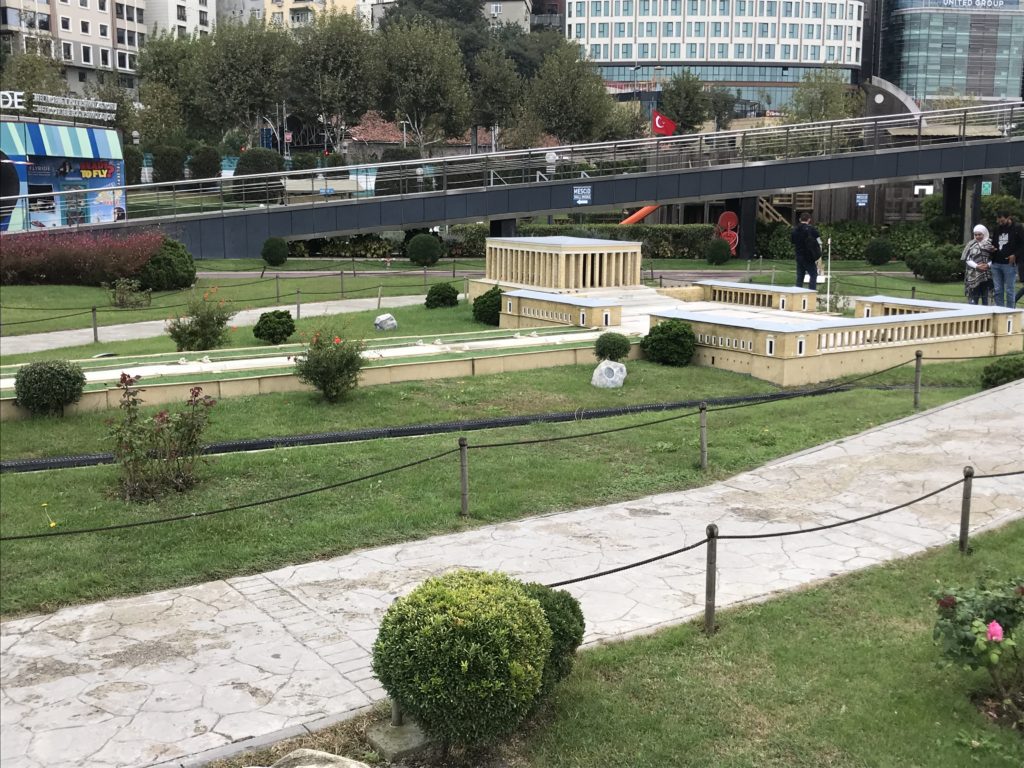
Anıtkabir is the final resting place of Kemal Ataturk, the founding father of the democratic, secular Republic of Turkey. He served as president from the country’s founding in 1923, until his death in 1938.
Located in the capital city of Ankara, the monument was built between 1944-1953. It consists of the Lion Road, the Mausoleum, and Victory Square.
For info on how to visit Anitkabir, check out the Kims Ankara – The Capital blog.
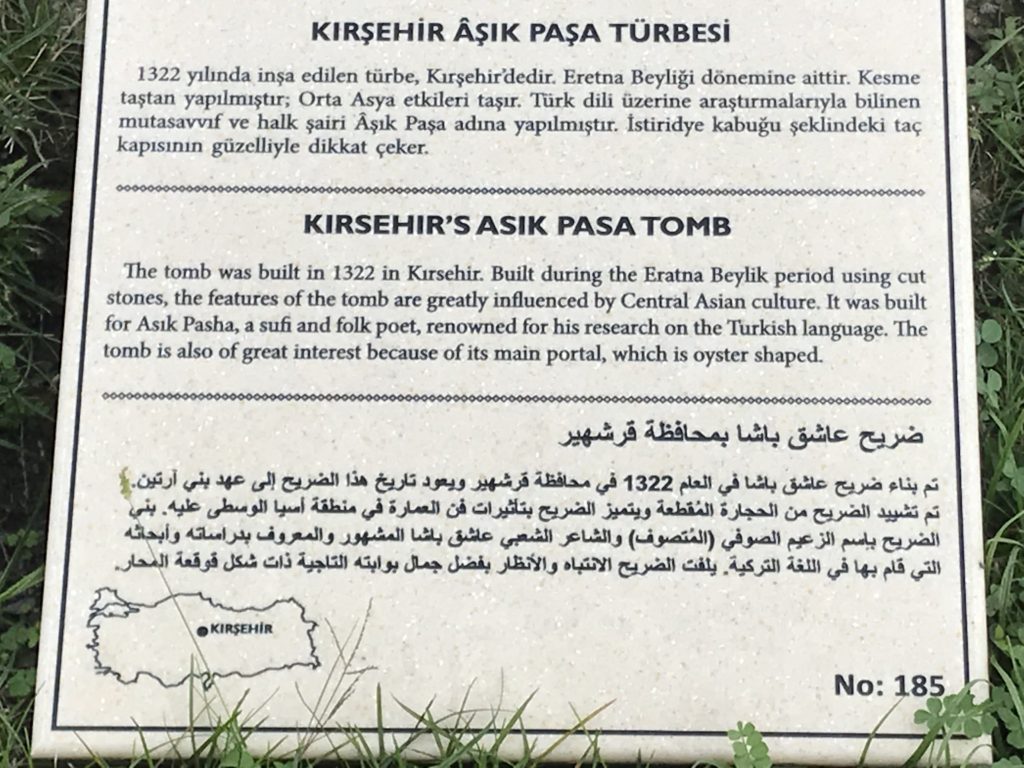
Asık Pasha Tomb in Kırsehir
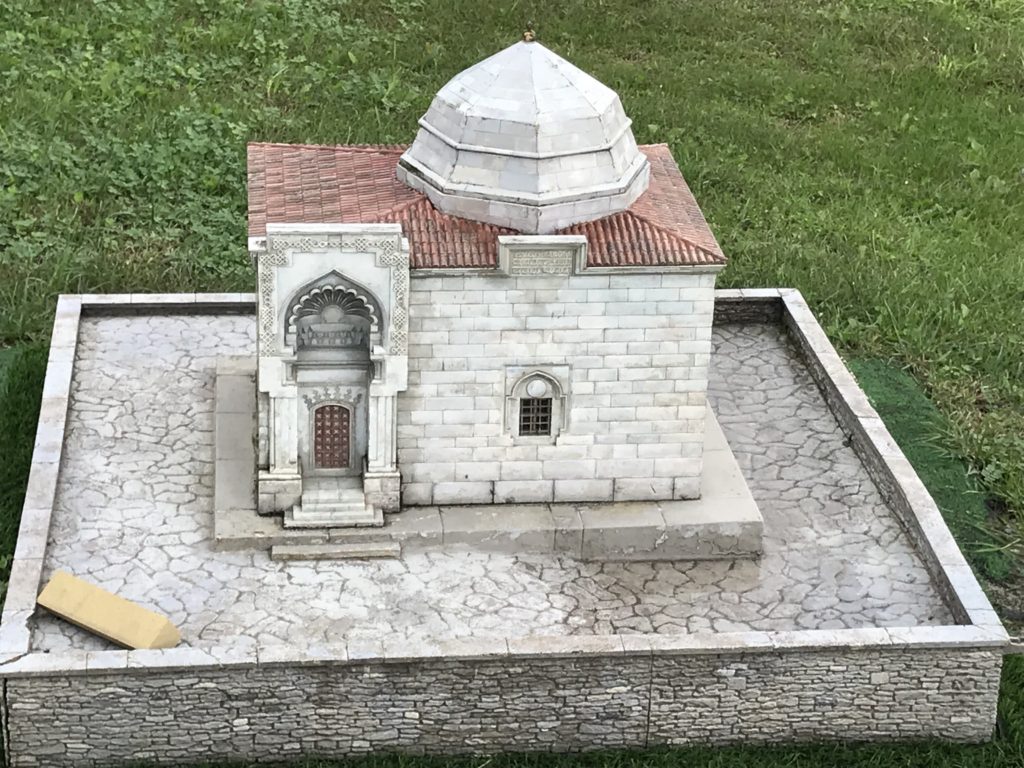
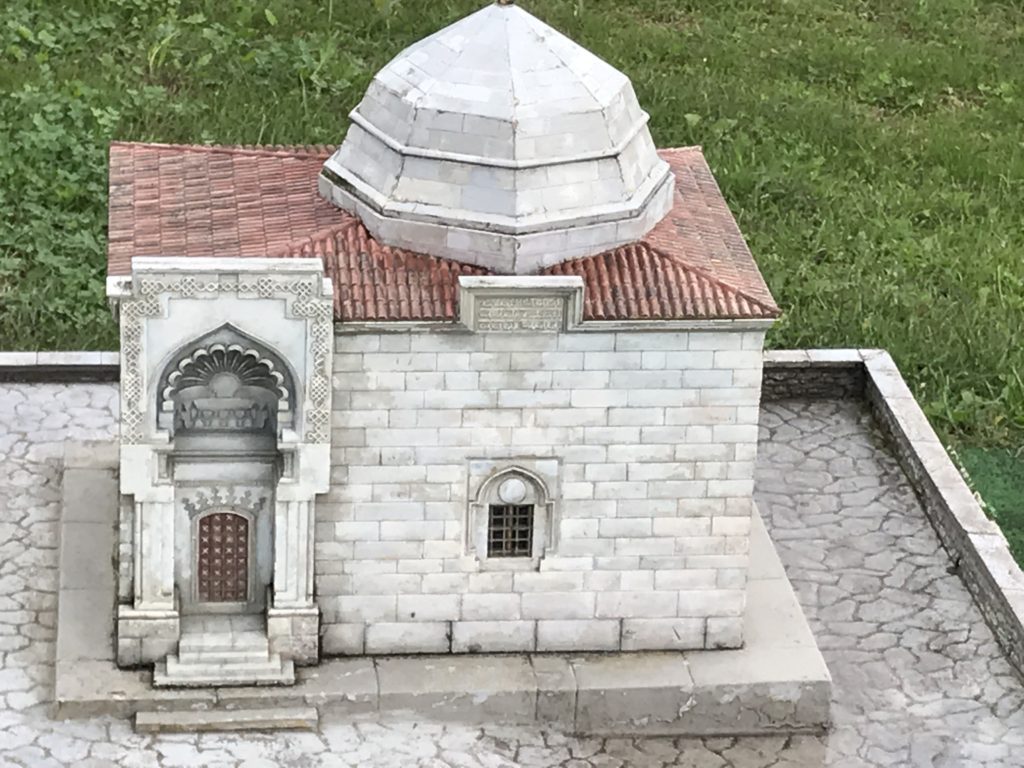
The tomb of Asık Pasha in Kırşehir was built in 1322, the year of his death. Pasha was a devout Sufi, famous poet, and religious sheikh. His works are among the first written in Ottoman Turkish, a language that was not previously deemed worthy of literature.
Pasha’s most famous work is the Gharībnāmeh, a mystical poem with over 11,000 rhymed couplets. Each of the 10 chapters has a subject that relates to its number. For example, the 5th chapter deals with the 5 senses. The 7th chapter deals with the 7 planets; etc.
The tomb of Asık Pasha is more similar to Fatimid buildings in Egypt then Seljuk architecture. An inscription from one of Paska’s poems is carved in front of the dome. A highlight of the tomb is the oyster shell shaped crown gate.
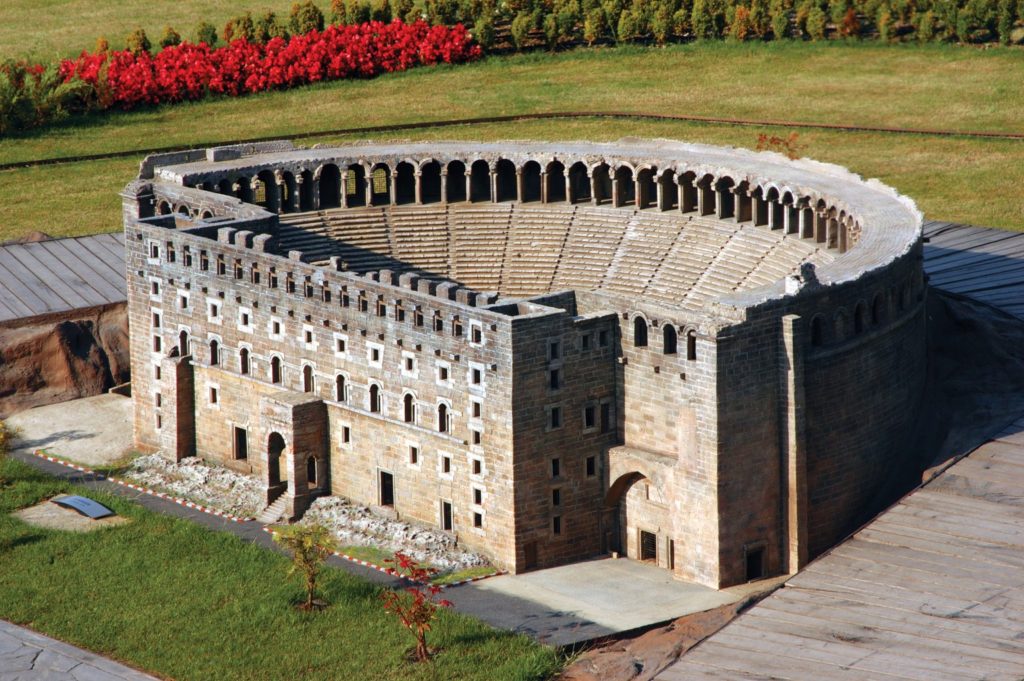
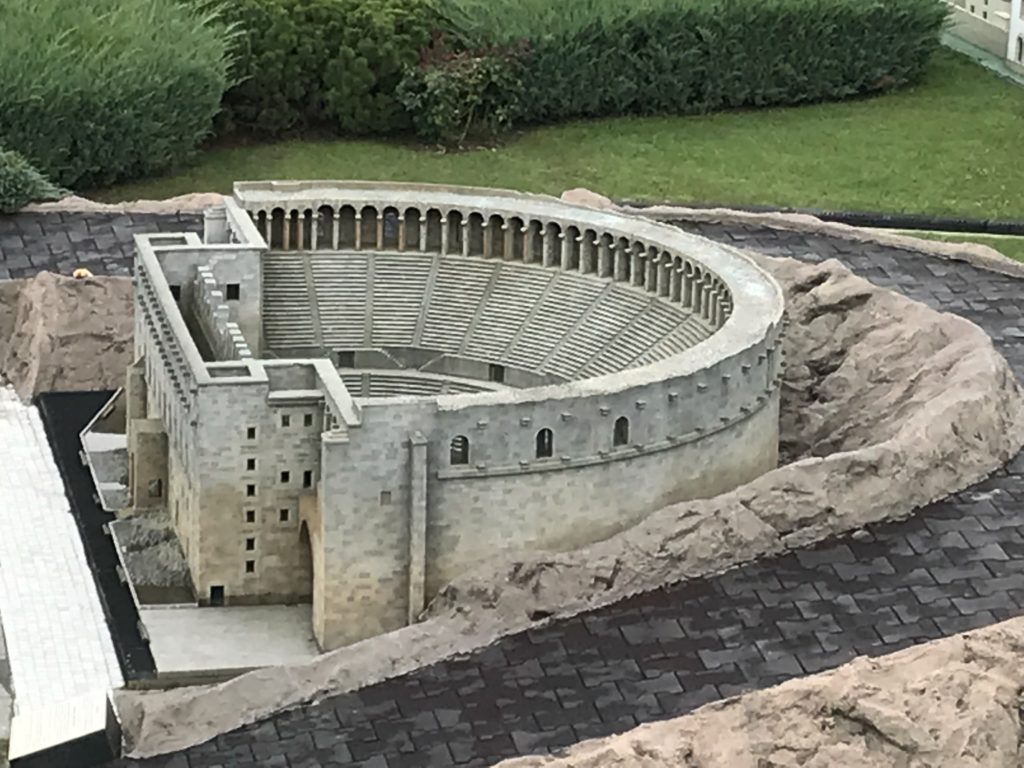
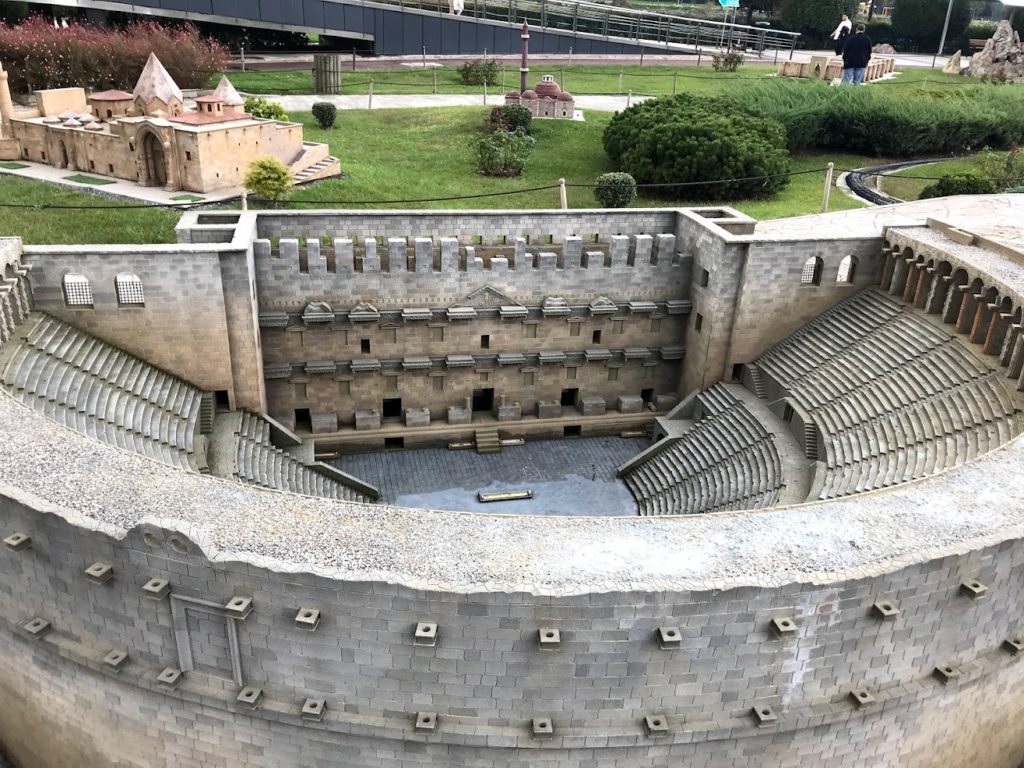
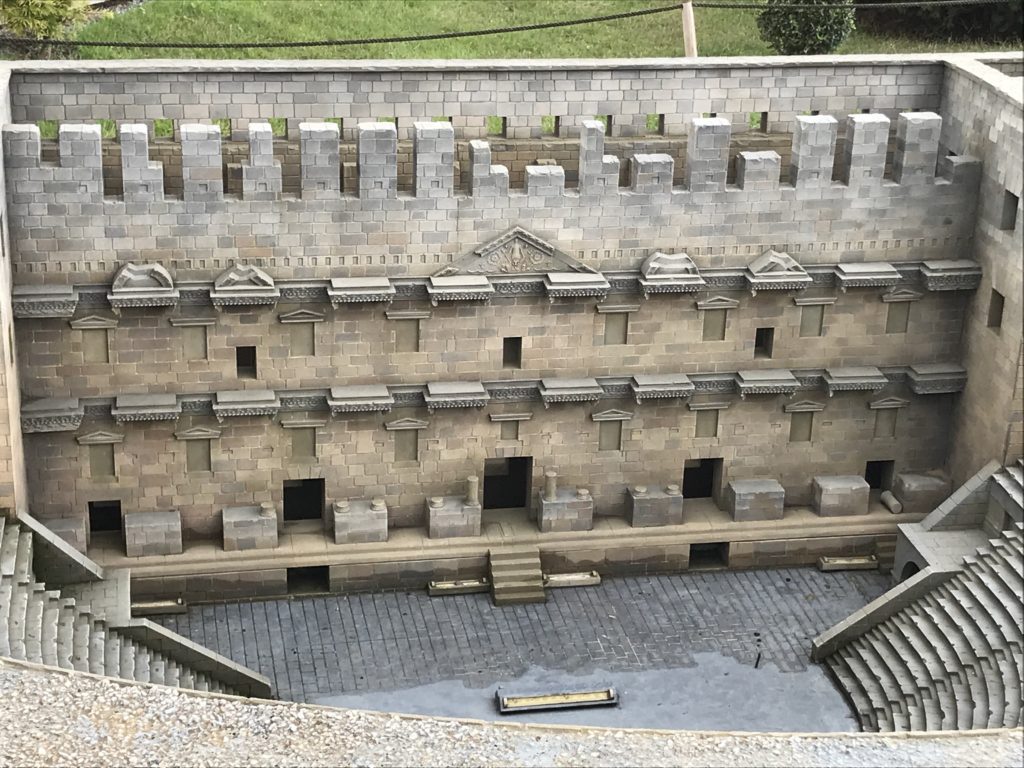
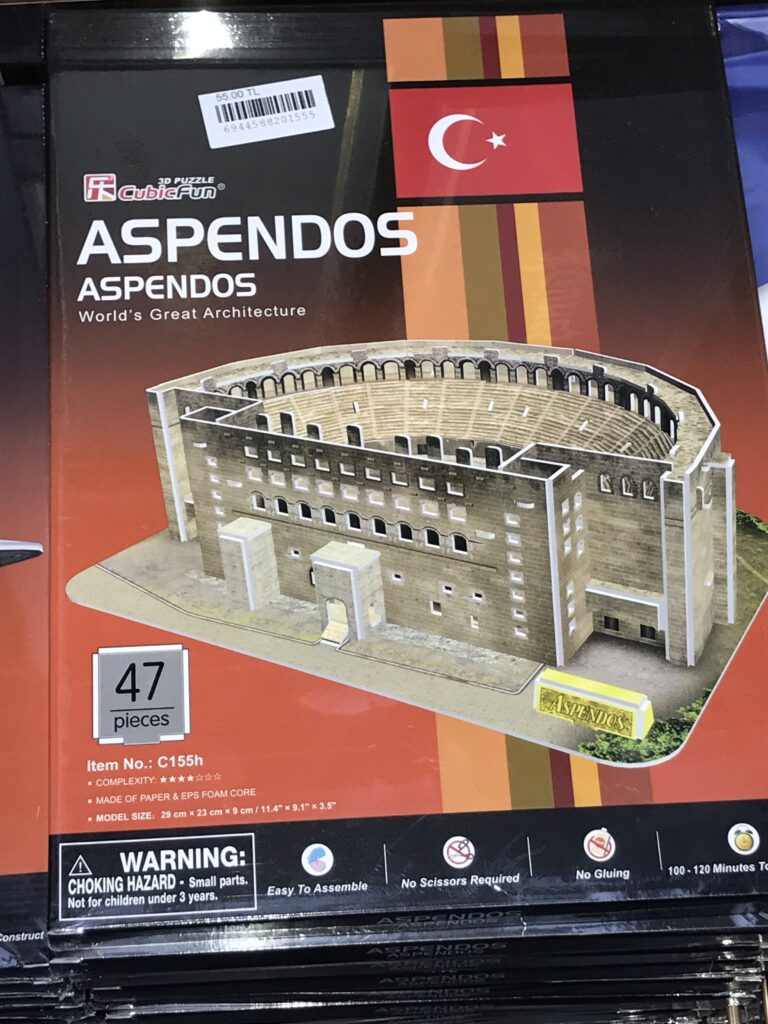
Aspendos Amphitheatre
Aspendos is an ancient Greco-Roman city that was founded in 1,000 B.C. It was conquered by Alexander the Great in 333 B.C.
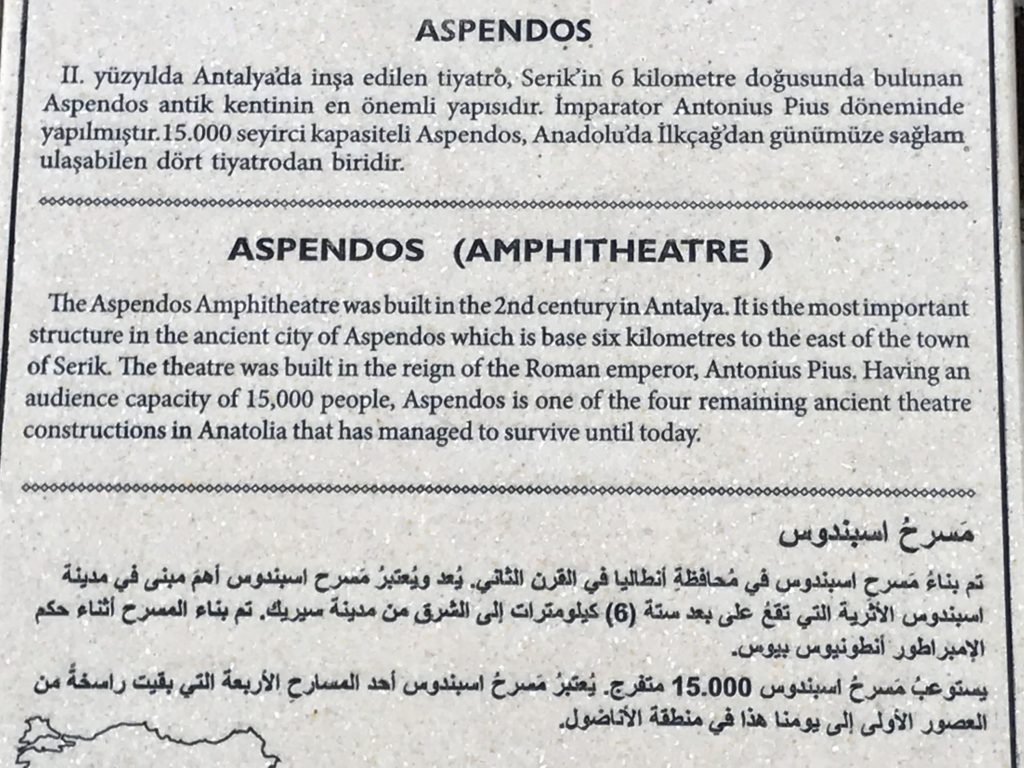
Aspendos is home to the best preserved antique theater in the world. Built in the 2nd century A.D., it is also the best preserved Roman theatre outside of Italy.
The 15,000 seat theater was built during the reign of the Emperor Antoninus Pius. Aspendos. The reason it is so well preserved is because it was used as a theater until the 16th century. The theater at Aspendos is 1 of the 4 theaters in Anatolia that has survived from the First Age.
To learn how to visit the theater at Aspendos, check out the Mama Kim’s Aspendos blog.
Ataturk Dam
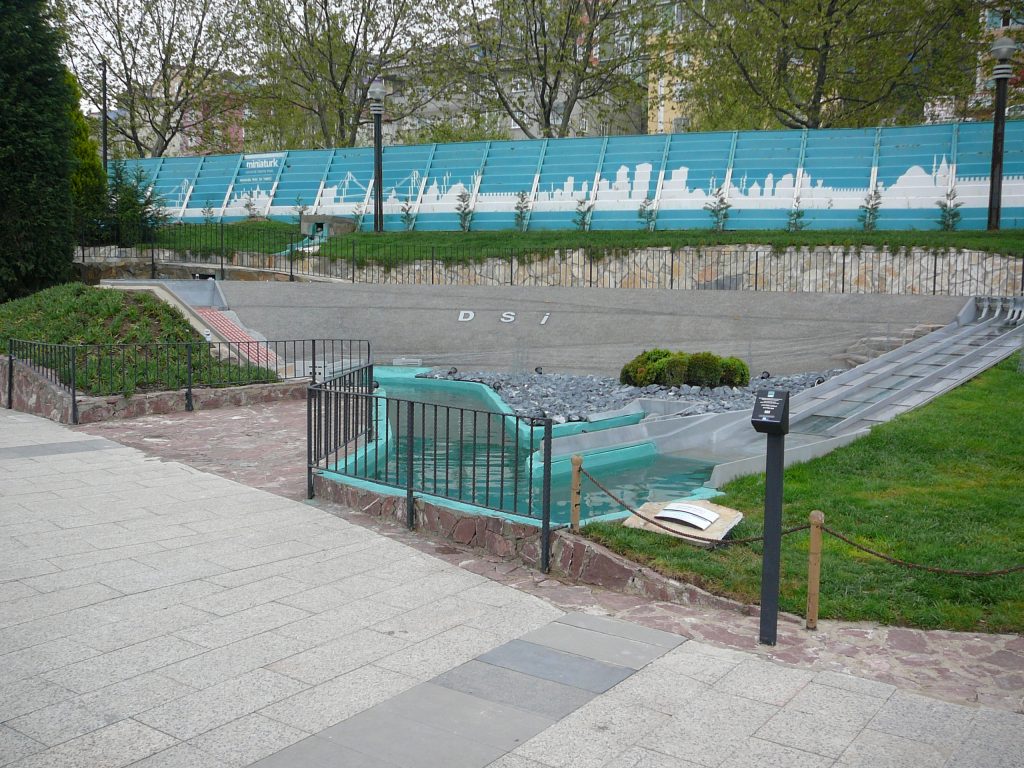
The Ataturk Dam is located on the Euphrates River between Şanlıurfa and Adıyaman. It was built from 1983 – 1992 to generate electricity and irrigate the region’s plains.
The third largest dam in the world, Ataturk Dam is considered one of the most important engineering structures in the world.
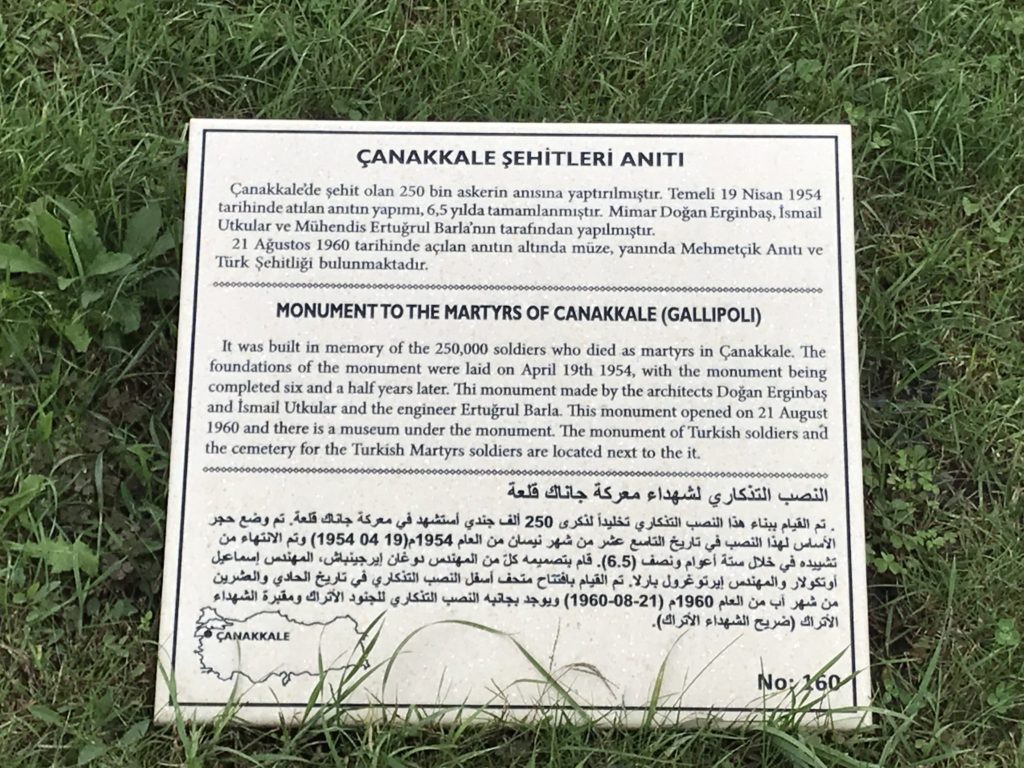
Çanakkale Martyrs Memorial
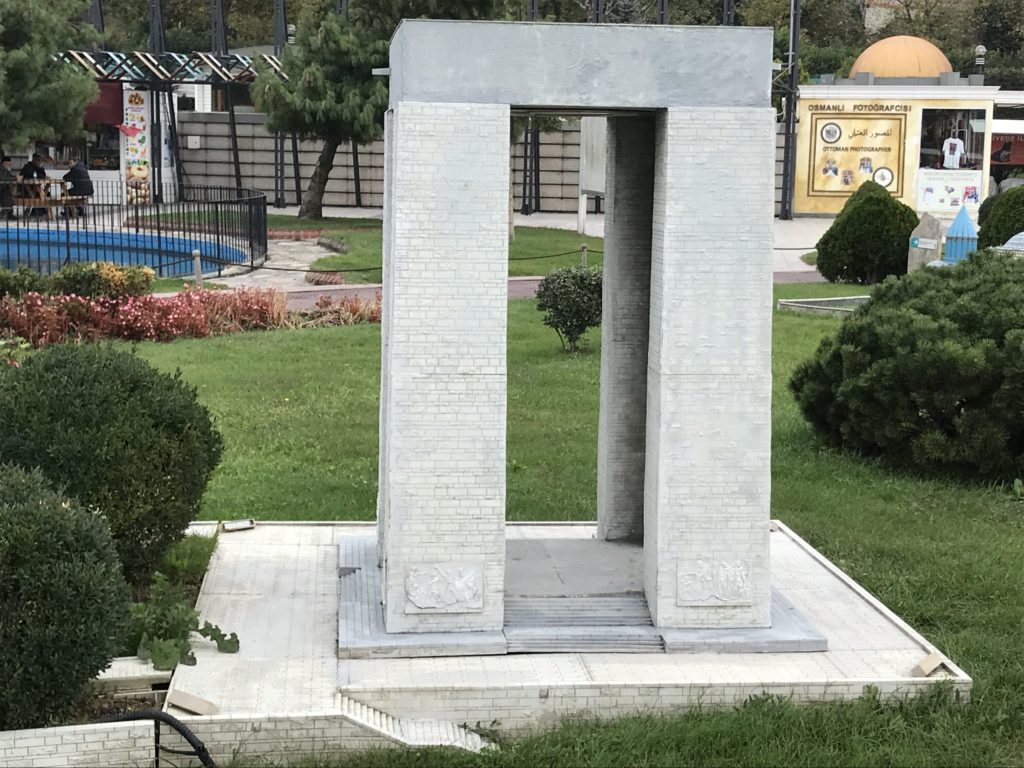
The Çanakkale Martyrs’ Memorial commemorates the 250,000 Turkish soldiers who died in the Battle of Gallipoli, which the Turks call the Çanakkale War.
The Battle of Gallipoli took place on the Gallipoli peninsula from February 19, 1915 to January 9, 1916. The Allied Powers (Great Britain, France and Russia) tried to weaken the Ottoman Empire by taking control of the Ottoman straits.
The objective was to cut off the Ottoman capital Constantinople from the Asian part of the empire. They thought if Turkey was defeated, the Suez Canal would be safe. And the Allies would have a yeasupply route through the Black Sea to warm water ports in Russia.
The memorial was built in 1965. There is a small museum in the basement. The Mehmetçik Monument and Turkish Cemetery are nearby.

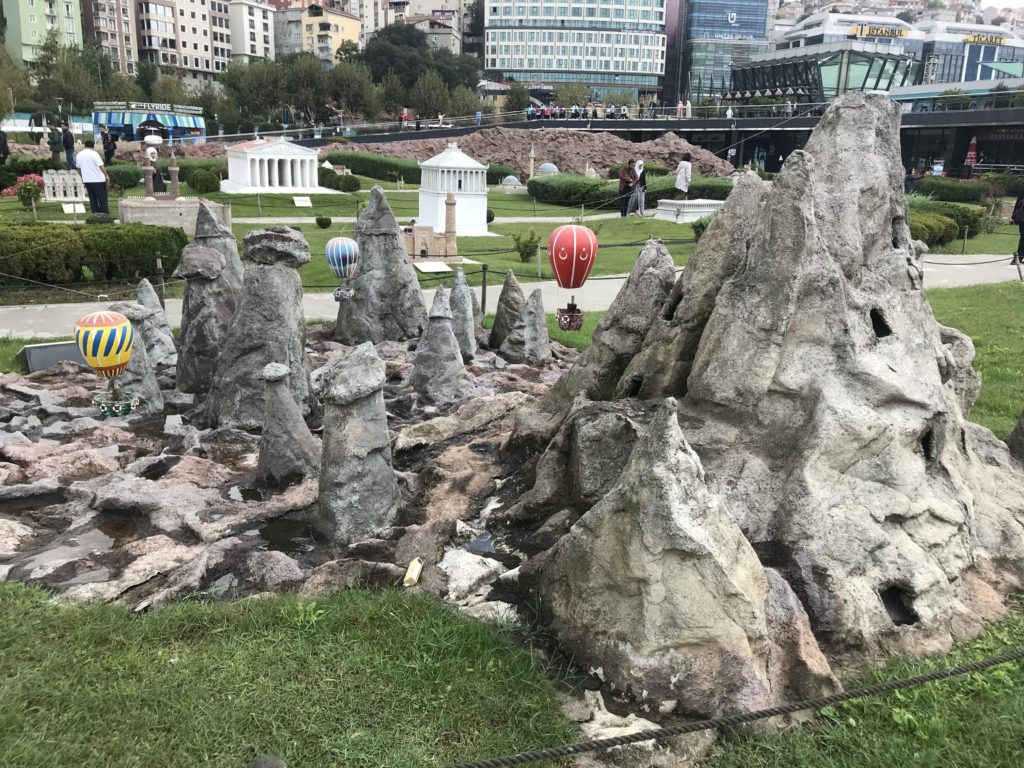
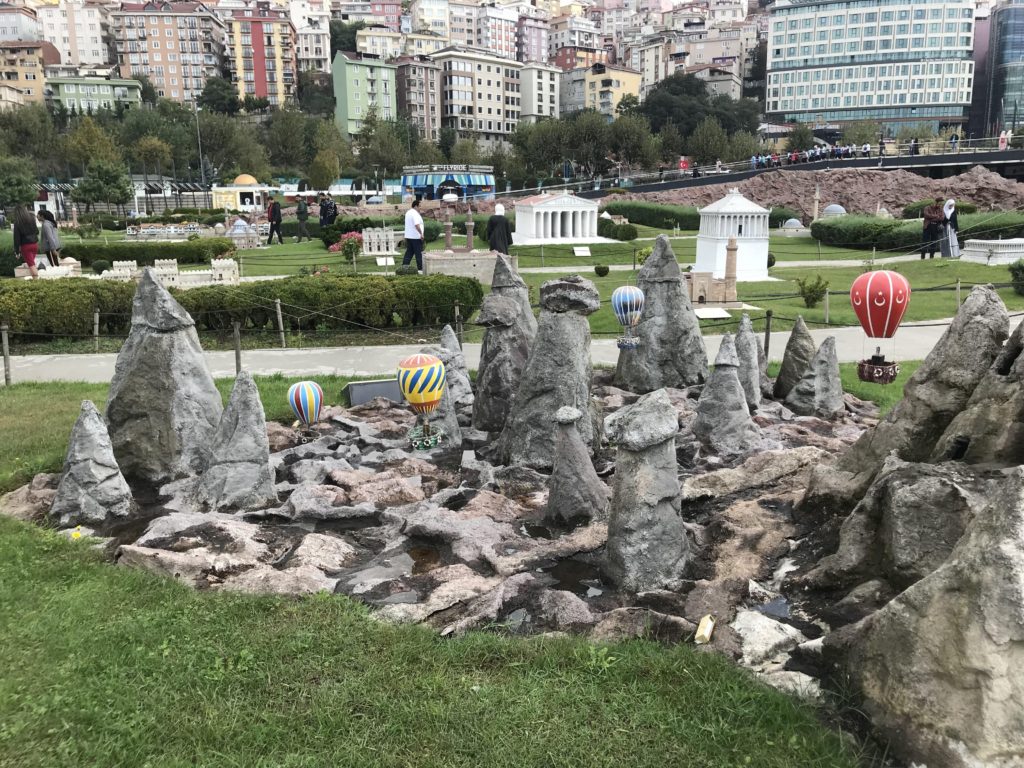
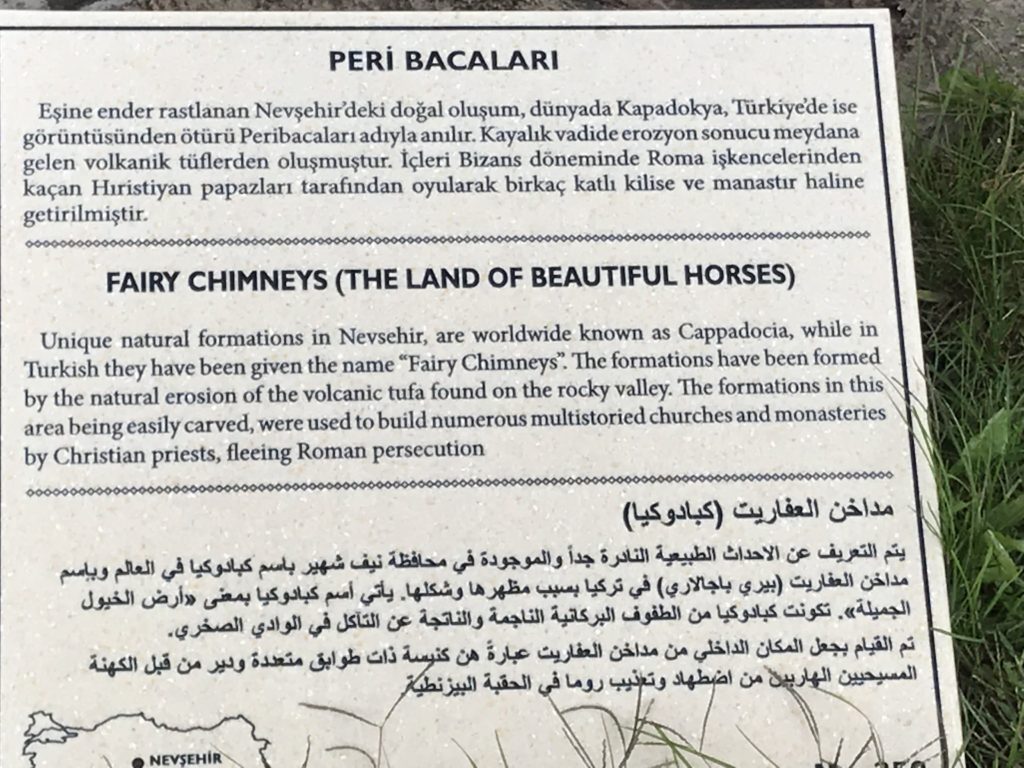
Cappadocia (Fairy Chimneys)
Cappadocia is a region in Central Anatolia known for its astonishing rock formations. It is world renown as a place to go Hot Air Ballooning. (I went hot air ballooning over Cappadocia).
Throughout history Christians referred to the area – which covers 6 provinces – as Cappadocia. Today Cappadocia is an international tourism term that describes the area. The Turks refer to the area as Fairy Chimneys.
The rock formations were formed from volcanic tuffs, which occurred as a result of erosion in the rocky valley.

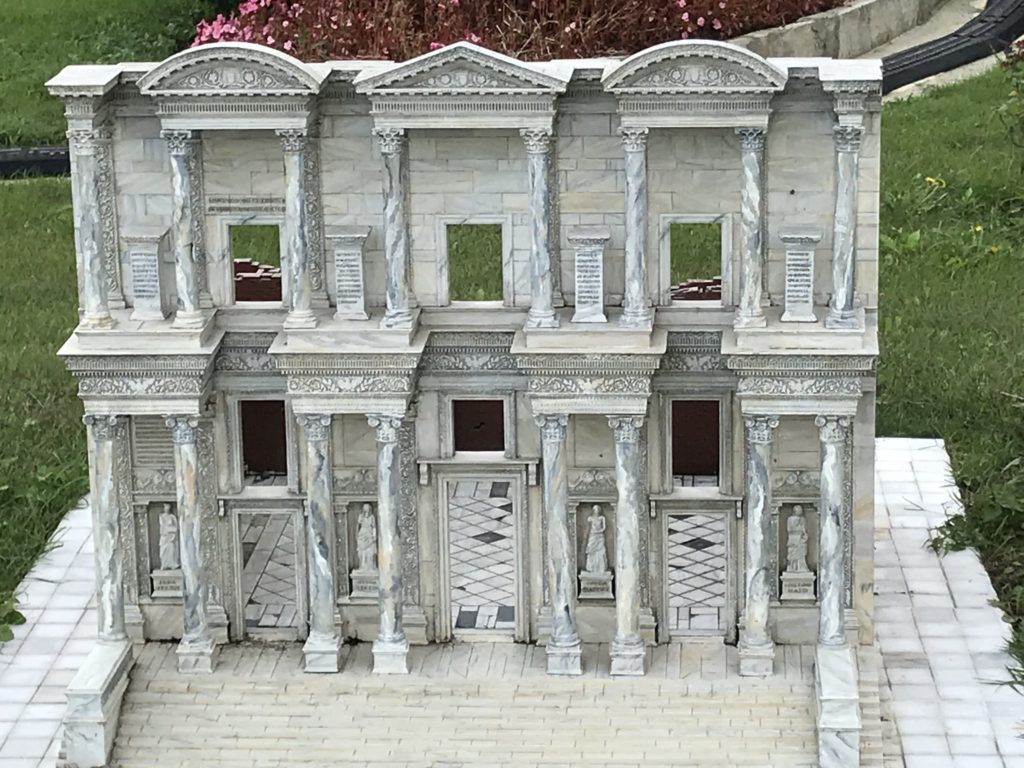
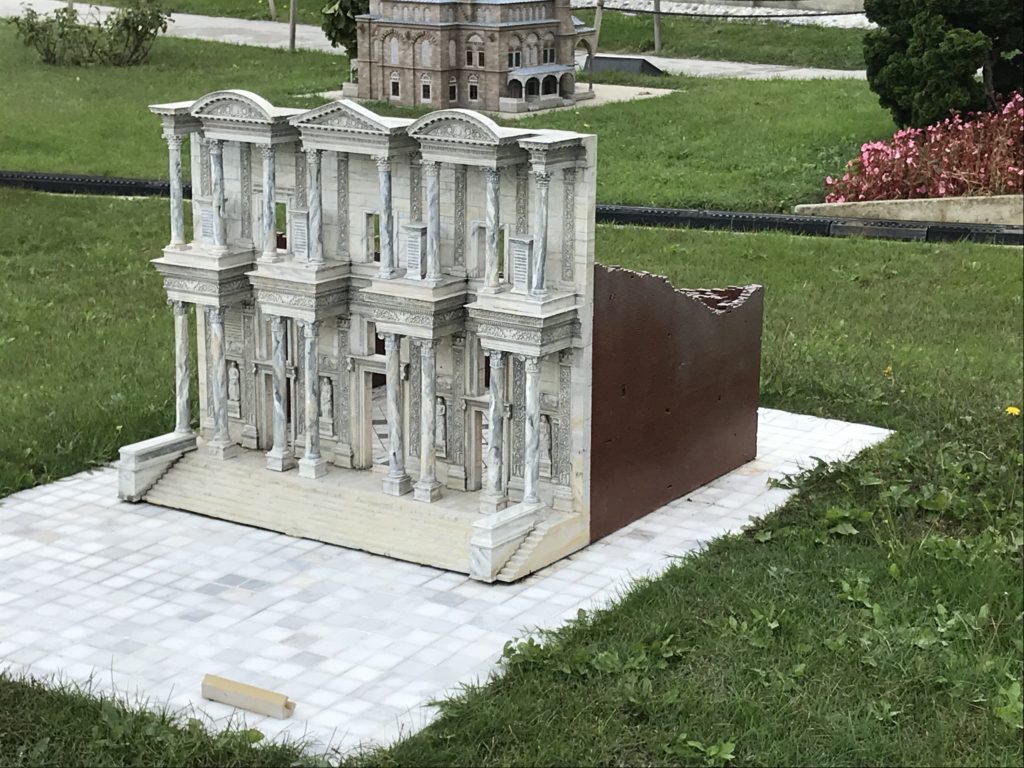
Celsus Library in Ephesus
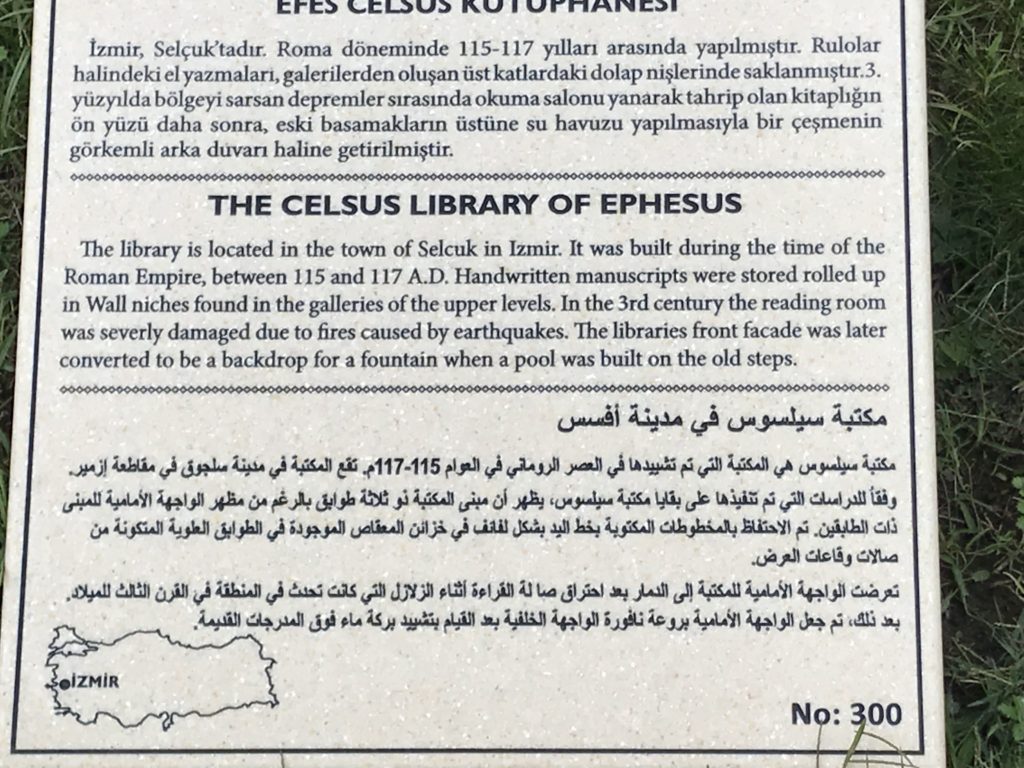
The Celsus Library in Ephesus (modern day Ismir) is an ancient Roman library. It was built in 115 – 117 A.D. as a funerary monument for Roman senator and military leader Tiberius Julius Celsus Polemaeanus. He was known as Celsus; hence the name.
Celsus is buried in a decorated white marble sarcophagus in a crypt beneath the library.
The Celsus Library housed over 12,000 scrolls, making it the third largest library in the Greco-Roman world after Alexandria and Pergamum.
Around 400 A.D. the reading hall was destroyed by fire; only the façade remained undamaged. A pool was built in front of the façade. Eventually even the façade was damaged. The library lay in ruins for centuries until the façade was re-erected by archaeologists from 1970 – 1978.
Church of the Virgin Mary
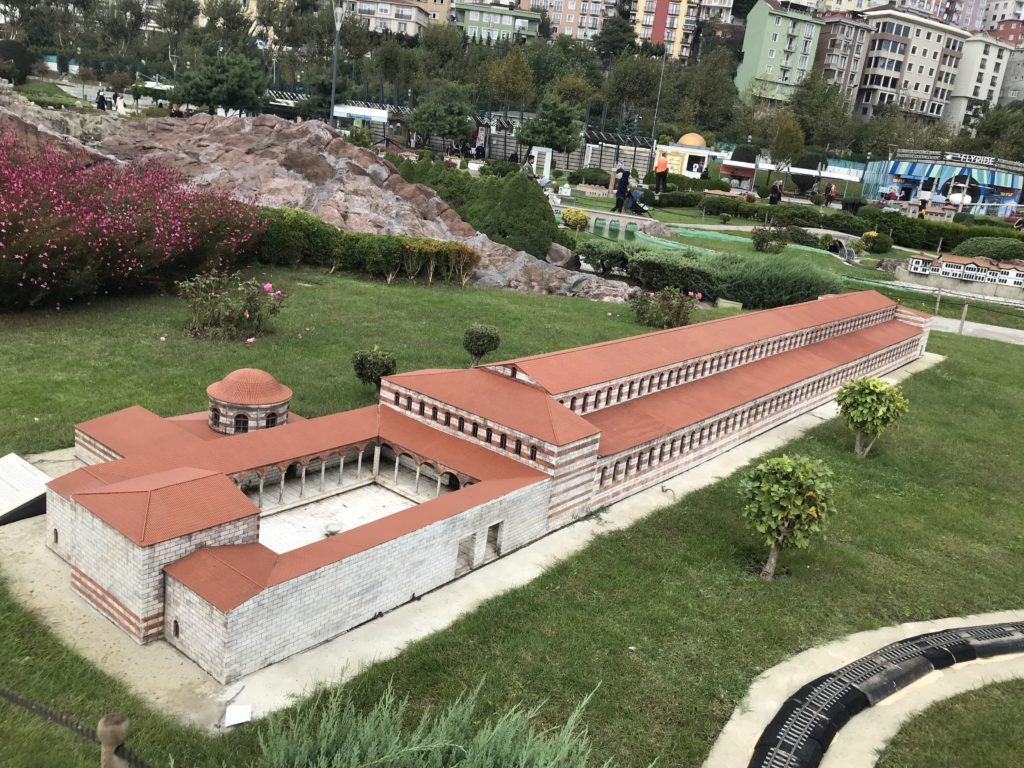
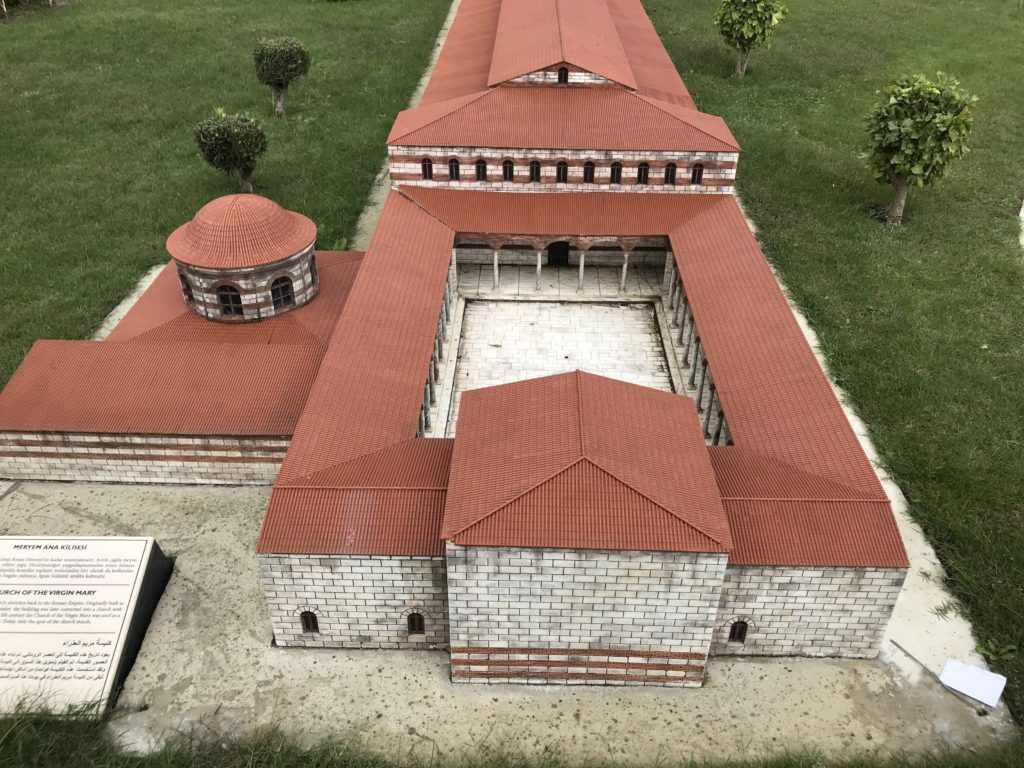
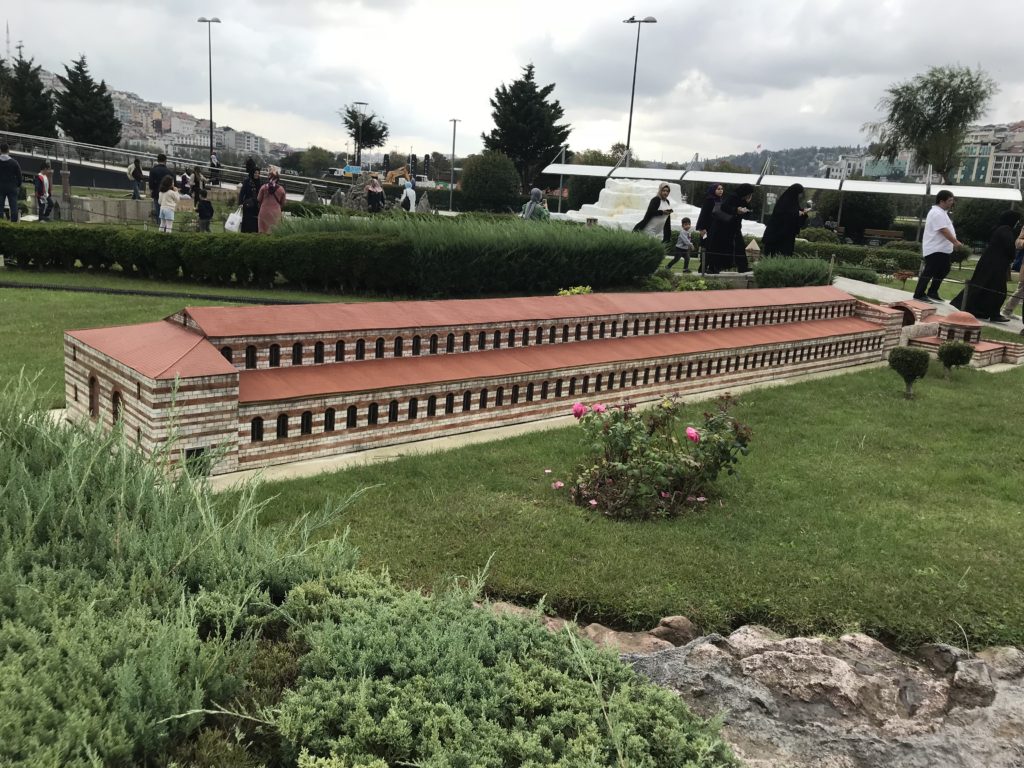
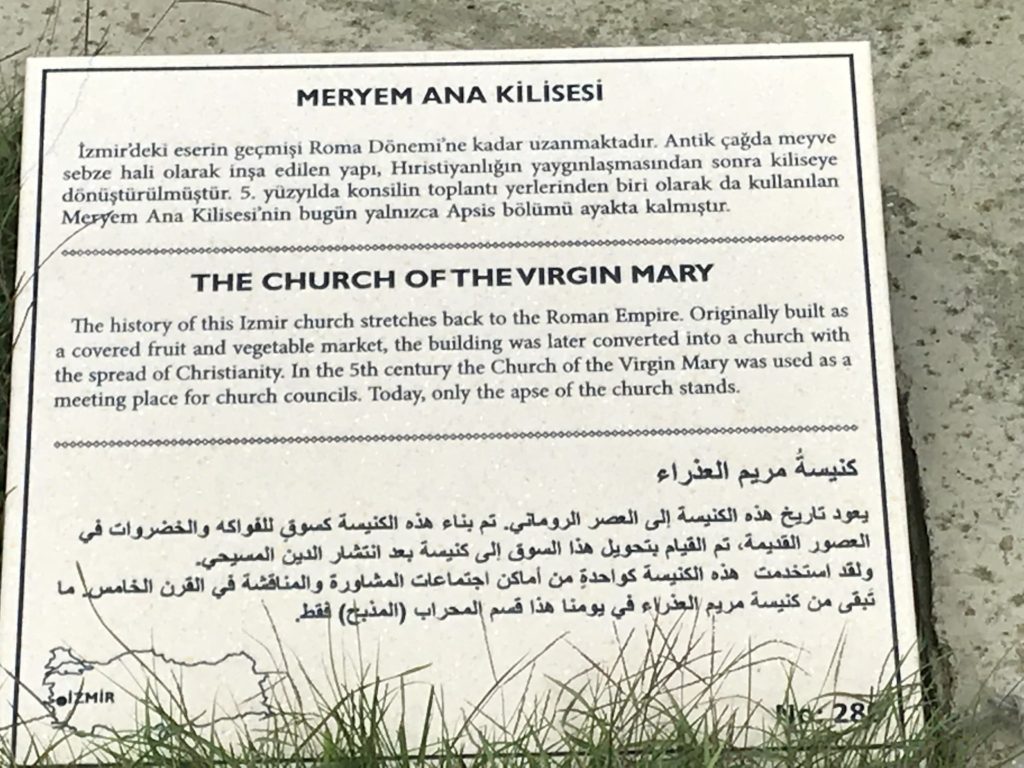
The Church of the Virgin Mary in Ephesus was built in the 5th century. It was the site of two important Christian councils.
This includes the Council of Ephesus in 431, where the title of Theotokos for the Mother of God was declared orthodox.
The building itself was originally a vegetable market. (Which explains it’s large size). Then in the 3rd century it was a Roman basilica called the Hall of the Muses. Around 500, it was converted into a monumental cathedral. It then served as the seat of the Bishop of Ephesus until the 7th century.
Sadly, only the apse section is still standing.
Check out my blog The House of the Virgin Mary in Ephesus: Ultimate Guide.
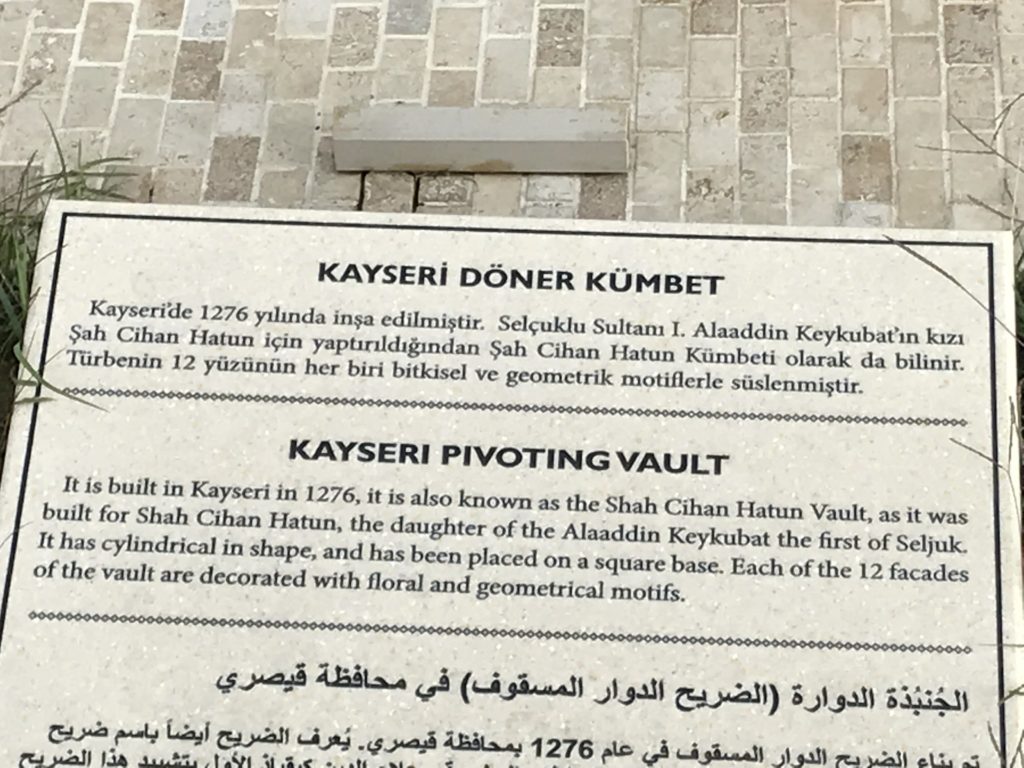
Doner Kumbet in Kayseri
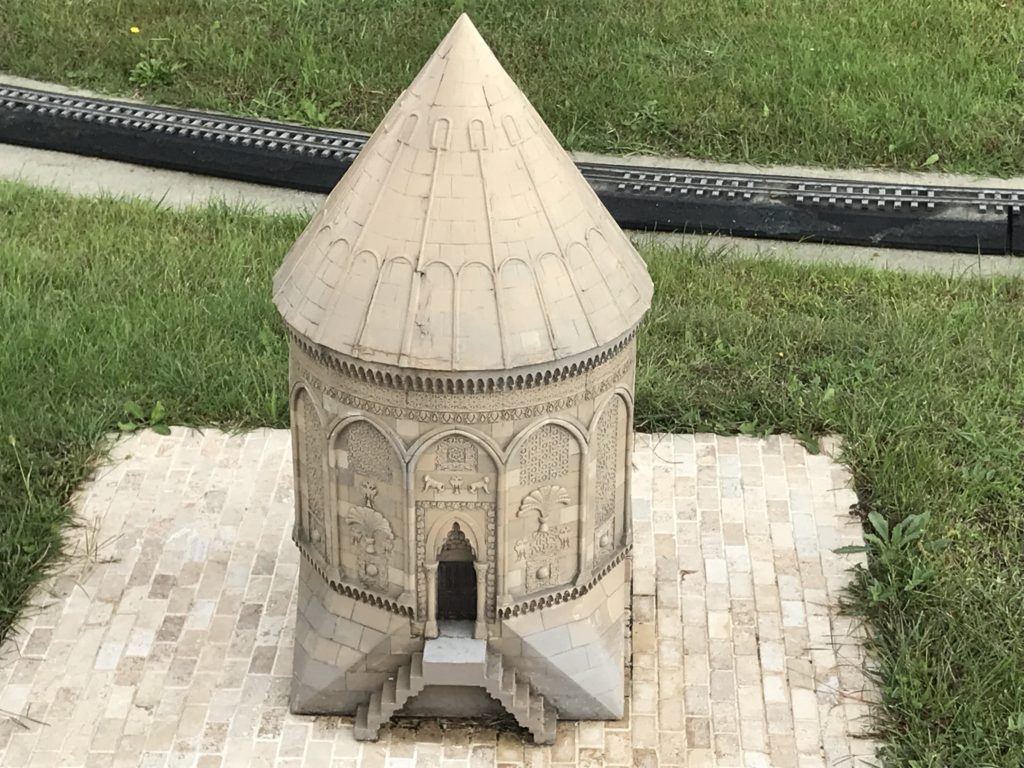
The Doner Kumbet (which means rotating tomb in Turkish) was built in Kayseri in 1276. It was built for Shah Jahan Hatun, the daughter of Seljuk Sultan Alaeddin Keykubad I.
A short marble inscription lists Hatun’s name, but omits the date. Stylistic similarities to tombs in Ahlat suggest that the tomb was built around 1276.
It is one of the more striking and decorated tombs of Kayseri, where some of the most remarkable tombs of the Seljuk Empire are located. Each of the 12 faces of the tomb is decorated with floral and geometric motifs.
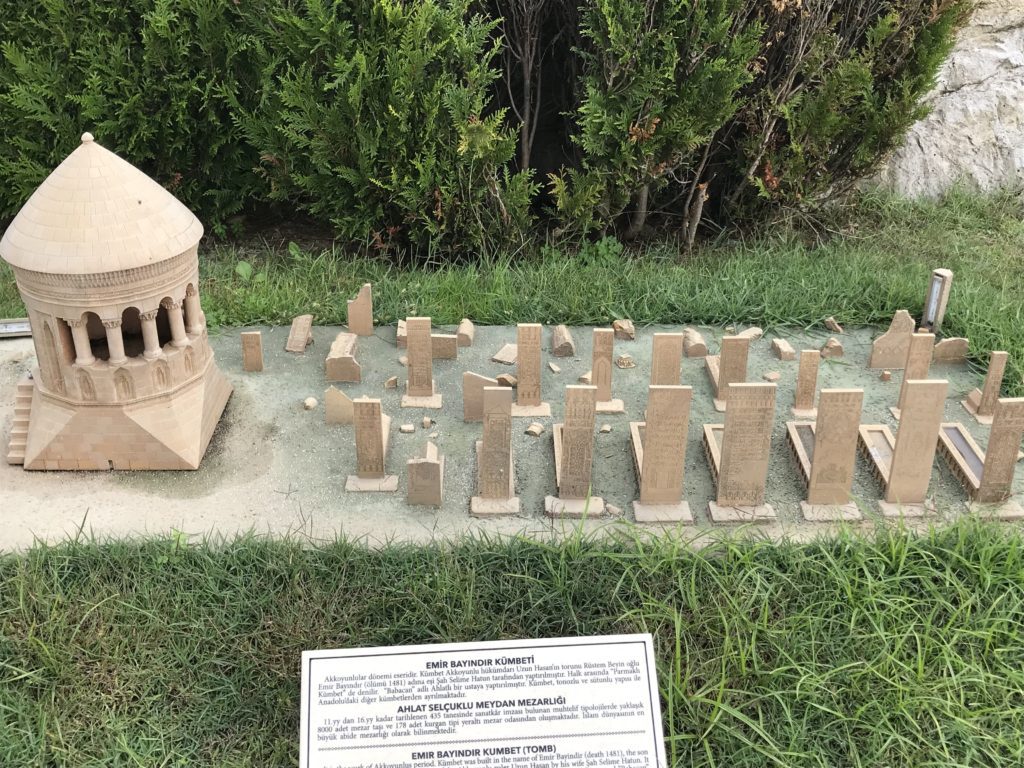
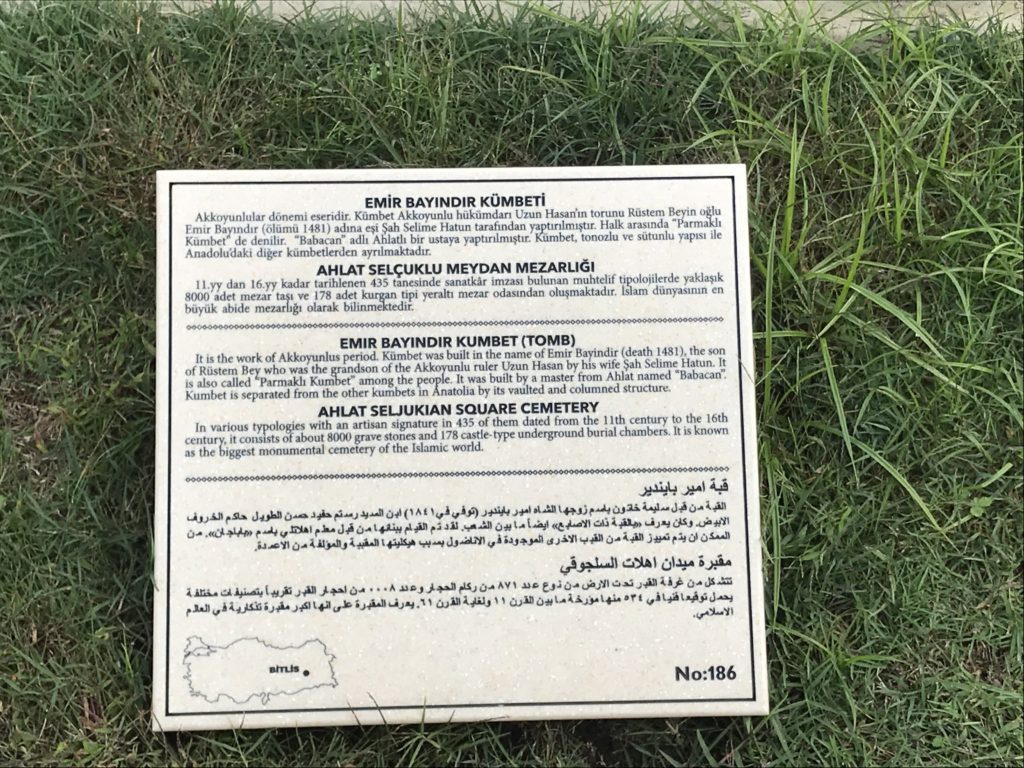
Emir Bayındır Dome & Ahlat Seljuk Square Cemetery
According to the inscription, the Emir Bayındır Dome was built in 1481. It is the final resting place of Emir Banyindir, the grandson of Aq Qoyunlu ruler Uzun Hasan. It was built by his wife Shah Selime Hatun in 1481.
The Aq Qoyunlu were a Persian, Sunni, Turkoman tribal confederation. That ruled parts of eastern Turkey from 1378 – 1503,
The dome is called the “Fingered Dome” by locals. It is distinguished from other domes in Anatolia by its vaulted and columned structure.
The nearby Ahlat Seljuk Cemetery is the largest Turkish Islamic cemetery in the world. It contains 8,000 tombstones from the 11th to the 16th centuries. This includes 435 tombstones made by artists and 178 cairn style, which means a man-made pile of raised stones used as a marker.
Ertuğrul Gazi Tomb
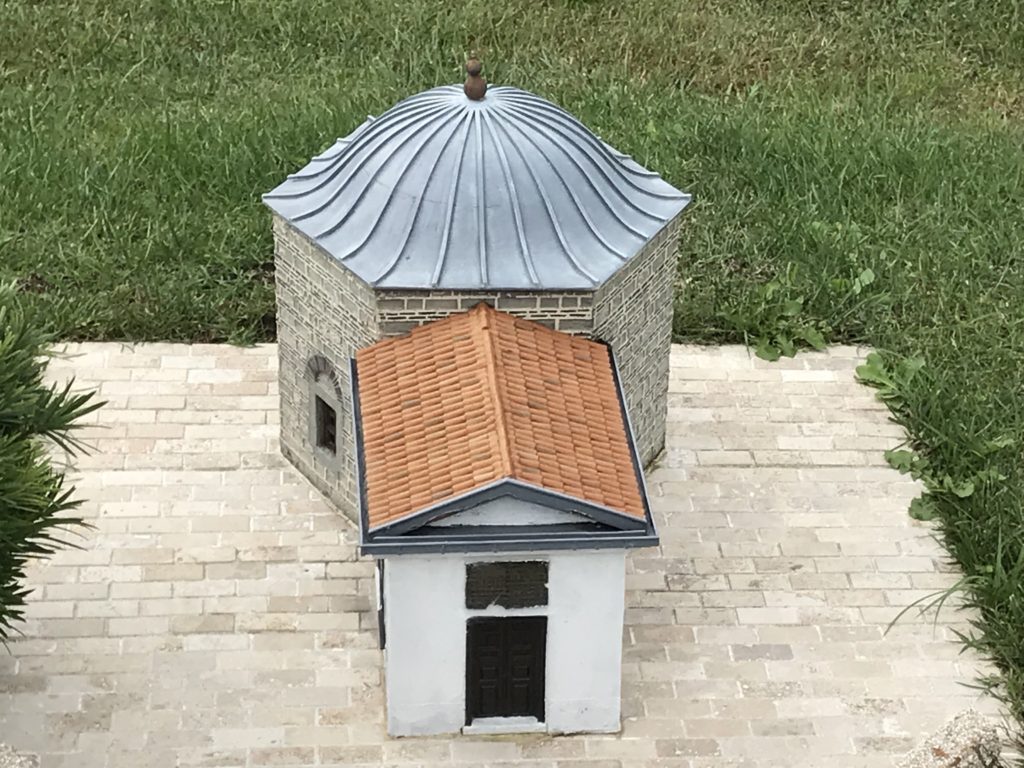
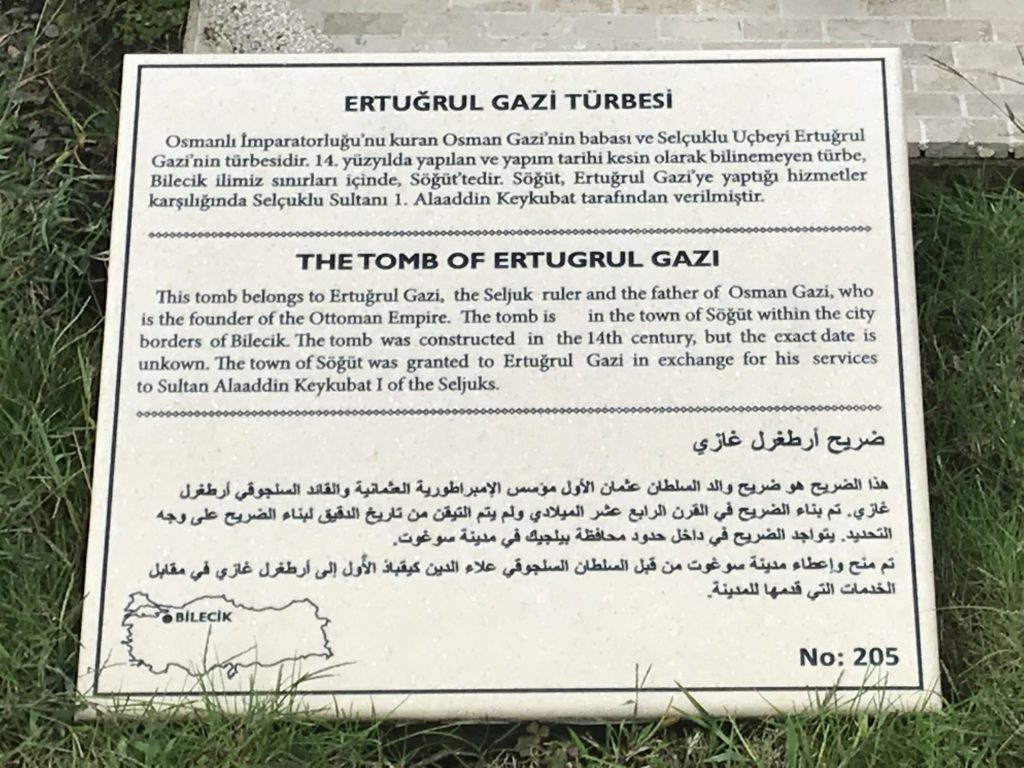
When I was walking through Miniaturk I was thrilled to come across the tomb of Ertuğrul Gazi, the bey of the !!! He is the father of Osman Gazi, the founder of the Ottoman Empire.
Ertugrul’s tomb was built in Söğüt. Seljuk Sultan Alaeddin Keykubad I gave the town to Ertugrul and his migrating Kayi tribe. (As a reminder, Sultan Alaeddin was the honoree of several of the mosques listed on this page).

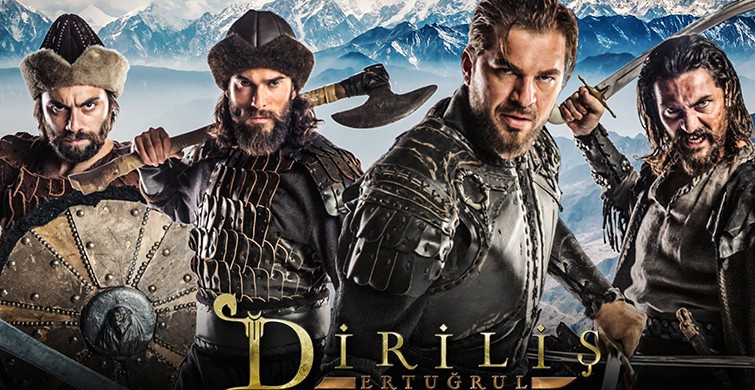
Ertugrul Resurrection
Like millions of people around the world, I am a huge fan of the (2014-2019) TV series Ertugrul Resurrection. It’s the reason why I went to Turkey in the first place.
13th century, who belonged to the ‘Kayi tribe’ and fought for his religion, conquering many lands in the way of Allah. He was the son of Suleyman Shah of Oghuz descent. Ertugrul’s son, Osman, succeeded the throne and founded the Ottoman Empire around 1299.
I can’t tell you what a phenomenon the show is in the Muslim world. My Muslim taxi driver in Jerusalem told me when the evil Christian character on the series was killed, people in his neighborhood went outside and shot guns in the air.
I love the Ertugrul Theme Song. Unfortunately, the show is no longer on Netflix. It is hard to find it in English online.
Gok Madrasa in Sivas
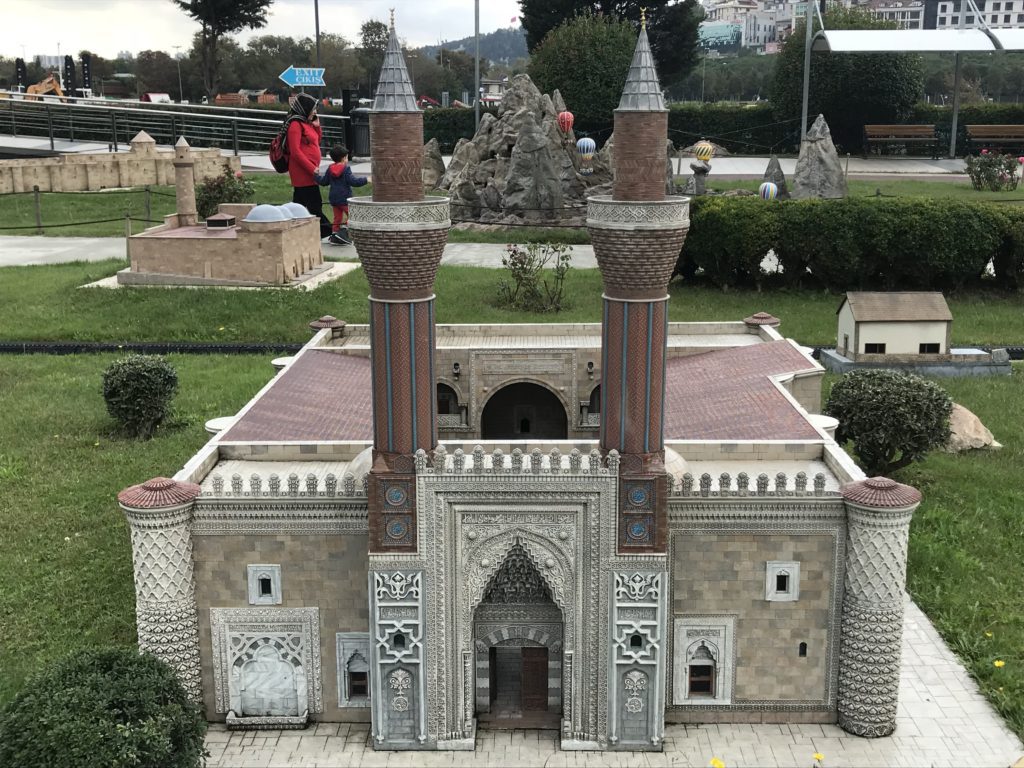
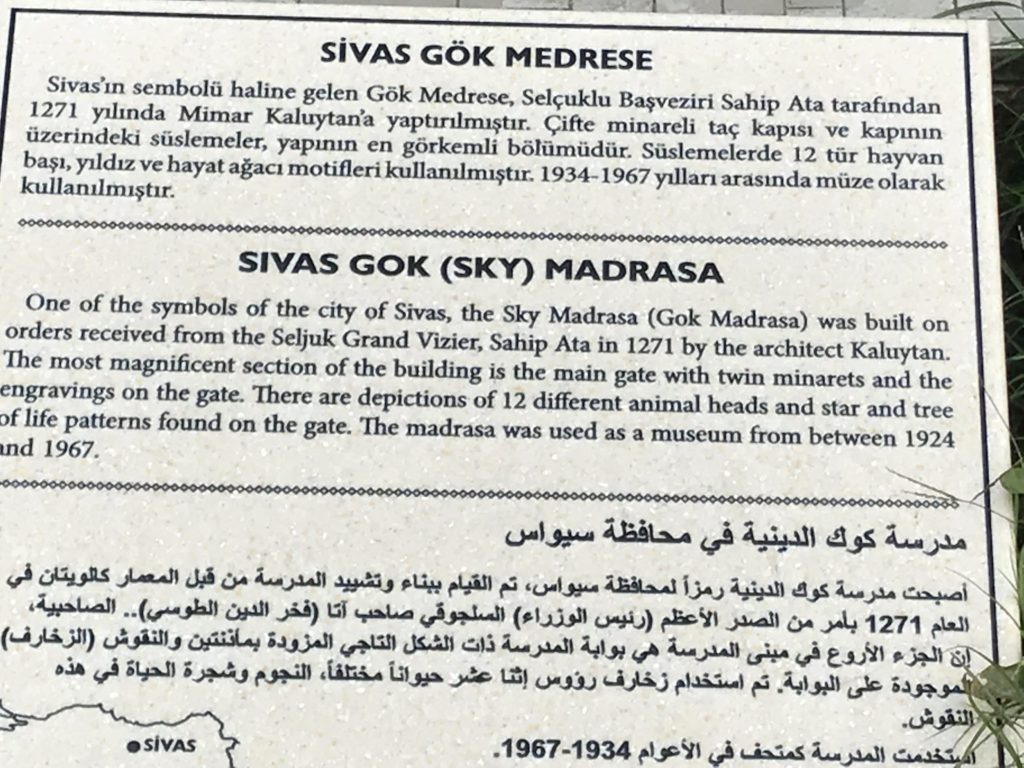
The Gok Madrasa was built in 1271 under the order of Seljuk Grand Vizier Sahip Ata. It is the symbol of the city of Sivas.
The most magnificent parts of the structure are the twin minarets and ornamental gate. The gate ornaments consist of 12 types of animal heads, stars and tree of life motifs.
The Gok Madrasa was originally a two-story building. There was a hamam (Turkish bath) and a soup kitchen for 30 people. However, only 13 rooms on the lower floor still exist. The madrasa was restored in 1823 and was in use until 1926.
Between 1934 -1967 the Gok Madrasa was used as a museum. As with most Islamic buildings in Turkey, it has now been converted back to its original purpose.
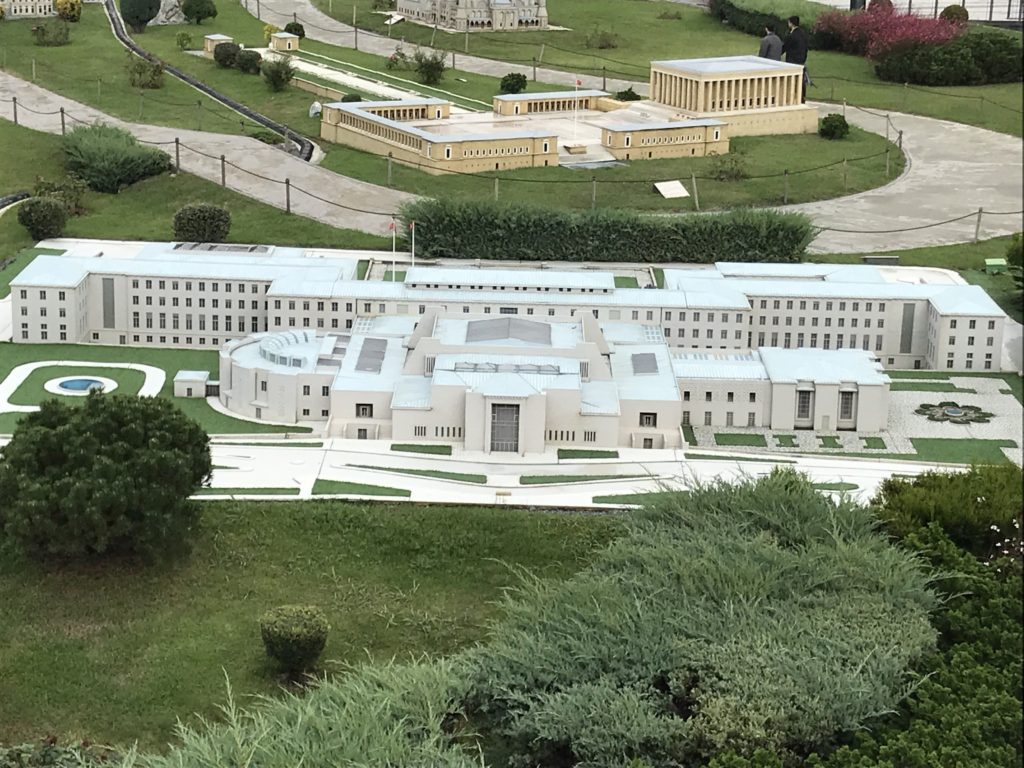
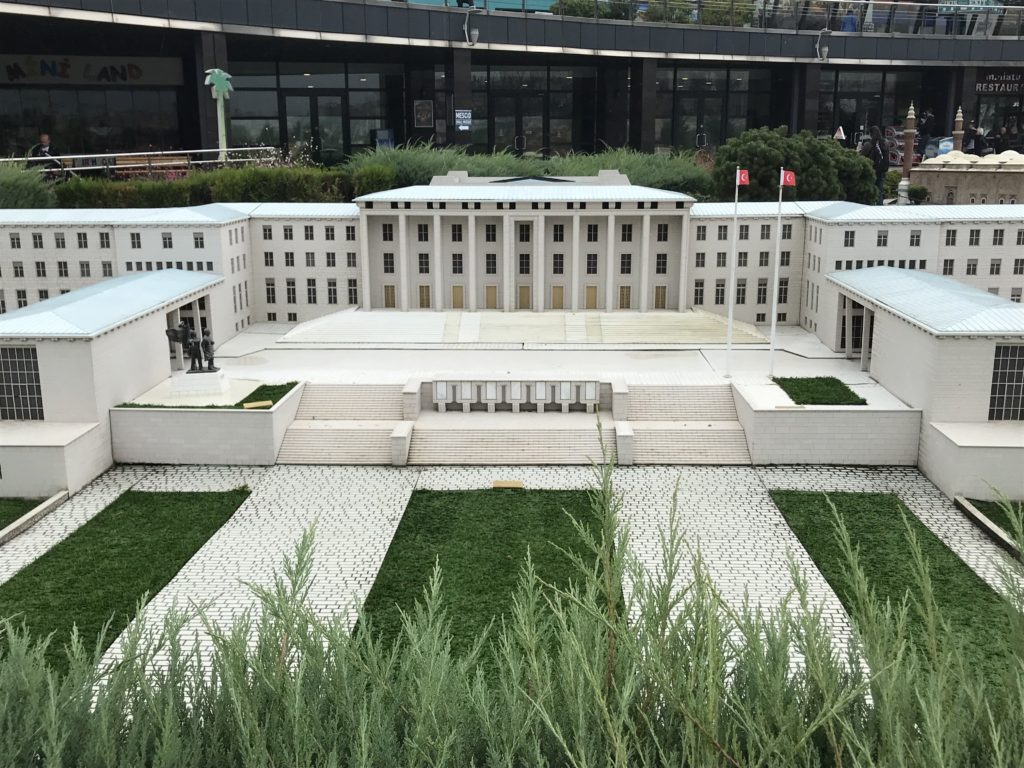
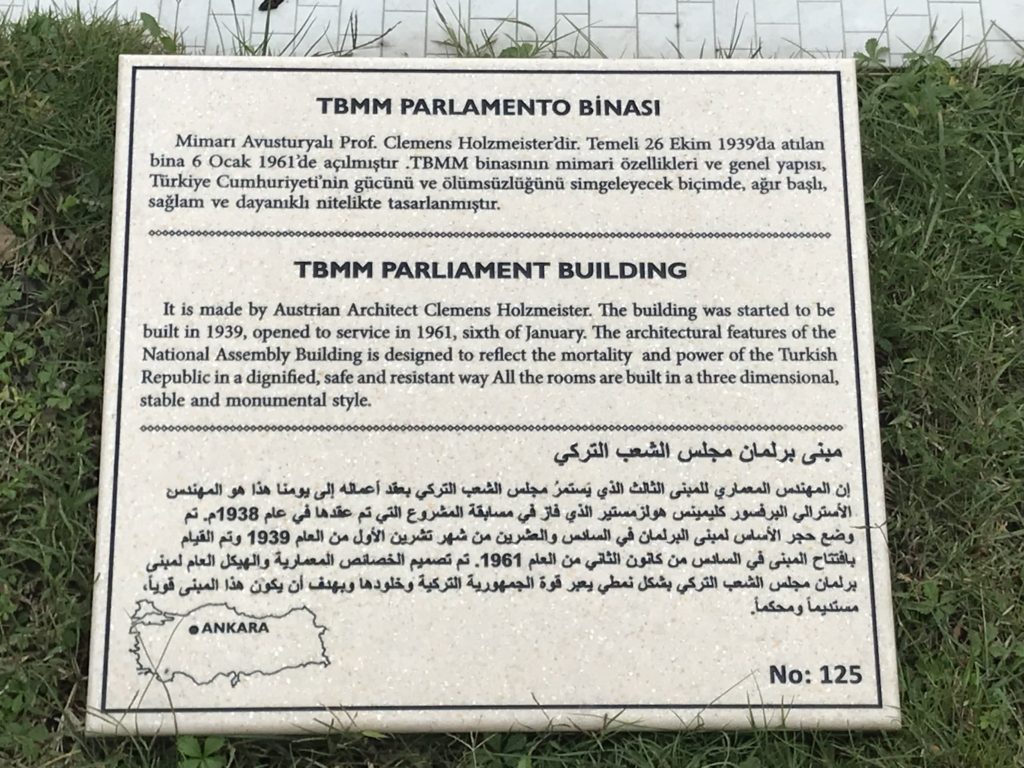
Grand National Assembly of Turkey (TBMM)
The Grand National Assembly of Turkey (TBMM) is home to the Turkish Parliament. Located in the capital of Ankara, it was built between 1939 – 1961.
The Turkish Constitution created the legislature on April 23, 1920. This was during the Turkish War of Independence (1919–1923) at the end of the Ottoman Empire.
Great Mosque and Hospital in Divriği (Sivas Province)
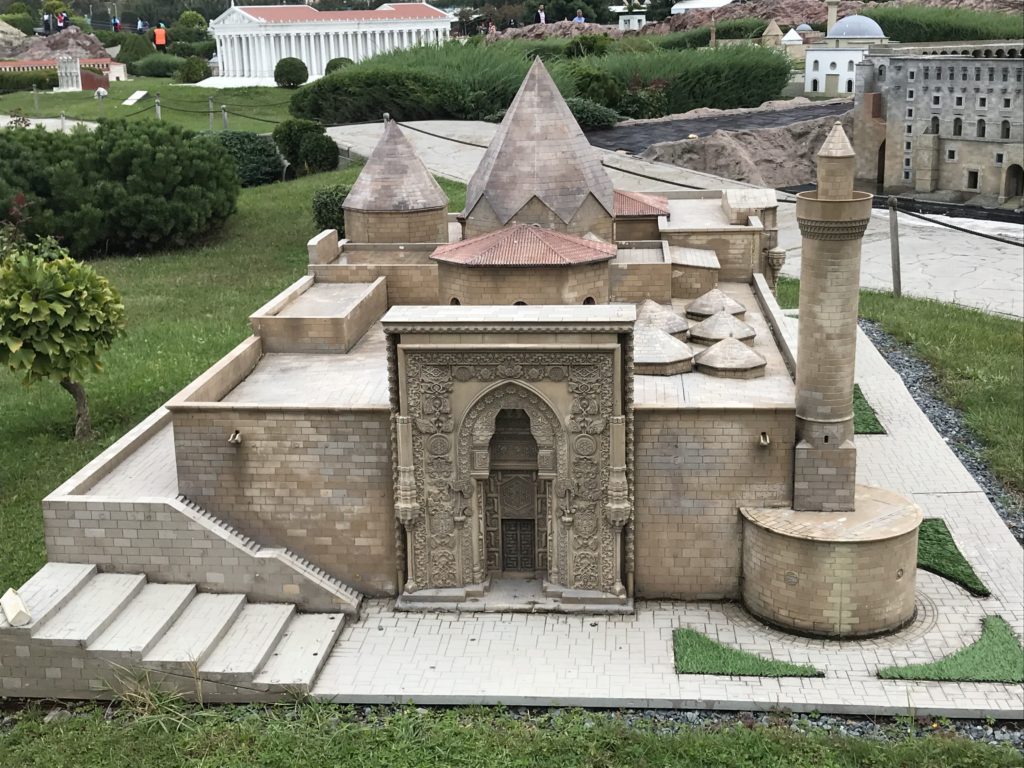
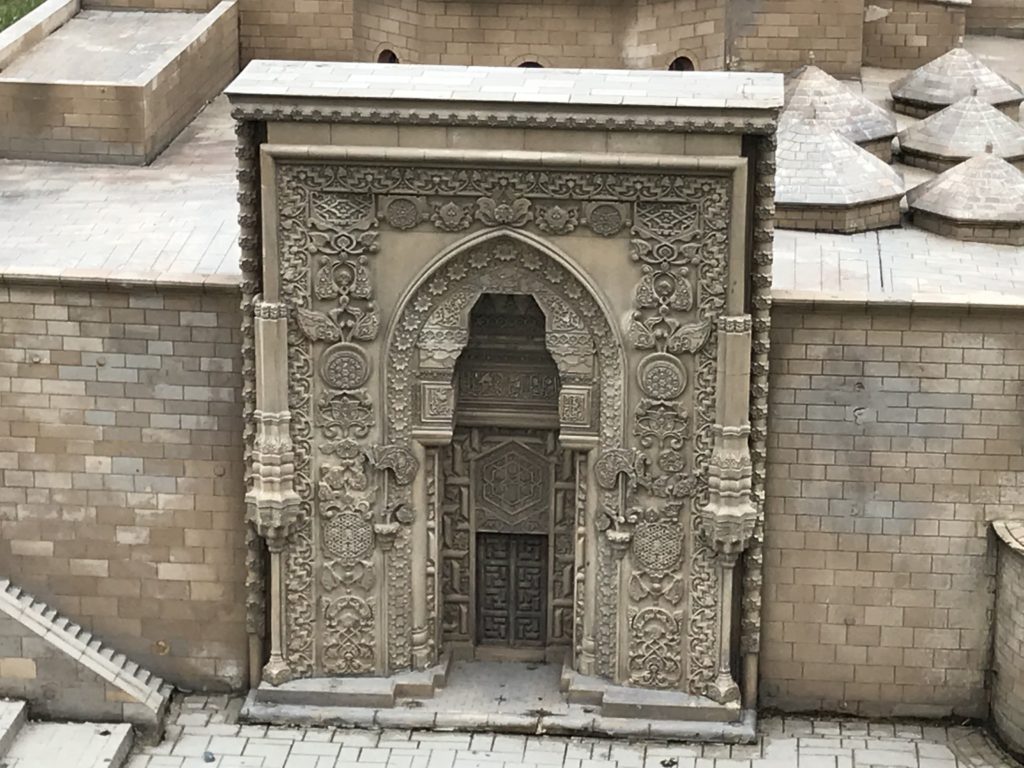
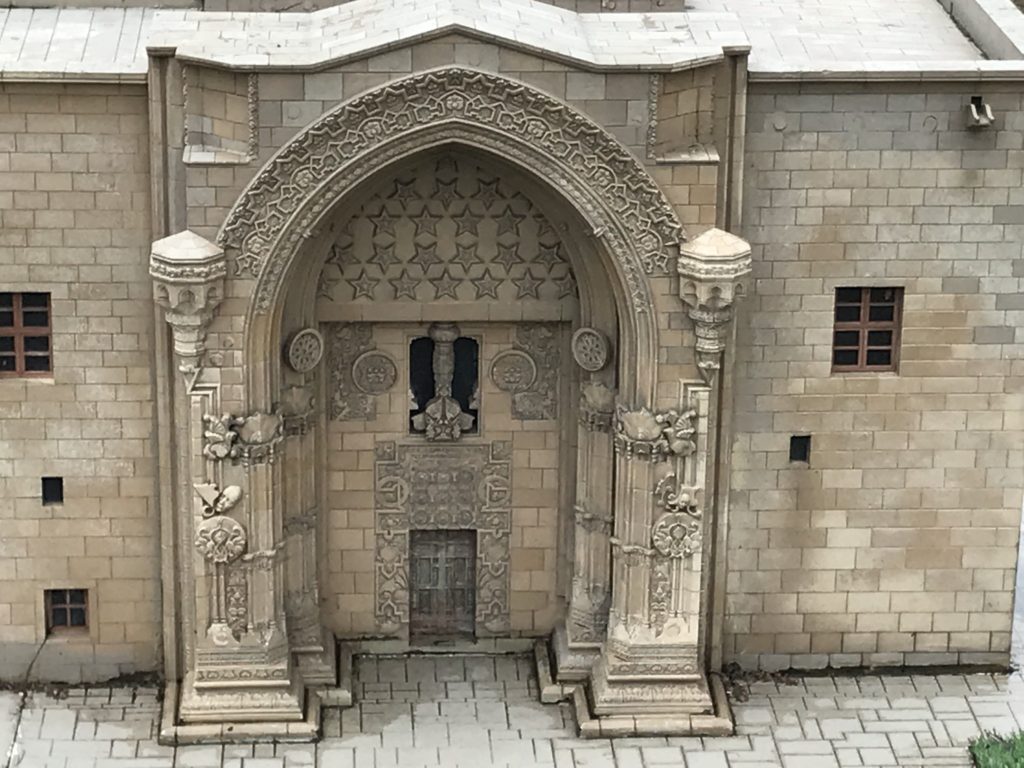
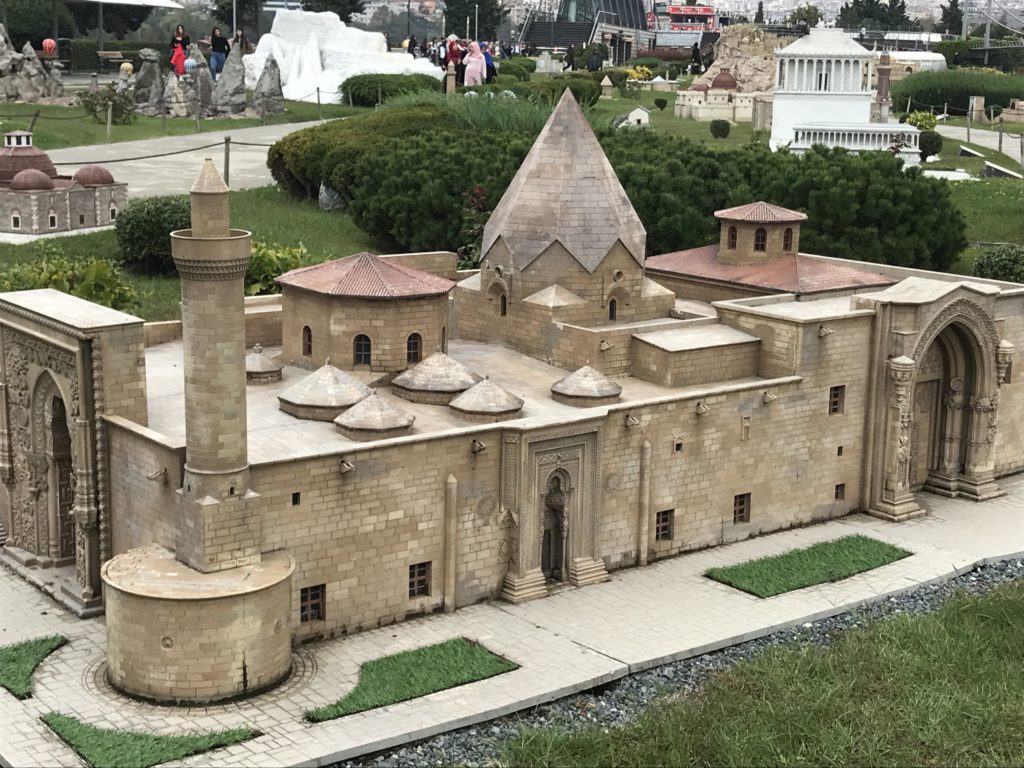
The Great Mosque and Hospital in Divriği (Sivas Province) was built in 1229 by Mengüçoğlu Sultan Ahmed Shah. It is located in the upper town, below the citadel.
The complex is one of the most important architectural works in Anatolia. The geometric and floral motifs on the gate are absolutely beautiful! (See below pictures).
Great Mosque in Bursa
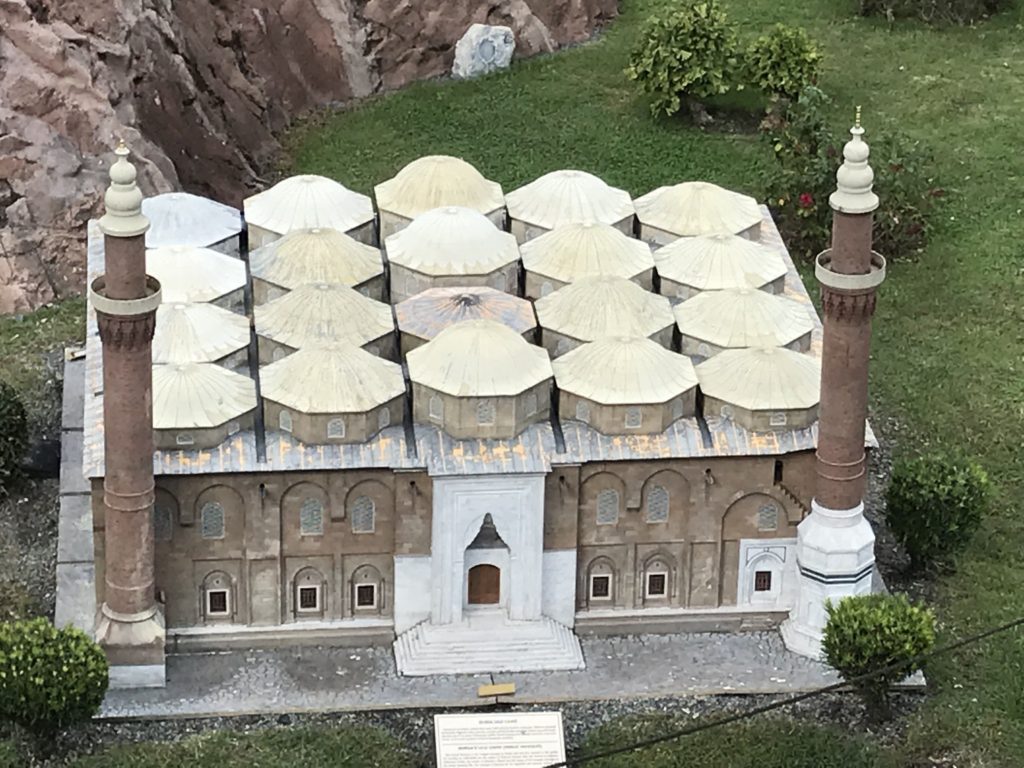
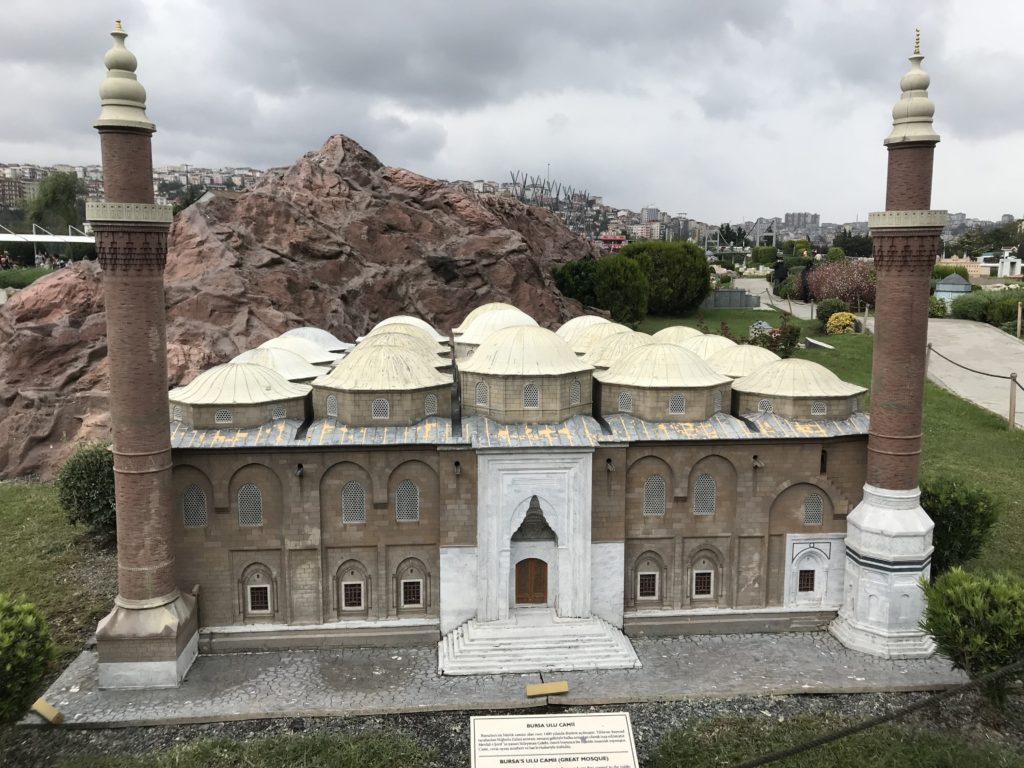
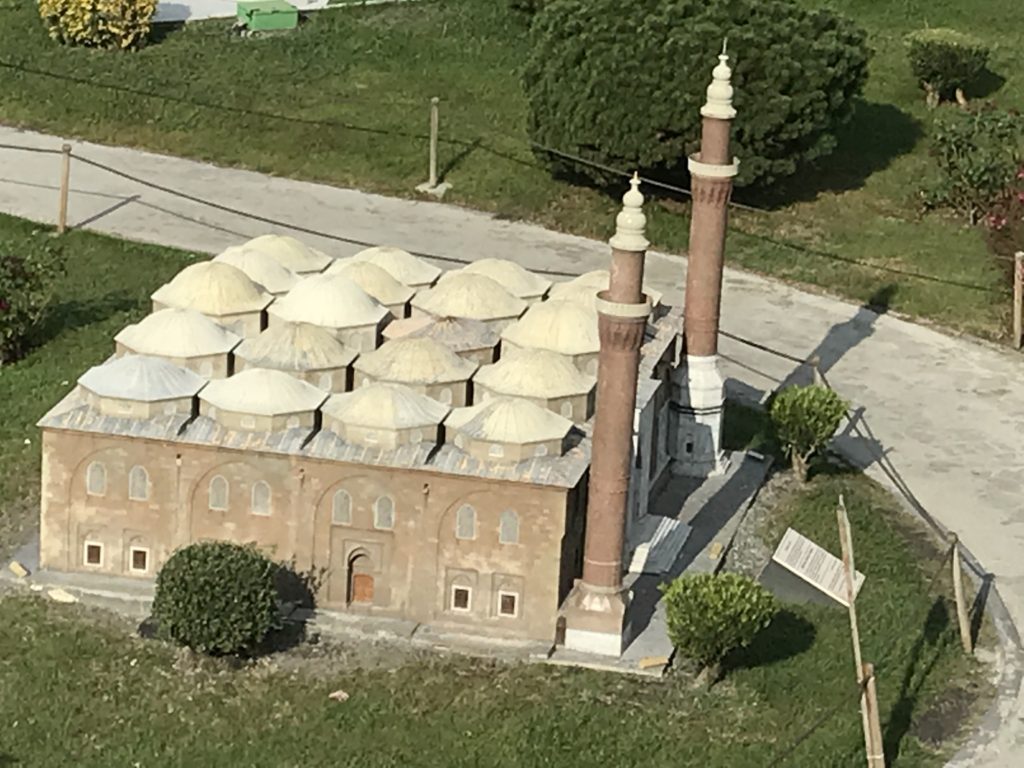
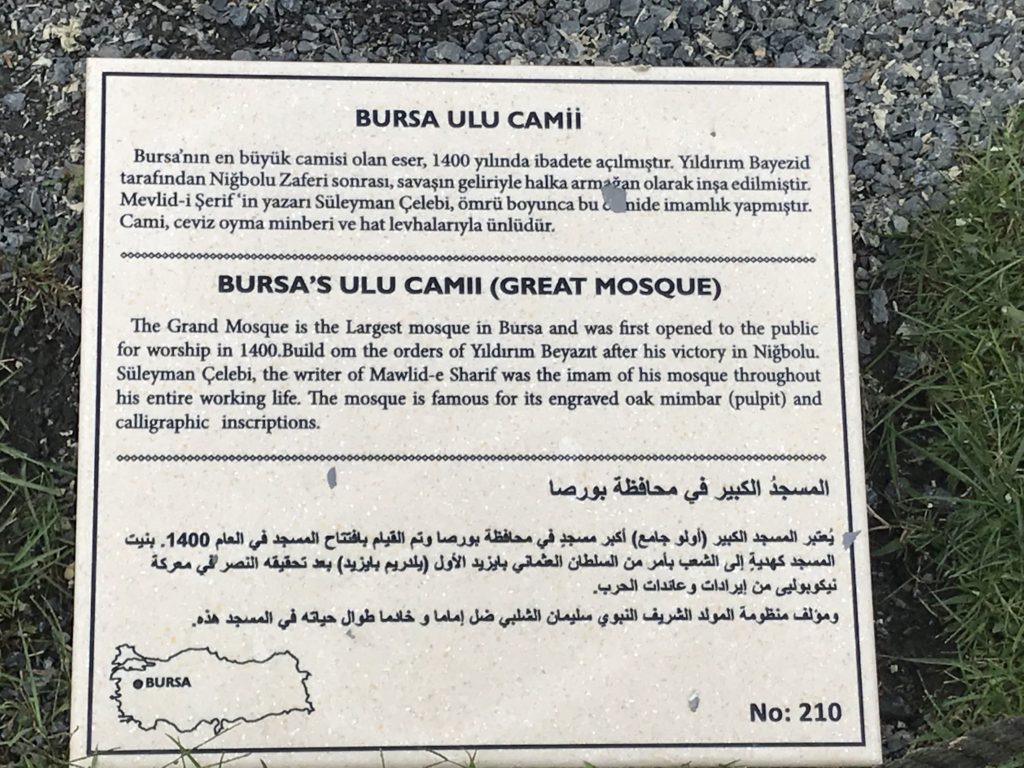
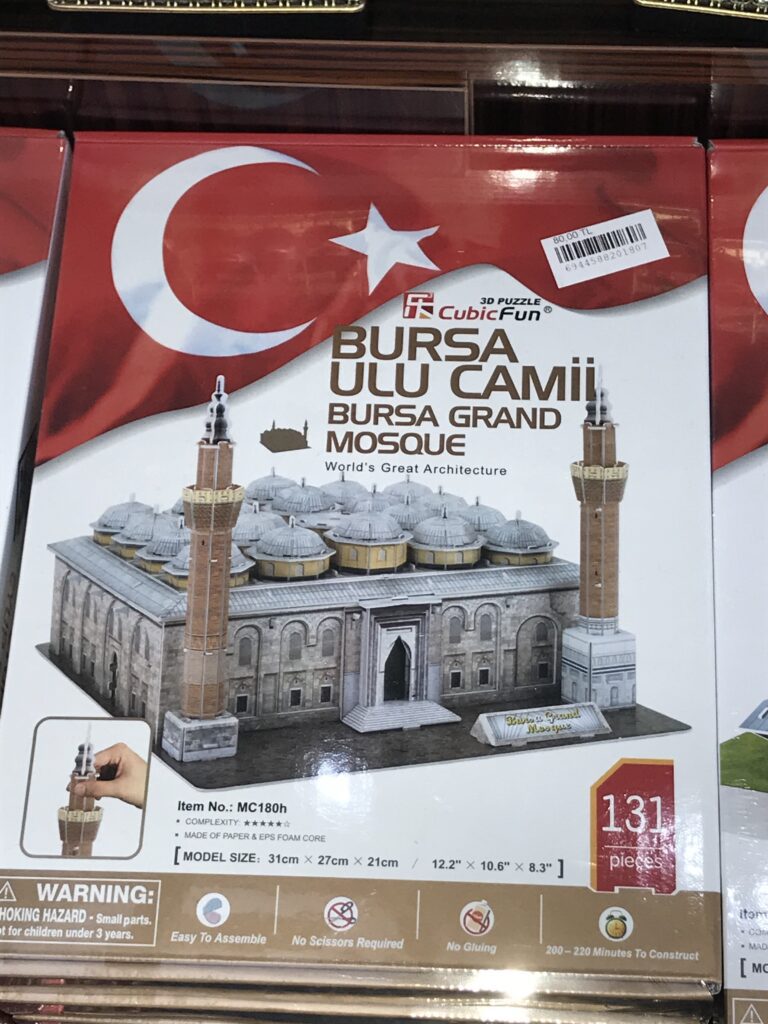
The Great Mosque in Bursa was built in 1400 by Ottoman Sultan Bayezid I (ruled 1389 to 1402). It is known for its walnut carved minbar and line plates.
Bayezid used the war gains from the Battle of Nicopolis to build the mosque as a gift for the people of the region.
The battle took place on September 25, 1396 and resulted in the Ottoman rout of a European crusader army. It was one of the last large scale Crusades of the Middle Ages,
The Great Mosque in Bursa also has another claim to fame. Süleyman Çelebi – the author of Wasilat al-Najat – was the mosque’s imam throughout his life. It was the first and most famous of the Turkish-written mawlids, which cover the Prophet Muhammad’s birth.
Great Mosque in Diyarbakir
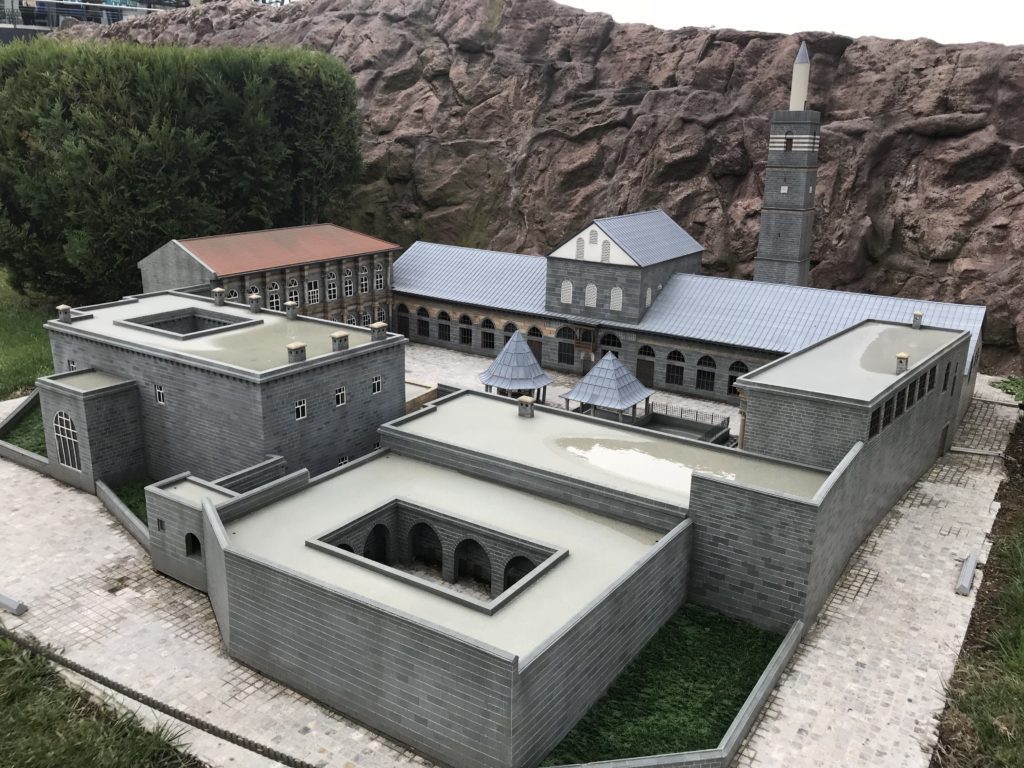
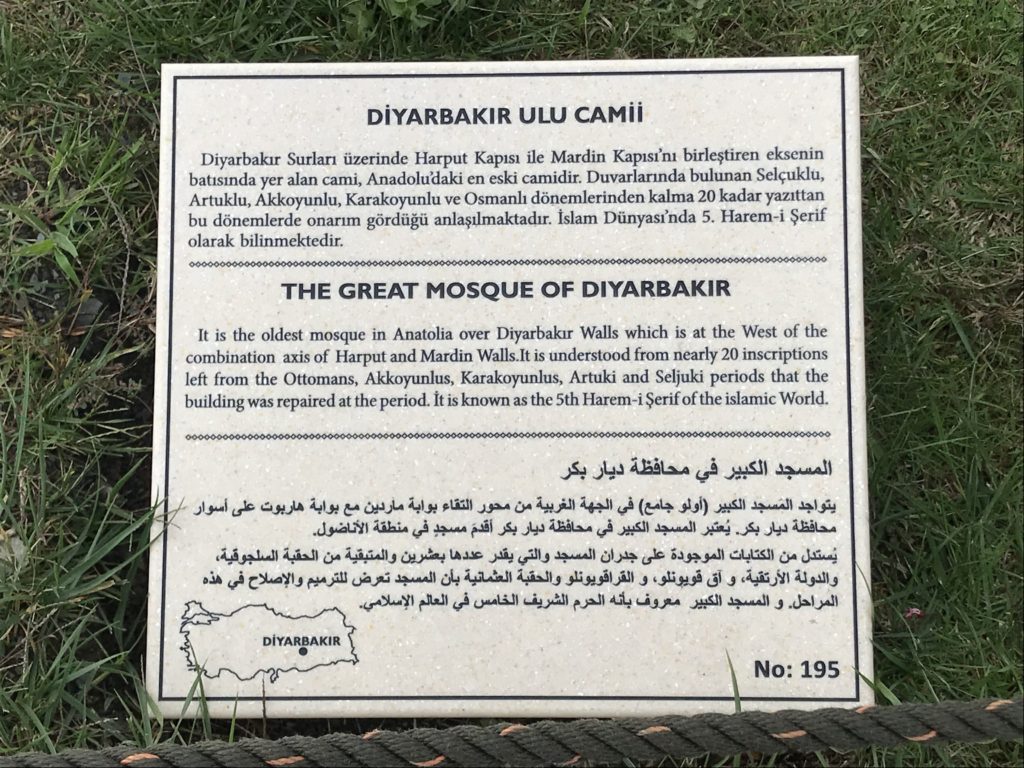
The Great Mosque in Diyarbakiris is considered the 5th holiest mosque in the Islamic world. Built by Seljuk Sultan Malik-Shah in 1092, it is the oldest mosque in Anatolia.
Styled after the Great Mosque of Damascus, it can hold up to 5,000 worshippers.
The 20 inscriptions on the mosque walls show that it was repaired during the Seljuk, Artuklu, Akkoyunlu, Karakoyunlu and Ottoman periods.
Green Tomb in Bursa
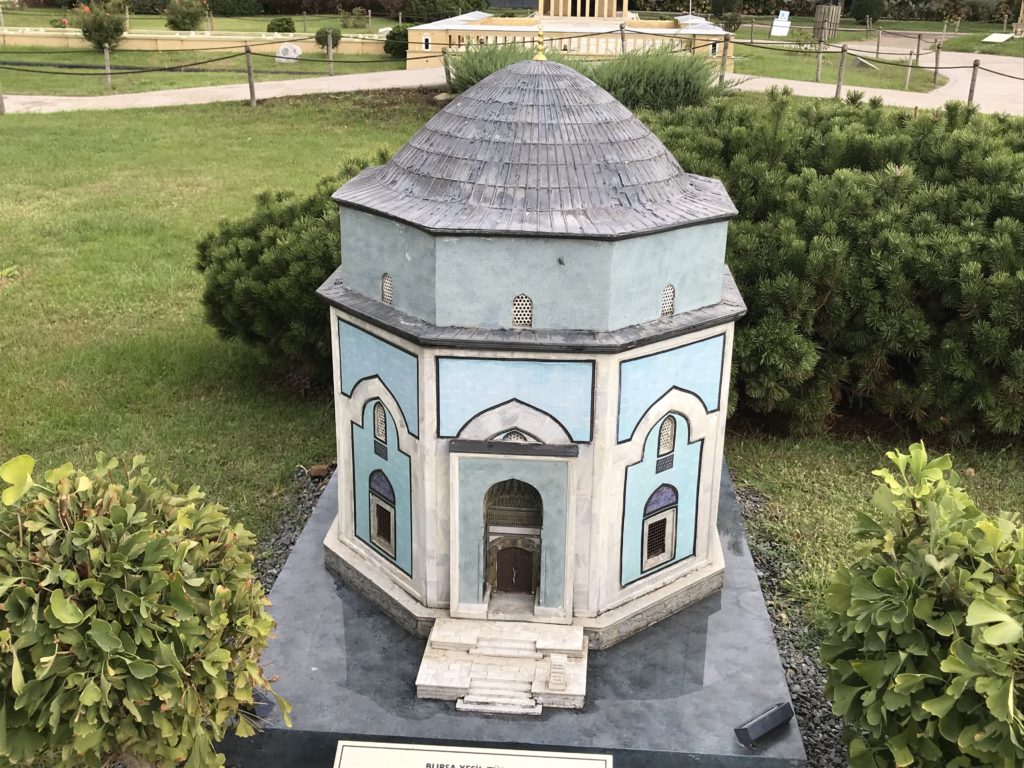
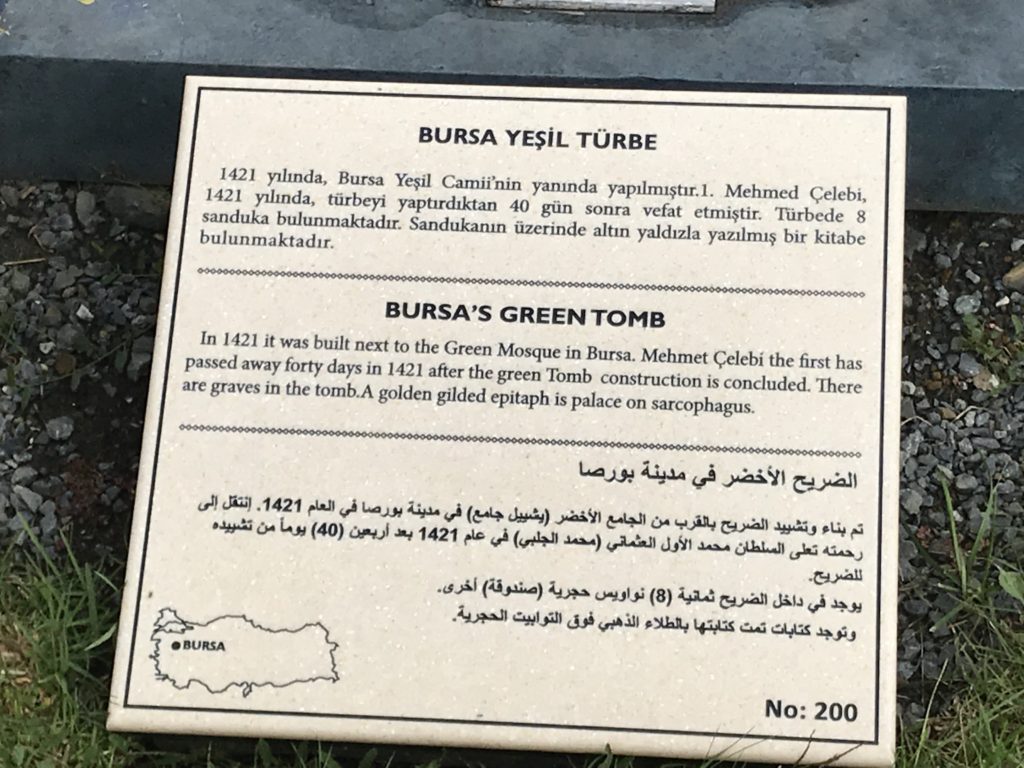
The Green Tomb in Bursa is the final resting place of Ottoman Sultan Mehmed I. It was built by Mehmed’s son and successor Murad II in 1421, 40 days after the elder’s death.
Located next to the Green Mosque, the Green Tomb is named after its exterior tiles. However, I think the tiles are blue!
There are 8 coffins total in the tomb. There are marble seats on both side of the entrance. There is an inscription written in gold gilding on the chest.
Haci Bayram Mosque
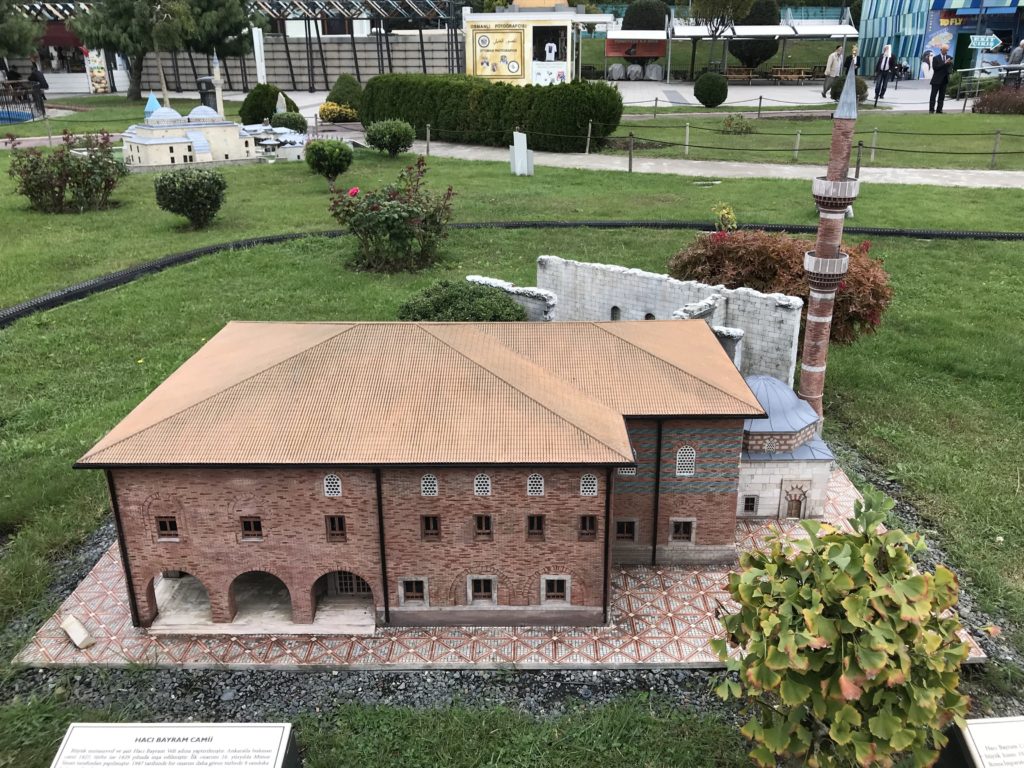
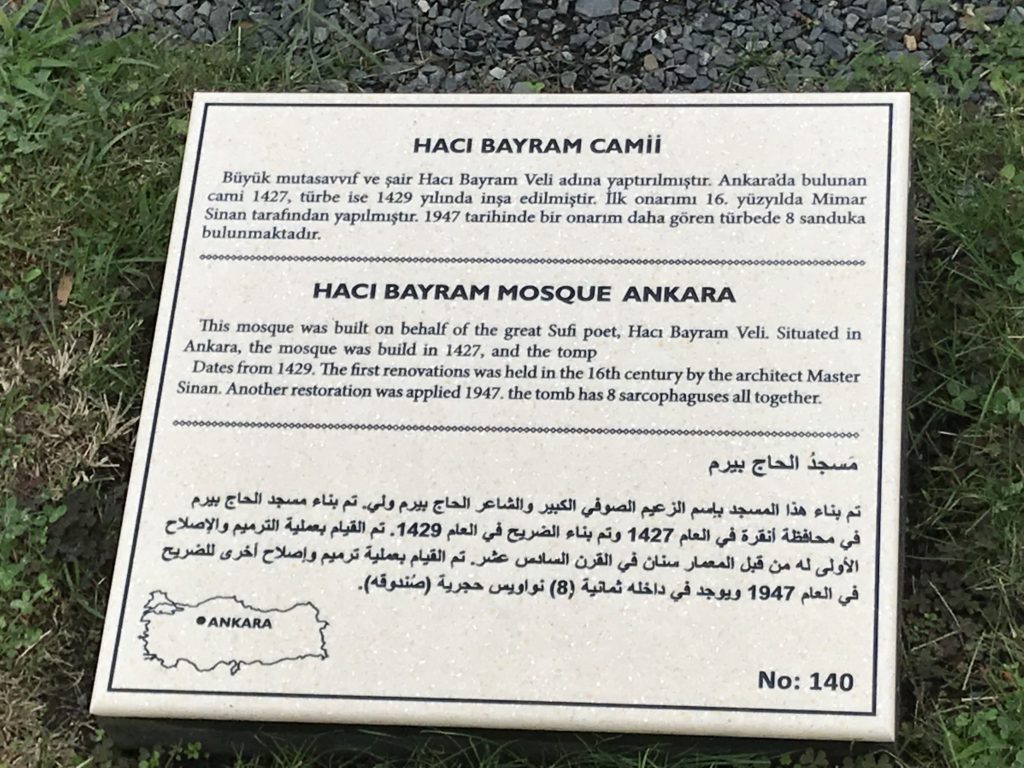
The Hacı Bayram Veli Mosque in Ankara is the final resting place of the great Sufi and poet Hacı Bayram Veli. The mosque was built in 1427. Bayram’s tomb was built in 1429.
The first renovation was done by the famous architect Sinan in the 16th century. He designed over 350 buildings, including the Şehzade Mosque, the Mosque of Süleyman I, and the Selim Mosque at Edirne.
The mosque was renovated n 1947. It currently houses 8 sarcophagi.
Haji Bektash Veli Complex
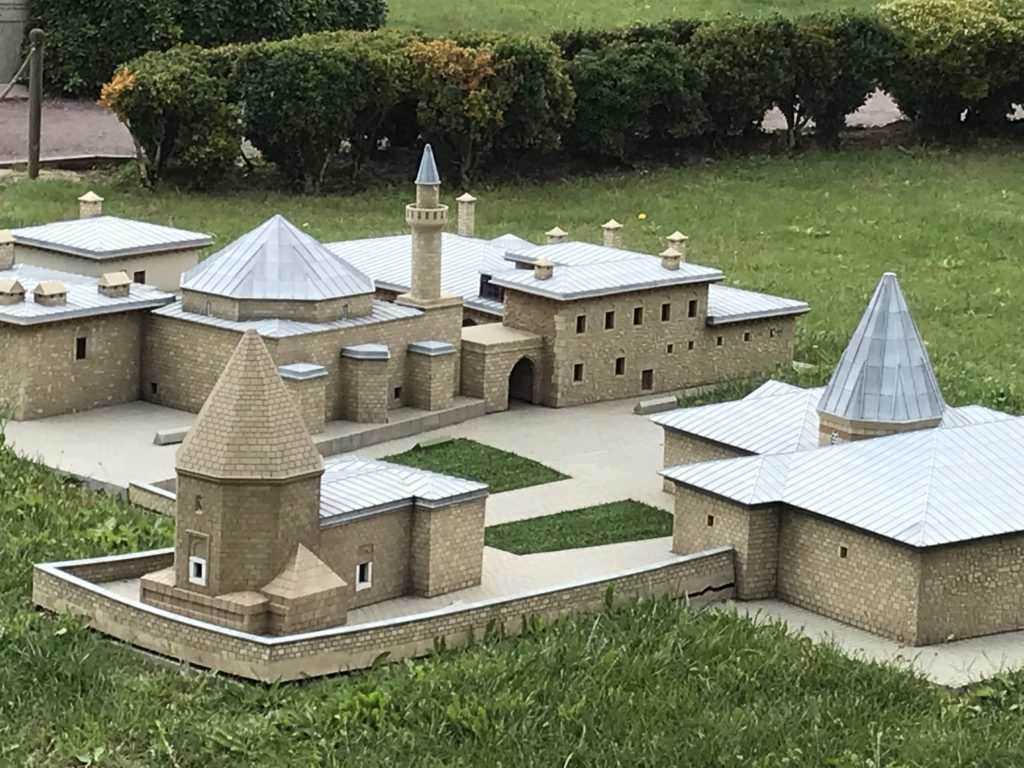
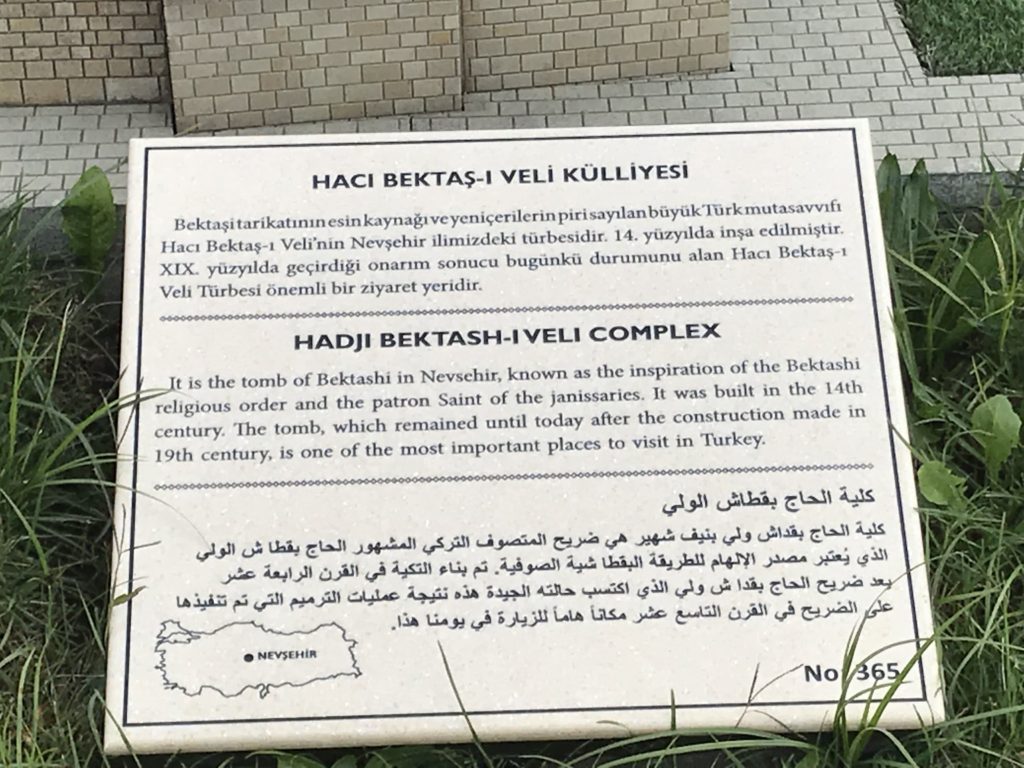
The Haji Bektash Veli Complex was built in the 13th century in Nevshehir as a Sufi place of worship.
Sufi Hacı Bektaş Veli was the source of inspiration for the Sufi Bektashi Sect and the leader of the janissaries. After Veli’s death, his mausoleum was built at the complex.
In 1925 Turkey’s first President Kemal Atatürk banned all dervish orders. In response, the Bektashi Sect fled to Albania and the complex was closed for religious use.
In 1964 the Haji Bektash Veli complex was converted into a museum. Thousands of Sufis visit every year.

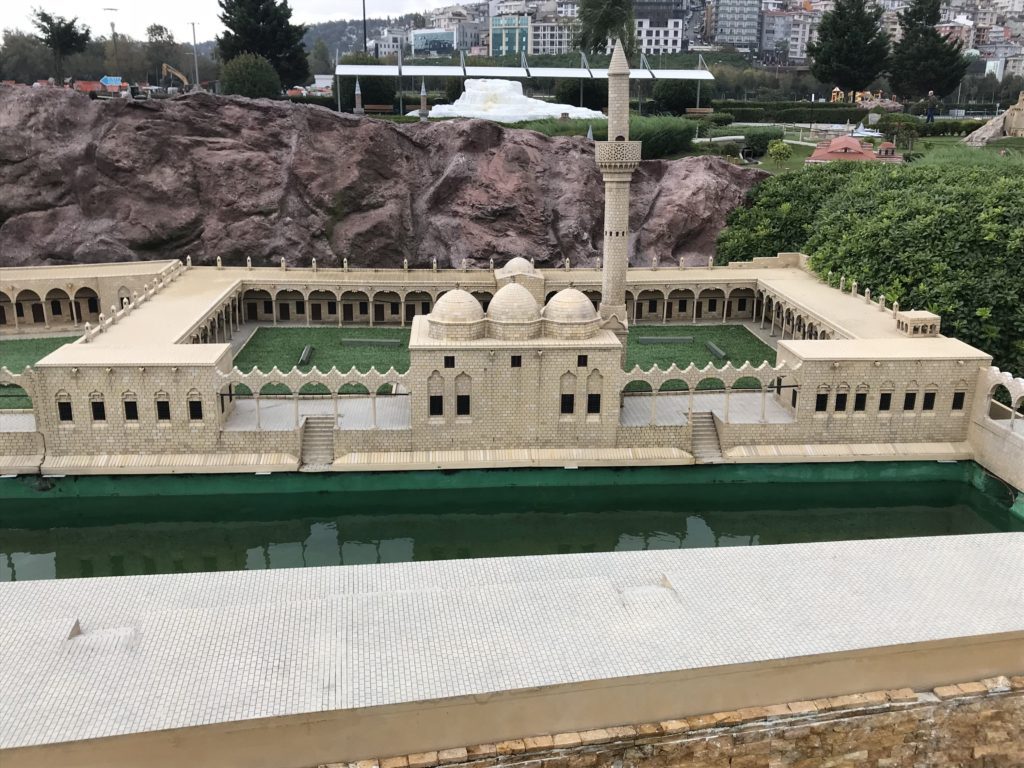
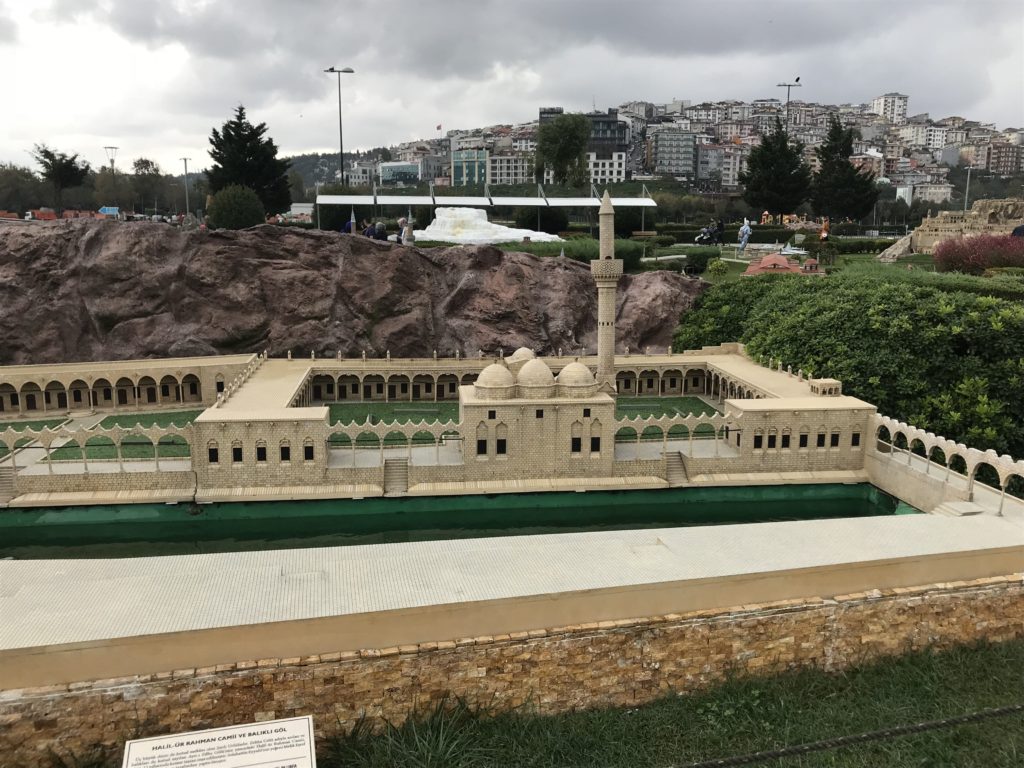
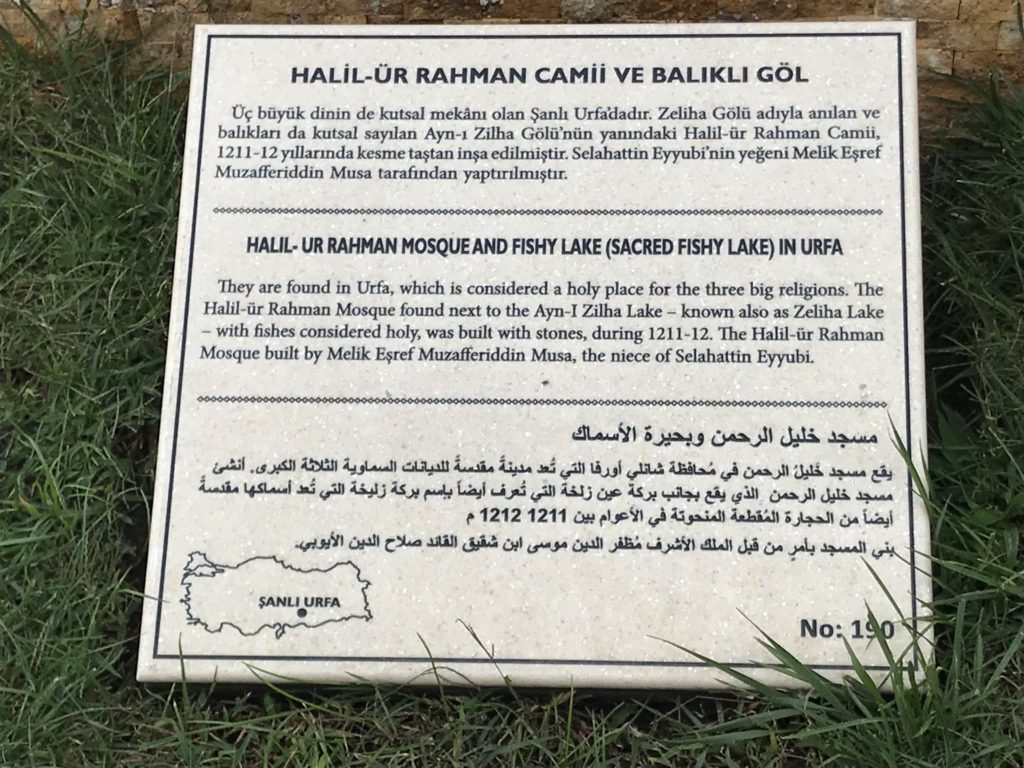
Halil Ul Rahman Mosque and Balıklı Lake
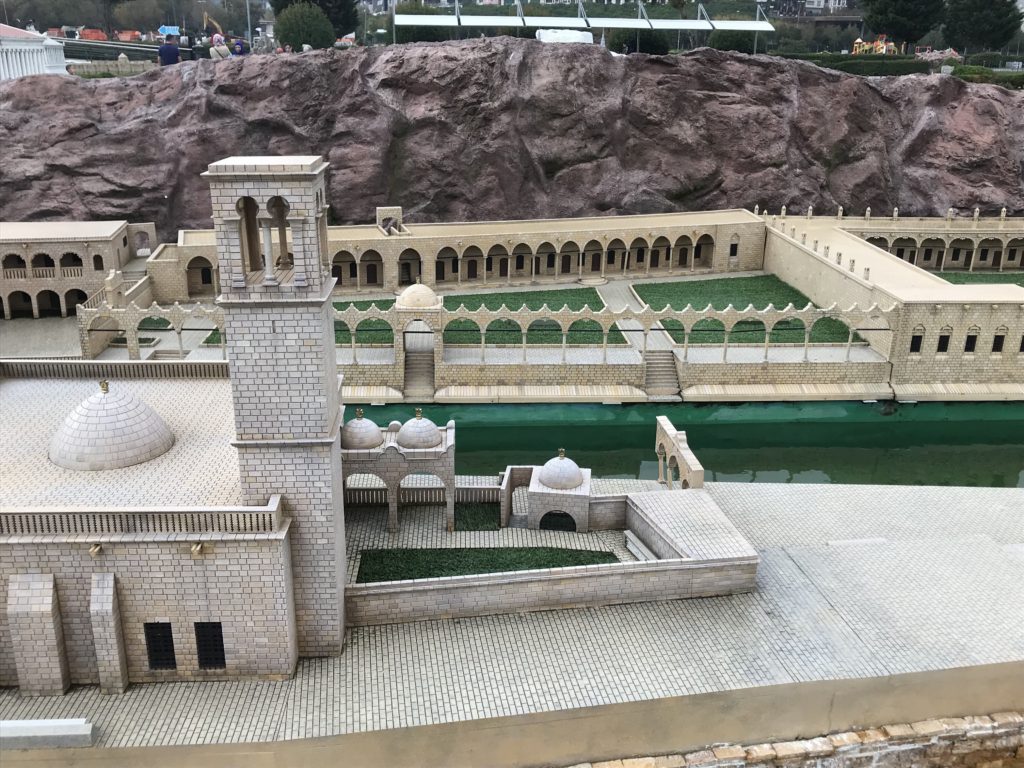
The Halil Ul Rahman (“friend of God”) Mosque was built in 1211 in Urfa. According to legend, the prophet Abraham was thrown into a fire in nearby Balıklı Lake!
Legend has it that Babylonian King Nimrod threw the Prophet Abraham into a fire. Allah turned the flames into water in a lake, and turned the burning wood into fish.
The fish in Balıklı Lake are considered sacred and are not allowed to be fished. Which has resulted in overpopulation, hence the name of the lake means “lake of fish” in Turkish.
Christians, Muslims, and Jews all consider Abraham to be a holy prophet. So millions of tourists and pilgrims visit the area each year.
As an interesting sidenote, Urfa is also known as Sanliurfa. That is because in 1984, the Turkish National Assembly granted Urfa the title “Şanlı”, which means “glorious.” The reason was to honor its citizens’ resistance against British and French troops at the end of World War I.

Hattusa (Hittite Capital)
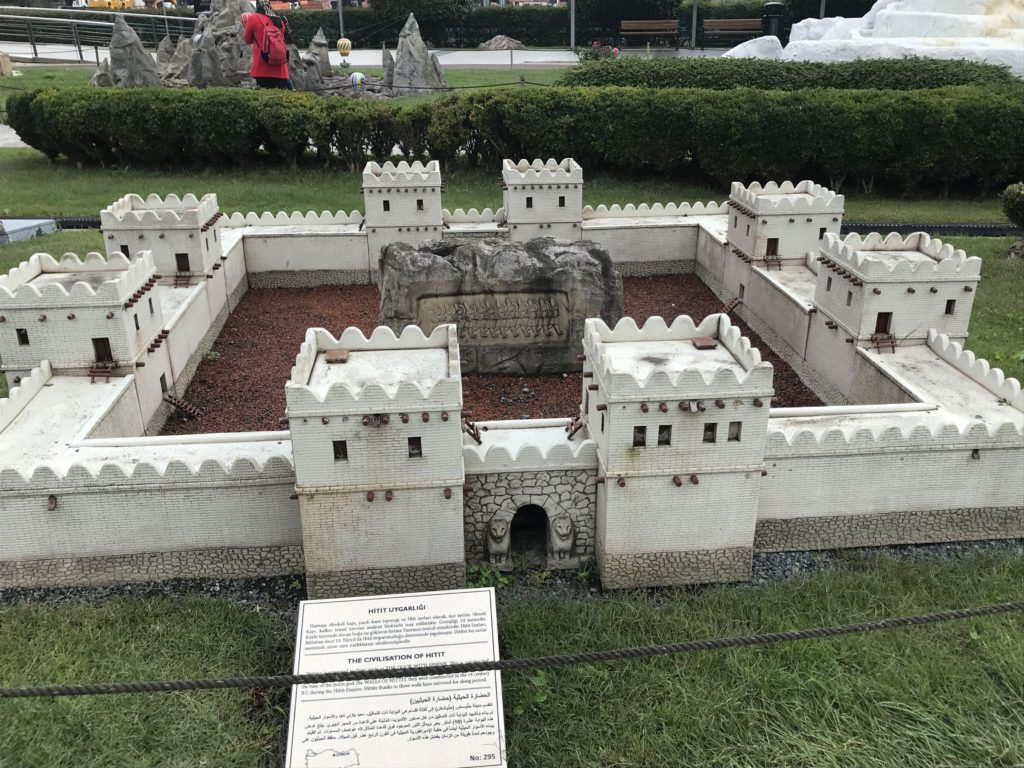
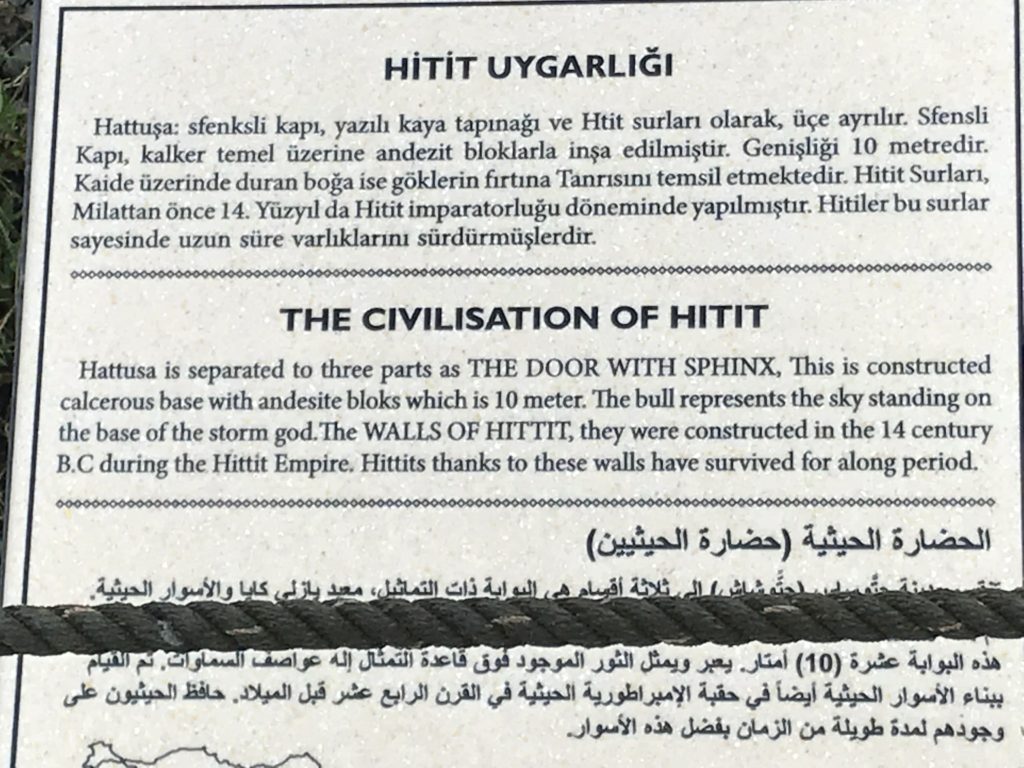
Hattusa was the Hittite Capital from 1600 – 1200 B.C. It is located near the town of Boğazkale.
The Hittites lived in modern day Turkey from 1750 – 1200 B.C. They are mentioned 58 times in the Bible. However, archaeologists did not find proof of their existence until the late 1800s. Learn more about the Hittites on the Kims Ankara blog.
The Hattusa ruins are open to tourists. You can walk, drive a private car, or take a tour. A section of the Hittite Walls – which protected the city for hundreds of years – have been rebuilt.
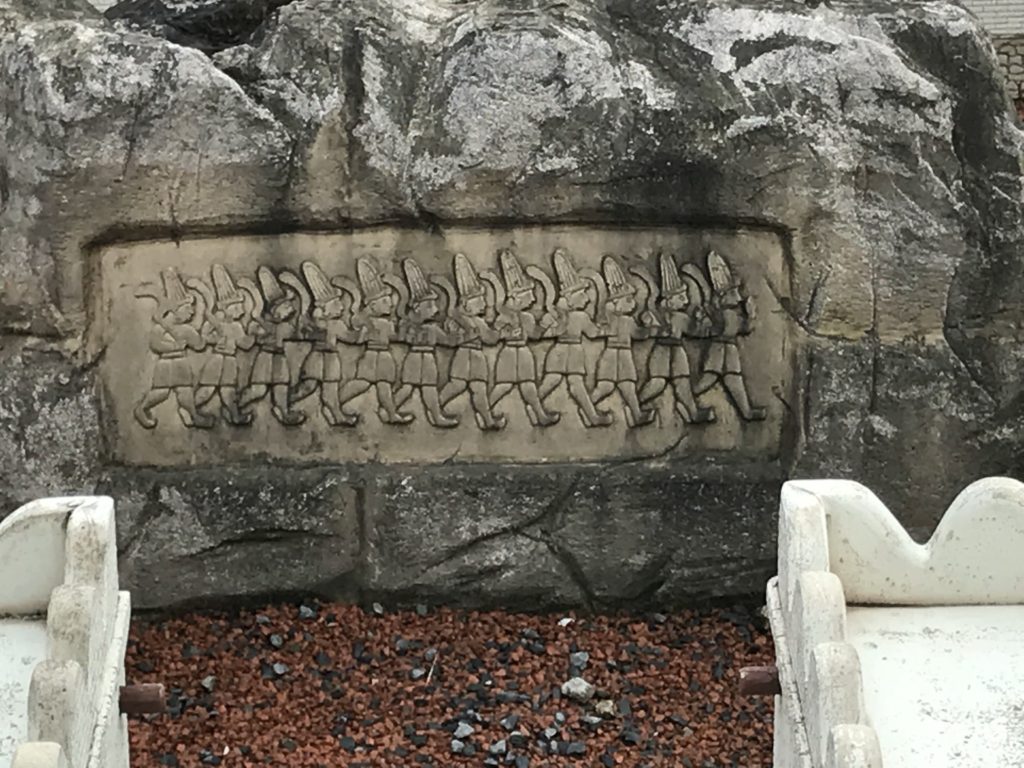
The Temple of Yazılıkaya features a stone monument with 12 Hittite gods of the Underworld. (See below picture). The bull on the altar represents the God of Storm of the skies. The pair of sphinxes that stood guard for centuries at the Sphinx Gate are now on display at the Boğazköy Museum.
The Hittite-Egyptian Peace Treaty
The most important discovery at Hattusa are the royal archives. The 30,000 cuneiform clay tablets include official correspondence, contracts, legal codes, and literature.
The world famous Hittite-Egyptian Peace Treaty was discovered at Hattusa. The earliest known peace treaty in history, it was signed in 1259 B.C. by Hittite King Hattusillis III and Egyptian Pharoah Ramses II. The Hittite version is on display at the Istanbul Archaeological Museum.

Hatuniye Madrasa in Karaman
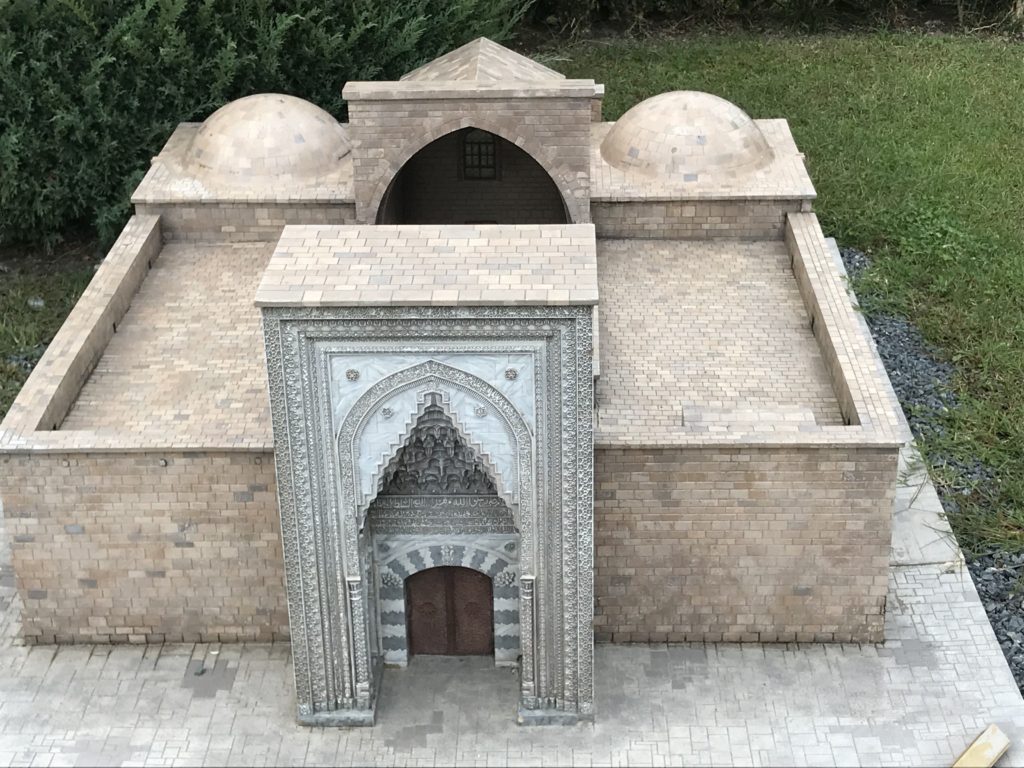
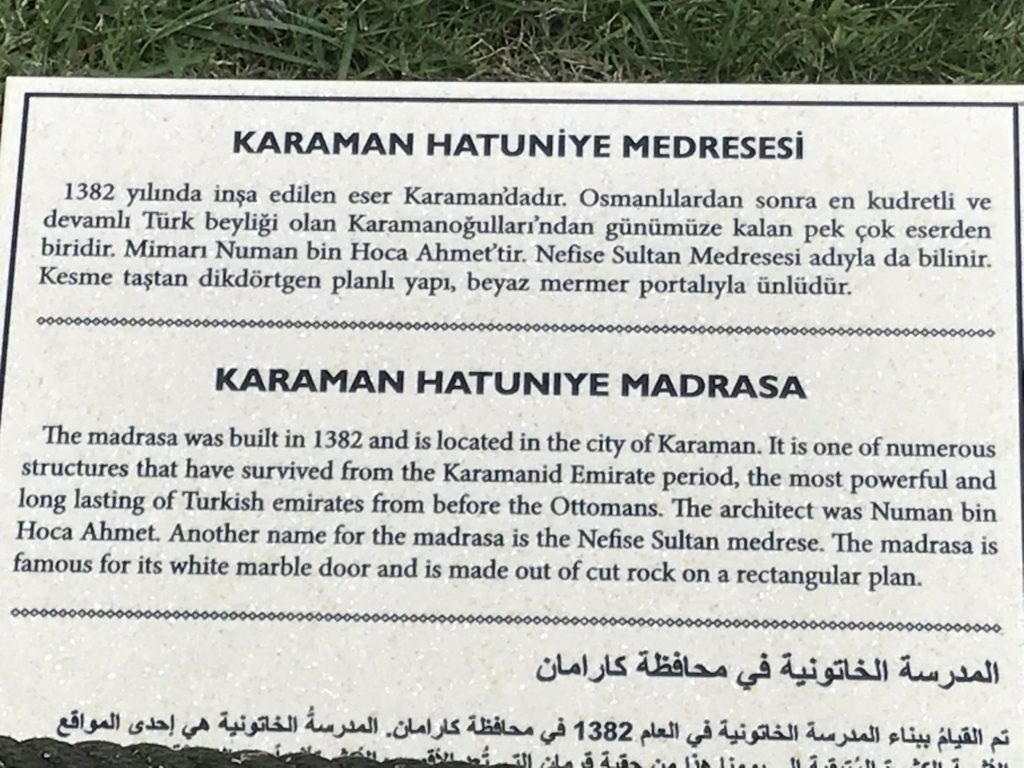
The Hatuniye Madrasa (school) in Karaman was built in 1382. It was built by Nefise Sultan, the daughter of Ottoman Sultan Murat I. (It is also known as the Nefise Sultan Madrasa).
Nefise was married to Alaeddin Ali, a bey (leader) of the Beylik of Karaman. From the mid 14th century until its fall in 1487, the Karamanid Dynasty was one of the most powerful beyliks in Anatolia.
They were also known as the Emirate of Karamm, or Karamanoğulları in Turkish.
According to the inscription on the madrasa’s walls, the architect was Numan, son of Hodja Ahmed. The madrasa is known for its cut stone, rectangular structure. and white marble gates.
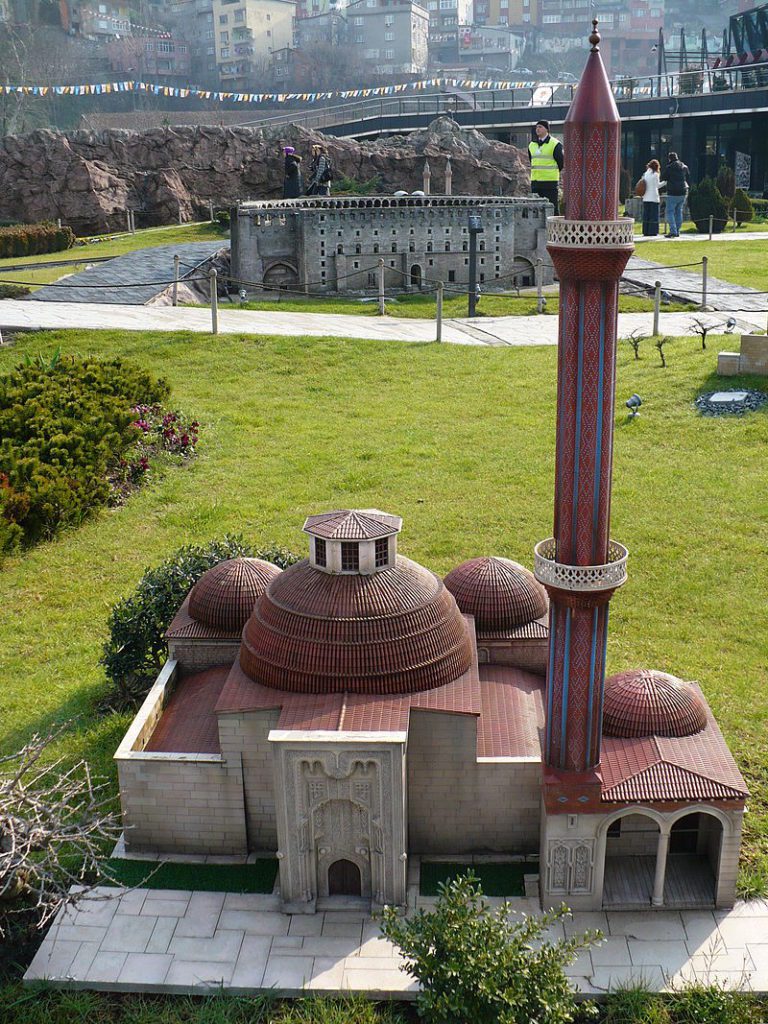
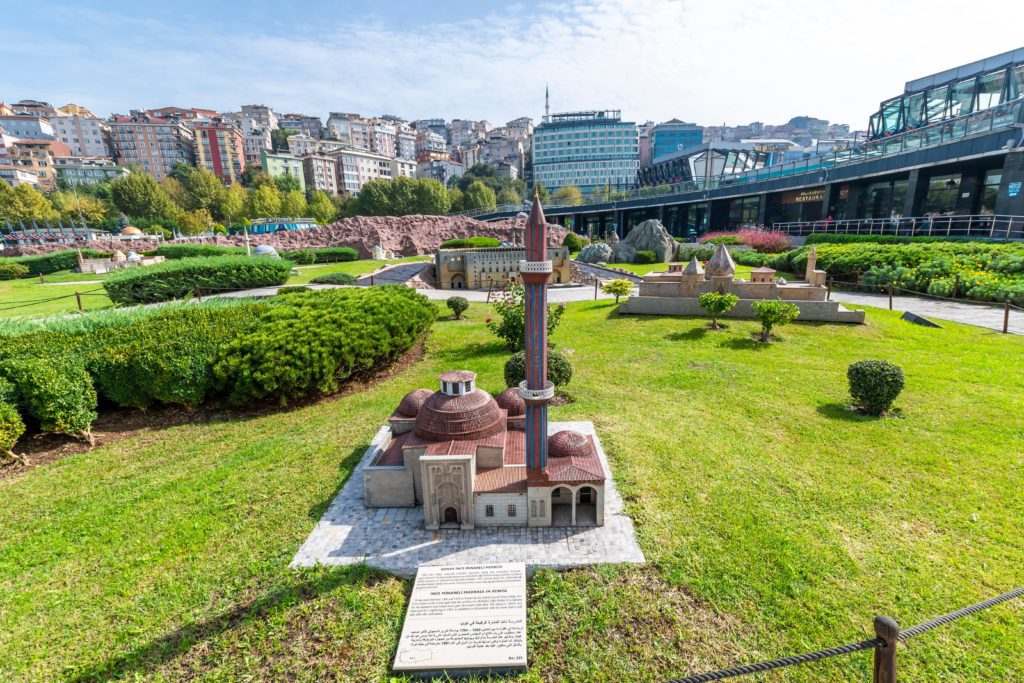
Ince Minaret Madrasa in Konya
The Ince Minaret Madrasa (Islamic school) was built in Konya in 1264 by Seljuk Grand Vizier Sahip Ata.
Ata was one of was one of two major patrons of architecture in Konya after the city’s recapture from the Mongols. After his death in 1285, he was buried at the complex.
The Ince Minaret Madrasa is known for its extremely tall minaret, which was destroyed by lightning in 1901. And for its inlaid stone gate decorated with tiles. It currently houses the Museum of Stone and Wood Art.
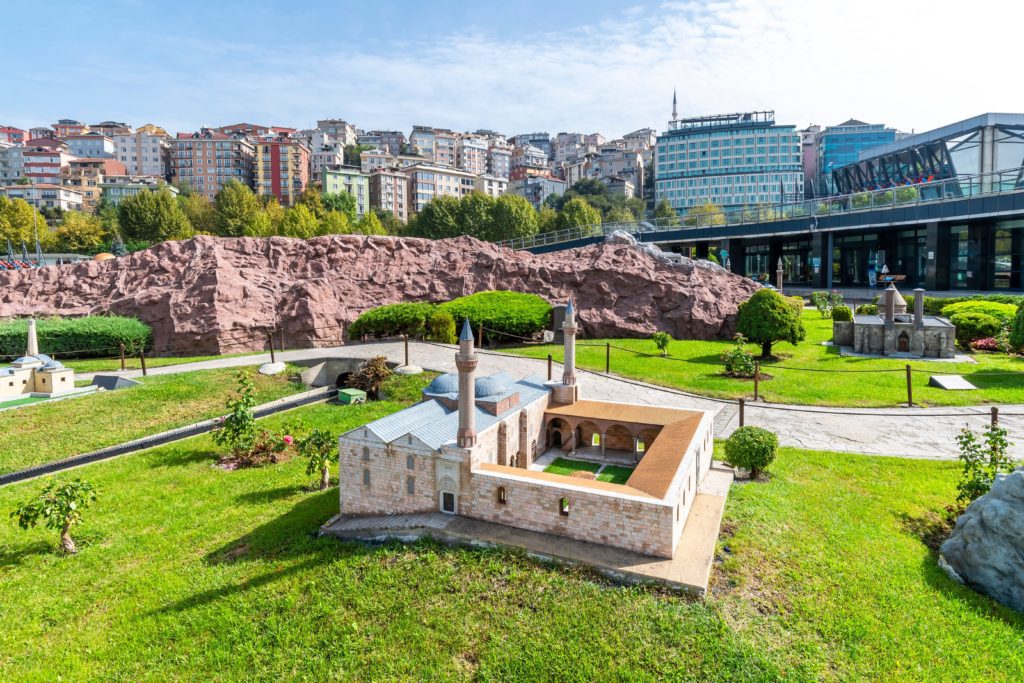
Isa Bey Mosque in Seljuk
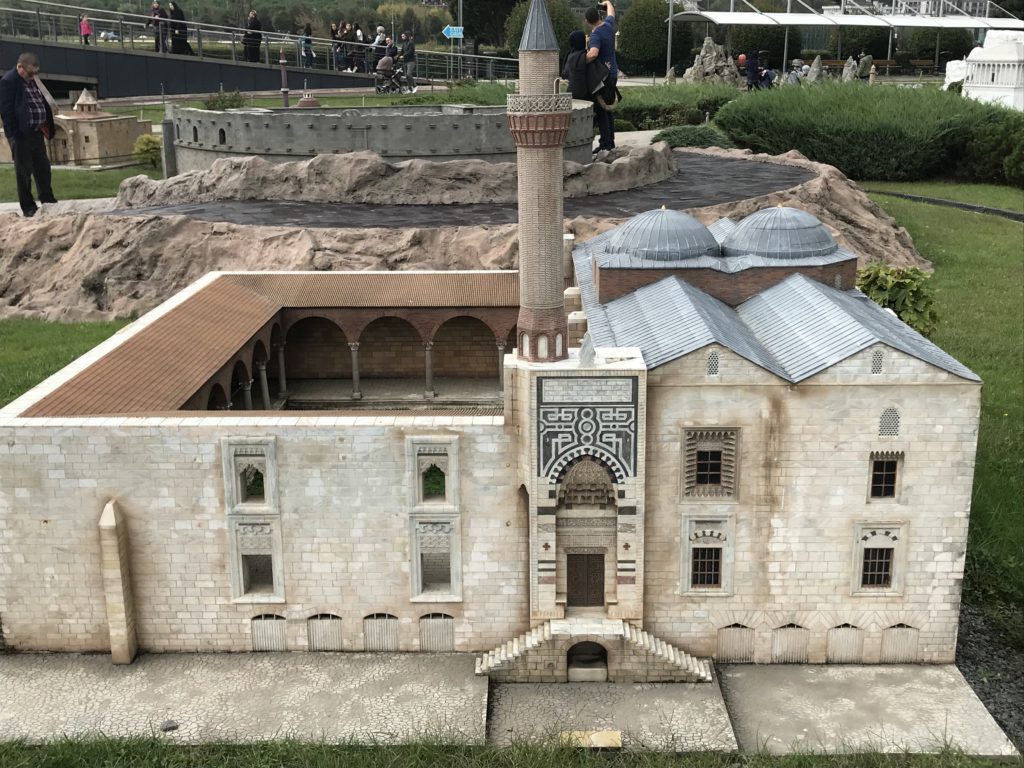
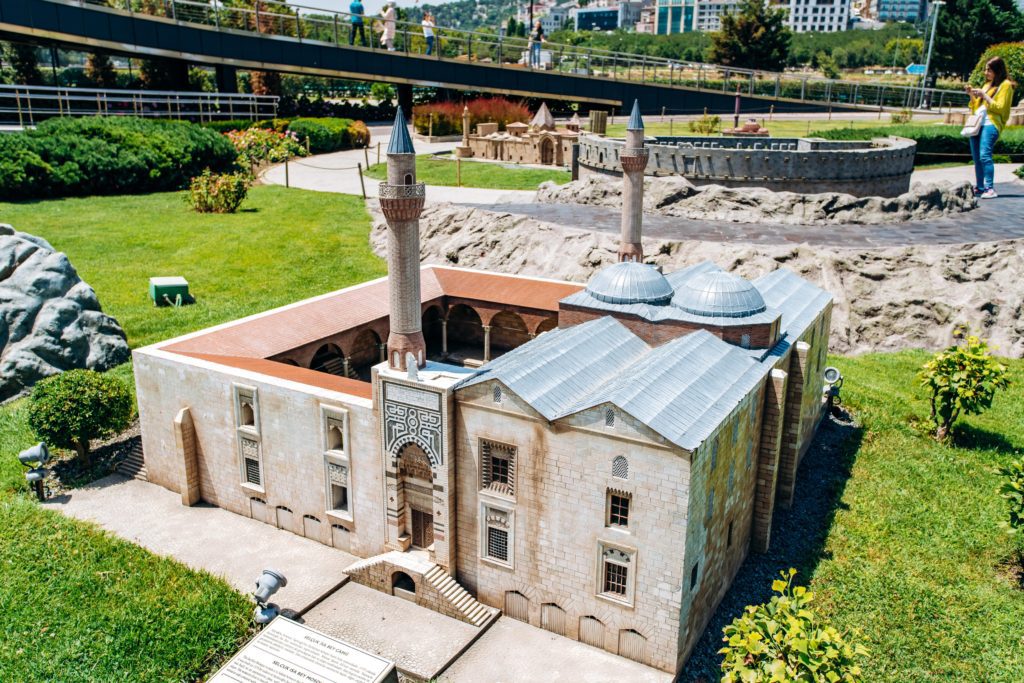
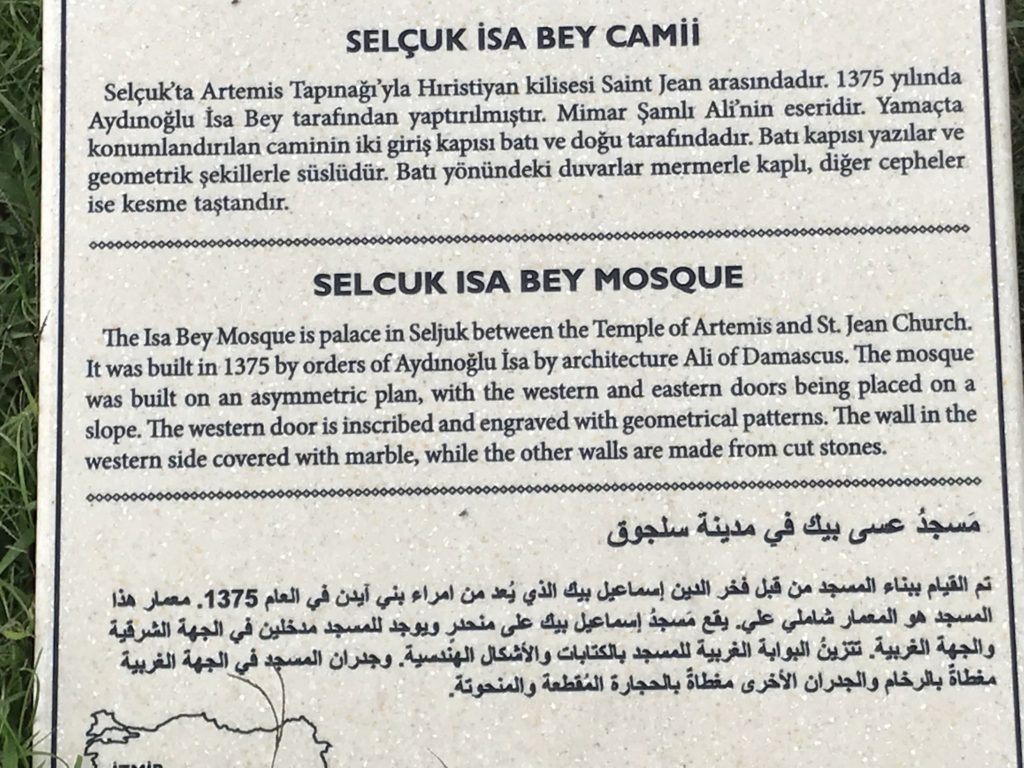
The Isa Bey Mosque in Seljuk was built in 1375. It was commissioned by Beylik İsa Bey, who ruled the Aydınid Dynasty from 1360 – 1390.
Bey’s reign ended in 1390 when Ottoman Sultan Bayezid I annexed all of the Turkmen principalities in western Rum. Shortly after, Sultan Bayezid married Isa Bey’s daughter Hafsa Khatun.
As a reminder, the ancient Greek city of Ephesus (as in the book of Ephesians in the Bible) is 2 miles south of present day Selçuk. The Isa Bey Mosque is located between the Roman Temple of Artemis and the Christian Saint Jean church.
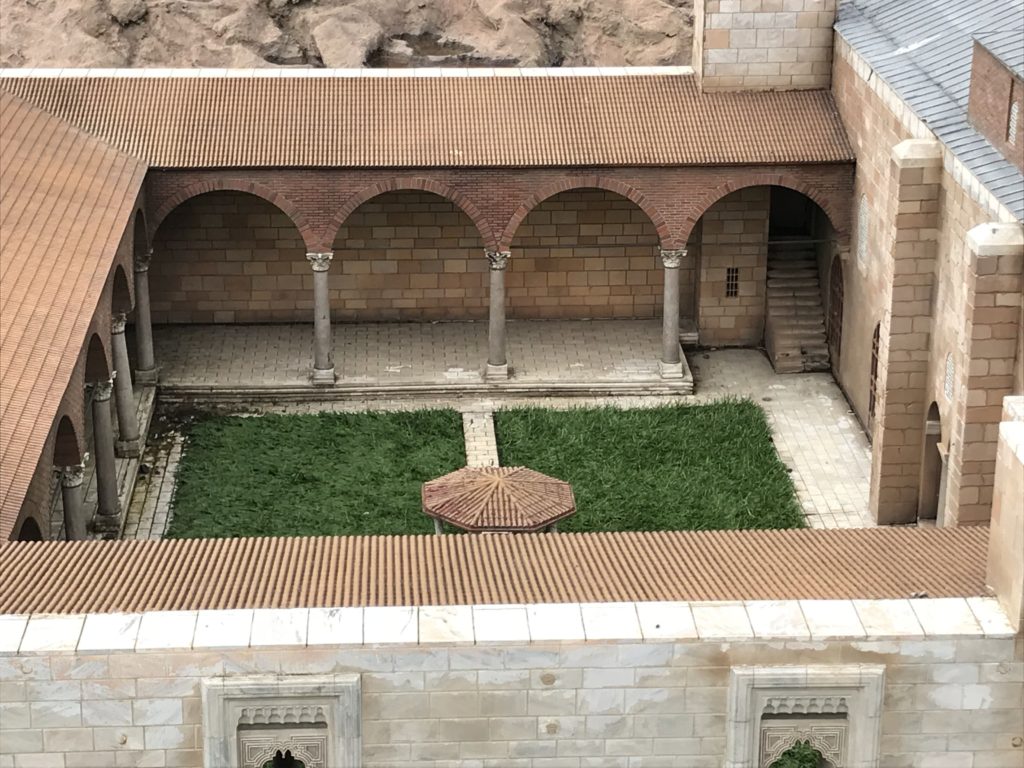
The Isa Bey Mosque is located on a hill, The western gate is decorated with inscriptions and geometric shapes. The western walls are covered with marble, and the other facades are made out of cut stone.
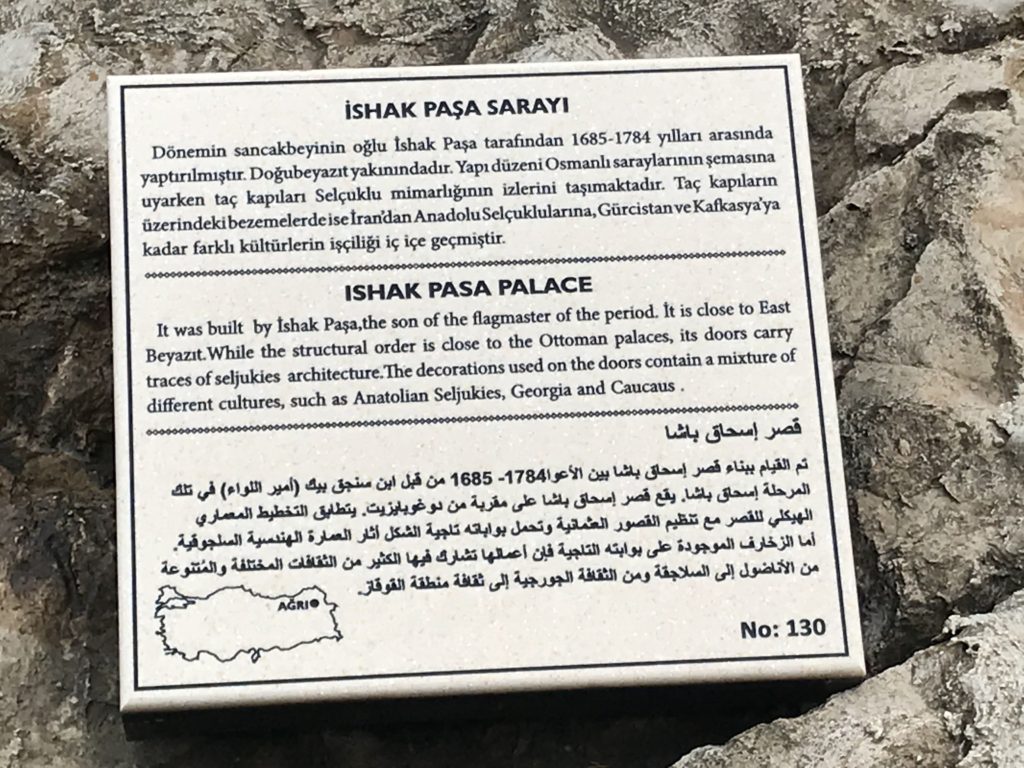
Ishak Pasa Palace
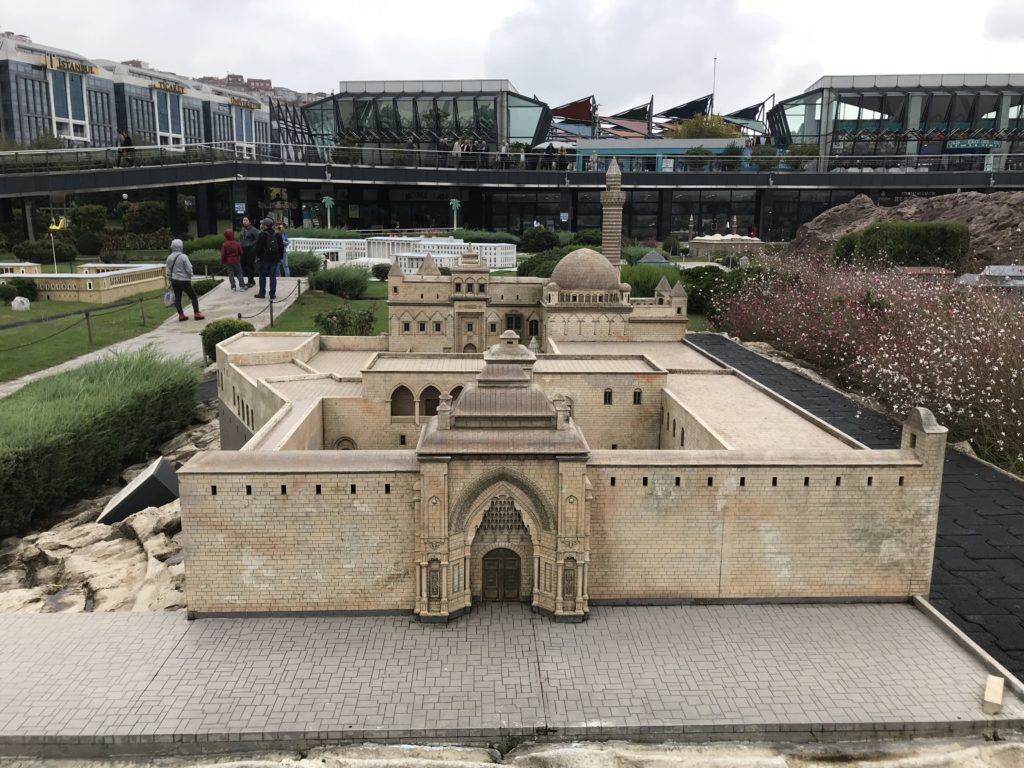
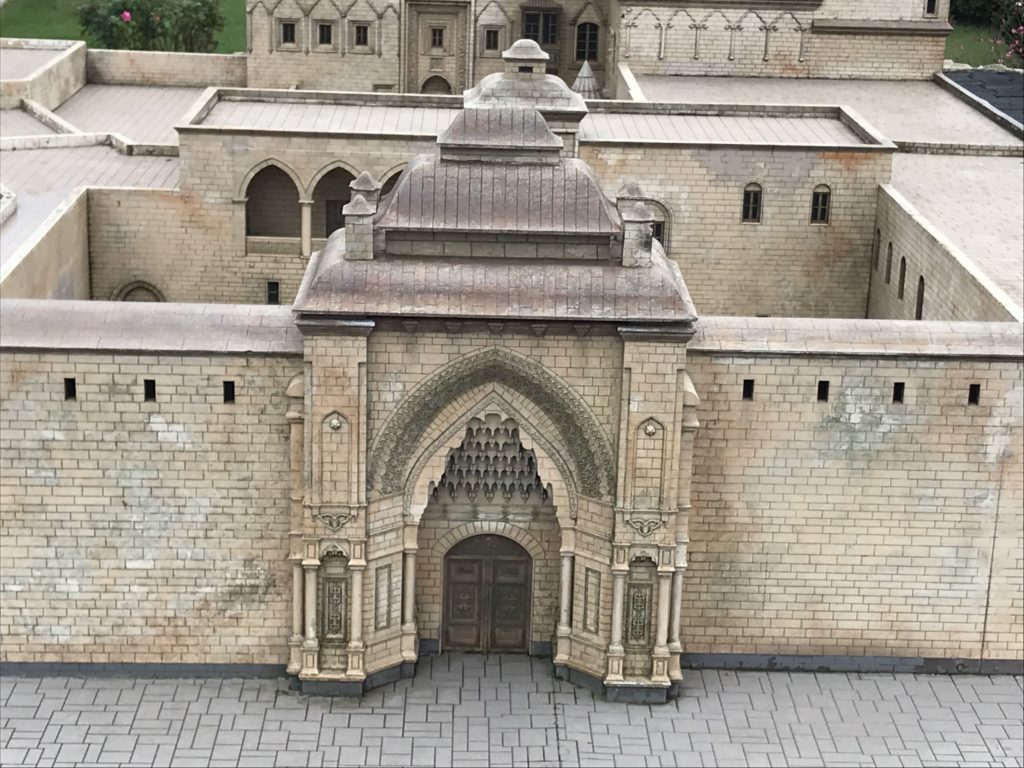
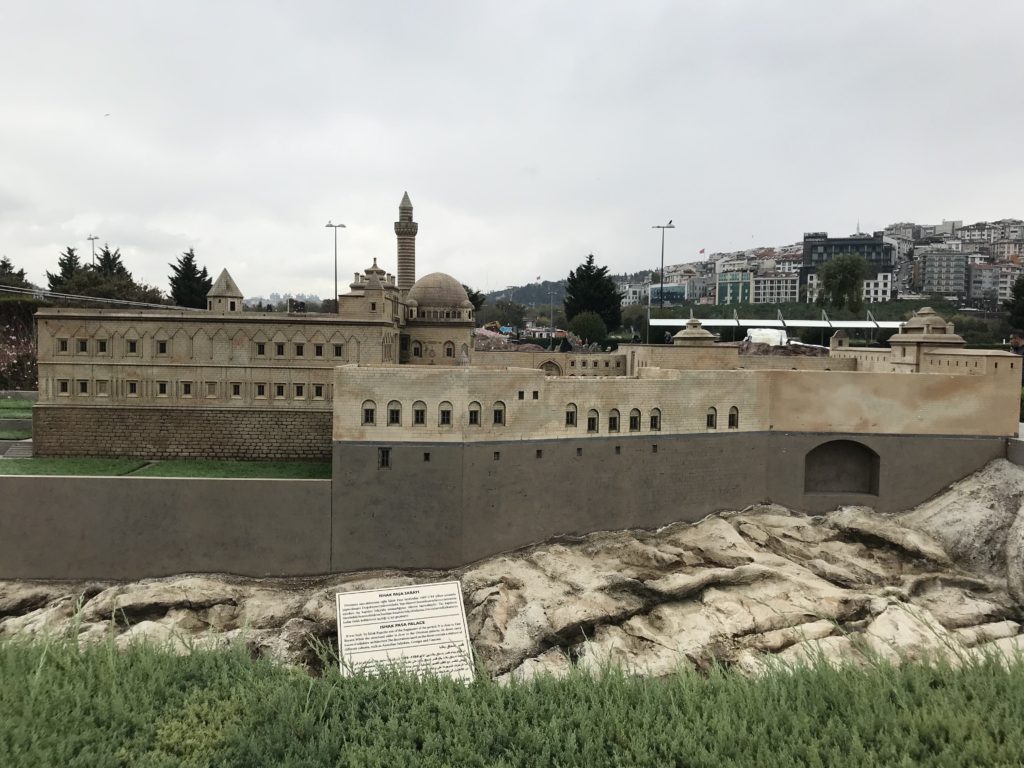
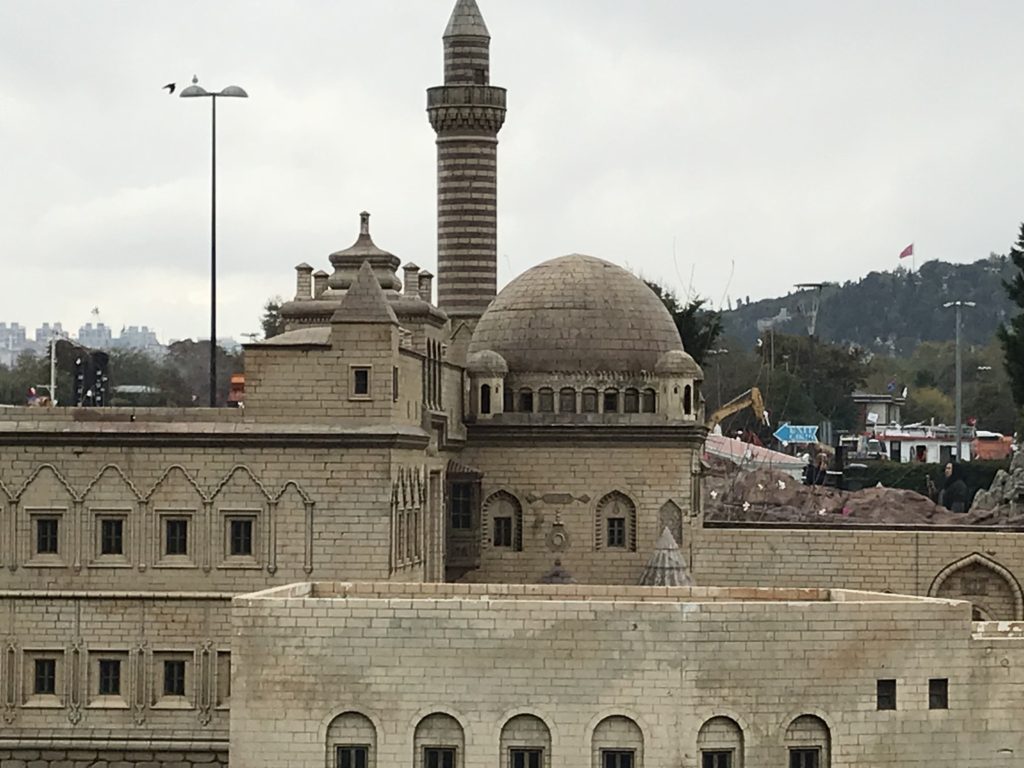
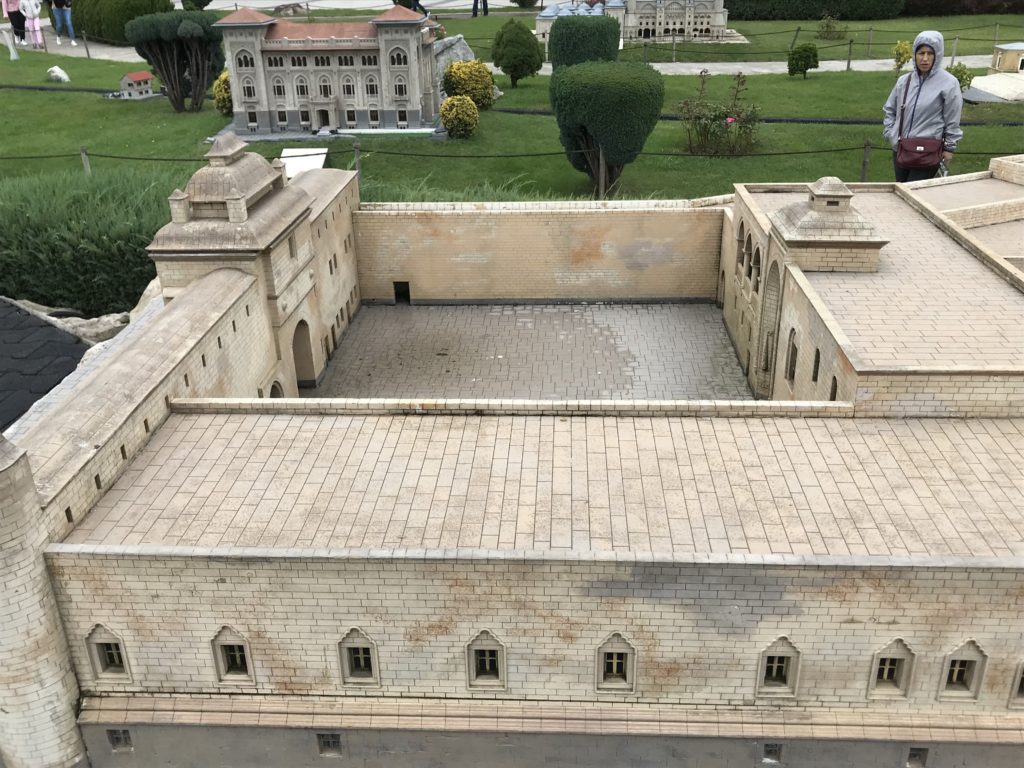
The Ishak Pasha Palace is a captivating palace on a hill in Dogubeyazit near the Iranian border. It was located on the Silk Road, a network of trade routes connecting the East and West.
Construction of the 116-room palace began in 1685. According to the inscription on its door, the Harem section was completed by Ishak Pasha in 1784.
Ishak was the pasha of Childir Eyalet from 1790 – 1791.
The Ishak Pasha Palace has the same structure as other Ottoman palaces. But the crown doors have workmanship from Iran, the Anatolian Seljuks, Georgia, and Caucasia.
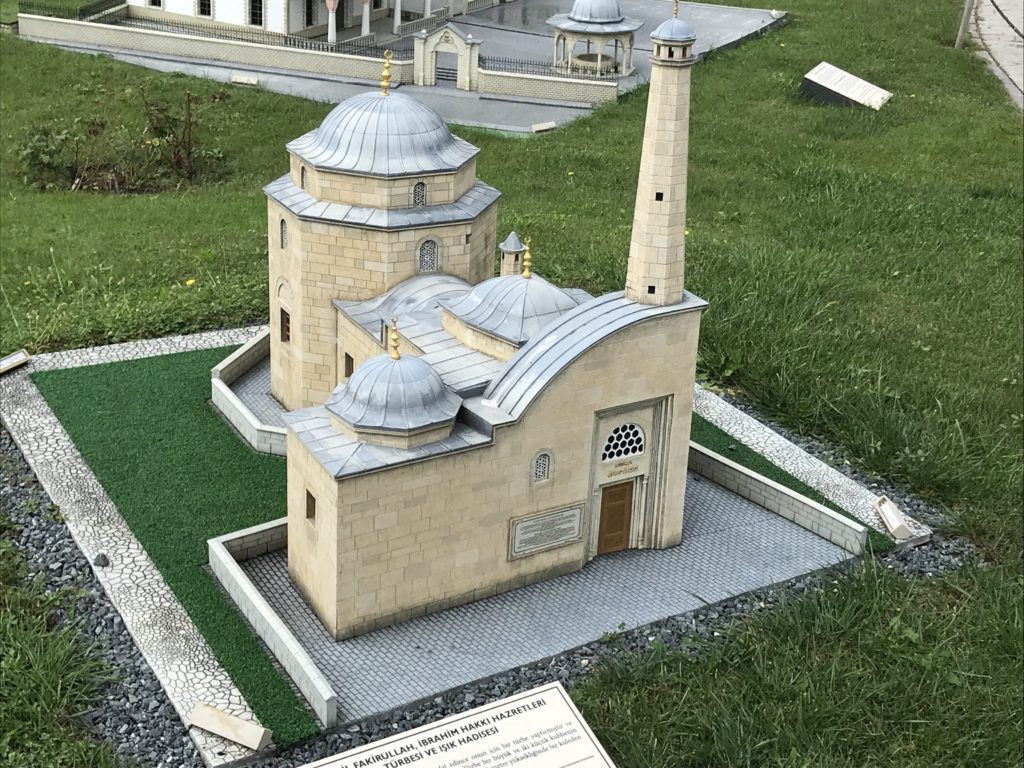
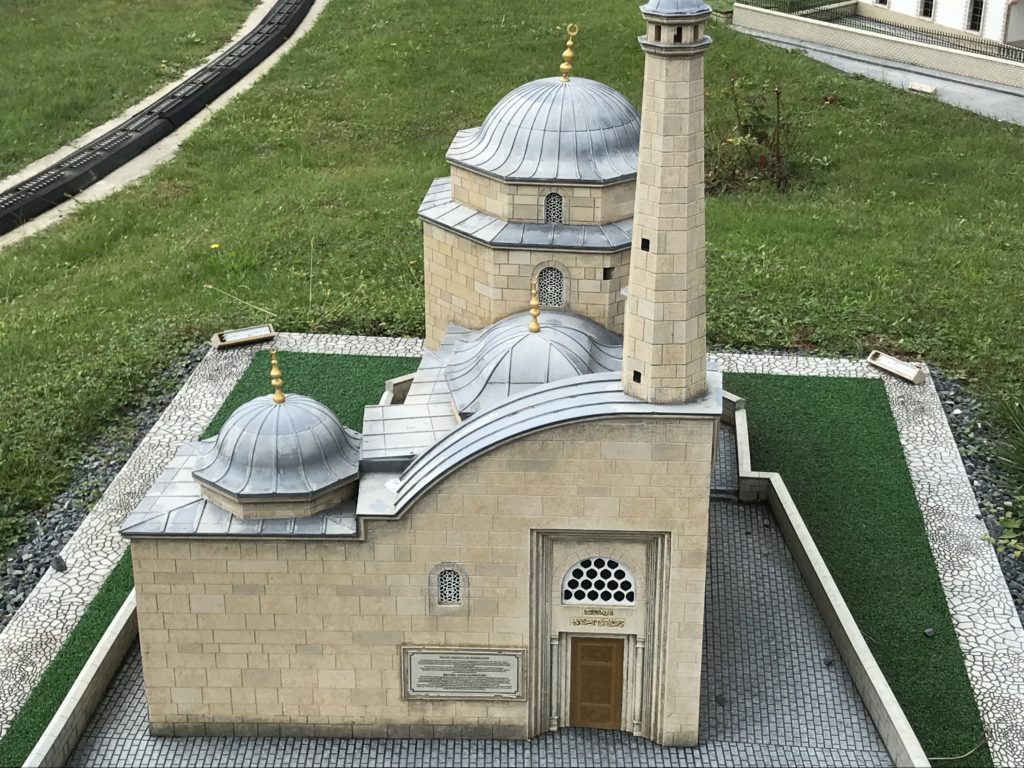
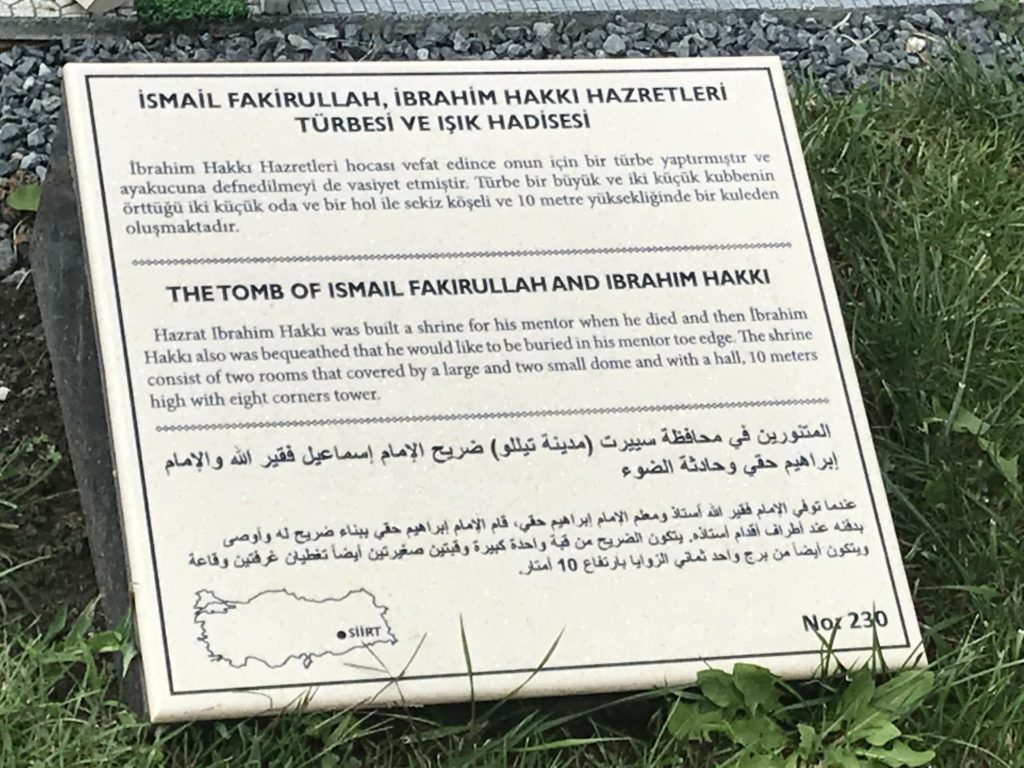
Ismail Fakirullah and İbrahim Hakkı Tomb
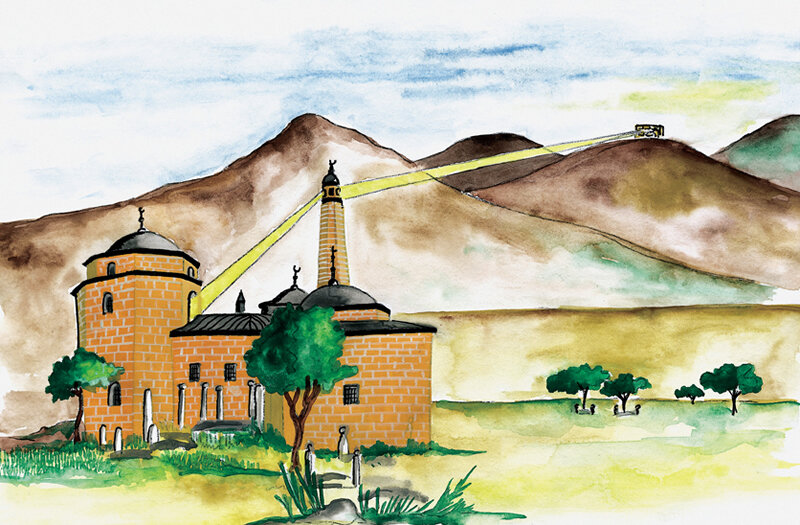
Ibrahim Hakkı Erzurumi (1703 – 1780) was a well known Sufi philosopher and scientist. He admired his teacher Ismail Fakirullah so much he built a tomb for the both of them. It was built so that every year on the equinox the sun shines on Fakirullah’s face!!!!
In 1756 Erzurum published a book called Marifetname (Book of Gnosis). It included astronomy, math, anatomy, psychology, philosophy, and Islamic mysticism. The book is famous for containing the first study of post-Copernican astronomy by a Muslim scholar. (I don’t even know what that means!)
As an interesting sidenote, in 1747 Sultan Mahmut I invited Hakki to Topkapi Palace to study the books in the palace library. Check out the Kims Istanbul blog to learn more about the library!
Light Refraction Mechanism
The tomb consists of 2 small rooms covered with 2 small domes, and a hall, covered by a large dome.
It is famous for its Light Refraction Mechanism. The Equinox takes place twice a year when the sun is located directly over the equator. Amazingly, the sun’s light goes through the window on the tomb’s tower and then through the window of the tomb itself, and shines on the teacher’s head!
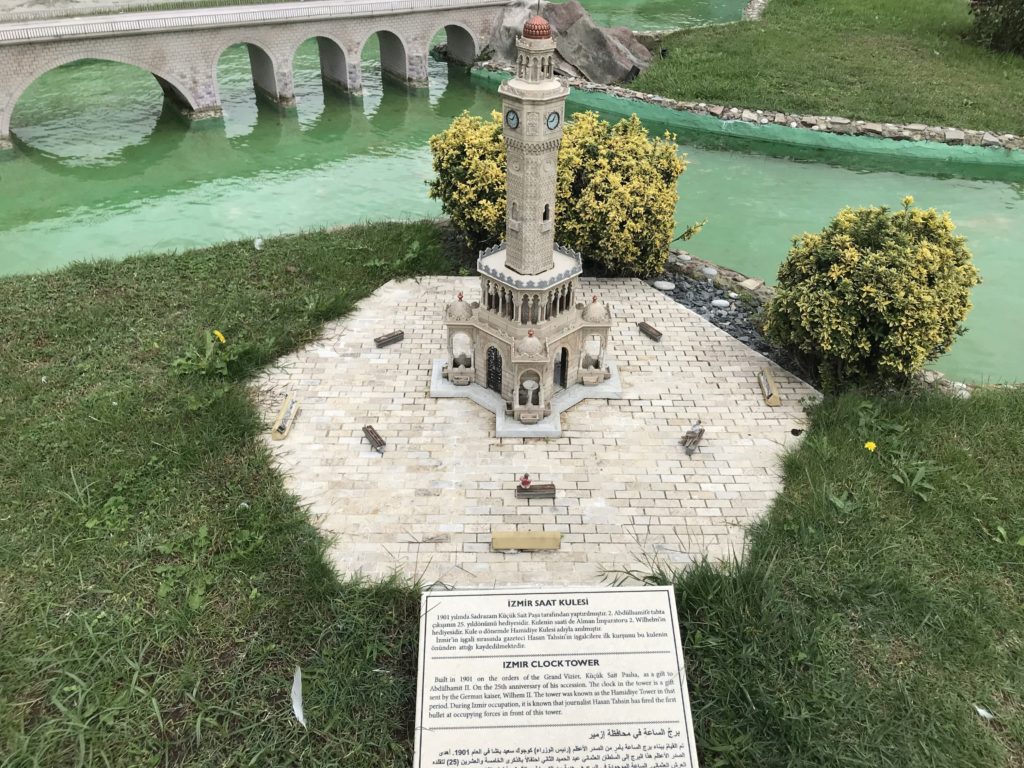
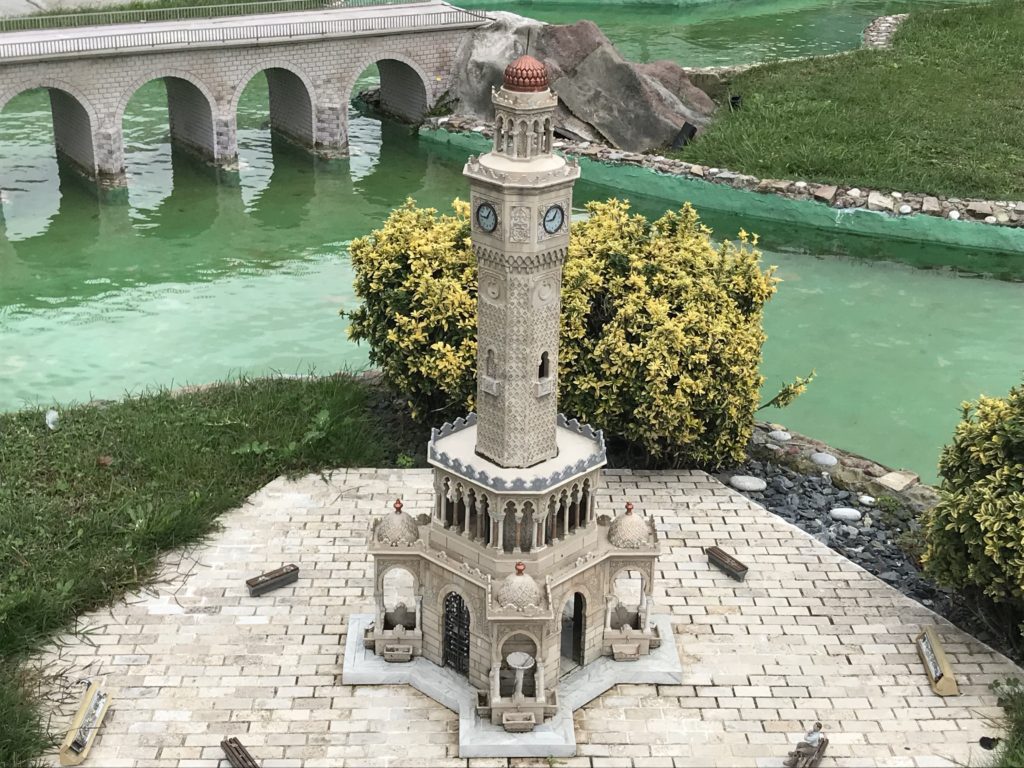
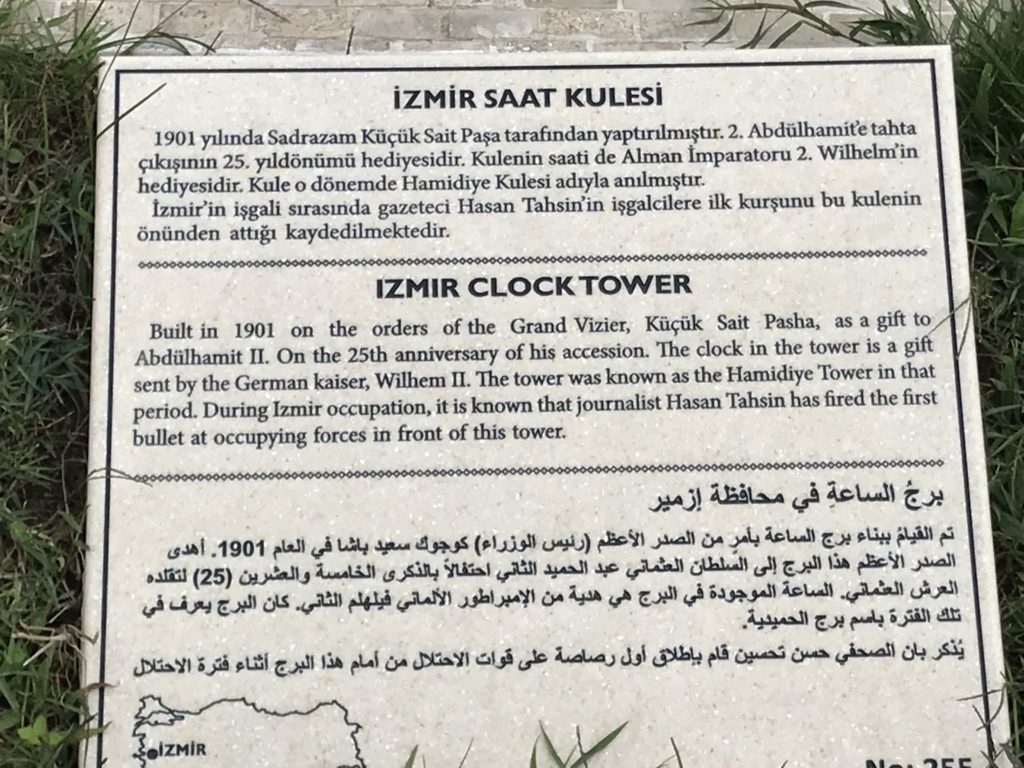
İzmir Clock Tower
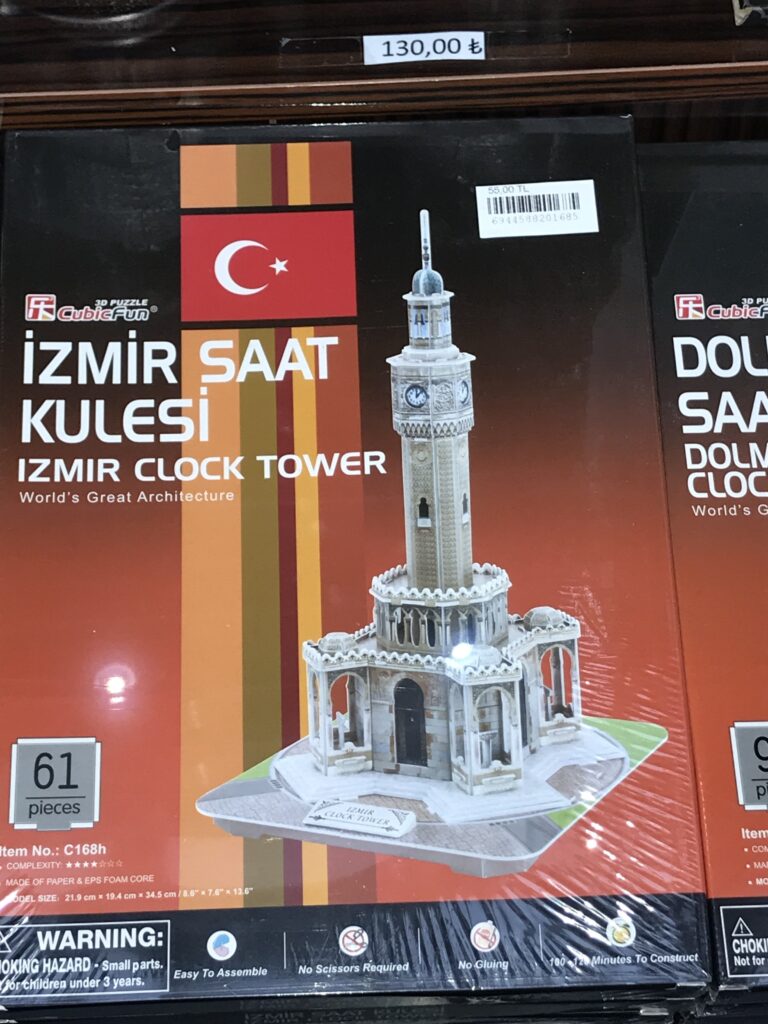
In 1901 – on the 25th Anniversary of Ottoman Sultan Abdülhamid II’s rule – a decree went out to build clock towers across the Ottoman Empire. In response, Grand Vizier Said Pasha built the Izmir Clock Tower.
The tower is considered the landmark of the city of Izmir.
German Emperor Wilhelm gifted the clock on top of the Izmir and many other Ottoman clock towers. He is a fascinating historical figure! On an 1898 trip to the Holy Land, the kaiser entered Jerusalem seated on a white horse; in reference to Jesus’ prophesized return to the city in the Bible.
The Kaiser also gifted the German Fountain on the Hippodrome in Istanbul.
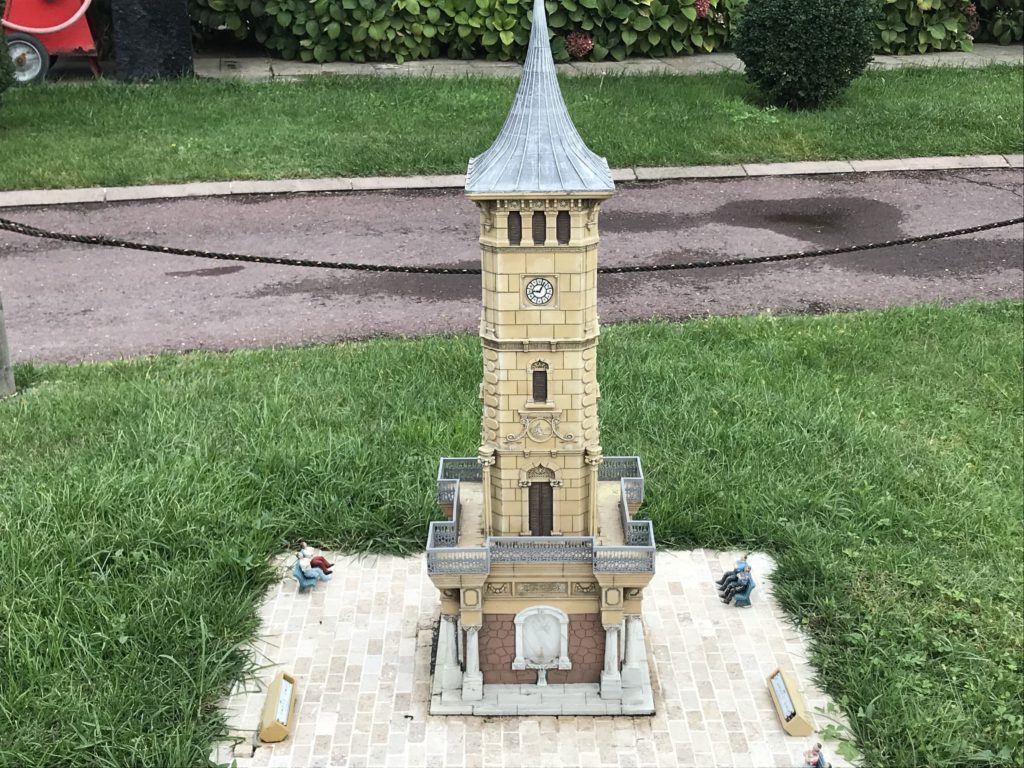
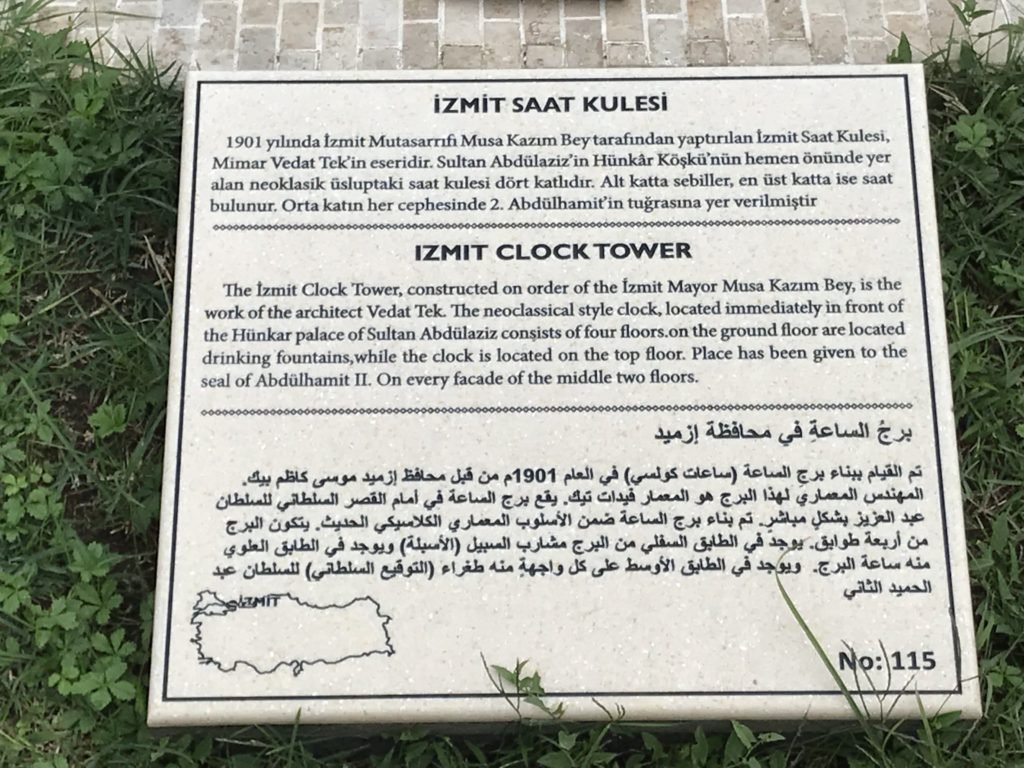
Izmit Clock Tower
n 1901 – on the 25th Anniversary of Ottoman Sultan Abdülhamid II’s rule – a decree went out to build clock towers across the Ottoman Empire. In response, Governor Musa Kazım Bey built the Izmit Clock Tower.
It is located in front of the Hünkar Pavilion mansion of Ottoman Sultan Abdülazi, who was Sultan Abdülhamid II’s predecessor.
Located on a hill with a great view of the city, the neoclassical clock tower has 4 floors. Several fountains surround it’s base. The middle floor is decorated with the seal of Sultan Abdulhamid II.
German Emperor Wilhelm gifted the clock on top of the Izmir and many other Ottoman clock towers. He is a fascinating historical figure! On an 1898 trip to the Holy Land, the kaiser entered Jerusalem seated on a white horse; in reference to Jesus’ prophesized return to the city in the Bible.
The Kaiser gifted the German Fountain on the Hippodrome in Istanbul.
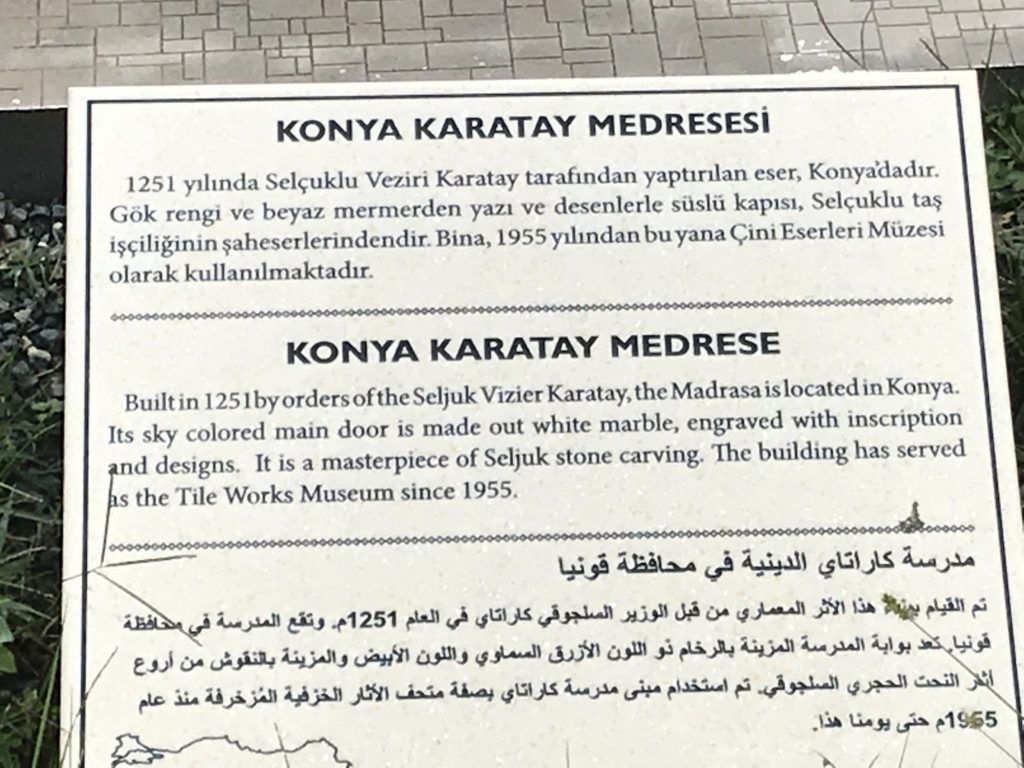
Karatay Madrasa in Konya
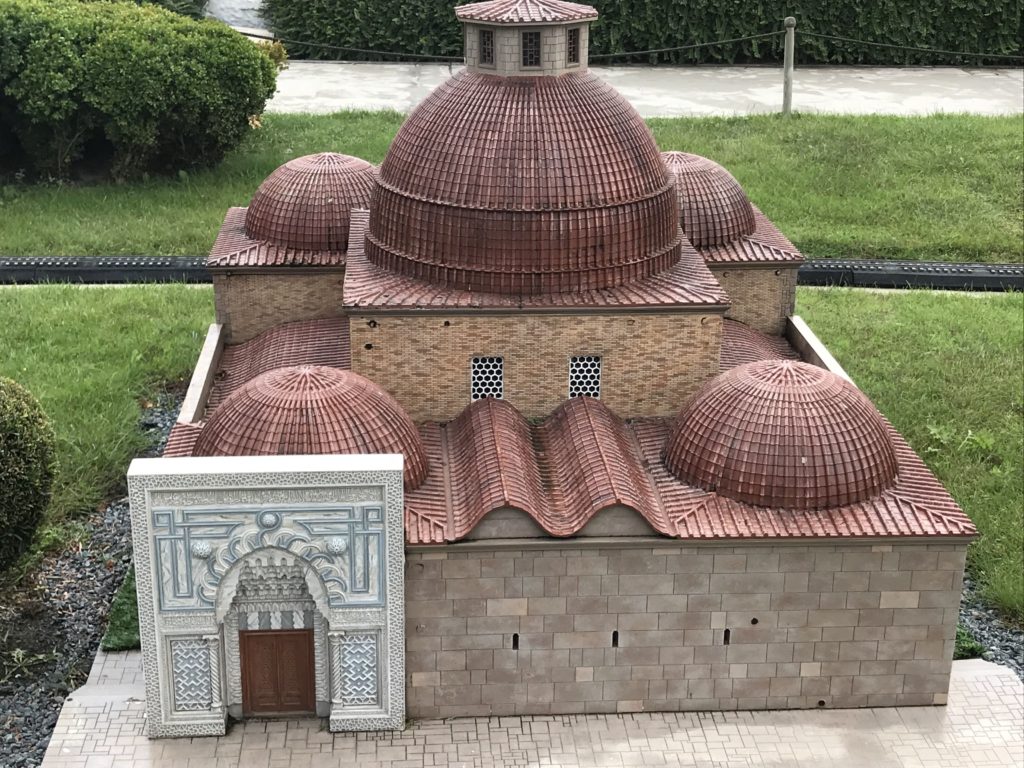
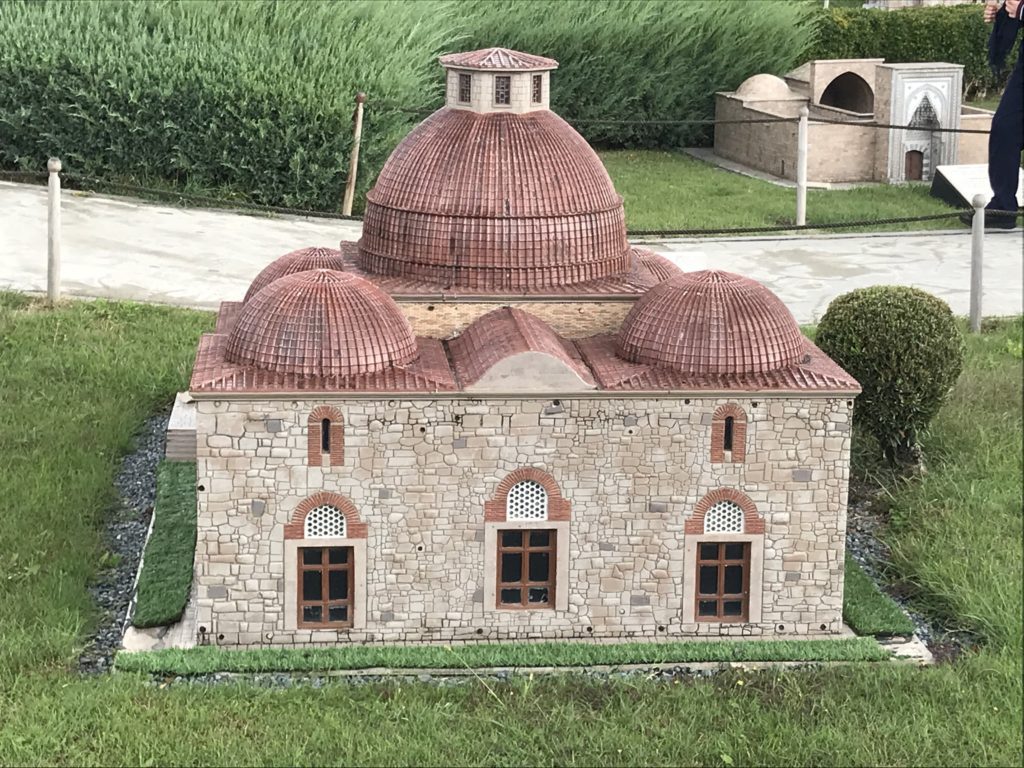
The Karatay Madrasa in Konya was built in 1251 by Karatay bin Abdullah. He was the vizier of Seljuk Sultan İzzeddin Keykavus.
The ornate gate with sky colored and white marble letters and patterns is one of the masterpieces of Seljuk stone work.
Since 1955 the madrasa is the home of the Tile Art Museum. It includes tiles that were found in the excavation of the Kubadabad Palacw, The nearby Ince Minaret Madrasa displays the Stone/Wood Museum.
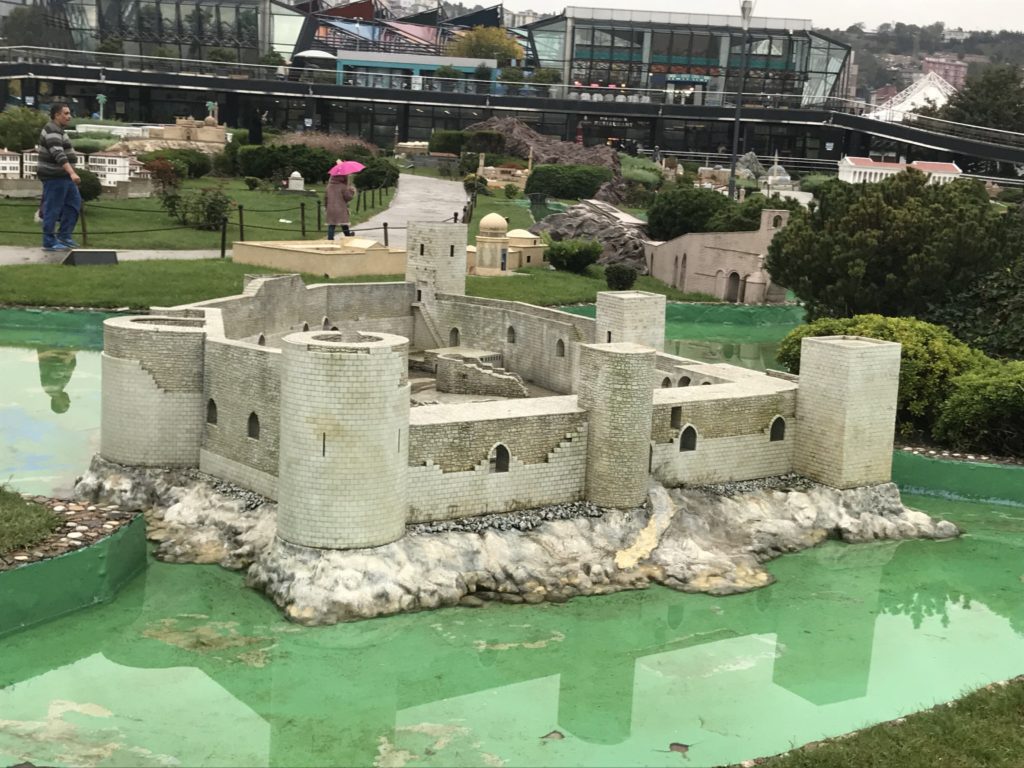
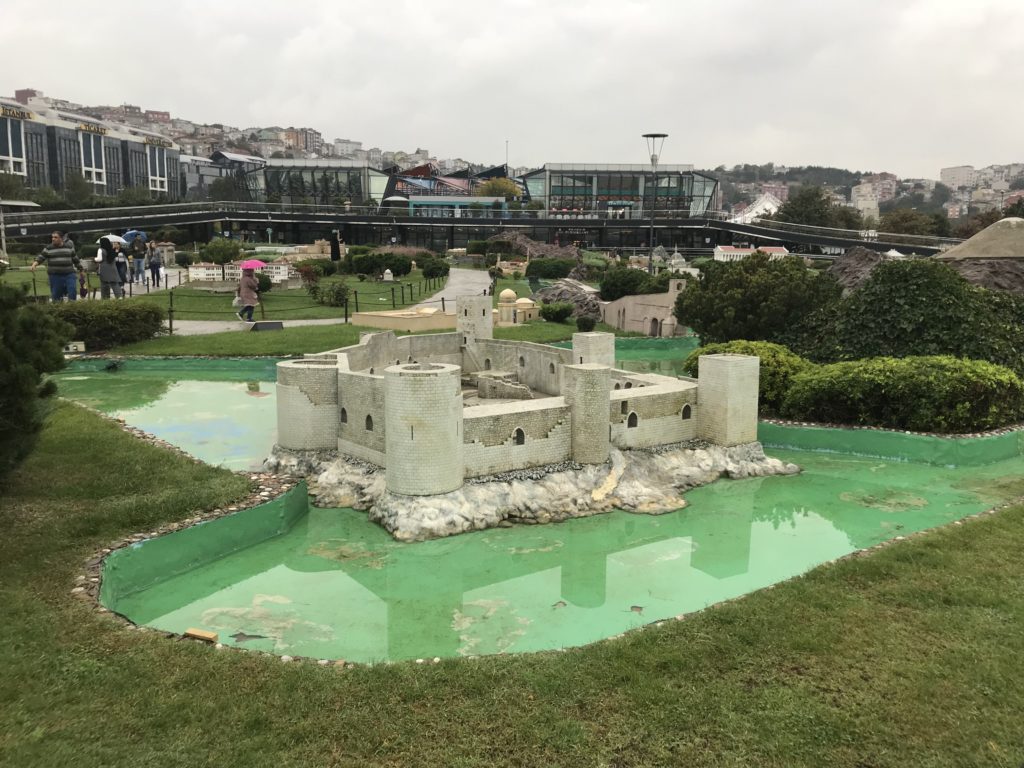
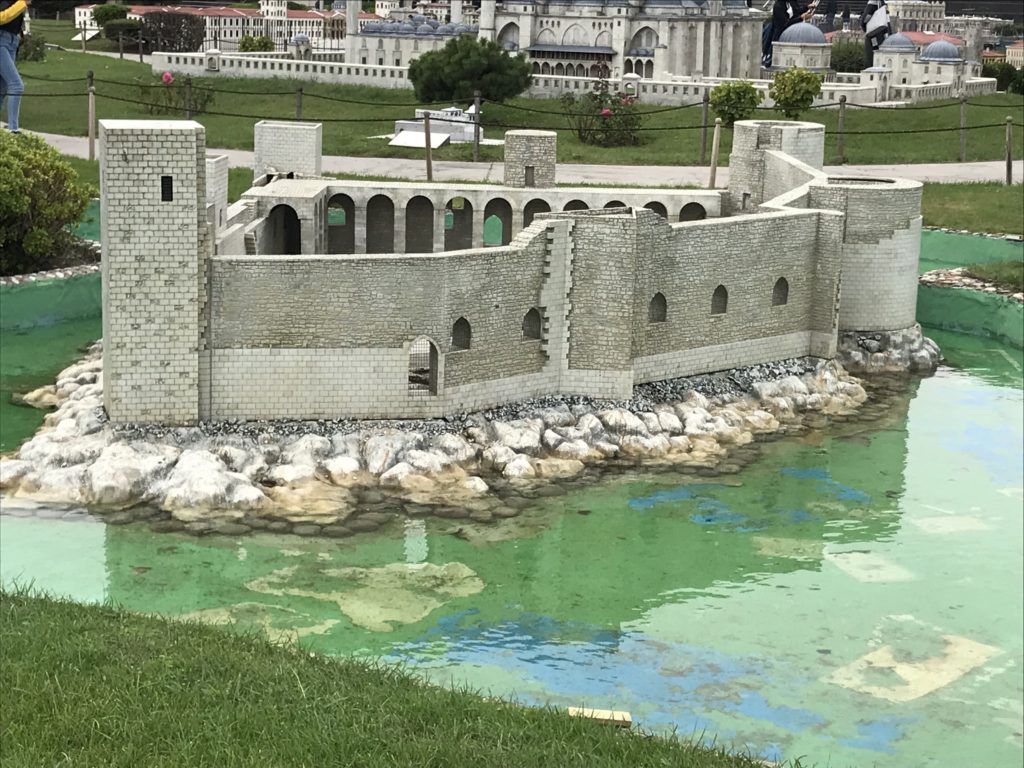
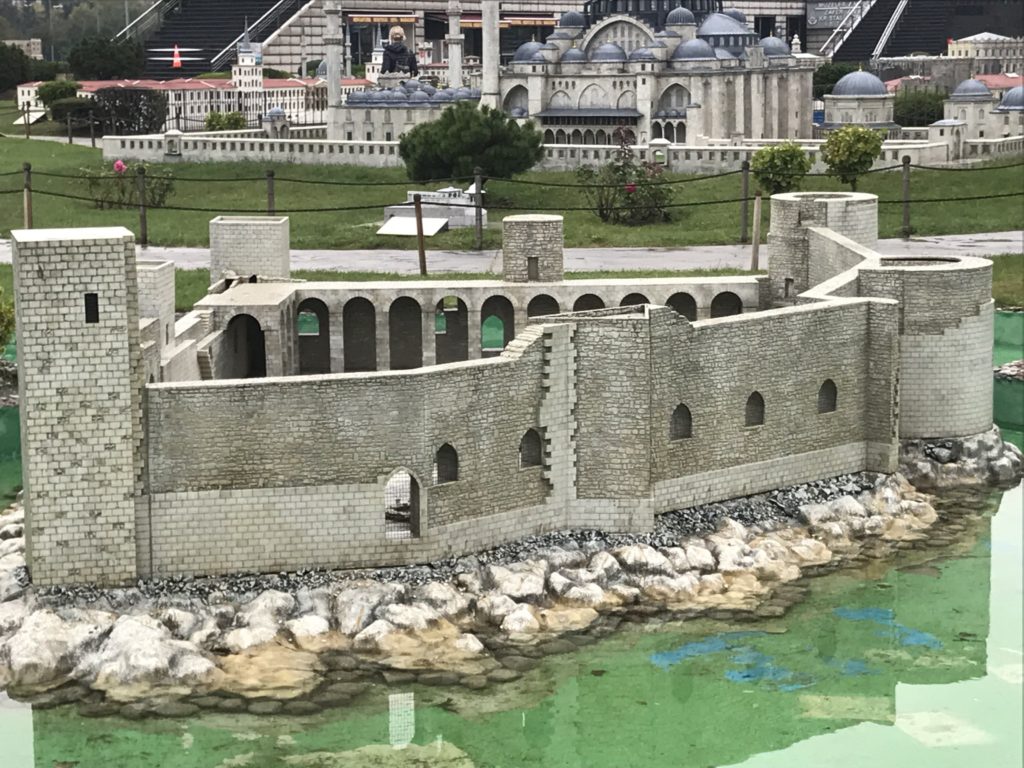
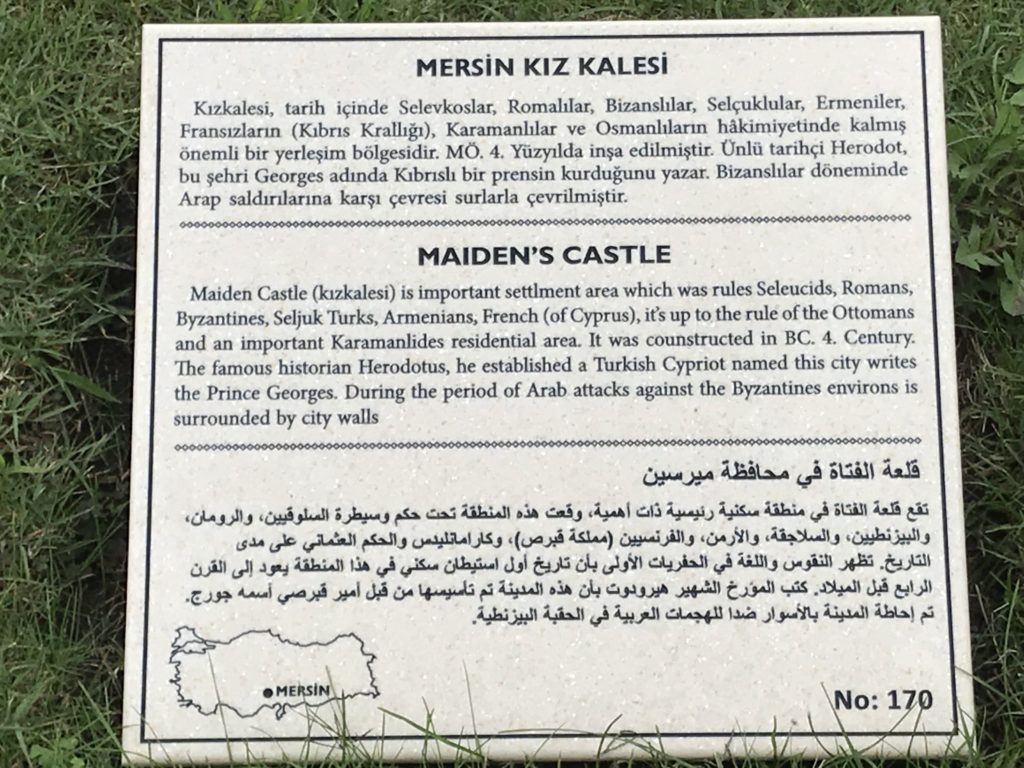
Maiden’s Castle in Mersin
Maiden’s Castle (Kızkalesi in Turkish) is a castle on a small island in in the Mediterranean Sea in Mersin Province.
It has been under the control of the Seleucids, Romans, Byzantines, Seljuks, Armenians, French (Kingdom of Cyprus), Karamanids, and Ottomans.
According to the ancient historian Herodotus, the castle was built by a Cypriot prince named Georges founded this city in the 4th century B.C.
The castle’s walls were built during the Byzantine period to protect against Arab attacks.
Malabadi Bridge
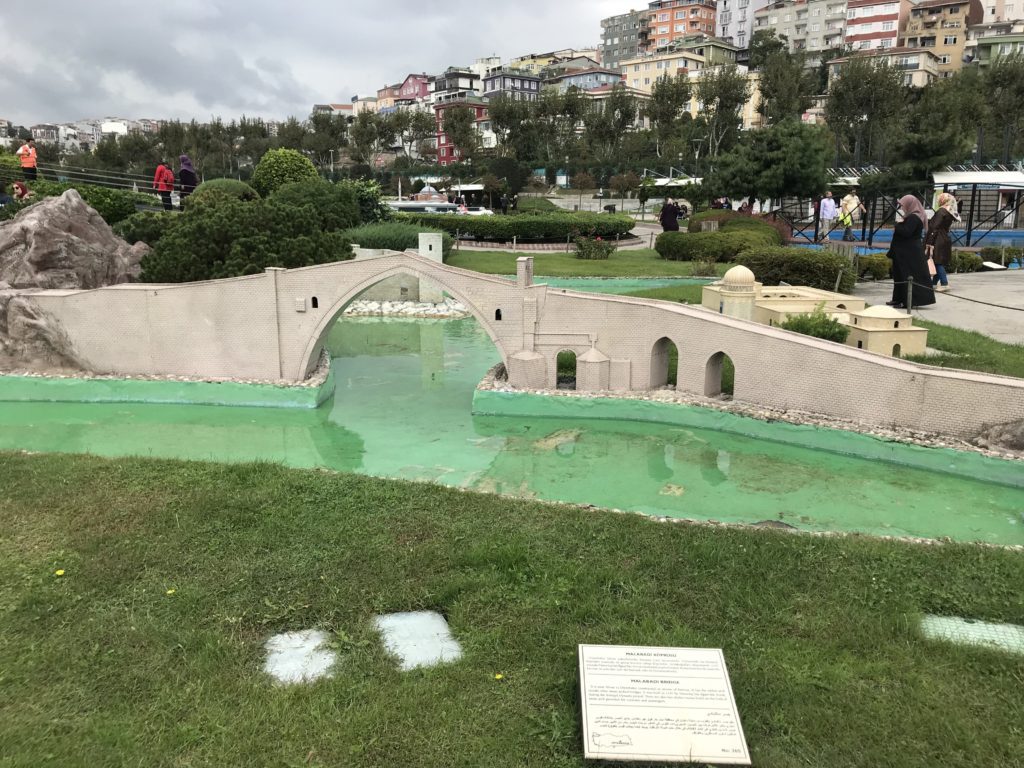
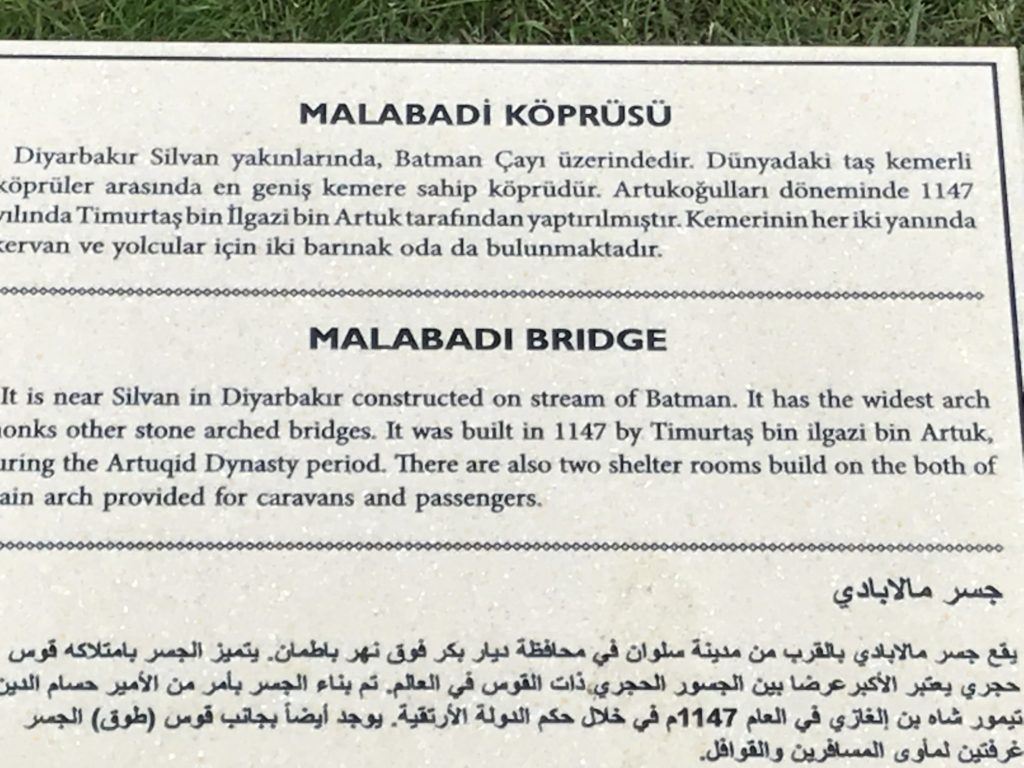
The Malabadi Bridge is an arch bridge spanning the Batman River near the town of Silvan.
Built in 1147, it has the largest arch of any stone arch bridge in the world. On both sides of the arch are two shelter rooms for caravans and passengers.
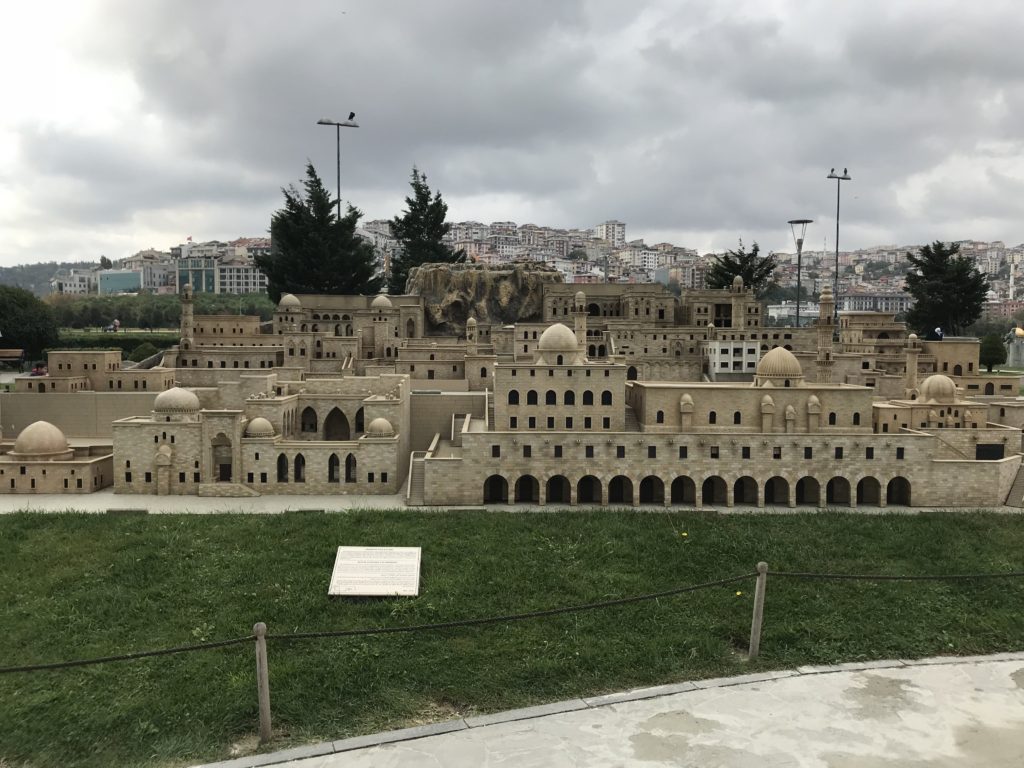
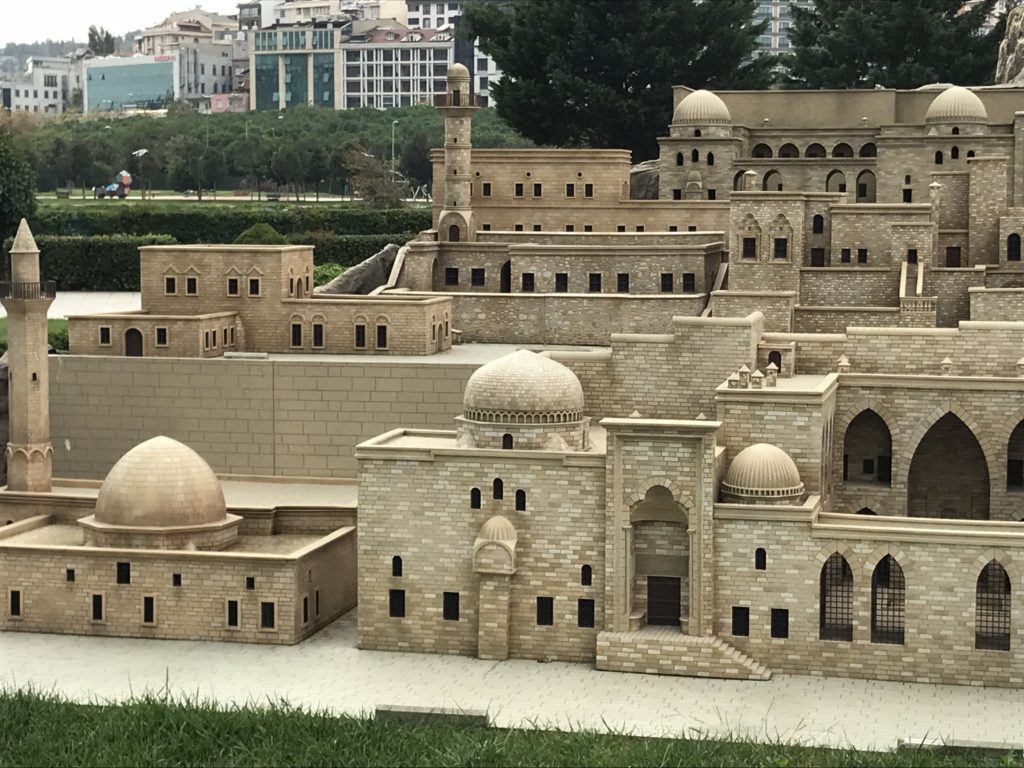
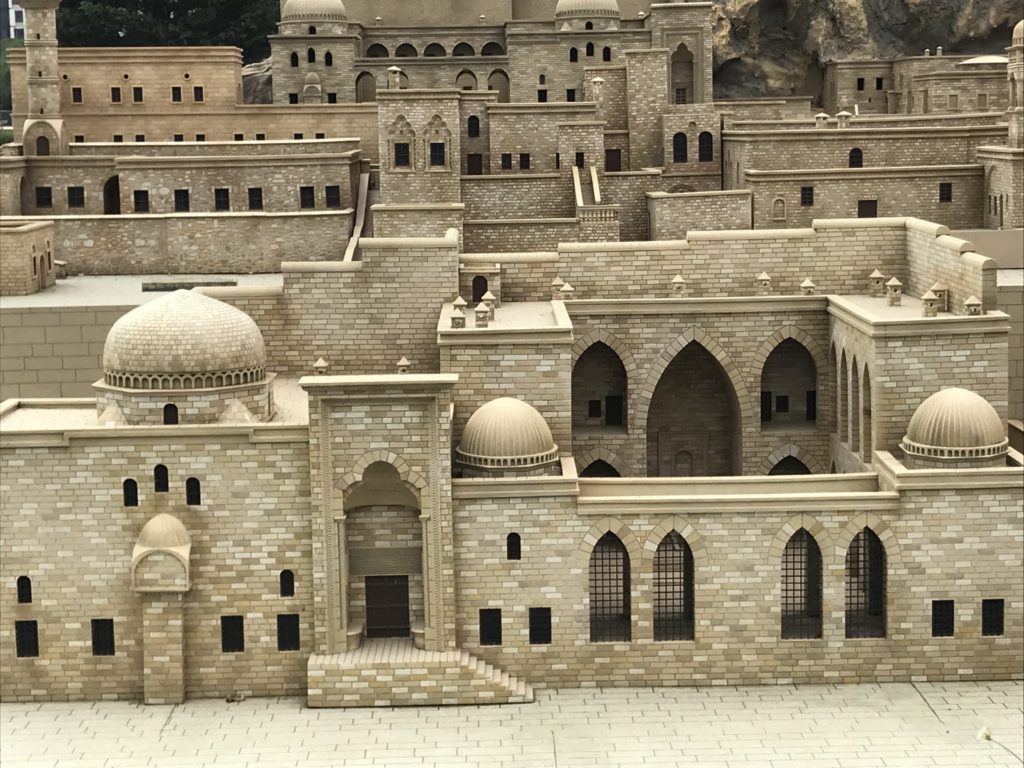
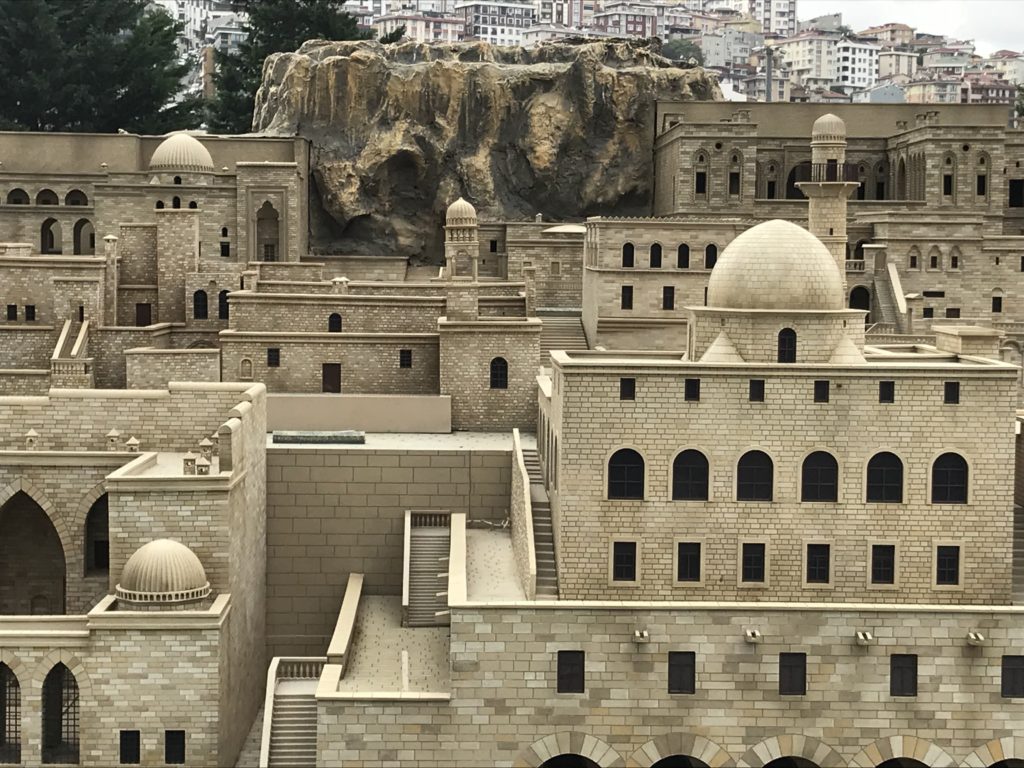
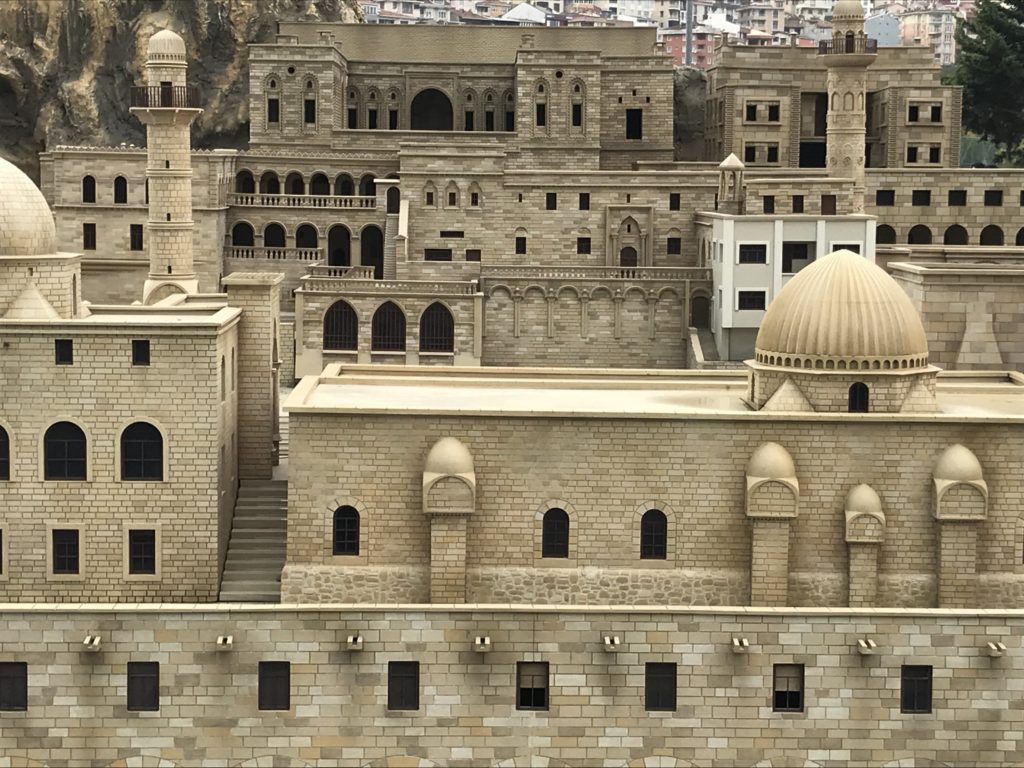
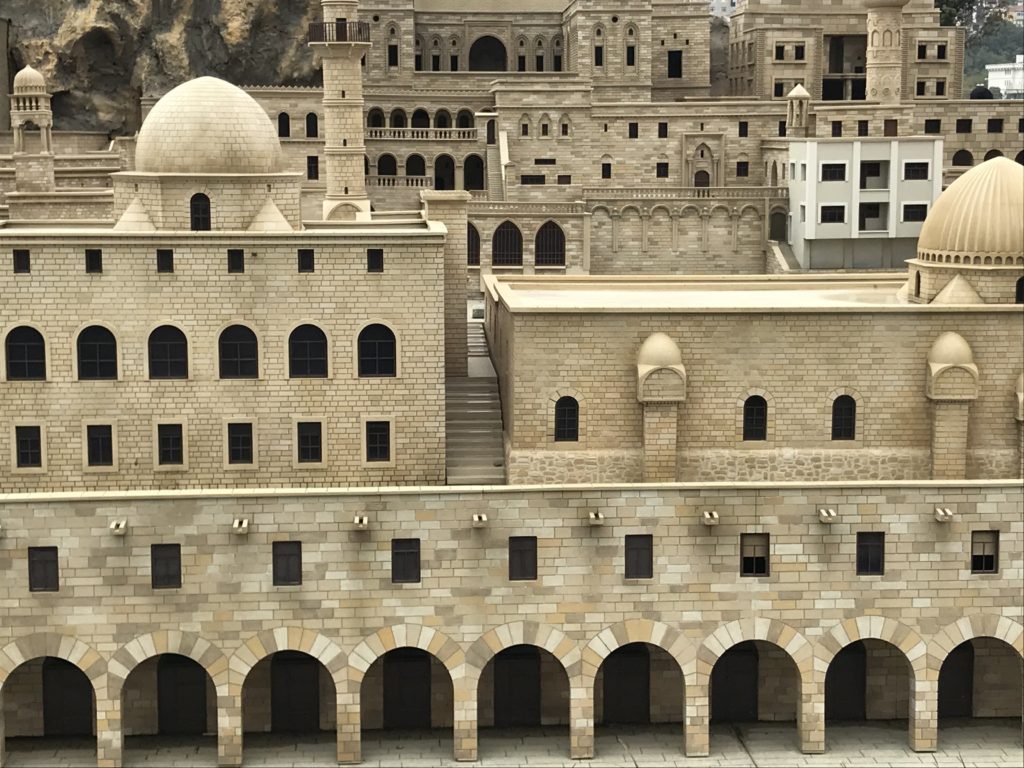
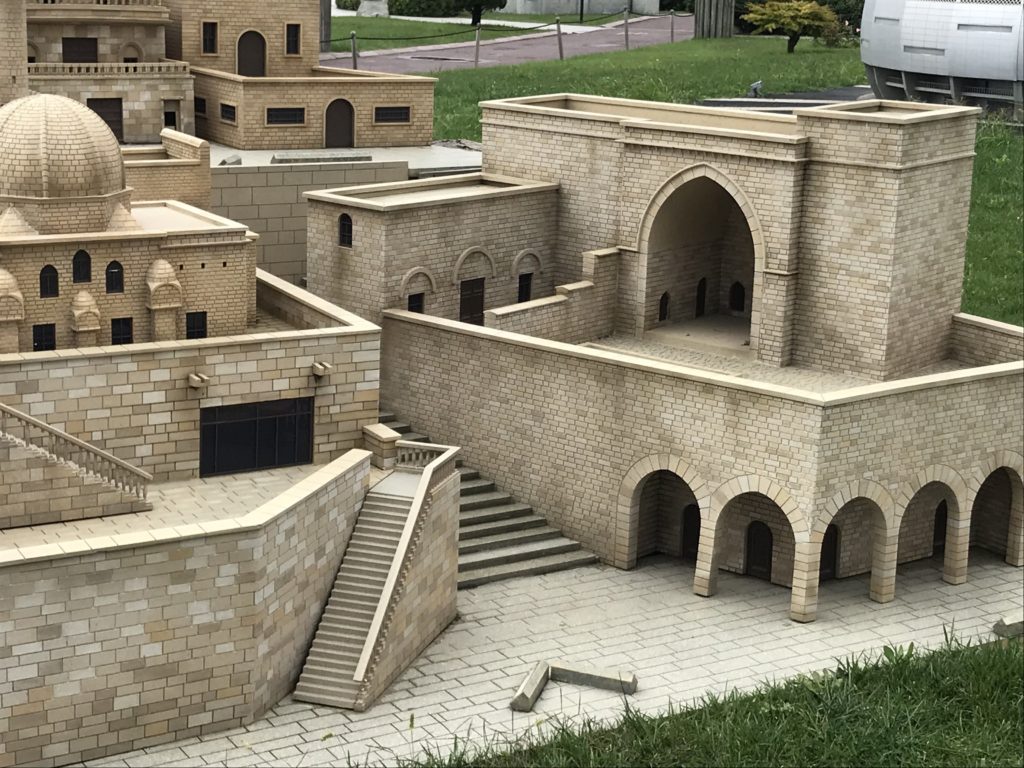
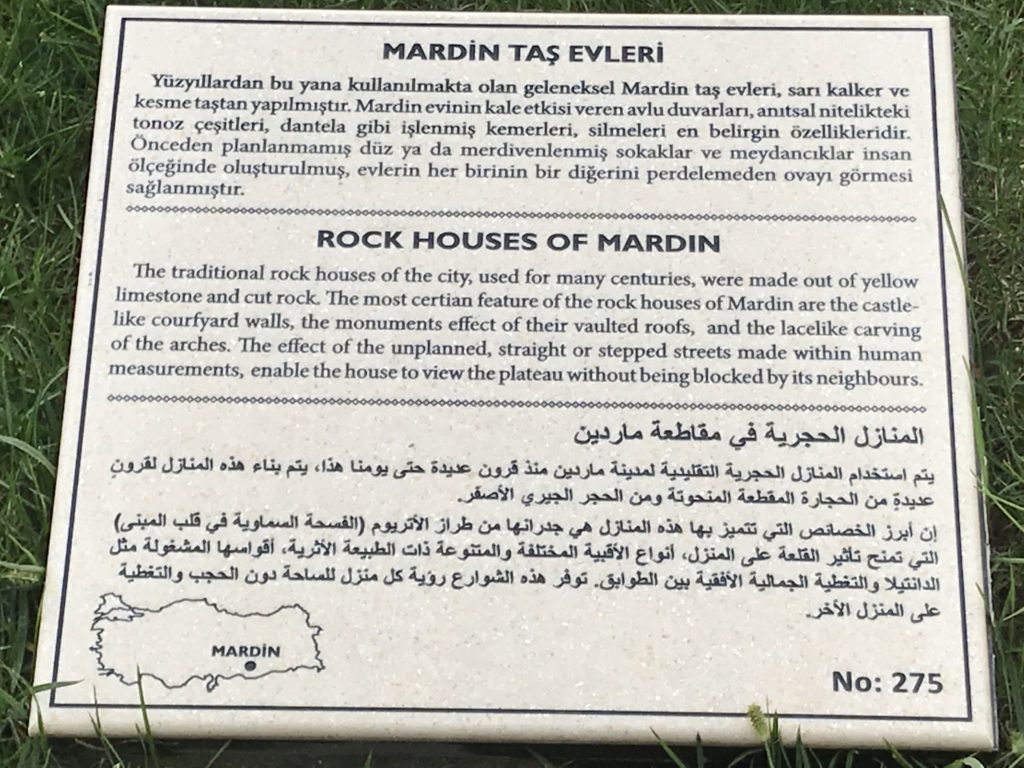
Mardin Stone Houses
Civilizations have lived in the stone houses in Mardin for centuries! This includes the Sumerians, Akkadians, Babylonians, Assyrians, Persians, Seljuks, and Ottomans.
The historic settlement is located on a rocky hill in Mesopotamia. Located between the Tigris and Euphrates Rivers, the area has been inhabited since 8,000 B.C..
Even thought they were built at different times, none of the limestone and cut stone houses block each other’s views!
Mausoleum at Halicarnassus
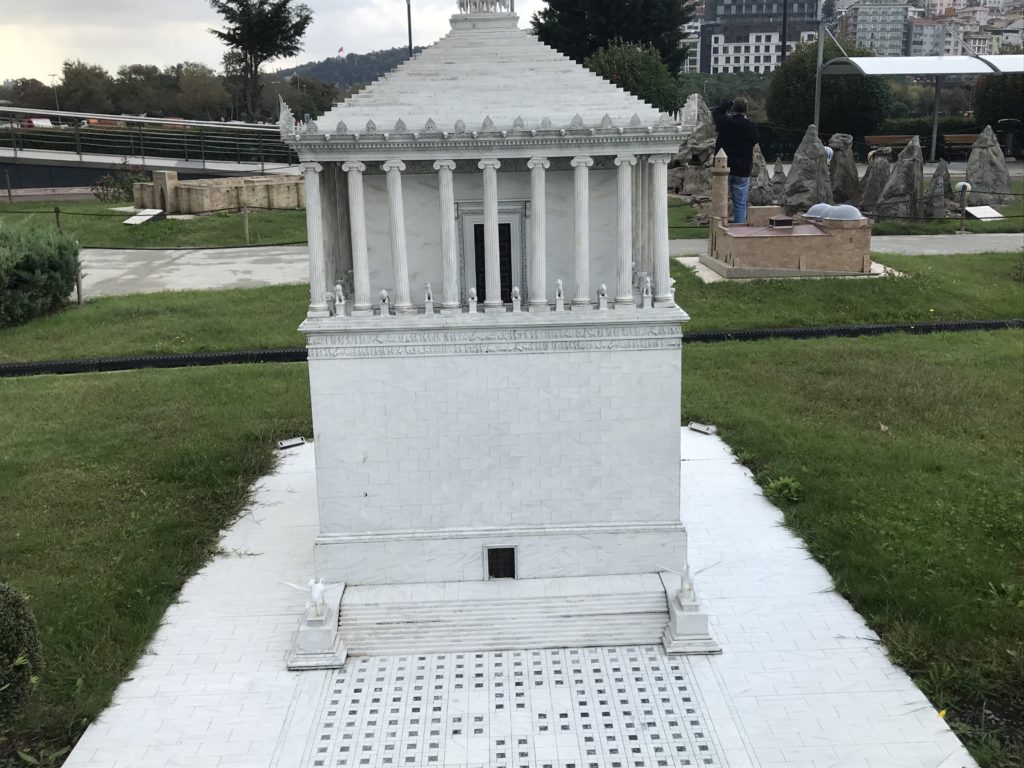
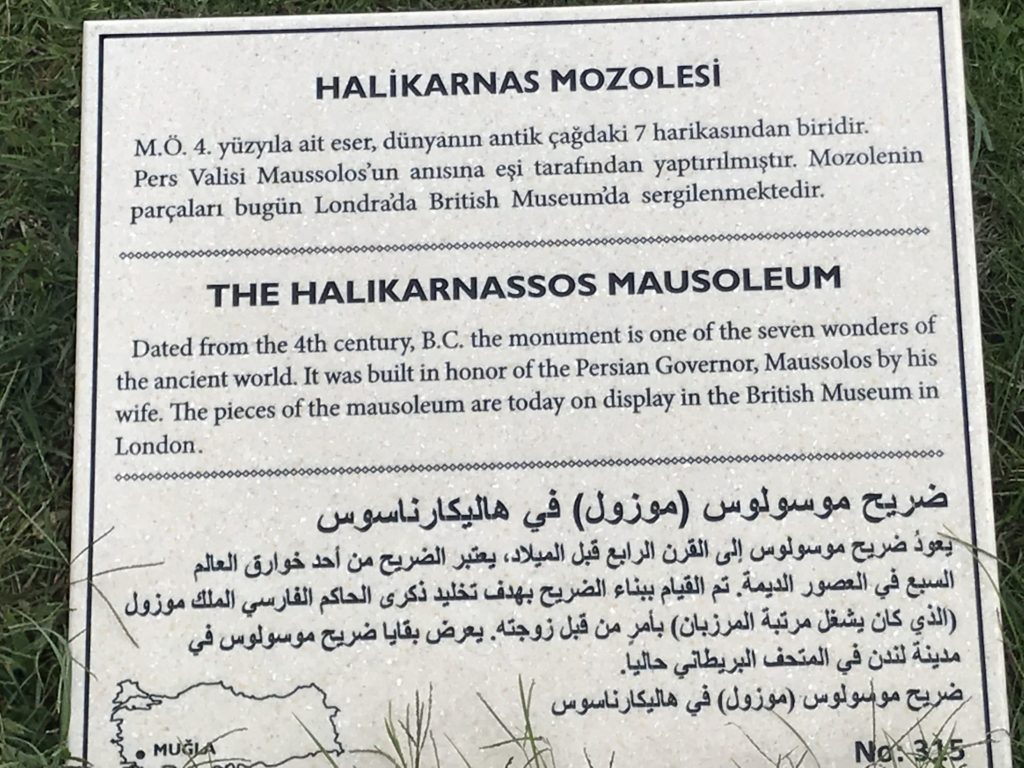
The Mausoleum at Halikarnassus (modern day Bodrum) is 1 of the 7 Wonders of the Ancient World. It was built in 350 B.C. in memory of Mausolus, a satrap in the Achaemenid Empire. It was built by his sister wife, who ruled for 2 years after his death.
The 148-foot tall tomb was similar to the other tombs in the area. The word mausoleum now means an above ground tomb. It’s remains are currently on display at the British Museum in London.
Mevlana Tomb
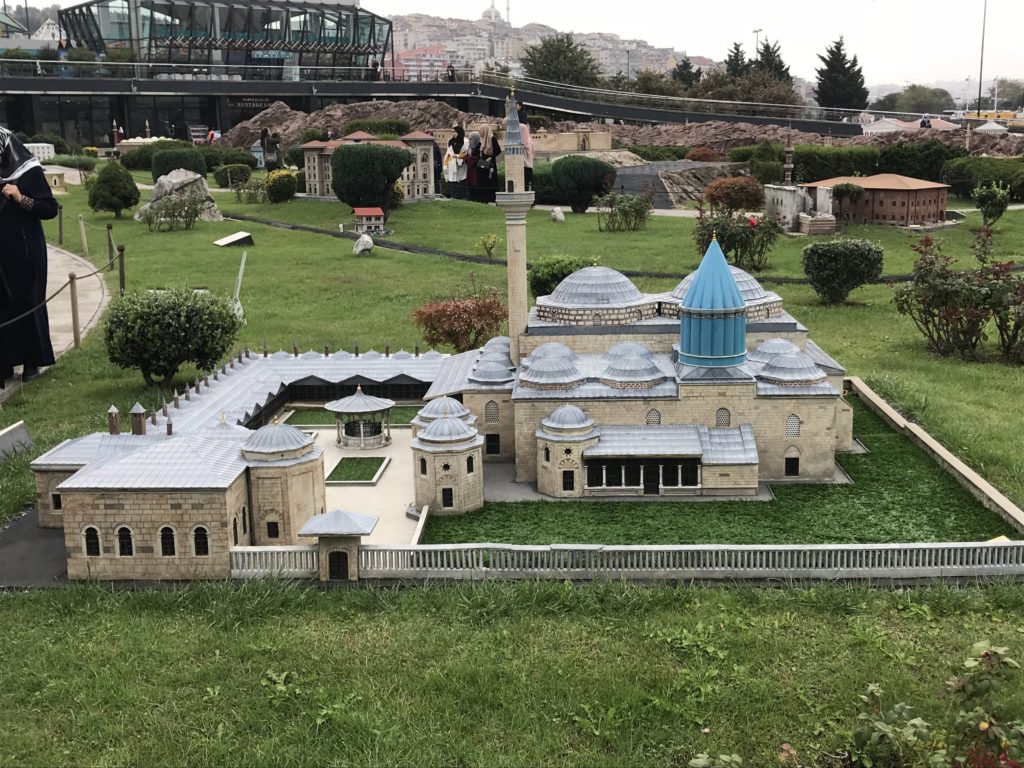
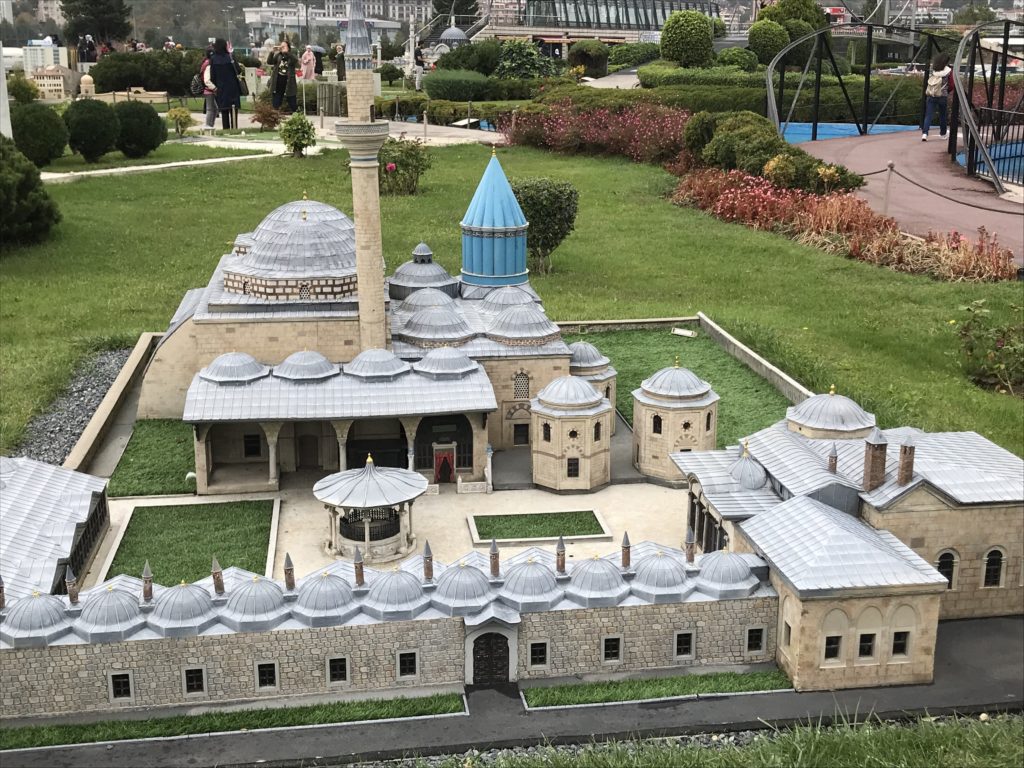
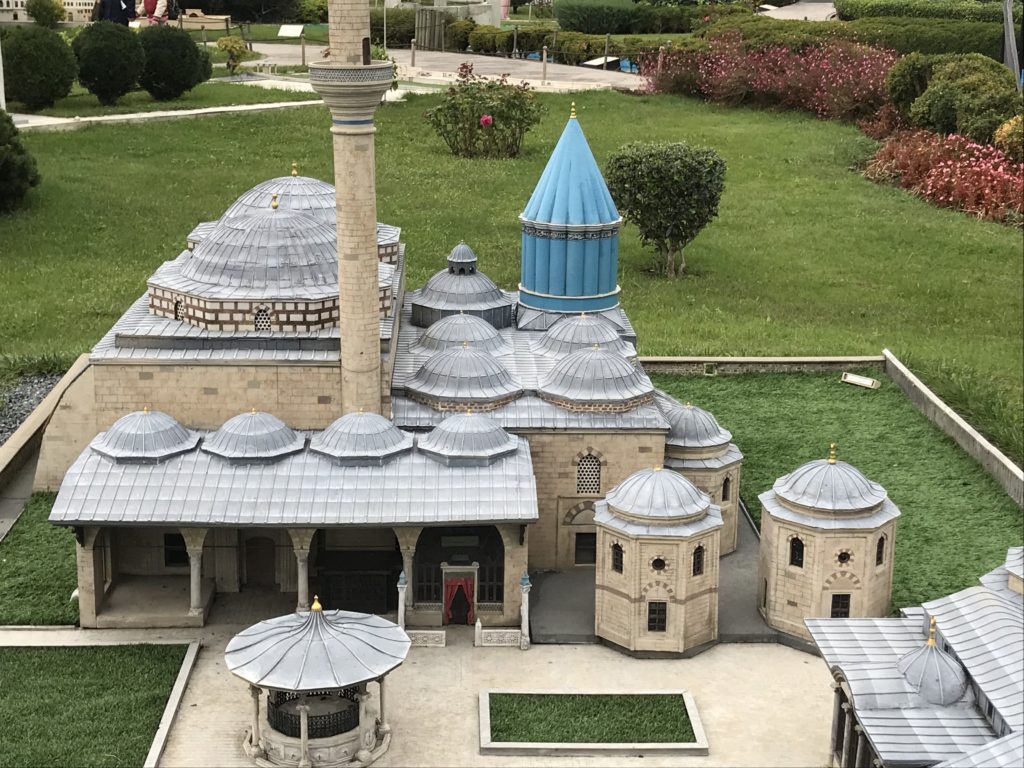
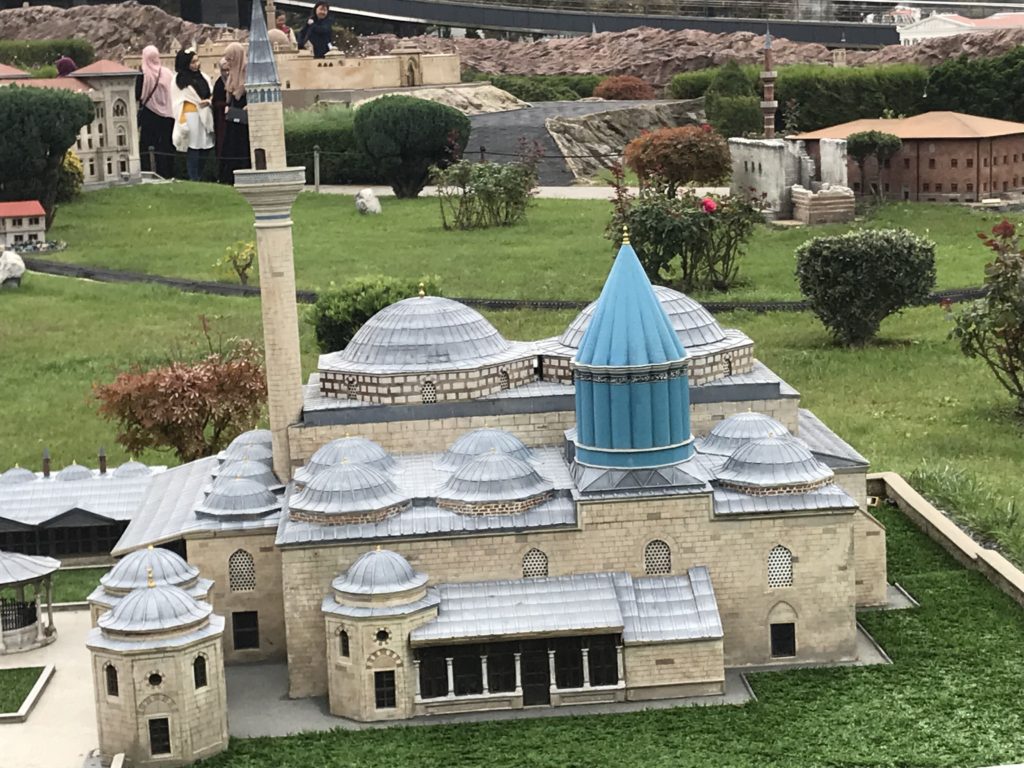
Mevlana Rumi (born Jalal ad-Din Muhammad Rumi) is a world famous Persian Sufi mystic. When he died in 1273, his followers founded the Mevlevi Order, which is known as the Order of the Whirling Dervishes. They perform a Sufi dance known as the Sema ceremony.
Rumi is well known across the Muslim world. He was known as Mevlana (which means scholar) by his Turkish followers.
Rumi was born in Afghanistan. Seljuk Sultan ‘Ala’ al-Din Kayqubad invited him to move to Konya. He gave his rose garden as a burial place for Rumi’s father who died in 1231. When Rumi died in 1273 he was buried next to his father.
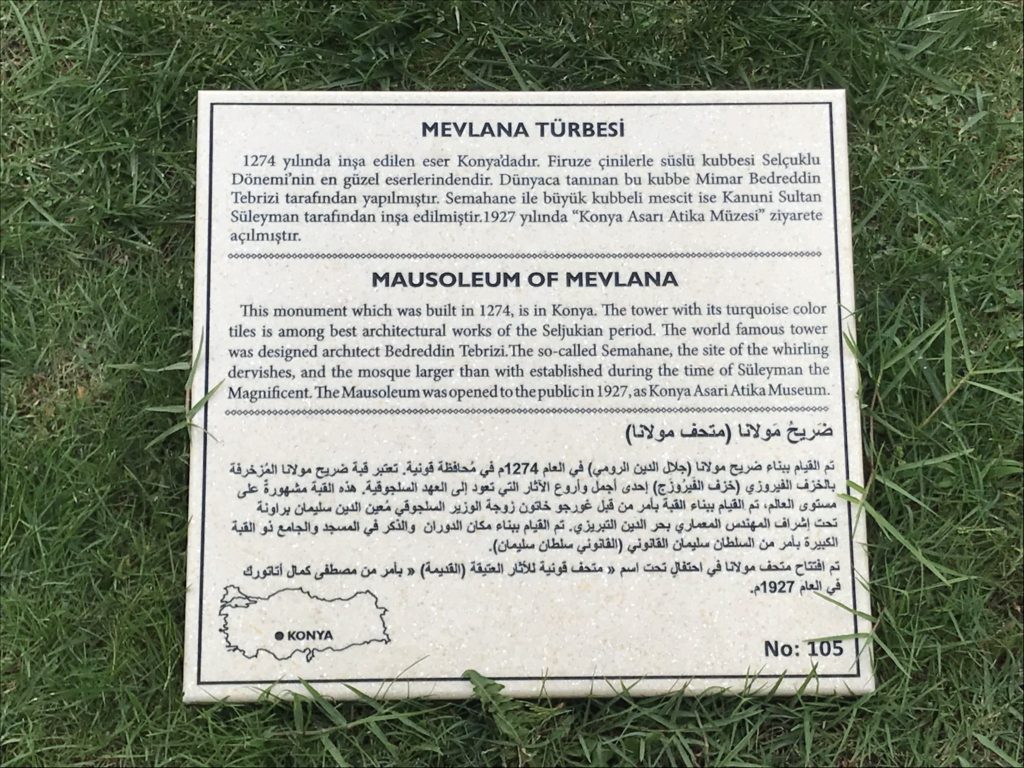
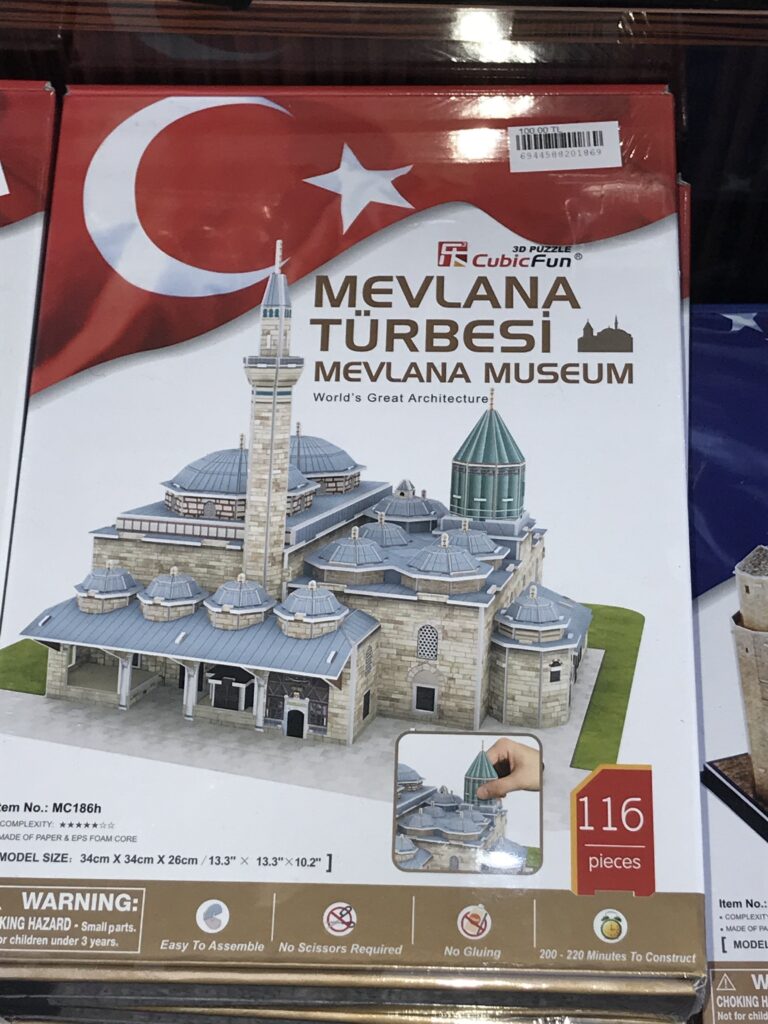
The turquoise tiled dome is one of the most beautiful works of the Seljuk period..The large domed mosque was built by Ottoman Sultan Süleyman the Magnificent. Since 1927 the complex has been known as the Mevlana Museum.
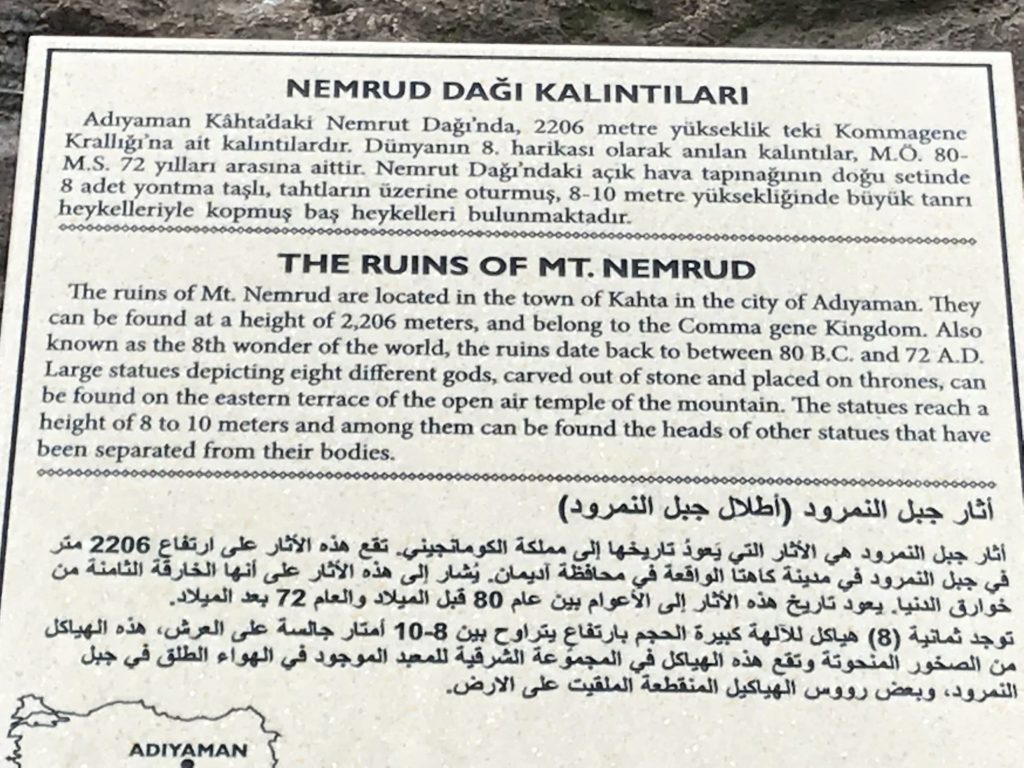
Mt Nemrud
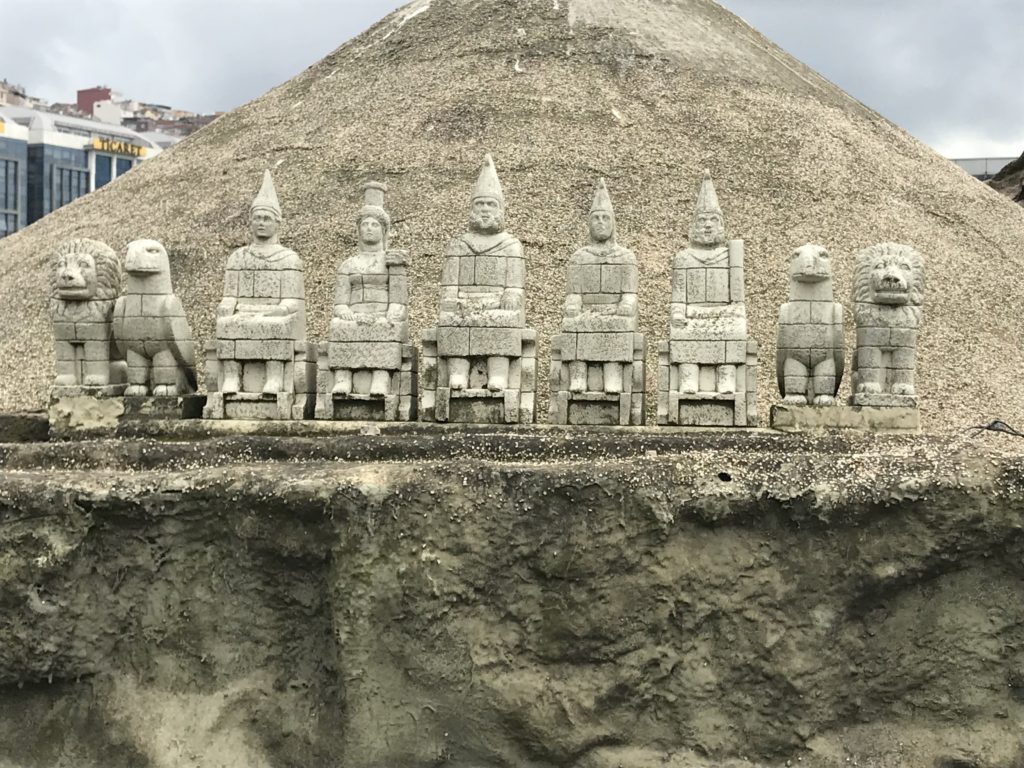
The 9 statues located on Mt Nemrud in Kahta were built in 62 B.C. by King Antiochus I Theos of Commagene.
The statues are of King Antiochus, 2 Lions, 2 Eagles, and 4 Gods that are a combination of Greek and Iranian gods. (I am a Greek American. The thought of ancient people combining Greek and Iranian exhilarates me!)
The 26 – 30 foot statues were once seated on thrones, with names of each god inscribed on them.
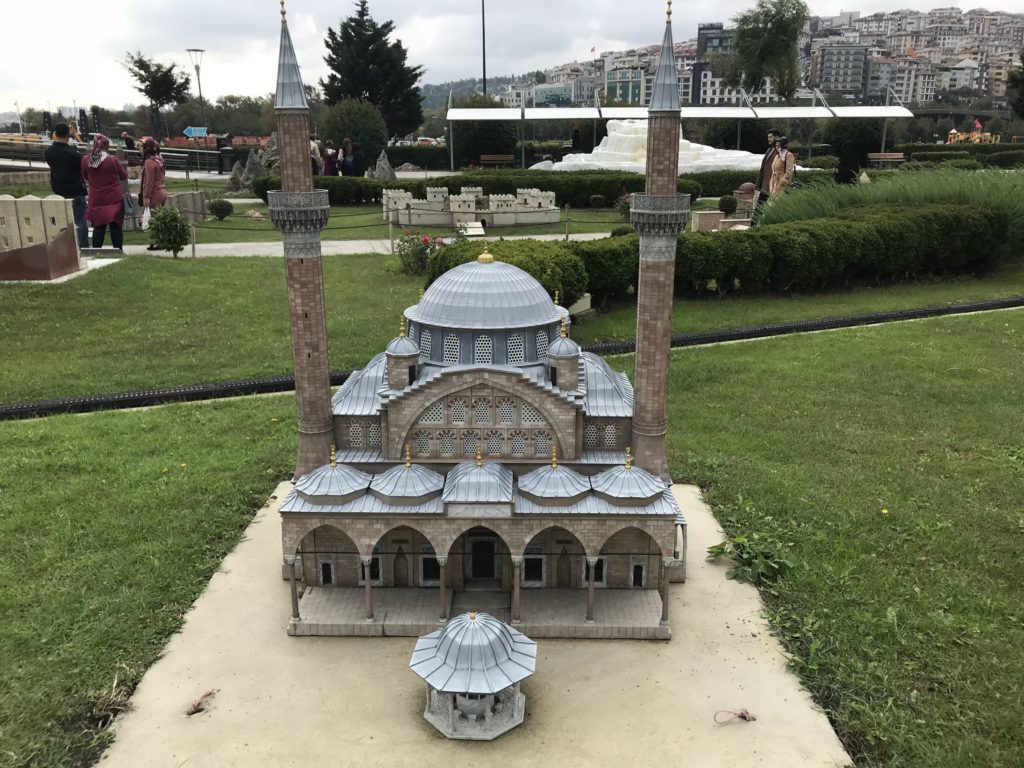
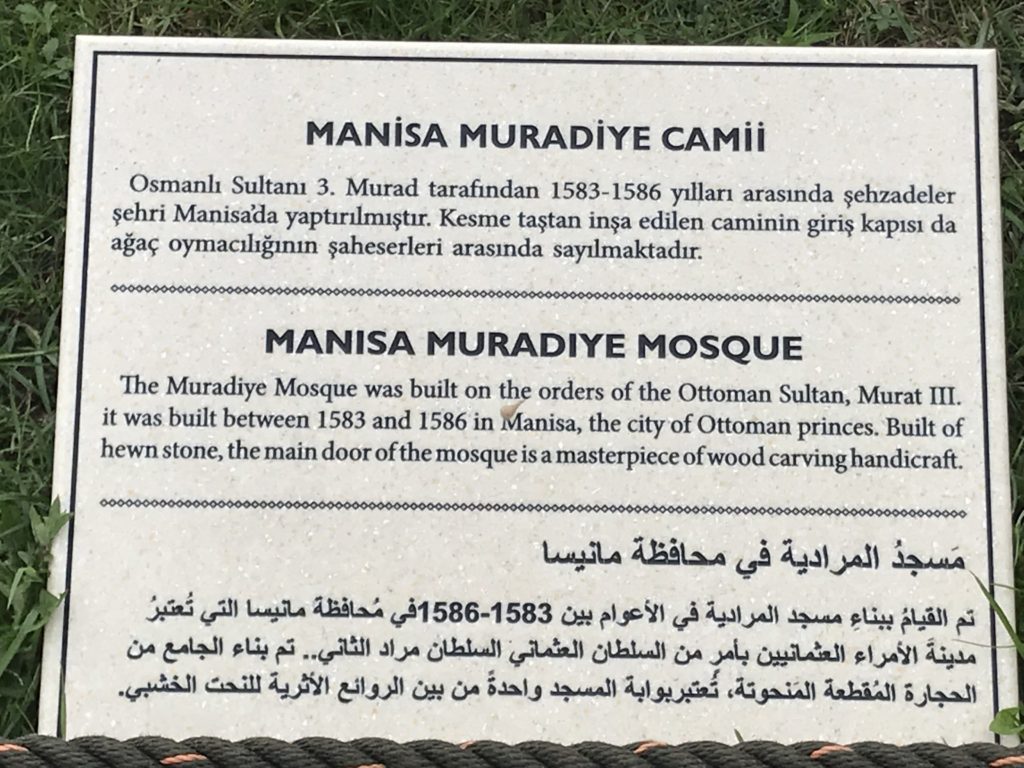
Muradiye Mosque in Manisa
The Muradiye Mosque was built by Ottoman Sultan Murad III from 1583 – 1586. It is located in Manisa, which is known as the city of Ottoman princes. It was designed by the legendary architect Sinan.
The mosque is made of cut stone. The entrance gate is considered a masterpiece of wood carving.
Check out my blog Visiting Hagia Sophia in 2024: Ticket Price + Opening Hours.
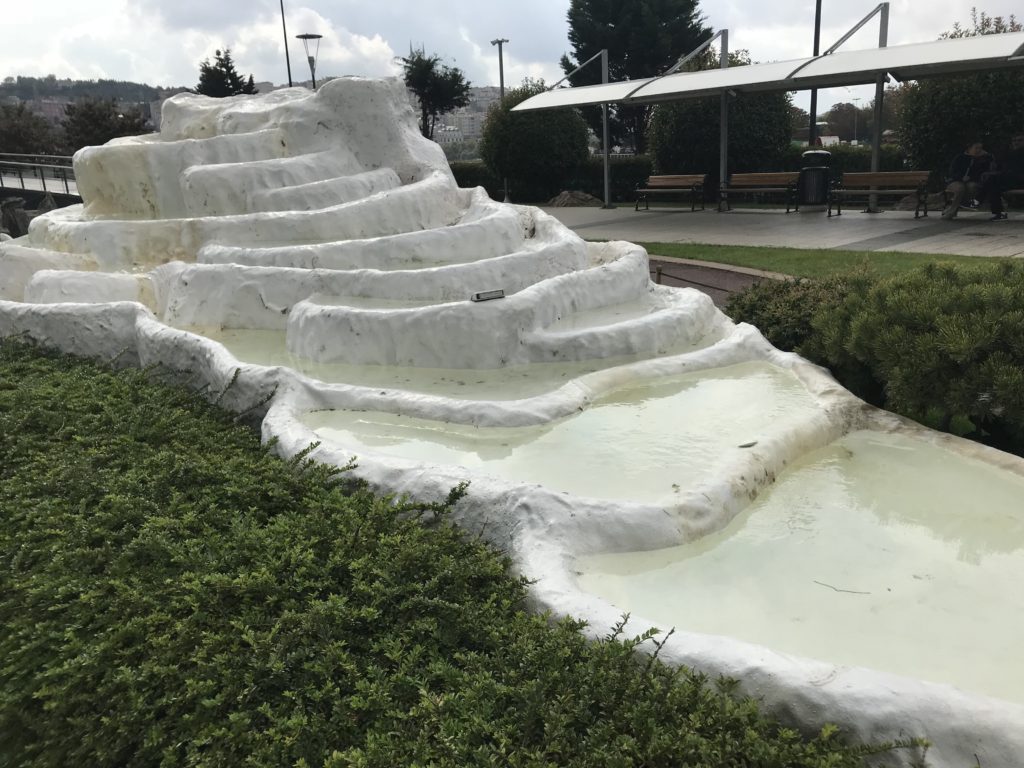
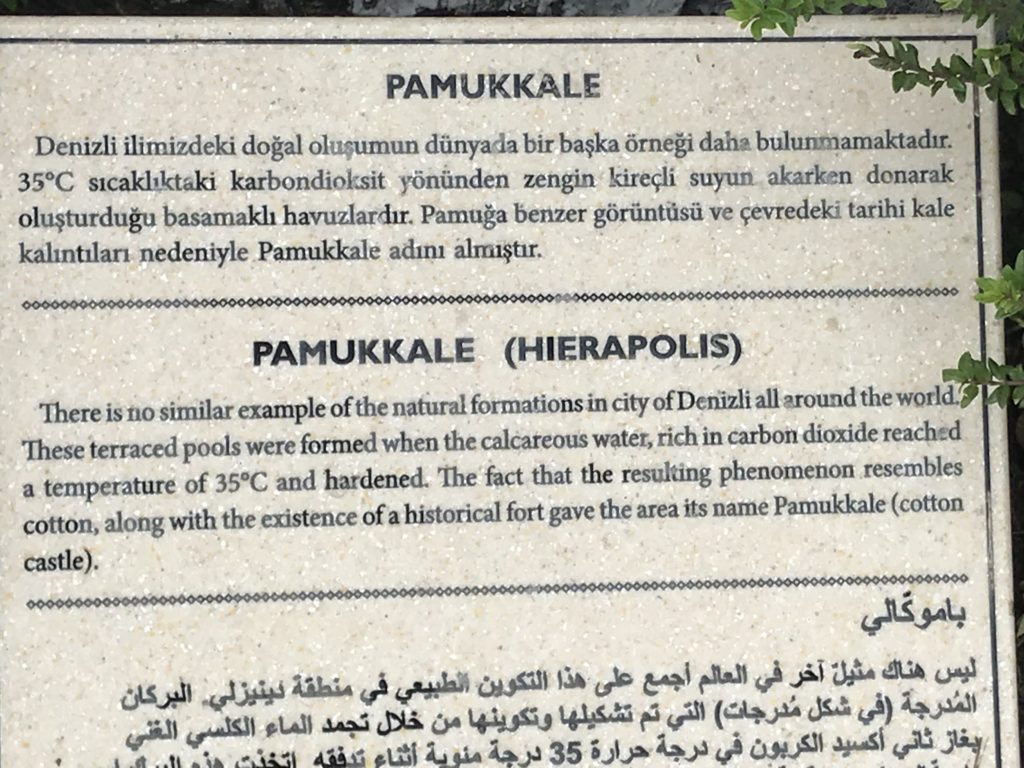
Pamukkale
Pamukkale is known for its white and blue terraced calcium pools. The natural formations are not found anywhere else in the world!
The pools are created when calcareous water (rich in carbon dioxide) reaches 95°F and hardens. They are an incredible 8,860 feet long, 1,970 feet wide, and 525 feet high.
The area is called Pamukkale (which means “cotton castle”) due to their cotton-like appearance and the ruins of the historical castle in its vicinity.
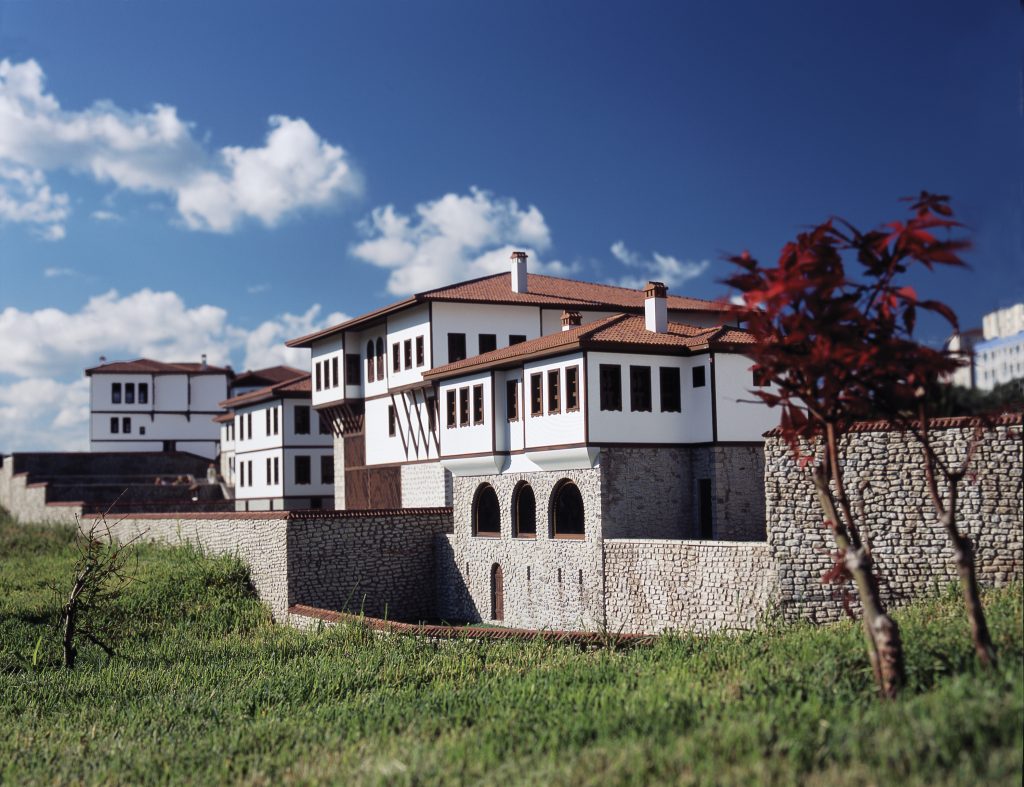
Safranbolu Houses
The town of Safranbolu was an important caravan stop on the main East–West trade route from the 13th – 20th century. It is named after the nearby saffron fields.
The Ottoman era houses and architecture are so well preserved it is now an open air museum popular with tourists.
The first floor of the houses are made of stone. They serve as support walls for the wooden upper floors. The houses are adjacent to the curved, sloping, dead-end streets.
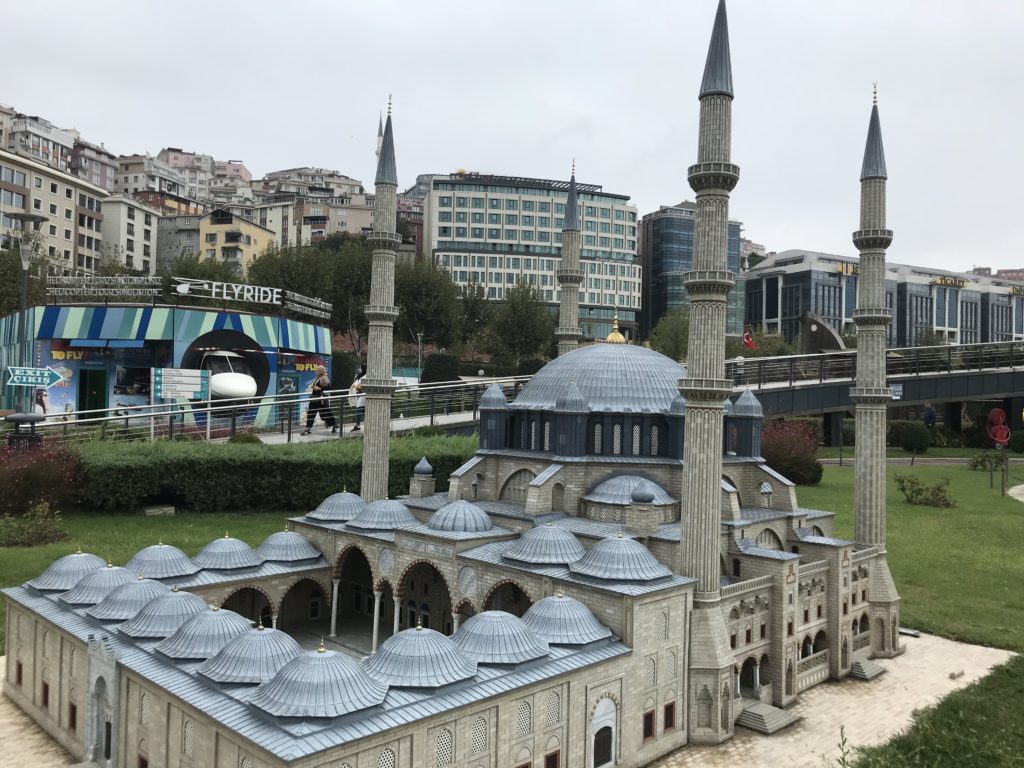
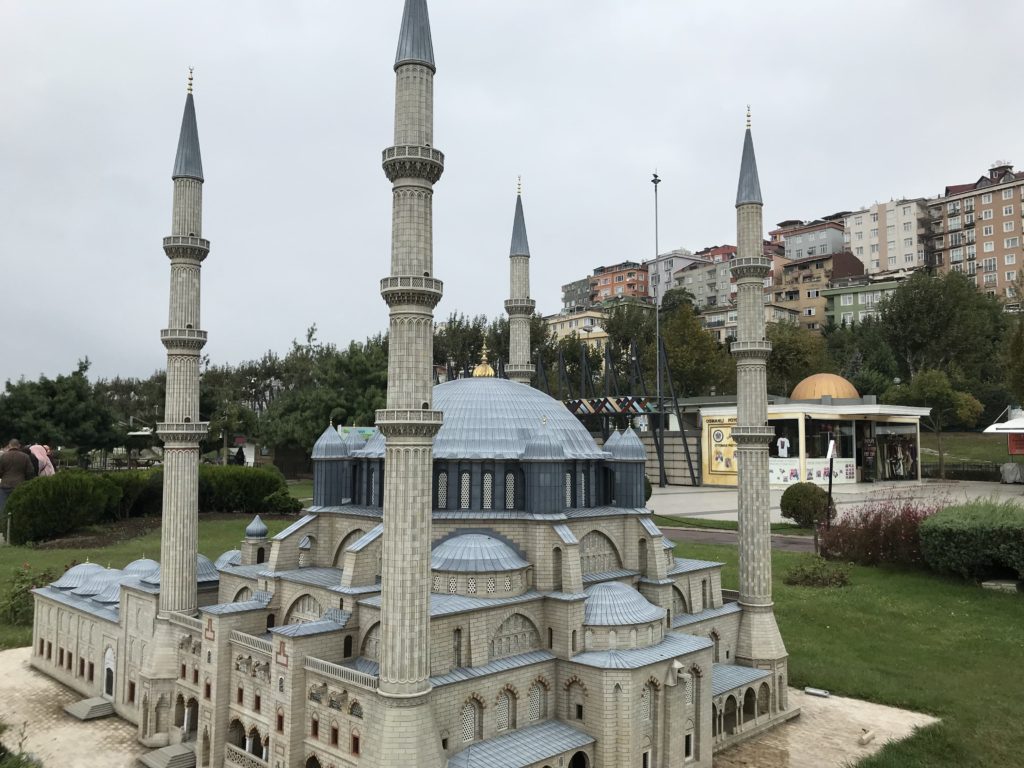
Selimiye Mosque
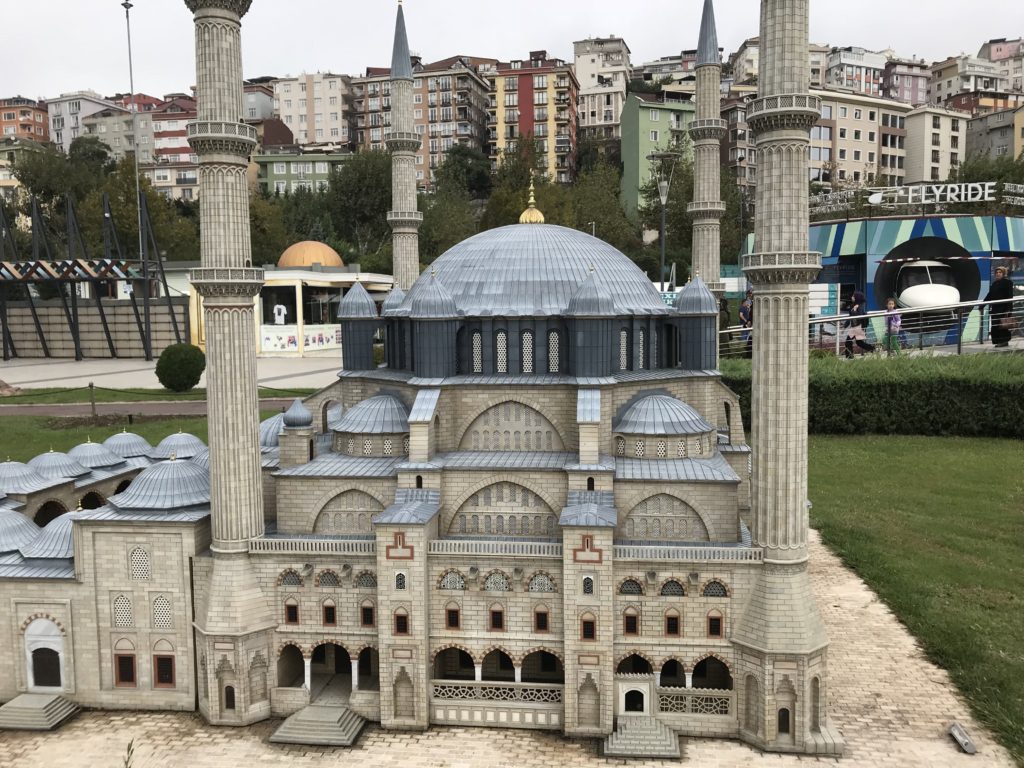
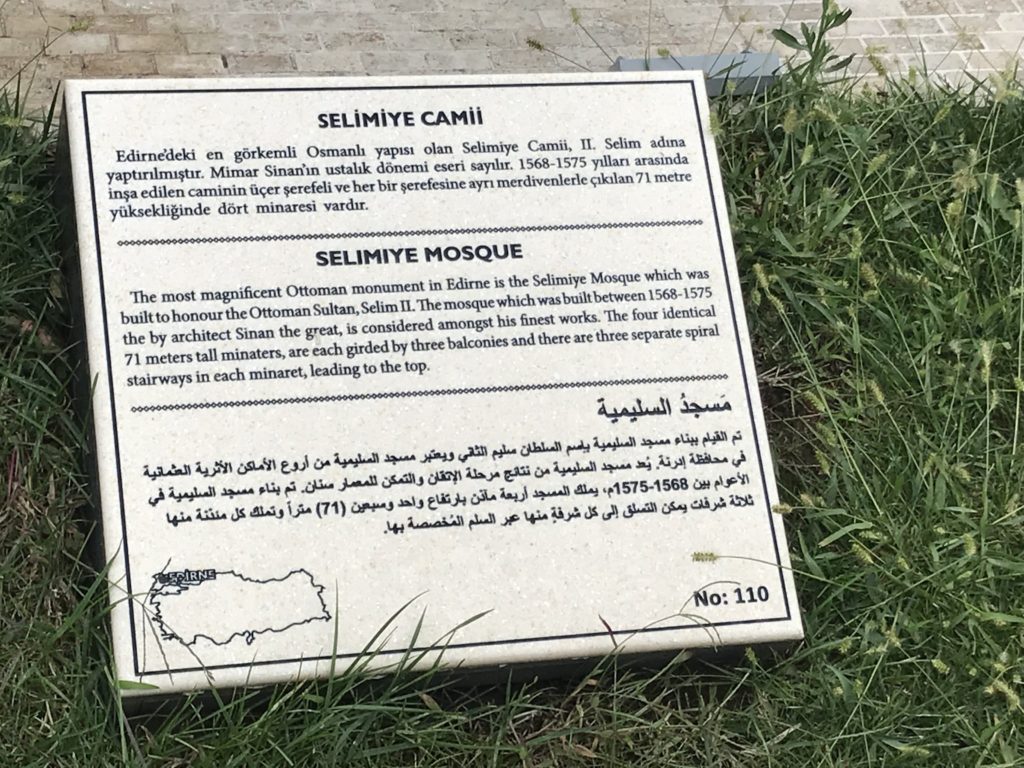
The Selimiye Mosque in Edime was built in 1575. It was built in honor of Ottoman Sultan Selim II, the son and successor of Suleiman the Magnificent.
Selim chose Edirne instead of the Ottoman capital of Istanbul for his sultanic mosque. Probably because Islamic scholars at the time said a sultan had to command a victorious battle to build a mosque in Istanbul.
The Selimiye Mosque is the most magnificent Ottoman structure in Edirne It is known as the masterpiece of legendary architect Sinan’s work.
The mosque has 4 minarets and 3 balconies that have their own separate stairscase.
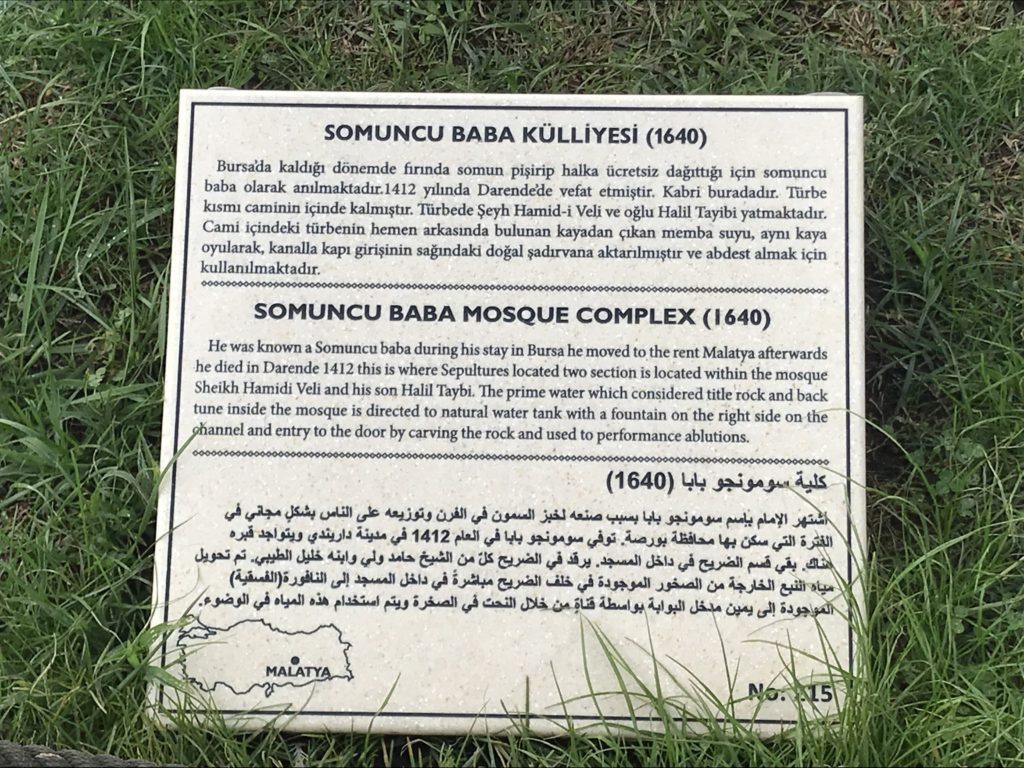
Somuncu Baba Complex
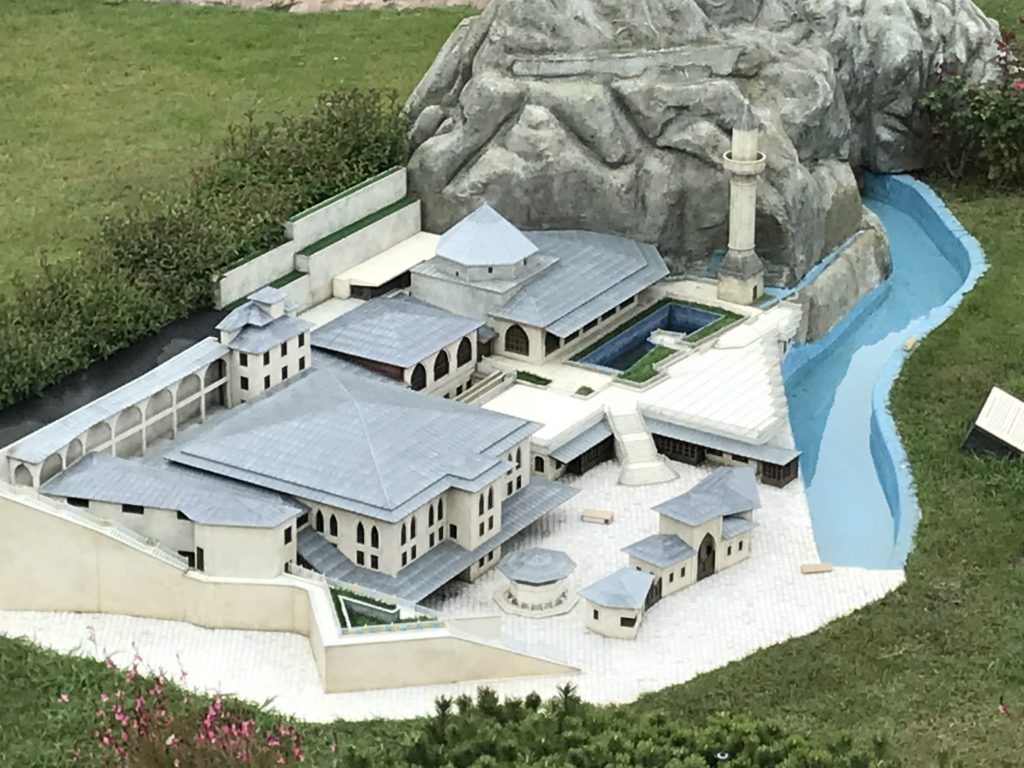
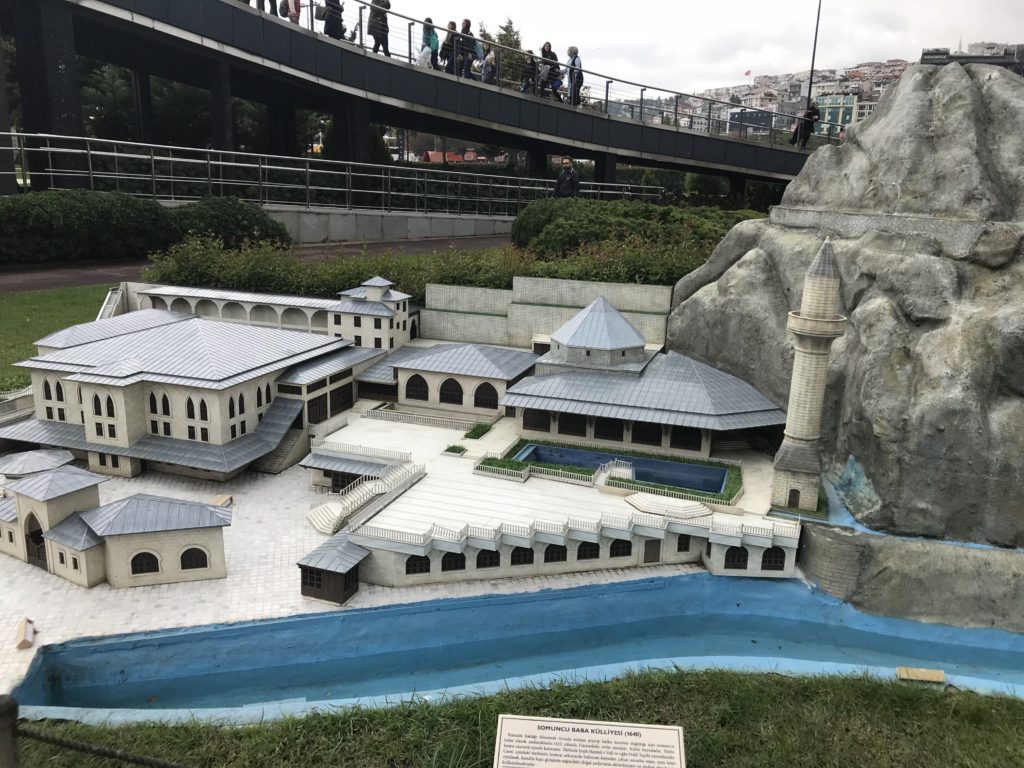
The Somuncu Baba Complex in Darende is the final resting place for Sheikh Hamid-i Veli, known as Somuncu Baba. A famous Muslim scholar, he taught at the Great Mosque in Bursa (above). His students include Hacı Bayram-ı Veli (also above).
Legend has it Baba was a relative of the Muslim prophet Mohammed. He distributed loaves of bread free of charge to the public during his stay in Bursa, where he died in 1412,
The complex is located among the steep cliffs. The nearby Tohma Creek fed the fountain near the entrance that was used for ablution.
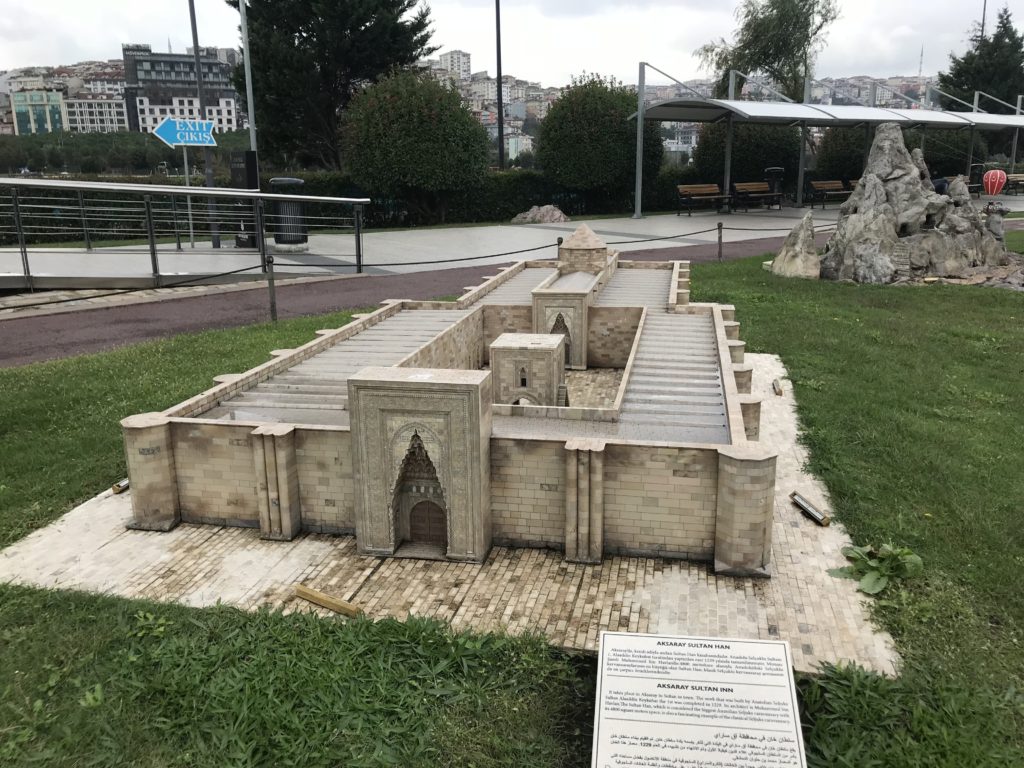
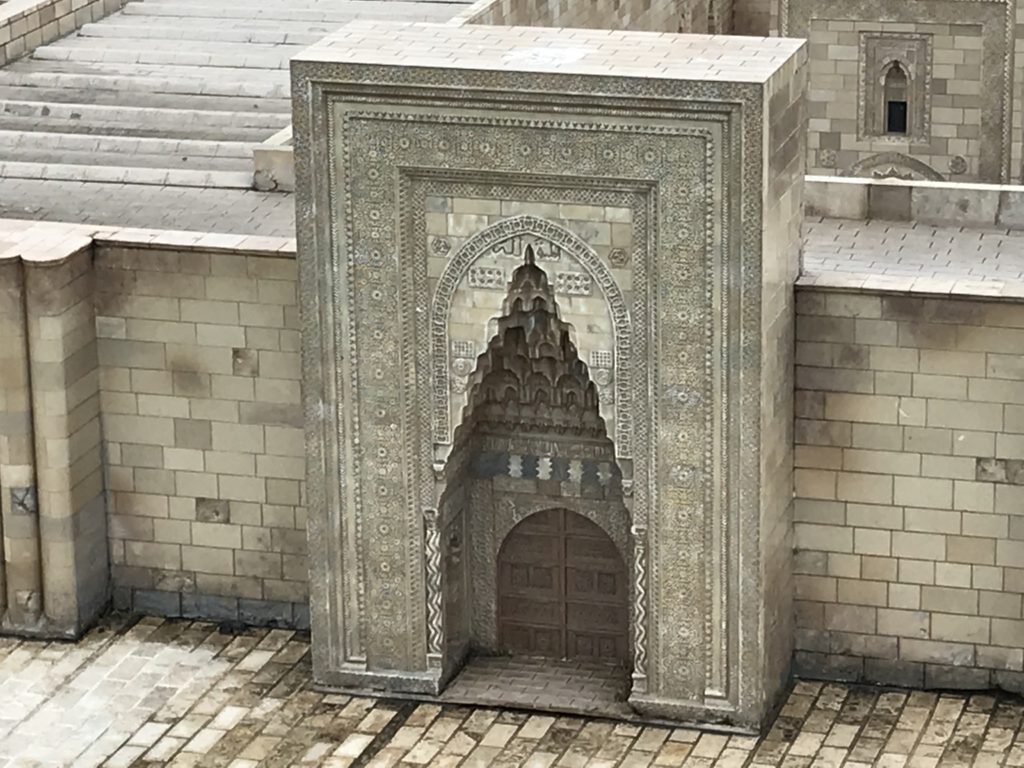
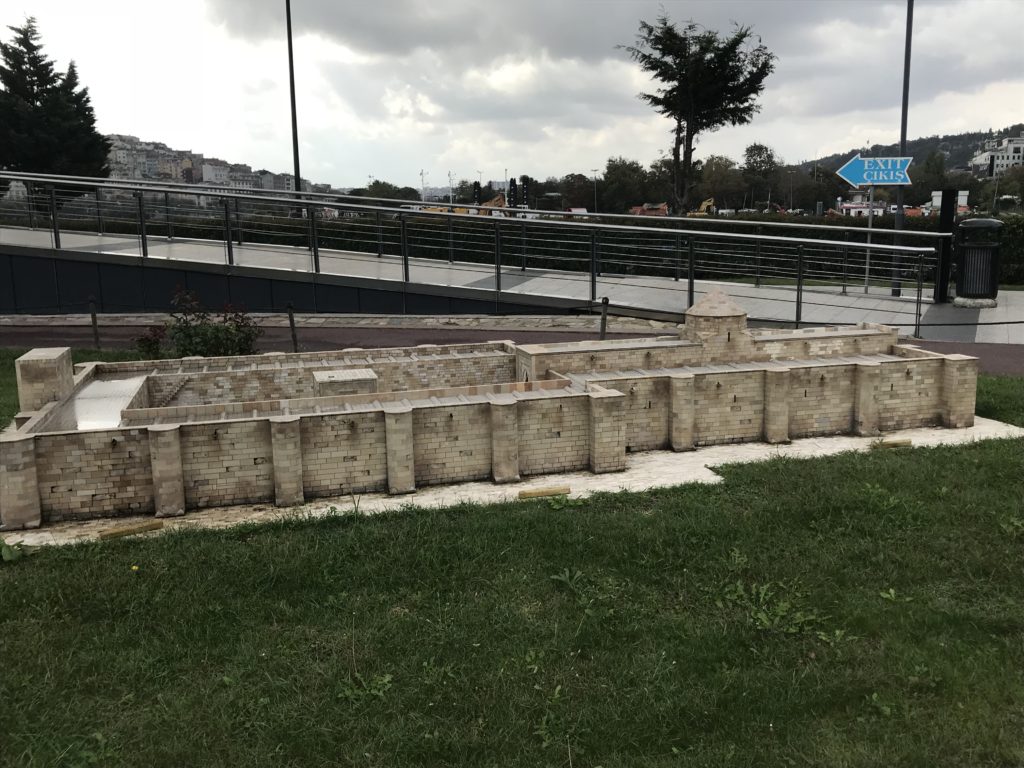
Sultanhanı Caravanserai
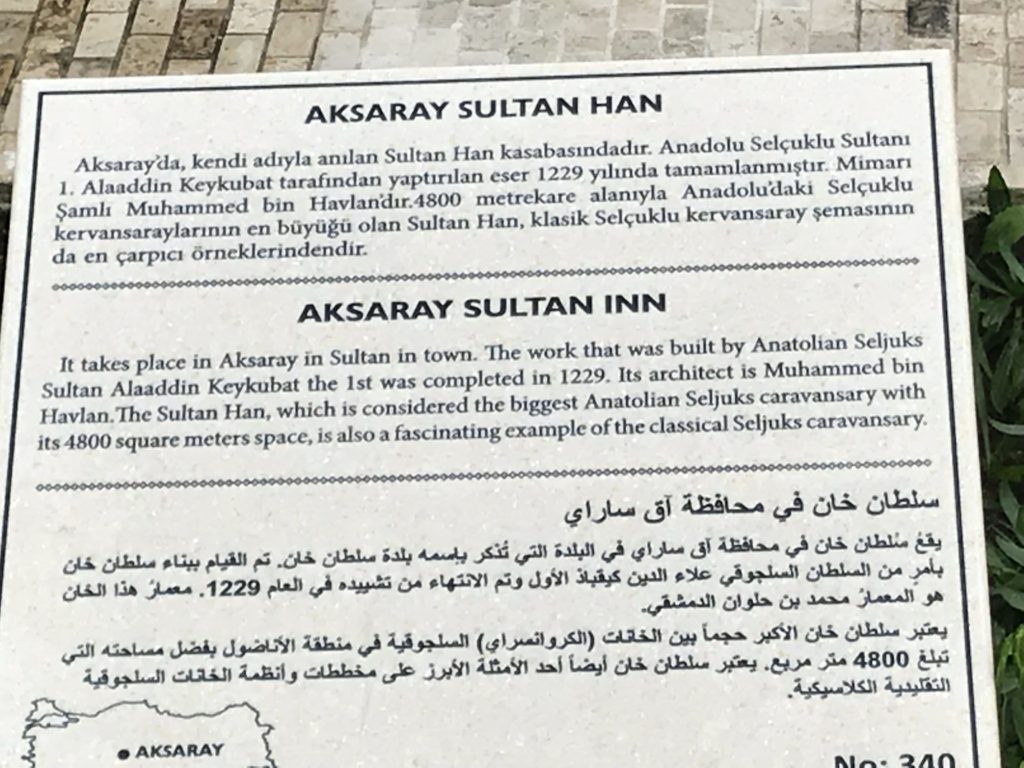
The Sultan Han Caravanserai was built by Seljuk Sultan Alaeddin Keykubad I in 1229. It is located in in the town of Sultan Han, Aksaray,Province. The word “Han” means “inn” in Turkish, so the translation is Sultan’s Inn.
The caravanserai was located along the trade route from Konya to Aksaray and Persia. The largest Seljuk caravanserais in Anatolia, it is considered one of the best examples of Seljuk architecture in Turkey. Note that the trader’s pack animals stayed inside the inn.
I visited the Sultanhanı Caravanserai on my Gate 1 Turkey tour in 2018!
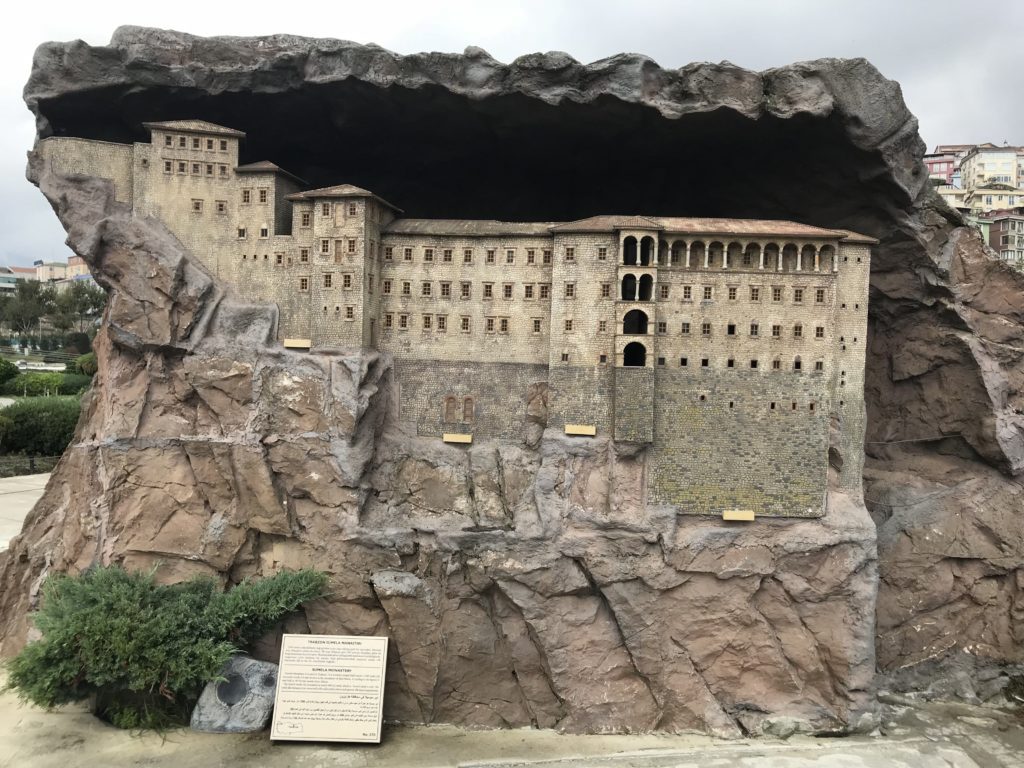
Sumela Monastery in Trabzon
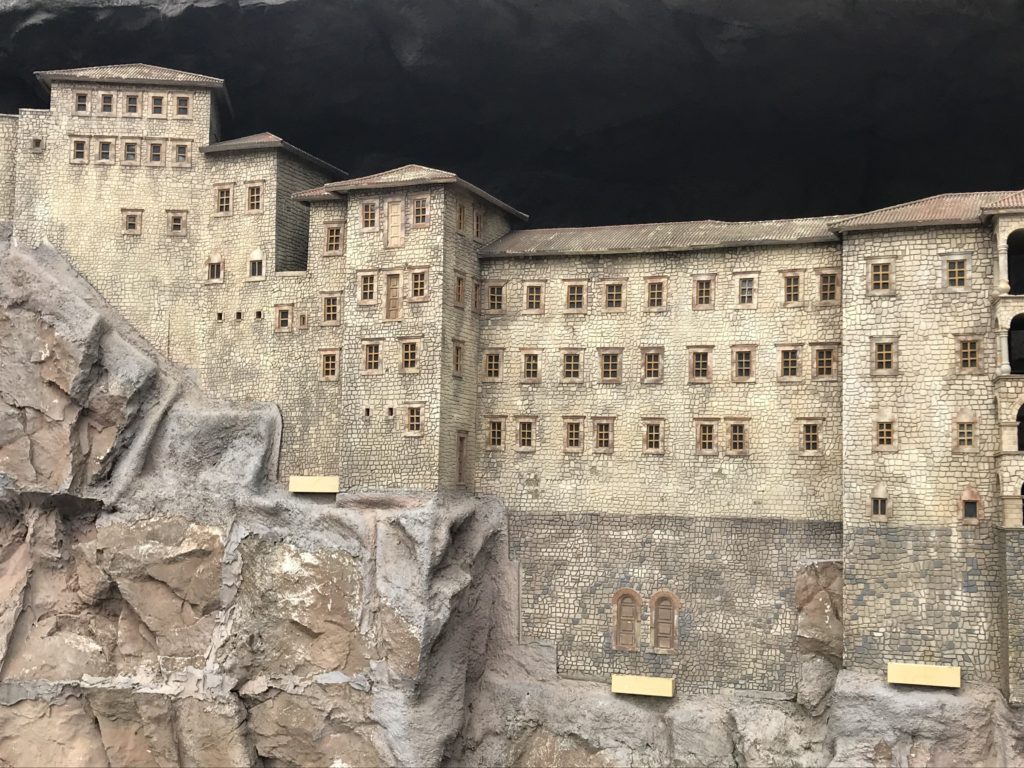
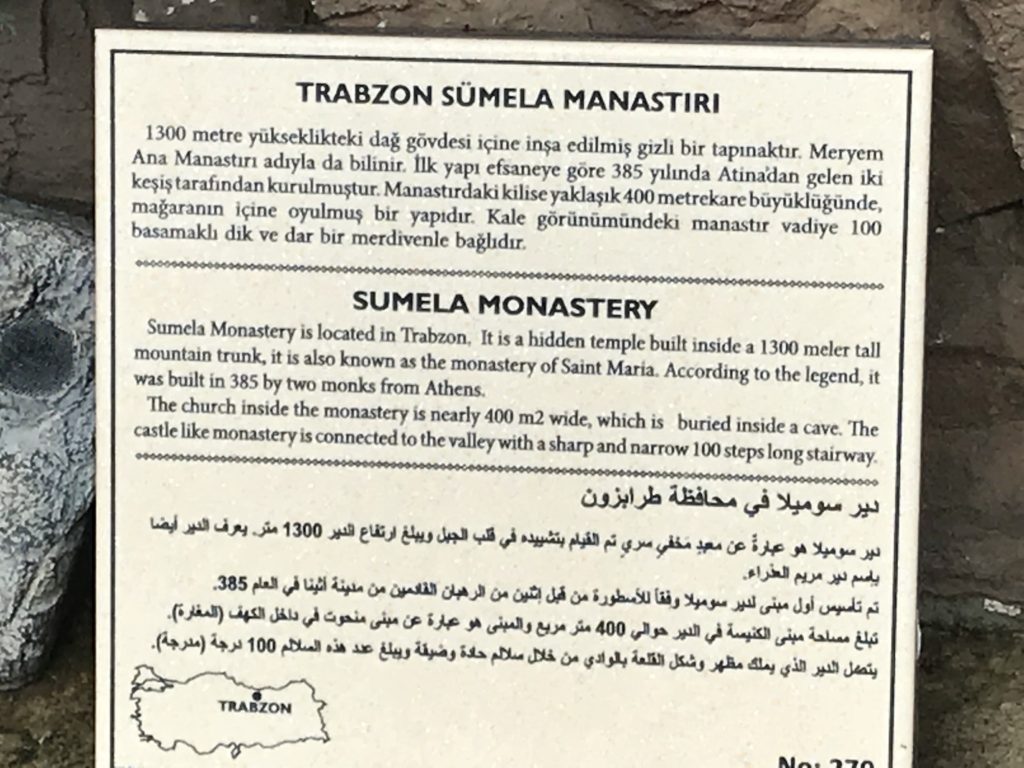
The Sumela Monastery in Trabzon is a Greek Orthodox monastery that was built in 385 A.D. Dedicated to the Virgin Mary, it is built in the side of a 3,900 foot cliff!
According to legend, the monastery was built by two monks from Athens named Barnabas and Sophronios. The church in the monastery is carved into a cave. The monastery looks like a castle and is connected to the valley by a steep, narrow staircase with 100 steps.
It is known for an icon of the Virgin Mary called Panagia Gorgoepekoos, which is said to have been painted by the Apostle Luke.
Temple of Artemis
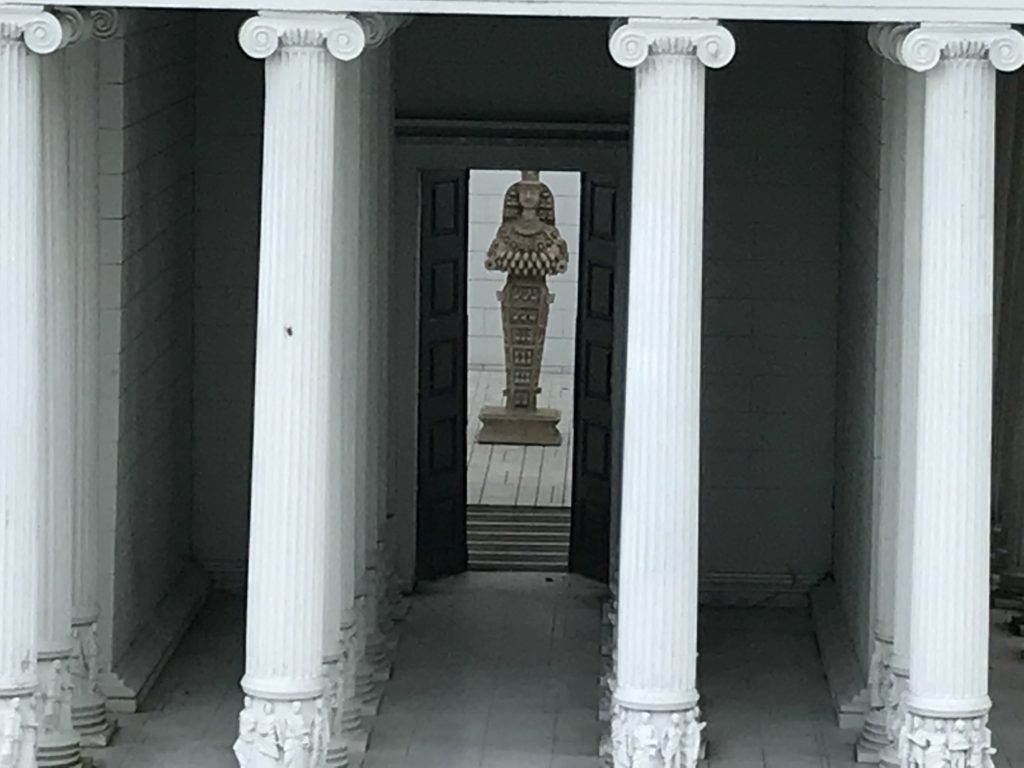
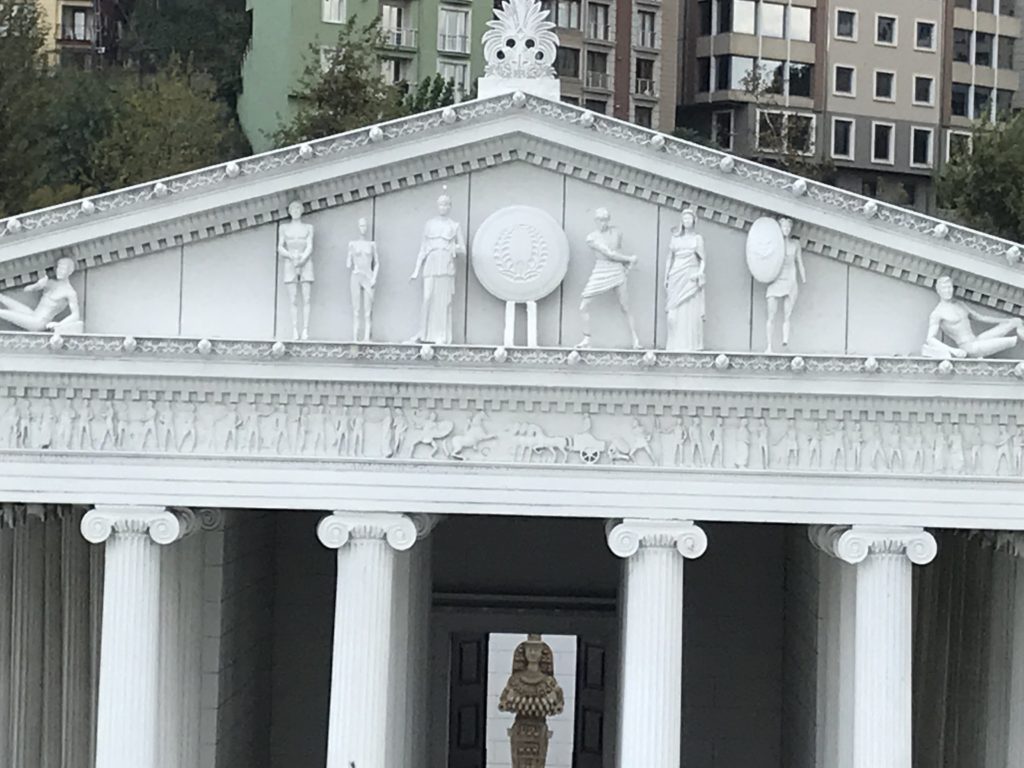
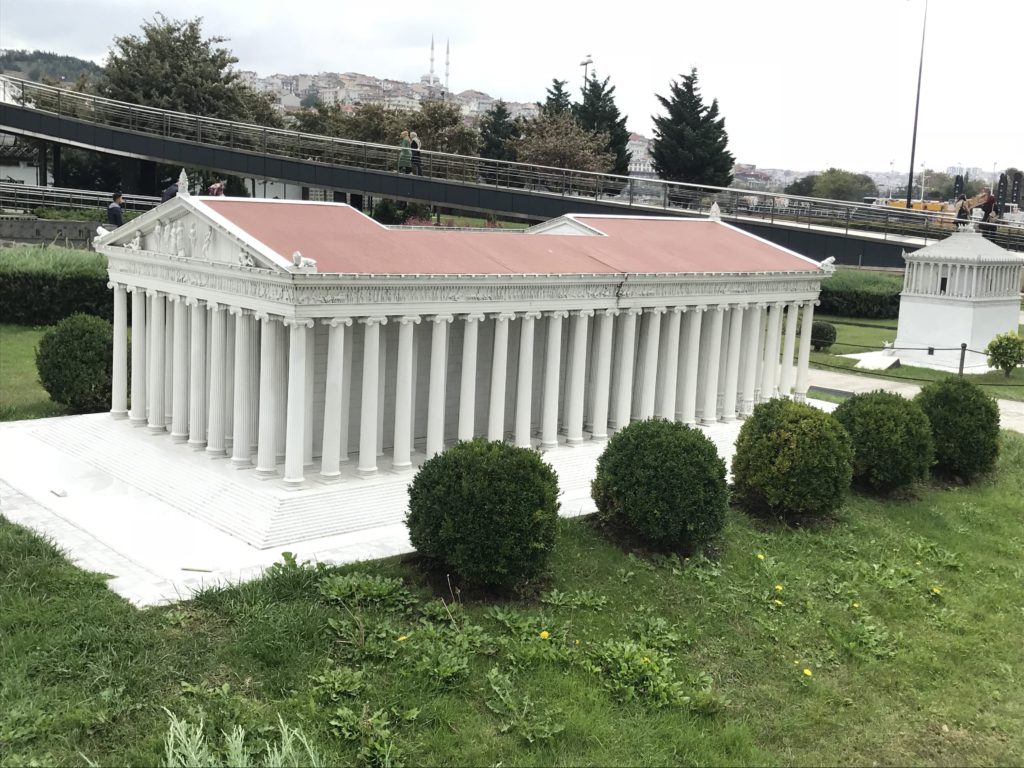
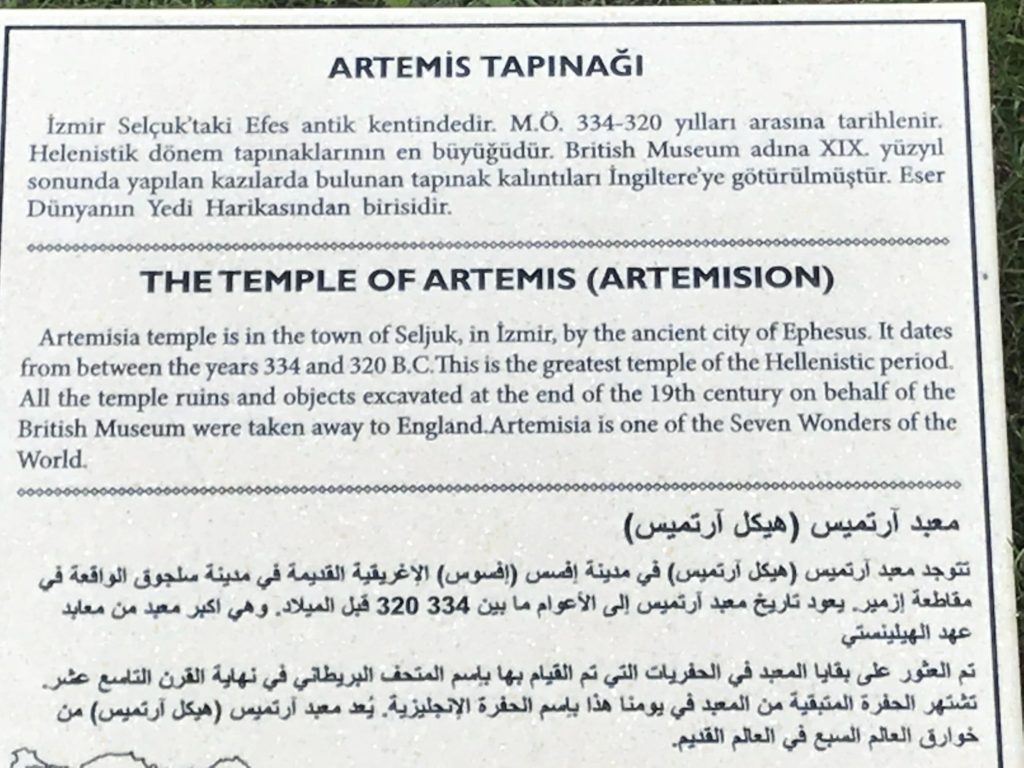
The Temple of Artemis is a temple built for the Greek goddess Artemis (the Roman goddess Diana) from 334 – 320 BC IIt is located in the ancient city of Ephesus in Selcuk, which is modern day Izmir.
1 of the 7 Wonders of the Ancient World, it is the largest of the Hellenistic period temples. Remains of the Temple of Artemis are currently on display at the British Museum in London.
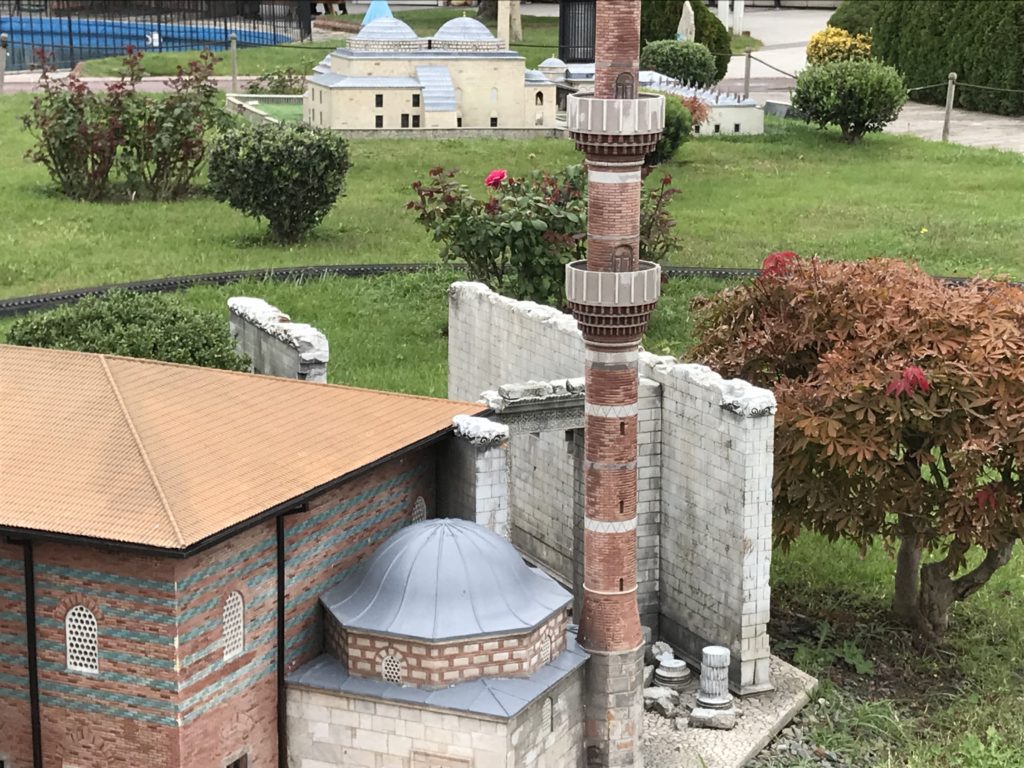
Temple of Augustus
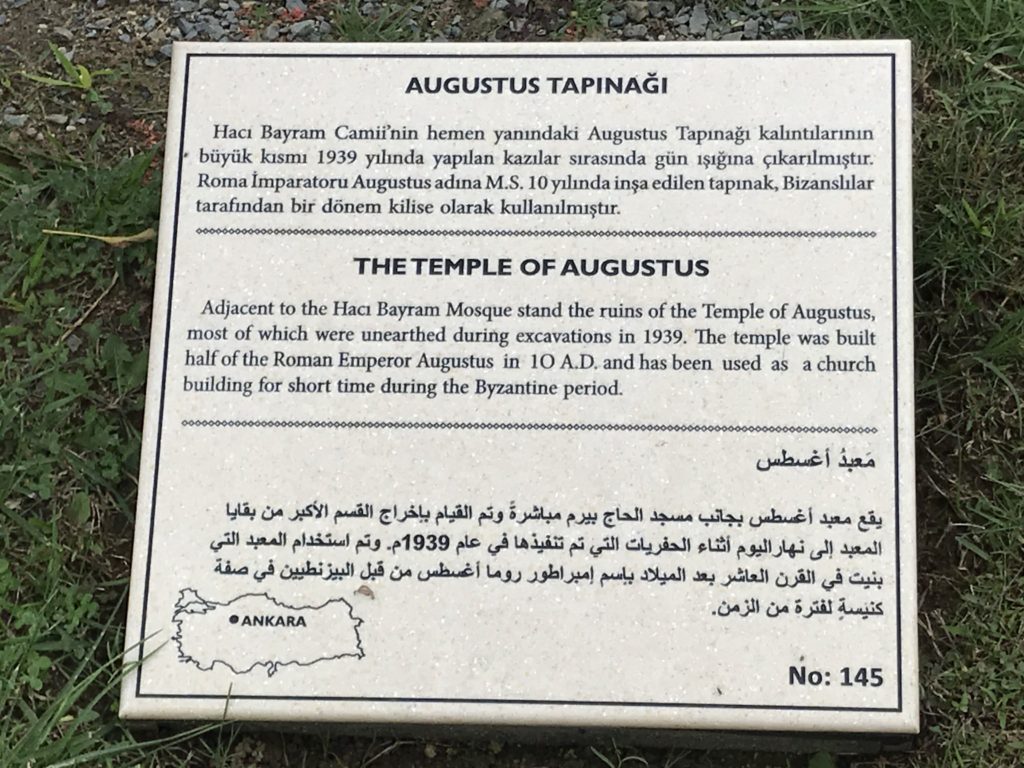
The Temple of Augustus is a Roman temple in Ankara that was built from 25-20 B.C. It is dedicated to Emperor Augustus Rome’s first emperor.
Throughout history, the conquerors build houses of worship on top of the conquered. Accordingly, Temple of Augustus.
Originally built as a place to worship Emperor Augustus (62 B.C. – 14 A.D.), it was used as a church during the Byzantines period. The Hacı Bayram Mosque is currently located at the site.
Twin Minaret Madrasa in Erzurum
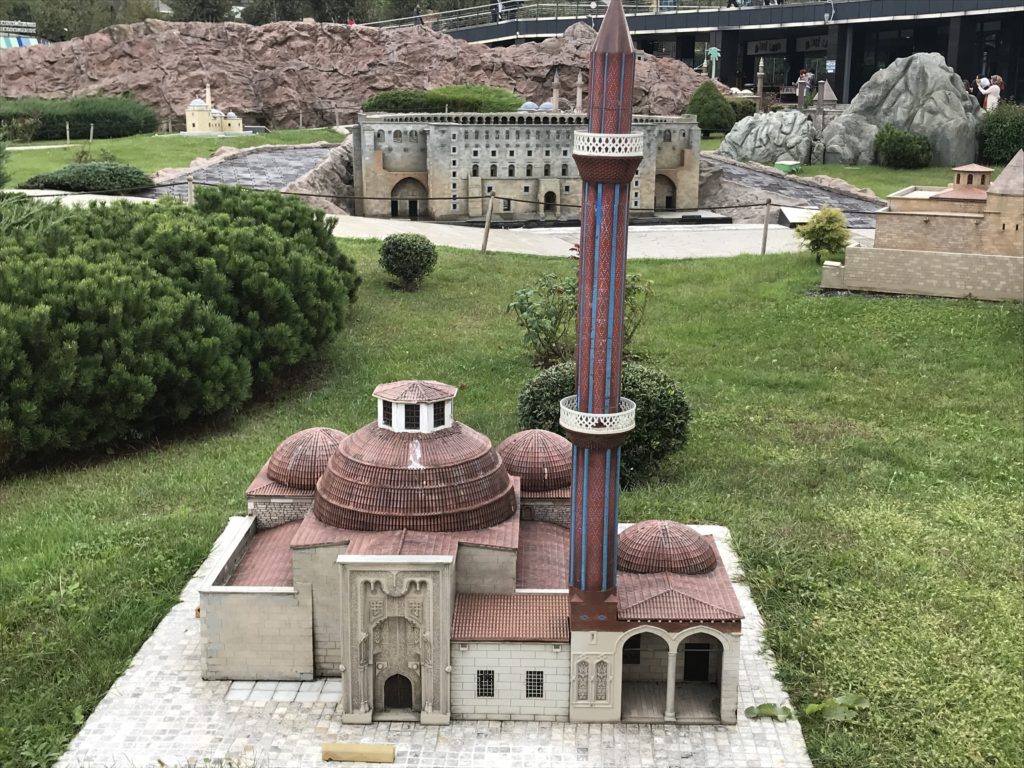
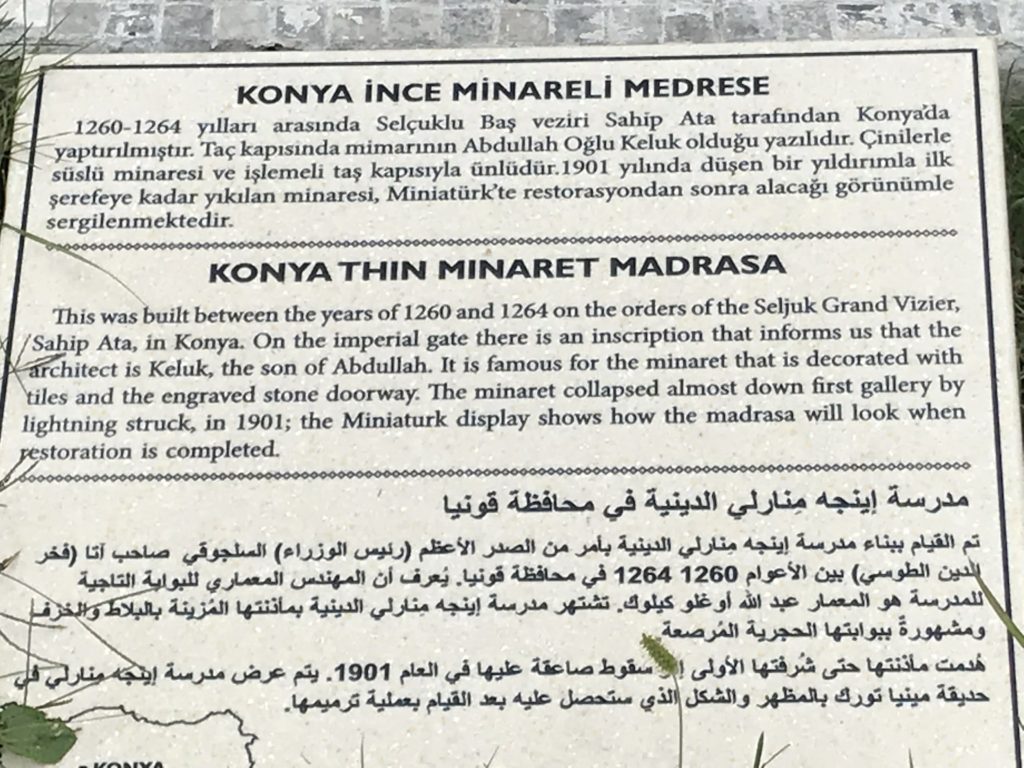
The Twin Minaret Madrasa in Erzurum is an Islamic school that was built between 1270 – 1291. It is named after its two fluted minarets.
According to the inscription on the portal, it was built by Hüdavend Hande Hatun, the daughter of Seljuk Sultan Alaeddin Keykubad I. (I love her name!) The panel on the right side of the entrance has a double-headed eagle.
Sultan Murad IV (1612 – 1640) later converted the building into a cannon foundry.
In 1846 the building was converted back to a madrasa. It was used as a madrasa until the founding of the secular Republic of Turkey in 1923. It then became a museum in 1942.
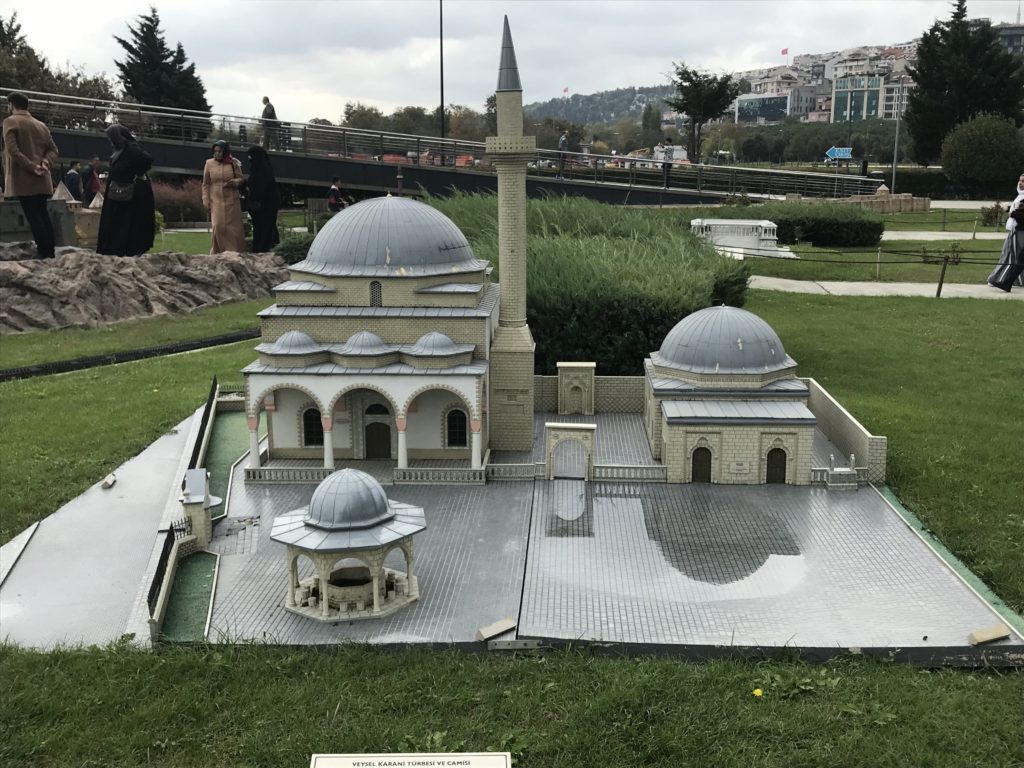
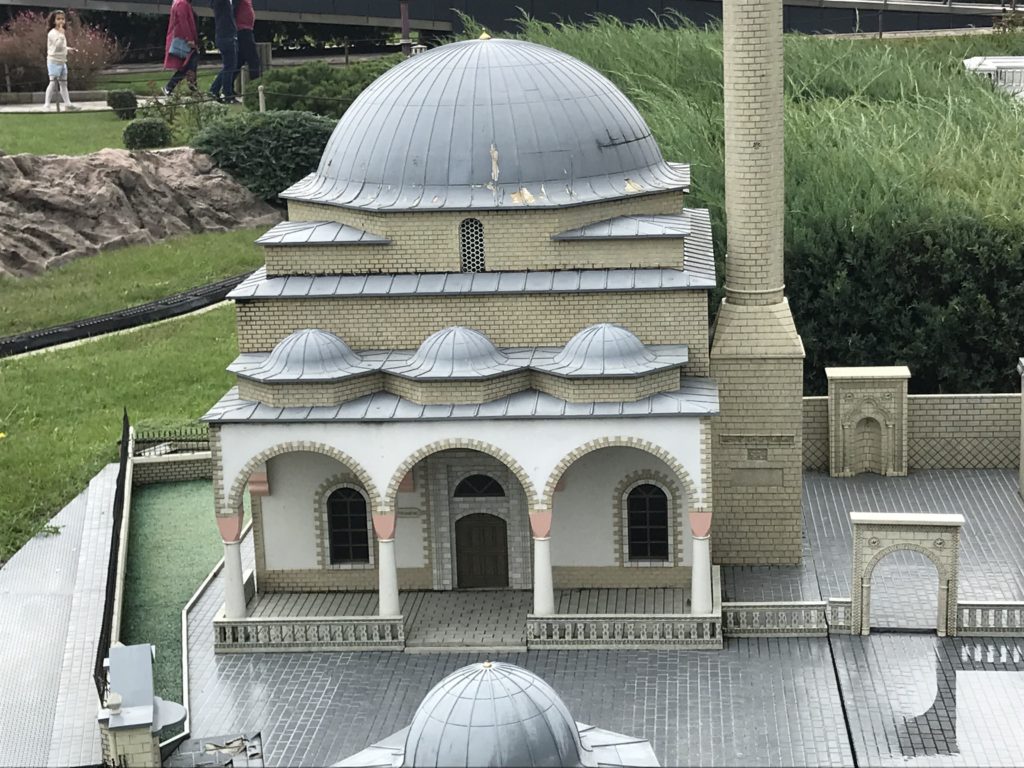
Veysel Karani Tomb and Mosque
Veysel Karani was a contemporary of the Prophet Mohammed. His tomb near Siirt, Turkey is a popular tourist destination.
Karani is famous for travelling from his home in Yemen to Medina, Saudi Arabia to visit Mohammed – who he had never met – but the prophet was not there. The prophet then sent Karani his cardigan as a gift.
Karani died in the Battle of Siffin in 657. He fought on the side of Ali, the fourth caliph who was the cousin and son-on-law of Mohammed.
3 tribes came to take Karani’s body. So there is a tomb for him in 3 different countries – Yemen, Syria, and Turkey. His tomb in Damascus, Syria was destroyed by ISIS in June 2014.
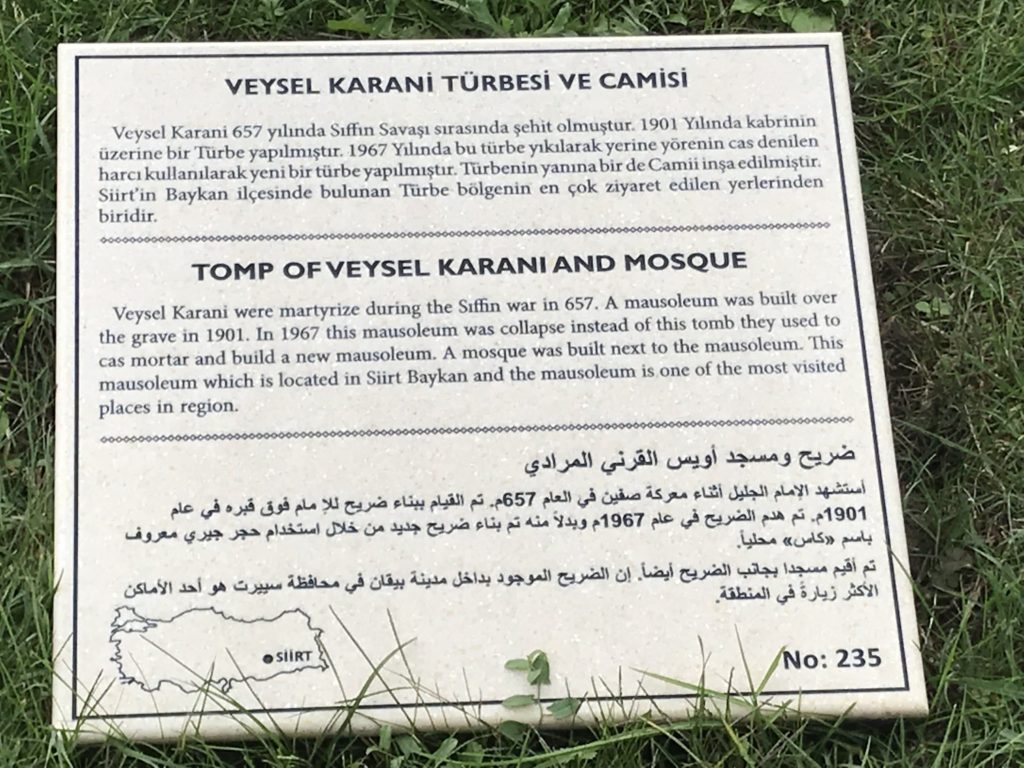
In 1901 a domed tomb was built over Karini’s grave near Siirt, Turkey. It was built with a locally manufactured plaster called “cas.” In 1967 the tomb collapsed and was rebuilt, along with a mosque.
Yivli Minaret Mosque in Antalya
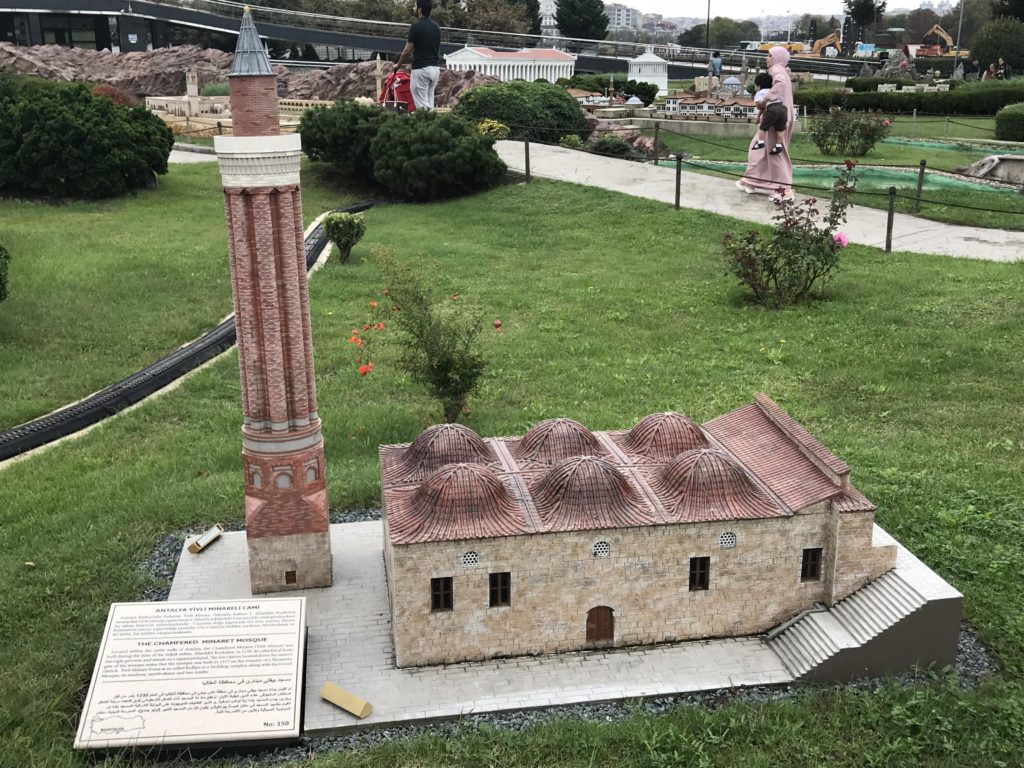
The Yivli Minaret Mosque in Antalya was built I n1230 by Seljuk Sultan Alaaddin Keykubat I.
The mosque’s fluted minaret (known as the Yivli Minare) is decorated with dark blue tiles. The minaret can be seen from all areas of Antalya, so it has become the symbol of the city.
The original mosque was destroyed in the 14th century. A new mosque was built in 1373 by the Hamidids on the foundation of a Byzantine church. The inscription on the eastern gate of the mosque says that it was built in place of a Byzantine Church.
In addition to the mosque, the complex contains a madrasah, the Mevlevi House, and two tombs. And it houses the Antalya Ethnographic Museum which features clothing, kitchen utensils, embroidery, tapestries, ornaments, and nomadic tents.
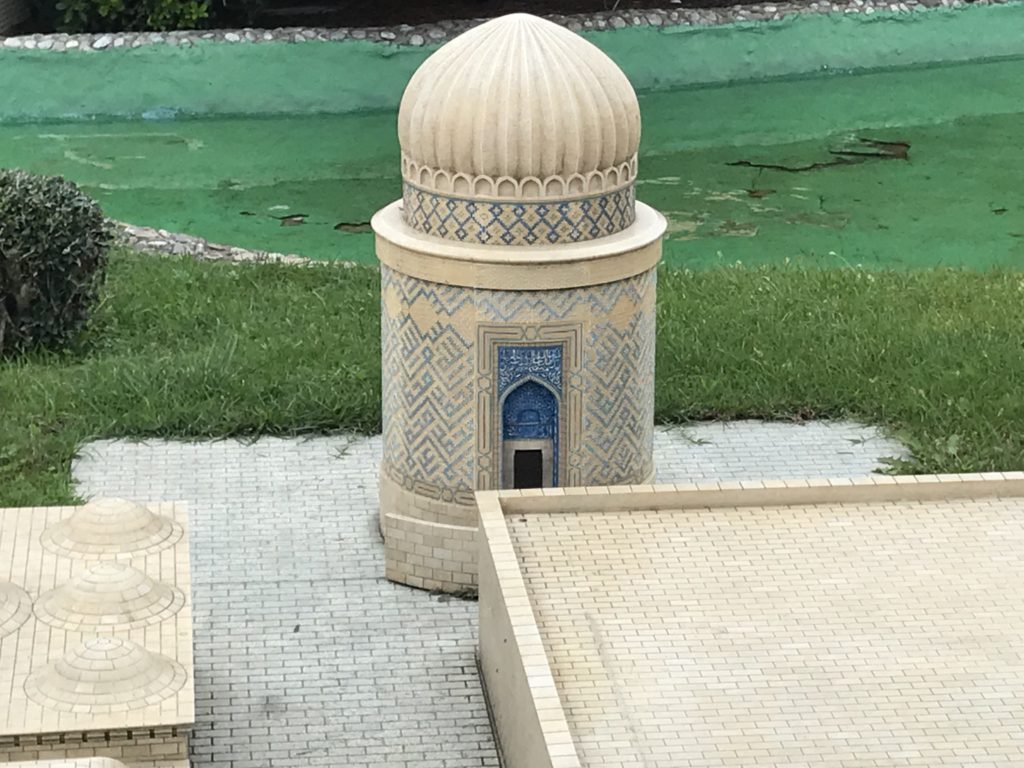
Zeynel Bey Tomb
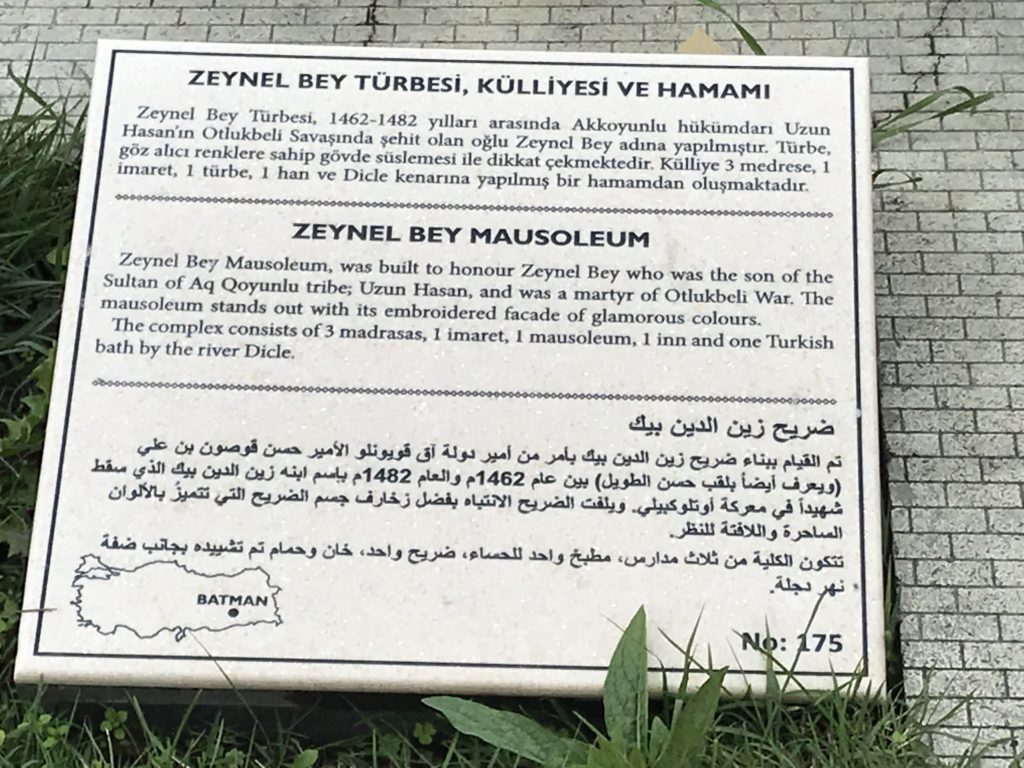
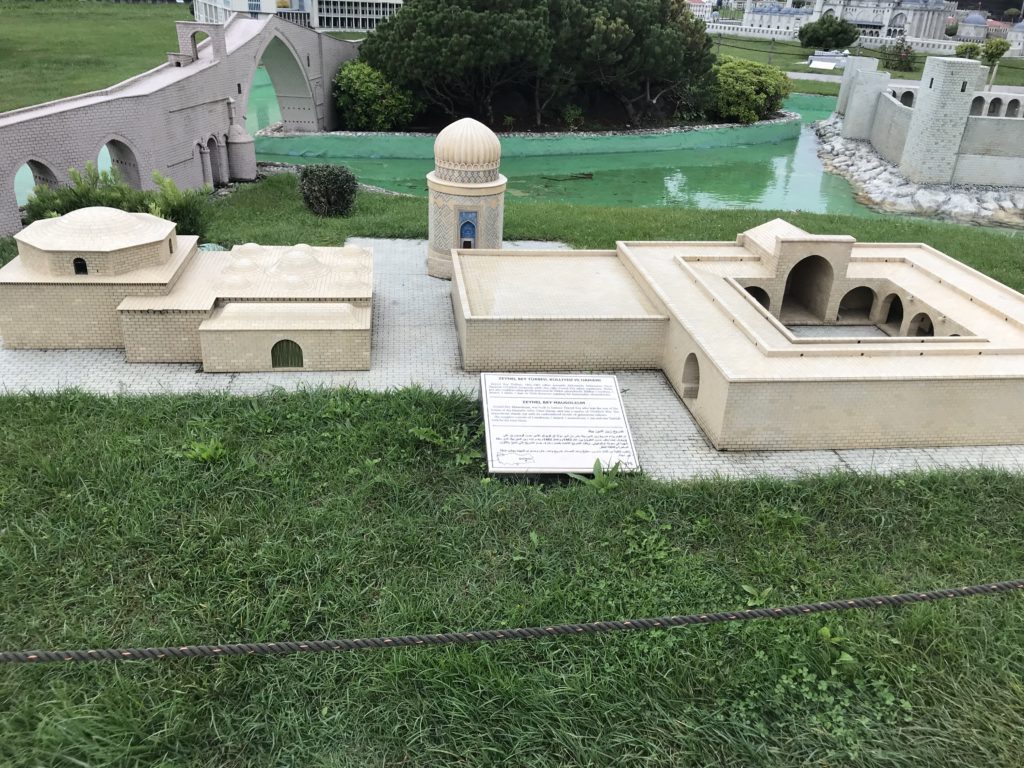
The Tomb of Zeynel Bey was built in 1475 on the north bank of the Tigris River in Batman, Turkey.
According to the inscription, it was built for Zeynel Bey, who was killed in the Battle of Otlukbeli on August 11, 1473. He was the son of Bahadır Han Hasan Bey, the Uthe ruler of Akkoyunlu from 1462-1482.
The tower’s intricate tile work and commanding position over the Tigris River make it one of the region’s main tourist attractions.
The complex consists of 3 madrasahs, 1 imaret (public soup kitchen), 1 tomb, 1 han and 1 bath built on the banks of the river.
In 2017 the tomb was moved a mile away, and over 200 feet higher in elevation. This was done to protect it from a massive reservoir that will flood the Tigris River Valley when the controversial Ilısu Dam becomes operational.
Ziraat Bank
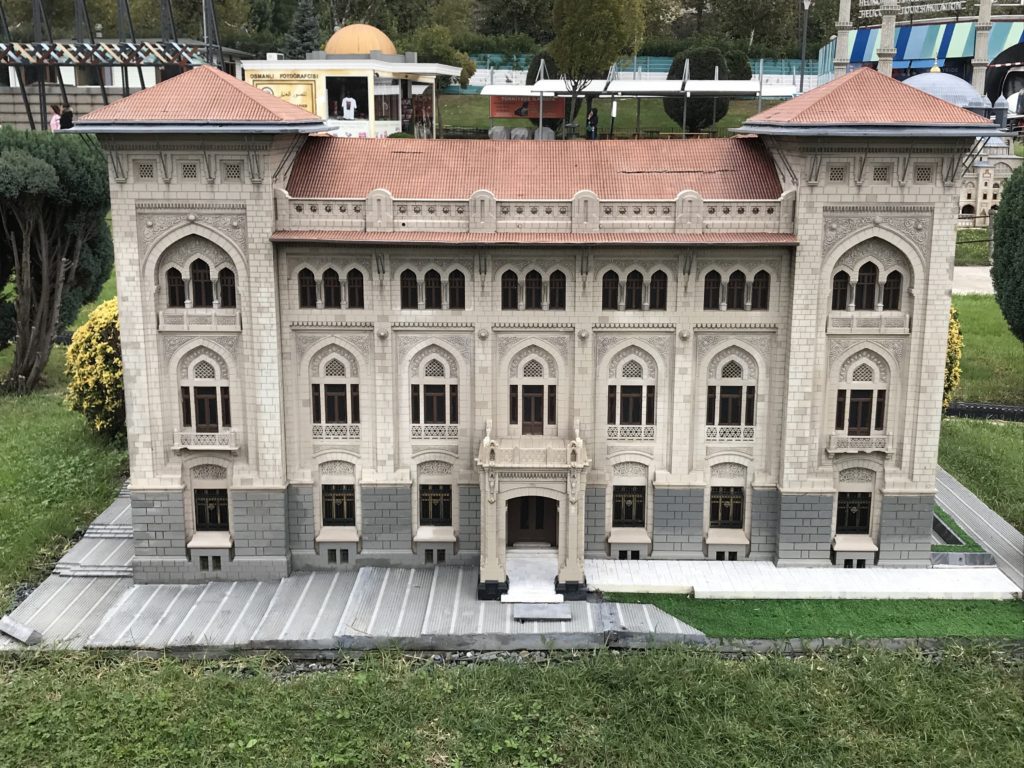
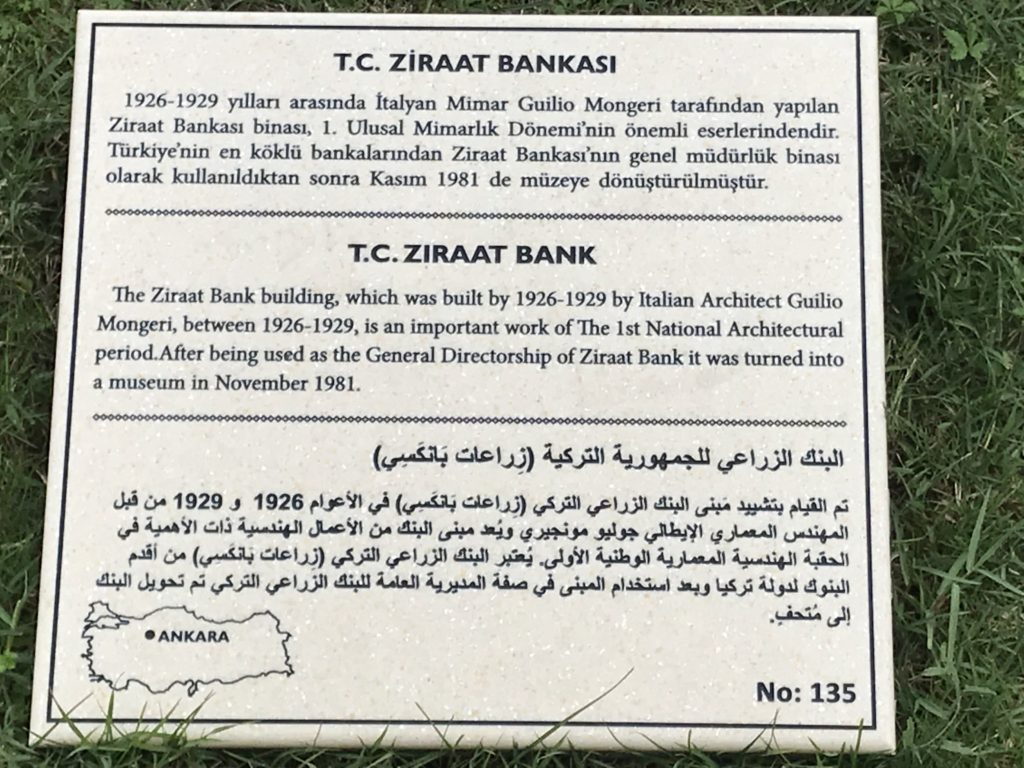
Ziraat Bank is a Turkish state owned bank founded in 1863. Its headquarters building (built between 1926-1929) is one of the important works of the First National Architectural Period.
The building was converted into a museum in November 1981.
➡️Explore Best Of İstanbul Europe Side In One Day
FAQs
How long should I spend at Miniaturk?
If all you want to do is take a quick look at the miniature models, you could spend as little as 1-2 hours.
However, if you are interested in history and architecture (especially Turkish), you should allocate 2 to 3 hours or more. Especially if you want to take pictures and read the signs next to each item.
I read each sign and took several pictures of each miniature, and it took me 10 hours.

Does Miniaturk have an audio guide app?
Yes, there is an Audio Guide Mobile Application service available for the replicas exhibited at Miniaturk. You can download it on your smartphone from the Apple Store or Google Play.
The app features custom trip routes and real-life location information about all of the works on display. It’s available in 9 languages – Turkish, English, Spanish, Arabic, Persian, French, German, Russian, and Japanese.
Where is Miniaturk located?
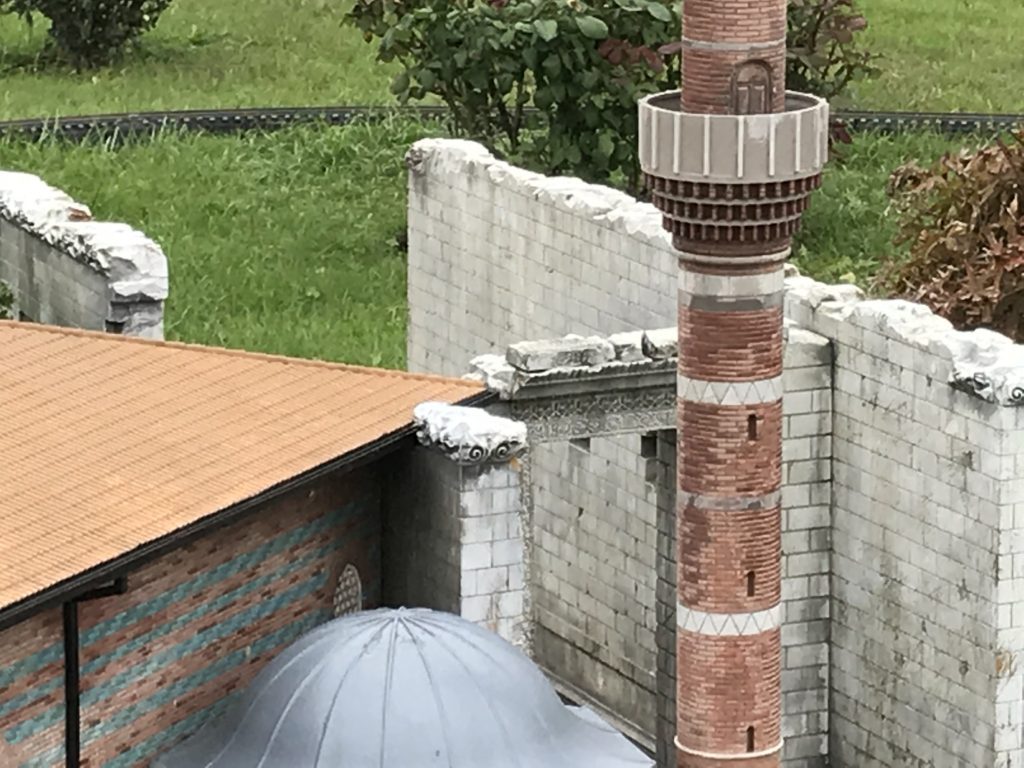
Miniaturk is located in the Beyoglu District (on the northeastern shore of the Golden Horn) in Istanbul, Turkey.
How big are the miniatures at Miniaturk?
The miniatures are built at a scale of 1/25, meaning they are 25 times smaller than the actual structures.
Final Thoughts
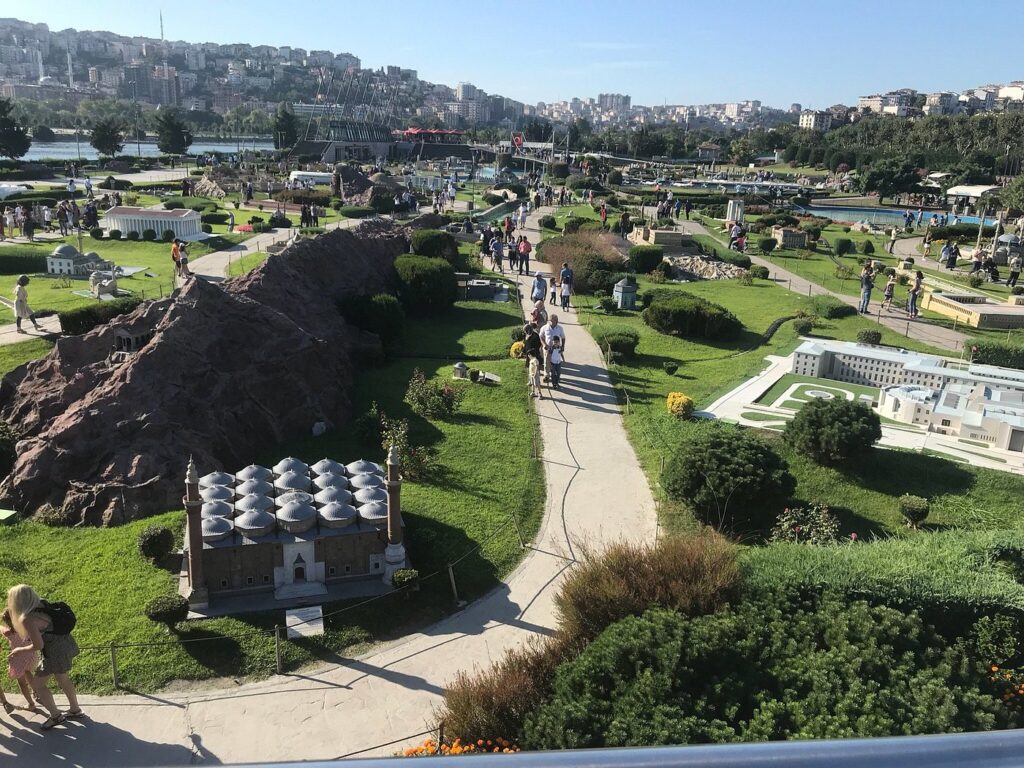
Miniaturk Park offers an impressive collection of miniature models, providing a unique experience for visitors of all ages. It’s a comprehensive and fascinating journey through Turkey’s and neighboring regions’ cultural and historical landscapes.
If you have the Istanbul Tourist Pass, admission to Miniaturk is included. Comfortable footwear is recommended for exploring the extensive park grounds.
It’s a must-visit for anyone interested in Turkey’s rich history and architectural heritage, conveniently showcasing iconic landmarks in a compact setting.
Check out my blog Top 20 Things to Do in Istanbul – Capital of 3 Empires.