Ultimate Guide to St Augustine – The First U.S. Colony
Thinking of visiting St Augustine, Florida?
Then you’ve come to the right place! I have spent countless hours exploring this historical gem. (Think Juan Ponce de Leon and the Fountain of Youth).
Founded in 1565 by Spanish explorers, St Augustine is the oldest city in the U.S. And it is North America’s First Colony – even older than Plymouth Rock!
Things to do include the Castillo de San Marcos National Monument, the Ponce de Leon “Fountain of Youth” Archaeological Park, the historic Hotel Ponce de Leon, and the Villa Zorayda.

Plan Your Trip With My Favorite Resources
– Best accommodation site: Booking.com
– Book day tours here: Viator.com
– Purchase travel insurance here: SafetyWing
Read on to learn both the History and the Top Things to Do in St Augustine!
St Augustine History
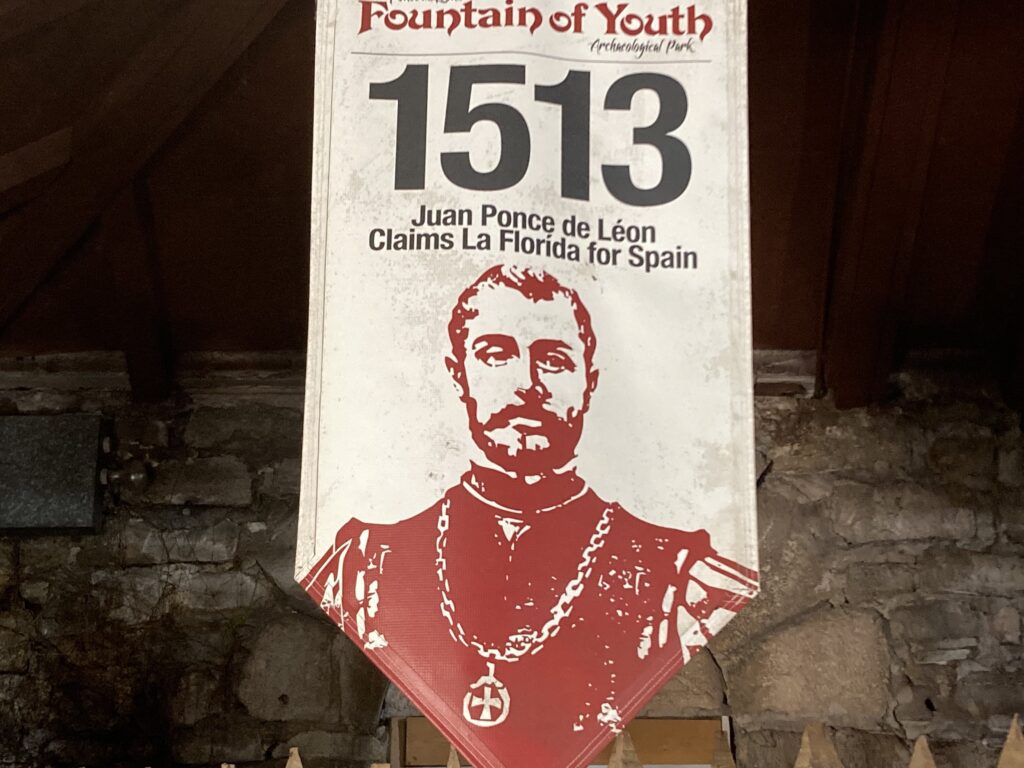
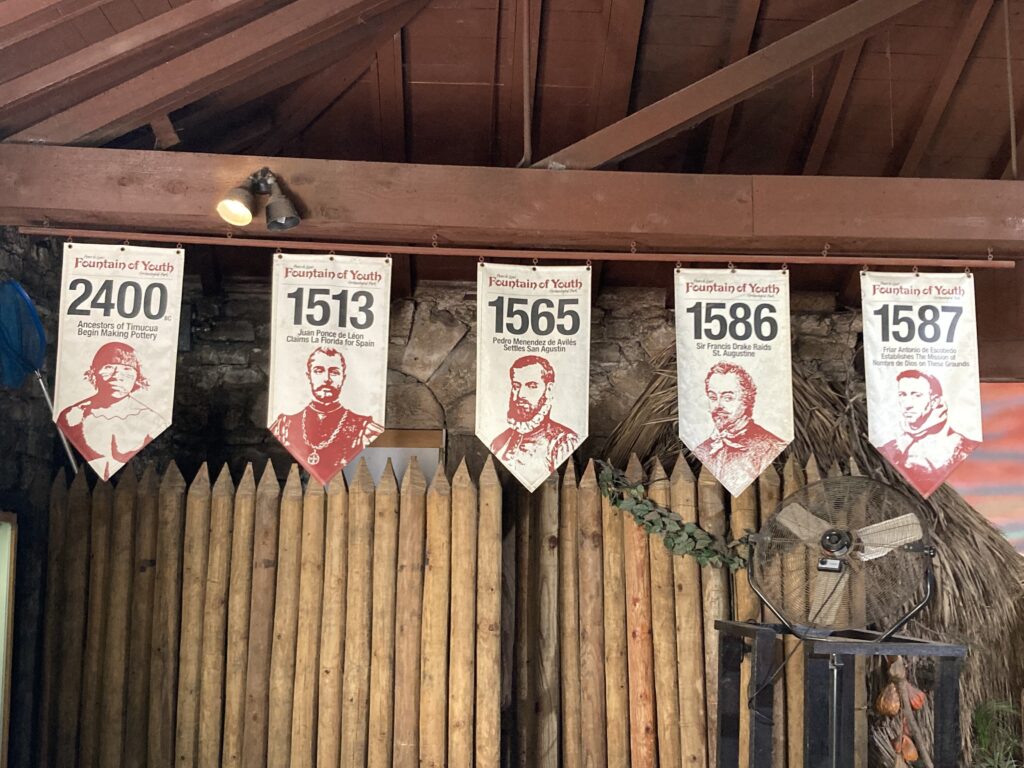
Like every place in the U.S., the Native Americans were there first. The Timucua Indians have lived in the St Augustine area for thousands of years. The first European to set eyes on the area was not until 1513 when Spaniard Juan Ponce de Leon was searching for the Fountain of Youth.
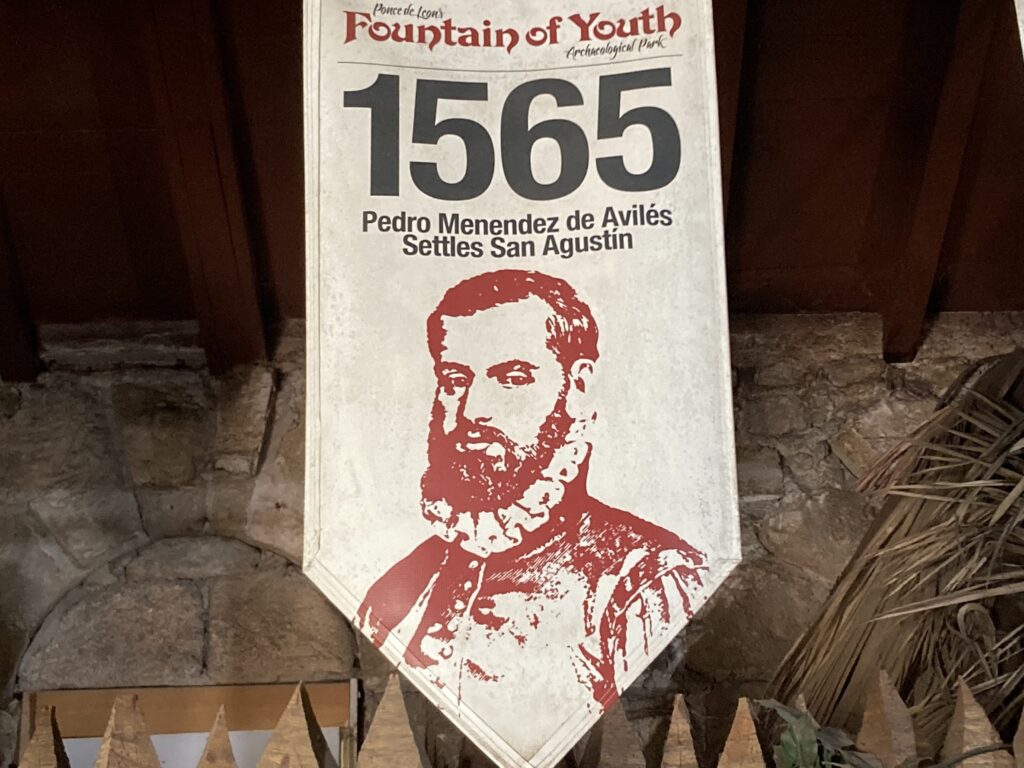
Then in 1565 Spanish Admiral Don Pedro Menendez de Aviles founded St Augustine. That was 55 years before the Pilgrims landed at Plymouth Rock, and 78 years before the English colonized Jamestown!
For the next 500 years, St Augustine was controlled by the Spanish, British, Spanish again, then the U.S. (including the Confederacy). All of this has made the area a history lover’s paradise!
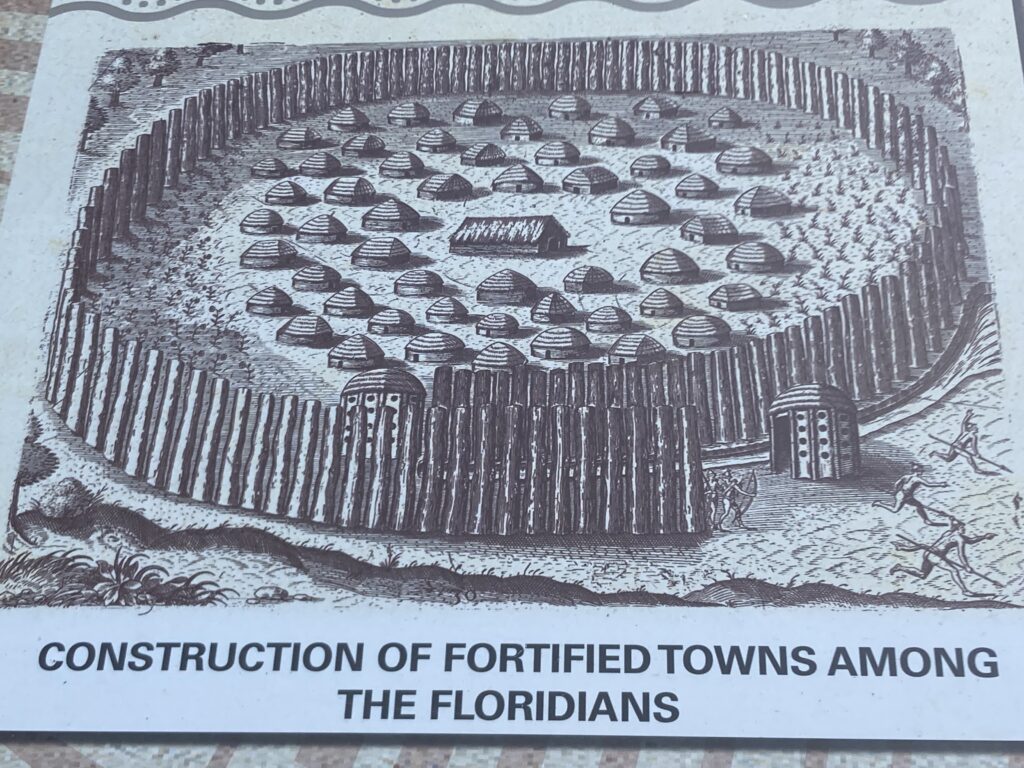
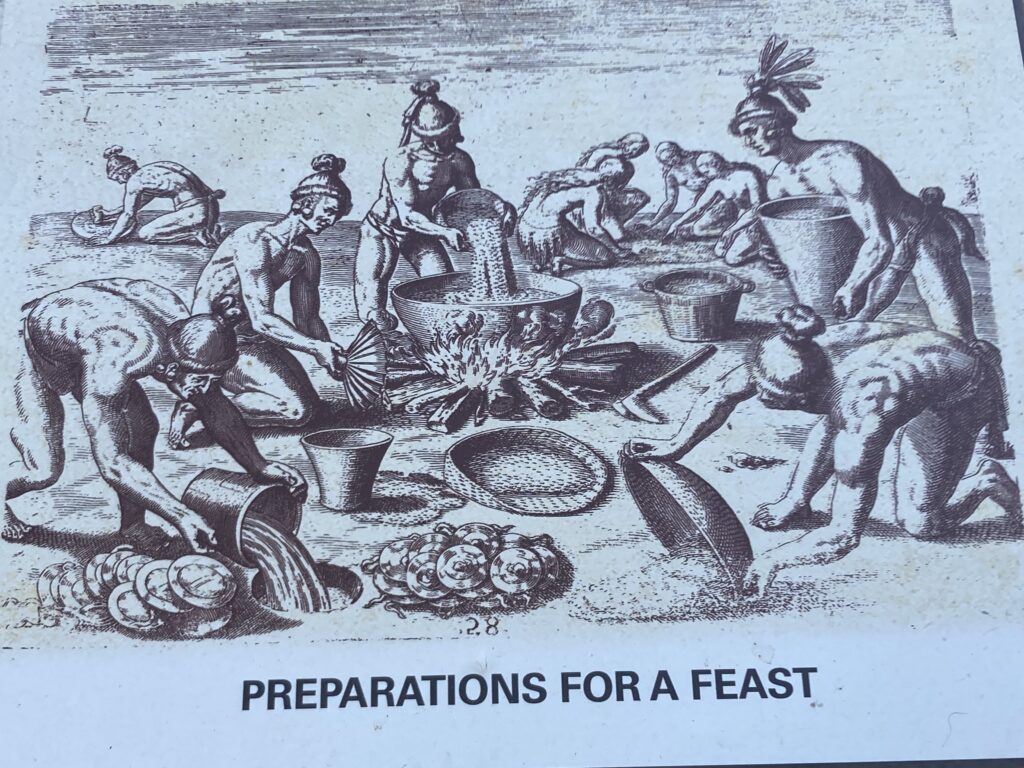
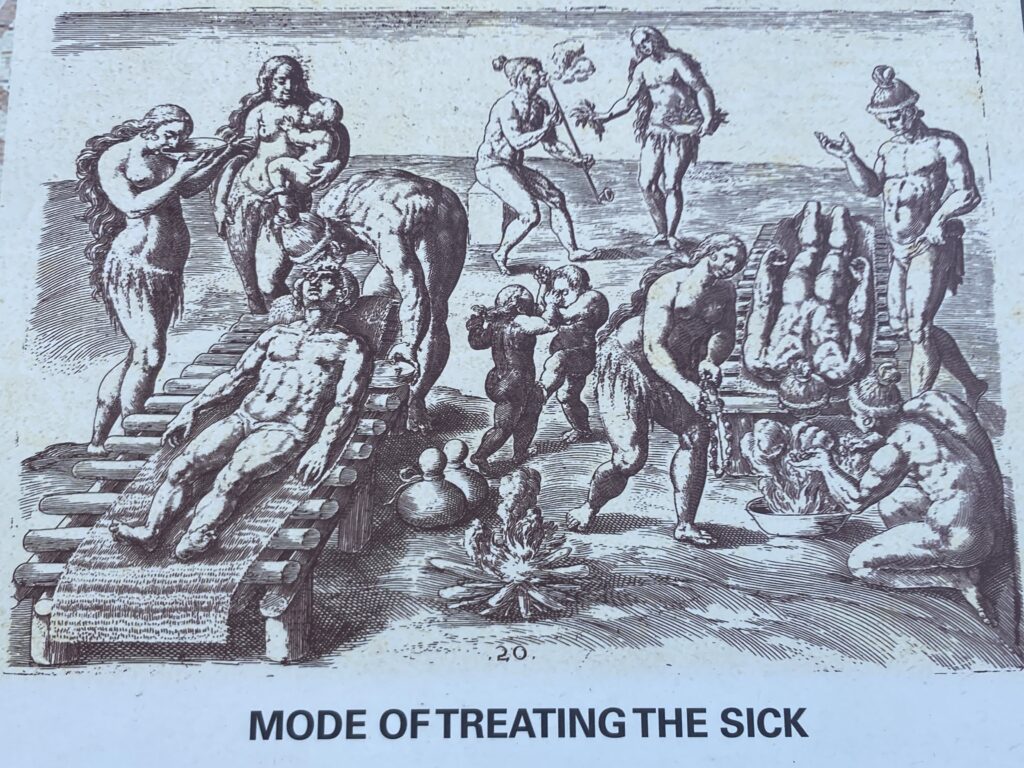
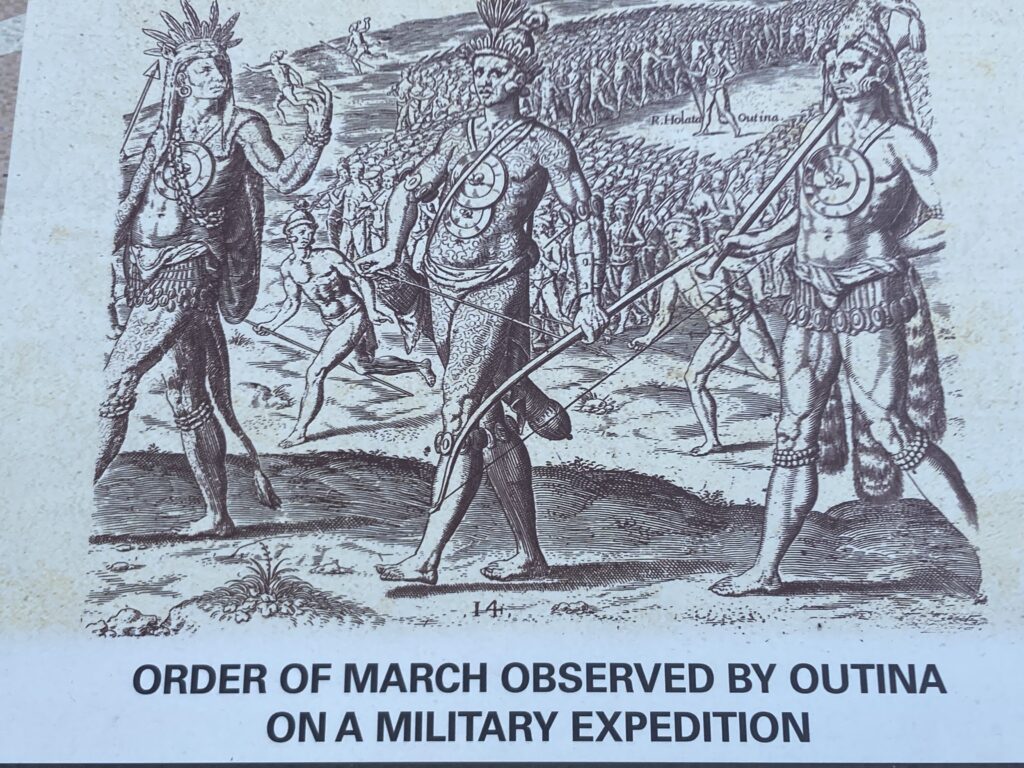
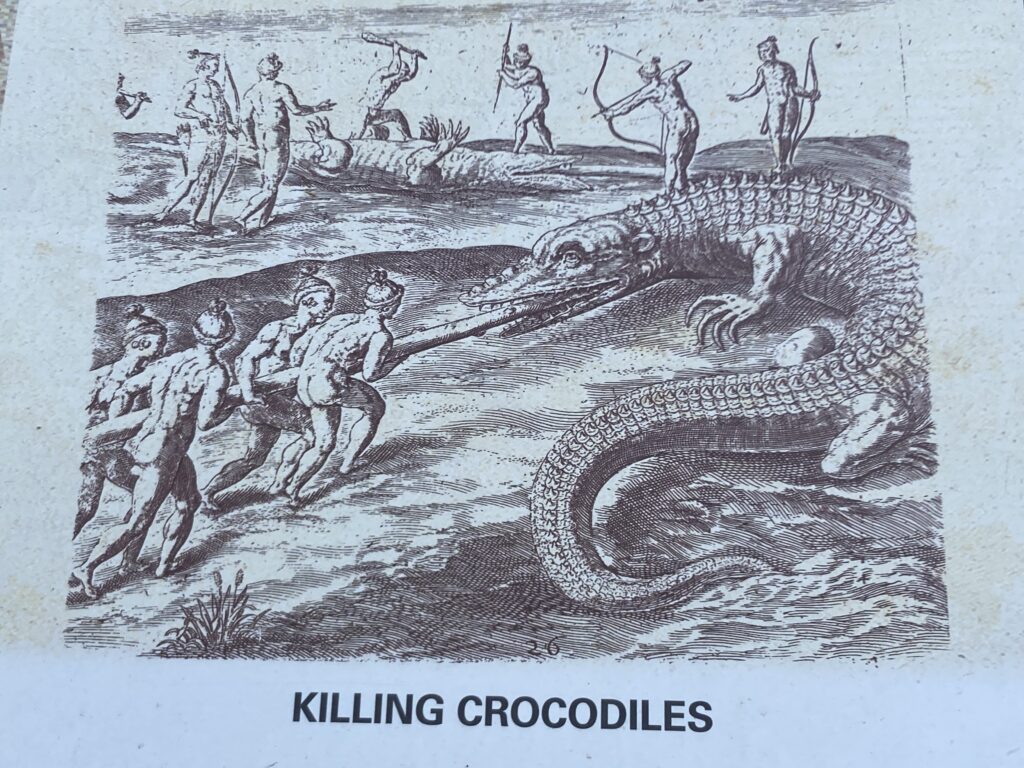
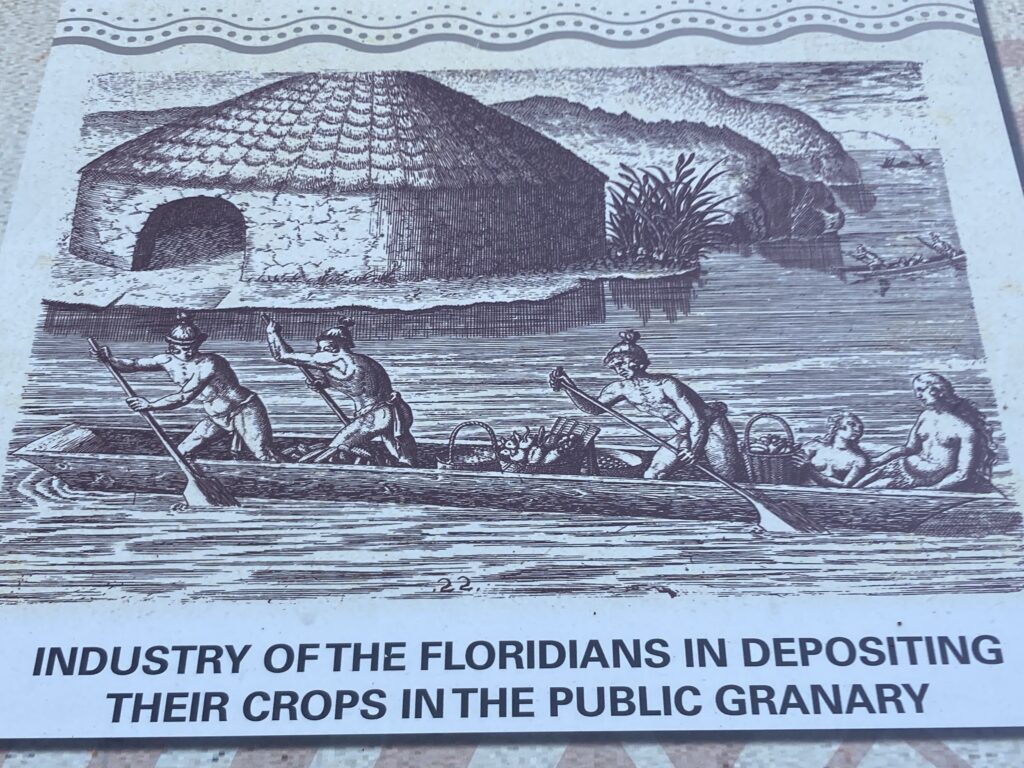
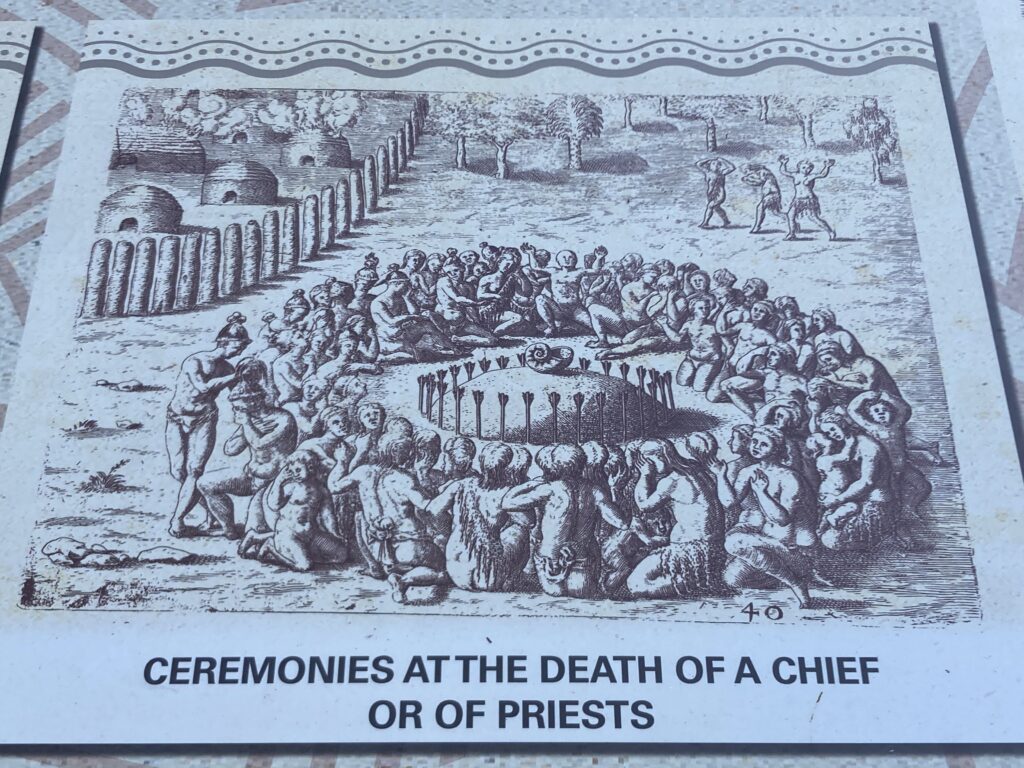
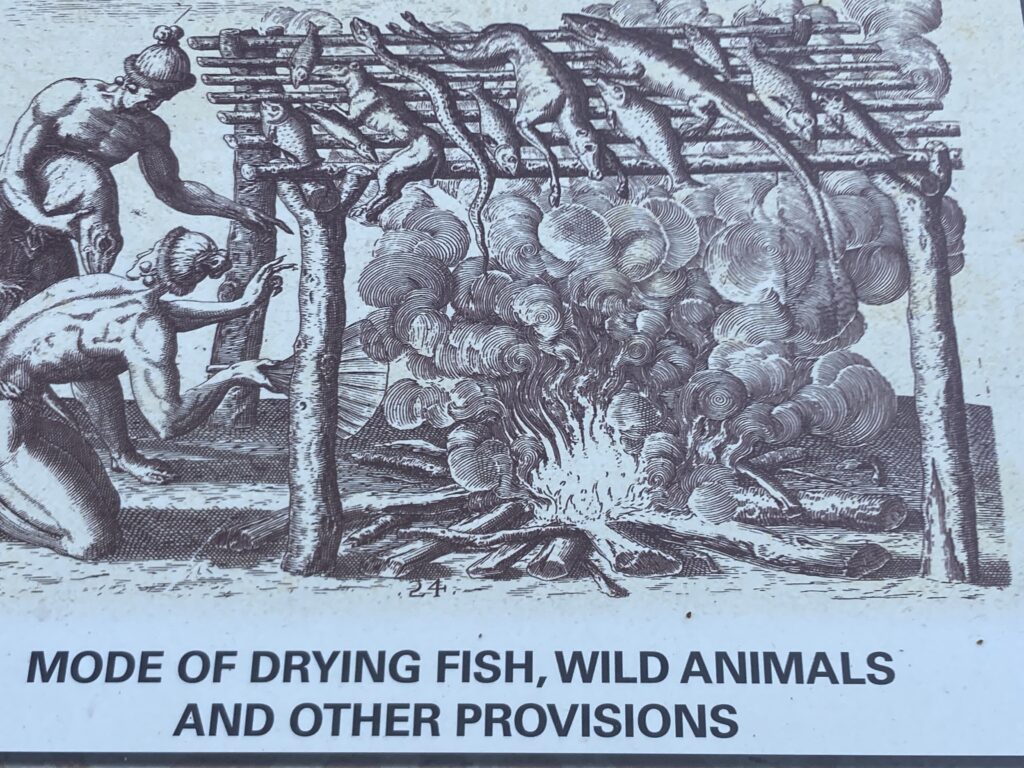
Timucua Native Americans
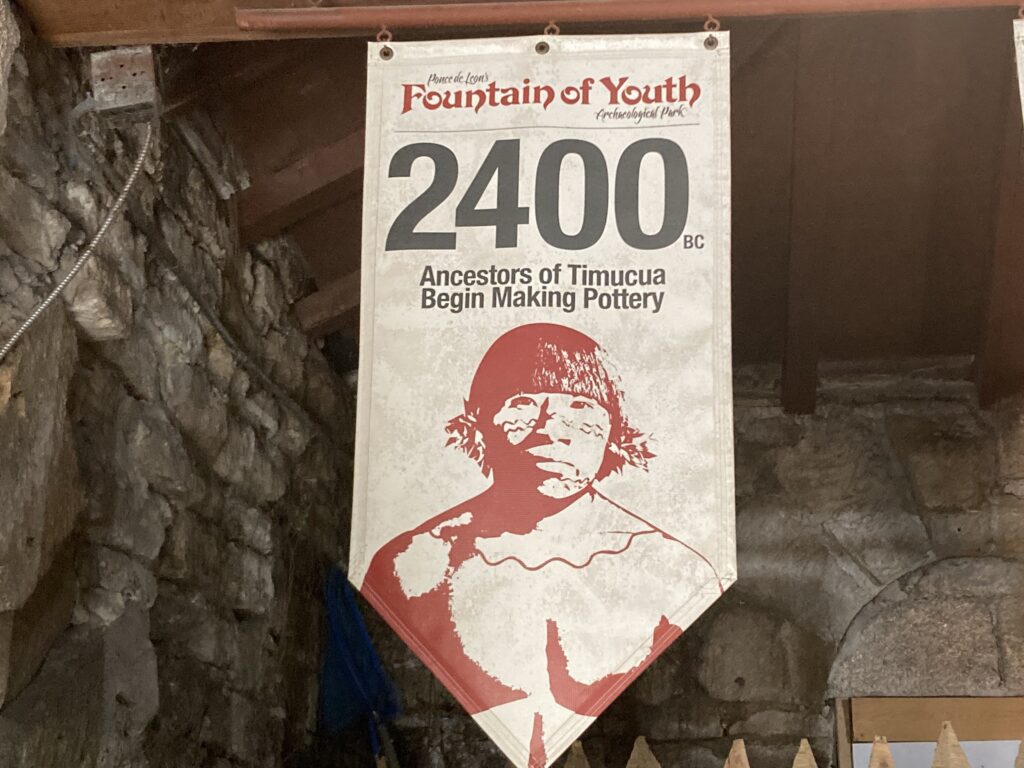
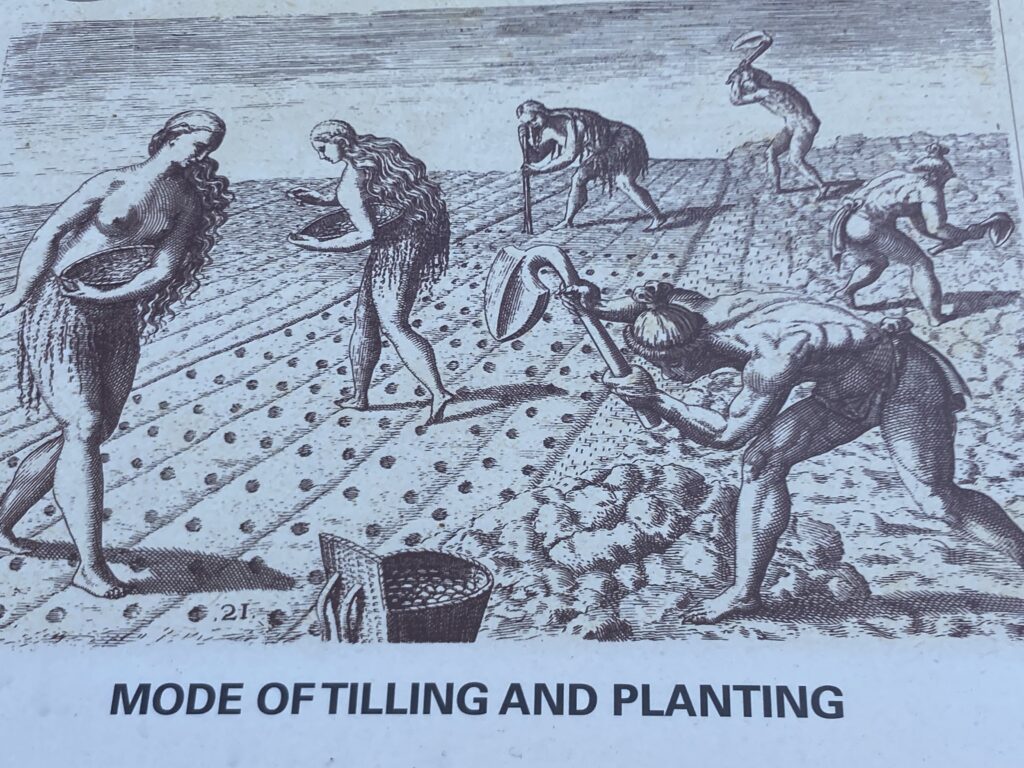
Native Americans known as the Timucua have inhabited the St Augustine area since 2,400 B.C. (Before the pyramids were built in Egypt).
The 35 Timucua chiefdoms had a population of over 200,000. They lived in northern Florida and southeastern Georgia.

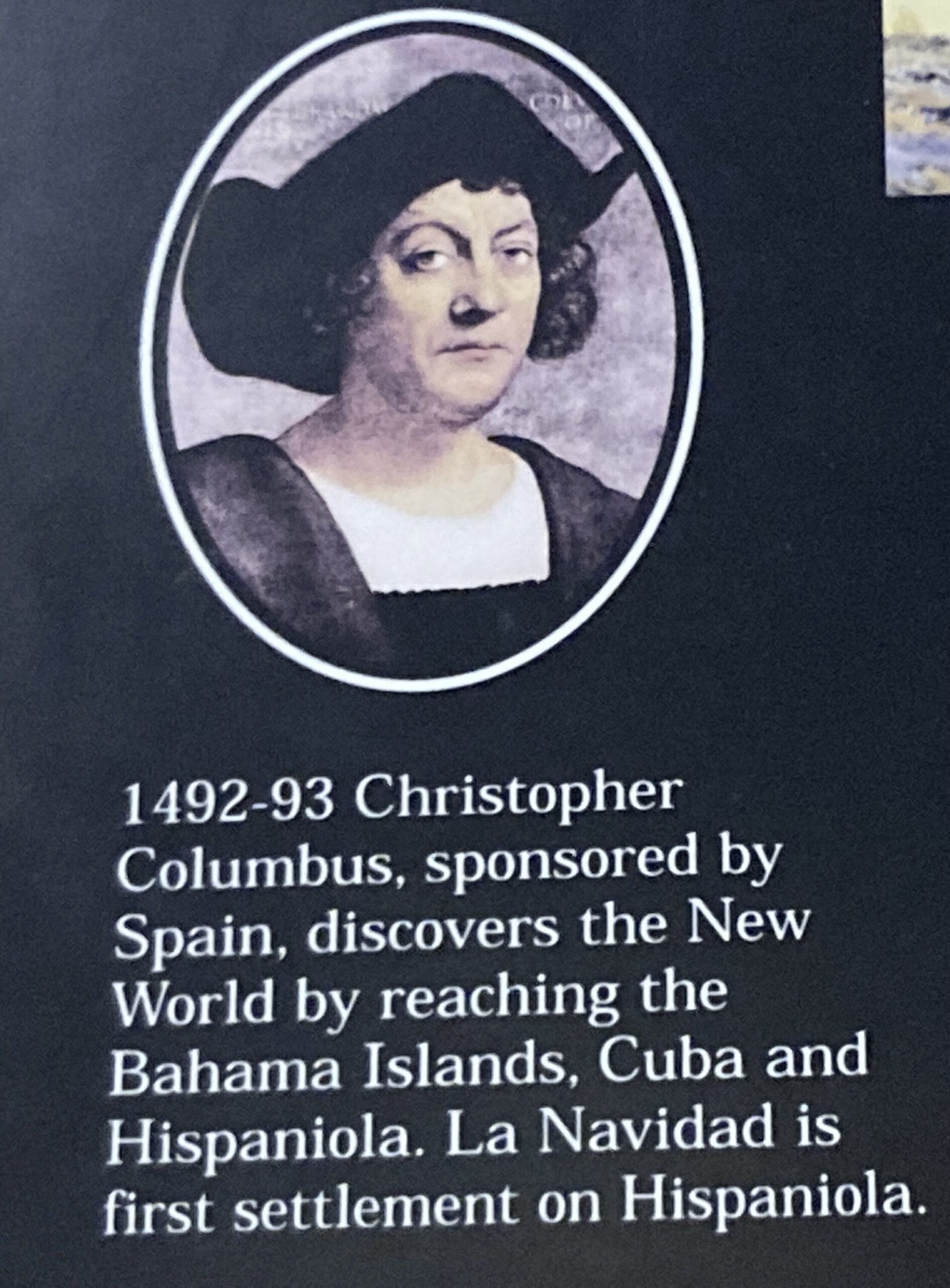
Christopher Columbus
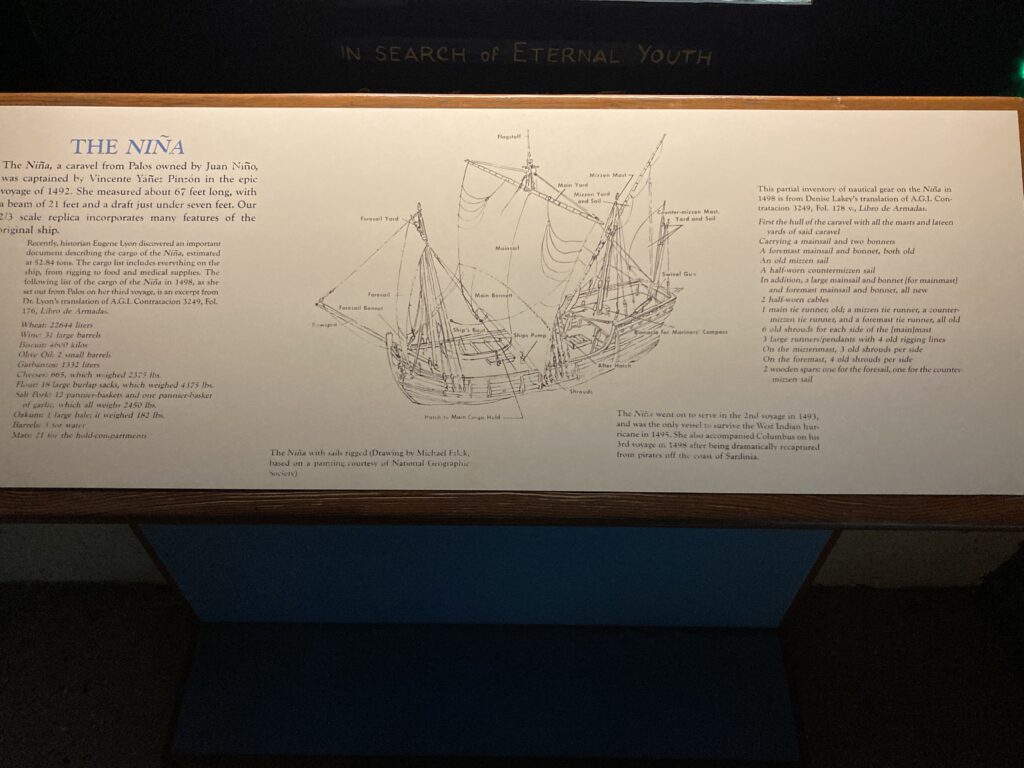
School children in the U.S. are taught “In 1492 Columbus sailed the ocean blue.” However, the average American would be surprised to learn that Columbus never actually landed in the Americas! Instead, he landed on San Salvador Island in the Bahamas.
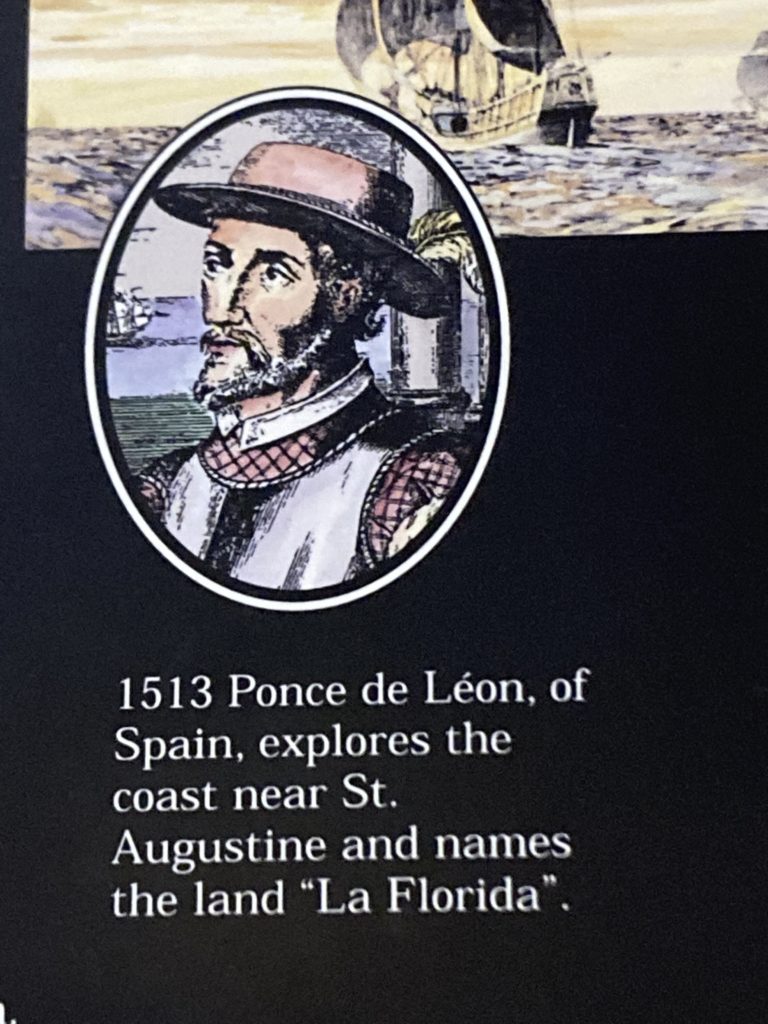
Juan Ponce de Leon
On Columbus’ second voyage in 1493, he brought a Spanish soldier named Juan Ponce de Leon. They landed at Santo Domingo, Hispaniola (modern day Dominican Republic).
Ponce de Leon soon became a top military official in the colonial government of Hispaniola. Then in 1509, he became the first governor of the nearby island of Puerto Rico. However, Ponce de Leon was soon removed by Columbus’ son Diego, who wanted the position for himself.
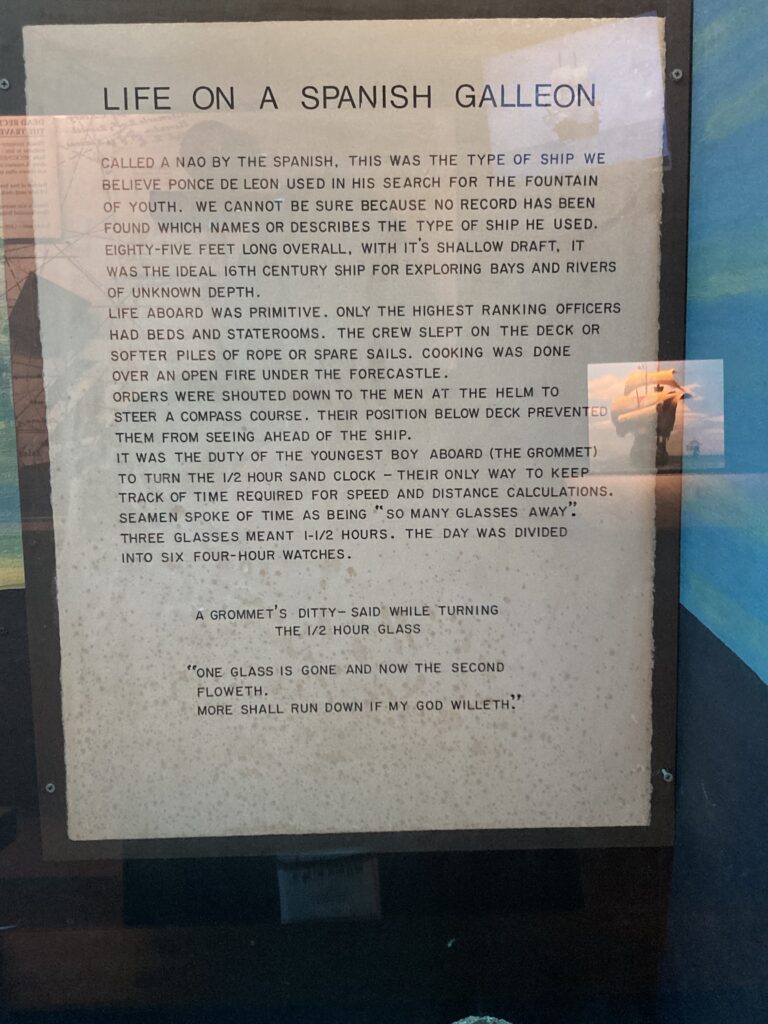
Encouraged by the Spanish King to discover more lands, Ponce de León decided to follow rumors he had heard from local Natives about an island that housed a magical spring or fountain whose waters would rejuvenate those who drank from it. In search of this “fountain of youth,” as well as more lands and gold, in March 1513 Ponce de Leon hired 3 ships and sailed north.
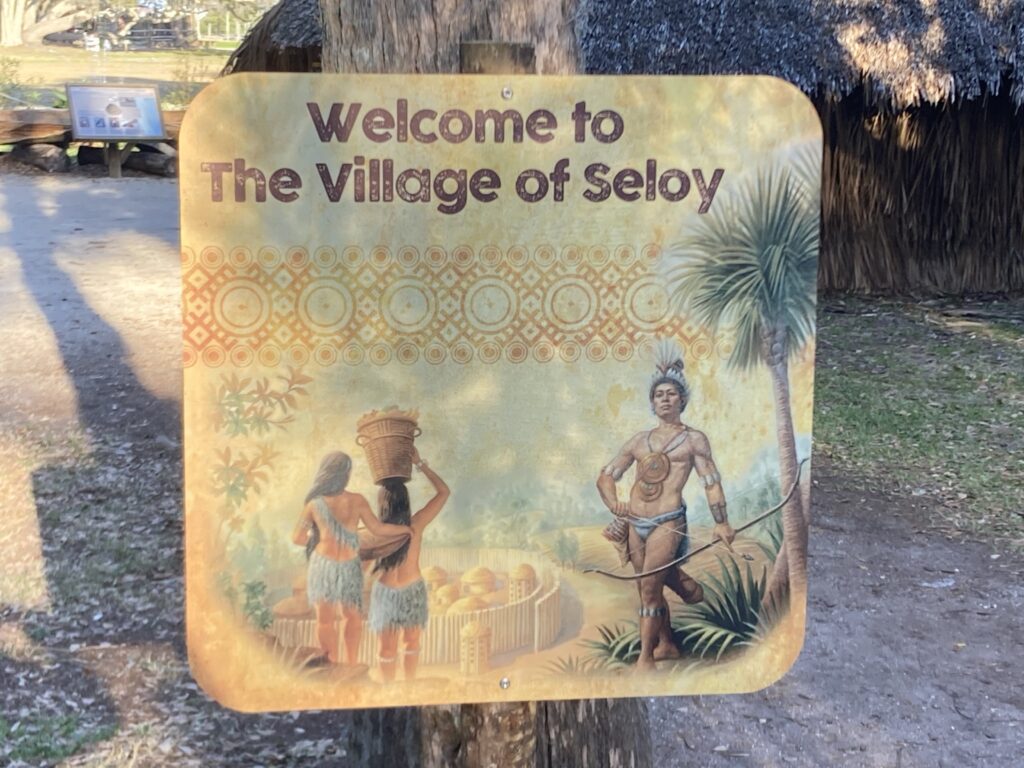
Timucua Village of Seloy
Ponce de Leon came ashore at a Timucua village located safely in a small harbor off the Atlantic Ocean. The village chief’s name was Seloy.
(The Ponce de Leon Fountain of Youth Archaeological Park tourist attraction is located on top of the village ruins. See below).
Ponce De Leon thought he had discovered an island. He named it La Florida (“flower” in Spanish), because it was first sighted during the Festival of Flowers at Easter time.
The Gulf Stream
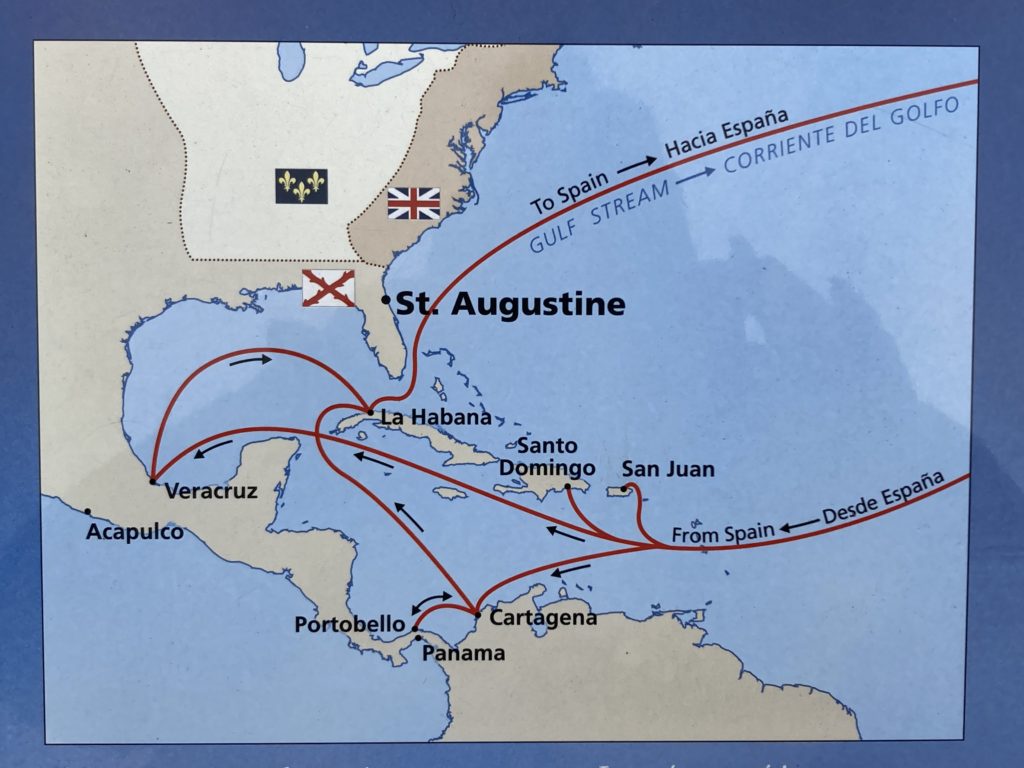
Ponce de Leon then sailed south around the tip of Florida, where he made his most valuable discovery – the Gulf Stream.
Described as a “river in the ocean”, the Gulf Stream is a strong current that flows from the Gulf of Mexico up the East Coast of the United States. It shortened the voyage of the treasure laden Spanish galleons from the New World back to Spain by 3 weeks.
France’s Fort Caroline
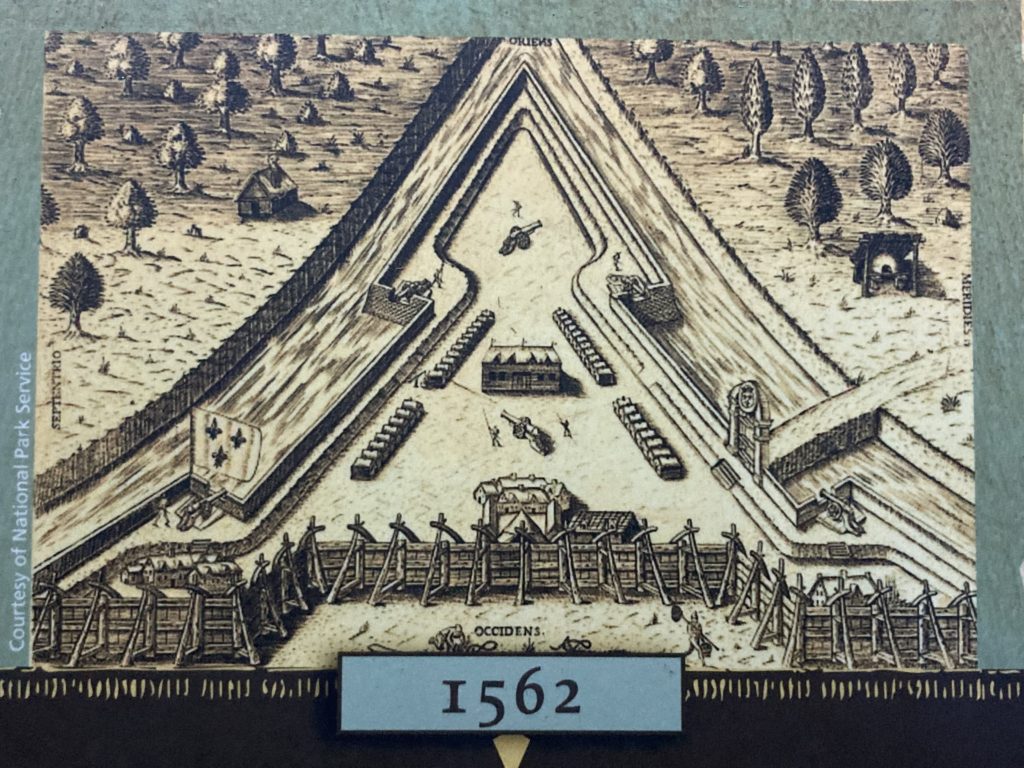
From 1513-1563, Spain sent 6 expeditions to start a colony in La Florida. Each attempt failed, leading Spanish King Philip II to proclaim that the land was inhabitable.
But then in June 1564 a group of French Protestants (called Huguenots) successfully established a settlement in Florida. Named Fort Caroline, it was located at the mouth of the St. Johns River in present day Jacksonville. (There is a Hugeunot Cemetery Tour in St Augustine).
This threatened Spain’s treasure ships, which sailed along Florida’s shoreline on their return voyage to Spain.
Pedro Menendez de Aviles
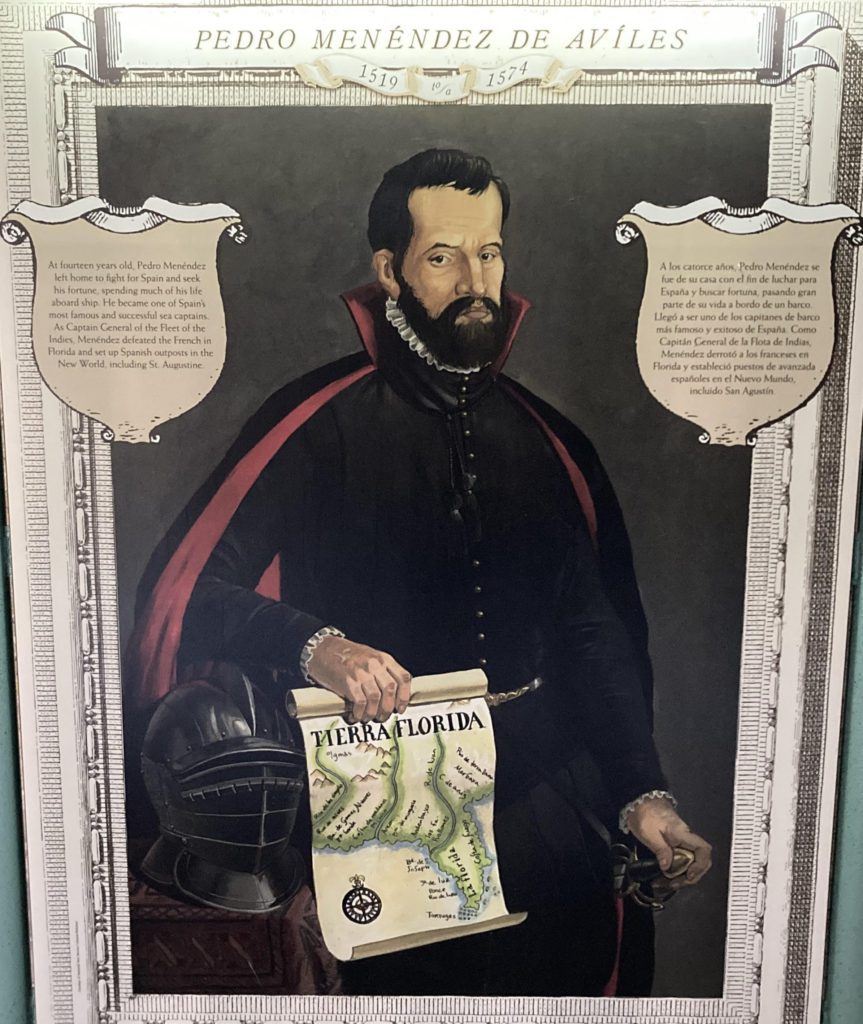
The French invasion into Spanish land infuriated King Philip II. In response, he sent one of his top admirals – Pedro Menendez de Aviles – to rid Florida of the French invaders. Aviles was also tasked with establishing a lasting settlement and bringing the Catholic faith to the natives.
On August 28,1564 Aviles – along with a group of 800 colonists – sailed north up the Atlantic coast toward the French settlement. On the Feast Day of St Augustine, Aviles sailed passed the same protected harbor that Ponce de Leon had discovered 52 years earlier.
Founding of St Augustine
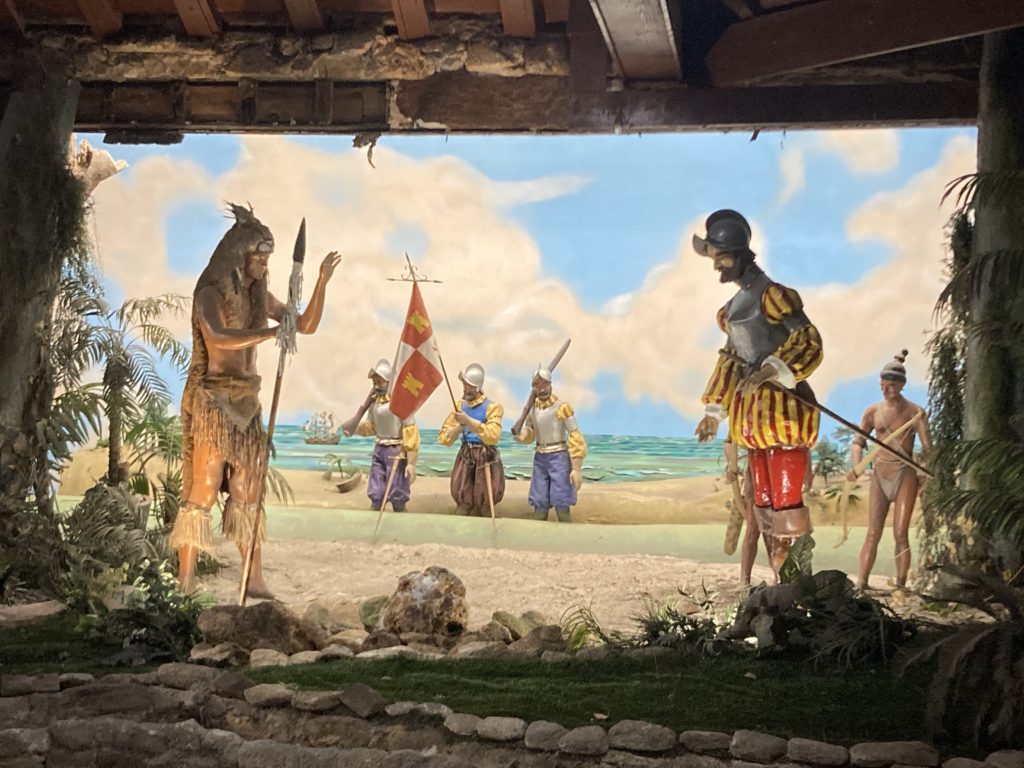
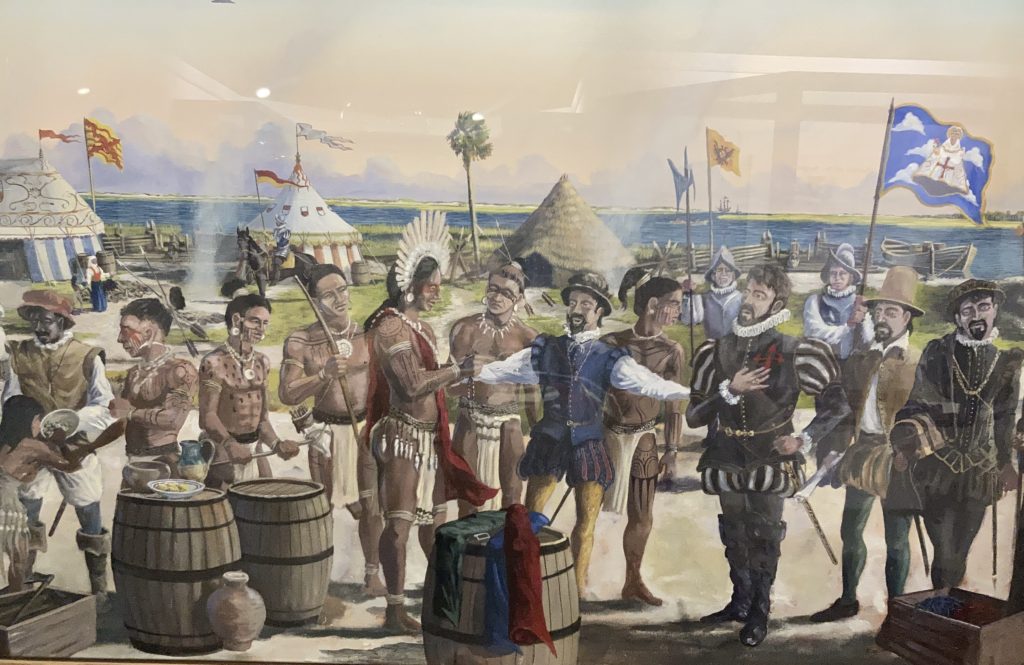
After defeating the French militarily, Aviles sailed back to the protected harbor and came ashore at the Timucua village of Seloy, just as Ponce de Leon had done. It was a great place for a settlement – there was defensive water on three sides, abundant types of food available, and a number of freshwater sources.
Aviles rededicated Spanish claims to the region, and became the first governor of Florida. He founded the city of St Augustine, the oldest continuously occupied European city in the United States.
St Augustine was founded in 1564. The more widely known colony of Jamestown was not founded until 1607. And the Pilgrims did not land at Plymouth Rock until 1620.
Spanish and Timucua Split
When Pedro Menedez de Aviles landed in Seloy in 1565, it was a bustling tool and pottery making center.
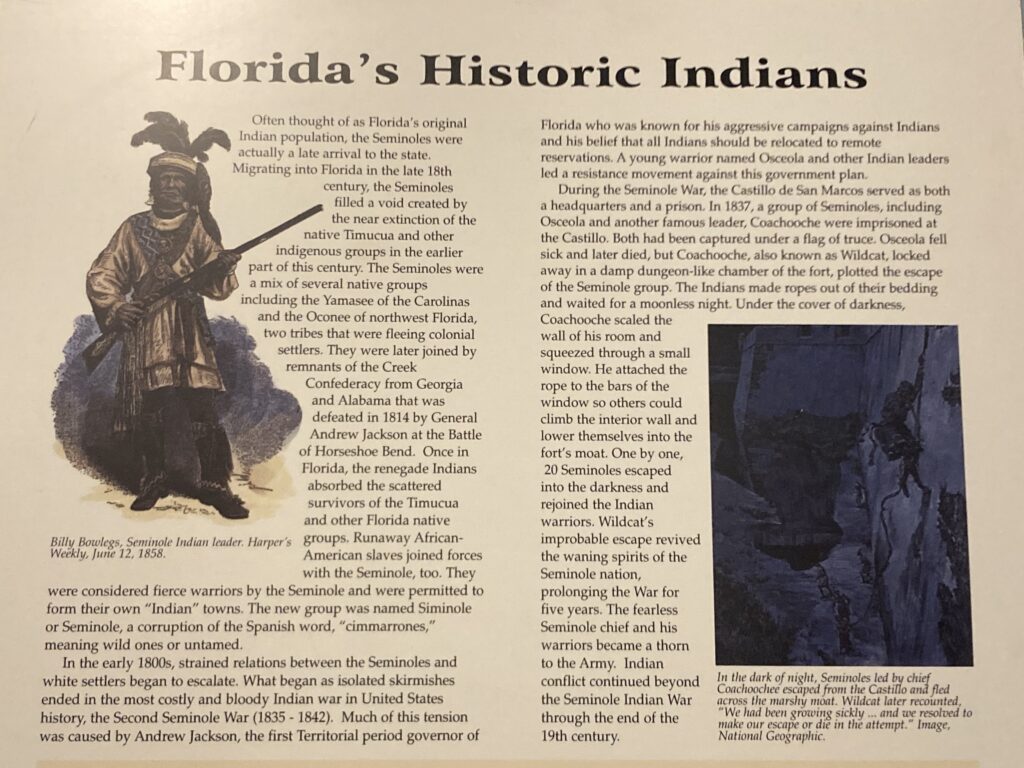
The Timucua were governed by a Cacique (Chief) named Saturiwa, and were initially friendly to the Spanish. As the cultures existed side by side, difficulties arose, and European diseases took a horrible toll on the Timucua. These diseases and politically-motivated warfare over the succeeding decades spelled doom for this culture. Sadly, the last known Timucua died in Cuba in 1700.
St Augustine Critical to Spanish Empire
One of several presidios (fortified towns) that protected Spanish shipping, St Augustine was critical to the Spanish Empire. It served as a base to patrol the Florida coastline scouting for pirates, rescuing shipwreck survivors, and salvaging wrecks.
And more importantly, it was located next to the Gulf Stream, which is the route used by ships sailing back to Europe from the Caribbean. It became the last stop Spanish treasure ships would make before crossing the ocean.

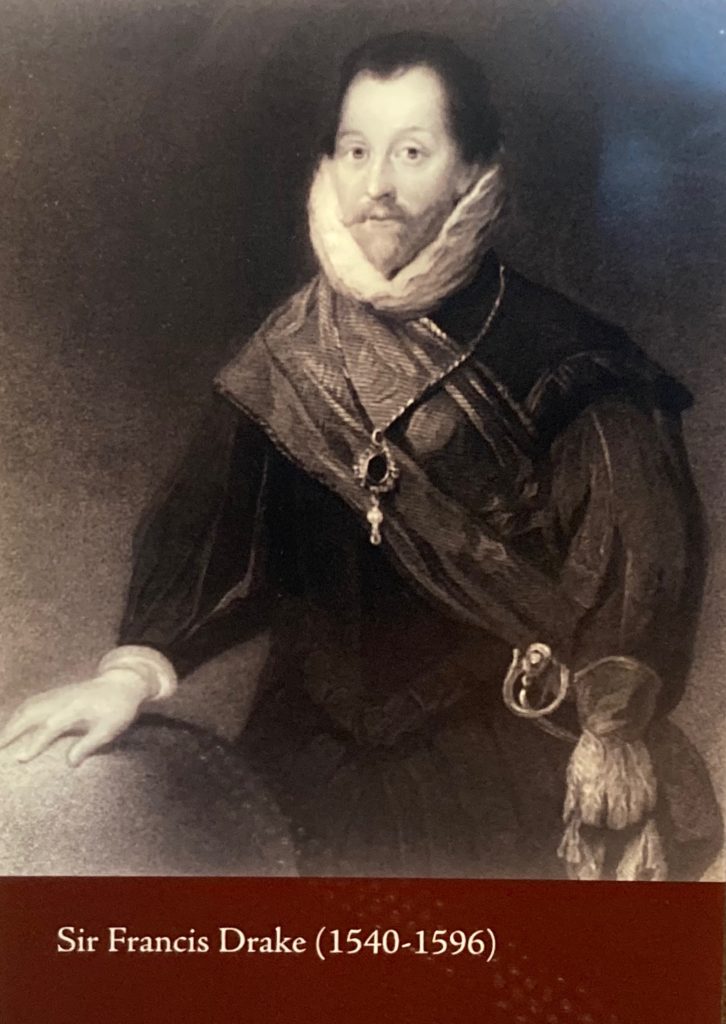
Sir Francis Drake
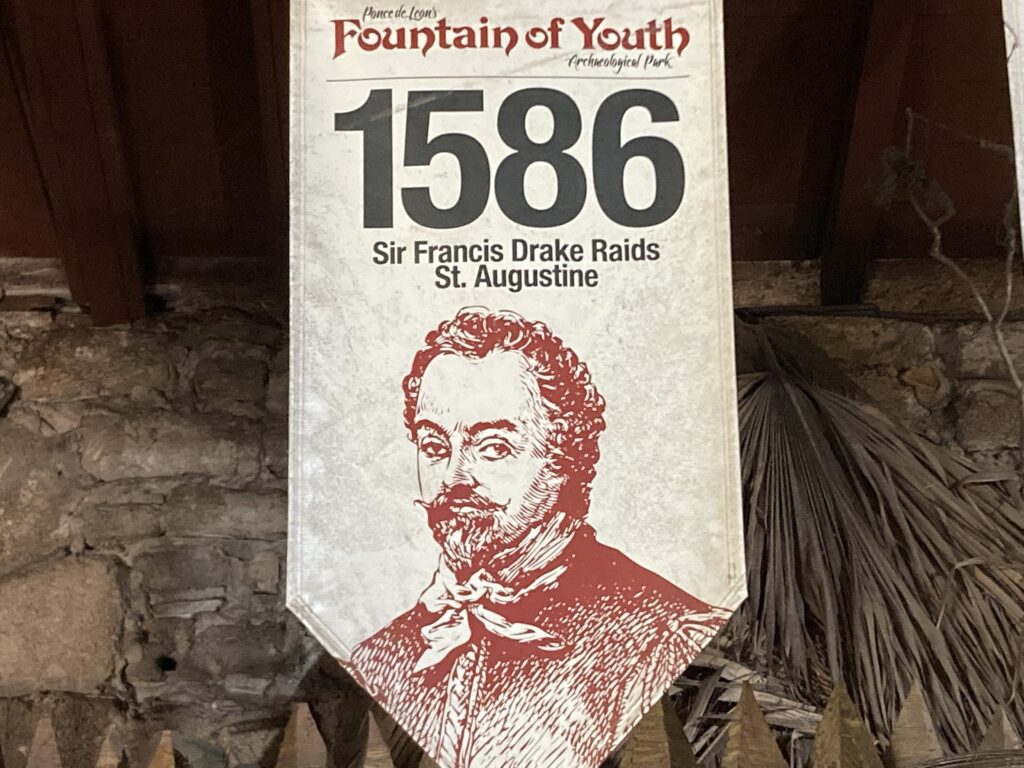
During the Anglo-Spanish War, Queen Elizabeth of England sent the infamous pirate Sir Francis Drake to attack St Augustine. On June 8, 1586 Drake and a fleet of 2,000 men and 42 ships pillaged and burned St Augustine – and its then wood fort – to the ground.
Drake and his men made off with two thousand pounds sterling from the Spanish pay chest in the Castillo de San Marcos fort (below). The Spanish fled into the woods while the British had their run of the town. The Spanish soon rebuilt the city and constructed a stone fort.
The raid is commemorated every June 6th in St. Augustine.
British Control of Florida (1763-1783)
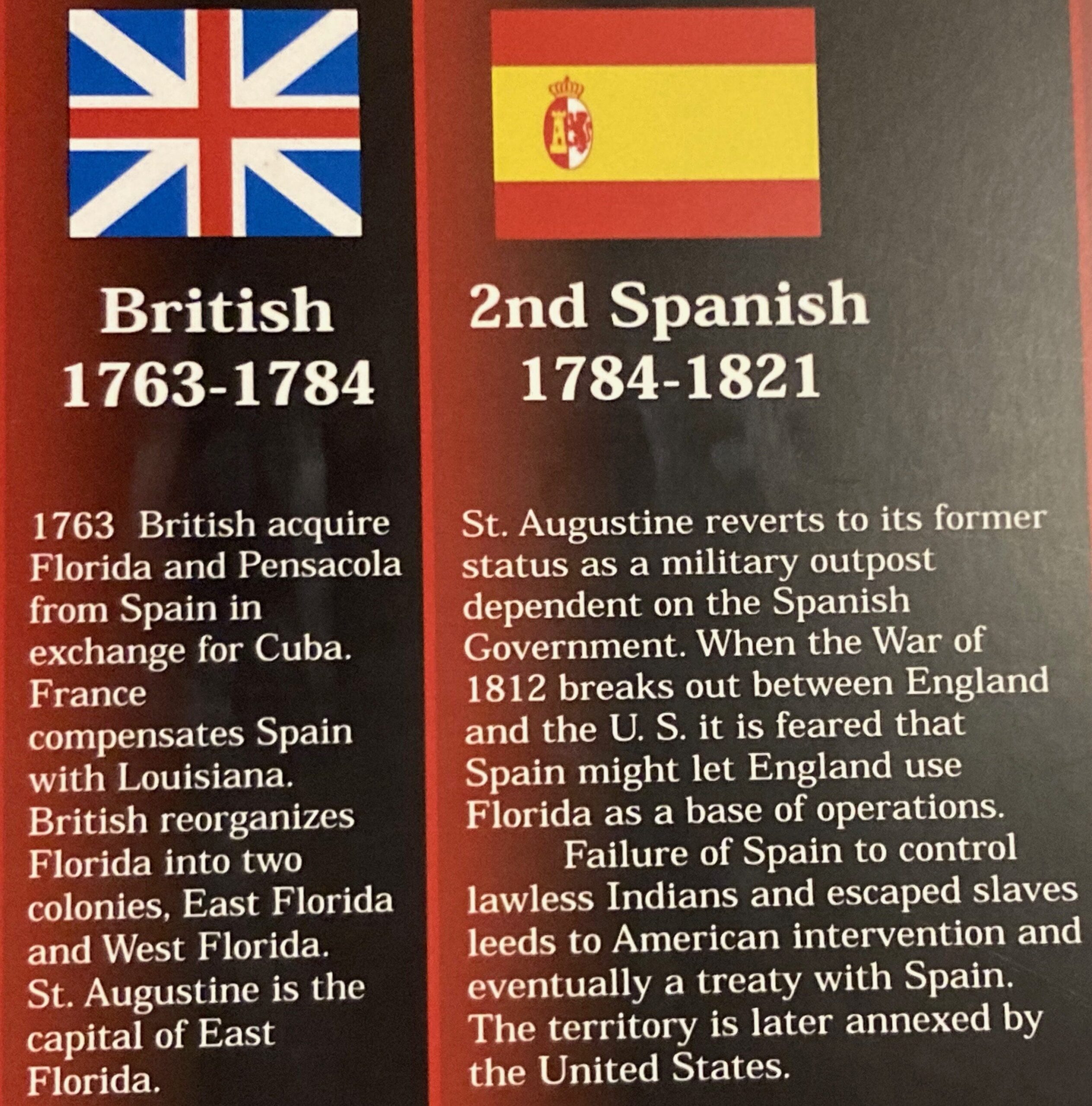
Fast forward to 1763. During the Seven Years’ (French & Indian) War, the British captured Spanish Cuba and the Philippines. To get these valuable colonies back, Spain was forced to give up Florida.
The 1763 Treaty of Paris gave Florida to the British in exchange for the return of Havana to the Spanish. St Augustine’s Spanish inhabitants fled (mostly to Cuba), leaving the town almost deserted.
Great Britain split Florida into two to more easily administer it. East and West Florida became the 14th and 15th British colonies in North America.
The American Revolution
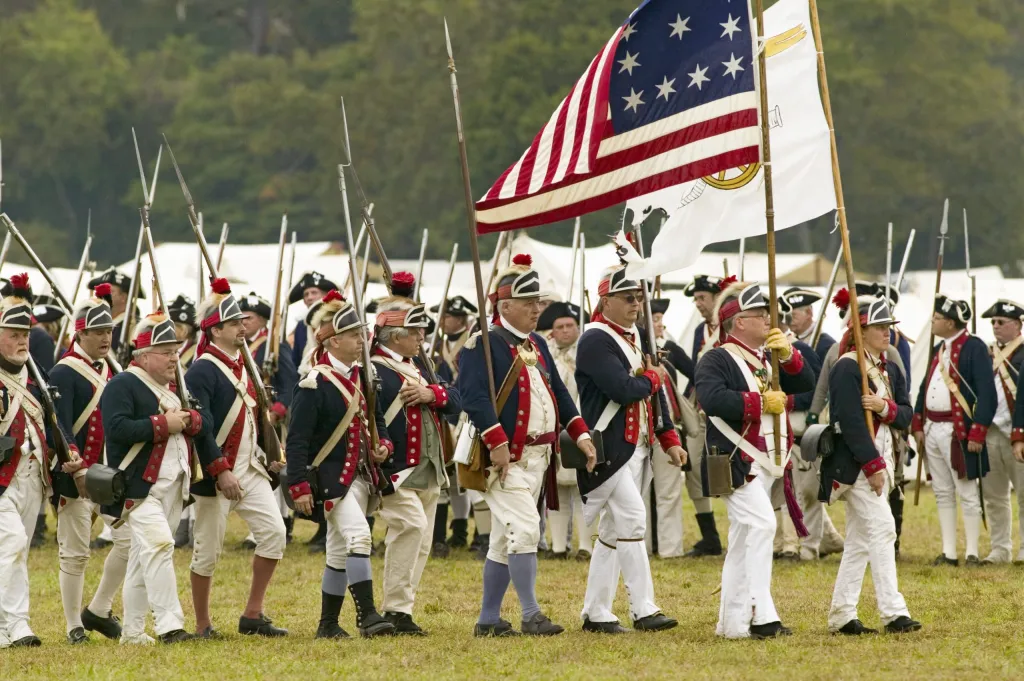
During the American Revolution (1775-1783), Florida remained under British control. The Florida colonies – unlike their northern counterparts – remained loyal to King George.
Great Britain prevented the newly formed United States and its ally Spain from re-capturing St Augustine.
During the war, St Augustine was a safe haven for colonists loyal to the throne. The Castillo de San Marcos became a corner stone of British military operations; housing hundreds of troops.
Spain Regains Control of St Augustine
As part of the 1784 Treaty of Paris ending the American Revolutionary War, Great Britain agreed to return Florida to Spain.
Thousands of British residents left St Augustine. But some immigrants such as the Minorcans and 300 British decided to stay, pledging allegiance to Spain and the Catholic Church.
Spain Sells Florida to the U.S.
In 1821 the United States acquired Florida from Spain for $5 million.
The backstory is, Secretary of State (and future president) John Quincy Adams convinced Spain to sell Florida to the United States and to drop its claims to the Louisiana Territory and Oregon. In return, the United States agreed to relinquish its claims on Texas and assume responsibility for $5 million that the Spanish government owed American citizens.
In 1822 the U.S. Congress merged East and West Florida into a single territorial government.
The American Civil War
In 1845 Florida was admitted to the Union as the 27th state. But not for long. On January 10, 1861, Florida became the third Southern state to secede from the Union.
During the American Civil War (1861-1865), Florida was part of the Confederacy.

Henry Flagler
In 188 Standard Oil tycoon Henry Flagler visited a Ponce De Leon Festival in St Augustine. Enamored with the small town, Flagler rebuilt most of the city for Victorian era tourism.
He immediately began construction of 2 large luxury hotels – the Ponce de Leon and the Alcazar. Flagler purchased the Florida East Coast Railway and upgraded it so guests from New York City to St Augustine would not have to change trains.

Mama Kim’s Old Town Walking Tour Part 1
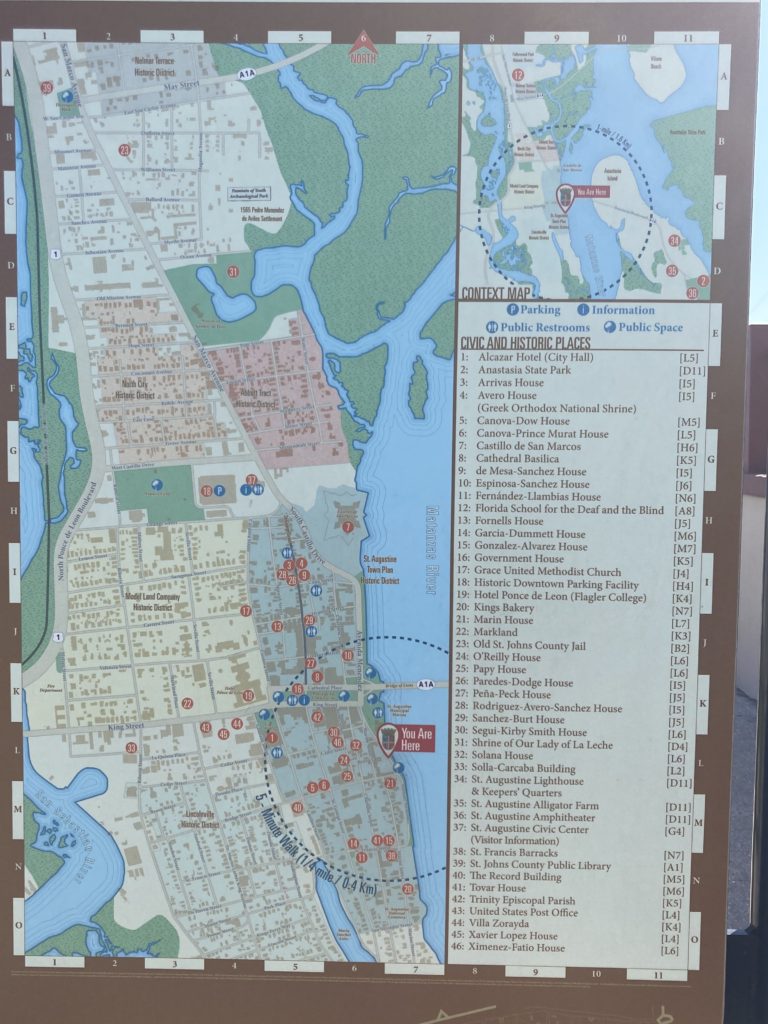
With such a rich and colorful history, St Augustine is full of historical tourist sites. Fortunately, most of them are within walking distance of each other. I came up with the following walking tour. (Which will take 1-2 days).
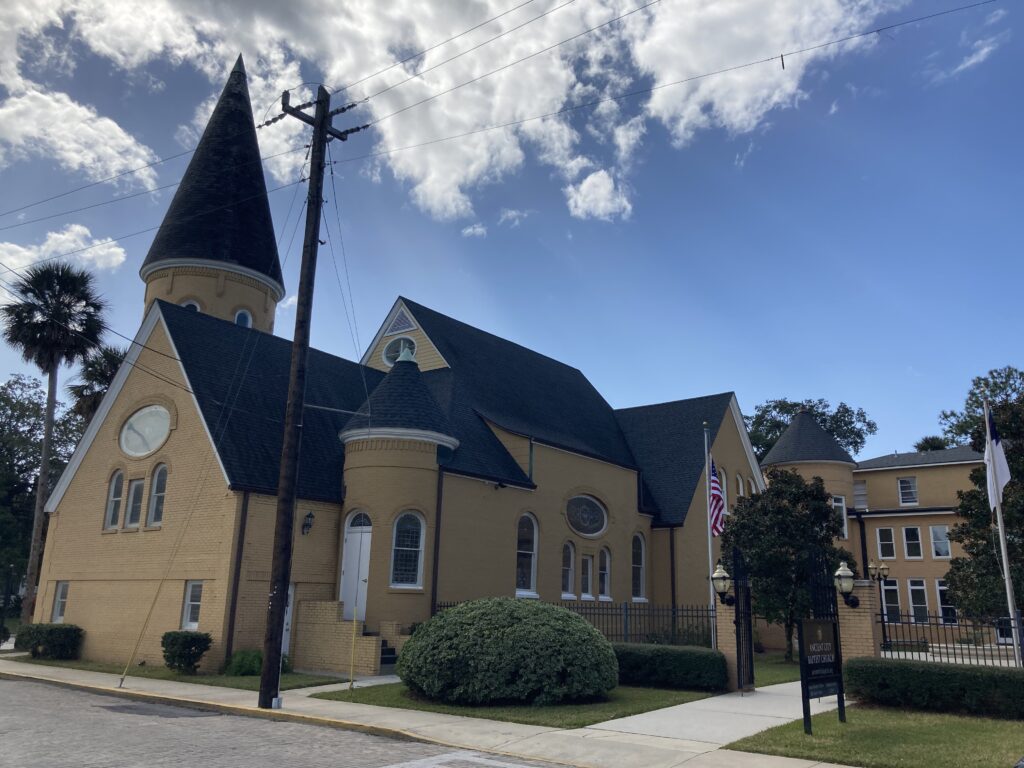
Start by taking Uber (or driving) to the beautiful Grace United Methodist Church. There is a parking lot across the street. Take a few pictures. Then walk a few doors down to the beautiful Ancient City Baptist Church (yellow church located on the corner). Take a few pictures.
Then walk down the street to Flagler Presbyterian Memorial Church, a gorgeous church which houses the mausoleum of Henry Flagler. Walk around the outside of the church. Or take the inside tour Saturdays at 1pm.
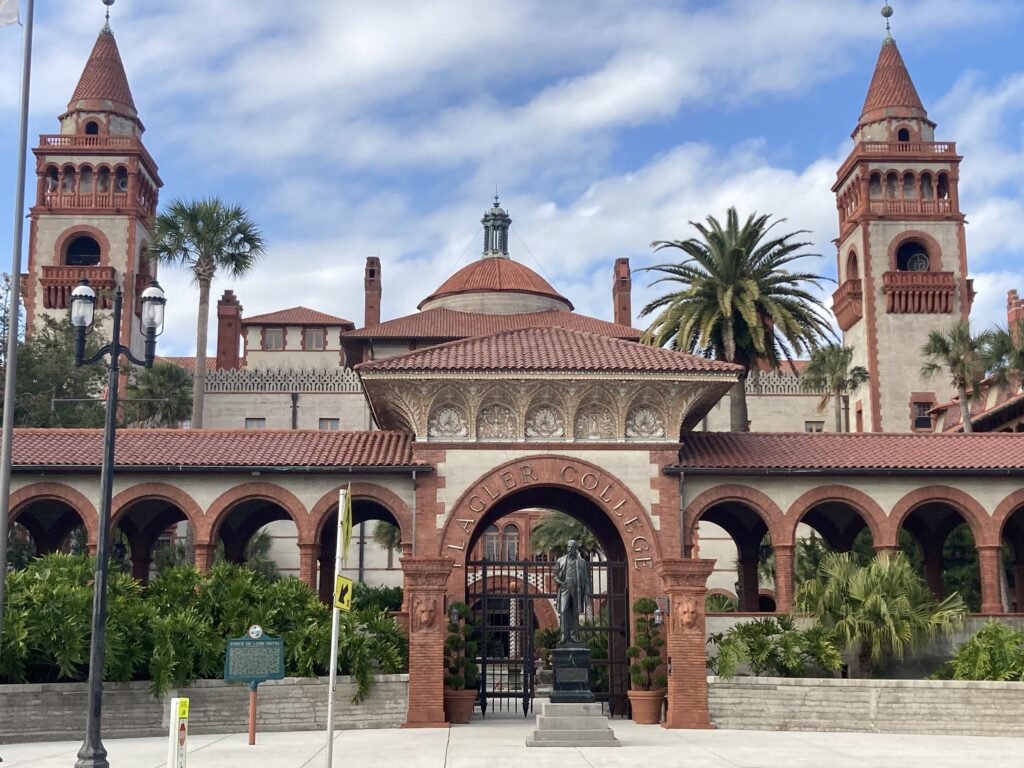
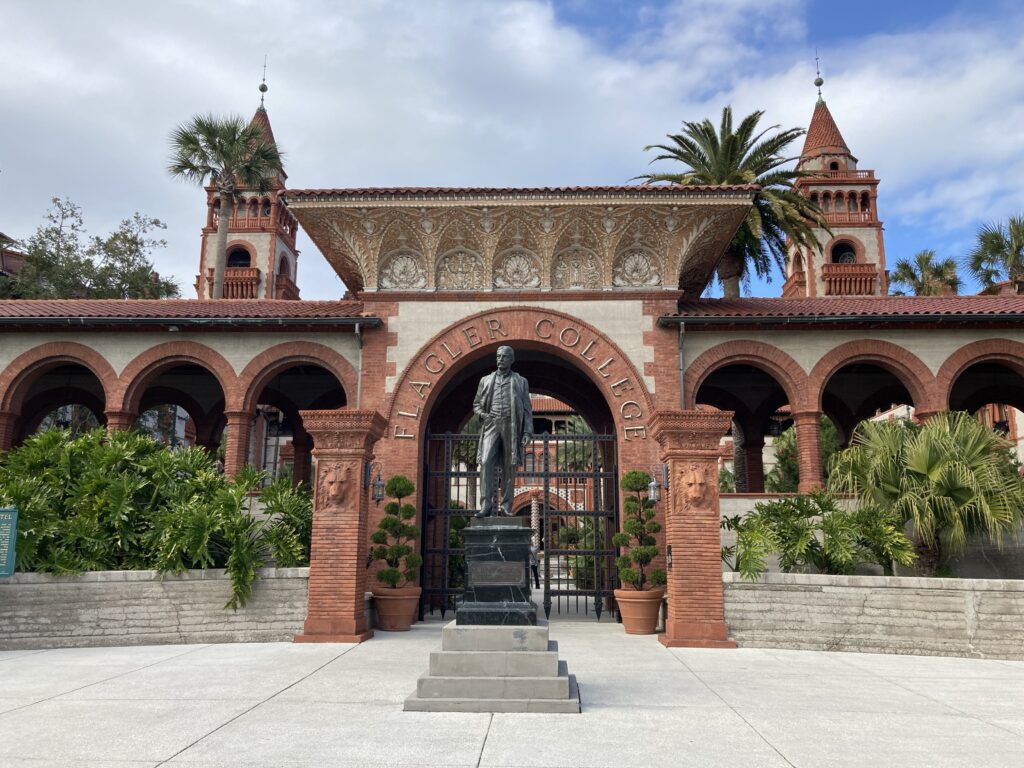
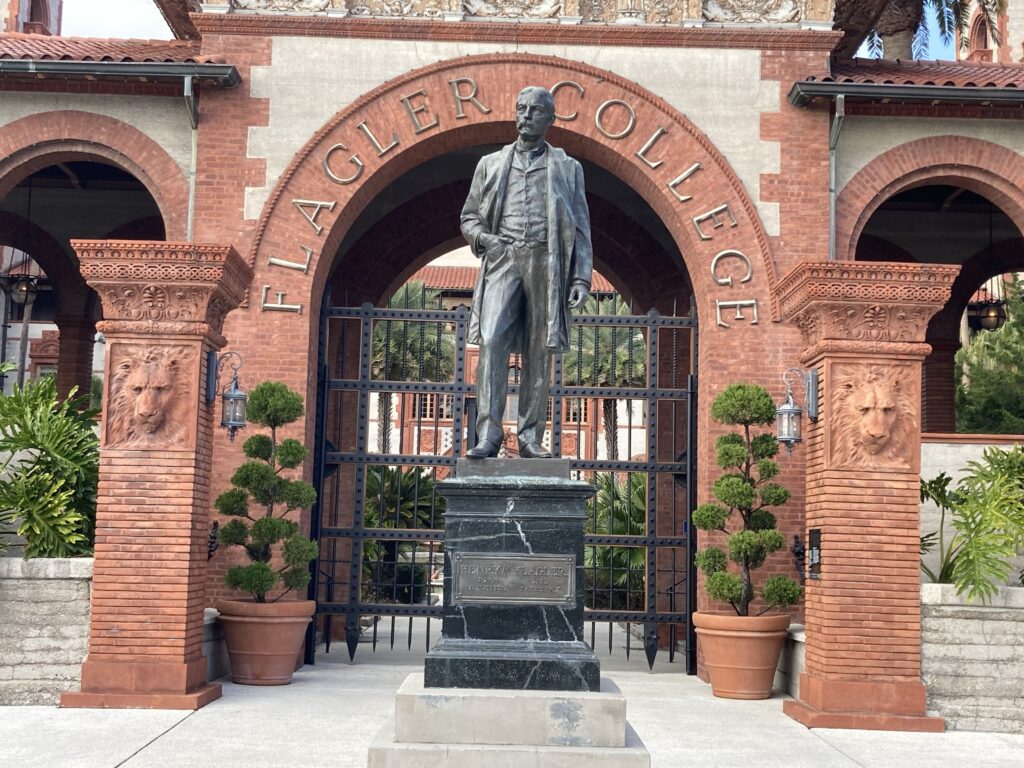
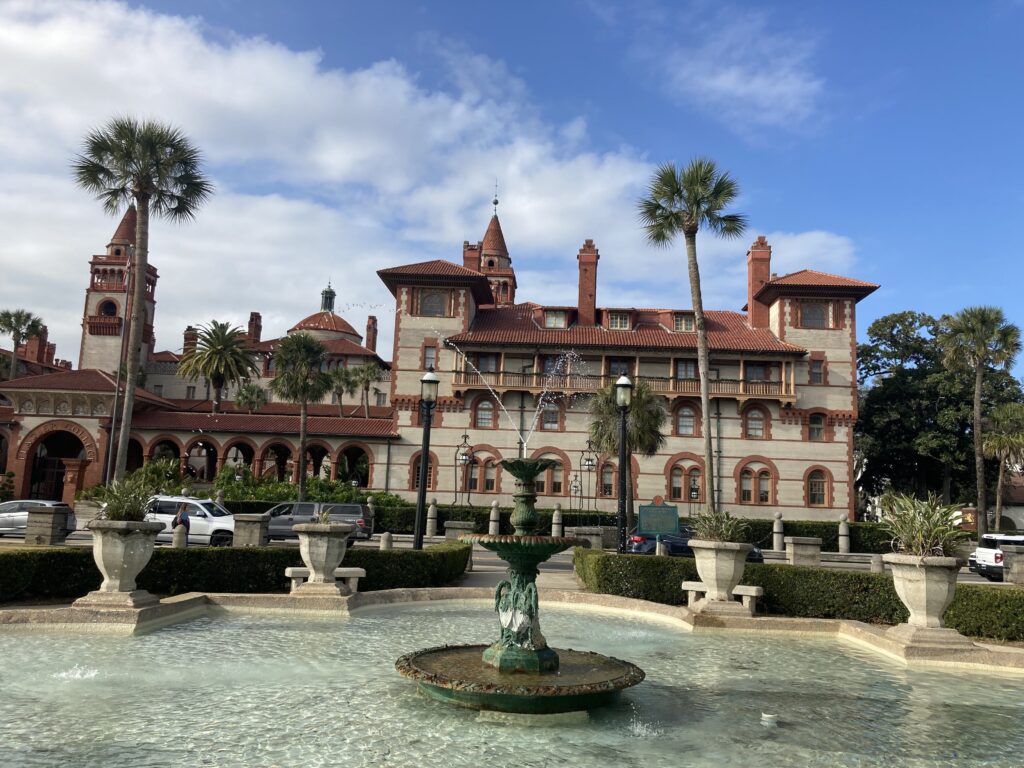
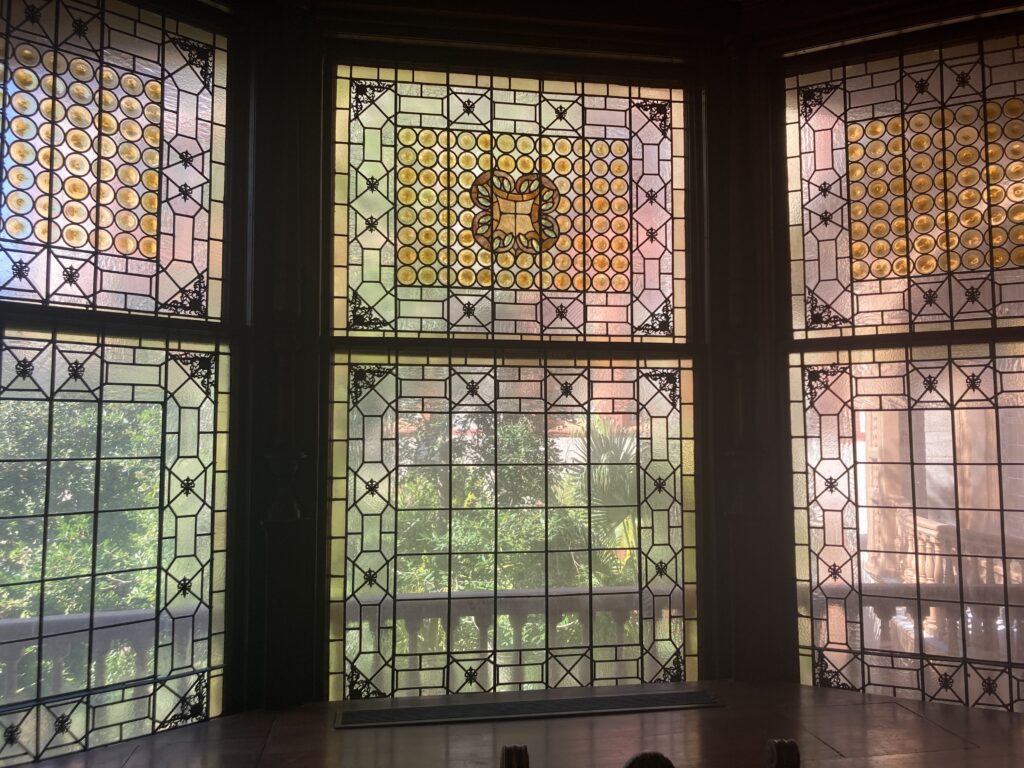
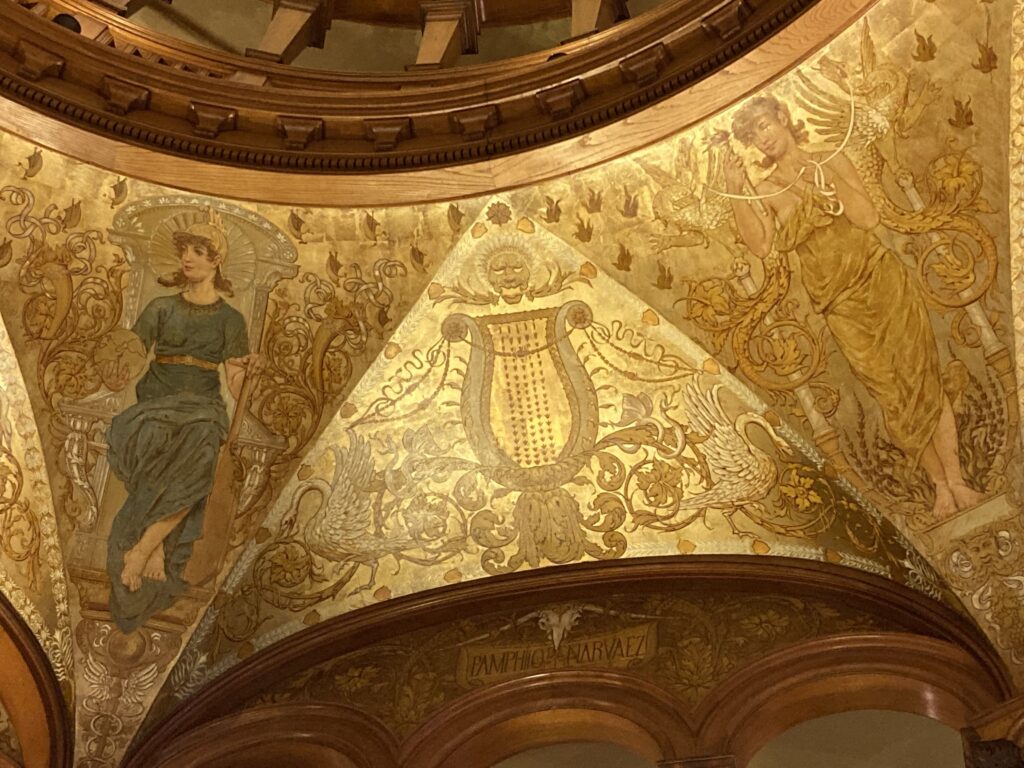
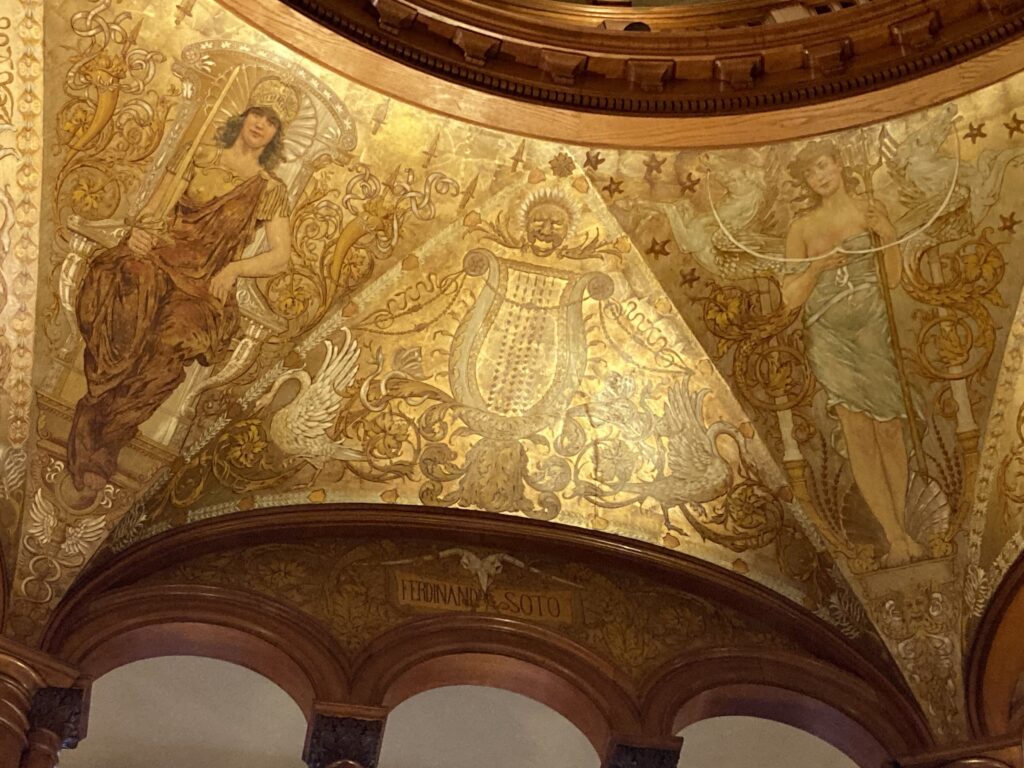
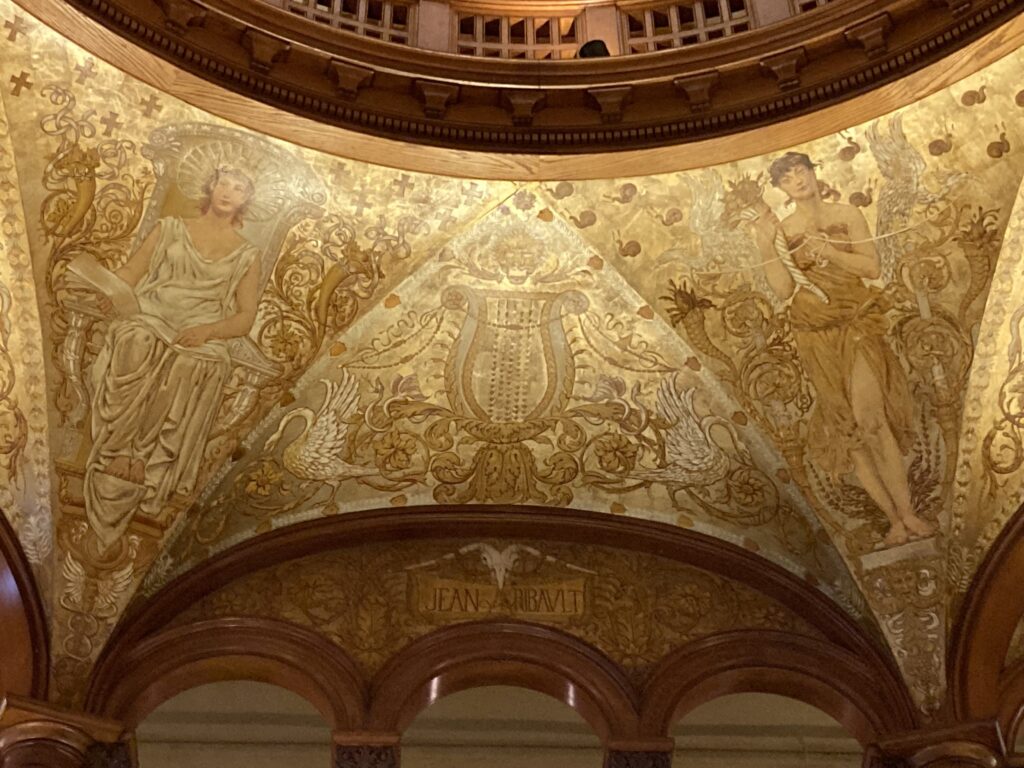
Then walk next door to Flagler College which is located on the site of the former luxurious Ponce de Leon Hotel). Walk through campus taking pictures. Or sign up for an inside tour (see below).

Mama Kim’s Old Town Walking Tour Part 2
Then cross the street to the Villa Zorayda Museum. Take pictures on the outside then pay to go inside and look at the art and architecture.
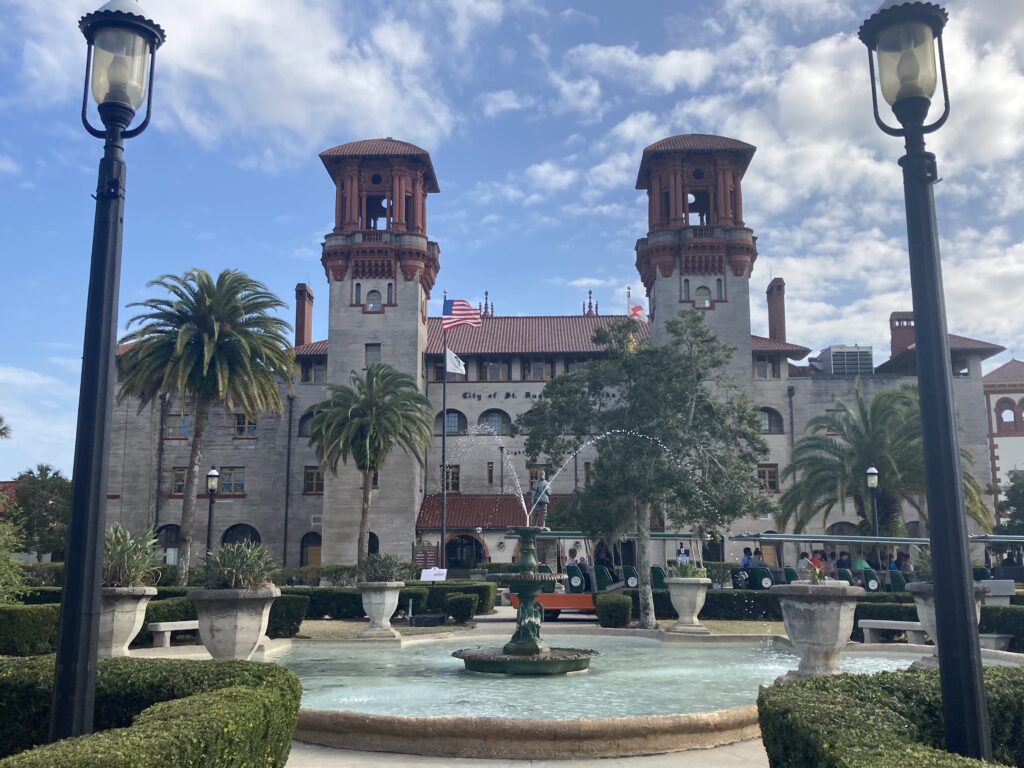
Then walk a few doors down and take pictures of the gorgeous St Augustine City Hall, which is located at the site of the former Alcazar Hotel. Go inside the city hall building and buy a ticket to the Lightner Museum, which features beautiful Victorian art and furniture.
Afterwords, walk 2 blocks to view the small museum inside the Florida Governor’s House. Then walk across the plaza and take pictures of the Ponce de Leon statue.
Old Town Trolley Tours
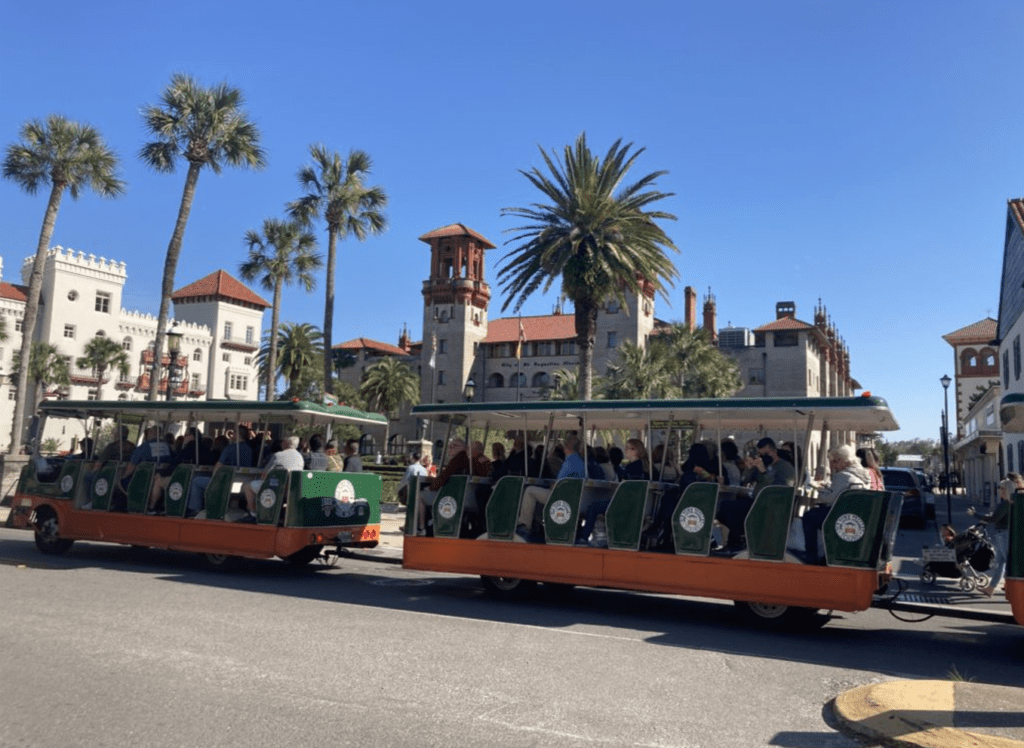
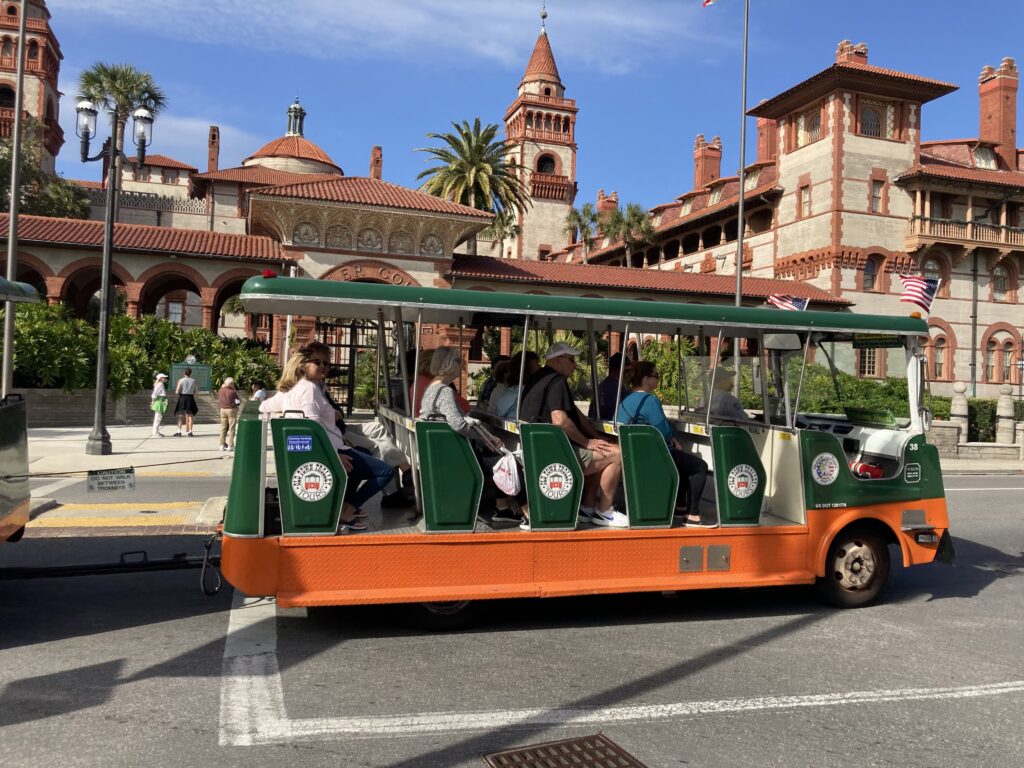
The best way to explore St Augustine is to take the Old Town Trolley Tour. The orange and green trolley is hop on/hop off and has 22 stops.
The conductors narrate the tour with a mix of trivia and humorous stories. Old Town Trolley also operates in Boston, Key West, San Diego, Savannah, and Washington D.C. I took the Old Town Trolley Tour in Key West and my tour guide was hysterical.
St Augustine Old Town Trolley Tour
The 22 stops include the Castillo de San Marcos, Ponce de Leon’s Fountain of Youth Archaeological Park, Flagler College, the iSt Augustine City Hall, the St. Augustine History Museum, and the Old Jail. There are exclusive stops at the Old Jail, Potter’s Wax Museum, and Old Drug Store.
The Ticket price includes FREE Admission to the St. Augustine History Museum and the Old Town Jail (see below). In addition, Old Town Trolley also offers a FREE shuttle to both the St Augustine Alligator Farm (see the Mama Kim’s blog) and the beach. There also offer a complimentary hotel shuttle service.


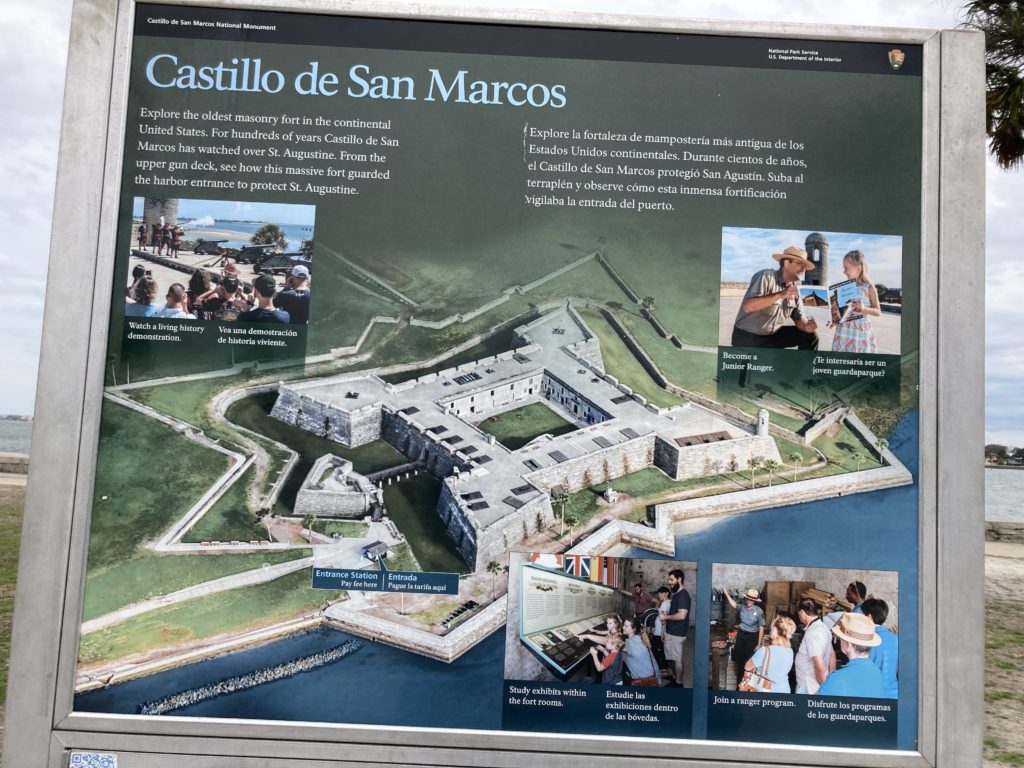
1. Castillo de San Marcos National Monument
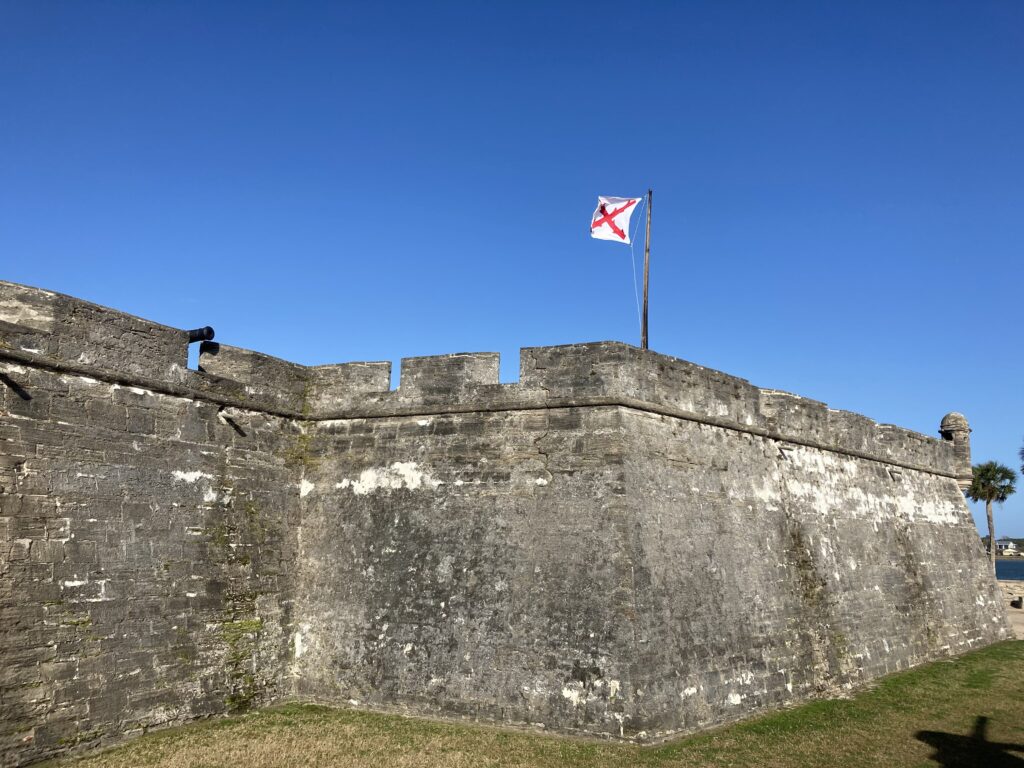
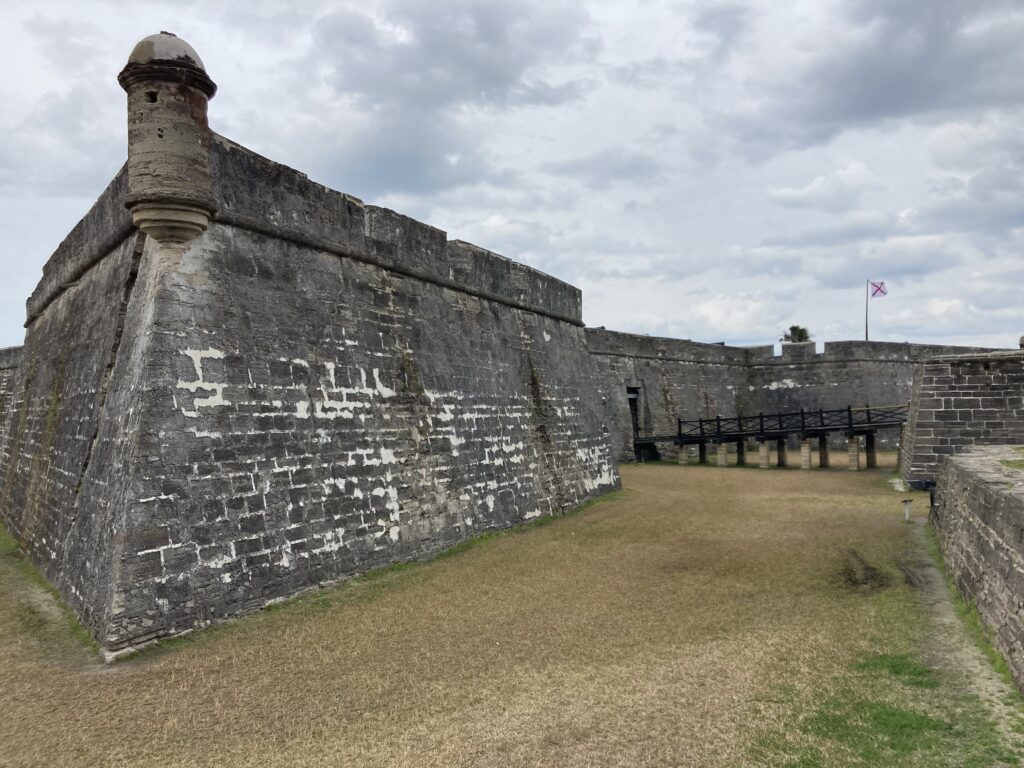
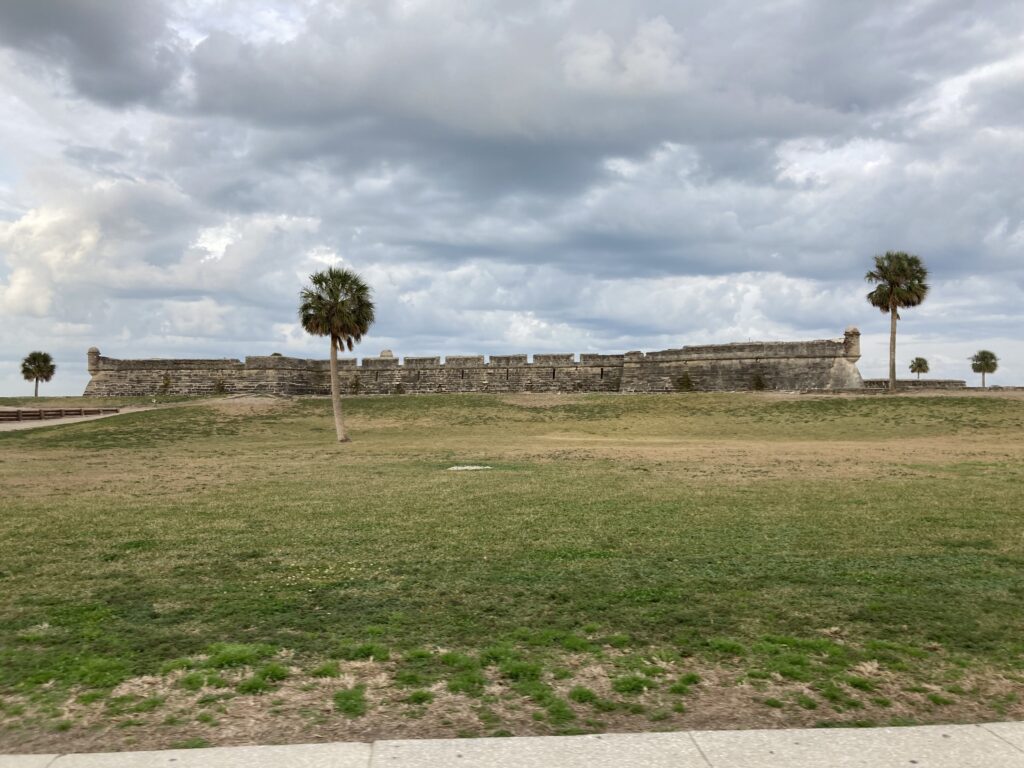
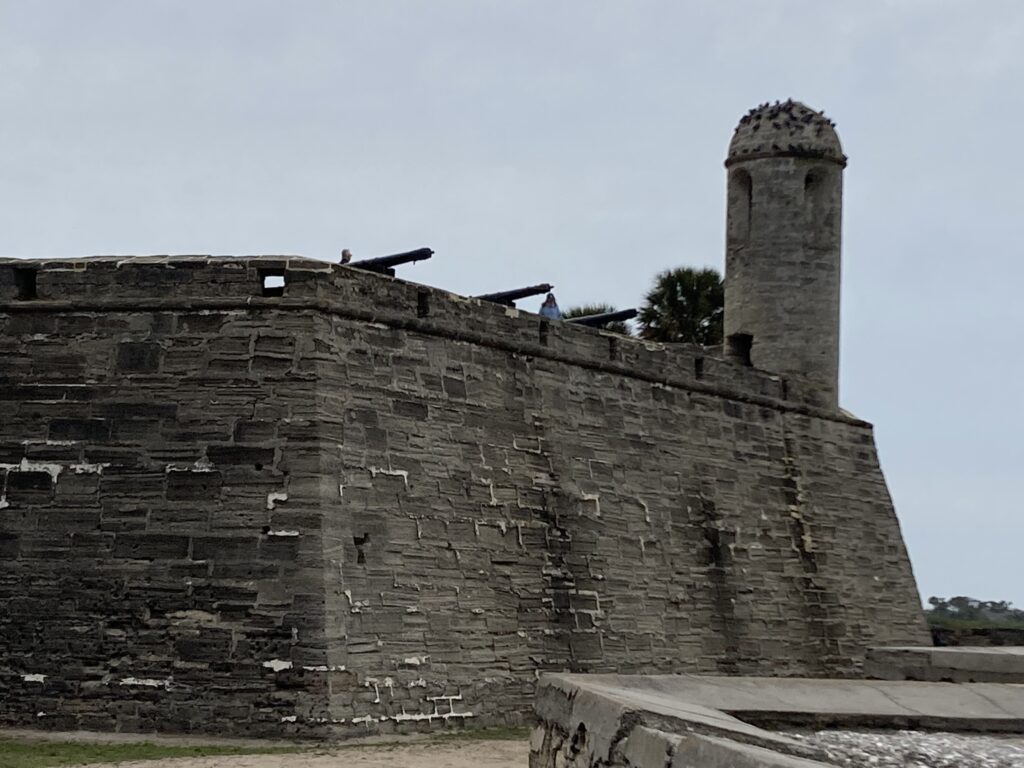
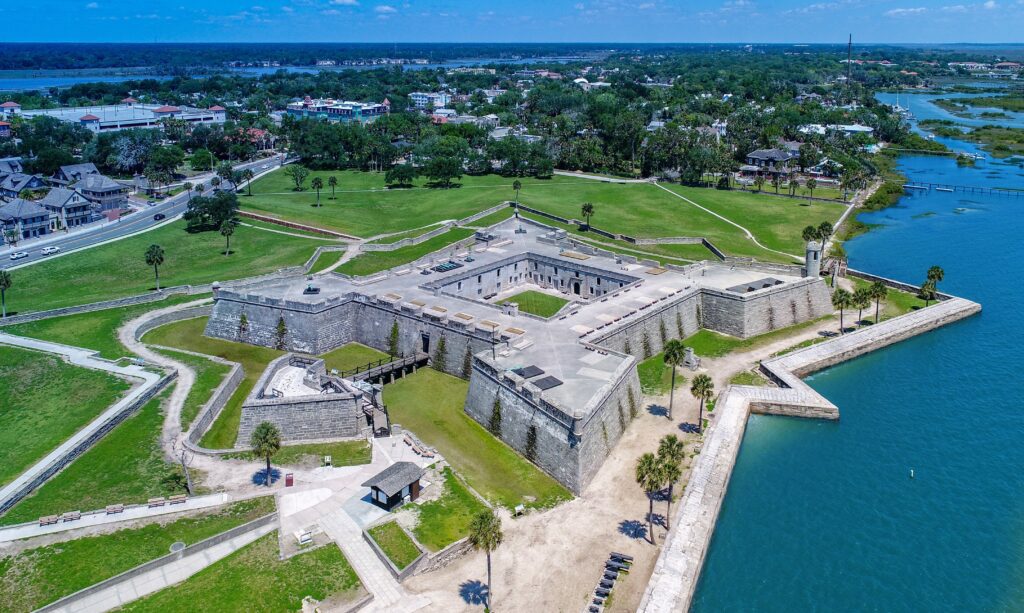
Castillo de San Marcos is the oldest masonry fort in the U.S. It was built by the Spanish to defend both Florida and the Atlantic Gulf Stream trade route.
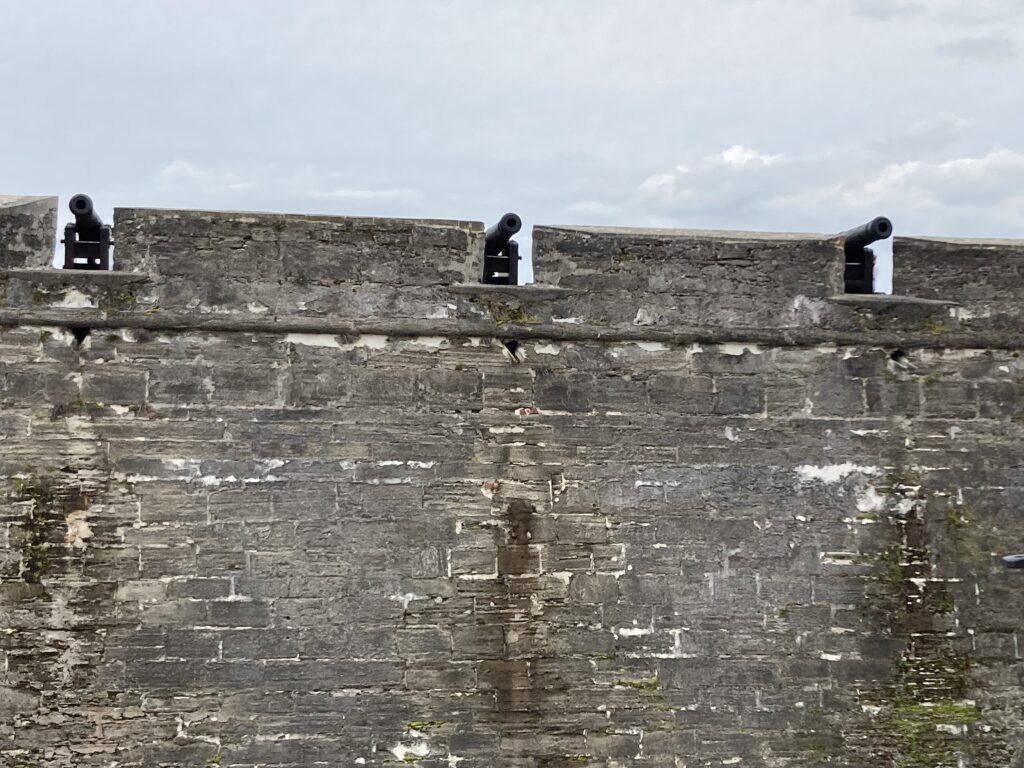
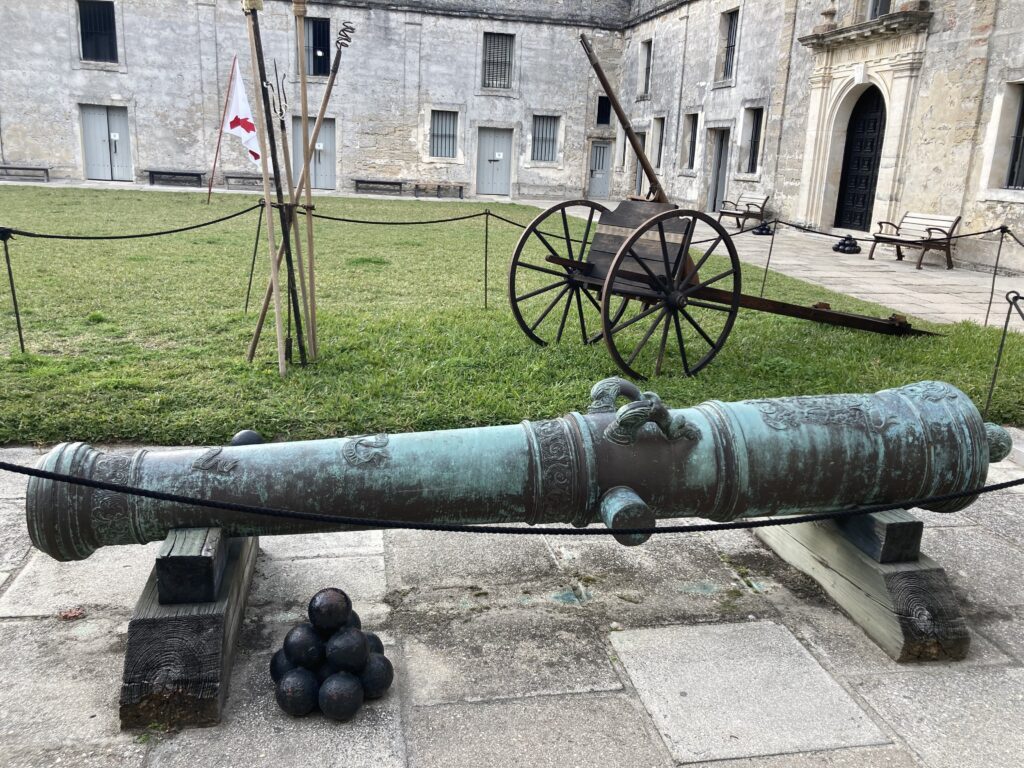
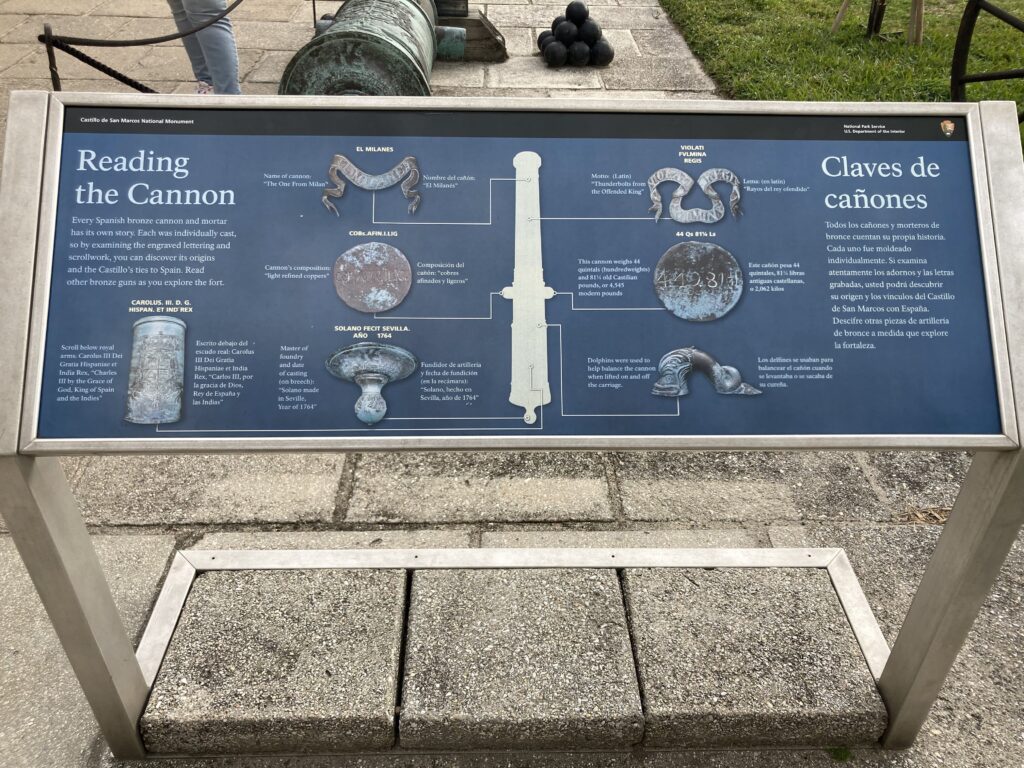
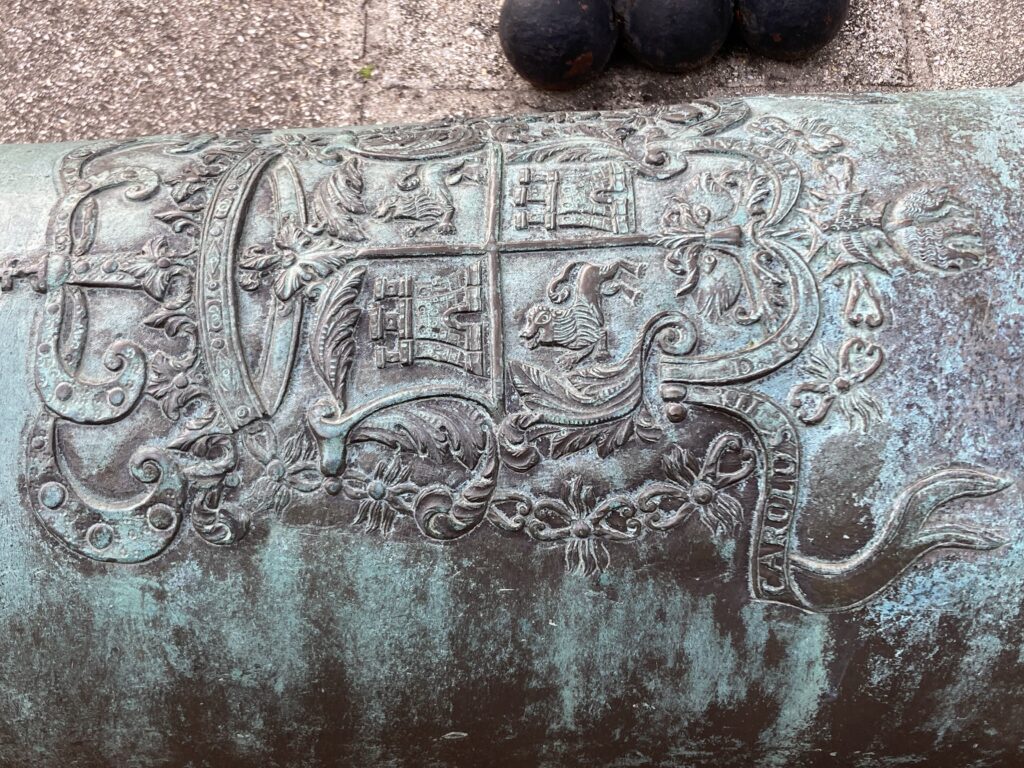
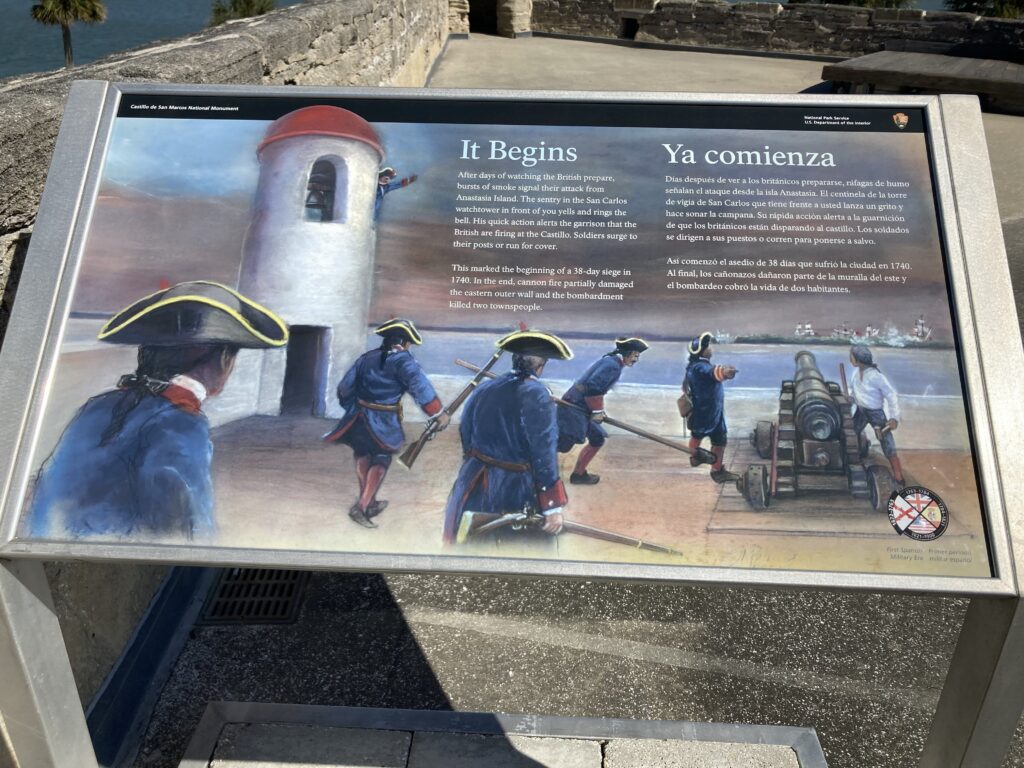
For hundreds of years, the Castillo protected the entrance to the city. Soldiers could fire cannons at ships entering the harbor and at troops approaching by land.
The Castillo was built along the winding, shallow channel of the Matanzas River. Any ships entering the inlet faced the fort head-on unable to deploy their guns broadside. The strategic location kept marauding pirates and attacking British worship at bay.
Castillo de San Marcos National Monument is located at 1 S Castillo Dr in St Augustine, FL. Their phone # is 904-829-6506.




Castillo de San Marcos History
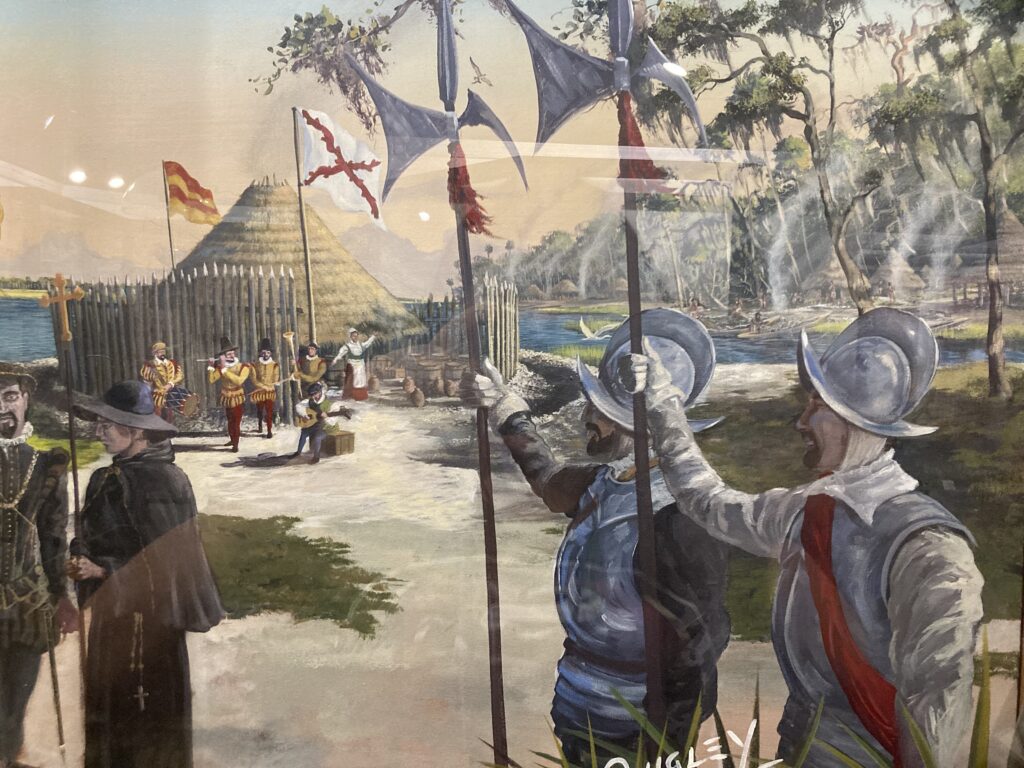
When Pedro Menendez de Aviles landed at the Timucua village of Seloy in 1564, he built the first of many wood forts that were burned down.
In 1586 British explorer Sir Francis Drake burned St Augustine and the fort to the ground. Then in 1668 pirate Robert Searles attacked St Augustine and killed 60 residents. In response, the Queen of Spain ordered the building of a stone fort.
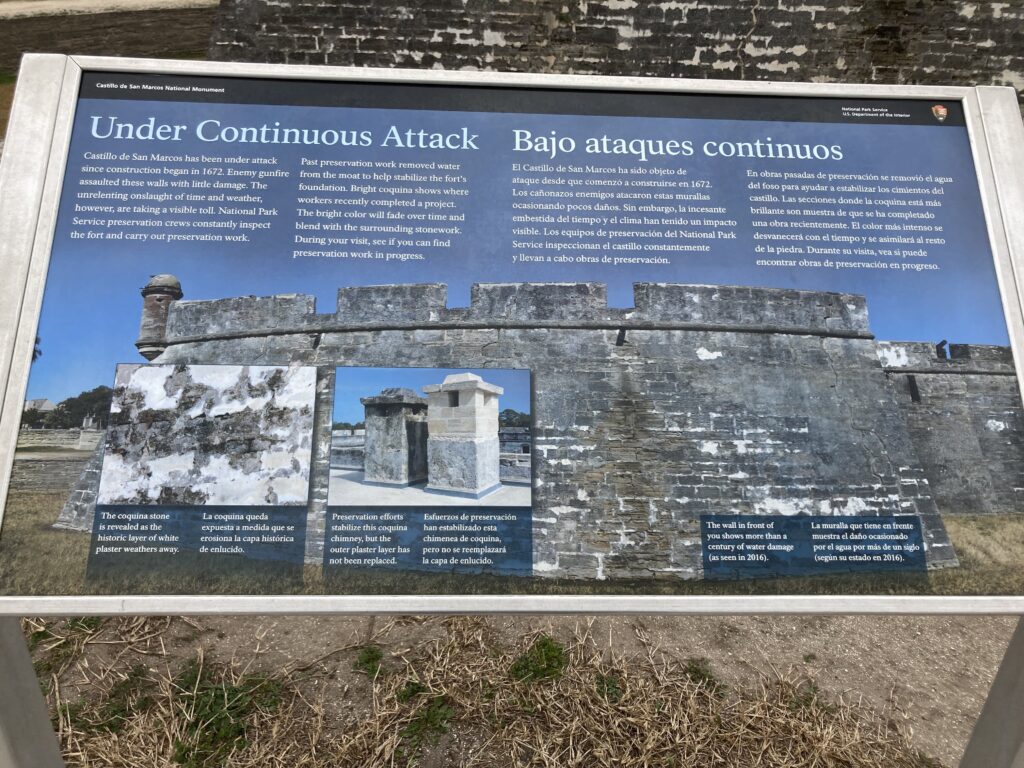
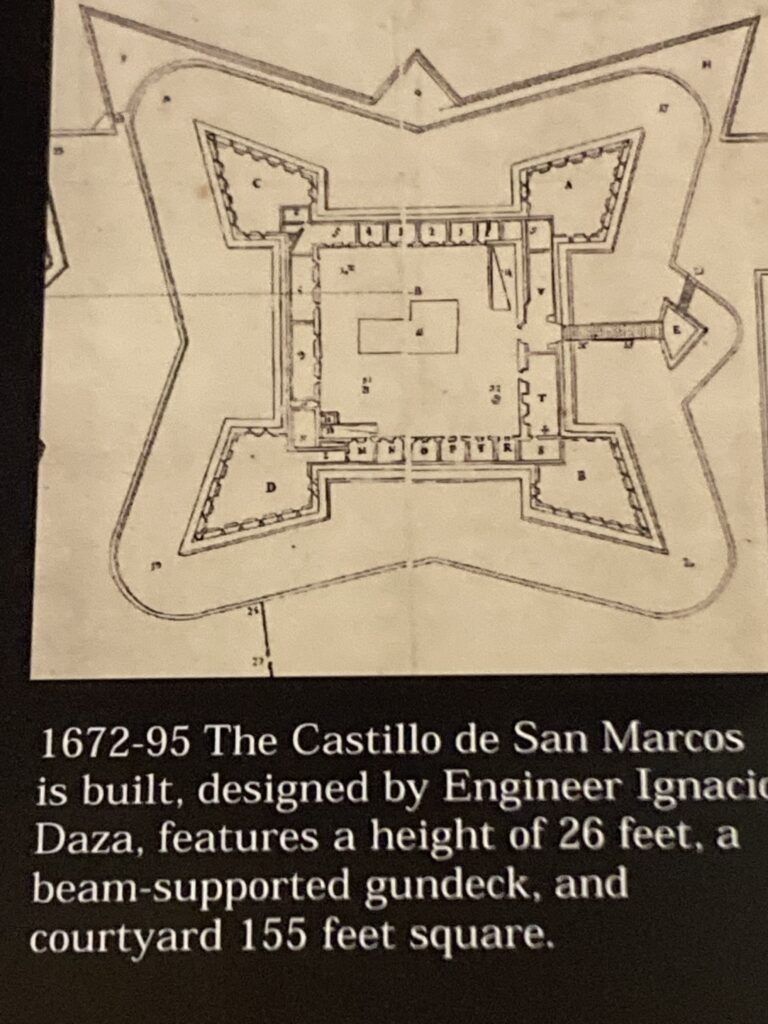
The current coquina fort was built between 1672-1695. Carolina Governor James Moore burnt St Augustine a mere 7 years later, but was unable to take the Castillo. That attack led to the St Augustine becoming a Presidio, or walled city.


Castillo Military Base
After the discovery of the Americas, Spain, Portugal, Holland, France, and England battled for control of the New World and its immense wealth. The Castillo was one of hundreds of fortified outposts Spain built to protect her global Empire and maintain the trade routes back to Spain.
The Castillo acted as a base of military force and supply supporting a string of outposts. In addition, small ships from the fort would patrol the coast as far south as the Keys, looking for pirates and rescuing shipwreck survivors.
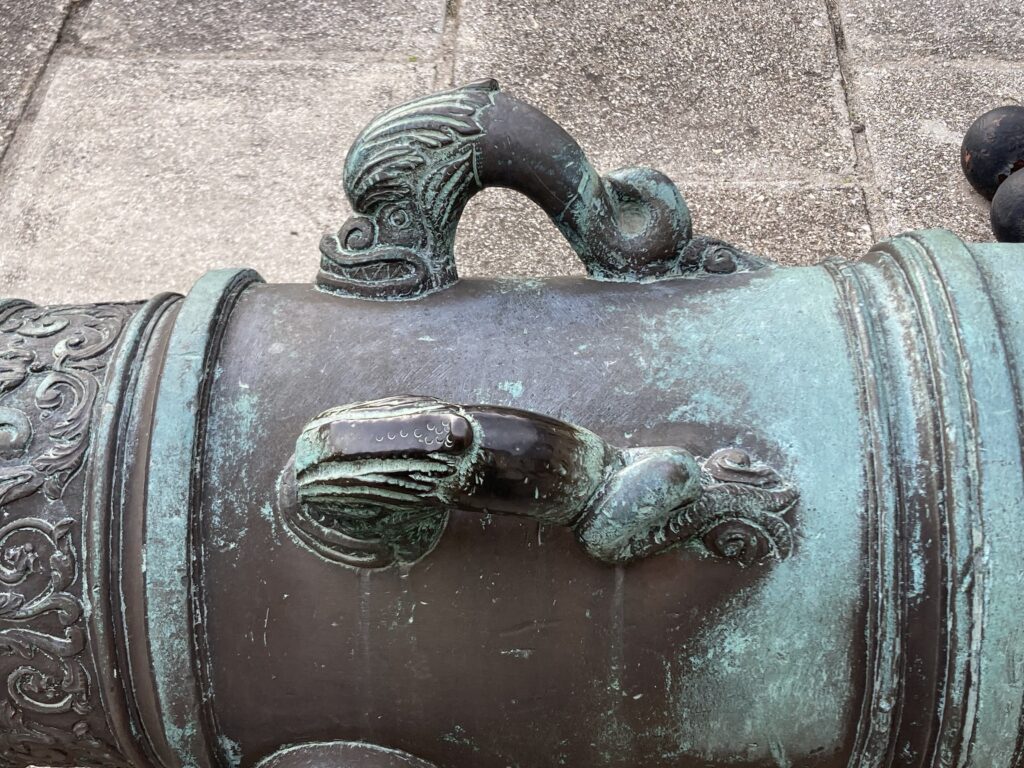
Located near Gulf Stream
Because of its location near the Gulf Stream, many ships sailed past St Augustine. Spanish treasure fleets used this route to carry sugar, tobacco, pearls, silver, and gold to Europe.
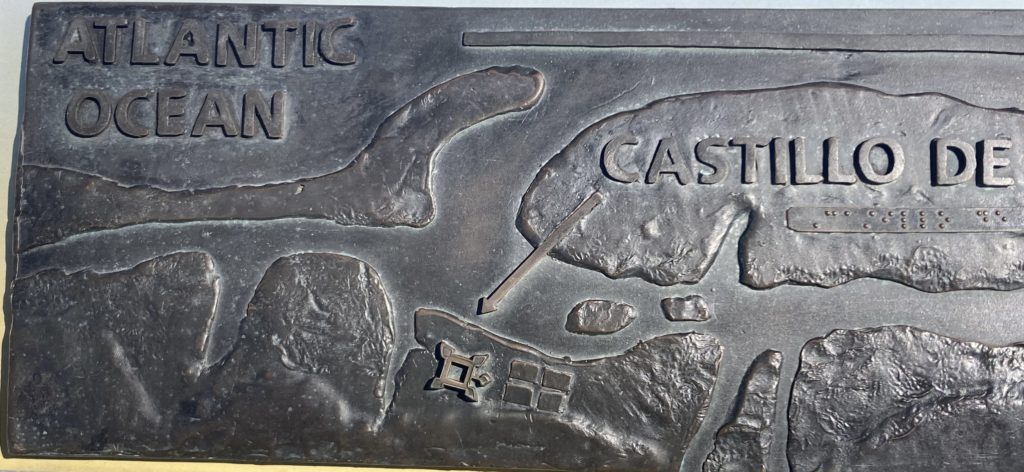
Castillo Fortification
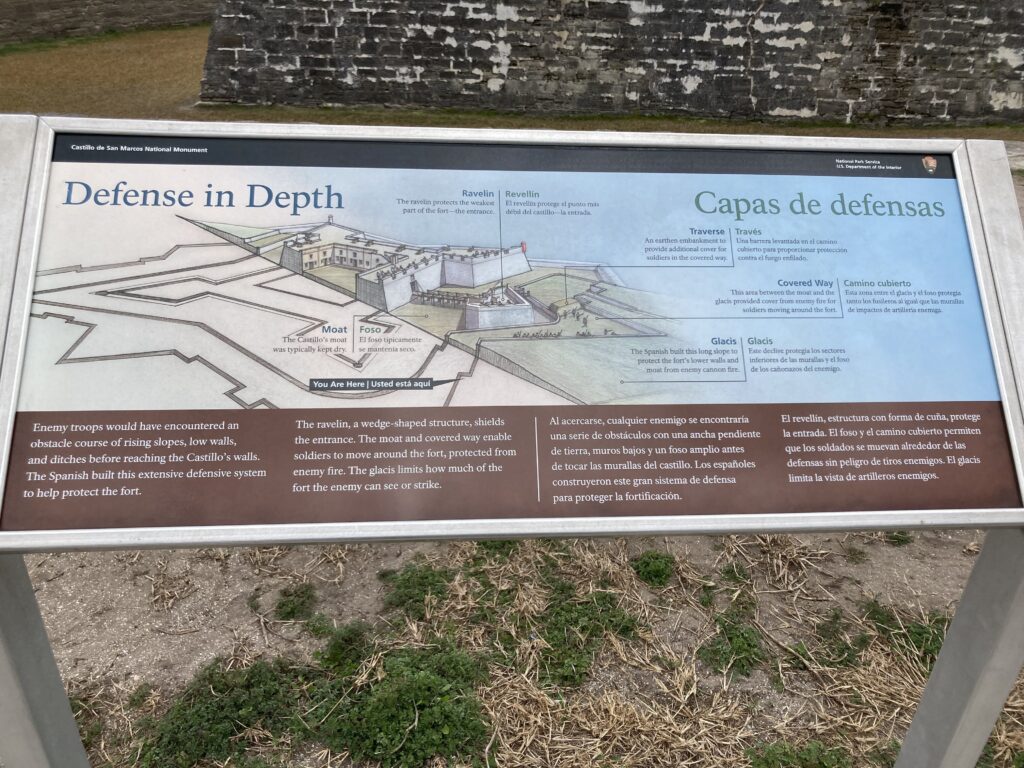
The Castillo has been under attack since construction began in 1672. Improvements in the mid-1700s helped it keep both pirates and the British at bay.
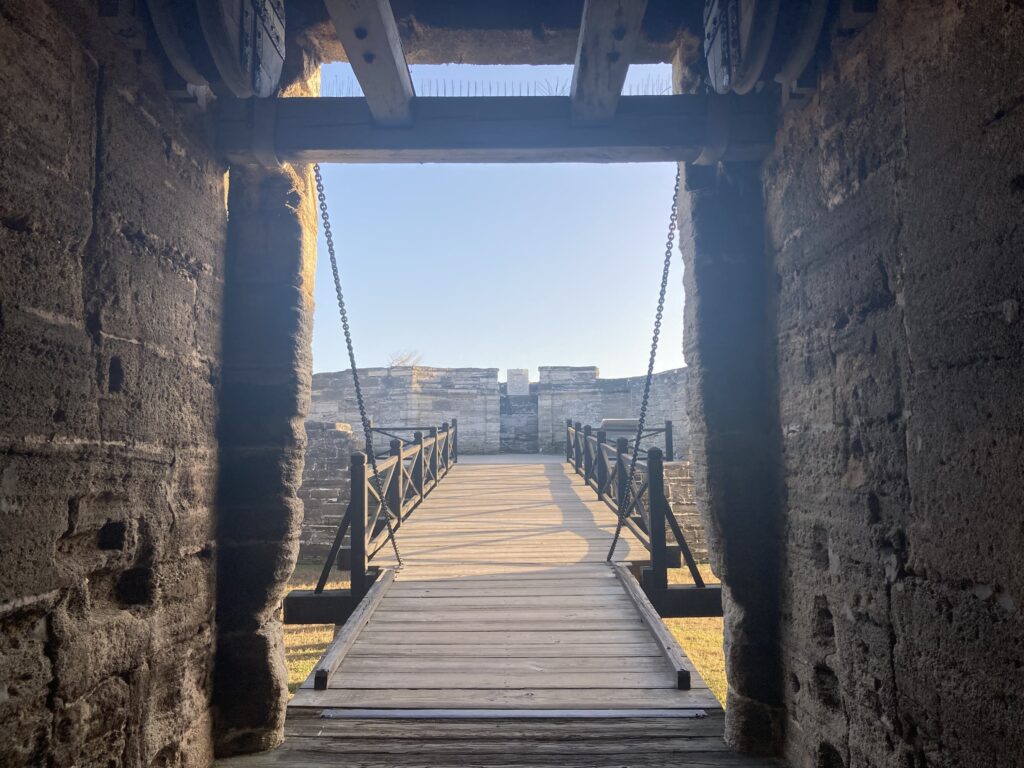
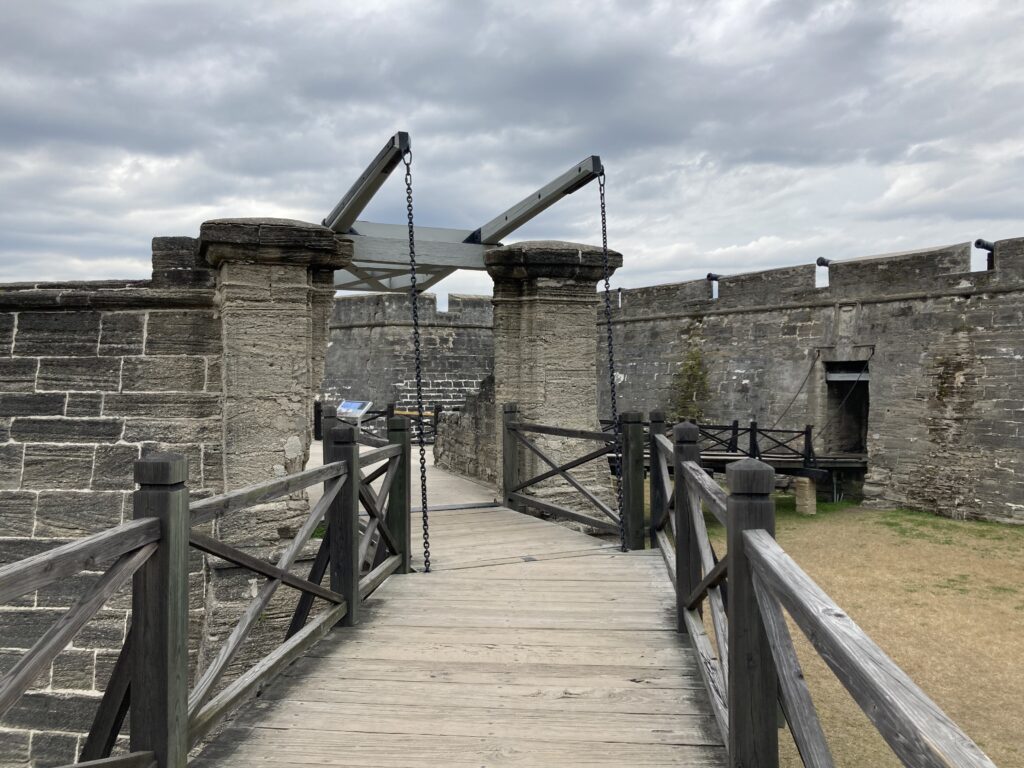
Enemy troops would have encountered an obstacle course of rising slopes, low walls, and ditches before reaching the Castillo‘s walls. The Castillo’s moat was usually kept dry. The Ravelin (a triangle shaped structure) protects the weakest part of the fort – the entrance.
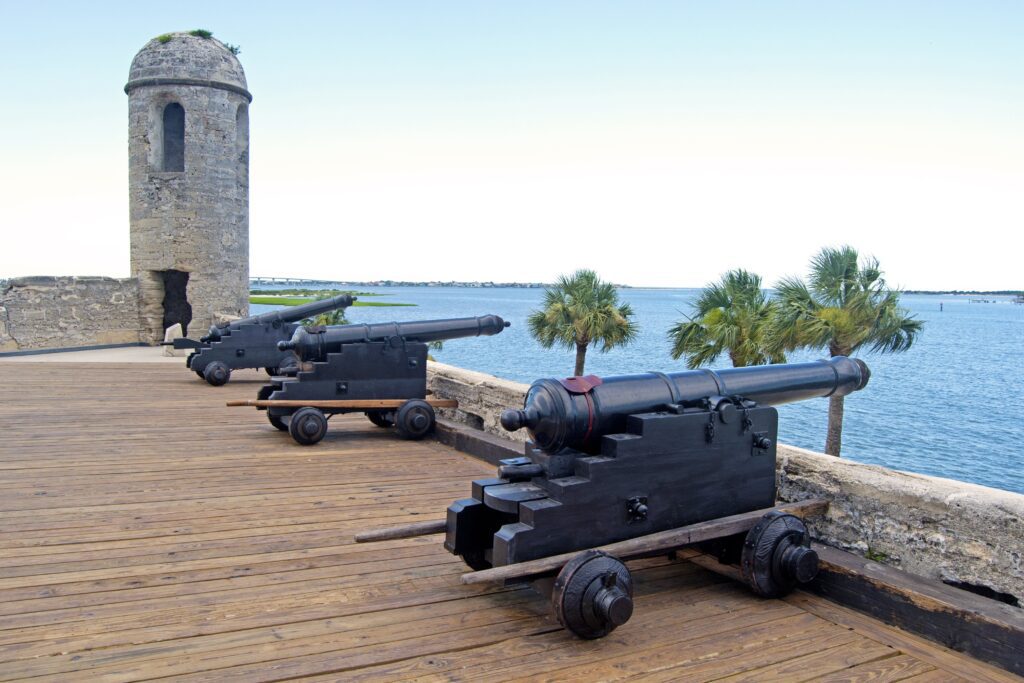
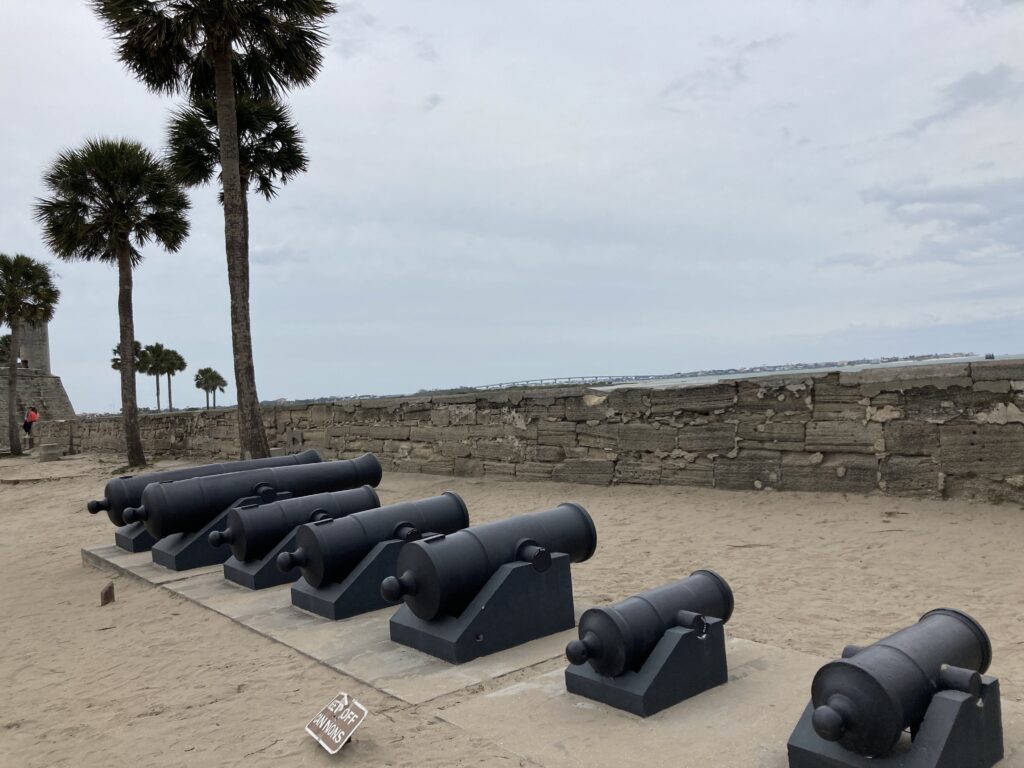
U.S. Control of St Augustine
When Florida became an American territory in 1821, the Castillo was already over 150 years old. U.S. troops renamed the structure Fort Marion after Francis Marion, a hero of the American Revolution.
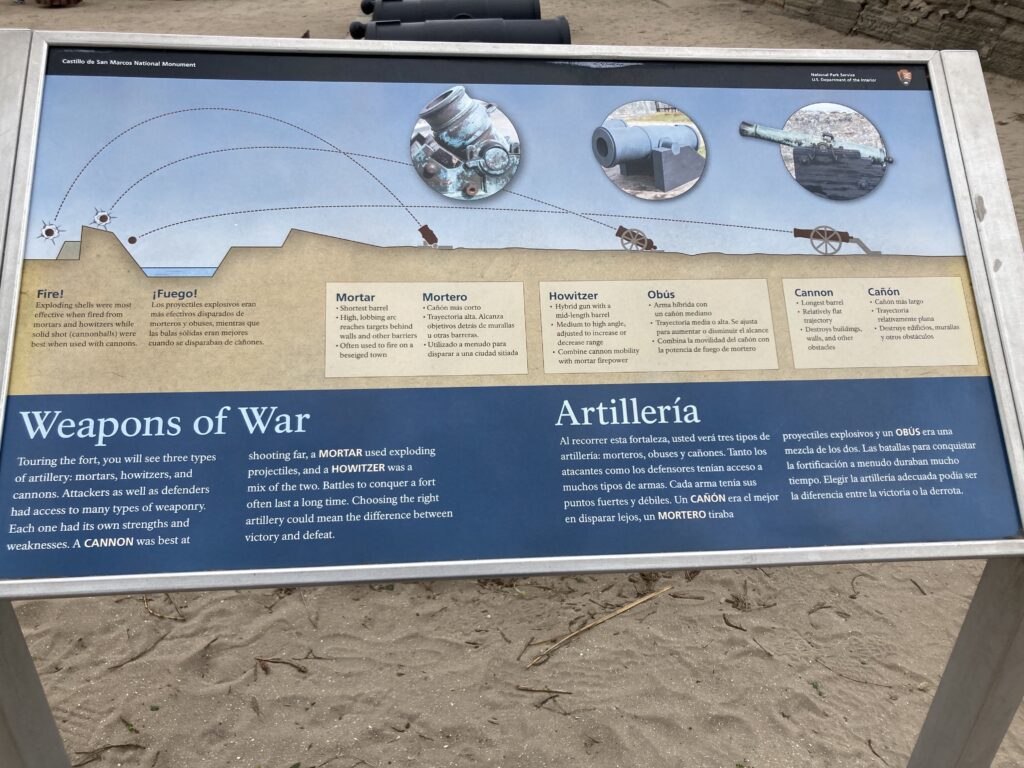
Fort Marion became part of the U.S, coastal defense system. Its defenses were brought up to date by thickening the sea wall, filling in the moat, and building granite and iron semi-circular gun platforms. Mounted only 7 feet above sea level, the howitzers and cannons could threaten ships miles away.
In 1861 Florida seceded from the Union and Confederates seized Fort Marion. Then in March 1862 Union forces took control of St Augustine for the rest of the American Civil War.
Then in 1900 the army abandoned the Castillo. And in 1924 President Calvin Coolidge designated it a National Monument.

Castillo de San Marcos Exhibits
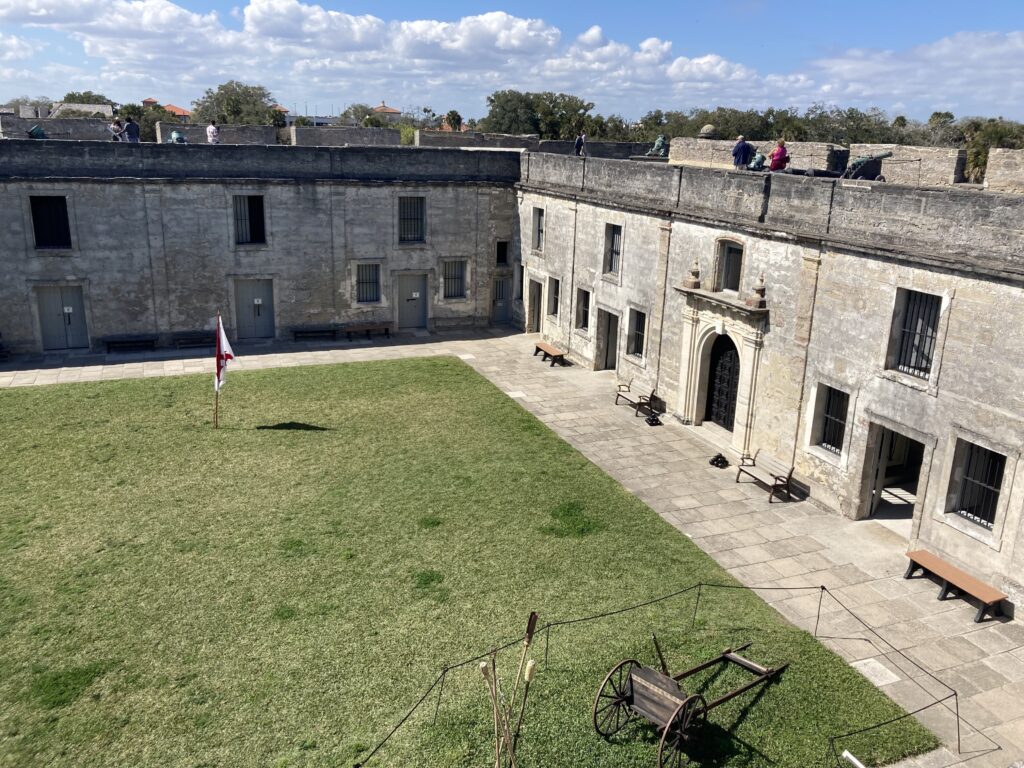
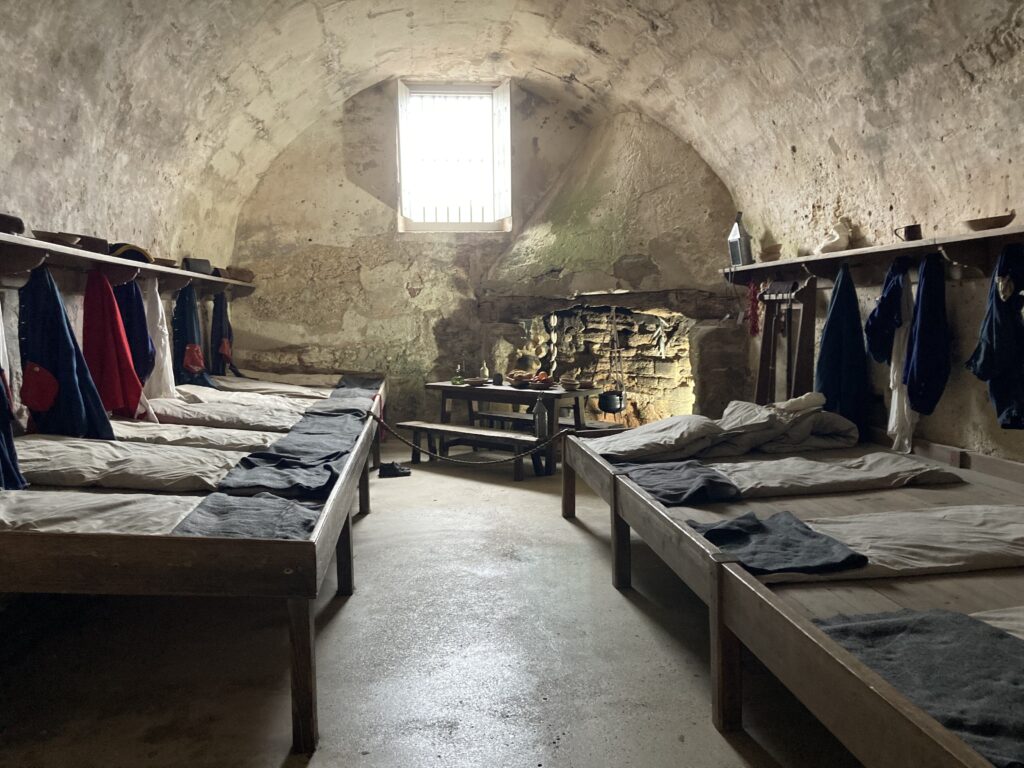
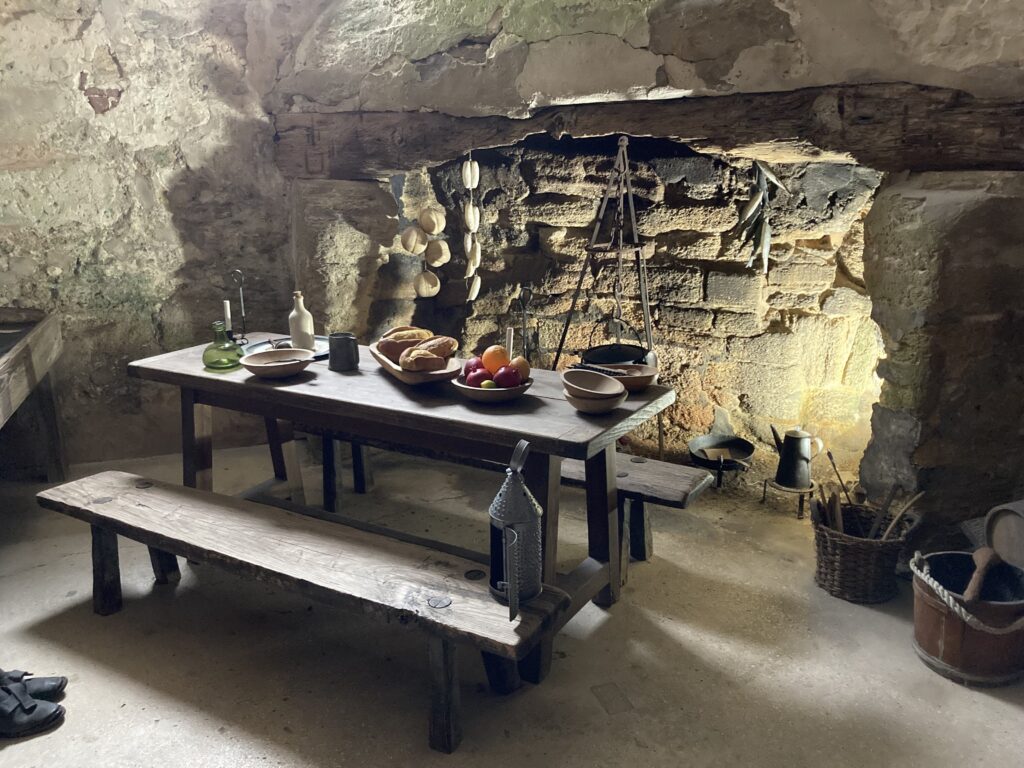
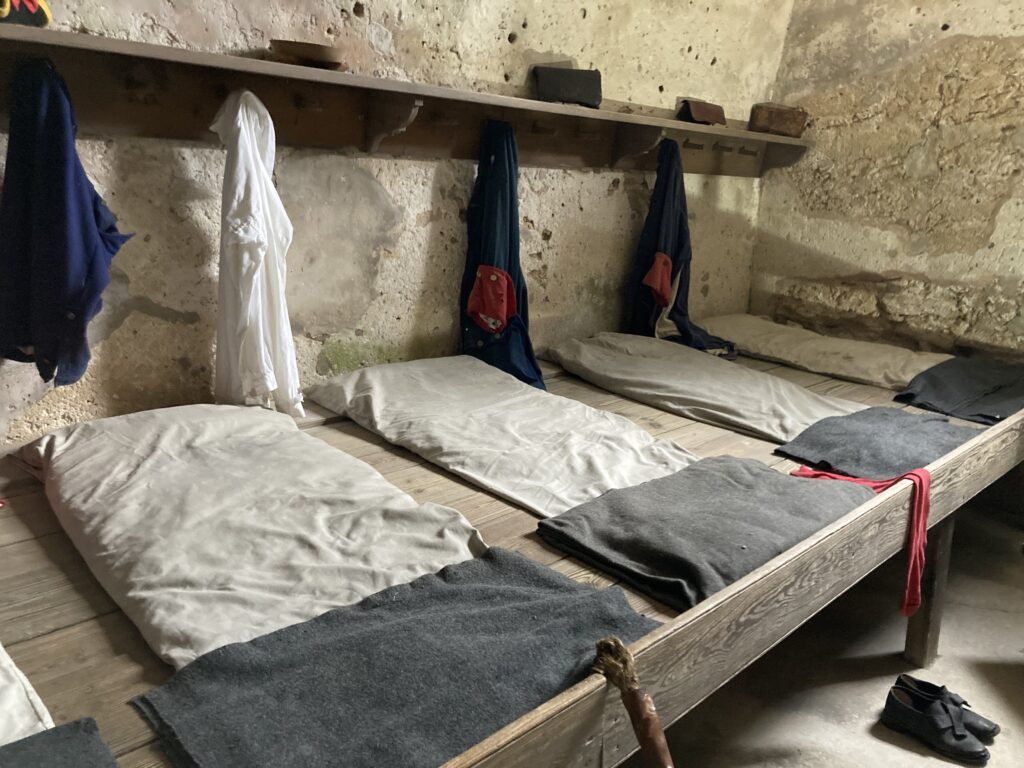
Each room in the fort contains an exhibit. After you enter through the front gate and cross 2 drawbridges you will be inside the courtyard. Start the self-guided tour on your left and go counterclockwise!!! (I did not realize this, and started on the right side, which is historically out of order).
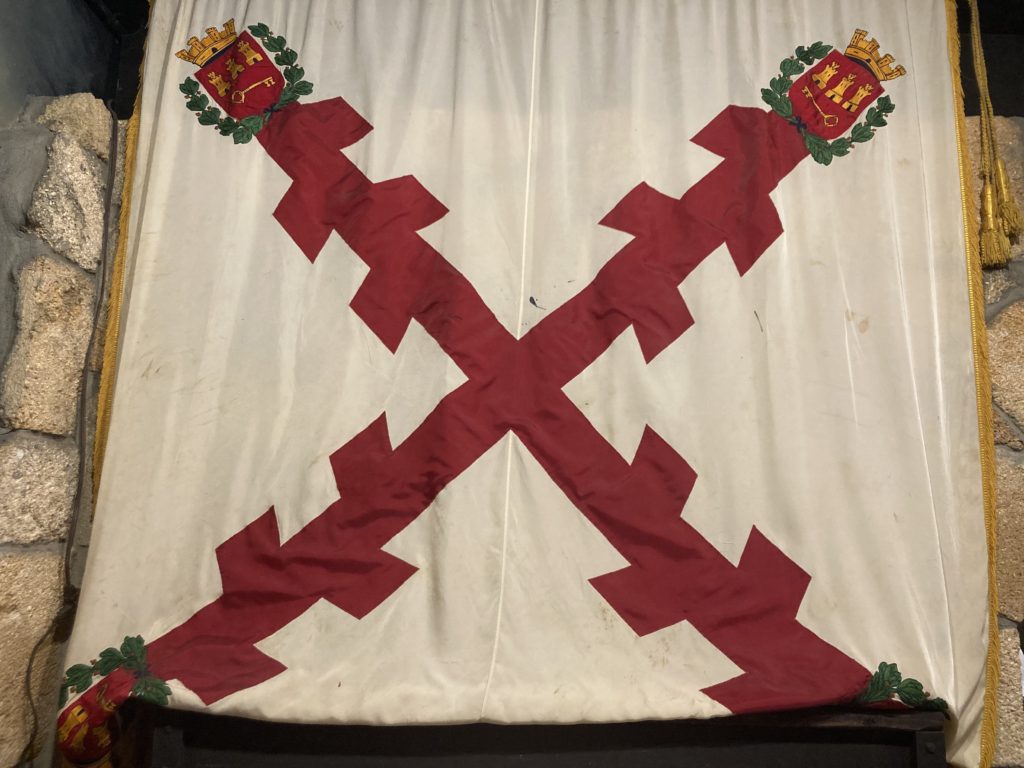
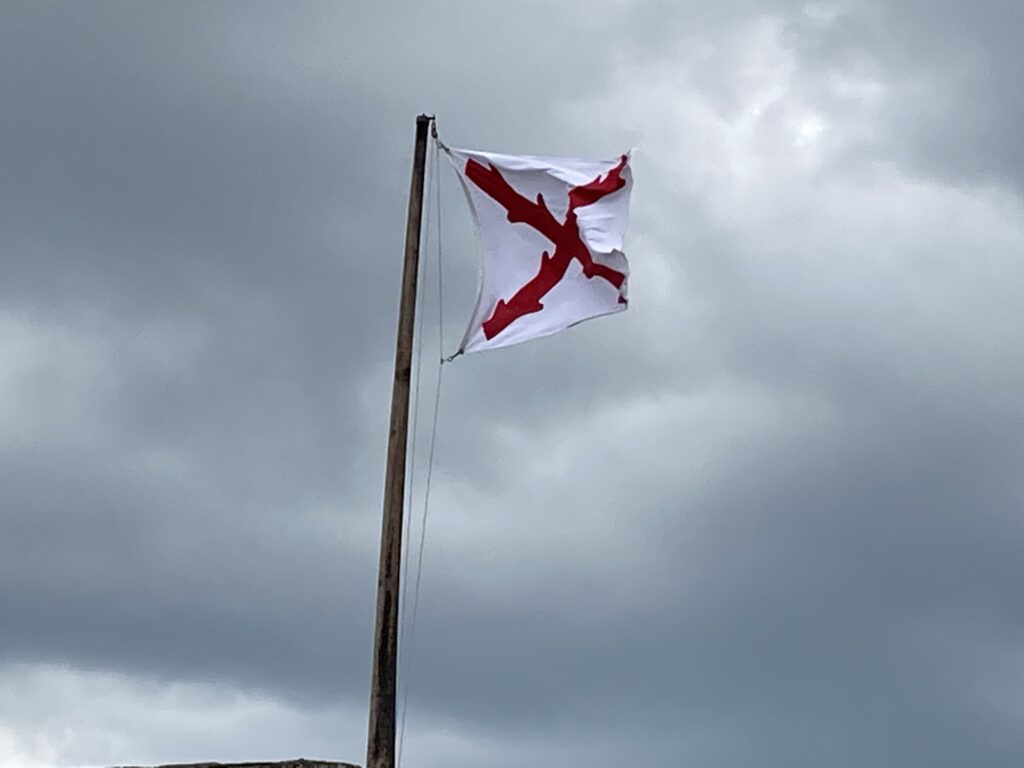
The exhibits feature the fort’s history, design, and construction. The flags in the first room represent the different nations the Castillo has served: Hapsburg and Bourbon Spain, Great Britain, the United States of America, and the Confederate States of America.



Visit Castillo de San Marcos
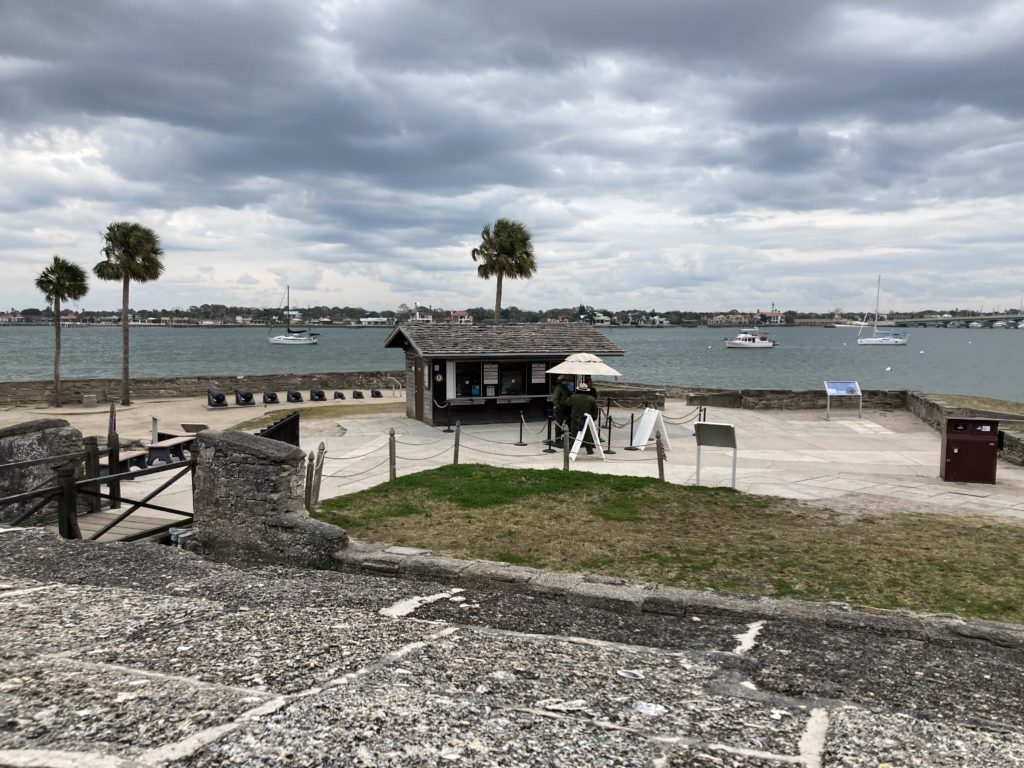
Tickets to the Castillo de San Marcos are $15 for Adults (16 and older) and are valid for 7 consecutive days.
Children (15 and younger) are free of charge. Since the Castillo is a National Monument, you can get in free with an annual National Parks Pass.
There is a parking lot in front of the Castillo. It is $2.50 per hour and the automated stations accept both cash and credit/debit cards. There is also a city parking garage one block away. Check out this virtual tour!
2. Ponce de Leon “Fountain of Youth” Archaeological Park
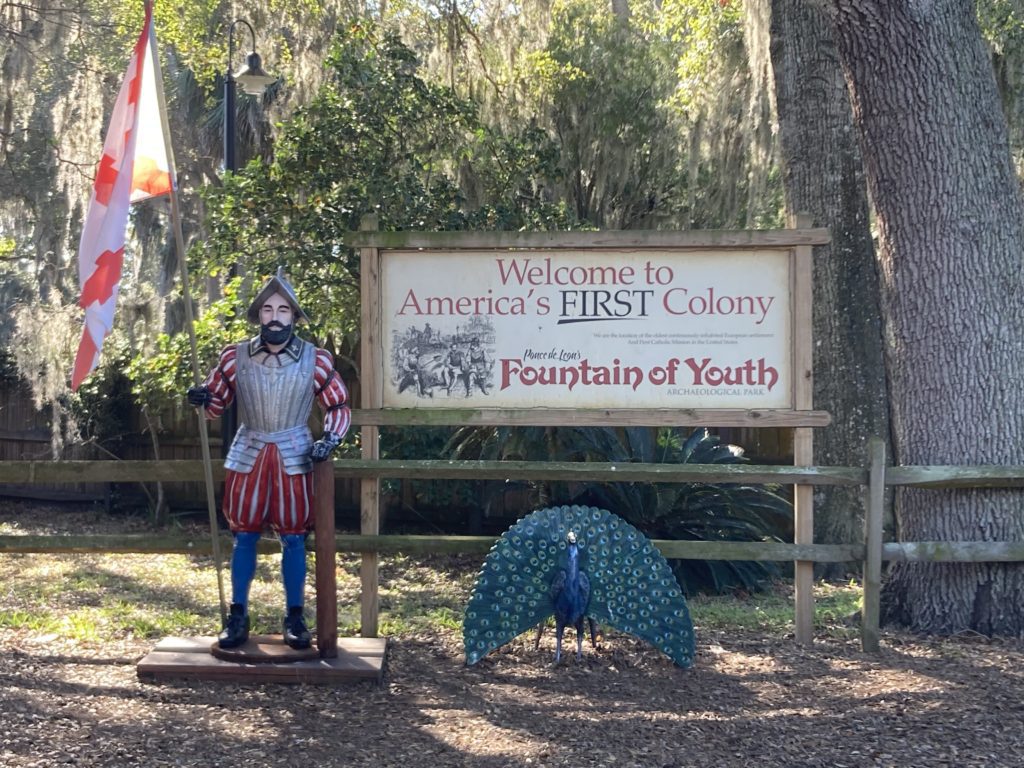
Ponce de Leon “Fountain of Youth” Archaeological Park is located on the site of “the 1565 Birthplace of St. Augustine.”
Timucua Indians lived in the area for 4,000 years. Then in 1513 Spanish explorer Juan Ponce de Leon landed at a Timucua village called Seloy; located at the exact same spot. He was searching for riches, new lands, and the legendary fountain of youth.
Then in 1565 Spanish Admiral Don Pedro Menendez de Aviles founded the town of St Augustine at the site.
How to Visit the Ponce de Leon Fountain of Youth Park
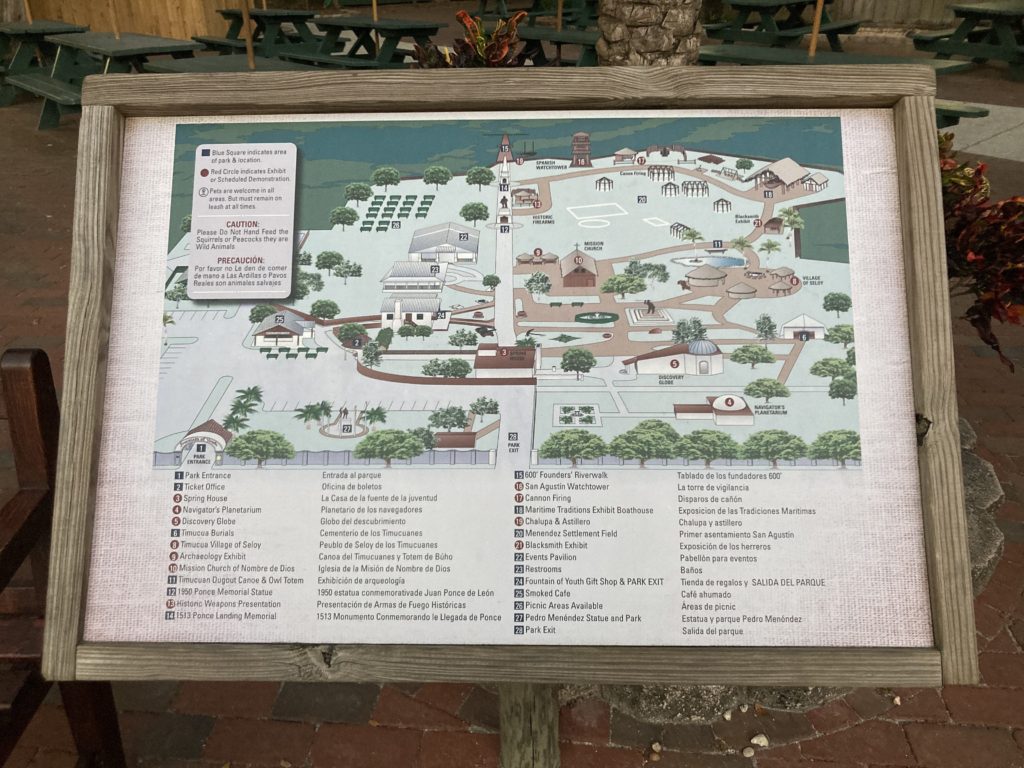
Visitors have been exploring the Ponce de Leon’s “Fountain of Youth” Archaeological Park since 1871. Visitors can drink water from the fountain of youth. Hear a Spanish Cannon roar. Visit a Timucua Indian Village. Learn the Archaeological History of the site. From to Spanish Explorers arriving in 1513 to Smithsonian institute Archaeological Digs starting in 1934, the history is amazing.
Check out the park Map and Show Schedule.
Ponce de Leon “Fountain of Youth” Archaeological Park is located at 11 Magnolia Ave in St. Augustine, FL. They are Open Daily from 9:00am-6:00pm. Their phone # is 904-829-3168. Tickets can be purchased online or onsite.
Fountain of Youth Spring House
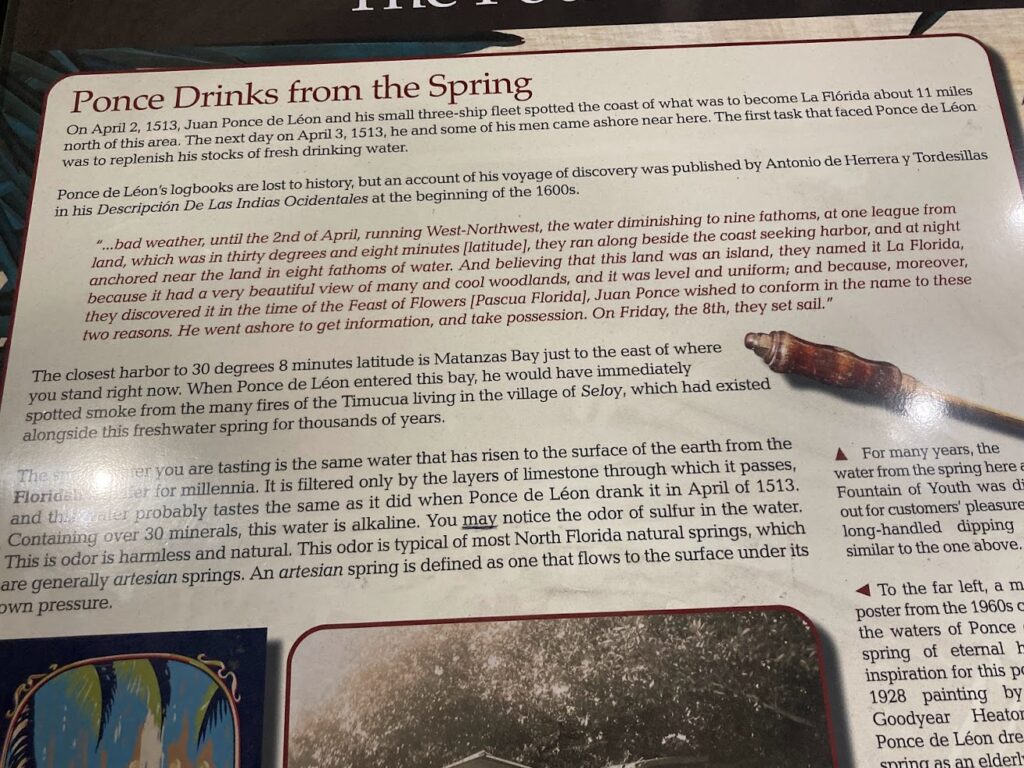
The most historic site at the Ponce de Leon Fountain of Youth Archaeological Park is the Spring House (La Casa de la Fuente de la Juventud). It houses a spring that park visitors can drink from.
The spring might have been used by Juan Ponce de Leon in 1513 to replenish his ships. Or is it the infamous “Fountain of Youth” that Ponce de Leon was searching for?
The spring comes from the Floridan aquifer, which lies below ground under much of North Florida. It contains over 30 minerals.
The original spring was recorded in a Spanish land grant in the 1600s. With signed guest books dating back to1868, the Fountain of Youth is the oldest attraction in Florida.

1565 Menendez Settlement
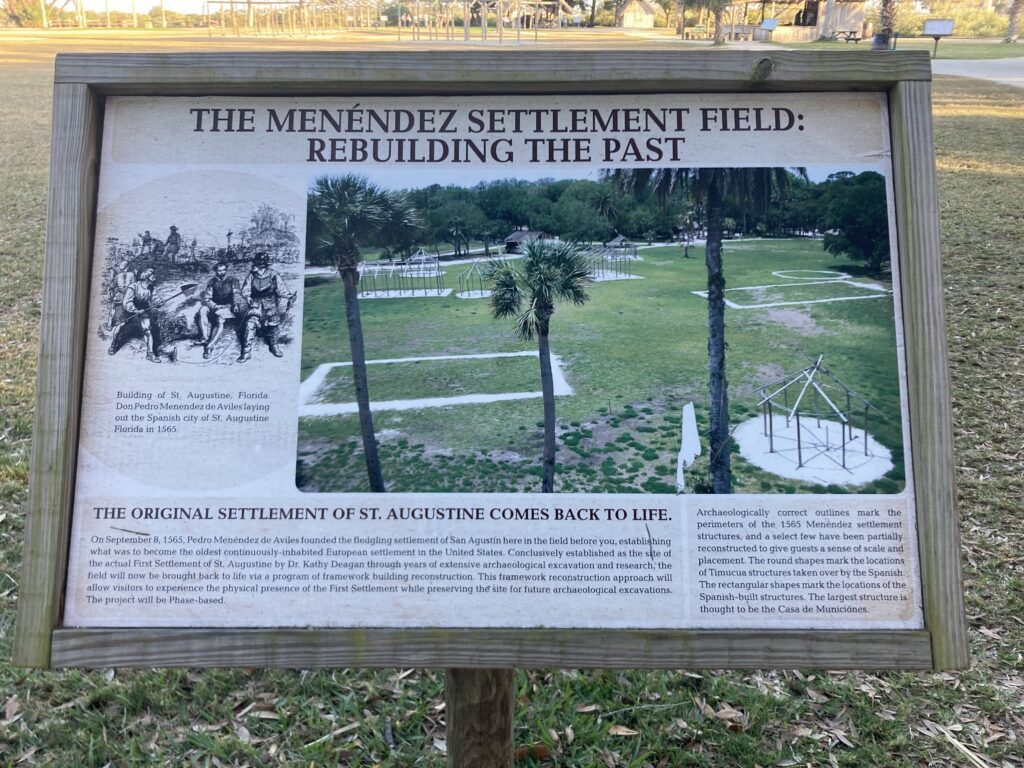
On September 8, 1565, Pedro Menendez de Aviles landed on the shore of Seloy, a large Timucuan town.
With a fleet of 7 ships and many soldiers, he was an imposing presence. So the Timucuans offered Menendez and his forces part of their village. This led to the establishment of St. Augustine, the oldest continuous European settlement in the United States.
Ponce de Leon’s “Fountain of Youth” Archaeological Park is located on this site. There is a replica of Menendez’s settlement.
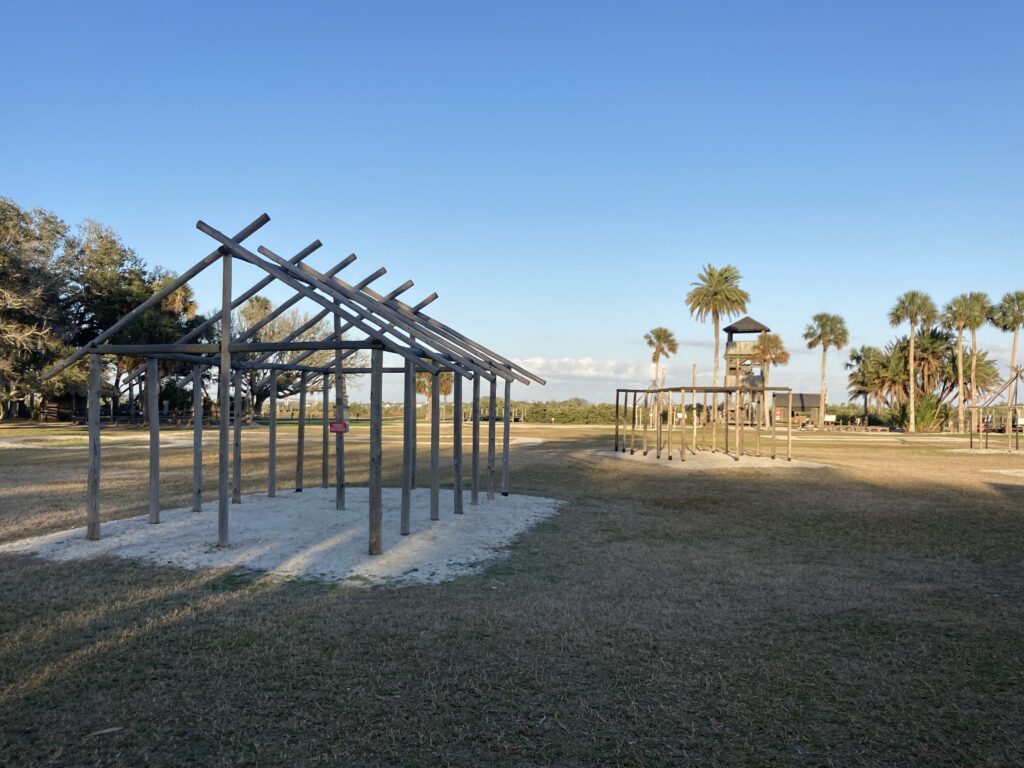
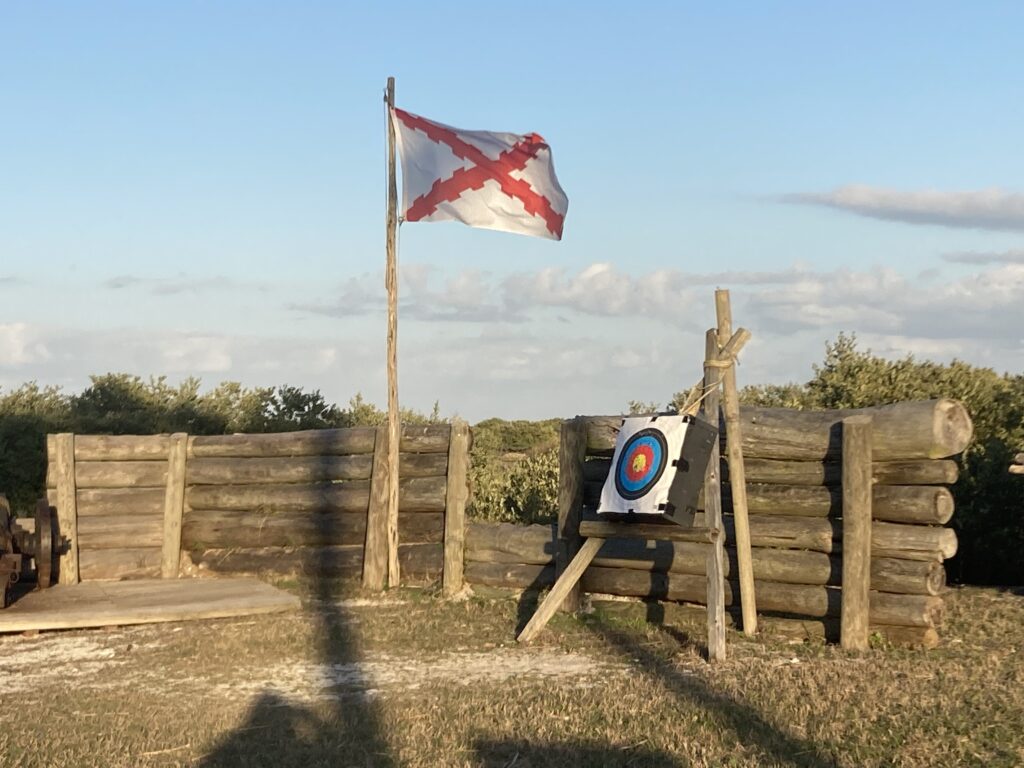


Living Timucuan Village Replica
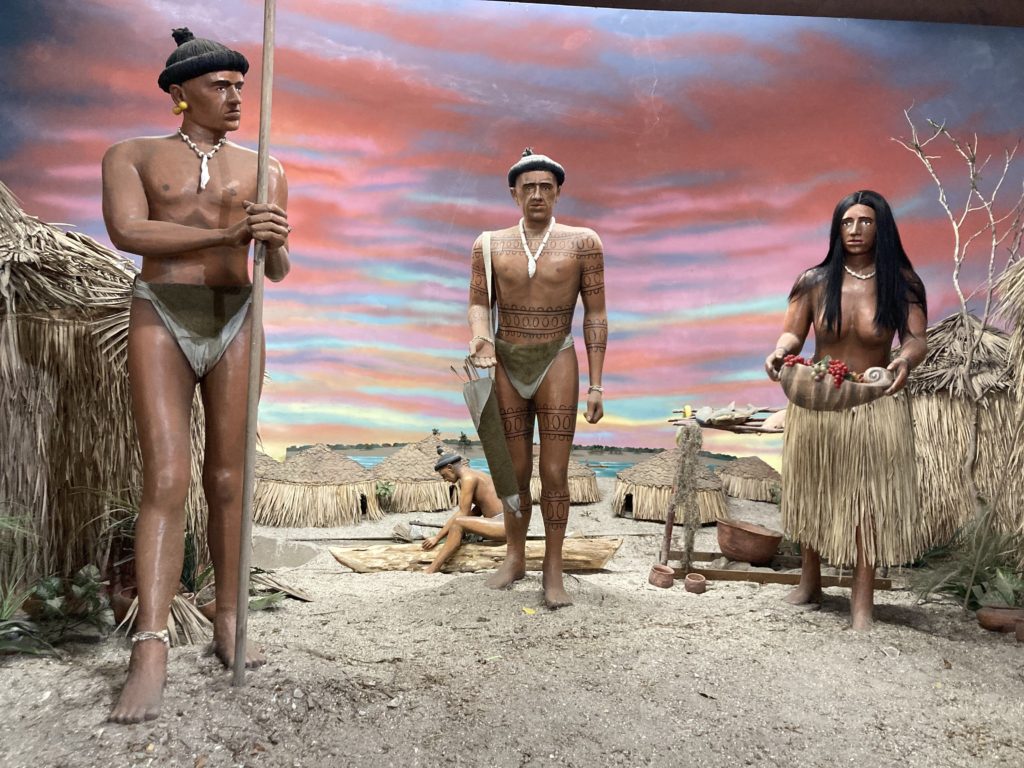
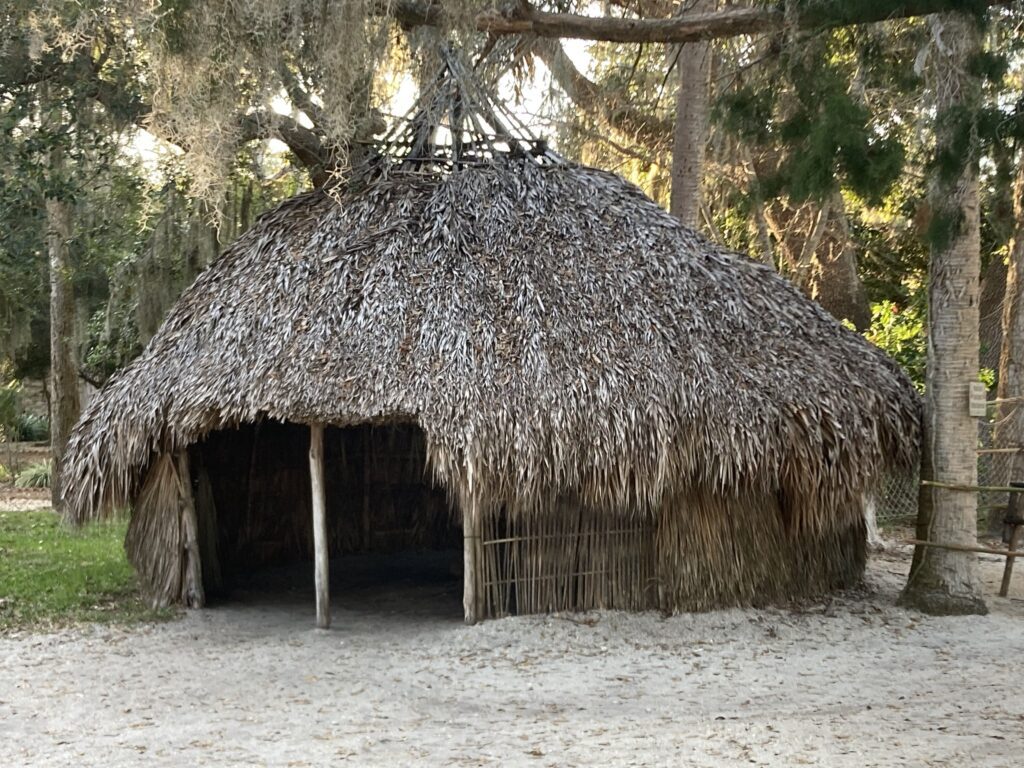
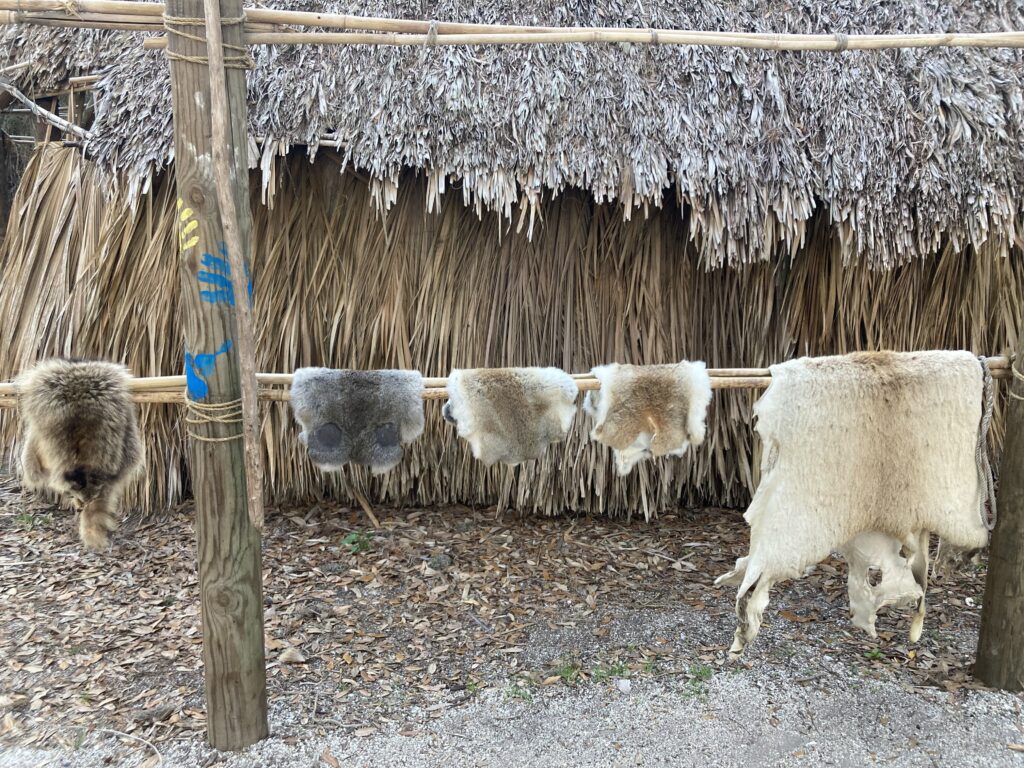
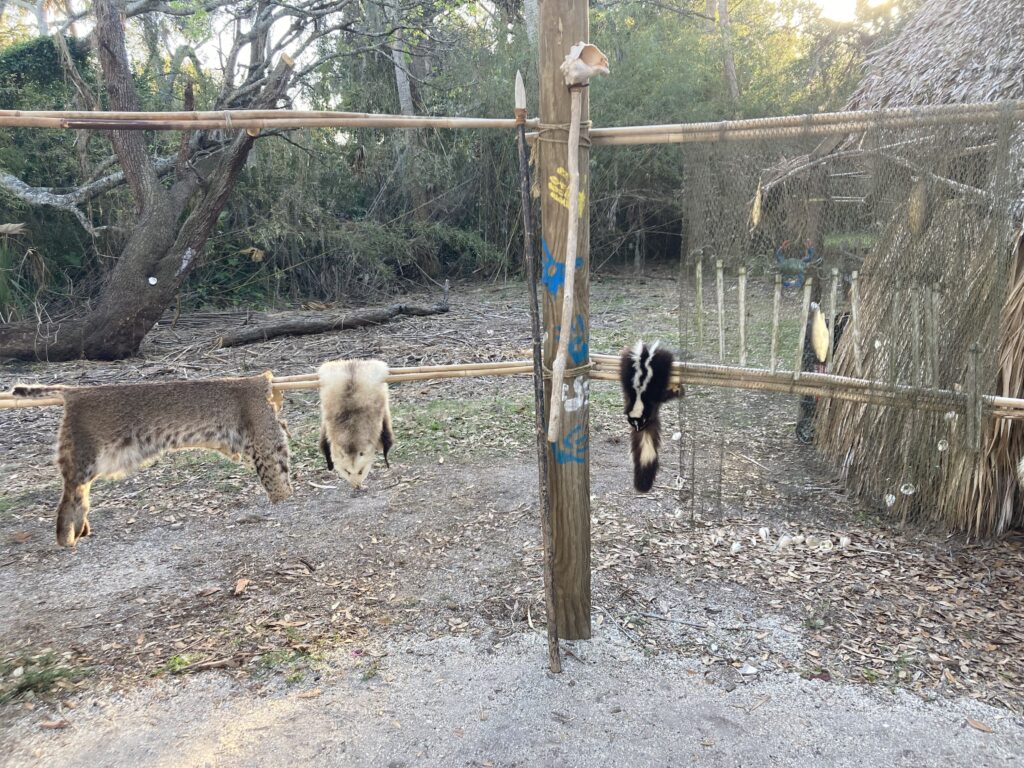
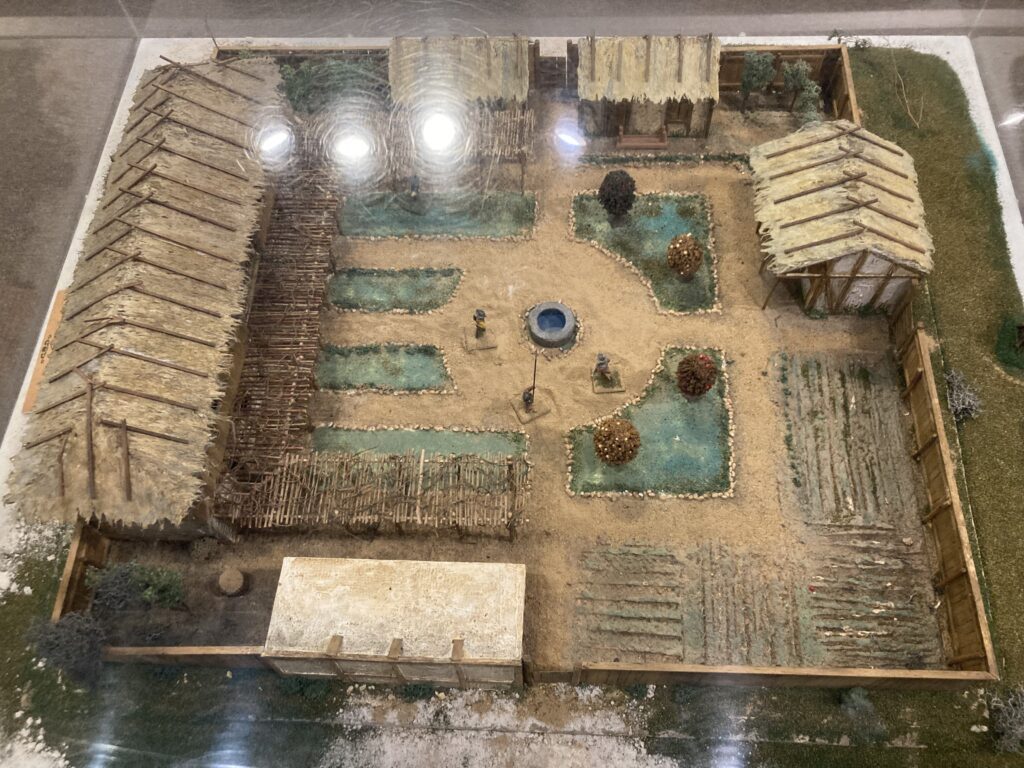
Ponce de Leon Archaeological Park houses a life size replica of part of the Timucuan village of Seloy.
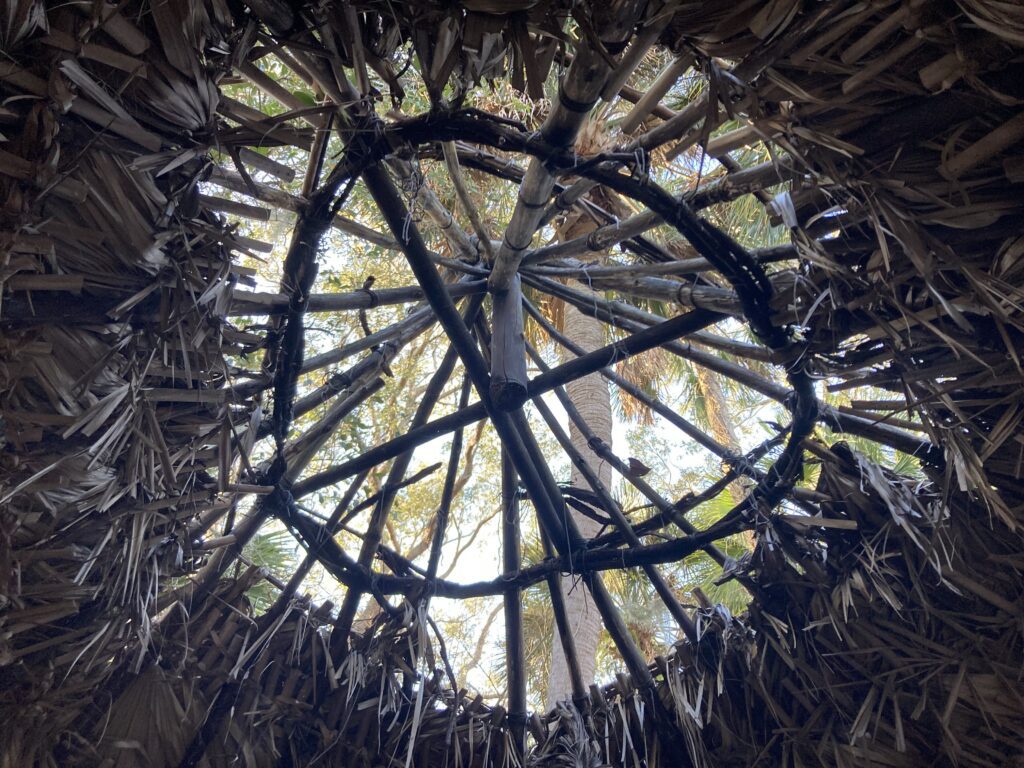
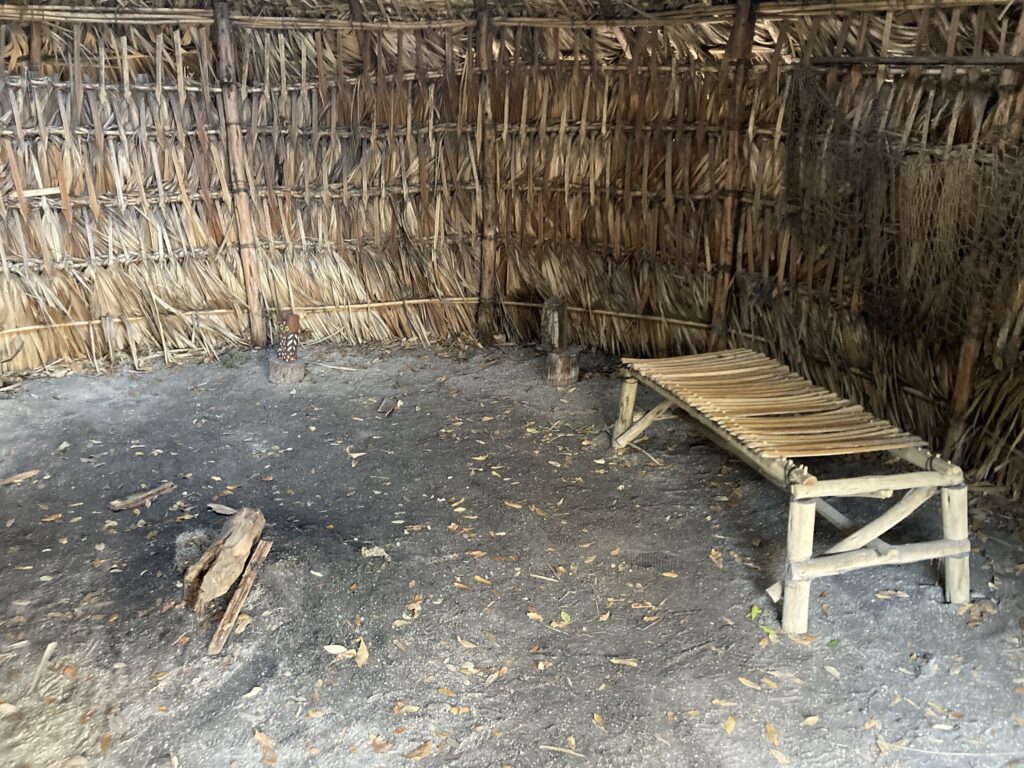
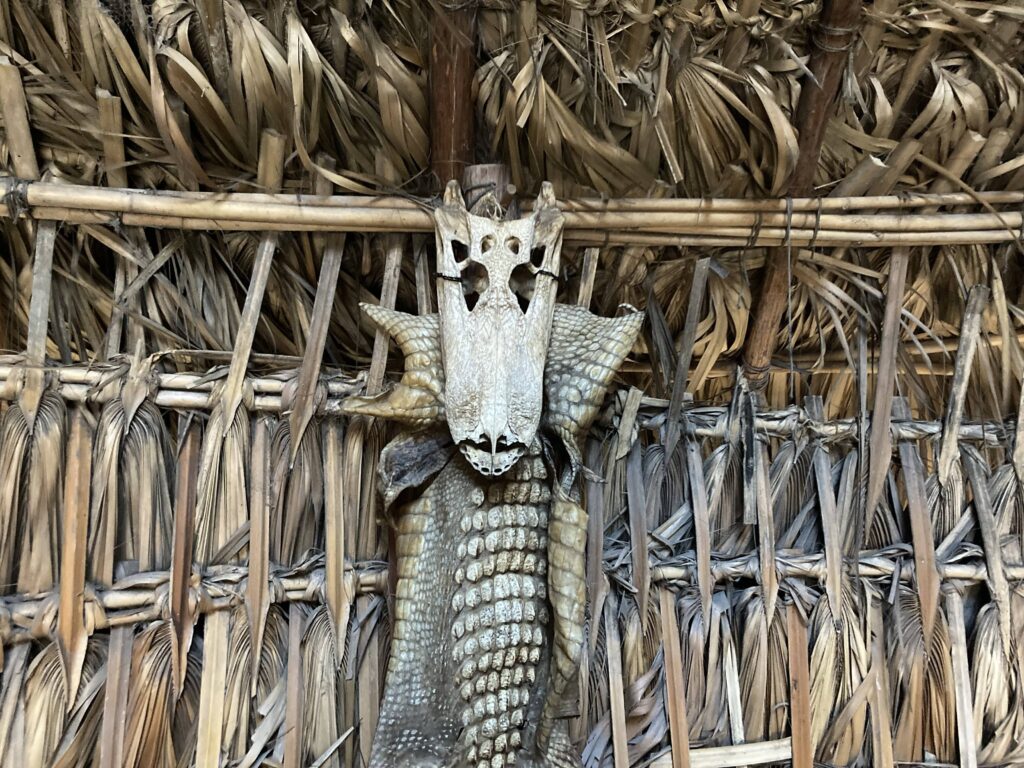
It features a historically correct large Timucuan family house (anoti). And a special meeting house (nihi paha). Be sure to ask about the 1,000 year-old domesticated dog burial site!
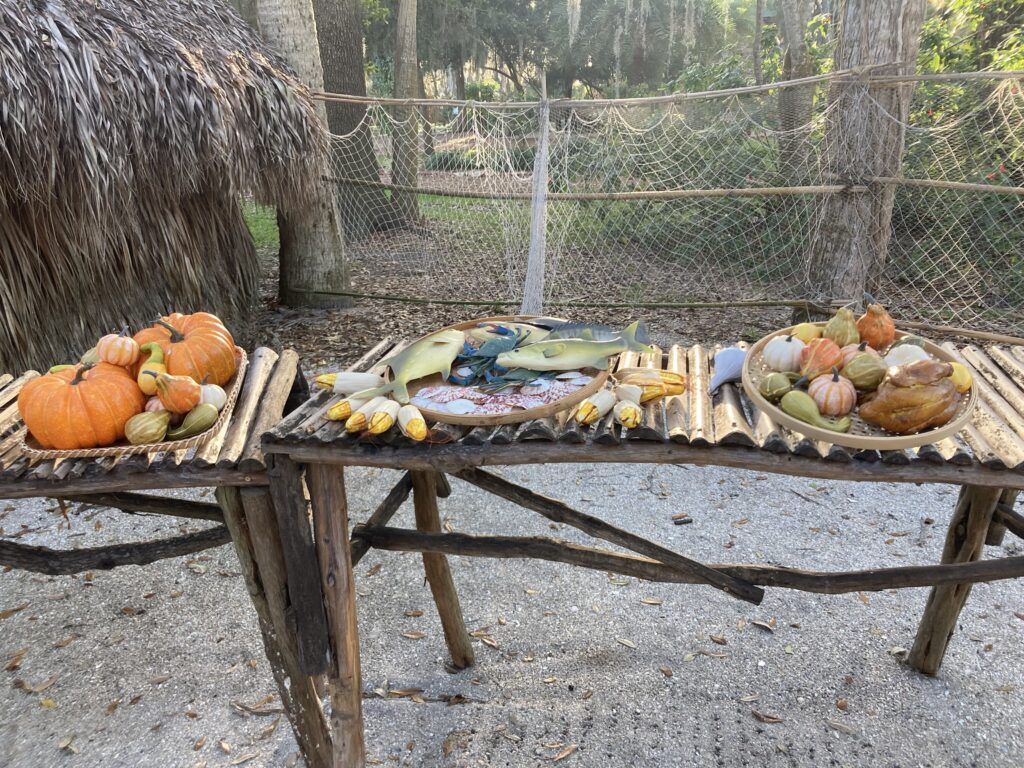
Living History Interpreters are on site to demonstrate what day to day life was like in the village. This includes live demonstrations of how the Timucua hunted, fished, made fine pottery, and crafted shell tools.
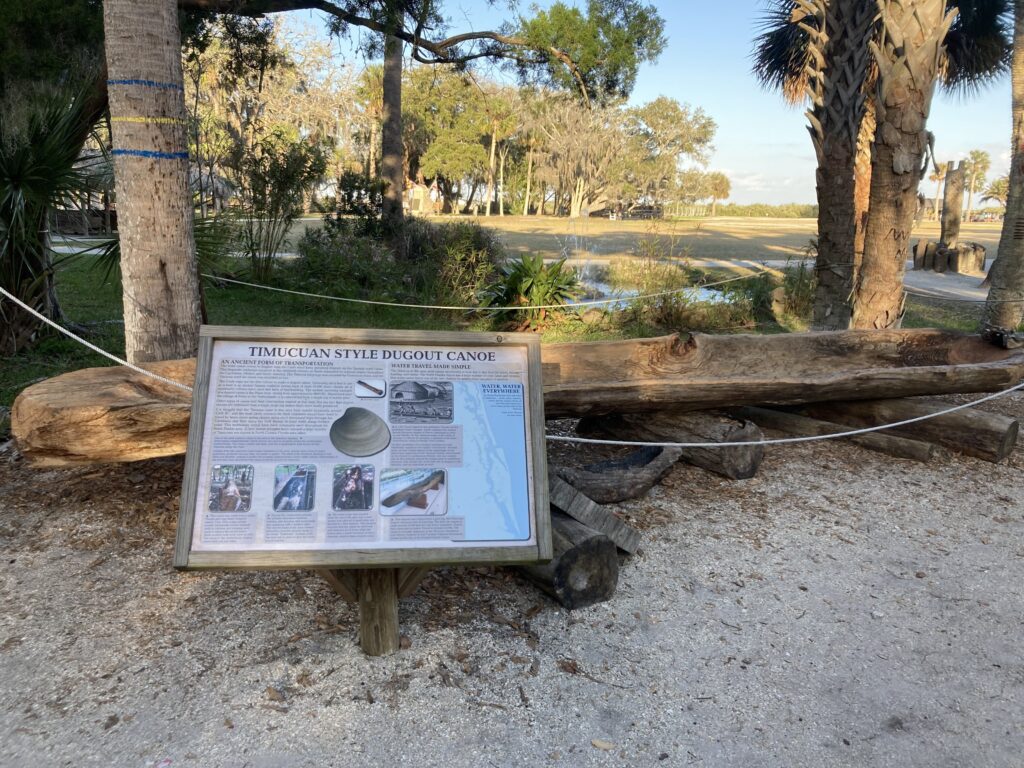
The Timucua in this area used canoes to travel by water. They were most likely burned and scraped out of a single pine log. A replica canoe is on display at the waterfront next to the Spanish Watchtower.



Timucua Burial Site
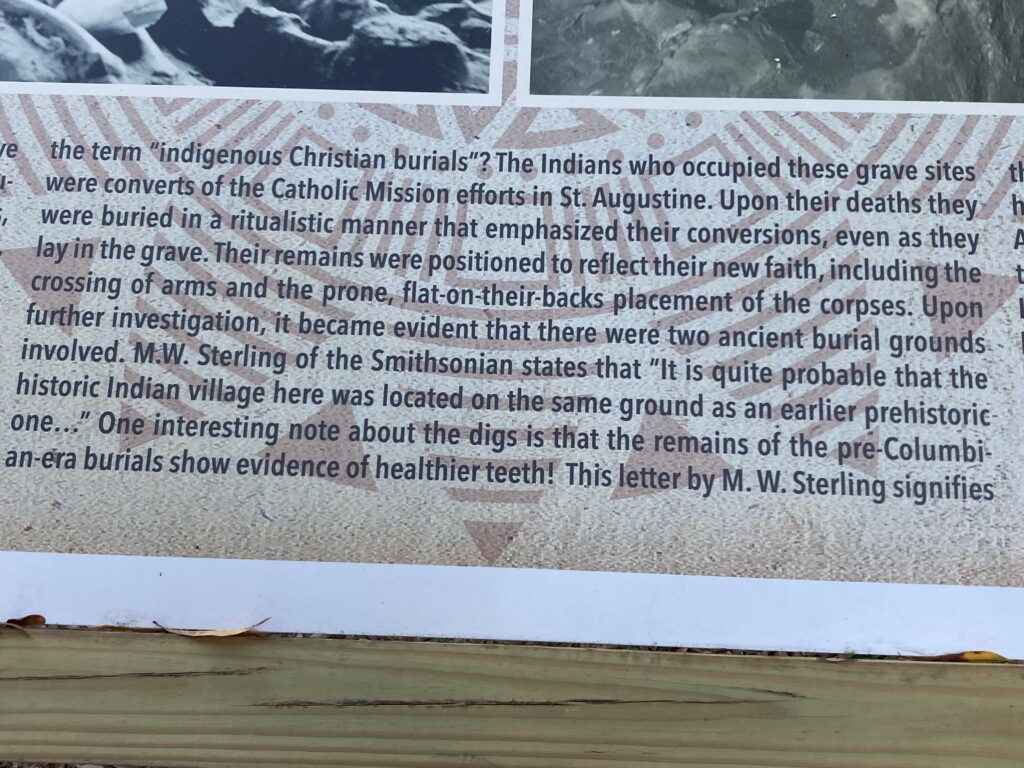
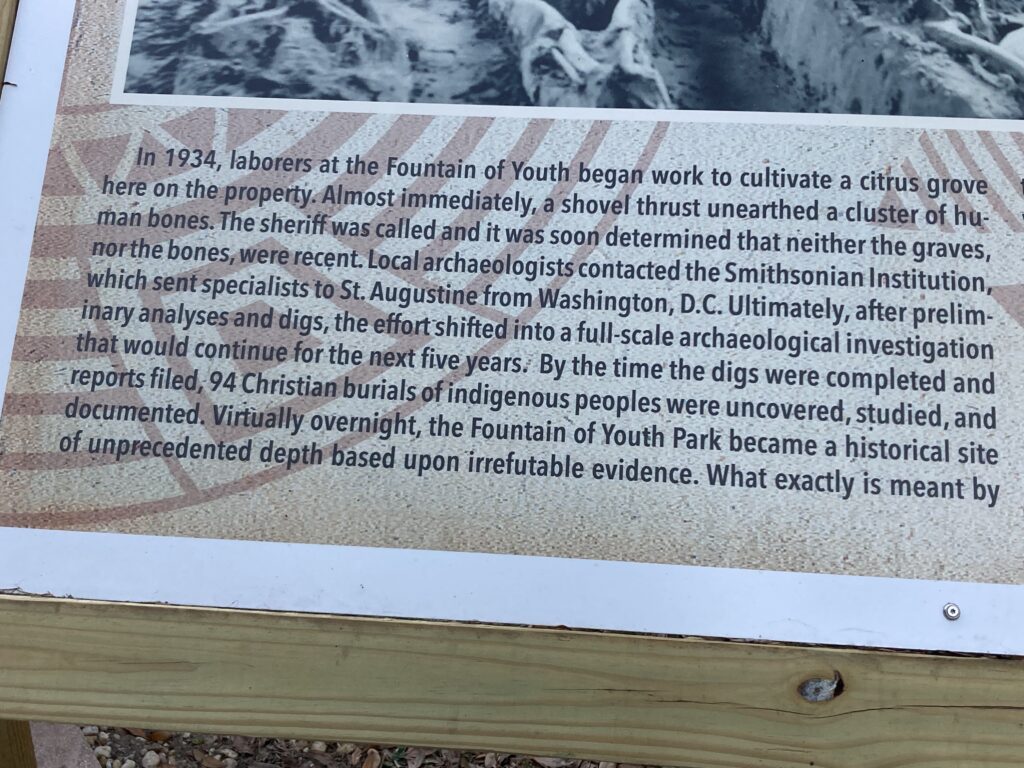
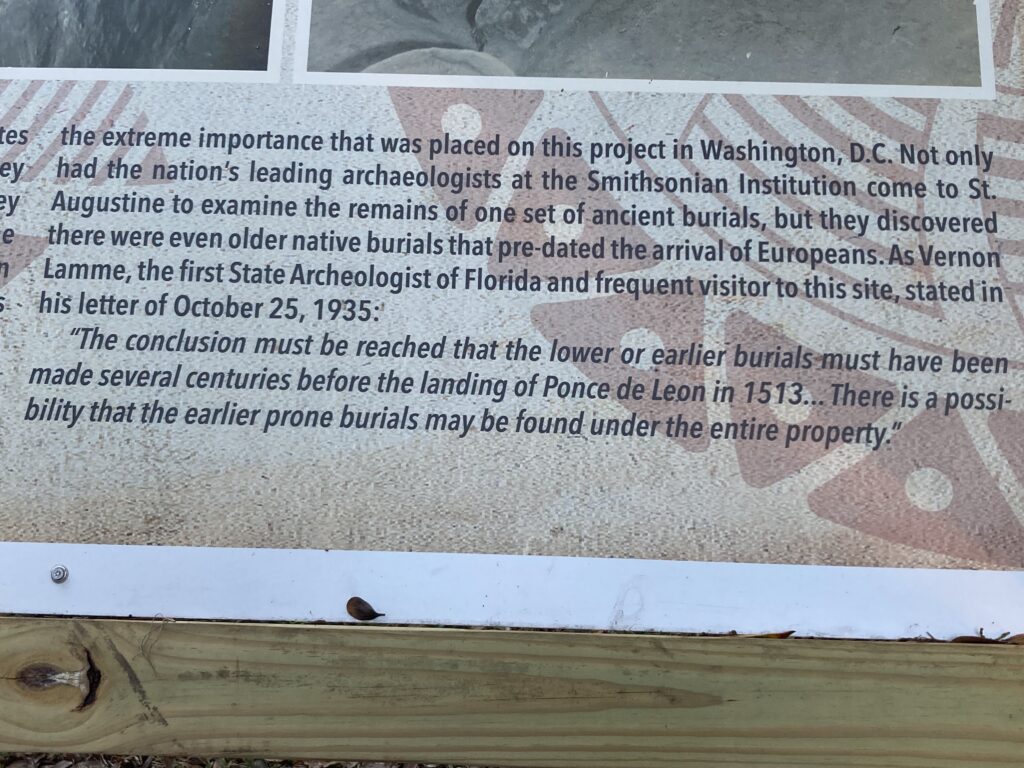
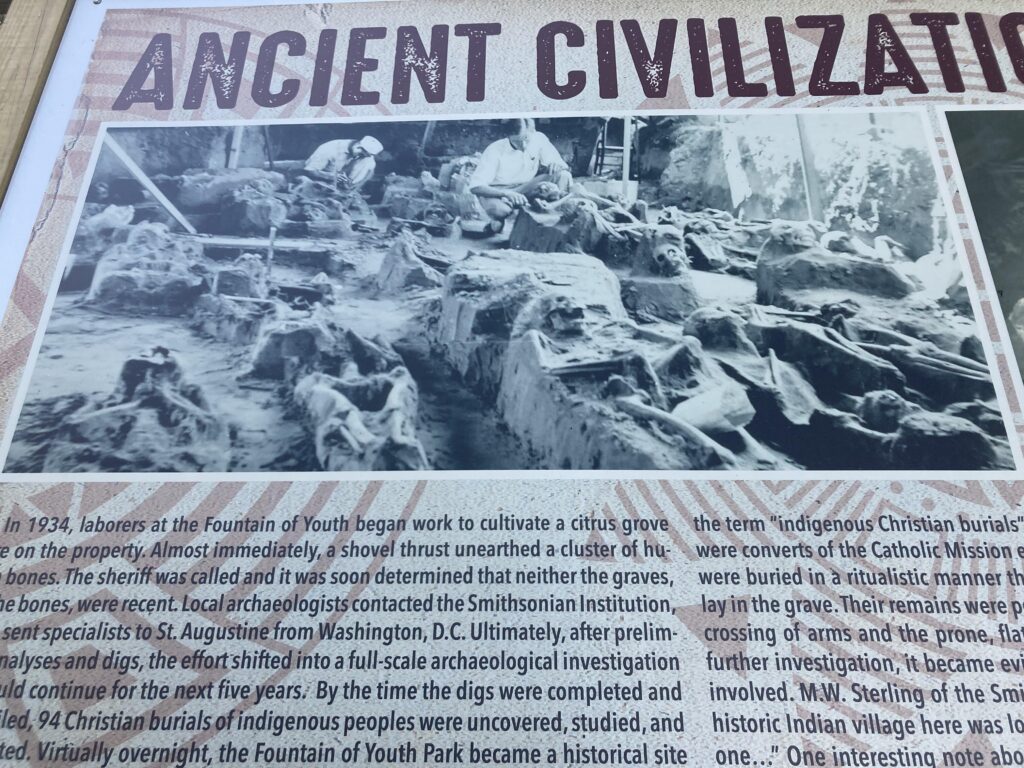
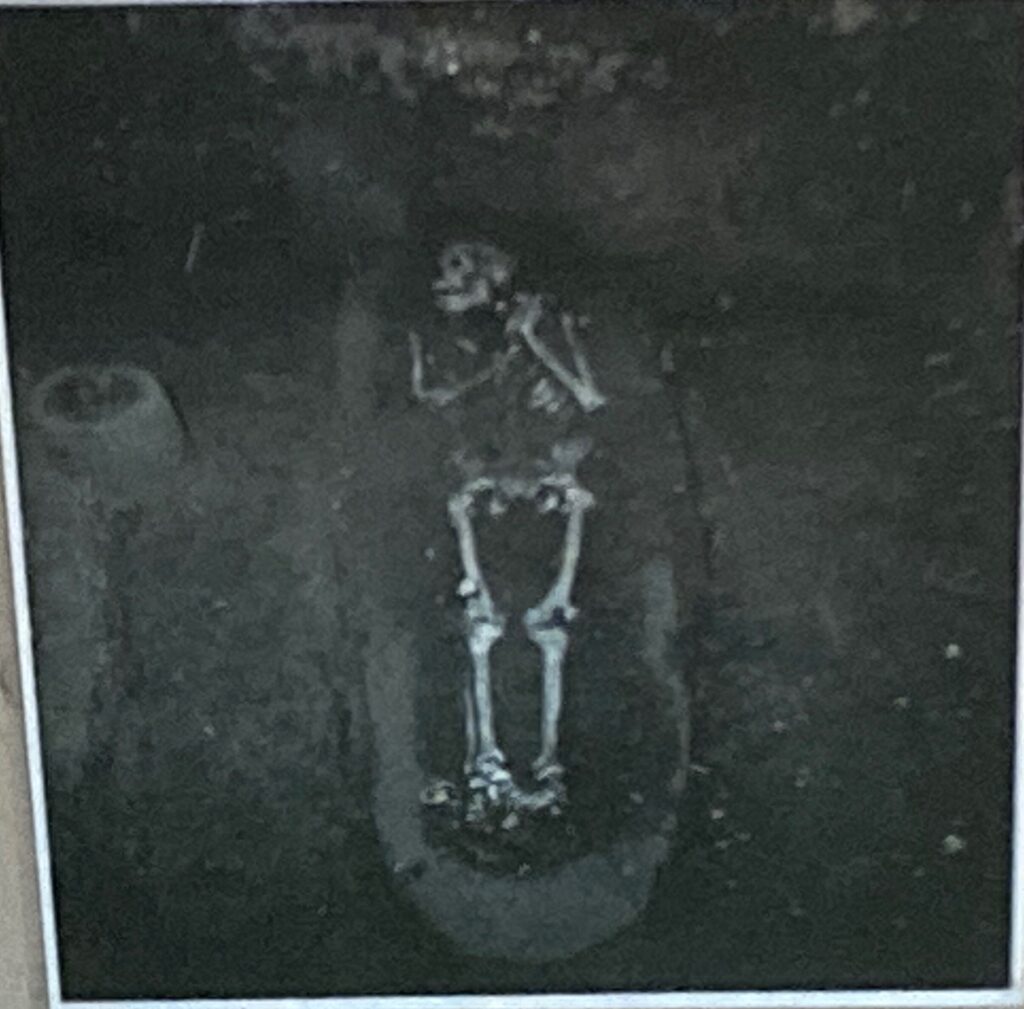
In 1934 a farmer planting orange trees at the Ponce de Leon Fountain of Youth Archaeological Park discovered a skeleton. Police were called, and it was determined that the skeleton belonged to an aboriginal Native American!
Upon further exploration, researchers from the Smithsonian Institution discovered over 4,000 Native American burials at the site. Each contains the graves of the first Christianized Native American in the United States.
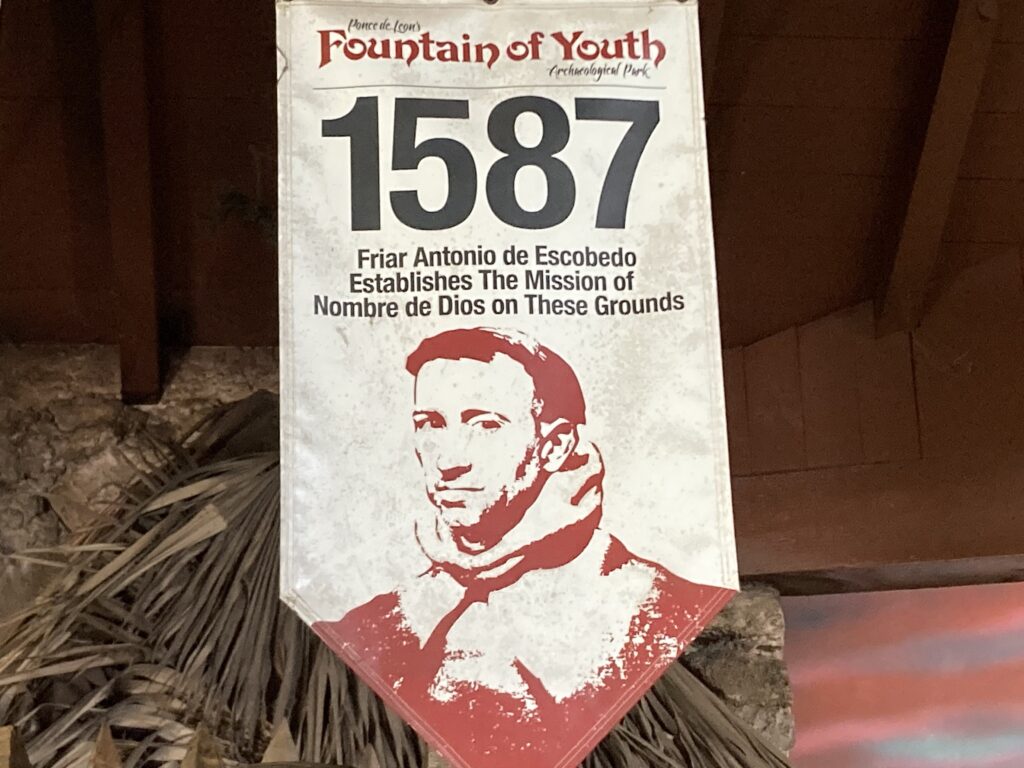
The burial patterns revealed the location of the 1587 Franciscan Mission of Nombre de Dios, which is the First Christian Mission in the U.S.
Over time, a large number of Timucua burials were exposed in the Park, and the Indian Burial Ground is now on display to visitors.

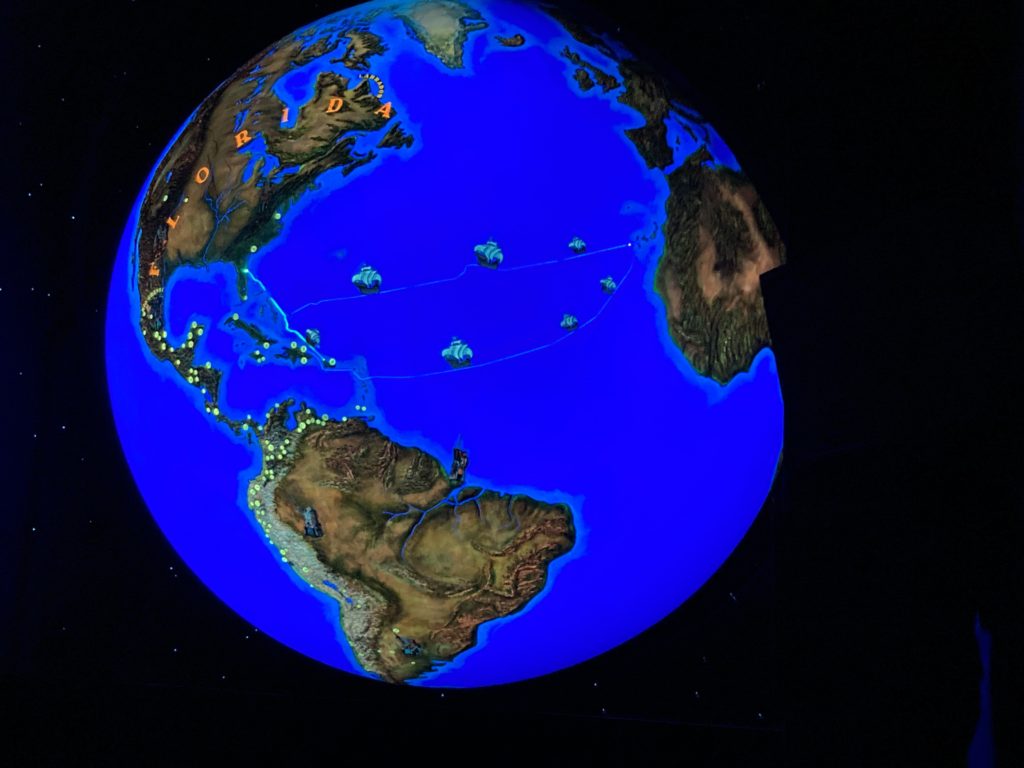
Discovery Globe
Spanish explorers of the 1400-1500s bravely ventured forth into an uncertain world in search of new lands.
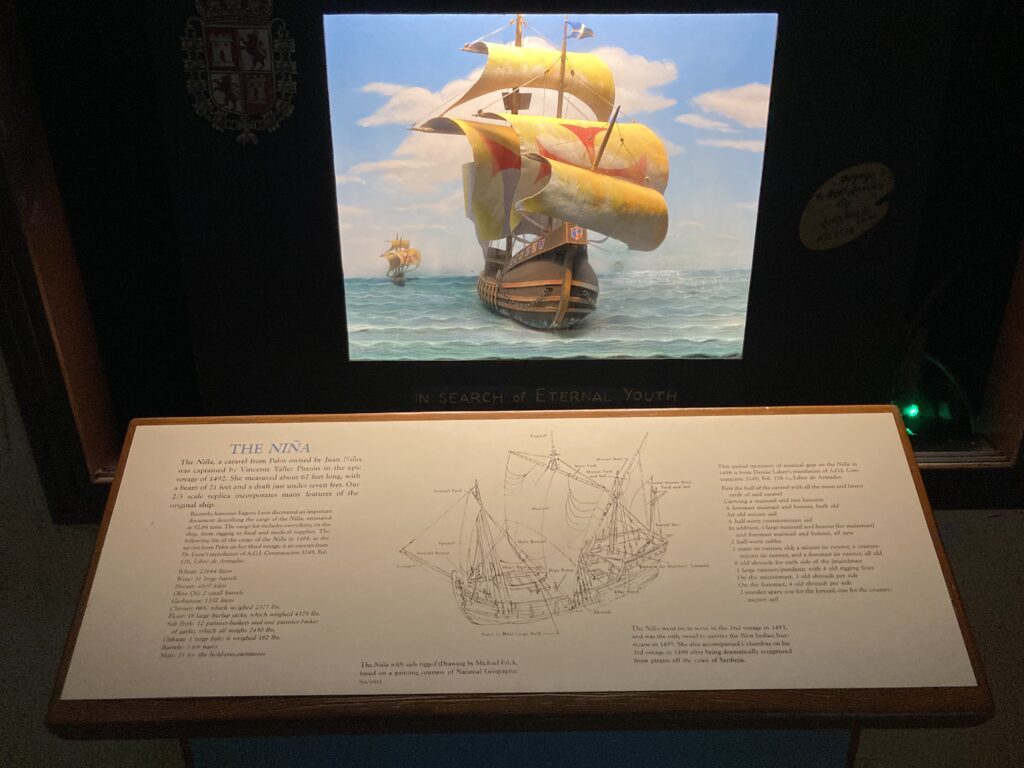
The Discovery Globe theater illustrates the explorer’s routes to and from the New World, starting with Christopher Columbus’ journey in 1492. The theater also highlights the lands of La Florida, the Universities that were established in the Americas, and the settlements and cities the explorers founded.
The globe shaped theater is air-conditioned. Shows are offered every hour. Leashed pets are welcome.
Discovery Globe Shows are offered daily at 9:35am, 10:35am, 11:35am, 12:35pm, 1:35pm, 2:35pm, 3:35pm, 4:35pm, and 5:35pm.
Navigators’ Planetarium
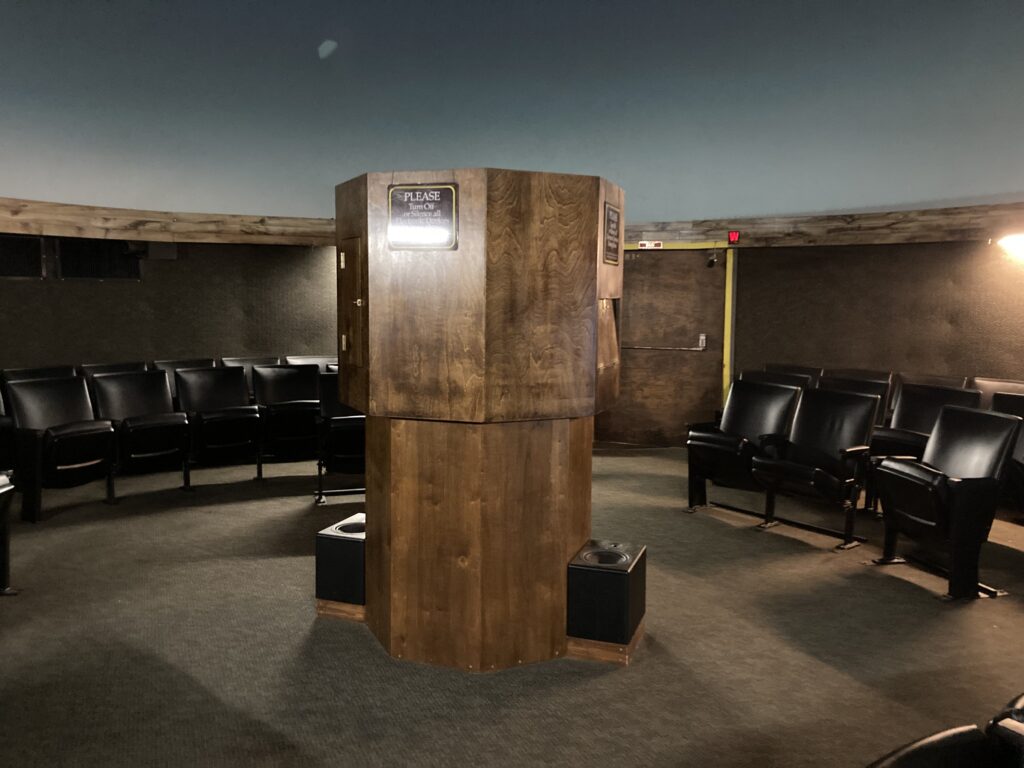
Spanish explorers in the 1400-1500s braved long stretches of ocean. They charted their course using the stars and navigational tools such as the astrolabe and quadrant.
The Navigators’ Planetarium demonstrates these techniques in a fascinating hour long show. Guests sit in a round auditorium peering up at constellations projected on the ceiling. The night sky is projected the way it appeared on April 2, 1513, the night before Juan Ponce de Leon landed on the shores of La Florida.
Navigators’ Planetarium Shows are offered daily at 9:10am, 10:10am, 11:10am, 12:10pm, 1:10pm, 2:10pm, 3:10pm, 4:10pm, and 5:10pm.



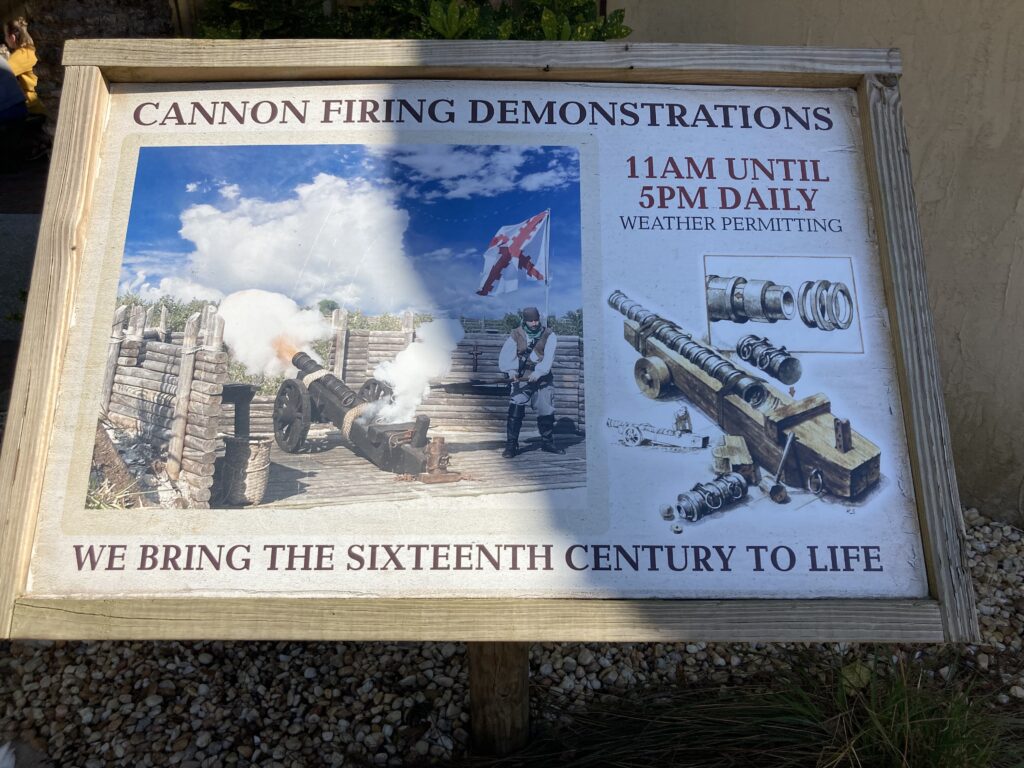
Canon Firing
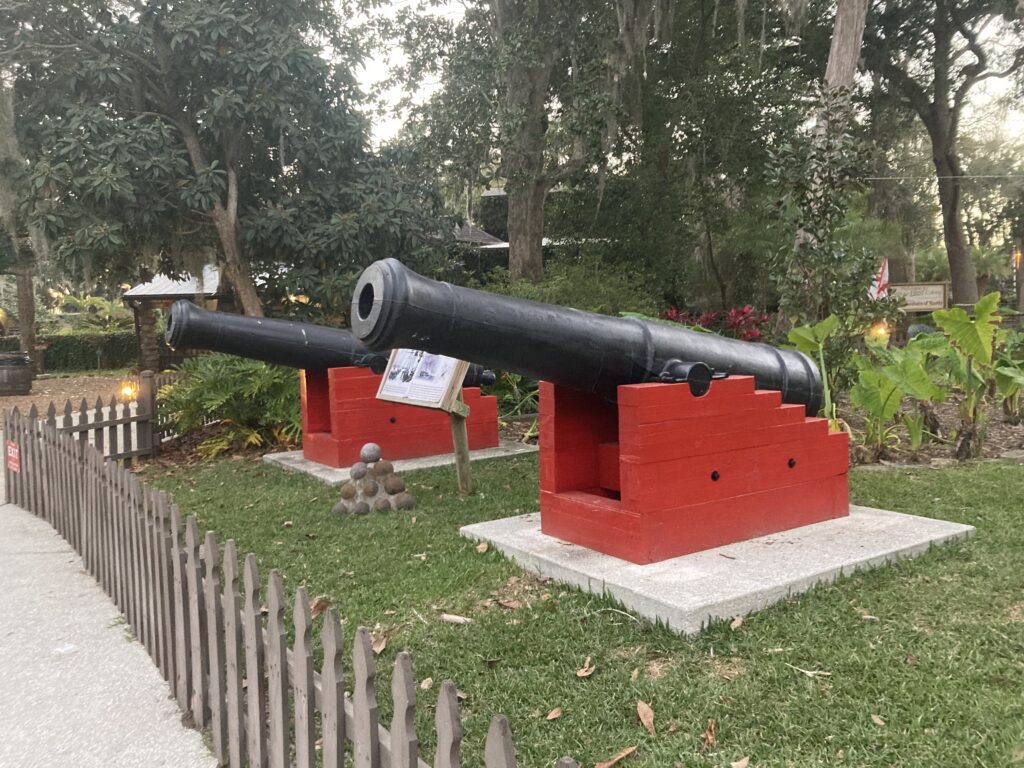
On September 8, 1565 Pedro Menedez de Aviles landed at St Augustine. He brought 20 artillery pieces with him to protect the fledgling settlement.
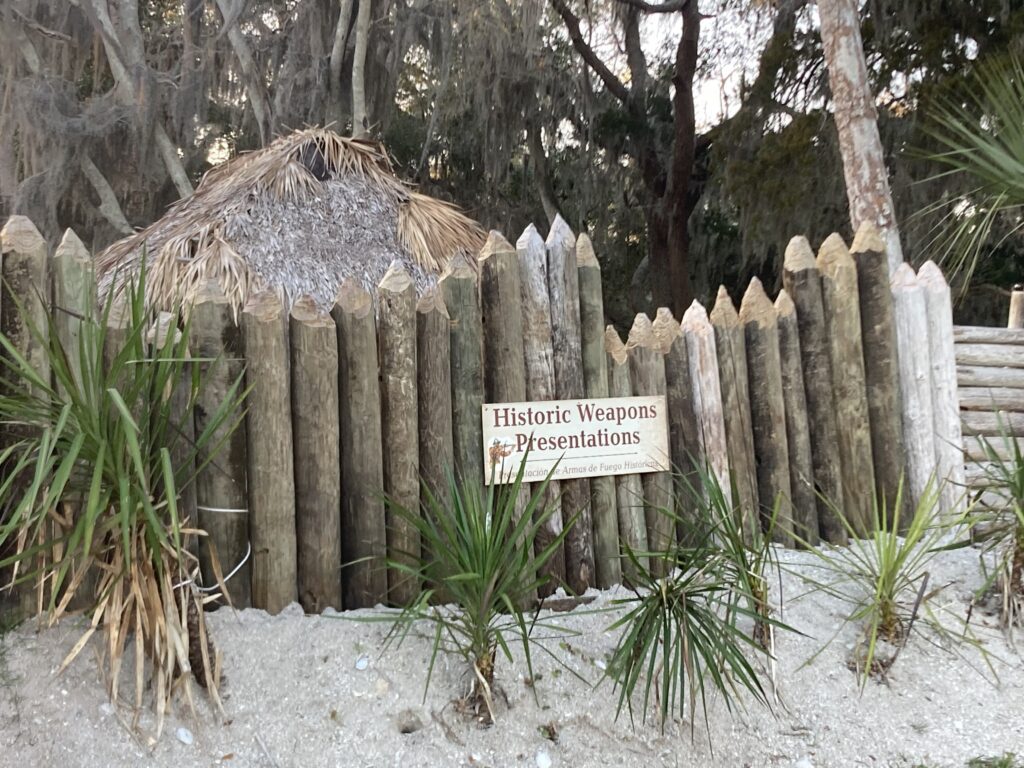
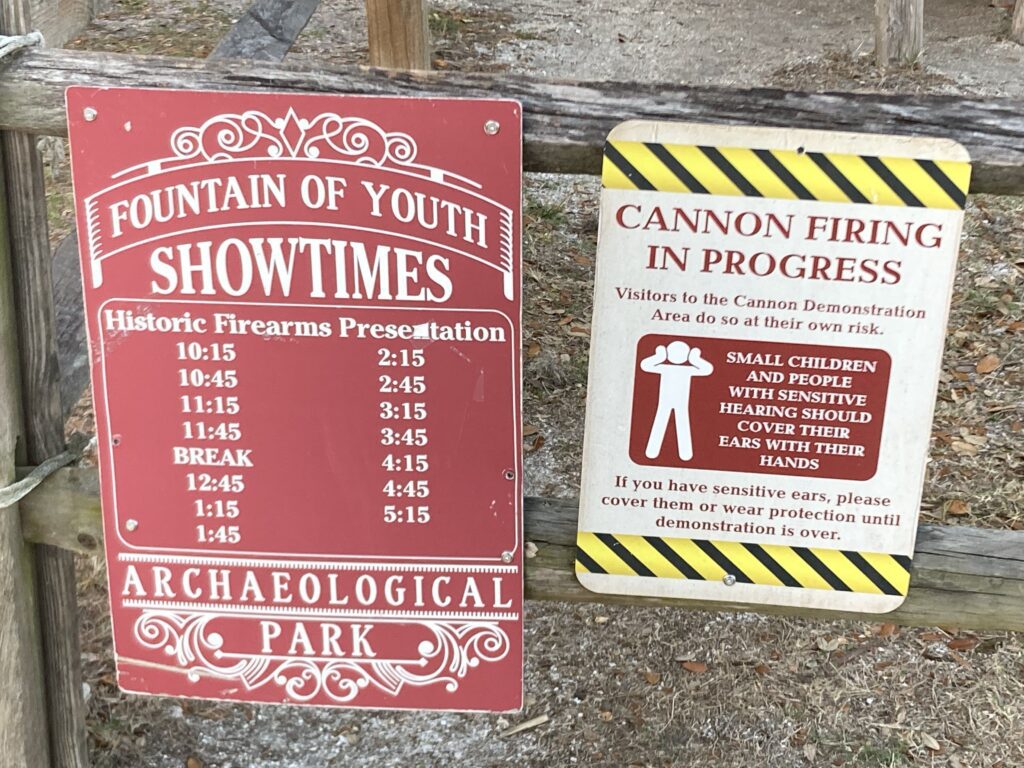
Ponce de Leon Archaeological Park has a replica of one of those six-pounder guns. They give hourly demonstrations about the history of their use in the settlement of St. Augustine. Then they fire the cannon. BOOM!
The sound and smell of the powder transports you back to a time when a small band of Spanish soldier=farmers faced an uncertain future in a new land that was naturally rich, but filled with hostile and potentially lethal threats.
Canon Firing Demonstrations are offered daily at 10:15am, 10:45am, 11:15am, 11:45am, 12:45pm, 1:15pm, 1:45pm, 2:15pm, 2:45pm, 3:15pm, 3:45pm, 4:15pm, 4:45pm, and 5:15pm.

Nombre De Dios Mission
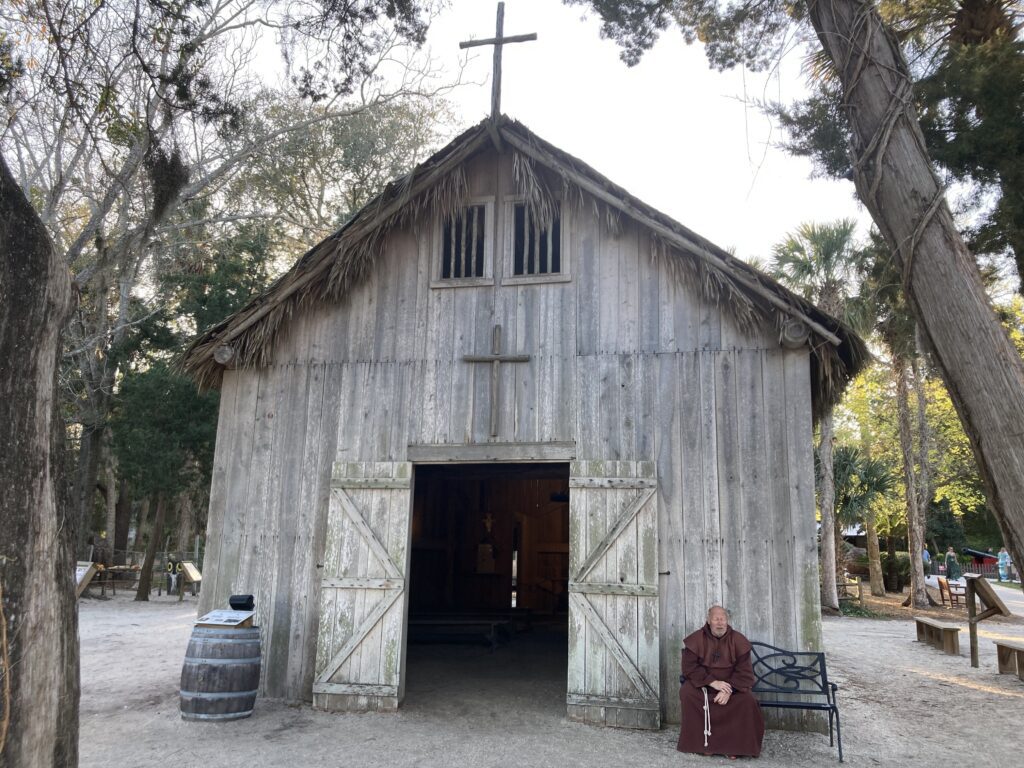
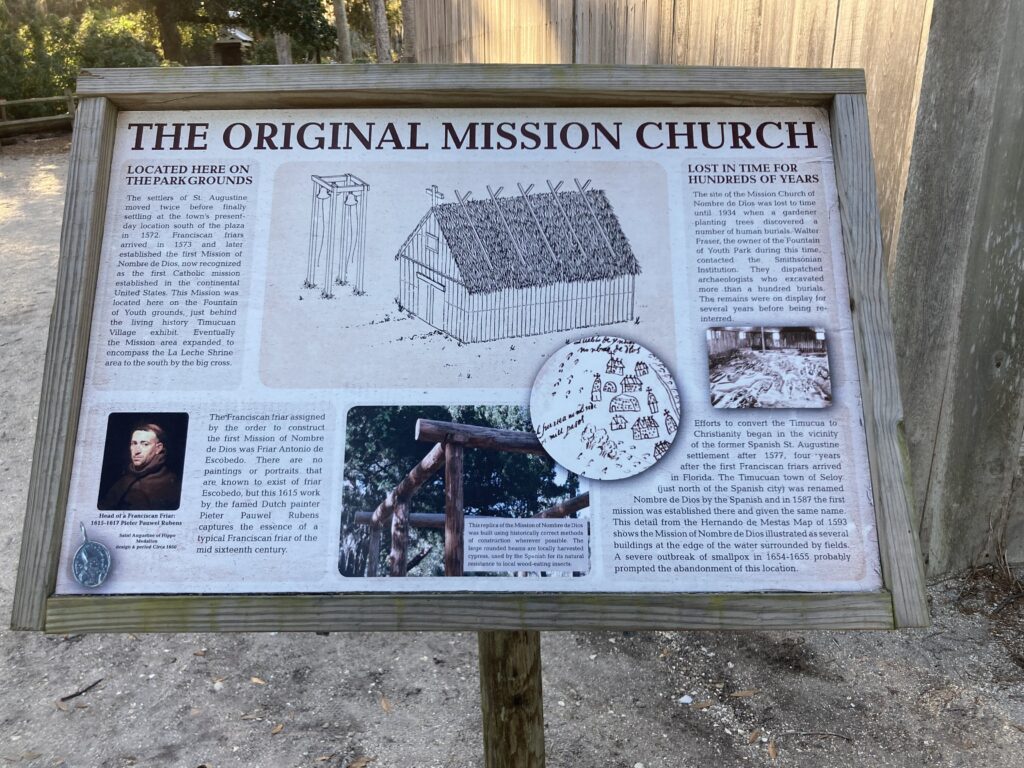
Nombre de Dios Mission is the first mission that was built in the continental United States. It was constructed in 1587 by Franciscan friars.
The exact location of the Mission was a mystery for centuries. Then in 1934 a gardener discovered a skeleton, which turned out to be a Timucuan. Over time, a large number of Timucua burials were discovered in the park. The pattern and position of the burials revealed the true location of the 1587 Mission of Nombre de Dios.
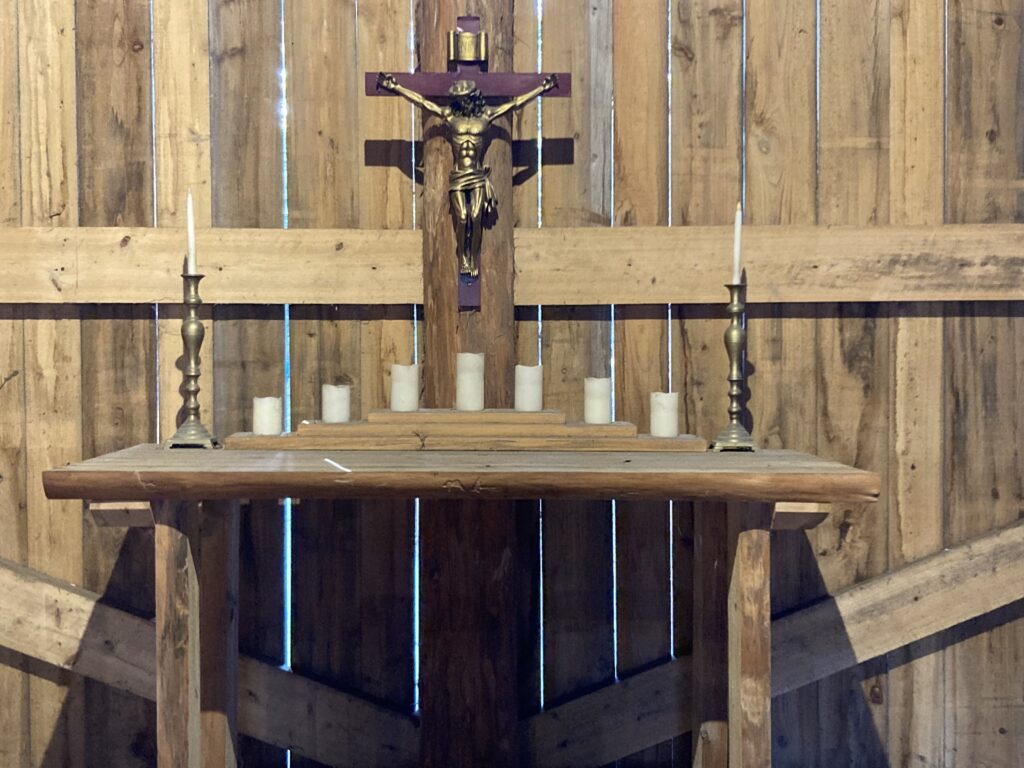
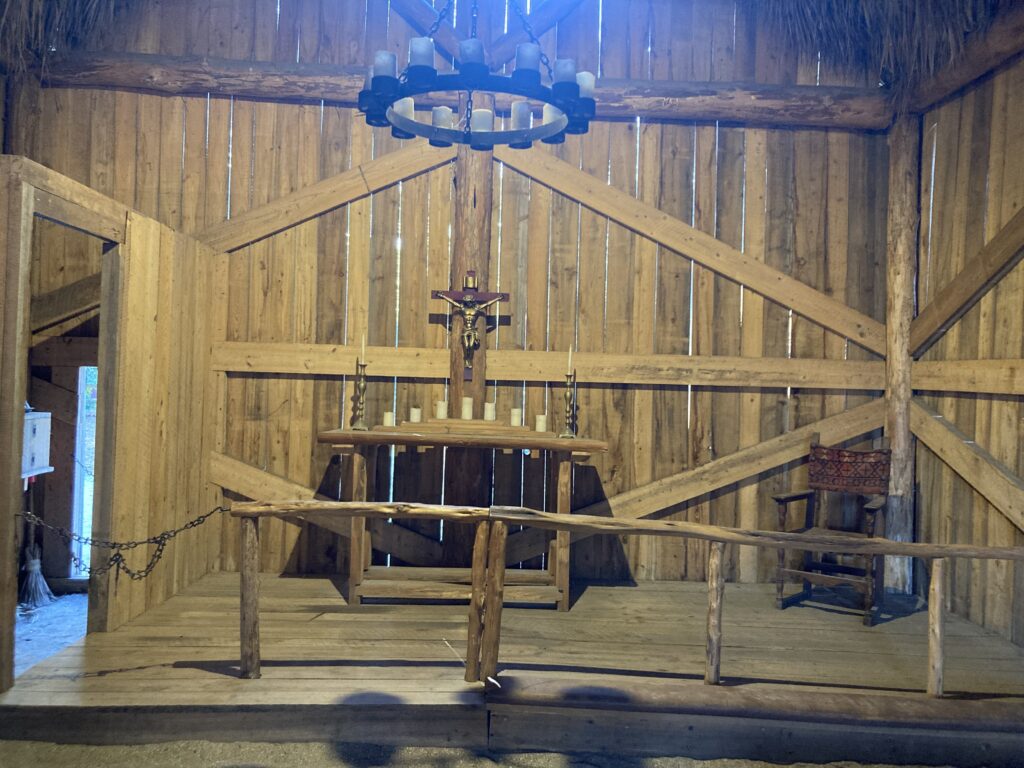
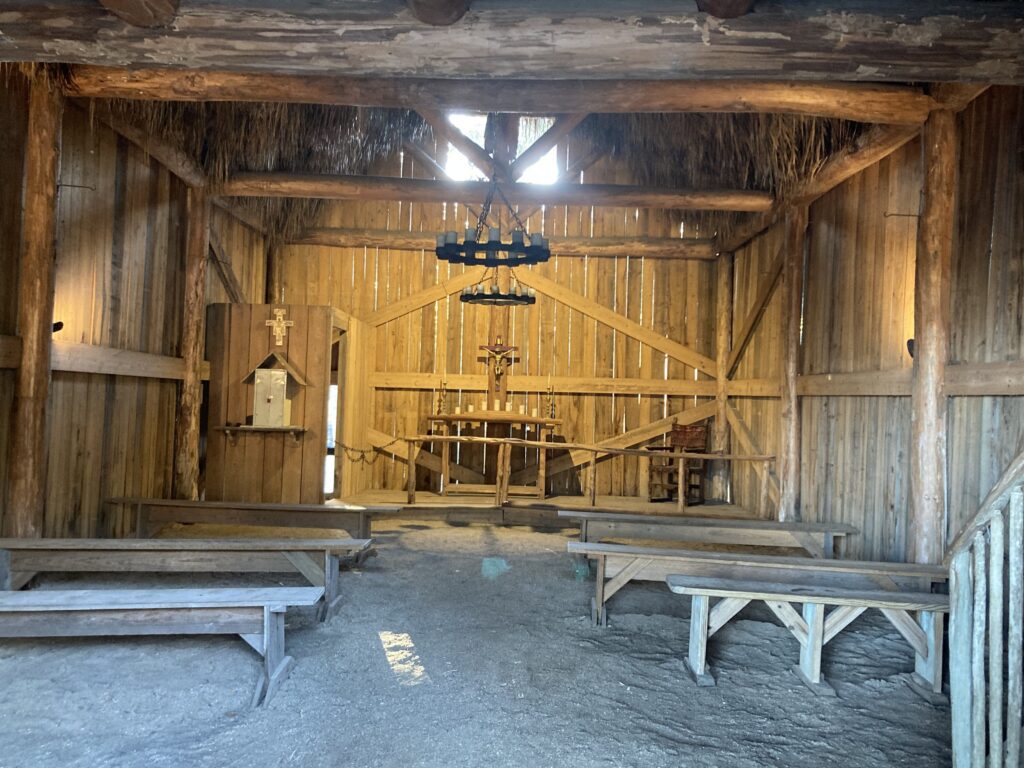
The Mission was reconstructed at the park using historically correct methods wherever possible. This included using local cypress, which was known to 16th century Spaniards to be durable and resistant to wood-eating insects.
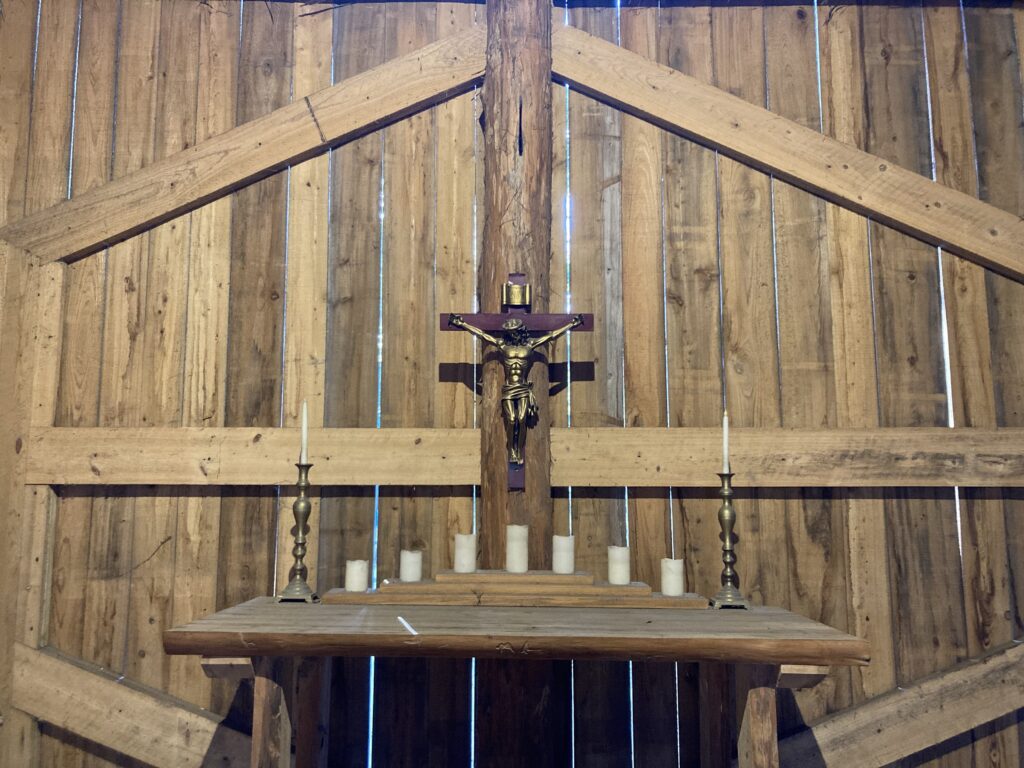
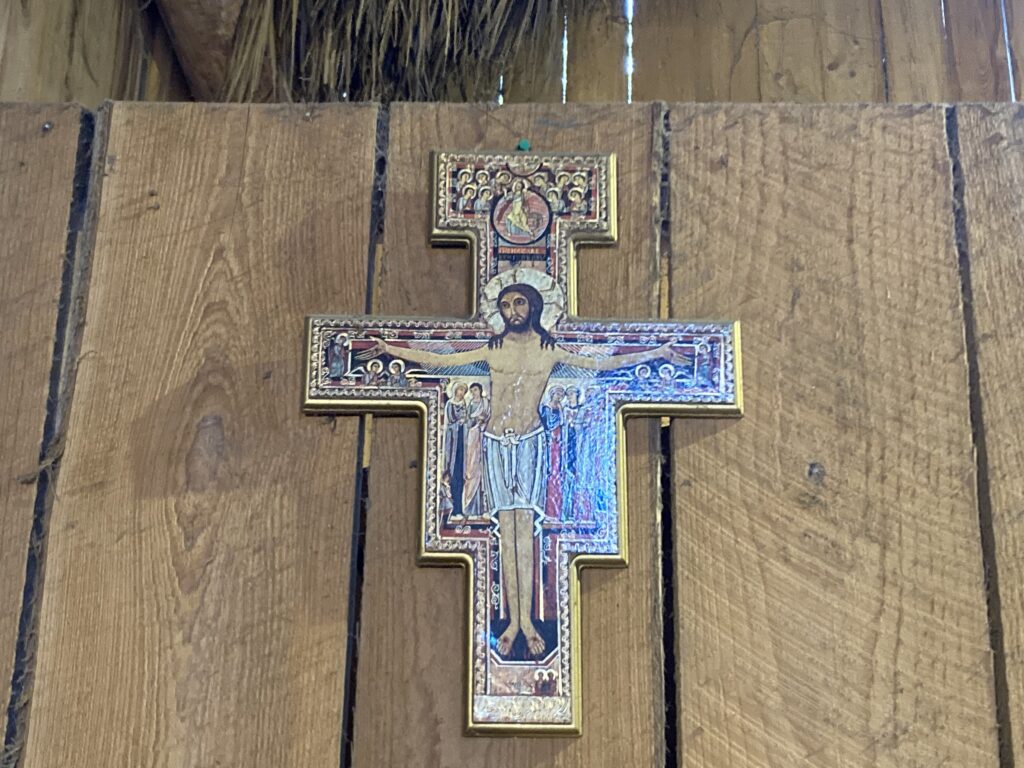
The Mission church features a choir loft, rustic altar, and palm thatch roof. The floor and the area around the church was made of crushed coquina.
Standing in the reconstructed church, you will smell the cypress beams and planking, palm thatch and salt air as you gaze at the beautiful open-beamed structure. Let yourself be transported back to the first days of Christianity in the United States.
Peacock Residents
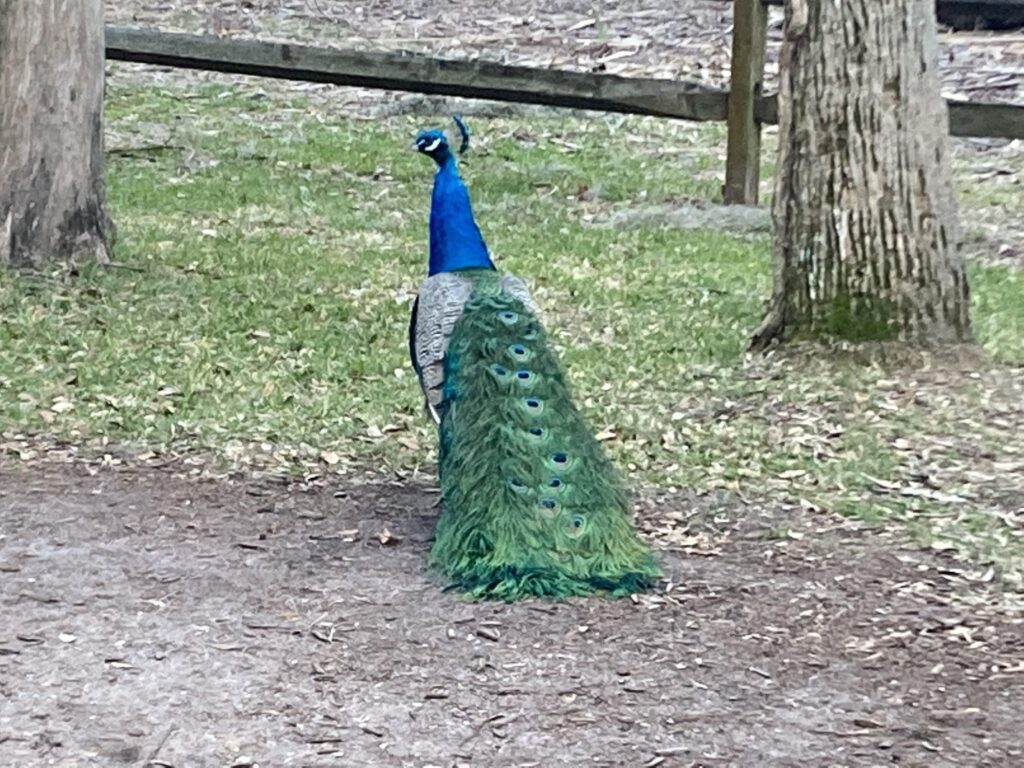
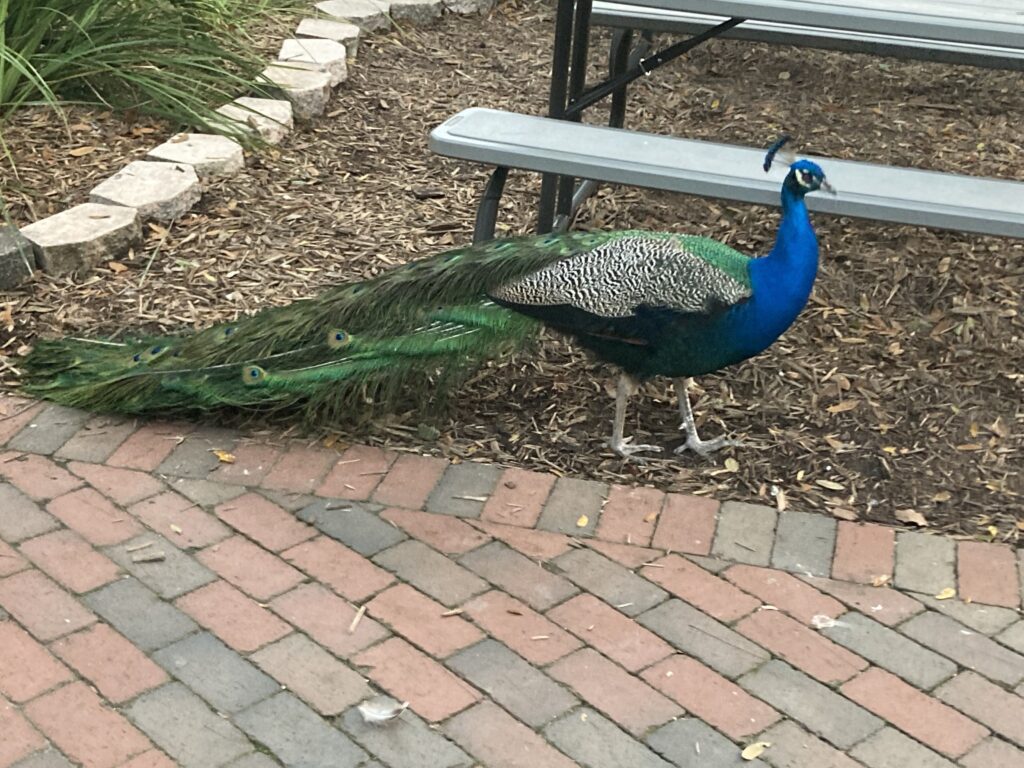
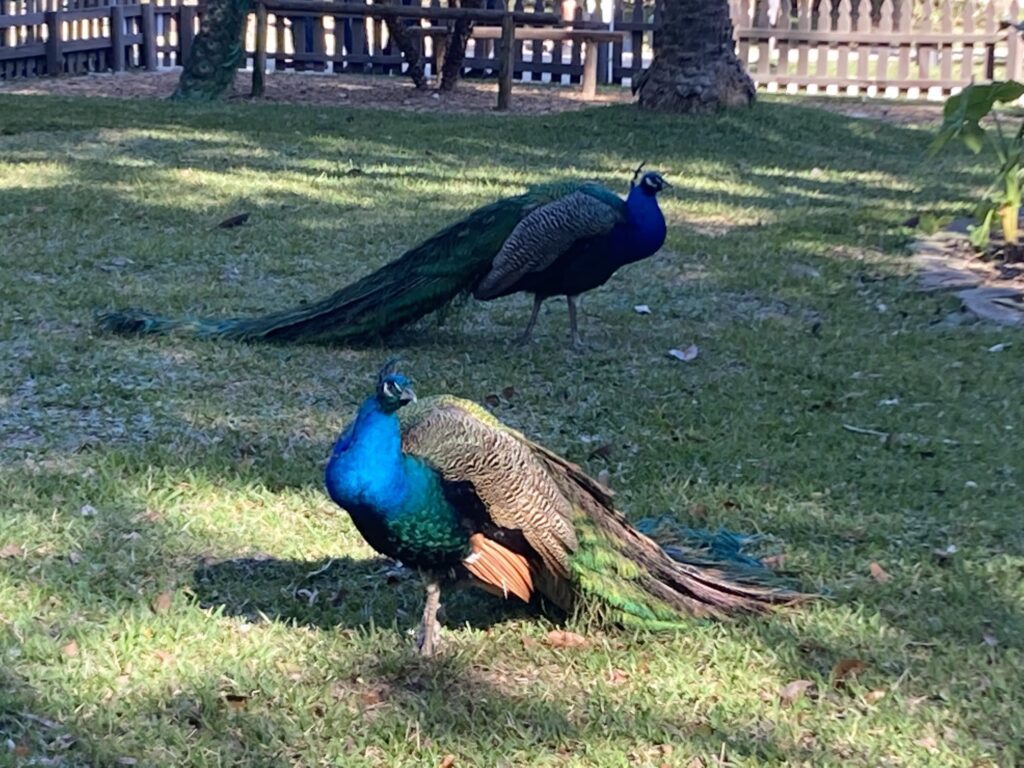
A muster (flock) of 30 Indian peacocks call the park home. You can see them everywhere.
Males are called peacocks. They spread their blue feathers to attract a mate. (Hence the expression “Proud as a peacock.”) There are also a few white peacock residents. When they spread their feathers they look like large snowflakes!
Females are called peafowl. They usually have brown or gray feathers that help them camouflage when predators are close.
Blacksmith Exhibit
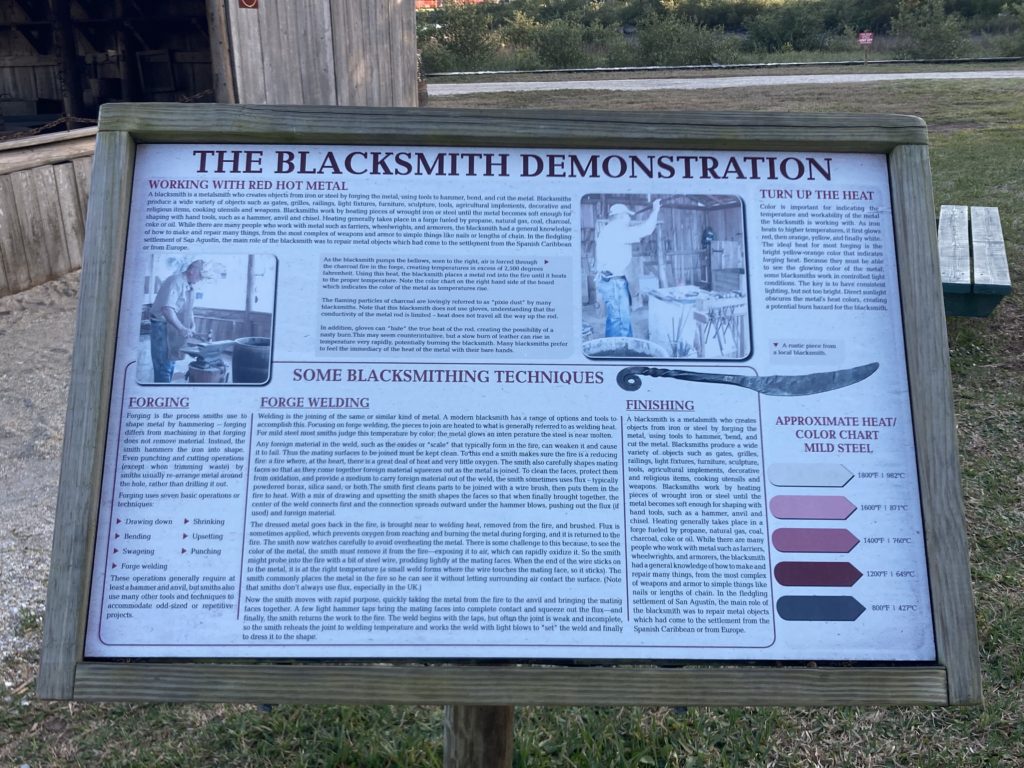
The Blacksmith Exhibit produces Spanish Colonial style iron goods that were used in the area during the First Spanish Period (1565-1763) of Florida’s history. It is located on the South side of the Menendez Settlement field.
The bellows are an oversized, horizontal double lung design which feeds a custom-made forge. (Whatever that means!)
The forced-air setup can generate blacksmithing temperatures in excess of 2,500 degrees.
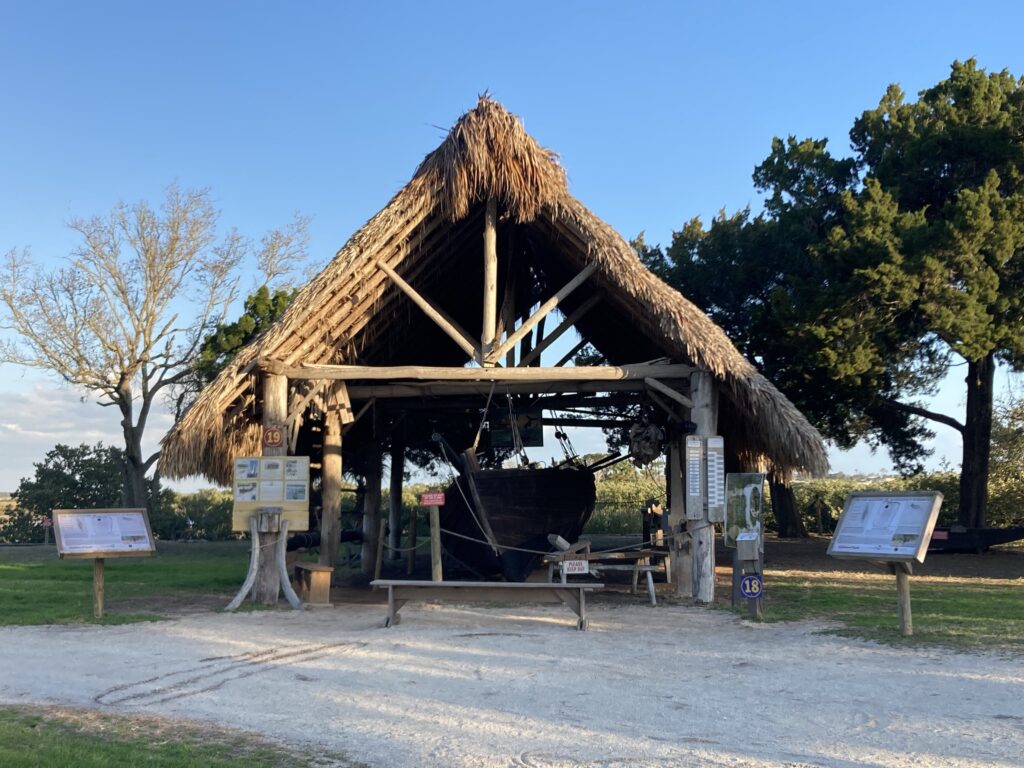
Chalupa Boathouse
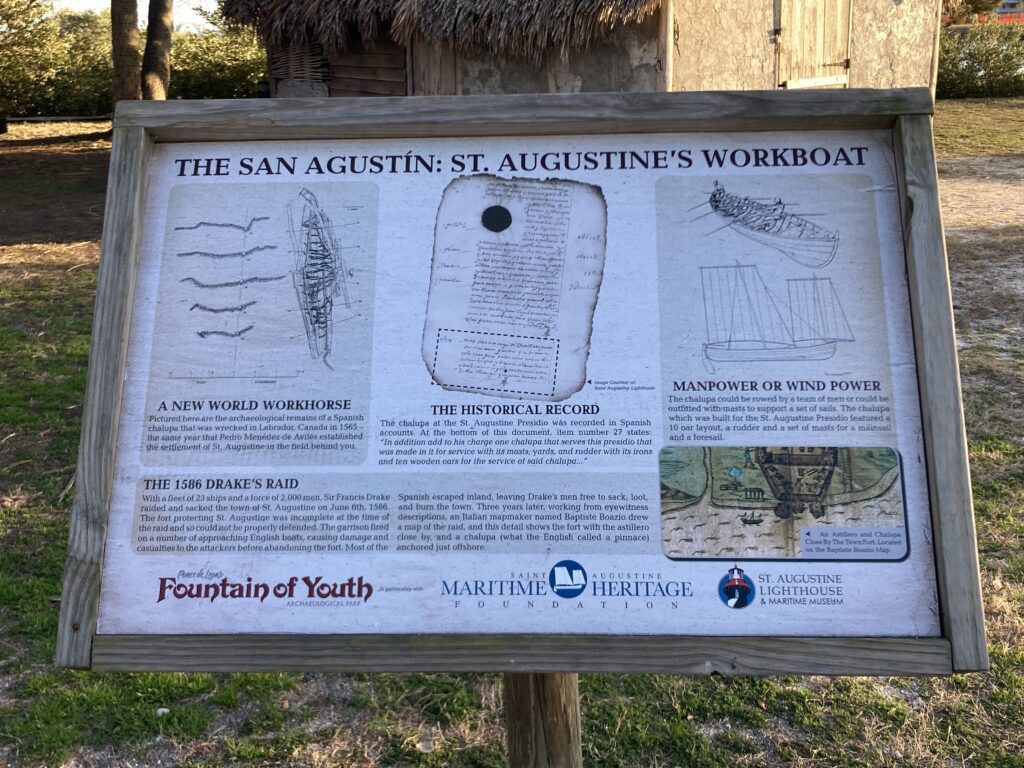
The city of St Augustine is surrounded by a bay and several rivers. Therefore, early Spanish colonists of the fledgling settlement needed water transportation for things such as routine runs across the bay or short trips to investigate potential threats.
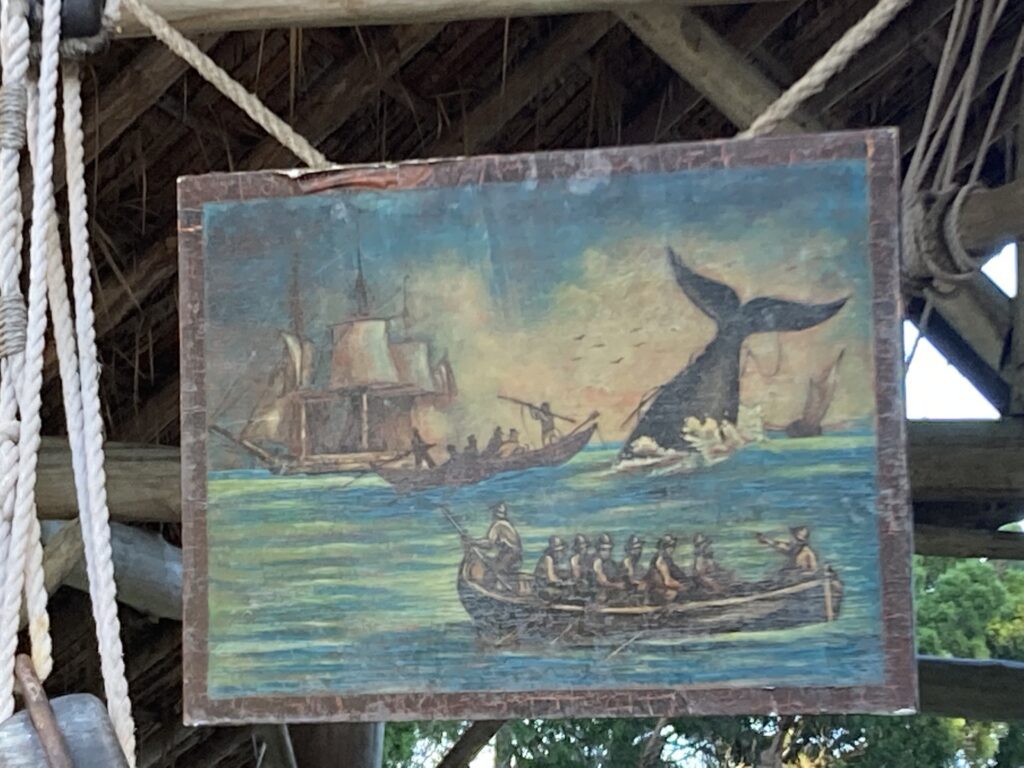
The colonists constructed a boat called a chalupa to meet the need. Ponce de Leon Archaeological Park – in partnership with the St. Augustine Maritime Heritage Foundation – is currently rebuilding a historically-correct chalupa.
Period maps show the presence of a chalupa and a boatyard in the area. However, it was destroyed in the infamous raid by Sir Francis Drake in 1586.

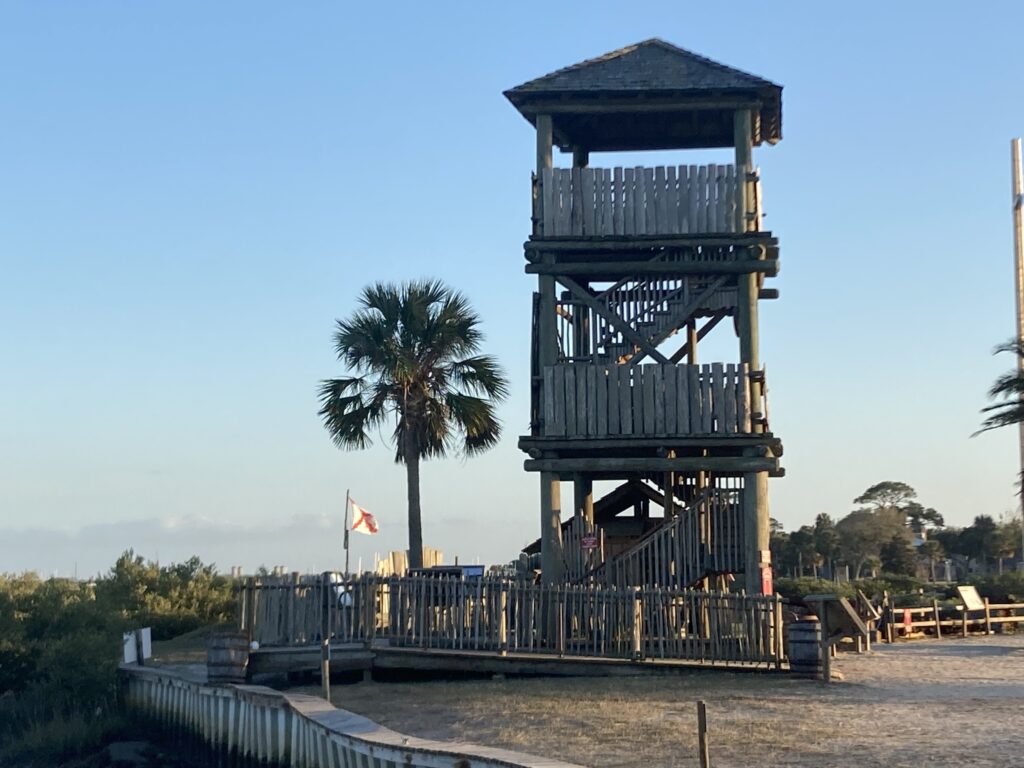
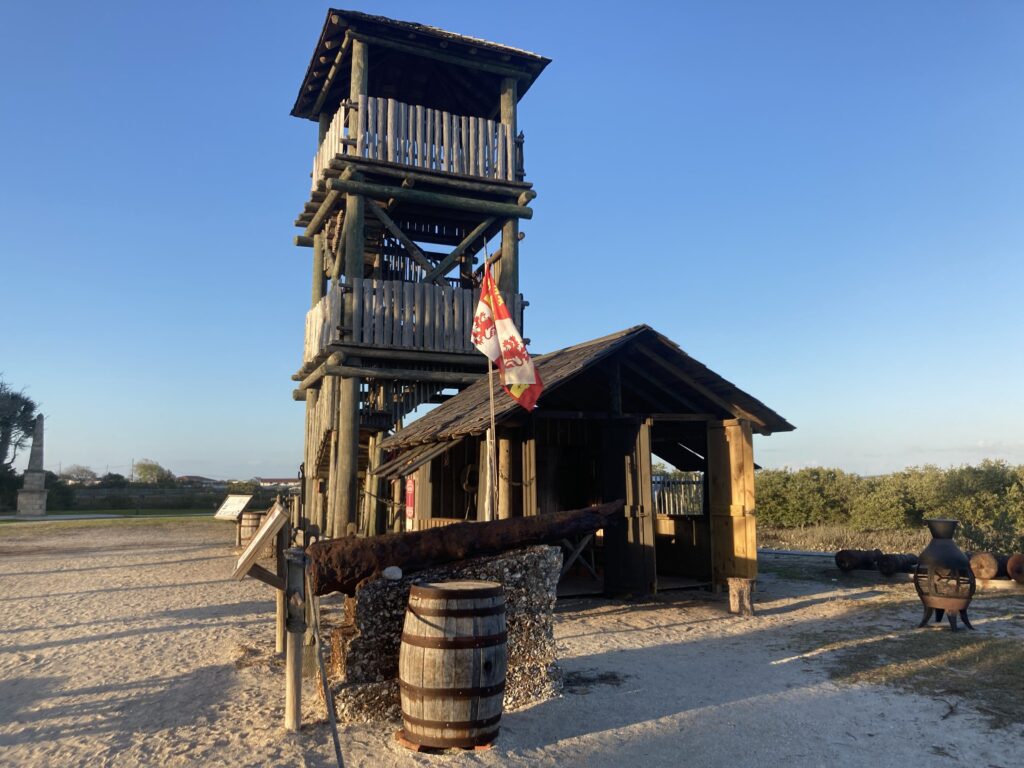
Spanish Watchtower
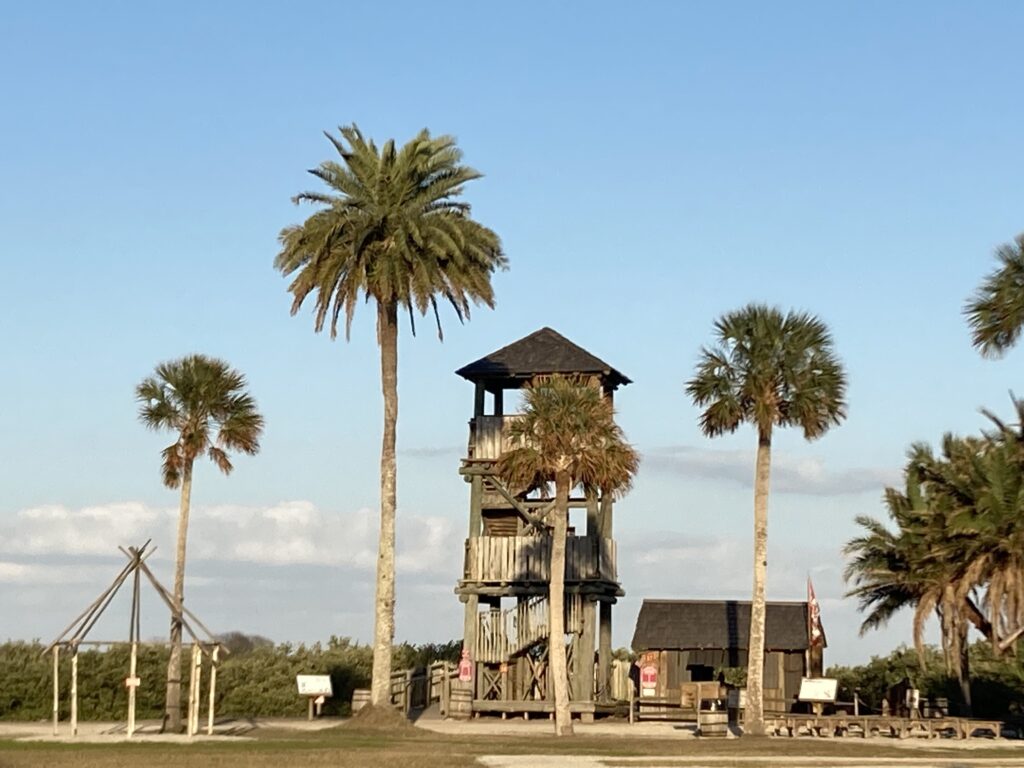
When St. Augustine was founded in 1565, the spyglass had not been invented yet. Therefore, sharp eyed men were hand-picked for watchtower duty.
The Spanish watchtowers of St. Augustine helped sentries see farther to discover threats earlier.
Unfortunately, the watchtowers are the reason why Sir Francis Drake was able to sack St Augustine in 1568. Drake spotted a light in a coastal watchtower. If the light had not been burning, he might have sailed right past the town.
Founders Riverwalk
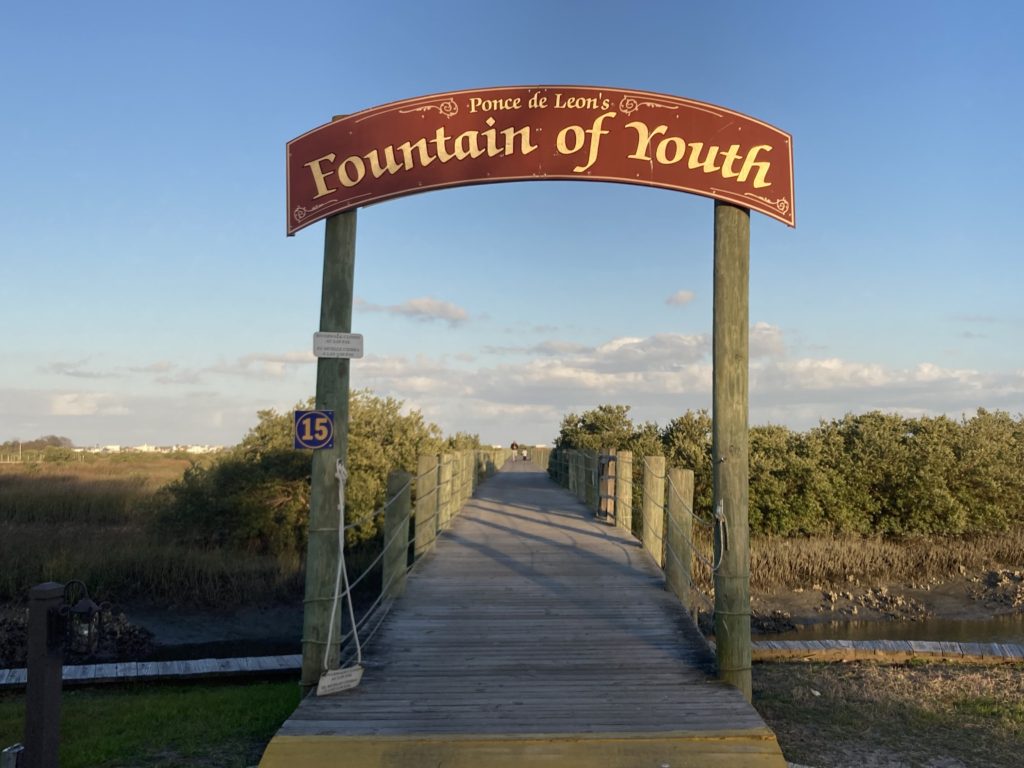
The Founders’ Observation Riverwalk is a 600 foot walkway over the water with beautiful views of Matanzas Bay and the St Augustine inlet. The scenery – including water birds – is stunning.
Look to the north to see the Usina Bridge that spans the North River. To the east to view the St Augustine inlet. And to the south to view the 1927 Bridge of Lions and the 1672 Castillo de San Marcos.
Looking back at the park, you can see the watchtower and cannon as they defend the original 1565 site of St. Augustine. Look further and you can see the village of Seloy tucked back away from the shore.
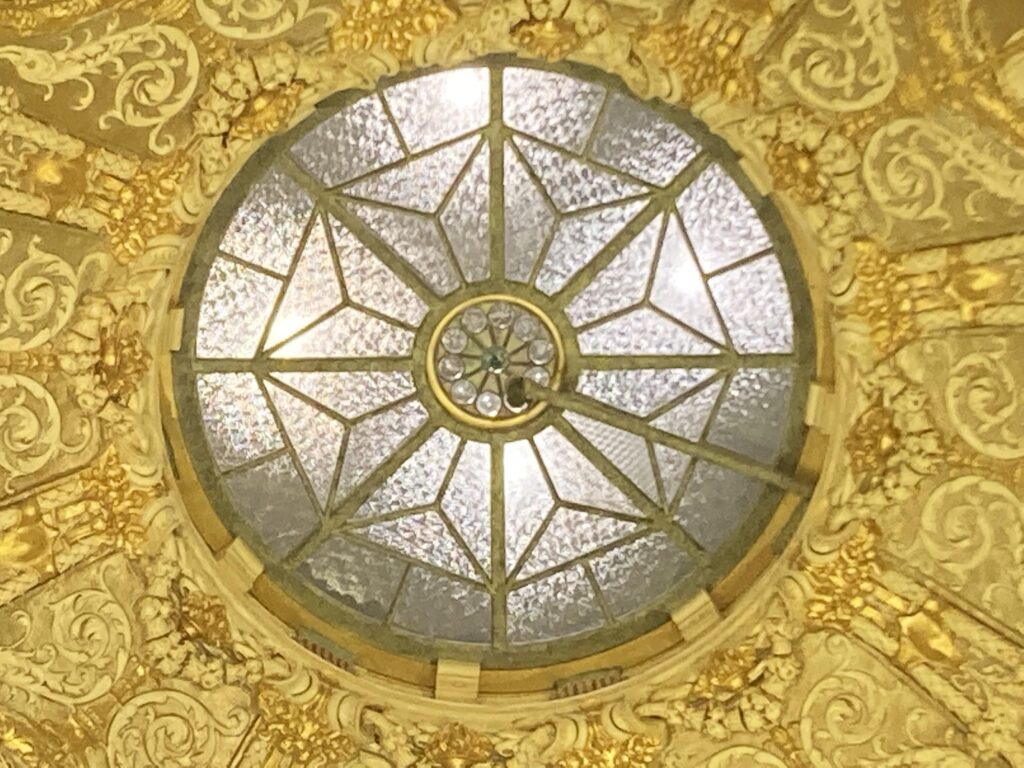
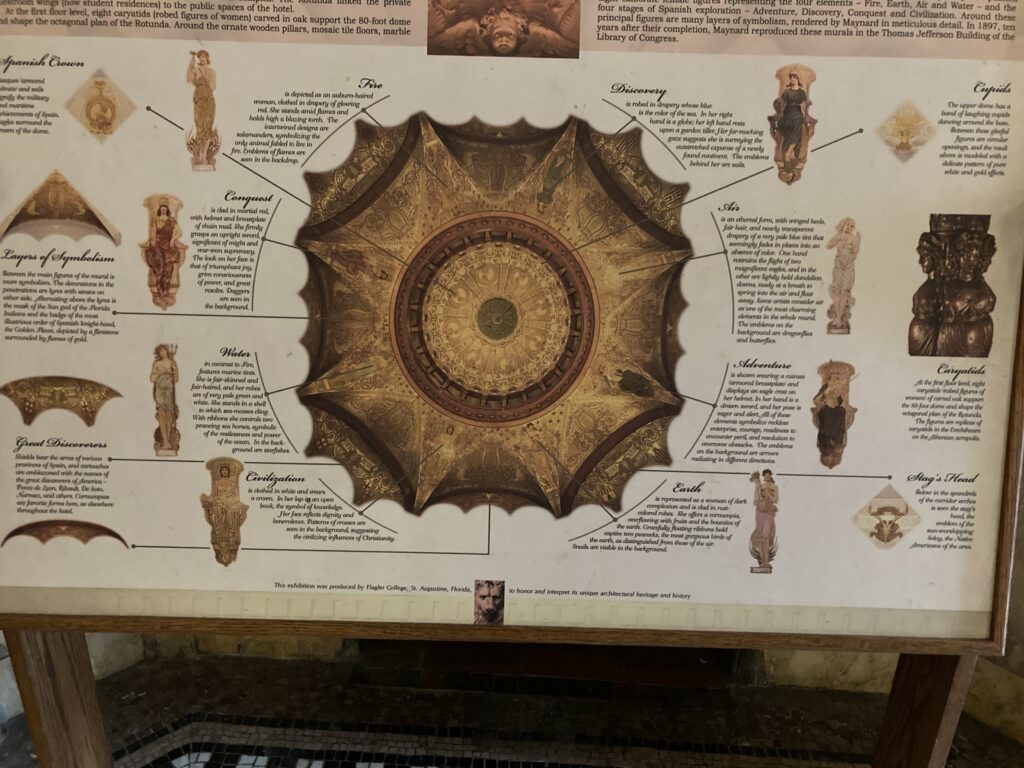
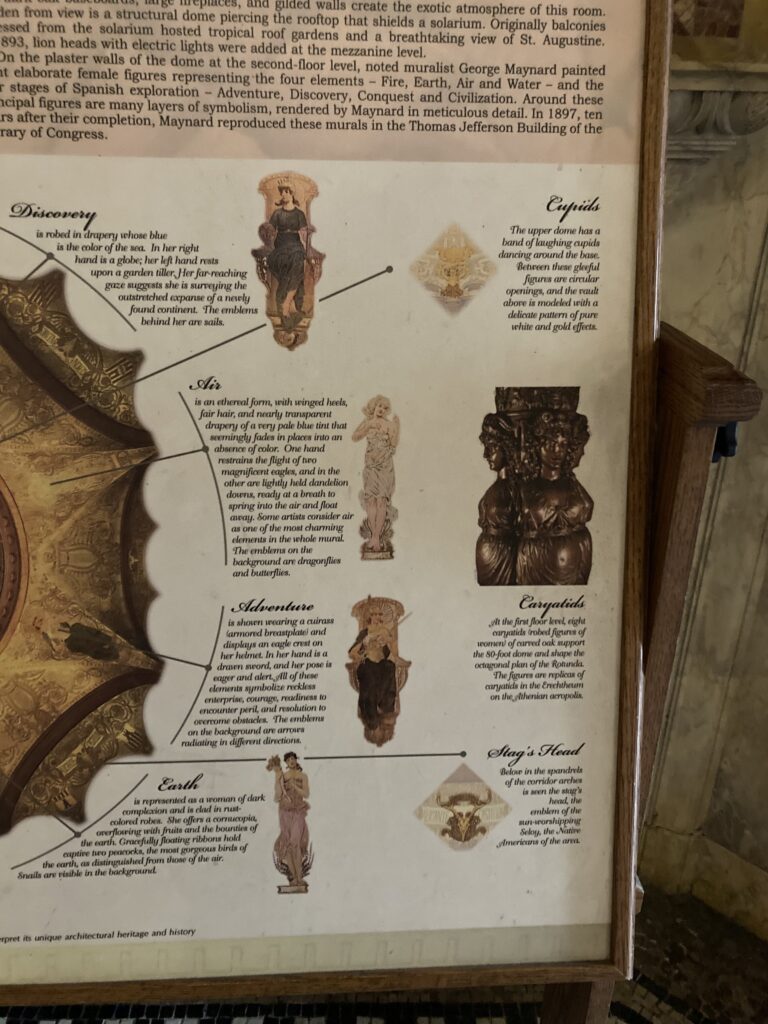
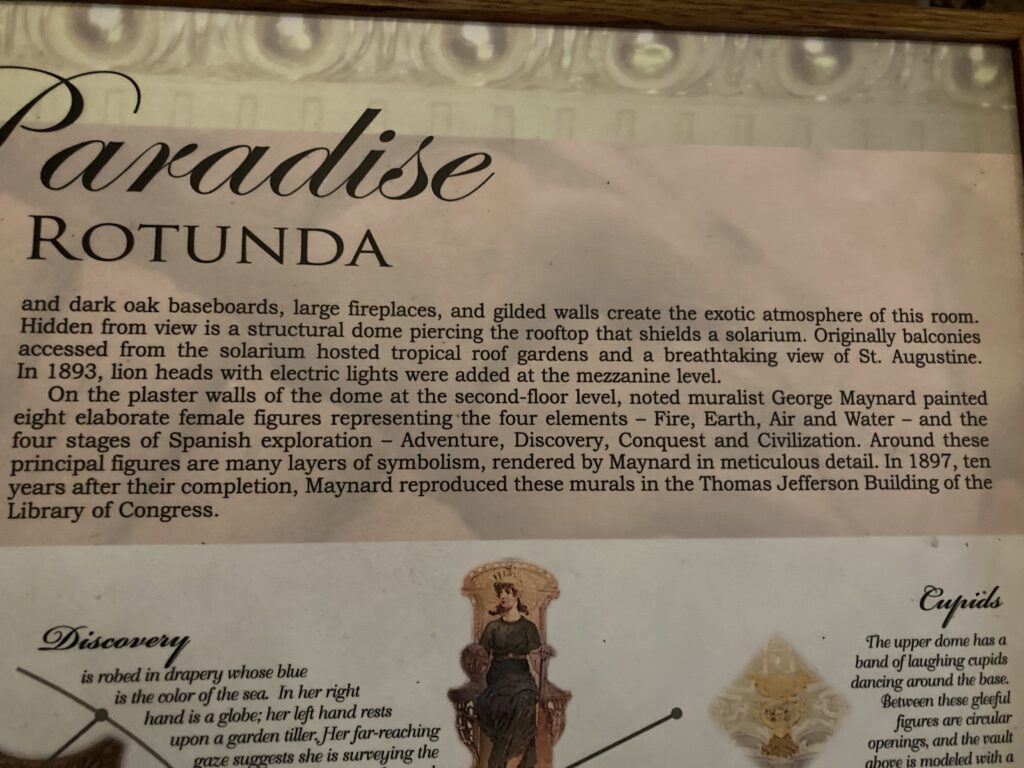
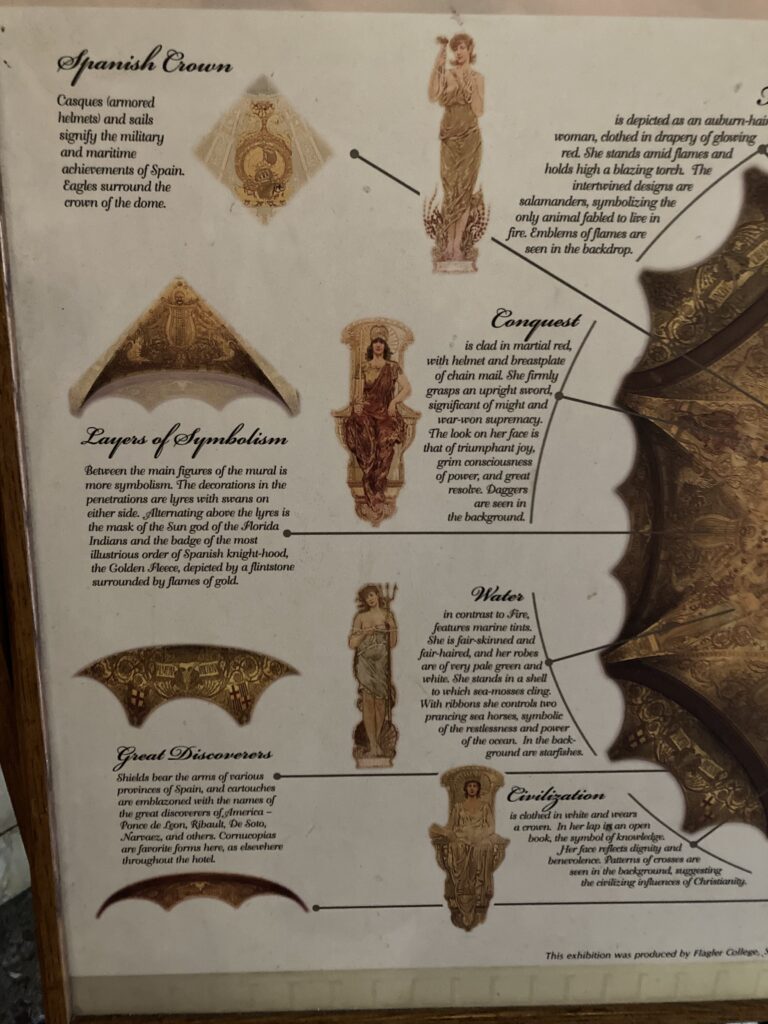
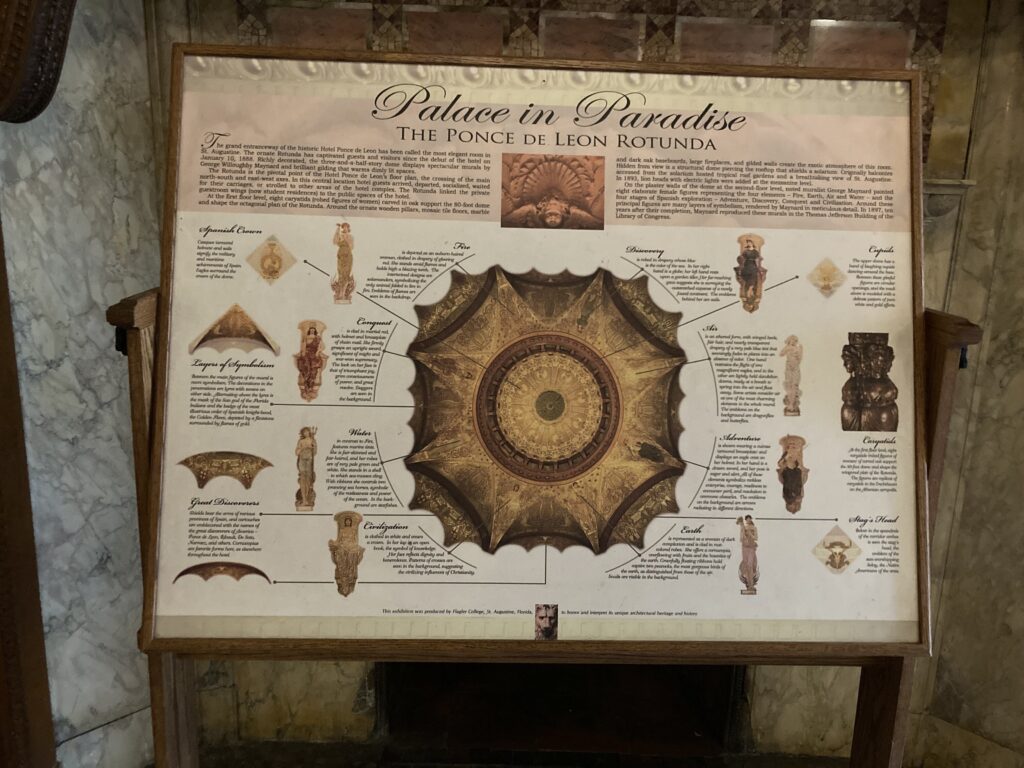
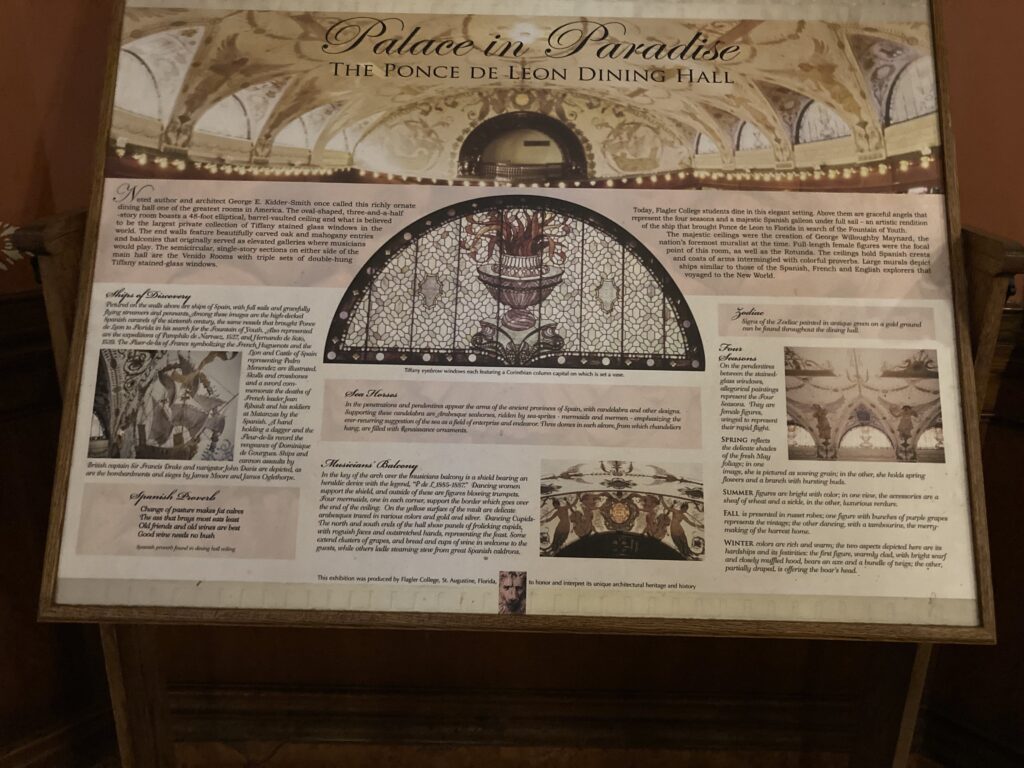
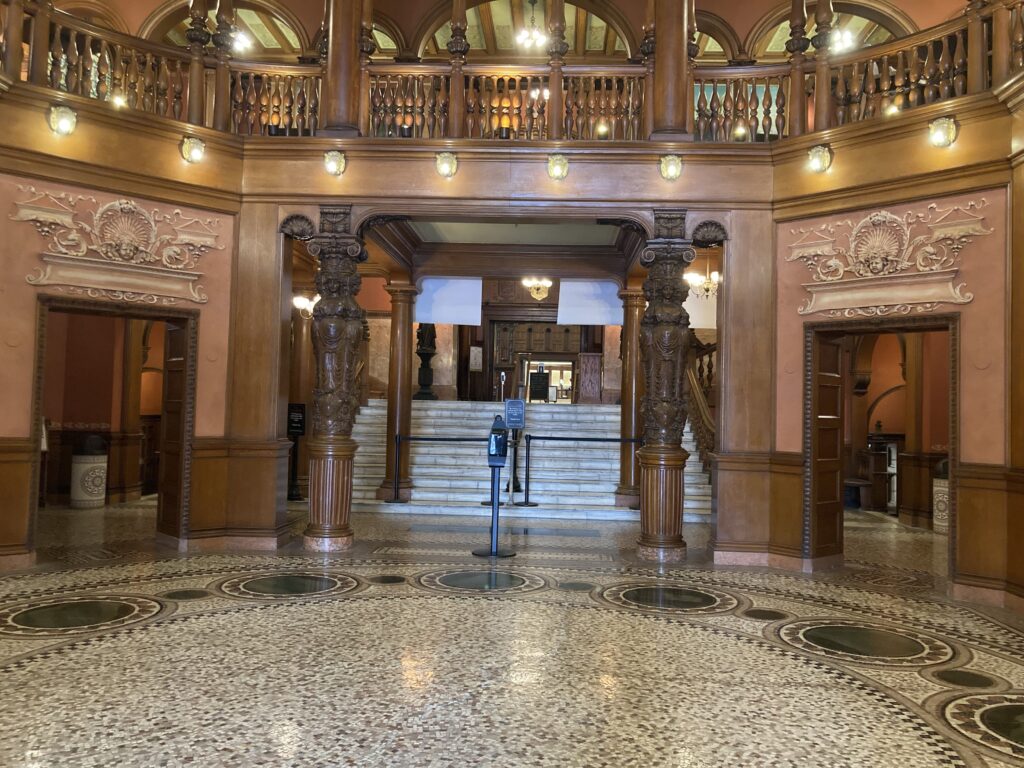
3. Hotel Ponce de Leon / Flagler College
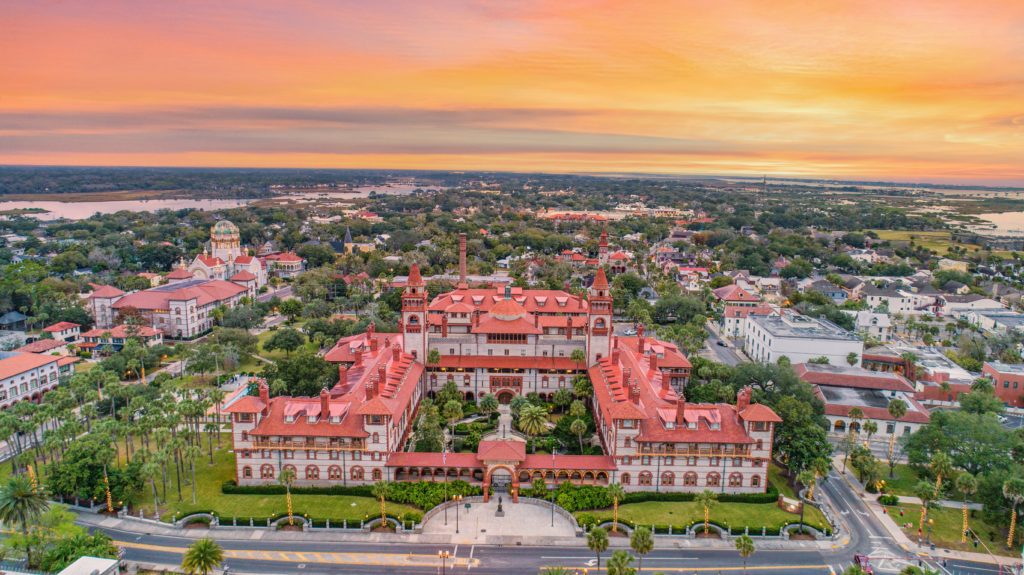
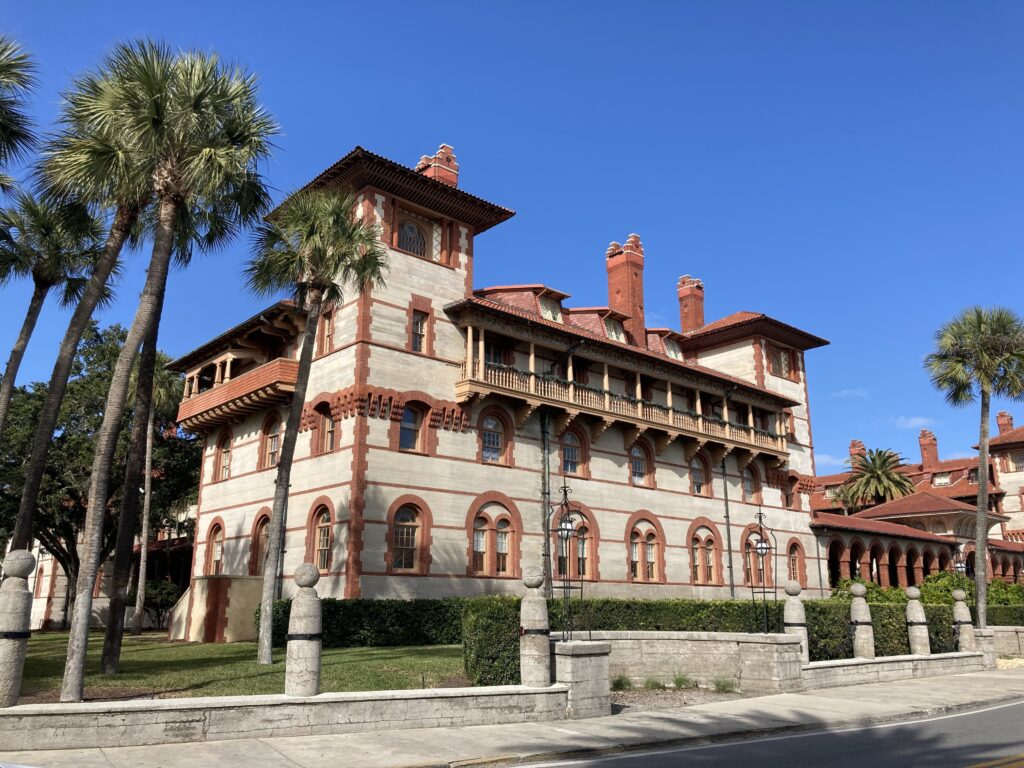
When Standard oil tycoon Henry Flagler built the luxurious Hotel Ponce de Leon in 1888, it turned St Augustine into a tourist hot spot. Flagler’s vision was to make the Ponce the grandest hotel in America.
A mere 80 years later (although it seems like light years!) the site became the home of Flagler College.
Flagler College is located at 74 King St in St. Augustine, FL. Their phone # is 800-304-4208.
Hotel Ponce de Leon
The Ponce was the flag ship of the Flagler Hotel System, which soon extended all along the East Coast to Florida.
Located in the winter Newport, this resort hotel entertained celebrities from around the world including several U.S presidents. During World War II the hotel served as a Coast Guard training center.
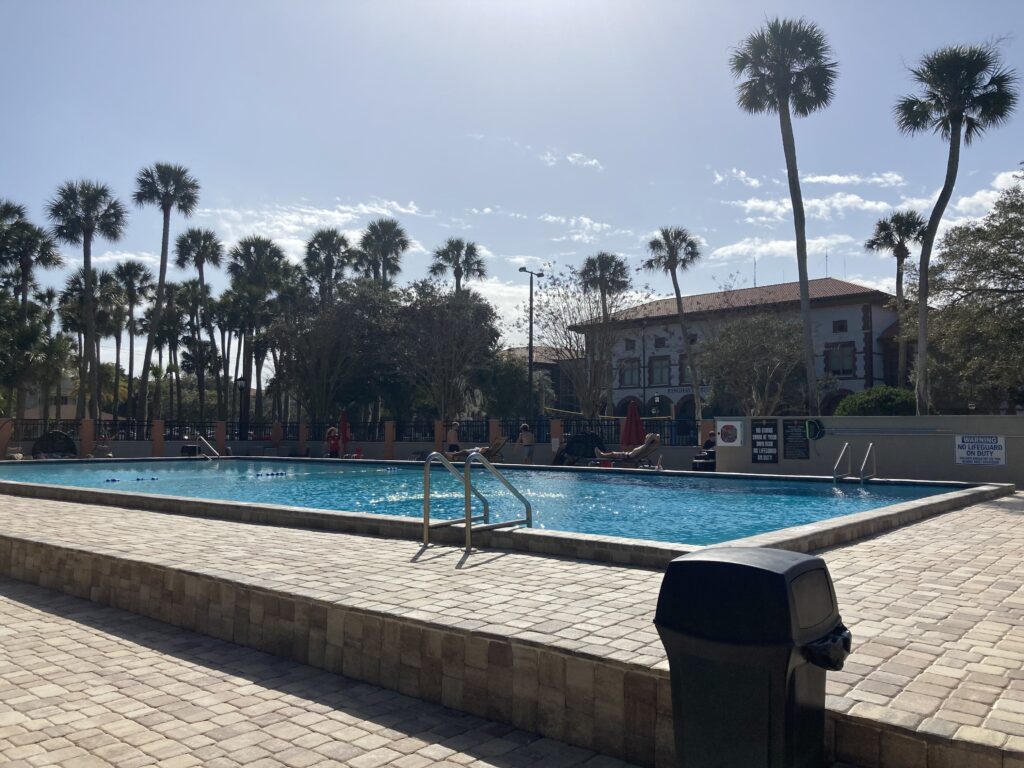
Guests at the Hotel Ponce De Leon had access to the amenities across the street at the Azucar Hotel (which is now housed the St Augustine City Hall). That included the Turk baths and indoor swimming pool. (However, guests at the cheaper Azucar Hotel could not use to the amenities at the Ponce de Leon Hotel).


Flagler College
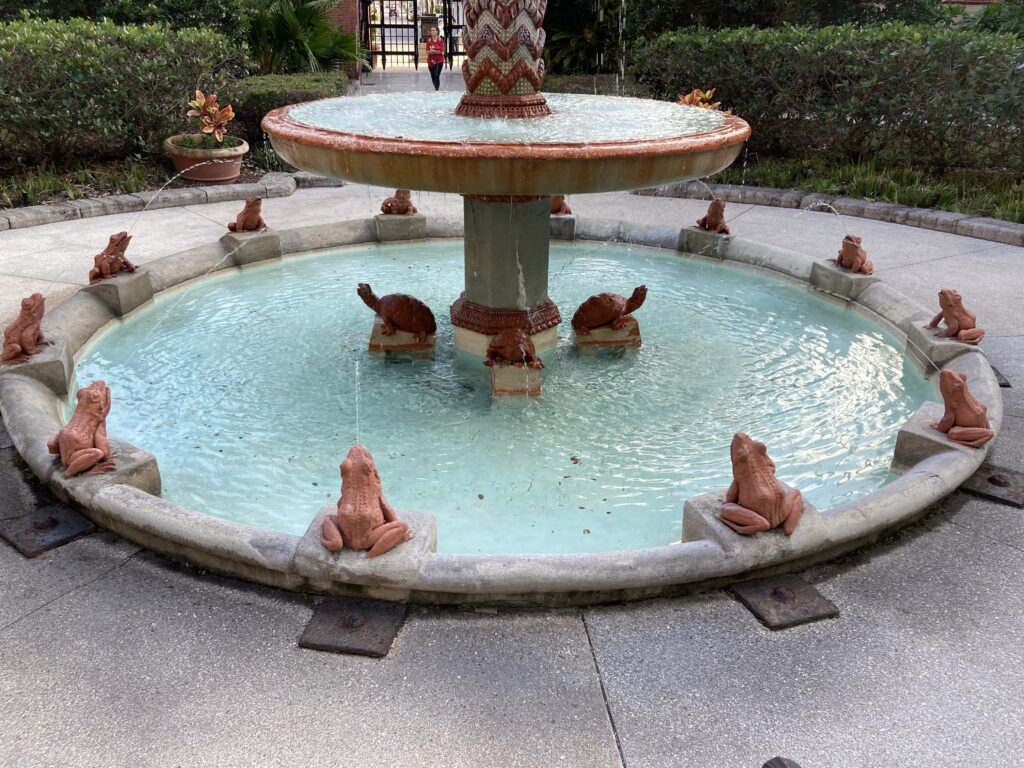
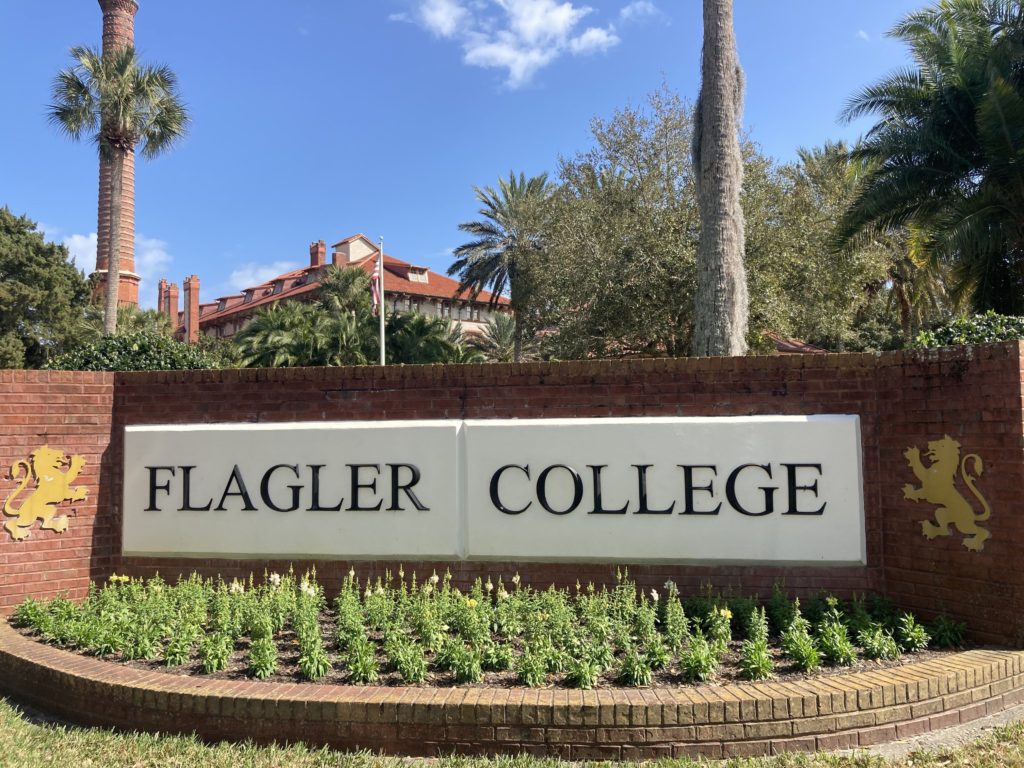
As incredible as it sounds, in 1968 a small college opened at the site of the former Ponce de Leon Hotel.
Flagler College is an accredited liberal arts college with 2,500 students. It is one of the most beautiful college campuses in the world!
Originally a women’s college for the hearing impaired, in 1971 Flagler was opened to men and several majors were added. The $34,000 annual cost includes tuition, meals, and lodging.
Flagler Legacy Tours
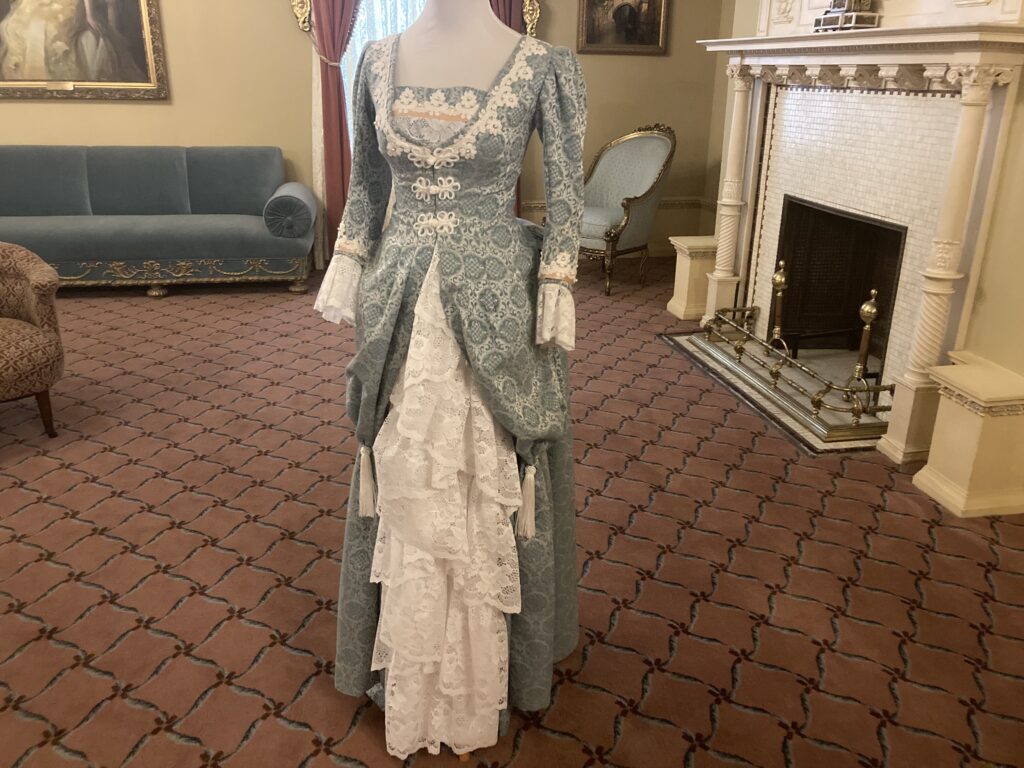
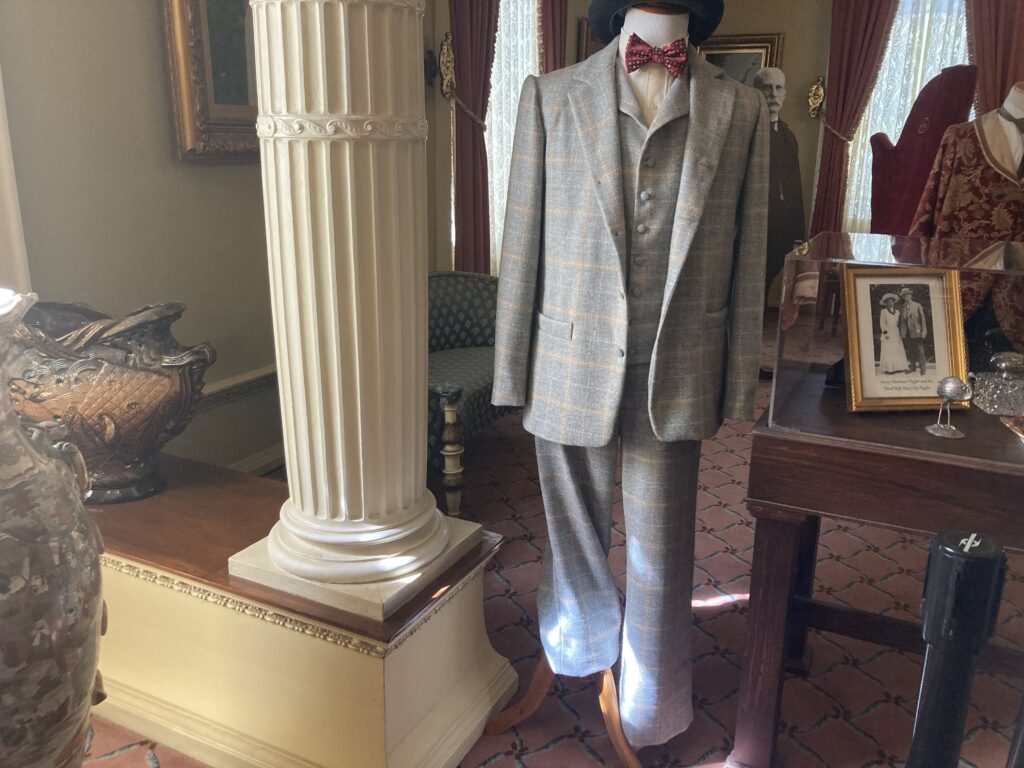
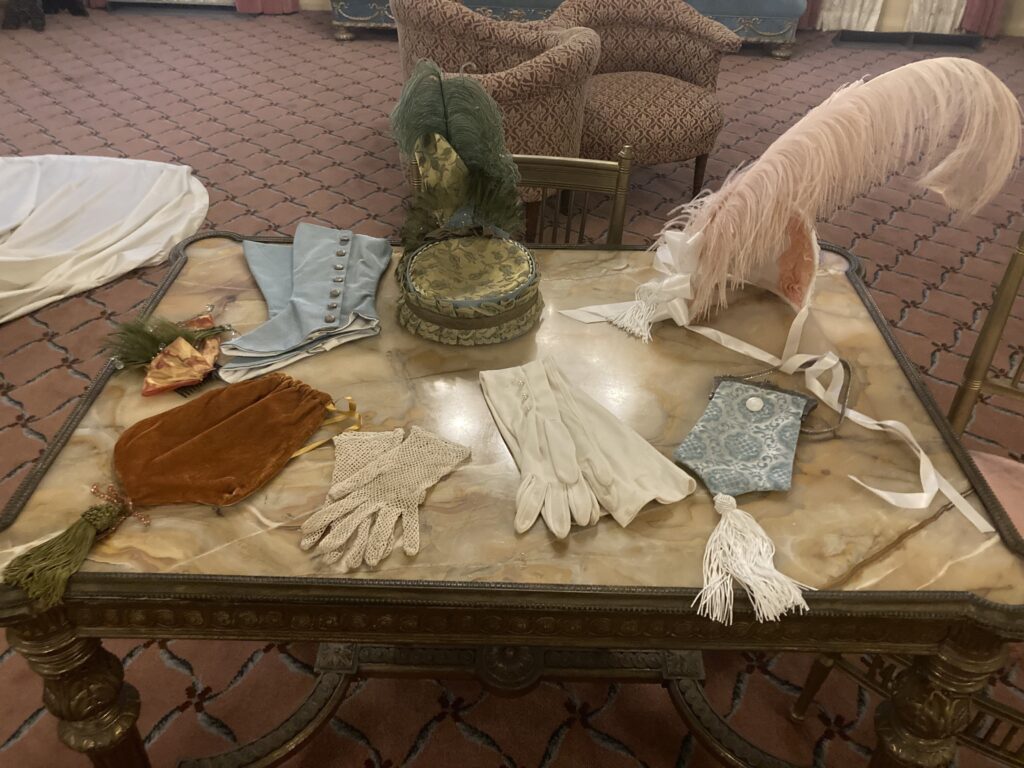
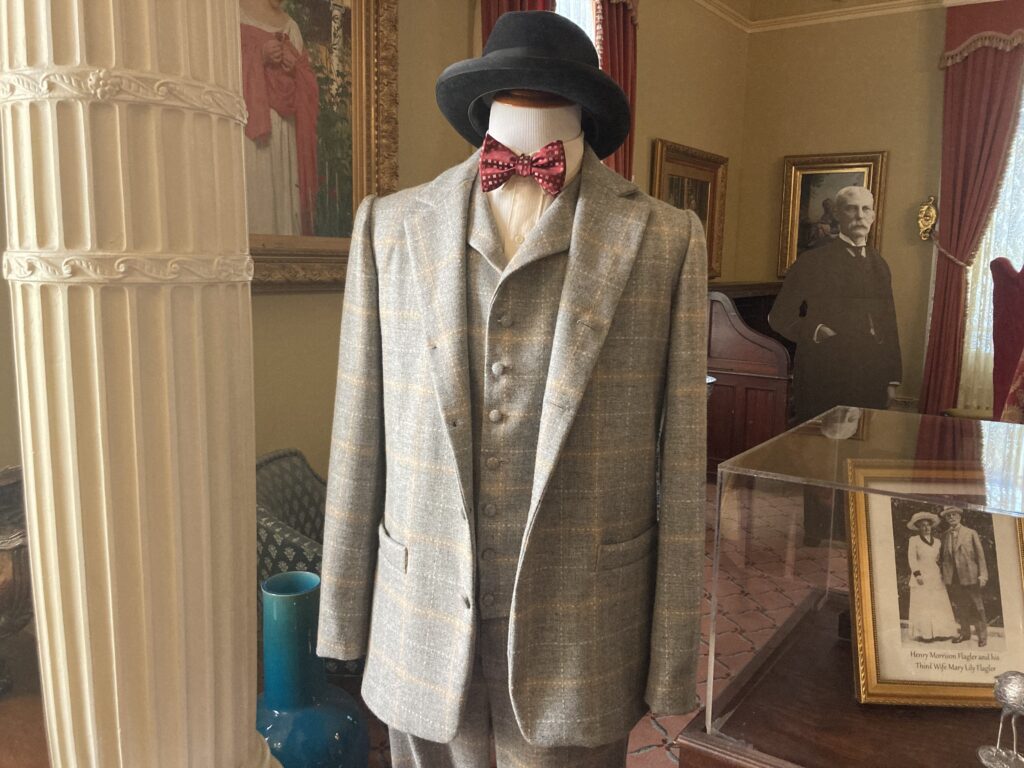
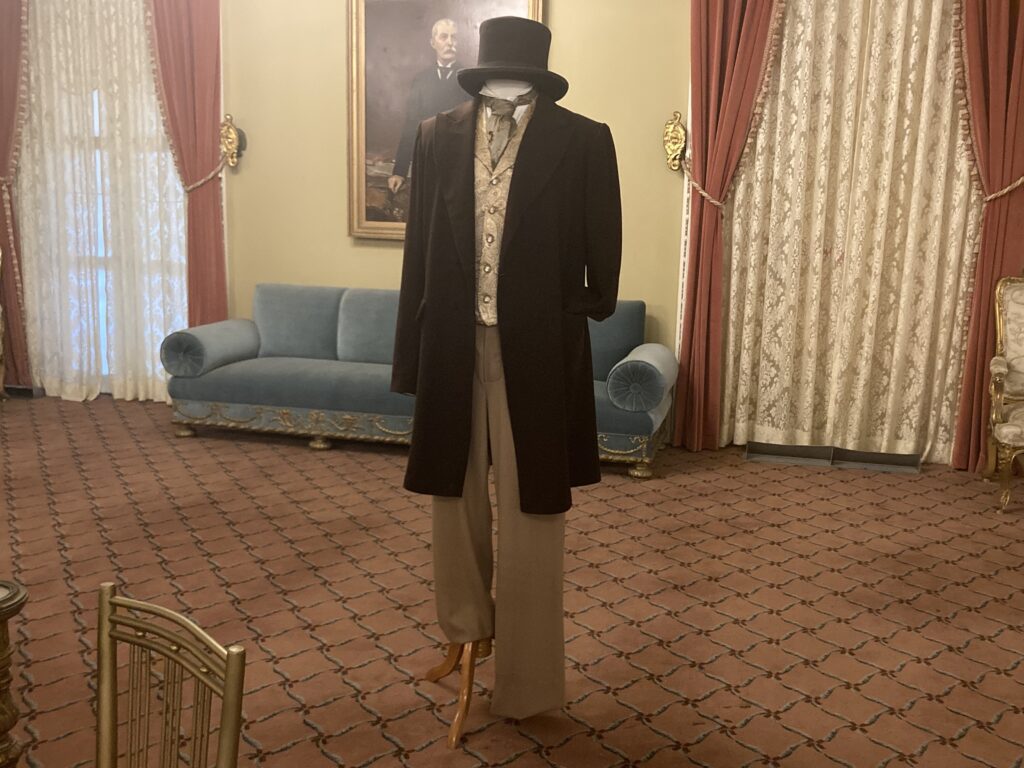
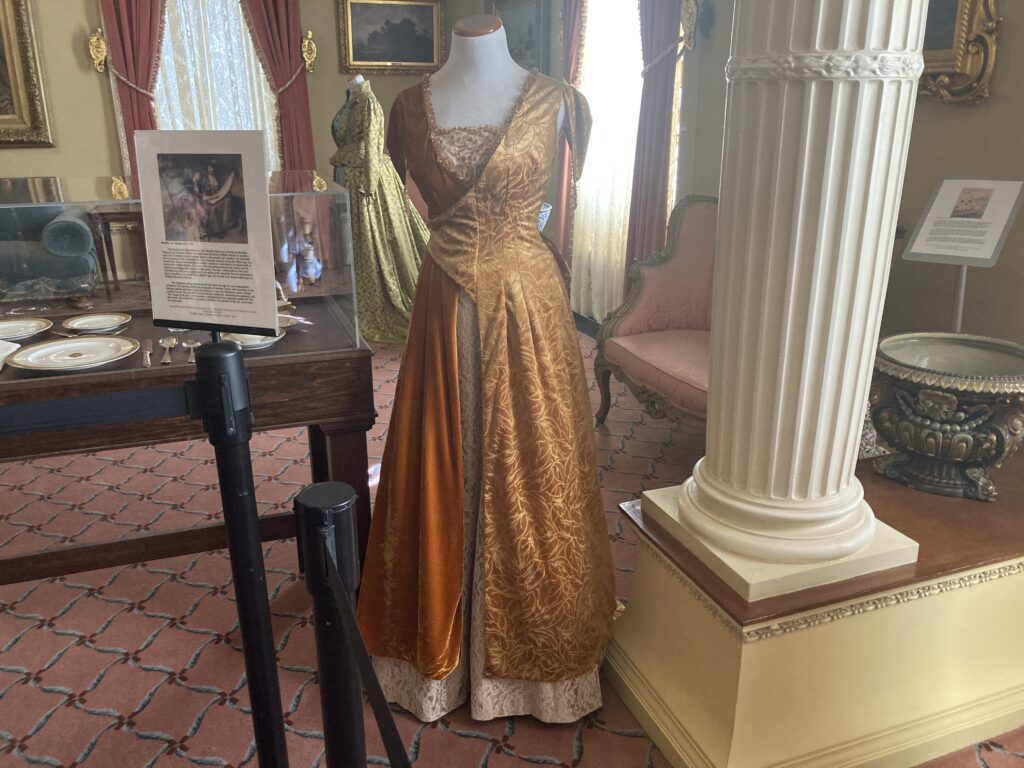
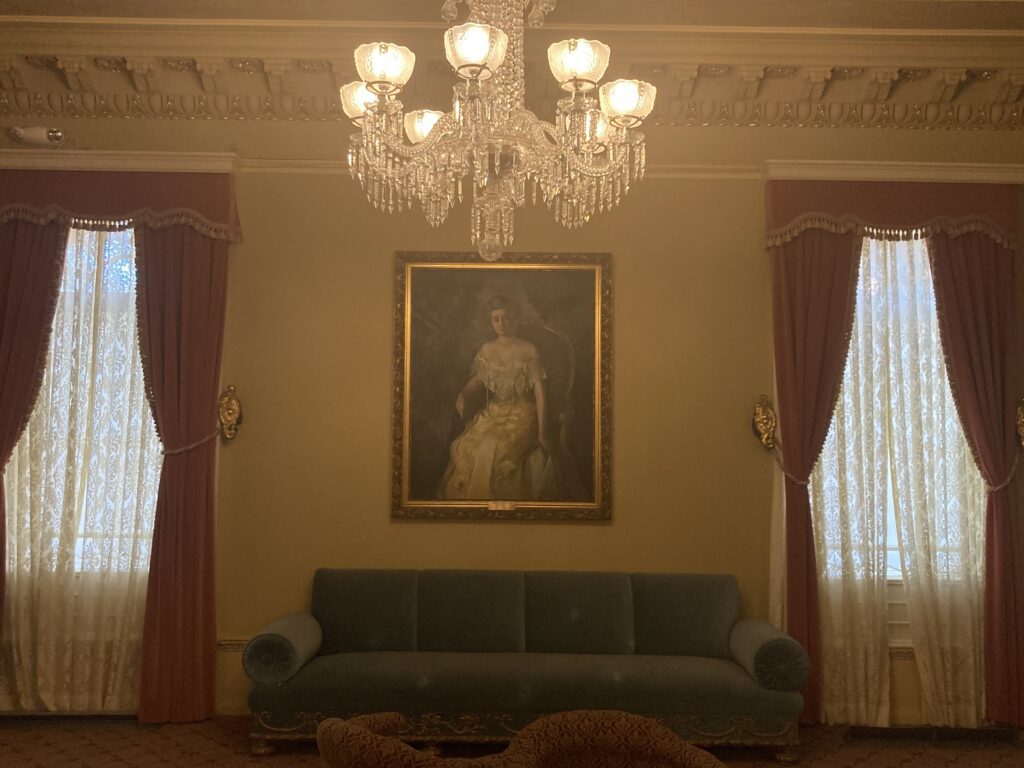
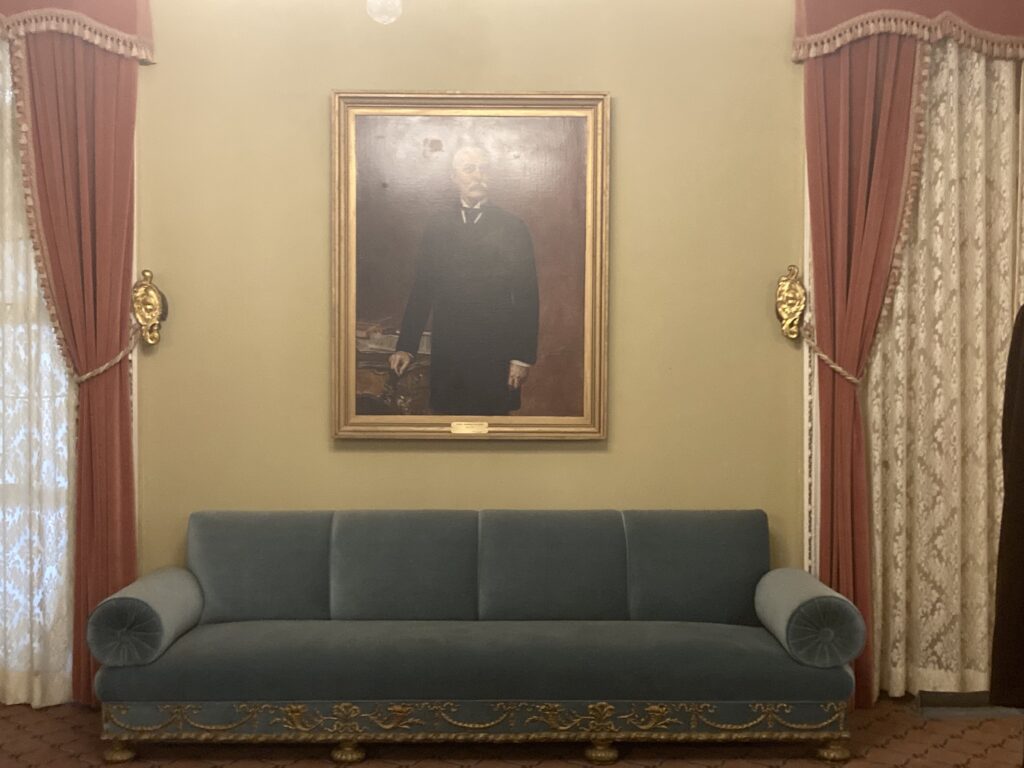
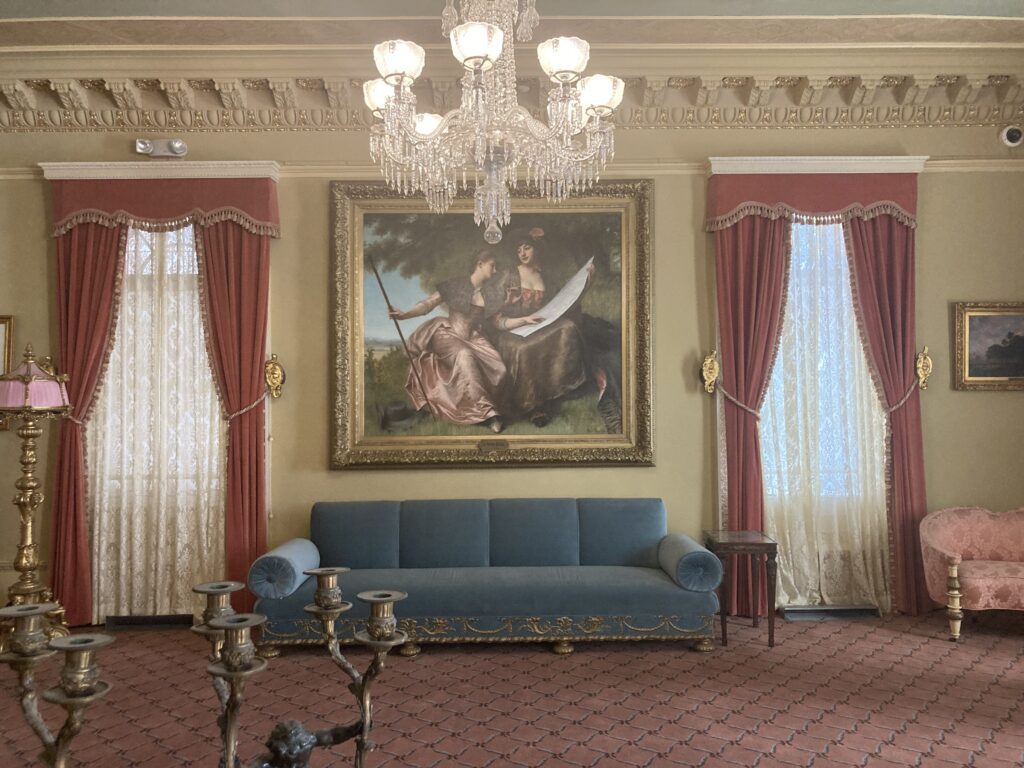
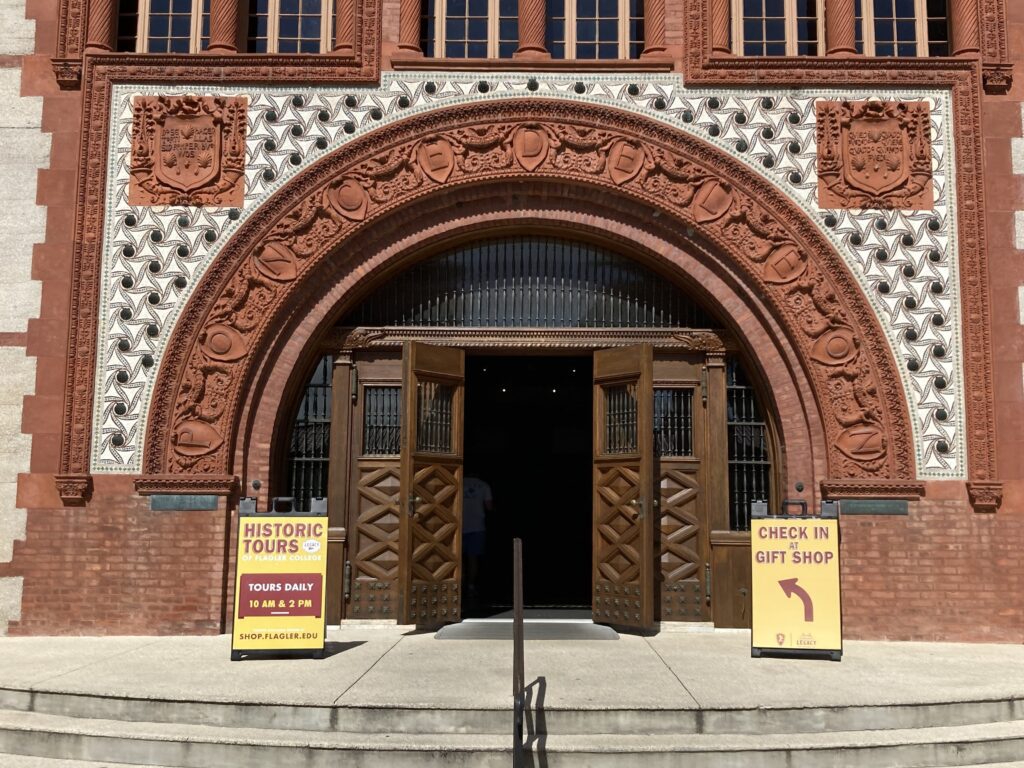
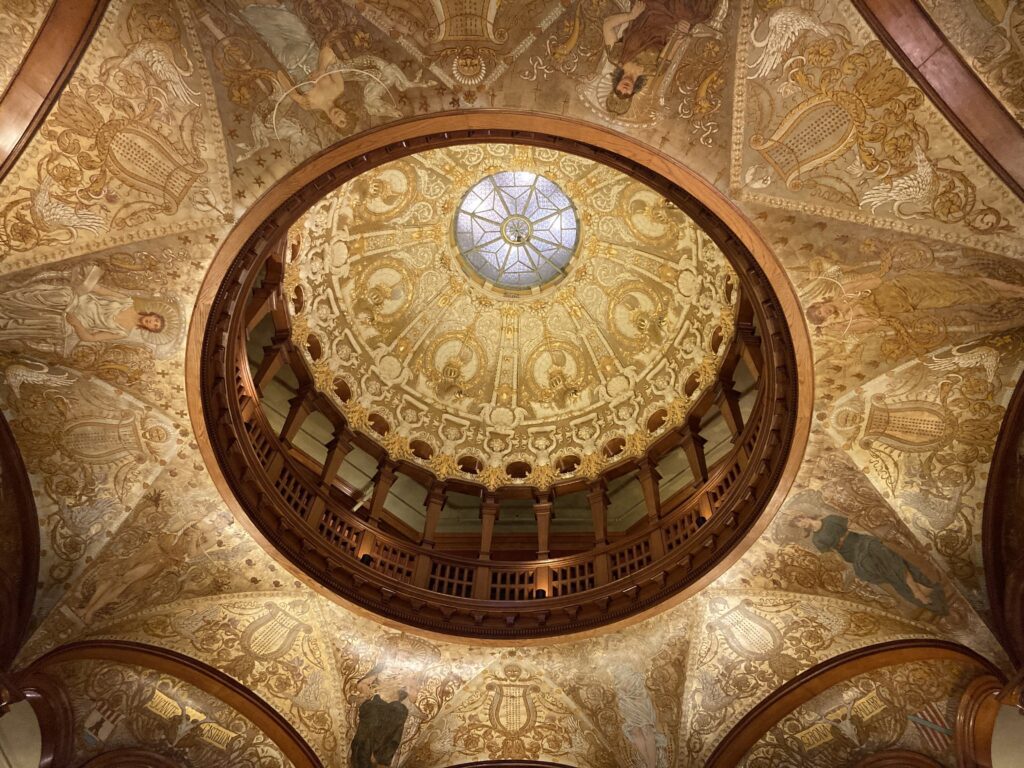
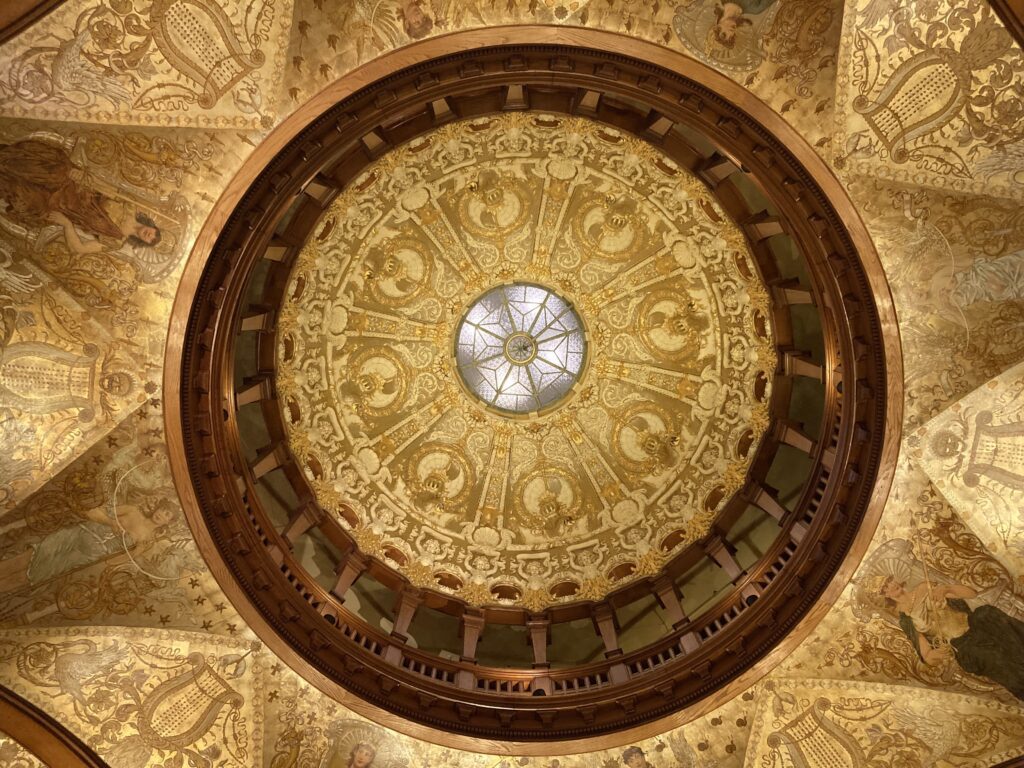
Historic Tours of Flagler College highlights the architectural heritage of the former Hotel Ponce de Leon, listed as a National Historic Landmark.
Built by railroad magnate Henry M. Flagler in 1888, the Ponce is considered one of the finest examples of Spanish Renaissance architecture and was one of the most exclusive resorts of its day.




Flagler Legacy Tours Ticket Price
Flagler Legacy Tours are offered daily at 10:00am and 2:00pm and are 1-3 hours. Tickets are $16. The Gift Shop is open from 9:00am to 3:00pm.
Flagler College Legacy Tours depart from 74 King St in St. Augustine, FL. Their phone # is 904-823-3378.


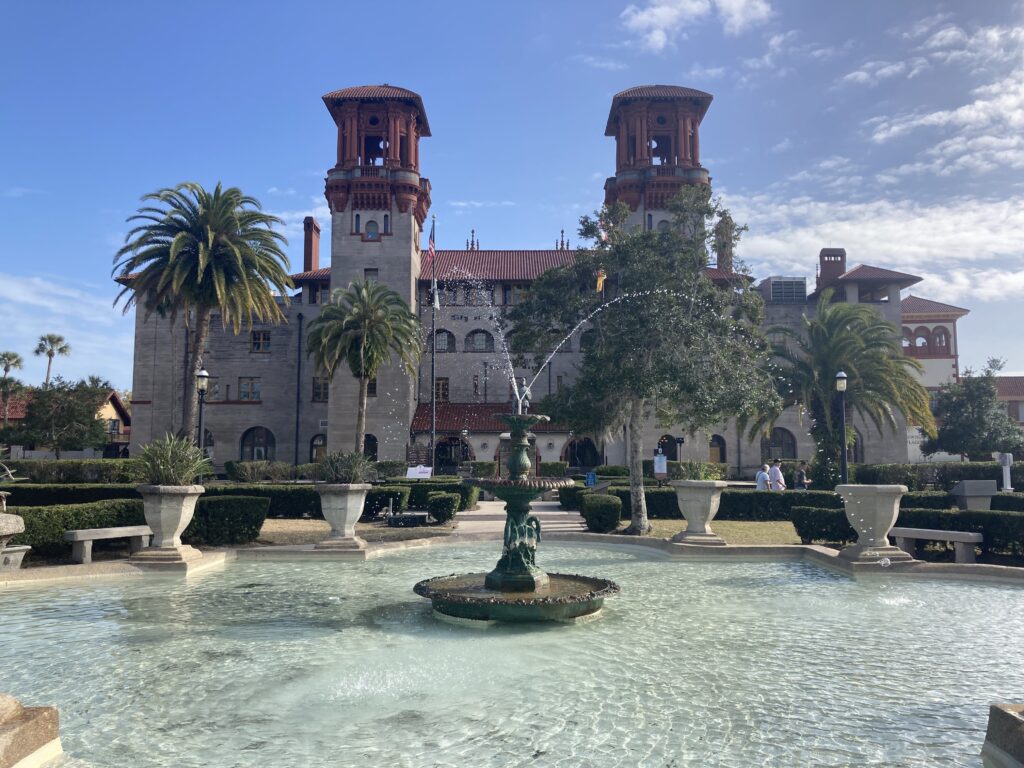
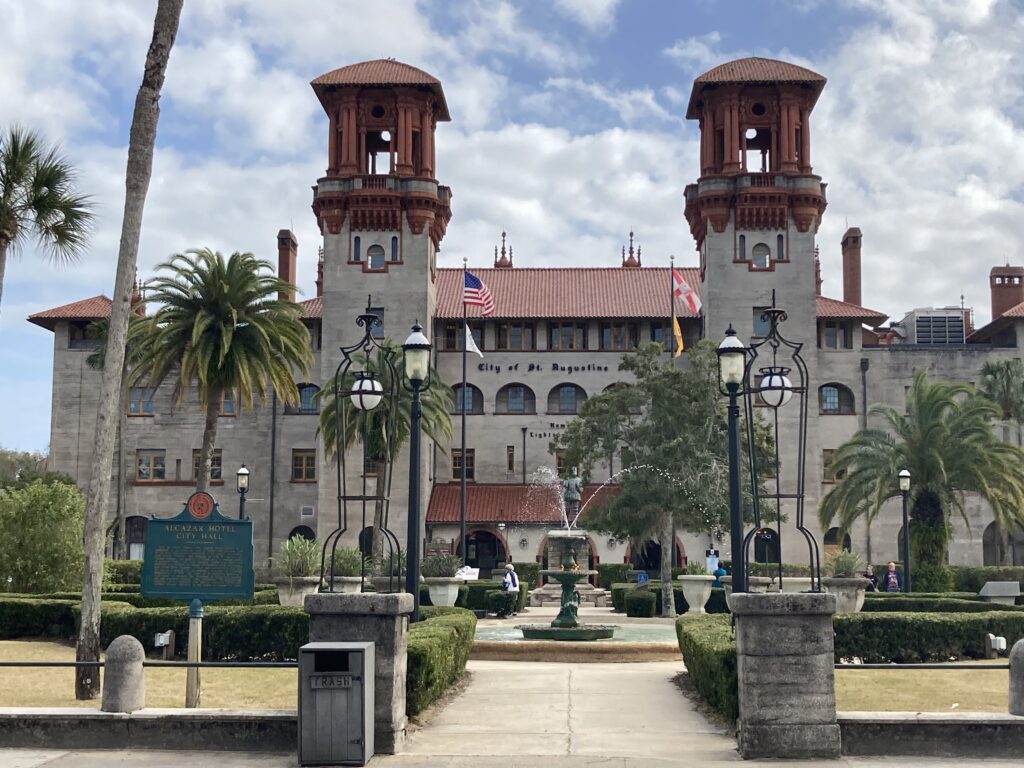
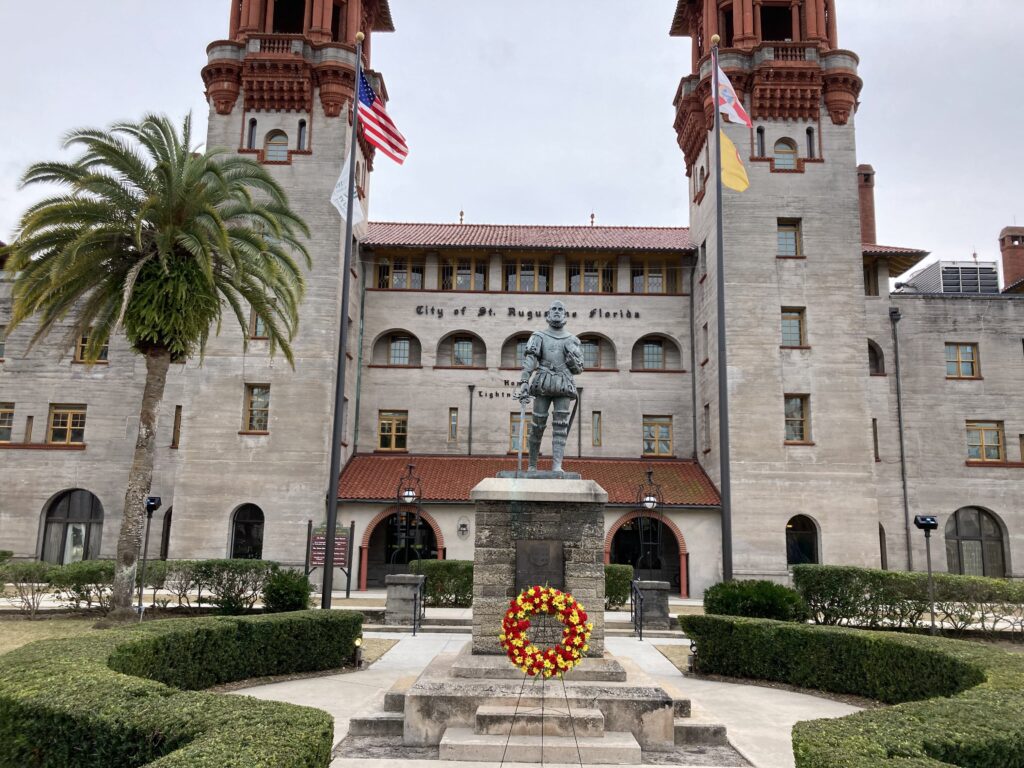
4. St Augustine City Hall / Alcazar Hotel / Lightner Museum
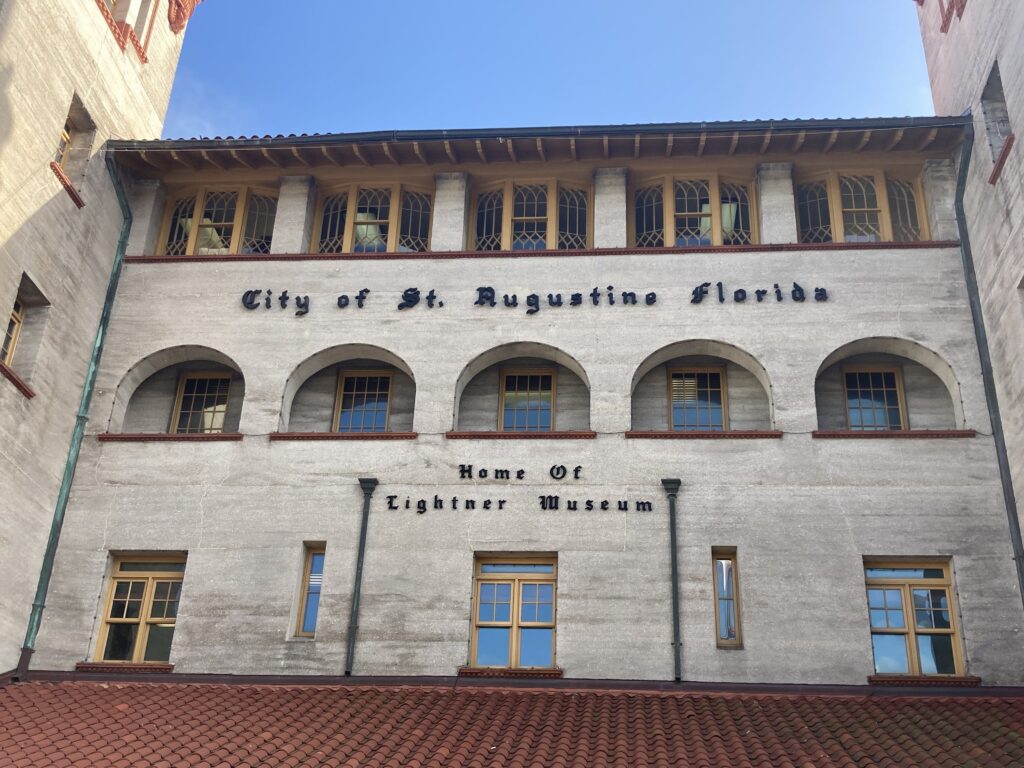
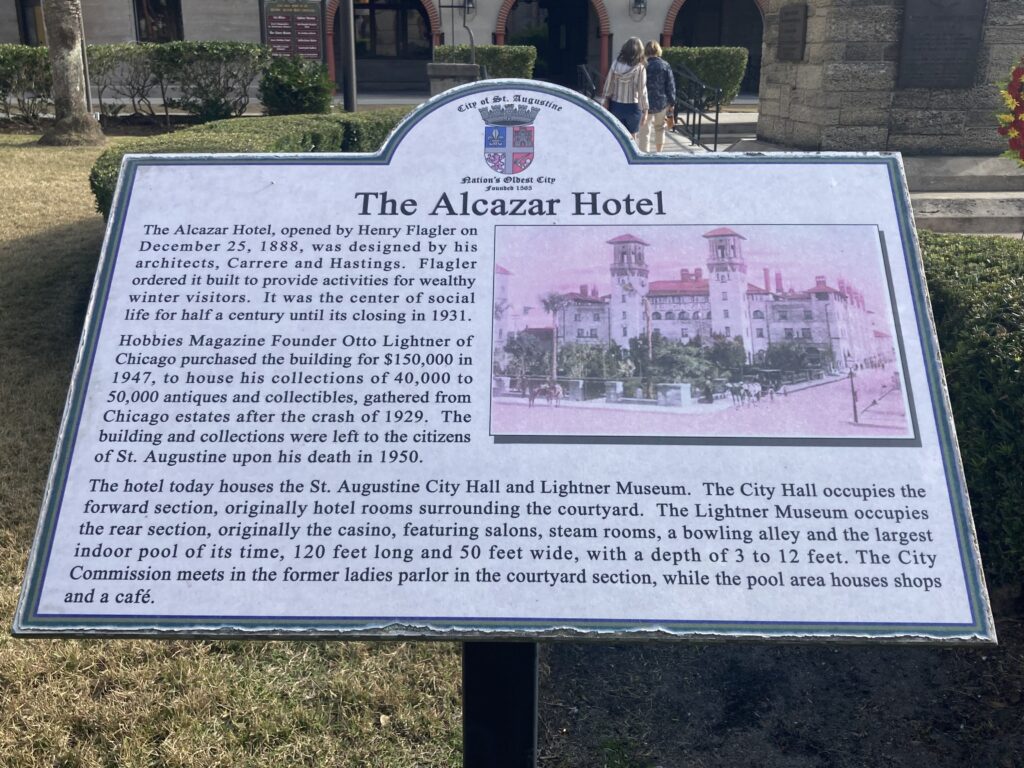
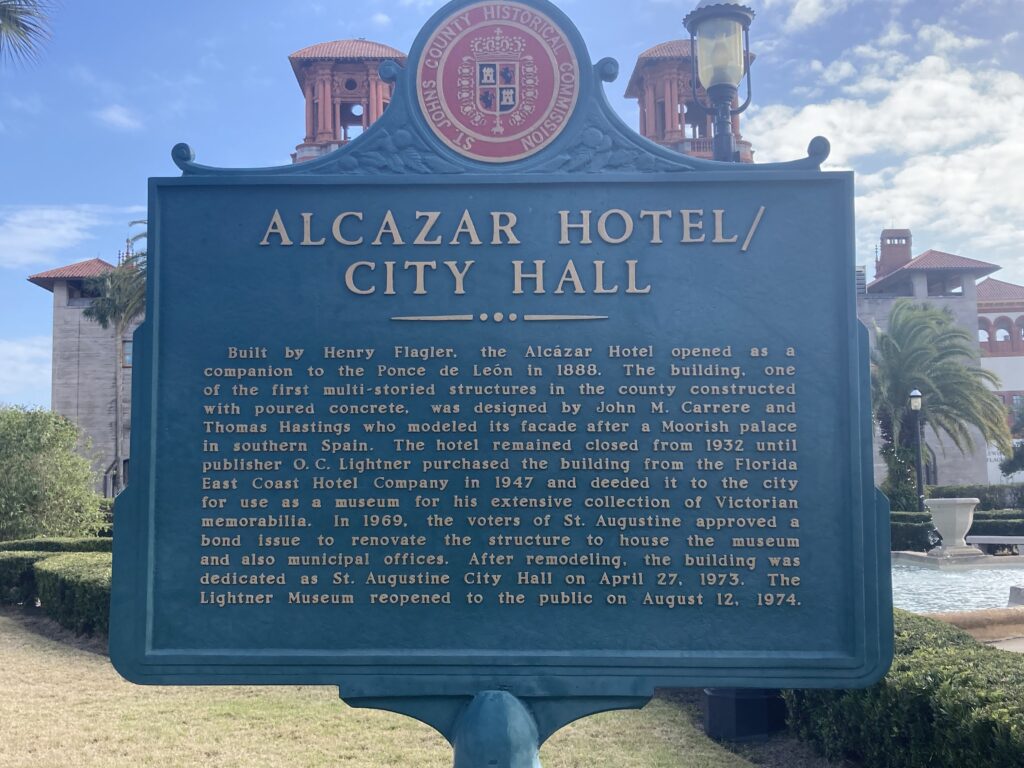
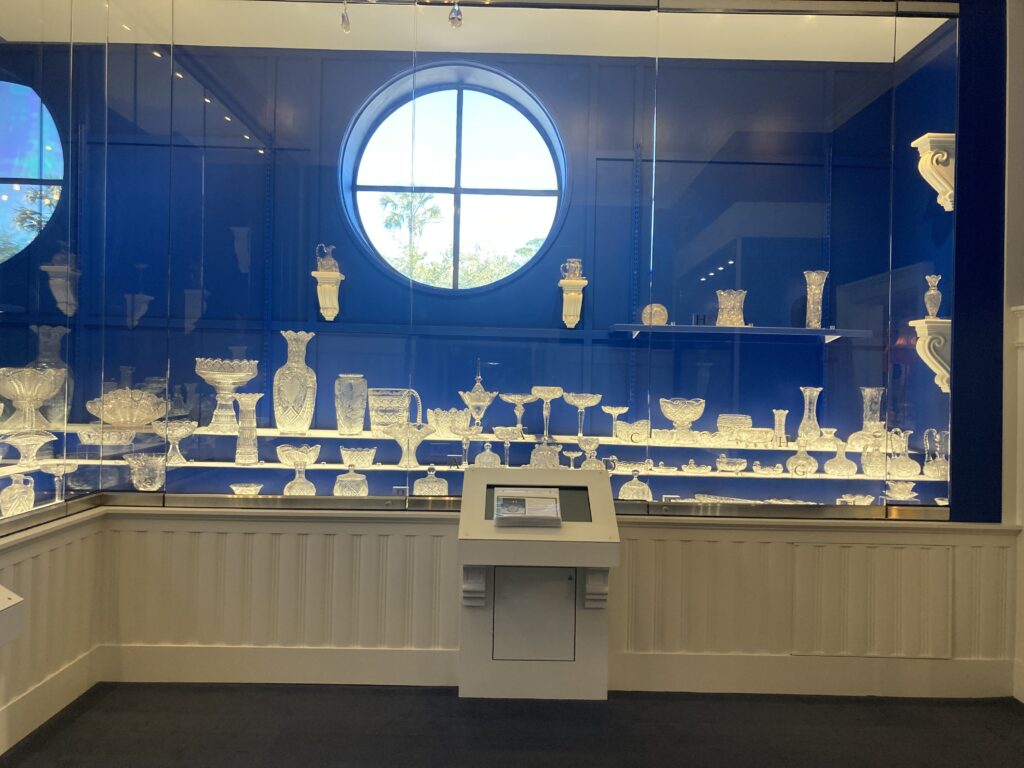
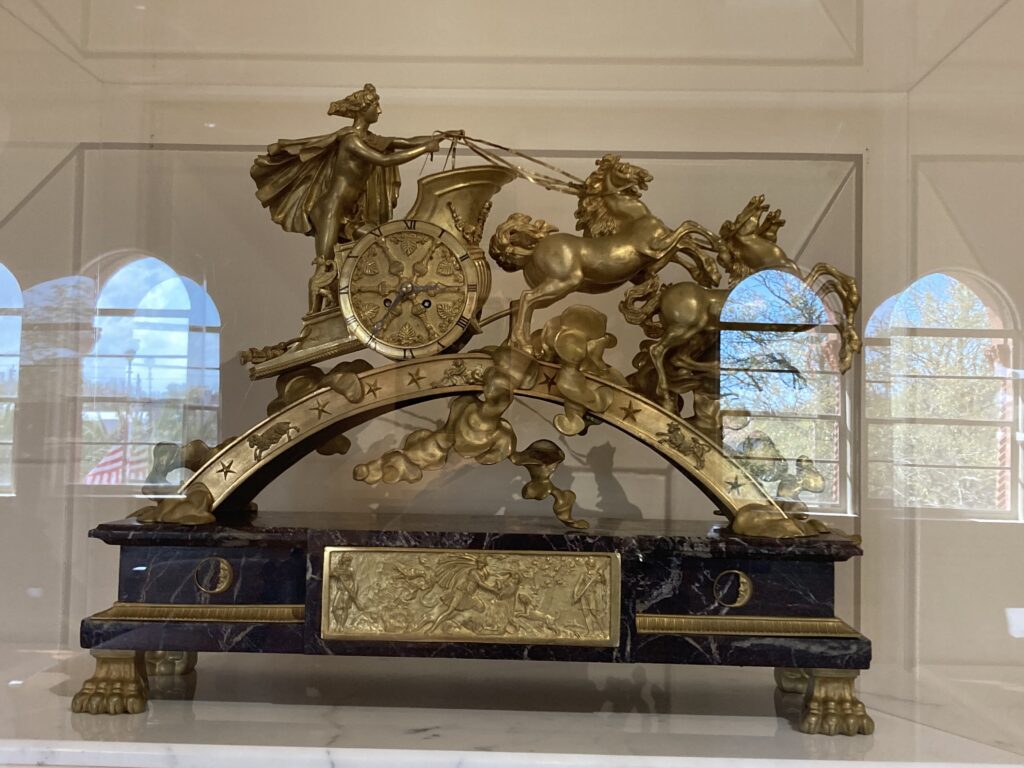
The Alcazar Hotel was built in 1887 by Henry Flagler. It is currently the site of both the St. Augustine City Hall and the Lightner Museum, which displays art from the Victory era.
The Alcazar was modeled after a Moorish castle in southern Spain. It is a breathtakingly stunning Spanish Renaissance style building that is a must see.
Alcazar Hotel History
The Alcazar Hotel was built to provide activities for wealthy winter visitors. It featured spas, tennis courts, a bowling alley, and the world’s largest indoor swimming poll of its time.
The hotel was the center of social life for half a century until its closing in 1931. It remained empty for the next 16 years.
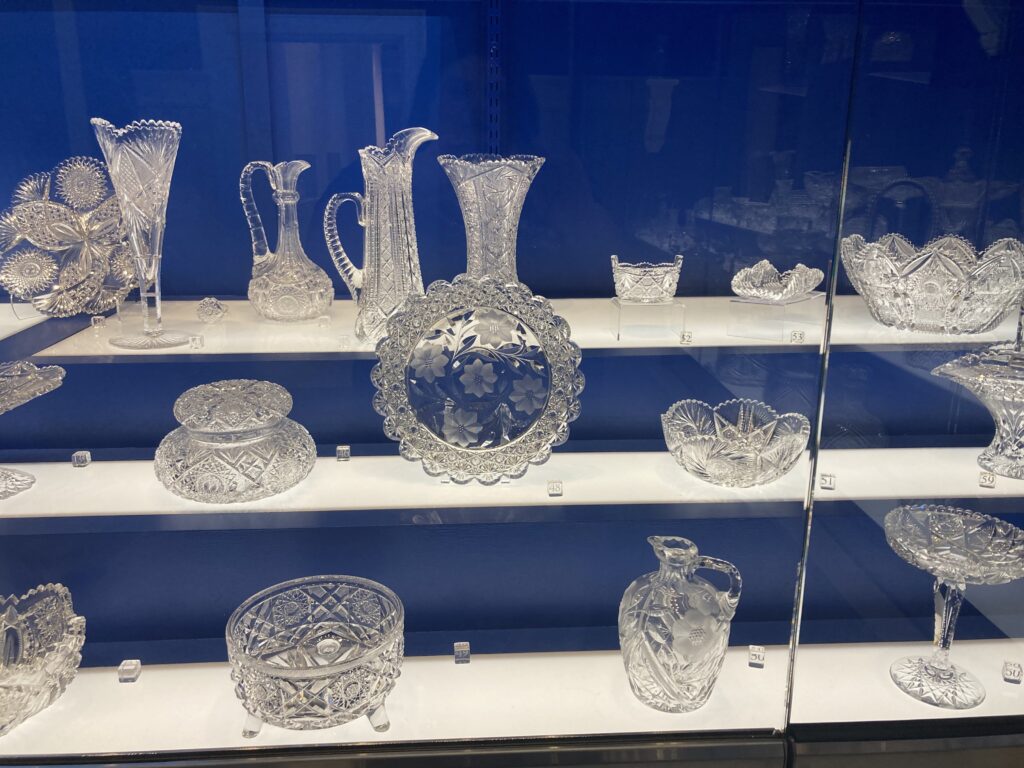
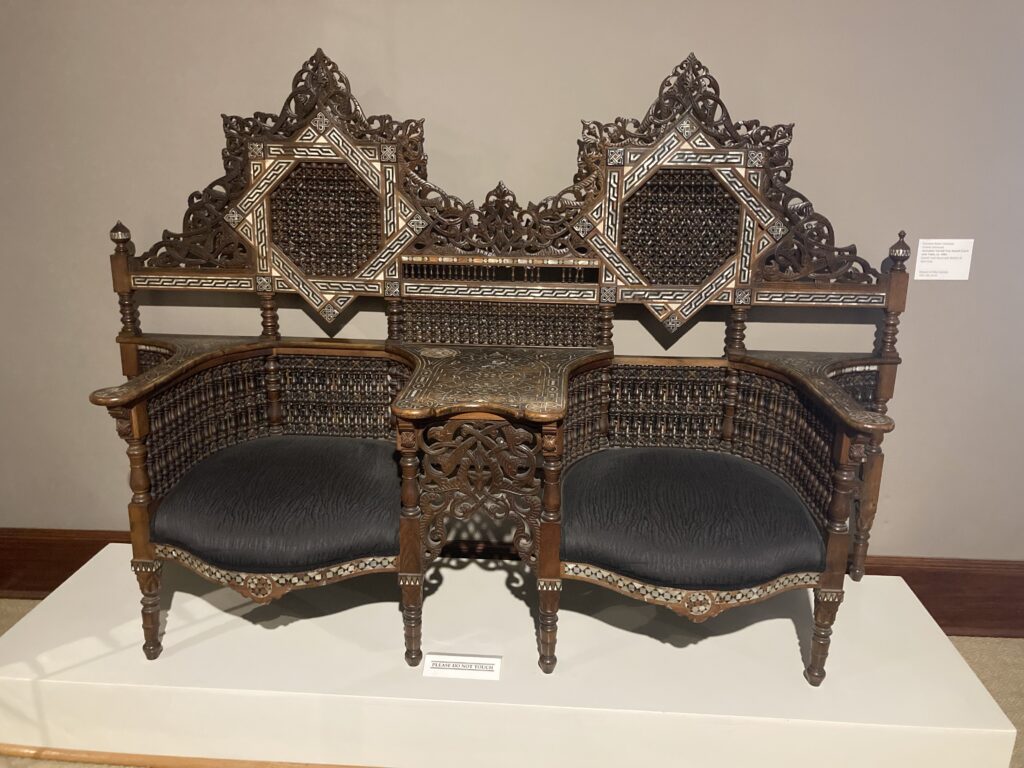
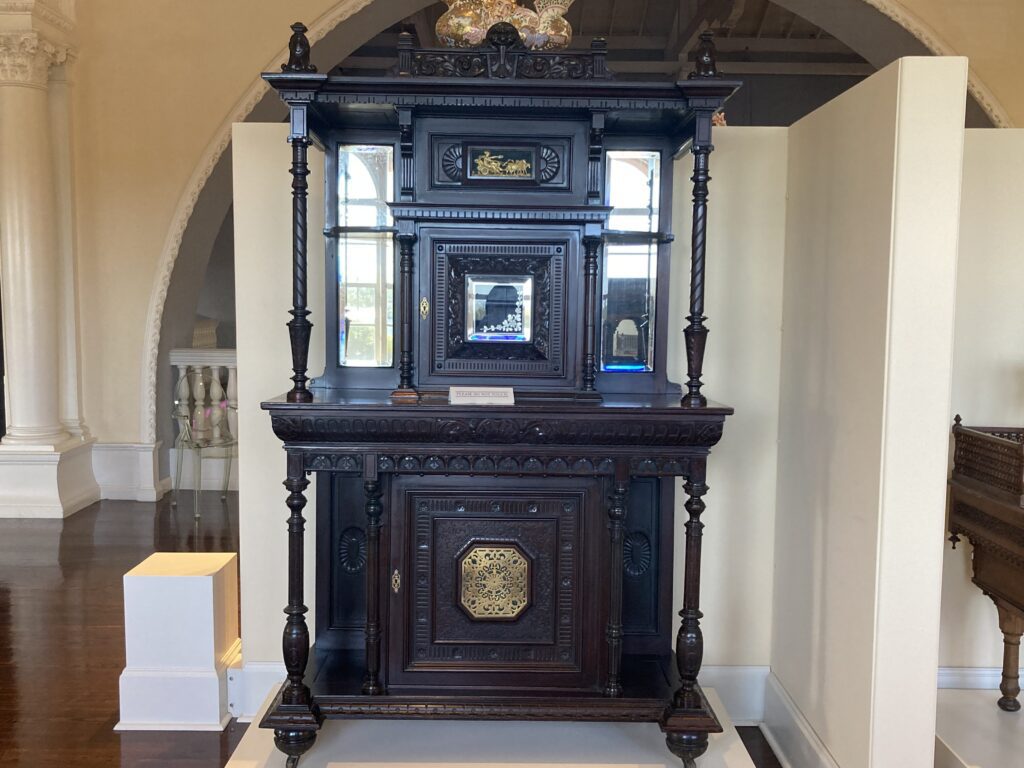
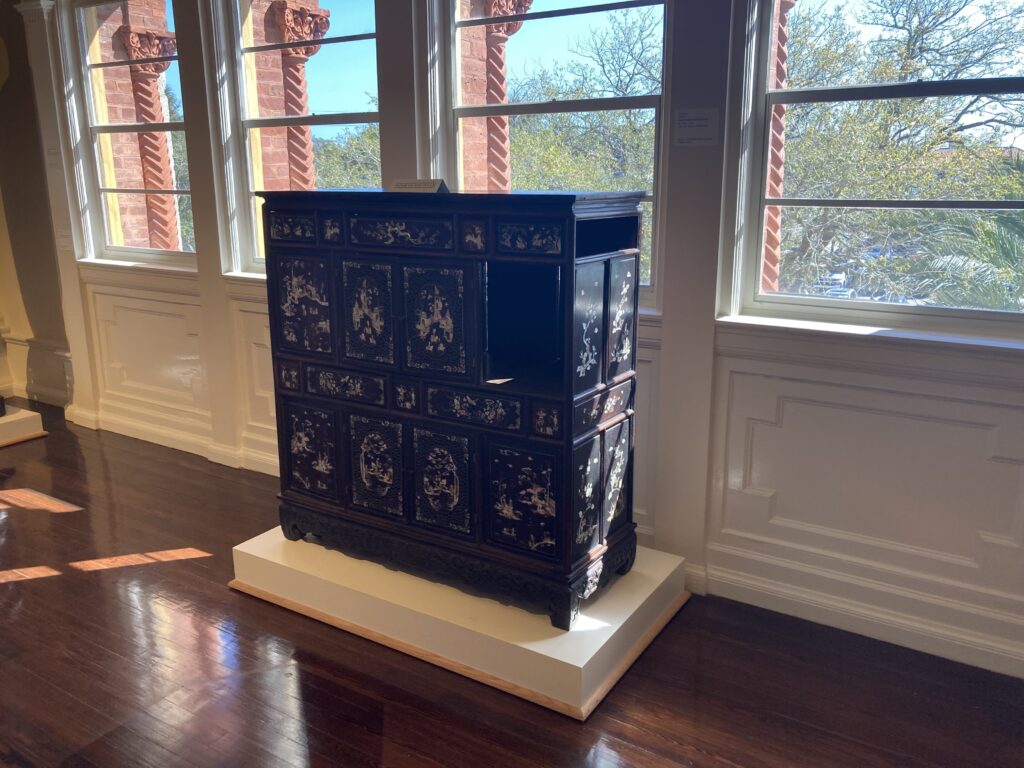
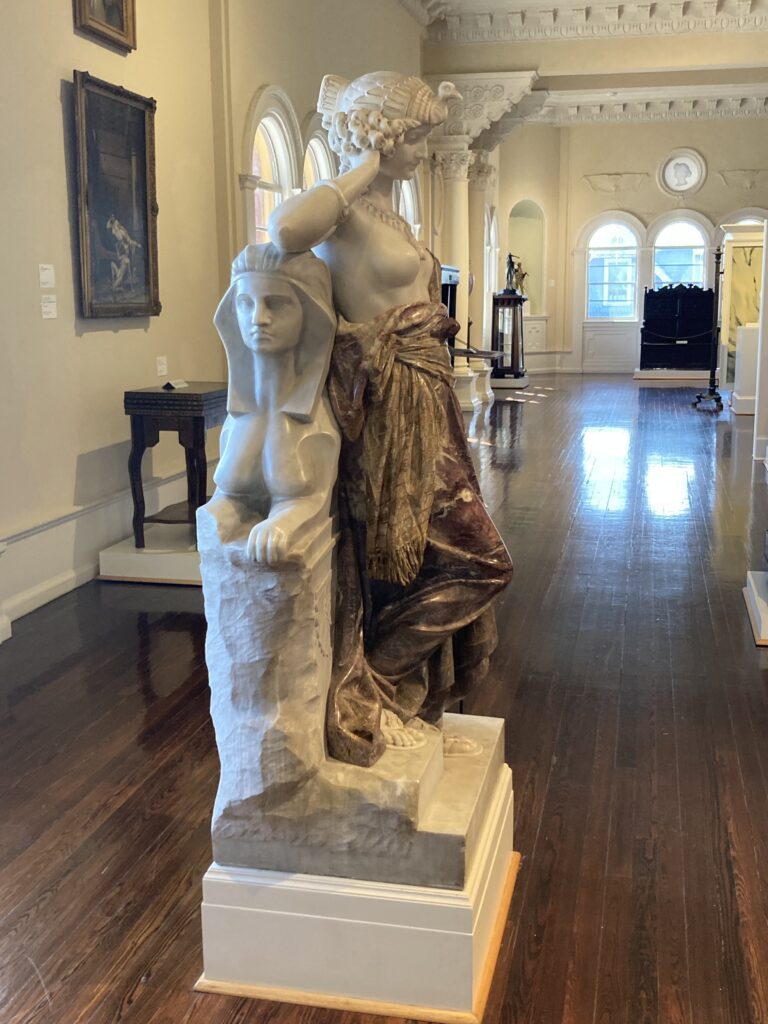
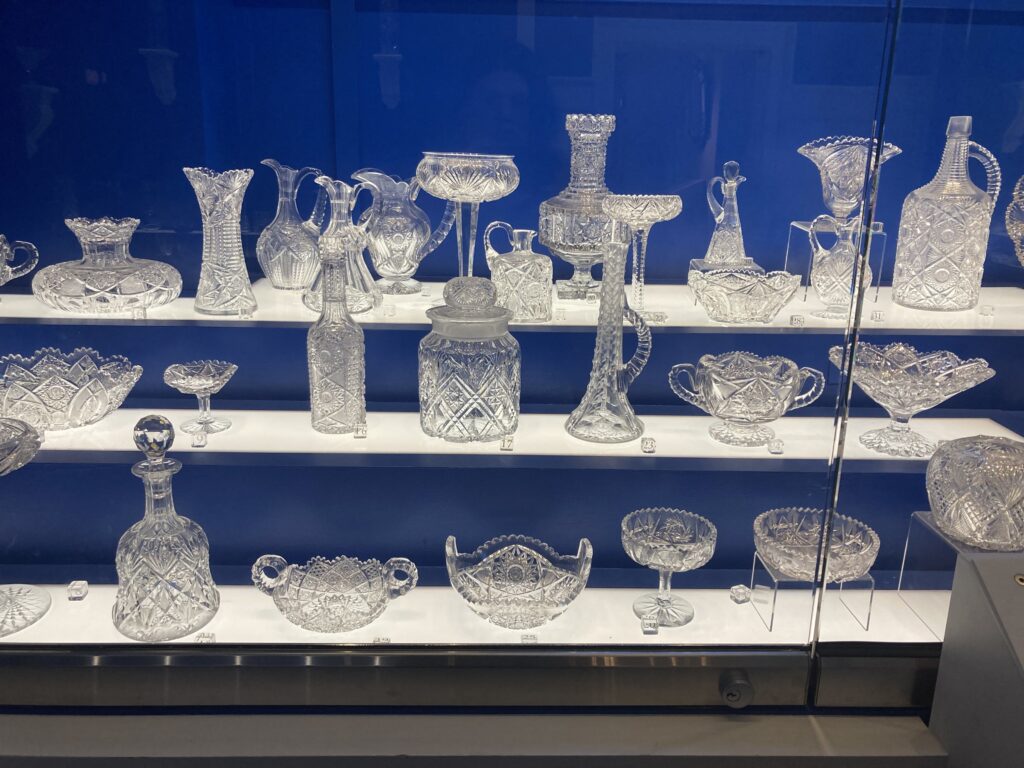
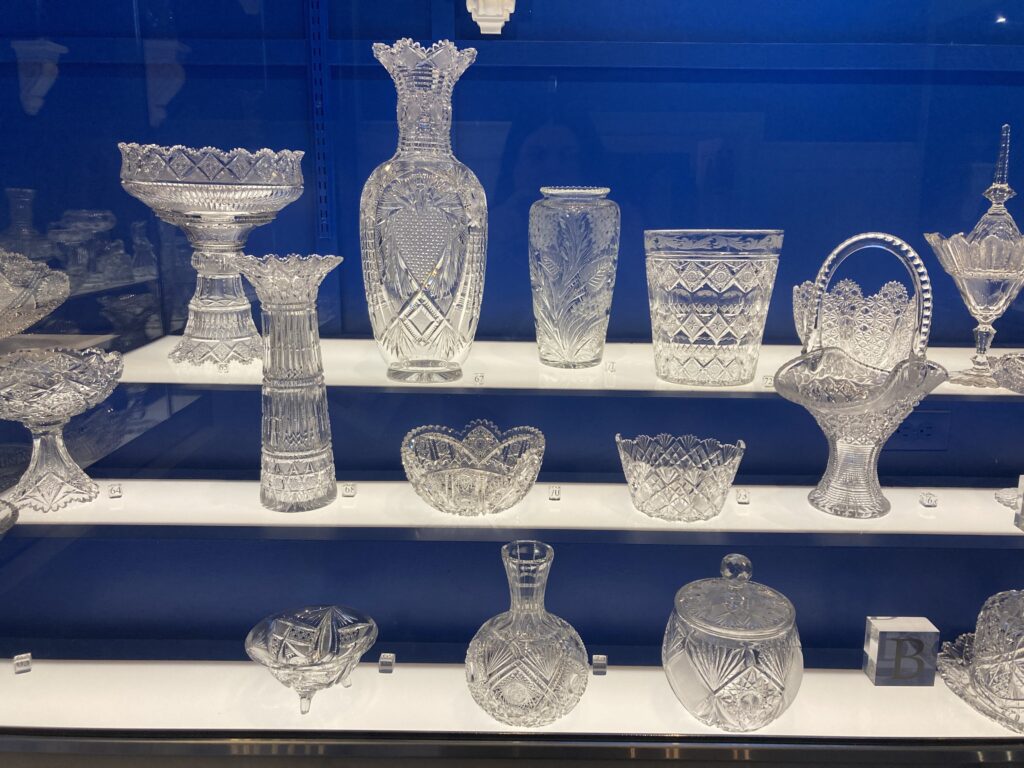
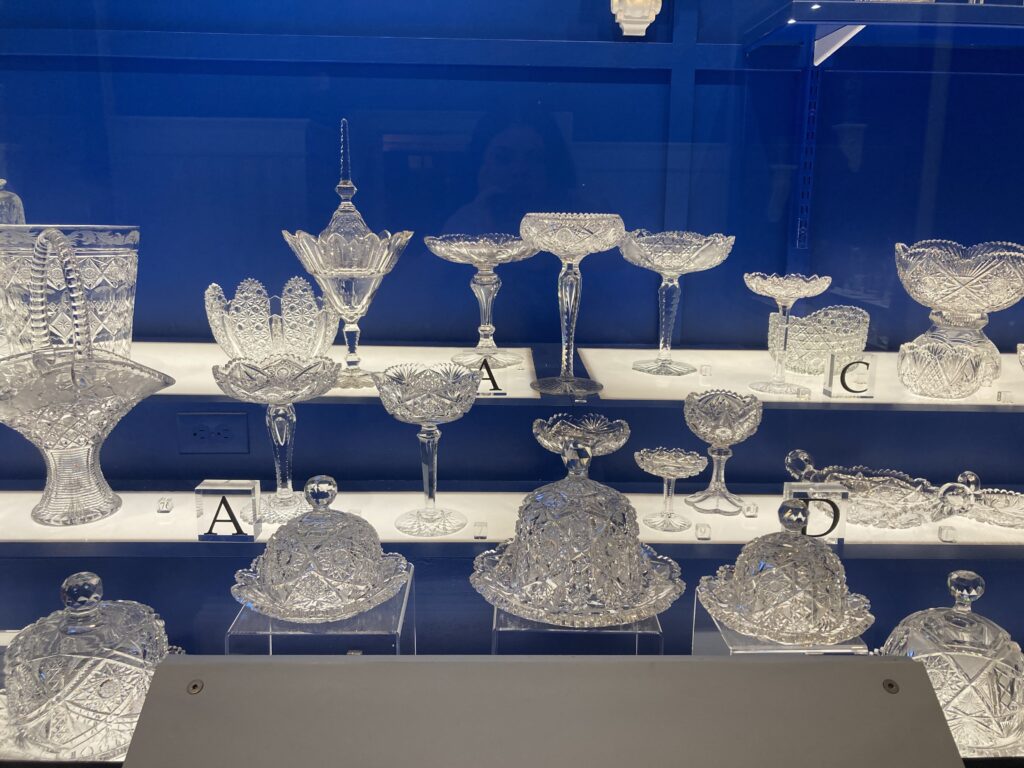
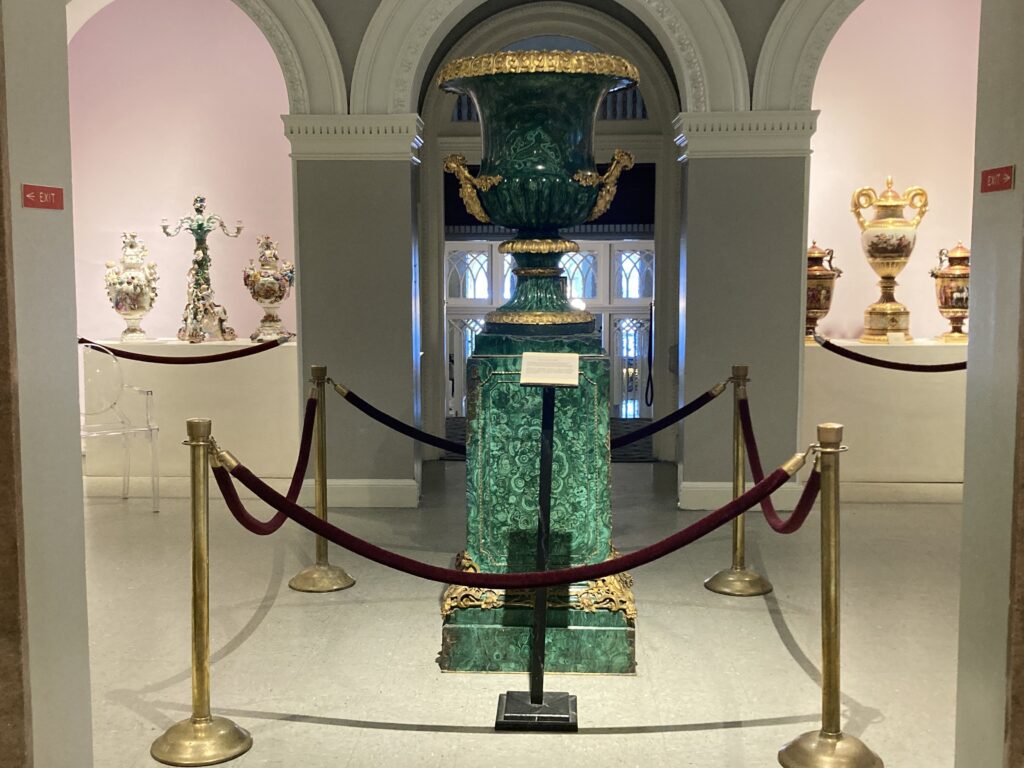
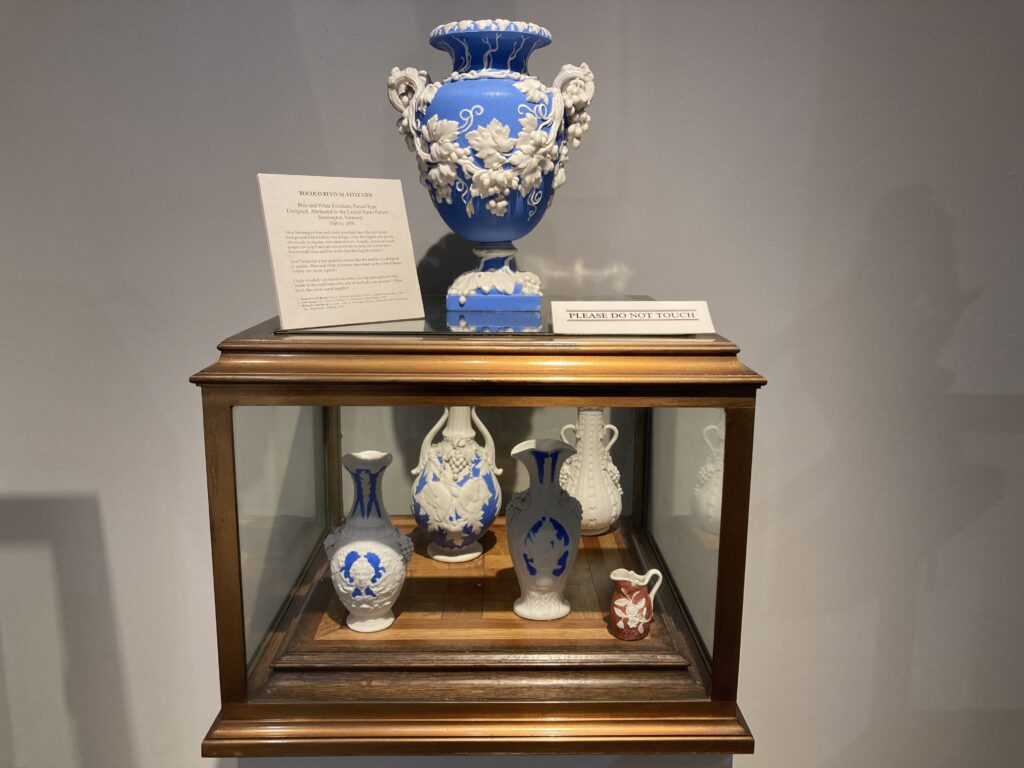
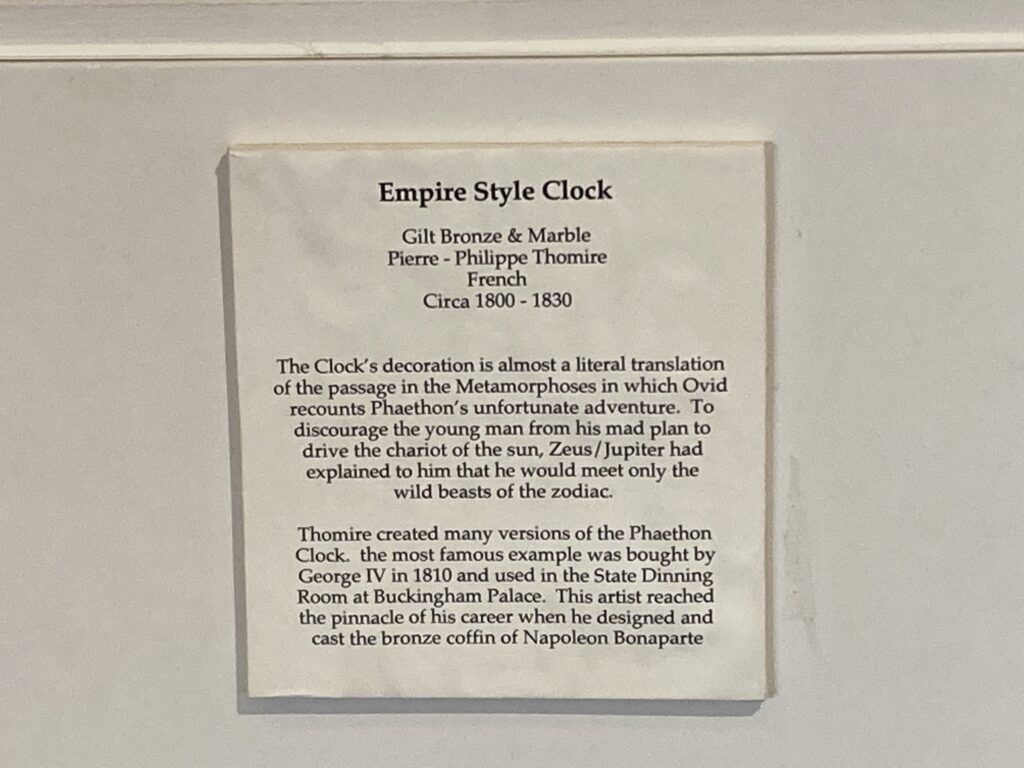
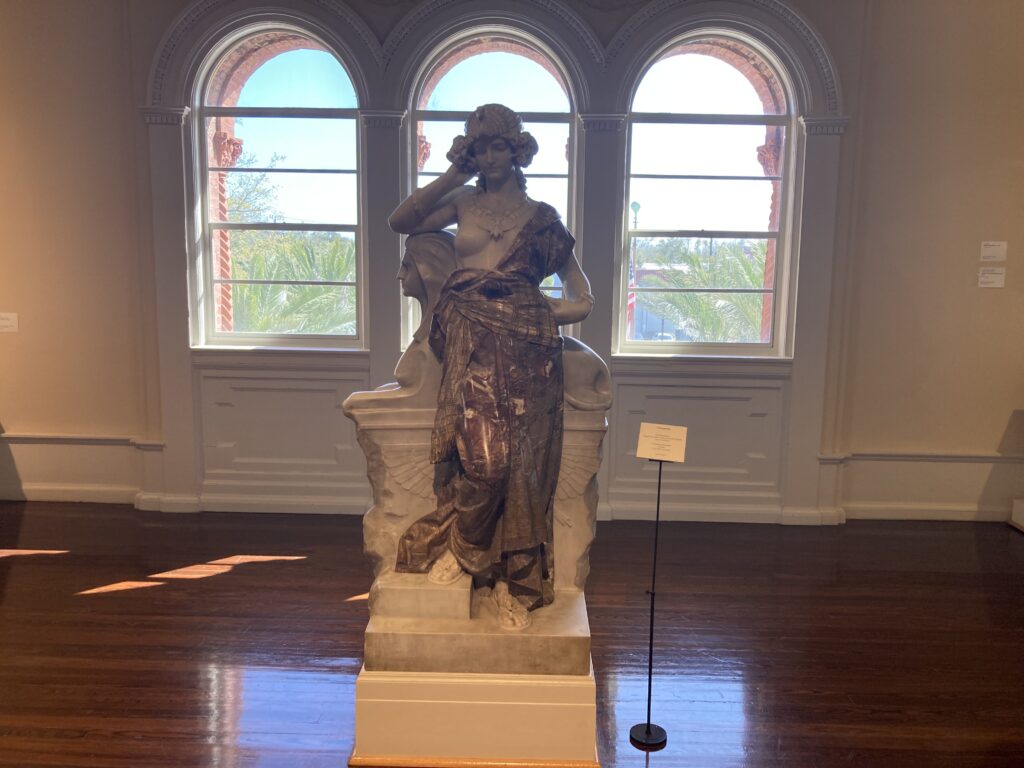
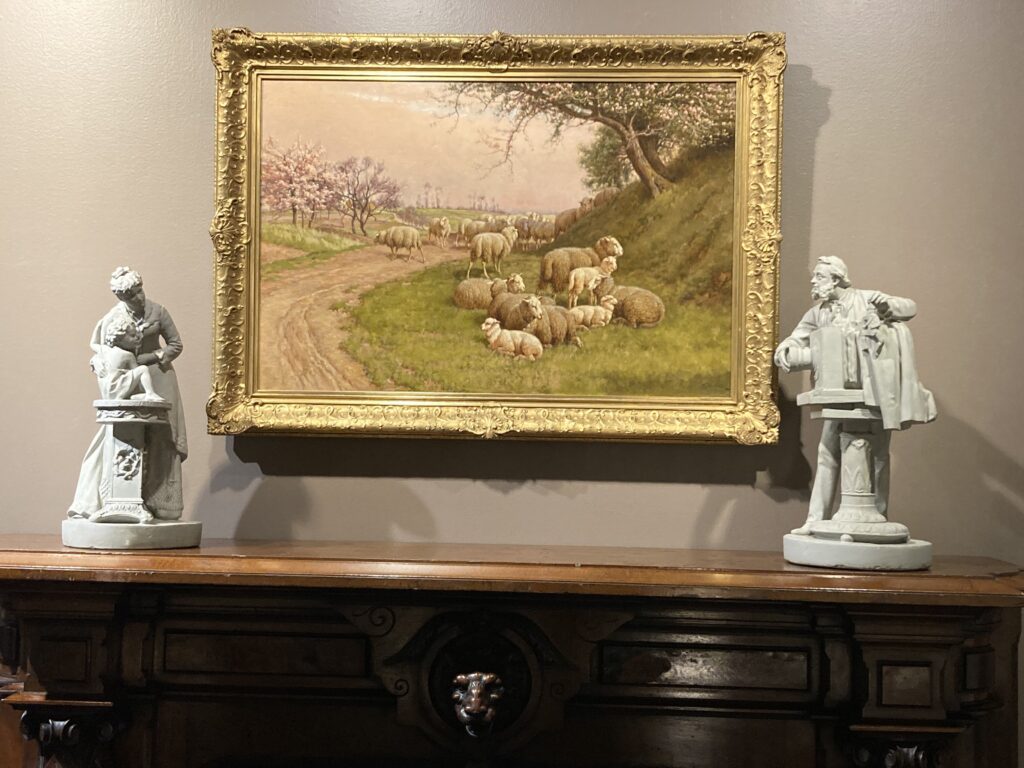
The Lightner Museum
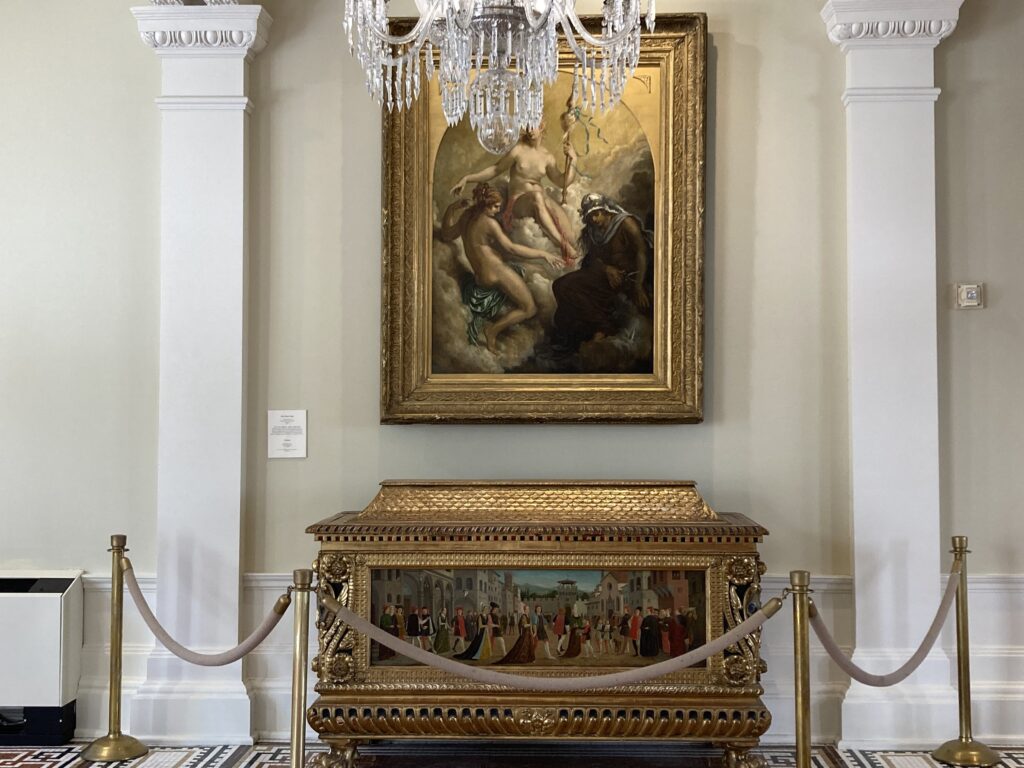
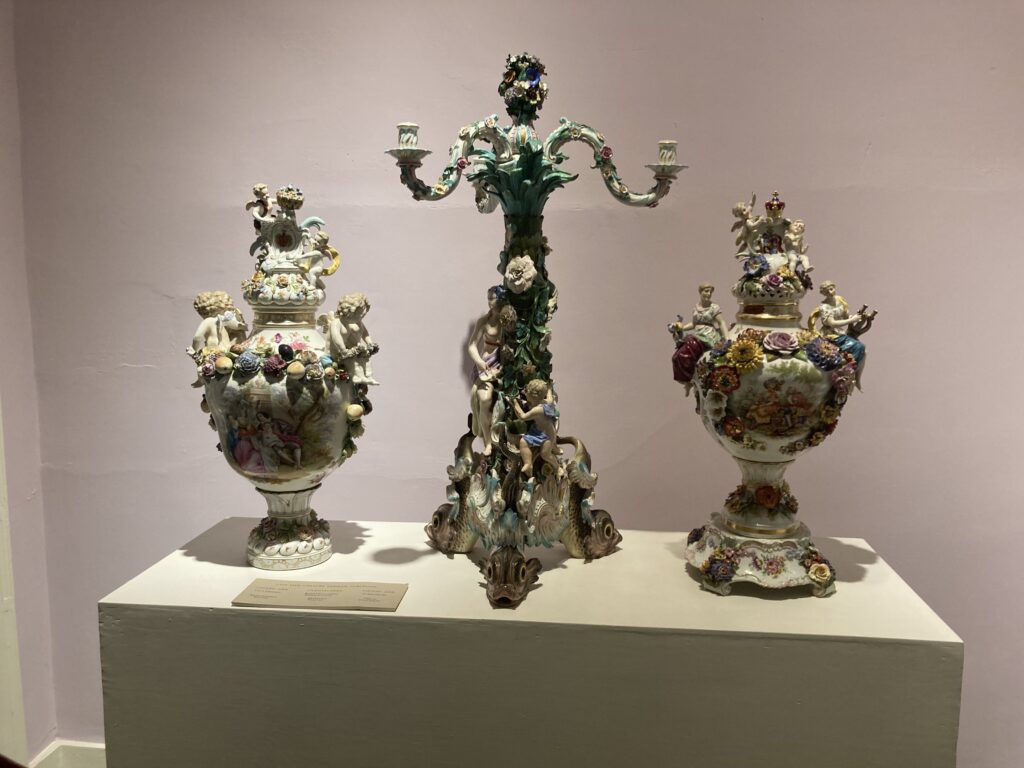
Then in 1947 Hobbies Magazine founder Otto Lightner of Chicago purchased the building to house his collection of 50,000 antiques and collectibles from the Victorian period. They were collected from Chicago estates after the Stock Market crash of 1929.
Upon his death in 1950, the building and collections were left to the citizens of St Augustine.
The Lightner Museum is located at 5 King St in St Augustine, FL. They are Open Daily from 9:00am – 5:00pm. Their phone # is 904-824-2874.












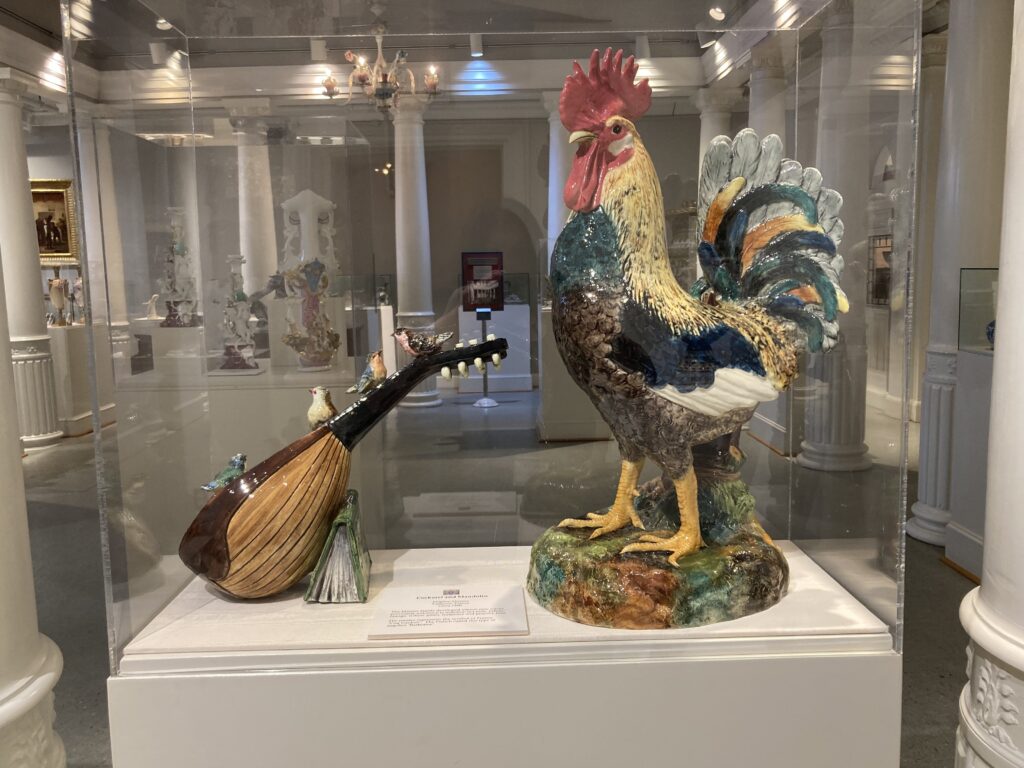


St Augustine City Hall
In 1969 St Augustine voters approved a bond issue to renovate the structure to house museum and municipal offices. The building was dedicated as the St Augustine City Hall on April 27, 1973. The Lightner Museum re-opened to the public on August 12, 1974.
The St Augustine City Hall occupies the forward section; originally hotel rooms surrounding the courtyard.
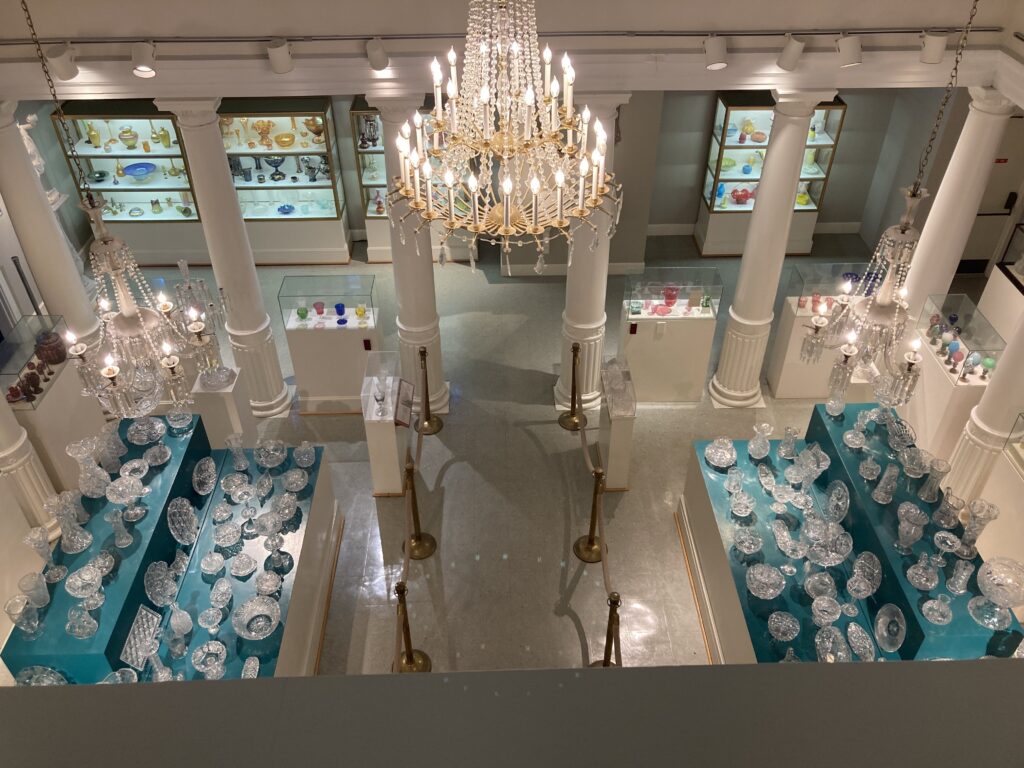
The Lightner Museum occupies the rear section, originally the casino, feature in salons, steam rooms, a bowling alley, and the largest indoor pool of its time which was 120 feet long and 50 feet wide with a depth of 3 to 12 feet. Today the pool area houses shops and a café.
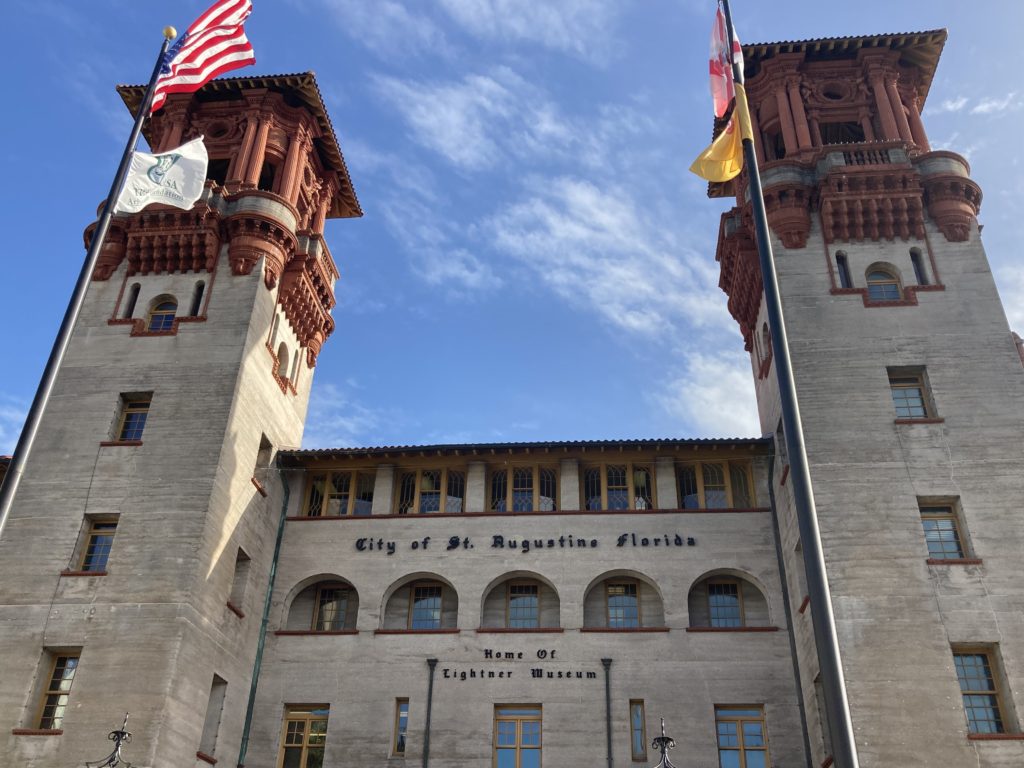
Venetian Pool / Café Alcazar
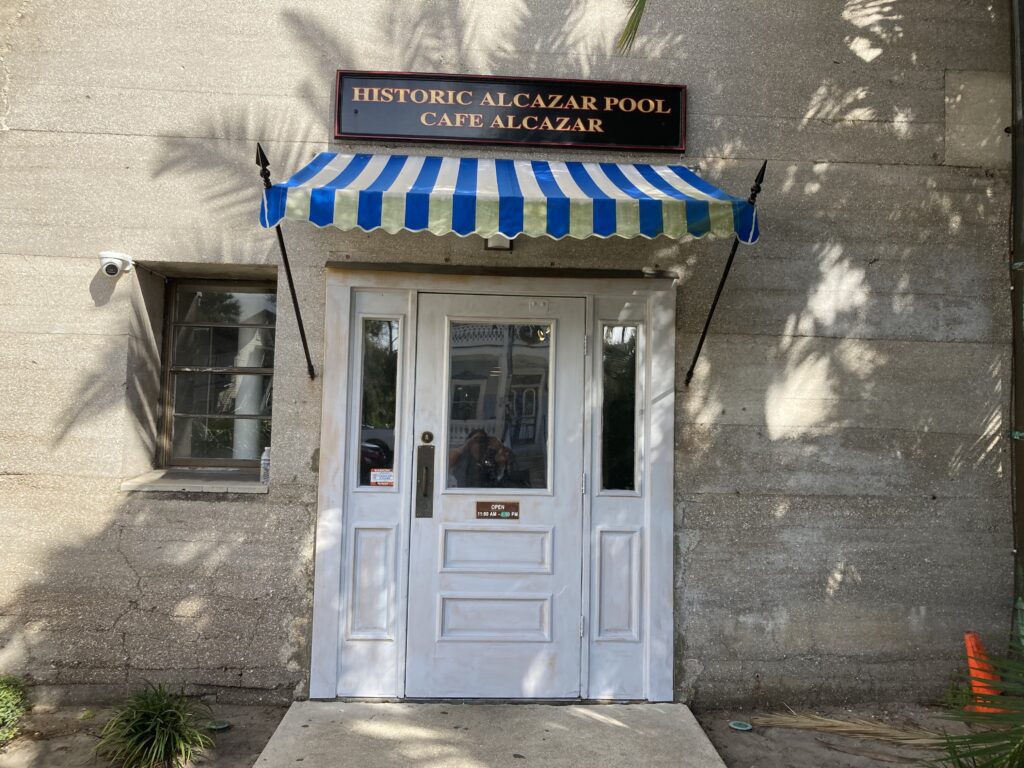
In its heyday, the Venetian Pool l inside the Alcazar Hotel was the largest indoor swimming pool in the world. Since there was no outlet, the water had to be changed daily.
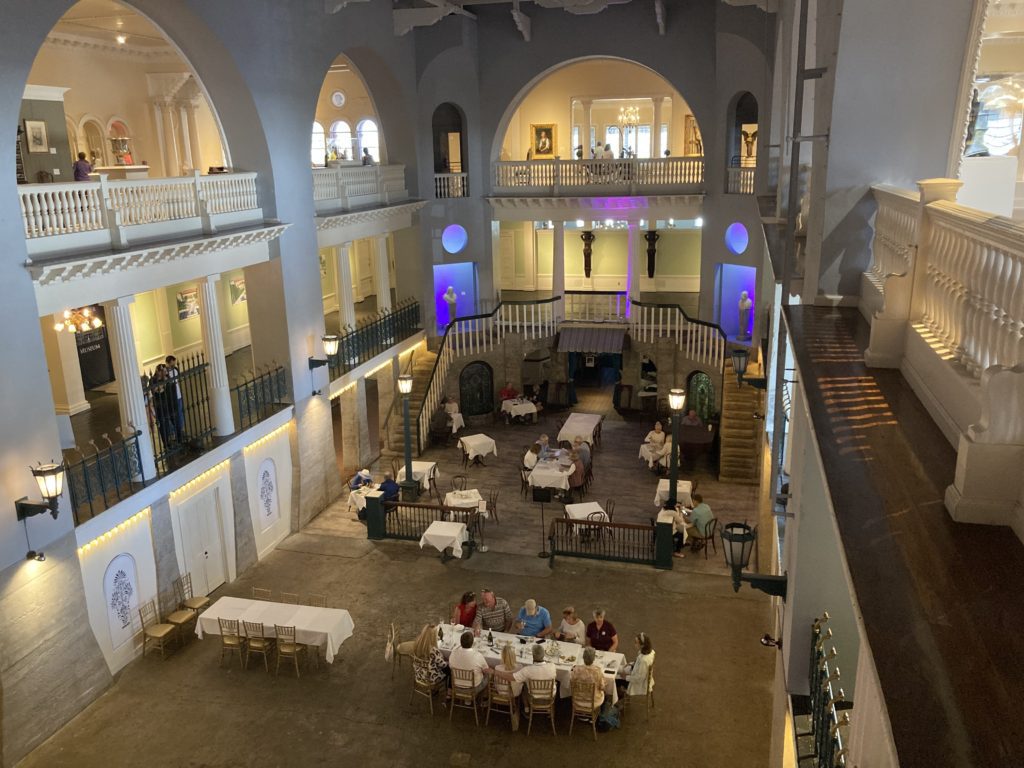
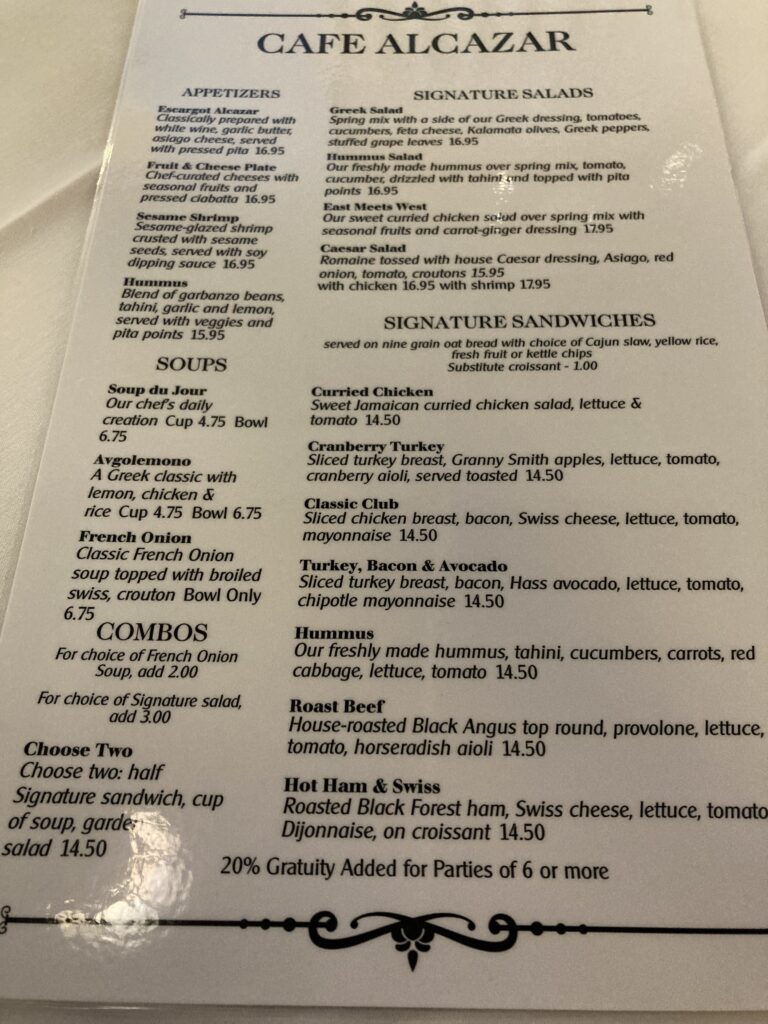
Café Alcazar
The Venetian Pool is now the site of the Café Alcazar, which is open daily for lunch. As you are walking around the floors of the museum, you can look down at the elegant café.
It is a very pleasant dining experience after looking at the exquisite art. Reservations are recommended, especially between October-March.
Café Alcazar is located at 25 Granada St in St Augustine, FL. They are Open Daily from 11:0am-4:00pm. Their phone # is 904-825-9948.

5. St Augustine History Museum
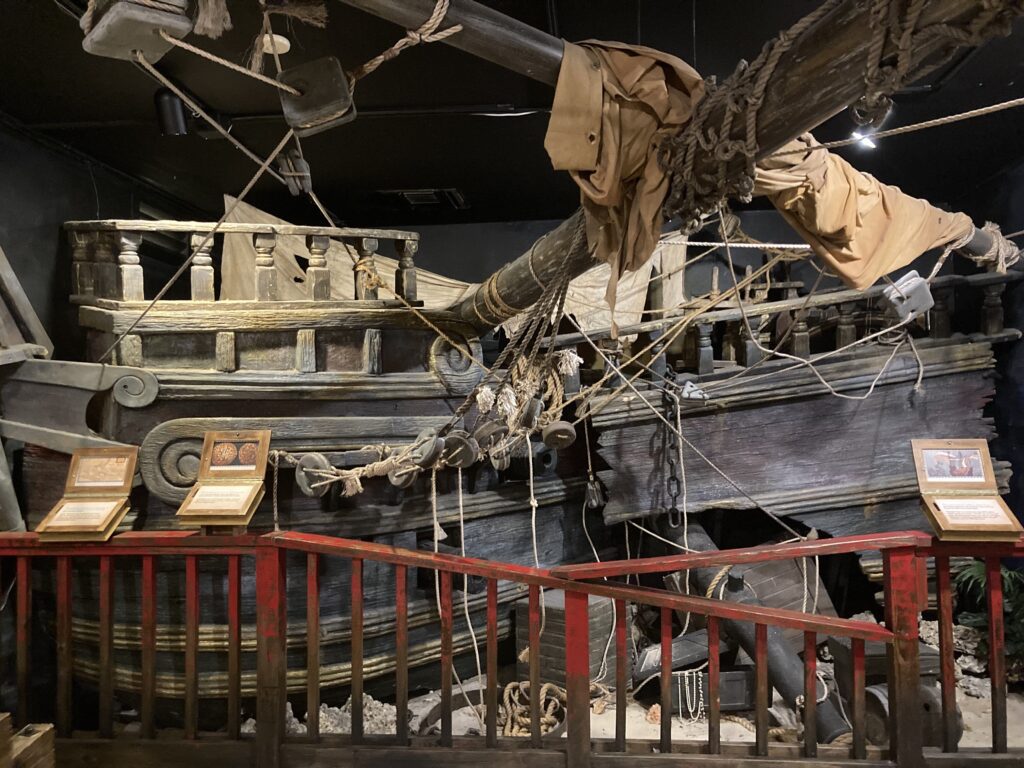
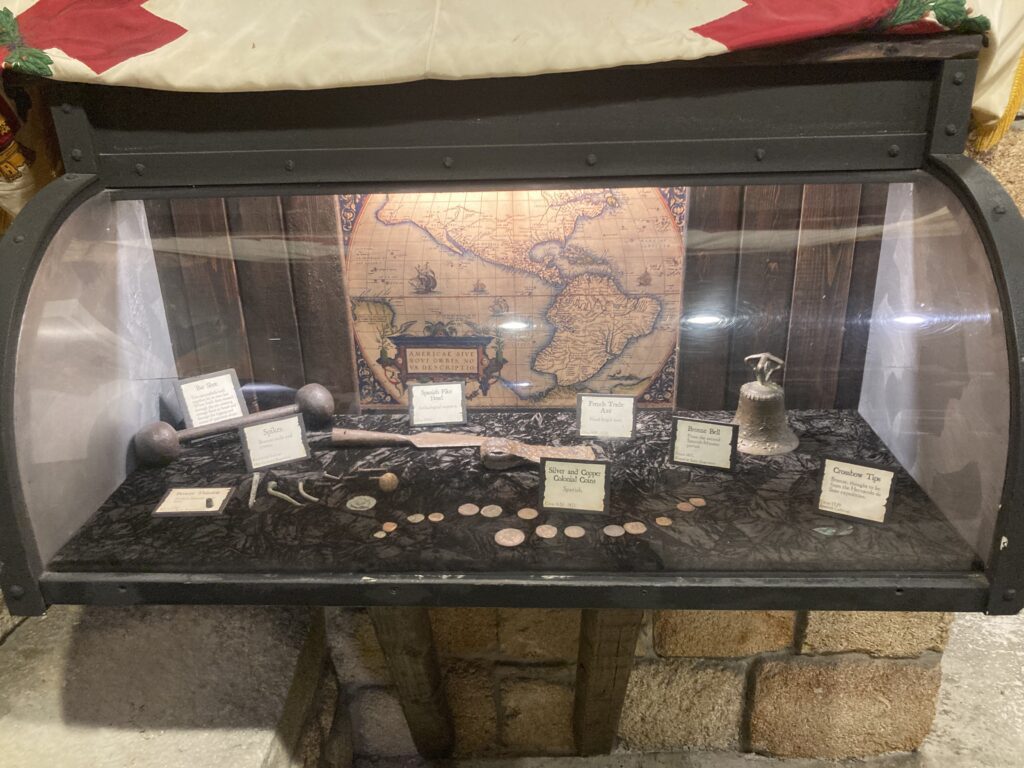
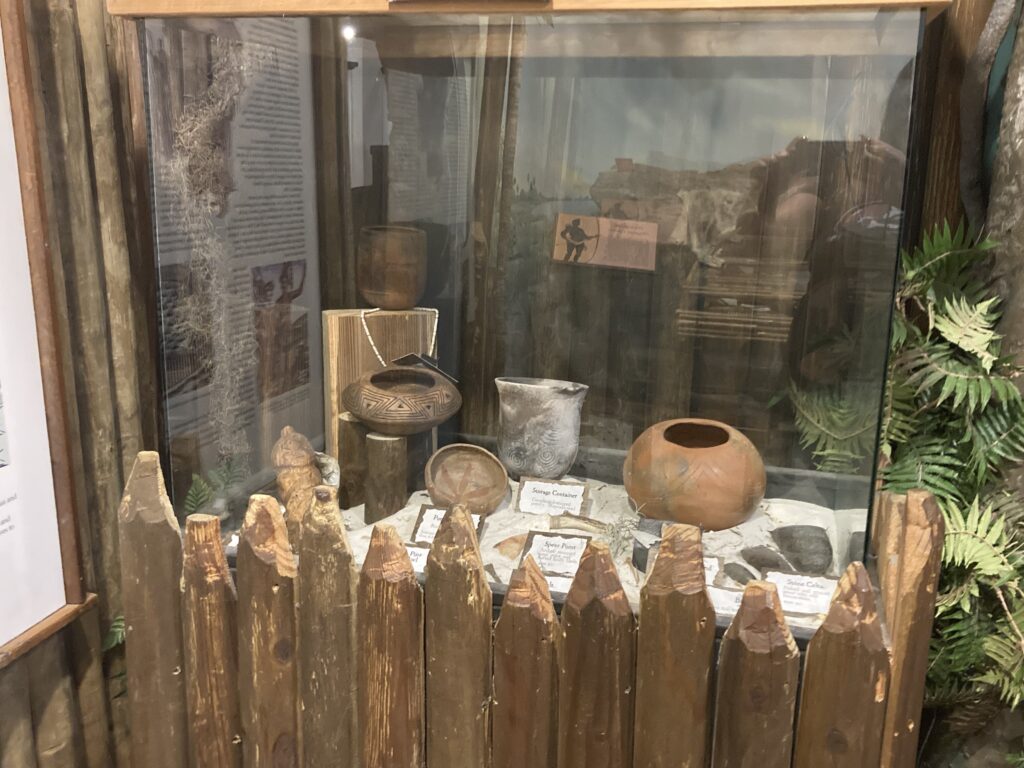
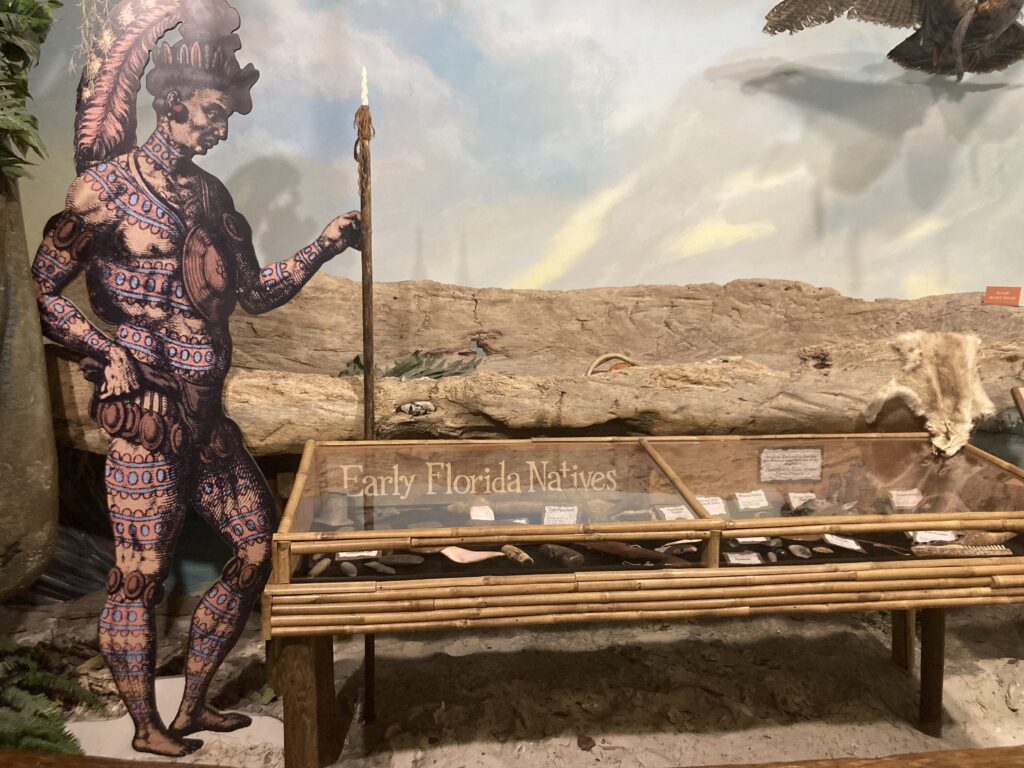
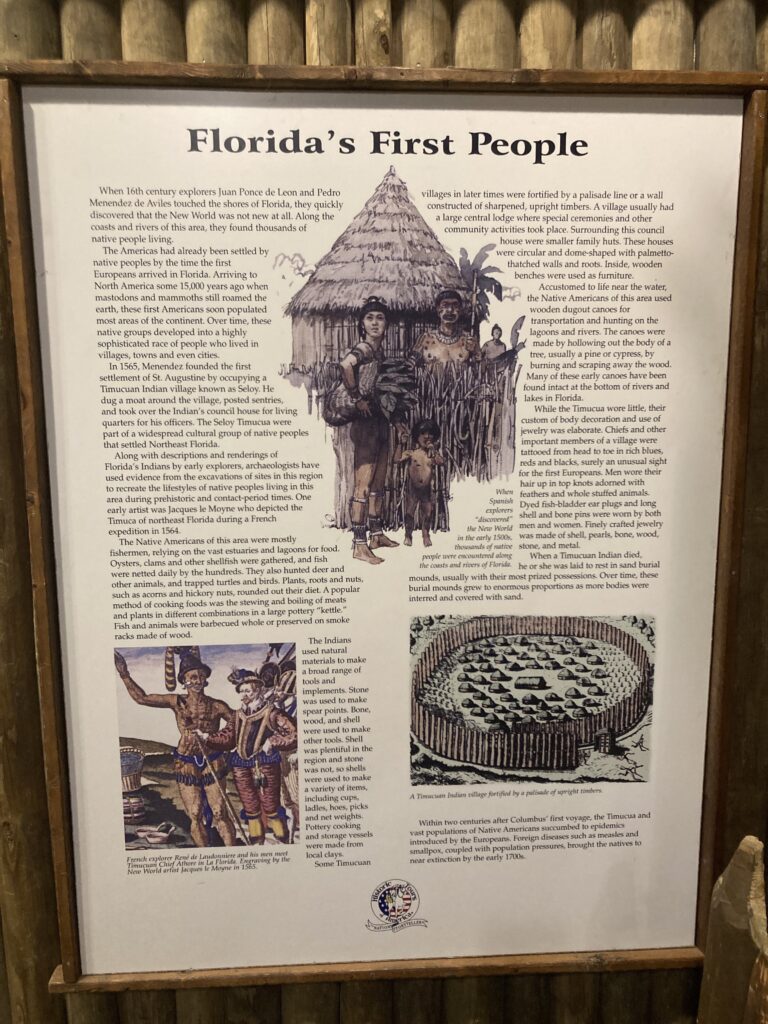
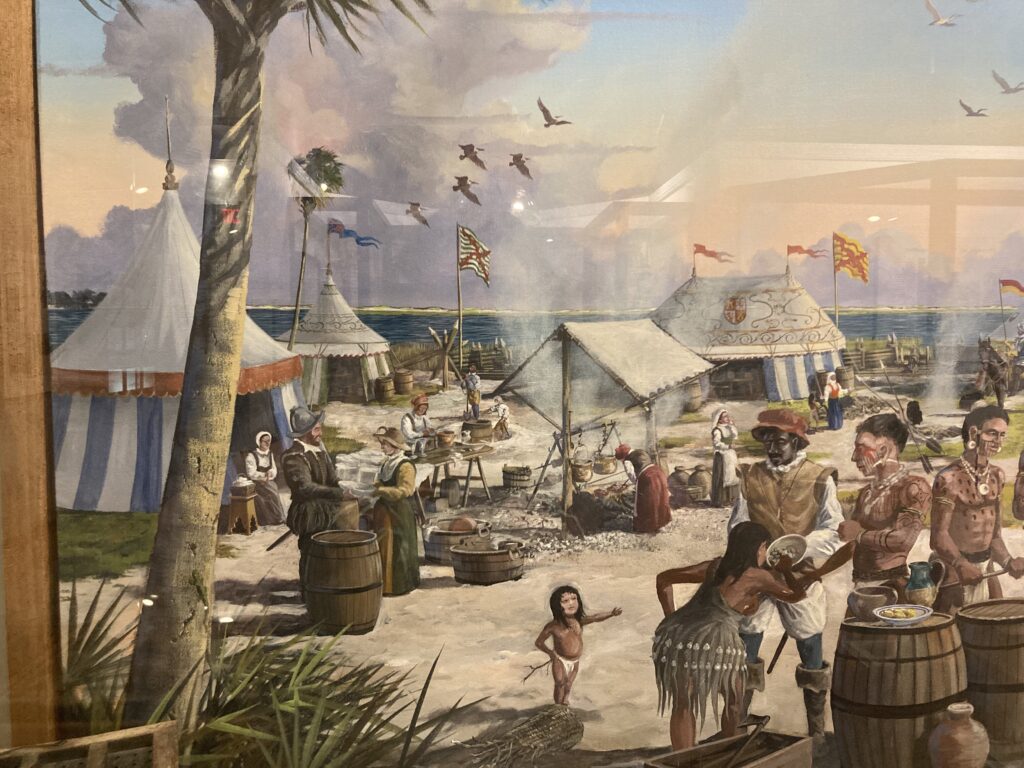
The St Augustine History Museum covers the Timucua, Spanish, British, and French era. It is a small museum that will take 2 hours max. Admission is $7 and is included with the Old Town Trolley Tour.
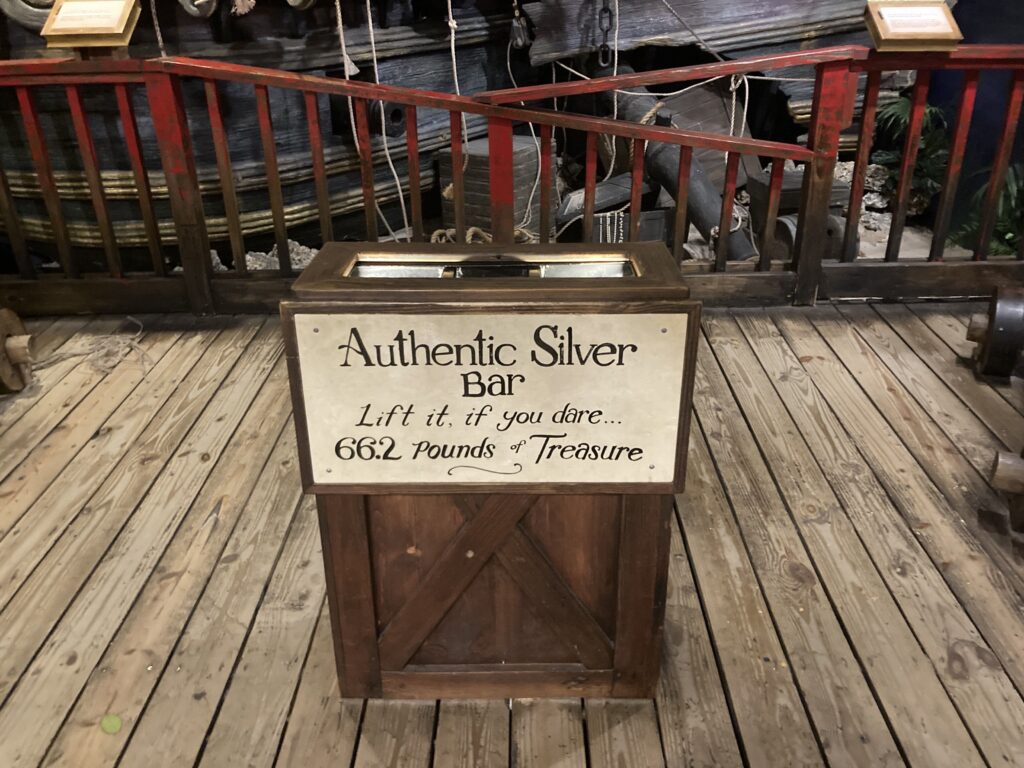
Exhibits include a Spanish sunken treasure room, a Timucuan Indian village, and a Florida Cracker Trading Post.
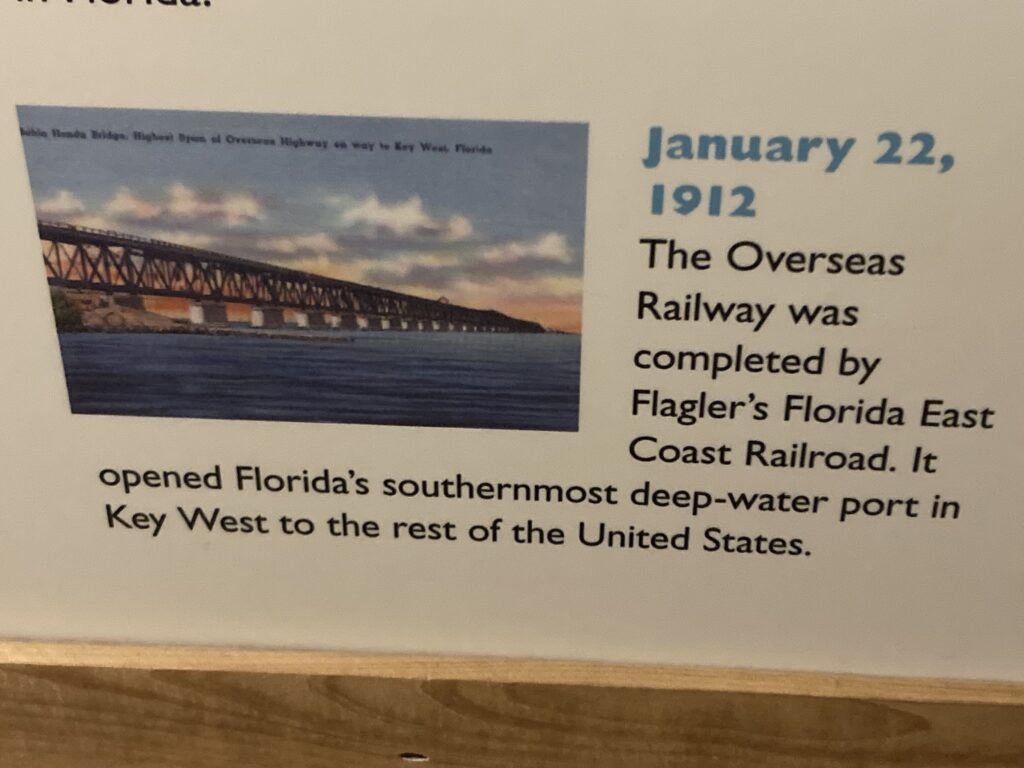
There is a full-scale miniature train that replicates Henry Flagler’s 1912 railroad extension from St. Augustine to Key West. Visitors can see the train in motion with the push of a button.
The St Augustine History Museum is located at 11 Estey St in St. Augustine, FL. They are Open Daily from 9:30am-4:30pm. Their phone # is 904-829-3800.
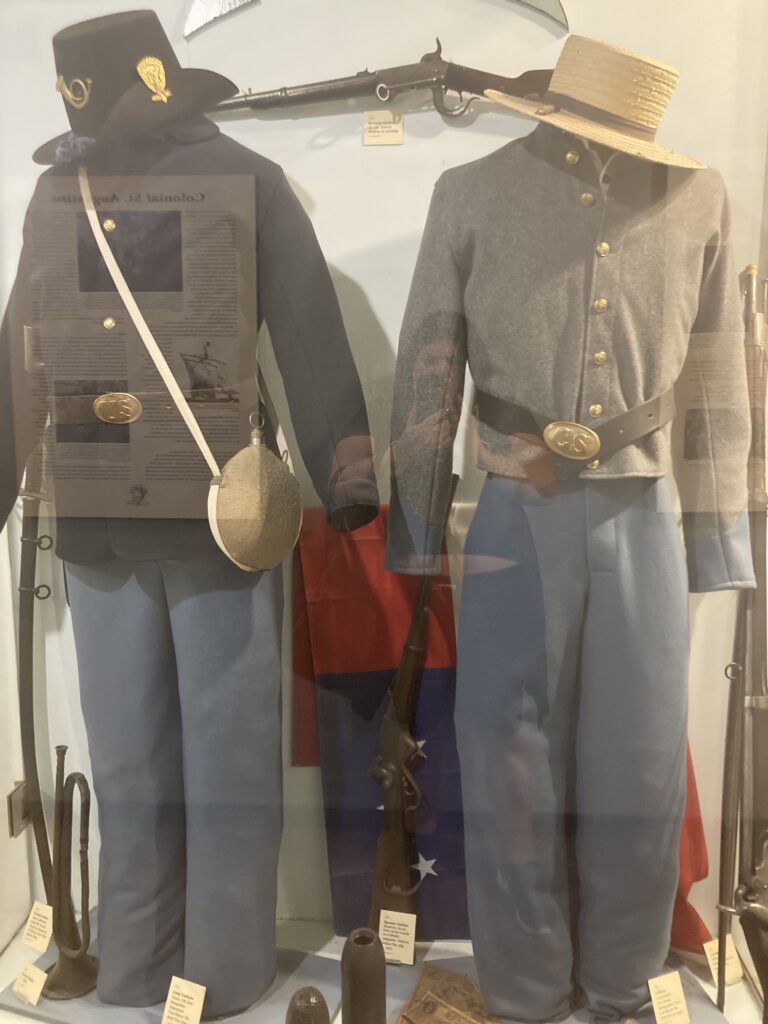
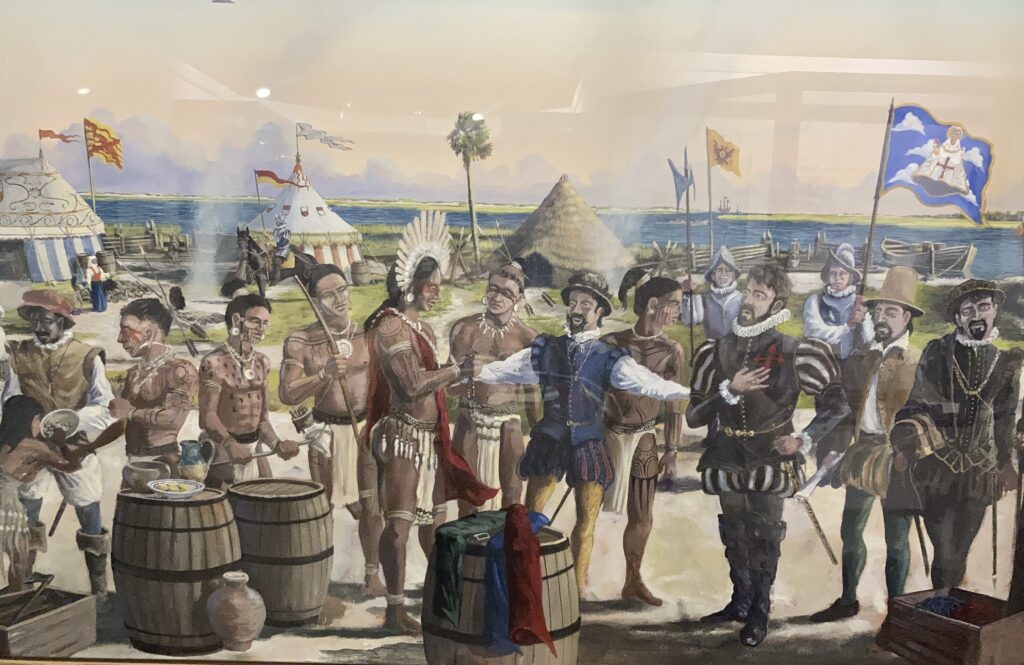
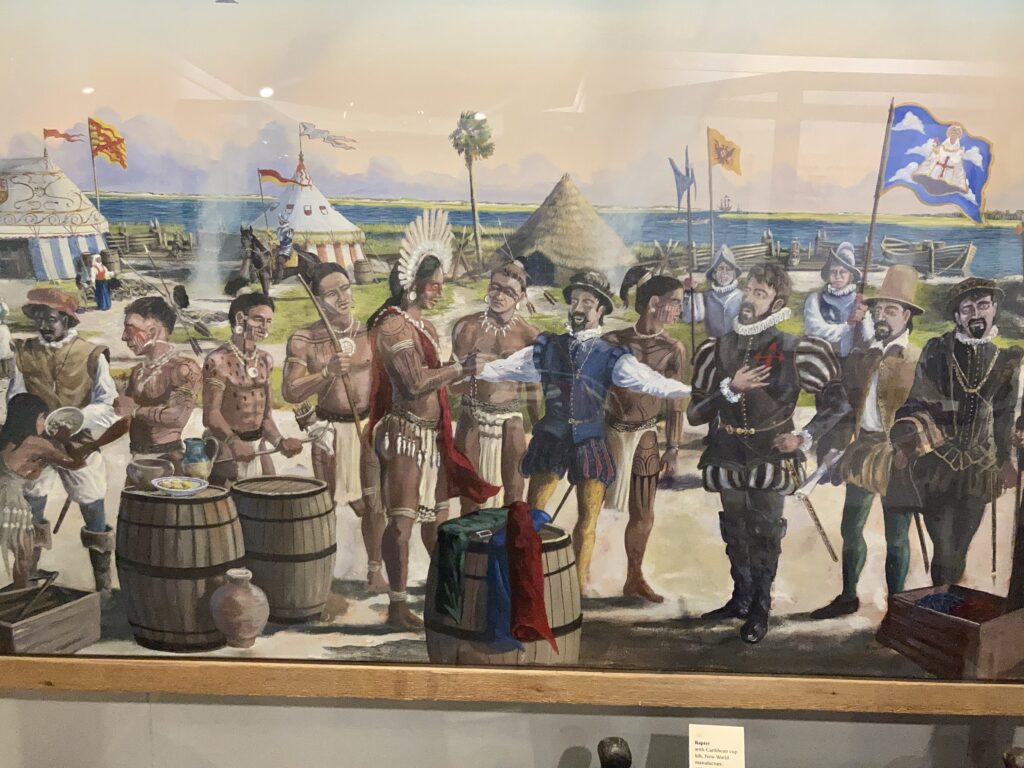

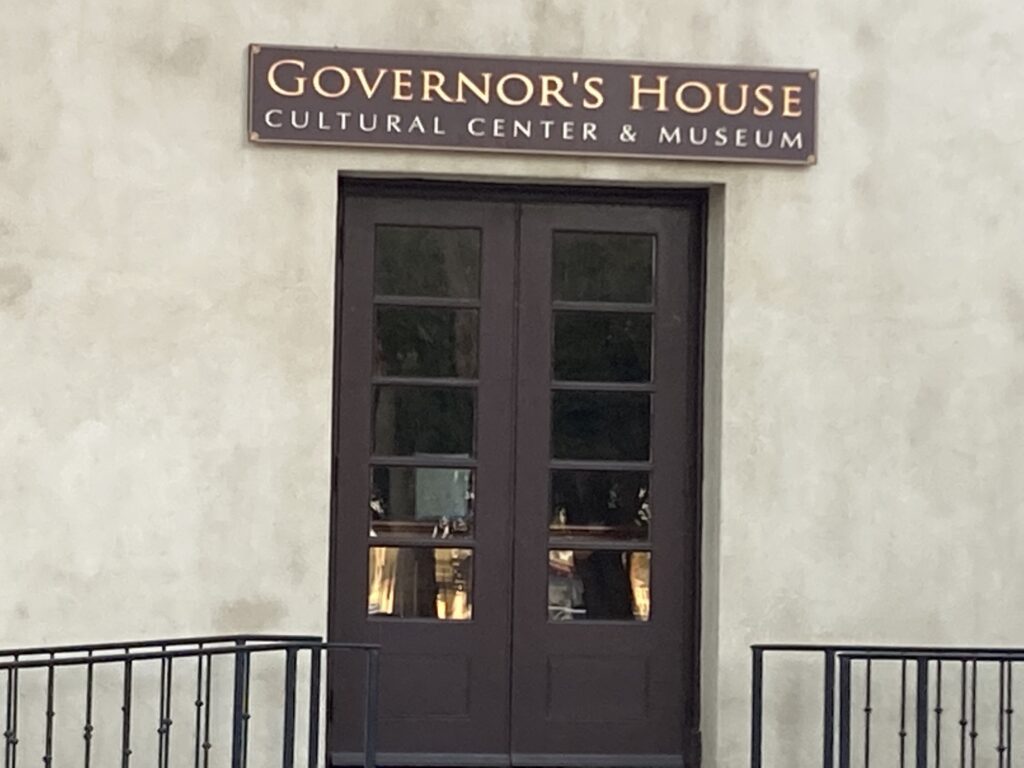
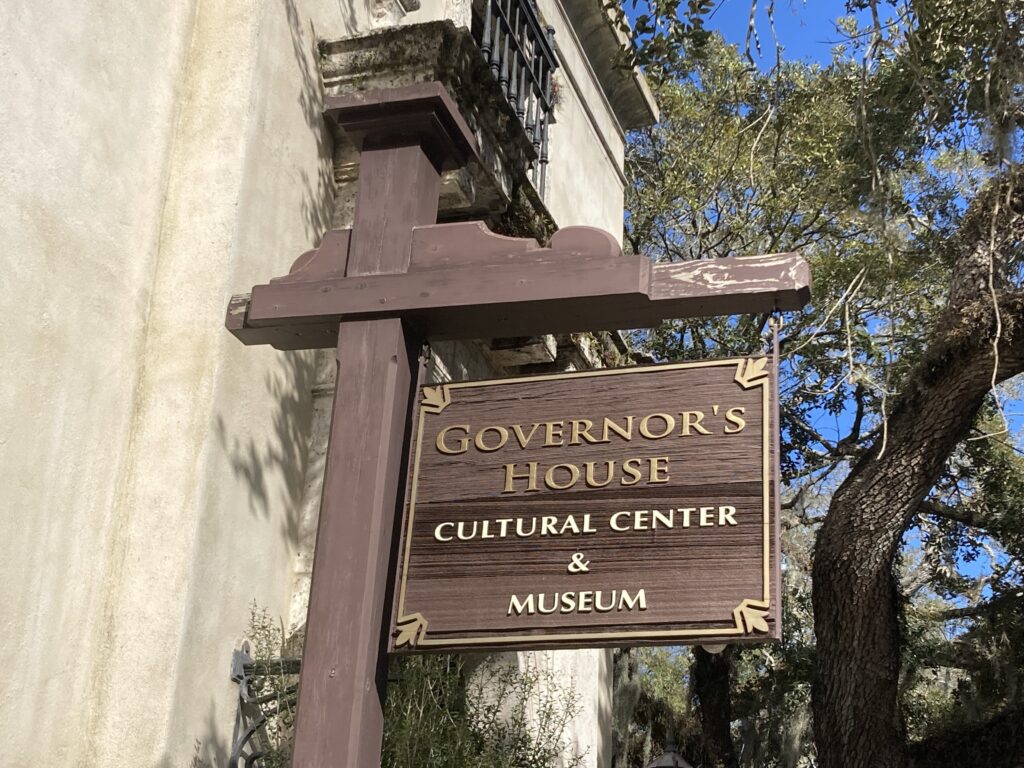
6. The Governor’s House Museum
The Governor’s House was the official governor’s residence and colonial capital for almost 250 years under both Spanish and British rule. It then served as an American federal building from 1821-1966.
The Governor’s House Museum is located at 48 King St in St Augustine, FL. It is currently under construction. There are some exhibits in the lobby open Monday-Friday from 9:00am-5:00pm. Admission is free and a reservation is not required.
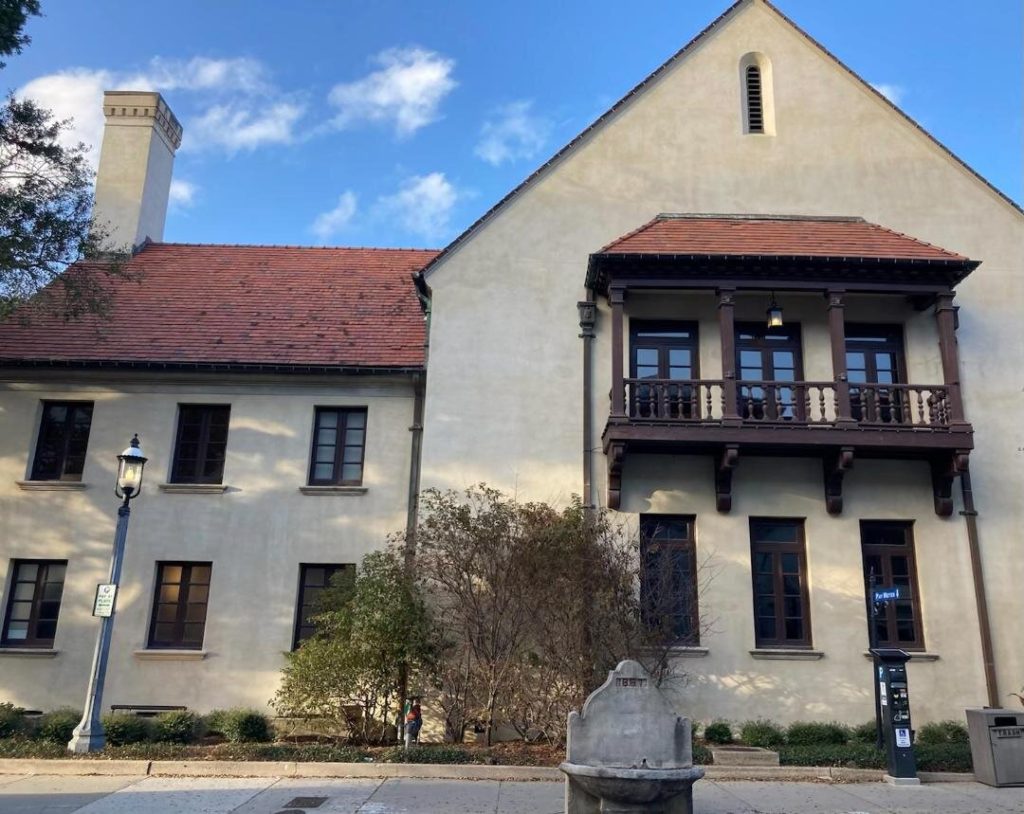
British Attacks on the Governor’s House
Starting in 1579, the Governor’s House was the capital of Spanish Florida.
When Sir Francis Drake torched the town of St Augustine in 1586, he burned the wood Spanish Governor’s House to the ground. It was replaced by a succession of wood houses.
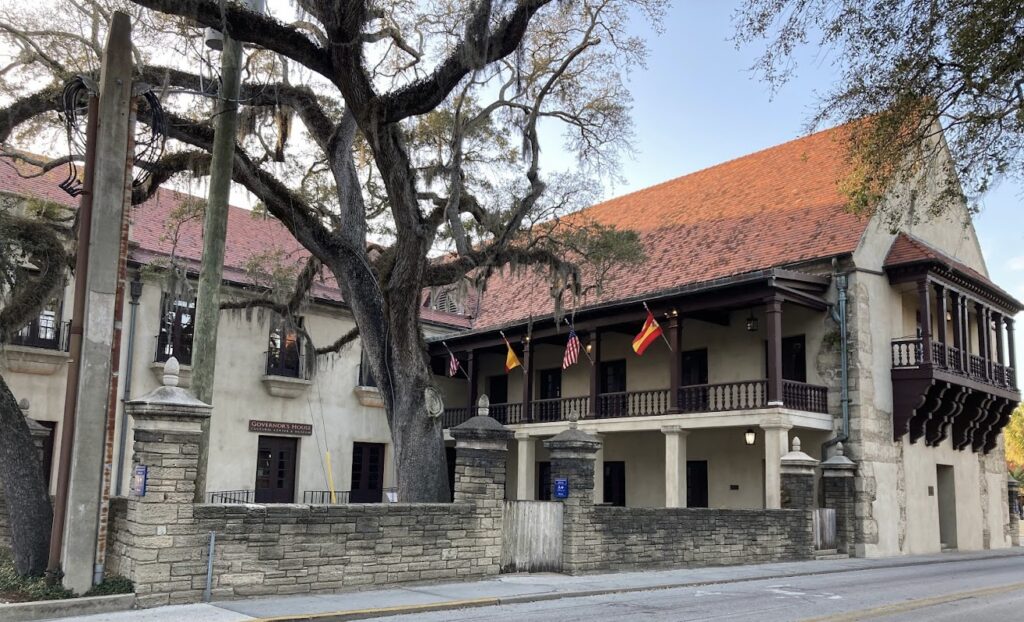
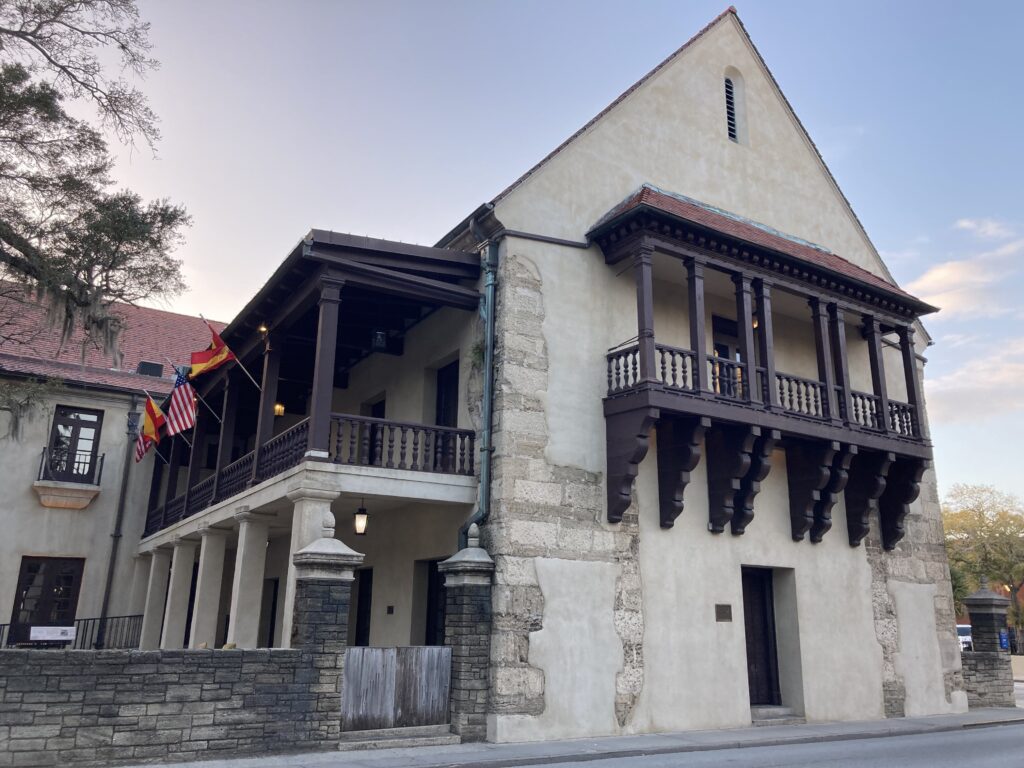
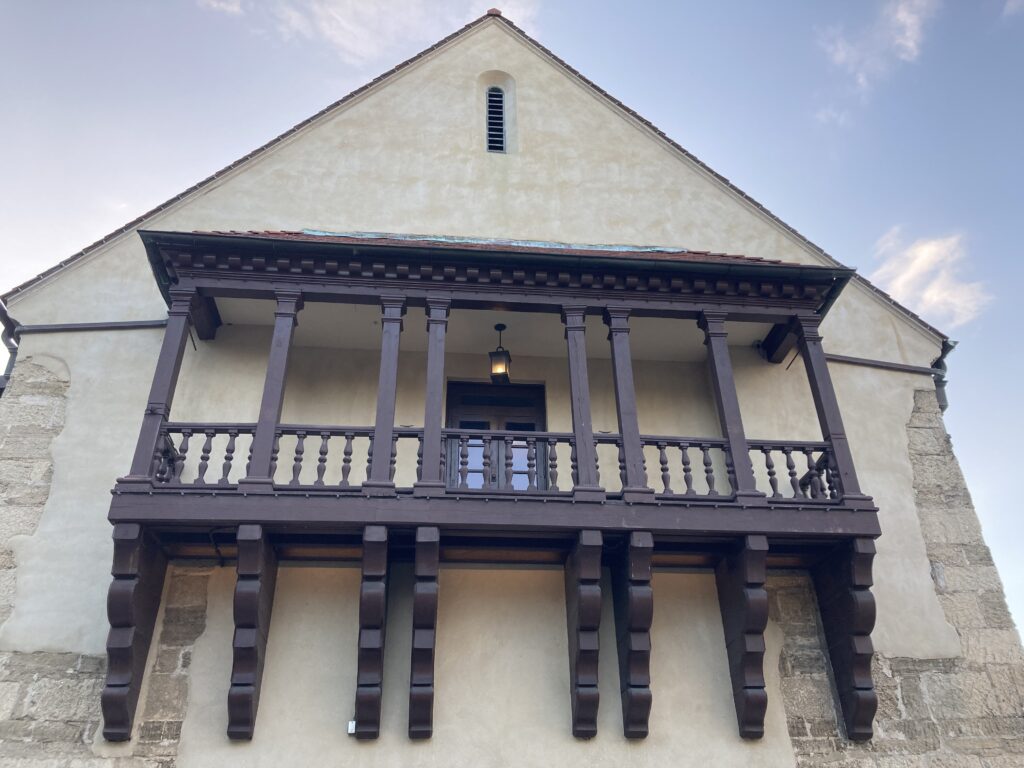
Then in 1702 the Governor’s House was burned by the British from the Carolinas. In 1713 the house was rebuilt with coquina and a wood balcony. Some blocks are still visible in exterior walls.

Governor’s House – British and Spanish Rule
In 1763 the British gained Florida by treaty and created East Florida and West Florida. Scottish General James Grant was appointed the first British Governor of East Florida, and the Governor’s House became his official residence
In 1783 Spain regained Florida as part of the peace treaty that ended the American Revolution. Spanish Governor Zespedes moved into the Governor’s House.
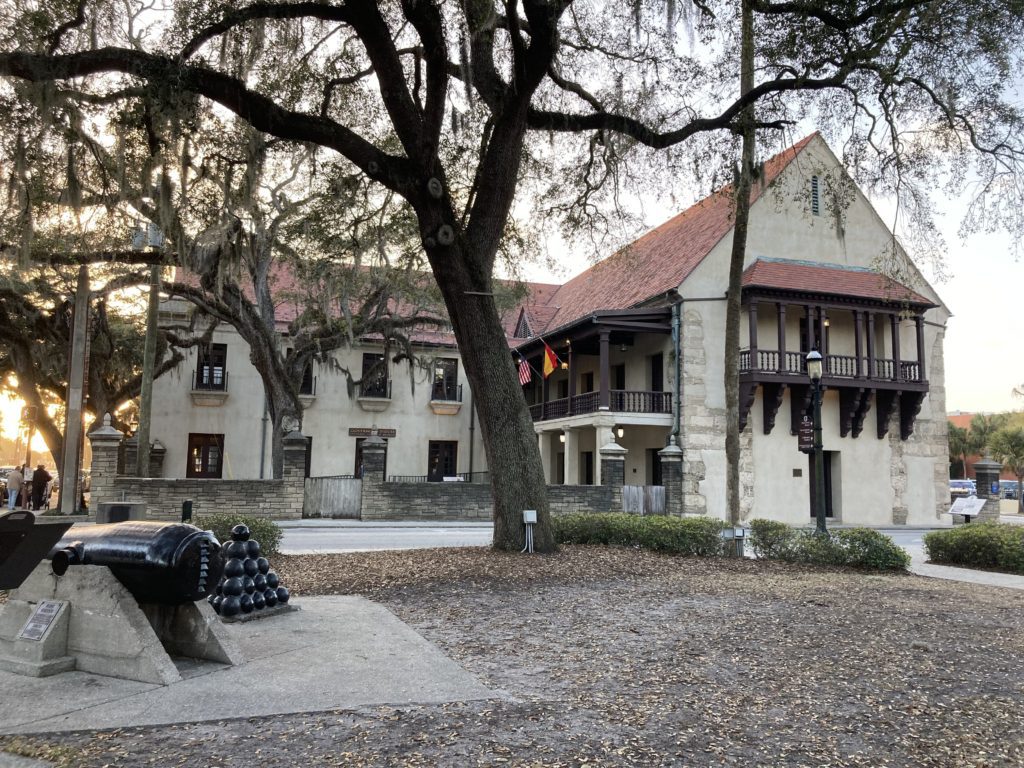
Governor’s House – U.S. Control
In 1821 Spain ceded “the Floridas” (both East and West) to the United States. The colonial Governor’s House was turned into an American courthouse. The Governor’s House served as the capital of the Territory of Florida from 1823 until 1824, when the capital was moved to Tallahassee.
In 1833 Robert Mills – architect of the Washington Monument in Washington D.C. – redesigned the building as a federal building. It served as a multi-purpose federal building, post office, and customs house until its transfer to the State of Florida in 1966.
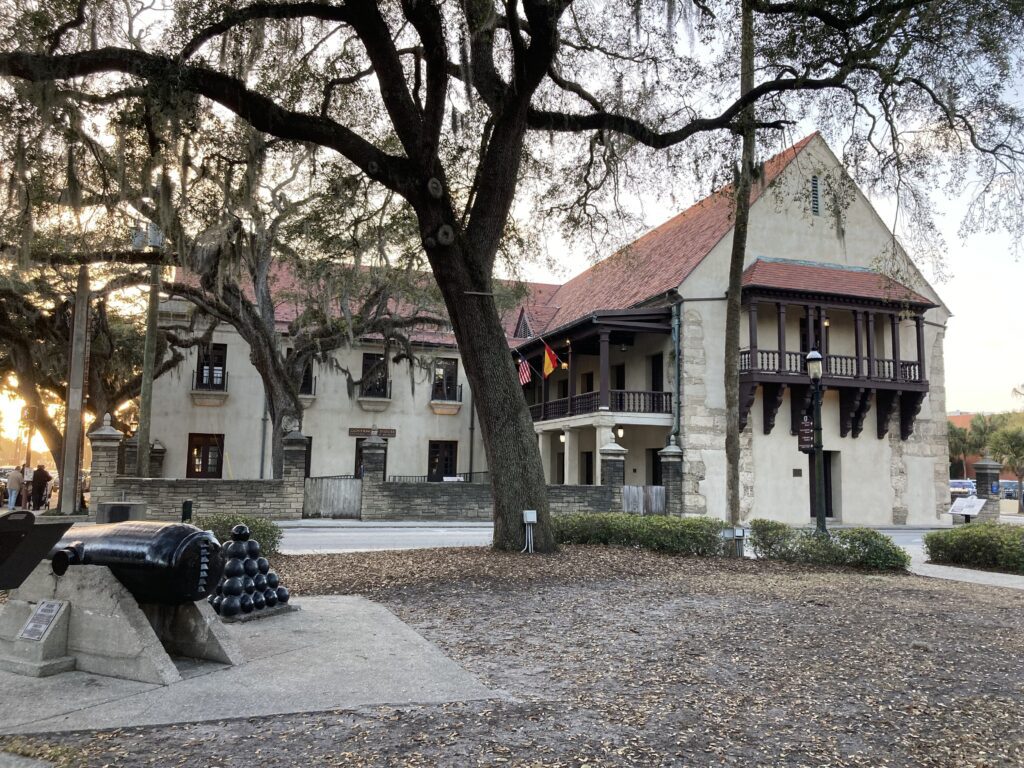

Spanish Monarchs Visit St Augustine
In 2015, King Felipe VI and Queen Letizia of Spain visited St Augustine for the city’s 450th Commemoration. It was only the second time in history that Spanish monarchs had visited their former colony.

2011 Spanish Royal Visit
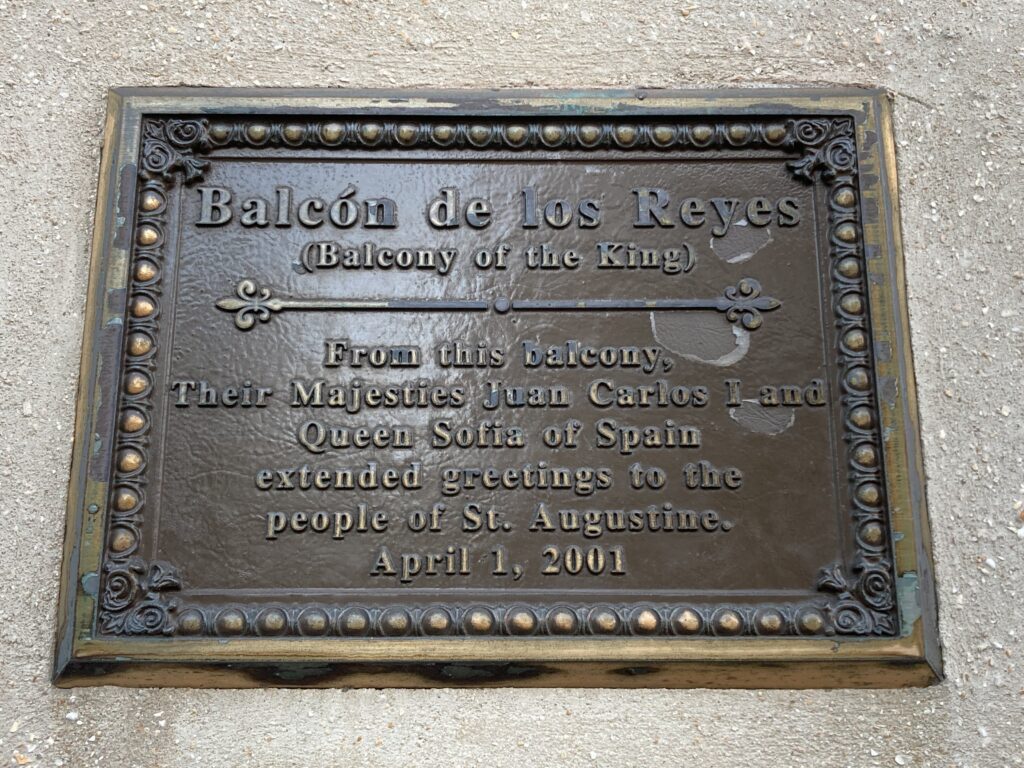
In April 2001 Spanish King Juan Carlos I and Queen Sofía visited St Augustine. It was the first time that Spanish monarchs had visited the city since Spaniard Pedro Menéndez de Avilés founded the city 436 years earlier.
The royal couple visited the Castillo de San Marcos National Monument and the Colonial Quarter. The highlight was a public address from the east balcony of the Governor’s House, which was then named The King’s Balcony.


6.5. Athena Restaurant
A few doors down from the Spanish Governor’s House Museum is a delicious Greek restaurant called Athena Restaurant. I am a Greek-American so I am a good judge!
They offer Pastitsio, Moussaka, Kebobs, Cheese pie, Spinach pie, Gyros, and Seafood, and Pasta. Check out their Lunch & Dinner menu.
Athena Restaurant is located at 14 Cathedral Place in St Augustine, FL. They are open Sunday – Thursday from 11:00am-9:00pm and Friday – Saturday from 11:00am – 10:00pm. Their phone number is 904-823-9076.


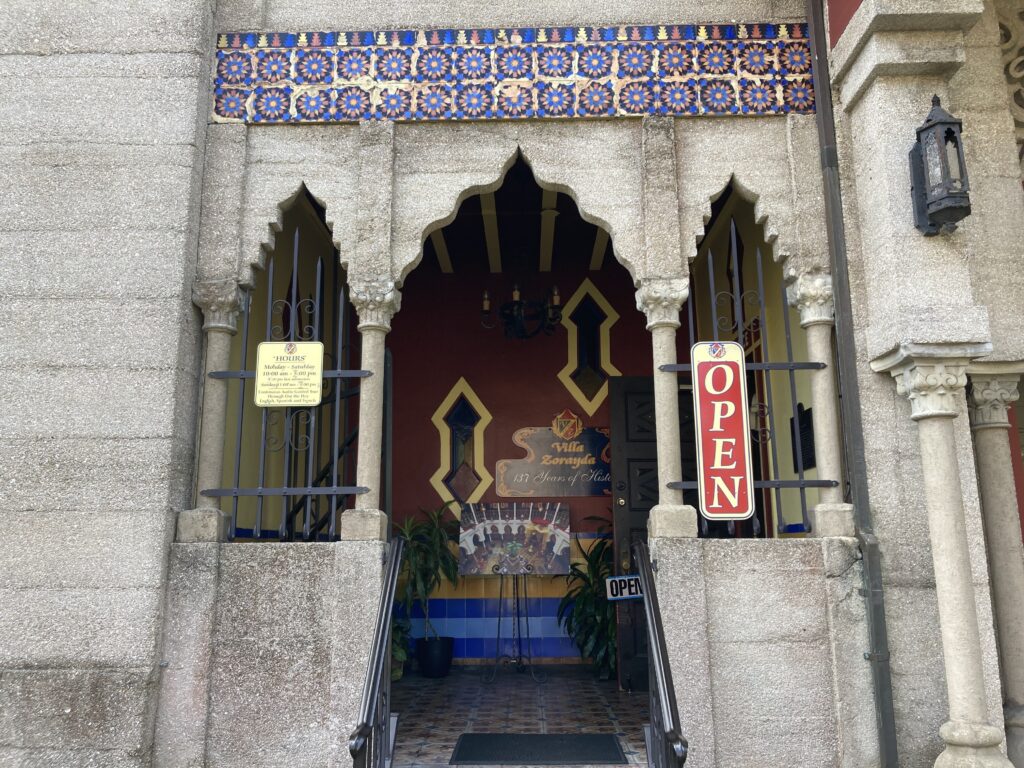
7. Villa Zorayda Museum
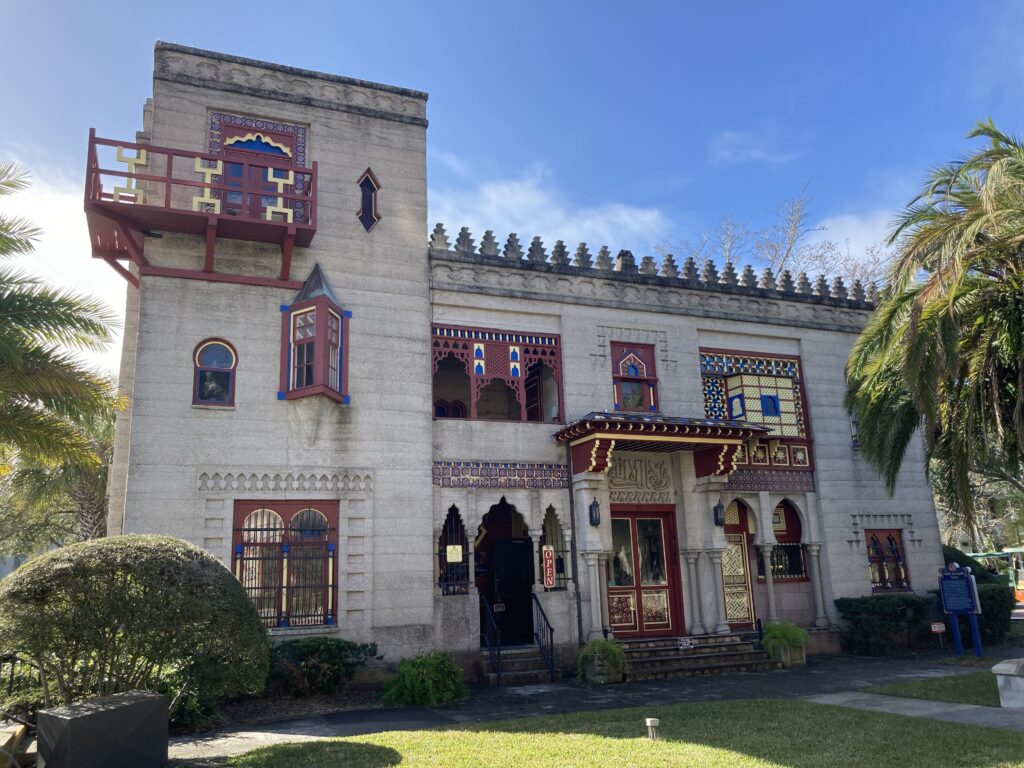
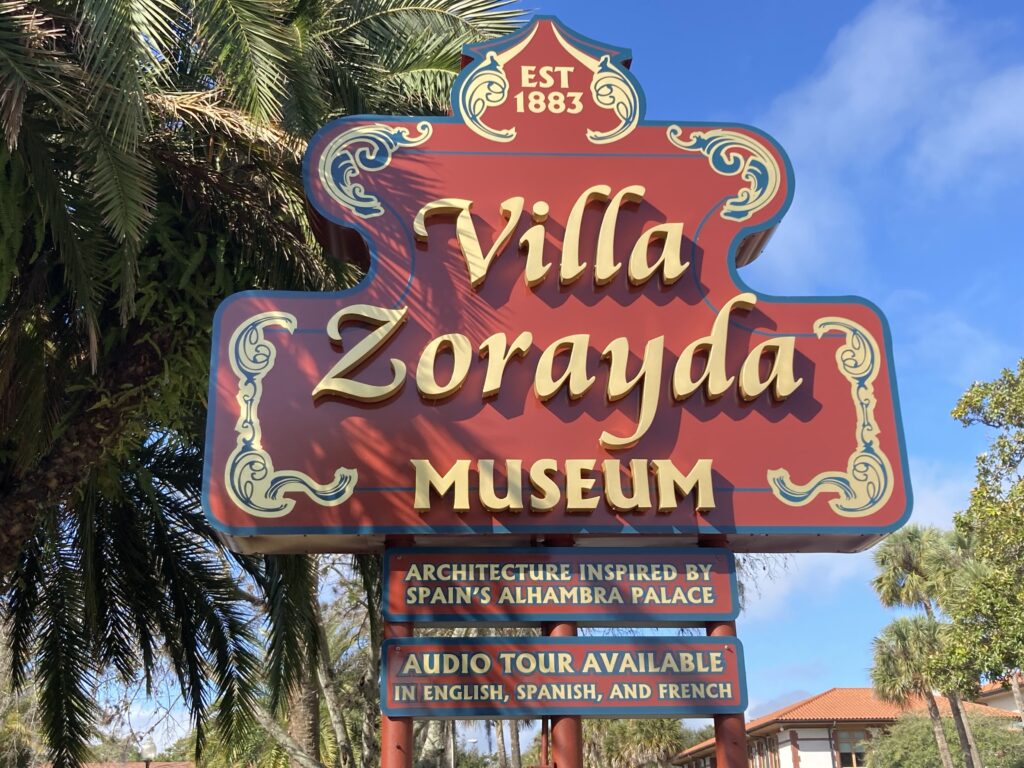
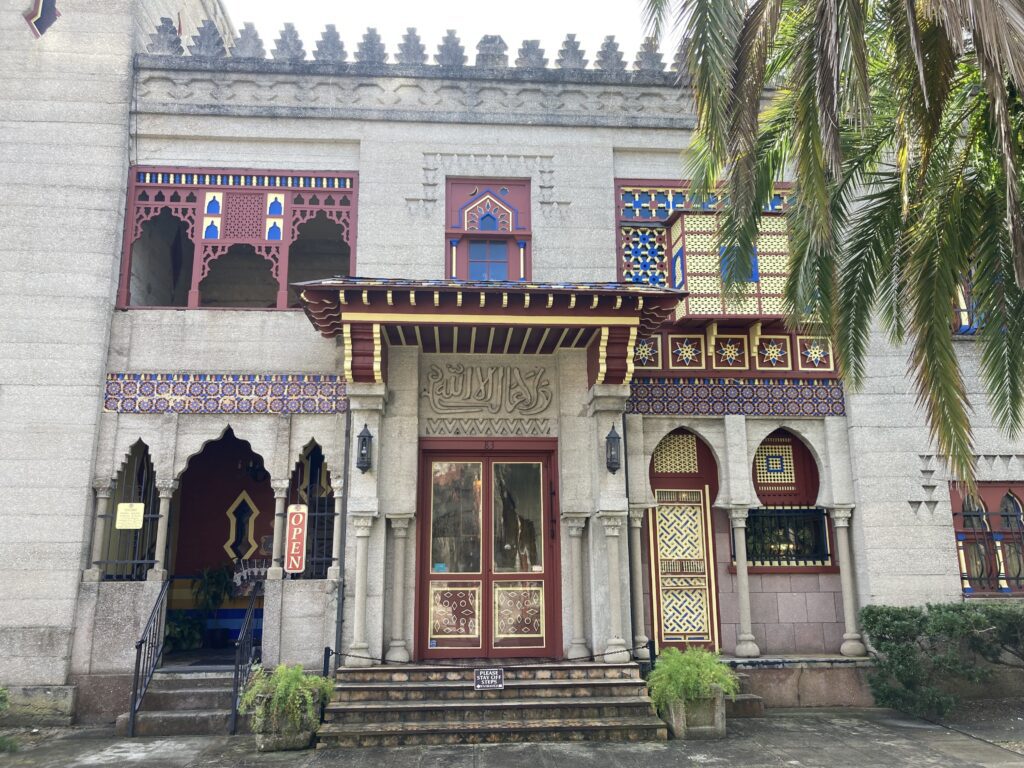
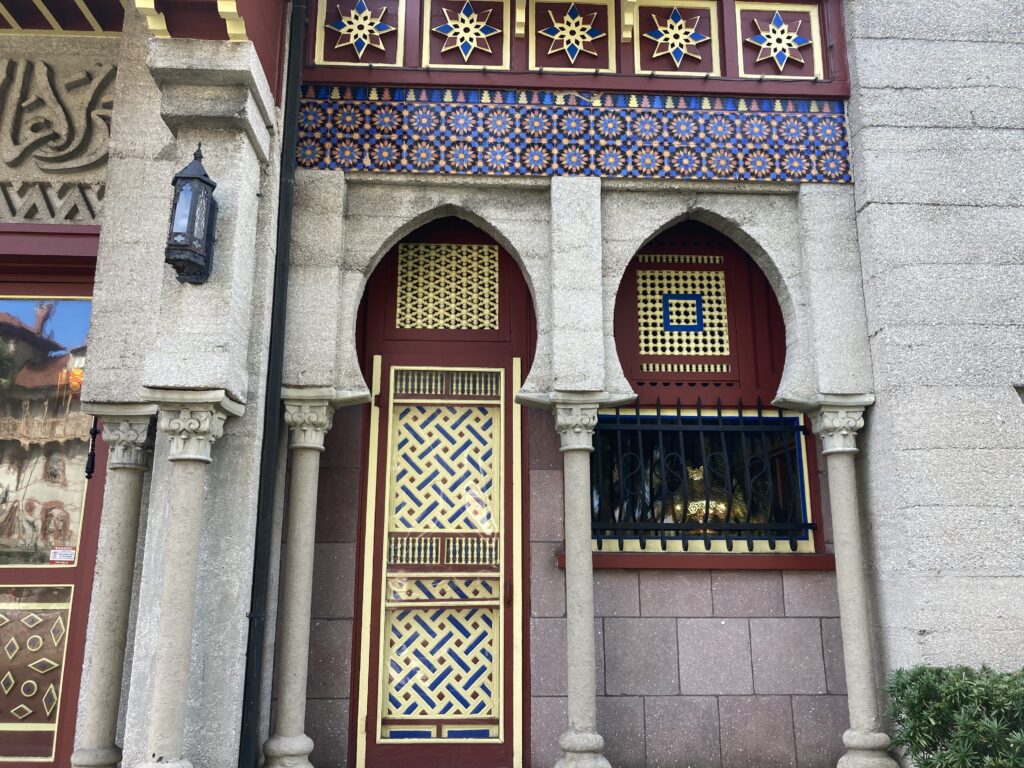
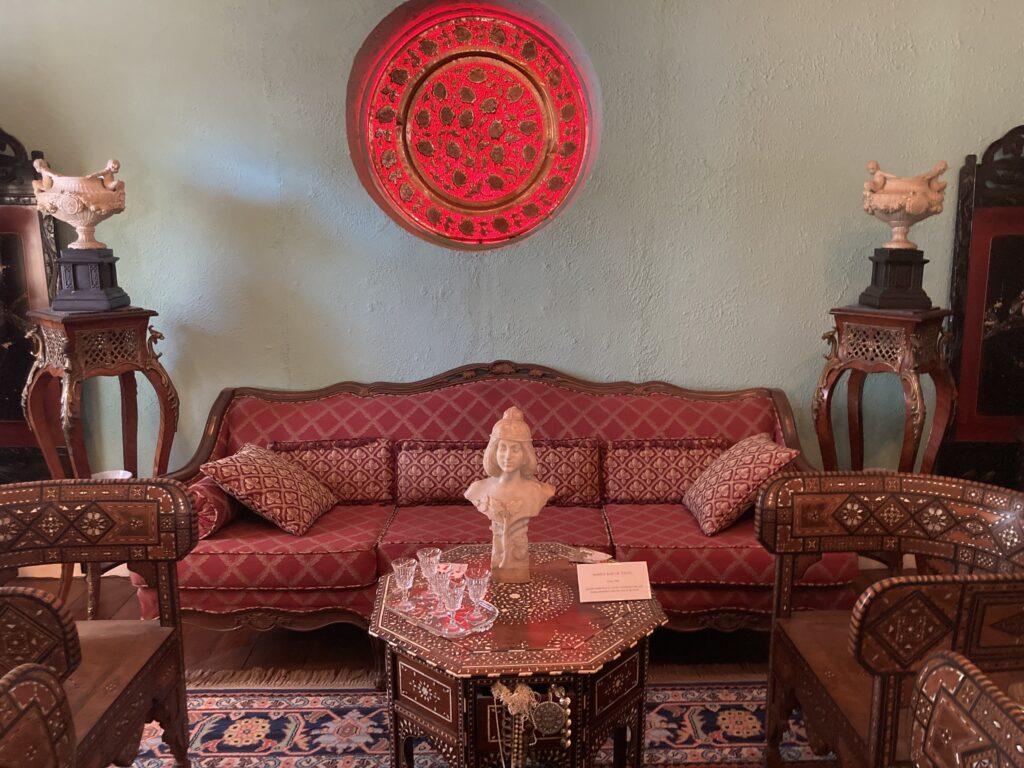
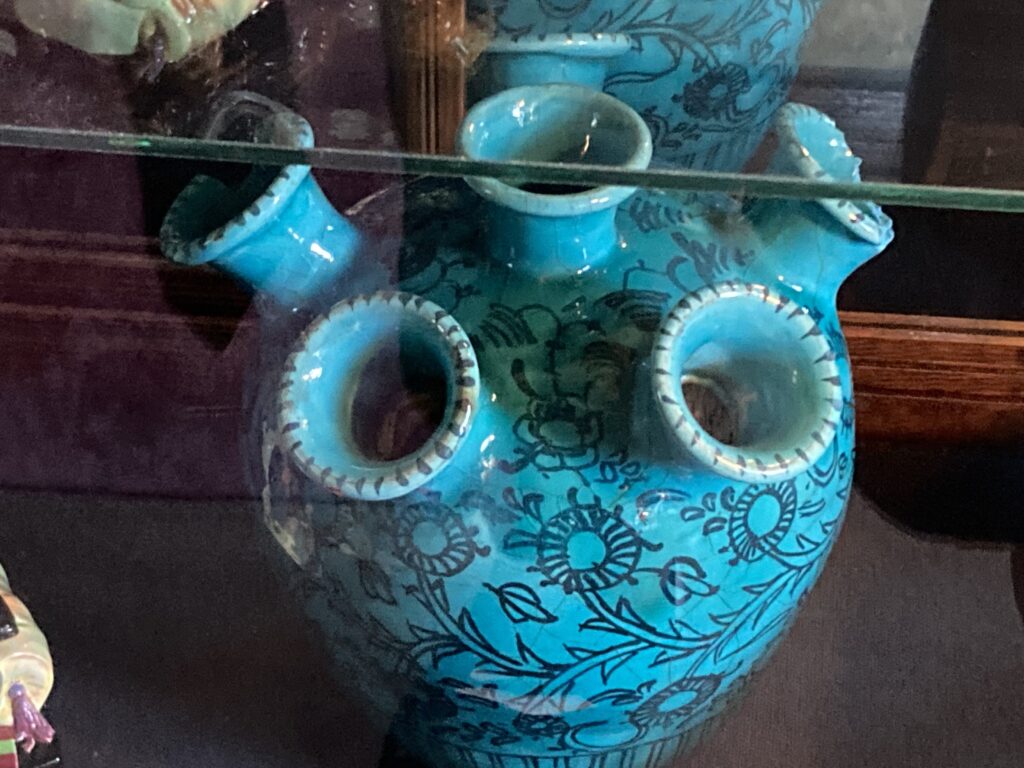
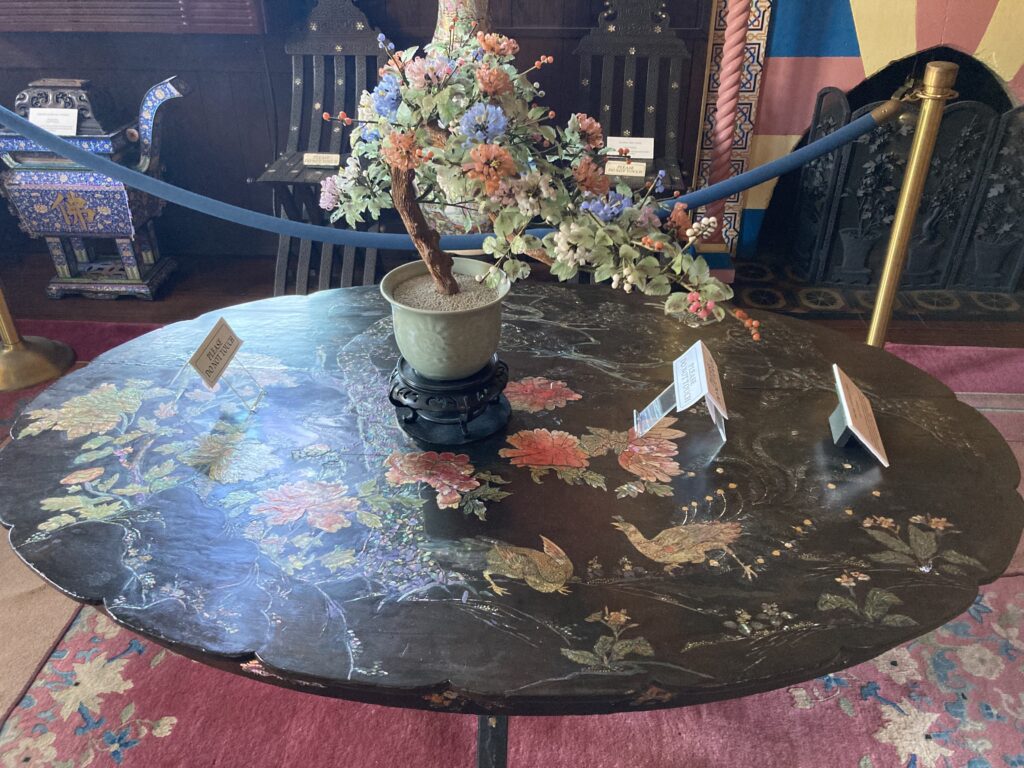
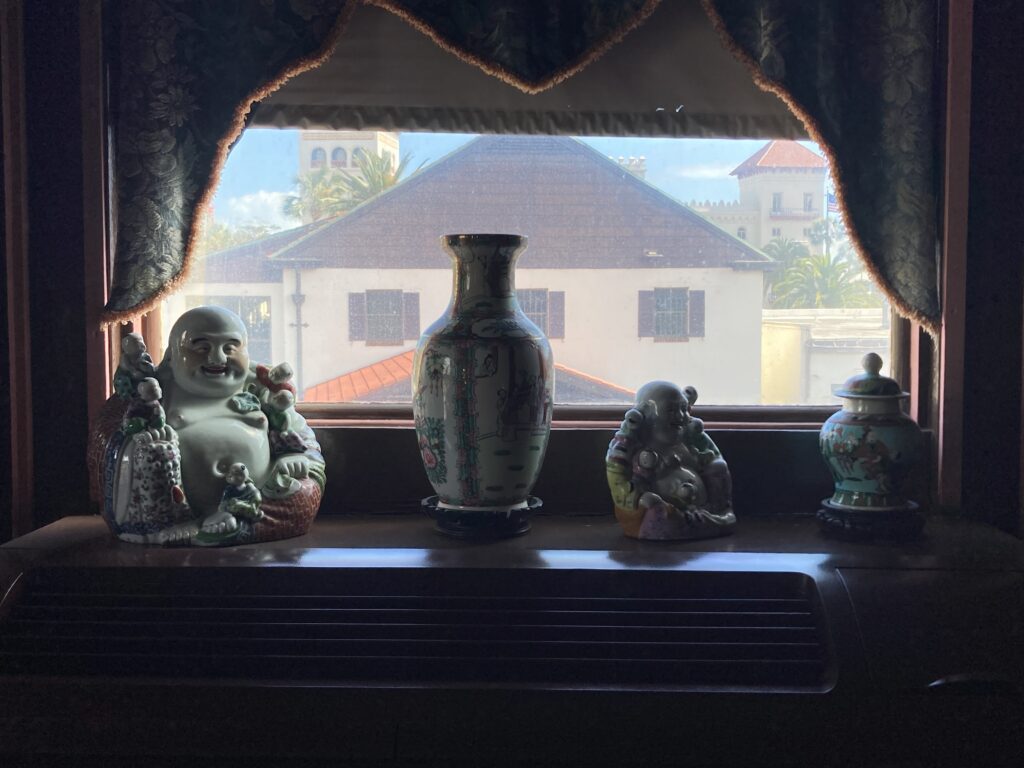
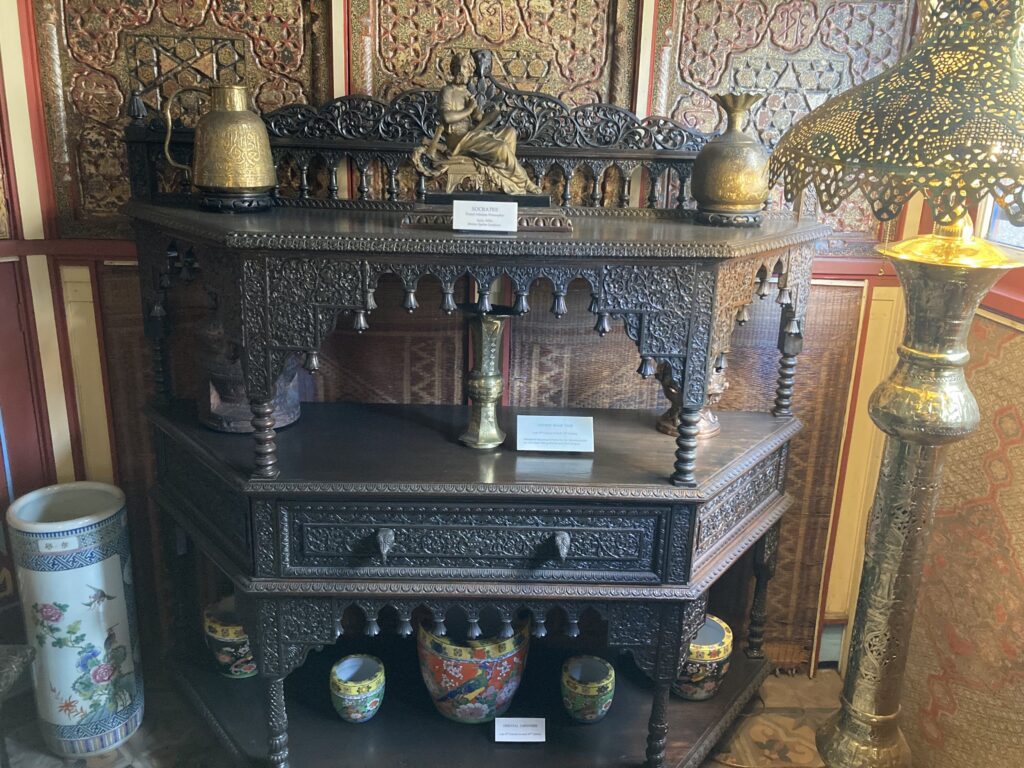
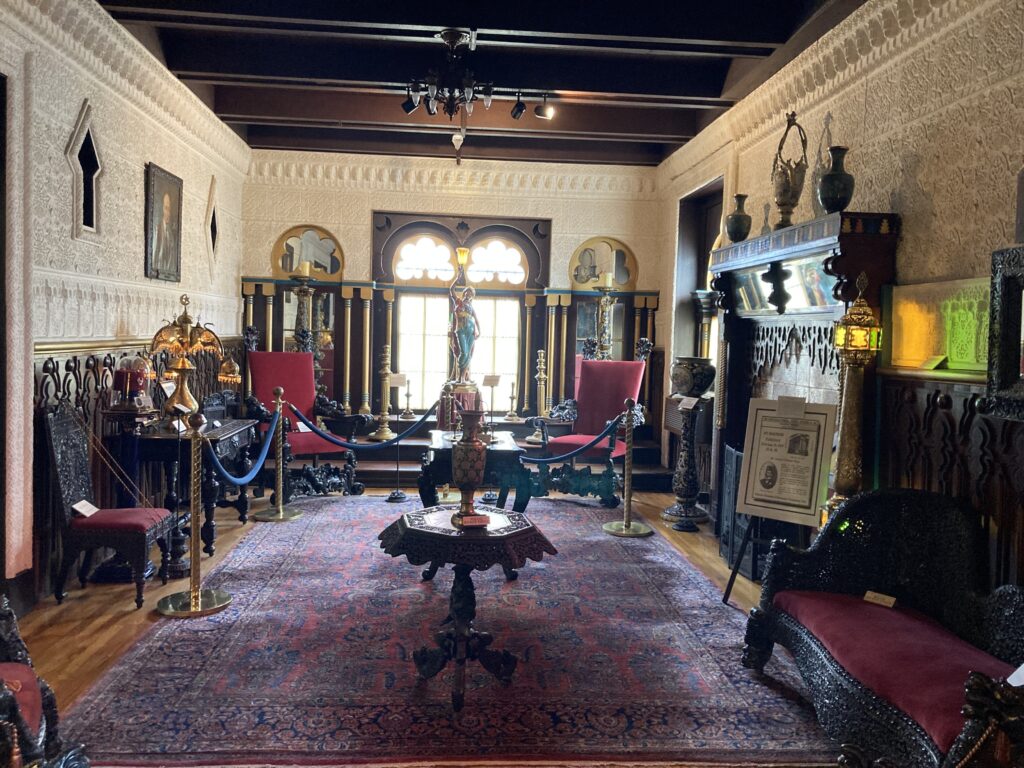
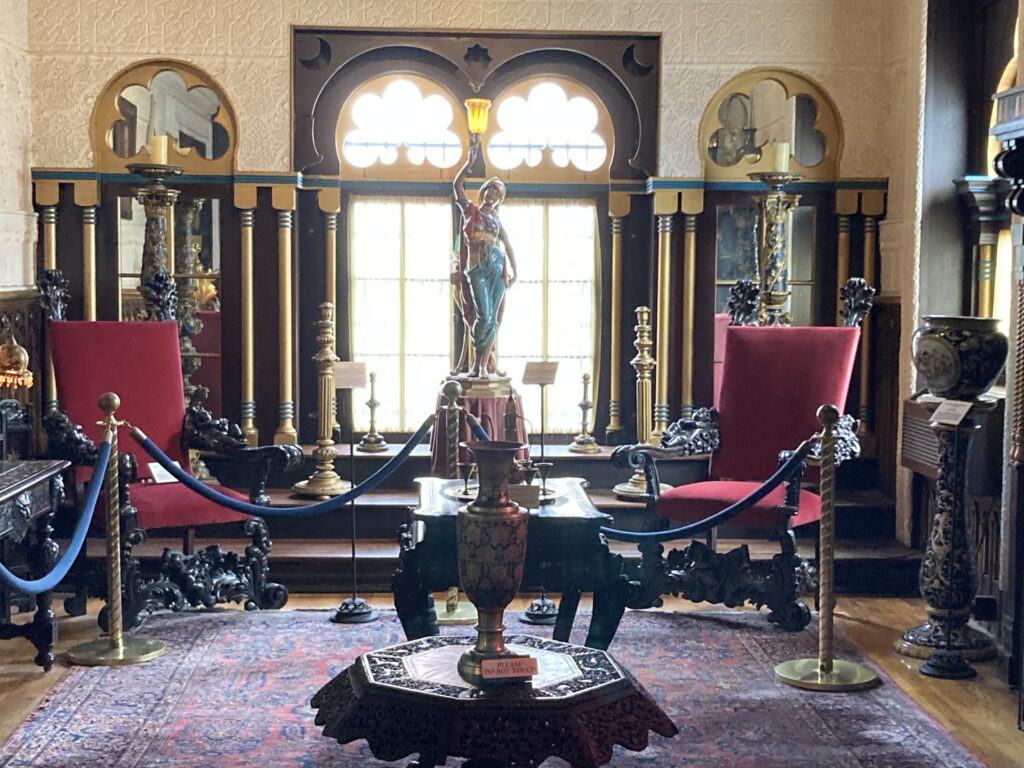
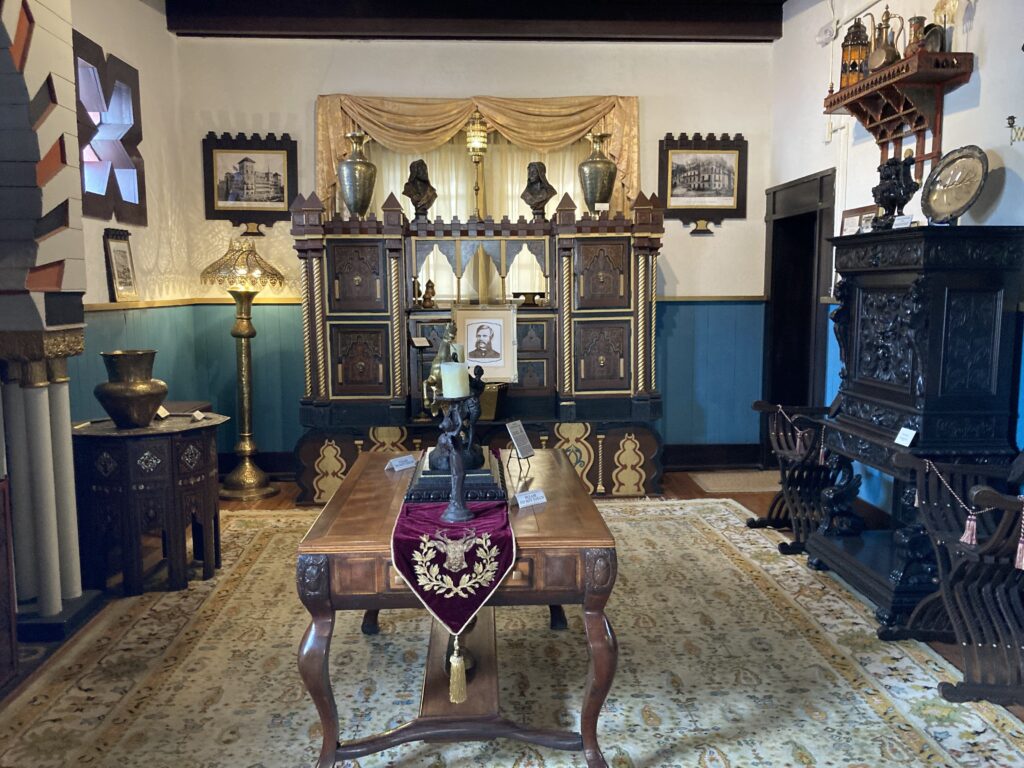
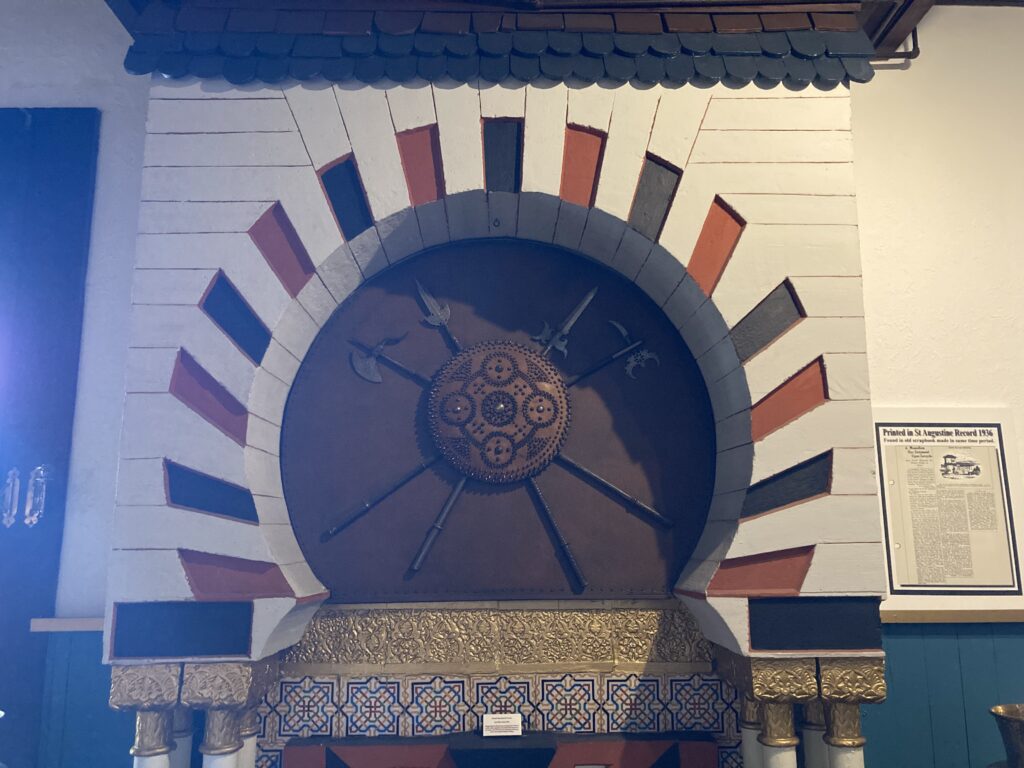
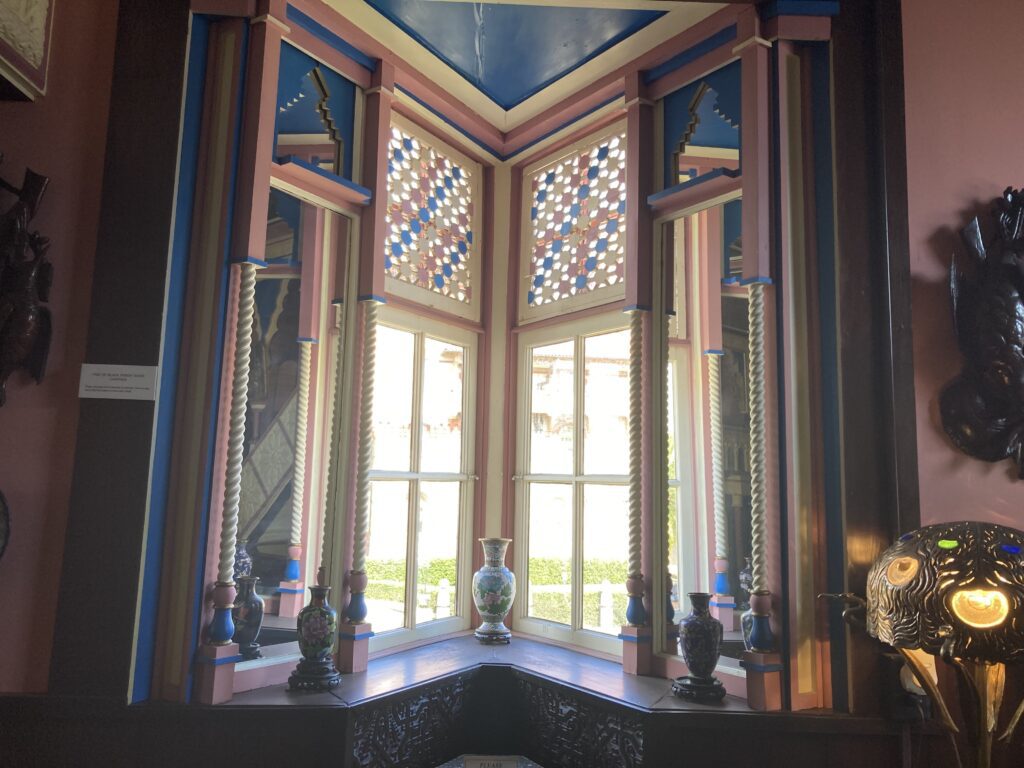
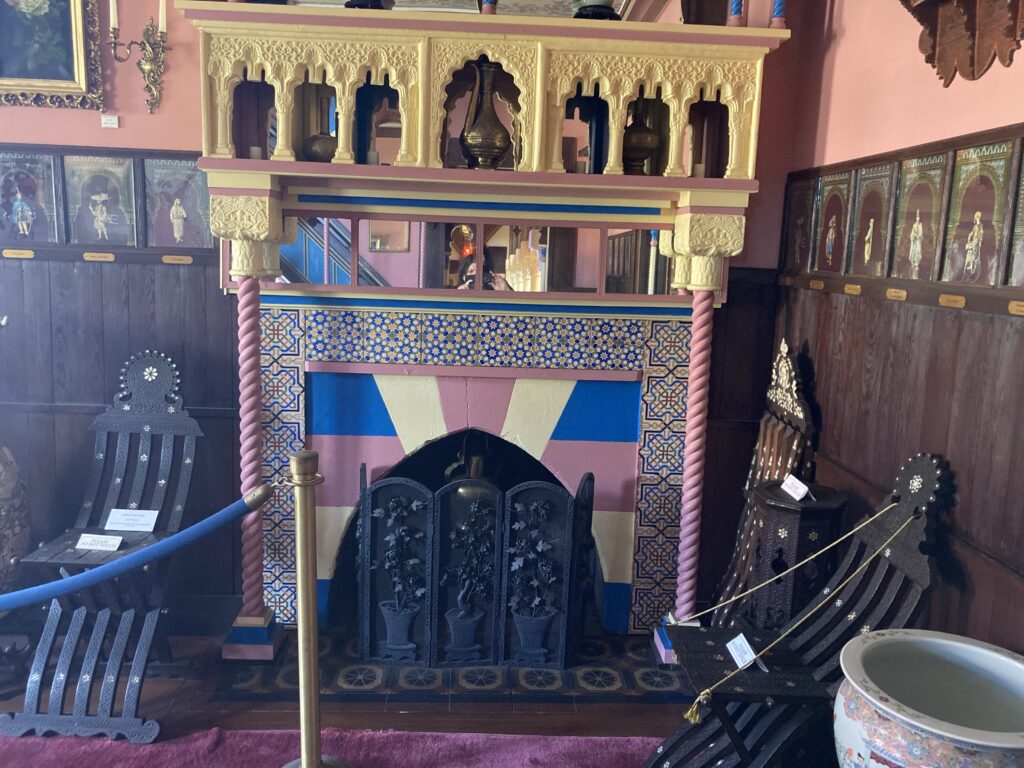
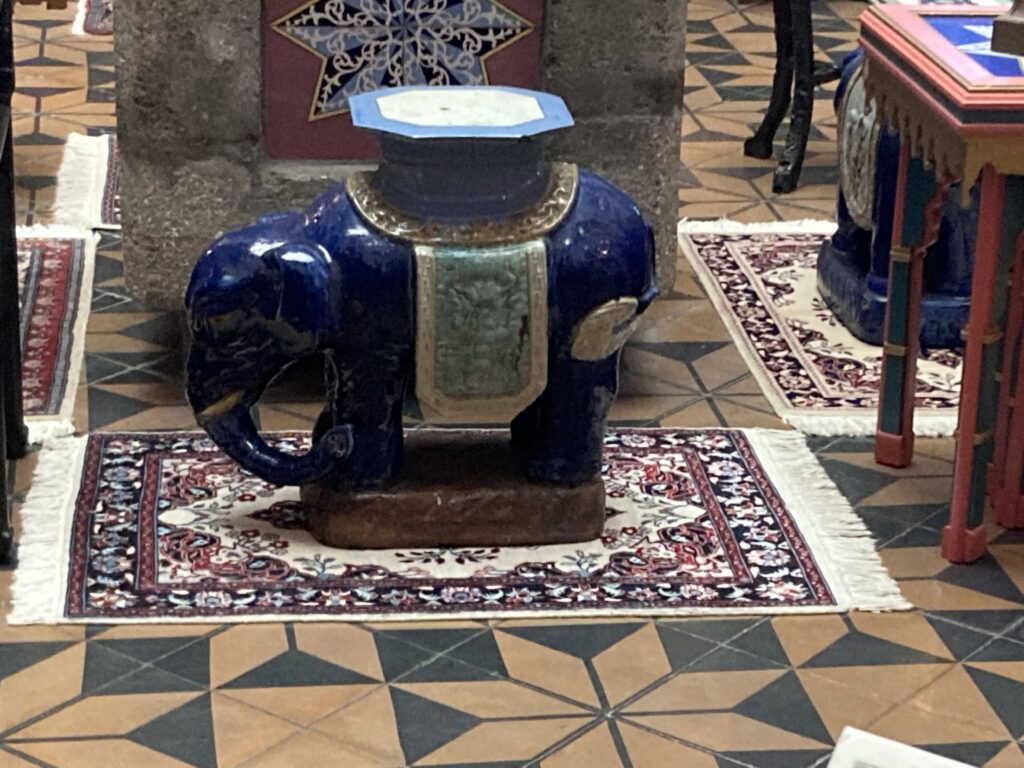
Villa Zorayda is a museum that showcases Egyptian antiquities, oriental rugs, and antique furnishings. It was inspired by the Alhambra Palace, a 12th century palace built by the Moors; who ruled Spain from 711 to 1492.
Zorayda was one of the 3 princesses in Washington Irving’s novel The Alhambra.
Villa Zorayda Museum is located at 83 King St in St Augustine, FL. They are open Monday – Saturday from 10:00am – 5:00pm and on Sundays from 11:00am – 5:00pm. Their phone # is 904-829-9887.


Villa Zorayda Antiquities
The villa was built in 1883 by a wealthy businessman from Boston named Franklin Smith, who used it as his winter residence and to house his antiquities collection.
Smith traveled throughout Granada and the Middle East during the 1880s. His intriguing photos of a time gone by line the mansion’s walls. They include belly dancers, and snake charmers playing the flute to entice snakes to slither out of baskets.




Modeled After Alhambra Palace
Smith was so impressed by the magnificence of the Alhambra Palace – which he visited during a visit to Granada, Spain – he decided to build his house as an exact replica of one wing of the palace at 1/10 of the original size.
An amateur architect, Smith designed the house himself. It was the first building in St Augustine made out of concrete.
In 1922 the villa was converted into a nightclub and gambling casino. It was closed in 1925 when Florida outlawed gambling. It was reopened in 1936 as a museum.
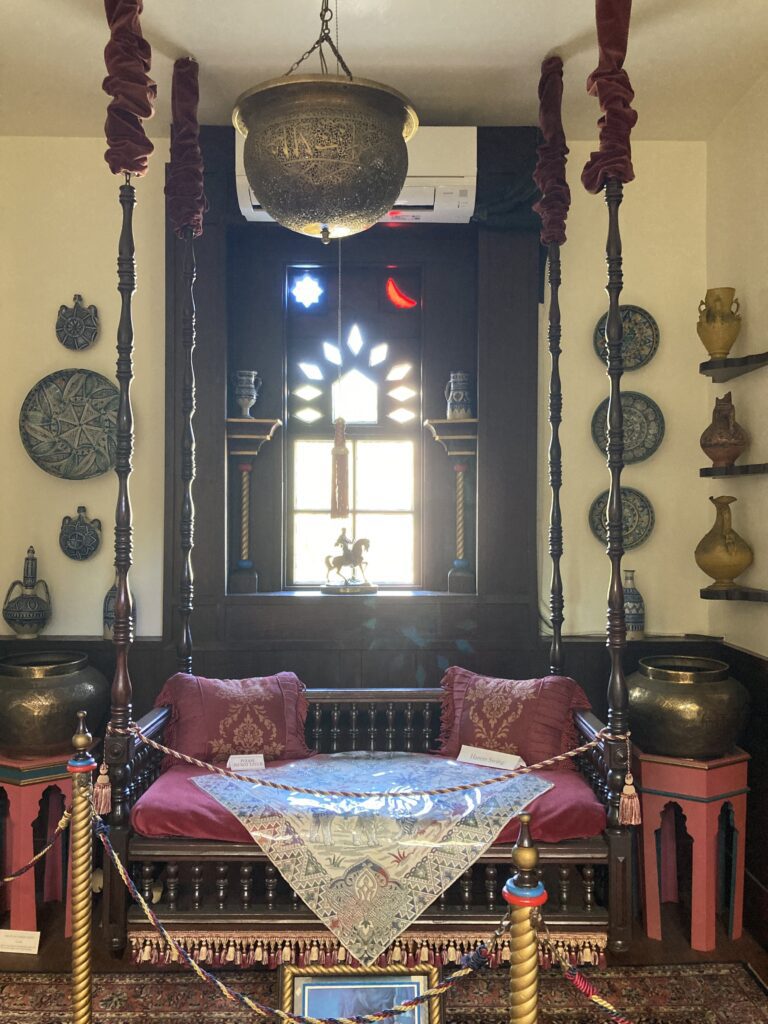
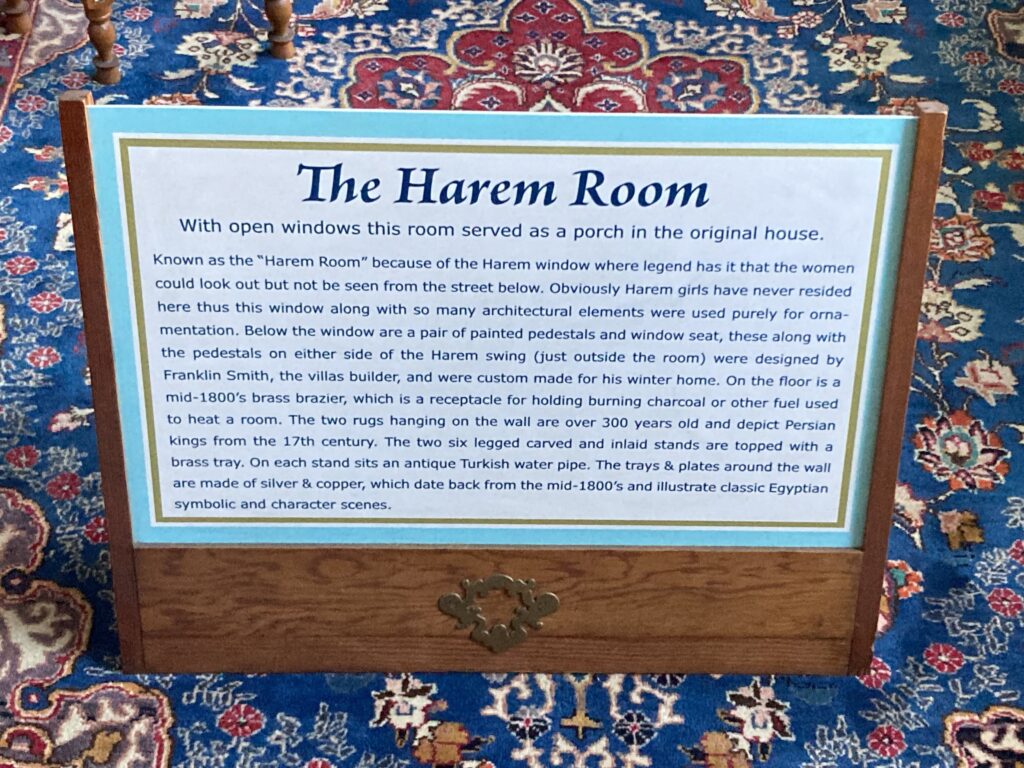
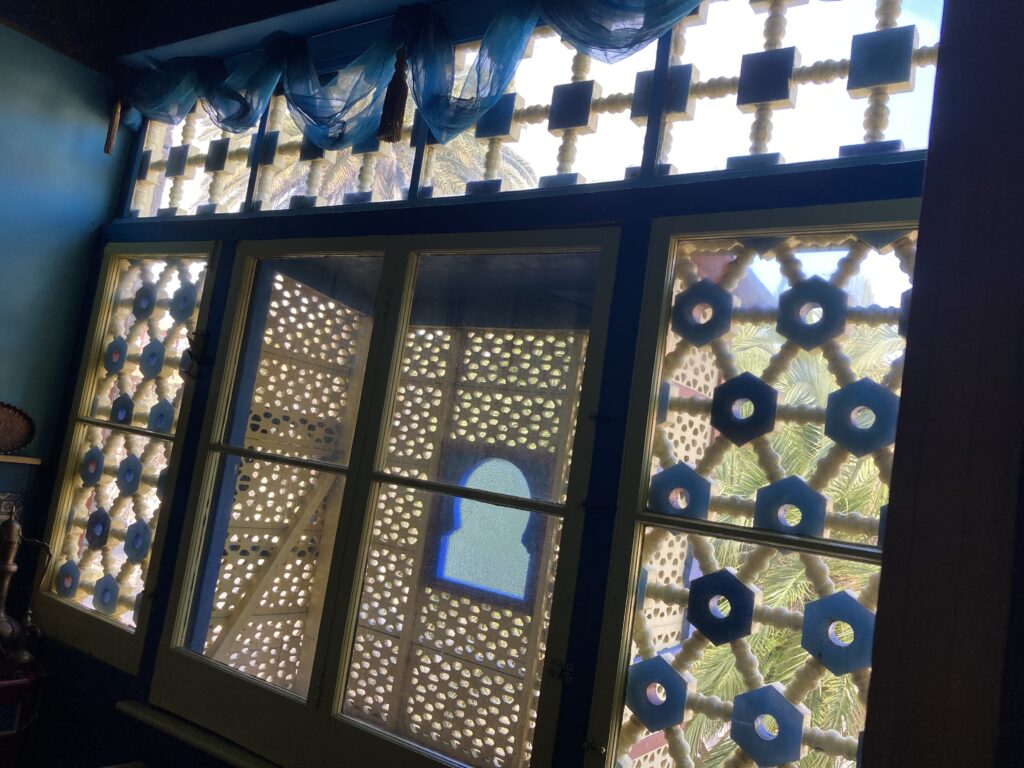
The Harem Room
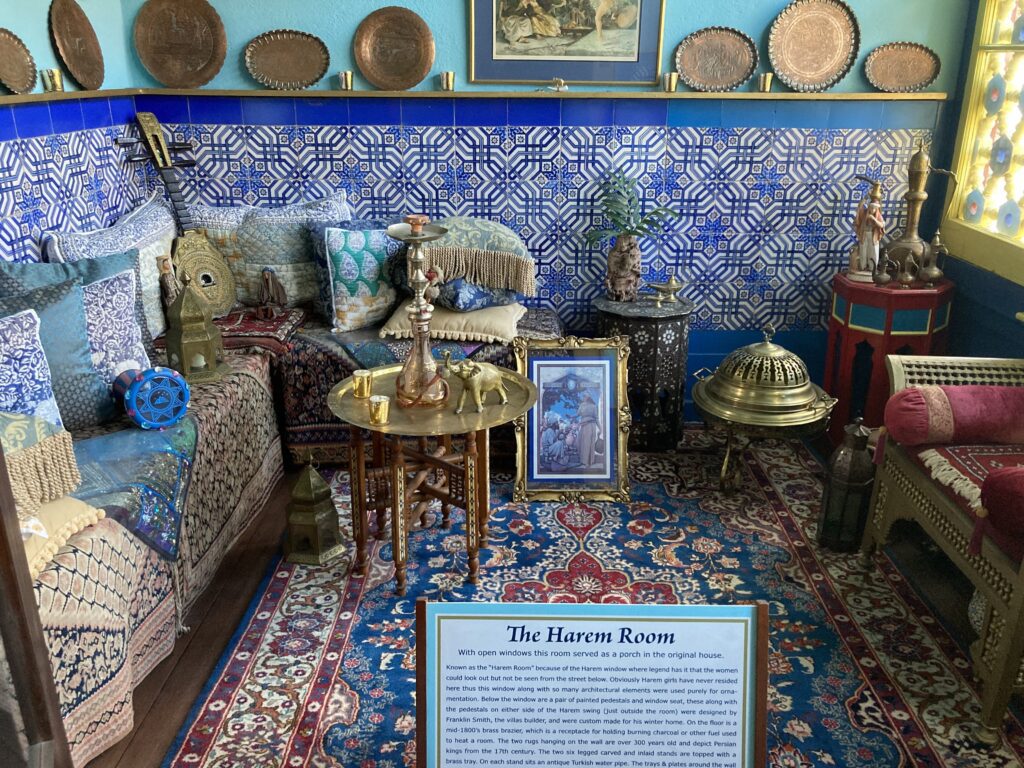
One of the most interesting features of the house is the Harem Room. A replica of a Middle Eastern room of days gone by, the female inhabits could look out the window, but those on the outside could not look in.
8. Ponce de Leon Statue
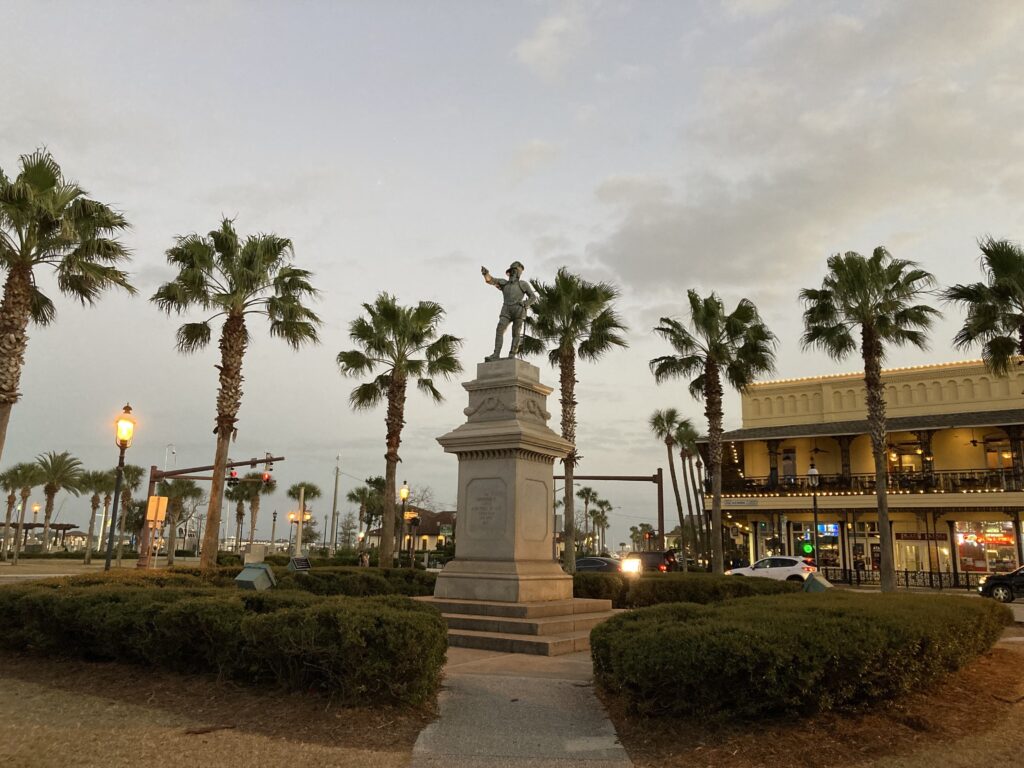
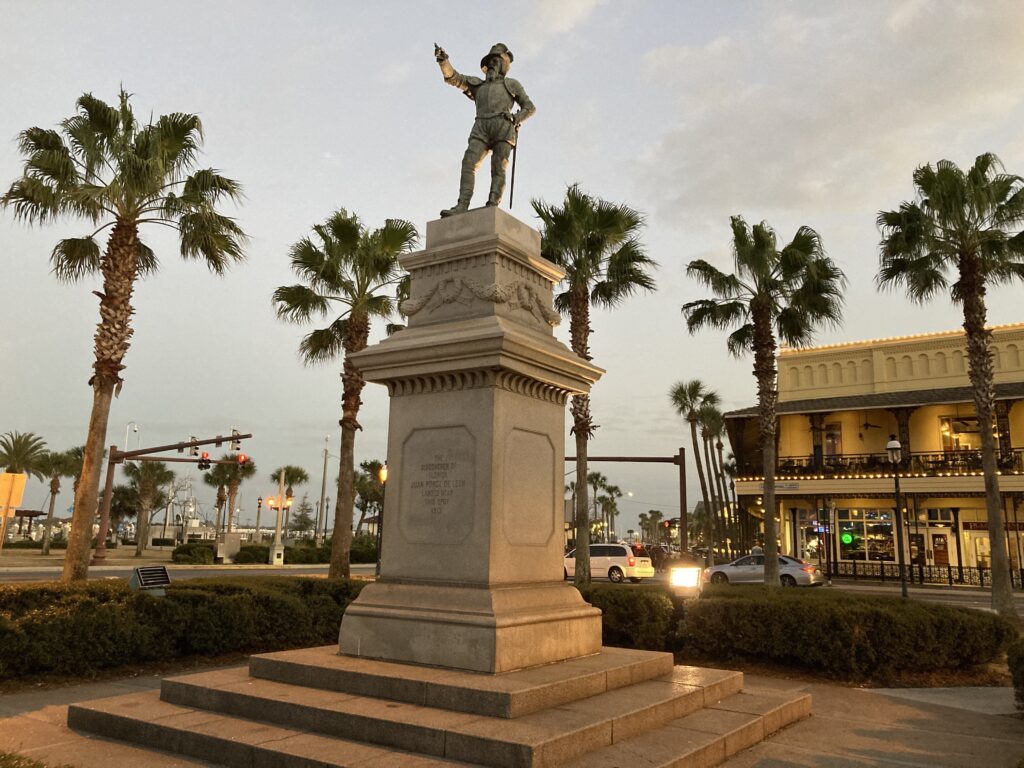
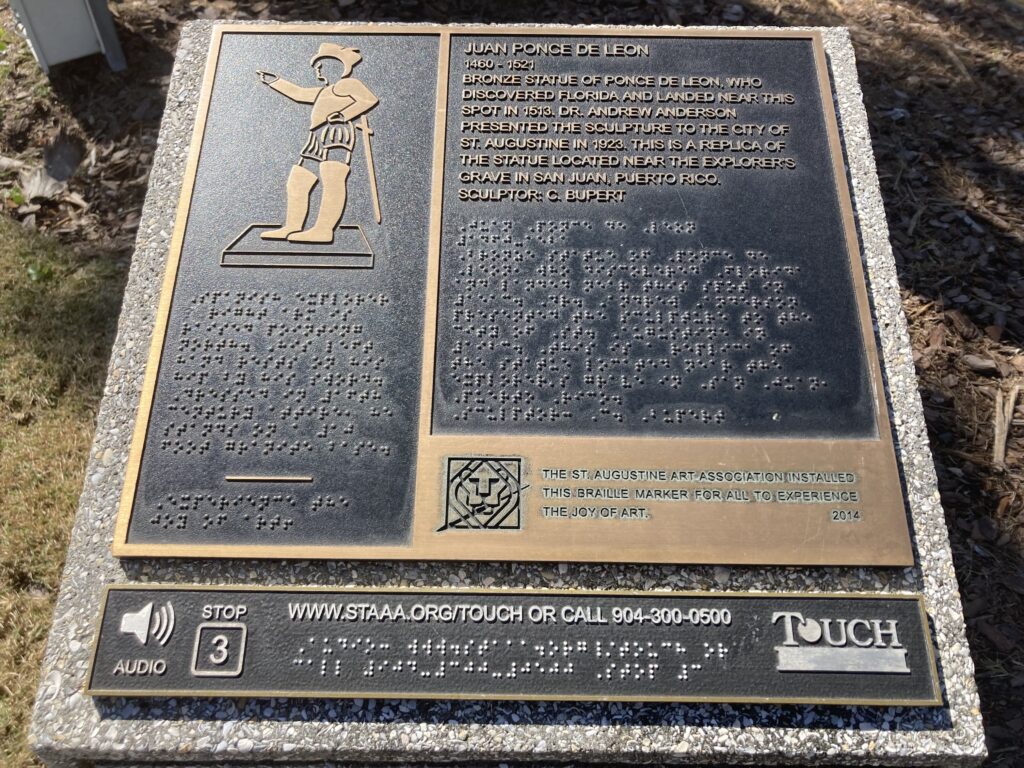
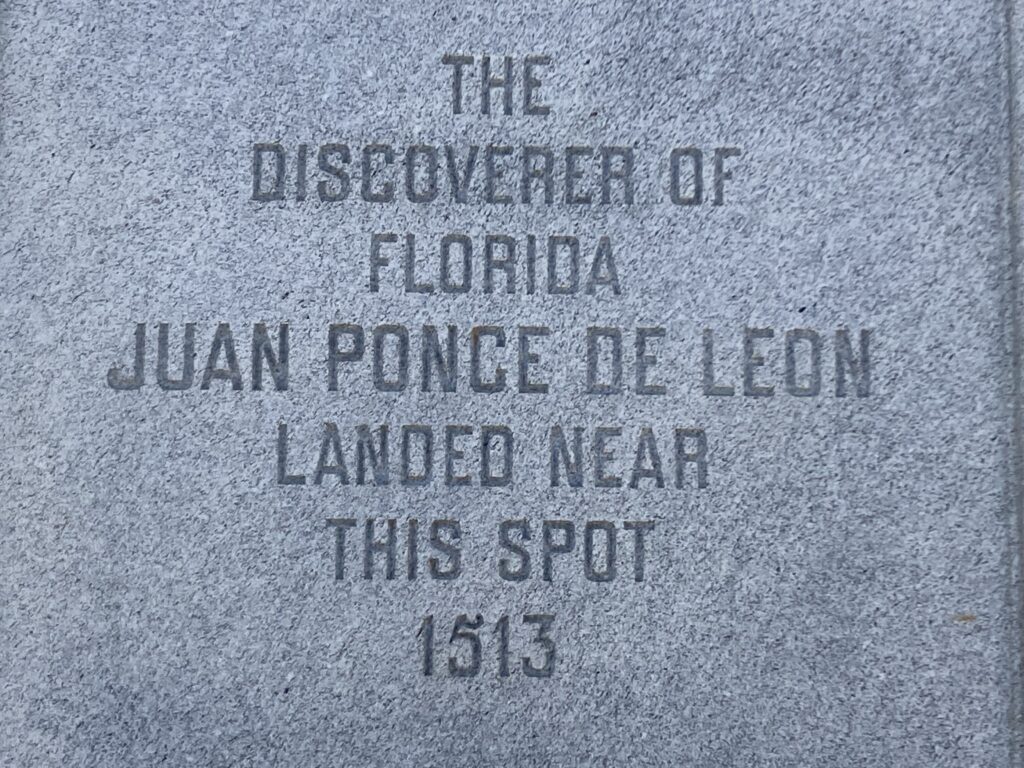
There is a statue of Juan Ponce de Leon in the Plaza de La Constitución in St Augustine. It is a replica of a statue that was erected in San Juan, Puerto Rico in 1882.
The original San Juan statue was made from cannon captured from the British in 1797 following the Battle of San Juan, a failed attack on Puerto Rico.
The St Augustine statue was commissioned in 1923 by philanthropist Dr. Andrew Anderson, a philanthropist who also commissioned the two lions at the entrance to the Bridge of Lions.
The Ponce de Leon Statue is located in the in the Plaza de La Constitución in St Augustine, FL.

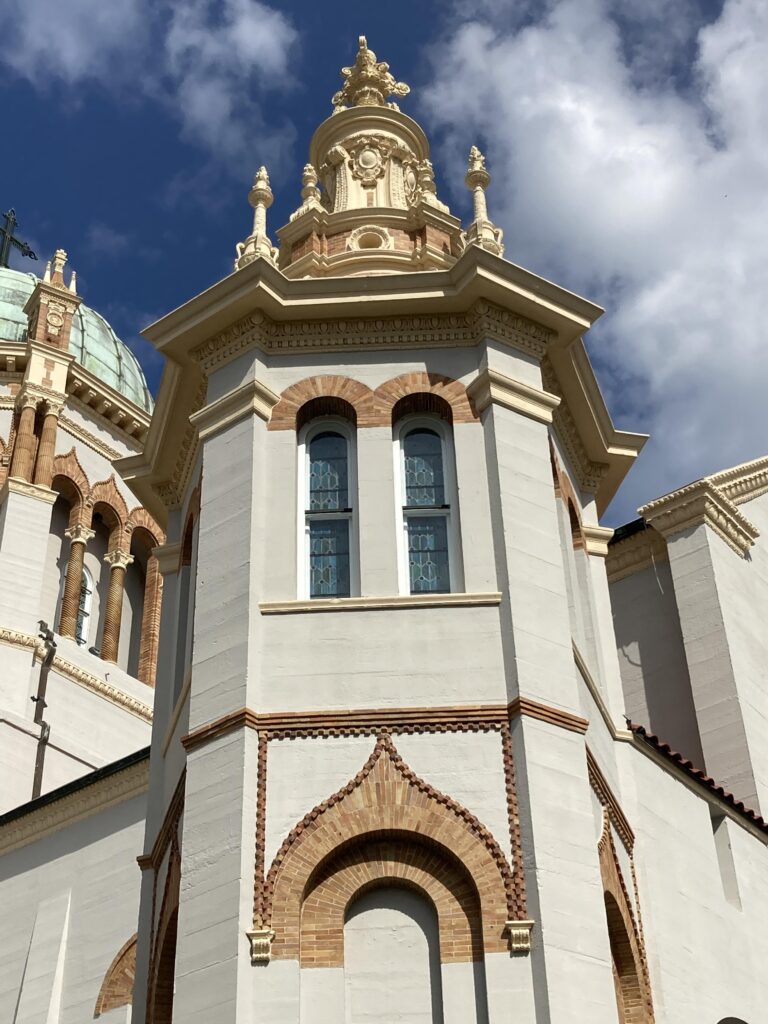
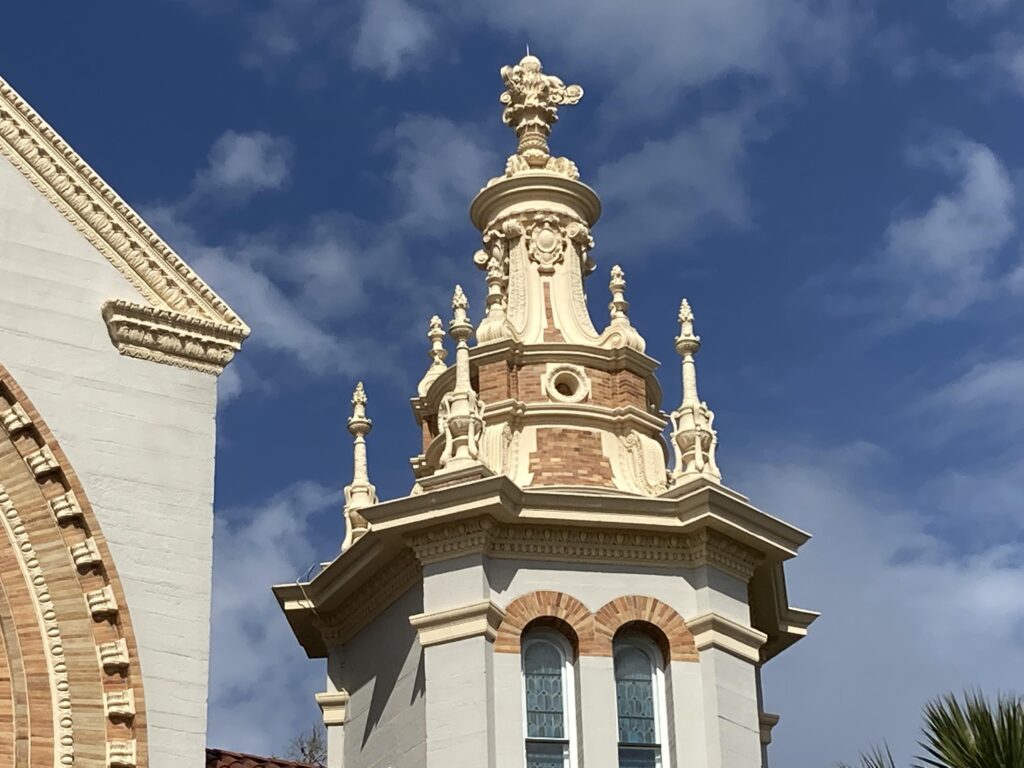
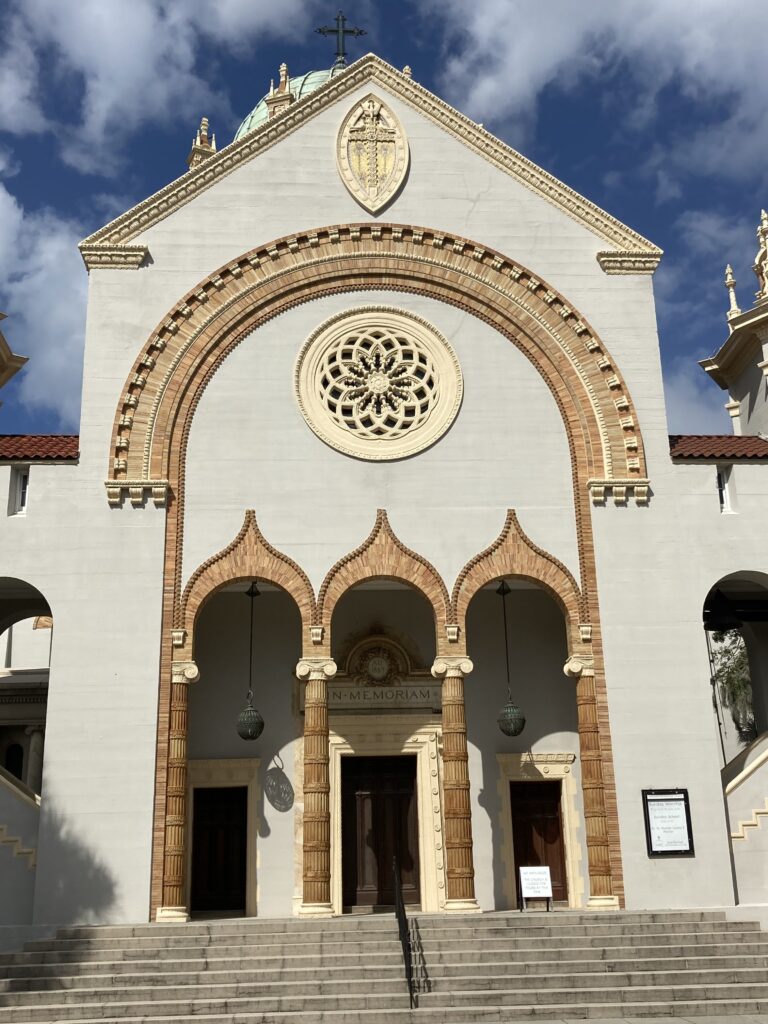
9. Flagler Memorial Presbyterian Church
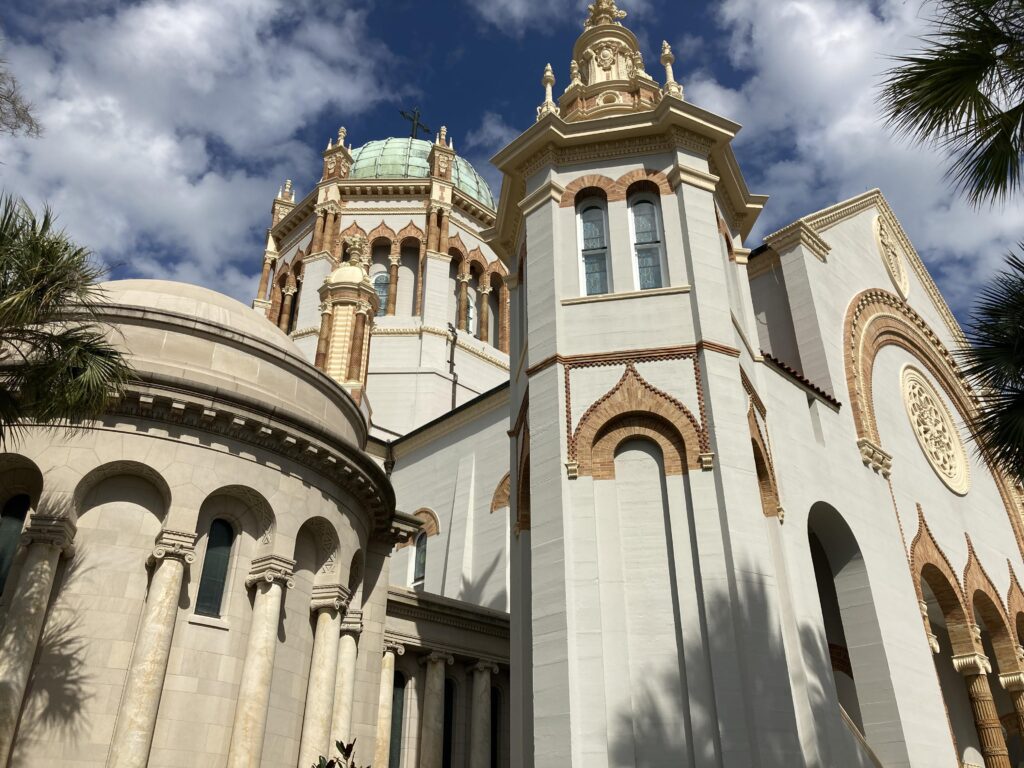
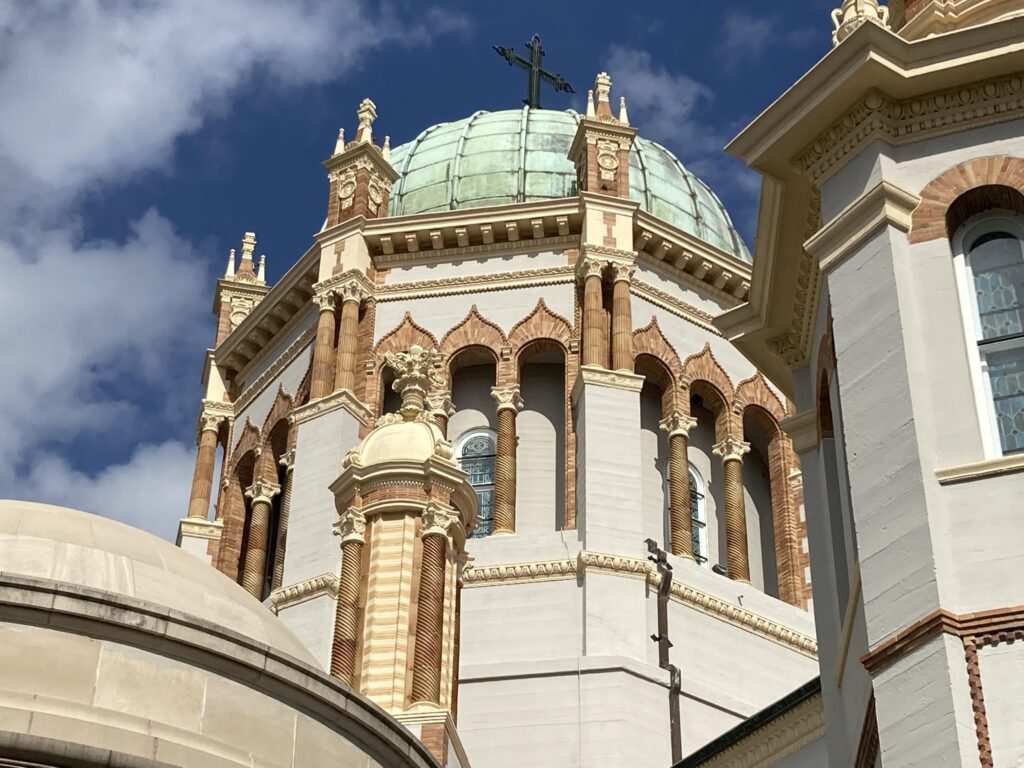
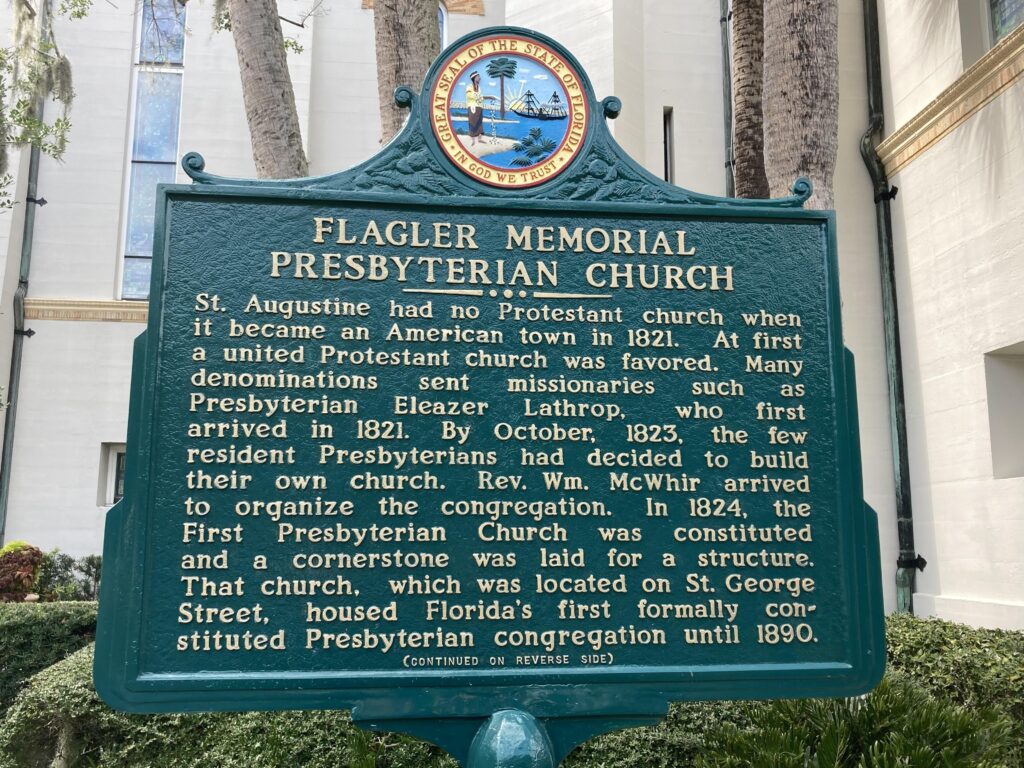
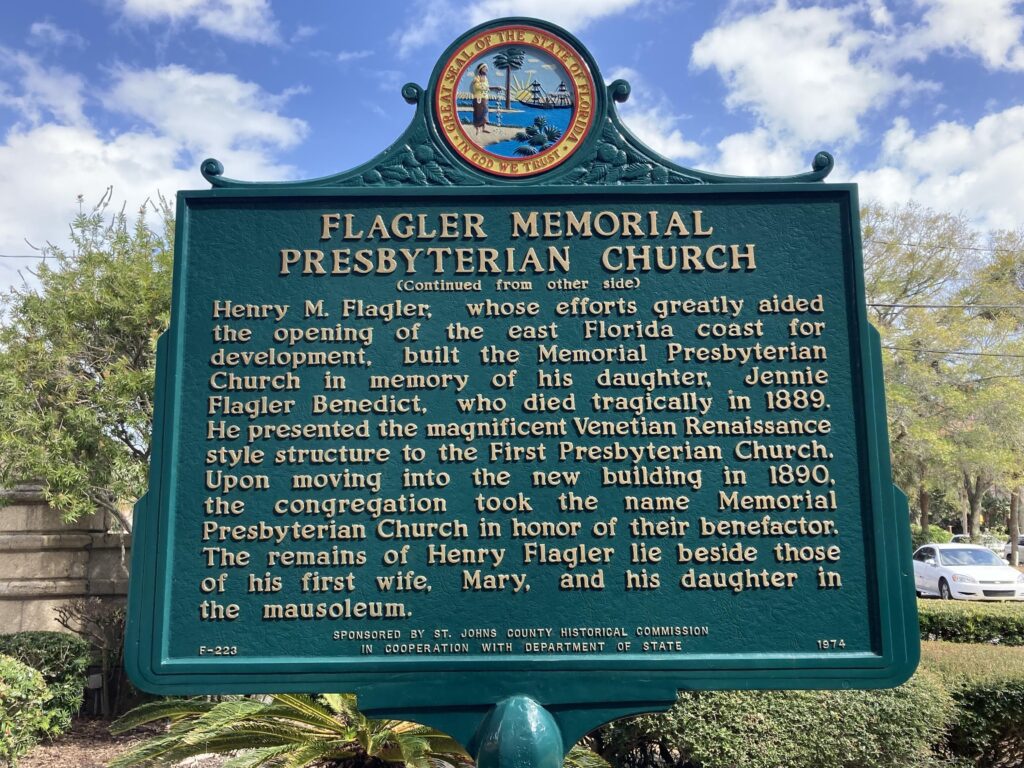
Flagler Memorial Presbyterian Church was built in memory of Henry Flagler’s daughter Jenny, who died tragically in 1889.
Flagler made a deal with the church. He would finance a t Venetian Renaissance style church if it was built by the one-year anniversary of his daughter’s death. If not, he would not pay one penny.
Church members worked around the clock and the church was completed in 1890 after only 361 days. Henry Flagler, his first wife Mary, and daughter Jenny are all buried in the church mausoleum.
Flagler Memorial Presbyterian Church and Mausoleum is located at 32 Sevilla St in St Augustine, FL. It is open for free self-guided tours on Saturdays from 11:00am-3:30pm. Their phone # is 904-829-6451.



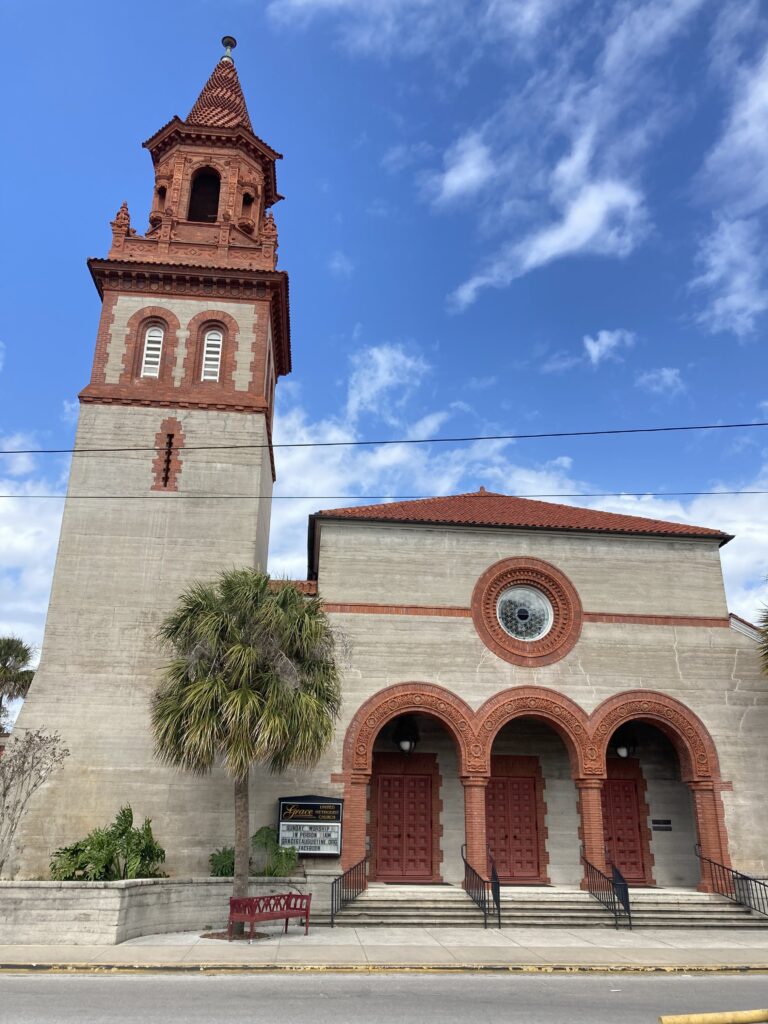
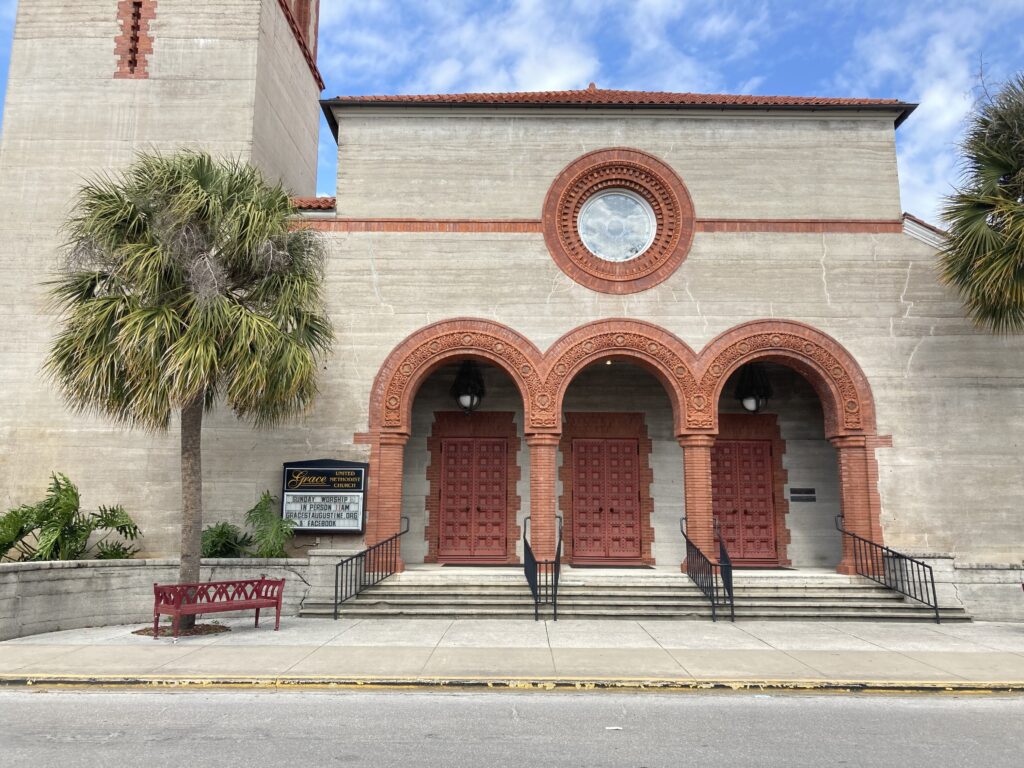
10. Grace United Methodist Church
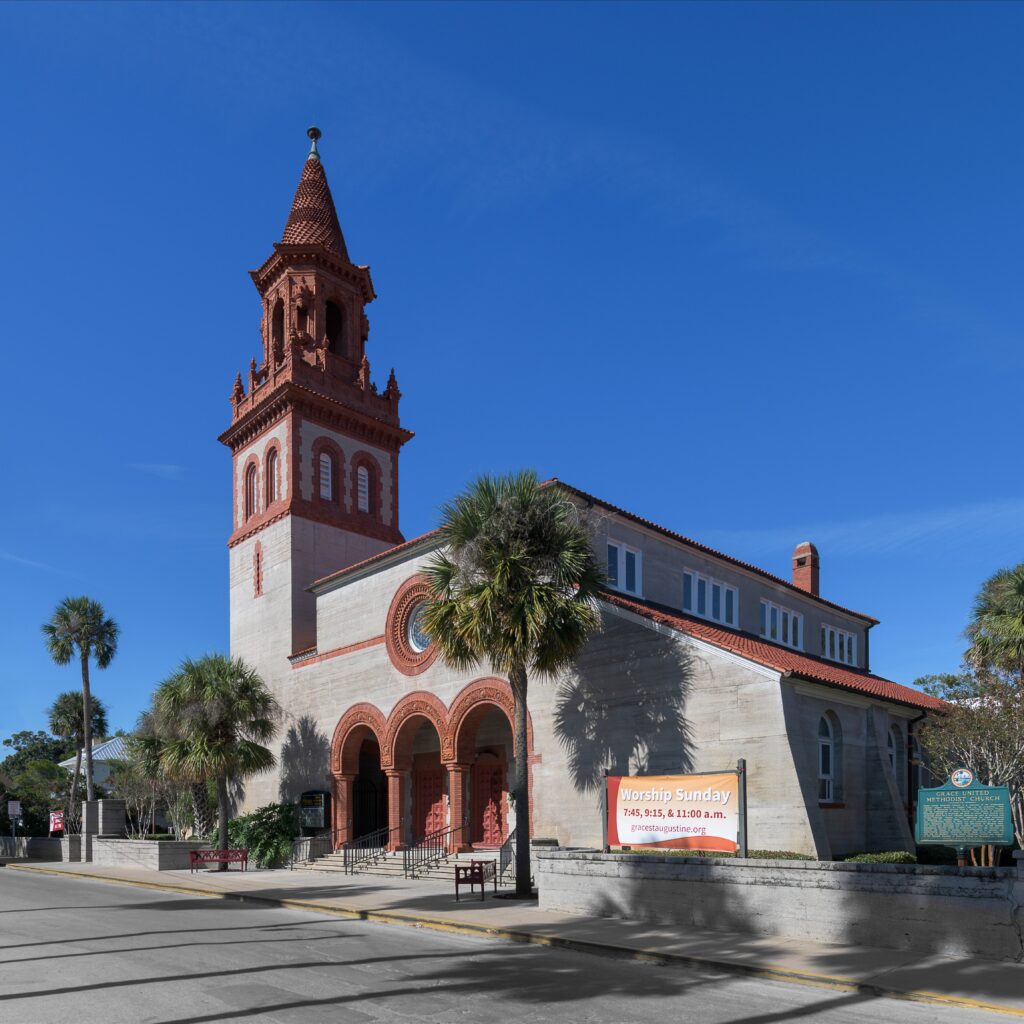
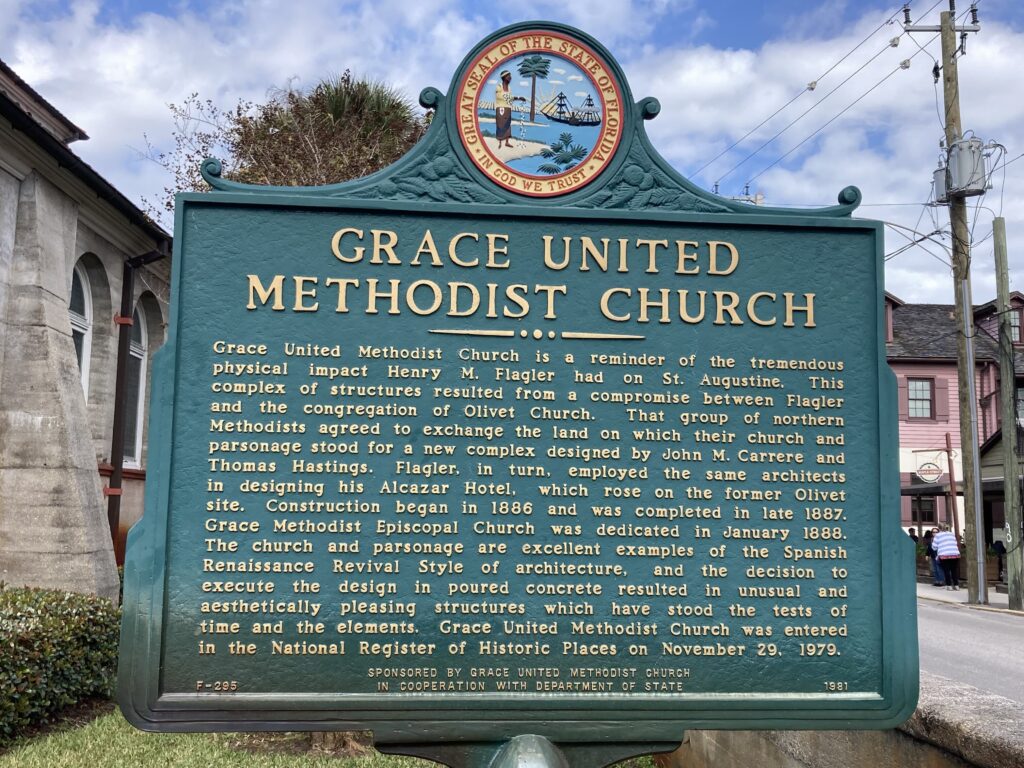
When Henry Flagler built his flagship Hotel Ponce de Leon, he wanted to build the Hotel Alcazar across the street. (At the current site of the Lightner Museum).
However, there was a Methodist church meeting at the site. Flagler made the Methodists an offer they could not refuse. He built them an $84,000 church in exchange for the land, which was valued at only $4,000/
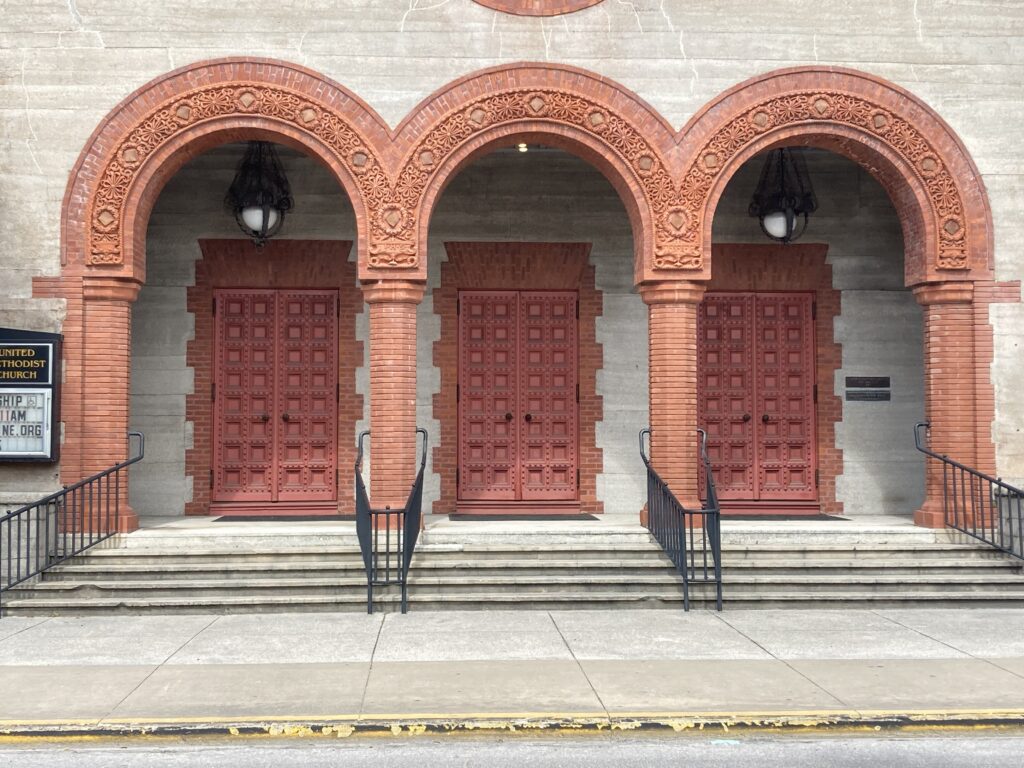
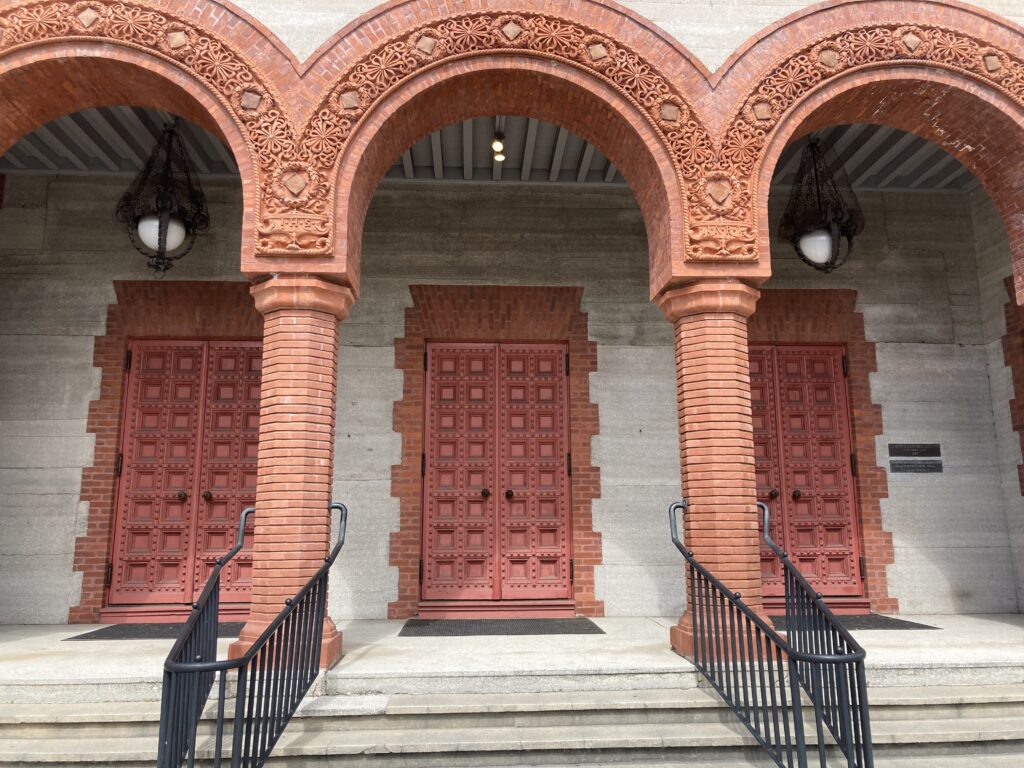
Completed in 1887, the beautiful Spanish Renaissance Revival Style Church is worth viewing from the outside.
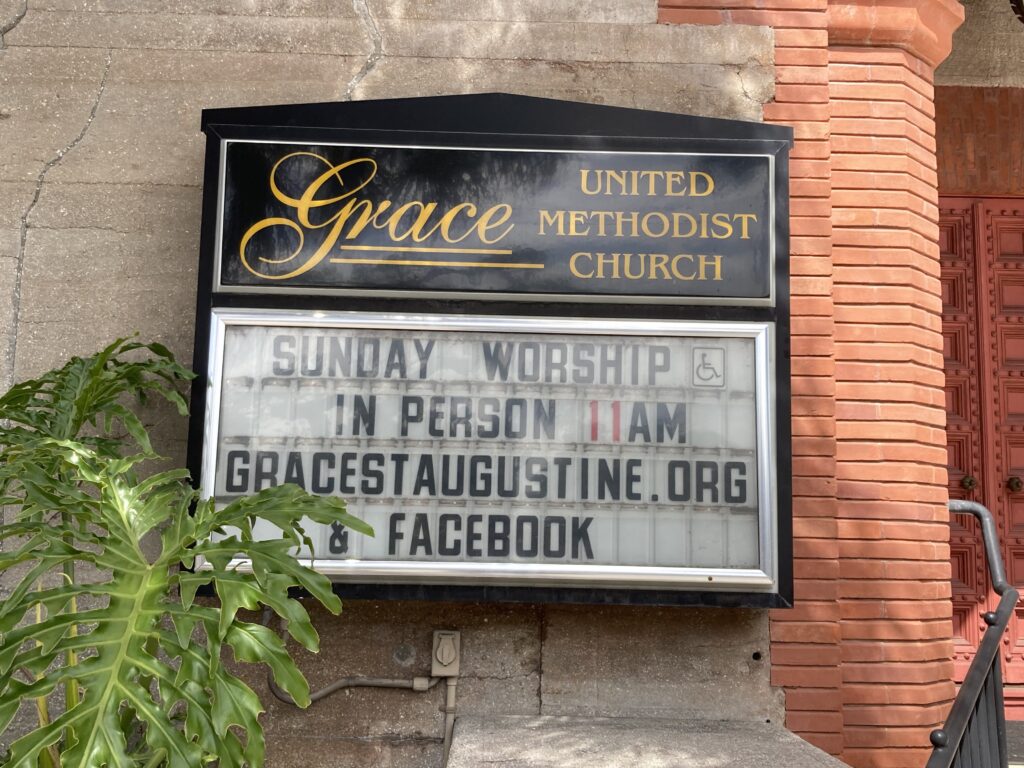
Grace United Methodist Church is located at 8 Carrera St in St Augustine, FL. Their phone # is 904-829-8272.

11. Ancient City Baptist Church
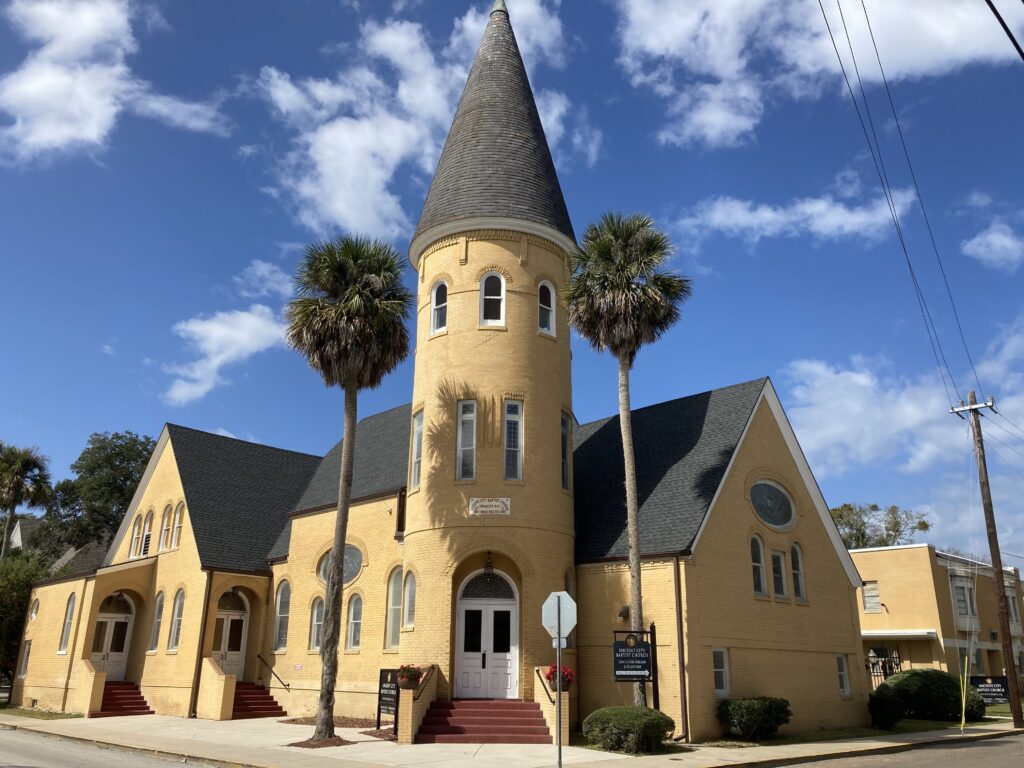
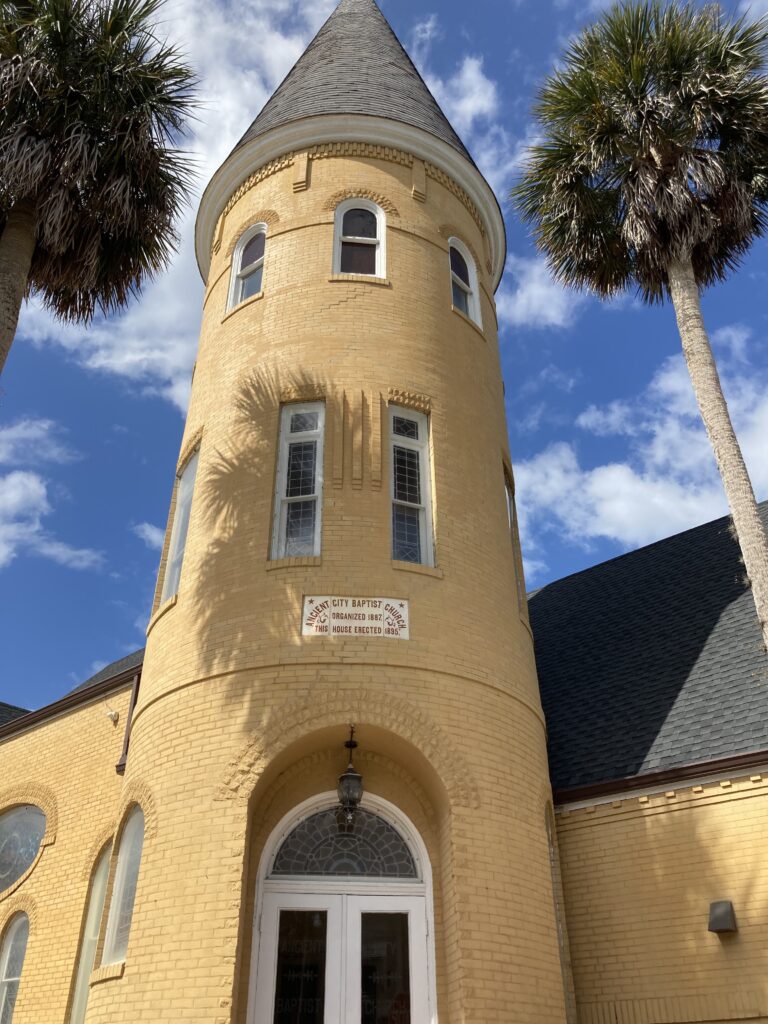
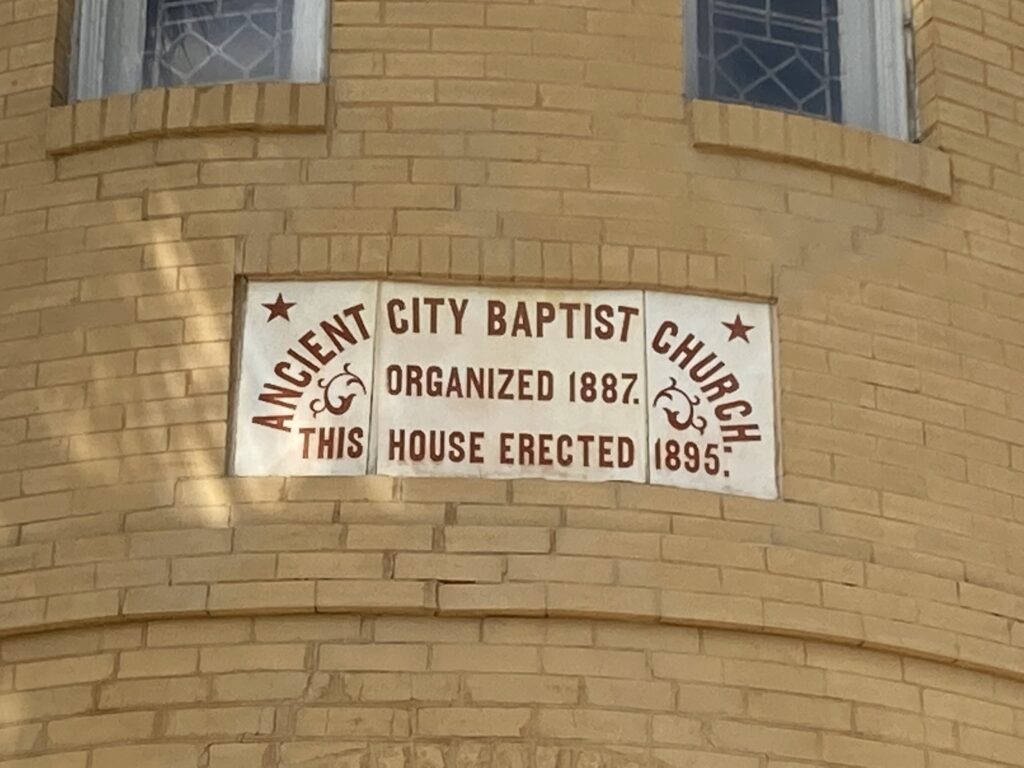
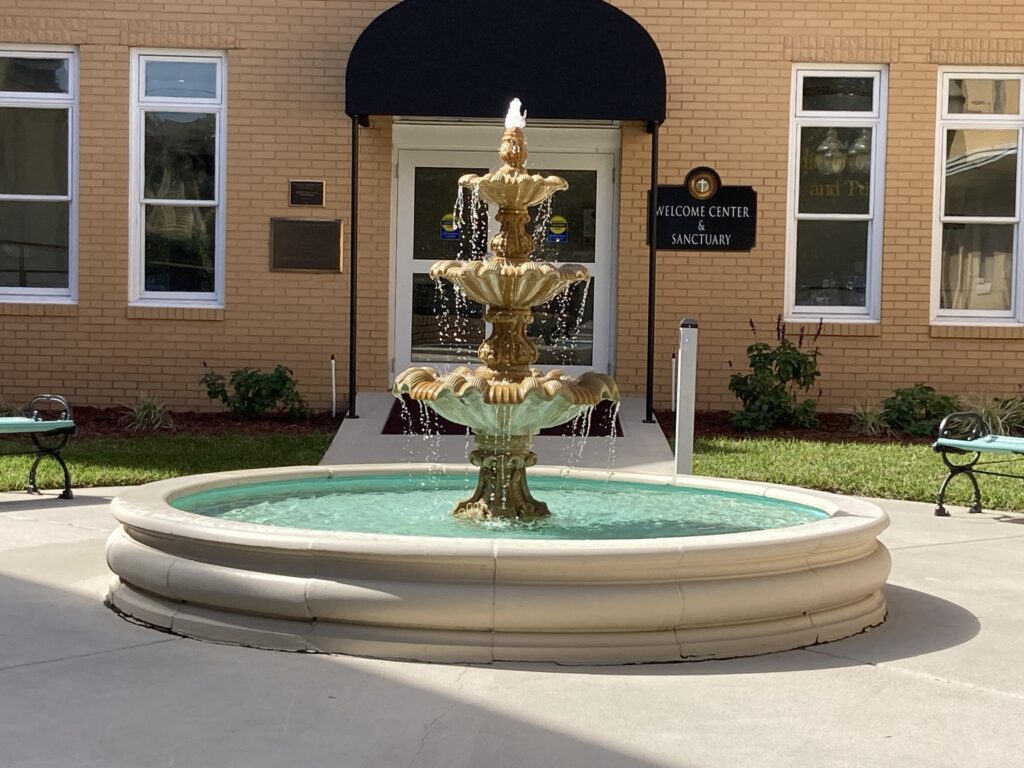
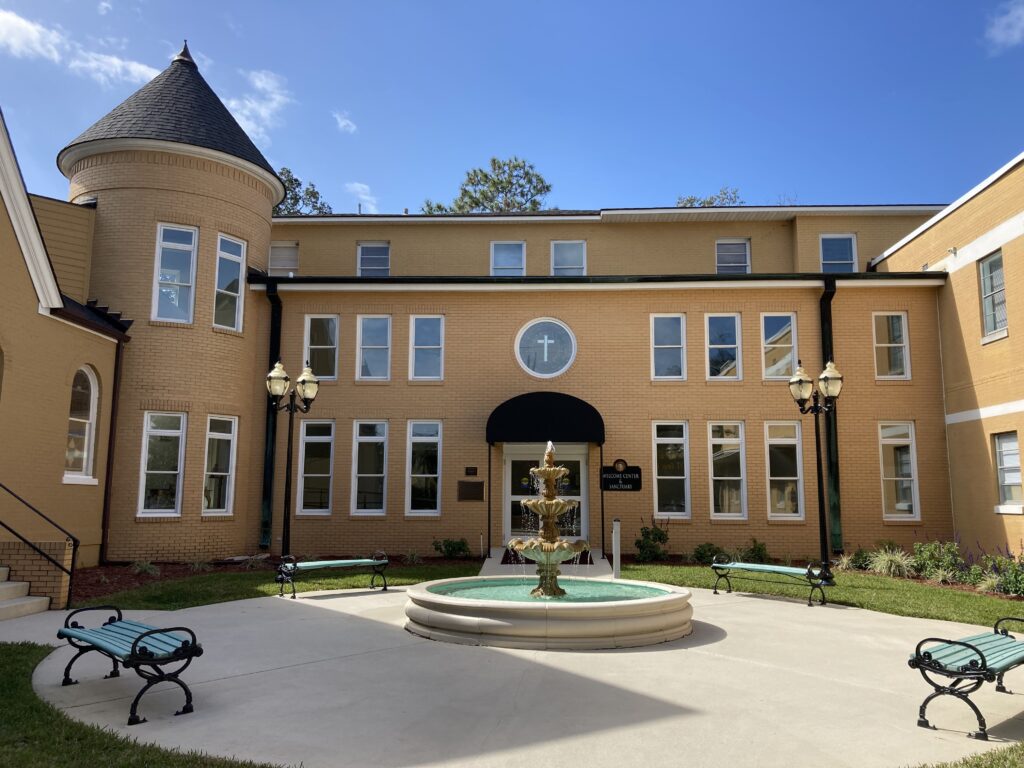
The Ancient City Baptist Church was built in 1885. Baptist leaders asked Henry Flagler for help in building a church. He gave them the land under the condition that they build a church within 2 years. The Baptists raided $10,000 and built the church in time.
Built in the Romanesque Revival style, the church is the first masonry Baptist Church in the state of Florida.
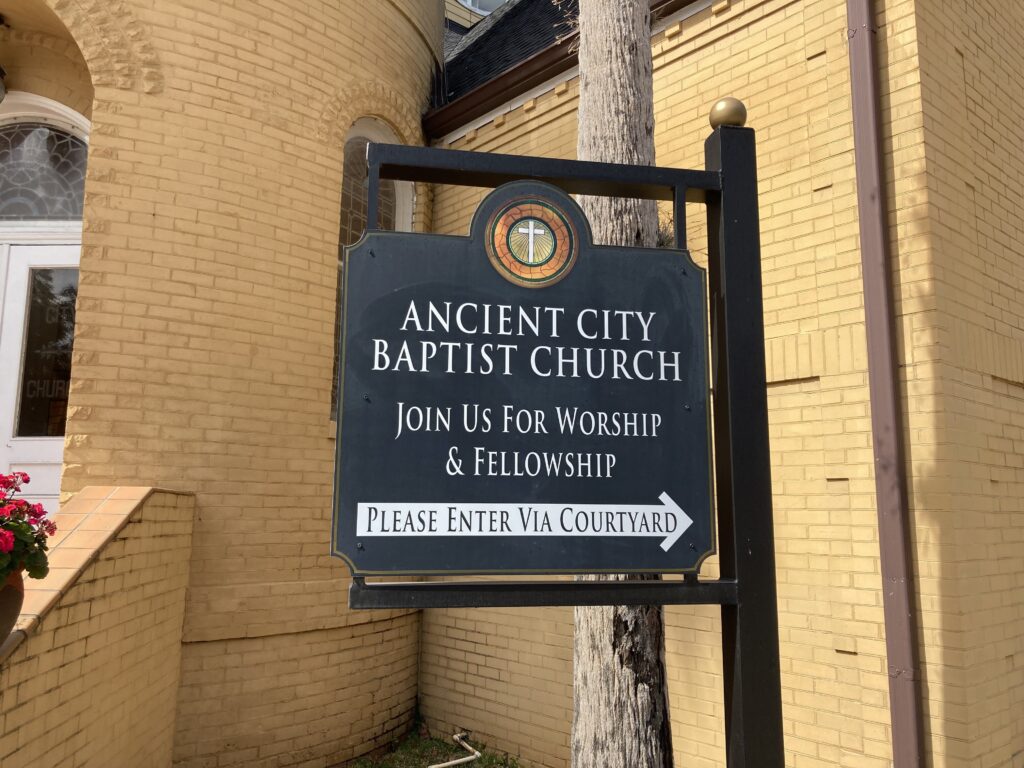
Ancient City Baptist Church is located at 27 Sevilla St in St Augustine, FL. Their phone # is 904-829-3476.
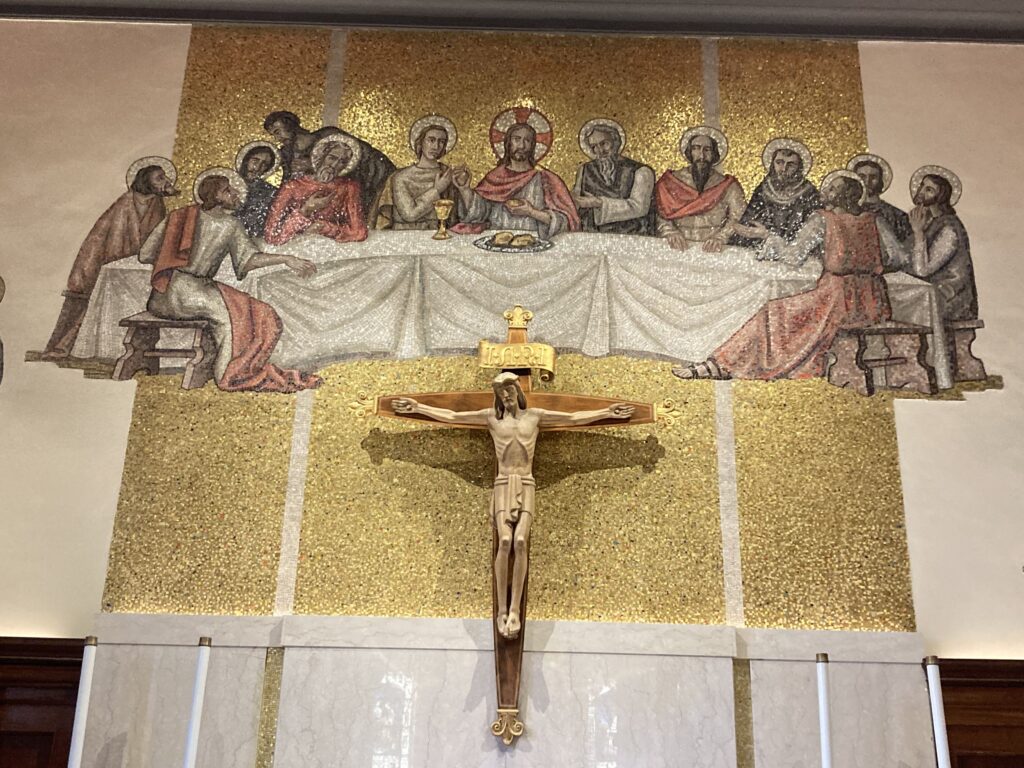
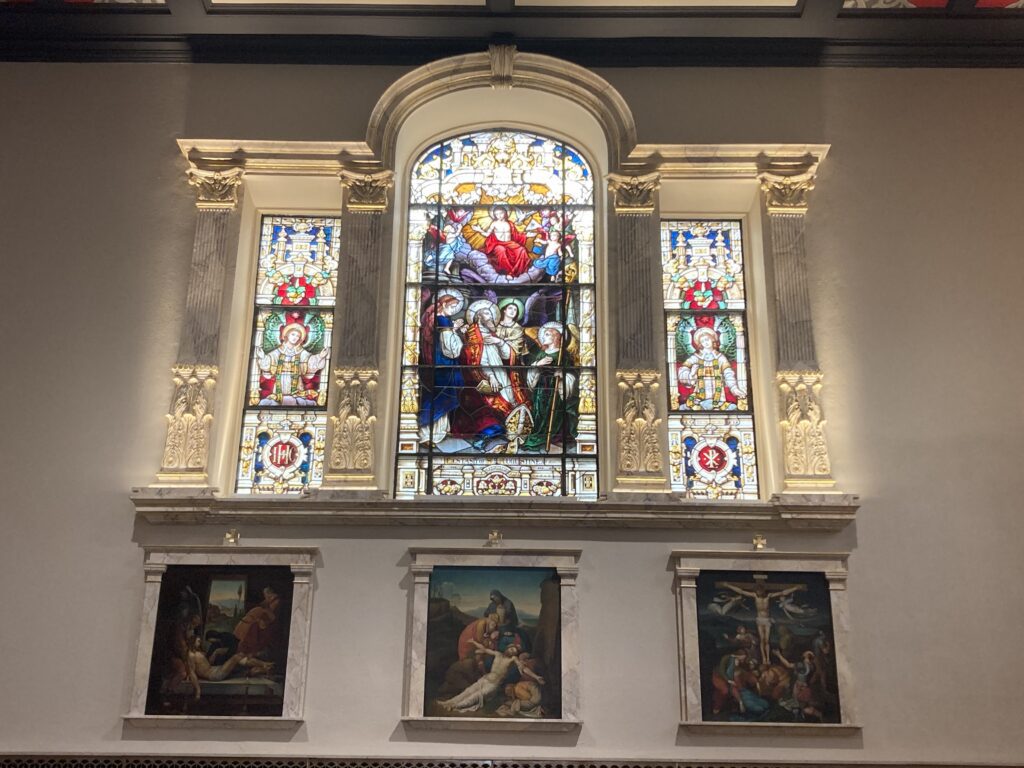
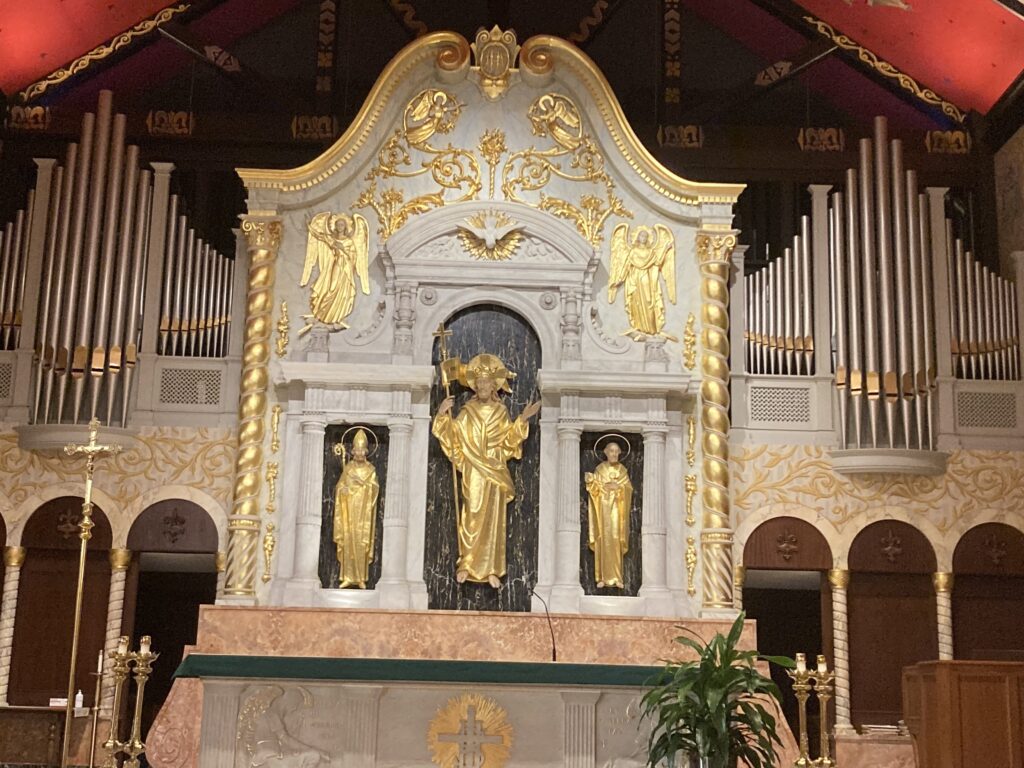
12. Cathedral Basilica of St Augustine
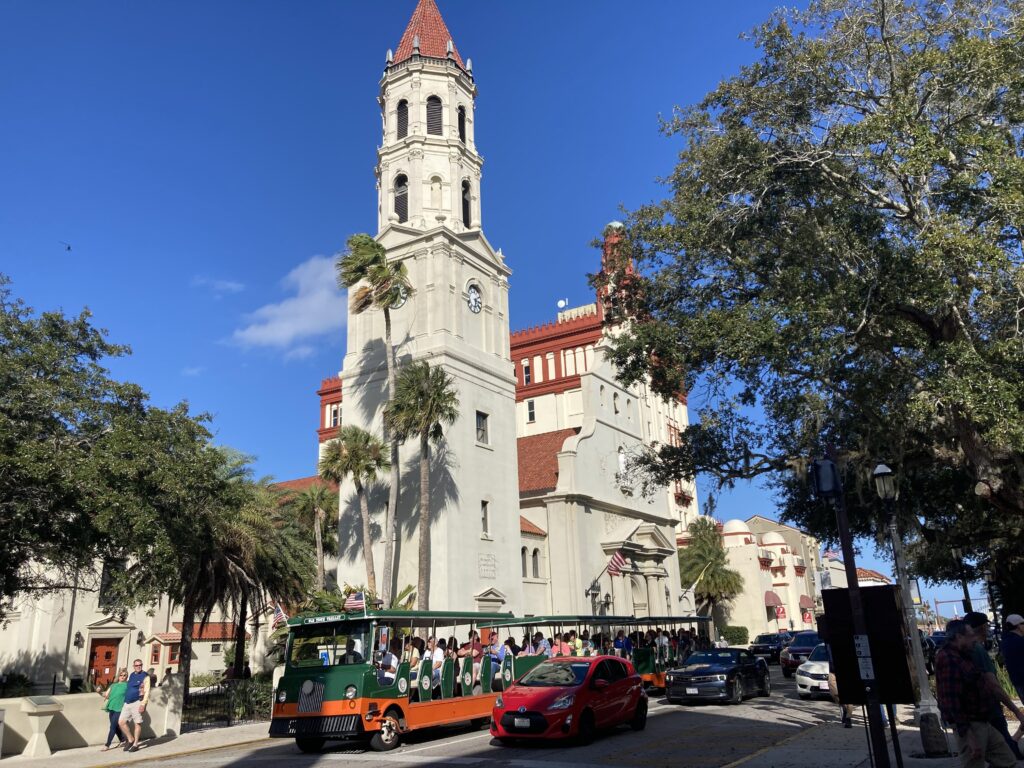
Cathedral Basilica is the oldest Roman Catholic parish in the United States. It was built from 1793-1797, during the Second Spanish Period.
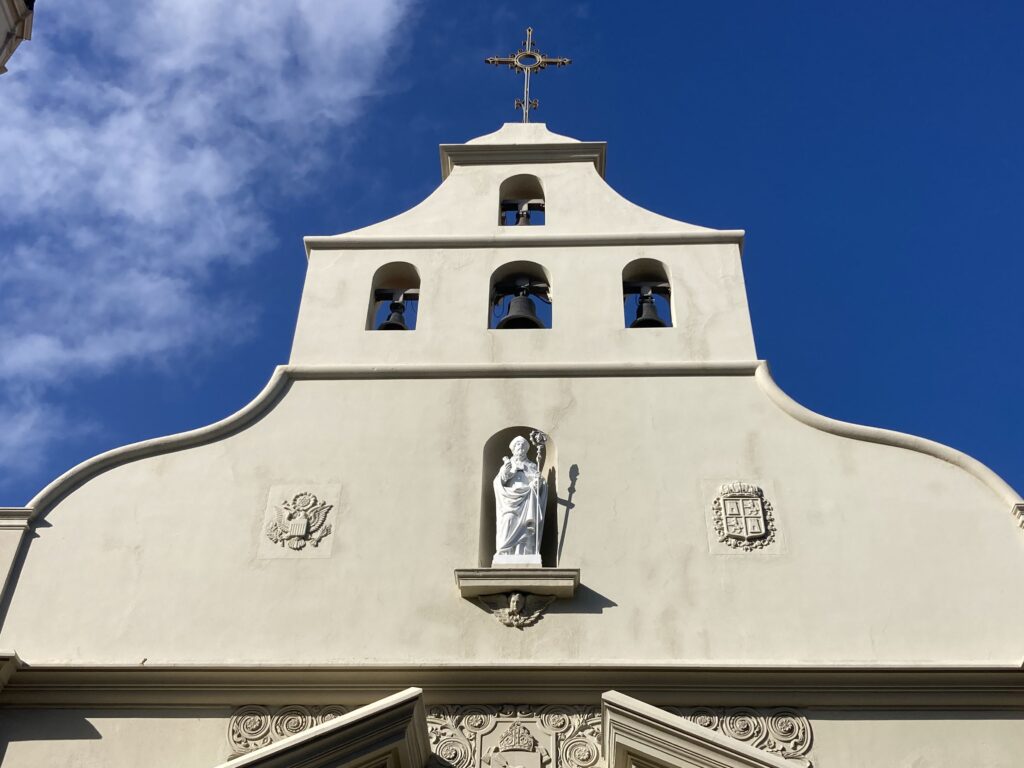
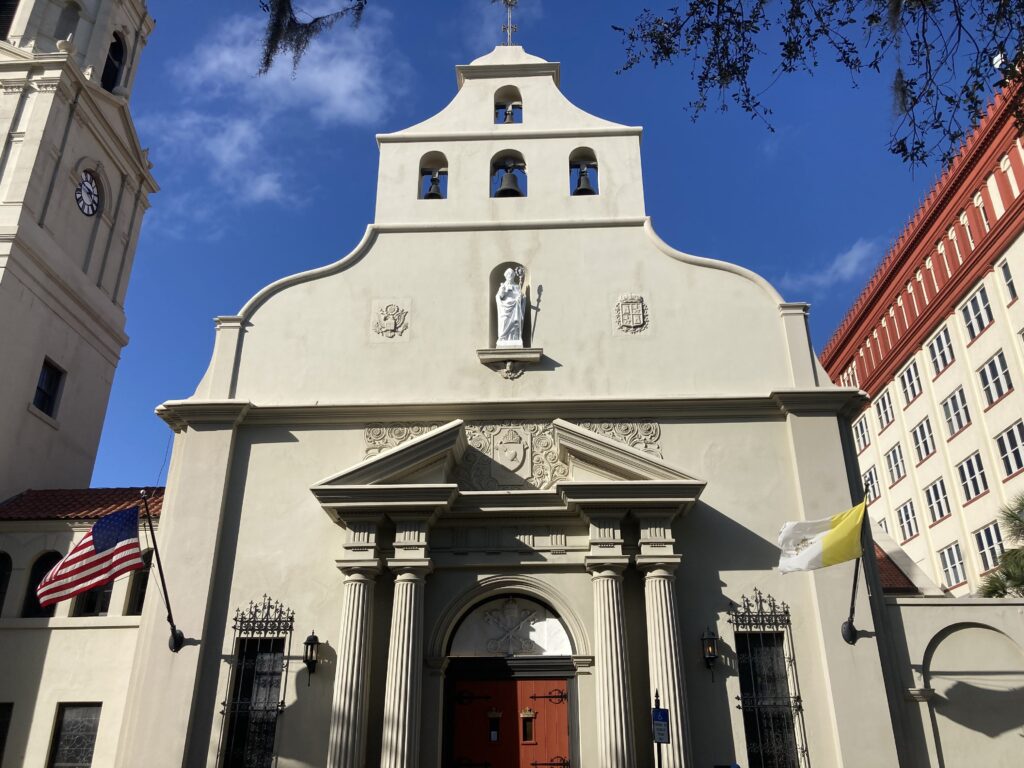
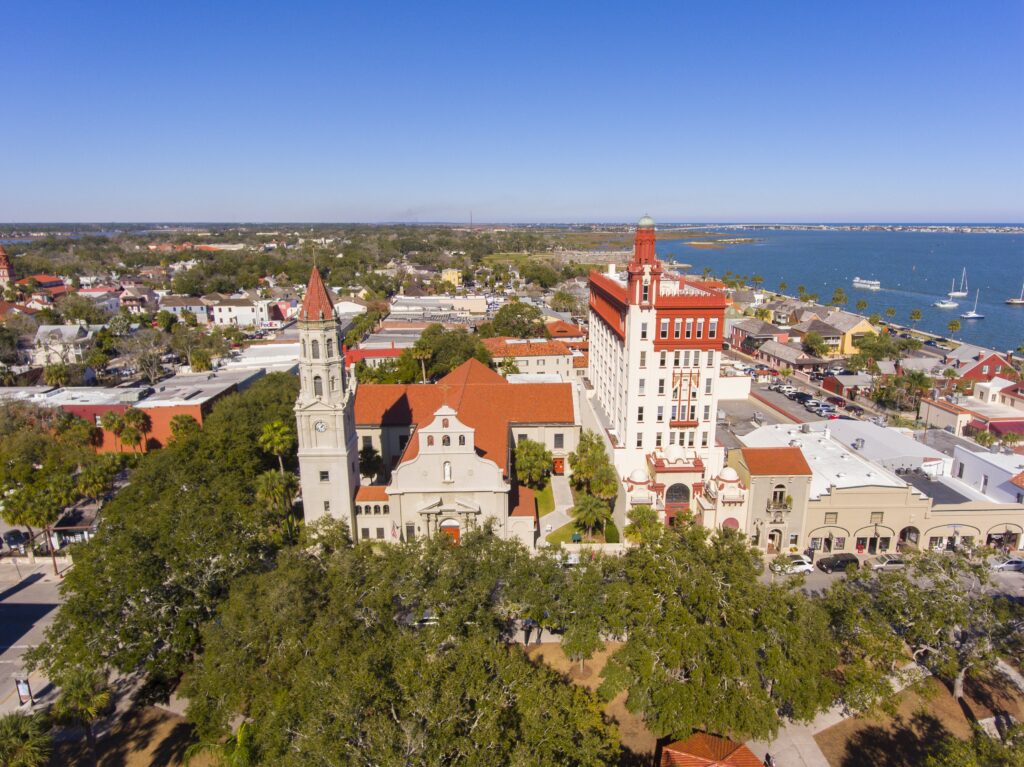

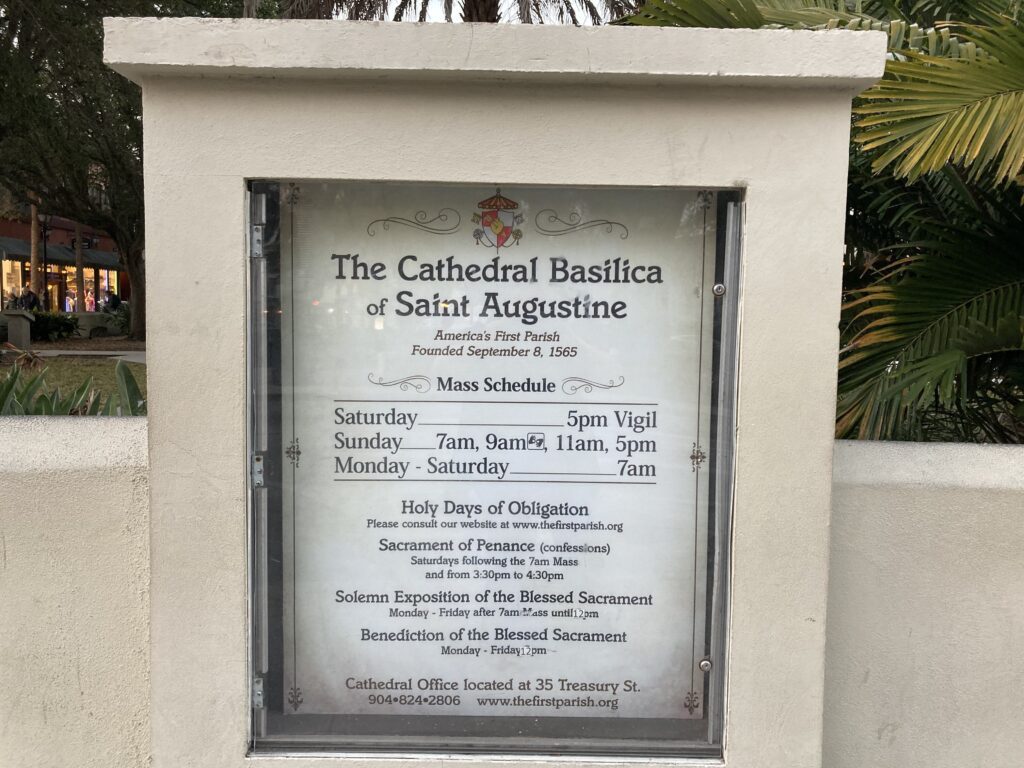

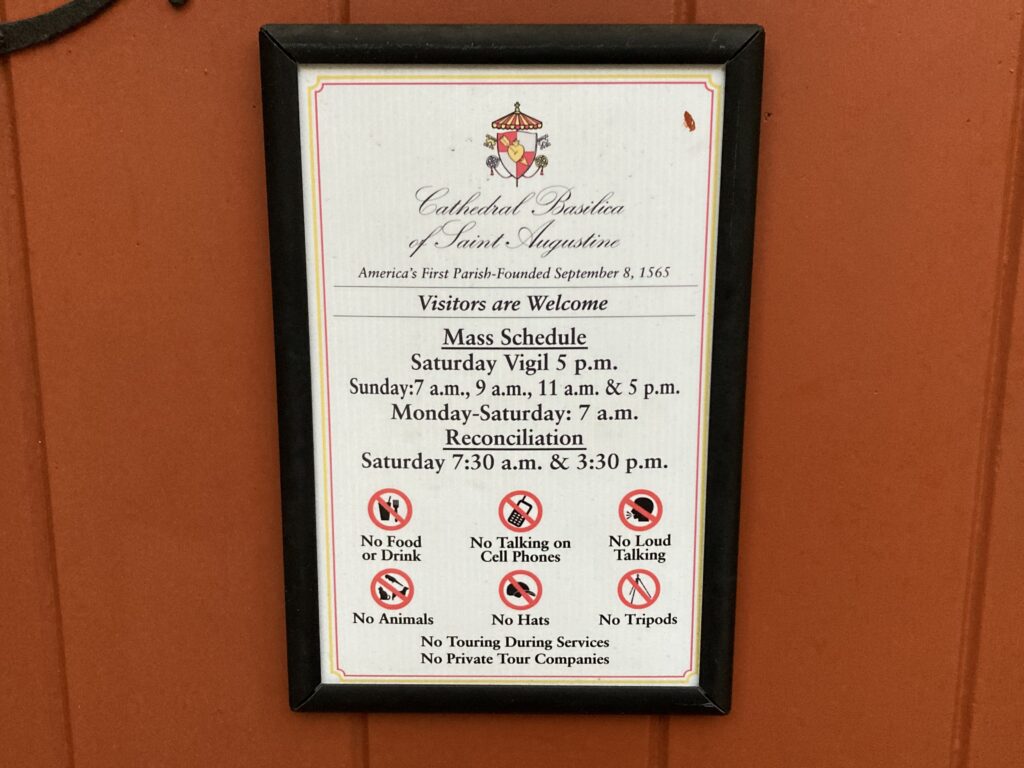
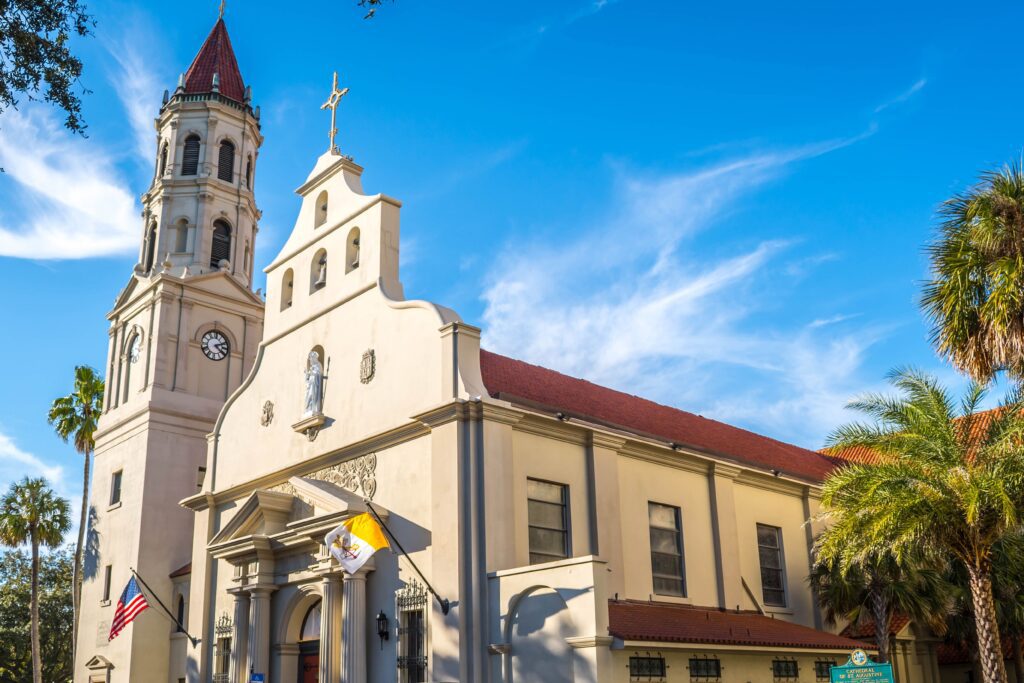
Visit Cathedral Basilica of St Augustine
Per a 1573 Spanish law, the church faces the Plaza de Constitucion, The “Law of the Indies for Spanish Colonial Town Planning” dictated that religious, government, and commercial functions in all Spanish territories face the central plaza.
Cathedral Basilica of St Augustine is located at 38 Cathedral Pl in St Augustine, FL. Their phone # is 904-824-2806.
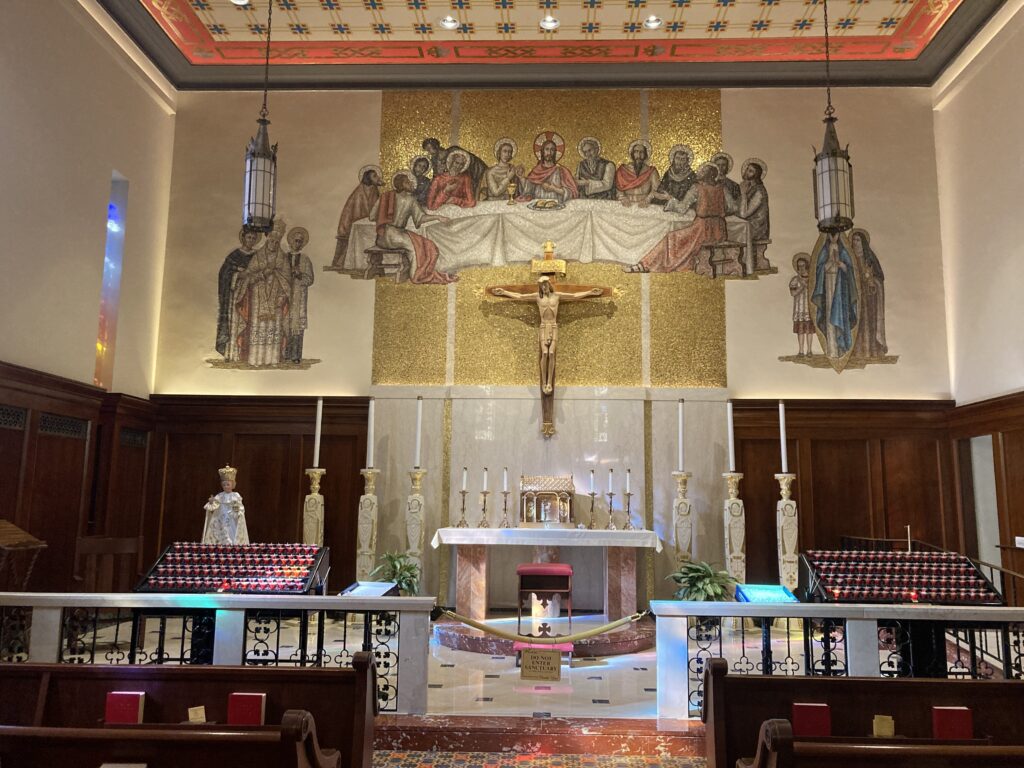
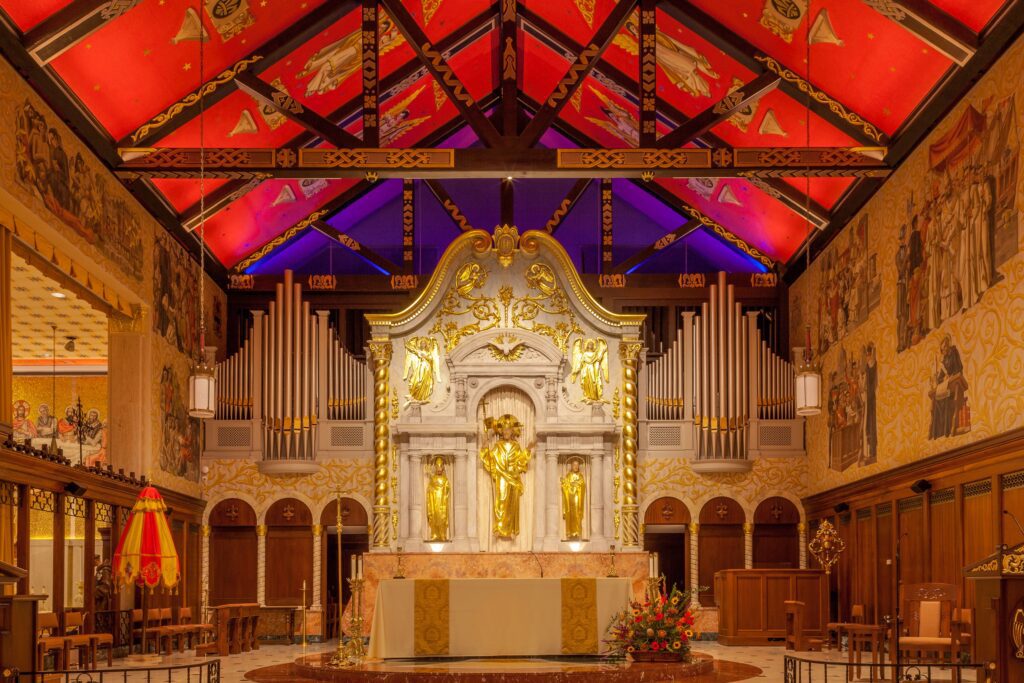


13. Trinity Episcopal Church
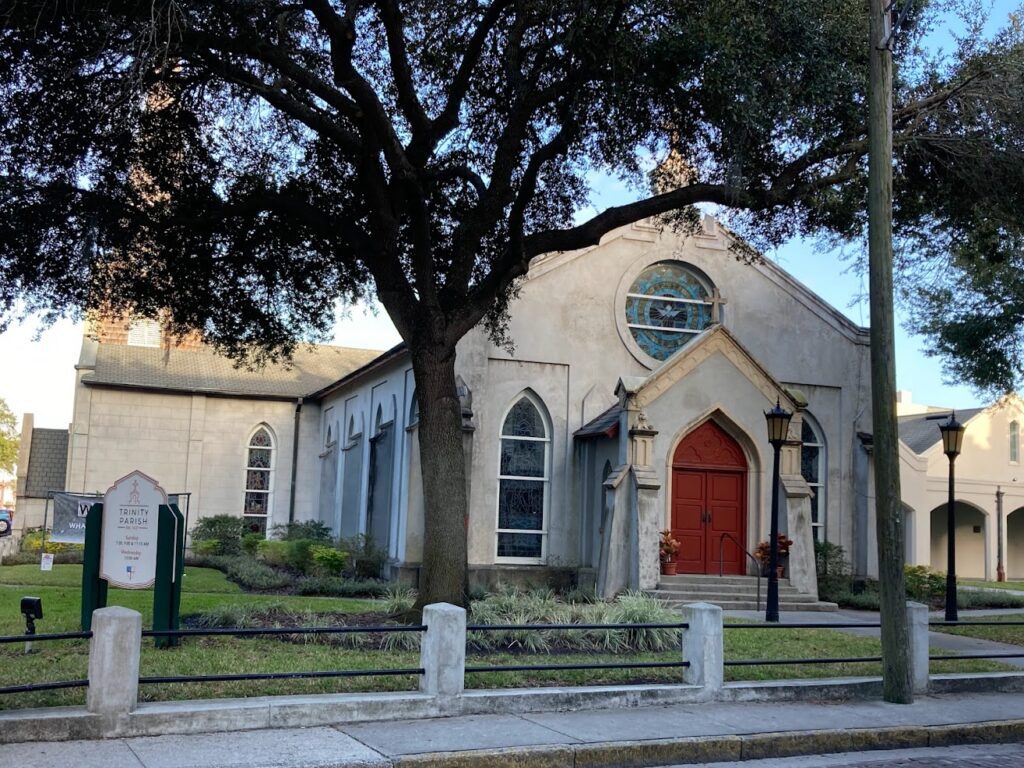
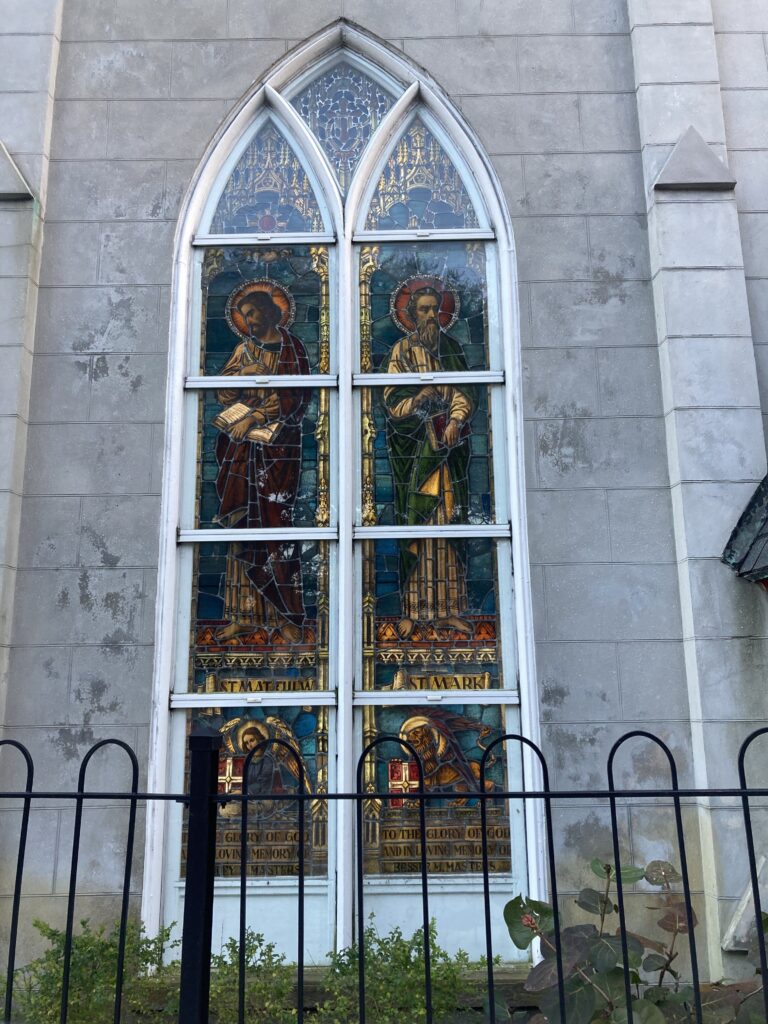
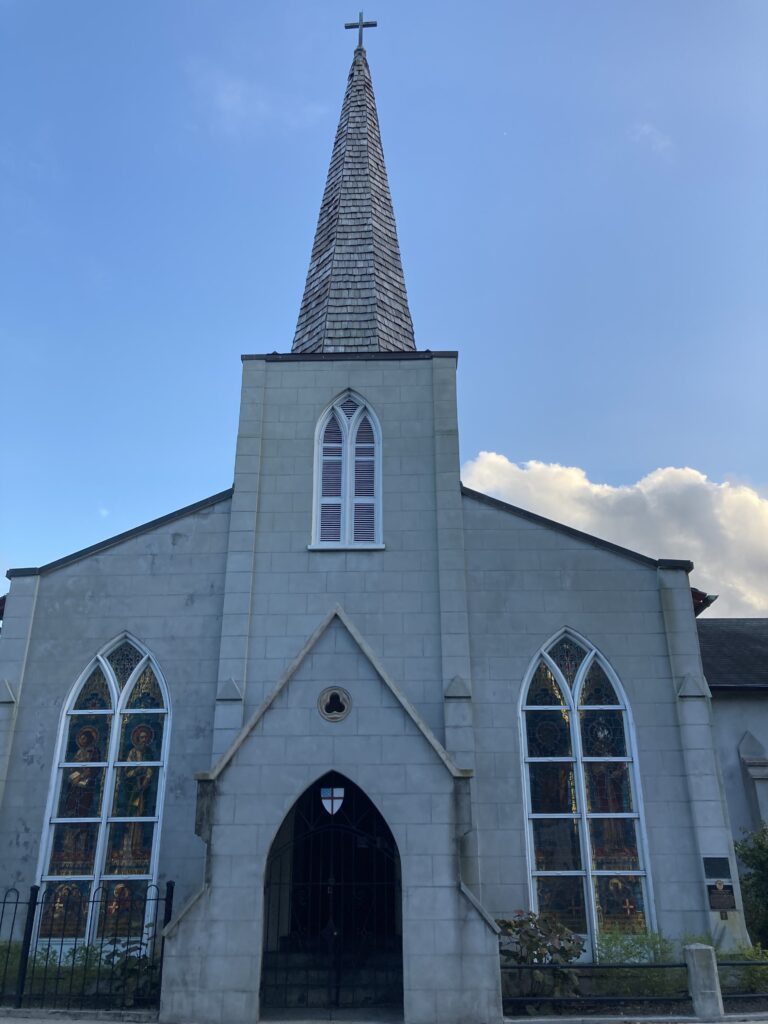
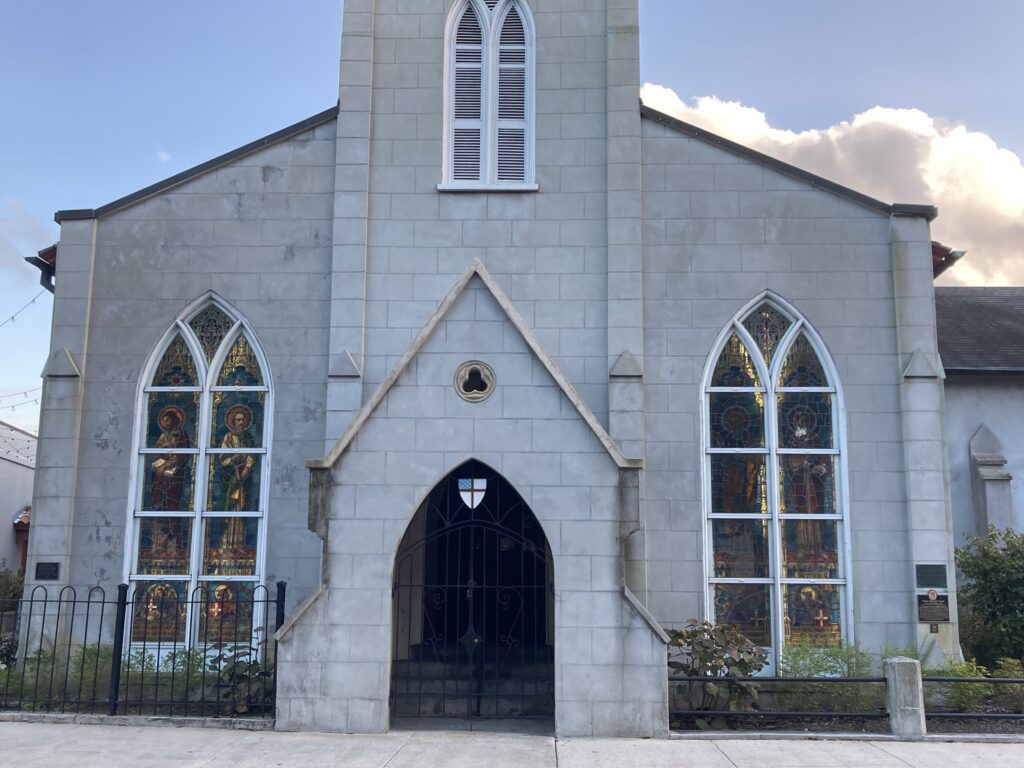
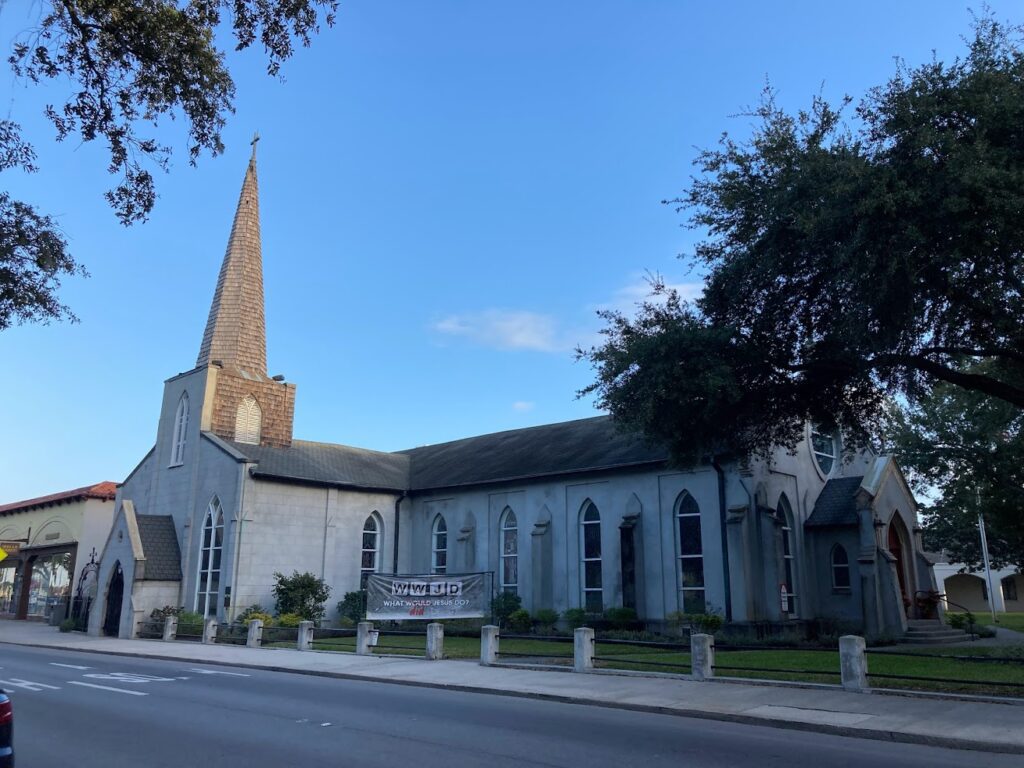
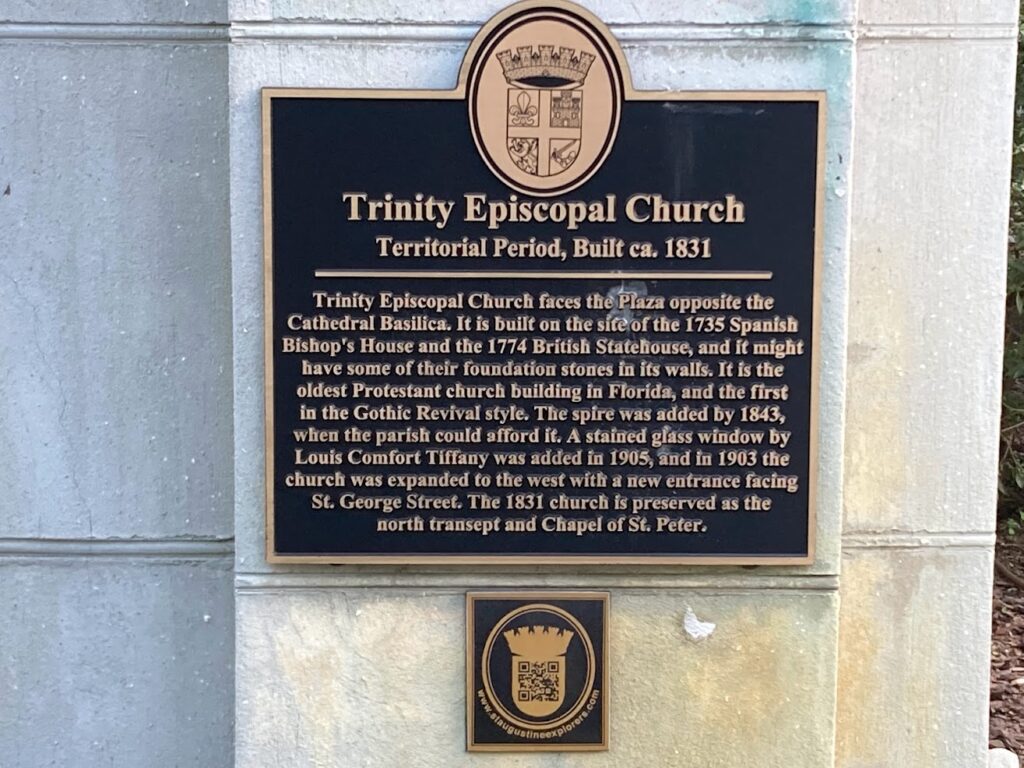
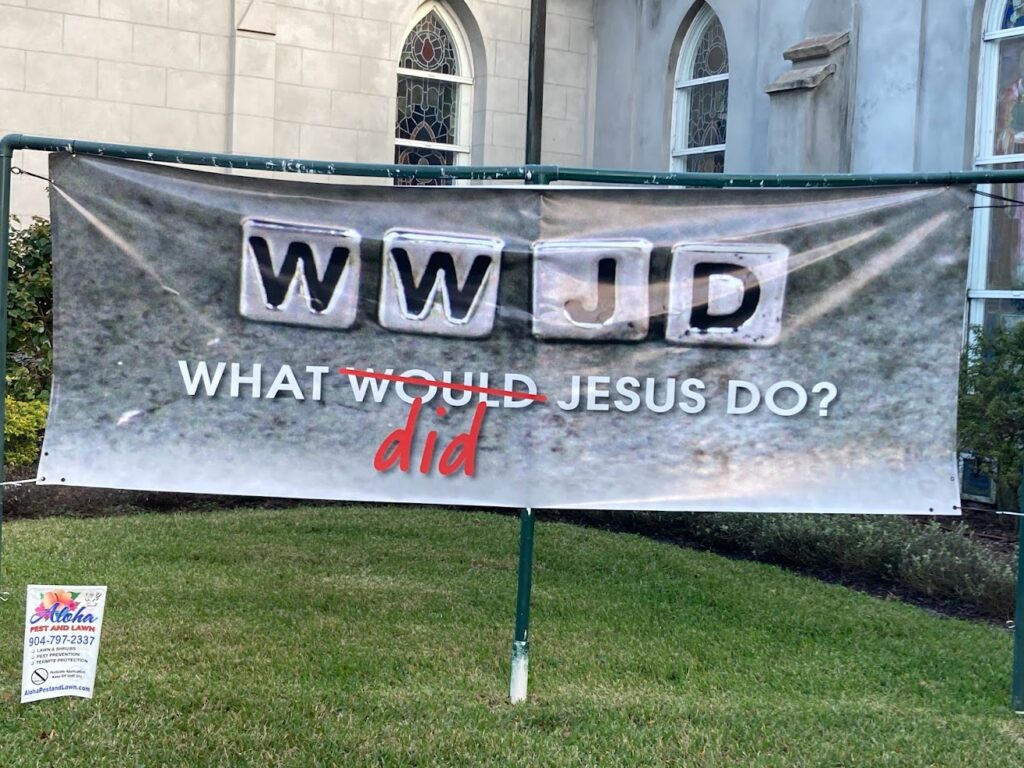
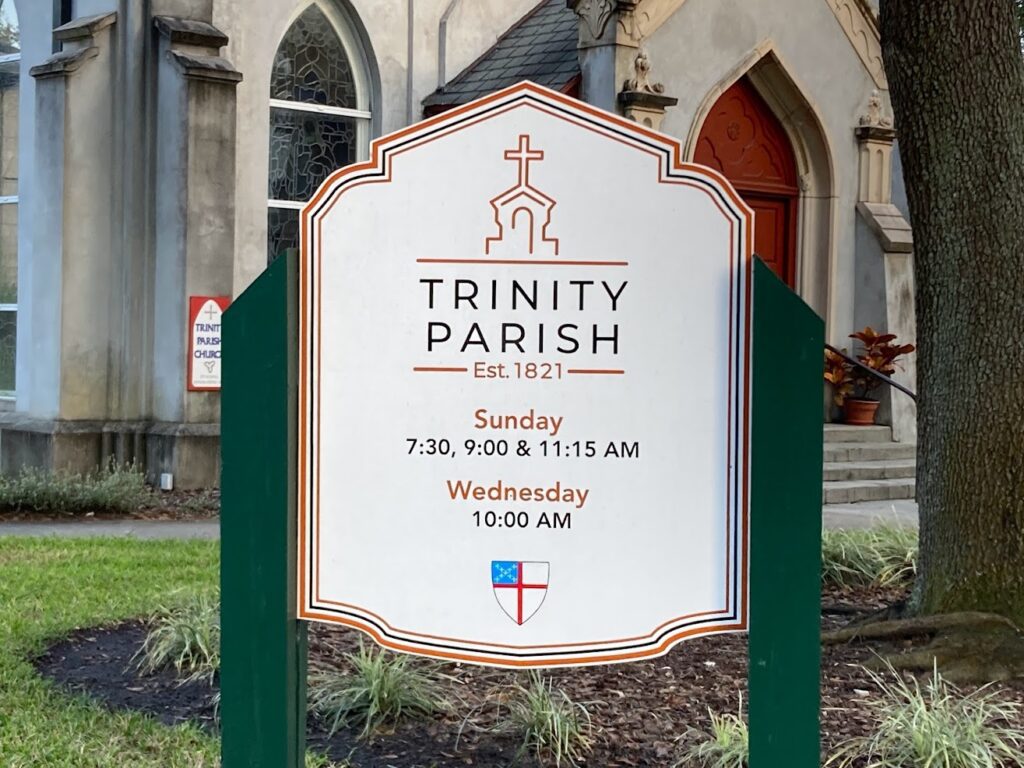
Trinity Episcopal Church is the oldest Protestant church building in Florida, and the first in the Gothic Revival style. It was built in 1831 on the site of the 1735 Spanish Bishop’s House and a 1774 British Statehouse.
The Church of England was established in Florida during the British occupation (1763-1783).
The Reverend John Forbes held services first in the Spanish Bishop’s House then on the current site. Later, the ancient Spanish church a short distance south on St George Street was renovated and renamed St Peters. There Anglican worship continued until the Spanish returned to Florida in 1784.
Trinity Episcopal Church is located at 215 St George St in St. Augustine, FL. Their phone # is 904-824-2876.


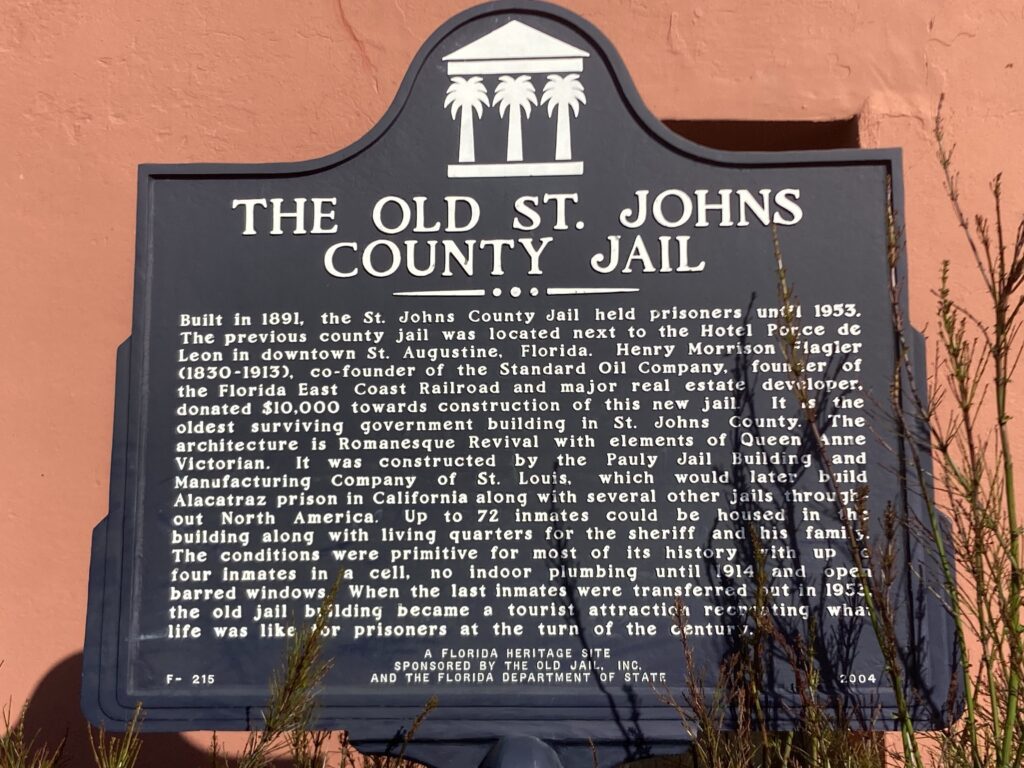
14. Old Jail Museum
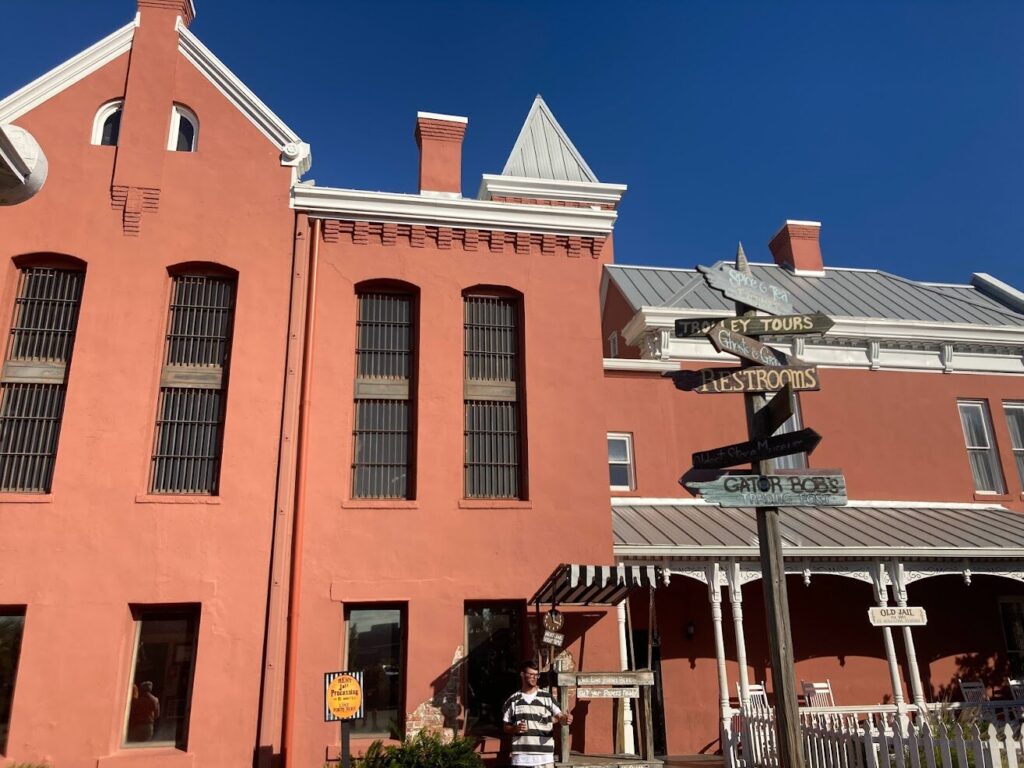
The Old Jail served as the St John County Jail from 1891-1953. Oil tycoon Henry Flagler financed the building so he could control both its appearance and location. Built to look like a hotel in the Romanesque Revival style, Old Jail is listed in the National Registry of Historic Places.
The Old Jail Museum offers a glimpse into the daily life of its prisoners; as well as the penal system of the 19th and early 20th centuries. It features a large collection of weapons and artifacts. Inmates in period dress relate fascinating stories about inmates that once occupied the cells and the sheriffs (and their families.) who lived just across the hall from them.
Tours depart every 20 minutes from 9:00am-4:30pm. Night tours of the Old Jail are offered as part of the Ghosts and Gravestones tour. Old Jail is located just north of downtown St Augustine. Free parking is available. It would be a crime for you to not visit!
Old Jail Museum is located at 167 San Marco Ave in St Augustine, FL. It is Open Daily from 9:00am – 5:00pm. Their phone # is 844-388-6452.
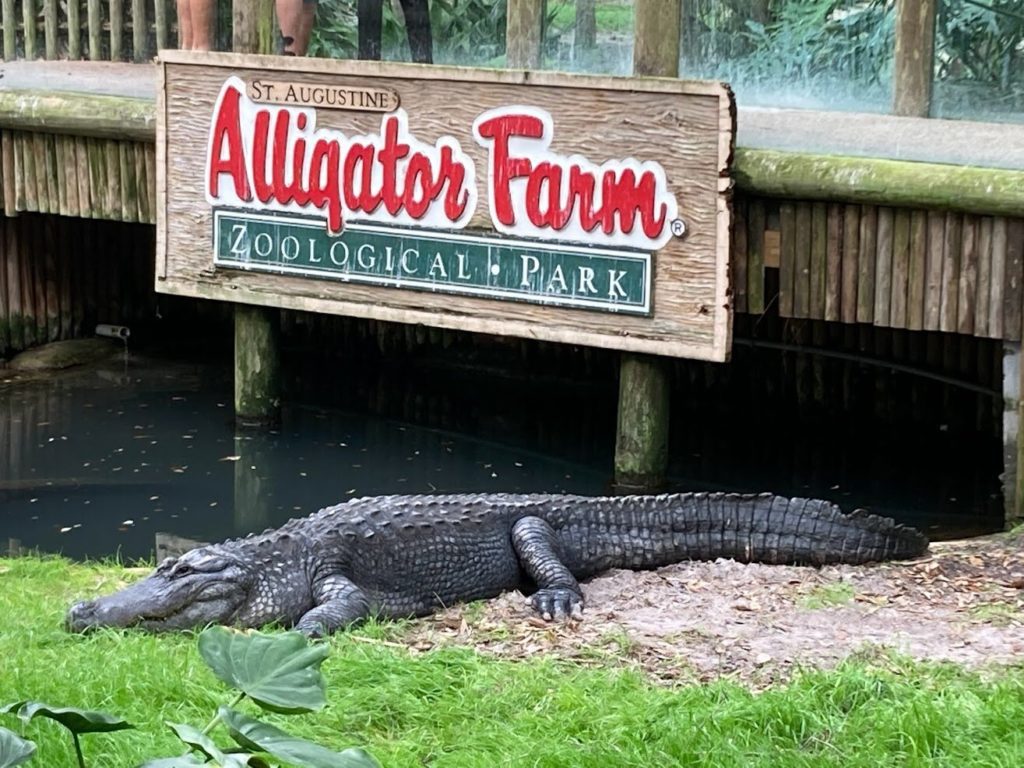
15. St Augustine Alligator Farm
St Augustine Alligator Farm is an accredited zoo that was founded in 1893. It is home to hundreds of alligators and 24 species of crocodiles.
Guests can pet an alligator, watch an alligator feeding, and see wild species such as Albino Alligators, herons, spoonbills, woodstorks, toucans, parrots, Australian emus and 7 different types of monkeys.
Keep checking for the Mama Kim’s St Augustine Alligator Farm blog.
St Augustine Alligator Farm is located at 999 Anastasia Blvd in St. Augustine, FL They are Open Daily from 9:00am – 5:00pm. Their phone # is 904-824-3337.
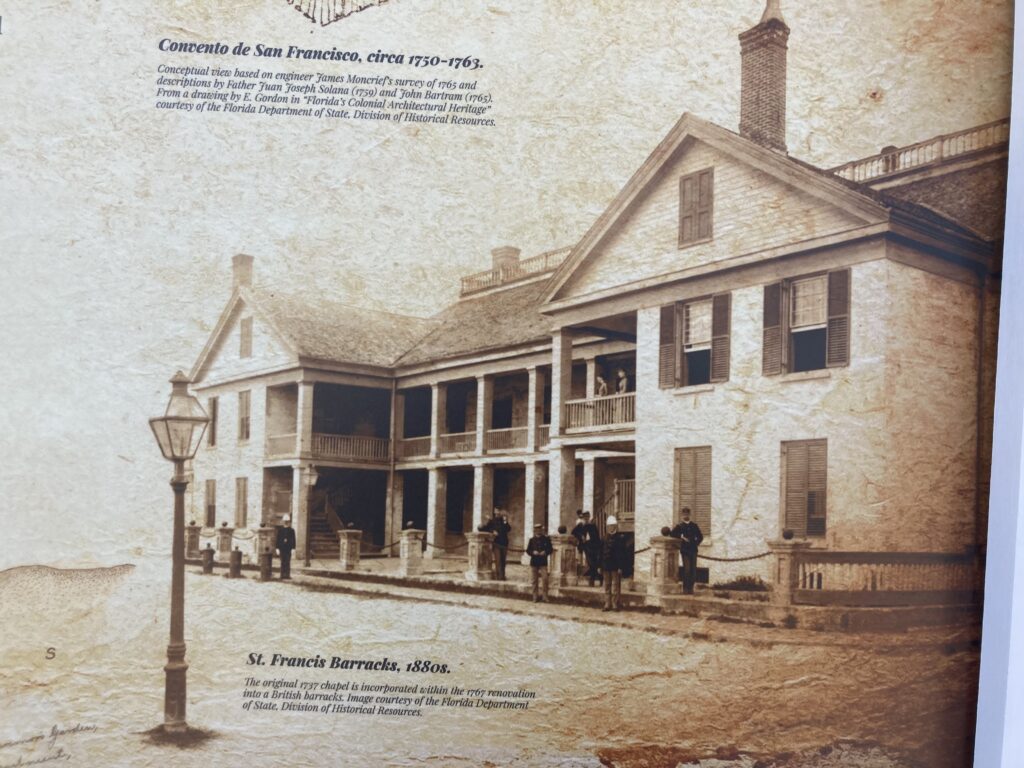
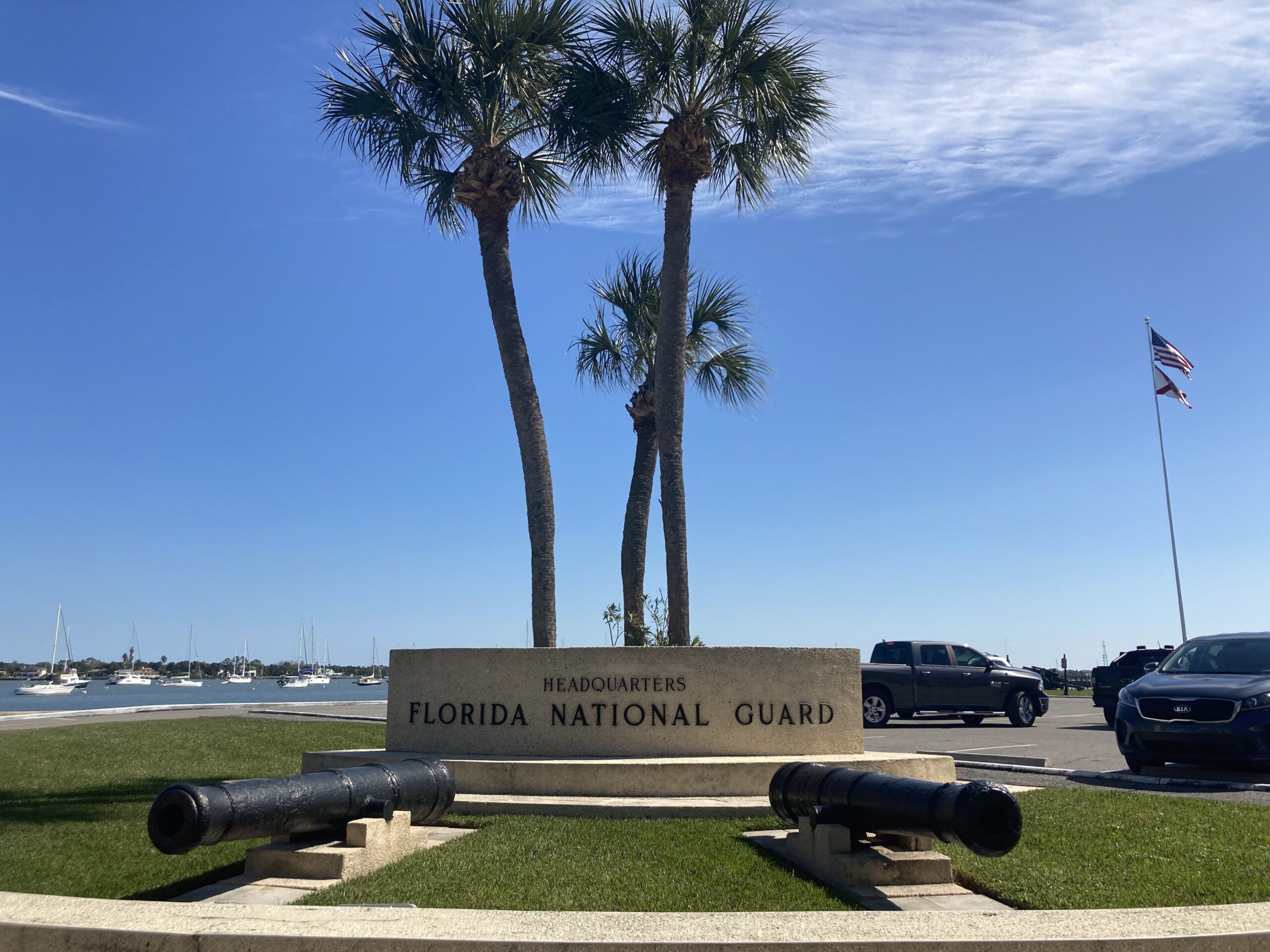
16. St Francis Barracks – Headquarters of the Florida National Guard
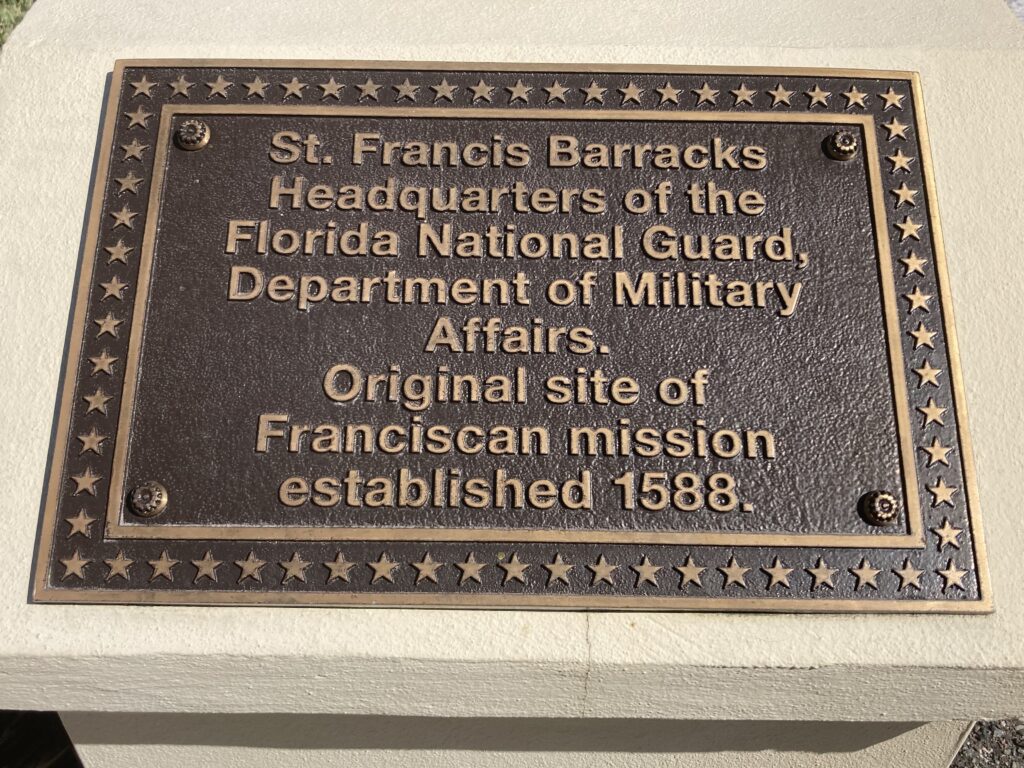
The Florida National Guard is headquartered in St Augustine. It’s heritage dates back to 1565, when the Spanish founders of St. Augustine organized their first company of citizen soldiers. Florida’s militia has defended local communities for over 440 years.
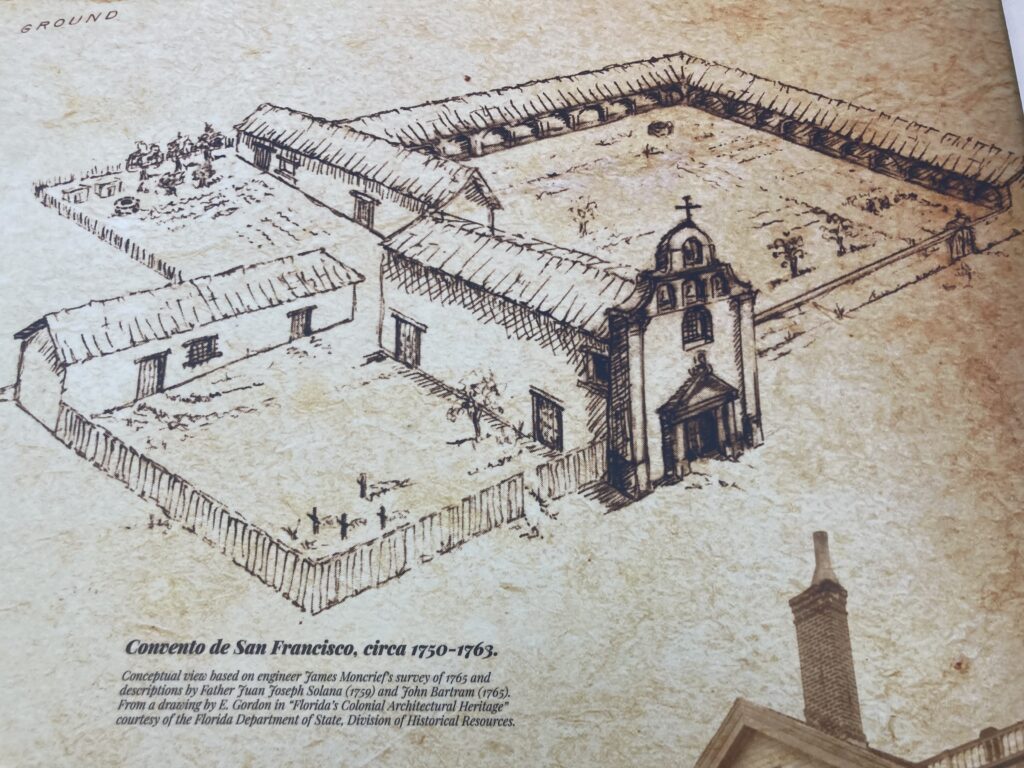
The Florida National Guard Headquarters is located at the site of the historic Convento de San Francisco/St Francis Barracks. Visitors can tour the small onsite museum to learn about Florida’s military history.
St Francis Barracks Museum is located on the bayfront at 82 Marine St om St Augustine, FL. It is open Monday-Friday from 8:30am-5:00pm. Please call 904-823-0364 or 904-823-0166 to make a reservation.
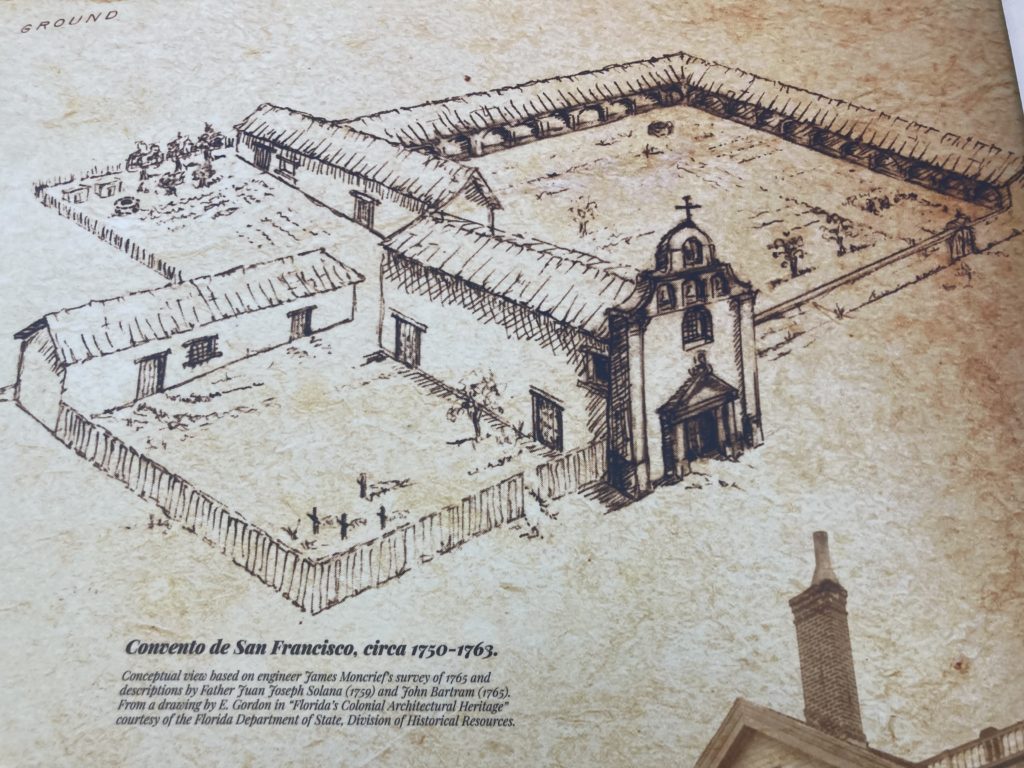
Convento de San Francisco
Convento de San Francisco is a Franciscan mission that was built in 1588. For 175 years it was the headquarters of a mission system that served Florida’s native population from the Florida Panhandle to the southern coastal region of today’s Georgia.
In 1702 British Carolina Governor James Moore and an army of 1,000 troops destroyed the city of St Augustine; including the wood Convento.
The mission was reconstructed using cocquina, a naturally occurring shell stone quarried locally. The new chapel took almost 20 years to build and was completed in 1737.
St Francis Barracks
In 1763 the British gained control of Florida. The Franciscan chapel and friary was converted into a military barracks.
Enlisted soldiers lived in St Francis Barracks, and officers resided in the private rooms of the former friary. When the Spanish regained control of Florida in 1783, the sited continued to be used as a military barracks.
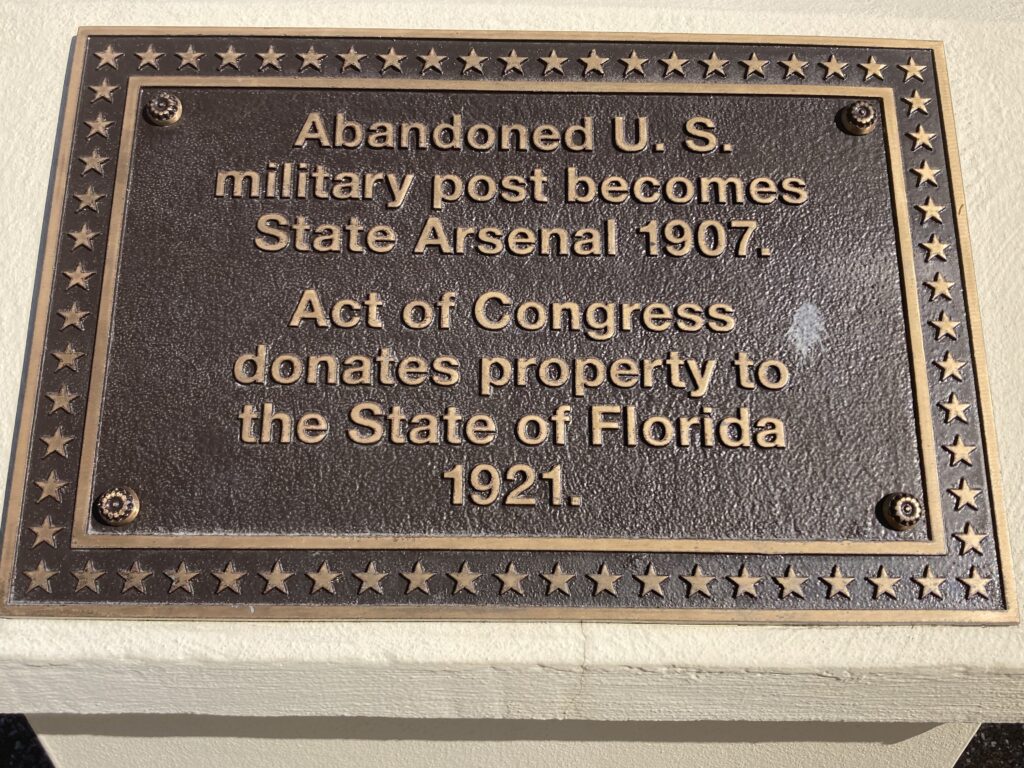
When Florida was ceded to the United States in 1821 the property served as a United States Army post. Then in 1907, the Florida National Guard leased the property for use at its headquarters.
In 1921 ownership was transferred to the state of Florida. The property continues to serve as an administrative headquarters for the Florida National Guard.



Where To Stay in St. Augustine
St. Augustine charms with its historic streets, coastal breeze, and rich culture. Staying downtown gives you easy access to cobbled lanes, historic landmarks, and waterfront dining. Here are three top‑rated stays for every budget:
Budget – Budget Inn St. Augustine
Located on Anastasia Island just across from downtown, this newly renovated motel offers simple, clean rooms with free Wi‑Fi, parking, and a microwave/fridge.
Why stay? You get comfort and convenience without breaking the bank – perfect for beach days or heritage strolls.
➡️Click here to book your stay at Budget Inn St. Augustine!
Mid‑Range – Hilton Garden Inn St. Augustine Historic District
Right in the historic heart, the Hilton Garden Inn delivers modern comforts: an outdoor patio, fitness center, on‑site dining, and easy access to restaurants and Castillo de San Marcos.
Why stay? Ideal for families or couples who want both charm and reliable amenities at a fair price.
➡️Click here to book your stay at Hilton Garden Inn!
Luxury – Casa Monica Resort & Spa, Autograph Collection
A Moorish‑Revival landmark on Cordova Street, Casa Monica Resort dazzles with ornate décor, a full‑service spa, lush courtyard, and historic grandeur.
Why stay? For travelers seeking opulence, character, and city‑center access to museums, tours, cafés, and more.
➡️Click here to book your stay at Casa Monica Resort & Spa!
Final Thoughts
St. Augustine is the oldest city in the U.S. and a must-visit destination for anyone exploring the East Coast. Key attractions like the Castillo de San Marcos and the Ponce de León “Fountain of Youth” are must-sees. You’ll get to know why this city has remained a significant part of American history for over 450 years!
If you’re looking for a destination filled with culture and history, St. Augustine is the perfect choice!
Check out my blog The Top 10 Bucket List Things To Do in Hot Miami!