Kom Ombo Temple: All You Need to Know (2026)
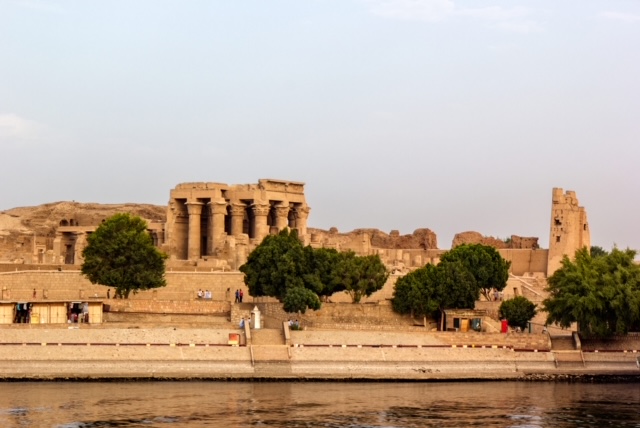
Kom Ombo is a Greco-Roman Temple that is world renown for its 2,000 year old hieroglyphics of surgical instruments. It was built during the Ptolemaic Dynasty from 180-47 B.C.. Dedicated to Sobek the Crocodile God, Kom Ombo also features a Crocodile Museum.
Kom Ombo Temple is located 2 miles south from the town of Kom Ombo; 1 hour north of Aswan; and 3 hours south of Luxor.
Dedicated to 2 Gods – Sobek and Horus
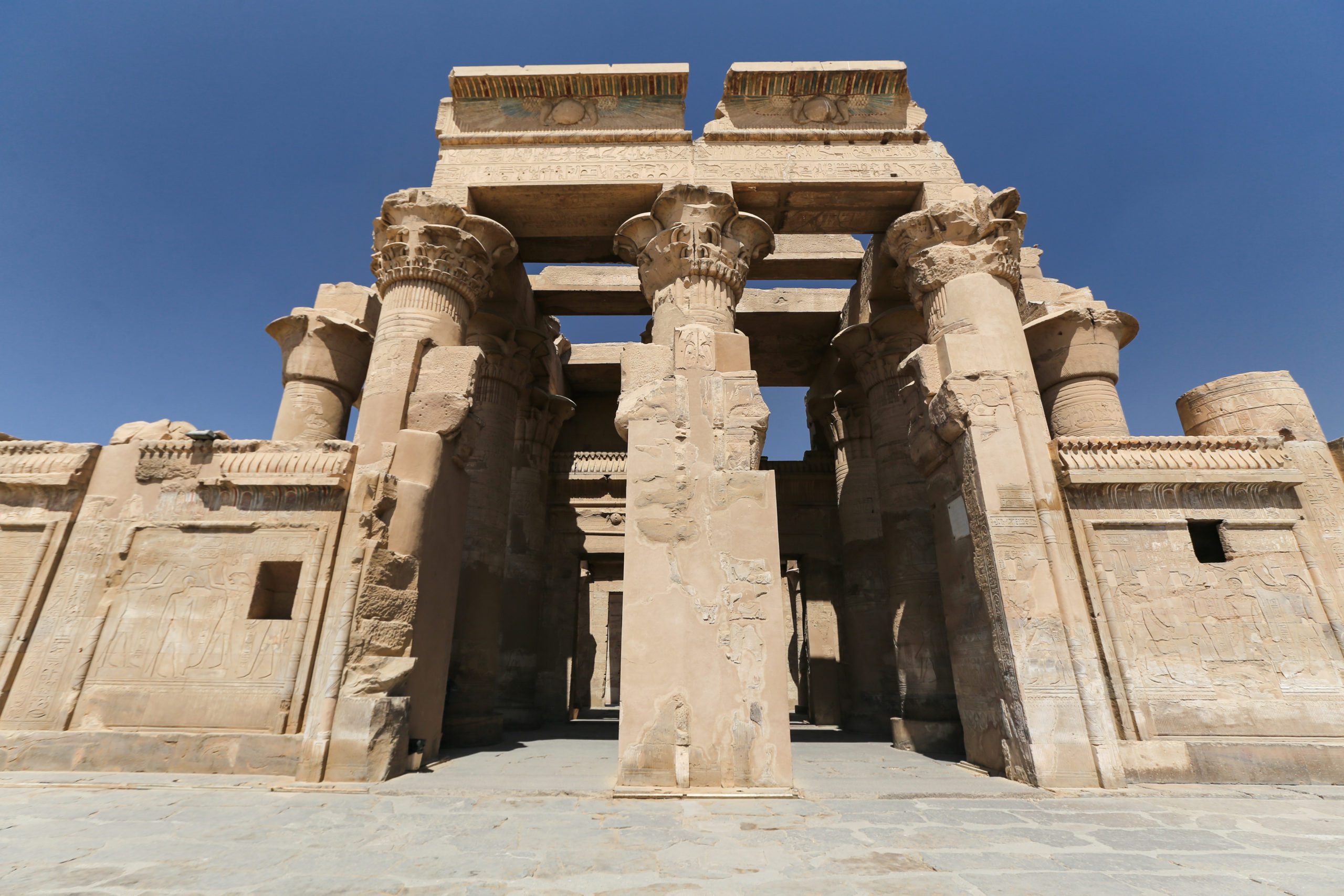
Kom Ombo is unusual because it is dedicated to 2 different gods. (Most Egyptian temples were only dedicated to one).
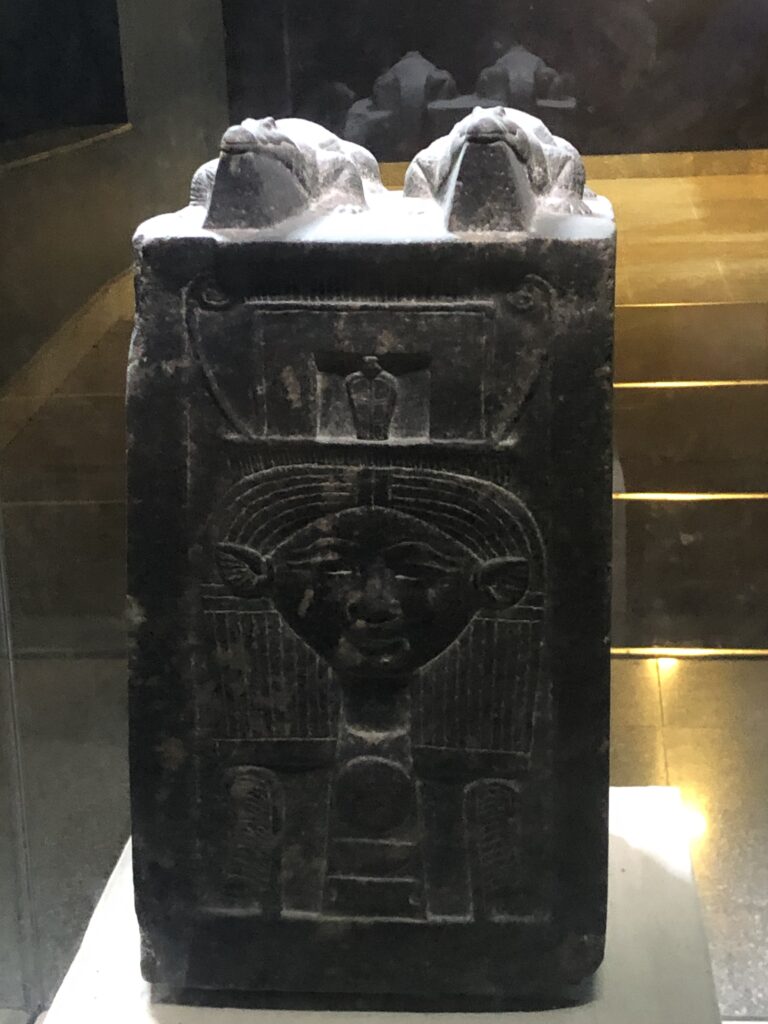
The temple’s southern sanctuary was dedicated to Sobek the Crocodile headed God of the Nile. And its northern sanctuary was dedicated to Horus the Falcon headed God of the Sky.
Kom Ombo is also unique because is a “double” temple. It has twin entrances and twin sanctuaries – one for Sobek and oe for Horus. In addition, the temple has duplicate courts, halls, sanctuaries and rooms; perfectly symmetrical on each side of the main axis.
Rectangle Shape
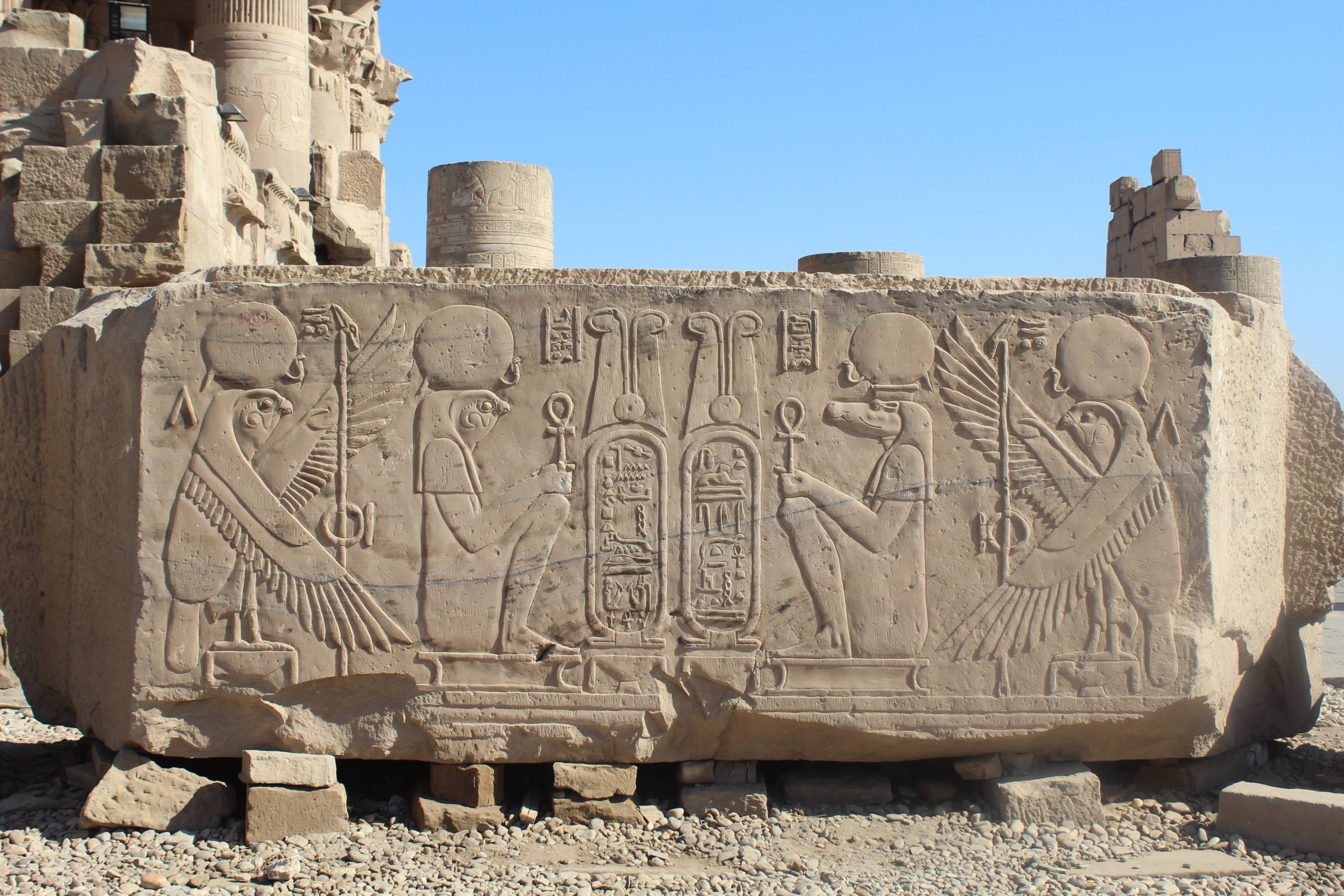
Kom Ombo Temple is made out of limestone and is in the shape of a rectangle. Its plan and design are similar to many temples constructed during the Greco Roman period, including the Temples of Dendara and Philae.
Medical Hieroglyphics
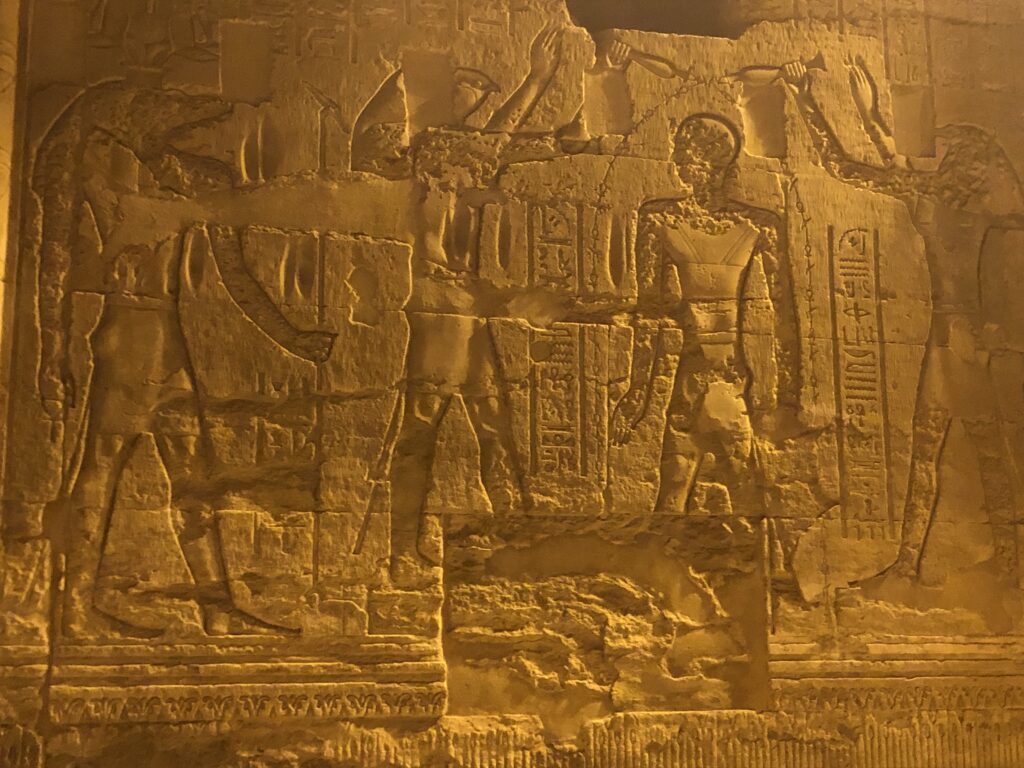
Kom Ombo is known for its hieroglyphics of medicine formulas and surgical instruments. (Located along the inside of the outer wall).
The left side of the below picture features women sitting on birthing chairs. And the center features medical instruments. It is amazing to see what scalpels, suction cups, bone saws, and dental tools looked like 2,000 years ago!
No visit to Cairo is complete without seeing the Pyramids of Giza, and the Grand Egyptian Museum is just a short distance away, making it easy to plan both in one trip.
Dedicated to Sobek the Crocodile God
Until recent times, the Nile River was infested with aggressive Nile Crocodiles. They would lie on the river bank and wait to prey on both humans and animals.
Locals prayed to Sobek the Crocodile God of the Nile for protection. The Kom Ombo Temple was built across from an island with a large crocodile population, and was dedicated to Sobek.
Crocodile Mummies
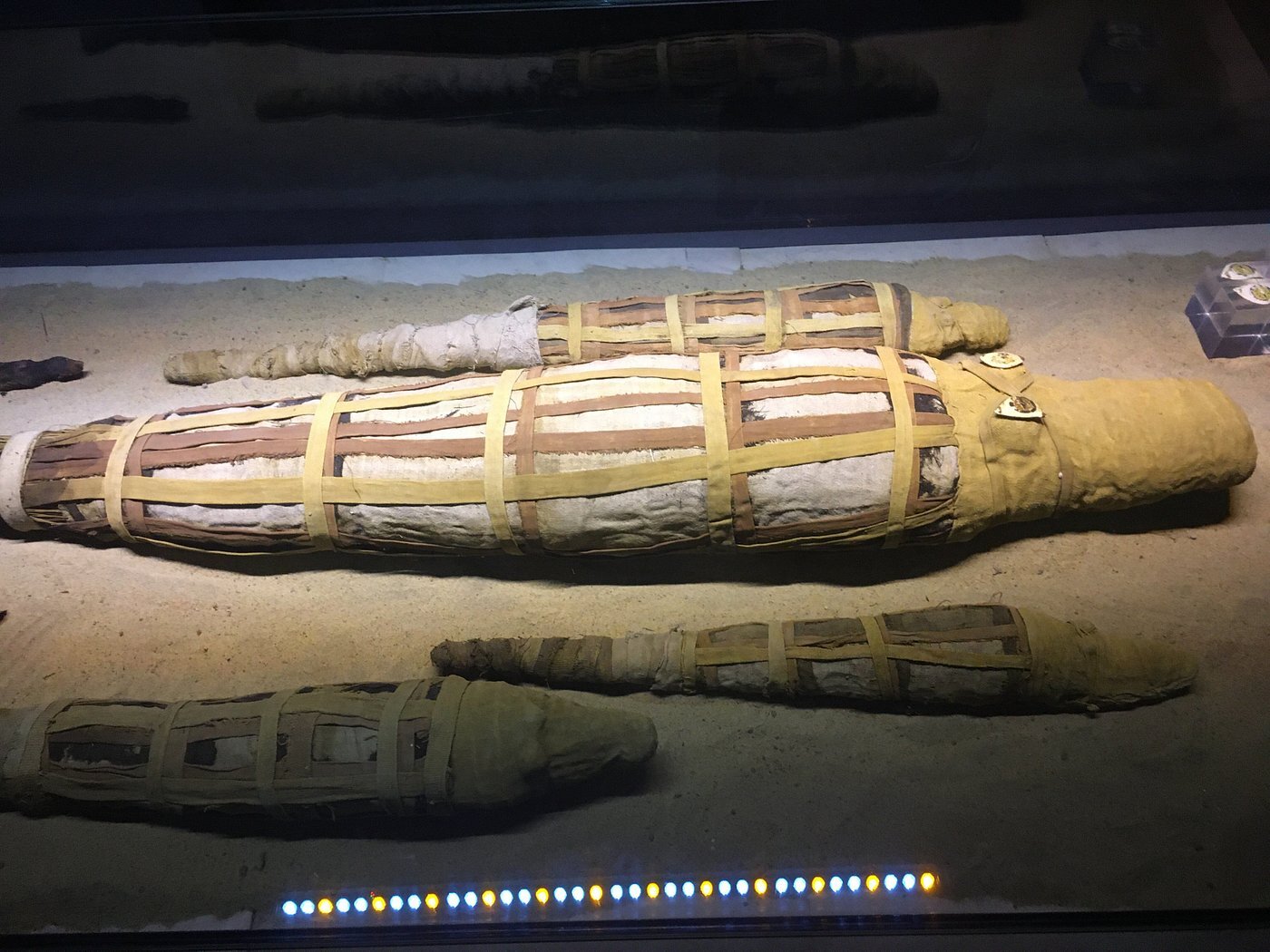
The temple priests kept certain crocodiles that they considered sacred at the temple. The crocodiles were spoiled and some even wore earrings and bracelets made out of gold!
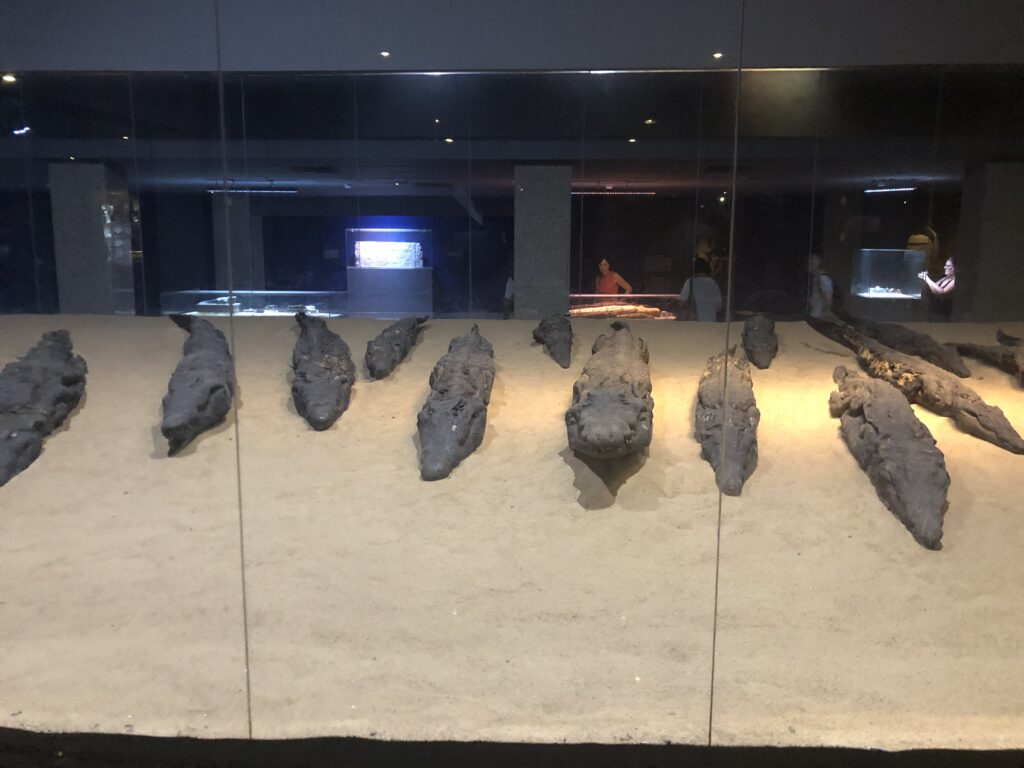
300 mummified crocodiles were found buried in cemeteries around the temple. Mummification preserved the body for the afterlife by removing moisture. Organs were removed and the body was wrapped in linen.
If your journey continues down the Nile, the Luxor Museum offers another incredible glimpse into Egypt’s ancient treasures, complementing what you’ll see at GEM.
Crocodile Museum
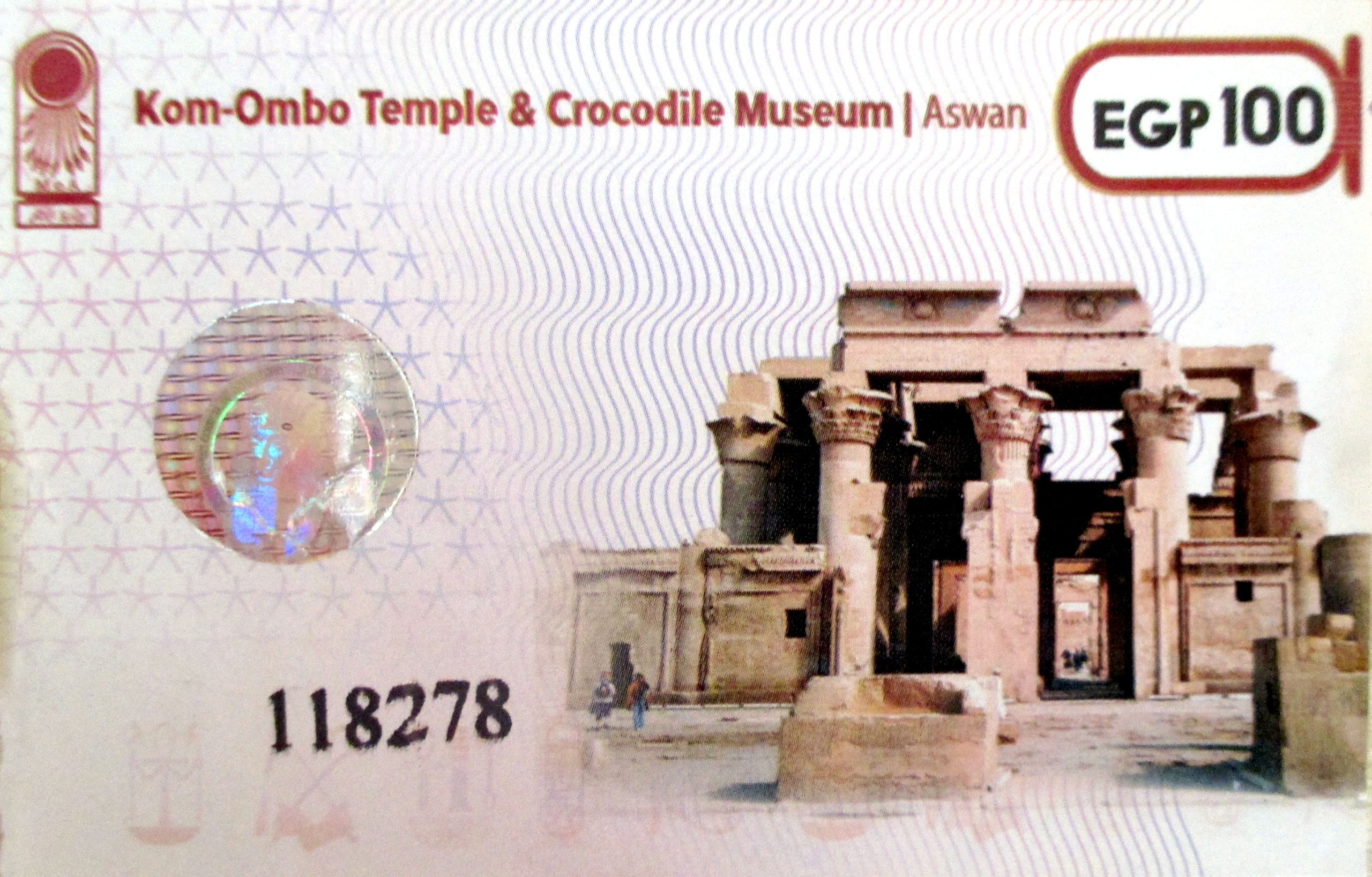
The onsite Crocodile Museum is included with admission. It is the only museum in Egypt solely dedicated to crocodiles. The museum is known for its 22 mummified crocodiles. They are dark green, and their teeth are showing!
For those interested in Egypt’s Christian heritage, you may enjoy reading “Where is St. Mark Buried – Alexandria or Venice?“
Nilometer
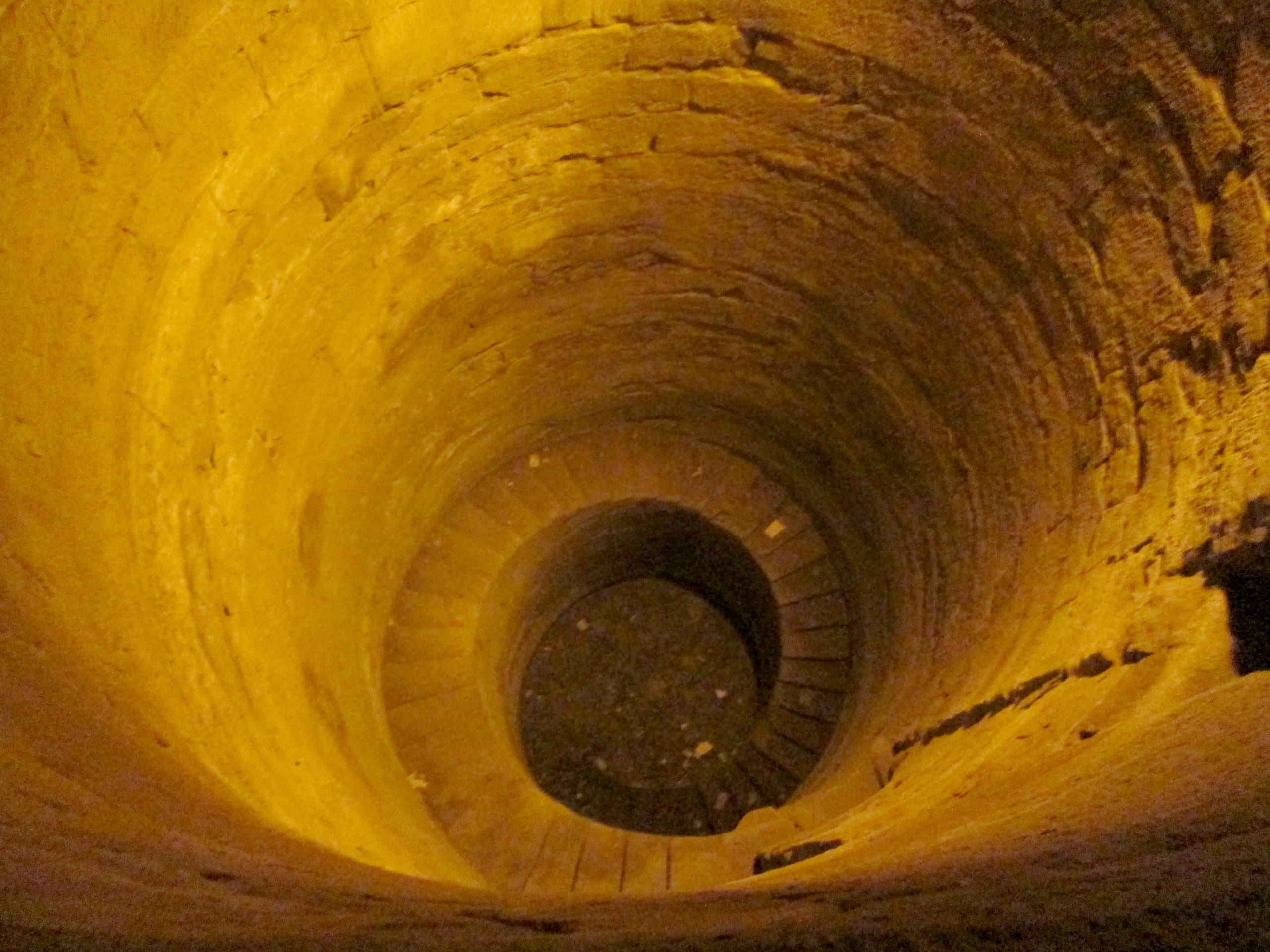
There is a Nilometer (circular shaped well) located in the northwestern section of the temple complex. Amazingly, it was used by the ancient Egyptians to measure the water level of the Nile River.
Also, check out my Is The Old Egyptian Museum Worth Visiting? Old Egyptian Museum vs the GEM blog!
Final Thoughts
Kom Ombo Temple stands out for its dual dedication to Sobek and Horus. It offers a glimpse into ancient Egyptian religion and daily life. Its symmetrical design and ancient medical hieroglyphics make it a must-see for history lovers.
The temple’s connection to the Nile and its crocodile mummies add to its charm. Don’t miss the Crocodile Museum and the Nilometer, which once measured the river’s water levels.
If you’re planning to explore more of Egypt, be sure to check out my blog post on Things to do in Alexandria, a city rich in history and stunning Mediterranean views.